Welcome to the official blog site of Barcelona Birding Point, your new birding & wildwatching travel agency. Here you will find trip reports, detailed information about some of our tours, tips on conservation and more.
The tour started in the Pyrenees with the first morning hampered by snow, low cloud and mist at higher altitudes before clearing to much clearer and milder weather. The weather in the lowlands/plains was very kind with warmer conditions and only very light winds. The bad weather in the first day affected a bit the tour, with a couple of locations performing clearly below average, especially those involving boreal forests. The lack of snow in the top of the mountains during January and February meant no chances for us to connect with Snow Finches. In the steppes, Dupont’s Larks performed very well for us, and once we connected with the major targets in the plains we even had time for a couple of hours of birdwatching at Ebro Delta, a coastal heaven of birds that is normally out of bounds in this itinerary..
DAY 1.
After collecting all 6 tour participants from around the airport in Barcelona we headed through drizzly rain towards the Pyrenees. After 90 minutes of drive, we arrived to the area to explore, and we had a short coffee stop before attempting to drive a lane higher into the mountains through increasingly heavy snow. Around 1500m the road had become quite difficult, so we parked safely and explored the area.
Almost immediately the group found an Alpine Accentor sheltering and feeding on the screen by the roadside! Everyone enjoyed good views despite the weather, before it moved off further up the slope, here we also saw and heard our first European Crested Tits, Coal Tit, Firecrest, and Mistle Thrush of the trip along with several Red-billed Chough.
After a walk up the road a few hundred metres the weather began to improve, and as we headed back to the minibus the first of several Eurasian Griffon Vulture began to appear overhead. Whilst enjoying views of these one of the group (Jonny R) shouted out….. ”LAMMERGEIER!!” and an adult bird passed directly overhead giving great views as it glided down across the valley – what a start to the trip!
Alpine Accentor (Prunella collaris) feeding in the slope. Image by Carles Oliver.Full adult Lammergeier (Gypaetos barbatus). Image by Carles Oliver
After this excitement we decided to slowly head down the mountain, the weather continued to improve and before we had travelled far we had to stop – 2 Lammergeier were circling and showing well above us! An adult-type bird and a younger 3rd year type bird gave a superb show before drifting away. We then stopped around in the valley where the terraced fields and trees provided lots of birds including Rock Bunting, Hawfinch, Black Redstart, European Stonechat, European Serin, Meadow Pipit and some of the commoner Finches and Tits as well as an unexpected Cattle Egret – not something normally seen at this altitude! We could also hear Iberian Green Woodpecker calling here.
During our urban lunch stop and whilst there saw White-throated Dipper, Common Chiffchaff and Grey Wagtail on the stream through the village and a Common Buzzard passed overhead.
In the afternoon we drove another scenic lane up into the mountains where we enjoyed more fantastic views of 20+ Eurasian Griffons as well as 2 Golden Eagles, Red-billed Choughs and even Magpie which seemed out of place at this altitude. A small group of feeding birds included Fieldfare, Yellowhammer, Chaffinch and Goldfinch. This site also produced our first Pyrenean Chamois of the trip. We again descended into lower meadows and fields and walked a small hill that provided our first Iberian Grey Shrike as well as Eurasian Tree Sparrows, Crested Lark, Firecrests, Crested Tits, Black Redstarts, Yellowhammer, Goldcrest and Corn Buntings. Our last stop before reaching the accommodation for the evening produced lovely views of 8 Rock Sparrows on wires by the roadside – but the day was not finished there because our fabulous accommodation and host has a feeding station in the garden, and as the light faded we were treated to amazing views of up to 3 Beech Martins!! A quite amazing end to fantastic first day.
Hawfinch (Coccothraustes coccothraustes). Image by Justin Williams.Rock Bunting (Emberiza cia). Image by Carles Oliver.European Crested Tit (Lophophanes cristatus). Image by Jo Simon.Eurasian Griffon (Gyps fulvus). Image by Jo Simon.Beech Martin (Martes foina). Image by Stephen Davis.
Day 2.
In some ways a slightly frustrating day with numerous stops and effort failing to locate any Citril Finch, Black Woodpecker or White-winged Snowfinch, but this aside we enjoyed a fantastic variety of birds as we tried several areas including trips into France and then Andorra!
In the lower altitudes we came across a fantastic mixed flock of finch and other small birds including Common Crossbills, (c20) giving great views along the road, as well as Brambling, Siskin, Bullfinch, Short-toed Treecreeper, Great Spotted Woodpecker, Long-tailed Tit, Rock Bunting and Chaffinch, again we could hear Iberian Green Woodpecker calling but they remained invisible…..also in these areas Red Kites became more frequent. Here we also came across our only Red Squirrel of the trip.
In the high mountain passes we enjoyed yet more incredible views of Eurasian Griffons and Common Raven, and as we entered Andorra, our first stop around the town produced a decent number of Alpine Chough hanging about around the shops and houses.
As we had time left in the day, we retraced our steps and returned to summit the lane at Coll de Pal – we had to stop quite soon on the way up due to an adult Lammergeier showing incredibly well by the van!! This bird gave us our best views yet and even landed on the scree a few hundred yards away – a definite highlight of the whole trip!!
Onwards to the summit of the pass in bright sunshine, and we were rewarded at the top when we located a group of 4 Alpine Accentors feeding down to a few metres away, scuttling and shuffling in the snow and short turf – superb!
We then took the 90 min transfer to Lleida where we would be based for 2 nights.
Common Crossbill (Loxia curvirostra). Image by Jonathan Kennedy.Alpine Choughs (Pyrrhocora graculus) in Andorra. Image by Justin Williams.That afternoon we got impressive views on Lammergeier. Image by Carles Oliver.Lammergeier about to land for us. Image by Carles Oliver.Lammergeier on the ground. Image by Carles Oliver.Pyrenean Chamois (Rupicabra pyrenaica). Image by Justin Williams.Alpine Accentor (Prunella collaris). Image by Stephen Davis.
Day 3.
The day began with a short trip to our first site and roadside White Storks but even this was interrupted by one of the group skilfully spotting a Stone Curlew by the road!
We were shortly at our first stop, a spectacular dam and gorge with a river and mixed scrub, we quickly began adding birds such as Rock Sparrow, Blue Rock Thrush, Crag Martins (which breed in the tunnel), Blackcap, Kestrel, Song Thrush, Short-toed Treecreeper, Common Kingfisher, Cettis and Sardinian Warblers, Firecrest, Rock Buntings and several Eurasian Griffons. Around 2 hours had now passed and things were starting to get a bit tense…..and then WALLCREEPER!! A bird was located towards the dam and 3 of the group were in the right spot to see it straight away, whilst the rest hurried towards the bird, they found a second Wallcreeper! This bird gave everyone much better views for a few minutes, and everyone could relax, especially Carles!
As we left the gorge a short stop provided Cirl Buntings, 2 Peregrines, Hawfinch and a large flock of Corn Bunting, and as we stopped for coffee, Spotless Starlings.
Stone Curlew (Burhinus oedicnemus). Image by Stephen Davis.Wallcreeper (Tichodroma muraria). Image by Justin Williams.Wallcreeper (Tichodroma muraria). Image by Jonathan Kennedy.Wallcreeper (Tichodroma muraria). Image by Justin Williams.Wallcreeper Argonauts! Image by Jo Symon.
We then moved on towards our next site with a couple of stops, the first providing many Cattle Egrets, White Storks and our first Great Egret, the second 2 Golden Eagles, Lapwing, Raven,Thekla Larks and a ringtail Hen Harrier as well as a roadside Little Owl.
We then stopped beside a spectacular roadside cliff face for our lunchtime picnic and immediately located our 3rdWallcreeper of the day!! Although a little more distant this bird gave good telescope views, but we were distracted from this by 2-3 Black Wheatears which were also showing well here along with a Blue Rock Thrush!
We were now into an area of plains and mixed arable land that is rapidly changing due to increased irrigation, but some areas still held many birds and we were quickly seeing Calandra Larks along with Thekla and Crested Larks and after walking a while we saw a distant Iberian Grey Shrike, Peregrine, and then located a single summer plumaged Pin-tailed Sandgrouse, a little distant, but again telescope views were good. As we left the site, we had excellent views of another Iberian Grey Shrike which really showed the difference between this and its northern counterpart.
We then called at a small roadside wetland and began adding a few species such as Coot Shoveler, Common Pochard, Common Snipe, Reed Bunting and Great Egret, as well as a rather unexpected, and slightly questionable, African Sacred Ibis! This bird has been in the area a while, and presumably originates from a ‘feral’ population in nearby France, Italy or Germany… Either way it made at least one of the group very happy!
Our last stop was to close by, and before we had even parked the van our main target was located – a male Eagle Owl! Perched in the ruins of an huge ancient building, this guy sat and watched us as we quietly watched him before starting to sing….amazing!
Whilst Serins and Sardinian Warblers twittered and scratched nearby, the Eagle Owl sat watch, his deep hoot echoing occasionally, until he finally flew low across to a nearby rock face….what an end to a truly fantastic days birding!!
Little Owl (Athene noctua) on its roof. Image by Justing Williams.Spotless Starling (Sturnus unicolor). Image by Justin Williams.Pin-tailed Sandgrouse (Pterocles alchata) male. Image by Carles Oliver.Iberian Grey Shrike (Lanius meridionalis) posed nicely for the group. Image by Carles Oliver.African Sacred Ibis (Therskiornis aethiopicus) moving along with Western Cattle Egrets. Image by Carles Oliver.Eurasian Eagle Owl (Bubo bubo) watching us. Image by Carles Oliver.
Day 4.
The day began with a short transfer after breakfast, interrupted by a large flock of migrating Common Cranes. These birds had presumably roosted nearby in the large open arable fields and were continuing their northward journey. We then entered an area of mixed arable/farmed/wild fields with big skies and tremendous views, misty fog didn’t help our search, but we quite quickly located 5 Great Bustards, all males, slowly wandering across their chosen field. Views were not brilliant, but very atmospheric! Here we were surrounded by Calandra Larks, Corn Buntings and our first Lesser Short-toed Larks as well as a Zitting Cisticola, Stonechats and Sardinian Warbler.
We then took a short coffee stop as the mist cleared and visited a small wetland with more Larks and many Linnets, Corn Buntings and Chaffinch before having second, clearer but distant views of the Great Bustards. With this under our belts we collected lunch and moved on.
We soon arrived at Lomaza (only briefly distracted by a large flock of migrating White Storks) and began to look at various larks…. A lot! A landscape of low spiky grass, thistle and huge skies stretched all around us. Quickly we were seeing many Calandra, Thekla and Lesser Short-toed (or ‘Mediterranean’) Larks, with their songs all around us, including much mimicry from the Calandra – quite a soundscape!
After c45mins, suddenly, the song we were searching for, and quickly some views of our quarry…DUPONT’S LARK! At least 2 birds, a pair, were making short, darting runs between bits of spiky tussocks grass until, amazingly, the male climbed a short way into a tussock and sat in full view singing…..a fantastic bit of good fortune and handshakes all round!
With the pressure off we all enjoyed the experience and incredible scenery of this beautiful, wild landscape.
The weather was warm now, and we stopped near Belchite to admire some ruins complete with Crag Martins, Serins and Black Redstart before moving onto a high plateau.
Slowly driving and scanning the fields we came across an unexpected flock of Dotterel, with around 25-30 birds present and showing well, whilst above a Golden eagle soared past. Again we were seeing lots of Calandra Lark with birds still in large winter flocks, Stonechats by the road, Red-legged Partridge, 2 Red Fox, but no sandgrouse….much scanning and scoping eventually led to one of the group picking out a small flock in the far distance, we drove nearer and saw up to 16 Black-Bellied Sandgrouse, good scope views of the birds moving about their chosen field as well as in flight when they are really impressive, a fantastic end to another brilliant day!
Great Bustards (Otis tarda) in dense fog. Image by Carles Oliver.Dupont’s Lark (Chersophilus duponti): shaking wings as preparing to leave its resting site (up), male singing from to top of a tussock (below). Image by Carles Oliver.Eurasian Dotterel (Charadrius morinellus), one of 25+ birds resting in a plugged field. Image by Justin Williams.European Serin (Serinus serinus) female in a short stop around Belchite. Image by Carles Oliver.Golden Eagle (Aquila chrysaetos), one of many seen during the trip. Image by Carles OliverCorn Bunting (Emberiza calandra) acting like being spring. The area around Lleida has the largest density in Europe. Image by Carles Oliver.
Day 5.
We awoke to fairly torrential constant rain, and with the forecast not looking good we made the decision to change our plans and head for the Ebro Delta.
This journey was briefly interrupted with a stop when we spotted 4 Spanish Ibex on a high hill beside the road. Once we arrived at the Ebro we rapidly began adding birds to the trip list, the total change in habitat was exciting and we added many species during the morning including exciting birds such as Moustached Warbler which showed quite well a few times, Penduline Tit, Western Swamphen, Bluethroat, Greater Flamingo, Glossy Ibis, Slender-billed Gull, Caspian Tern, Black-necked Grebe, Red-crested Pochard, and Osprey as well a variety of waders and other wetland birds.
Too soon we had to leave and head for Barcelona, and the airport, but still we made time for 2 quick stops – the first giving us great views of Iberian Green Woodpecker (finally!) and Monk Parakeets. The second stop was at the beach right by the airport where we had fantastic views of AudouinsGull and also passing Atlantic Gannets and Sandwich Terns….a fitting end to a really enjoyable trip with a great group!
Western Swamphen (Porphyrio porphyrio) under the rain. Image by Carles Oliver.Penduline Tit (Remiz pendulinus) showed well under the rain. Image by Carles Oliver.Bluethroat (Luscinia svecica) in the path for us. Image by Carles Oliver.Iberian Green Woodpeckers (Picus sharpei). Image by Jo Symon.Another shot on Iberian Green Woodpecker. Image by Justin Williams. Our group almost complete. Image by Daf Edwards.
Tour leader: Carles Oliver (Barcelona to Lisbon) & Sergi Sales (Sofia to Cyprus)
All images by Carles Oliver. All rights reserved.
Overview: Our very first Southern Europe Odyssey has been a very funny and brave adventure. Visiting 5 European countries and 9 islands (3 in the Mediterranean; 6 in the Atlantic Ocean), we have enjoyed a very long list of European and Macaronesian endemics and specialities. The tour has been divided in different sections so our guests could join the part they were most interested about. Very looking forward to go on again with this crazy adventure!
Day 1. From Barcelona to Picos de Europa. Our Odyssey through South Europe, an ambitious program visiting 5 countries and 9 islands started in a very epic way; a 3:00am pick up to try to catch up with some nocturnal birds. Very close from the Barcelona airport we had a first stop. It is a small area of farming with some lines of trees, some of them with several holes. Here we started looking for European Scops Owl. It was clearly colder than expected. During the previous weeks we had low temperatures clearly below average in Catalonia, with strong snow falls up in the Pyrenees. That morning, the temperatura drop to only 7ºC!
Along the next half an hour we tried to have any view on the Scops Owls living in the area, but little success. We heard them as we heard Little Owl and Western Barn Owl but we no success to see any of them. But the situation turned on when a close a Scops Owl suddenly came to us from the inside the canopies and landed only by the path, 150 centimetres high! We all had excellent views on the bird and a couple of shots before the bird came back deep inside the vegetation. Still excited about such good looks, we heard a second bird calling down the path,, very low in the trees and only a few meters away from us. A few second after that we got the bird singing in the torch, allowing not only really good views but also a number of shots! Very happy for this success we drove up the valley to try a second bird. By the time we arrived the raising was in the sky, and the first Nightingales were singing. It was still cold and a bit early in the season so I was not very sure that the whole thing could work. But it did, and at the second attempt a very nice Red-necked Nightjar emerged from the shadows and flew directly above the group to show the large white markings in the tail and a wings, and the lovely orangish coloration in the underwing coverts. The bird was singing, probably right arrived from Africa and busy to mark its territory!
Eurasian Scops Owl (Otus scops) was a major target for many in the group, and we enjoyed great views next to Barcelona. Image by tour leader Carles Oliver.
Very happy with this excellent sight, we drove West, living behind Barcelona, that was only about to wake up in another busy day. It was about 6:30 when we stop in a quiet service station to have some breakfast. A selection of coffees, orange juices and potato omelette was served and we had some time for relax after the early start. Here the group had also the chance to meet Sergi Sales, the leader for the Eastern part of the Odyssey as he was on his way to lead a day trip out of Barcelona with a birder from Japan.
From here we kept going West for about 30 miles, and our first birding stop with daylight was devoted to a lovely patch of traditional farming. Here, the Catalan Government is taking efforts to manage the habitat and preserve some spots for the very endangered Little Bustard. At the first stop of the van, we got excellent scope views on a displaying Little Bustard, and during the next 90 minutes we had 6 different males chasing each other or simply singing from their lekking positions. A Montagu’s Harrier female was also one of the first birds for us, but even before that we got a distant male Red-footed Falcon sitting down on some dead branches. Certainly a very good start for the trip! Several Calandra Larks and Corn Buntings were seen, as White Storks, Stock Dove and Western Jackdaws were. We kept moving through this great habitat, adding good looks on specialities like Stone Curlew and Iberian Grey Shrikes but also migratory birds including Northern Wheatear and the always very nice looking Whinchats. Common Kestrels, Marsh Harriers, Red Kites and Black Kites were all seen, and we also had time for a short visit to a nesting colony of Lesser Kestrels, where we had some nice scope views on the birds. But probably one of the best birds on this location was the nice pair of Great Spotted Cuckoos chasing each other quite high in the sky! A quite unexpected view. Here, we also got the first Short-toed Eagle for the trip.
We could stay there longer, but we were committed with some extra specialties along our long way to Picos de Europa. Our next movement was to visit another area inside the Catalan dry lands. Here we got nice views on both Black Wheatears & Black-eared Wheatears plus Spotless Starling, Thekla Lark and some lovely views on European Turtle Doves. The area was also rich on Finches and Greenfinch, Serin and European Goldfinch were all seen before we stoped by a puddle. Here another singing Common Nightingale was waiting for us, and we got nice views on the first Sardinian Warblers of the trip along with migratory Pied & Spotted Flycatchers. Again, European Turtle Doves were present in the area, joined this time by European Bee-eaters and Griffons flying over our heads. In the water, only a Eurasian Moorhen was seen.
Little Bustard (Tetrax tetrax) landing on its lek spot in the Catalan steppes.Little Bustard (Tetrax tetrax), a species which dramatically decreasing in Western Europe. That morning we were very lucky to have close views on Stone Curlews (Burhinus oedicnemus).One of the two Great Spotted Cuckoos (Clamator glandarius) that flew over us.Iberian Grey Shrike (Lanius meridionalis).Black Wheatear (Oenanthe leucura) showed distant but very well in our stop at Mas de Melons NR.
From here we had some solid drive West, with some comfort stops in the way. Our next birding stop didn’t come until mid afternoon, in the border between The Basque Country and Castille. Here we spent some time in a riverside forest. It was slightly windy and the bird activity was light. Some Greenfinches were feeding in the area along with Eurasian Blackcap. But a short walk around the area fastly put us in contact with our main target here. One Iberian Chiffchaff was singing low in the riparian vegetation and a few moments later we were all enjoying wonderful views on the bird! During about 5 minutes, the bird was singing around us and flickering the winds, showing way better we were expecting. Along the next 20 minutes we saw at least 4 Iberian Chiffchaffs and also got really good looks on Cetti’s Warbler, Eurasian Wren, Eurasian Goldfinches, Great Tits and a family of Short-toed Treecreepers moving in the thick trunks along the Ebro River. Along the banks of the river, a Common Sandpiper completed the list for the place.
From here, we still had to cover one hour of drive to our final destination at the heart of Picos de Europa.
Iberian Chiffchaff (Phylloscopus ibericus), one of the most sought-after species for some of the tour participants!
Day 2. From Picos de Europa to Belchite. After enjoying a great breakfast we drove into the mountains. It looked like a quiet morning, and the towering landscape allowed us to connect with some Griffon Vultures in our way to Fuente Dé cable car. We arrived earlier than expected, and we gather at the access queue. A powerful brise started to blow, and our concerns about the cable car being open that morning started to arise. In the queue we picked up Coal Tit, Goldcrest, Eurasian Nuthatches, Common Chaffinch (the first Chaffinch species of the many to come in this Odyssey) and Black Redstart, all of them new for the trip. The minutes went out, the queue grew at the same rhythm that our concerns did, and our worst thought came truth when the staff attending the cable car confirmed that the cable car was not to be open that day. A last minute change in the weather broadcast made the conditions unsuitable for the cable car to run in a safe way. Devastated by the news, we had a couple of strolls around, hoping to connect with some good birds. It was certainly still a slim chance for cable car to open, so we decided to invest a couple of hours wandering around. Along this time we got nice views on Firecrest, Song Thrush, European Crested Tit, Dunnock, Eurasian Treecreeper, Blue & Great Tits, Linnets, European Stonechats and lovely views in some Rock Buntings. Both Alpine & Red-billed Choughs were seen, even if the first were far up in the sky. A low Egyptian Vulture was one of the final sightings. At the end, the day turned into a grey, windy one. Back to the van, we started driving back Est, expecting to arrive to our next accommodation at the Ebro Valley about sunset.
In the way, several White Storks we had a number of birding stops. Along the rivers, we got ruff views on a speedy Common Kingfisher, but also on the first Long-tailed Tits and Grey Wagtails of the trip. Several Griffons were seen here as well. Back to the road, we crossed a large area of altitudinal plateaus covered with low scrublands. A wonderful habitat for a number of species, and a couple of stops in our way allowed us to connect with a Woodlark singing from a wire, but also with a massive flock of Common Rock Sparrows A bit beyond, another stops was mandatory to enjoy a Golden Eagle passing really close of the van. The bird, a full adult, was circling above the road. Once with the foot on the ground, we found close Cirl Bunting, Western Yellow Wagtail in the fields around and Sonja got a nice Common Cuckoo landing into a large tree right in front of us! The rest of transfer was a bit more quiet, and only a couple of Short-toed Eagles and a hunting Montagu’s Harriers deserve our attention.
But before going to the accommodation we still had a very short stop around the village, and we were lucky enough to find a lovely Little Owl sitting on the top a pile of rocks. The Owl offered really good looks and some photo opportunities despite the poor light, and this final stop was complemented with the very last bird of the day, a nice European Nightjar that was flying around!
European Crested Tit (Lophophanes cristatus), one of the most celebrated birds in our morning at Picos de Europa. Common Rock Sparrow (Petronia petronia). We enjoyed large flocks between Picos & Los Monegros. Short-toed Eagle (Circaetus gallicus) feeding on a Montpellier Snake (Malpolon monspessulanus).
Day 3. Ebro Valley to Ebro Delta. Just arrived to the habitat, we heard a singing Dupont’s Lark not far away from us. Mediterranean Short-toed Larks were very active, but our attention was concentrated in Dupont’s, a scarce and often difficult to see bird. After a fast scanning, I found the bird singing from a tiny tussock, and I tried to put directions so everybody could enjoy. Unfortunately the bird came down to the ground and started running, and most of the tour participants only got partial views on the bird moving around. The Dupont’s vanished in the vegetation and we decided to wait and see if it was reappearing, but after 10 minutes 3 Pint-tailed Sandgrouses crossed the road, flying into a nearby pond. We immediately took our change and approach the pond, trying to get better views on the birds. We could not find them, but then 2 Black-bellied Sandgrouses flew over, provided good looks. Dupont’s Larks were still singing around, but we were still unable to find anything beyond 2 Thekla’s Larks having a bad argument in the steppes. And then Keith appeared and said the magic words: “I found a roosting Nightjar”. We inmediatly moved to into the bushes. He flushed the bird, that got deep inside the bushland. We had to move carefully to don’t disturbed again. Only a few minutes later we got the bird again, an European Nightjar, roosting really deep inside a bush. 1, 2, 3, 4, 5, all clients got to see the bird! But just at the moment to take some shots, the bird flew out, stopping not far. We tried a second a approach, and this time we got nice flight views before it got really deep inside a large bush!
Just back to the van, we decided to try a different strategy to get Dupont’s Lark. We drove through some good habitat, and only 2 minutes later Keith spoiled us again by finding a wonderful Dupont’s Lark walking just beside the vehicle. The bird was only 10 meters away, and all tour participants had good views on the bird as it was moving and feeding among to tussocks of vegetation.
A last stop before leaving this hotspot produced good views in the only Western Orphean Warbler of the trip. Here we also enjoyed European Turtle Dove, migratory Willow Warbler, Woodchat Shrike and fly over Booted Eagle.
Mediterranean Short-toed Lark (Alaudala rufescens) in typical habitat. Dupont’s Lark (Chersophilus duponti) showed really and in different views, despite the rather distant images. European Turtle Dove (Streptopelia turtur) is nesting in good numbers in the grasslands.
It was a sunny day, and in our transfer to Ebro Delta we had a nice lunch stop in one of the many gorges in the area. Here we got lucky again and the whole group enjoyed great views on Western Bonelli’s Warblers but also Peregrine Falcon, Red-rumped Swallows and distant but showy Blue Rock Thrush.
We arrived to Ebro Delta, following the channels and paddyfields covered by hundreds of Glossy Ibises, Whiskered Terns and Herons the many species including Squacco Herons and Purple Herons. A first stop was done in a typical spot for migratory passerines and we got excellent views not only in Willow Warblers but also in 4 Pied Flycatchers, Garden Warbler, Spotted Flycatcher, 1 Melodious Warbler (the only Melodious for the Odyssey), 7+ Eurasian Golden Orioles, Woodchat Shrike, Common Chiffchaff, 3 Common Whitethroats and 1 Common Redstarts. Happy with such array of birds we move to a second spot. Always surrounded by Stilts and Marsh Harriers in our way, we did arrive to a El Violí area, a nice marsh surrounded by lagoons. A relaxed walk around provided a massive list including goodies such as Pied Avocet, 4 Red-crested Pochards, Western Swamphens, Purple Herons, 4 Collared Pratincoles, Penduline Tit, Eurasian Spoonbills, Spotted Redshanks, Great Reed Warblers, good views on 3+ Little Bitterns and migratory Whinchats.
And with the evening shading we just drove the short distance to our accommodation.
Our transfer to Ebro Delta crossed some of the best areas for raptors in Catalonia. Here a gorgeous Golden Eagle (Aquila chrysaetos) seen from a highway. Winchats (Saxicola rubetra) are migratory birds along the Catalan coast. Here a wonderful male! Great Reed Warbler (Acrocephalus arundinaceus) singing his heart out in the reedbeds at Ebro Delta.
Day 4. Ebro Delta – Mallorca. After enjoying a nice breakfast we move to our first stop. It was another sunny day and we went to check the largest lagoon in Ebro Delta. Here, along with the several Common & Whiskered Terns, Swamphens and Audouin’s Gulls we also got really nice views on Caspian Terns and, more importantly, some summer plomaged Mediterranean Gulls that were displaying in an island. This was an important target for some of our guests, and it was really celebrated, especially when some Med Gull decided to come right above us, providing wonderful views to everyone in the group. The stop also provided good scope views on Savi’s Warbler, a scarce nesting bird at Ebro Delta and, more surprisingly, we also got good scope views on 2 Common Reed Buntings. The Reed Buntings nesting here belong to the extremely endangered witherbyi race that has only a few tens of nesting pairs left in Catalonia! Very happy for this very good array of birds, we move North for a last stop in this amazing wetland before heading back to Barcelona.
The last stop was as good as the first one and here, in a swallow water inner bay we got very nice views on 20+ summer plumaged Red Knots joined by 4 drake Curlew Sandpipers! Along with them, Bar-tailed Godwits in summer colours, Eurasian Curlew, Kentish Plover, Eurasian Oystercatcher (the only one for the Odyssey!) and 1 Osprey.
We drove back to Barcelona to take the plane connecting us with Mallorca, but it was still time for a final before leaving Catalonia.. Very close to the airport, we visited a place for the endemic Iberian Green Woodpecker. It didn’t even take us a minute to connect with the bird! Amazingly, one of this woodpeckers just flew parallel to the van for some meters, stopping close to the van and allowing us time to get out of the minivan and connect with it in a very pleasant way. In addition, we also got 2 Hooded Crows, a substantial part of the tiny population recently established around the Catalan capital city. It was too easy! So, we still had time. I asked the people if was fancy to try for Dartford Warbler nearby. No was not an option, and everybody agreed. Ten minutes later we were on place and, guess what, a pair of Dartfords just flew around us to provide some views.. Everybody was happy so now, yes, was time to take a plane and deep into the Mediterranean!
Arrived to Mallorca in the early afternoon, we collected our minibus and drove directly East expecting some goo evening light. That evening, the island was covered with a sheet of light clouds, creating the perfect conditions for some sea watching. We wouldn’t be disappointed and within the next 45 minutes we enjoyed of tens and tens of Scopoli’s Shearwaters passing by our cape, some of them at close range. Along with them, small clocks of Balearic Shearwaters were also in the move to their nesting grounds at Cabrera island. In addition, here we also got the only Northern Gannet of the whole Odyssey and, more importantly 2 Shags, another target species for some of our guests!
Eurasian Penduline Tit (Remiz pendulinus) keeps expanding at Ebro Delta. Mediterranean Gull (Ichthyaetos melanocephala) was really celebrated by some tour participants.Red Knots (Calidris canutus), Curlew Sandpipers (Calidris ferruginea) & Black-bellied Plovers (Pluvialis squatarola) in nice summer colours. Slender-billed Gulls (Larus genei) right in time before we transferred back to Barcelona.
Day 5. Mallorca. Before breakfast we had a short walk exploring the cliffs South from our accommodation. No migrants were found, but we got nice views on a singing Blue Rock Thrush, 2 Pallid Swifts, several Mediterranean Flycatchers and a nice family of Hoopoes. Out in the sea we had distant views on both Scopoli’s & Balearic Shearwaters + a couple of (Mediterranean) Shags. After we enjoyed our delicious breakfast, we went off to meet Jason, our local guide during our full day in the island. Jason is British but his roots in Mallorca are already deep, and this includes his great skills when speaking Catalan in the delicious Mallorcan variation!
It was a very sunny morning and our first movement was to go on with a short walk through some coastal scrubland. Here, it didn’t take long before we contacted with 2 nice Balearic Warblers, and the group enjoyed nice views on this endemic while was moving in an out a bush. Sometimes it came to the top of the bush to sing, but we often had to fight to have proper views on it.
Crossing the island, we headed to Serra de Tramuntana and in the way we caught a migratory Montagu’s Harrier flying very low over the fields. Here, the impressive rocky slopes are home to a good number of specialities. The first to appear were 2 Cinereous Vultures along with 5 Griffon Vultures. Back on the ground, we got nice views on a Tawny Pipit and several Mediterranean Flycatchers. We still had to walk a bit more to see the first Moltoni’s Warbler of the trip, but at the end it provided great views along with 2 other individuals. Back to the van, we still had 3 Common Crossbills passing over us. It was already midday when we left the hills, going this time to the Northern part of the island to explore its main wetland. By the time we arrived to S’Albufera the weather was already cloudy and allowed us to walk inside in a fresh ambient that is uncommon for the season. Some Gull-billed Terns welcomed us to the marshes, and as we walked inside we had time to enjoy the wonderful mixed colony of Squacco Herons, Glossy Ibises, Little Egrets and Night Herons with many birds showing out their best colours! From the hides, we got really good views on Red-knobbed Coots but also 3 Marbled Teals and the firsts Little Ringed Plover and Common Snipe of the tour. Once out, we got excellent views on a family of Red-knobbed Coots feeding their chicks in the path itself only a few yards from us!
To end the day, we had a stop in some farming area. Here we got really good views on Thekla’s Larks but also (Balearic) Woodchat Shrikes and Red-legged Partridges before going back to our accommodation for a well deserved rest.
Mediterranean Flycatcher (Muscicapa tyrrhenica) just by our accommodation. Balearic Warbler (Curruca balerica) fighting to not get in the image!Moltoni’s Warbler (Curruca subalpina) on its typical Mediterranean habitat.Marbled Teal (Marmaronetta angustirostris), Red-knobbed Coot (Fulica cristata) & Common Shelduck (Tadorna tadorna) at S’Albufera.We got lucky and enjoyed some very tender sights on Red-knobbed Coots (Fulica cristata)
Day 6. Mallorca – Tenerife. After enjoying a very nice breakfast, we drove back to Palma, but with a stopover at Salobrar de Campos. Again, we got really few migrants, but excellent views on Kentish Plovers, Black-winged Stilts, Pied Avocets, Greater Flamingoes and a couple of obliging Western Yellow Wagtails.
We landed in Tenerife in the early afternoon and 10′ behind schedule, but we collected the van very quick. At Tenerife Airport, a new Odysseer joined the expedition, and we all left the airport with more energy than ever, heading to the pine woods mid way up to the Teide volcano, the tallest mountain in the Canary Islands.
We had time for a good afternoon stop so we drove up into the slopes of the magnificent Teide (a large volcano that is the highest mountain in the Canary Island). In the way up, we had a pair of Berthelot’s Pipits that showed superbly for the group. But the main stop was in a mature Canary Island Pine forest, where we immediately connected with a nice flock of Atlantic Canaries. Along with them, we got African Blue Tits, Great Spotted Woodpeckers and Common Ravens. It didn’t take long before we got the first Blue Chaffinch, quietly singing while perched in the out for us! We had been tracking their contact calls for some minutes, but was Bud who finally spotted the bird! During the coming 40 minutes we enjoyed several views on Blue Chaffinches, both males and females while feeding on the ground, chasing each other or having more than words with one of the Great Spotted Woodpeckers around.
Totally satisfied after this first stop in the Canary Islands, we just drove to our accommodation to enjoy an extraordinary dinner!
Kentish Plover (Anarhynchus alexandrinus) in Mallorca.Berthelot’s Pipit (Anthus berthelotii) close up.Tenerife Blue Chaffinches (Fringilla teydea) provided great looks in one of the typical places for the species (above & below). Echium wildpretii, a gorgeous endemic plant from the Canary Islands (Teide NP).
Day 7. Tenerife. Early morning breakfast for the group before transfering North of the island to look for the many specialties living in the laurel forest. It is a fresh day and as we park we soon enjoy views on Atlantic Canaries feeding around and the distinctive Canary Island Chiffchaffs being very active. ACommon Buzzard soars the sky, and we are surprised by the good activity of Bolle’s Pigeon feeding in the canopies, flying around and flocking in the trees that holds their food. We spent some time enjoying them, but our attention is required in the sky as the very first Common Kestrel in the Canary Islands appears also in the sky. As in many species here, this is a specific race, and in this case it is smaller and duller, with a distinctive tawny tint in the underneath. The Kestrel was still in the sky when a Laurel Pigeon arrives to one of the most popular trees, landing in the middle of the Bolle’s Pigeon, but out of view. As we concentrate our efforts in locating this bird, a secondLaurel Pigeon flies into some large Pines, but only Keith manages short views on the bird while it is perched in the outer branches.
We still spent some time in the parking before starting our walk, but we never had any other Laurel showing here. The path we are following goes up the hill and gets inside a very interesting, almost pristine, laurel forest. In our way up, some European Robin (race superbus, considered as a full species in some lists) show up, producing really good looks. A bit beyond we also find the recently split Canary Island Chaffinch while a small flock of Plain Swift is flying around us and a pair of Eurasian Sparrowhawk is soaring the sky. We spent most of the morning in the area, but we could not get any further view on Laurel Pigeons. Instead, some lovely Tenerife Goldcrest (race teneriffae, another serious potential split) provided the group with excellent views!
Back to the van, we drove a short distance to enjoy a typical Canarian meal. We were all happy after the many sightings on Bolle’s Pigeon (35+ birds!) and all the other endemics. We were about to leave Tenerife but we wanted better views on Laurel Pigeon so in the way back a fast stop was done and from here got excellent views on at least 18 Laurel Pigeons! They were very active, flying along the slopes. Two or three times we got scope views on perched Laurel Pigeon and all 4 scopes concentrated on them! By 14:30 we were back to the airport. We had “cleared” the island in less than one day!!
We took a commuter flight to Fuerteventura. But, by the time we arrived there it was already a bit late in the afternoon. Still, a last stop was made by a pond where we had the first Ruddy Shelducks and Laughing Doves of the trip plus good looks on 2 very attractive summer plomaged Dunlins, 1 Little Ringed Plover, 1 Yellow Wagtail, and some Egyptian Vultures, very active despite the strong wind.
Canary Island Chiffchaff (Phylloscopus canariensis) showing the broad eye brow and the long, rather decurved bill. Tenerife Robing (Erithacus rubecula superbus), a serious candidate to become full species.Tens of Bolle’s Pigeons (Columba bollii) were feeding in the wood lands, but always conveniently far..The recently split Canary Islands Chaffinch (Fringilla canariensis) has become a new endemic of the islands. At the end we enjoyed at least 18 Laurel Pigeons (Columba junoniae) feeding and gathering in a gorge.
Day 8. Fuerteventura. It had been a windy night, and when we gathered at the lobby of our accommodation for a pre-breakfast exploration of the desert around, I have to confess that I was a bit worry about the possibilities of get the birds during the day. We drove the short distance to a good location for some desert birds. As we drove in, the first lights of the day revealed some Yellow-legged Gulls in the move. Surprisingly it didn’t take long before we found a wonderful male Houbara Bustard standing up at a short distance from the minibus. we all got great views and we could track a bit the large bird as it was moving in the desert. At some point we lost track, and kept driving a bit beyond only to find a female Houbara Bustard. We stop and decided to walk out of the vehicle so everybody could have a good chance for views and photos.
As we were enjoying the female, we suddenly got the male coming from the opposite side of the track and, for our surprise, started displaying only 100 meters away from us. The display on this species is admirable, as they become a wonderful white ball, starting running up while is converted in a snow ball. We saw the bird displaying for long, and even crossed the small road in the search of the female that was running the opposite slope.
Once we enjoyed very much this splendid moment, we decided to come back to the accommodation and enjoy a well deserved breakfast.
After breakfast we left our accommodation and drove West in the search of proper habitat for the other main target in the island. Even before arrived to the place we had to slow down. A very nice Egyptian Vulture was feeding on the ground along with Common Ravens. A bit beyond, we started scanning the endless rocky desert that host many of the good birds living in the island. Soon, we got 3 Black-bellied Sandgrouses flying into the plain and stopping in the rocky plain. It took us a couple of minutes to figure out where they landed, and a gentle approach allowed us to have very close views on all 3 birds; 2 males and 1 young. A marvellous morning light was on the birds, and the photographers in the group enjoyed this very much. We parked a bit beyond and had a stroll along a wide valley. A small reservoir of water that serves for irrigate some areas around is the best wetland in the island. We got some Black-winged Stilts and 3 Little Ringed Plovers but, unfortunately, nothing else. Small flocks of Sandgrouses were mobile in the area, probably attending the water pond in a place out of view. We got amazing flight views, with several flocks calling as they were crossing the valley at full speed. We counted a minimum of 18 individuals.
A few moments later we got the a nice pair of Fuerteventura Chats moving in the dry river bed. They were a bit far away so we decided to walk down the slope and a few minutes later we were enjoying really nice looks in both, male and female. The male appear to be a bit dirty due to the muddy river bed. Several flocks of Sandgrouses flew over us and 2 Cream-coloured Courser joined them at some point! A further walk through the habitat allowed us to have ruff views on Trumpeter Finches but close views on both 2 Stone Curlews, the Canary Islands race of Great Grey Shrike and Spanish Sparrows. Very distantly, a Barbary Falcon showed out briefly chasing a small bird.
We went back to our accommodation for some lunch. Outside, the wind started to blow in a very serious way and our perspectives for an afternoon birding almost vanishes. Still, we decided to go out and try to catch up with something else. This time we went to the famous Tendaya plains, and we were delighted with our choice from the very beginning. Not even arrived to the habitat we had to spot to admire a flock of extremely close Black-bellied Sandgrouses feeding inside a enclosure for goats. They were feeding along with Collared Doves, a bit grotesque if you want, but equally enjoyable! Only a few yards beyond we made a stop to explore some nice bushland. The Great Grey Shrikes kept down in the habitat, away from the strong wind, but our walk was rewarded with solid views on 3 Spectacled Warblers, 1 migratory Spotted Flycatcher and 4 Barbary Partridges moving a bit far away from us. The area was full of Trumpeter Finches and we all enjoyed great views on these little gems. The surprise of the afternoon was a nice female Eurasian Golden Oriole but the wind started to get really serious. It was probably time to move back. In the extra time, we still had a gorgeous female Houbara Bustard walking along the mini vas, and providing great looks in the wonderful afternoon light.
A superb Houbara Bustard (Chlamydotis undulata) in full display was the best of our pre-breakfast outing in Fuerteventura. Egyptian Vulture (Neophron percnopterus) has in Fuerteventura one of the few non-migratory populations of this species worldwide. Black-bellied Sandgrouse (Pterocles orientalis) melting with the landscape.Fuerteventura Chat (Saxicola dacotiae), endemic from that island and with a fastly decreasing population.Spanish Sparrow (Passer hispanoliensis) We were lucky to enjoy extremely close views on some Black-bellied Sandgrouses (Pterocles orientalis), including this female. Trumpeter Finch (Bucanetes githagineus) close up. Houbara Bustard (Chlamydotis undulata)
Day 9. Fuerteventura – Gran Canaria. We woke up in Fuerteventura in another windy morning. In our way to the airport, we did a couple of stops to try to have some migratory birds, but we really few luck. In our stops we only got 1 European Bee-eater, 2 Dunlins in full summer plumage and 3 Western Yellow Wagtails along with Eurasian Hoopoes,Linnets and some Berthelot’s Pipits.
Once in Gran Canaria, we drove up in the hills with the hope of contacting with the extremely scarce Gran Canaria Blue Chaffinch. With an estimated population of about 50 males left, this is the most endangered songbird in the Macaronesia!
Our way up provided us the best views on Plain Swifts so far in the trip as they were feeding along the lane, showing us their flight capabilities and taking advantage of the strong wind to fly really low over the tarmac. A couple of Canary Island Chaffinch also crossed the road and a Common Kestrel (dacotiae race) was also seen hunting. We arrived to the mature pine forests that serve as a habitat for this extremely endangered species. Right arrived, we had a bird singing a number of times up in the canopy. It was midday, and we were surprised to listen the bird singing. Unfortunately we couldn’t locate the bird, and we hang around some time, convinced that the finch could not be really far away. During this time, we got nice views on the Gran Canaria Chaffinch, and enjoy very much with a pair of Great Spotted Woodpeckers that were attending a nest nearby. Some Atlantic Canaries were also active, feeding in the area so our Chaffinch could not be far away!
We dispersed a bit, and finally was James who found the feeding along with some Canaries. The bird flew off, landing next to Dorothy, who pointed out the bird and anyone in the group could enjoy close views on this extremely scarce bird! Mission accomplished, and in less than 1 hour, so we still had time to go down to the coast and try to contact with the long staying Sudan Golden Sparrows in a urban parc in the capital city of the island. Here we got Ring-necked Parakeets, the long-staying (and ship assisted) Pied Crow, Eurasian Blackcaps and intimate views on Canary Islands Chiffchaffs and Atlantic Canaries. But, unfortunately, we never saw the Sparrows.
From here, we still have a drive to our accommodation, where we had a wonderful dinner in a local restaurant. Well, the clients had a wonderful dinner and the tour leader got his tiramisu stolen by some guests!!!!!!! How is this even possible!?!?
Gran Canaria Blue Chaffinch (Fringilla polatzeki), an extremely endangered endemic songbird.The amazing cliffs of Gran Canaria, a nesting site of Barolo’s Shearwaters. Happy faces after contacting with Gran Canaria Chaffinch!
Day 10. Gran Canaria – Madeira. This was basically a transfer day. With the few time available we tried again the Sudan Golden Sparrows but, as a local birdwatcher told us, they seemed to be vanished from their normal spots.
In the evening we landed in Madeira and we directly went to our accommodation for some rest.
Atlantic Canary (Serinus canaria) in a urban park in Las Palmas.
Day 11. Madeira. Relaxed morning to explore the outskirts of our accommodation and work some of the logistics for the offshores to come. Common Sandpiper, Common Waxbills, Grey Wagtail and Lesser Black-backed Gull was the most interesting birds before we step on the boat.
Once on the ocean, We headed South and soon after we were enjoying the first Cory’s Shearwaters of the trip. The ocean was a bit rough and we had to break through several 3 metres high waves to arrive to the proper birding places. But we were not alone, since several Bulwer’s Petrels were flying around. We counted at least 10 of this very smart sea birds. Along with the common Cory’s Shearwaters we also had a small number of Manx’s since here is one of the Southernmost places where do they nest!
But everything started to pack together when we had our first Pterodroma in the air. At the beginning the bird was a bit far away but we didn’t have to wait long before the bird came closer, confirming what most suspected, we were admiring a Zino’s Petrel, one of the most scarce see birds in this part of the world!!
Nesting high in the central part of the island, Zino’s Petrel main known colony is about 200 pairs! We all got solid views in this majestic bird, and we were surprised to see a 2nd Zino’s Petrel flying a bit more far away off our ship!
In the way to back, we had a good surprise, since a Barolo Shearwater took off along with some Manx Shearwaters. Unfortunately, not everyone in the group could enjoy thi tiny Shearwater.. When arriving to the harbour, a distant Whimbrel was also a nice adding to our trip list.
Cory’s Shearwater (Calonectris diomedea) during our first Madeiran offshore.Bulwer’s Petrels (Bulweria bulwerii) were surprisingly common in our first boat trip.Zino’s Petrel (Pterodroma madeira) flying close to our boat.
Day 12.Madeira. After a nice breakfast, we went to spend the morning looking for the endemics living in the island. A first exploration close to the accommodation produced nice views on the both Madeiran Chaffinch and Madeiran Firecrest plus several Eurasian Blackcaps and a few Common Buzzards and Goldfinches. From here we moved to Funchal, where a nice short walk inside a local garden produced very nice views on the also endemic Trocaz Pigeon. Back to the accommodation, we had a free afternoon before going with our nocturnal walk up to visit the Zino’s Petrel colony.
Walking in the night in the highest mountains in Madeira is always as impressive as the first time. The scenery is abrupt, broken and has the sense of mystery and discovery that everyone is searching when travelling around the world. That night was rather cold, and the squeals of the Petrels arrived to us as distant ecos in the mist.
Madeiran Chaffinch (Fringilla madeirensis), another recent split for our group!Madeira Firecrest (Regulus madeirensis), my closest ever views on a Regulus Warbler!Trocaz Pigeon (Columba trocaz), a very impressive inhabitant of the indigenous forests in Madeira.
Day 13. Madeira. After a late breakfast, we went to the Eastern tip of Madeira, a good place to have a couple of complementary species in the island. As we parked the car, we noticed Spectacled Warblers in the low scrublands. For our surprise, James and Sonja found a nest with a female inside, probably protecting the young birds from the strong and rather cold wind blowing that morning. Both male and female were doing several visits to the nest, feeding the youngs, and both alternate on lying on the young birds.
Our walk around produced a bunch of Atlantic Canaries and good views on Berthelot’s Pipits. Spectacled Warblers were well active all around the slope. We were in search of the small population of Common Rock Sparrows living here, and we were surprised to find a female-type Trumpeter Finch instead! It was at the top of a fence, and it looked like be moving along with the several Atlantic Canaries around! This is a big rarity in Madeira, with only a handful of previous records!
Really happy to have this really good bird in our visit to Madeira, we moved a bit away to scan a slope where we previously heard the Common Rock Sparrows calling. We scanned a bit with poor results, and we were about to leave when Barbara just came to us with a great image of a Common Rock Sparrow sitting on a rock. We parked again the minibus, walked down the slope and soon we were having a nice pair of Rock Sparrows that looked like collecting food for a close nest! This last stop was nicely complemented by a Red-legged Partridge peacefully sitting on a small bare area. Even if not natural to the island, this is always a handsome bird to have.
Happy after this nice morning, we just came back to the accommodation for a nice lunch a good rest before our 2nd offshore.
Spectacled Warbler (Curruca conspicillata), inhabits low scrubland both in the coast and in the top of the highest mountains.Trumpeter Finch (Bucanetes githagineus); third record for Madeira?Common Rock Sparrow (Petronia petronia). As some islands around the Macaronesia, Madeira holds a small population of them.
This time we headed North-East, and the offshore was dominated by good numbers of Bulwer’s Petrels moving around the boat. We also had at least 3 European Storm Petrels feeding along, and we could compare this small species with 2 Wilson’s Stormies that also came along, offering very and several views. To end the afternoon we had rather distant but solid views on 1 Madeiran Storm Petrel that, unfortunately, never came close enough but that we enjoyed very much! In the way back, we had nice flocks of both Manx & Cory’s Shearwaters resting on the sea, providing some very close views..
Cory’s Shearwater (Calonectris diomedea). European Storm Petrel (Hydrobates pelagicus) showing the wide underwing band.Wilson’s Storm Petrel (Oceanites oceanicus) came, at times, very close to the boat!European Storm Petrel (Hydrobates pelagicus)Wilson’s Storm Petrel (Oceanites oceanicus) “walking” the sea.A nice pod of Short-finned Pilot Whales (Globicephala macrorrhynchus) came across our boat. Manx Shearwater (Puffinus puffinus) close up.
Day 14. Morning off. Last offshore. After having a free morning to enjoy the wonderful Madeiran wines, we assembled again in the afternoon, ready for our last offshore in this island. In our way to the harbour we were joined by a small flock of Ruddy Turnstones; 6 of them were feeding at the end of a small stream.
It was clearly less windy than the previous days, and the offshore was again dominated by the good numbers of Cory’s Shearwaters and Bulwer’s Petrels. Soon, we were again enjoying both Wilson’s & European Storm Petrels, but all the eyes turned away from them when a wonderful Desertas Petrel appeared in the sky. Darker and structurally heavier (especially when it comes to the bill) than Zino’s, we all enjoyed several views on this really unknown taxon while riding the waves!
So nice to enjoy a flock of Ruddy Turnstones (Arenaria interpres) in our way to the dock!Wilson’s Storm Petrel (Oceanites oceanicus) in mild afternoon light.Deserta’s Petrel (Pterodroma deserta) with its island as a background.Deserta’s Petrel (Pterodroma deserta) -left- versus Bulwer’s Petrel (Bulweria bulwerii) -right.
Day 15. Madeira. This day we were supposed to fly to Sao Miguel, but our flight was cancelled. We got the news early in the morning, and some of the tour participants took a guided walk around Funchal, while the rest stayed at the accommodation to enjoy some rest.
After a morning of telephone calls to make sure that our accommodation and minibus were still waiting for us at Ponta Delgada the they after, some of us reassembled again for an afternoon walk. Along the stream next to our accommodation we got a drake Glossy Ibis along with the common Muscovy Ducks. Eurasian Moorhen was also an island tick, and along with these species we got the normal selection of Atlantic Canaries, Common Waxbills, Eurasian Blackcaps and Eurasian Blackbirds. A Grey Wagtail was showing nicely in the stream, and at the far end of it we still got 4 Ruddy Turnstones feeding among the rocks. From here we got a taxi to explore the Westernmost point of the island. A walk around produced again nice views on Rock Sparrows, Berthelot’s Pipits and Spectacled Warblers. Here, 3 Barn Swallows were a new surprise. Our walk around also produced really a pair of Roseate Terns holding a territory in the Northern coast of the island. They were quite far away, but we spent 40 minutes enjoying scope views to make sure that everybody catched the absence of a black rear edge in the wings.
After this we just went back to the accommodation to get ready for a nice evening meal.
A drake Glossy Ibis (Plegadis falcinellus), a description species for Madeira. Without wind, we got several sights on Spectacled Warblers (Curruca conspicillata), like this female.
Day 16. Madeira – Sao Miguel. After our flight was delayed for one day, we finally got out of Madeira, landing in Ponta Delgada during the early afternoon. Before living Madeira we saw again the drake Glossy Ibis in the creek by the hotel, and Dorothée and Sonja had a Western House Martin flying around the airport.
Once in Sao Miguel, we directly moved to one of the strongholds for the endemic and very endangered Azores Bullfinich. In the way we got a good selection of the common birds in this island including several European Robins, Common Buzzards, Grey Wagtails, Common Starlings and Atlantic Canaries (very common here). We also got a few Common Woodpigeons, Eurasian Goldfinches and ruff views on the endemic Azores Chaffinch.
Once at the place we started looking for these small Bullfinches. For about one hour we quietly scanned the vegetation looking for movement, but we only got Goldcrests and Blackcaps singing around us. At some point we started to disperse when suddenly Keith yelled from down the path. We all ran down to find him pointing up in the hillside, where two superb Azores Bullfinches were feeding in a small tree. This was a lifer bird for all, including me, and it was really celebrated considering the few time we got to try to find it!
The birds went away after some minutes of sighting, and we walked down to the van. But we were around the van William saw something flying down inside a small creek. We went to see what it was, and James found the two Bullfinches feeding only a couple of metres away from the group, really low in the vegetation! This was a wonderful view, way better that what we were expecting to have in such a short period of time.
From here we went down to our accommodation, with one stop to have better views on the Azores Chaffinches. There, we got also really got looks on 1 Azores Noctule, the only endemic mammal of the islands, flying in full daylight! Around our accommodation, a shortstop was added to scan a small island. Beyond the small colony of Common Terns, we got to see 9 Cory’s Shearwaters flying really close to the coast in really good light.
Azores Chaffinch (Fringilla moreletti) feeding in an open land. Azores Bullfinch (Pyrrhula murina) Azores Bullfinch (Pyrrhula murina) close up.
Day 17. Sao Miguel – Terceira. Before our connection flight with Terceira, we had time to explore a bit the promenade around Ponta Delgada, where we got 3 Whimbrels and 4 Ruddy Turnstones along with the typical views on some Cory’s Shearwaters moving not especially close to the coast. A second stop was made by the Lagoa Verde, to enjoy further views on Azores Chaffinches, Azorean Common Woodpigeon, Atlantic Canaries, Common Terns, Goldcrests and Little Egrets.
Once arrived to Terceira, we had an afternoon walk around the famous Paúl de Praia Victoria. Nothing of interest was seen beyond Common Waxbills and some pairs of Moorhens and Coots and an escaped Cockatail. At the evening, a further walk produced an interesting Great White Egret (a local rarity) roosting in the lagoon.
Great White Egret (Ardea alba) roosting in Terceira.Azores Common Woodpigeon (Columba palumbus azorica), another splittable race.
Day 18. Terceira. After breakfast we walked down to the harbour, where our boat was waiting for us. That morning we had a bit of rain, but nothing really serious.
Out in the sea, we soon had the first Cory’s Shearwaters but our eyes were looking for something smaller. It didn’t take long before we got the first 2 Barolo’s Shearwaters, and soon after another 3 or 4 birds moving along with Cory’s. The difference of size was just incredible. Other small flocks were seen, with great views and also great photo chances! Beyond the Shearwaters, we had to go further South before we got the main target of the offshore. It was a bit long waiting, with the Ocean being really plain, but suddenly a wonderful Monteiro’s Storm Petrel showed out for us, performing in a great way and allowing us to see its forked tail. What a stunner!
Very glad with this great species, we just went back to Terceira while enjoying more Barolo’s Shearwaters. At the end, no less than 14 Barolo’s were seen, not bad at all!
We were lucky to get lovely views on Monteiro’s Storm Petrel (Oceanodroma monteiroi)Our group back to the harbour in Terceira after enjoying Monteiro’s Storm Petrel.Barolo Shearwaters (Puffinus baroli) were surprisingly common around Terceira.
Day 19. Terceira – Lisbon. This was basically a travel day back to Lisbon, but our midday flight allowed us some local birding before leaving Açores. A short walk from our accommodation gave us access to a very nice farmland. Keith was here the they before, and he was already enjoying the Common Quails. That was our main target for the morning and after some search we finally found the first of them. And then a second and even a third bird, all of them singing from the top of the lovely stone walls that served to mark the limits of the properties. Along with them, waves of Atlantic Canaries, Blackbirds and Blackcaps to say goodbye to these wonderful islands!
Arrived to Lisbon, we just went down the corner of our accommodation, where a very nice local restaurant was waiting for the group. It was another pleasant dinner full of fun and good mod. A perfect way to end the first half of the Odyssey!
Common Quail (Coturnix coturnix) singing from a stone edge.
Day 20. Lisbon – Sofia. Early morning flight connecting Lisbon with Sofia, the capital city of Bulgaria. Our group of guests landed and they immediately met Sergi and their local guide, but all of that will be explained soon..
List of birds seen during the tour
Mute Swan (Cygnus olor)
Ruddy Shelduck (Tadorna ferruginea)
Common Shelduck (Tadorna tadorna)
Greylag Goose (Anser anser)
Marbled Teal (Mamaronetta angustirostris)
Gadwall (Marecca strepera)
Mallard (Anas platyrhynchos)
Northern Pintail (Anas acuta)
Northern Shoveler (Spatula clypeata)
Garganey (Spatula querquedula)
Common Pochard (Aythya ferina)
Ferruginous Duck (Aythya nyroca)
White-headed Duck (Oxyura leucocephala)
Common Quail (Coturnix coturnix)
Red-legged Partridge (Alectoris rufa)
Barbary Partridge (Alectoris barbara)
European Nightjar (Caprimulgus europaeus)
Red-necked Nightjar (Caprimulgus ruficollis)
Common Pheasant (Phaisanus colchinus)
Little Bustard (Tetrax tetrax)
Houbara Bustard (Chlamydotis undulata)
Common Swift (Apus apus)
Plain Swift (Apus unicolor)
Pallid Swift (Apus pallidus)
Alpine Swift (Tachymarpstis melba)
Common Cuckoo (Cuculus canorus)
Great Spotted Cuckoo (Clamator glandarius)
Pin-tailed Sandgrouse (Pterocles alchata)
Black-bellied Sandgrouse (Pterocles orientalis)
Feral Pigeon (Columba livia)
Stock Dove (Columba oenas)
Common Wood Pigeon (Columba palumbus)
Trocaz Pigeon (Columba trocaz)
Bolle’s Pigeon (Columba bollii)
Laurel Pigeon (Columba junoniae)
European Turtle Dove (Streptopelia turtur)
Eurasian Collared Dove (Streptopelia decaocto)
Laughing Dove (Streptopelia senegalensis)
Water Rail (Rallus aquaticus) —————————— heard only
All images in this trip report by tour leader Carles Oliver unless otherwise specified. All rights reserved.
Overview: 10th Pyrenees Winter Break issue. This winter in the Pyrenees has been specially unnormal. The winter started normally, with the first snowfall happening in early November. Soon, the trend changed and we faced several weeks without any snowfall and the high temperatures melted the few snow left. With temperatures ranking 25ºC in January, some high mountain specialties changed their normal routines, especially affected were Snow Finches and Citril Finches, but also Alpine Choughs. This anormal situation, made the tour a bit harder than usual. Despite all of this, we got excellent views in the high mountain specialties and many of the steppe birds, with stunning views on both Wallcreeper and Dupont’s Lark, and 8+ Lammergeiers & 5+ Cinereous Vultures seen.
Day 1. After gathering all the tour participants from their accommodations around the city and enjoy tea & coffee stop we headed to the first birding stop of the tour. During the next hour, we walked around a mosaic landscape with some large trees, bushland and crops.
Here we were delighted to see the first Iberian Green Woodpeckers of the trip, quite active in the early morning. The morning was a bit cloudy and, once again, warm for what we can expect in Barcelona in early February. Small flocks of Common Chaffinches were getting out of the fields, and along with them we saw European Serinsand Eurasian Tree Sparrows. Our walk around had a nice start, with a showy Lesser Spotted Woodpecker was calling and drumming from the top of the canopies, and we had really good looks on it for almost five minutes. In this same spot we also got Iberian Green Woodpeckers and a Ring-necked Parakeet exploring some nesting holes. Both Great & Blue Tits were active in the area, and a juvenile Peregrine Falcon did a couple of fast flights in the area, hoping to catch one of the several small birds moving. Other interesting birds here included Eurasian Hoopoe, Eurasian Jay and Common Pheasant. 3 Rock Buntings flew out from the bushes, but unfortunately none of the tour participants had a proper view on them
From the lovely plain in the Llobregat Delta we drove to a small garden around Barcelona where a White-throated Sparrow had been seen. We waited for almost one hour but, unfortunately, the Sparrow didn’t show for us. Still, a nice flock of Red-billed Leiothrix was a great entertainment for us, with some Eurasian Blackcaps and Coal Tits also showing well.
After a short stop for coffees and logistics, we drove up to the hills, with the next stop in the top of the one of the highest mountains between Barcelona and the Pyrenees. Here we had the longest walk of the trip, aiming to connect with the small population of Alpine Accentorsliving there. Fortunately we didn’t have to walk a lot before a lovely flock of at least 12 Alpine Accentors came to us to offer the group wonderful and very long views, with some of the birds performing right in front of us for several minutes! It was midday and in this small peak, normally covered with snow in early February, the sensation was of being late September! We had a comfortable 15ºC when being at 1700m above the sea level! Even in such a conditions, it was very surprising to find a femaleHen Harrier hunting in the slopes of the mountains, and moreover, to see 3 Dartford Warblers singing and chasing each other in the tall vegetation. This is only a summer visitor to this habitat, normally covered by snow. Dartford Warblers spend the winter at lower altitudes, waiting for the snow to melt and temperatures to arise up (this is normally happening by late March or early April).
From here we covered the short distance of driving to the first hillsides of the Pyrenees where, even before arriving to the planned stop, we had to do a stop in one of its minor roads, that appeared covered by hundreds of Finches. Here we got the first excellent views on Common Crossbill, with some superb males singing from the top of the Mountain Pines. Hundreds of Eurasian Siskins were calling and singing here, probably moving North to their nesting grounds in Northern Europe. Eurasian Goldfinch, Coal & Crested Tits, Goldcrestand Mistle Thrushwere all seen here, some of them providing great looks. At least 2 Citril Finches were noted inside this massive flock of birds, but they flew over almost unnoticed and I fell to put anyone in the group on the Finches, that fastly disappeared in the forest.
The afternoon was well advanced when we had our last stop of the day. This time to have some time in a lovely subboreal forest. Here, we were again surrounded by Common Crossbills and Siskins and only one minute after leaving the van we had a Black Woodpeckercalling not far away. It took us only a pair of minutes to contact with the bird, that was active with a variety of calls to finally stop in a large, dead trunk. There we enjoyed long views as the bird was first calling and then preening before going away. We still had some more time in this lovely habitat, but it didn’t produce anything else out of a pair of showy Great Spotted Woodpeckersand 1 Eurasian Nuthatch.
Close up on Common Buzzard (Buteo buteo) to start the tour.Red-billed Leiothrix (Leiothrix lutea) has a small population in the forests around Barcelona.Alpine Accentor (Prunella collaris) was worth every step un the hill!Common Crosbill (Loxia curvirostra) has been a common sight along this winter in the Pyrenees.We enjoyed rather distant but long views on Black Woodpecker (Dryocopus martius).
Day 2. After enjoying our breakfast in our quiet accommodation in La Cerdanya valley, we spent the next couple of hours exploring the valley immediately beside. Here, a number of selected stops produced a good list of birds that included large numbers of Mistle Thrushes and Redwings with some Fieldfares but also really good views on Short-toed Treecreeper, Common Crossbills, Crested Tit and, especially, gorgeous looks on Rock Buntings that seemed very active and ready to start the nesting season.
From here, we drove inside Andorra. All the main mountain passes in this area of Catalonia had no snow at the moment, and our only hope to find Snow Finches was to go inside Andorra and do some stops along a mountain pass reaching 2500 metres above the sea level and sky resort located nearby. Once there, we saw that the amount of snow was also really thin, and the sunny weather reduced our chances to connect with the Finches even thinner. Still, we enjoyed very lovely views on Alpine Choughs as they were feeding around the sky resort but also acting almost as Wallcreepers in the buildings around!
Crossing Andorra, we headed South towards the most impressive spot for large raptors in the Pyrenees. Even if the intense Andorran traffic made us go slowly, we arrived to the hillsides around Isona with the sun well high in the sky. Moreover, in our way out of Andorra we got excellent views on White-throated Dippers.
The rest of the afternoon we drove along a pair of tracks, with several stops to enjoy the many birds of prey in the sky. After three hours, a conservative count showed out 7 Lammergeiers, hundreds of Eurasian Griffons and 12 Cinereous Vultures. We got several excellent views, with adult Lammergeiers passing only tens of metres away from the van; Lammergeierscircling along with Cinereous Vultures; or a flock of 15 Griffonsand 4 Lammergeiers all circling together to name some of most celebrated sights. Due to the multiple stops to enjoy the several raptors in the sky, we arrived to our accommodation a bit later than expected, but with some unforgettable memories!
Rock Bunting (Emberiza cia) singing his heart out for us.Alpine Chough (Phyrrocorax graculus) Alpine Chough close up in our visit in Andorra.Lammergeier (Gypaetos barbatus), one of the several enjoyed.A pair of Lammergeiers almost touching wings. Cinereous Vulture (Aegypius monachus) has a small but healthy population in the Pyrenees.
Day 3. After breakfast, we covered the short distance from Lleida to the first gorges in the Pyrenees. Once there, we spent a couple of hours enjoying the rocky outcrops. Blue Rock Thrush had a short appearance, but Firecrests and Goldcrest gave us long views. In the cliffs, Griffons Vultures were nesting along with Rock Sparrows. In the river along the gorge, Dippers were moving up and down along with Grey Wagtails. Other birds here included Eurasian Sparrowhawk, Cirl Buntings and Sardinian Warbler.
But the main reason to come was another, and a really important one. To be fair, the Wallcreeper overwintering in the gorge didn’t take long to appear, but we had to wait a bit before everybody in the group could connect with it. Still, we were really lucky, and a Wallcreeperappeared at its typical place a bit after 10:00 in the morning. The bird was half way up in the cliff, and not very showy. We had to wait for 5 minutes before the bird, suddenly, decided to come down by the tarmac! The next 10 minutes were some of the most intense in our Pyrenean outings this winter, with extremely close views on this Wallcreeper, while the bird was moving really low along the gorge. At times, we had ti sensation of be able even of touching the bird!
Wallcreeper (Tichodroma muraria) at close range. Image by Mark Dowie.Another great shot on Wallcreeper. Please note the delicate design of the undertail coverts. Image by Mark Dowie.
After enjoying such a wonderful views on the one of the main specialties living in the mountains we drove down to the plains. There, large flocks of European Golden Plovers and Northern Lapwings were waiting for us. We have our lunch stop by a small pond, where we had Northern Shovelers, Common Pochards, Little Grebes, Eurasian Coots & Teals, 2 Green Sandpipers but also large flocks of White Storks in the move from their roosting places around Lleida. The area was also good for small birds and European Stonechat, Meadow Pipit, Eurasian Skylark, Crested Lark, Chiffchaff, Linnet, Reed Bunting and Eurasian Tree Sparrow were noted.
After lunch we changed to a second pond, and our visit was granted with nice views on 7 Ferruginous Ducks, a very scarce bird in Catalonia!
Driving East, we arrived to an area with a very different landscape. Here, small but cleverly managed fields still allow a good density of Little Bustards. This species, formerly fairly common in Iberia, had become almost a scarcity, and its winter flocks have been severely decimated. A first stop was done to try to connect with a pair of Black-winged Kites nesting in the area, but we only got a small flock of Woodlarks, several Corn Buntings and multiple views on Red Kite & Marsh Harrier. A bit further, 4 Little Bustards were seen by the road, and we got good views from the van to don’t disturb the birds.
The last stop of the day was deserved to the desert-like ambients South of Lleida, where we had a short walk to enjoy the first Thekla’s Larks of the trip along with lovely flocks of Red-billed Choughs, Spotless Starlings, Rock Sparrows and a Black Wheatear that refused to show for the group! It was already quite late, but we decided to have a very last stop, and our effort was very worth. We still had to get out of the van when we listened and Eurasian Eagle Owl calling from somewhere in the valley. After a fast scanning, we decided to go for a slow short walk, and after a few metres Mark got the bird singing from a dead branch up in the hillside. During the few minutes, we got amazing scope views on the bird while some Redwings were attending their roosting site. A superb way to end another very good day!
Part of the flock of Ferruginous Ducks (Aythya nyroca) seen around Lleida.Little Bustard (Tetrax tetrax) female feeding.Eagle Owl calling from its perch. Image by Mark Dowie.
Day 4. After a sunny start of the trip, this was a grey and rainy day. A difficult weather to search for the specialties living in the steppes. Still, we went to explore the endless plains in central Monegros. A first stop in a small salty lagoon produced the only Kentish Plover of the trip along with Common Shelducks and Black-headed Gulls. From here, we got in the plains, but the muddy tracks made difficult for us to arrive to some locations. Still, we were lucky enough to contact with 2 nice Black-bellied Sandgrouses that provided flying views. 1 Little Owl was also a nice sight while flocks of Calandra & Skylarks were flying over the fields. After a couple of hours checking around the rain became heavier, and we decided to go for a service stop. It was a fortunate choice since the sky cleared right when we were leaving the coffee shop.
Back to the plains, we managed to arrive to a nice spot and soon we found a nice of 11 Pin-tailed Sandgrouses that stayed on a field for us for about 20 minutes. Here we had nice scope views with some good photo and video chances. Several Calandra & Crested Larks were singing here, and as the sun became stronger, the first Mediterranean Short-toed Larks (aka Lesser Short-toed Larks) of the trip were noted. From here we moved into a different section of the plains, and we were lucky to find a nice flock of 31 Common Cranes feeding on the ground at close range, and a closer flock of Eurasian Griffons on the ground, waiting for the weather to improve. Here we also got a nice male Hen Harrier flying over the large fields, and 2 extra Little Owls! But unfortunately the rain started again, even heavier than before and we decided to move away, trying to put some distance from the mud and the rain.
But when we arrive to our new accommodation, the rain was also there for us, and we decided to end the day after enjoying a distant view on a new Little Owl.
Pin-tailed Sandgrouses (Pterocles alchata) feeding under the rain.
Day 5. After enjoying breakfast, we headed out to the large steppes immediatly South of Zaragoza. This is a wonderful are to enjoy steppe birds, with multiple places where to go and try to find the different specialties living in the region. After the generous rain of the previous day, we woke up in a sunny day with only some clouds.
We started driving in the minor tracks crossing the steppes and soon got 2 Black-bellied Sandgrouses in a farming area. Beyond, both Calandra and Mediterranean Short-toed Larks started singing, offering both really good looks. It didn’t take long before we got a first Dupont’s Lark singing. It looked like far away, but then a second bird started singing a bit closer. Some Short-toed Larks were around, feeding and providing some photo opportunities. The wind started to pick up, but both Dupont’s Larks were still singing. We put out the scopes, trying to see them in the ocean of grass in front of us, but we couldn’t contact with the bird..
After 40 minutes of scan we decided to move away and try a different spot. By that time the wind was already strong. A new Lesser Short-toed Lark in good light was welcome by the photographers in the group, but suddenly a second bird appeared right behind the Short-toed Lark. A Dupont’s Lark sitting in the top of a small bush only 10 metres away from us!! Soon we were all having the bird and celebrating our luck.
Mediterranean Short-toed Lark (Alaudala rufescens). Lovely views on a singing Dupont’s Lark (Chersophilus duponti) after a couple of hours of waiting! Image by tour leader Carles OliverThekla’s Lark (Galerida theklae) close up to end our exploration of the steppes.
Leaving the steppes, we still had a pair of Red-billed Choughs displaying around and 2 Black-bellied Sandgrouses plus a pair of superb Golden Eagles in the highway. But certainly the wind had picked up in the last minutes. We started the final transfer to Barcelona, having a stop in a lovely lagoon with a wonderful reedbed. Unfortunately, by the time we arrived to the lagoon the wind was so strong that it was almost not possible to stand up, and we had to search refuge in a blind and even inside the van to enjoy our packed lunches. Here, we only got Gadwalls and Great Crested Grebes and the very strong wind made no possible to contact with any passerine living in the reeds.
Despite the strong wind, we still had something to add to our list and a small detour to explore a sheltered gorge produced a nice male Black Wheatear in the top of a small cliff, providing good views to all the members of the group. This very last minute sight was really appreciated, since the first contact with this species, a couple of days before, was poor and not everyone in the group actually so the bird.
After this short stop, we just transferred back to Barcelona to end our tour around the airport by mid afternoon.
All images by tour leader Carles Oliver. All rights reserved
Overview: Our 9th Pyrenees Winter Break tour started in the Pyrenees right after a strong snow fall. During the tour the weather was sunny and not especially cold in the mountains. In the plains, we had a morning with some fog, but it didn’t stop us to find all main specialties living there.
Day 1: Once all tour participants were collected from the their accommodations around the International Barcelona Airport, a short drive lead us to the Pyrenees. Only 90 minutes away from the city and we were already in a wonderful location, a mountain range hosting all high mountain birds specialties living in the Pyrenees.
It was sunny, but the day before it had been snowing so a pair of high mountain lanes were closed during the morning. Our fist stop was dedicated to explore the meadows around Bagà, where the very first birds of the day and the trip was a Lesser Spotted Woodpecker that was hunging around the parking place. Here we had some common birds in the area including Cirl Bunting, Black Redstart, Eurasian Blue Tit and Eurasian Nuthatch. Here, the terraced landscape is fulfilled with lines of Poplars and a fast scan produced the first Iberian Green Woodpecker of the tour while was moving high in the trees. Several Common Chaffinches were around, and they all moved down to the ground to feed, followed by the Iberian Green Woodpecker.
Other birds in this first stop included European Stonechat, Meadow Pipit, Common Magpie and Eurasian Greenfinch.
After this good start we drove some miles up in a lane. Our goal was to arrive to the limit of the forest (About 1800 metres above the sea level), but we were stopped by a small flock of birds. Here we had the first Mistle Thrushes of the trip along with several Common Crossbills, Coal Tits, and Goldcrests. Still, our guests especially enjoyed the views on both Rock Buntings and European Crested Tits.
Once above the tree limit, we did another non planned stop. A gorgeous Lammergeier (aka Bearded Vulture) was sitting in the top of a rocky outcrop just beside the road, providing the group with incredible views! Common Crossbills were also around, adding with their calls a plus on the mountainous ambients of the sight. After ten minutes of observation, the Lammergeier decided to fly away, passing over the group and providing us with unforgettable memories of that moment.
Wonderful Lammergier (Gypaetos barbatus) during our exploration of the Cadí-Moixeró Natural Park. Images by tour leader Carles Oliver
From here we drove higher. Beyond the tree limit there were mixed flocks of Fieldfares and Mistle Thrushes feeding on the snowed slopes. The weather was stable, with only a brise and some scenic clouds, and many birds were taking advantage of the good weather to feed around. Here we saw more Rock Buntings and a flock of 11 Bramblings flew off from one of the last trees up the lane.
When we arrived to the mountain pass, we found chunky three birds feeding by the tarmac. 3 wonderful Snowfinches were right beside us, but unfortunately decided to flew off and down the slope. From here we decided to go for a short walk. Common Ravens were seen around, and a Peregrine Falcon appeared in a fast, low flight going down the slope in a mission. Up to 10 Eurasian Griffons were also seen exploring the thermals before a large flock of 60+ Snowfinches suddenly appeared in a small hillside some 150 metres away from us, and started feeding on the ground. We all enjoyed very much the finch spectacle with several calls, short flights and even fights. We waited a bit, not moving, and we were rewarded with the birds coming down the hillside just beside the tarmac. After 10 minutes of observation, the birds simply decided to go up the slope again, and disappeared beyond some large boulders!
Alpine Accentor (Prunella collaris) showing nicely in our first day in the mountainsSnowFinches (Montifringilla nivalis) feeding on the slopes. Image by Carles OliverRock Bunting (Emberiza cia) is a common bird in the broken slopes around the Pyrenees.
Really happy after such a great sight, the group came back to the van, decided to explore that lane a bit more. Only a few miles away, a stop was made. Our short walk was again successful, as we found a lovely, obliging Alpine Accentor feeding really close to the road and, with some patience, we got some great shots on it. The views on the Accentor were perturbed by a large flock of 73 Alpine Choughs that suddenly appeared in the valley, offering good but rather distant views while a Lammergeier appeared again, crossing the valley in some seconds.
Really happy after this really successful start we went all the way down and did our way for the last stop of the day in a scrub hillside not far from our accommodation. It was already early afternoon, offering a calid light for the sightings to come. Our short walk up the hill produced some interesting sights including a large flock of Cirl Buntings feeding on the ground along with 2 Woodlarks, 4 Rock Buntings, 2 Redwings, 14 Rock Sparrows and the firsts Iberian Grey Shrike of the trip. In the skies, several Red Kites were moving around and we counted 3 Griffons Vultures and 1 adult Lammergeier. Here we also had the only Citril Finch of the trip, unfortunately a flying bird that provided poor views.
After this stop we just drove the short distance to our accommodation.
Day 2. After enjoying a lovely breakfast we left our accommodation. The first stop of the day was devoted to explore a lovely corner of the Segre River that crosses the beautiful Cerdanya valley. Here we enjoyed White-throated Dippers, Cirl Buntings, many Redwings and 2 Bramblings among several Chaffinches. Here we also had an Eurasian Woodcock that flew off from a nearby meadow, an uncommon bird to have here in day light!
From here we went up in the forested slopes, to spend some time in a boreal forest. As usual, the area was quite full of activity and it didn’t take us long to enjoy good views on Short-toed Treecreeper, Goldcrest, European Crested Tit, Firecrest and Coal Tit but also Common Crossbill, Goldfinch and Greenfinches. But the most celebrated sight here was a Black Woodpecker moving really low in a pine tree that offered us lovely scope views.
Happy after this lovely views we drove up to Andorra. During the hour long drive, a pair of stops were necessary to enjoy both Lammergeier and Golden Eagle. Once in Pas de la Casa we had a stop for a coffee while enjoying the urban Alpine Choughs that live around the sky resort. By the time of our arrival it was snowing a bit, providing the sight with a wonderful alpine setting!
Cirl Bunting (Emberiza cirlus) showed very well around the accommodationAlpine Chough (Pyrrhocorax graculus) under the snow fall in Andorra. Image by tour leader Carles Oliver
From here we drove back to Catalonia to have a final stop in the large fields that are the core of the Cerdanya Valley. There we enjoyed large flocks of Eurasian Skylarks, several flocks of Cirl & Rock Buntings, Meadow Pipits, Linnets and Corn Buntings but also the only 2 Hen Harriers of the tour, including a lovely male.
Day 3. Transfer to a different section of the Pyrenees. We drove West for about 90 minutes before to arrive into a small gorge in a secondary road. This was our first attempt to find a Wallcreeper, and we didn’t have to wait long! We waited for the bird in a small, old bridge, and only a few minutes after we got out of the vehicle, a wonderful Wallcreeper right in front us, providing excellent views for some minutes. The bird, always in search of insects that look for shelter in the rocky crevices, started to climb up the wall and we could follow its itinerary for several minutes. It kept doing short flights, and flickering its wings to show out its wonderful red panels (a way to keep other Wallcreepers away from that cliff).
Here we also had other interesting birds living in the cliffs including Blue Rock Thrush and Crag Martin. The Wallcreeper, after showing out for about 15 minutes, finally disappeared behind a rock, and this was the time for us to move to our next stop.
Wallcreeper (Tichodroma muraria), without doubt the most sought-after bird in the mountains!
Leaving the hills behind, we drove to one of the few corners around Lleida where traditional wheat farming is still dominant. These areas host an abundant birdlife, and the number and variety of birds of prey is quite stunning. It didn’t take long before we had several views on Western Marsh Harriers, Red Kites and also Common Buzzards, some Griffons, Eurasian Sparrowhawk and even 2 Goshawks. All of this before the real goal of this stop appeared in one of its preferred trees: the long-staying Long-legged Buzzard! This bird of prey, nesting from Bulgaria to the East until the Arabian Peninsula, is a huge rarity in Catalonia and always worth a visit! This time we had excellent scope views, and also the chance to compare the size of this large Buzzard with a much smaller Western Marsh Harrier that was perched in a tree next to the Buteo hawk.
A small flock of Little Bustards had been some weeks feeding in a field nearby, and we covered the short distance to enjoy lovely scope views of 7 of this endangered bird, another victim of the farming intensification in Europe.
From this place we drove East to explore some of the dry canyons immediately South of Lleida. A pair of stops here allowed us to enjoy not only Stock Doves, Red-billed Choughs and Little Owl, but also on the scarce Black Wheatear. Here, between the abandoned terraces and the small cliffs of these canyons we were lucky enough to find a female Eurasian Eagle Owl hatching on its nest! A wonderful sight to end the third day of the tour!
Iberian Grey Shrike (Lanius meridionalis), a lovely Iberian endemic!Distant to don’t disturb the female Eurasian Eagle Owl (Bubo bubo) on its nest.
Day 4. Early start to explore the massive steppe lands South & West of Lleida. On the contrary of the previous day, the morning was foggy around the city so we decided to go up to the highlands West of Lleida to try to scape the fog. And we did it, partially.
As soon as arriving to the steppes we enjoyed large flocks of Corn Buntings but also Calandra & Mediterranean Short-toed Larks. They were feeding on the ground along with Common Linnets, Meadow Pipits and Goldfinches. It was sunny, but the fog was not far away and it was moving our way, so we didn’t have a lot of time!
We were lucky and 4 Black-bellied Sandgrouses flew off from a nearby field, allowing great flight views and nice photo opportunities. We scanned in different fields looking for Pin-tailed Sandgrouse, but we were unsuccessful. Finally, we decided to move to lower area to keep scanning. A pair of stops were necessary to enjoy Iberian Grey Shrikes and Thekla’s Larks and by we arrived to the new location the fog started catching us up. It was a pity because at soon as we arrived a flock of 14 Black-bellied Sandgrouse flew off from the field, but 8 more remained. A fast scan in the place allowed us to find 12 Pin-tailed Sandgrouses, some of them really close to us and the fog allowed great scope views despite it ruined the photo chances of the moment.
Dartford Warbler (Curruca undata) can be especially common in the steppes during winterCalandra Lark (Melanocorypha calandra) favours both extensive crops and steppe lands.Suddenly the fog appeared in our views on Pin-tailed Sandgrouses, even if close, were not shining.
Decided to escape the fog, we drove East to check another place in Los Monegros. There, around Bujaraloz, we went in the search of the small population of Great Bustards that subsists in the area. Here it was sunny and it only took us 5 minutes to find a lovely flock of 17 males walking around in a wonderful field full of flowers. After enjoying this great birds we took our time to check a pair of corners around, where we found more Pin-tailed Sandgrouses but also Merlin and 1 Golden Eagle.
It was already lunch time so we covered the short distance to a small lagoon. From its view point we had a good selection of waterfowl that included Little & Great Crested Grebes, Gadwall, Eurasian Teals, Common Pochards, Shovelers, 5 Red-crested Pochards and 1 male Pintails. The reedbeds around were having some Great White Egrets and Grey Herons and a short walk by reed produced Penduline Tits, ruff views on an elusive Cetti’s Warblers, several Reed Buntings and a shy Bluethroat that not allowed any photo. The fields around were having large flocks of Chaffinches and we were happy to pick up a Brambling from there as well!
From here we had a final stop in a different wetland very close to Lleida, where the fog was still persistent. Here we had short walk along the reeds. It was little movement, but finally our perseverance was rewarded with good views on 2 Bearded Tits that appeared really close in the reeds. They were really celebrated by the tour participants, and the afternoon ended with 2 Common Kingfishers chasing each other in the fog!
Great Bustards (Otis tarda) has only two small populations left in Aragon, and they can be harder than expected to find!
Day 5. Last morning of the trip before heading back to Barcelona Airport. This morning was devoted to explore the wonderful habitat of low, sparse scrubland where the poor understood Dupont’s Lark lives. This species is to be found in poor soils with a rich gradient of salt on it, resulting a landscape of low, scattered scrubs. The songs of both Calandra & Mediterranean Short-toed Larks were constant in the air. The morning was sunny, and the temperature was higher than the day before. We spend some time exploring the area by combining short walks and slow drives, and after less than hour we were enjoying a Dupont’s Lark while feeding on the ground. It was interesting to see the bird excavating the soil with powerful movements of its whole body, pushing its long bill into the soft soil to get a small prey before starting its short, fast runs between the tussocks of grass.
Dupont’s Larks (Chersophilus duponti) favour the poor soils around the Ebro basin. Many White Storks (Ciconia ciconia) don’t nest any more so to see them in the nest in February is not rare!
This was quite a phenomenal way of ending our tour. After this we just drove back to Barcelona, where we had a final stop around the airport to enjoy Iberian Green Woodpeckers, Eurasian Hoopoes, Zitting Cisticola and a rather unexpected light form Booted Eagle!
Una vegada més, ben d’hora al matí, un grup d’ornitòlegs es cita per tal d’encarar un OrnitoRepte. En aquest cas, als Aiguamolls de l’Empordà i amb l’objectiu de gaudir de la calàbria agulla!
Som ben bé 30 persones, amb un bon grapat de telescopis i càmeres de fotos. El dia ha sortit radiant, amb un sol que anuncia un altre dia dominat per l’anticicló que ha fet desaparèixer les precipitacions al llarg de l’hivern, deixant força ecosistemes en una situació precària. La jornada va gaudir d’un temps molt estable, amb només una mica de vent mentre estàvem a la platja. Però, comptat i debatut, no va ser res de l’altre món.
Foto del grup donant-ho tot per gaudir de les calàbries agulles als Aiguamolls. Imatge de Josep Maria Torras.
El grup comença a caminar per la zona del Mas Matà i ben d’hora apareixen els primers ocells d’interès: En la distància, un estol de capons reials (Plegadis falcinellus) fa una aparició fugaç mentre els aligots (Buteo buteo) i arpelles comunes (Circus aeruginosus) aixequen el vol dels seus posaders preferits. El grup avança per una zona de canyissar, i no triguem en sentir el reclam característic de la boscarla mostatxuda (Acrocephalus megalopogon) a les tofes de canyís. Tot amb tot, aquest esquerp ocell no es va deixar veure gaire bé, i només va aparèixer en vol un parell de vegades. Quan tornàvem al camí principal, una xivita (Tringa ochropus) va fer acte de presència a la zona.
Arpella comuna mascle en vol. Imatge de Josep Maria Torras.
Un cop als prats inundats del Mas Matà vam poder gaudir dels bons estols de territs variants (Calidris alpina) i dels molts becadells comuns (Gallinago gallinago) que s’hi alimentaven. Amb ells, fredelugues (Vanellus vanellus) i agrons blancs (Agrodiaetus albus) però també grassets de muntanya (Anthus spinolleta), xarxets (Anas crecca) ¡, cogullades comunes (Galerida cristata) i alguna simpàtica cuereta torrentera (Motacilla cinerea). El nostre camí cap a la platja va tenir alguna parada per gaudir de la munió d’Anàtides a l’aguaït del bruel. Aquí, els estols de xarxets i ànecs cullerots (Spatula clypeata) tot just sortien dels canyissars a on havien passat la nit. Era d’hora al matí, però una parella de cabussons emplomallats (Podiceps cristatus) ja anava assajant la seva sincronització de cara a la primavera mentre els ànecs grissets (Anas strepera) s’ho miraven des dels canyissars.
Fredelugues, becadells comuns i territs variants al Mas Matà. Imatge de Josep Maria Torras.Un dels cabussons emplomallats de l’aguaït del Bruel. Imatge de Josep Maria TorrasÀnec cullerots alimentant-se davant l’aguaït del Bruel. Imatge de Joan OliverEls xarxets mascles ja lluïen plomatge nupcial. Imatge de Domènec Anguera.
La resta del camí fins la platja no va tenir massa més espècies d’interès, fora de les oques comunes (Anser anser) que se sentien reclamar per les maresmes.
Un cop a la platja va arribar el moment de treure partit als telescopis. Les calàbries no ho van posar massa fàcil, però després d’uns minuts de recerca, 3 calàbries agulles (Gavia arctica) van aparèixer en la llunyania, una mica a contrallum. Mentre maldàven perquè tots els telescopis trobessin la seva calàbria, un gavot (Alca torda) també va reclamar la seva quota d’atenció, afegint una mica més de caos ornitològic al grup. Ambuna mica de sort, les calàbries agulles es van anar desplaçant cap al Nord, i la llum va millorar molt fins aconseguir unes observacions més que bones! Mentre hi gaudíem, un cabussó emplomallat i un corb marí emplomallat (Gulosus aristotelis) també van aparèixer, donant una bona oportunitat a tots per comparar formes, proporcions i comportament del corb marí, el gavot, el cabussó i les calàbries.
Aquest gavot va ser la sorpresa més celebrada al mar i va permetre bones comparatives amb les calàbries que es movien a prop. Imatge d’Enric PàmiesUna de les 3 calàbries agulles observades al llarg de l’OrnitoRepte. Imatge de Josep Maria Torras
La platja tampoc estava lliure d’interès. Tot i que lluny, un petit estol de territs de tresdits (Calidris alba) es va deixar veure prou bé mentre un parell de pigres grisos (Pluvialis squatarola) els va passava volant per sobre. Mentrestant, unes poques baldrigues mediterrànies (Puffinus yelkouan) cavalcaven les onades mentre un estol d’unes 200 baldrigues (Puffinus sp.) descasaven a força distància. Els xatracs bec-llargs (Thalasseus sandvicensis), amb el seu característic reclam, van tancar la nostra estada a la platja!
A continuació vam desfer el camí fins a l’aparcament i, un cop als vehicles, uns vam dirigir a El Cortalet, a on vam fer una merescuda parada de servei abans d’explorar els hides més propers al Centre de Informació.
Corb marí gros poc després d’empassar l’esmorzar. Imatge de Domènec Anguera
Es podria dir que vam estar de sort, perquè des dels hides vam gaudir d’un bon estol de grues (Grus grus) que sembla haver fet hivernada a l’Empordà. Aquí hi havien força ànecs, destacant diferents ànecs blancs (Tadorna tadorna) però també una trentena d’ànecs xiuladors (Anas penelope) i fins i tot un xibec (Netta rufina) i una femella de morell cap roig (Aythya ferina). Un petit estol flamencs (Phoenicopterus roseus) posava la nota exòtica mentre una arpella comuna (Circus aeruginosus) s’alimentava d’un xarxet que havia caçat feia poc. A la maresma no es pot badar, i una cigonya blanca (Ciconia ciconia) estava ben a l’aguaït per si podia pispar-li una mica de xarxet al rapinyaire.
Algunes de les grues que vam poder gaudir al llarg de la sortida. Imatge se Josep Maria TorrasUna fotja comuna alça el vol i deixa veure els seus increïbles dits lobulats. Imatge de Josep Maria TorrasUn dels 3 pinsans mecs observats a les closes properes a El Cortalet. Imatge d’Enric Pàmies.Grasset de muntanya en vol. Fixeu-vos en el supercili ben definit més enllà de l’ull i en le dues línies blanques al llarg de les cobertores alars. Imatge de Josep Maria Torras
Les closes que boregen l’Estany del Cortalet sempre són d’interès, i tot i que aquest cop hi havia molts pocs ocells, encara ens van oferir una última sorpresa: un mínim de 3 pinsans mecs (Fringilla montifringilla) alimentant-se al terra junt amb pinsans comuns (Fringilla coelebs). Aquesta fantàstica troballa li debem a la família Naspleda, que ens van assenyalar el primer dels mecs! Al llarg d’una bona estona tot el grup va gaudir de les anades i vingudes dels pinsans i, a la vegada, d’altres espècies com titelles (Anthus pratensis), bitxac comú (Saxicola torquata) i un mascle de tallarol capnegre (Sylvia melanocephala). Una bona forma d’acabar un altre OrnitoRepte existós, no sense abans sumar a la nostra llista un petit estol de mallarengues cuallargues (Aegithalos caudatus) acompanyades de mallarenga carbonera (Parus major) i un raspinell comú (Certhia brachydactyla).
En un matí assolejat però freda, els participants en l’OrnitoRepte més agosarat ens vam trobar en un bar a prop de Balaguer per poder fer un cafè calent abans d’encetar la jornada.
Un cop en moviment, diferents rapinyaires van anar creuant la carretera, però no va ser fins arribar a prop dels espadats a on passaríem les primeres hores d’observació a on vam haver de fer una primera parada obligada. I és que una parella d’àguiles cuabarrades (Aquila fasciata) estaven volant força baix a la zona! Vam muntar telescopi i qui va voler va poder fins i tot gaudir d’una de les àguiles aturada al roquissar.
Una molt bona observació i una gran forma de començar la jornada ornitològica! Un cop vam aparcar els vehicles, el primer va ser fer un cop d’ull al riu que travessa la gorja en qüestió. Aquí un blauet (Alcedo atthis) va passsar fugiser, i una merla d’aigua (Cinclus cinclus) s’alimentava entre els còdols. Diferents voltors comuns (Gyps fulvus) volaven ja per la zona, i un xoriguer (Falco tinnunculus) va passar a tota velocitat per la cinglera, fent enmodir la corrua de pit-rojos, mallarengues, tallarols de casquest i cargolets que reclamaven als matollars i bosquines.
Part del grup gaudint del pela-roques. Imatge: Carles Oliver
Les mirades es van centrar ben d’hora en els espadats. Repassar les seves parets llises, forats, esquerdes i ondulacions a la cerca d’alguna forma o moviment sospitosos. Així vam trobar una llunyana merla blava (Monticola solitarius) que prenia els primers rajos de sol al capdamunt d’una cinglera. Passaven els minuts i el grup es disgregava per la gorja. Algun estol de mallarengues cuallargues (Aegithalos caudatus) i un parell de bruels (Regulus ignicapillus) van venir a saludar a una part del grup.
Al llarg de la propera hora van estar-nos en un parell de llocs estratègics, escorcollant les inmenses parets de roca al nostra voltants. Les àguiles cuabarrades, van tornar a aparèixer, i les seves voltes ens van fer entrar en escalfor! Al riu, una cuereta torrentera (Motacilla cinerea) va captar la nostra atenció per un moment quant de cop i volta algú advertí: “quin és aquest ocell que vola per sobre el riu?” Tothom mirada amunt per veure un pela-roques volant per sobre el meandre del riu!!! “Pela-roques, pela-roques”, va ressonar arreu! L’ocell va anar a aturar-se a dalt de tot d’un llunyà pollegó, però amb els telescopis el vam poder veure força bé!
Un minut després d’arribar un segon pela-roques va aparèixer al cel, i el primer Tichodroma va deixar el seu pollegó per fer fora el nou ocells, que va continuar riu amunt, sense aturar-se. Va ser el moment escollit per apropar-nos. Un dels pela-roques havia tornar al mateix pollegó, però força més baix. En atansar-nos el vam perdre vista, i al llarg de deu minuts ningú no va saber més del pela-roques… Però llavors uns quants afortunats el van veure sortir d’un forat a pocs metres de distància! L’ocell va volar al nostra voltant per finalment creuar el riu i aturar-se en una gran paret a on va romandre al llarg de ben bé mitja hora!
Pela-roques (Tichodroma muraria) en plena acció. Imatge de Begonya Torres
Allà tothom el va poder observar a plaer i treure força fotos (un xic desvirtuades per la distància), i observar el curiós comportament d’aquesta espècie d’hàbits tant extrems. Fins i tot el vam poder menjar, ja que en una de les seves excursions per dins de cavitats, va aparèixer amb una Macroglossum stellatarum al bec, el que va fer pujar l’exitació del grup a nivells estratosfèrics!!
Després de ben bé 20 minuts d’observació continuada del pela-roques, vam començar a desfilar cap als vehicles. Els voltors comuns ja volaven alt, com a per a dir adéu a tot el grup. A la sortida de la gorja, però , va ser necessari una nova parada. Desenes de tords ala-rojos (Turdus iliacus) reclamaven i voleiaven pels encontorns. Vam saltar dels vehicles i vam estar una bona estona mirant d’aconseguir una observació mínimament digna d’aquesta espècie. Grives (Turdus viscivorus) i algun tord comú (Turdus philomelos) es van deixar veure bé. Alguns afortunats sí que van poder gaudir d’una bona observació de tord ala-roig, però malauradament la majoria del grup es va haver de resignar a sentir-ne els reclams.
De tornada als vehicles, vam fer via cap al Sud, a la cerca d’una petita llacuna a on de feia unes setmanes s’estaven veient unes quantes Anàtides. Després d’un cafè recostituent, vam cobrir la petita distància que ens separava de la bassa en qüestió. Al poc d’arribar ja vam poder observar el principal atractiu de la bassa, un grupet de 3 morells xocolaters (Aythya nyroca) que nedaven amb la llum del migdia, oferint molt bones observacions. Aquesta és bàsicament una espècie de l’Est de l’Europa, que té a l’Europa Occidental petites poblacions reproductores. A la Península Ibèrica es calculen menys de 20 parelles anuals!
Fotges en primer terme, i morells xocolater en segon terme. Imatge: Carles Oliver
A la llacuna també vam poder gaudir d’una bona selecció d’espècies típiques d’aquestes zones com cabusset (Tachybaptus ruficollis), fotja comuna (Fulica atra), ànec coll-verd (Anas platythynchos), xarxet comú (Anas crecca), ànec cullerot (Spatula clypeata) i morell de cap roig (Aythya ferina). La bassa bullia de vida, i també ho feien els camps que l’envoltaven: Hi havien estols de cruixidells (Emberiza calandra) i aloses comunes (Alauda arvensis), cogullades comunes (Galerida cristata) i passerells (Liniaria cannabina) junt amb cornelles (Corvus corone) i grans estolls d’estornells (Sturnus sp.).
Les Arpelles comunes (Circus aeruginosus) i algun aligot comú (Buteo buteo) anaven repasant els estols d’ocells a la cerca d’alguna presa fàcil mentre els insectívors més petits, com els bitxacs comuns (Saxicola rubicola) no badaben davant l’oportunitat d’enxampar algun insecte. A la llunyania, algunes fredelugues (Vanellus vanellus) van assenyalar el camí per escrutar els camps més detingudament, i el nostre esforç va trobar la recompensa en un petit estol de daurades grosses (Pluvialis apricaria) que, si bé no es van deixar veure massa estona a terra, sí que ens van deixar gaudir amb els seu vol.
Amb aquesta última observació i alguns repicatalons (Emberiza schoeniclus) que ja passaven volant cap al canyissar des dels camps a on s’havien estat alimentant, vam acabar un matí ben profitós que va deixar a tothom ben content, i amb ganes de molts més OrnitoReptes!!!
All images along the tour by Brian Buffery, Giovanni Grieco and tour leader Carles Oliver.
The tour participants to the tour flew into Barcelona prior the tour started. We met the next morning in their hotel neat the airport for an early morning transfer to the Pyrenees. Temperature was high as a result of several days of high pressures, and temperatures escalating above 20C in the days before the tour started.
Day 1.Once in the Pyrenees, we drove up until 1600 metres high and spent some time in a rocky slope with small cliffs. There, we got good views on RockBuntings, singing and showing up really well. EuropeanCrestedTits were also noted, but we didn’t have any other good bird. From there, the lovely lane brought us throught Mountain forests with small flocks of MistleThruses and CommonCrossbills. Once the forests end, the lane crosses some alpine meadows show. Due to the long period of high temperatures, the snow was few, and concentrated in a certain slopes. We spent some time scanning, with little success. Only a few EurasianGriffons were moving in the sky, joined by 1 CommonRaven.
Black Redstart (Phoenicurus ochruros), a common but always wonderful flycatcher to see.
We spent some time scanning the snowed slopes with little luck, and we were about to leave when 3 Snowfinches flew from a spinned slope, really high up in the mountain. Despite teh birds were extremelly far away we decided to spend some time scanning the slope. But nothing. Sowe drove half a mile, and scan again. And now we were more lucky as a nice flock of about 25 Snowfinches showed in the sky, flying from a close slope. The birds we actually doing some short flights to inmediatly reland in the slope, so we got excellent views on the birds walking on the snow, feeding and preening. Unfortunately all birds were a bit far up in the slope, so not really excellent chances for photography. We spent about half an hour waiting for the birds to eventually come down the slope and have closer views. Unfortunately the birds never came really closer.
Happy after the enjoying a species I was not expecting to find, we kept our way and came back to the mountain pass. There, there was a good number of EurasianGriffons passing by, producing some really good views. Here we also got excellent views on a flock of AlpineChough flying over, calling, and playing in the sky as only a Chough can do.
Only a pair of minutes after the Chough did its show, a large raptor was seen along with EurasianGriffons. Moving slowly above the slope, an impressive adult Lammergeier was moving to our position. Everybody connected with the bird of prey way before the bird was close, so everybody enjoyed excellent views on the bird approaching us… The majestic bird just passed over us, the snow reflecting on the underwings so we all enjoyed the details of the axiles, the underwinds and its iconic moustache. The bird was around for some minutes, and we still had a second Lammergeier passing by before we moved to our accommodation for some rest.
We got our first views on Lammergeier (Gypaetos barbatus) in the first morning of the tour.
After some resting, we still had time to explore a wooded slope in search of some new species. The area was full of CommonCrossbills, some of them singing. A lovely IberianGreenWoodpecker was a celebrated spot in the group. The area was full of birds: EurasianSiskin, MistleThrush, RockBunting, Short–toedTreecreeper and CrestedTit were also noted. Big flocks of migratory CommonChaffinches were around. We did a number of stops along the lane, and among them 2 CitrilFinches passed over our heads, calling. Unfortunately only one tour participant had a view in these birds.
The afternoon was going away and as the night came we moved to a proper spot for the most difficult of the Owls in Europe. We didn’t have to wait long because soon after sunset we had a Tengmalm’sOwl singing quite close to our van! The bird started singing about 80 metres away so we just walked inside the open woodland, trying to find the small owl. We enjoyed a wonderful listening but despite our efforst, we never so this scarce owl!
Sunset is to arrive to the Pyrenean subboreal forest.
Day2. After a good rest, we just started our second day by spending some time in the same lane where we were the last afternoon. Our goal was to have better views on CitrilFinches. But that morning we were no lucky about them. After this we spent the rest of the morning in a mountain pass closeby. A huge flock of above 70 Red-billedChoughs was feeding on the greenish slopes that were supposed to be snowed. High temperatures for 15 days in a row right before the arrival of the group had been meltering the snow, and despite our efforts we were uncapable to find any AlpineAccentor, the main goal of the morning.
Crag Martin (Ptynoprogne rupestris) showinfg the tail markings.
After lunch we drove to the steppes for some afternoon birding. Our first stop was to check some corners looking for one of the most sought-after species in this habitat. Meanwhile, we enjoyed very much to find a large flock of over 150 EurasianTreeSparrows. Several other species were recorded around including EurasianReedBunting, CornBunting, EuropeanStonechat, EurasianSkylark, NorthernLapwing, CommonKestrel, CrestedLark, CommonBuzzard, MeadowPipit and several more!
To spot Little Bustards (Tetrax tetrax) out of the nesting season can be difficult.
In our second stop we were more lucky, and after some scanning we found 12 LittleBustards in a nearby field. They were hiding in a filed with tall vegetation and we could only count them after a long wait and search of the small neck appearing above the grass. While enjoying them, we got other good birds around including 1 GreatWhiteEgret, GreyHeron , MistleThrush and ZittingCisticola.
But a good surprise was to come. In a nearby field, a large flock of over 150 EuropeanGoldenPlovers was resting. It look like the typcical large premigratory flock. While trying to count the Bustards, Gio was scanning the plovers and he was lucky enough to find out a 1st winter EurasianDotterel right in the center of the flock! What a nice spot!!!
Eurasian Dotterel (Charadrius morinellus) in a flock of Golden Plover close to Linyola.
After such a great spot we just moved to a nearby wetland for the last stop of the day. The large fresh water lagoon is placed in the middle of a large plain, and attracks good number os WesternMarshHarriers that roost in the reedbeds. We counted no less than 23 of them! EurasianTeals, NorthernShovelers, CommonSnipes, ReedBuntings, Water Rail,NorthernLapwings, Red–crestedPochards and big numbers of GreatCormorants and WesternJackdaws were all enjoyed, but probably the best birds for most of the tour participants were the WesternSwamphens showing in the reedbeds, and noisily calling as the sunset approached. A wonderful end of the day!
During the afternoon we found this roosting place with +150 Eurasian Tree Sparrows (Passer montanus).
Day3. This day we drove up a long valley, into the a Catalan shire called Pallars, to look for some Pyrenean especialities. Our first stop was in a huge gorge. There, we hope for the most wanted bird for many birdwatchers visting the Pyrenees in winter, the Wallcreeper. During a pair of hours we walked and scouted the rocks all around, hoping for any movement in the cliffs. White–belliedDippers were singing, very active in the river, and we counted 4 in single corner of the river! Some EurasianGriffons were also moving in the sky, and didn’t take long until the massive silouhette of 1 Lammergeier appeared from the massive cliffs. RedKite and RockBunting were also enjoyed.
After a long search, we finally found an extremelly distant Wallcreeper in a big, plain rock face. Only 1 tour participant saw the bird, so we all spent a lot of time trying to refind the bird. Some minutes passed away, and nobody was having the Wallcreeper…but suddenly a something moved in the rocks really close to us, inmediatly at the other side of the river: Wallcreeper!
Wallcreeper (Tichodroma muraria), always a challenging bird!
We were having a Wallcreeper right there, and this time everyone in the group found the bird without difficulties! We spent a pair of minutes enjoying of the bird moving in the rock face, beside a huge cavity. As always, it was great moment for anyone in the group!! After taking photos and recording videos we were enjoying the bird until it moved away from the rock face… and then came the typical question, was that the same bird that we were looking for extremely high up, or was it a different one? Who knows…
In this stop we still enjoyed a pair of other good birds before going for a coffee stop as Short–toed Treecreeper and EurasianCragMartin showed really well in our way to the car.
After our pic-nic stop, we spent a pair of hours exploring a wooded lane, a wonderful spot for CitrilFinches. Again, CommonCrossbills were common and active. There were flocks of Eurasian Goldfinches and CommonChaffinches and, while scanning the flocks looking for something different, we enjoyed 2 superb Lammergeiers flying ove us in beautiful light. After a long, long scanning, 2 CitrilFinches were seen when driving down the lane so we inmediatly stopped, with the finches calling around and moving in the trees for a some seconds before they moved away as they seemed associated to a huge flock of CommonChaffinches. We scanned over and over the flock but we were uncapable to refind them. MistleThrush, Fieldfare and Hawfinch were noted in the while.
One of the 4 Lammergeiers (Gypaetos barbatus) seen during that day.
The last stop of the day was to look for EurasianBlackVulture. The Catalan Pyrenees holds a small population of about 50 individuals, concentrated in a pair of valleys but expanding in range and numbers. The whole day had been poor in raptor activity and, when we did arrive to the observation place, the raptor activity was minimal. Still, there were some EurasianGriffons flying and after some hard scanning we found at least three distant EurasianBlackVulture circling along with them. Another Lammergeier was also found, by the way. Here we also enjoyed some small birds including CirlBunting, GreatSpottedWoodpecker and SardinianWarblers. After this stop we drove back to our accommodation for a good dinner and rest.
Day 4. Early morning start to explore the steppes. After a transfer we did arrive to the dry lands where most of the specialities are to be found. Unfortunately the weather was not good at all, as it was extremelly windy… Windy days can be terrible in the steppes, being quite easy to miss most (or all) the good birds in such a conditions.
But we were confident so our first stop was in a corner were Sandgrouses use to feed in early morning. A first look to the area revealed no activity at all. Only 1 or 2 CalandraLarks were flying, almost no songs in the sky. A distant Red Kite was the most notiable… We moved slowly along the lane, carefully scanning the fields that were hurt by the wind. It took us a good while until we found the first Black–belliedSandgrouse on the ground. A male. Did an effort to get the scopes out so everybody could enjoy despite the really strong wind. Some minutes later, a small flock of 5 Pin–tailedSandgrouses moved from a nearby filed, coming closer to us. It took some time to put everybody in the birds as they mild so well even if it was so few grass! Our happiness was complete when we realised that there were also some Black–belliedSandgrouses on the ground, only few metres away from the Pin–tailed’s!! So, at the end, we had both species together side by side, feeding, preening and enjoying the hard morning weather!
Due to very strong winds, this is the best image we got on a Pin-tailed Sandgrouse.
Black-bellied Sandgrouse (Pterocles orientalis) during one of the last tours to Morocco. No images during this tour…
A short drive in the area around provided us with good views on Thekla, Calandra & SkyLarks. Also LittleOwl, IberianGreyShrike and Red–billedChough. Due to the wind it was again little movement of raptors in the sky, or that is what it looked like until 4 GoldenEagles appeared in the sky at the same time! Two adults and 2 juveniles playing long time with the wind at short range.
This obliging Golden Eagle (Aquila chrysaetos) was the first of the 5 seen during the day!
After a coffee stop we still had time to enjoy some good views on LesserShort–toedLarks before changing the habitat to explore some cliffs nearby.
The short drive to the clay cliffs produced several White Storks, some of them in their nests, Spotless Starlings, and Common Buzzards. Once arrived, we were suprised by a bird moving in the cliff.A Wallcreeper!!! Amazing. It is not normal to see a Wallcreeper so low, and it is even more strange to see it in a clay cliff which is not especially in the middle of the plains! Again everybody enjoyed the bird while moving up. Higher, a Blue Rock Thrush was also really showy. After a pair of minutes enjoying the bird we lost it and spent some time looking for the Black Wheatears living in this spot. After some minutes we had a pair of Black Wheatear moving in the broken slope. Here we also got the firsts Black Redstarts and Common Chiffchaffs of the tour.
This Wallcreeper (Tichodroma muraria) was totally unexpected, and shared cliff with Blue Rock Thrush and Black Wheatear.
After such a wonderful stop, we faced our transfer to Ebro Delta, a pair of hours of driving with several surprises in the way. The area between Lleida Steppes and Ebro Delta is a complex, hilly area crossed by Ebro river. It is good nautral border and a natural corridor that many birds use between the Mediterranean coast and the Pyrenees. The afternoon was sunny and calm and soon we realised that it was a good number of birds of prey migrating. After a pair of stops we had 1 Short-toed Snake Eagle, 1 Black Kite, 1 Northern Goshawk, several Common Buzzards and a few Eurasian Sparrowhawks moving North.
Once in Ebro Delta, we spent the rest of the afternoon in the Northern Bay, where we enjoyed good views on a long list of species. Slender-billed & Audouin’s Gull were the most celebrated but the list also included Whiskered, Caspian & Sandwich Terns, Black-necked Greve, Red-crested Pochard, Kentish Plover, Greenshank, Common Sandpiper, Knot, Eurasian Oystercatcher, Bar-tailed Godwit, Eurasian Curlew, Little Stint, Dunlin, Common Snipe, Common Redshank, big flocks of Greater Flamingoes and Mediterranean Gulls plus ruff views on a female Bluethroat that showed shortly due to the strong wind! After such a great end of the day, we drove to our accommodation for a good rest and plentiful dinner.
Day 5. After enjoying our breakfast we went out to take a fast look to a small pond just by our hotel. There, we had a good surprise as a male LittleBittern moved in the reeds providing good looks. Cetti’sWarbler and LittleEgret were also seen there!
But our first serious stop of the day was by the largest fresh water lagoon in the delta, called l’Encanyissada. A pair of stops were enough to catch with some of the most sought-after species. While flocks of GreaterFlamingoes were passing over, we enjoyed wonderful views on Western Swamphens. In the lagoon there were flocks of Black–neckeGrebes but out attention was focused in the reedbeds. Cetti’s Warbler was showing well in some small plants by the reeds and 2 WaterPipits were seen in a nearby channel along with GreenSandpiper. But all alarms went on when a “tak-tak” came from the reeds. There was a MoustachedWarbler just along the edge of the reedbed, calling and moving really low in the brown steems. It didn’t take long until all tour participants were enjoying good views on this shy species!
But the bird spectacled kept going. A flock of 5 WoodSandpipers flew over right at the same time that 1 White–spottedBluethroat male called from the reedbed. A bit of scan was required before all tour participants enjoyed excellent views on this bird. The male was actually quite showy and it was calling a pair of times as it was moving along the shore of the channel. A further scan along different channels revealed at least 5 Bluethroats, 2 of them being males in full summer plomage.
Bluethroat (Luscinia svecica) in typical winter habitat.
After such a successful stop we decided to move on to explore some salt marshes. The area is an important nesting place for several species, including Audouin’sGull, and we could see that many of them were already back in the area. At least 80 Audouins’s were there along with CaspianTerns,GreyPlovers, Kentish & CommonRingedPlovers, 100s of Dunlins and at least 7 LittleStints in the middle.
Audouin’s Gulls (Ichthyaetus audouinii) already busy in their colony.
From there we end the morning by exploring a sand bar facing South. This is a good place where to enjoy waders, Terns and Gulls. Several GreatCrestedGrebes were on the sea, as the sand bar protects a large inner bay. Along with them, 4 Black–throatedDivers were fishing and offering great views, but the best was to discover 1 GreatSkua resting on the sea, far away but still offering a god view. Closer, flocks of Dunlins & KentishPlovers were really appreciated by the group, along with the Slender–billedGulls side by side to MediterraneanGull. A good way to walk the path of telling them apart. Northern Gannet and Ruddy Turnstone were also enjoyed in this stop.
Western Swamphen (Porphyrio porphyrio) has become a common view in Ebro Delta.
To enjoy our picnic we went inside a wooded hide. From the hide, it didn’t look like a lot of birds, but we were having a good fun with the nice views on WesternSwamphens and Cetti’sWarbler while a BootedEagle was circling. Suddenly, a GreatSpottedCuckoo crossed the lagoon to stop right beside the hide! Wonderful!! This species of cuckoo arrives really early in the season and by the end of February you can expect some of them moving around, but due to the few time we had in the steppes, I was not expecting to see them at all!
Slim numbers of Booted Eagles (Aquila pennata) overwinter in Ebro Delta.
Great Spotted Cuckoo (Clamator glandarius) is a scarce migratory bird in Ebro Delta itself.
During the afternoon we drove up along a lane to explore a mountainous areas some 30 miles away from Ebro Delta. It is extremelly windy and we had to drive up and down the lane a pair of times before we succeed, but finally we got what we were looking for and 2 AlpineAccentors were seen in the lane, right in front of the car!!! The birds were just feeding by the lane despite the extremelly strong wind but unfortunately they flew off down the slope before we could take any image of them…
Spanish Ibex (Capra hispanica) in a typical view.
Really happy about this spot, we moved to our final stop. A lovely Mediterranean gorge hosts some really good specialities. Weather conditions were hard so bird activity was really low. Still, we got good views in a female SpanishIbex and we were about to leave when a call came from high up the cliff and a wonderful male Bonelli’sEagle came down to inmediatly display over the valley. It called again just when dramatically dived in the sky to come back to the cliffs in a fast movement!!! What a incredible sight to end the day!!!
Bonelli’s Eagle (Aquila fasciata) displaying in late afternoon.
But this was not all. After dinner we just went out to the hotel grounds, were the tour participants enjoyed wonderful vews on 1 EurasianScopsOwl that is actually nesting in a nest box right there!!!
Eurasian Scops Owl (Otus scops) already at nest at the end of February!
Day6. Our last day of the tour we spent the morning in the delta. In our first stop we were scouting a large marshy area: big flocks of Black–wingedStilts and PiedAvocets were resting there along with NorthernShovelers, Pintails, Black–tailedGodwits, CommonKingfishers, Shelducks and other goodies. Beyond this spot, the paddy fields around provided good birding and an accurate scan we enjoyed good views on 30 or more Ruffs but also Dunlins, EuropeanGoldenPlovers, huge flocks of GlossyIbises, obliging LesserShort–toedLarks and 1 PeregrineFalcon (probably a calidus race).
Young Greater Flamingoes (Phoenicopterus roseus) love to feed in the paddy fields.
It was time to head back to the airport but we still had time for a pair of fast stops around Barcelona. Our picnic stop by the airport reported WaterPipit. The afternoon was rainy and cold but we still tried to get the impressive Red-billed Leiothrix, an alien species living in some well forested areas in Greater Barcelona. By the time we did arrive, the temperature was low but we still managed good views on Firecrest as well as MonkParakeet, Coal, Long–tailed and EuropeanCrestedTits.
Ans this was the end of this wonderful tour to the Pyrenees, despite the really high temperatures!! Already ready for our next adventure, happening very soon.
Late March and early April is normally one of the best moments to look for Crakes in Catalonia. Despite the migratory movements of all three species ocurring in the country (Spotted Crake, Little Crake and Baillon’s Crake) start along February and stretches well inside May, the last days of March and early April concentrates a good number of them.
This 2019 sightings of Crakes in Catalonia were low. Spring migration was rather late for some species and it looked like it was so for all Porzanas. Until the very last days of March there were only a handful of sights, mostly concentrated in typical areas for these species.
Little Crake (Porzana parva) male at Riu Besòs, Barcelona. The bird stayed some days in the same location. Seen during our tour on 29th March. Image by Carles Oliver
But this was to change fast as from March 28th there were reports some Little & Spotted Crakes (Porzana porzana) in diferent coastal wetlands along Catalan coastline. On March 30th-31st the increase on sights was huge, with several Spotteds reported in diferent areas, even in small ponds and other unusual locations. On March 31st up to 4 diferent Baillon’s Crake (Porzana pusilla) were seen in diferent locations (Aiguamolls de l’Empordà, Aiguamolls de Pals, Riu Besòs & Pantà del Foix). All birds out of one “joined” by Little or Spotted Crakes in the same spot.
This abrupt influx could be explained by a change in the weather conditions. A low press System was affecting SW Europe and combined with Eastern winds in the Mediterranean. Enough explanation? Probably not…
On 31st March we were leading a trip to Aiguamolls and enjoyed 4 Little Crakes (Porzana parva), 2 Spotted Crakes and 1 Baillon’s Crake only in two spots, 200 metres away from each other!
Please enjoy this small selection of images from these days. Several local birdwatchers have enjoy them. Today, 4th April, there were still 2 Baillon’s & several Spotteds around!
One of the 2 obliging Spotted Crakes (Porzana porzana) seen in Aiguamolls de l’Empordà during our tour. Image by Carles Oliver
Spotted Crake (Porzana porzana) in Corncrake-like action! Image by Carles Oliver
The spots can be really efficient to make Spotted Crakes disappear in the riparian vegetation. Image by Carles Oliver
One of the Baillon’s Crake (Porzana pusilla) in Catalonia during early April 2019. This one proved to be really cooperative at Riu Besòs. Images by Carles Oliver
Here a nice comparative of Baillon’s (above) versus Little Crake (below). Differences on coloration and structure are evident. Images by Carles Oliver
Aquesta és la crònica de la participació de l’equip Emberiza & CIA a la Marató Ornitològica organitzada per SEO/Birdlife. Els integrants del grup enguany van ser en Víctor Sanz, Ramiro Aibar, Antonio Martínez i Carles Oliver. També el fill de l’Antonio, l’Oriol Martínez, que amb només 11 anys va estar sempre alerta i assenyalant rapis al cel!!
Durant tota la jornada vam gaudir de molt bon temps. Tot i la previsió de pluges disperses més o menys generalitzades, vam tenir sol quasi tot el dia, gens de vent i cap gota d’aigua. Condicions idònies, tret de la temperatura un pèl massa alta al migdia. Només una coseta abans de començar, algunes de les localitzacions les mantindrem en secret…secret professional, vaja.
La jornada comença unes hores abans que comenci el termini pròpiament dit per fer la Marató. La nostra data escollida és el dia 6 de Maig i ens trobem a les 21:00 del vespre del dia 5 a Sant Andreu de la Barca. La idea és trobar-nos abans per fer un àpat més o menys en condicions i acabar de perfilar el que serà l’itinerari i els tempos a seguir durant la marató. També és moment d’estrenar l’equipació d’enguany, disseny exclusiu de samarretes by Victor Sanz!
Ens posem en carretera direcció a Lleida i deixem enrere Sant Andreu. Aprofito aquest espai, i crec que parlo en nom de tot el grup, per mostrar tota la nostra solidaritat amb la comunitat educativa d’aquesta vila arran dels vergonyosos atacs patits al llarg de les últimes setmanes. Des d’aquestes línies us diem que no esteu sols!
De camí cap a Lleida toca fer parada per sopar. Tot va amb normalitat, més enllà de que el restaurant escollit inclou Cobaia al Forn com a segon plat del menú…estranyament ningú no escull rosegador com a plat principal de l’àpat nocturn…particularment em quedo amb ganes de veure com la serveixen…
Un cop sopats enfilem cap a la primera localització. Aquesta primera parada és molt important quan fas una cursa com aquesta. La localització nocturna (o les localitzacions nocturnes) han de permetre treure les màximes espècies de nocturnes (mussols i caprimulgus) possibles sense haver de recórrer a les últimes hores del dia per empaitar-los, quan el temps escassejarà, tots anirem molt més cansats i cada espècie pot suposar un sobre esforç.
A les 00:07 arribem a la primera localització, dins territori aragonès. Abans no baixem del cotxe ja sumem la primera espècie: Xot (Otus scops). Perfecte. Aparquem i escoltem al voltant. Un parell de rossinyols (Luscinia megarhynchos) canten a la foscor acompanyats d’un parell de xots. Deu minuts d’escolta no produeixen res més. Hi ha un punt de nerviosisme…Un torlit (Burhinus oedicnemus) reclama en la distància però no alleugera la pressió. De cop, al lluny, un siboc (Caprimulgus ruficollis) canta. Molt bé. Enguany als Caprimulgus els hi ha costat d’arribar des d’Àfrica però a nosaltres amb un ja en tenim prou. Tot seguit una cria de mussol banyut (Asio otus) reclama des d’una taca de pins llunyana. Només ens en falta un. I arriba. Una òliba (Tyto alba) fa el seu reclam característic en passar per sobre nostre. Perfecte!
Ens movem una mica. Fem una mica de prospecció per mirar de trobar uns mussols emigrants (Asio flammeus) que es mouen per la zona, sense sort. No tenim massa temps i toca parar orella en una llacuneta propera. En la distància se senten més rossinyols però també rascló (Rallus aquaticus), cabusset (Tachybaptus ruficollis), polla d’aigua (Gallinula chloropus) i fotja (Fulica atra) reclamant. Però se sent un altre reclam així ens movem una miqueta i escoltem millor per esclarir i si, tenim un rascletó (Porzana parva) a la llacuna. Això és excel·lent perquè és una mica inesperat. Però encara tenim més, perquè un bitó (Botaurus stellaris) canta unes quantes vegades darrera la sorollada de rossinyols que canten des dels tamarius! Anem molt i molt bé, tot i que ens queda molt per patir. Cal perseverar!
Fem un curt recorregut un cotxe per mirar de trobar un dels ducs (Bubo bubo) que viuen a la vora. Voltegem un territori. Els ducs acostumen a estar per aquí però no els podem trobar.. Decidim fer una passejada per la zona, aviam si tenim molta sort i els fem moure. Res. En comptes d’això sentim, des del turó, un altre bitó cantant en un estany diferent de l’anterior!! Plaga de bitons… Tornem tots a la furgo. Amb tot ja són quasi les dues. Toca començar a moure’s cap al Pirineu. Aquí hem fet bo i massa!
De camí cap a la Vall Ferrera fem una paradeta ràpida a prop de Tremp. En un paisatge de màquia i roureda fem una escolta ràpida que ens permet sumar gamarús (Strix aluco). De fet, en sentim 3! L’enganyapastors (Caprimulgus europaeus), l’altre objectiu de la parada, no apareix. Preocupació menor, al vespre. Seguim.
En Ramiro Aibar i en Víctor Sanz gaudint del primer escorxador (Lanius collurio) de l’any moments abans de marxar cap a Collegats.
Arribem a algun punt de la Vall Ferrera i fem escolta. Són quasi les 5:00. Deu minuts i els ding! de la becada (Scolopax rusticola) anuncia el seu vol al nostre voltant. Les llunes de Júpiter són testimonis del seu vol feixuc mentre continuem sondejant el silenci a la recerca de més espècies. Hi ha una mica de cansament però la temperatura és agradable i la nit està sent profitosa. Tot i així ja queden molt lluny les nits sense dormir de quan érem més joves.
Cap a un quart de sis comencen a cantar els Túrdids. Tord comú (Turdus philomelos), griva (Turdus viscivorus) i merla (Turdus merula) són dels primers. Una mallerenga petita (Periparus ater) molt matinera es deixa sentir i els pit-rojos (Erithacus rubecula) no fan tard a les primeres tonalitats ocres del cel. Cotxa fumada (Phoenicurus ochruros), reietó (Regulus regulus), merla de pit blanc (Turdus torquatus) i mallerenga emplomallada (Lophophanes cristatus) són detectats en un lapse de pocs minuts. Però cap espècie de pes (amb el permís de la merla de pit blanc).
Decidim fer una caminada amunt, aviam què trobem. Hi invertirem massa temps, en part perquè la foscor fa que em desorienti (…) Però tindrà els seus fruits. Caminem vessant amunt en un paisatge dominat per un bosc de pins emmoquetat per nerets i nabius així que a ningú ens estranya quan en la profunditat del bosc sentim els típics sorolls d’un gall fer (Tetrao urogallus). Excel·lent! Caminem molt poquet més i fem una mica més d’escolta. La caminada pren tot el seu sentit quan el reclam d’un mussol pirinenc (Aegolius funereus) arriba a les nostres oïdes! Perfecte! El mussol pirinenc és una de les espècies més difícils per una marató així que poder-lo incloure és sempre un luxe i un orgull.
Decidim començar a baixar i fer una petita volta. Crasso error. Perdem temps. El rellotge corre, ja és dia obert. Pardal de bardissa (Prunella collaris), picot negre (Dryocopus martius), pinsà comú (Fringilla coelebs), gaig (Garrulus glandarius), cucut (Cuculus canorus), sit negre (Emberiza cia), picot garser gros (Dendrocopos major), bruel (Regulus ignacapillus), trencapinyes (Loxia curvirostra), cargolet (Troglodytes troglodytes) i raspinell comú (Certhia brachydactyla) són agradosament afegits a la llista de la nostra marató. Però ens falla el lluer (Spinus spinus). Nidificant escàs i localitzat al Pirineu, aquesta espècie acostuma a ser fàcilment detectable a la localització on som. Però no avui, no ara.
Llucareta (Serinus citronella) mascle lluint disseny alar a la Vall Ferrera.
Arribem tardíssim al cotxe. Marxem, marxem, marxem. Són les 7:15 però no cal entrar en pànic. De baixada, quasi a la carrera, hem vist i sentit llucaretes (Serinus citrinella). Hem tret quasi totes les espècies que havíem de treure. Quasi totes. Abans de marxar, però, fem un mos al costat del cotxe. Última oportunitat per lluer i raspinell pirinenc (Certhia familiaris) per unir-se a la festa. No ho faran…Marxem, marxem, marxem!
De baixada per la pista afegim tallarol de casquet (Sylvia atricapilla) i 1 puput (Upupa epops)… una puput en un bosc dens, molt dens de pi roig a uns 1300 metres d’alçària (!!!). Puput en hàbitat de picot negre… Per a mi, l’observació més curiosa de la jornada.
Parades ràpides en diferents prats. Alguna de gens productiva. Entrem a un prat i pam! un pinsà borroner (Pyrrhula pyrrhula) marxa volant de la capçada d’un bedoll. Parem per fer un cop d’ull. El prat ha estat pres per una horda de trencapinyes que sotmeten el prat als seus designis, desfoliant les capçades de bedolls, àlbers i qualsevol arbre que hi hagi. Què fan aquí baix? Repassem el prat. Parella de mallerenga carbonera (Parus major) i alguna mallerenga blava (Cyanistes cyaneus). Res de especial. Però vet aquí que surt un bitxac rogenc (Saxícola rubetra). Serà l’únic del dia! Continuem baixant. Següent prat. Sembla que res, tret d’un fantàstic colltort (Jynx torquilla) que s’arregla el plomatge al sol… De nou, l’únic del dia! Toca paradeta al riu: cuereta torrentera (Motacilla cinerea), picot verd (Picus sharpei), mallerenga cuallarga (Aegithalos caudatus), tudó (Columba palumbus), orenetes cuablanca i vulgar (Delichon urbicum – Hirundo rustica) i també roquerols (Ptynoprogne rupestris). On és la merla d’aigua? És tard. Marxem.
Propera parada, a prop de Sort. De camí cap allà, típiques espècies de carretera. La primera, una merla d’aigua! Tres dels cinc la veiem en una curva. Bé. Garsa (Pica pica), Cornella (Corvus corone), pardal comú (Passer domesticus), colom roquer (Columba livia), falciot comú (Apus apus) i estornell vulgar (Sturnus vulgaris) “cauen” a diferents antenes i similars de Tremp. D’aquí agafem una petita carretera que ens fa guanyar alçada (però perdre temps, Déu meu que llarga que es fa…) i arribem a localització a les 9:00 tocades. S’ensuma el desastre del timing…
Però el lloc val la pena. En 14 minuts contats d’observació sumem: tallarols emmascarat (Sylvia hortensis), de garriga (S. cantillans) i vulgar (S. communis), escorxador (Lanius collurio), còlit gris (Oenanthe oenanthe), bitxac comú (Saxícola rubicola), merla roquera (Monticola saxatilis), cotoliu (Lullula arborea), passerell comú (Carduelis cannabina), Cadernera (Carduelis carduelis), mosquiter pàl·lid (Phylloscopus bonelli), hortolà (Emberiza hortulana), perdiu roja (Alectoris rufa), gralla de bec vermell (Pyrrhocorax pyrrhocorax), capsigrany (Lanius senator) i gratapalles (Emberia cirlus) tot i que els ocells quasi no canten aquest matí. Un escaneig ràpid del cel produeix un trencalòs (Gypaetos barbatus) i un grup d’abellerols (Merops apiaster) en migració ens passen a tocar. Primer rapinyaire del dia! I just en marxar una alosa (Alauda arvensis) ve a aterrar a la nostra esquena. Tot un detall. Agraïts.
Baixem. Encara anem tard. Propera parada; Collegats. Cuereta blanca (Motacilla alba) i Corb (Corvus corax) a la carretera. Voltors comuns (Gyps fulvus) al cel. Dins la furgo discutim si parar o no a Collegats. Guanya que parem, encara bo. De camí (encara no hi som?) una parella d’àguiles calçades (Aquila pennata) ens fa mig parar un moment. Són una fase clara i una fosca. Bé. Una mica més avall un aligot comú (Buteo buteo) es creua al cel amb una àguila marcenca (Circaetus gallicus). Sembla que hi ha moviment de rapinyaires.
Collegats. Tothom fora i mirada a l’infinit. Voltors. Milans negres (Milvus migrans) en migració cap al Nord. Aufrany (Neophron percnopterus) contra els penya-segats. Bon dia maco! Algú veu un falcó peregrí (Falco peregrinus). Poc després un esparver vulgar (Accipiter nisus) remunta amb uns voltors. Una probable àguila daurada (Aquila chrysaetos) se’ns escapa per mil·lèsimes. Qui l’ha vist no pot confirmar. Com la trobarem a faltar! Llàstima! Mallarengues al nostre voltant. Res de l’altre món fins que un picot garser petit (Dendrocopos minor) tamborileja a tocar del grup. 1, 2, 3 vegades. Molt bé! No hi comptàvem. Marxem, que fem tard!
Ja són tres quarts d’once quan enfilem cap al Sud. Destinació; estepes! Tenim una tiradeta…De camí, típiques (i no tant típiques) espècies de carretera. Entre Àger i Balaguer oriol (Oriolus oriolus), tórtora turca (Streptopelia decaocto) i ballester (Apus melba). Entre Balaguer i Àger estornell negre (Sturnus unicolor), cogullada vulgar (Galerida cristata), ànec coll-verd (Anas platyrhynchos), cruixidell (Emberiza calandra), gafarró (Serinus serinus), gralles (Corvus monedula), xoriguer comú (Falco tinnunculus), arpella vulgar (Circus aeruginosus), falcó mostatxut (Falco subbuteo) i aligot vesper (Pernis apivorus). Hi ha força rapinyaire al cel, el que és d’agrair en un dia com avui. Ja a prop de la nostra destinació un fantàstic astor (Accipiter gentilis) vola a prop d’una marcenca aturada en un torre d’electricitat.
Ja passem clarament de les 100 espècies. Arribem a les estepes. Ara l’objectiu és arribar ràpid a la primera localització i, com a mínim per a mi, menjar. La bateria interna està baixa i si volem rendir a la tarda bé hauríem de menjar alguna cosa! A un parell de quilòmetres del lloc a on parem ja entrem en zona molt bona. Seguim sumant. Còlit ros (Oenanthe hispanica), Cogullada fosca (Galerida theklae), Guatlla (Coturnix coturnix), Pardal roquer (Petronia petronia), gaig blau (Coracias garrulus), tòrtora (Streptopelia turtur), trobat (Anthus campestris), calàndria (Melanocorypha calandra) i, just en aparcar, terrerola vulgar (Calandrella brachydactyla).
Merescut descans de l’equip a Monegros després d’un matí molt intens!
Fa sol i bastanta calor. Estem a uns 24ºC i, tot i que la previsió era de ruixats dispersos, només plou vitamina A. No hi ha massa activitat. Són les 13:20 quan ens aturem, no precisament la millor hora…Durant el quart que estem aturat només sumem milà reial (Milvus milvus). No són bones notícies. Les aloses becudes (Chersophilus duponti) que tenim bastant a prop no es deixaran sentir amb aquesta calor tant sobtada…
Ens movem. Tenim una llarga llista d’espècies i el temps és curt. Tombem i la perseverança ens premia amb increïbles observacions de terrerola rogenca (Calandrella rufescens). Fem unes quantes fotos. Val molt la pena. Seguim tombant però no hi ha quasi activitat. Anem a un raconet a on podem tenir sorpresa i bingo!, dues xurres (Pterocles orientalis) es mouen en un guaret. Seguim al guaret. Terreroles vulgars arreu i 3 xurres més, però sense senyals de les gangues (Pterocles alchata). No tenim més temps per a elles. Una llàstima!
Petita llicència fotogràfica el plena marató però és que aquesta terrerola rogenca (Calandrella rufescens) bé s’ho valia!
Ens movem uns quilòmetres. Una prospecció ràpida (molt ràpida) a una zona arbustiva produeix tallarol trencamates (Sylvia conspicillata). Una mica més enllà mussol comú (Athene noctua). Fem un cop d’ull a una colònia de xoriguer petit (Falco naumanni) però sense rastre d’ells. S’olora el pànic dins la furgo! Sense temps per a més baixem a uns tallats vora un riu. Última oportunitat per a un bon grapat d’espècies. El Delta de l’Ebre ens espera, ens crida! Parem al peu dels tallats i seguim afegint noves espècies. Un parell de bosquetes vulgars (Hippolais polyglotta) cantes a les bardisses vora el bosc de ribera. Verdum (Chloris chloris), rossinyol bord (Cettia cetti), tallarol capnegre (Sylvia melanocephala) i sit negre canten al voltant. A dalt del turó una tallareta cuallarga (Sylvia undata) fa un vol curt d’un arbust a un altre. Amb això n’hi ha prou. Als tallats raspem un parell de xixelles (Columba oenas) i un mascle d’esparver cendrós (Circus pygargus) ens passa per sobre. Ja són les 15:00. Hora de marxar!
Pugem a la furgo, 400 metres i hem de parar! 3 xoriguers petits volen als tallats. Així que aquí estàveu! Ara sí, marxem! Poc després un segon mascle d’esparver cendrós vola en paral·lel a la furgo. Silenci mentre tothom mira per les finestres. Quina meravella d’ocell…Anem cap al Sud. Hi ha qui aprofita per dormir. El dia està sent intens i fa estona que tenim la sensació d’anar tard. Ara és el moment de relaxar-se una mica. Uns esplugabous (Bubulcus ibis) en un lloc indeterminat ens marquen el camí a la terra baixa.
Moral alta en els trajectes. Aquí la comoditat del transport s’agraeix!
Passat Flix fem una paradeta de 3-5 minuts. Només sortir de la furgo una merla blava (Monticola solitarius) ens passa volant per sobre mentre un trist (Cisticola juncidis) va fent al cel. Repassem en busca de rapinyaires. Res. Corb marí gros (Phalacrocorax carbo) al Riu Ebre. Marxem.
-Espera. Qué pasa? -Rapaz en la torre de electricidad. Da la vuelta! Da la vuelta!
Tornem carretera amunt uns centenars de metres i sí, una àguila cuabarrada (Aquila fasciata) està aturada en una torre d’electricitat. Bé! De camí entre Flix i el delta no afegirem res de nou tret d’un falciot pàl·lid (Apus pallidus) que es deixa prou bé per ser identificat. Els nostres esforços (anar a 87km/hora en comptes de 95km/hora) per veure una oreneta cua-rogenca són debades…
Són les 17:35 quan arribem al Delta de l’Ebre. Aquí la desfilada d’espècies és ràpida i àmplia. Són a la zona Nord. Hem decidit que ens mourem de Nord a Sud. Martinet comú (Egretta garzetta), gavià argentat (Larus michahellis), pardal xarrec (Passer montanus), bernat pescaire (Ardea cinerea), cames llargues (Himantopus himantopus), gavina riallera (Chroicocephalus ridibundus), cabussó emplomallat (Podiceps cristatus) i capó reial (Plegadis falcinellus) són dels primers a caure.
Anem de camí a El Goleró. El nivell d’aigua està baix i està mig ennuvolat. És una bona combinació. Ens sentim contents i frescs, descansats. Hem arribat prou d’hora al Delta, el que ens garanteix temps per fer un cop d’ull a uns quants hot-spots. Tota la sensació d’estres que hem acumulat al llarg del matí es fon amb la brisa del mar per donar pas a un ritme compassat i natural d’anar sumant. El Goleró es mostra benèvol amb nosaltres però sense escarafalls. Gavines corses (Larus audouinii) i capblanques (Larus genei), gavians foscos (Larus fuscus) i fumarells carablancs (Chlidonias hybridus) són evidents arreu. Gamba verda (Tringa nebularia), gamba roja vulgar (Tringa totanus), garsa de mar (Haematopus ostralegus), pigre gris (Pluvialis squatarola) i territ menut (Calidris minuta) són els primers limícols afegits a la llista. Al voltant nostre hi han molts xatracs comuns (Sterna hirundo), bastants de bec-llargs (Sterna sandvicensis), 2 de grossos (Hydroprogne caspia) i 1 de menut (Sternula albifrons). Als canyissars de darrera nostre canten balquers (Acrocephalus arundinaceus) i boscarles de canyar (Acrocephalus scirpaceus). Flamencs (Phoenicopterus ruber) i xibecs (Netta rufina) també es deixen veure. Una inspecció més detallada de la zona produeix becut (Numenius arquata), tètol cuabarrat (Limosa lapponica), corriol camanegre (Charadrius alexandrinus) i corriol gros (Charadrius hiaticula). Ens movem cap a l’Est i, en una parada per repassar limícols, ens sorprèn el cant d’un borcarler comú (Luscinia luscinioides). Una mica més enllà la sorpresa és més gran quan un blauet (Alcedo atthis) surt volant d’un pont per perdre’s en un canal. A la última parada aquí gaudirem de remena-rocs (Arenaria interpres) en lluent plomatge nupcial a més de sumar territ gros (Calidris canutus) i agró blanc (Egretta alba).
Els últims remena-rocs (Arenaria interpres) en pas són sempre els que llueixen un plomatge més espectacular. Aquest bé es va merèixer una paradeta!
Ha estat un bon començament. Bona part dels camps del Delta comencen a tenir aigua i es poden veure alguns limícols aquí i allà. La temptació de parar cada pocs camps és molt gran i de vegades no tenim més remei que fer-ho. De camí entre Goleró i Alfacada veiem valona (Tringa glareola), xivitona (Actitis hypoleucos), martinet ros (Ardeola ralloides) i curroc (Gelochelidon nilotica).
Un cop arribats a l’Alfacada ens acantonem a la torre, a on corre una brisa que ens va refredant a mesura que passen els minuts. Tots menys els més llestos baixarem gelats…El privilegiat punt d’observació ens permet sumar un bon grapat d’espècies: ànec blanc (Tadorna tadorna), ànec cullerot (Anas clypeata), griset (Anas strepera), batallaire (Philomachus pugnax), bec d’alena (Recurvirostra avosetta), mosquiter de passa (Phylloscopus troquillus), polla blava (Porphyrio porphyrio), martinet menut (Ixobrychus minutus) i martinet de nit (Nycticorax nycticorax). Des de dalt la torre repassem el mar, que se’ns mostra com un fantàstic desert blau amb alguna taqueta bec-llarga que es cabussa i torna a tirar amunt… Una potencial fotja banyuda (Fulica cristata) es deixa estimar durant quasi mig minut a Buda, davant per davant de la torre, però uns tamarius dificulten l’observació i no podem extreure una conclusió definitiva… al llarg de l’estona que estem dalt intentarem relocalitzar-la, debades. En baixar de la torre notem que les cames pesen. Estem cansats. Són més de les 18:30, no ens queda massa temps.
Últims moments de llum. Moments per comentar el dia, fer bromes, rascar alguna última espècie i menjar alguna cosa a les Salines de Sant Antoni. Feia fresca!
Tirem cap als Eucaliptus. Una ràpida inspecció dins el camping produeix xarrasclet (Anas querquedula), ànec cuallarg (Anas acuta), morell xocolater (Aythya nyroca) i ànec xiulaire (Anas penelope). Un cop fet el tràmit comentem si anar a l’arbreda de la zona d’acampada o a Riet Vell per migrants. Optem per Riet Vell i dóna un gran resultat: Papamosques gris (Muscicapa striata), mastegatatxes (Ficedula hypoleuca) i cotxa cua-roja (Phoenicurus phoenicurus) són tots afegits en 5 minuts junt amb una gavina capnegra (Larus melanocephalus) que reclama en el camp del costat. Bravo!
D’aquí volem a Sant Antoni, la nostra esperança per un grupet de limícols que semblen no voler aparèixer. De camí cap allà, ja amb el sol molt baix, apuntem un grupet de 7 tètols cuanegres (Limosa limosa). En arribats a les salines repassem bé cercant corriol petit (Charadrius dubius) o territ variant (Calidris alpina) però sense ser capaços de trobar cap d’aquestes espècies. Mentre sopem gaudint d’un màgic capvespre a les Salines de Sant Antoni encara sumem perdiu de mar (Glareola pratincola). Ens sentim genial. En part perquè un error al sumar ens fa pensar que hem superat de llarg les 200 espècies… En realitat estem una mica per sota.
Un cop acabats de sopar fem un parell de parades a la sortida del Delta, ja camí de Barcelona, per mirar de sumar l’enganyapastors. Però no surt. Al final decidim (bueno, jo ja estava bastant fora de combat) de provar sort a Sant Andreu de la Barca. Arribem justets, justets de temps. 23:47 comencem escolta…23:53 un enganyapastors canta a la vall que tenim a l’esquerra. Espècie número 196!
Tothom a dormir!
Com a resum crec que puc dir tranquil·lament en nom de tots el membres del grup que estem molt satisfets per aquesta edició, la primera en la que hem inclòs el Pirineu de Lleida en l’itinerari. De ben segur que no serà la última!
El timing se’ns ha anat una mica al Pirineu, en bona part per la passejada una mica massa llarga a primeríssima hora del matí. Això ha fet que no poguéssim tenir tot el temps que haguéssim volgut per explorar les estepes i, el que és pitjor, ens ha fet arribar a una hora que feia molt difícil sumar espècies com el sisó (Tetrax tetrax), especialment amb el sol picant tal i com ho feia al migdia! Però bueno, que consti que ja tenim la clau per superar-nos el 2019. Amb il·lusió!
En defitiva, que una cursa ornitològica pot ser molt divertida. No cal fer-se mala sang amb el que facin els altres equips (fins a cert punt) i és sempre molt millor si vas amb amics! Això sí, requisit indispensable, estar tocat de l’ala…
Com a últim apunt, un reconeixement especial a l’Oriol, un birder de només 11 anys que va gaudir com el que més, que ens va aguantar a tots 4 durant 24 hores i que de ben segur esdevindrà un naturalista de primera! Felicitats Oriol!
HORA INICI: 00:00 HORA FINALITZACIÓ: 23:59 INTEGRANTS EQUIP: 5
LLISTAT D’ESPÈCIES CONTACTADES PER L’EQUIP EMBERIZA & CIA EN LA MARATÓ ORNITOLÒGICA 2018
Ànec blanc (Tadorna tadorna)
Ànec xiulaire (Anas penelope)
Ànec griset (Anas strepera)
Xarxet (Anas crecca)
Ànec coll-verd (Anas platyrhynchos)
Ànec cuallarg (Anas acuta)
Xarrasclet (Anas querquedula)
Xibec (Netta furina)
Morell xocolater (Aythya ferina)
Gall fer (Tetrao urogallus)
Guatlla (Coturnix coturnix)
Perdiu roja (Alectoris rufa)
Corb marí gros (Phalacrocorax carbó)
Bitó (Botaurus stellaris)
Martinet menut (Ixobrychus minutus)
Martinet de nit (Nycticorax nycticorax)
Martinet ros (Ardeola ralloides)
Esplugabous (Bubulcus ibis)
Martinet blanc (Egretta garzetta)
Agró blanc (Ardea alba)
Bernat pescaire (Ardea cinerea)
Agró roig (Ardea purpurea)
Cigonya blanca (Ciconia ciconia)
Capó reial (Plegadis falcinellus)
Flamenc (Phoenicopterus roseus)
Cabusset (Tachybaptus ruficollis)
Cabussó emplomallat (Podiceps cristatus)
Aligot vesper (Pernis apivorus)
Milà negre (Milvus migrans)
Milà reial (Milvus milvus)
Trencalòs (Gypaetos barbatus)
llistat en construcció. Us remeto al text per saber més 😉
Every little time we got requests of birdwatchers that, interested about coming to do some birdwatching in Catalonia, ask us about what it is the best time to come.
Well, this is always depending on what do you want to see… But it is not wrong to think on spring as being probably the best time for birdwatching. In the Mediterranean this means a combination of excellent, sunny weather with pleasant temperatures, high activity of the nesting species (resident or not) and tones of migratory birds in their way to Northernmost nesting grounds.
I personally love April. It is just because of the really good general birding. This is probably one of the best moments in the year for Crakes. And not talking about listen them, but talking on seeing them! Migration goes in excellent numbers along Mediterranean wetlands and, along with warblers, waders and raptors, it is always possible to enjoy Spotted Crakes (Porzana porzana) or Little Crakes (Porzana parva). Early April is also a good time to look for Iberian Chiffchaffs (Phylloscopus ibericus) as they hang around in their way to their nesting grounds. Along the month waves of Short-toed Eagles (Circaetus gallicus), Black Kites (Milvus migrans) and Montagu’s Harriers (Circus pygargus) are to arrive to their nesting grounds. Egyptian Vultures (Neophron percnopterus) are already defending their territories as they arrive as early as early-mid February.
Spotted Crakes (Porzana porzana) show up all along March and April in all kind of wetlands. Numbers are highly variable depending on the year. Image: Carles Olive
Egyptian Vultures keep expanding in Catalonia. They arrive as early as February. Image: Carles Oliver
By mid April Woodchat Shrikes (Lanius senator), Spectacleds (Sylvia conspicillata), Subalpines (Sylvia cantillans) and Orphean Warblers (Sylvia hortensis) will be all at their nesting grounds, but it is mandatory to keep searching for not-that-common birds in migration that can easily include Wood Warbler (Phylloscopus sibilatrix), Garden Warbler (Sylvia borin), Lesser Whitethroat (Sylvia curruca) along with some Balearic Flycatchers (Muscicapa tyrrhenica) to be discovered among the many Spotted Flycatchers (Muscicapa striata).
Western Subalpine Warblers (Sylvia cantillans) are a common migratory bird all along April. From 10th onwards they can also be found at their nesting grounds around. Image: Carles Oliver
Wood Warblers (Phylloscopus sibilatrix) are exclusivelly migratory birds in Catalonia, an rather scarce! They normally are to be found in mixed migratory warblers flocks. Image: Carles Oliver
But probably the best is that all of that can be done while still enjoying on Wallcreepers (Tichodroma muraria) in the Pyrenees as they still goes up. They are not that “easy” to find as in winter but still is mandatory to check some spots! And now, while looking for them, it is likely yo see superb Common Rock Thrush (Monticola saxatilis) or Rock Buntings (Emberiza cia) singing around!
In the wetlands, Bluethroats (Luscinia svecica) keep going North and more active as never before so it gets easier to locate them, and Iberian Reed Buntings (Emberiza s. whiterby) are also showing well within its tiny range! Small flocks of waders and beautiful ducks such as Garganeys (Anas querquedula) can be seen in every wetland and you can enjoy male Ruffs (Philomachus pugnax) going up with their splendid spring plomages. Few days ago we just got a mixed flock of Black-winged Stilts (Himantopus himantopus) along with Pied Avocets (Recurvirostra avosetta), Ruffs and Black-tailed Godwits (Limosa limosa) only 30 minutes after enjoying a Dupont’s Lark (Chersophilus duponti) singing right in front of us…
Garganeys (Anas querquedula) show up in good numbers all along April. Image: Carles Oliver
Dupont’s Lark (Chersophilus duponti) in flowering steppe vegetation. April at its best. Image: Carles Oliver
No mention to the steppes… they are never as beautiful as are in April. And are really productive! Many areas are carpeted by yellow, red and white flowers and Little Bustards (Tetrax tetrax) sing in the middle of the flowers while flocks of Sandgrouses (Pterocles sp.) and Stone Curlews (Burhinus oedicnemus) feed around. You will listen some 100s of Calandra Larks (Melonacorypha calandra) and Corn Buntings (Emberiza calandra)… you may think; “it would not be 100s!”. Yes, 100s
In the fields, flocks of Yellow Wagtails (Motacilla flava spp.) feed along with Pipits (meadow, tree, red-throated?), Great Spotted Cuckoos (Clamator glandarius) will always be really busy and noisy at this time while small parties of tiny Lesser Kestrels (Falco naumanii) move up and down in the air…
Great Spotted Cuckoos (Clamator glandarius) are superb birds! Arriving along March, they are especially active in early April. Image: Carles Oliver
Yes, spring is here and, maybe is not that important whether April is the best moment to enjoy birds in Catalonia or not. It is still a wonderful time to come and enjoy!
Check out our birding trips at barcelonabirdingpoint.com our contact us to design your birding adventure at info@barcelonabirdingpoint.com

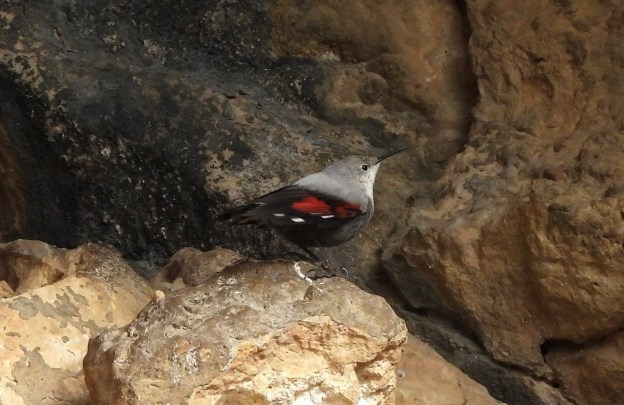


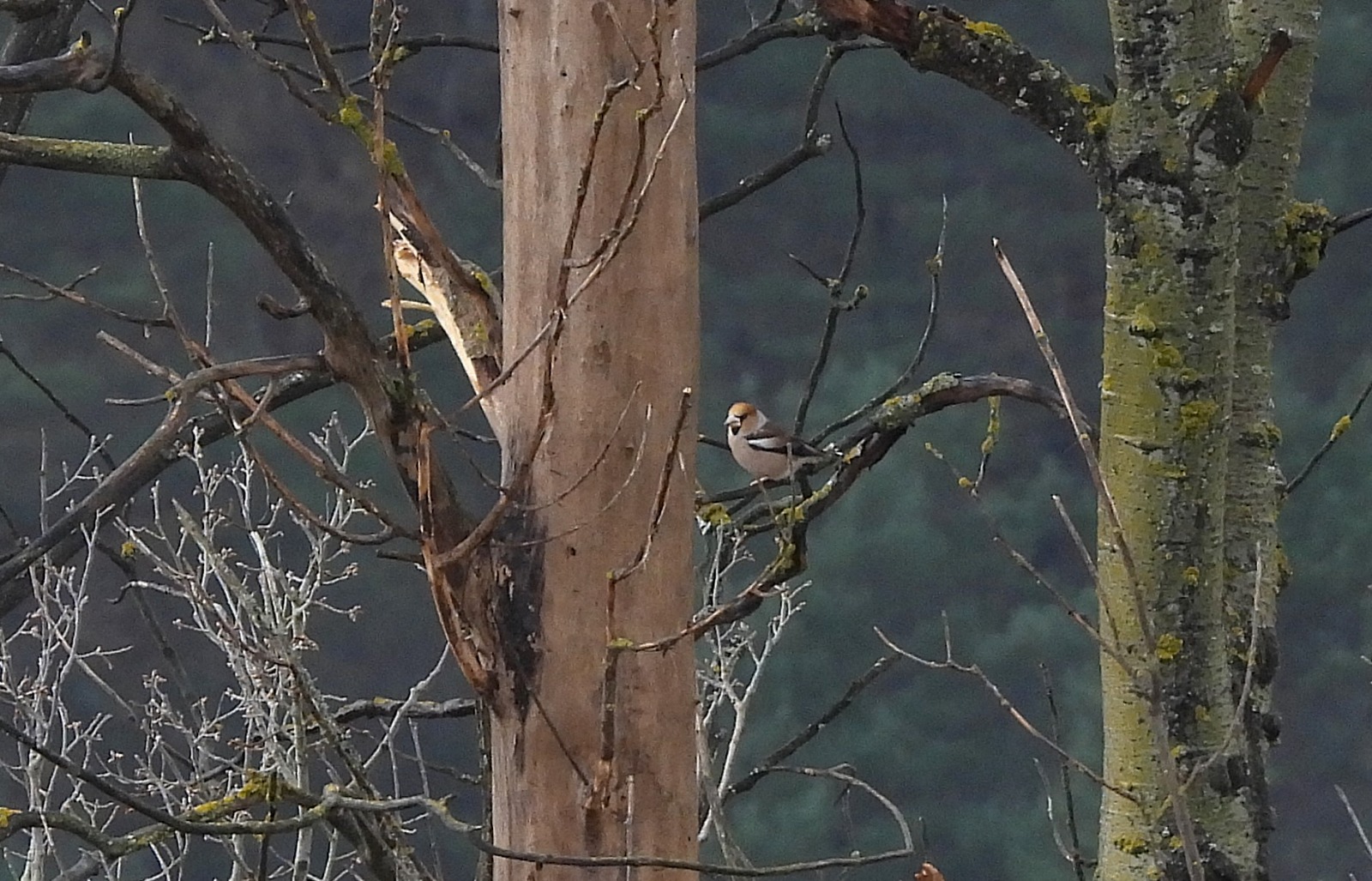


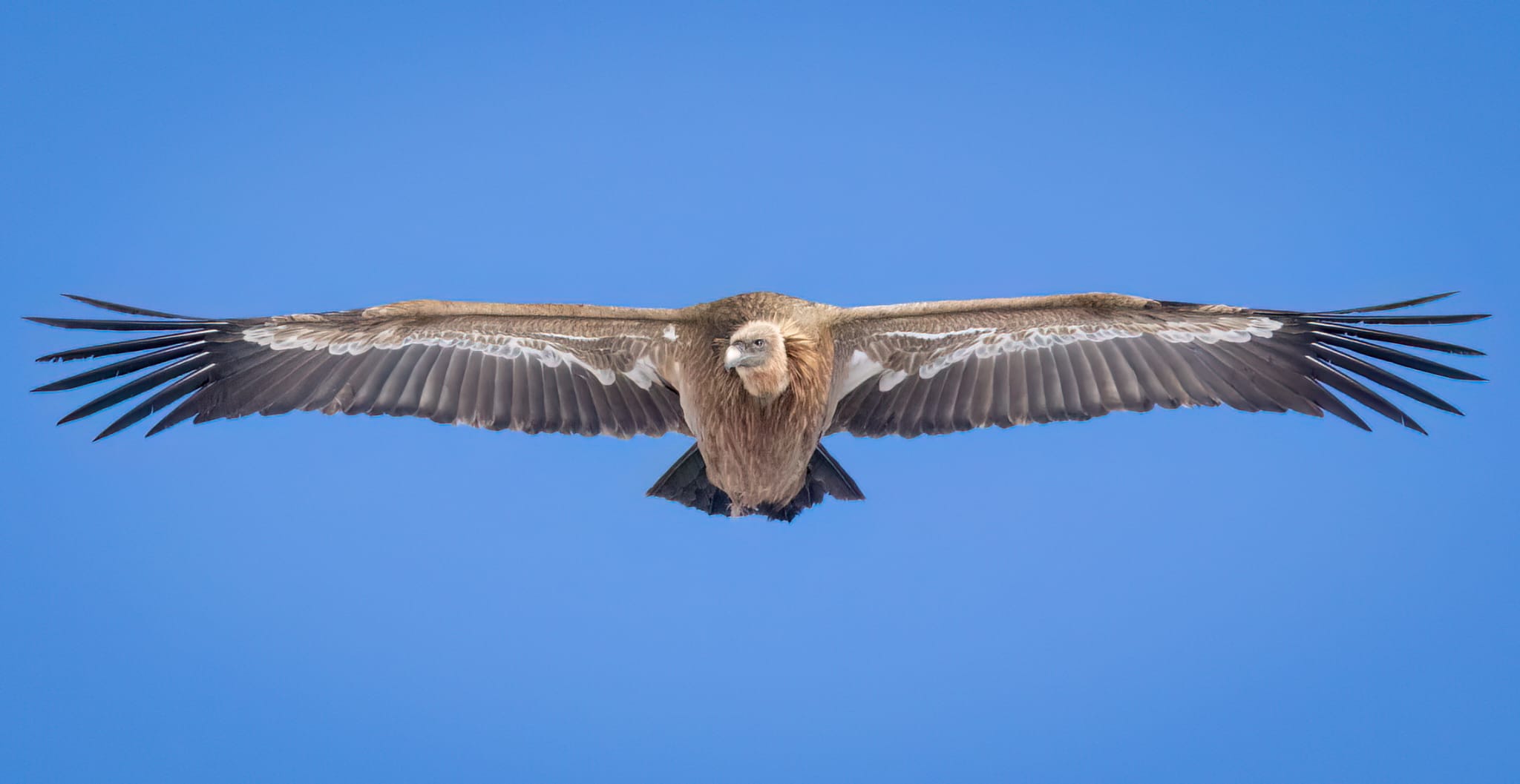


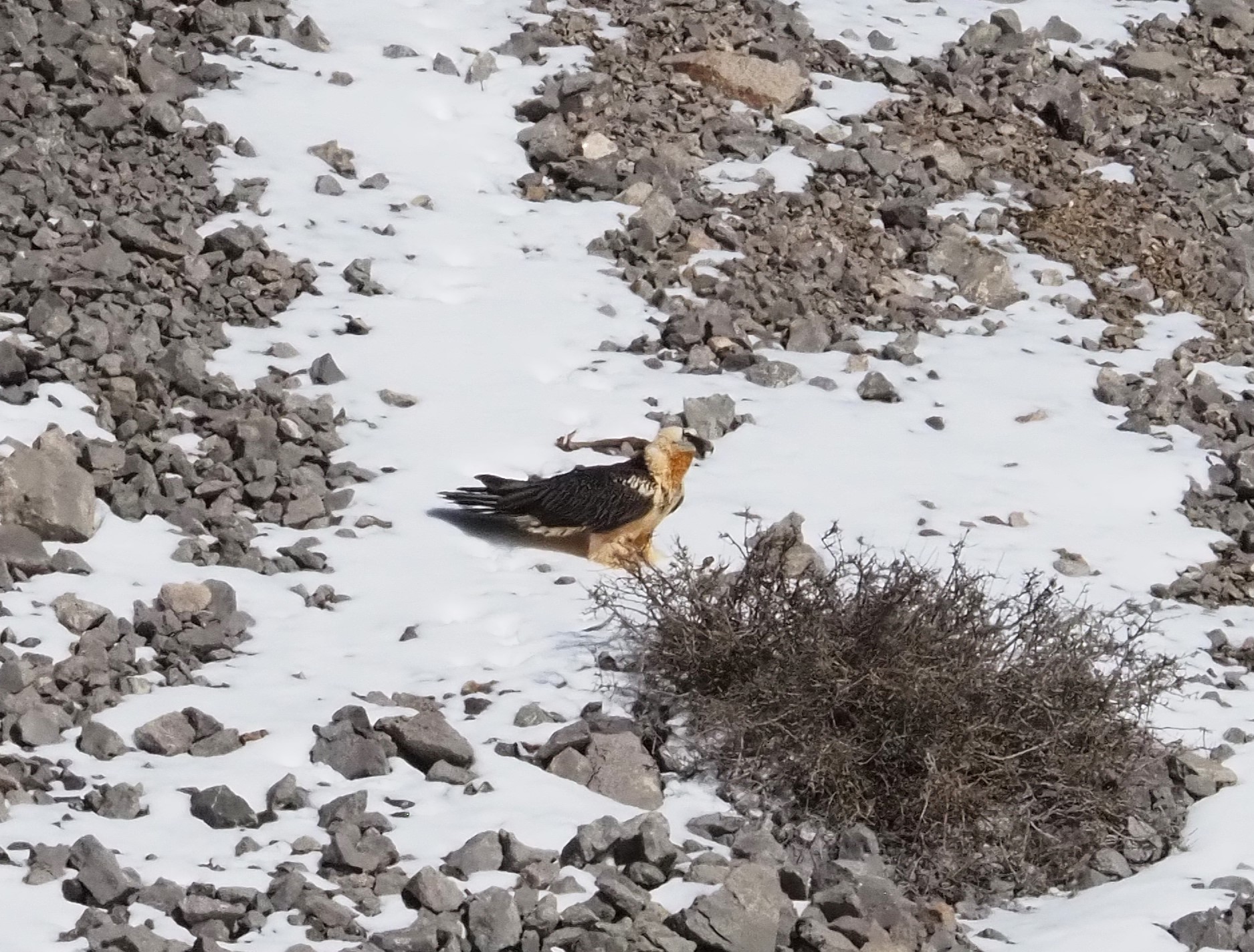
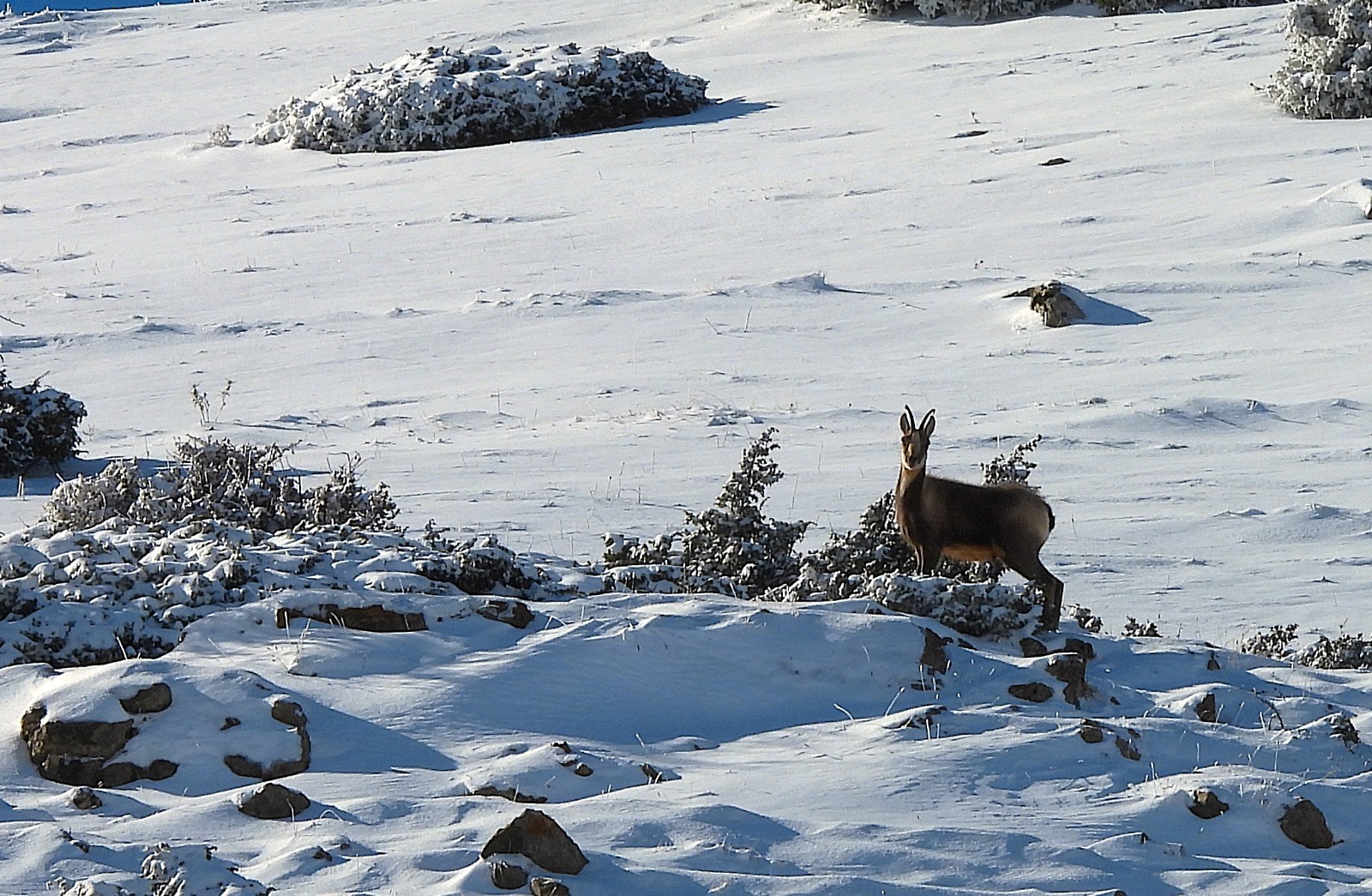
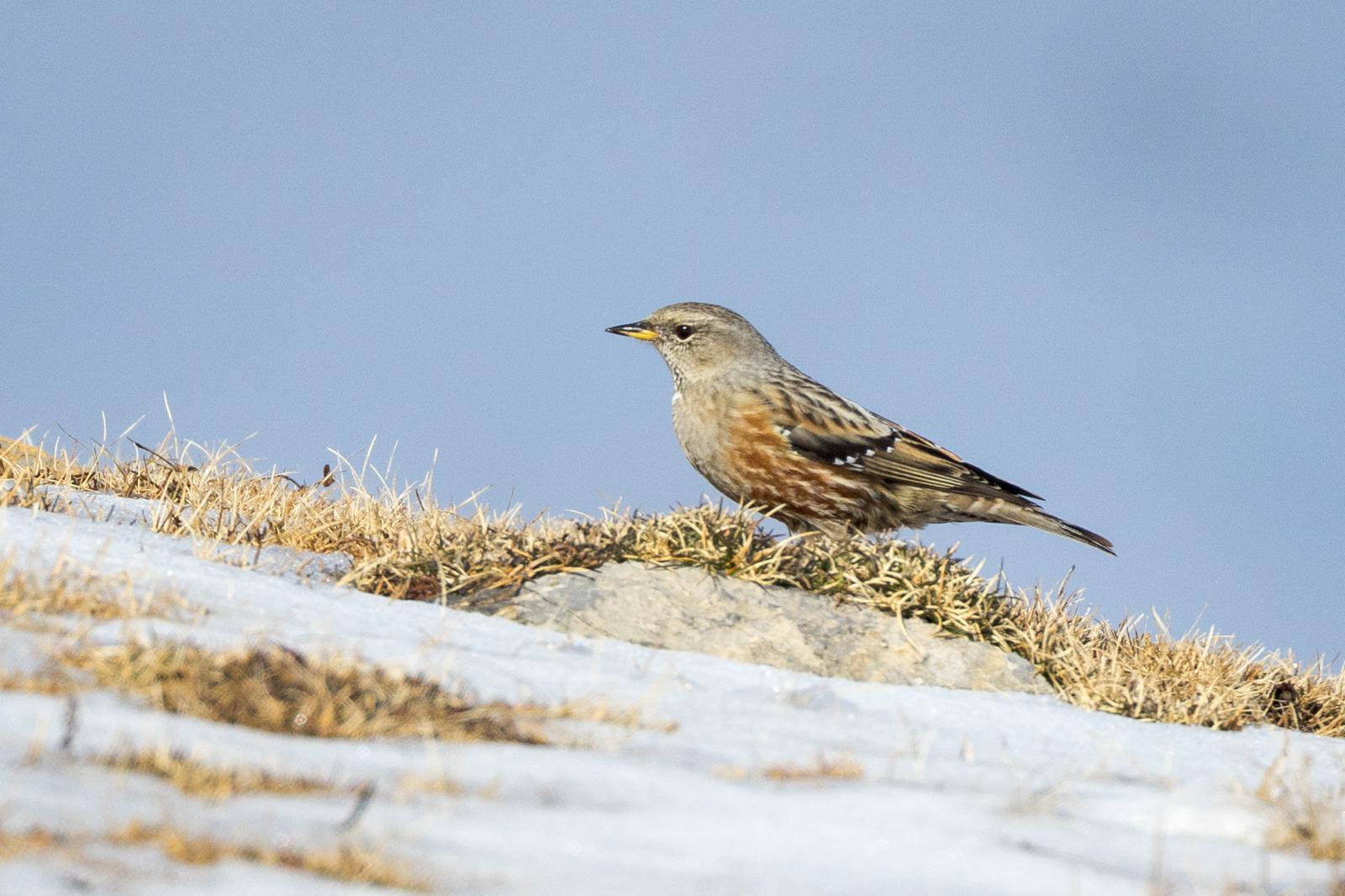


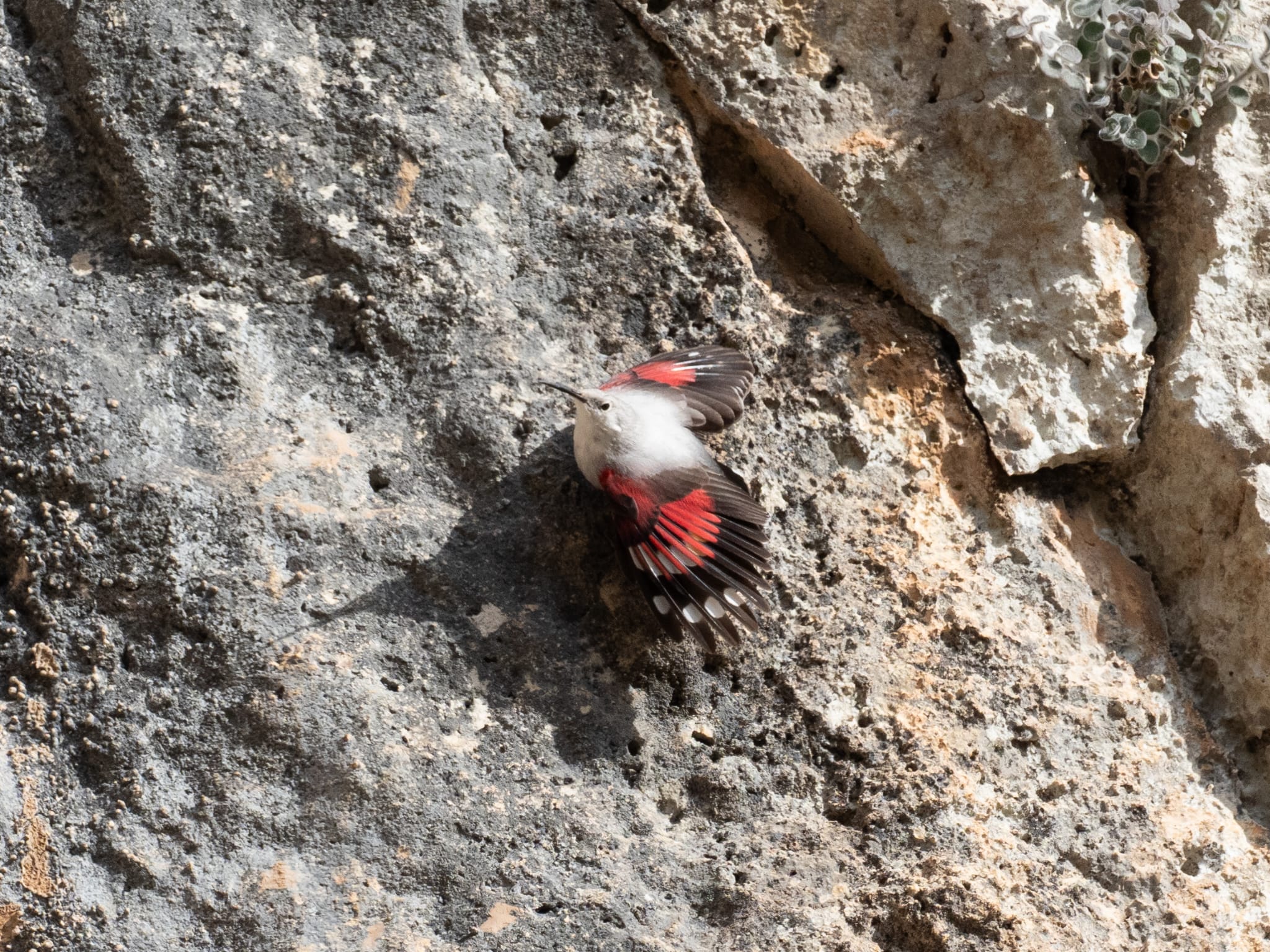

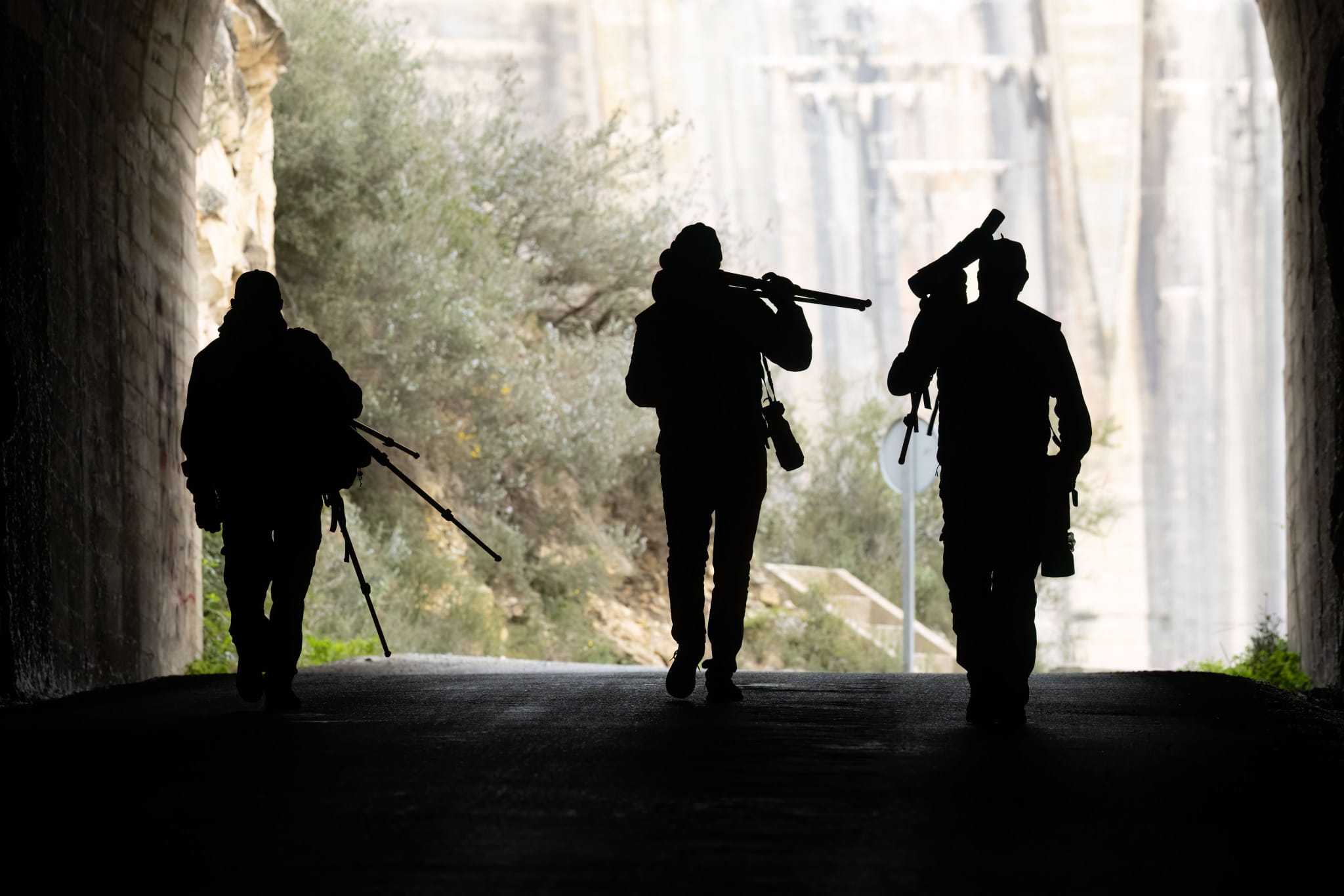


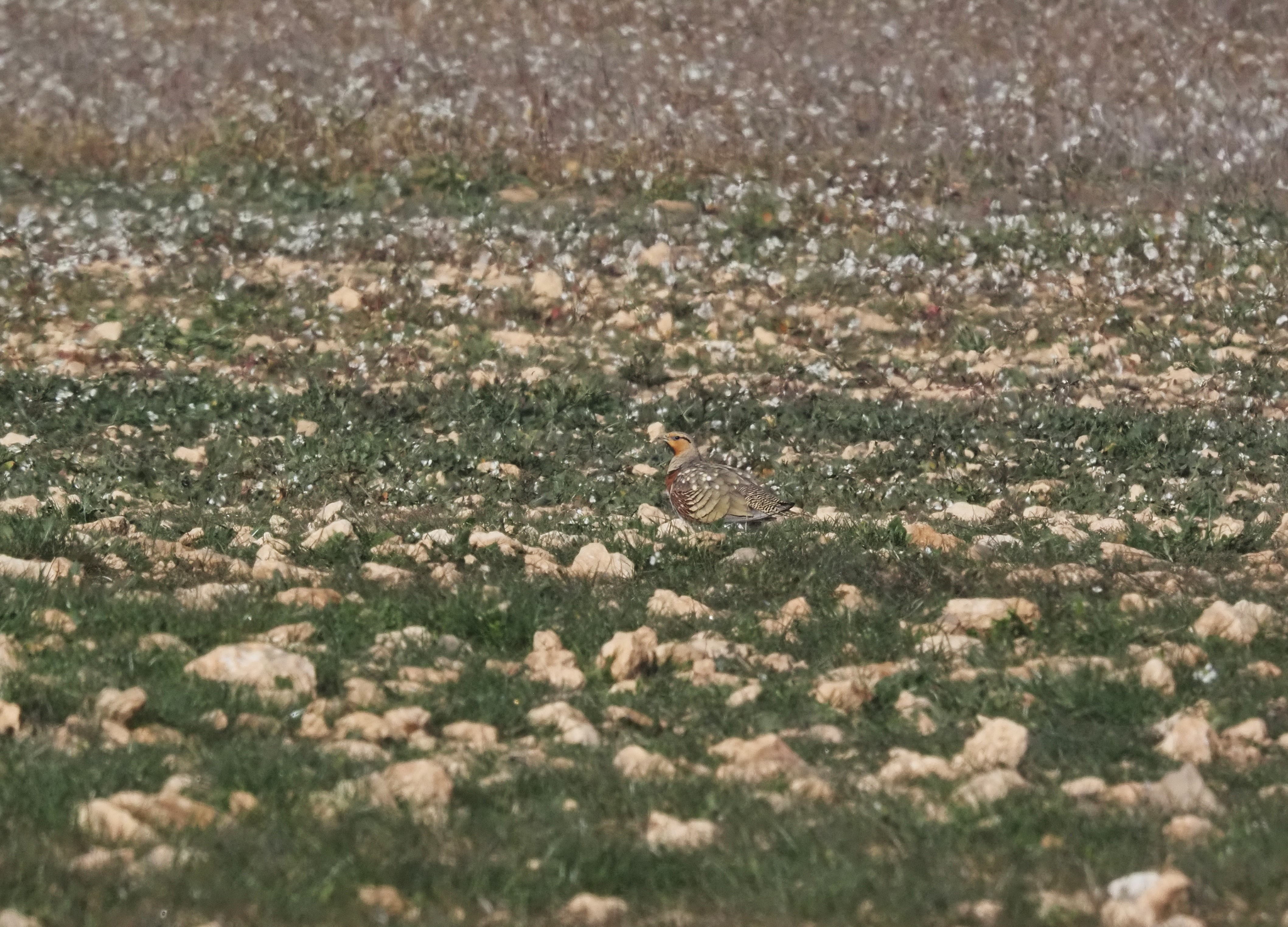



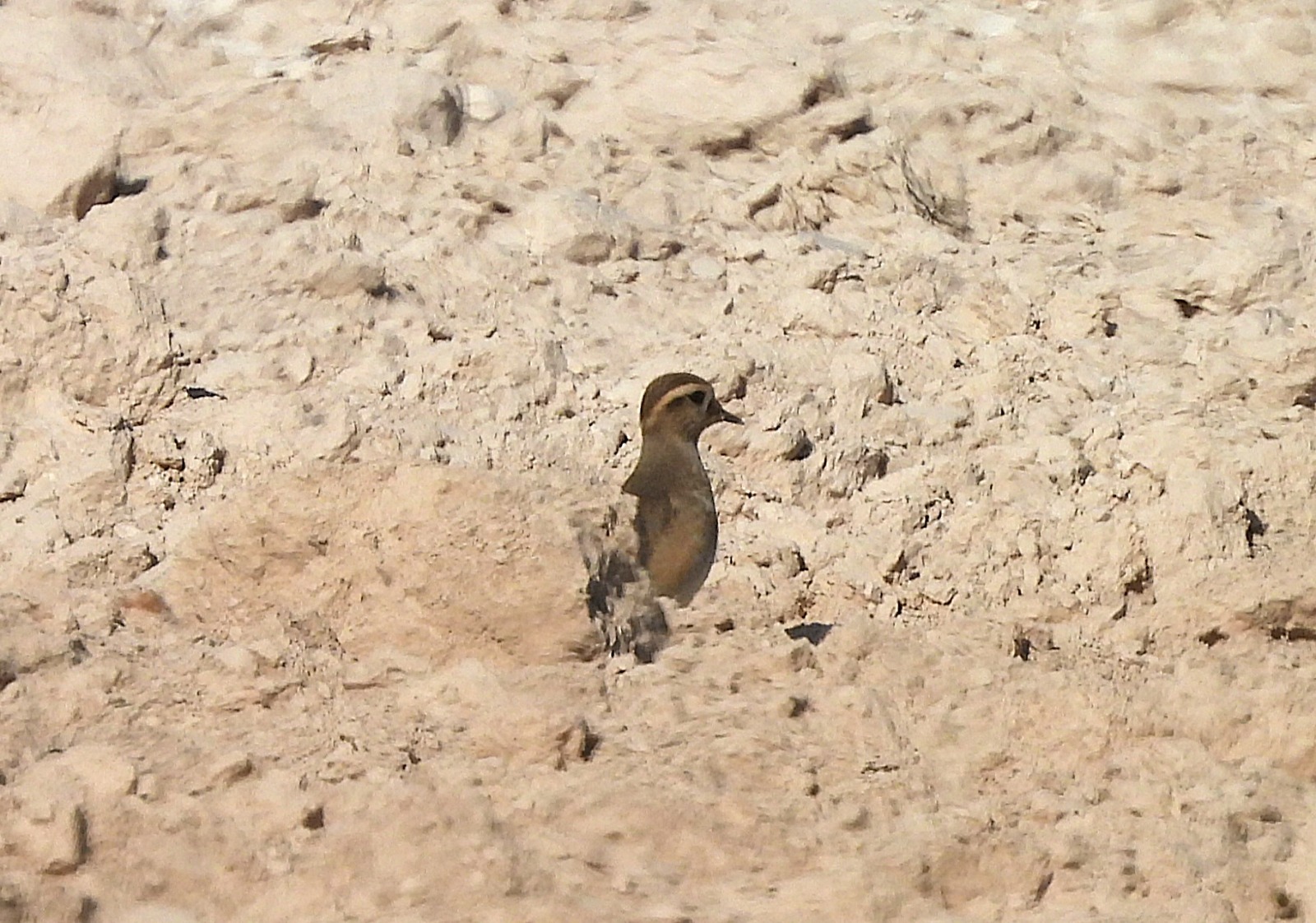
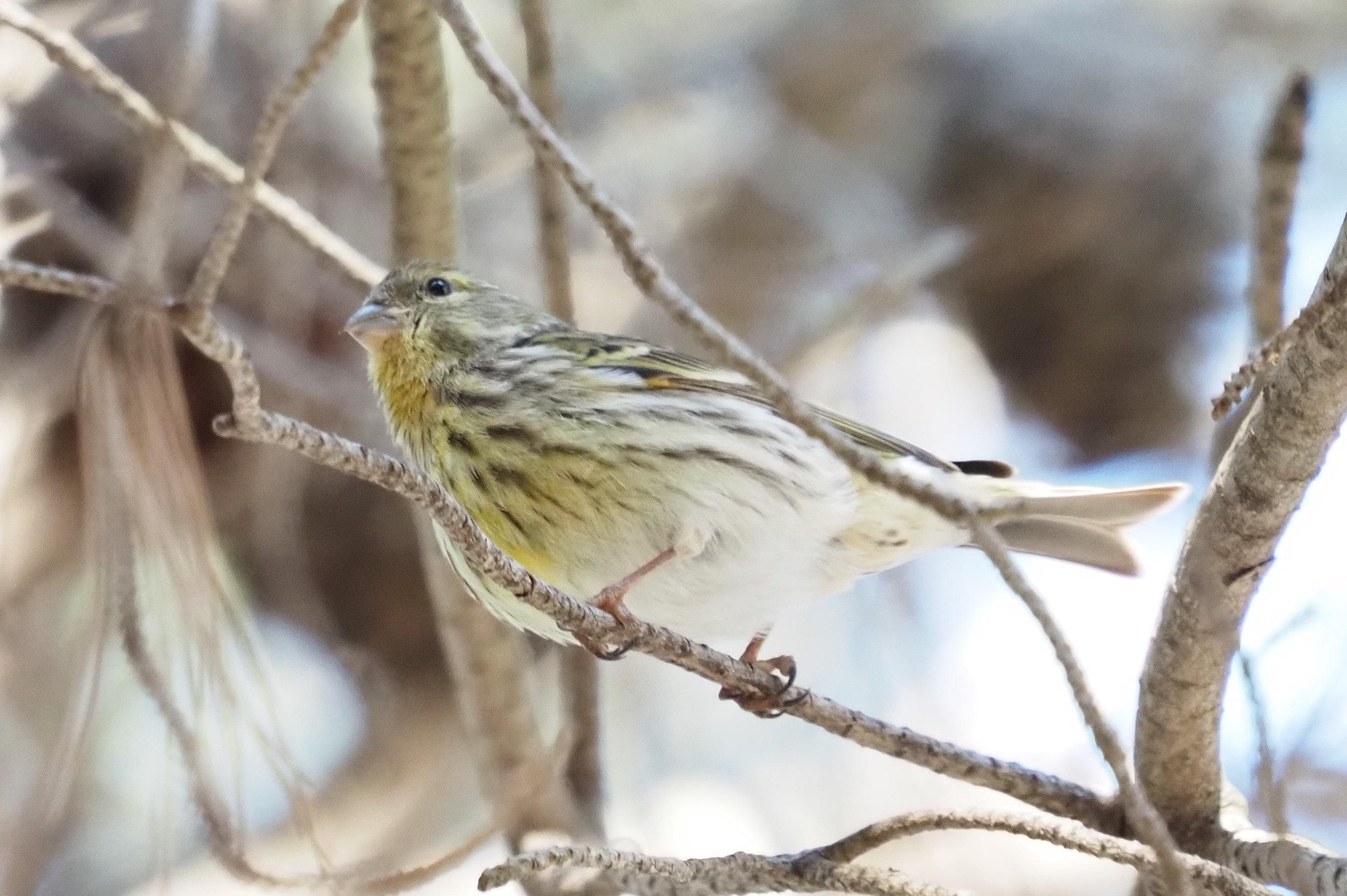


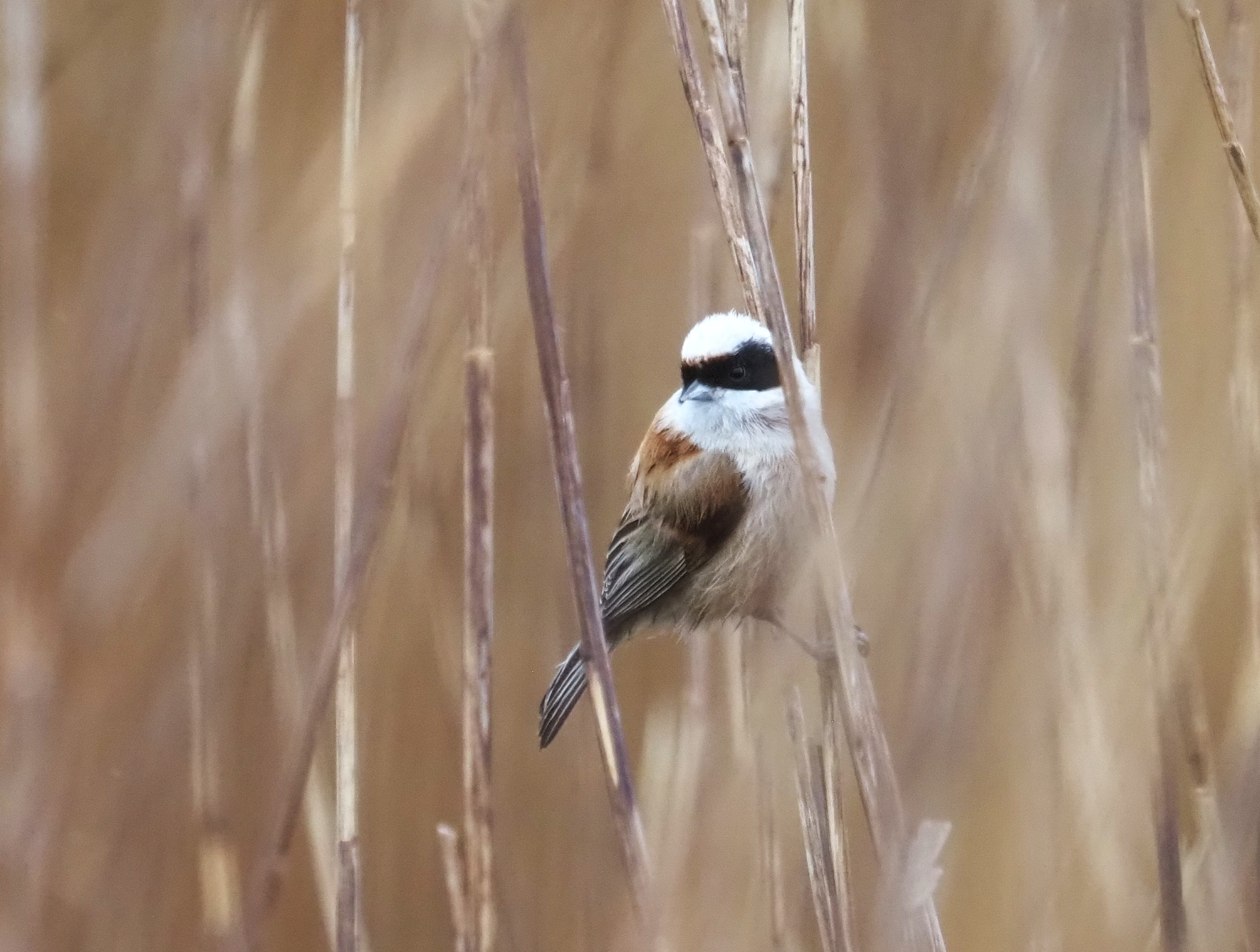
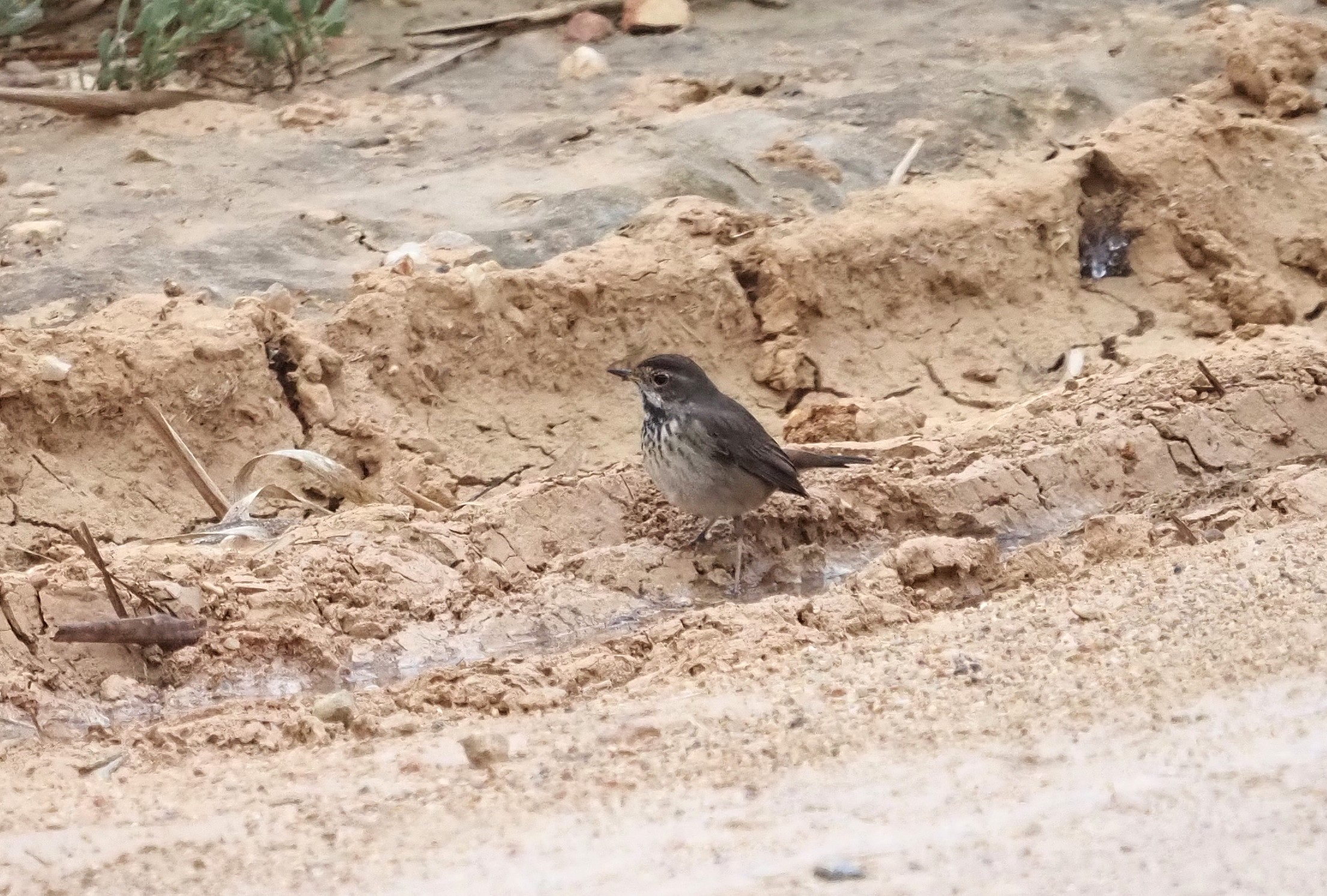


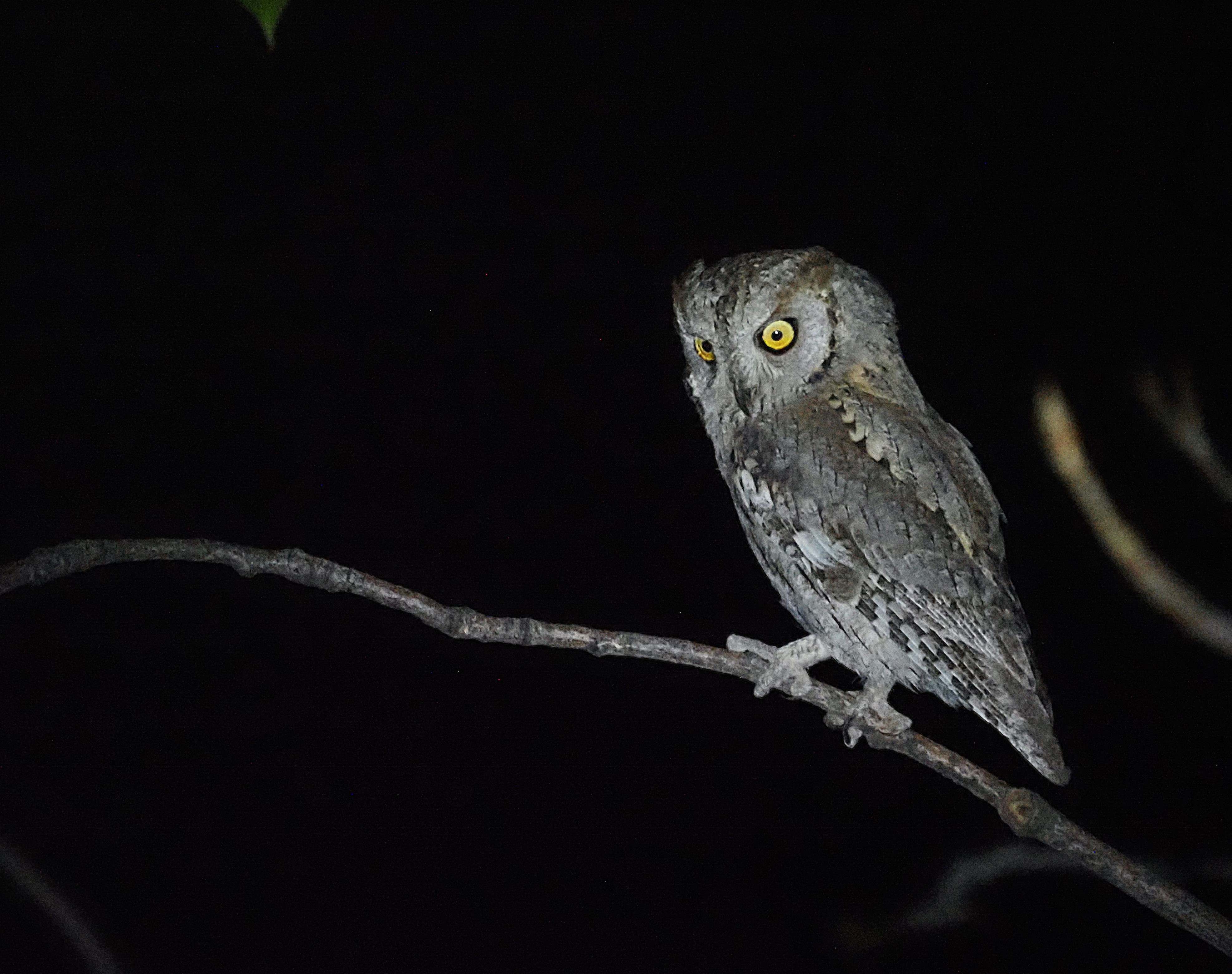
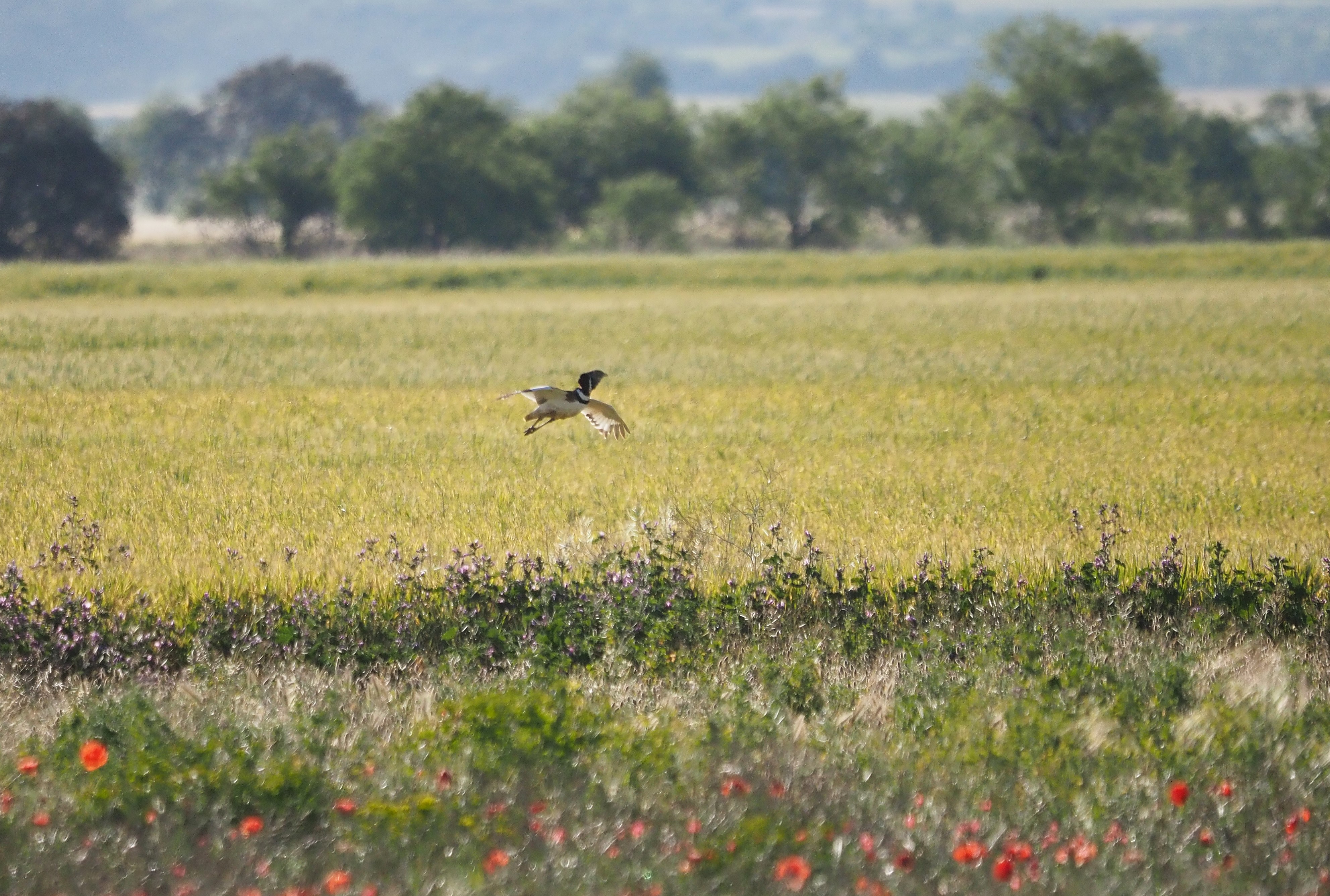

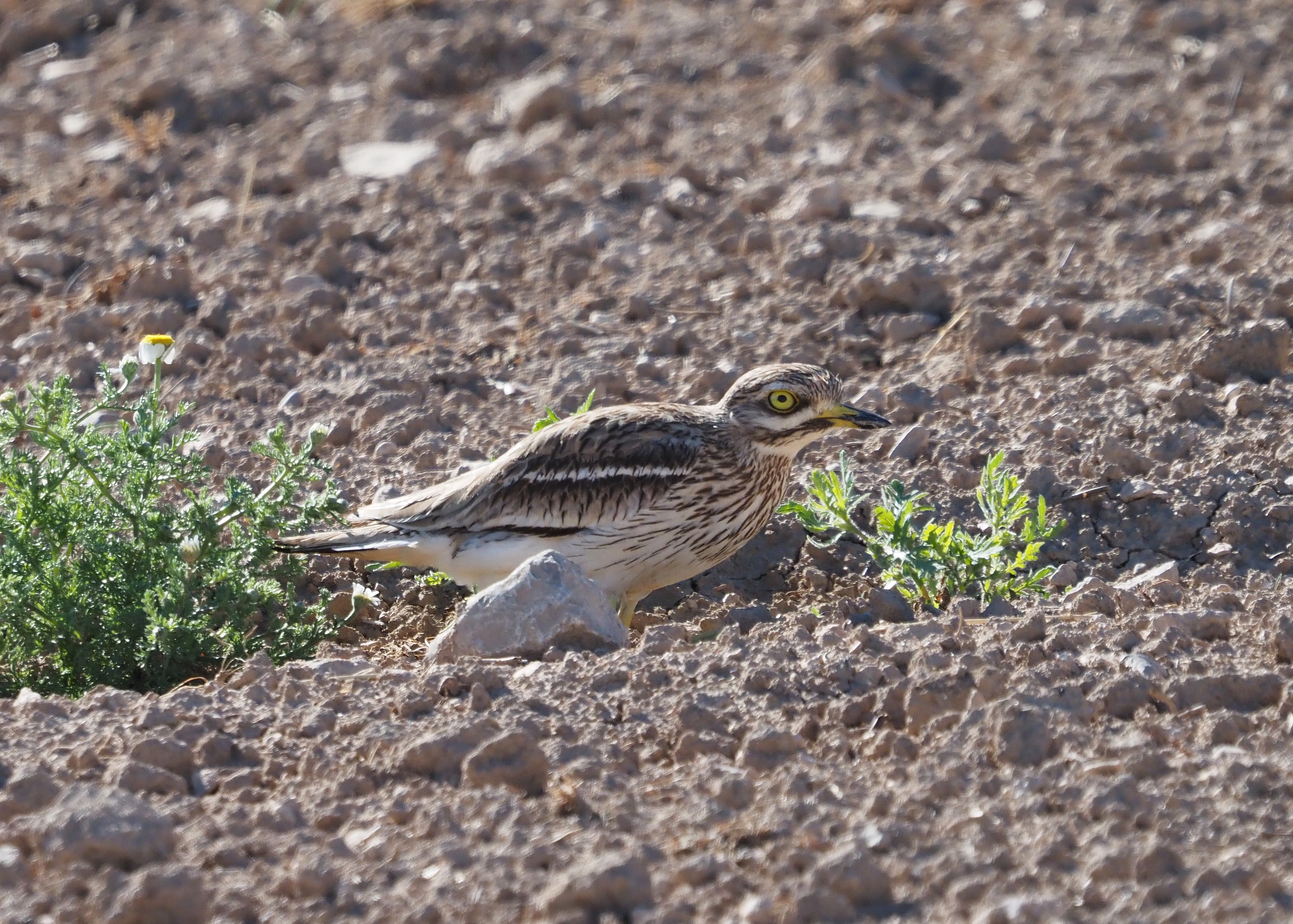
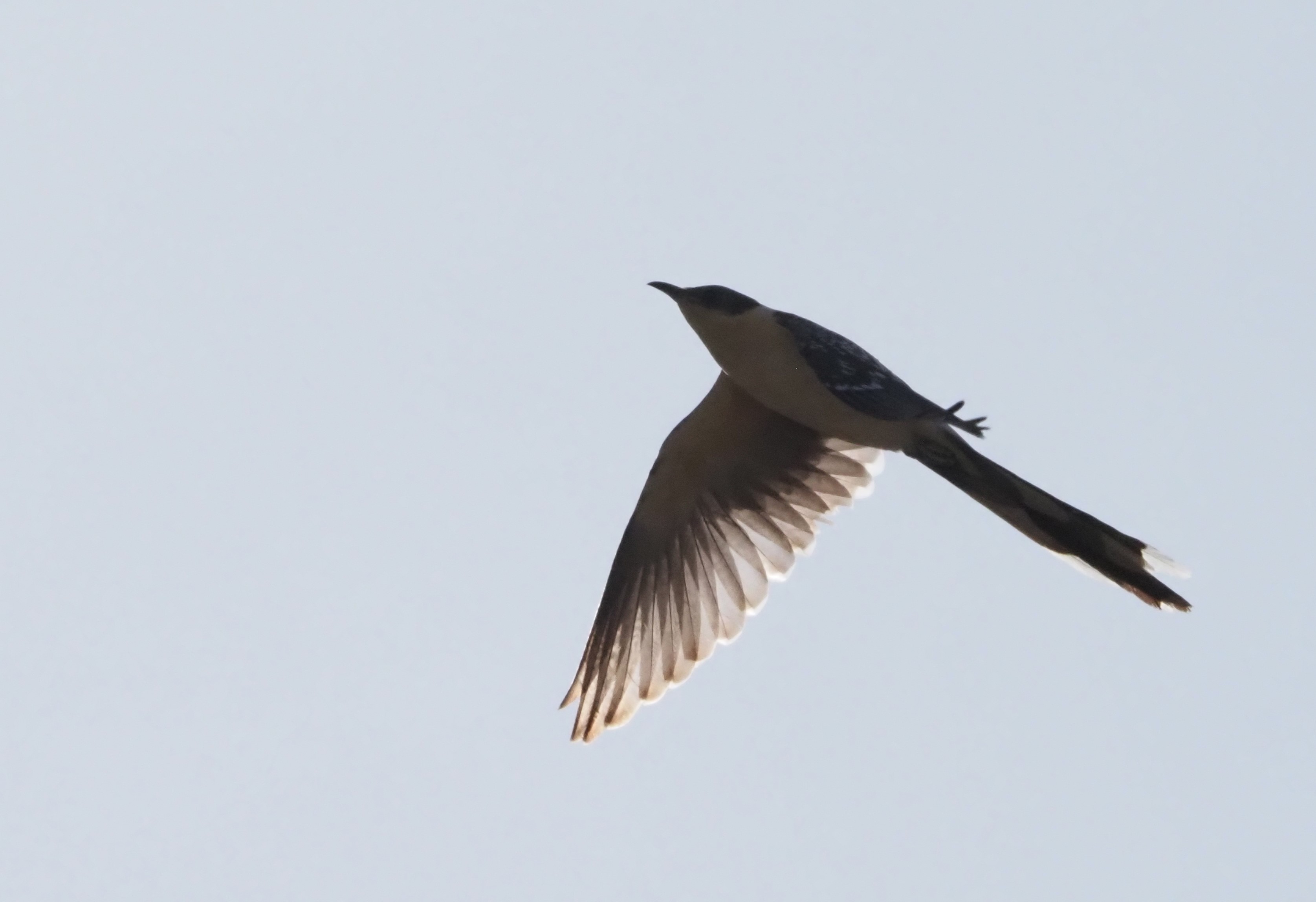


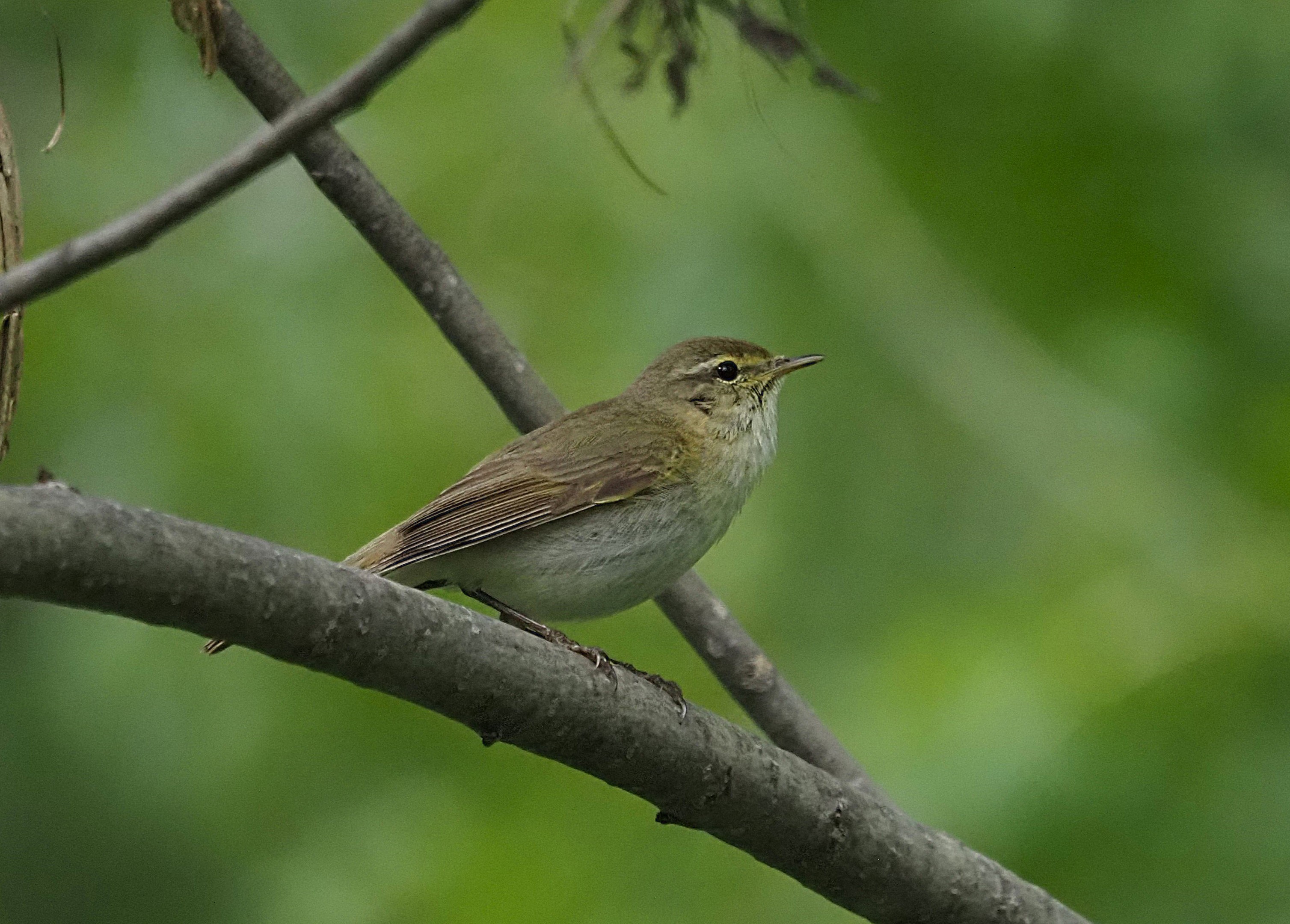

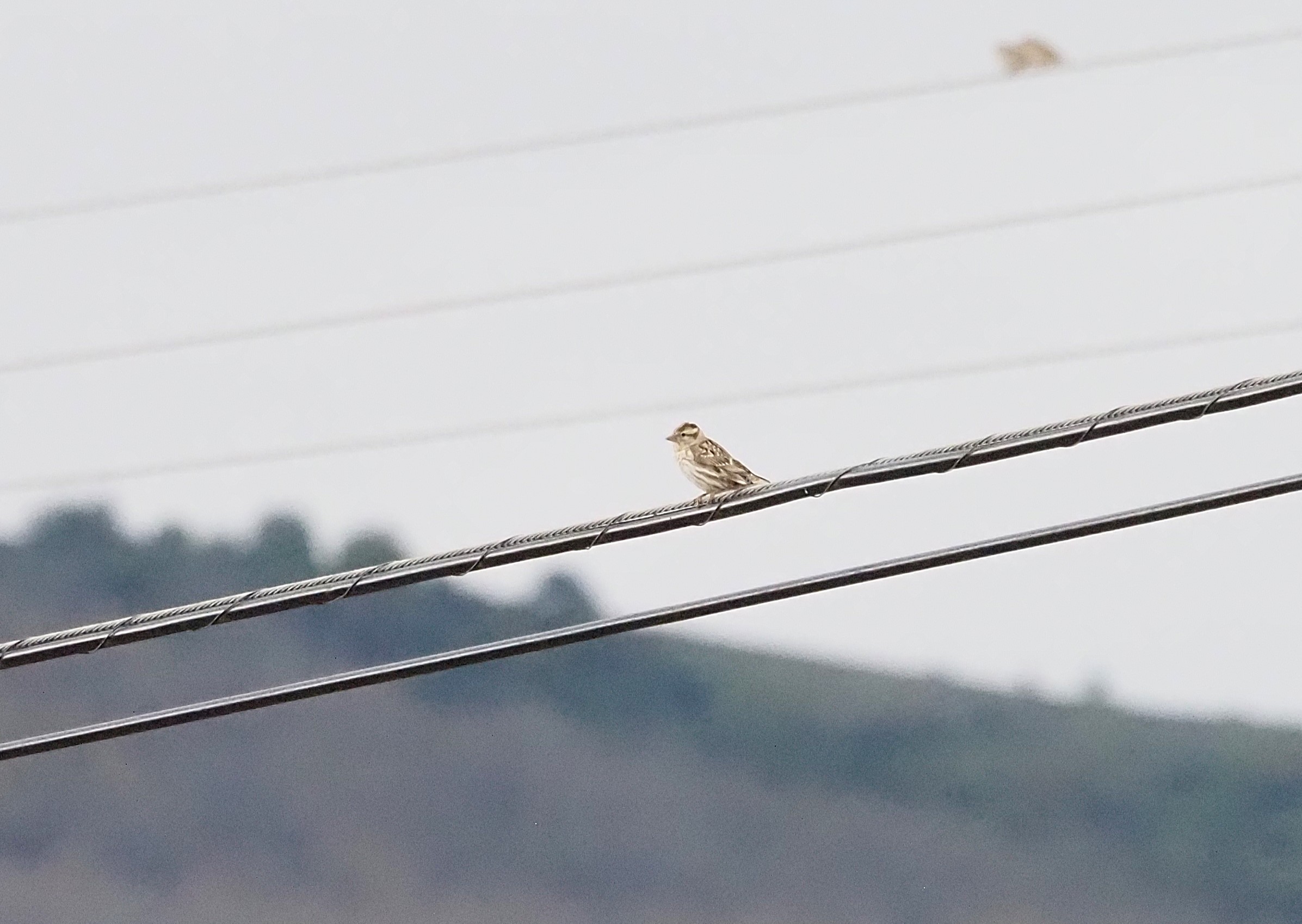

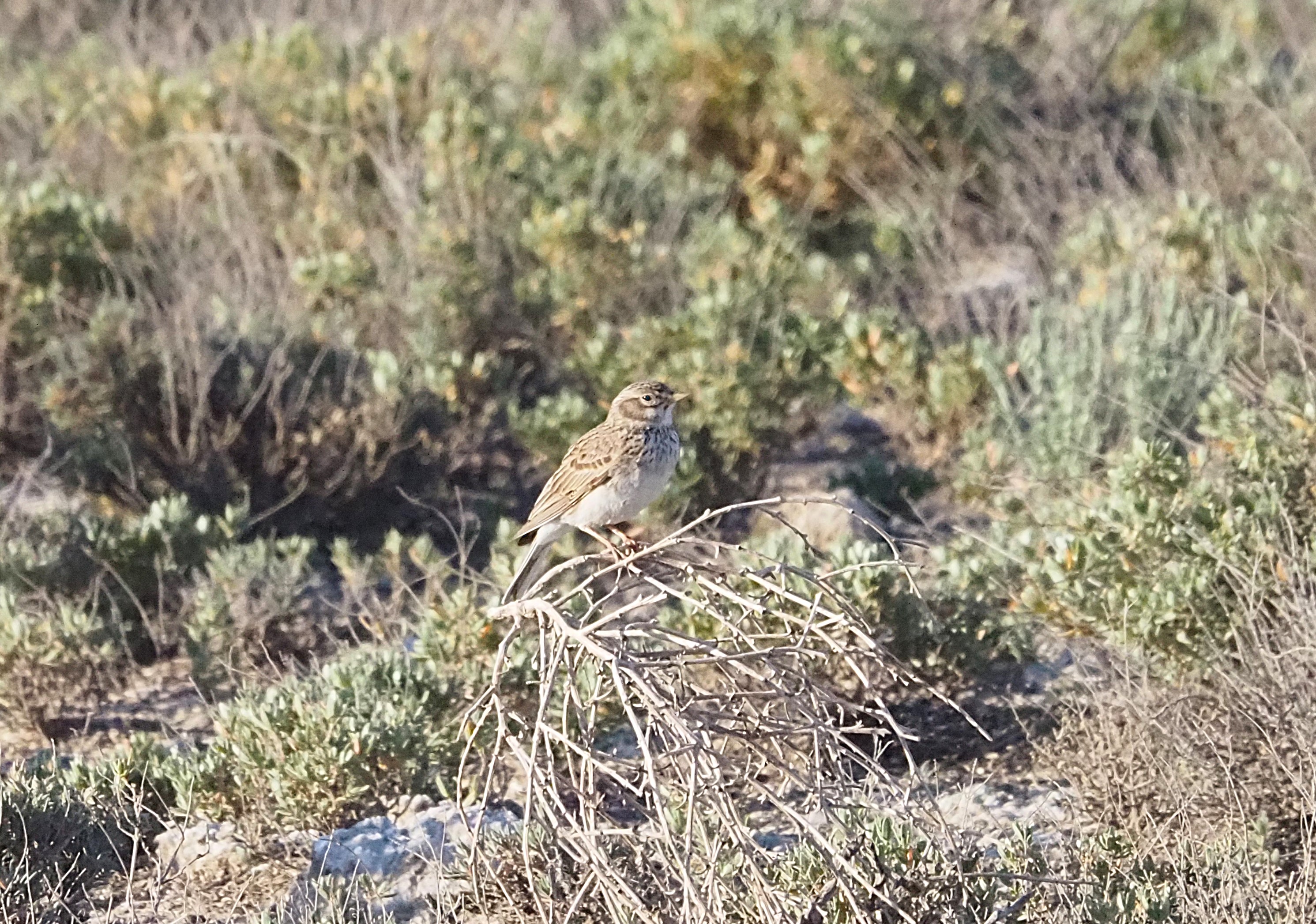


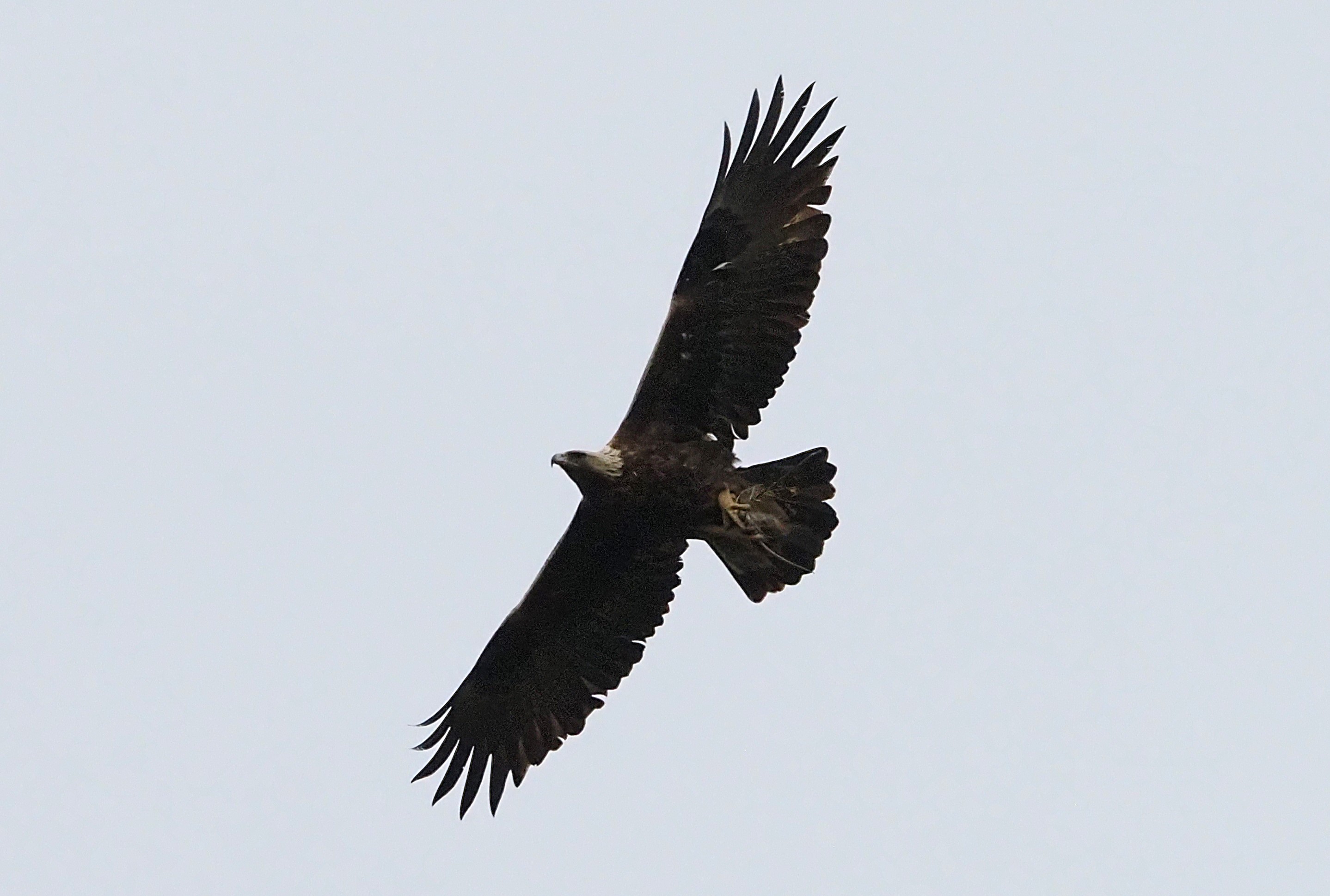

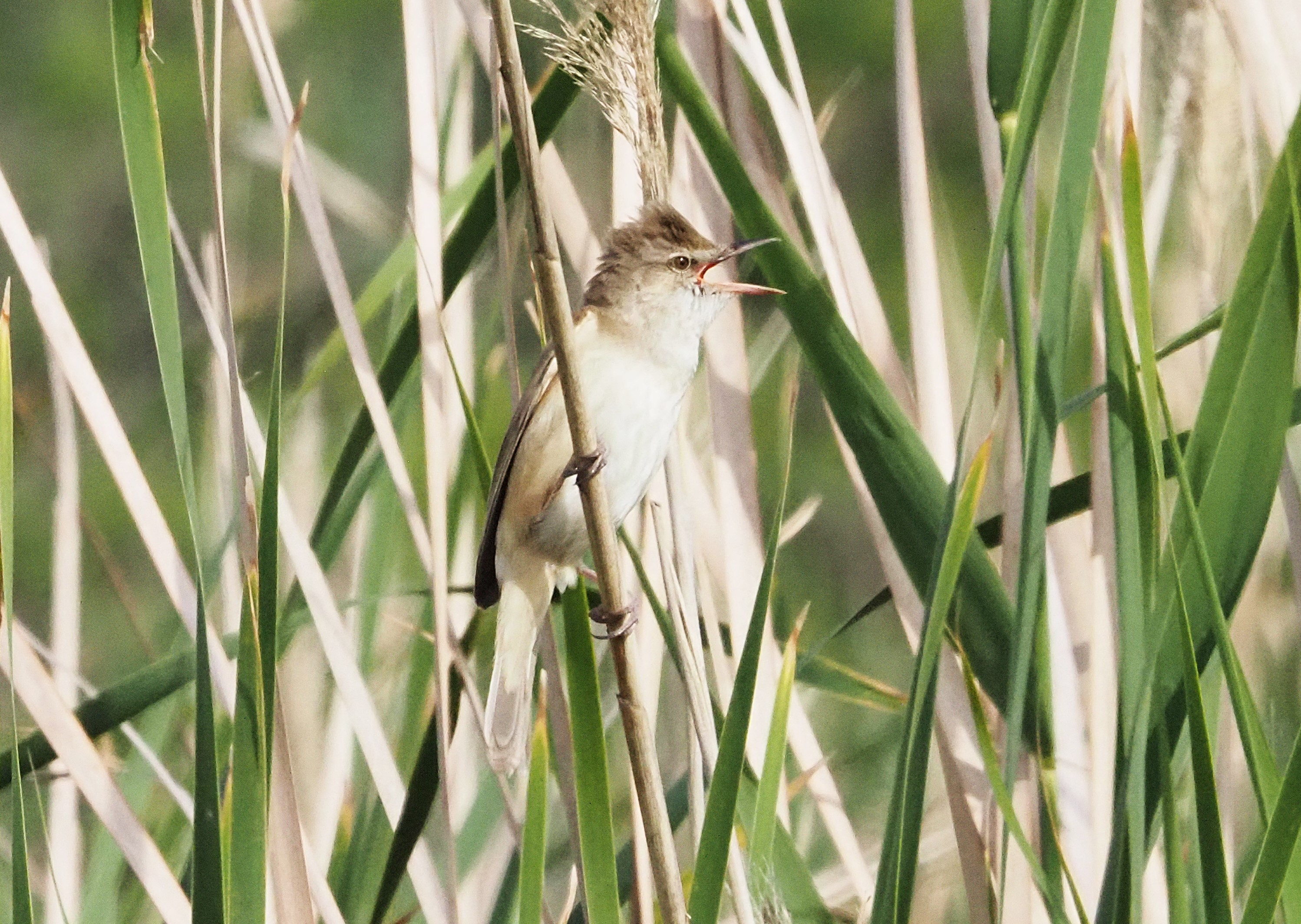


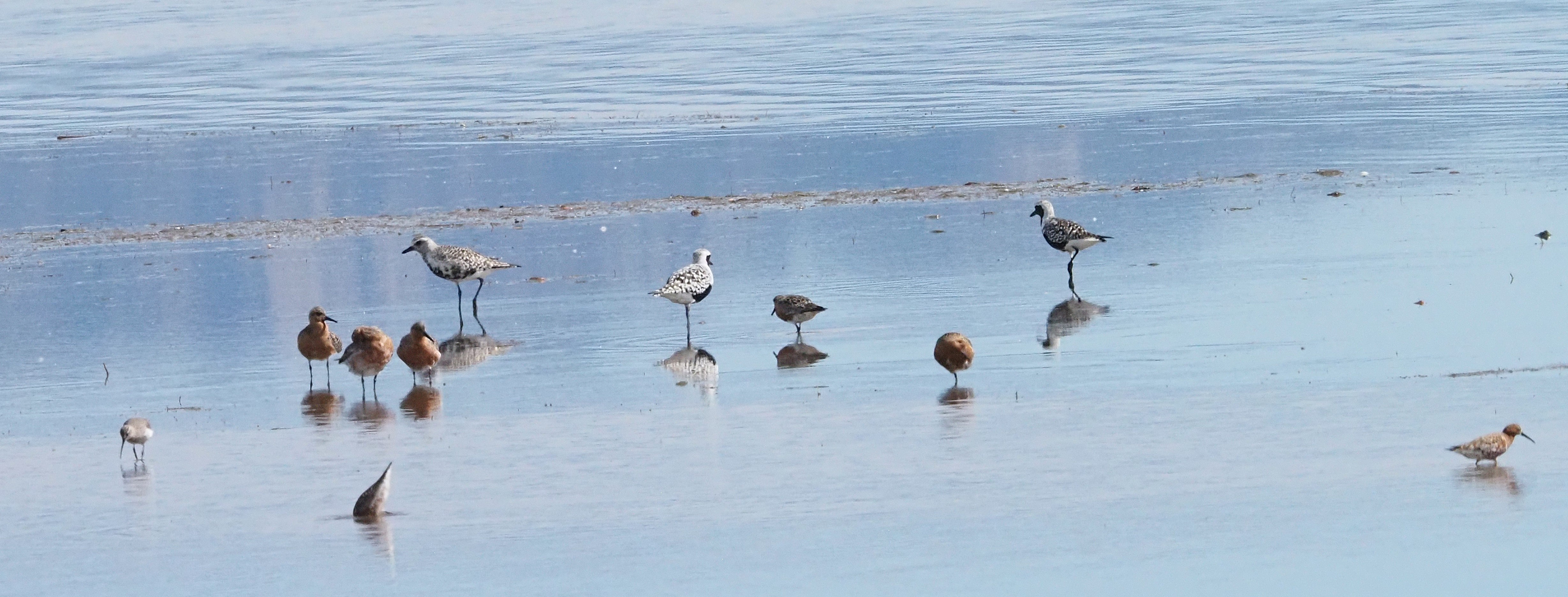

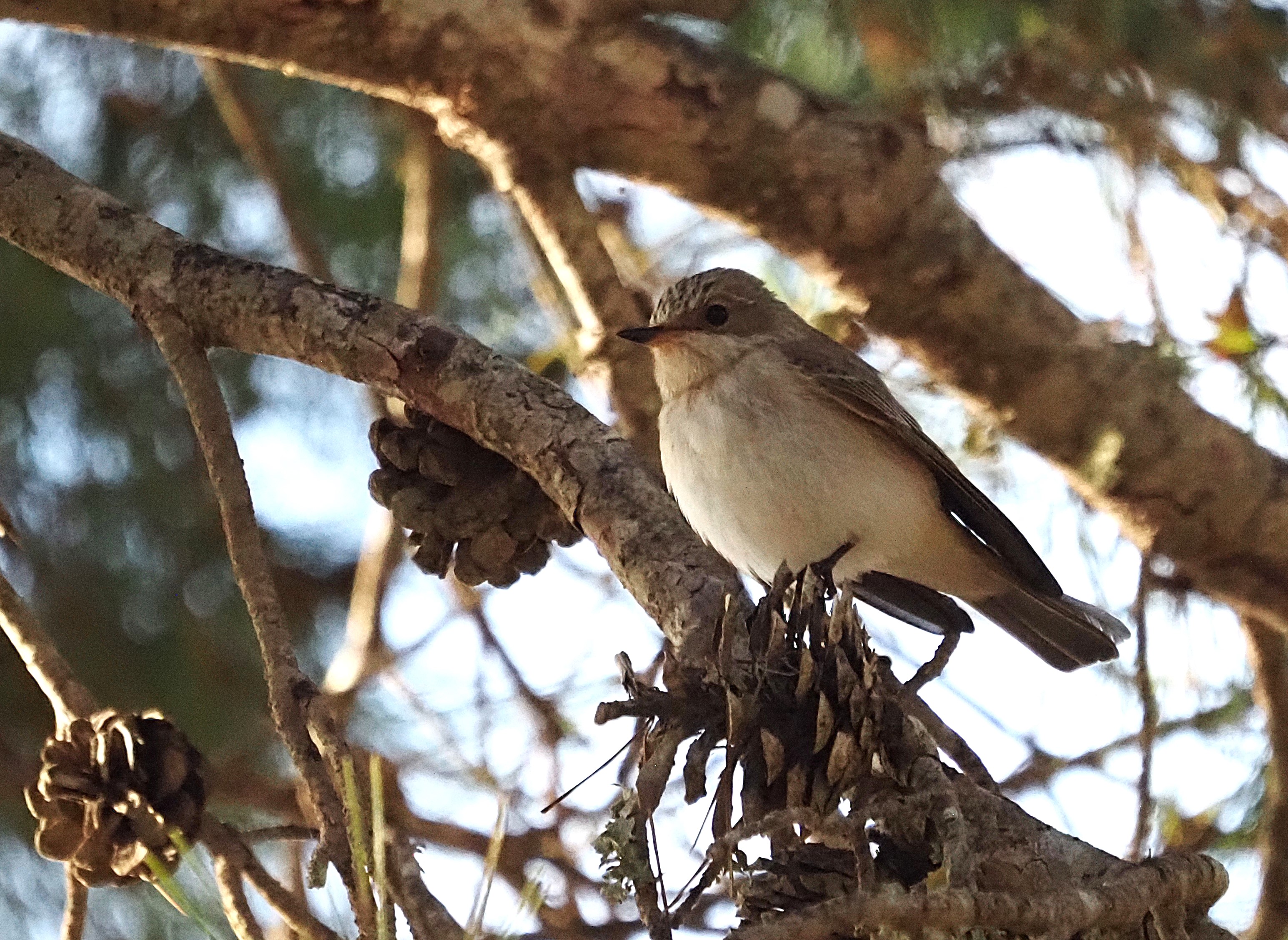
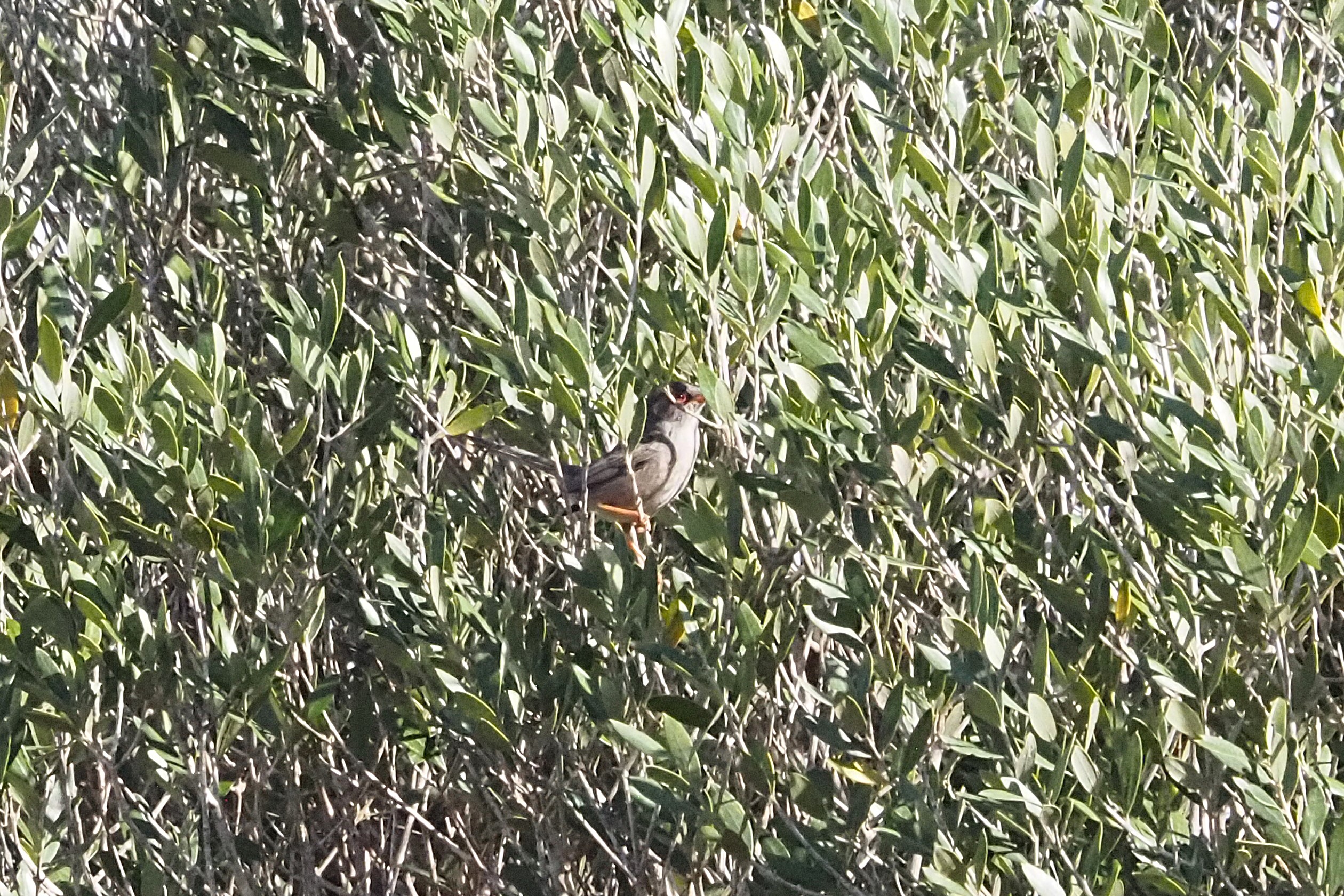
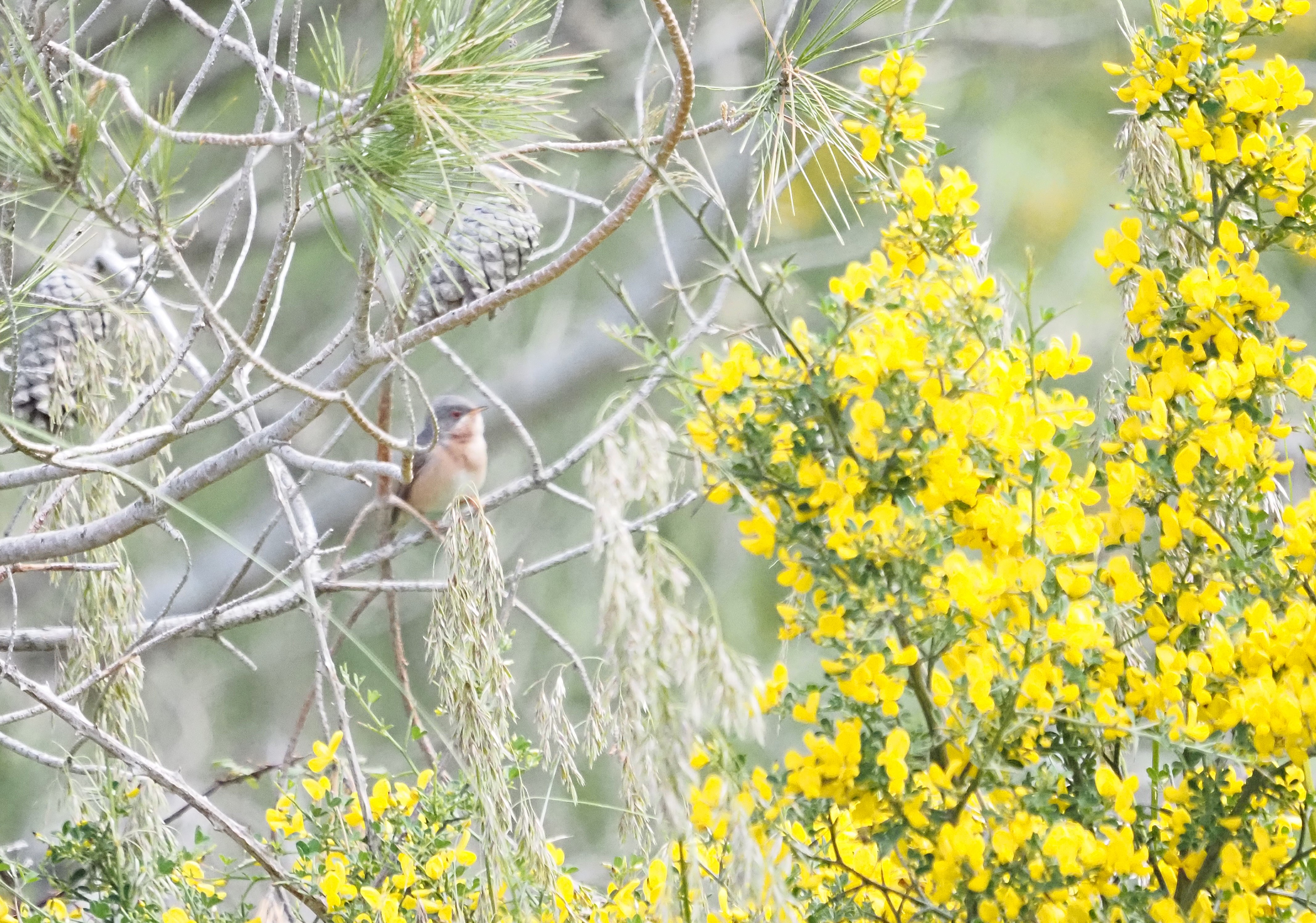
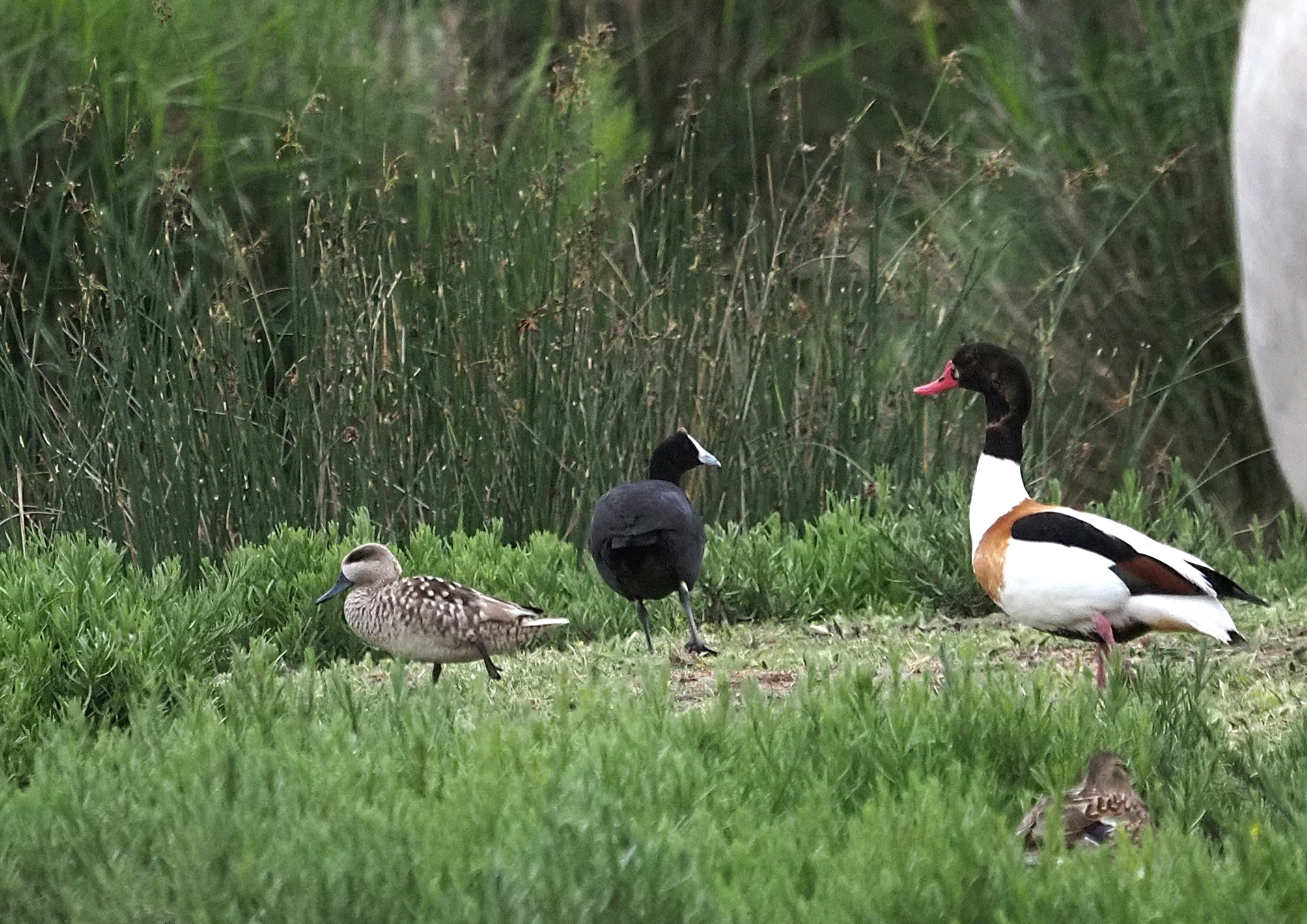
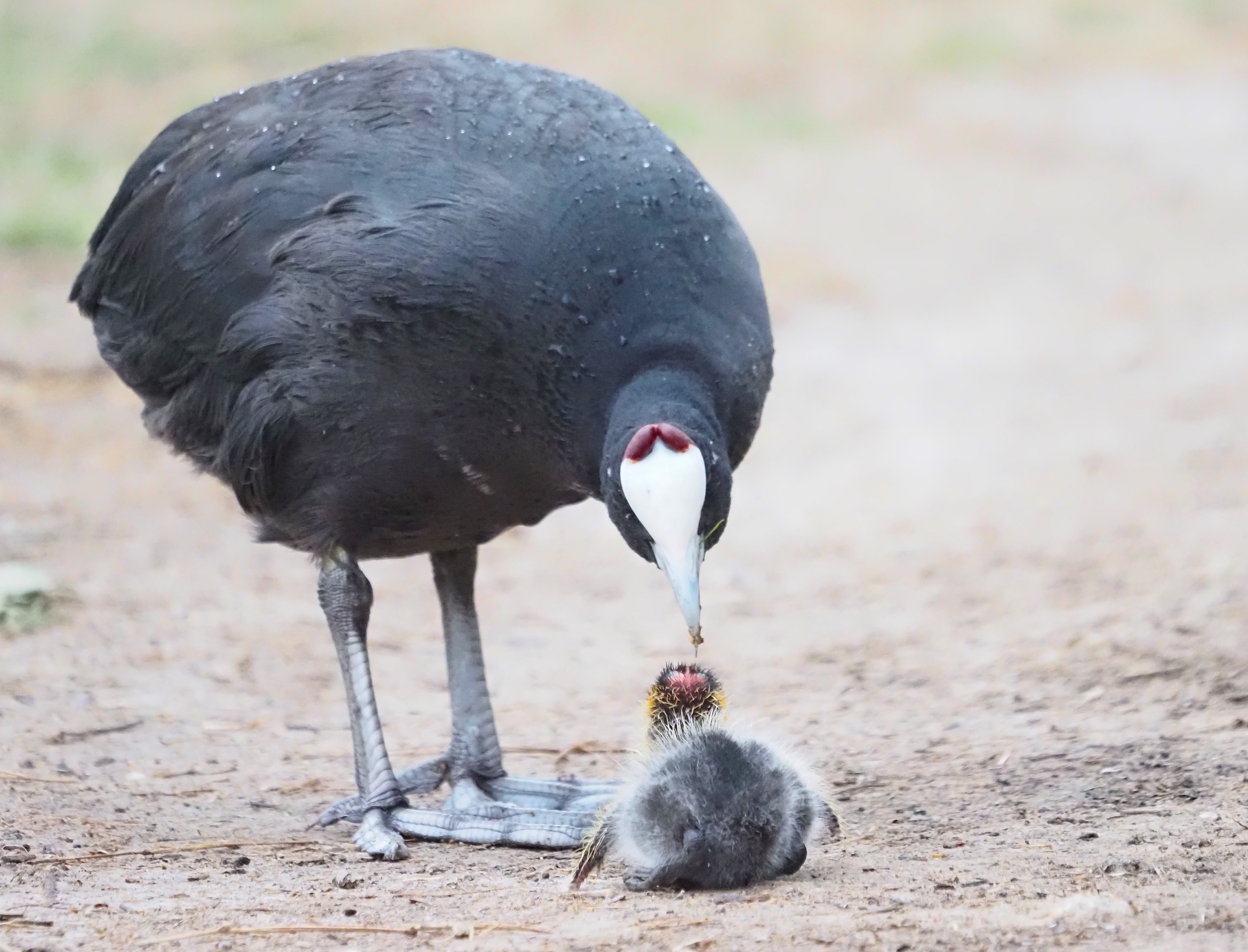


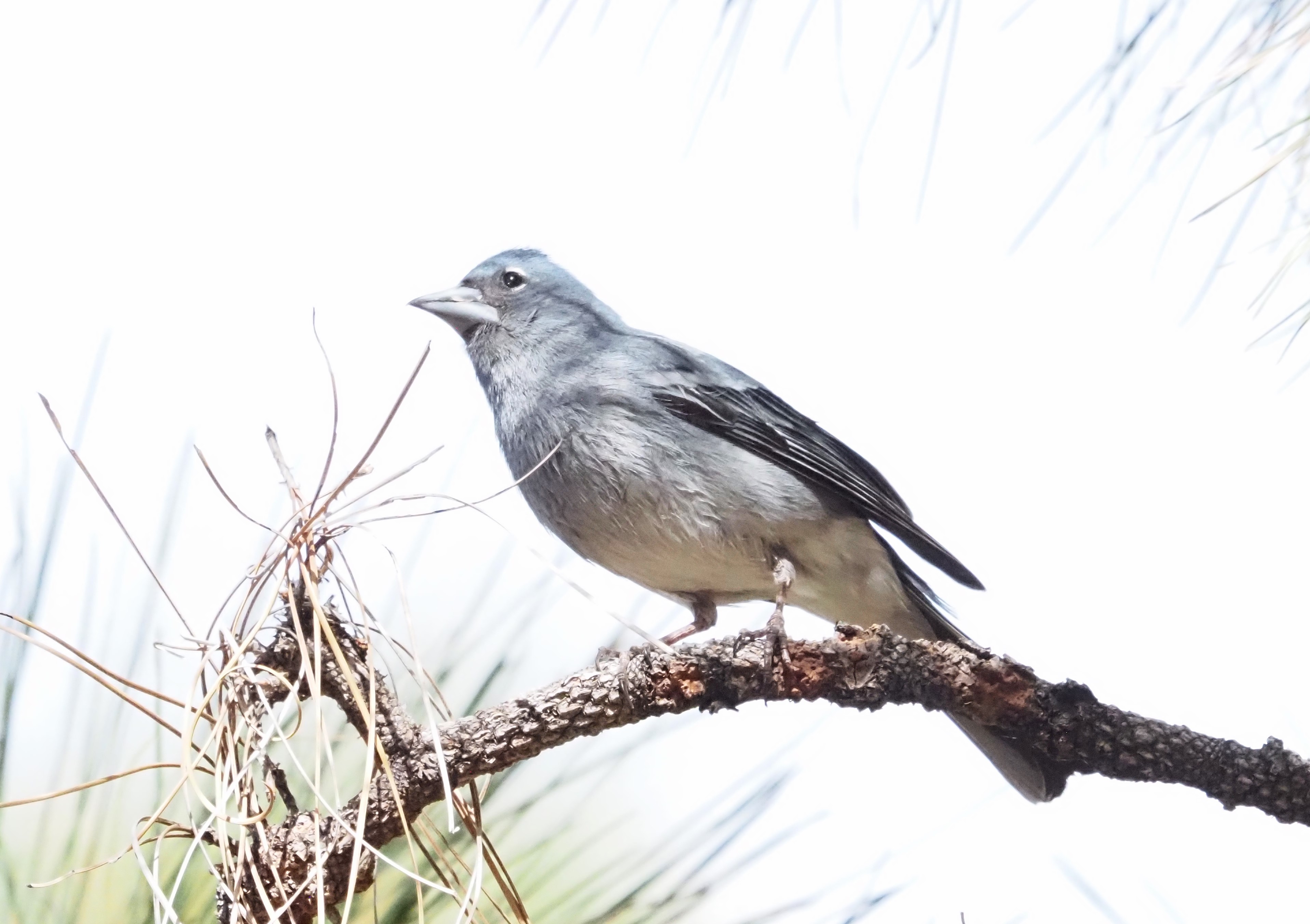
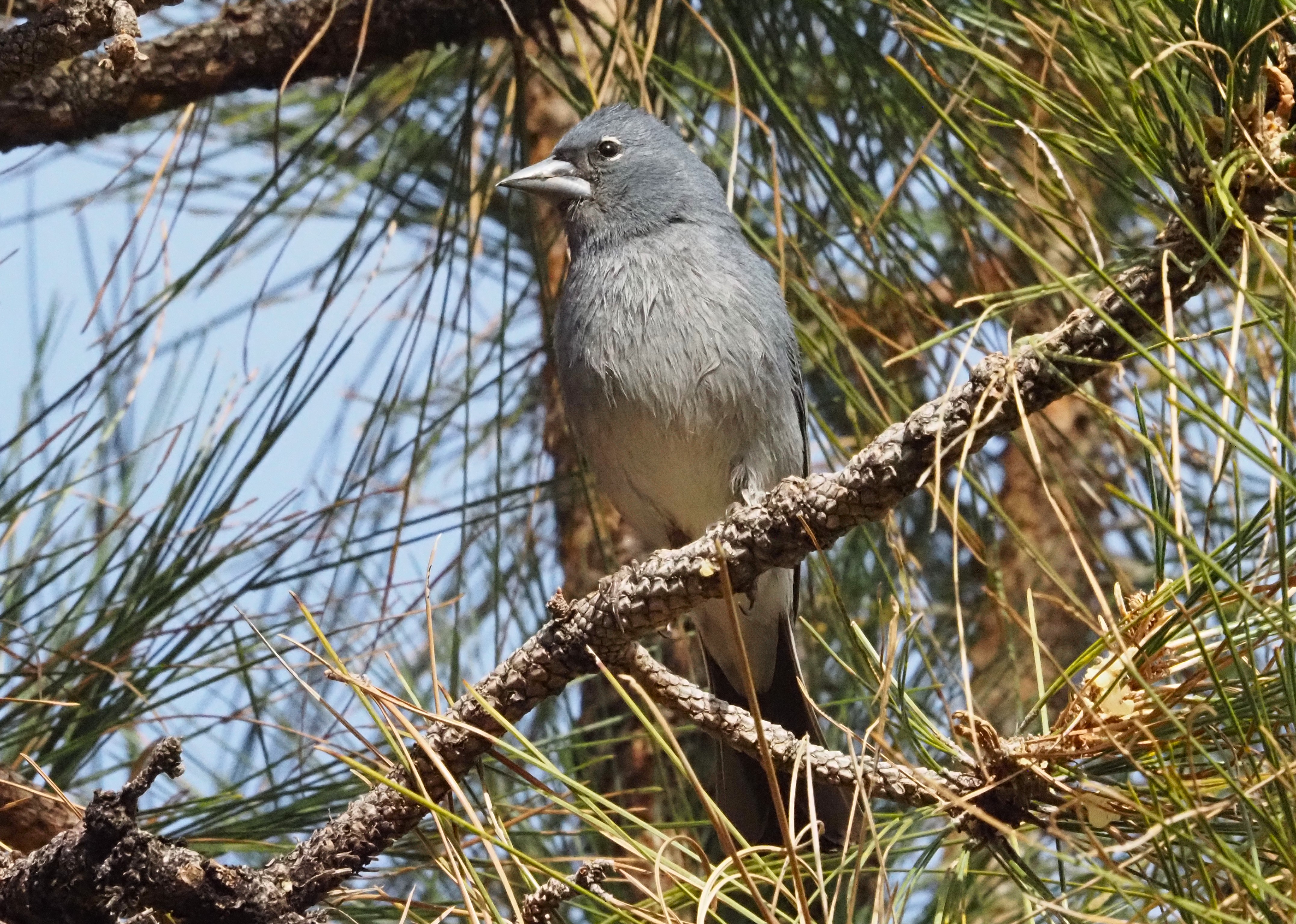

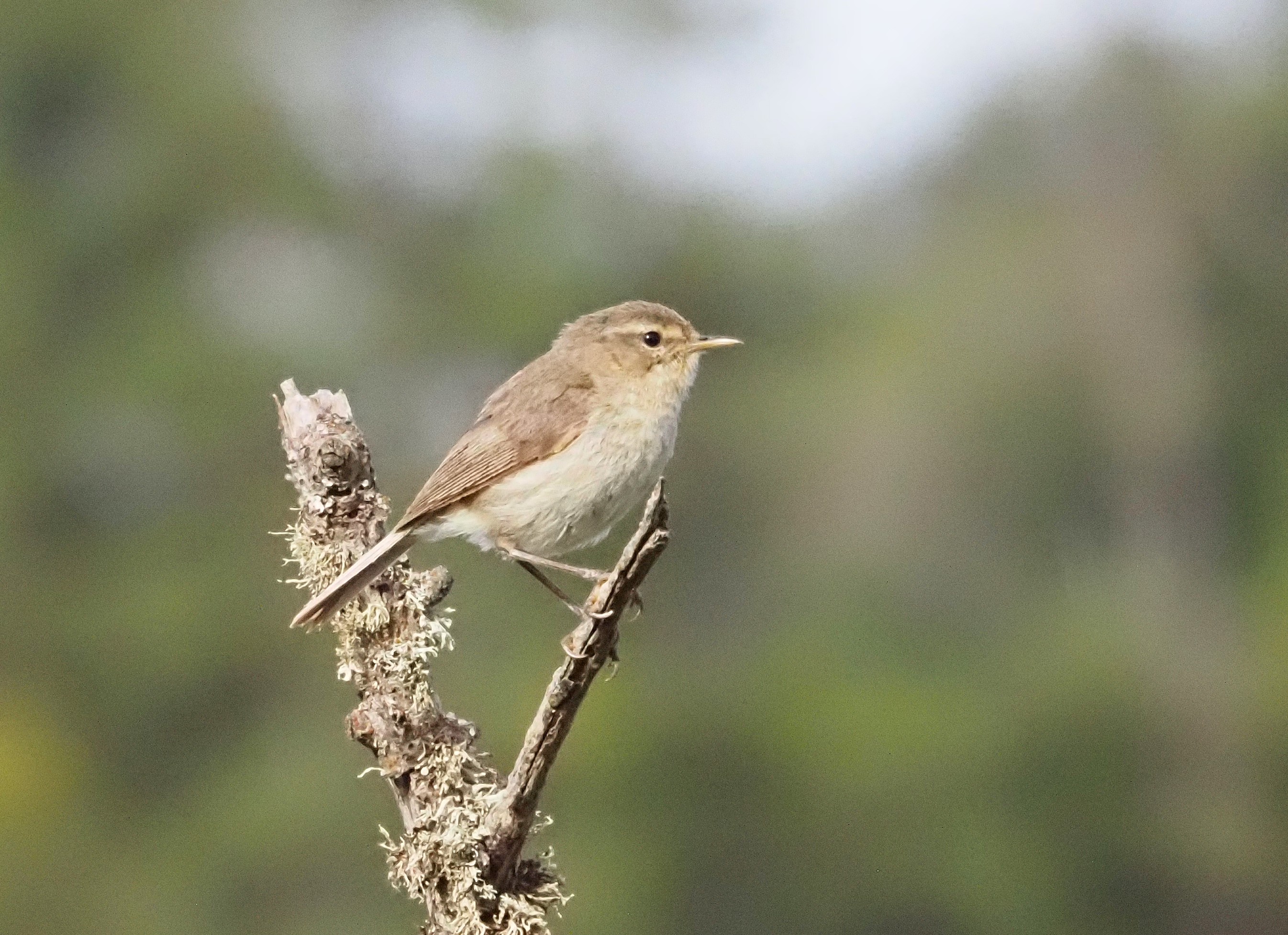
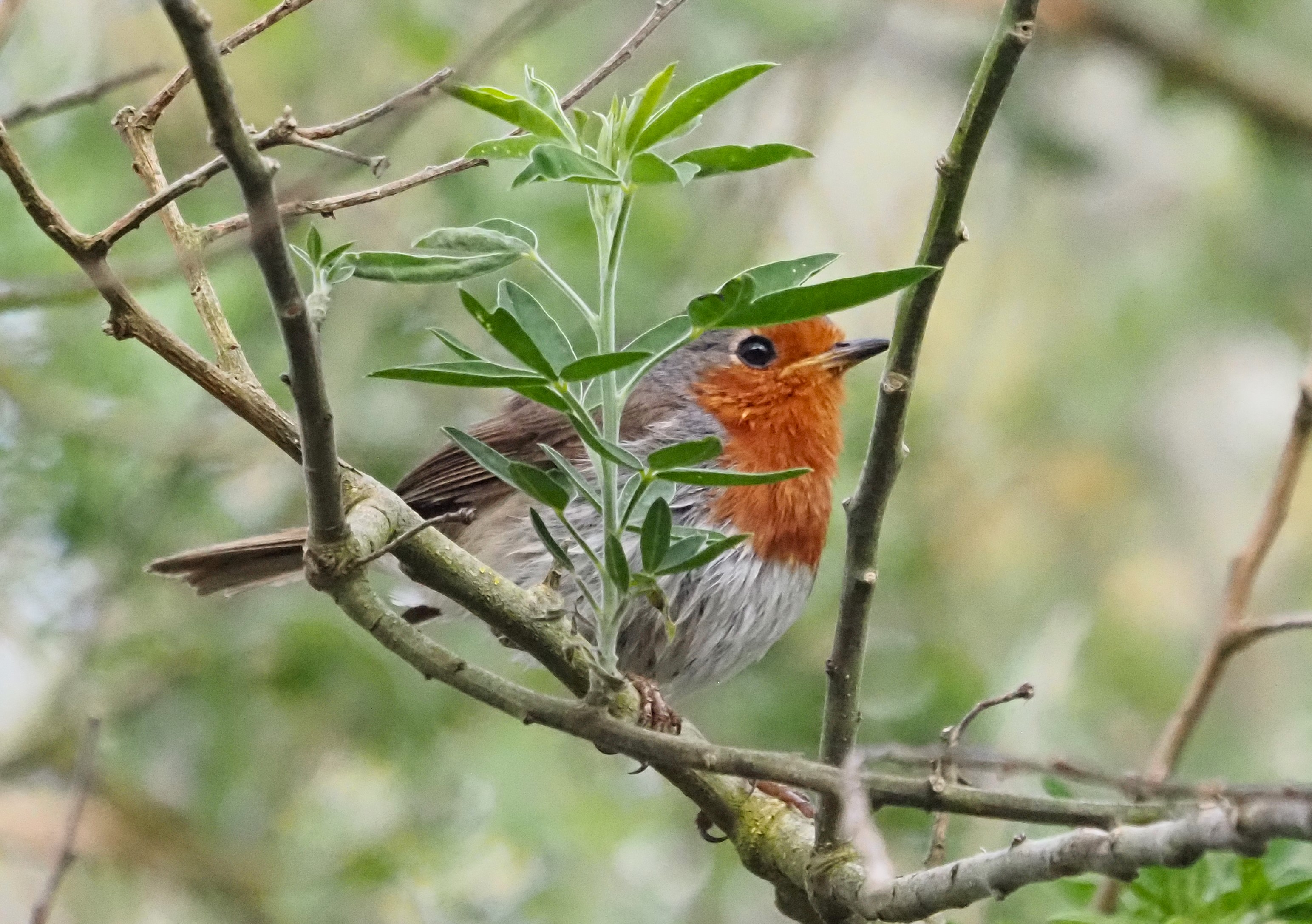
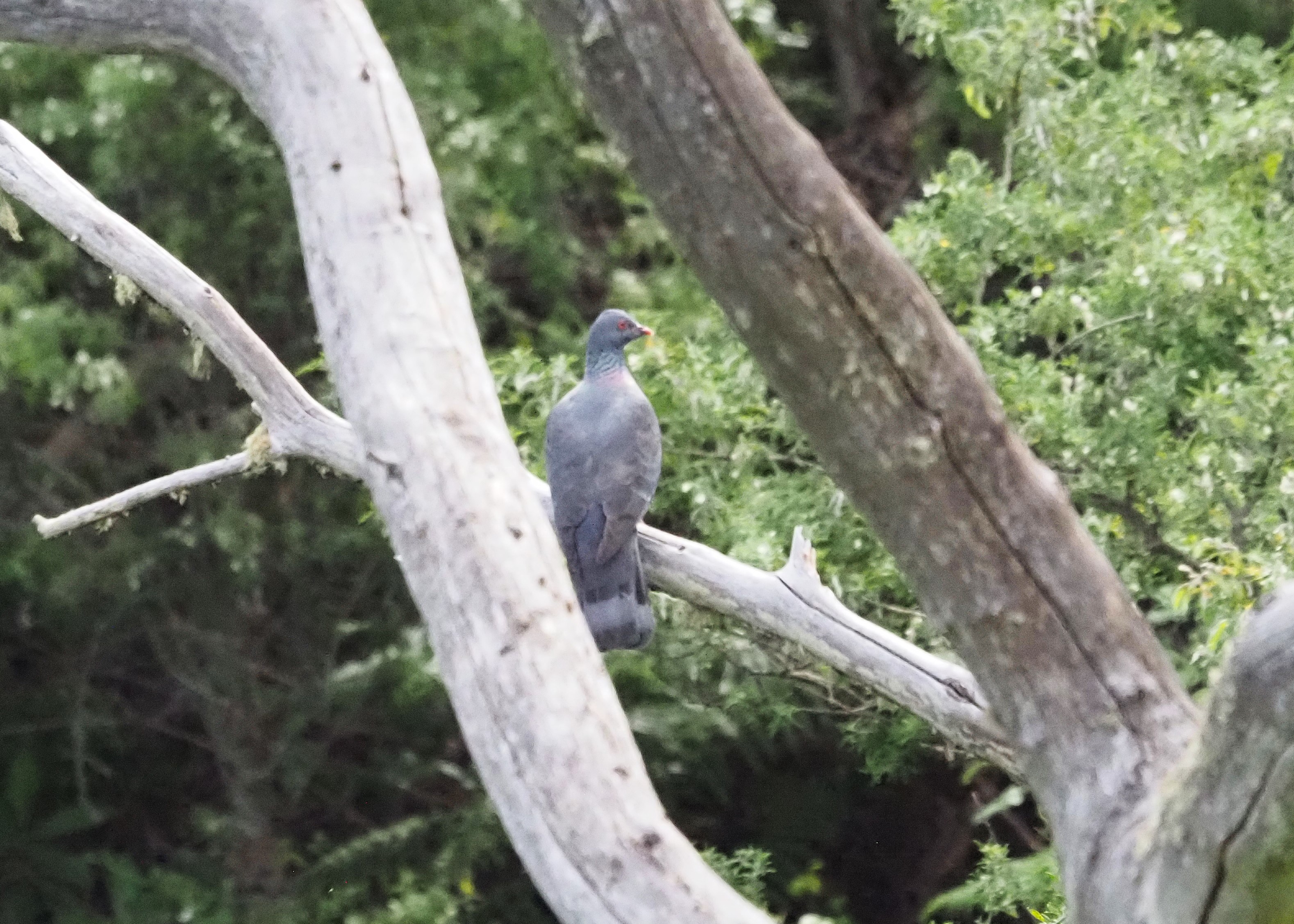
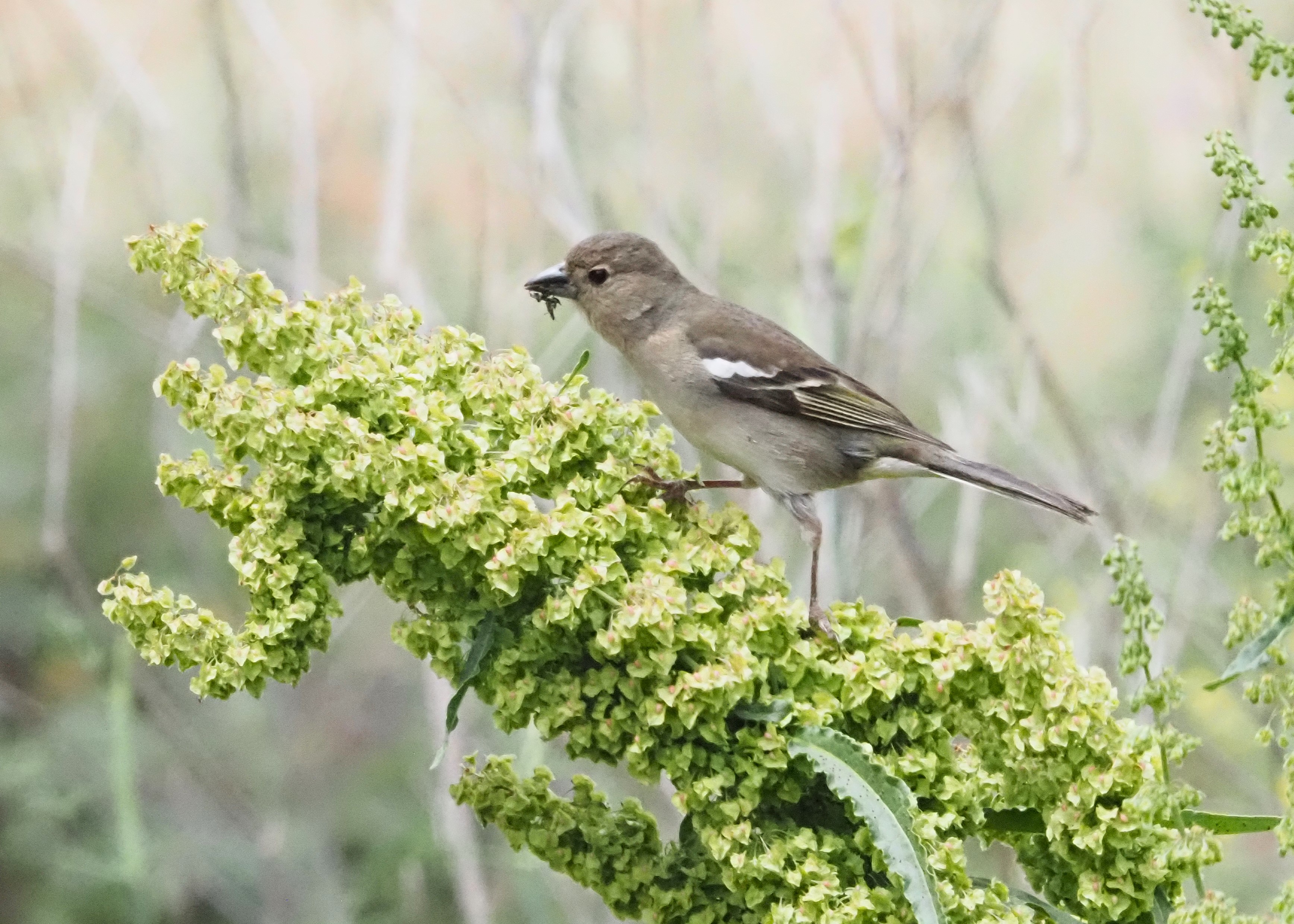
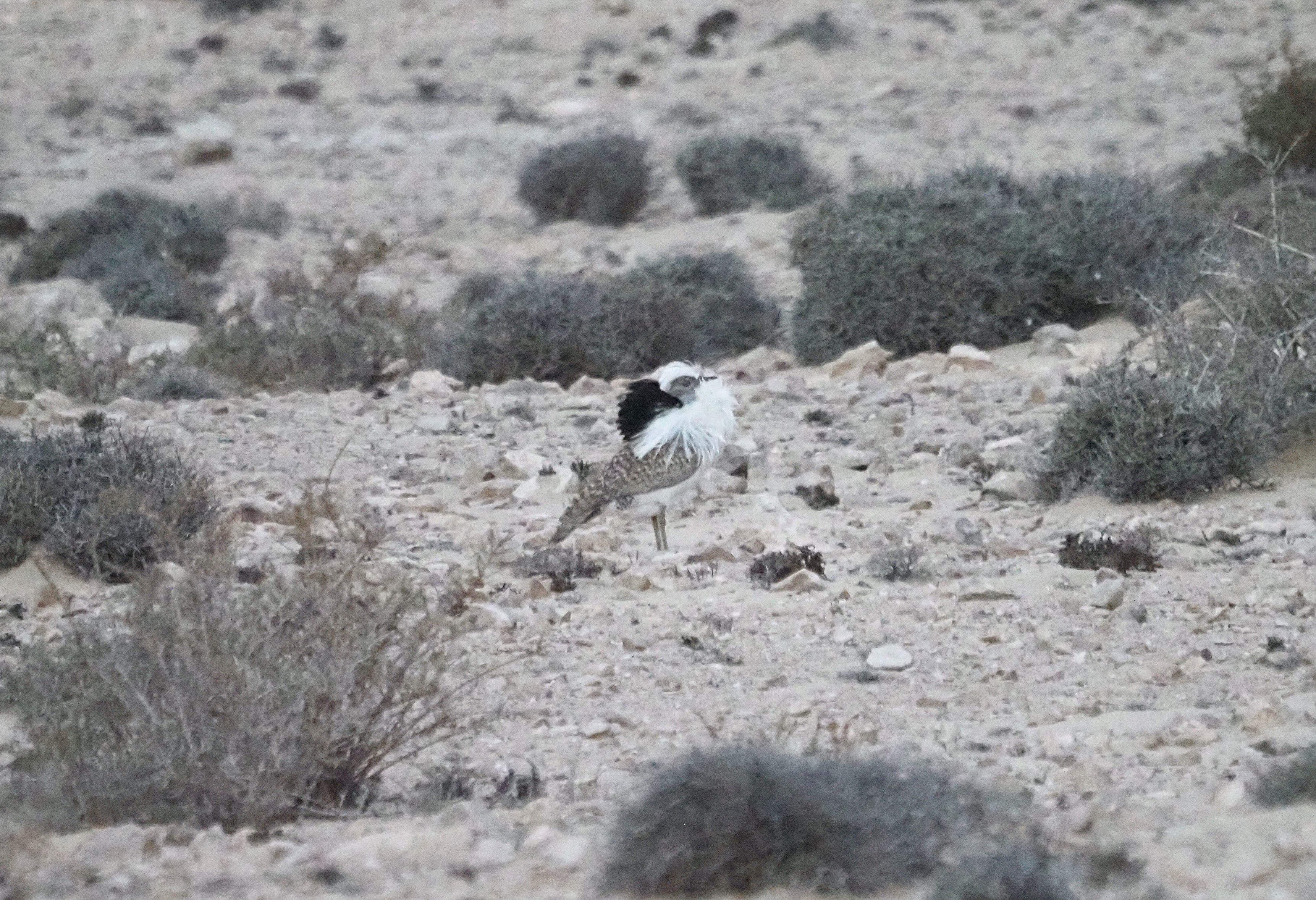

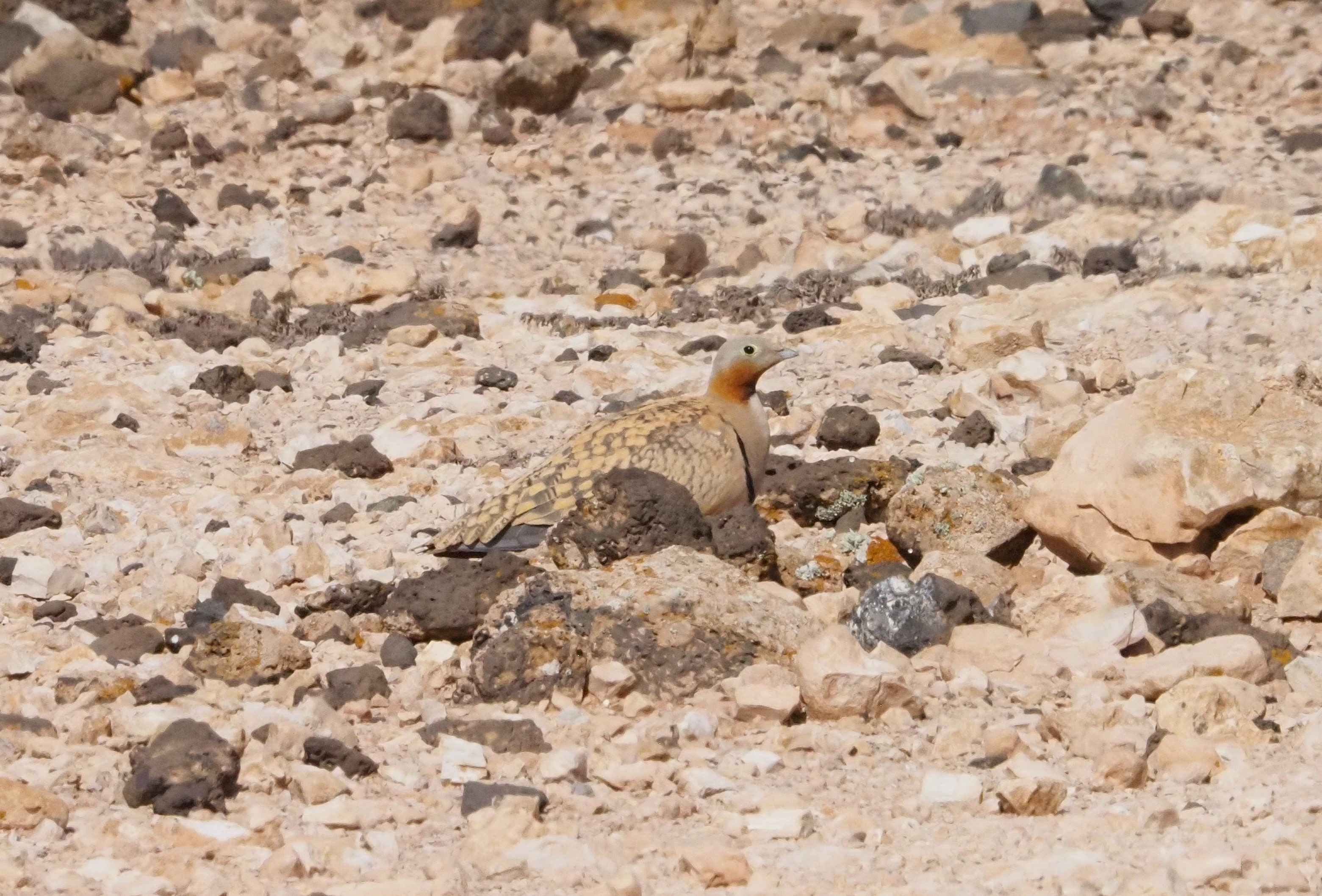


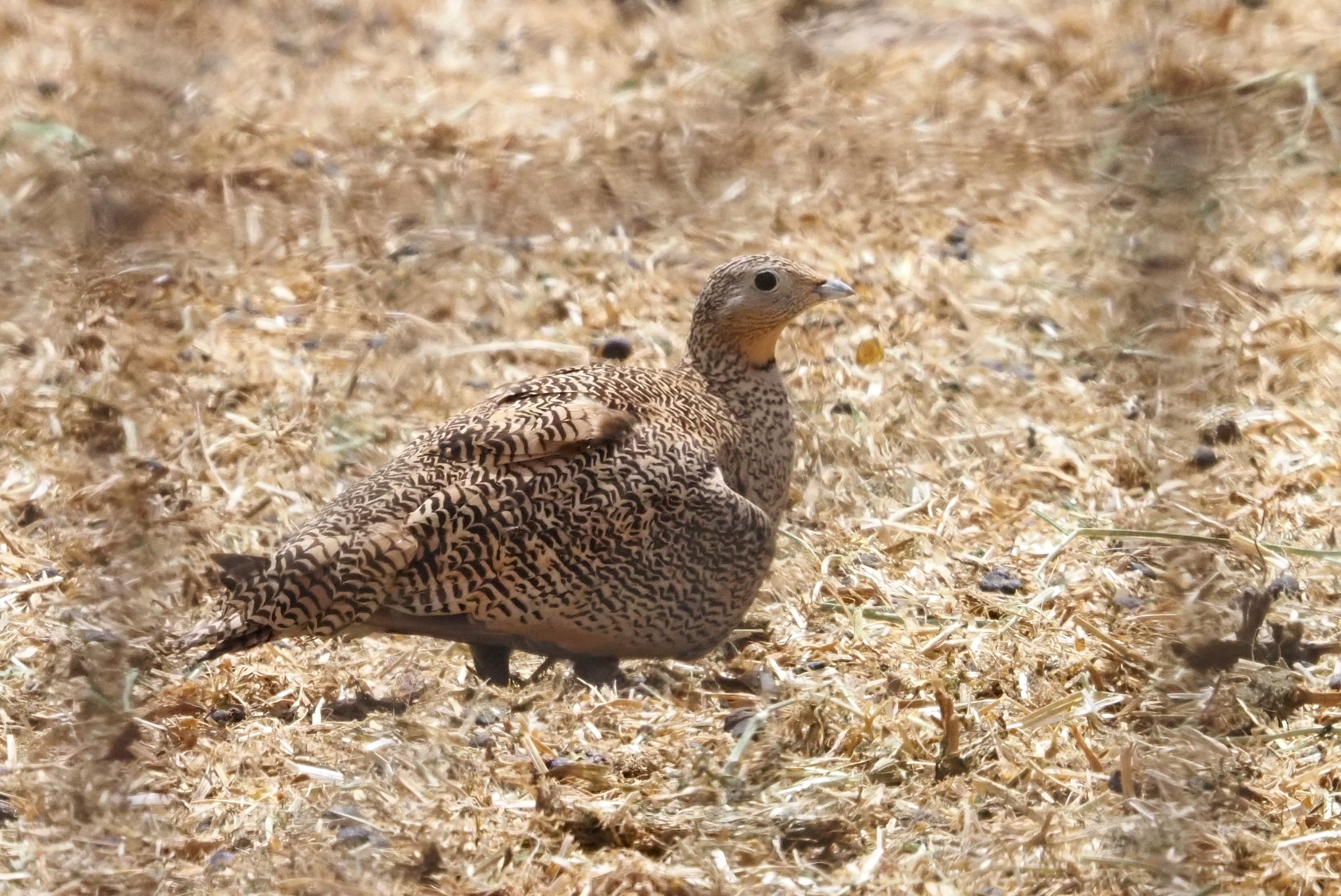
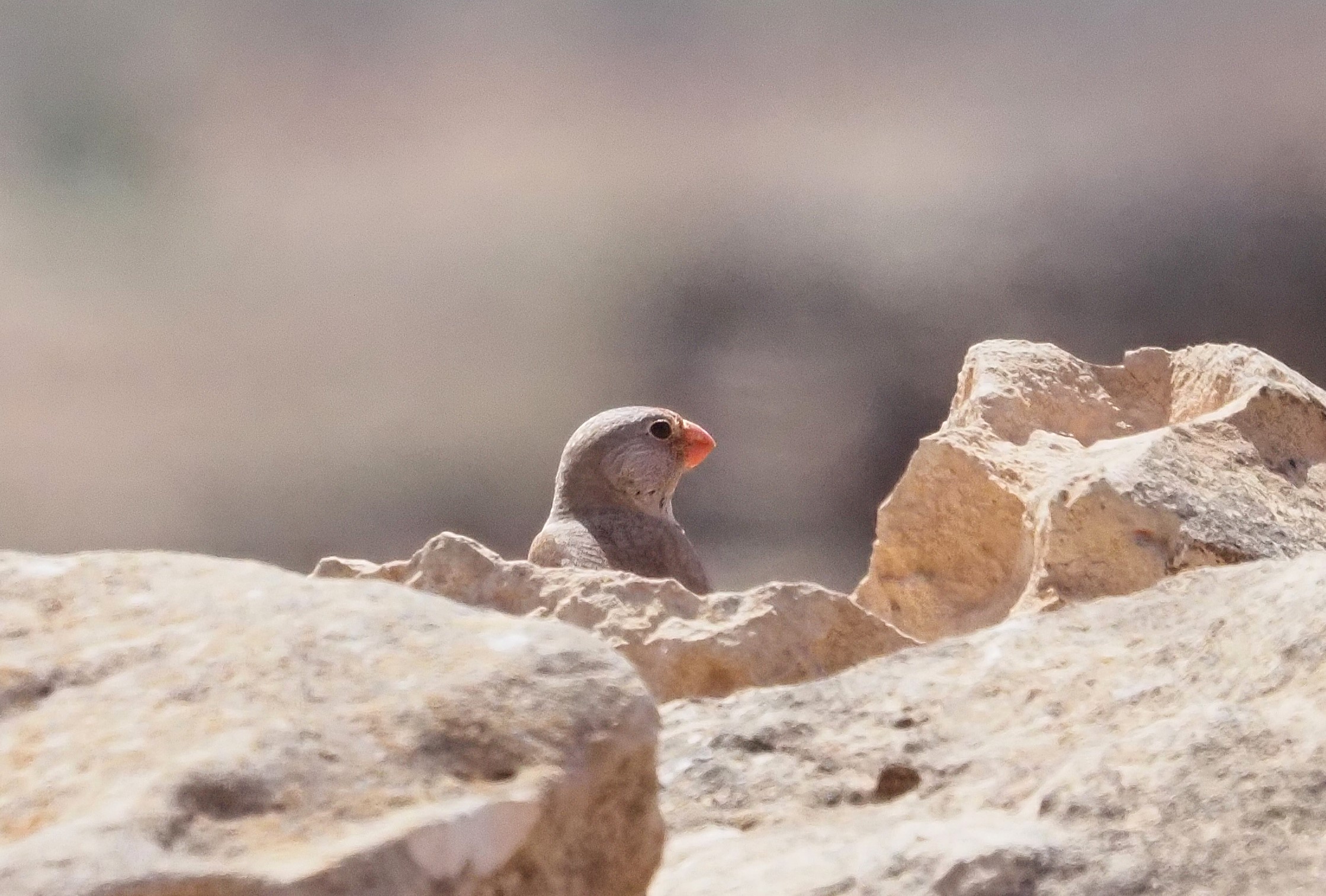
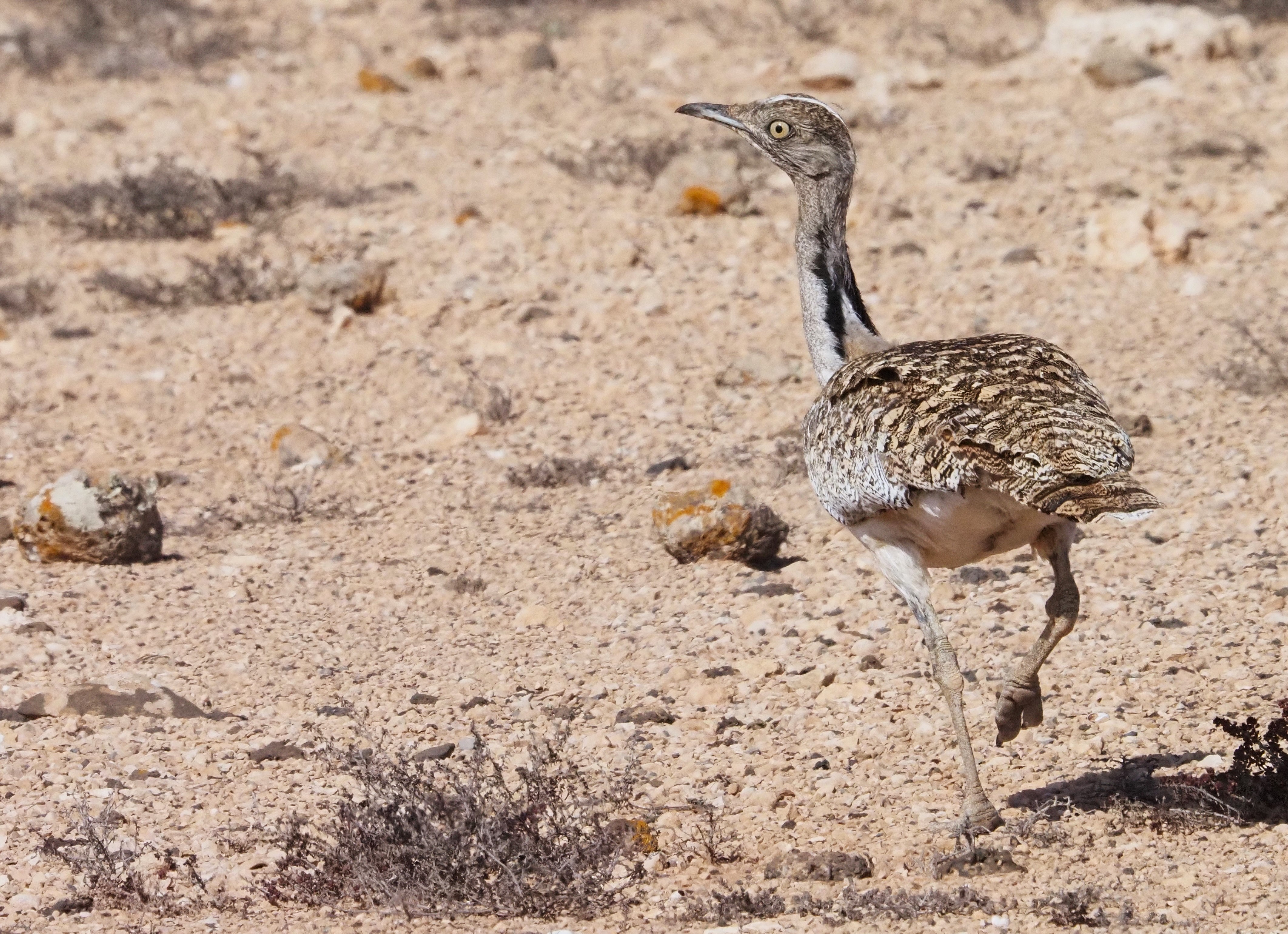
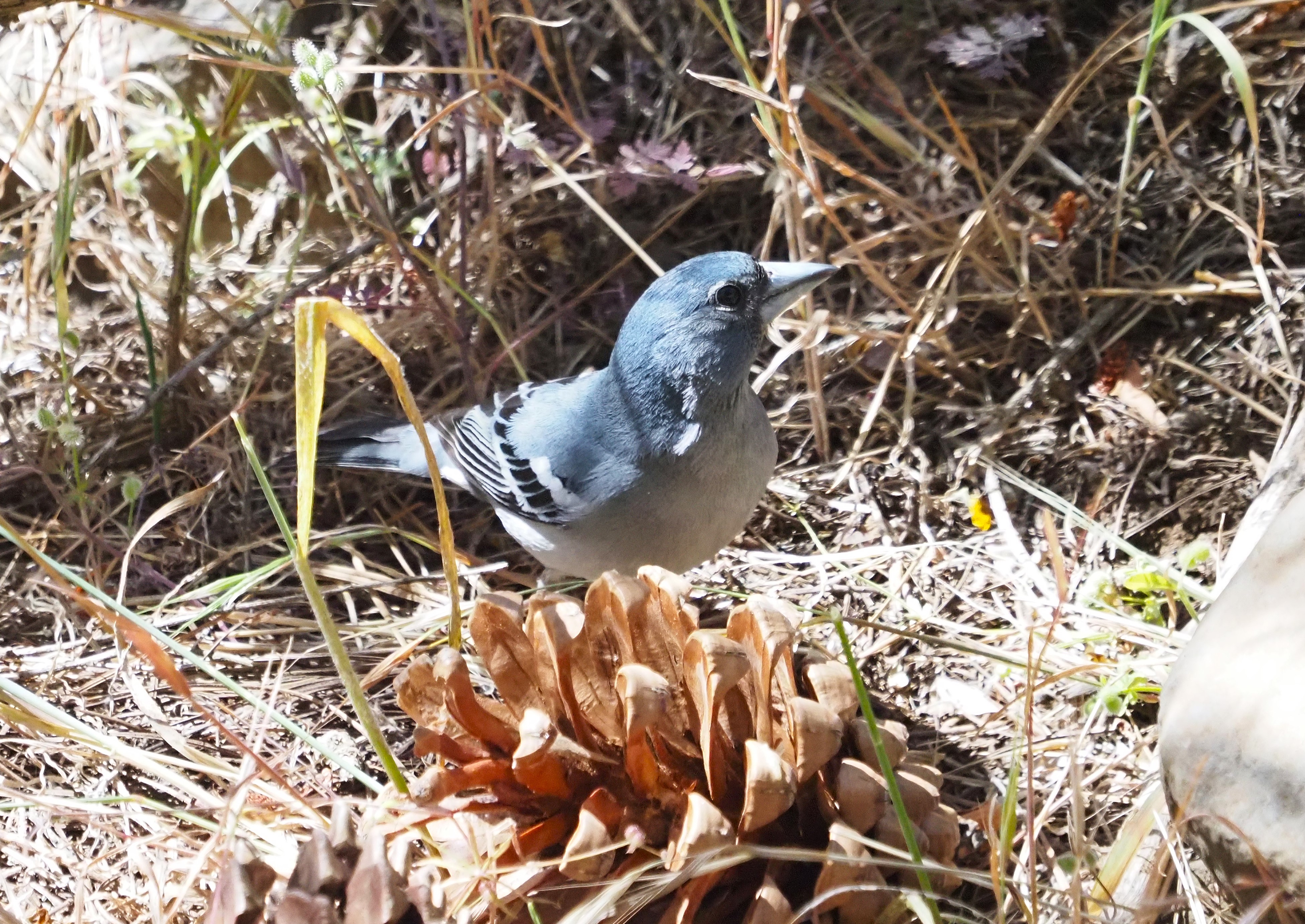
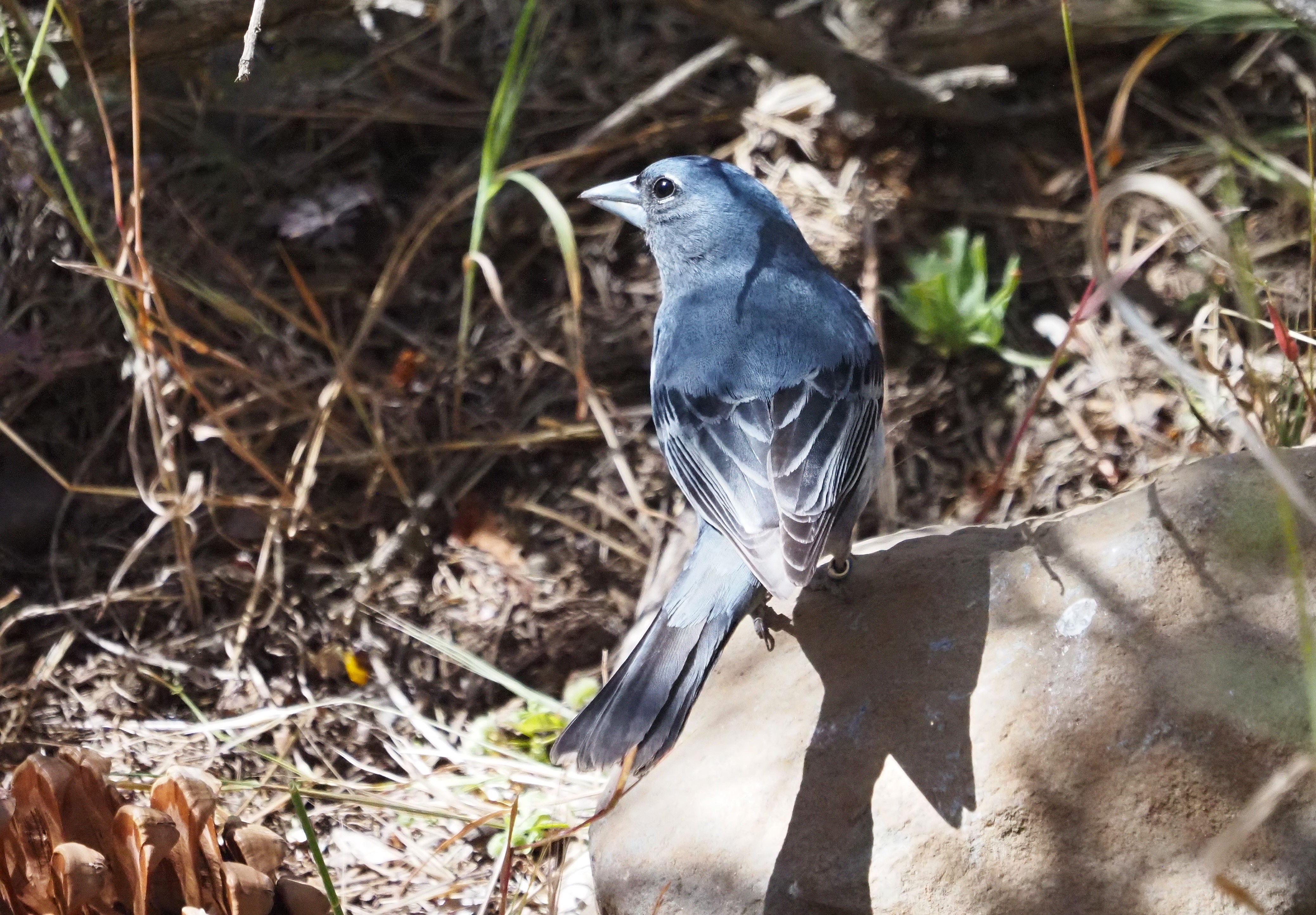

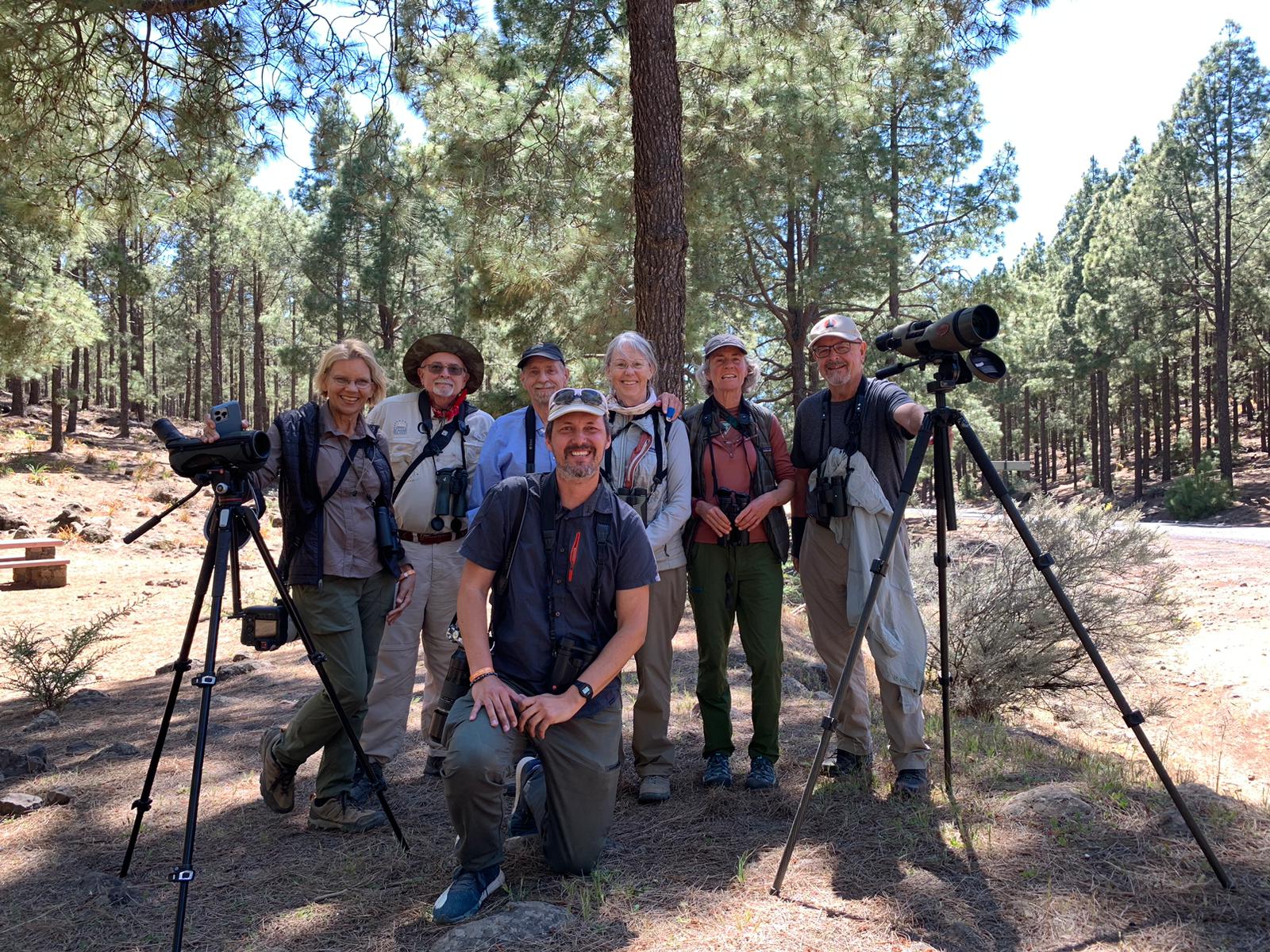


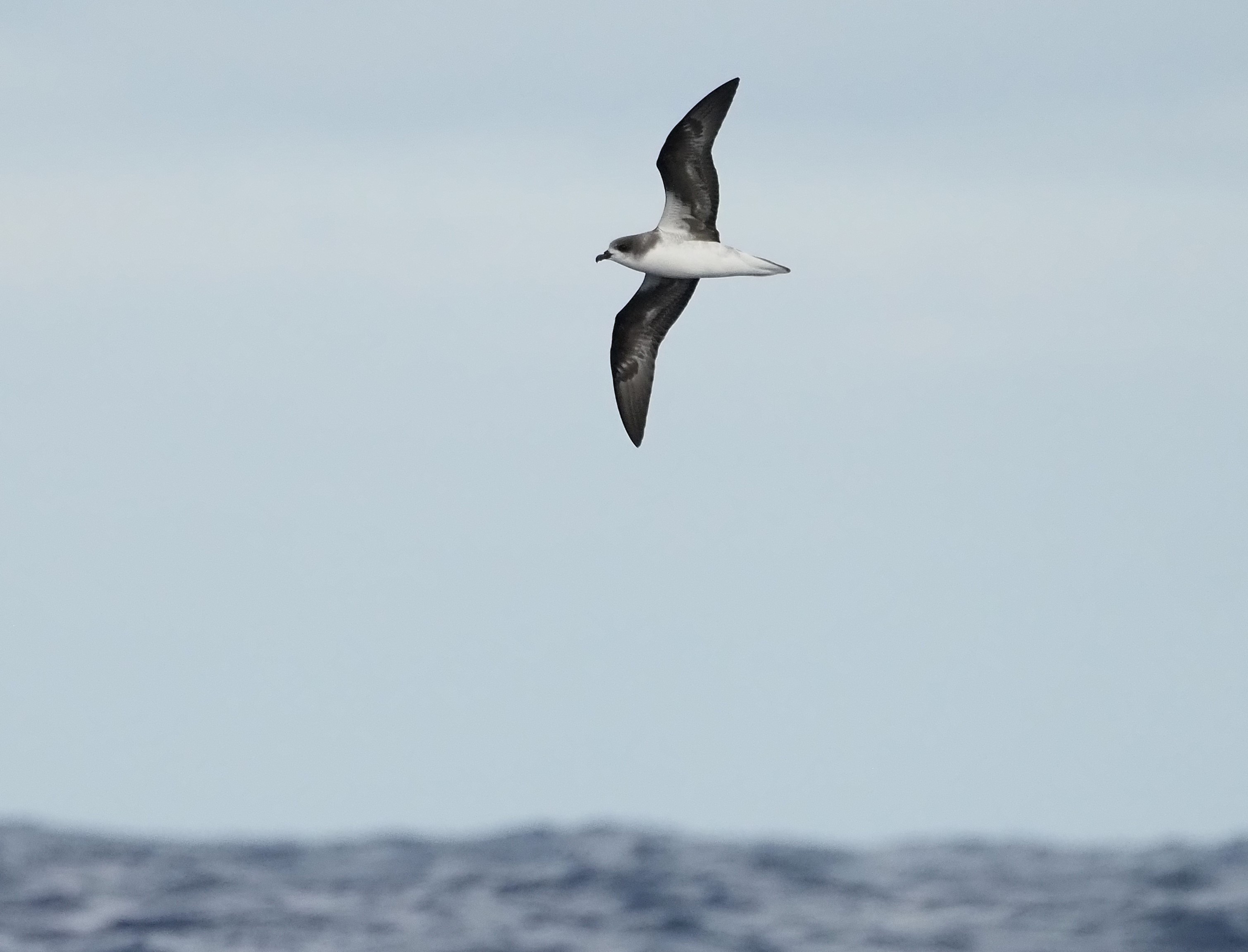

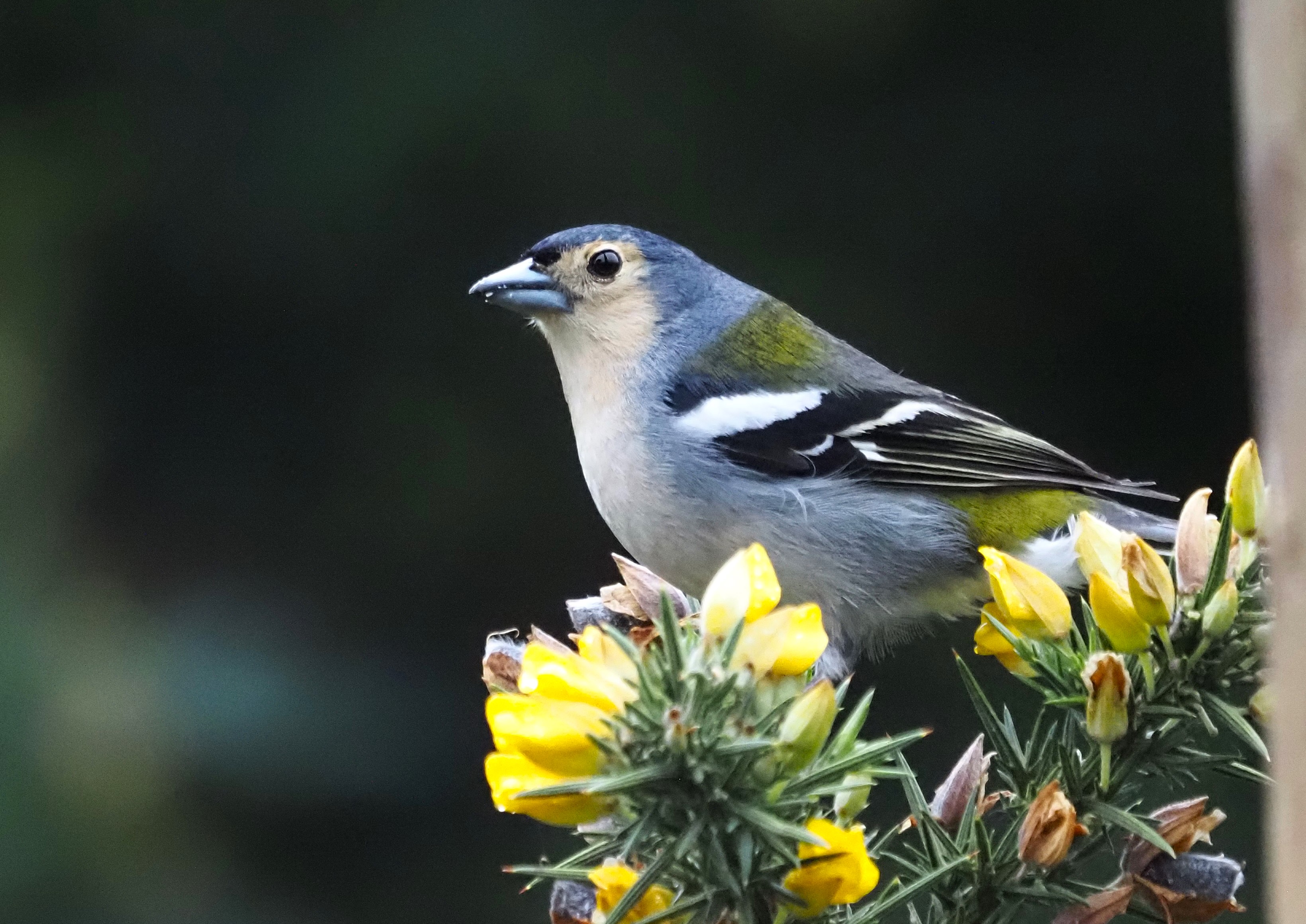


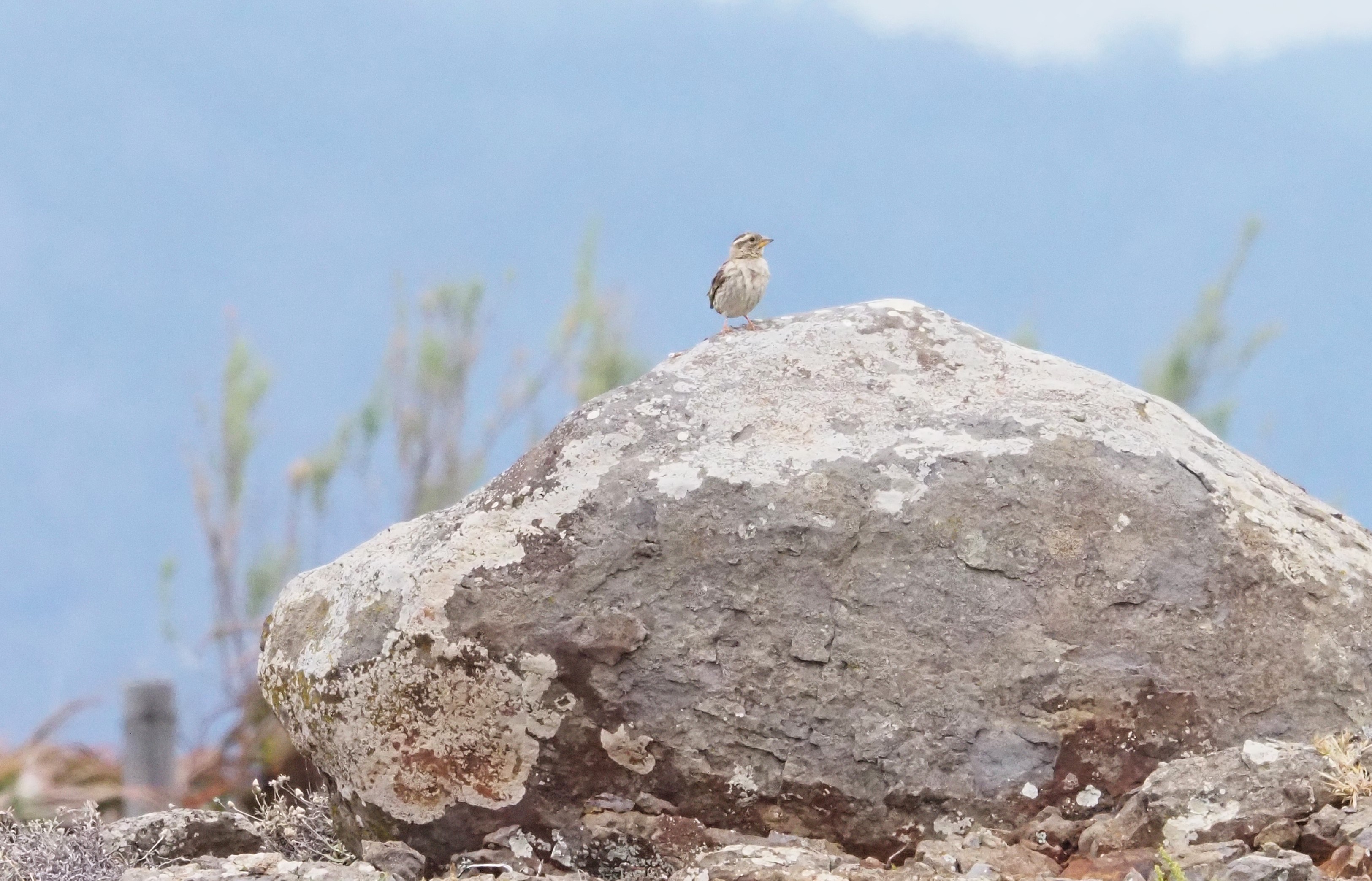


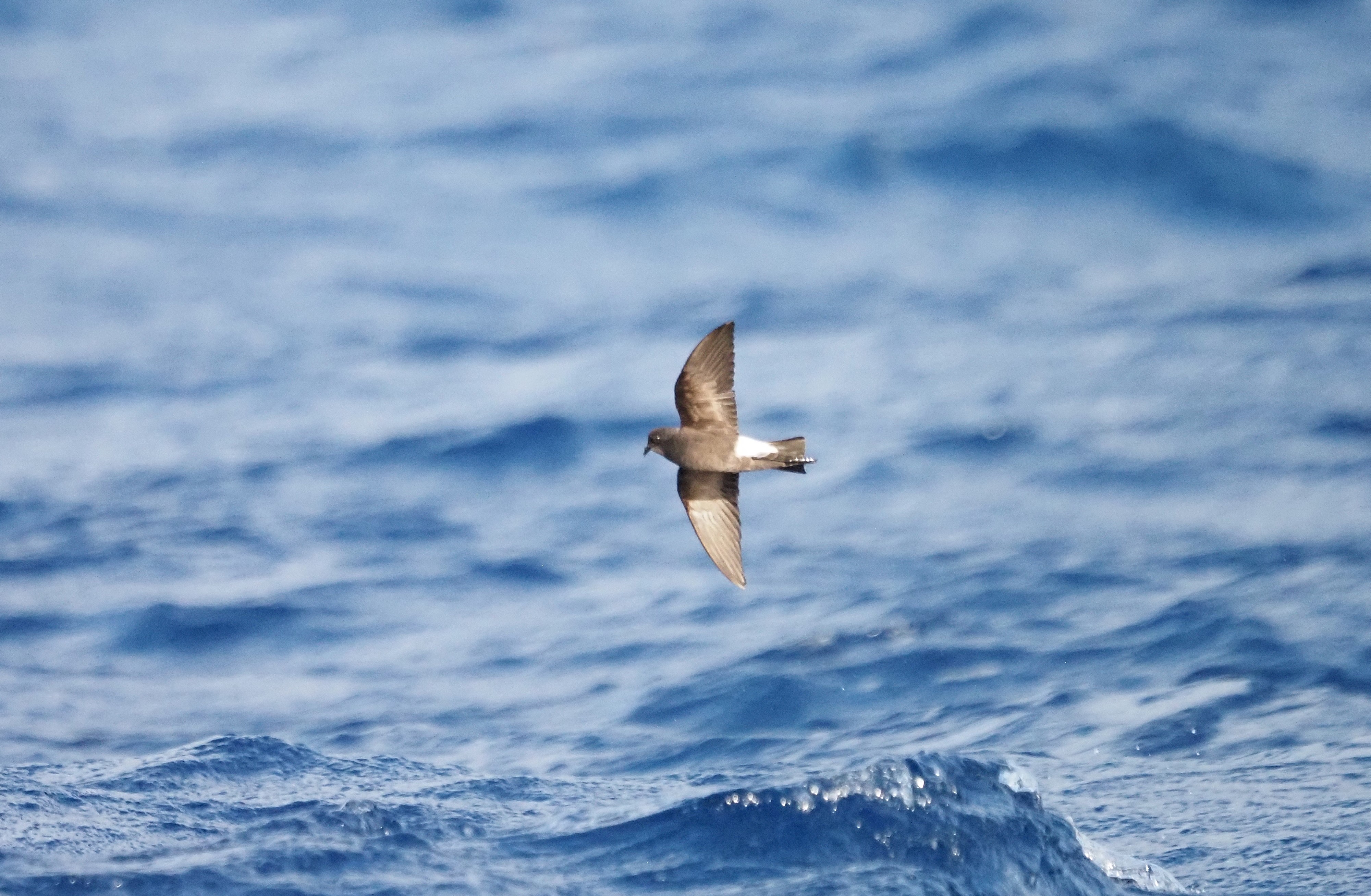
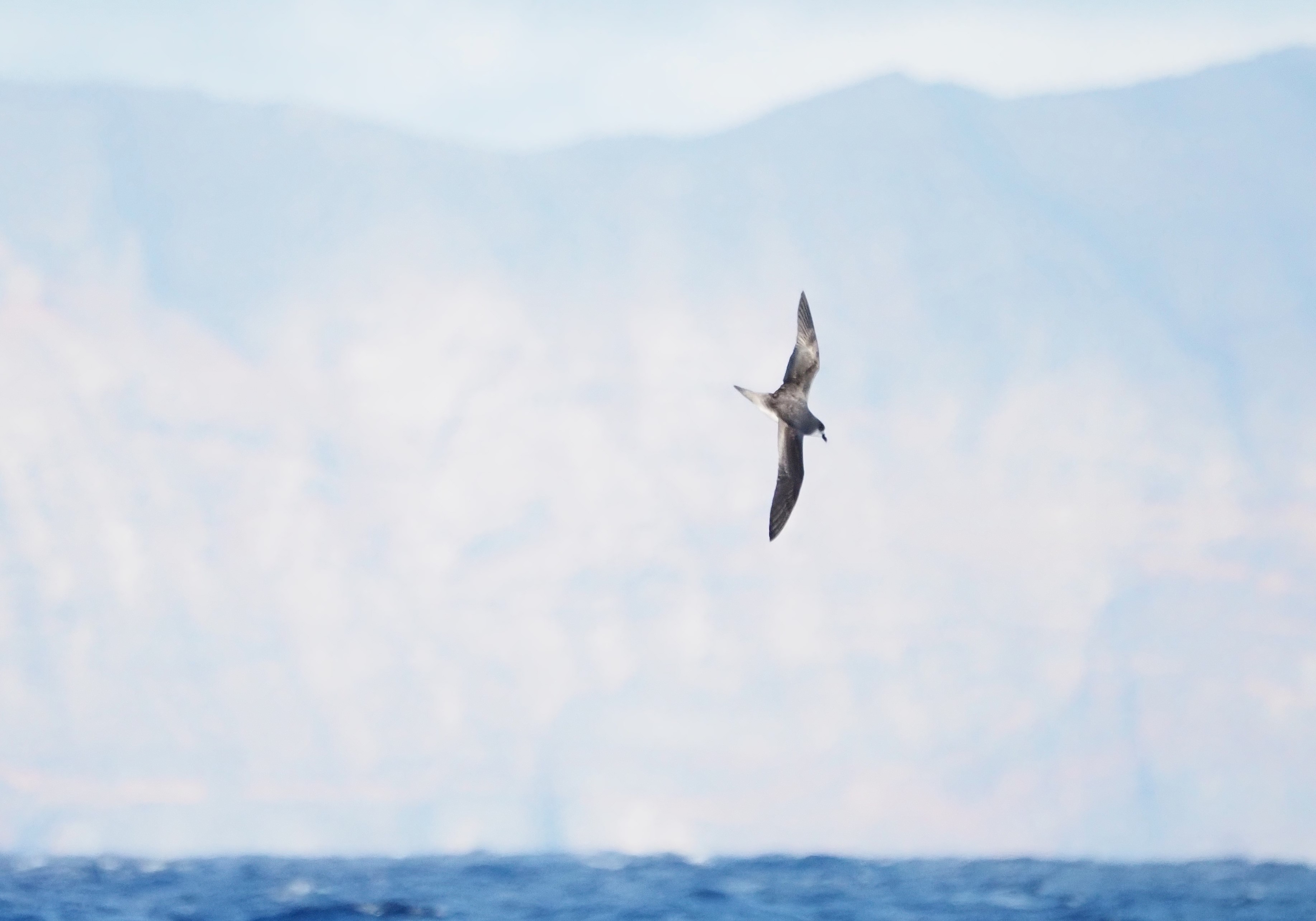
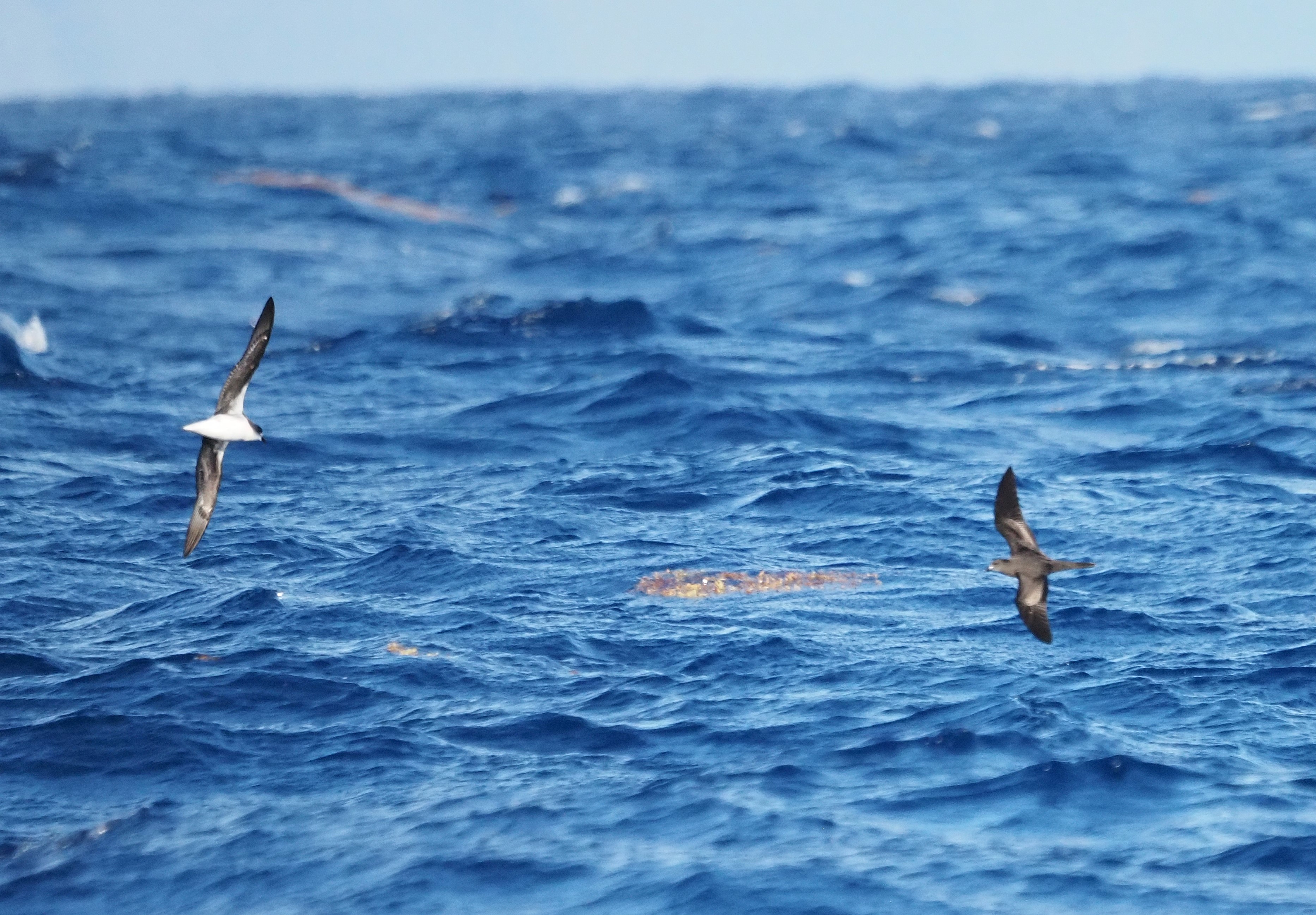
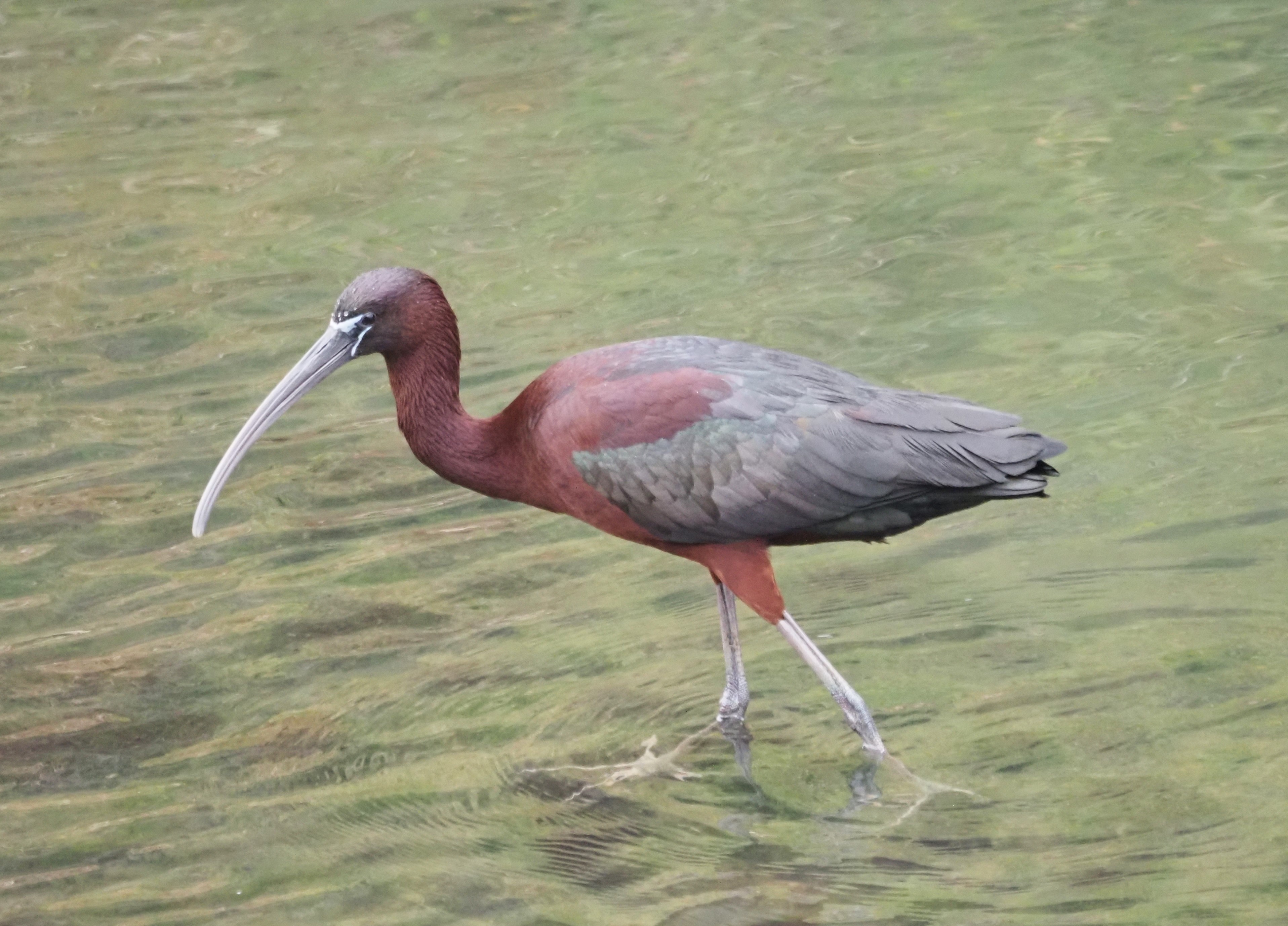
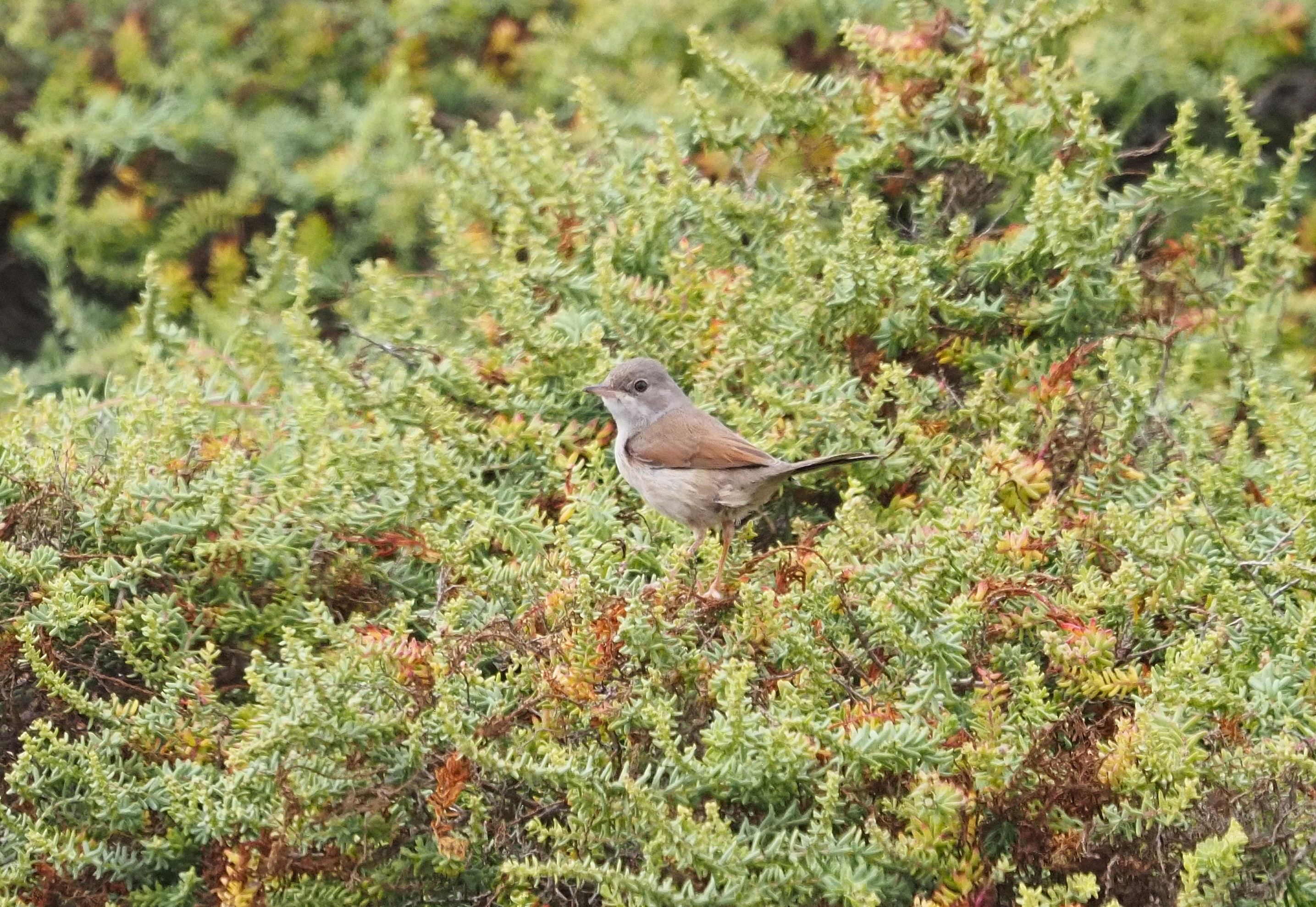

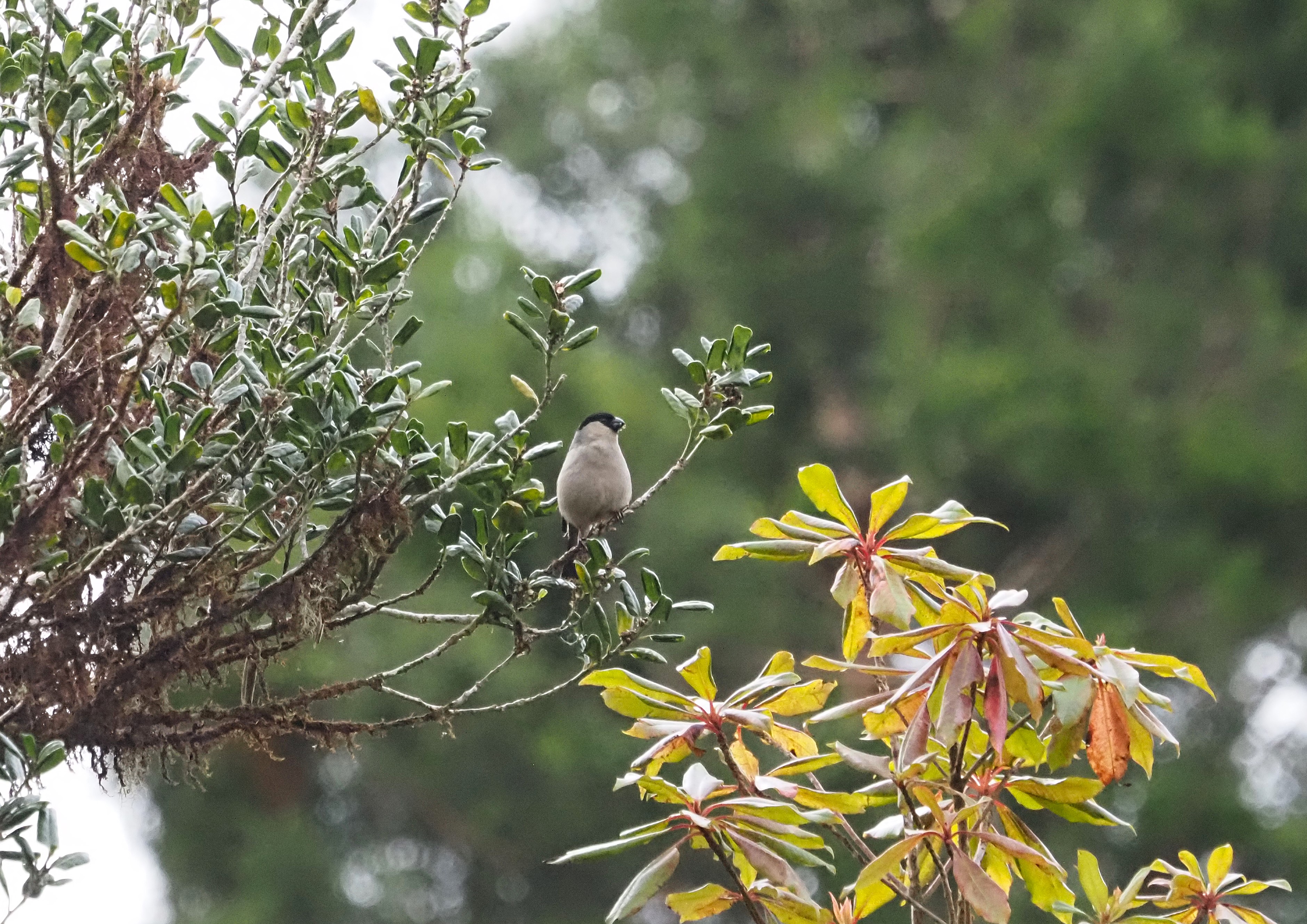


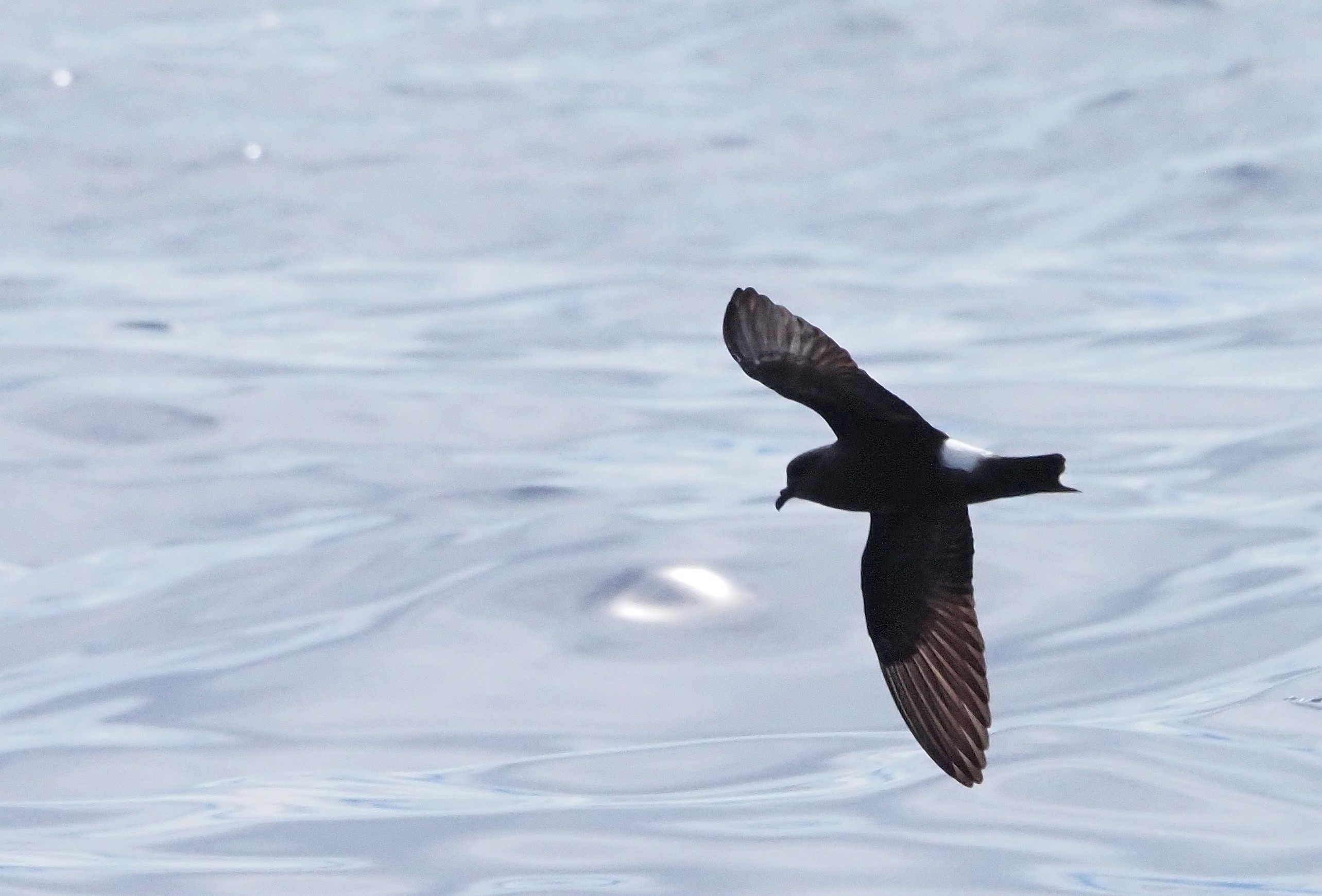
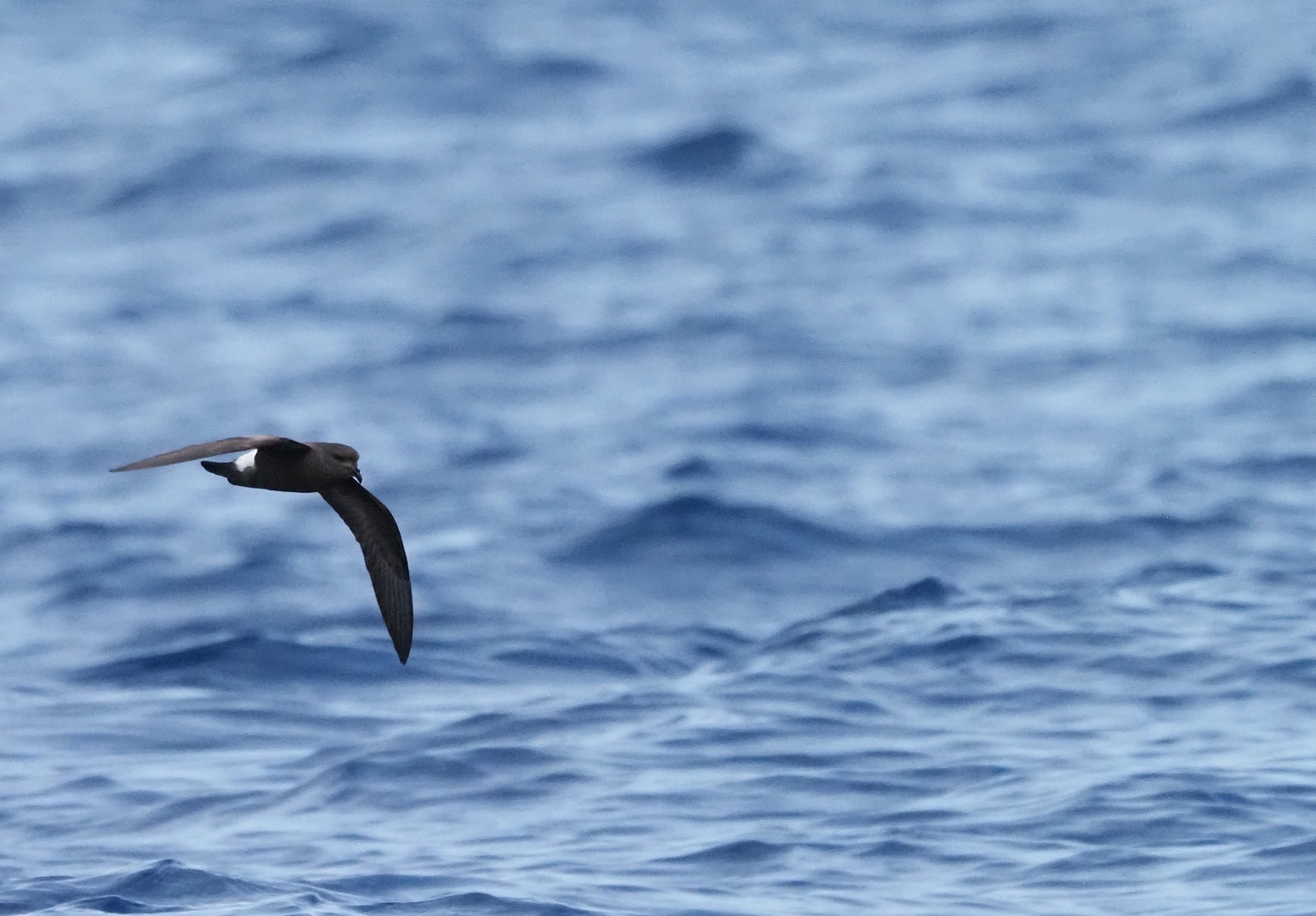

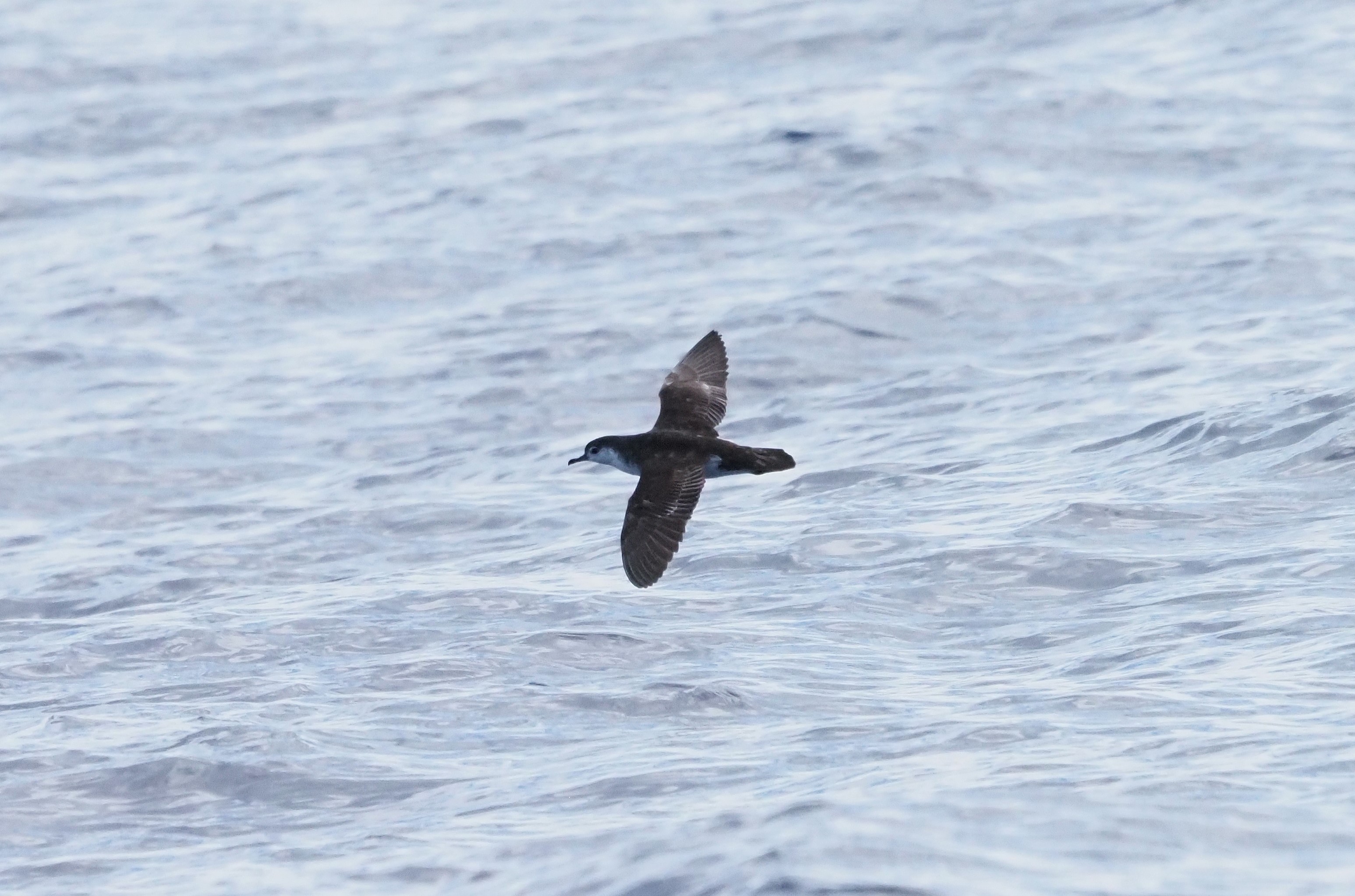
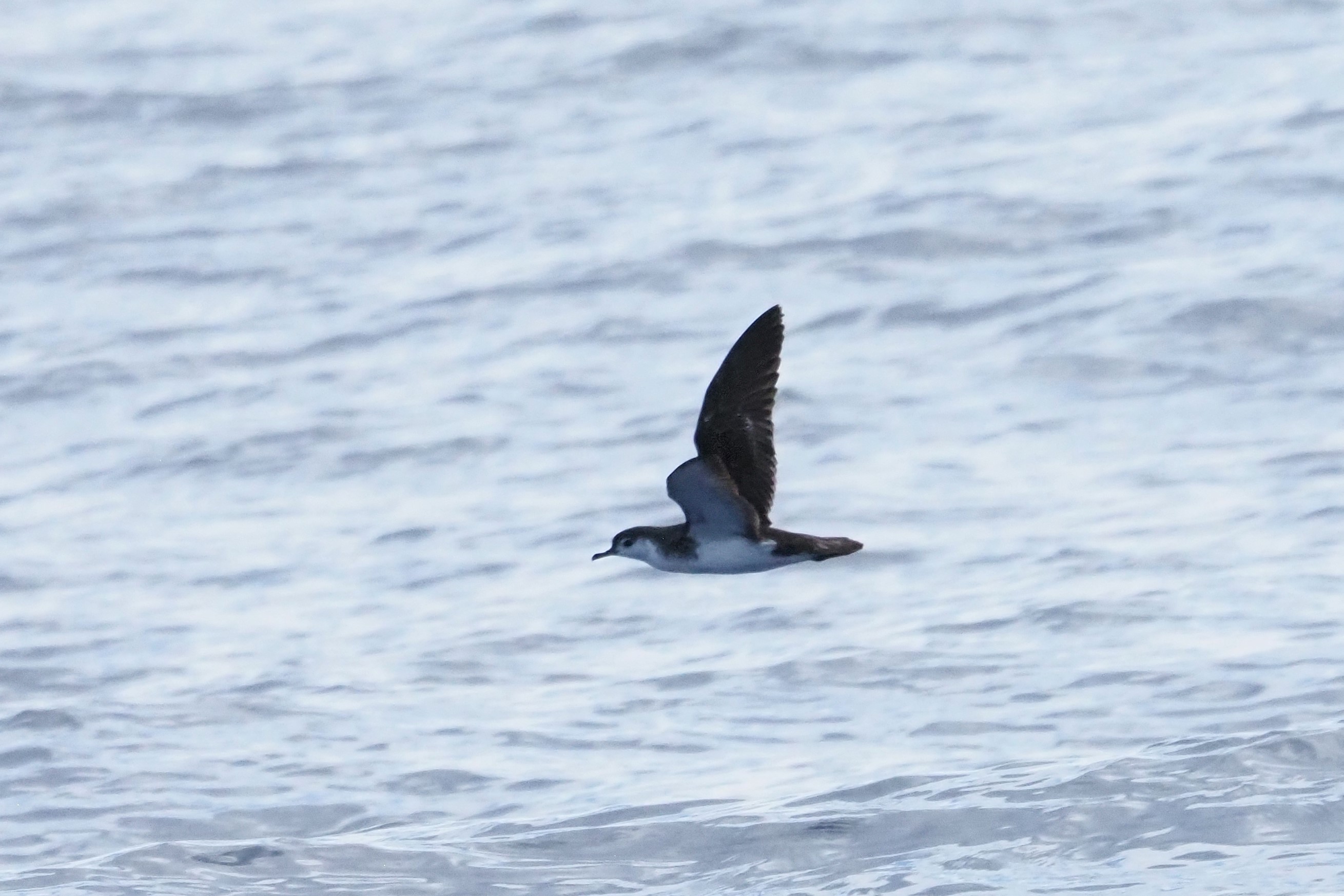
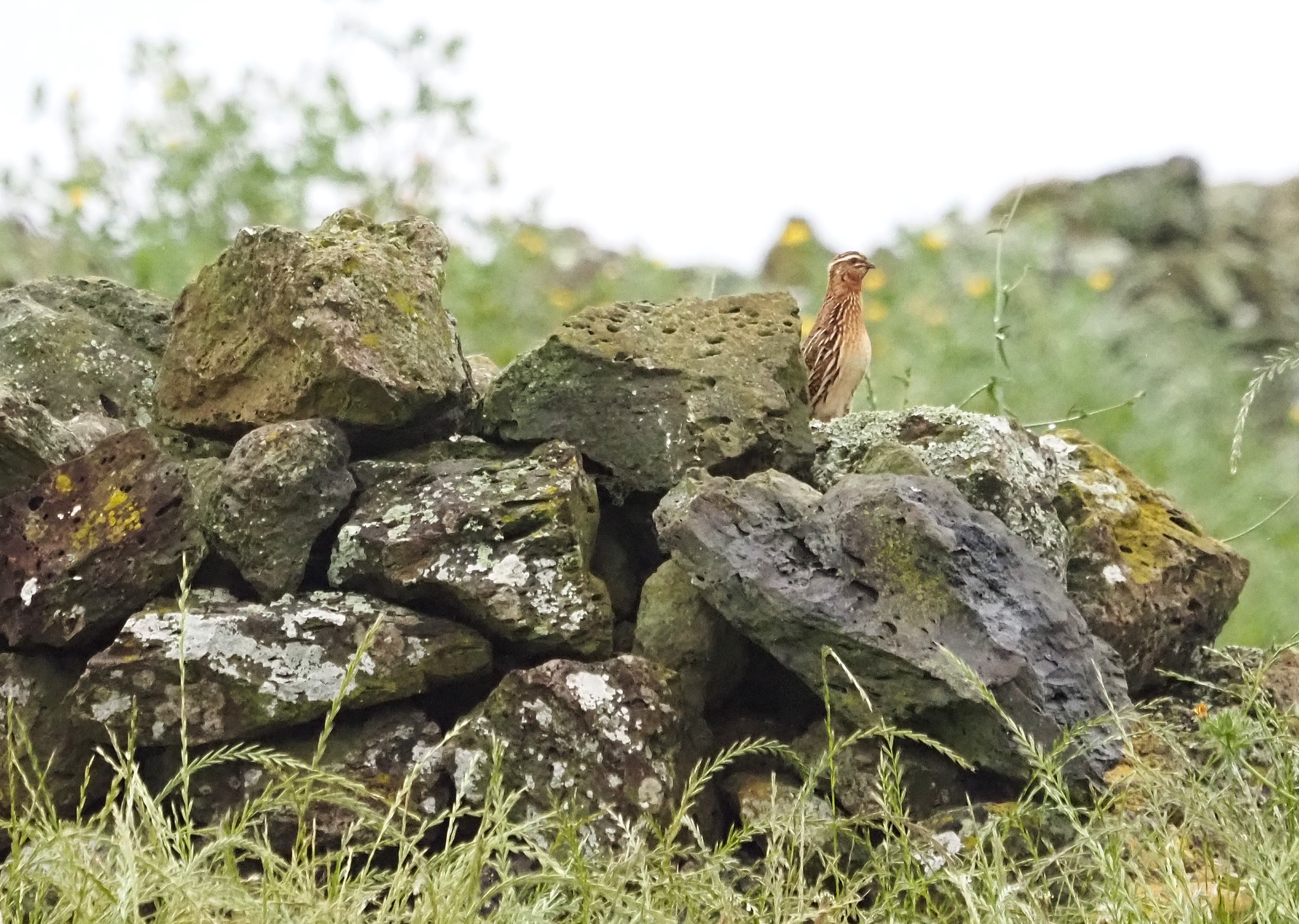


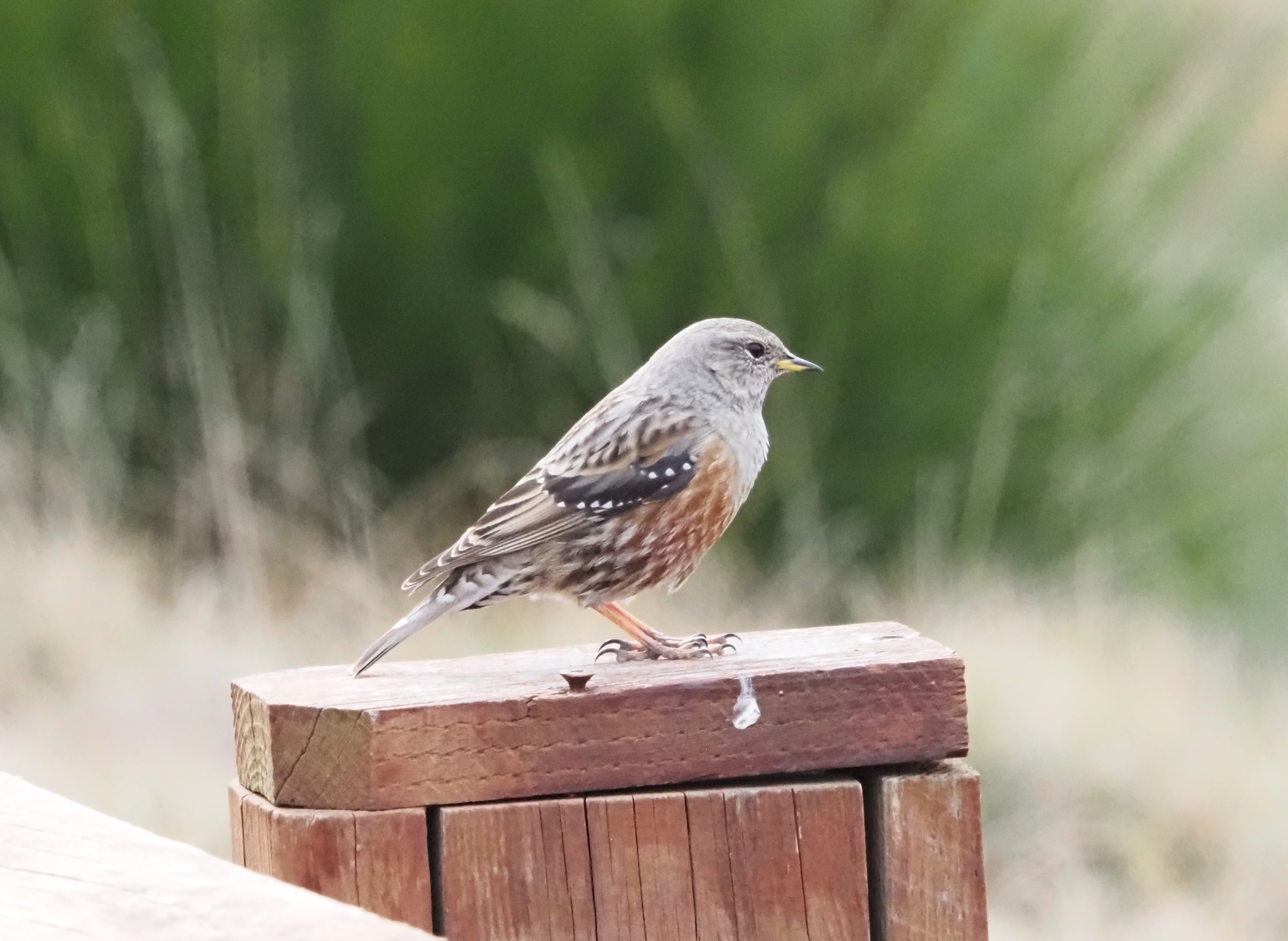
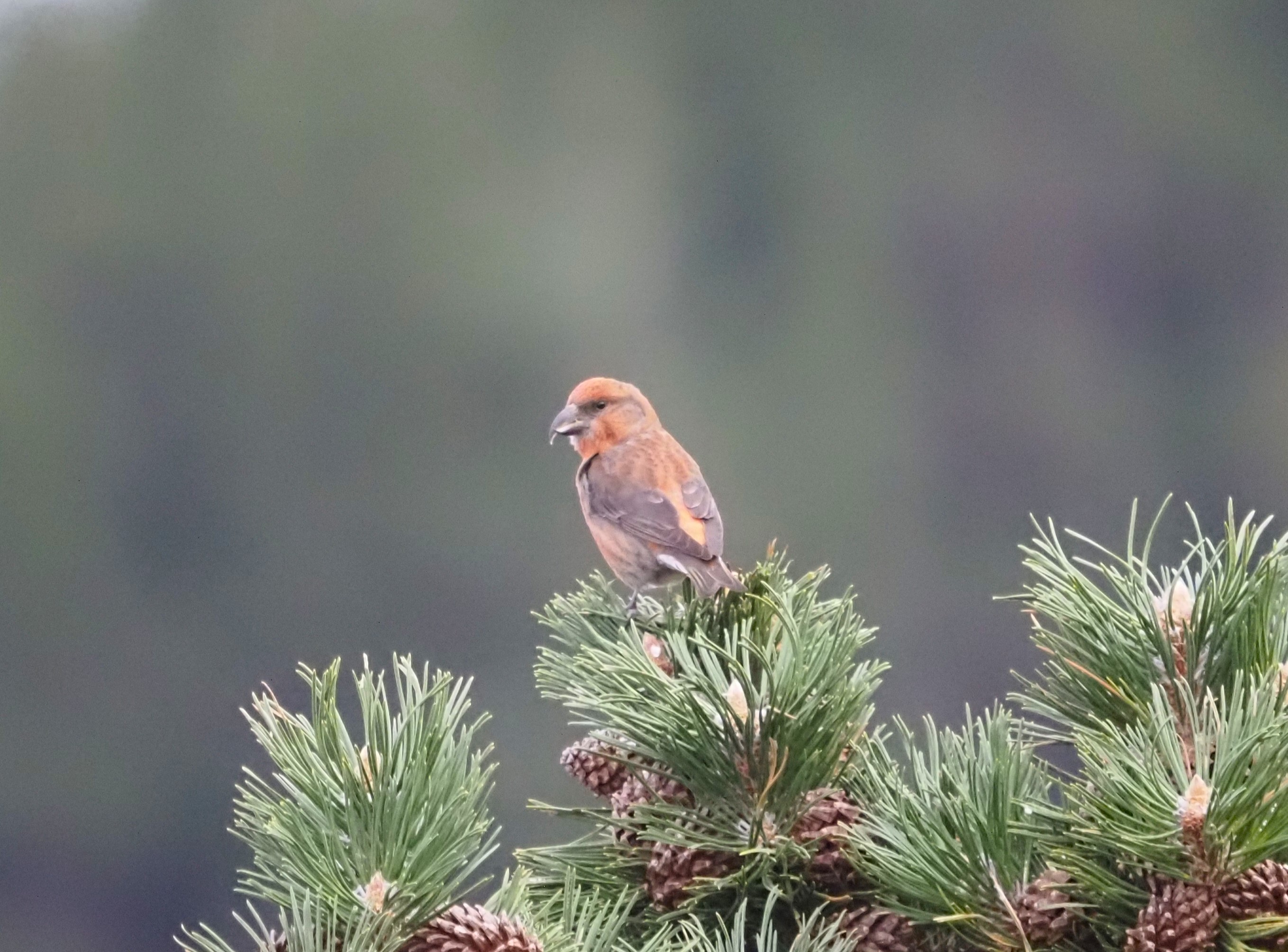


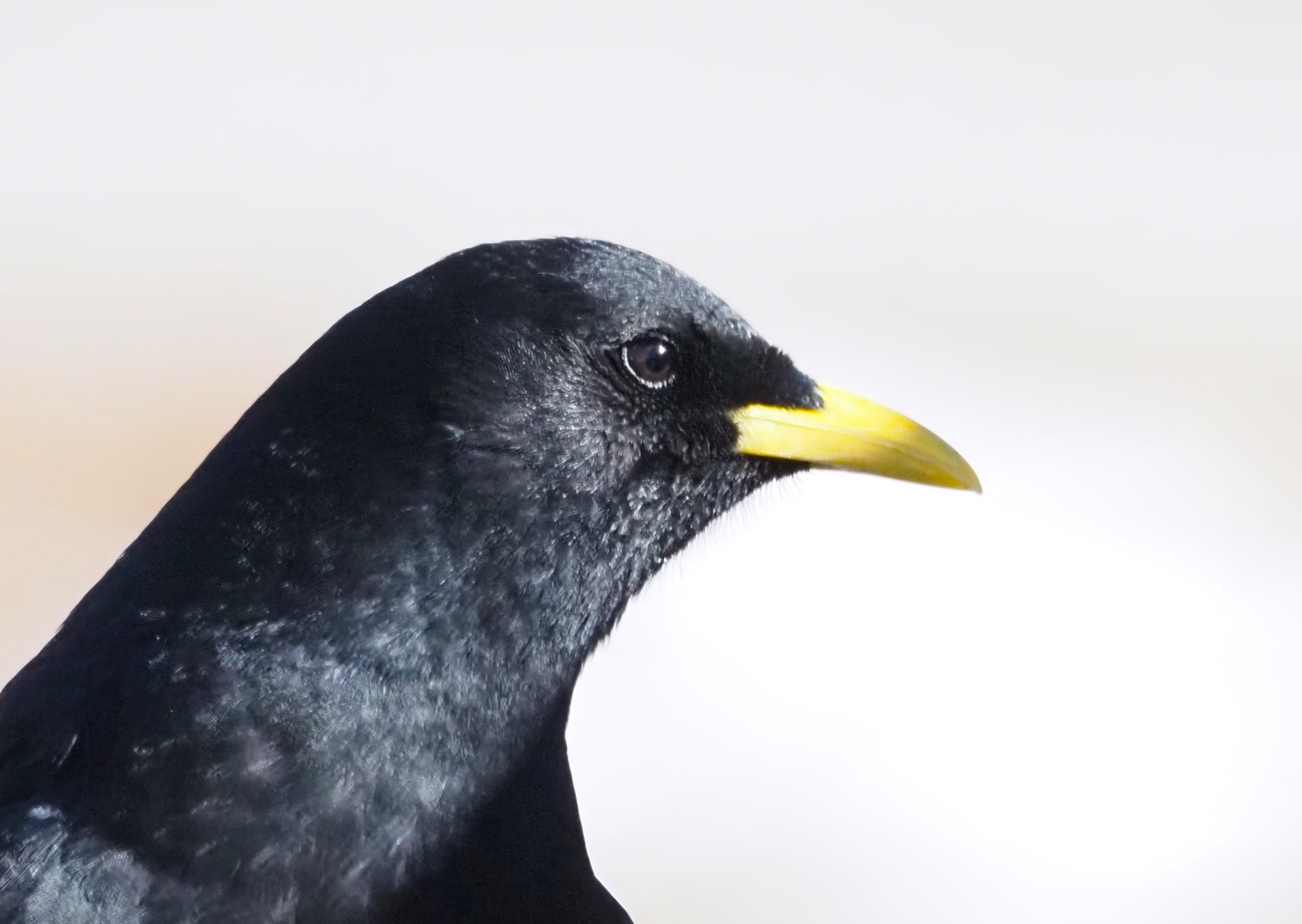
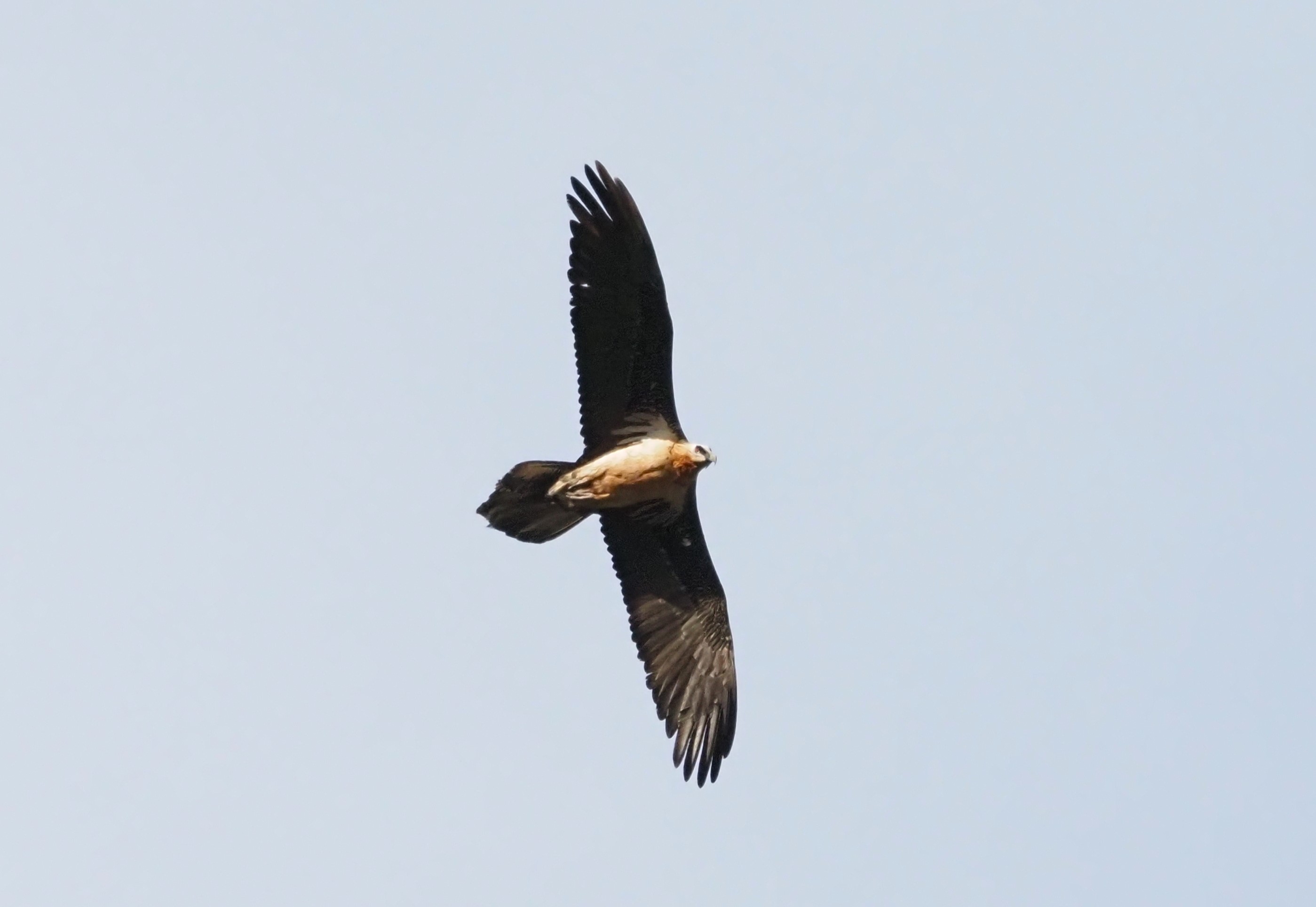

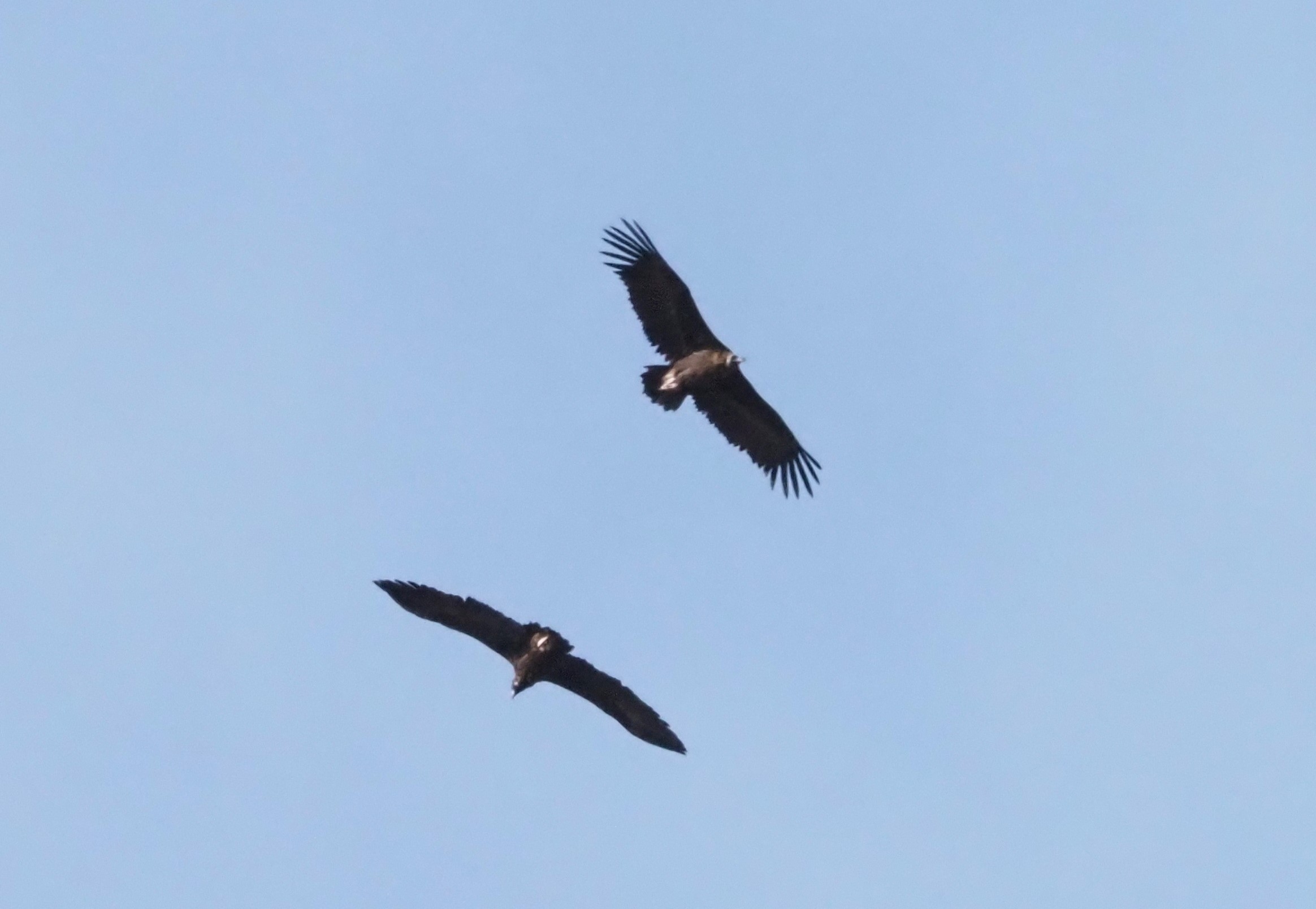


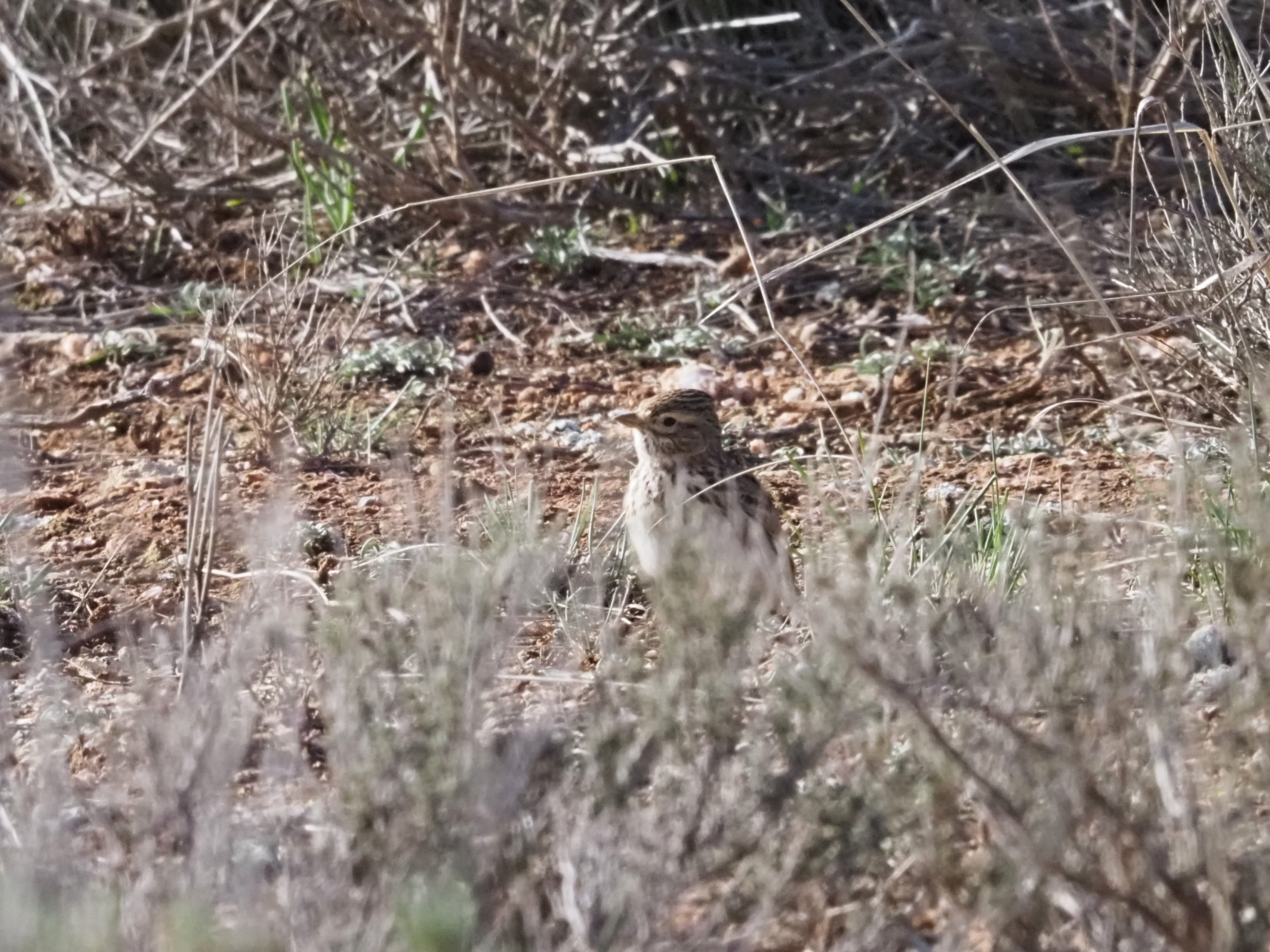
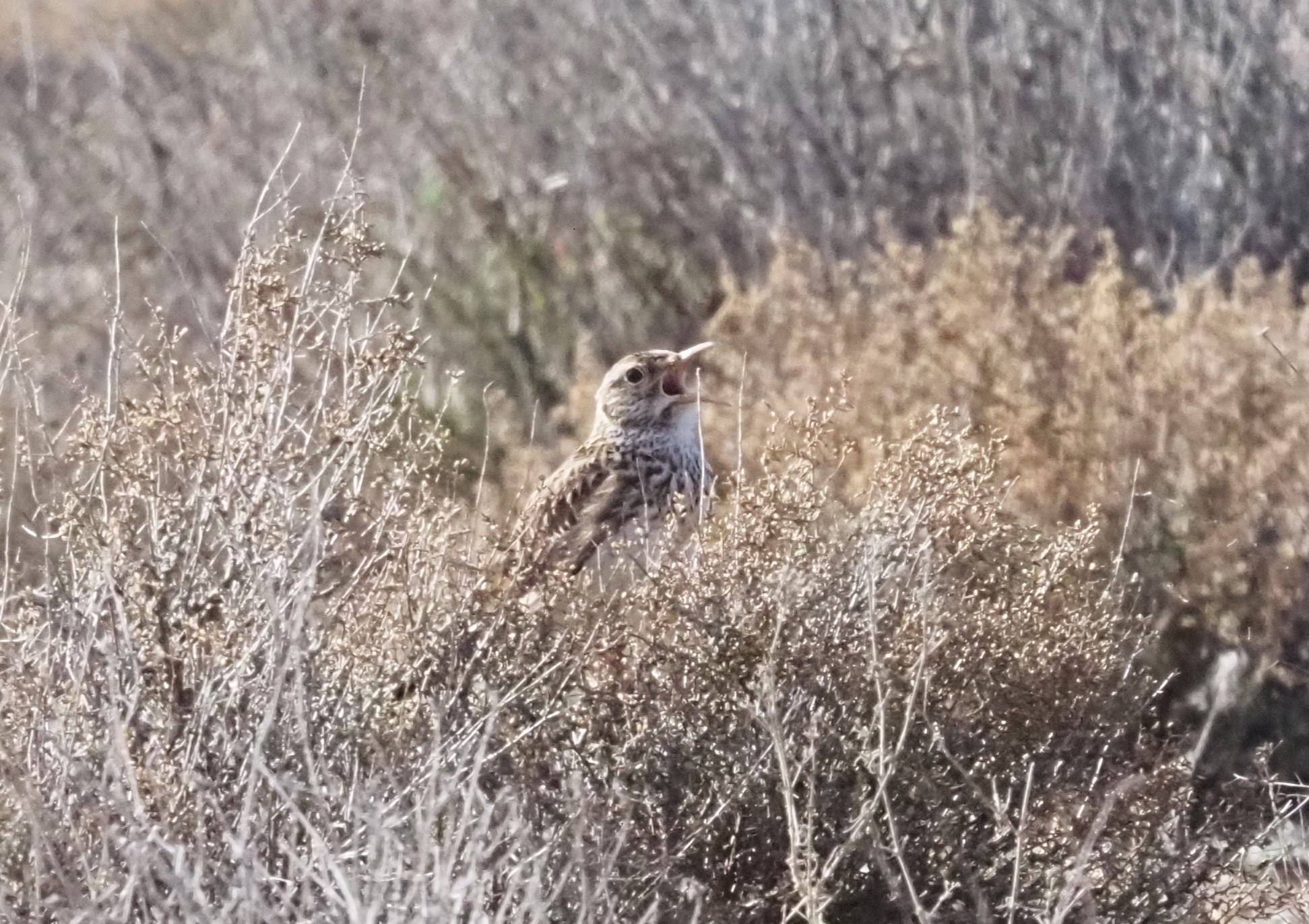
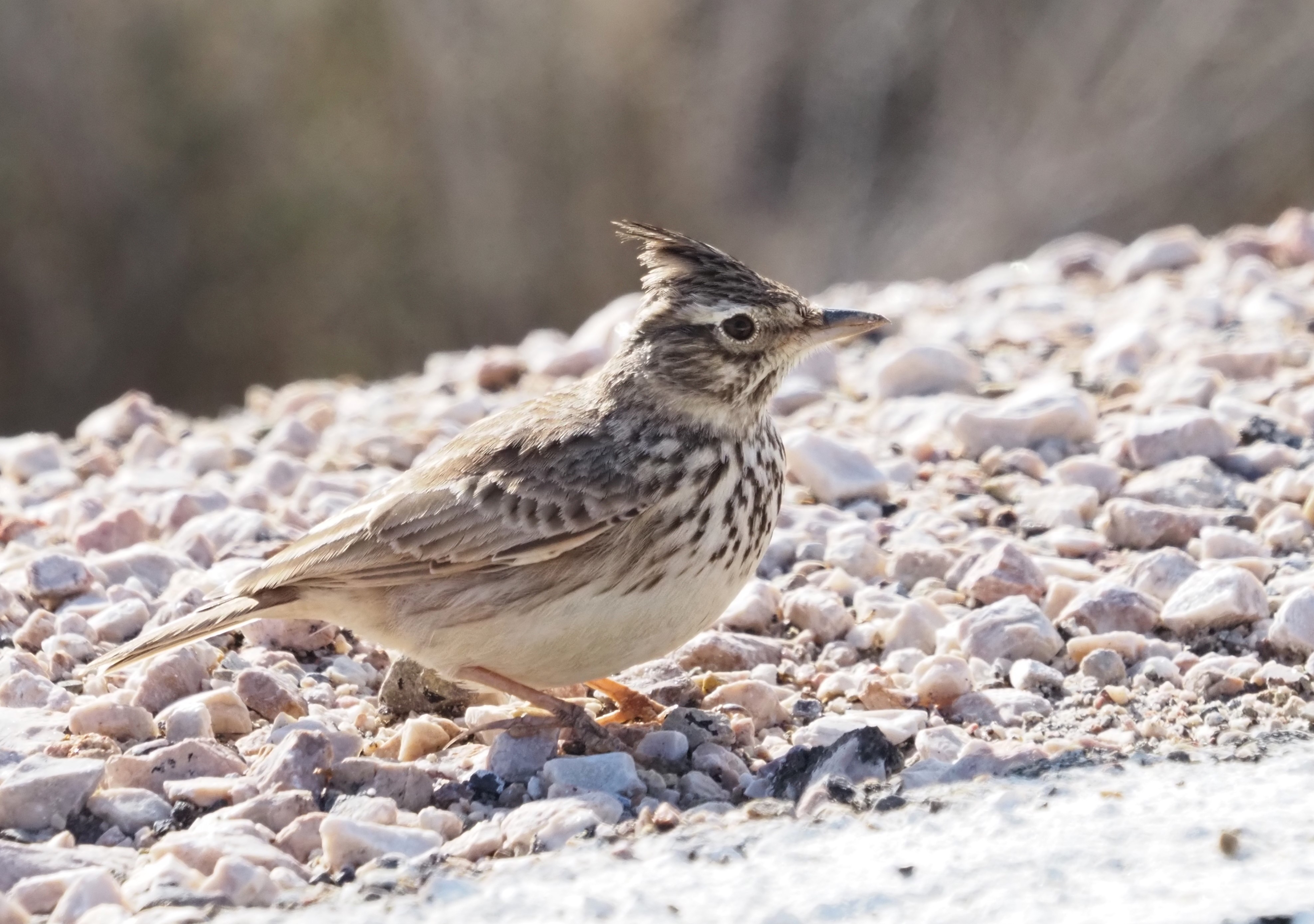

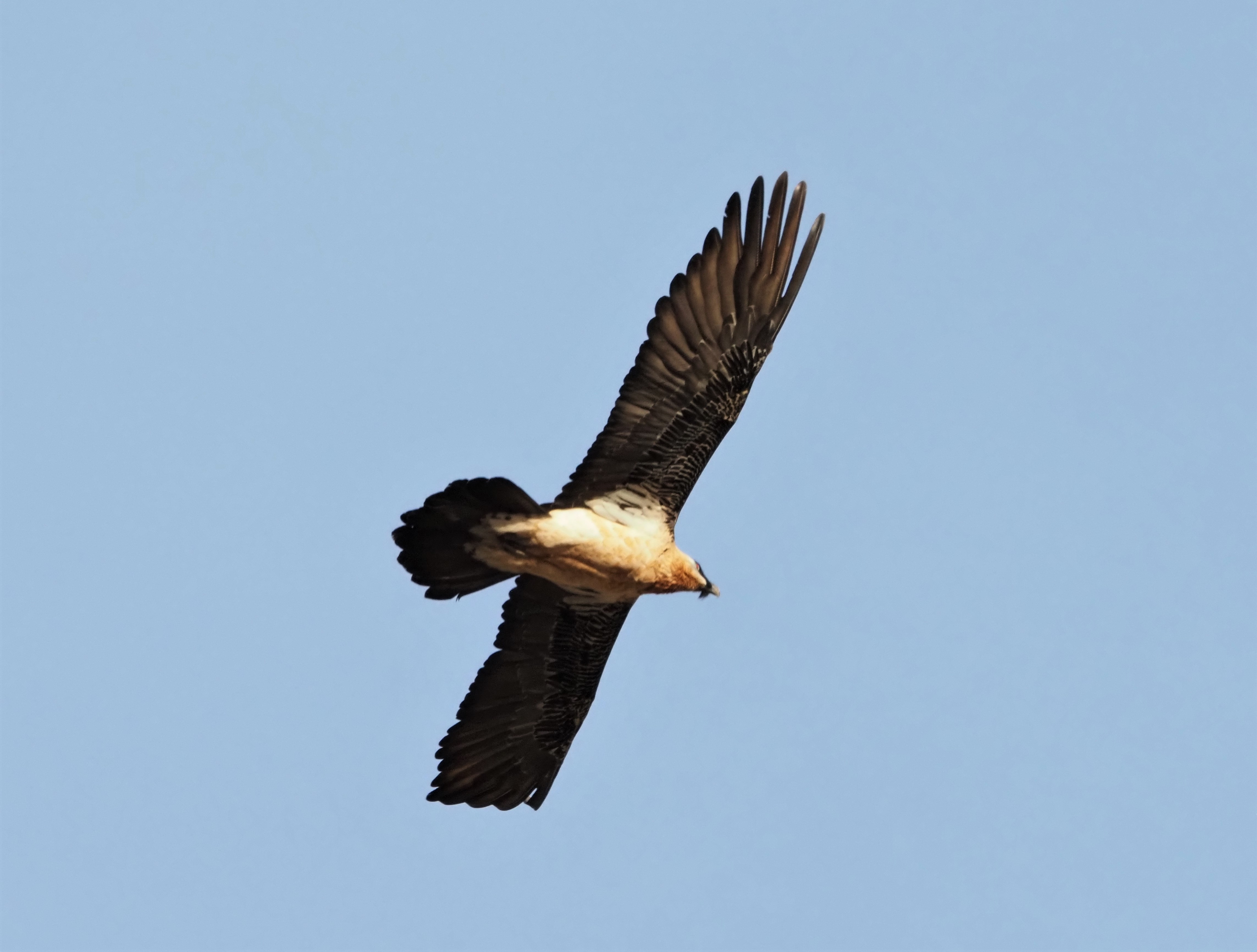

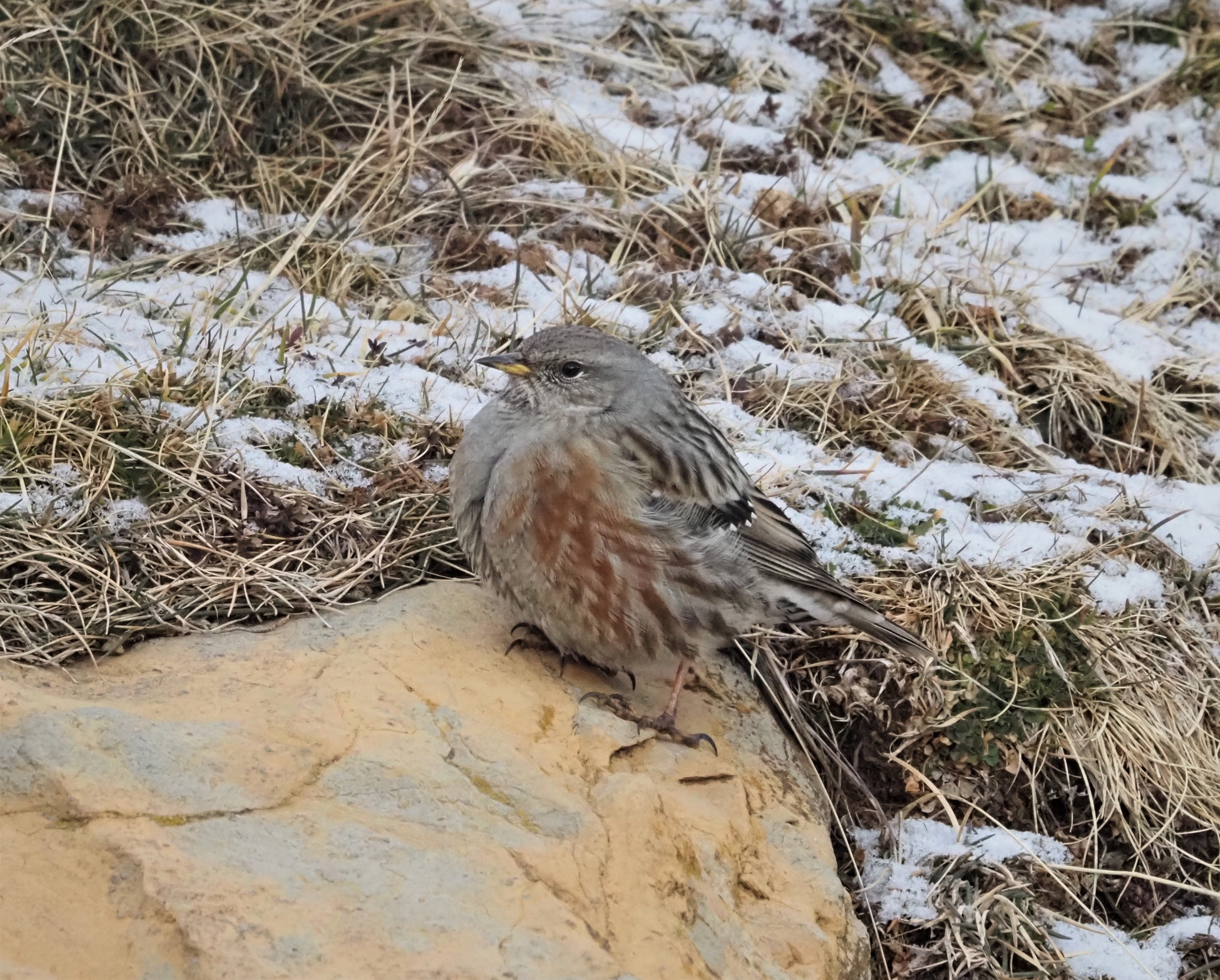

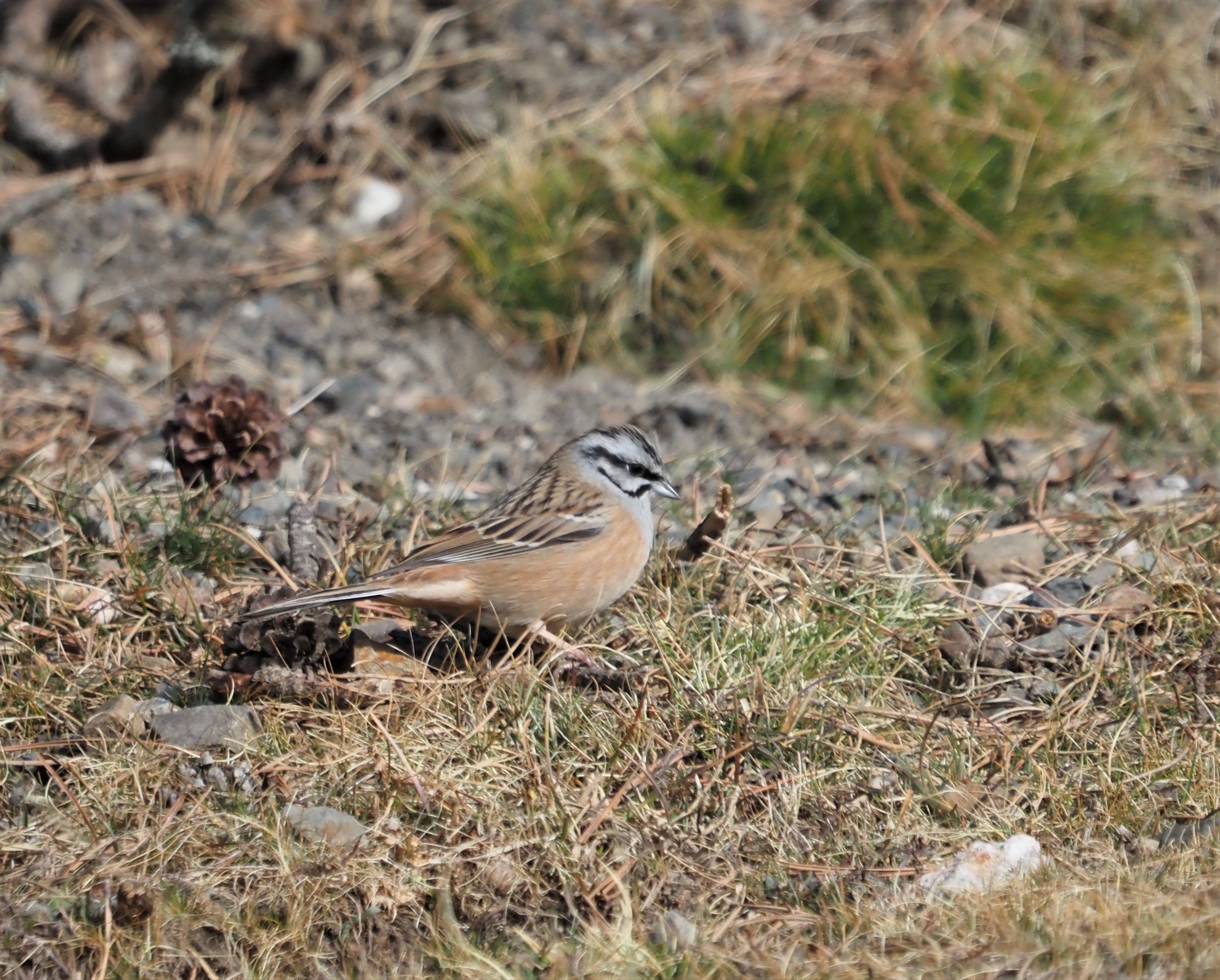
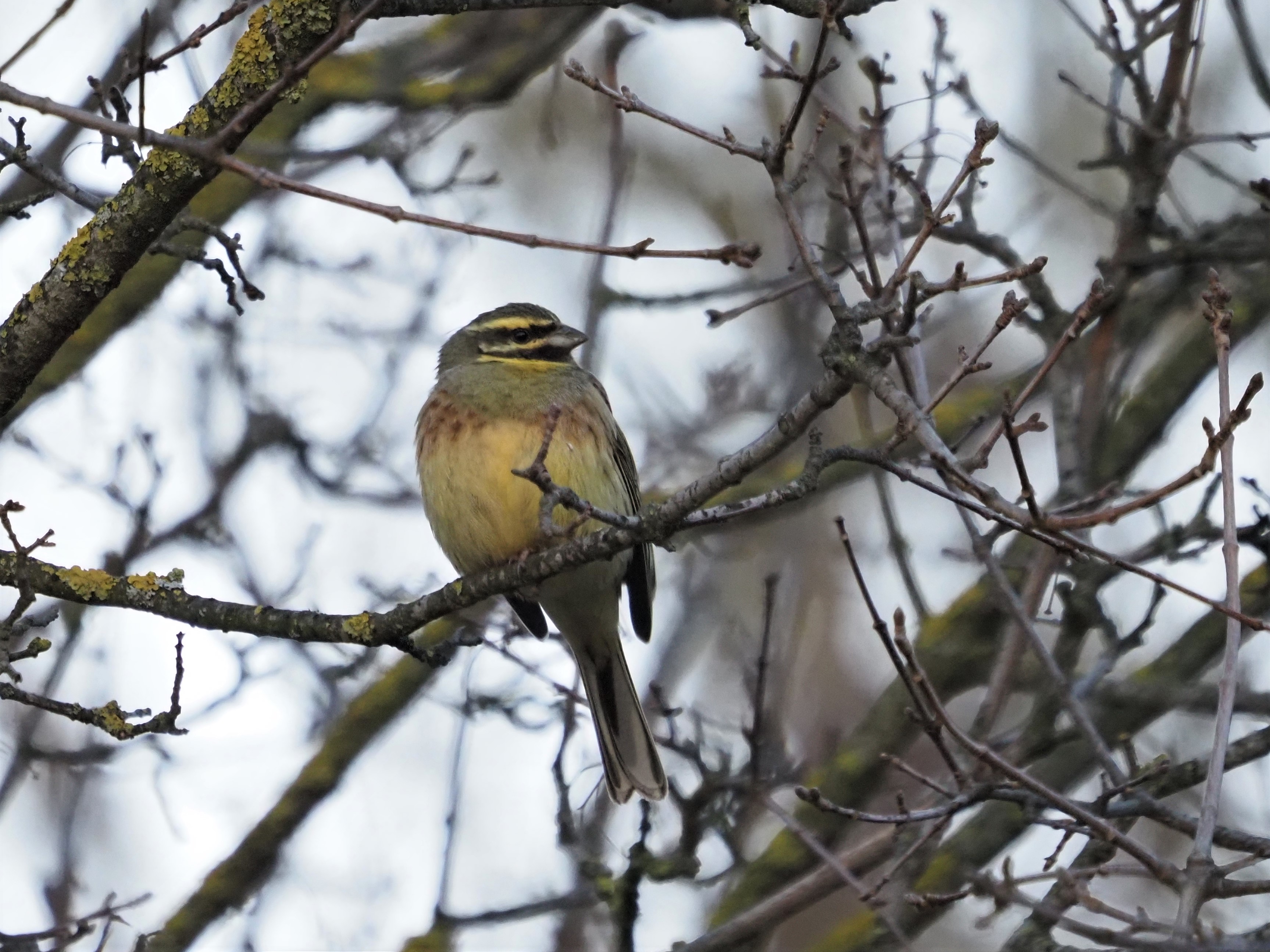

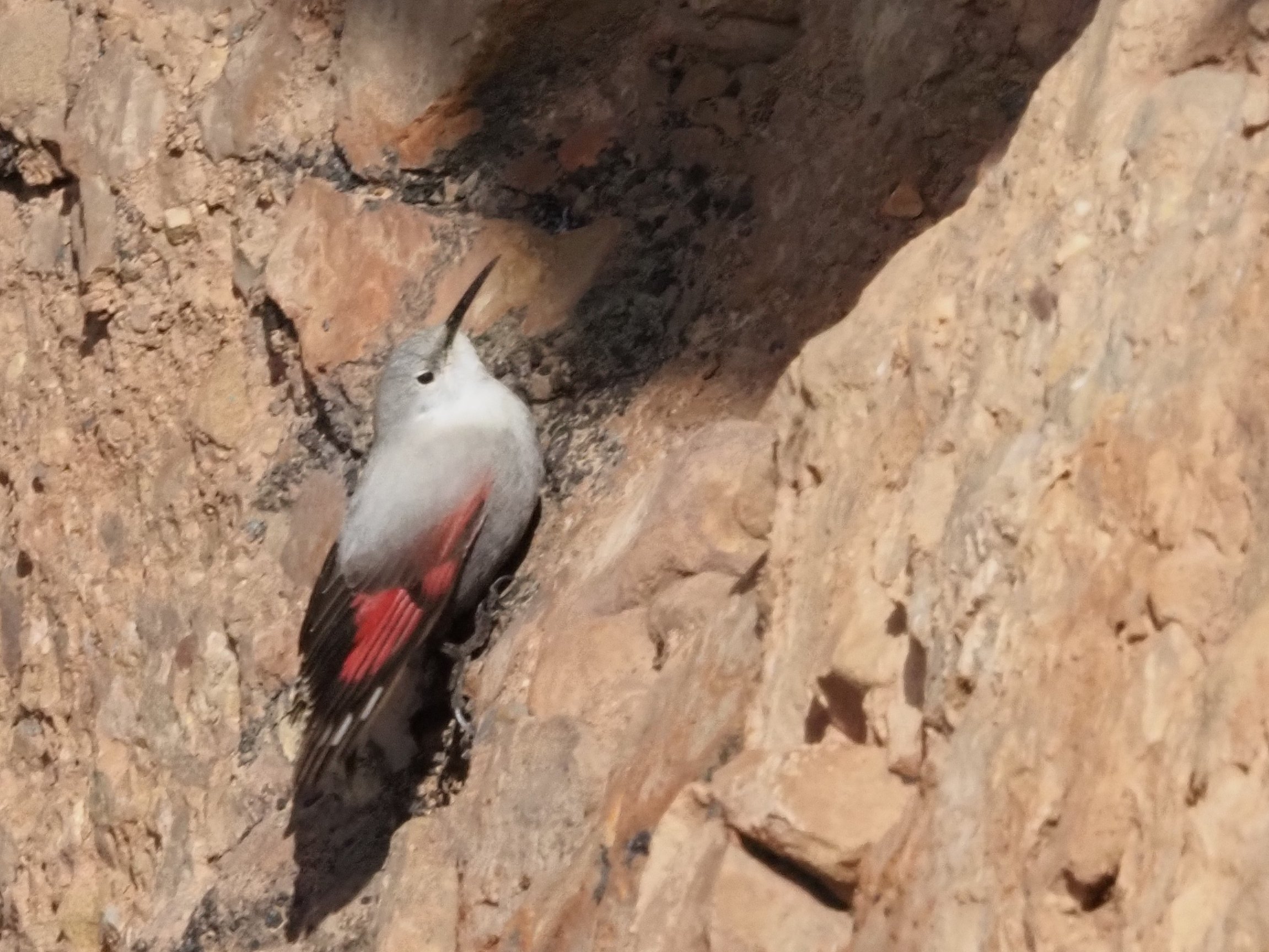


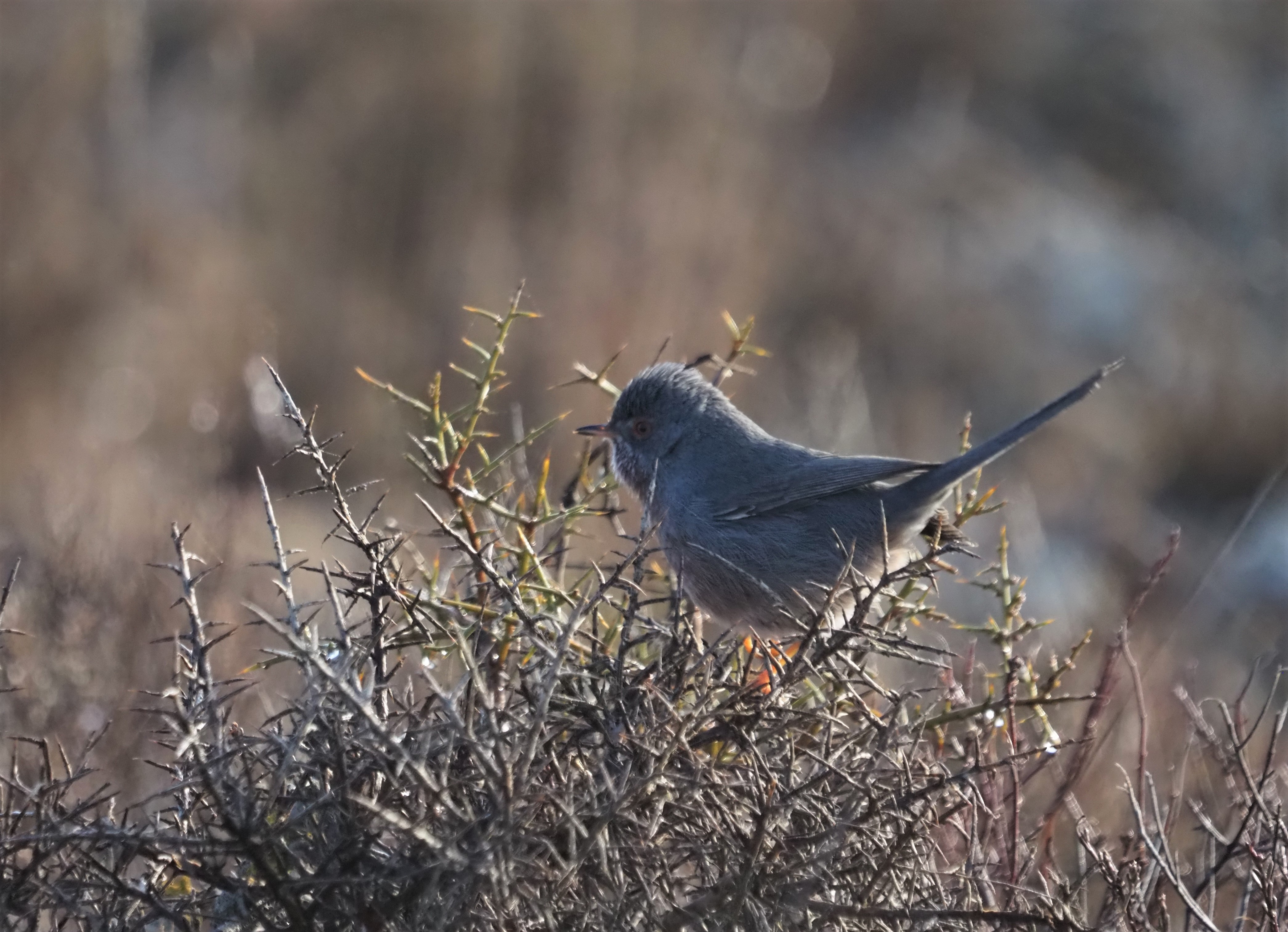
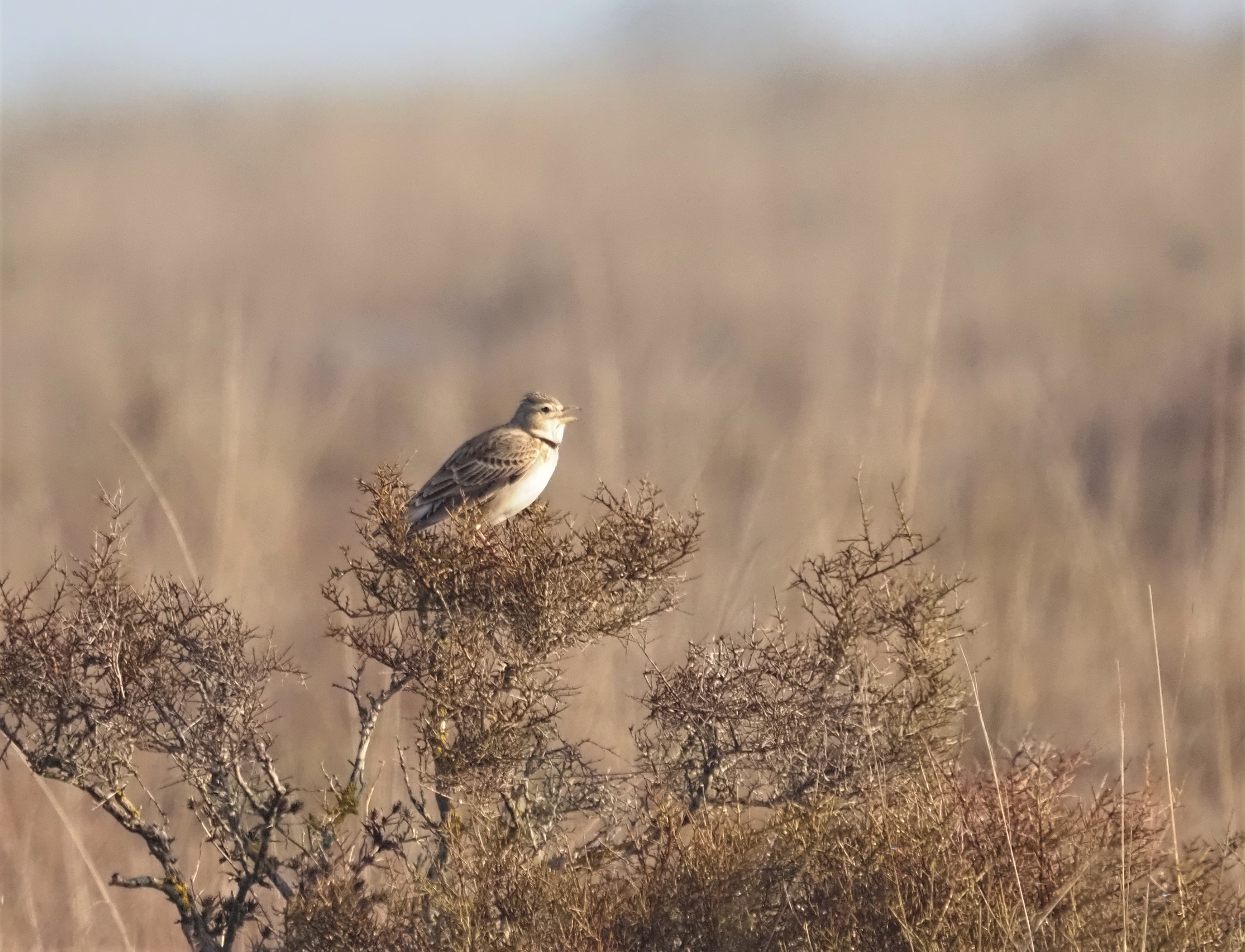

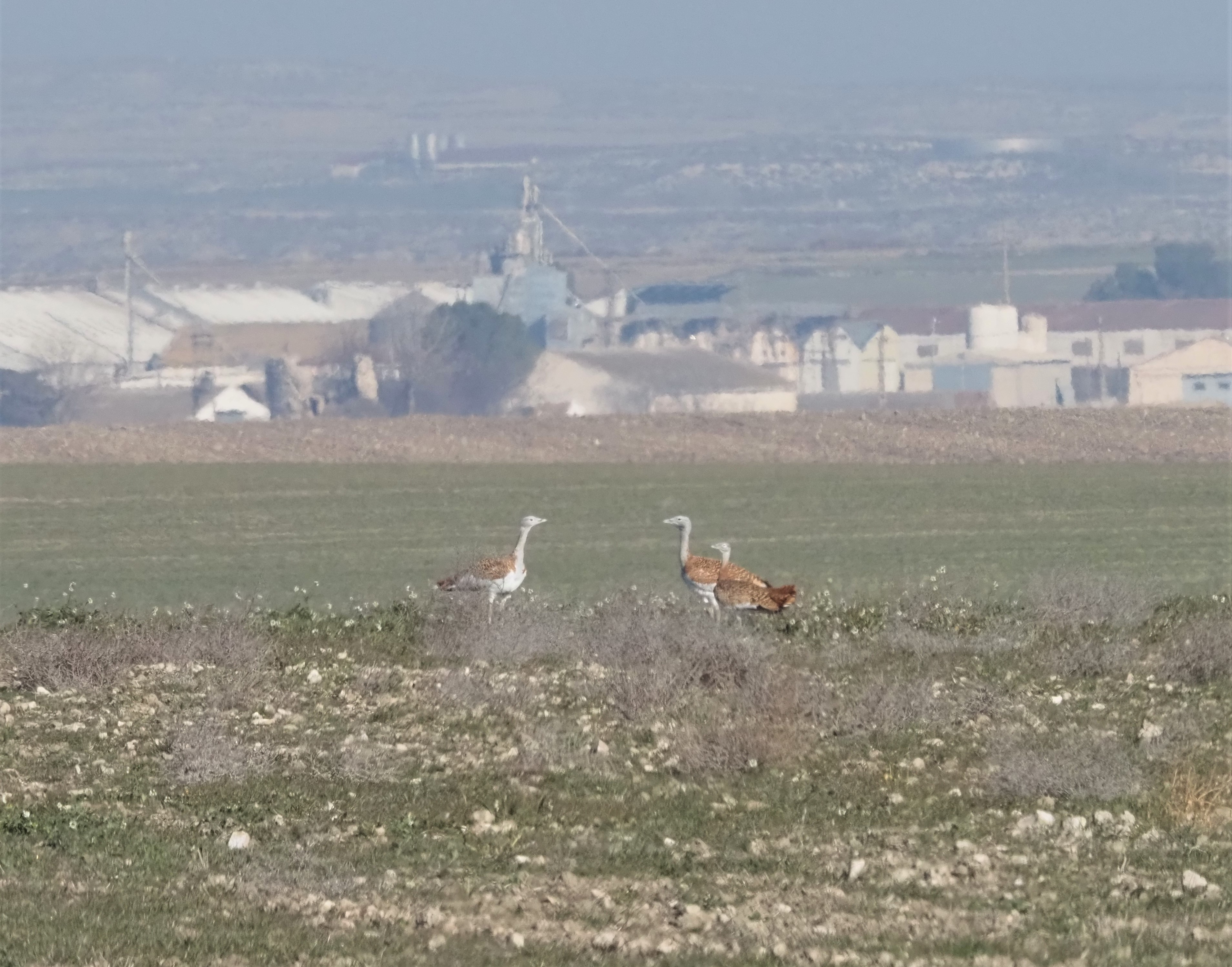


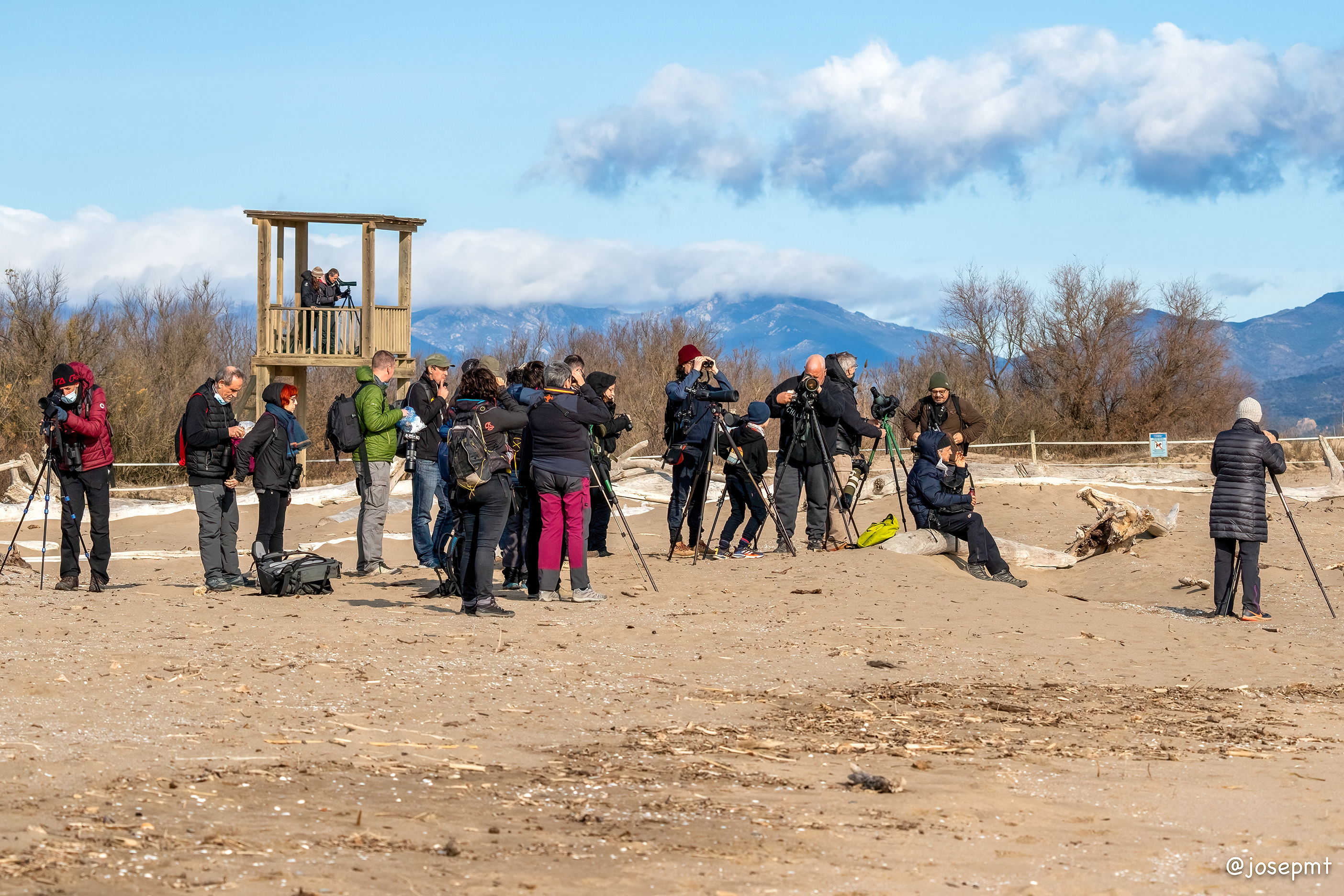



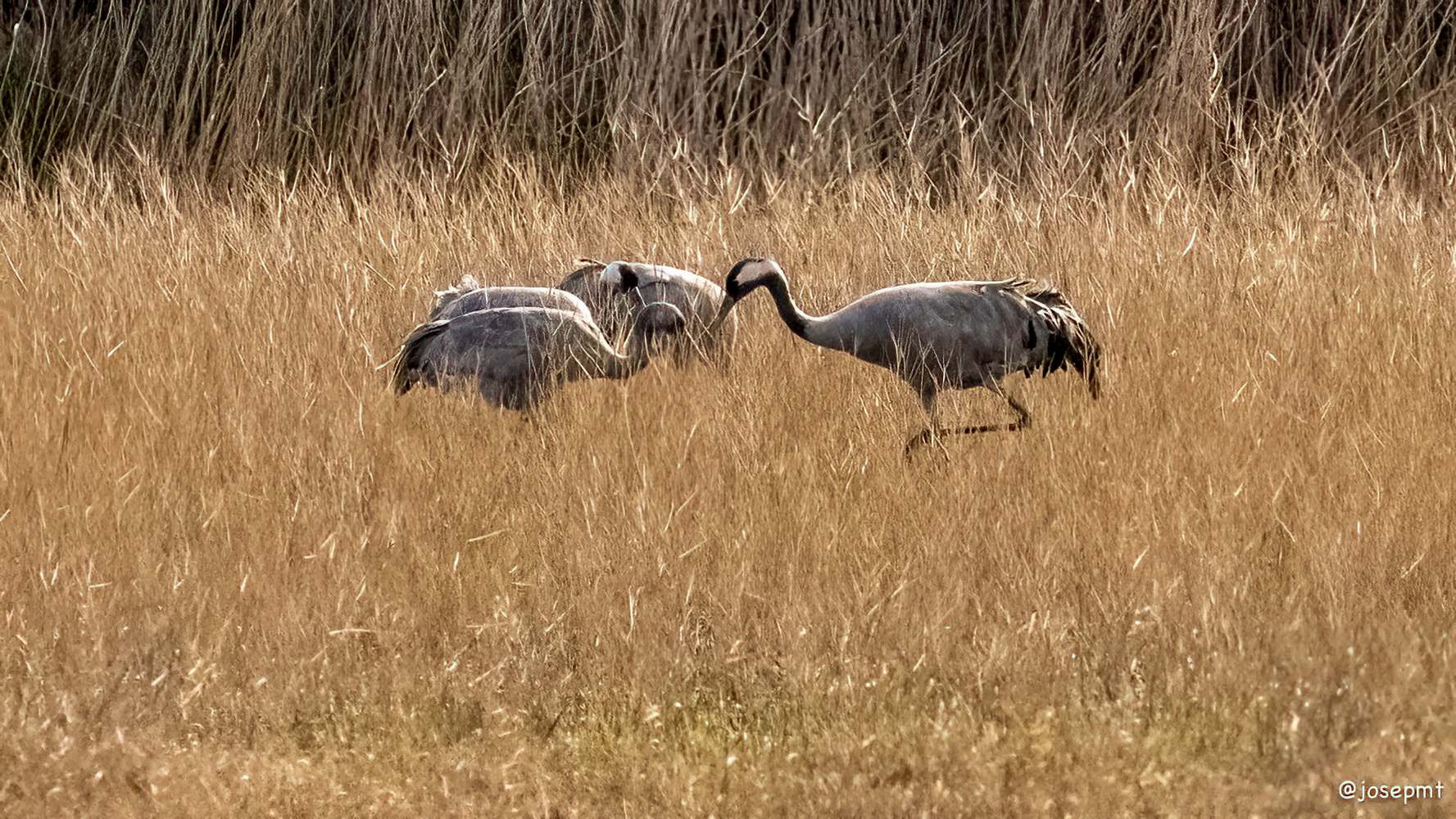
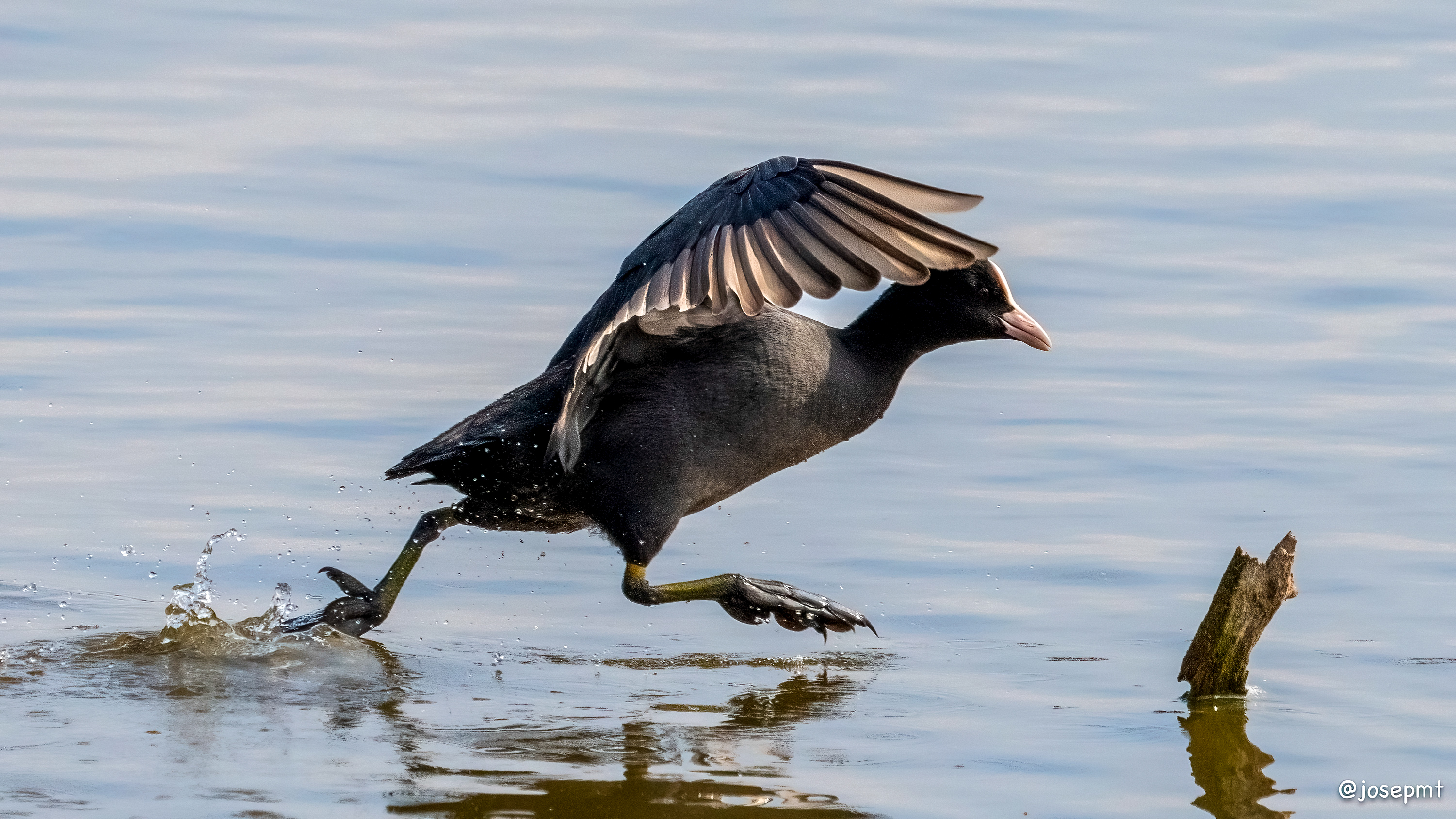


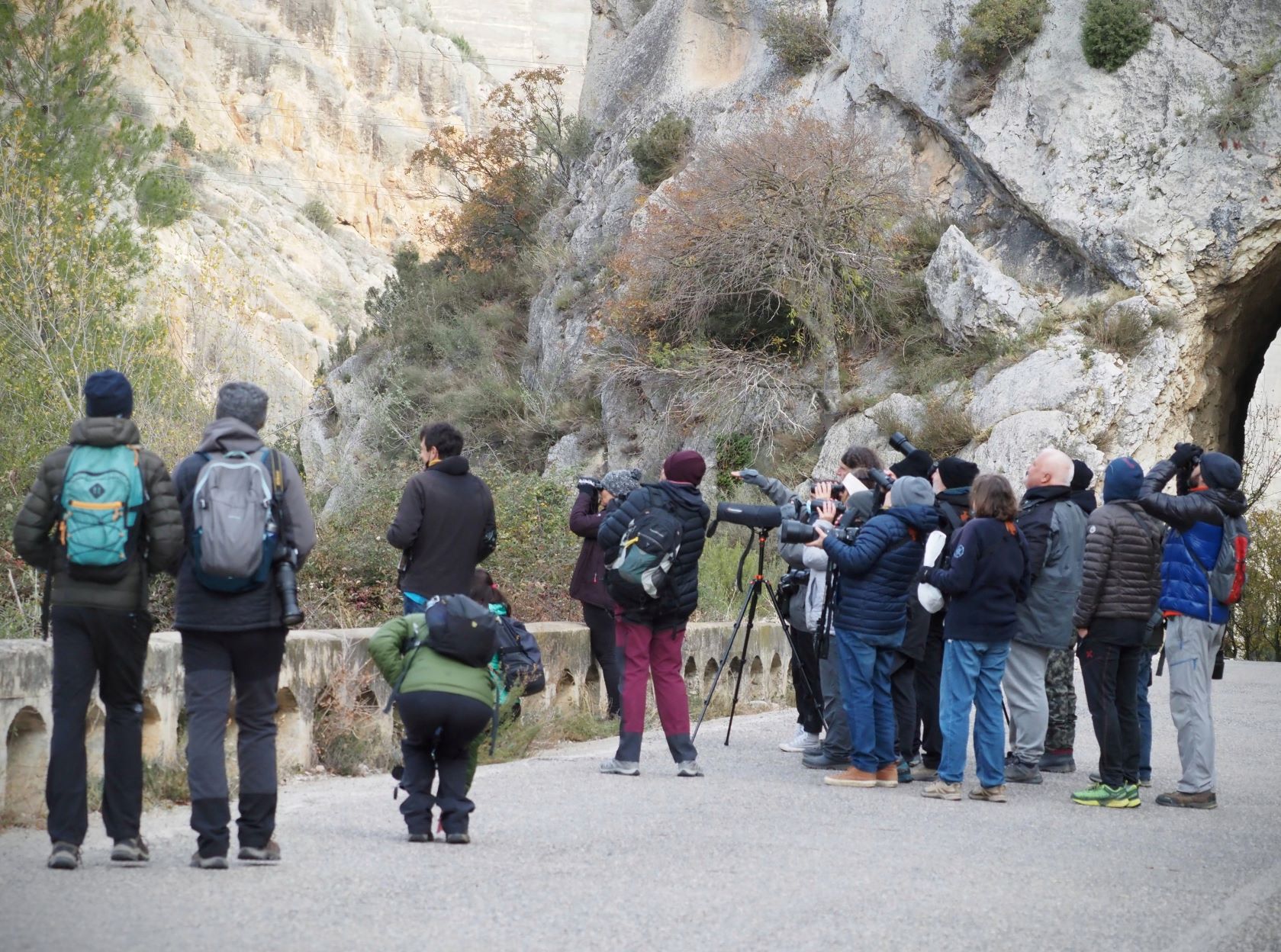
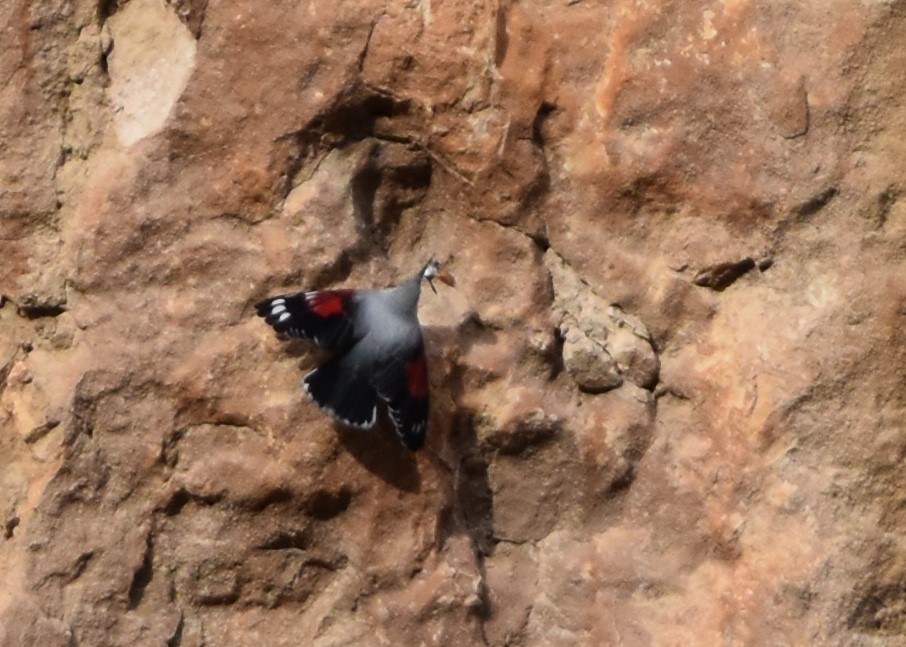


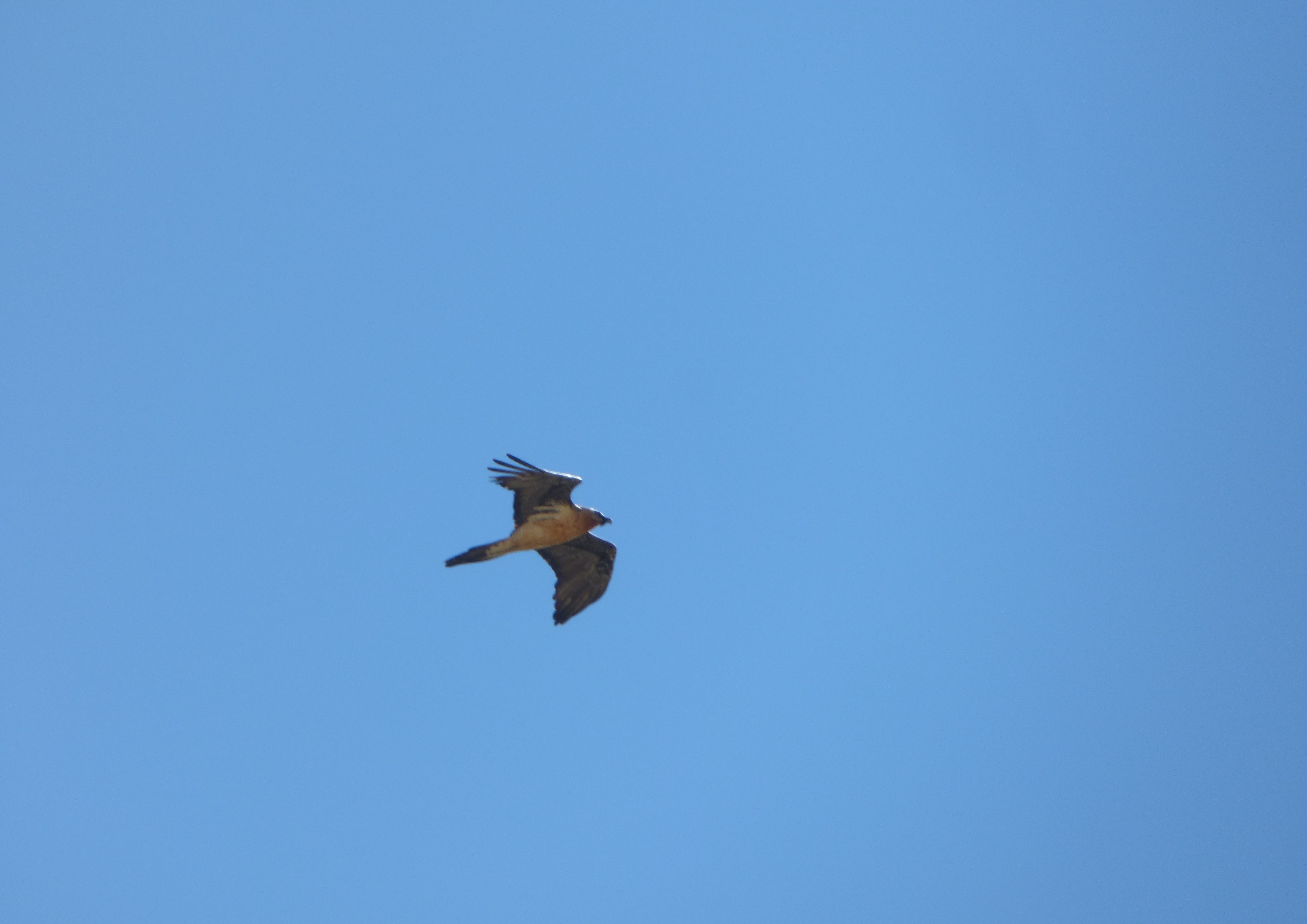

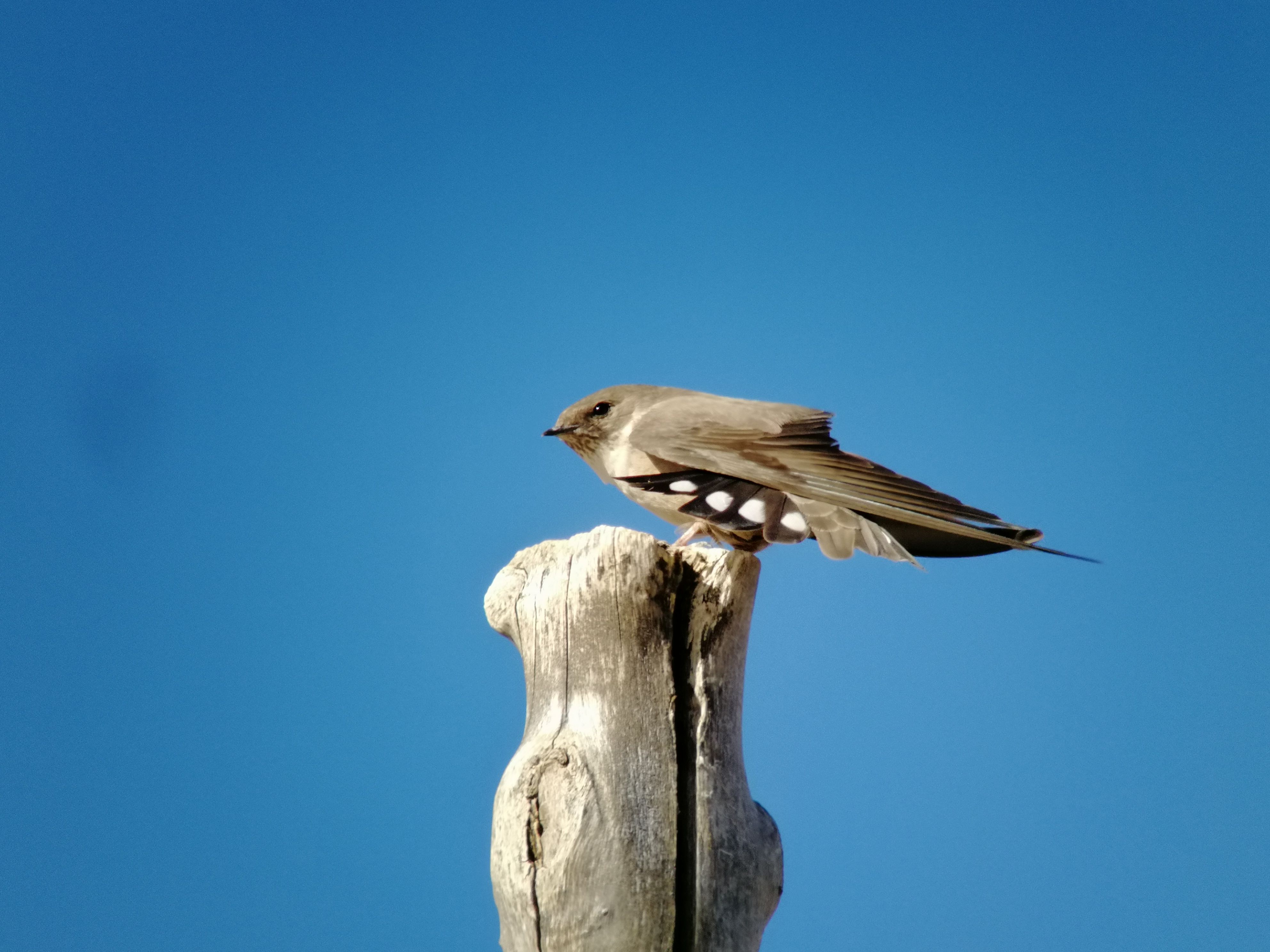
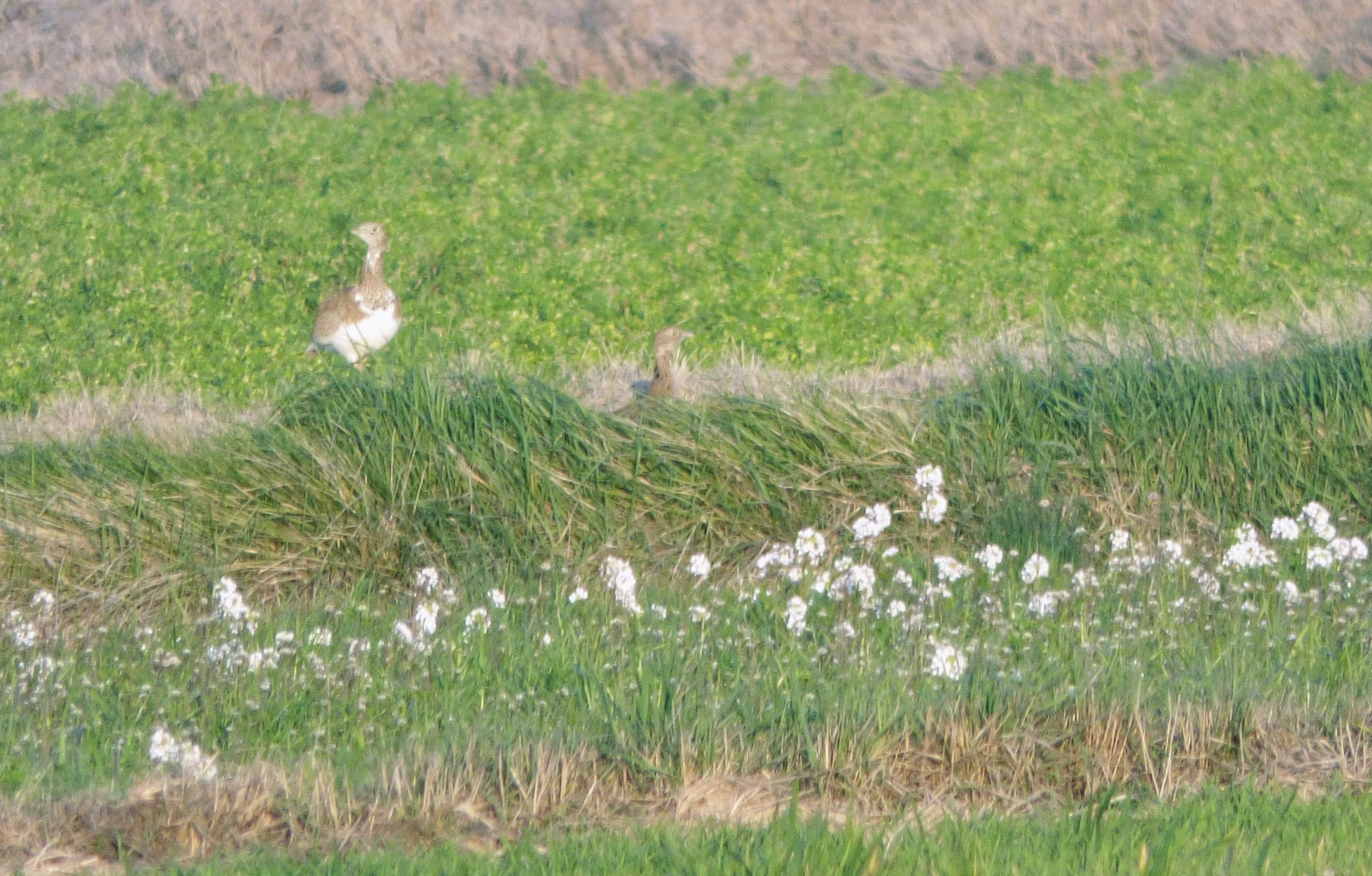


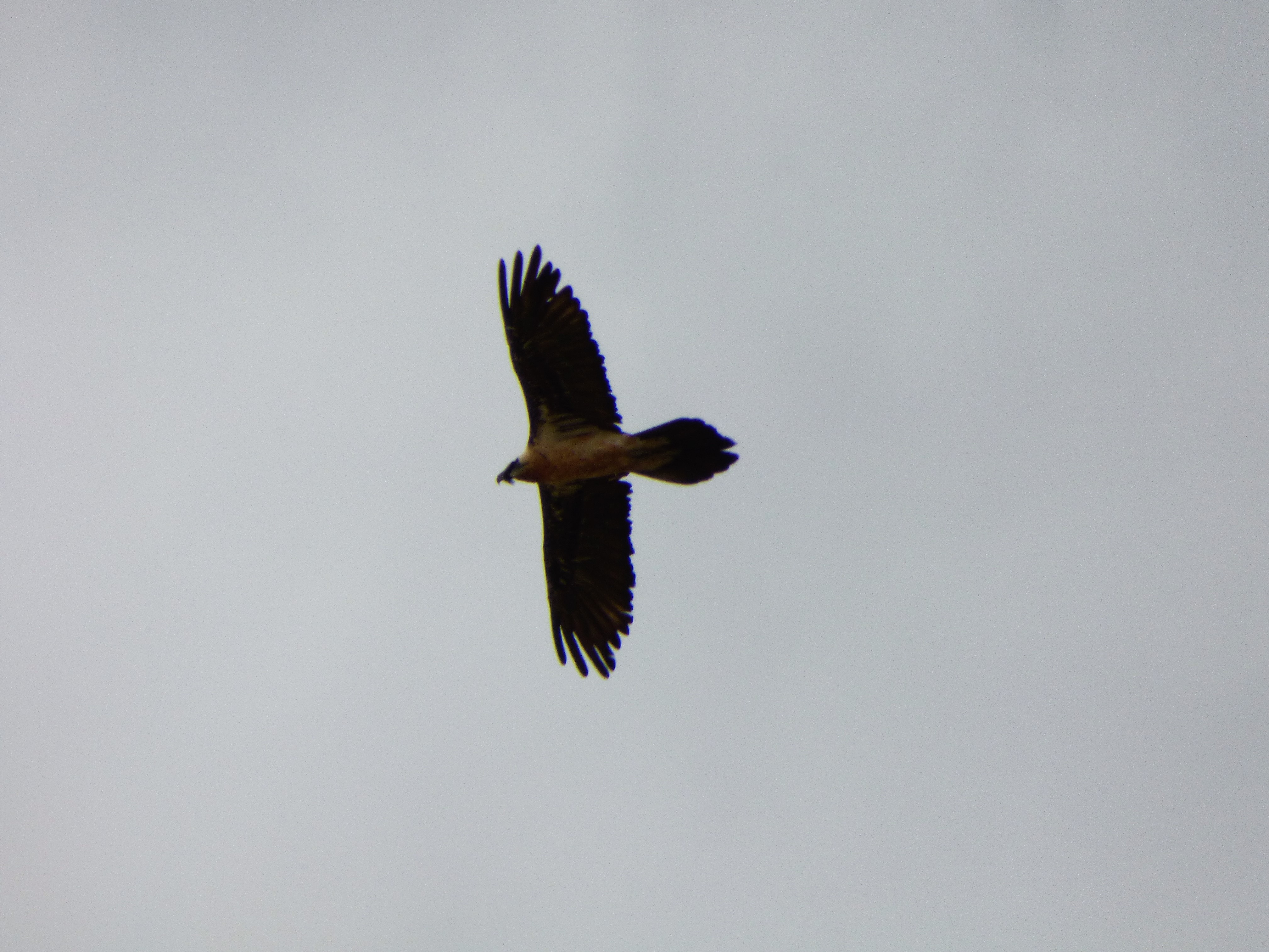


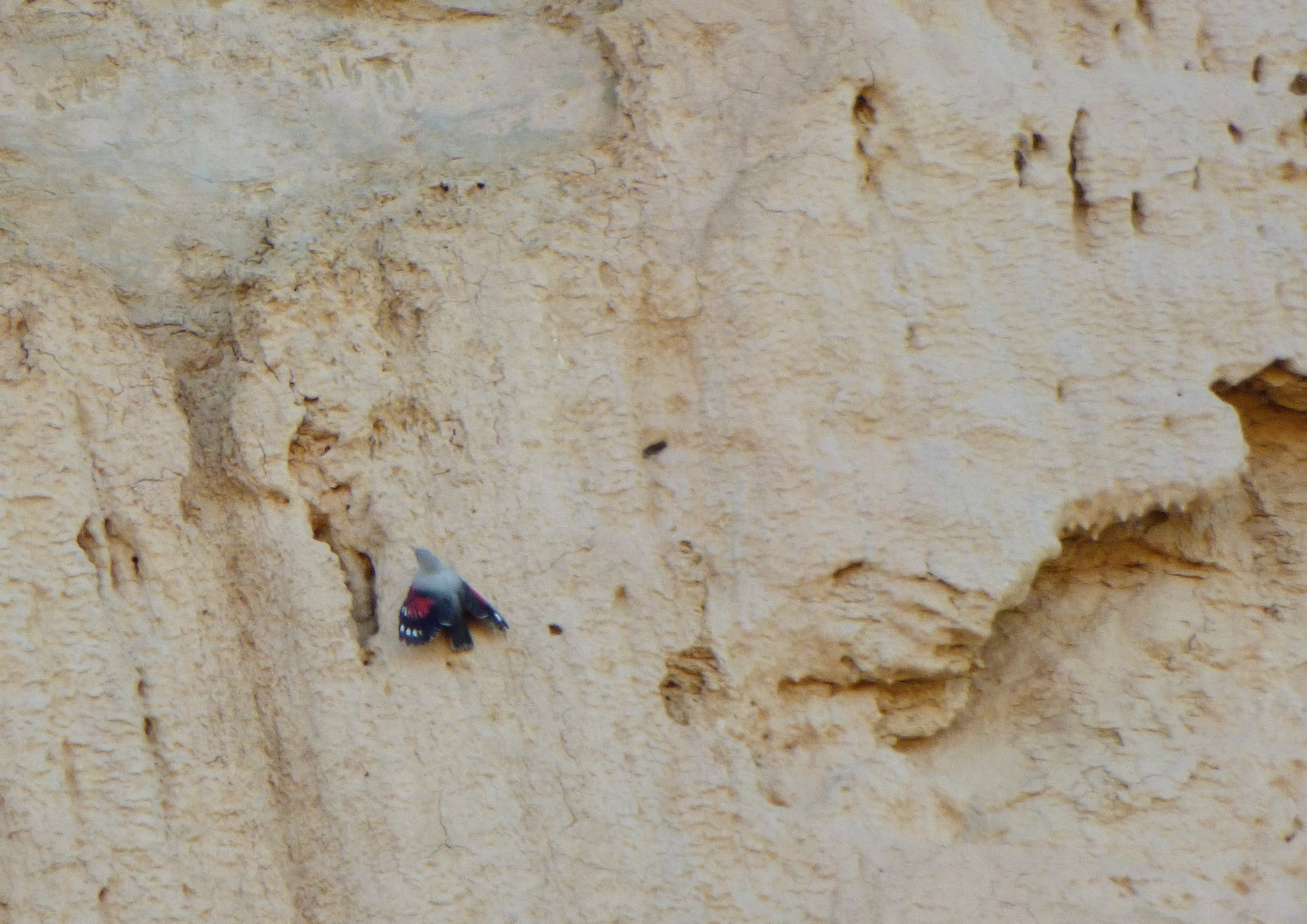

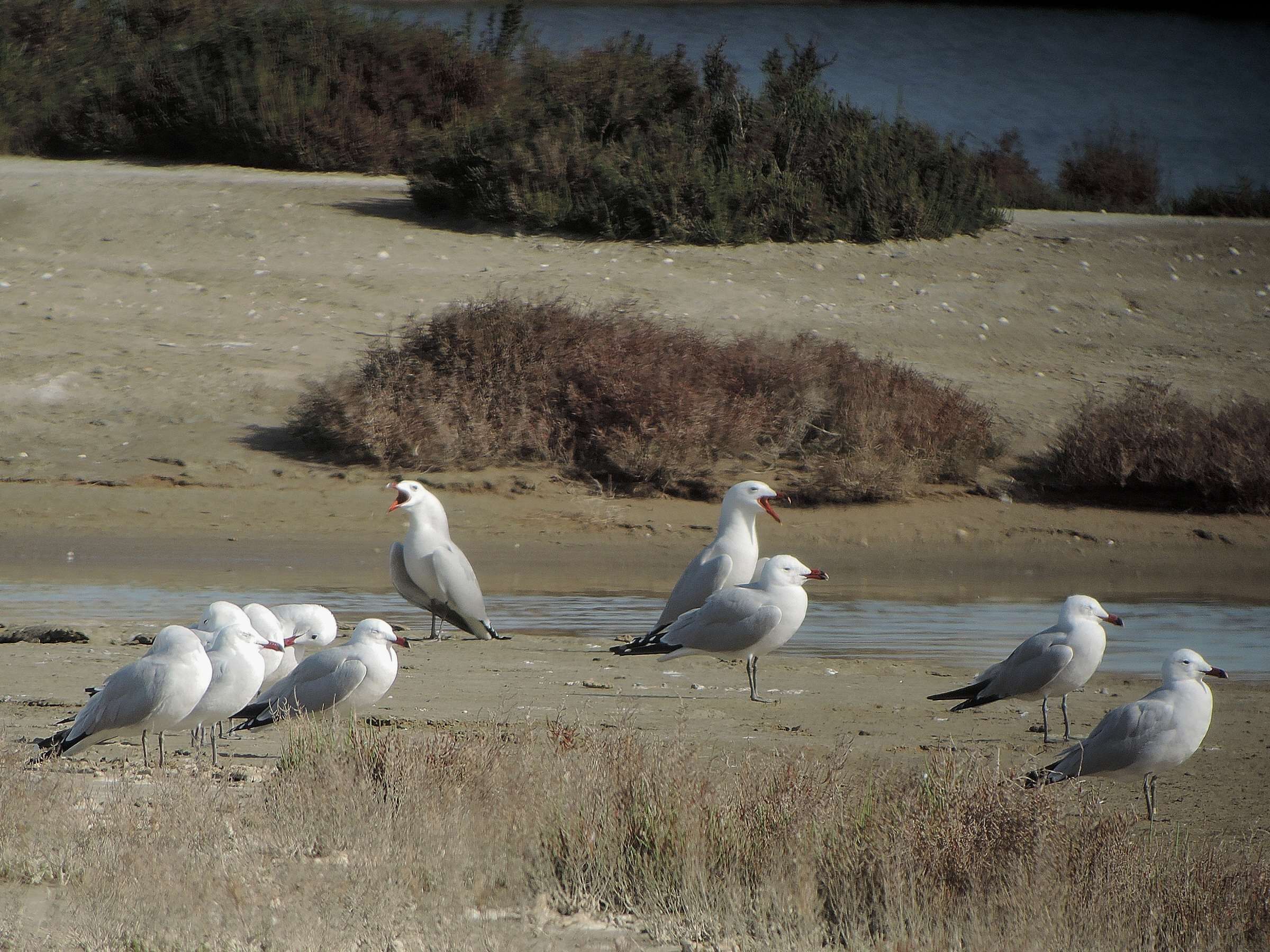

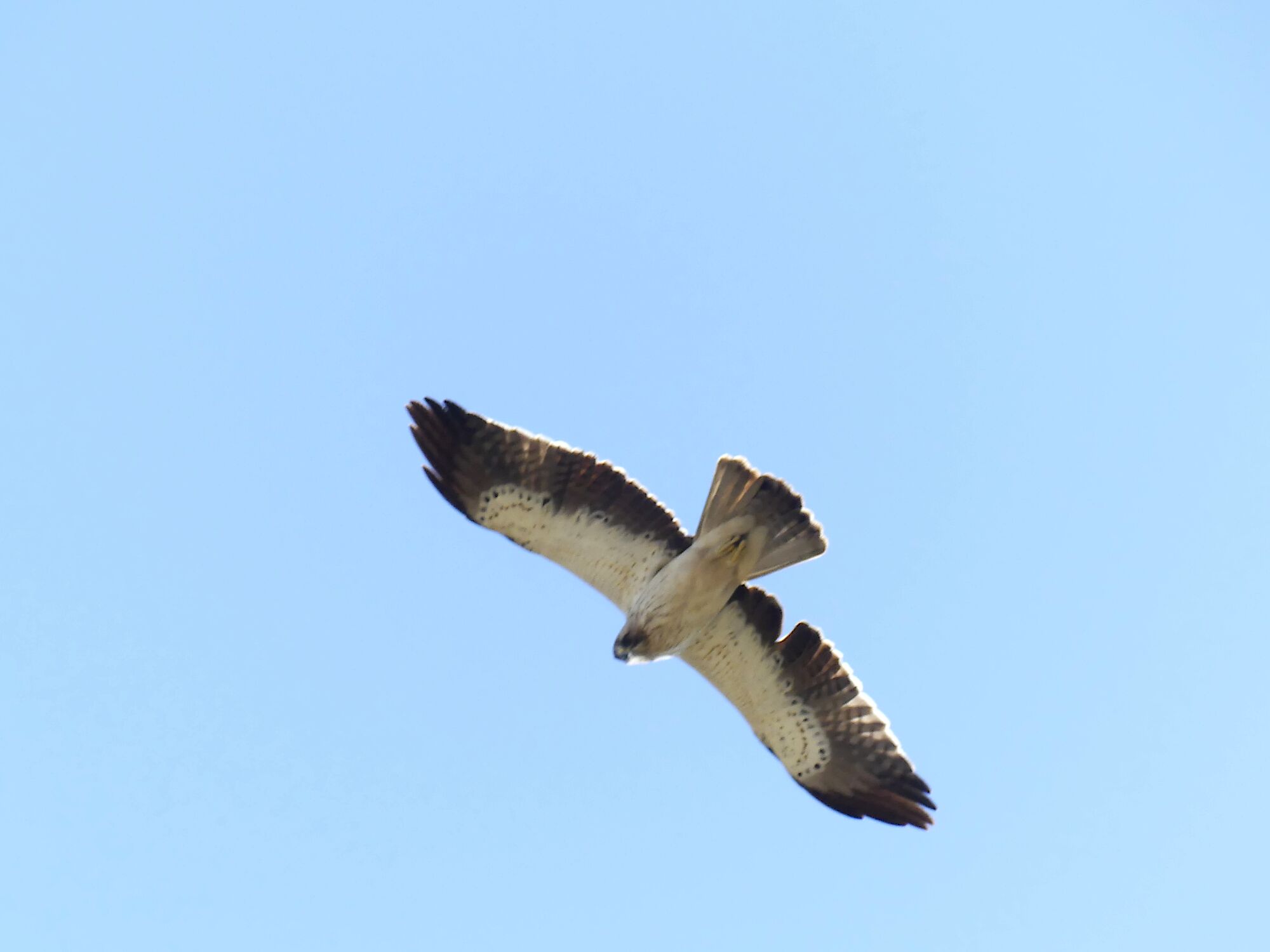

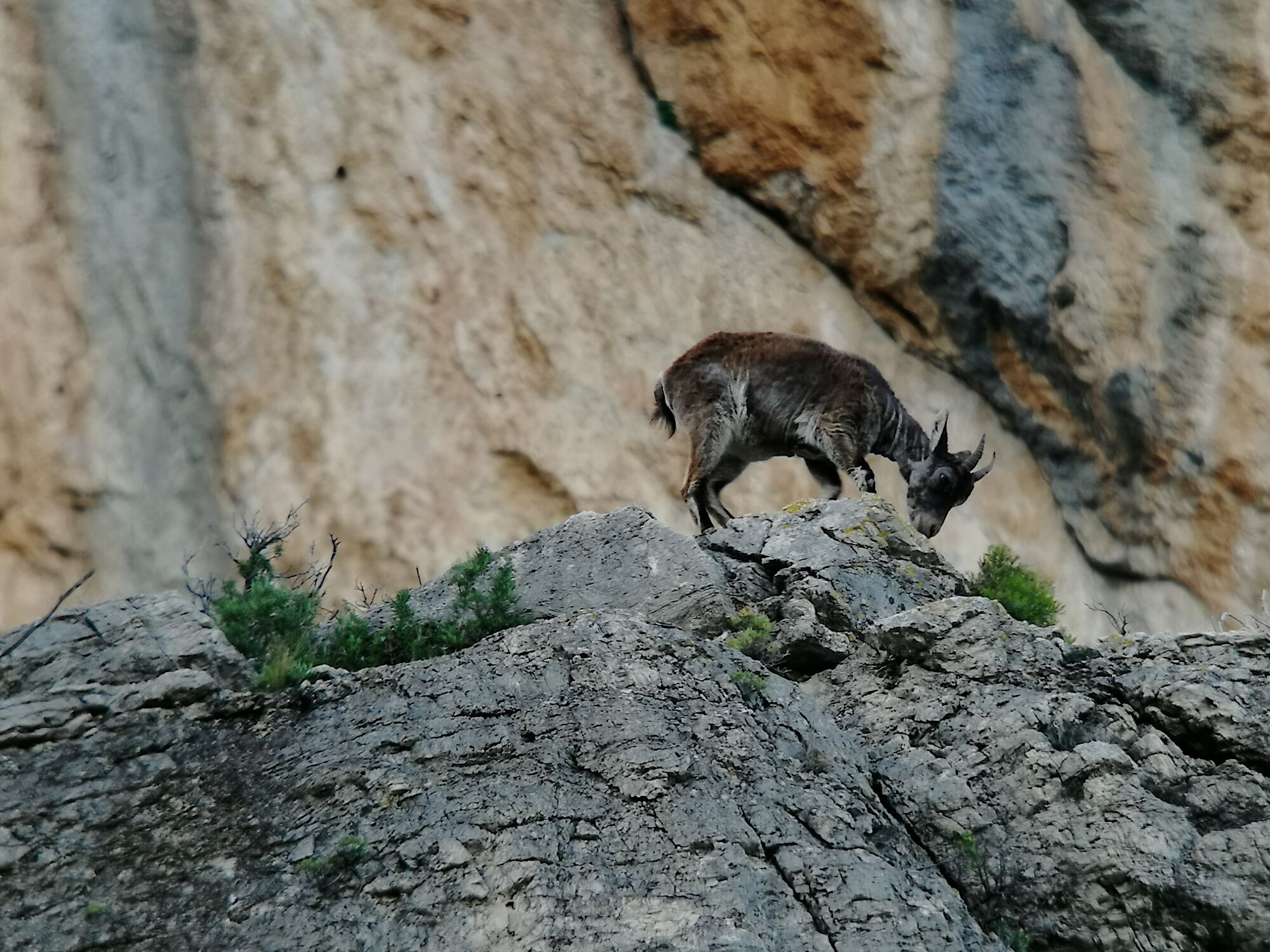

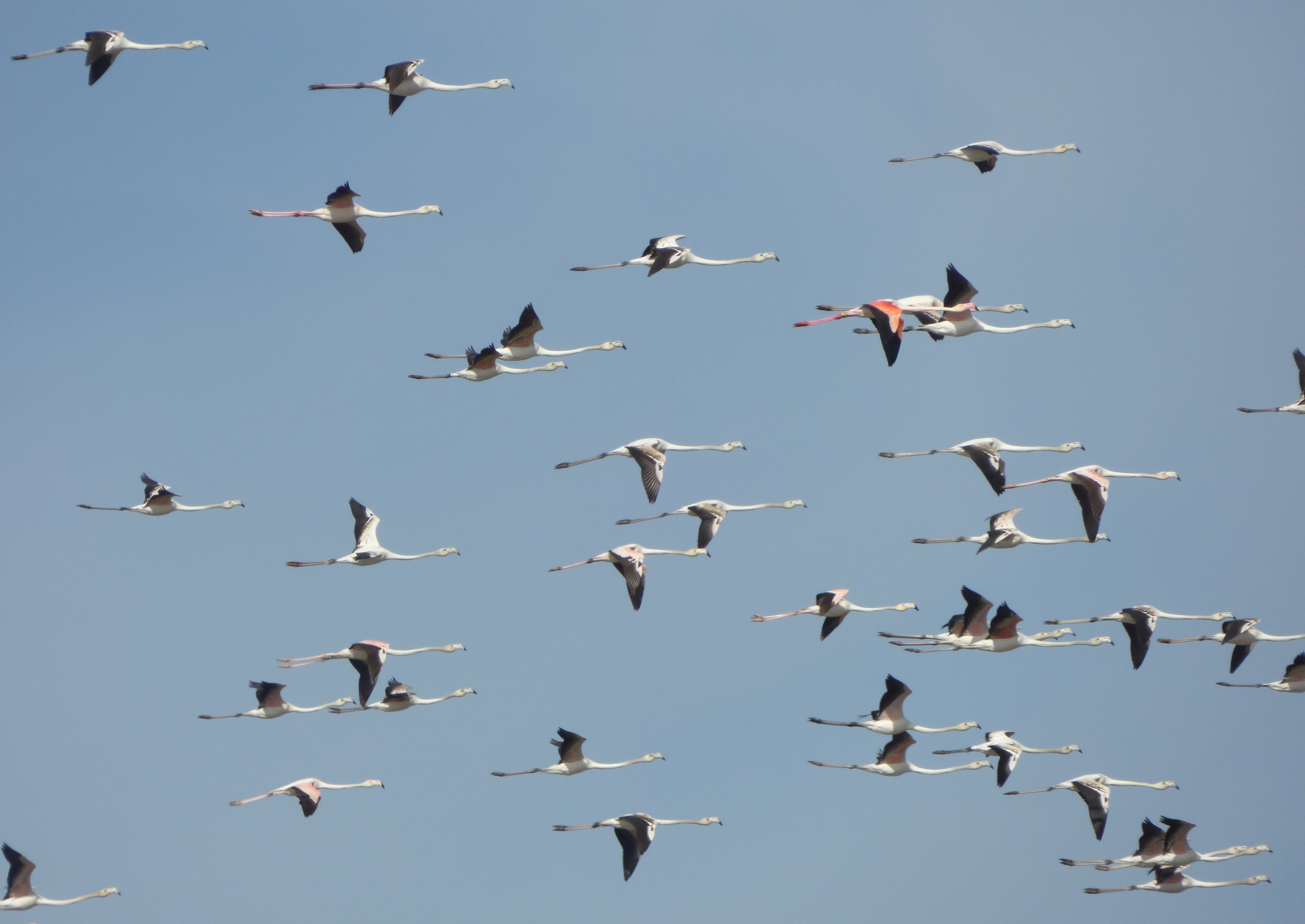




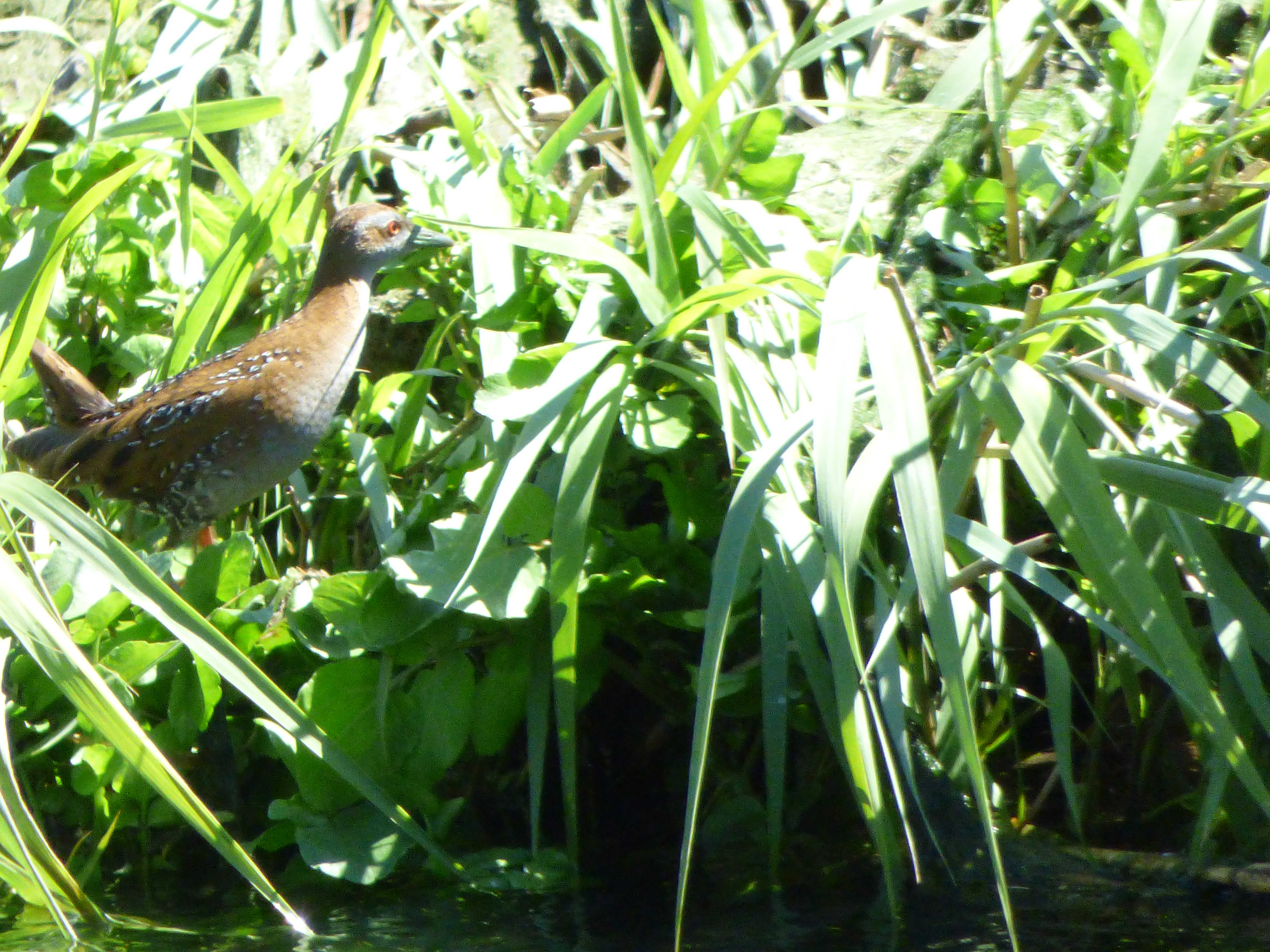


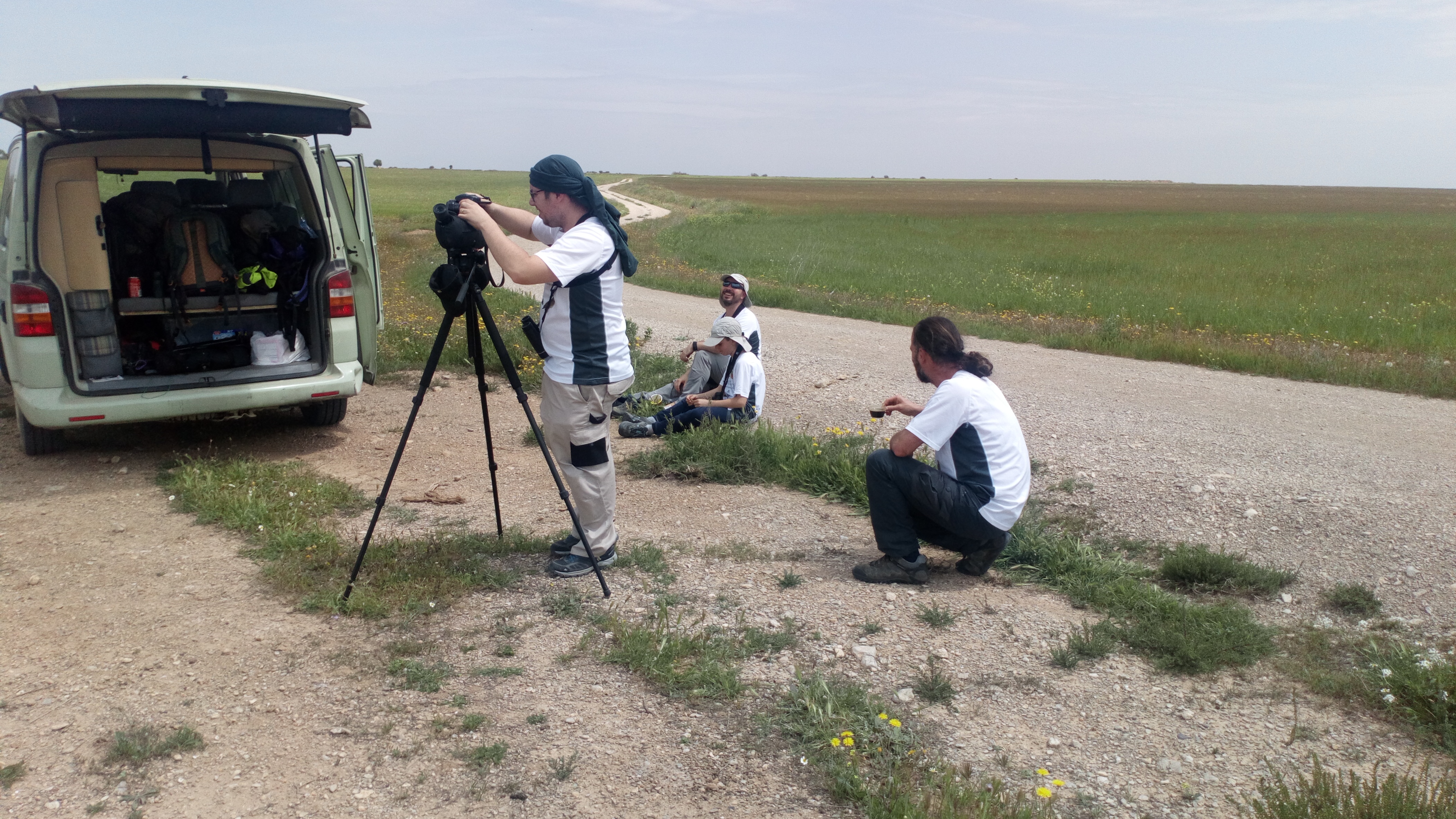
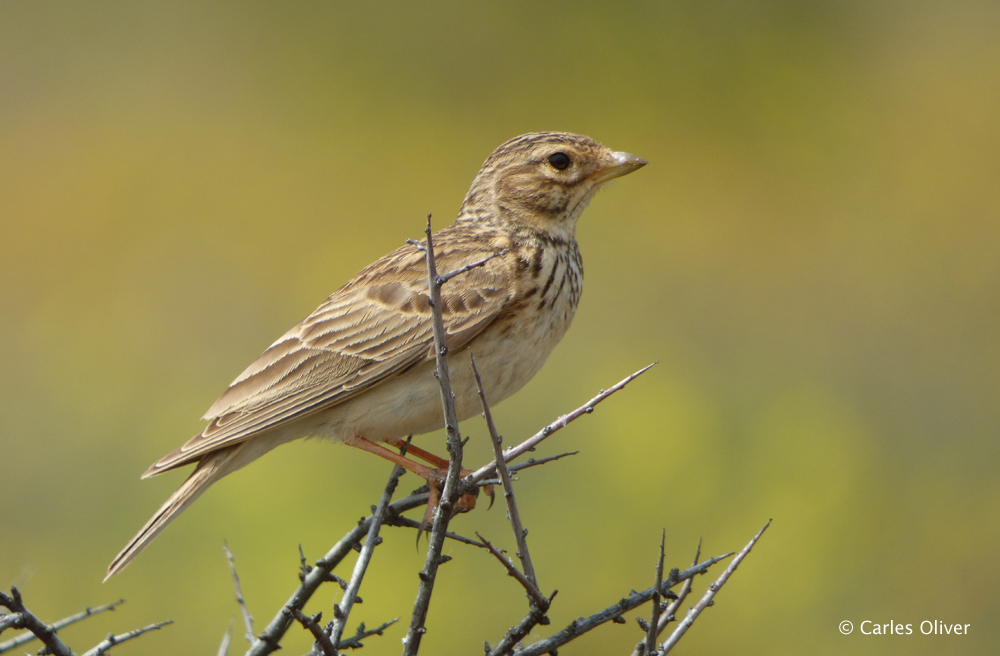

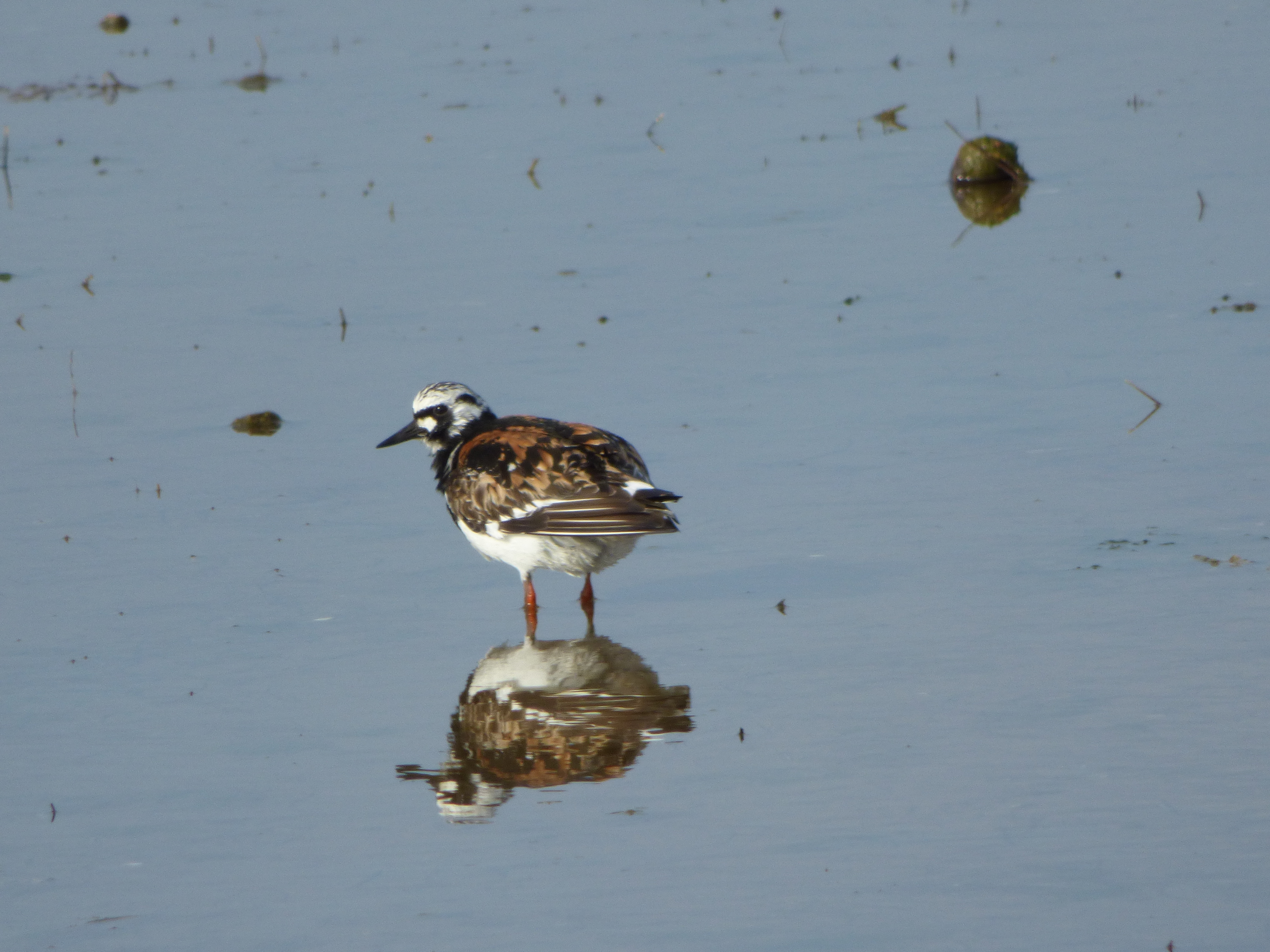

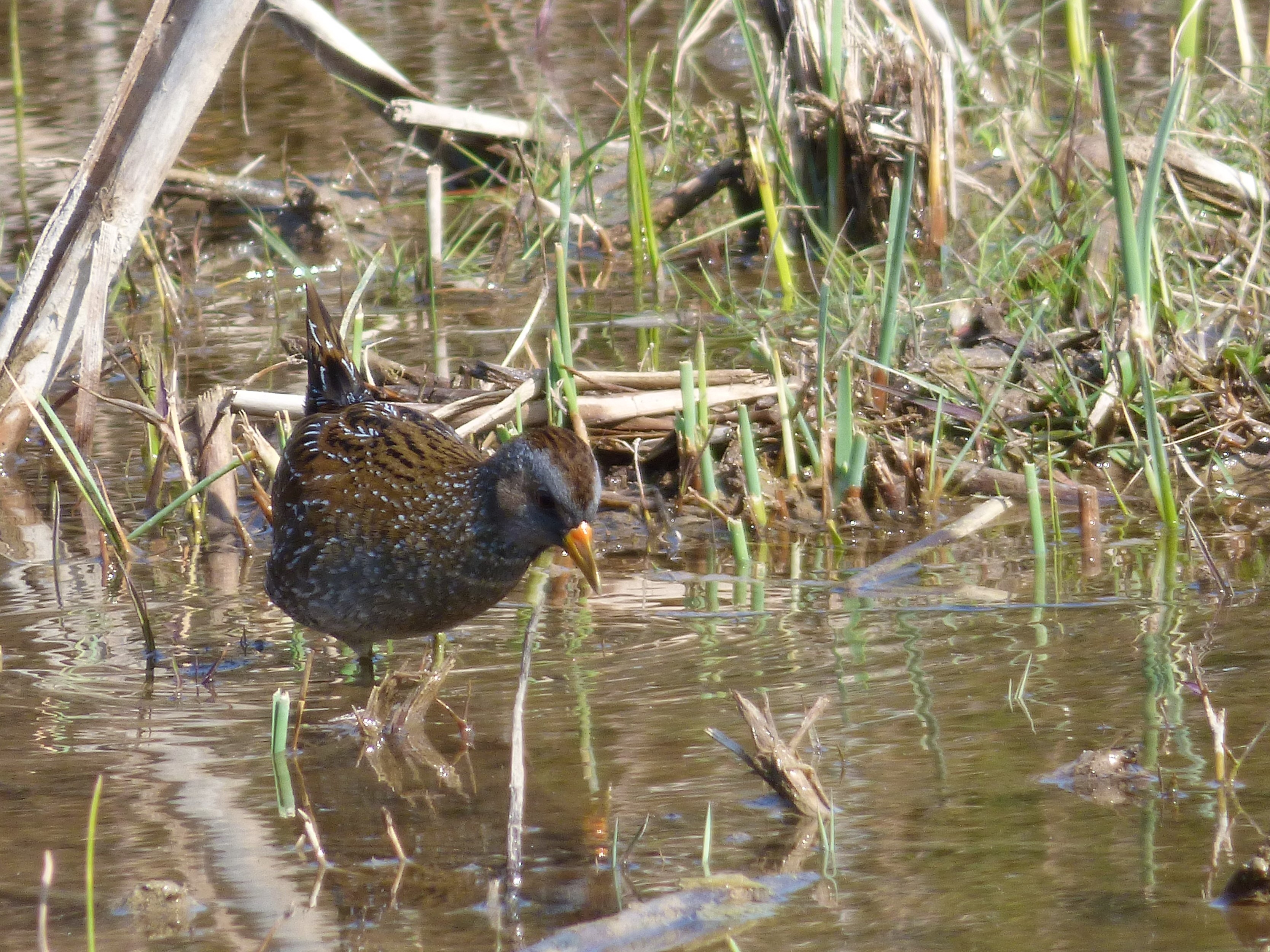

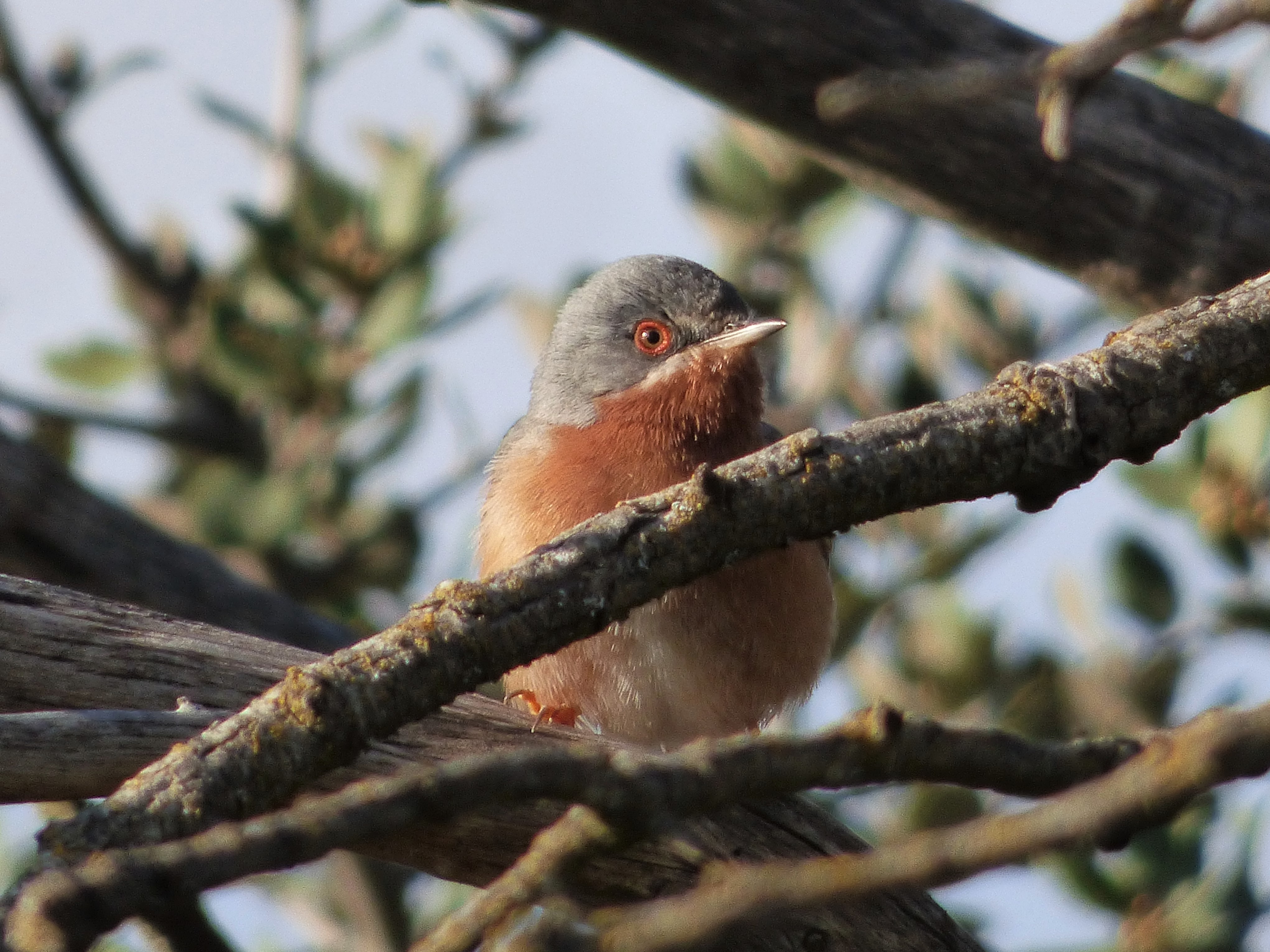

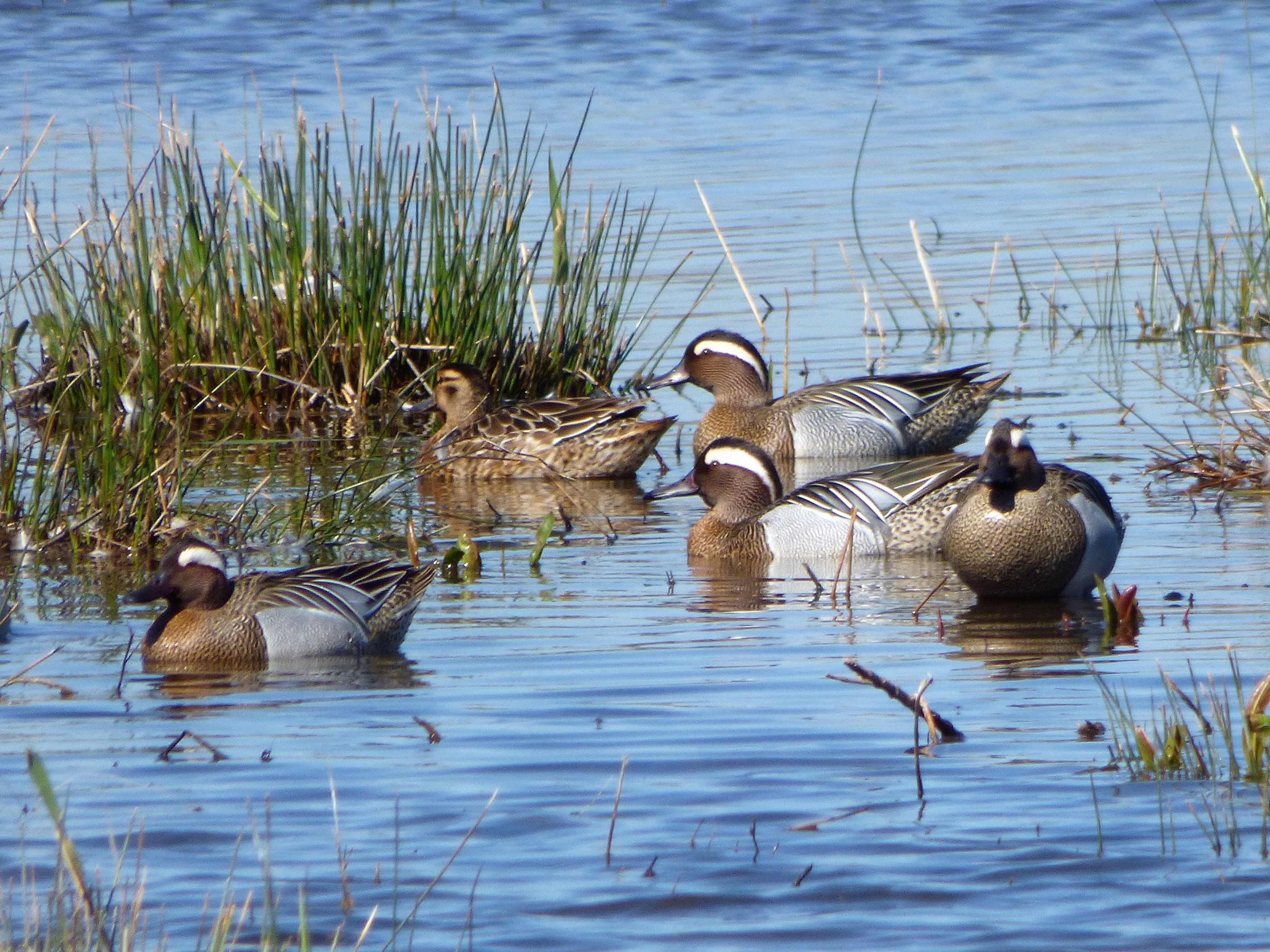


 Barcelona Birding Point Blog