
- Dates: April 20th to 26th, 2026
- Participants: 8
- Number of species seen: 188
- Tour leader: Carles Oliver
All images in this trip report by tour leader Carles Oliver unless indicated. All rights reserved.
Overview: A lot of snow. Our 2nd tour in the Caucasus faced very unusual weather conditions in the High Caucasus. As in many other large mountains in Europe, the Caucasus got a massive amount of snowfall along the last weeks of the 2025-2026 winter, but also in the first weeks of the spring. This unusual situation meant that, by time of our arrival, the mountain passes were still unsecured due to the spring melting. To arrive to Stepantsminda (the main location in the High Caucasus) became an Odyssey. The road accessing the town was blocked for days and our 3 nights stay in that location was reduced to a single one. Still, we got the birds. All of them with great views despite the very limited amount of time at our disposal.. Earlier in the trip the situation was very different. In Armenia we got some of the most intense birding migration experience in our lifes, with hundreds of thousands of migratory birds around us: Swallows, Terns, birds of prey and a good number of different passerines were seen in migration. At the end, a good trip despite the many peripeties lived (including a dead battery, and a flat tire in our very last morning in the country..).
Day 1. We arrived to Yerevan International Airport late in the night. Here, we meet with some of the tour participants, while the rest of our group was already in our accommodation very close to the airport. Next morning we had a light breakfast before moving away from the city.
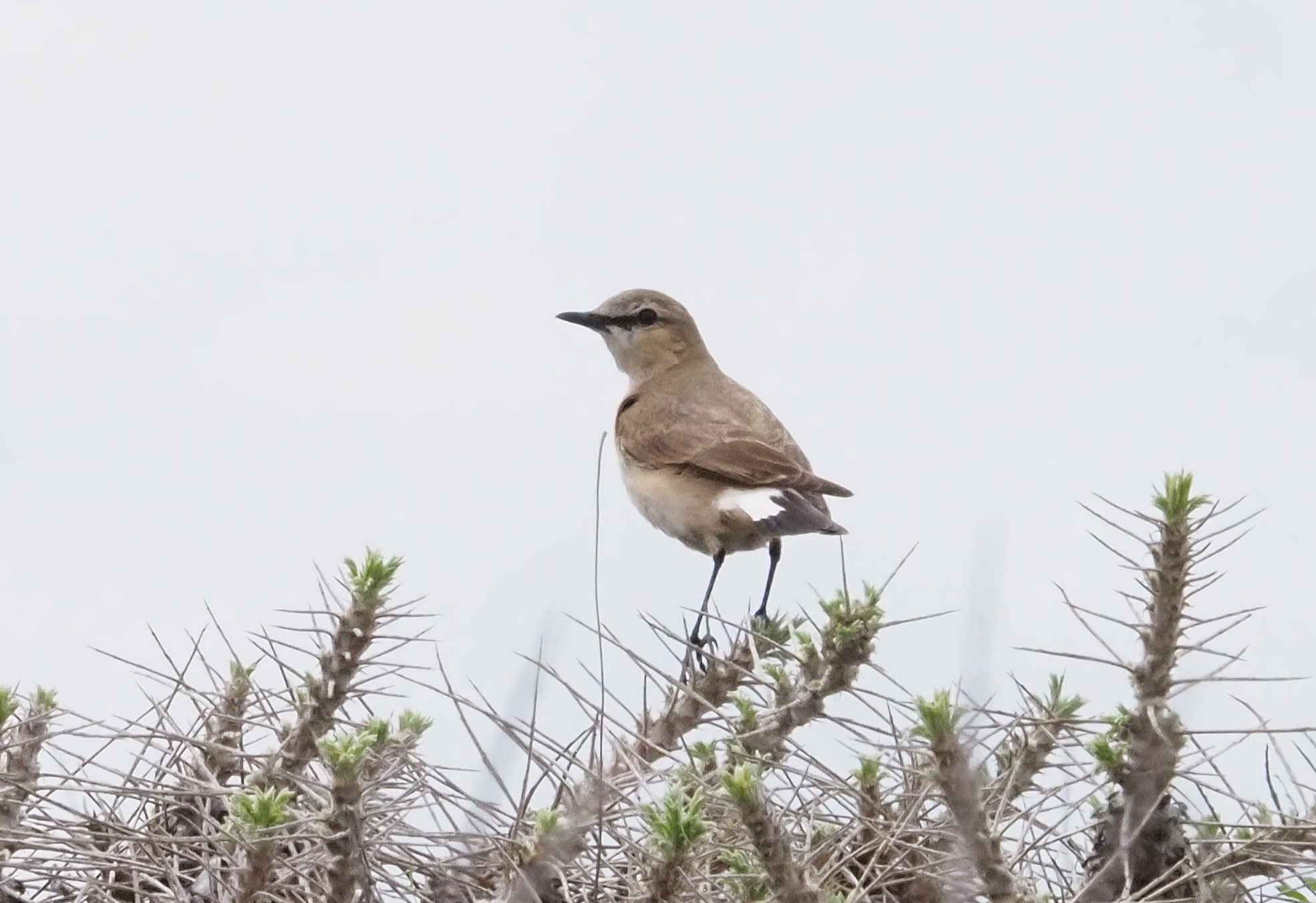
The plan was to explore some of the vast high mountain plateaus West of Yerevan providing excellent habitat for some high mountains specialties. Living the city, we had to do a couple of stops to check the many birds around. Here we got first views on Eastern Black-eared and Isabelline Wheatears plus the first Western Rock Nuthatches of the trip. Here we also got Pied Wheatear & Eurasian Goshawk while groups of Black Kites were constantly moving North.
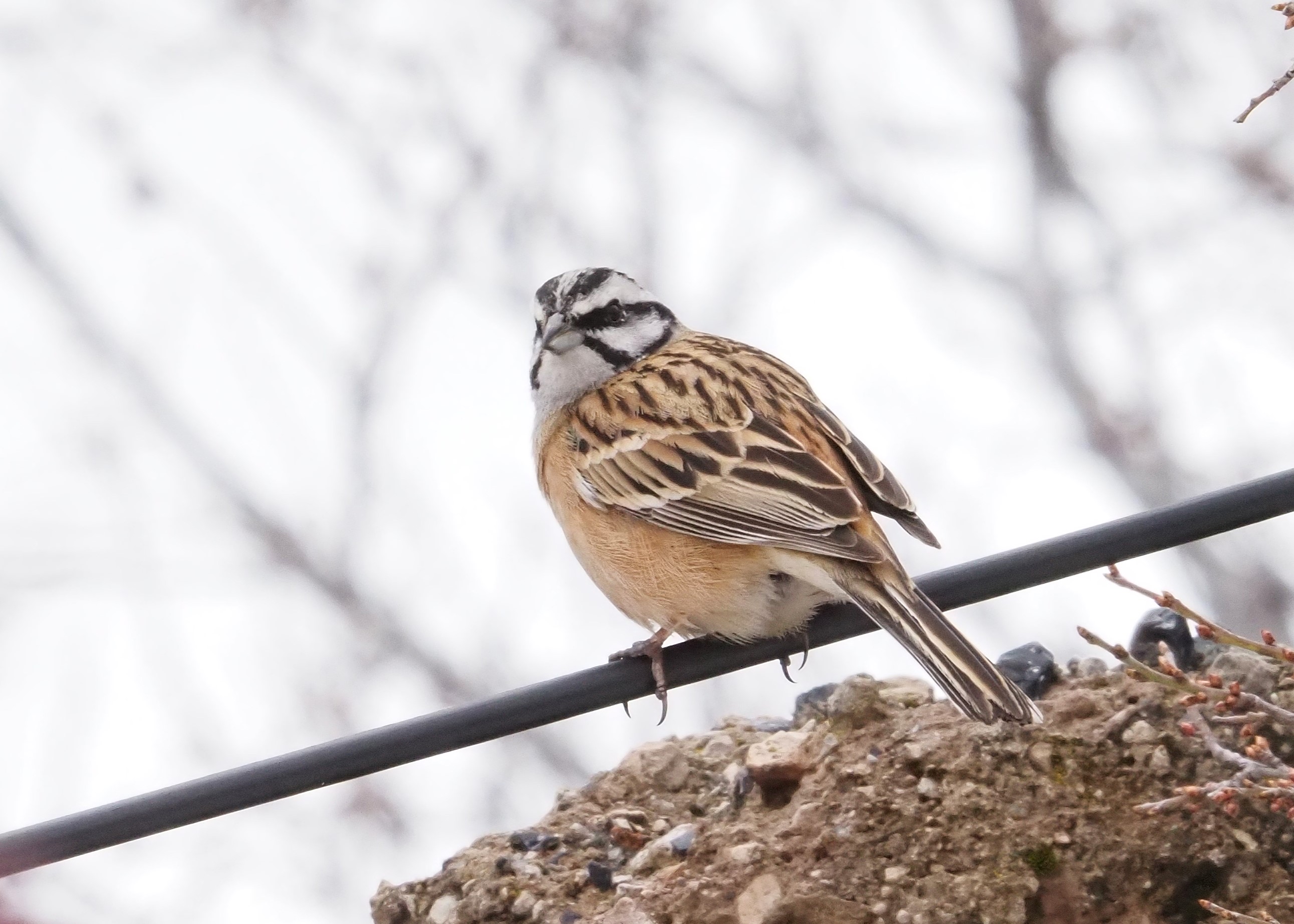
After this short transfer we arrived to our destination just to realise that the lane was blocked by a massive amount of snow. The lane was blocked, but it was blocked in a shocking very low point of the mountain, doing impossible any walk into suitable habitat and giving us a first approach to the massive amount of snow that the Caucasus was getting a few weeks before our arrival. Still, we decided to do a short walk in the area and we were rewarded with several Rock Buntings, Ring Ouzels, Mistle Thrush, Black Redstarts (Eastern), good views on the attractive Caucasian race of Eurasian Jay and Lesser Spotted & Steppe Eagles migrating North!
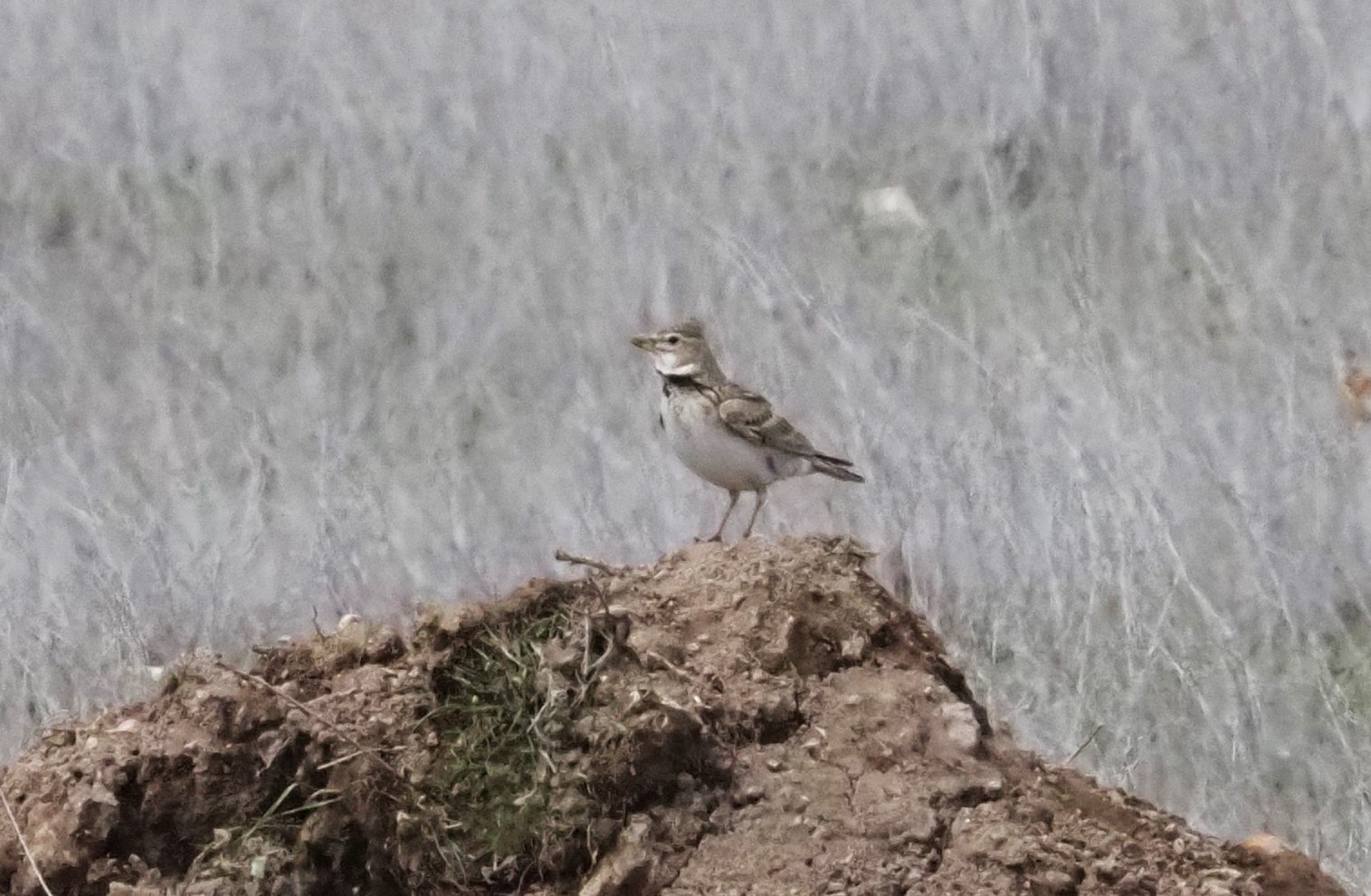
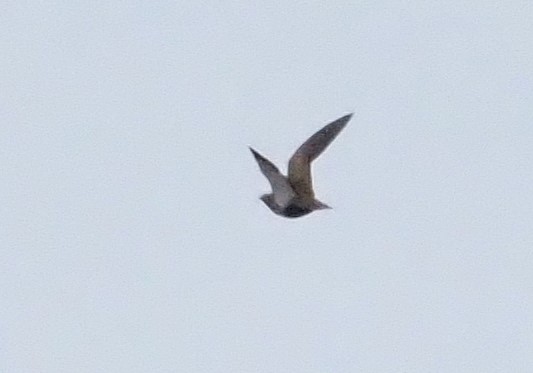
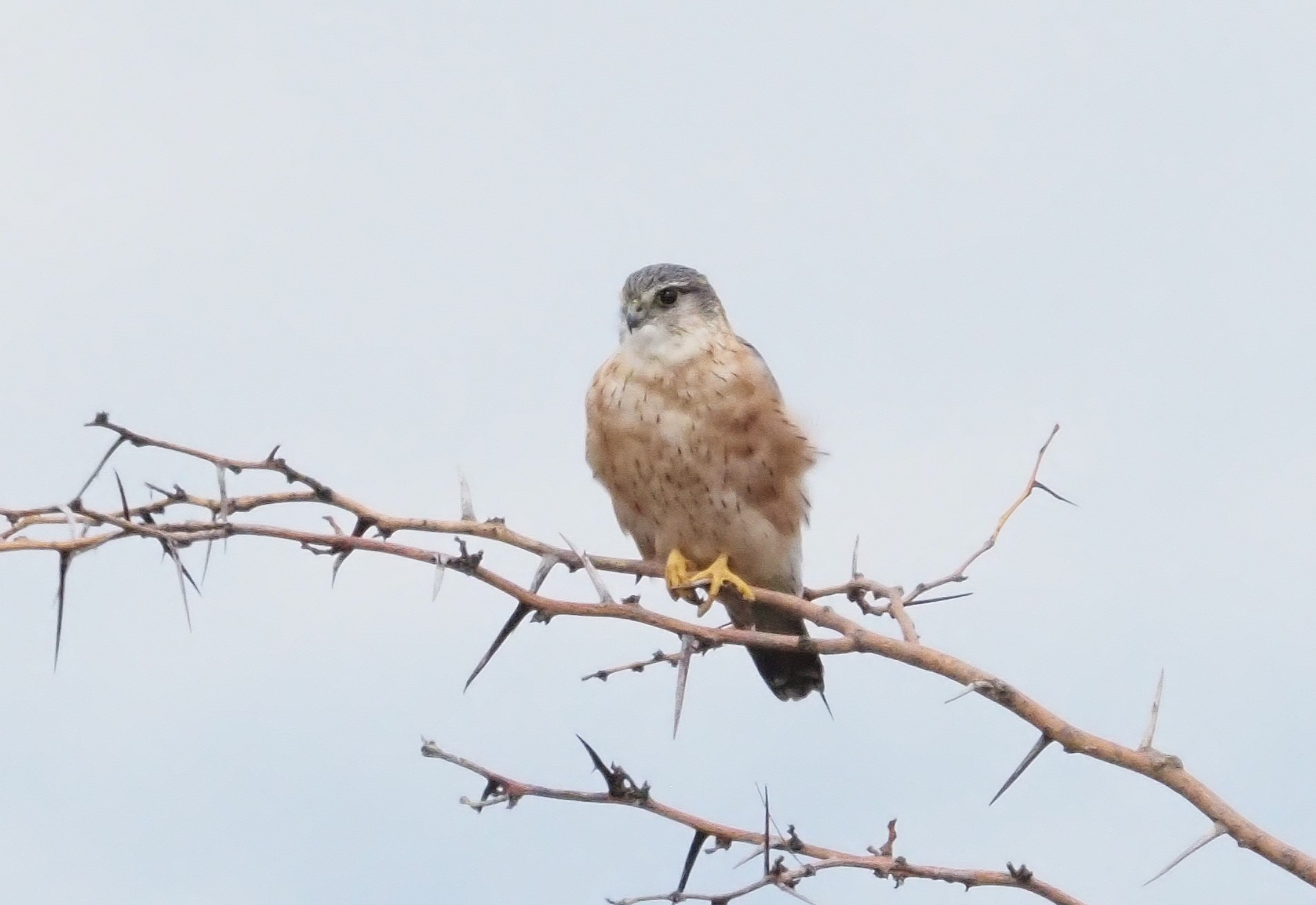
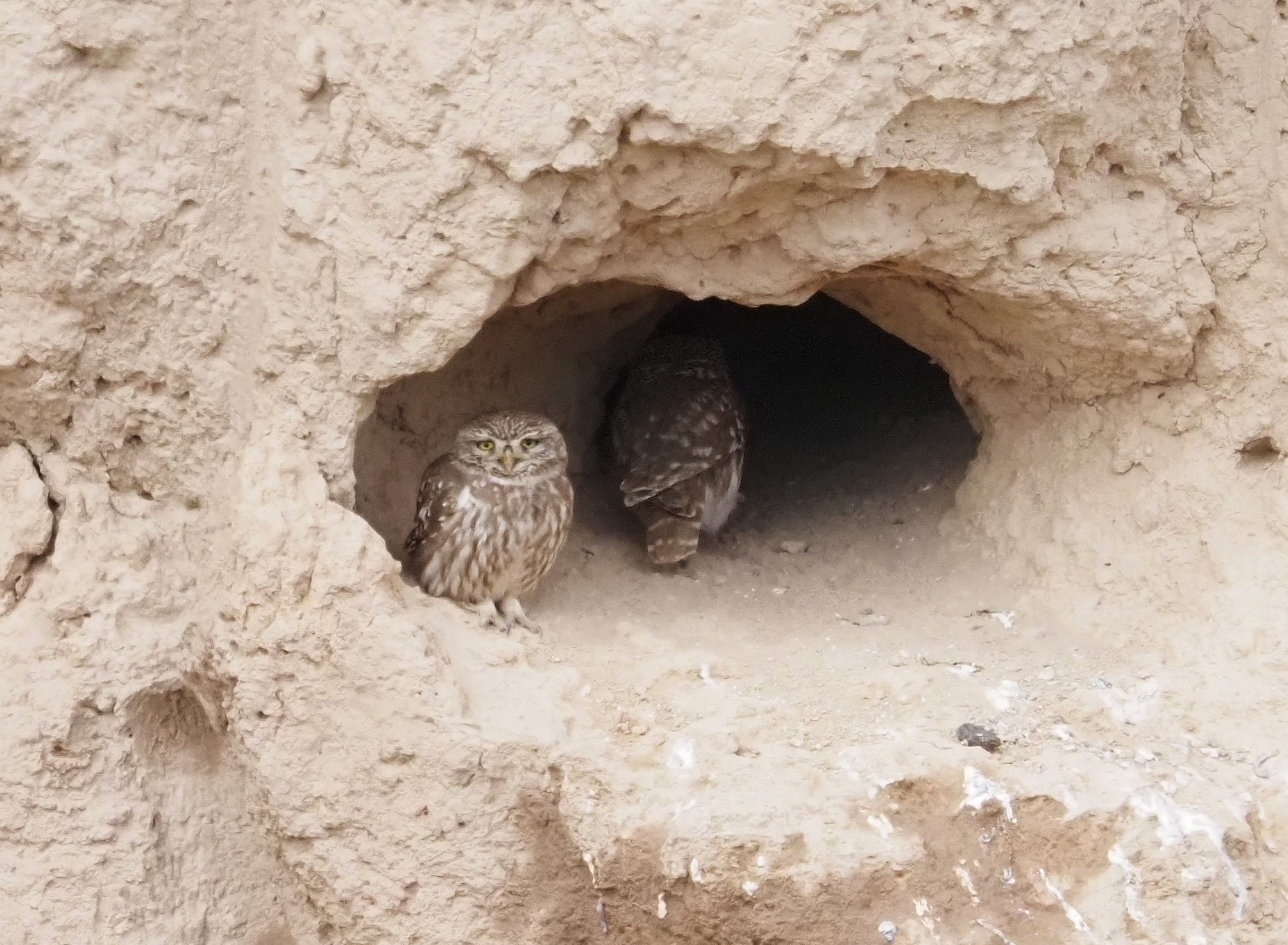
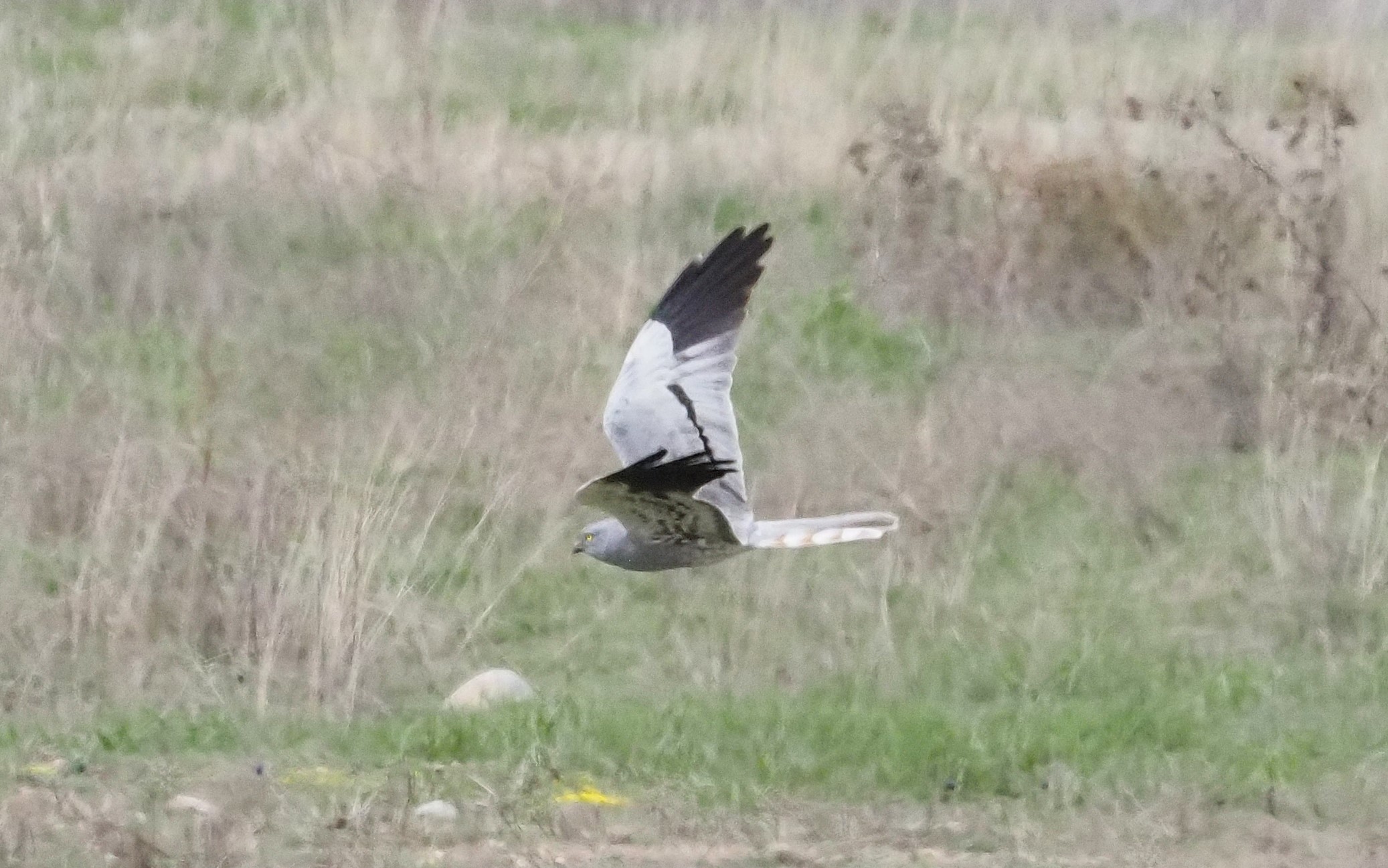
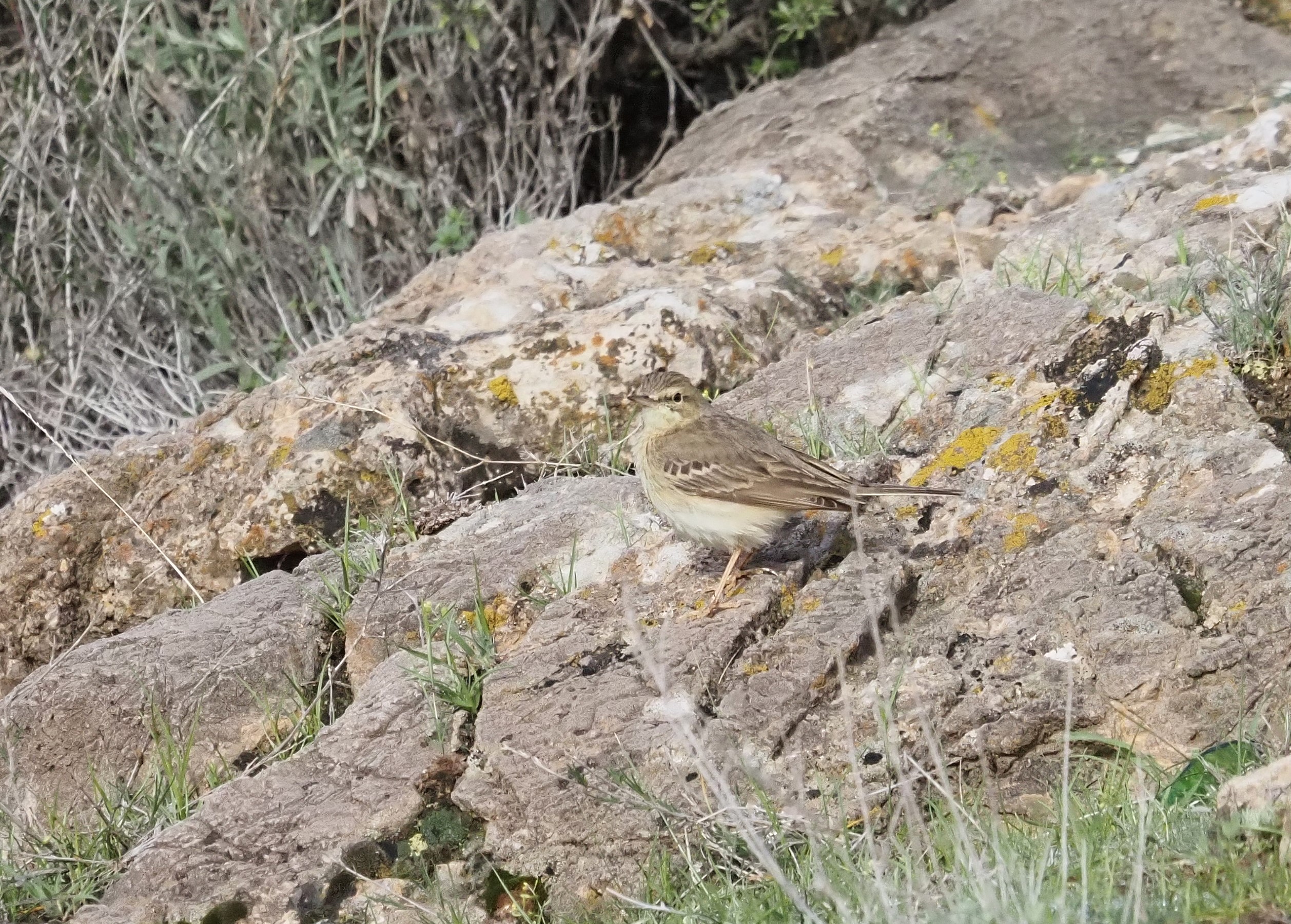
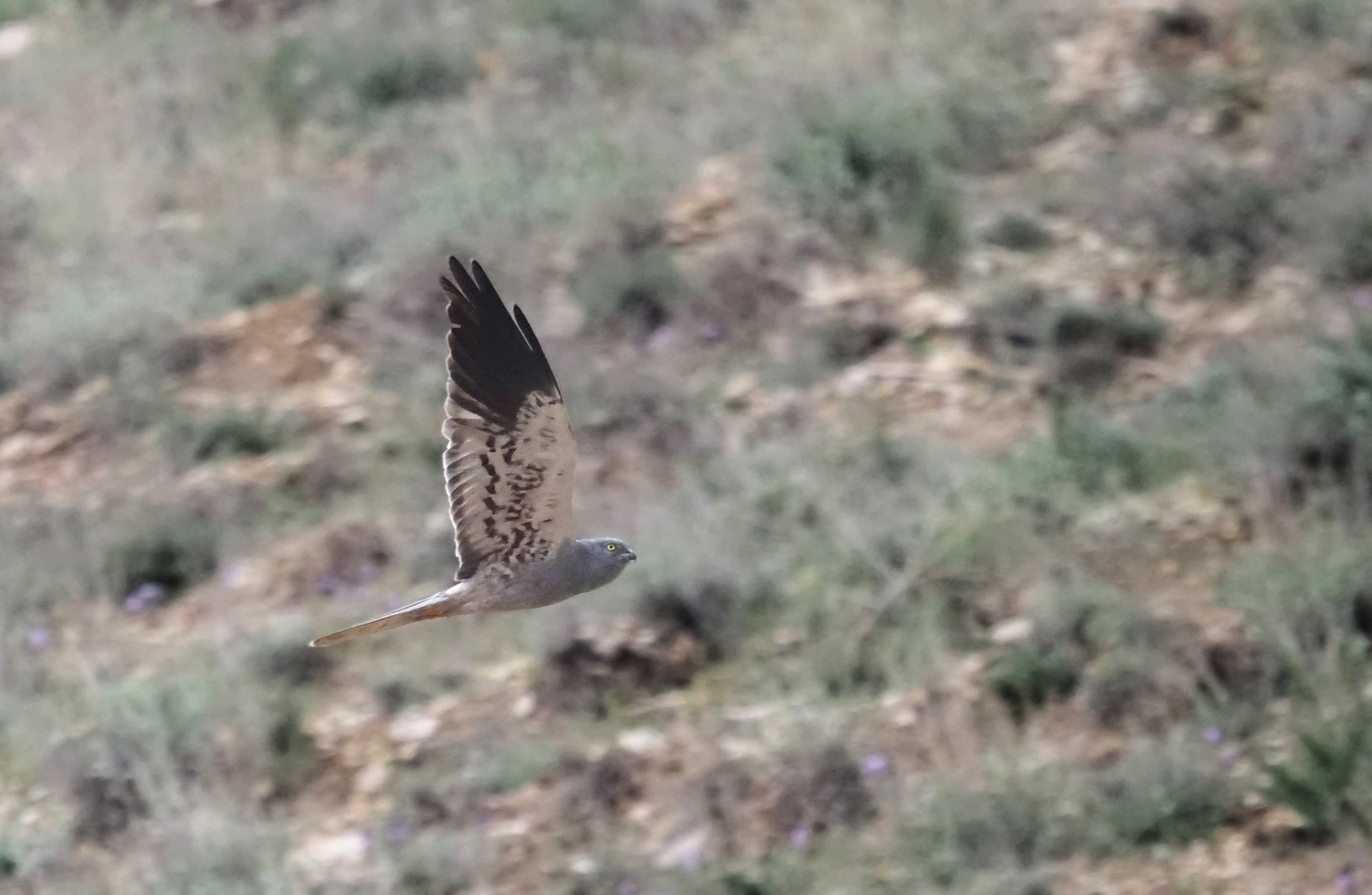
So we changed the plan and decided to go down the valley to explore a very interesting farming area. Here we got loads of Greater Short-toed Larks and Tawny Pipits, that seemed everywhere around Armenia. Small flocks of Tree Pipits were noticed migrating North and accurate scan in the valley produced males Pallid and Montagu’s Harrier hunting not far away from each other! But the main target here was still to show, and when we were about to quit, a male Bimaculated Larks just went flying up in the sky! We all walked to that area, and we soon located up to 5 individuals providing good views to everyone in the trip. A further exploration of the area produced Lesser Kestrels, a lovely male Merlin, 2 Green Warblers and 2 Little Owls before going for lunch. At some point, a walked away from the group in order to pick up the van, and a gorgeous male Black-bellied Sandgrouse just flew away ten meters away from me! Surprisingly, this turned out to be a local rarity!
After lunch we transferred South of Yerevan, arriving quite in the afternoon. As we landed late the night before, we decided to call it a day so we could get an early start the day after.
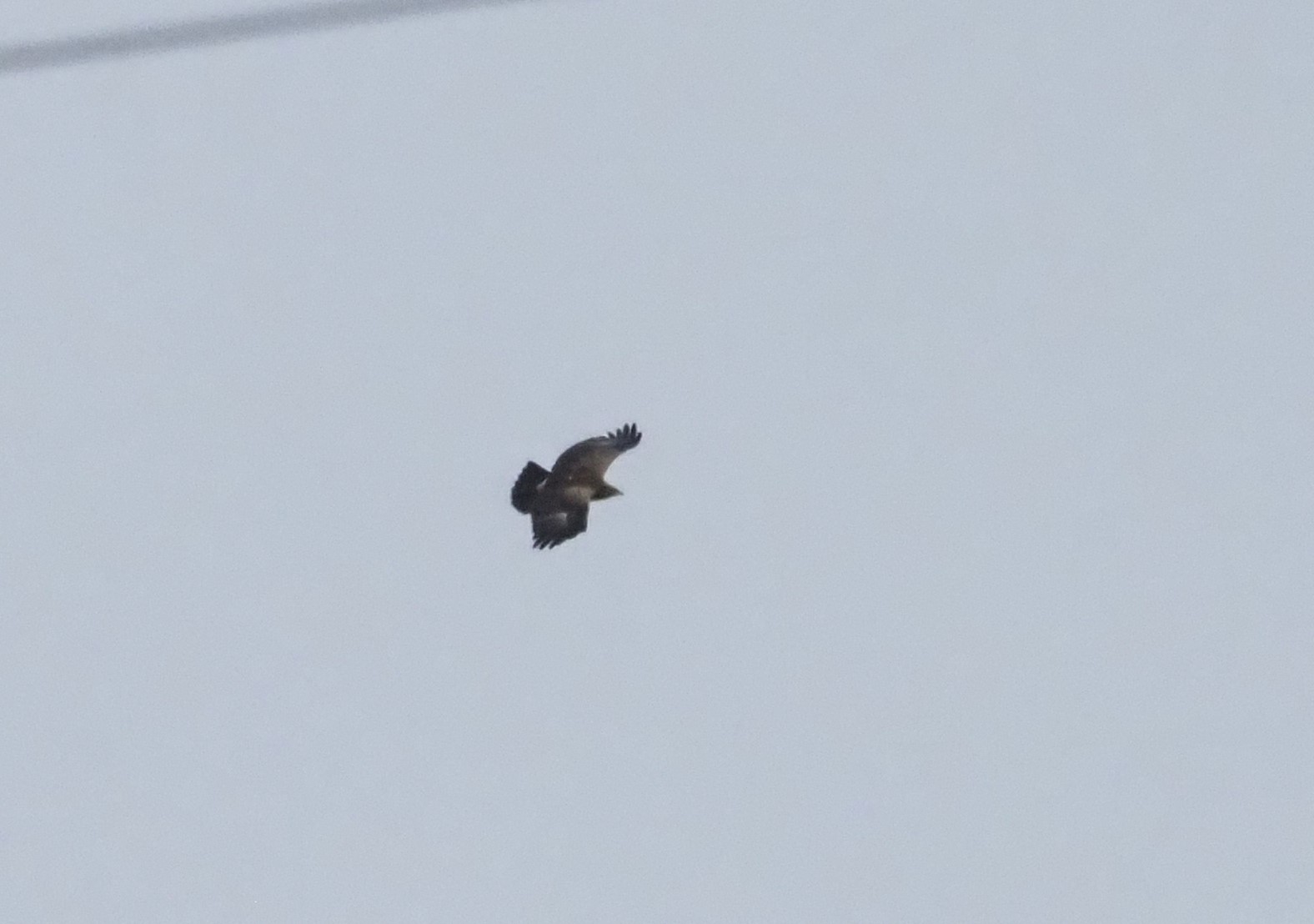
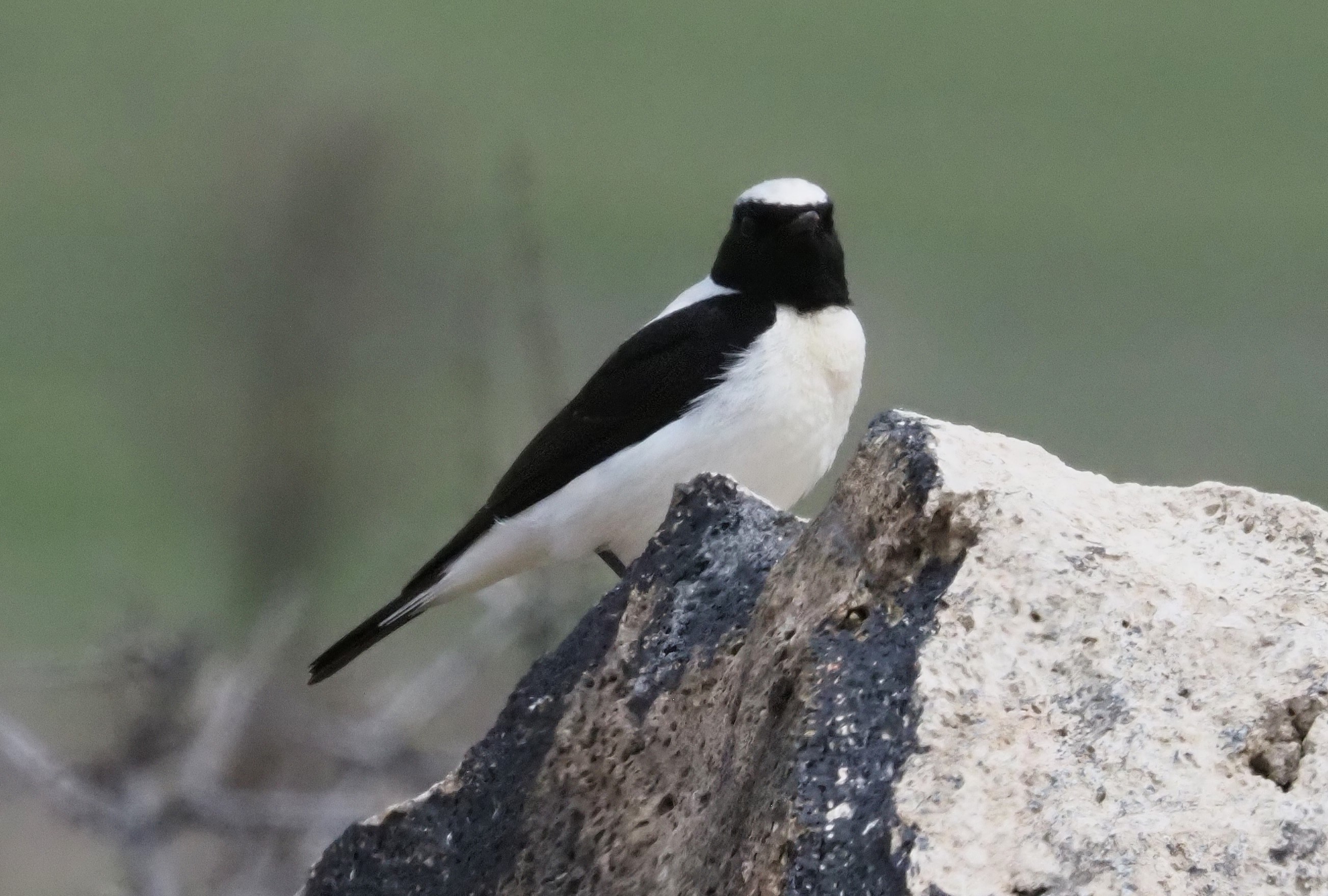
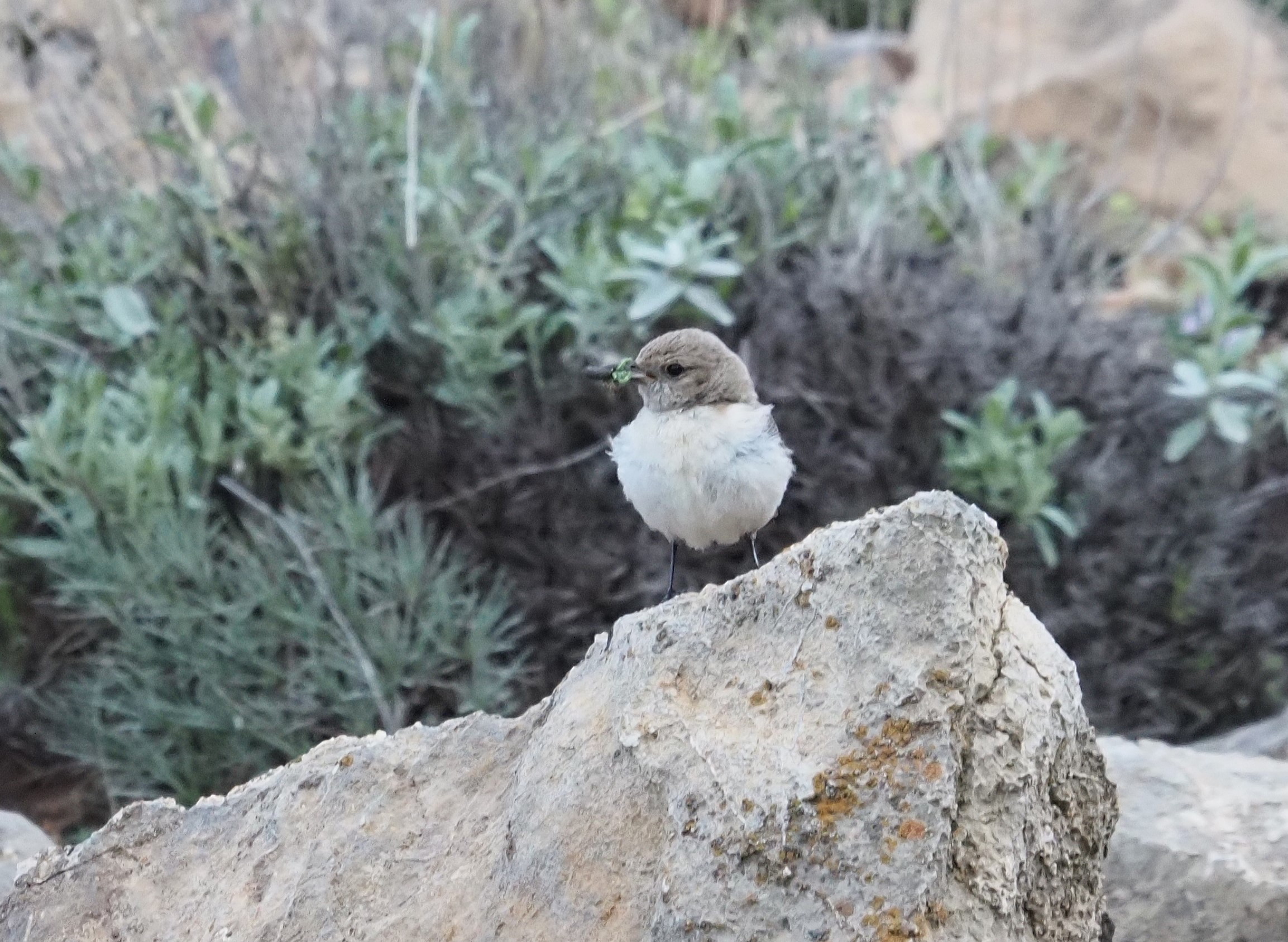
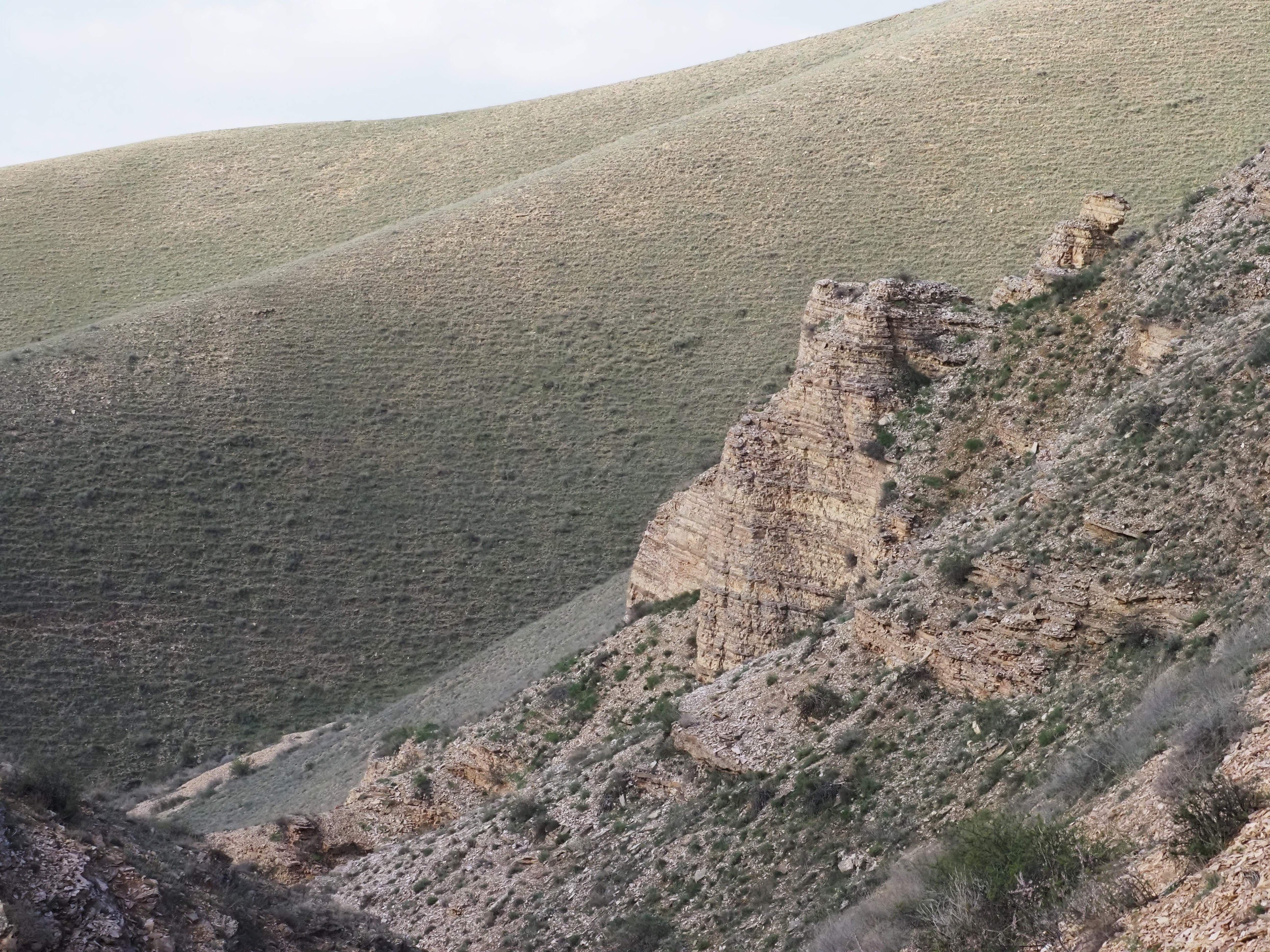
Day 2. In our pre-breakfast birding we decided to go to explore one of the several desert-like valleys in Southern Armenia. Here, the spring landscape looked plentiful despite the cold temperature and there were several goodies to look for. Our lovely short walk produced a wonderful list of birds. Finch’s Wheatears were common and evident, nesting in rock crevices along the path. The bush land in the centre of the valley was thriving with migratory warblers. Here we got several Green Warblers, Eastern Orphean Warblers, several Common & Lesser Whitethroats but also Whinchat and Common Redstart. But the stars were 3 Ménétries’s Warblers that played a long game of seek and hide with everyone in the group had proper views on this species. Up in the sky, we were suprised by the presence of both Golden Eagle and Cinereous Vulture plus a nice Pallid Harrier migrating North even it was still very early in the morning. We kept moving up, with several views on the very noisy Eastern Rock Nuthatches around us, sometimes close but most of the time across the narrow valley. In the higher part we got a different set of species including Chukar, Bimaculated Lark, close up views on Greater Short-toed Larks and 4 Pale Rock Sparrows flying down the hill.
Back to the accommodation, we enjoyed a very nice breakfast before covering the short distance to the Armash Fish Ponds.
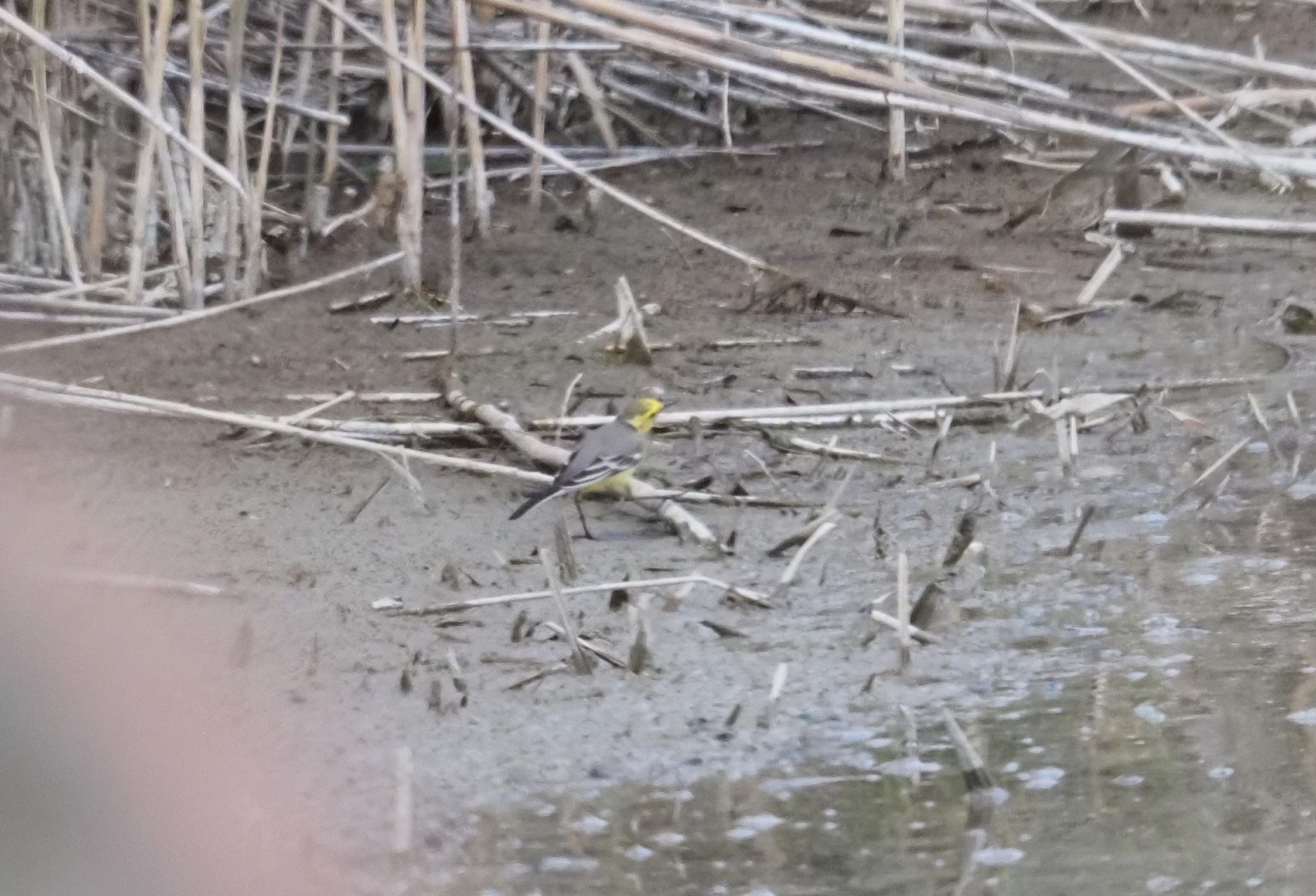
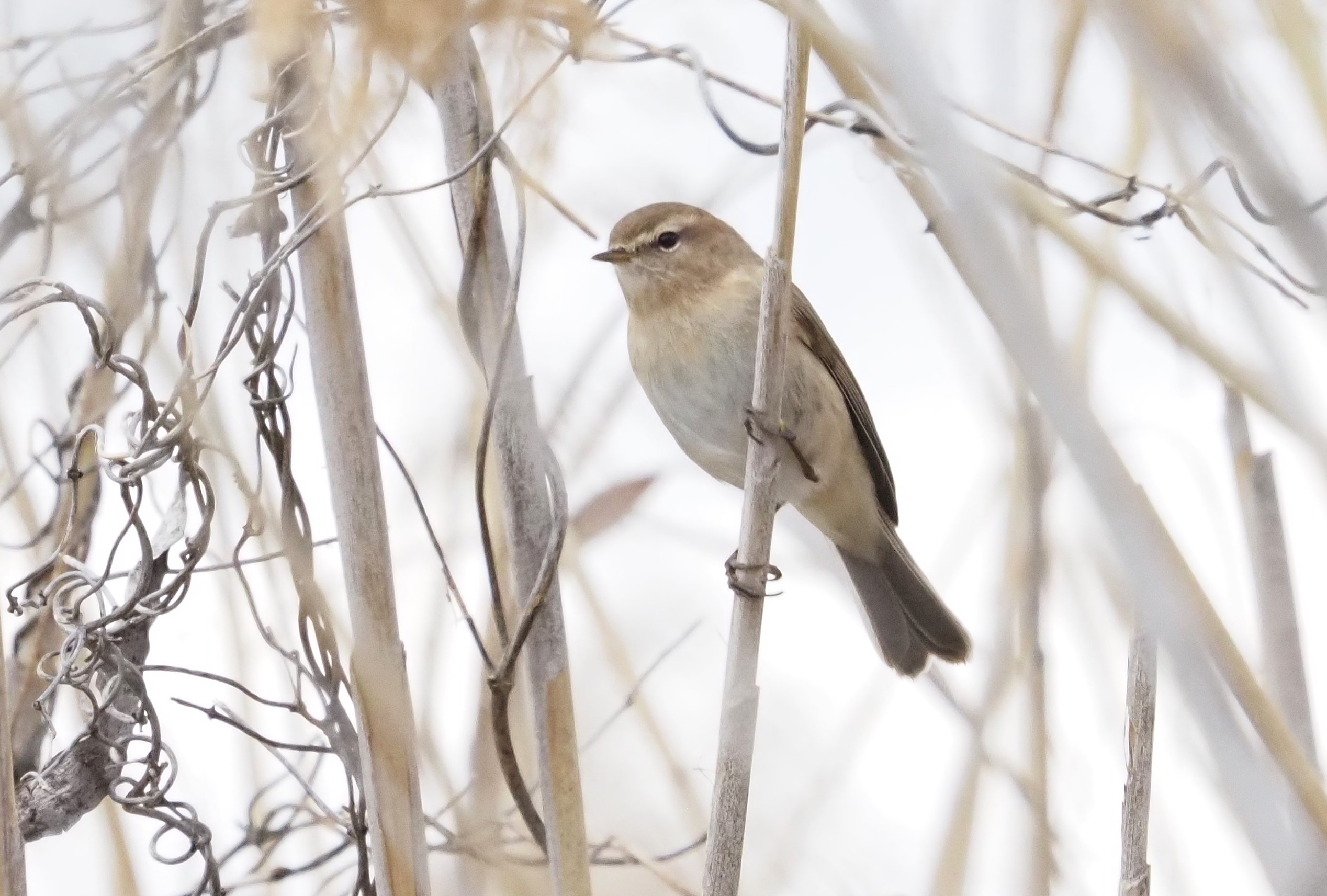
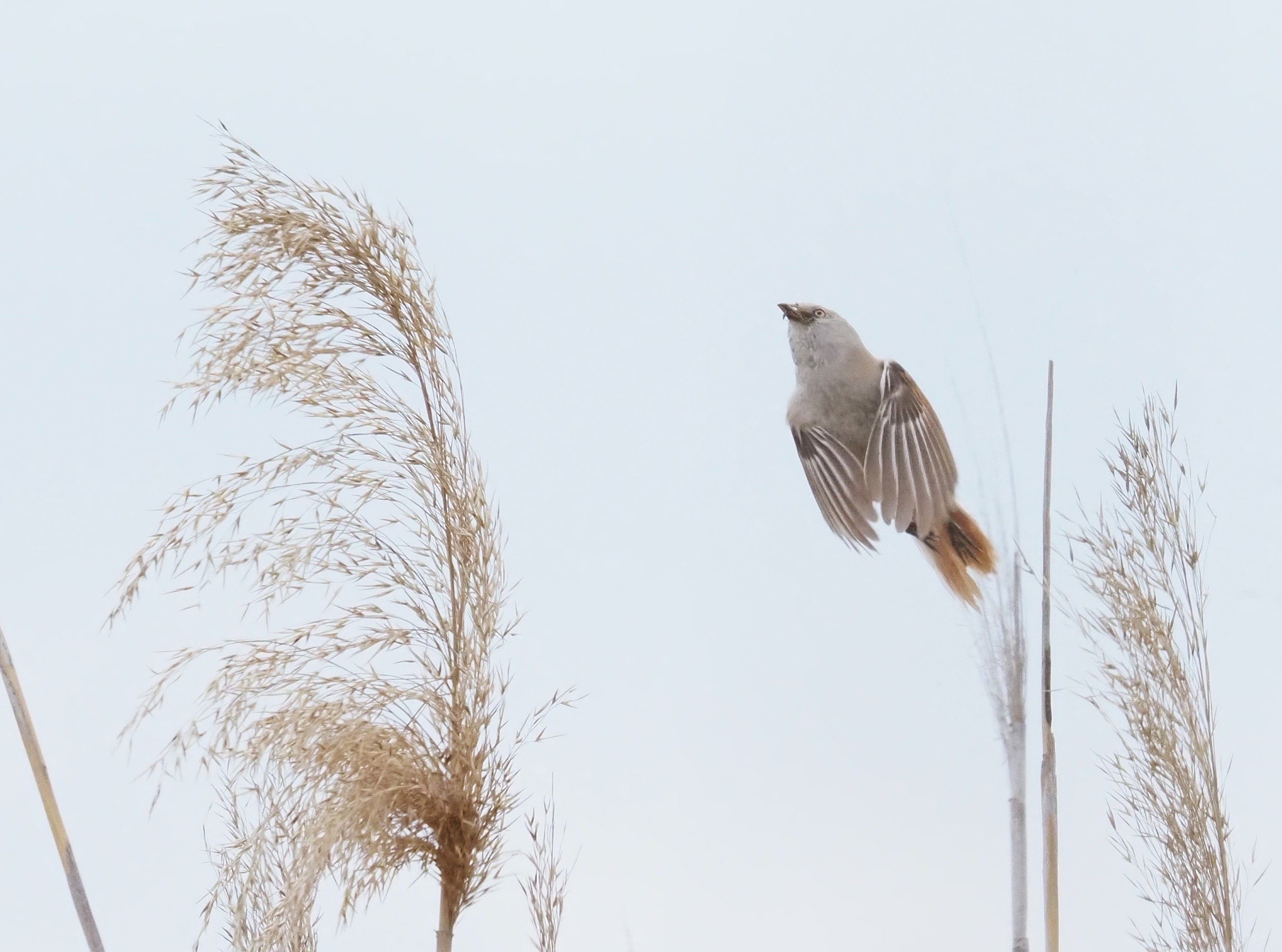
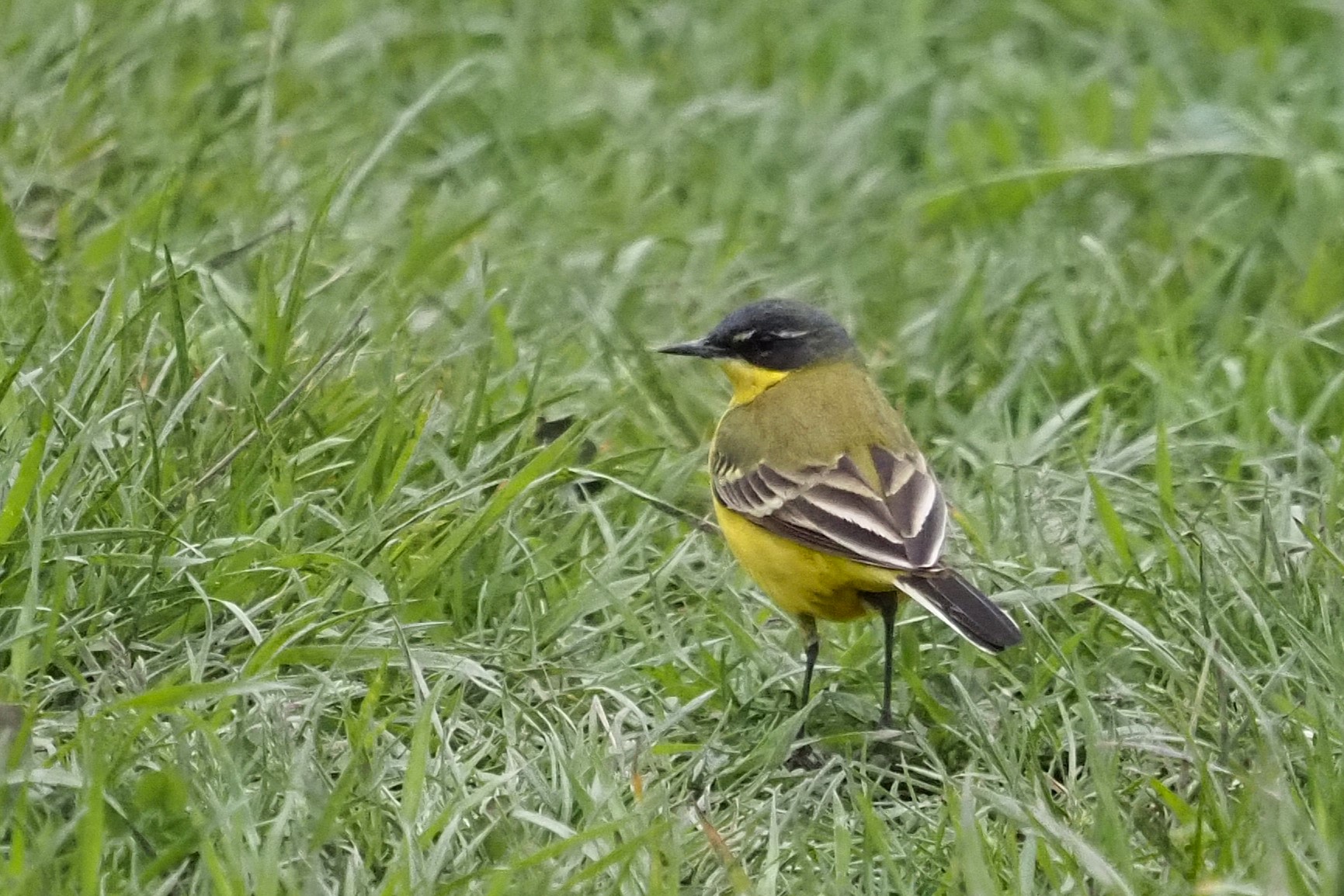
That visit to the famous Armash Fish Ponds ranks as one of the best birding experiences in my career! It looks like we were very lucky. It had been bad weather for a few days, and despite the rather low temperatures, that afternoon was sunny and a nice brise was blowing North. As a result of this, the place was simply covered on birds. The accessing meadows had a massive flock of 50+ Yellow Wagtails. Up in the sky, regarding our calculations, there were 100,000+ Swallows of all species plus Swifts.. There were flocks of Great White Pelicans and Glossy Ibises moving North. The very first pond there were 20+ Gull-billed Terns fishing, 10+ Garganeys, Pygmy Cormorants, a couple of Citrine Wagtails, a very attractive Bluethroat and very good numbers of Bearded Tits. A short walk around produced also 3 Lesser Kestrels and 4 Blue-cheecked Bee-eaters hunting insects very close to our group. A 150 metres long walk in the reeds produced 2 Mountain Chiffchaffs, Ménétries’s Warbler, Common Nightingale, several Sedge Warblers and Common Reed Warblers, Little Ringed Plover, Marsh Sandpiper and a very distant Spotted Crake plus other commoner species. In the way back we were surprised by a first White-tailed Lapwing and 2 Spur-winged Lapwings feeding in the marsh!
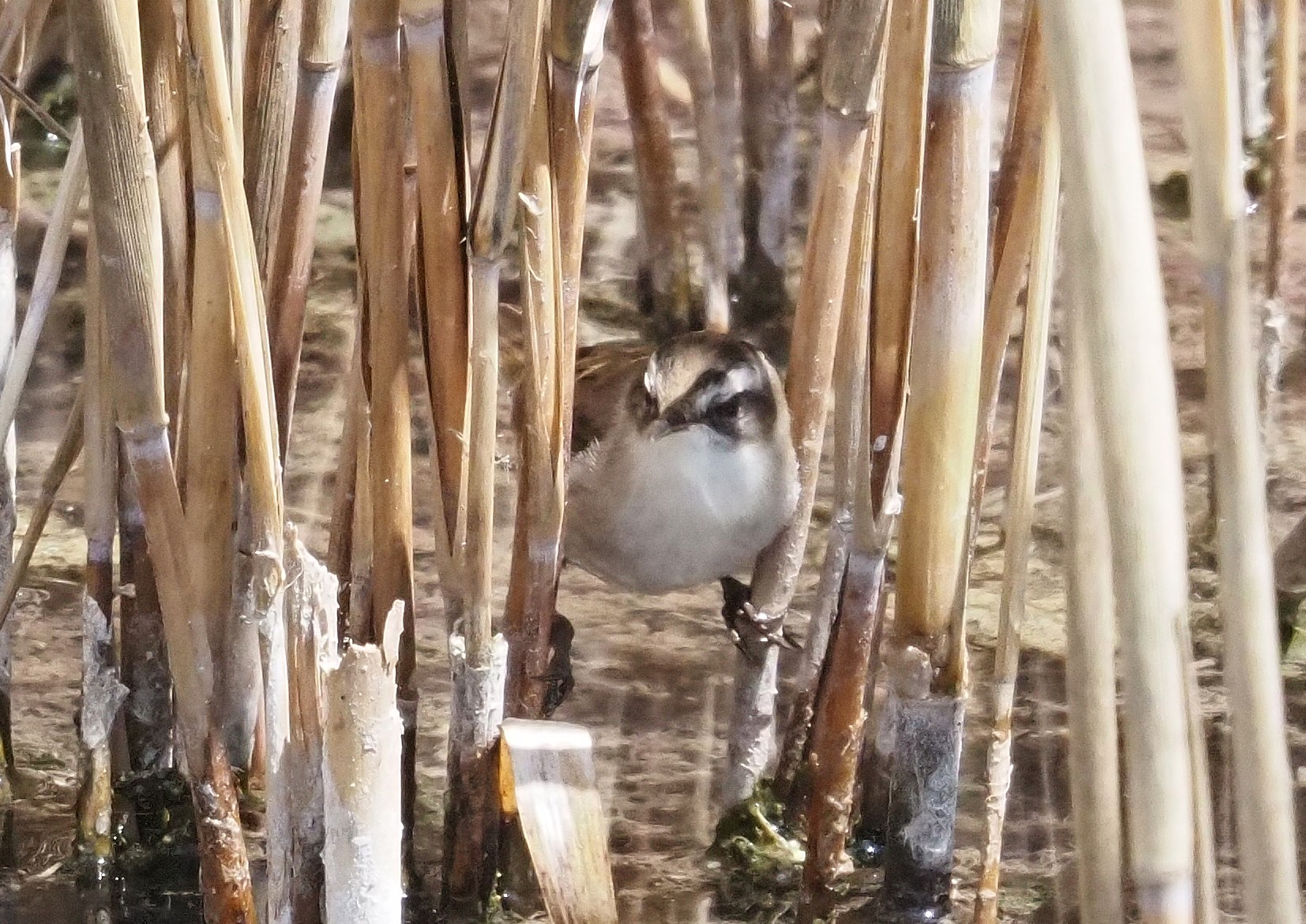
Back to the main road, we walked a take a look into a reedbed where Paddyfield Warblers were singing in good numbers. It didn’t take us long to enjoy the first Paddyfield Warbler of a few, signing in the reeds and getting out, sometimes coming very close to the group. Here we also saw Penduline Tit, a very lovely pair of Moustached Warblers and Great Reed Warbler, while we heard both Savi’s and Marsh Warblers in the reeds. When coming back to the car, we got a second Citrine Wagtail and light form Booted Eagle.
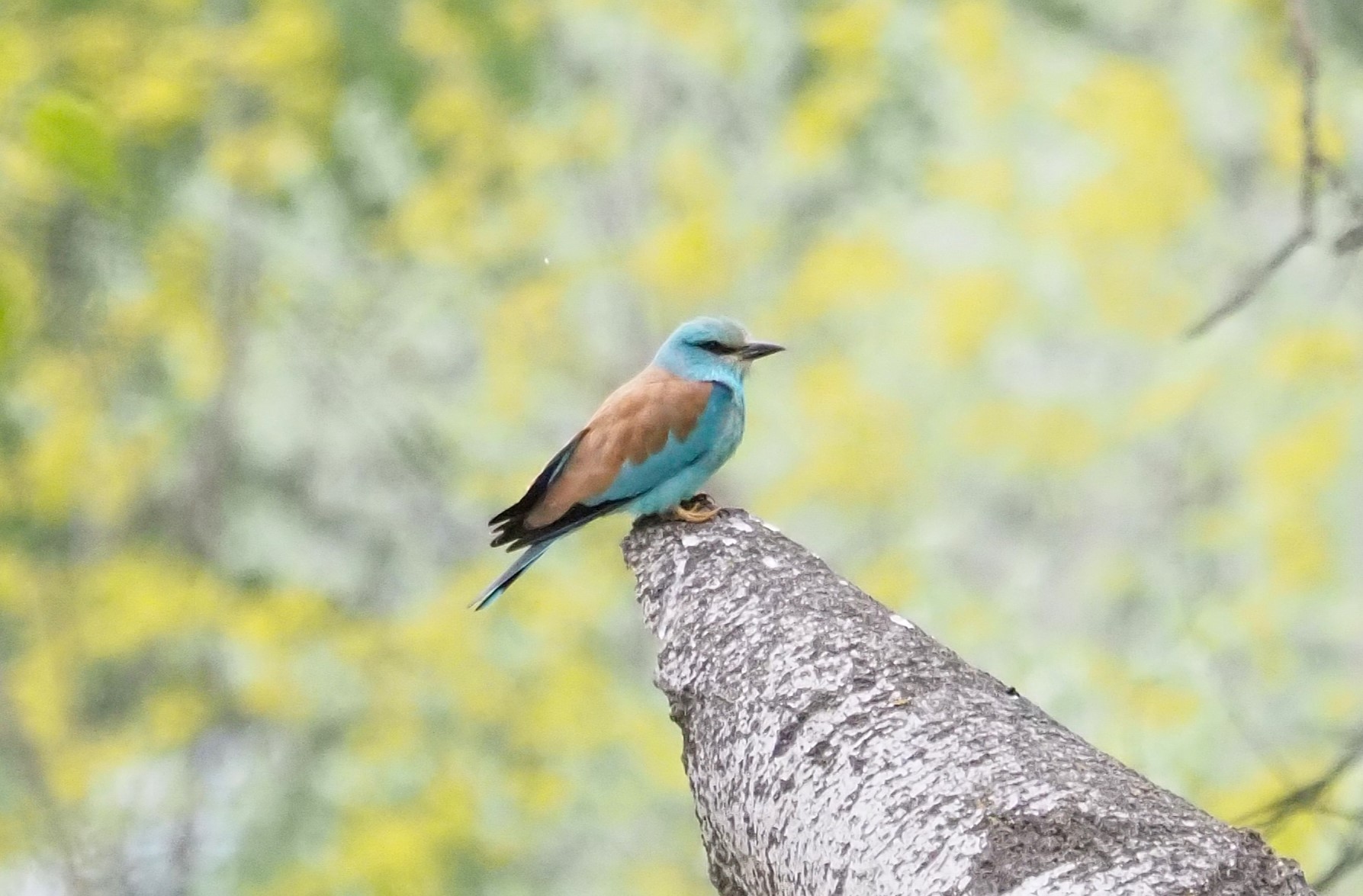
From here we drove a short distance to a second spot. In the drive, we counted 4 European Rollers in the wires. Once in the place, we were surprised by another Ménétries’s Warbler that showed out very nicely along with a Cetti’s Warbler. The ponds around were full of medium-sized gulls, including good numbers of Slender-billed’s. And from a privileged view point nearby we got very scope views on 6 White-tailed Lapwings, a few Spur-winged Lapwings and, more importantly, a wonderful Black-winged Pratincole that came out from nowhere to stop beside a Spur-winged Lapwing. The Pratincole flew a couple of times, and we all got good views on its underwing and also in the very short primary projection when on the ground!
Happy with this sighting, we moved to a third spot, but then a very solid rain arrived to the valley and we decided to call it a day and to go to the accommodation before going out to enjoy a nice Armenian evening meal.
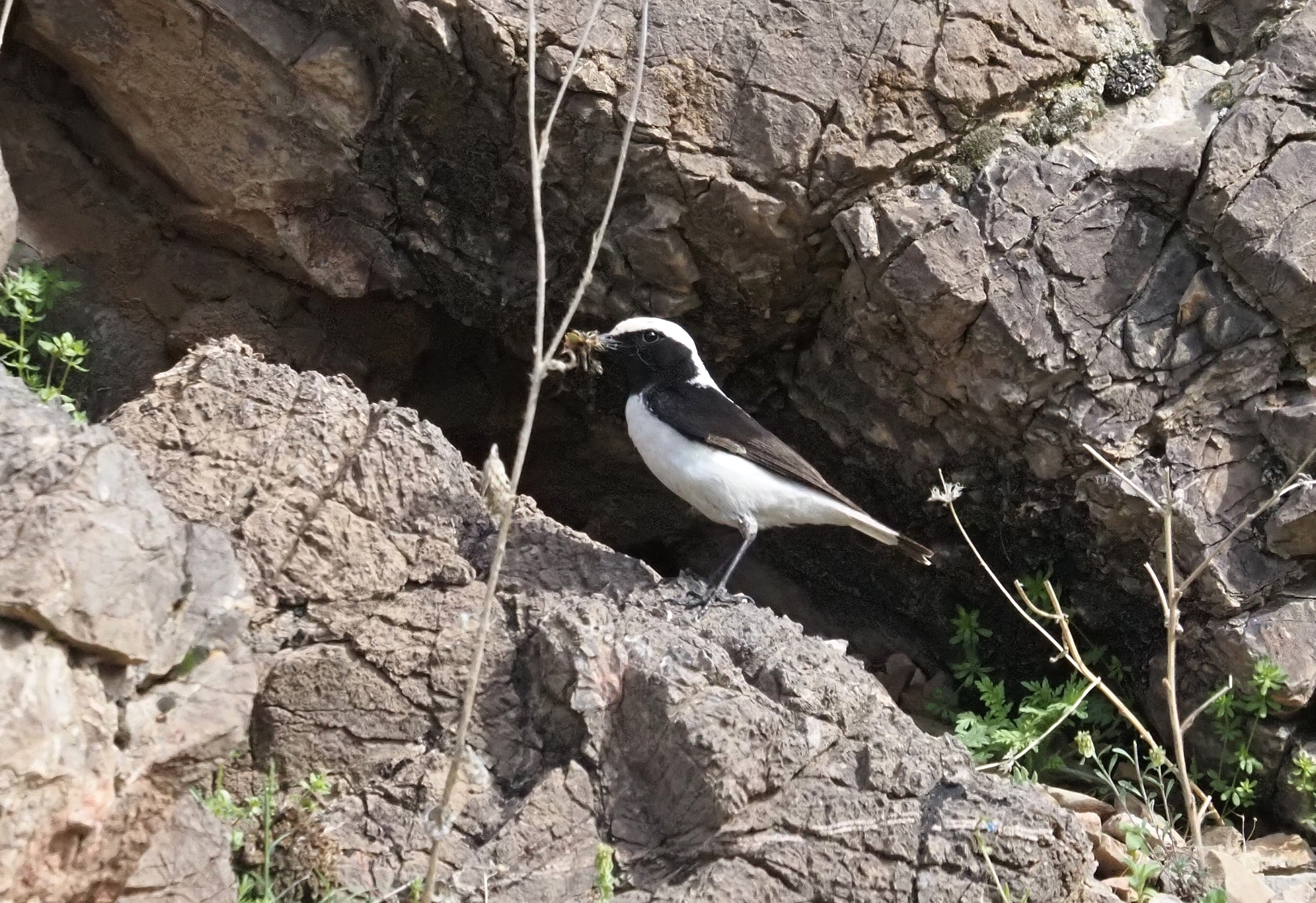
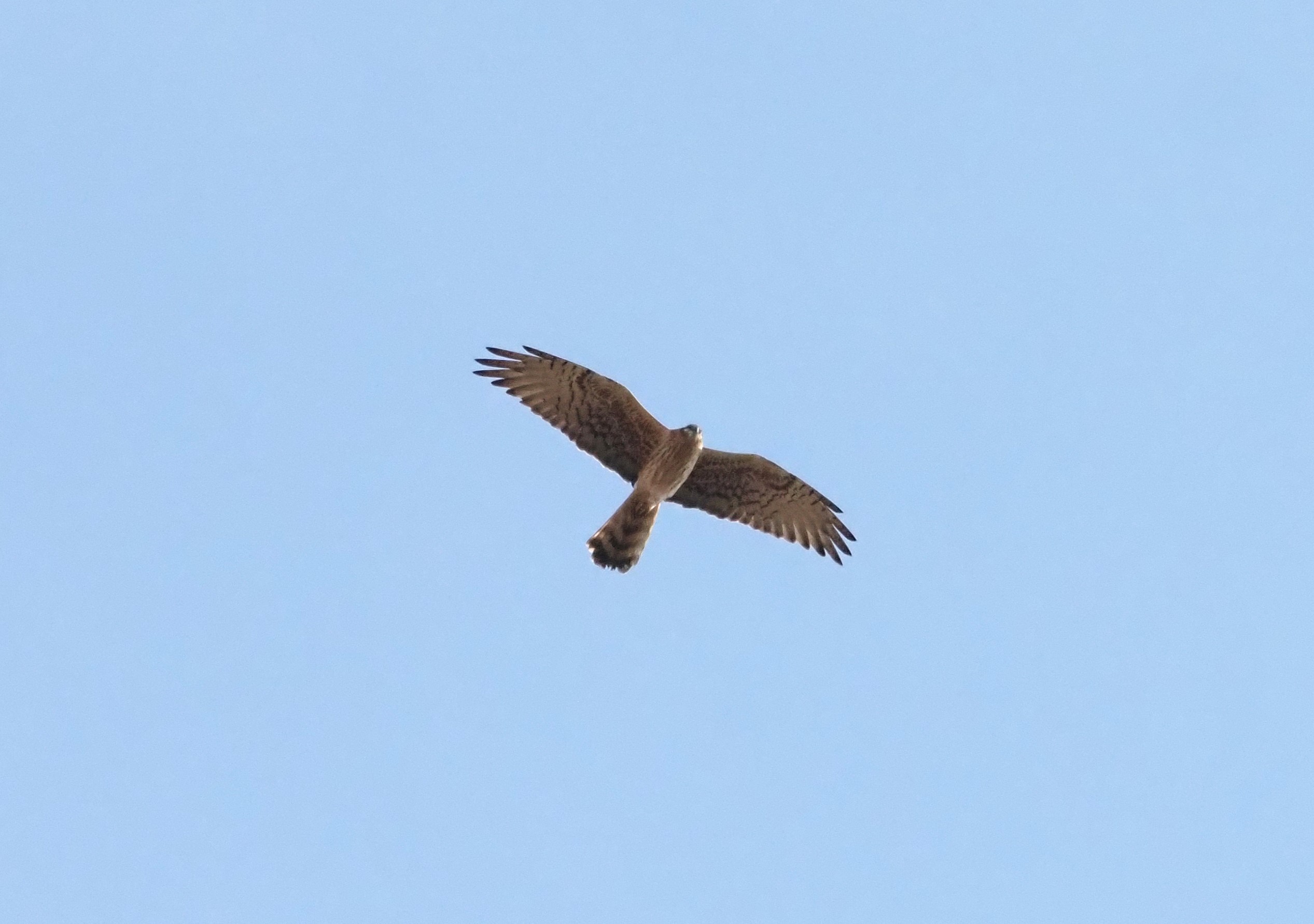
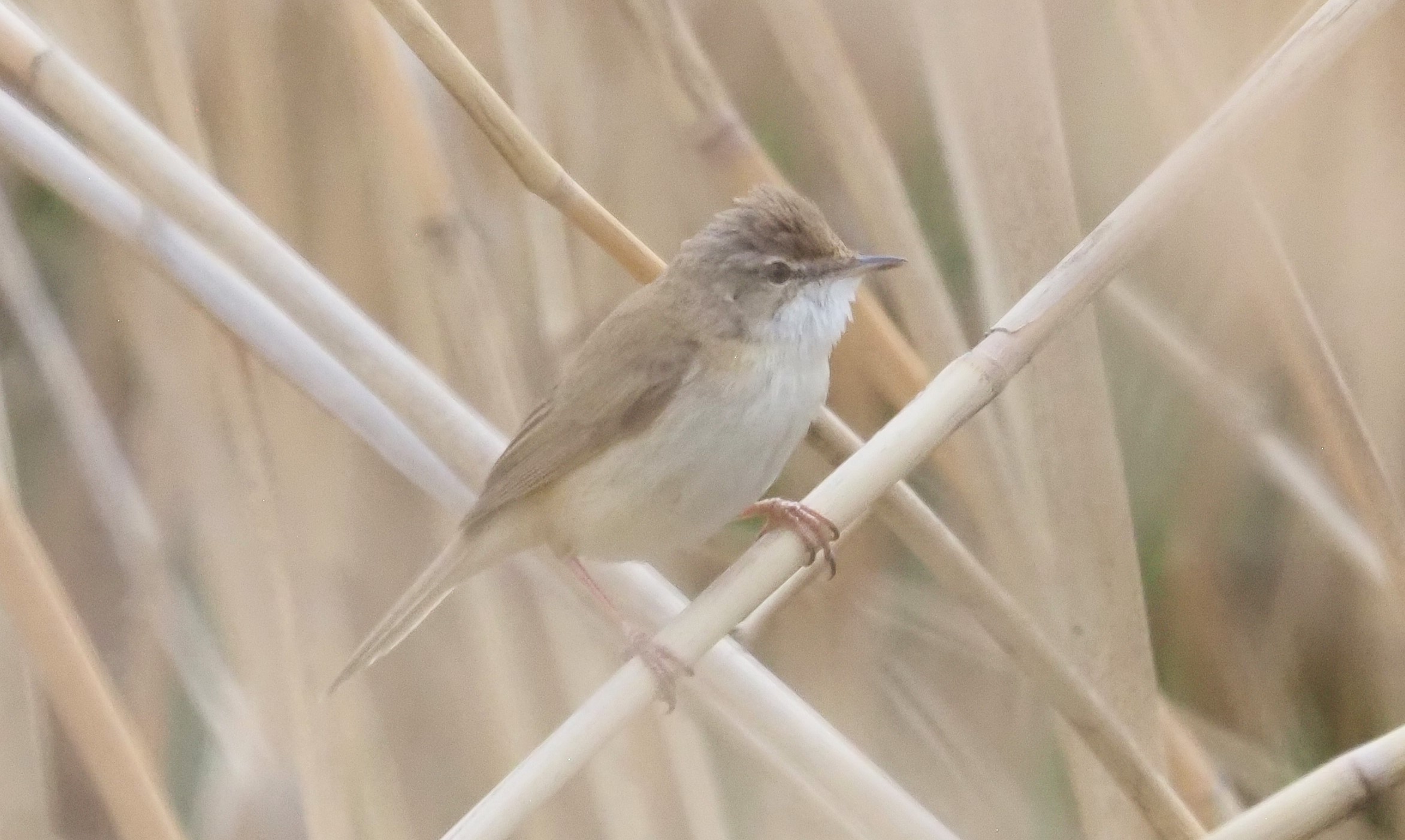
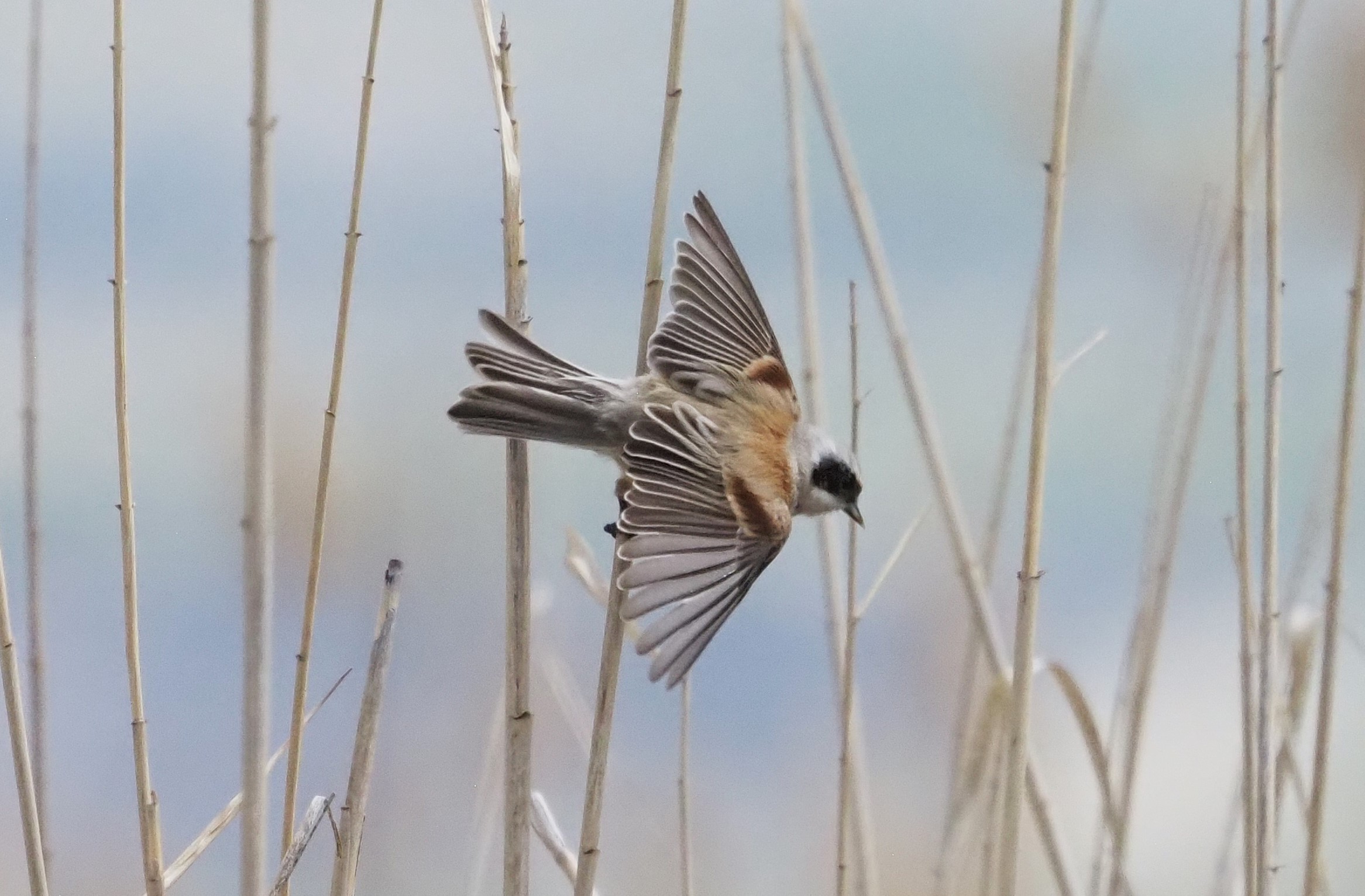
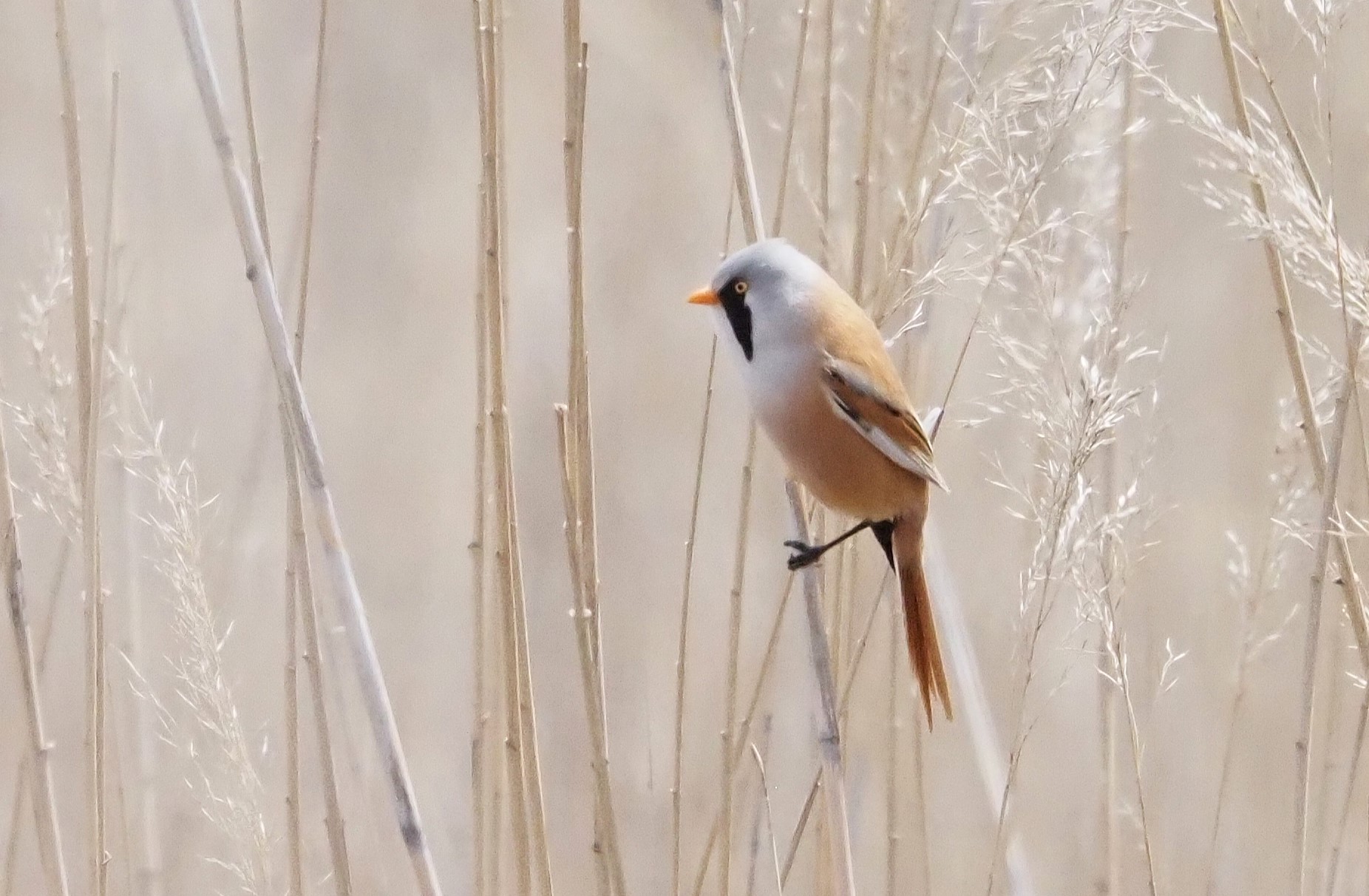
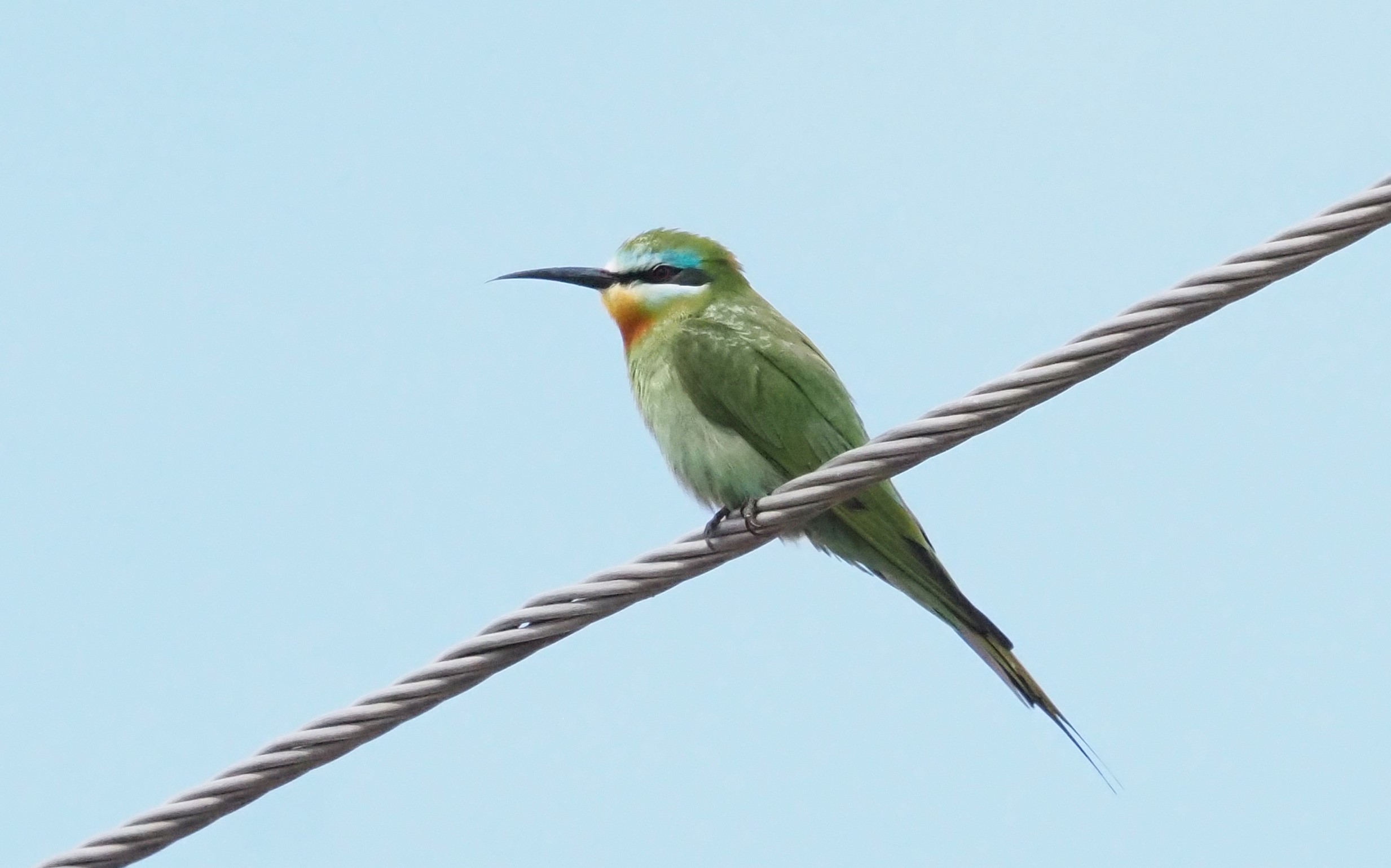
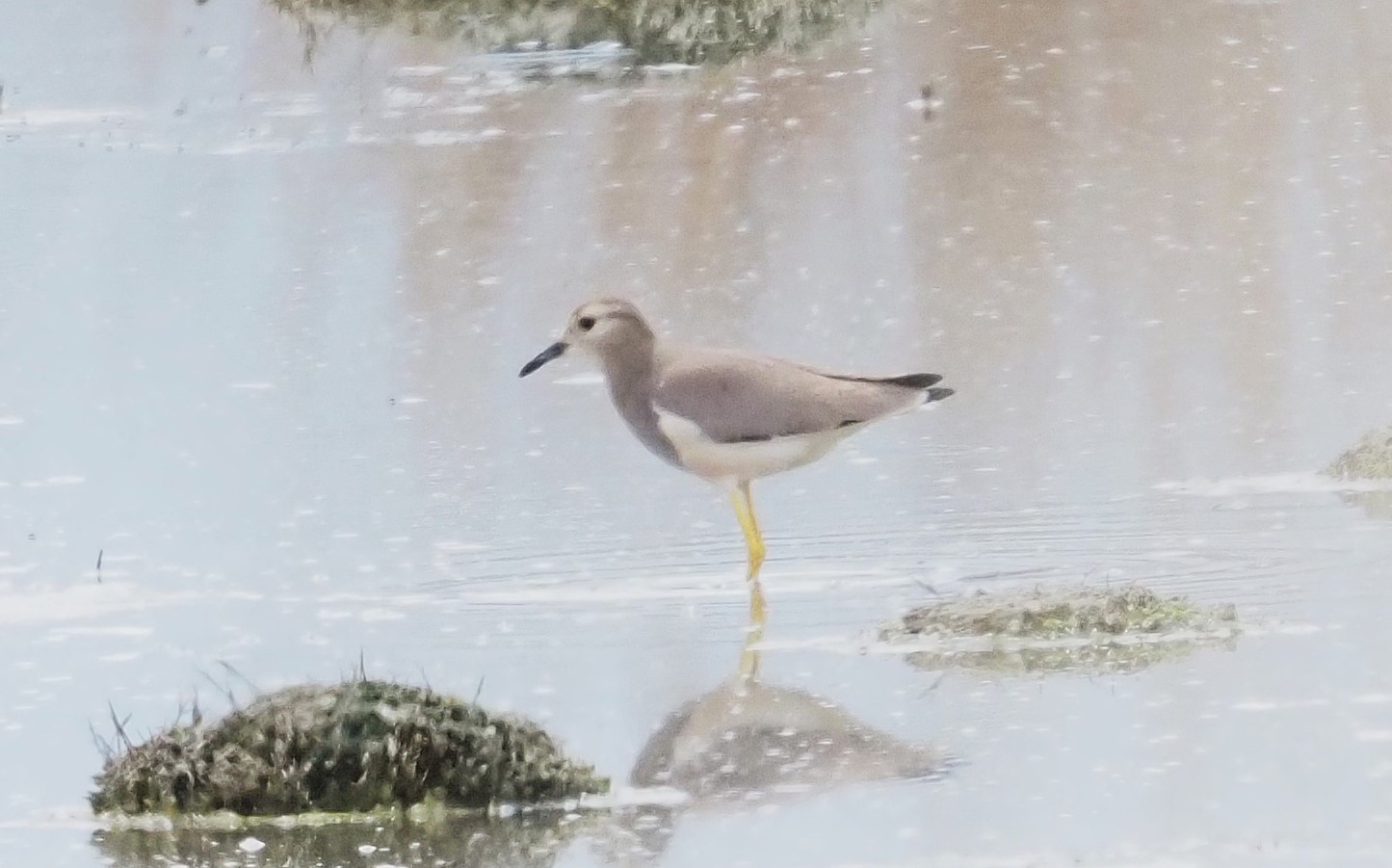
Day 3. This day we had an early morning start to explore some mountain areas in Southern Armenia. After a short transfer we arrive to the village that grants the access to this part of Caucasus, where a good population of Caspian Snowcock survives. Soon, we realised that the heavy rain the day before gave us no option to approach the area by car, and we had no option other than walk.
It was a nice, sunny morning and our 40 minutes walk provided us with good views on Siberian Stonechats, Blue & Rufous-tailed Rock Thrushes, 2 Golden Eagles, 14 Red-billed Choughs, 1 Bimaculated Lark and some migratory birds of prey including Short-toed Eagle, Merlin, Montagu’s Harrier plus the first Lammergeier of the trip. But the bird of the walk was found by Bob, a male White-throated Robin that, even if shy, provided the group with nice views. Arrived to the Caspian Snowcock area, we searched for long, but we never got any gamefowl other than a flock of Chukars moving in the slopes..
Back to the village, we enjoyed the first Syrian Woodpecker of the trip before crossing a small area of Azerbaijan in our way back to the accommodation. Here, we had a stop where we enjoyed Rufous-tailed Rock Thrush, Golden Eagle and Eurasian Griffon for our Azeri list.
After an early lunch, we came back to explore some lush vegetated hillsides. The weather was sunny but not warm at all. Here, we got good views of Finch’s Wheatears and other common birds in the area, but the best bird of the are was a lovely pair of Desert Finches feeding on the ground! This is a pretty scarce bird in Armenia, and something we were not expecting to be lucky enough to find. Exiting the valley we stopped in a farming place. Here, we got Winchats in migration but also a minimum of 9 Ortolan Buntings just arrived from Africa and 1 Turkestan Short-toed Lark that arrived in flight and melted with the vegetation as soon as touching ground.
With still energy to check a last point, we got excellent views on Blue Rock Thrush, Finch’s Wheatears, Eastern Rock Nuthatches and Joe got the first Collared Flycatcher of the trip, feeding along with the very commonly seen Common Redstart and pair of Penduline Tits nesting in the very scarce riverside vegetation was another very interesting discovery before we started going back to our accommodation..
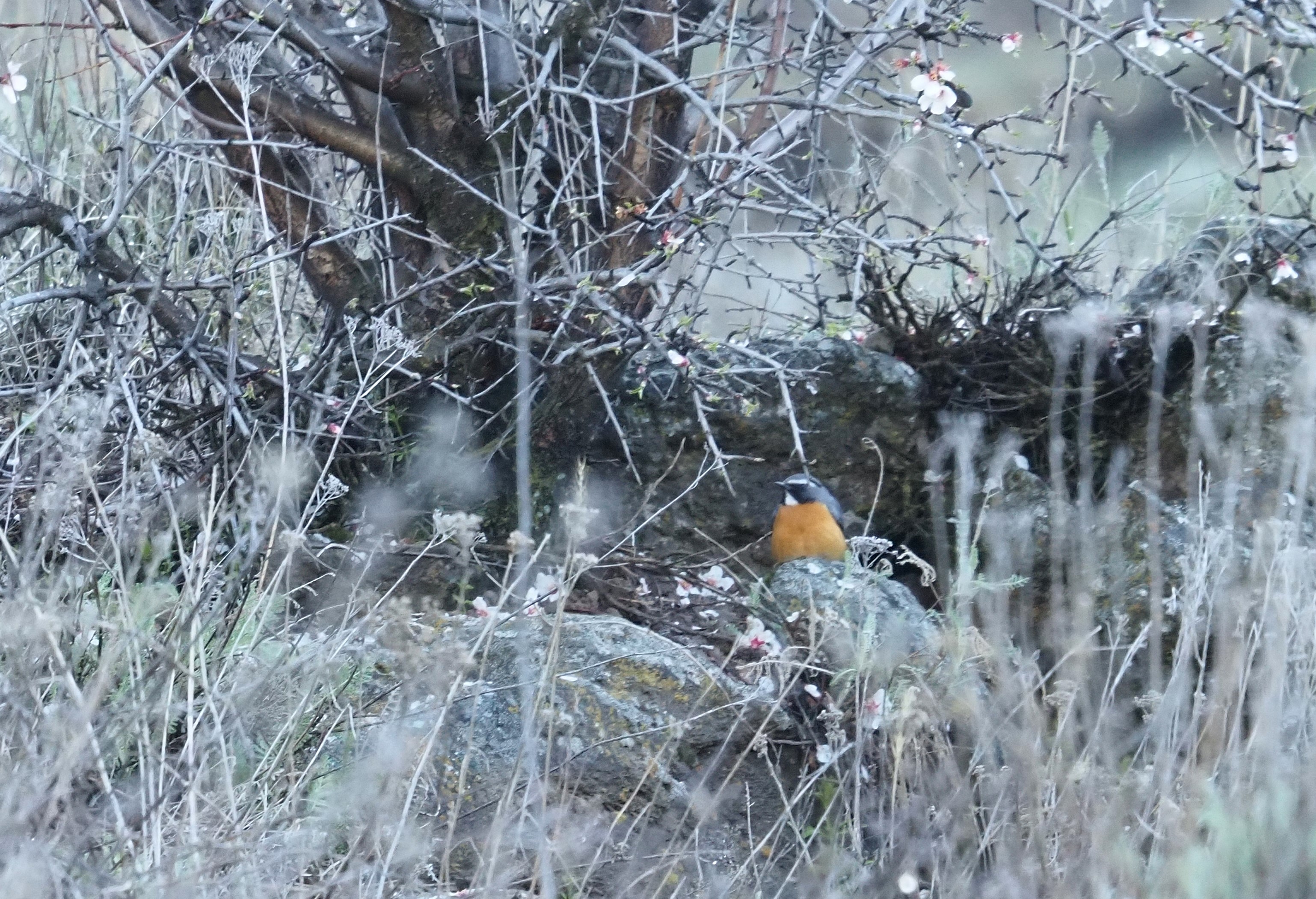
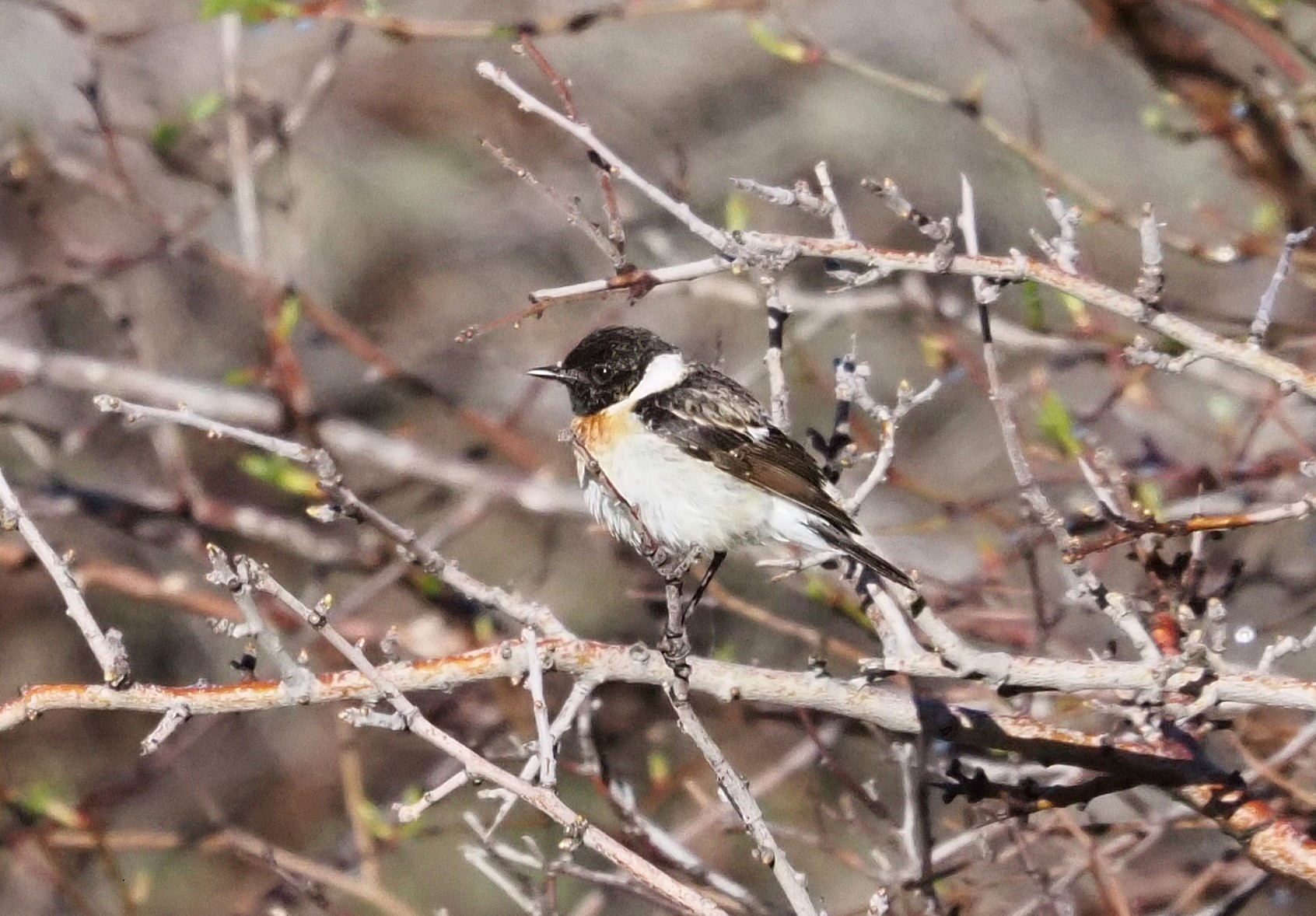
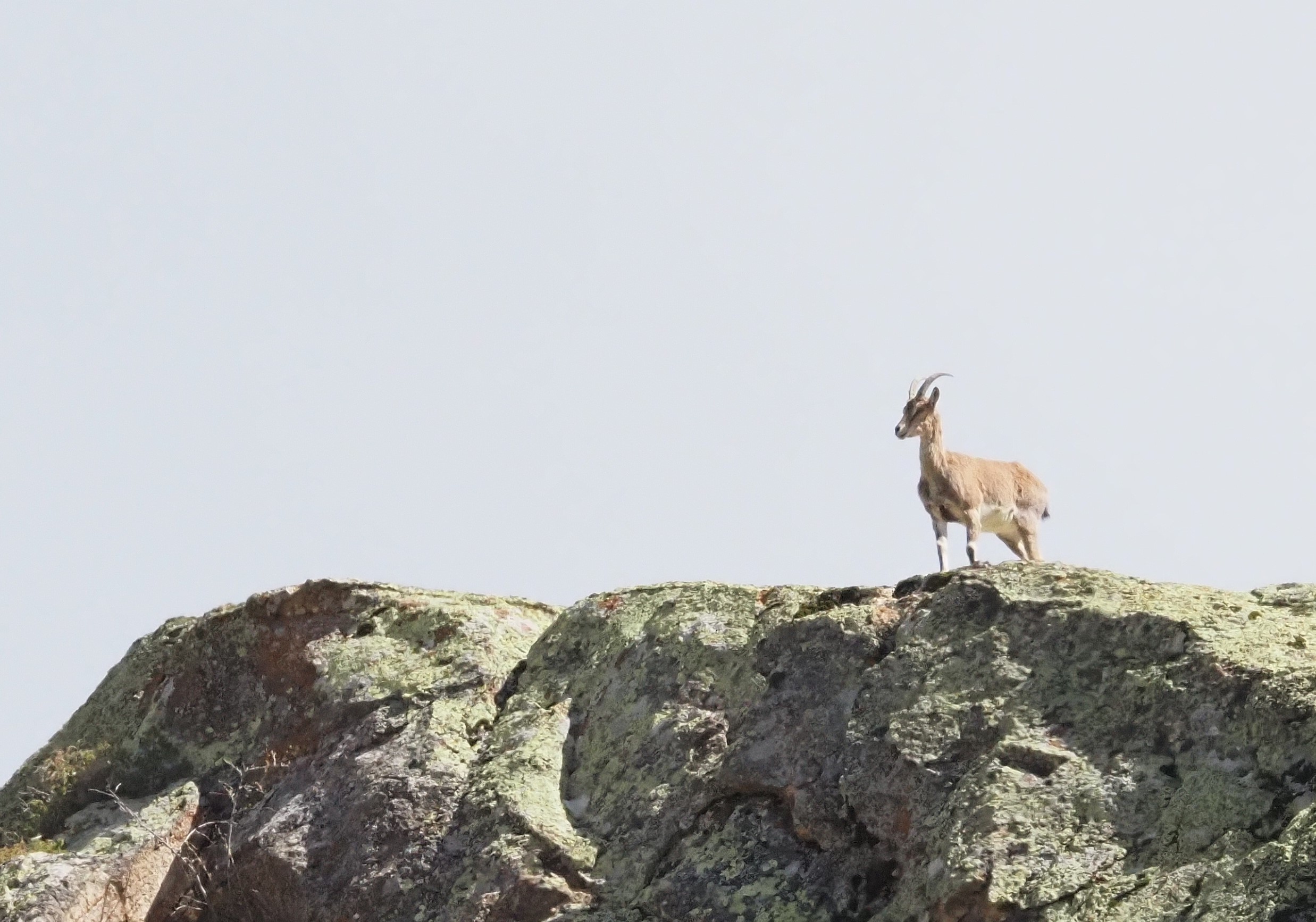
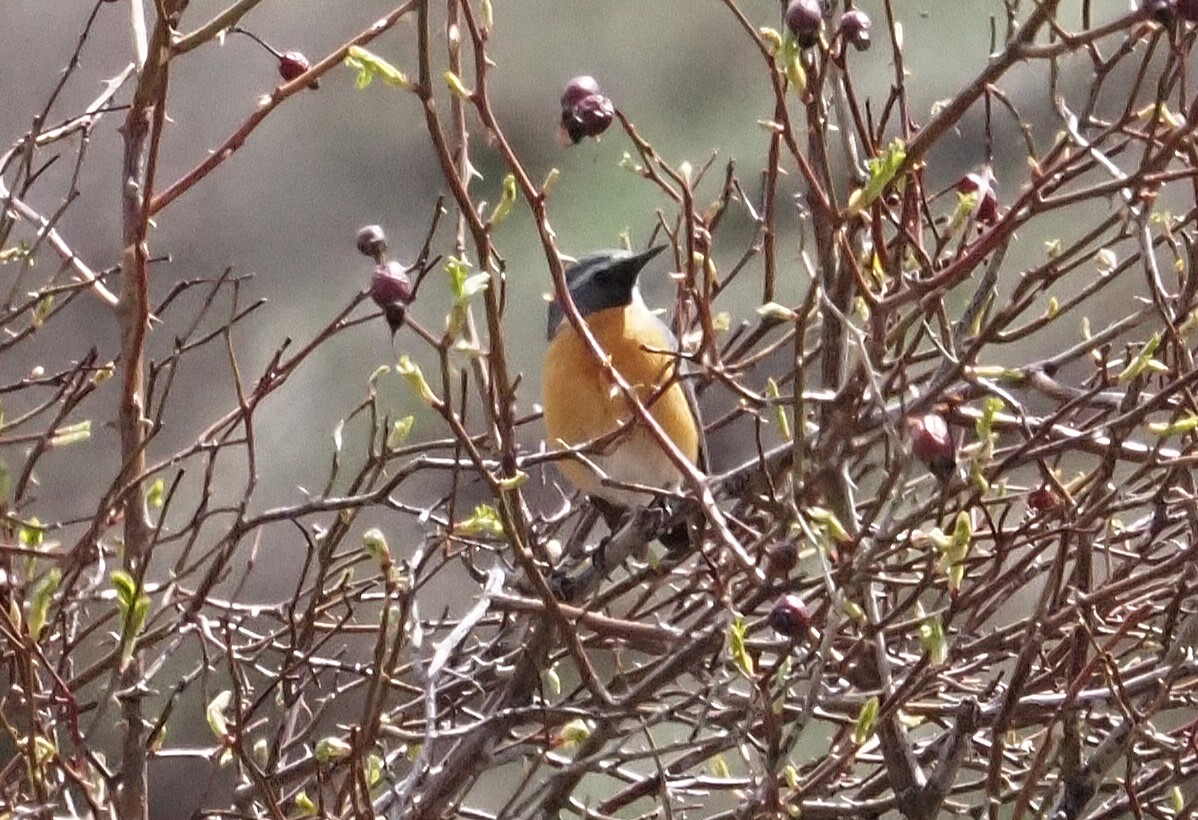
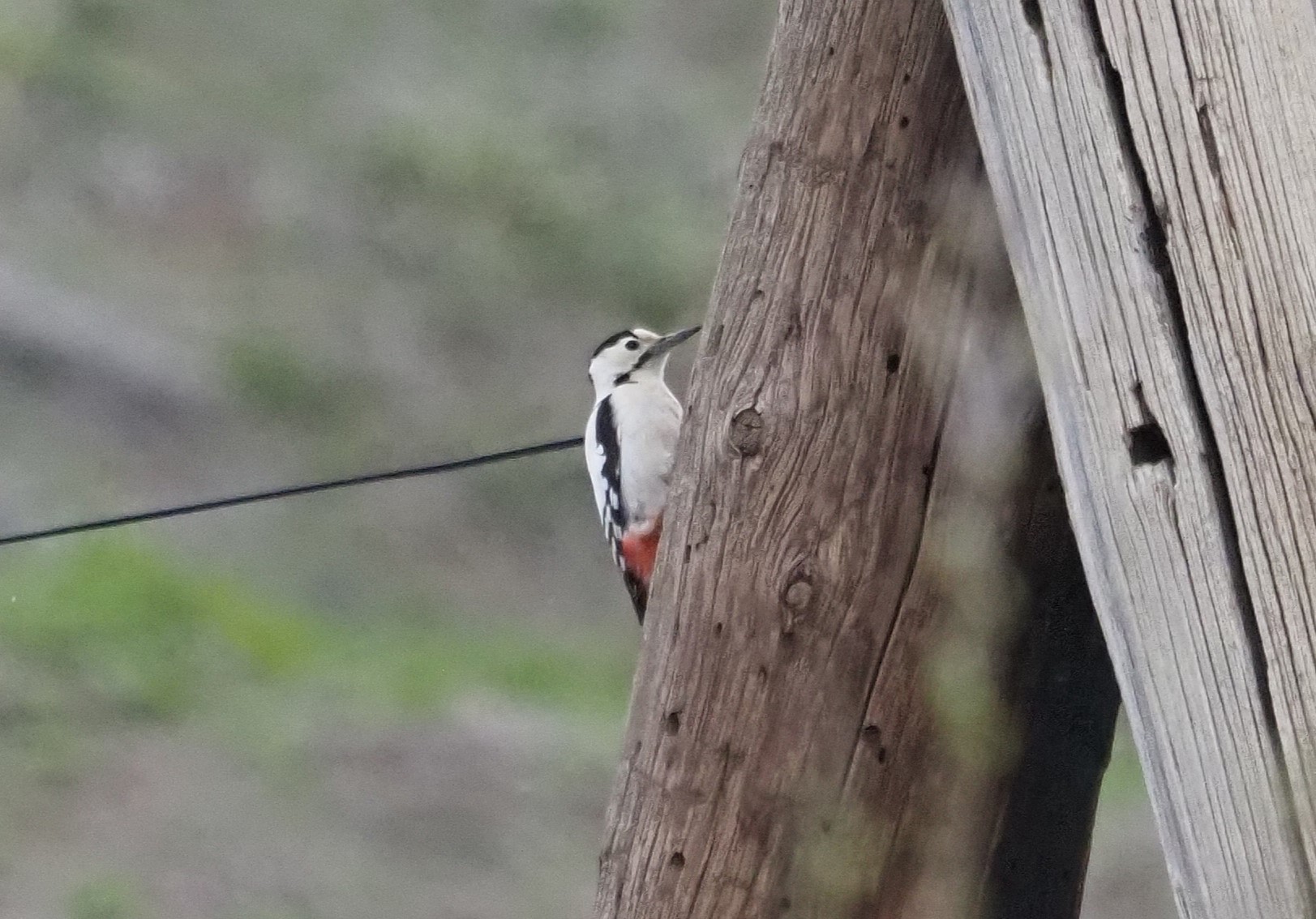
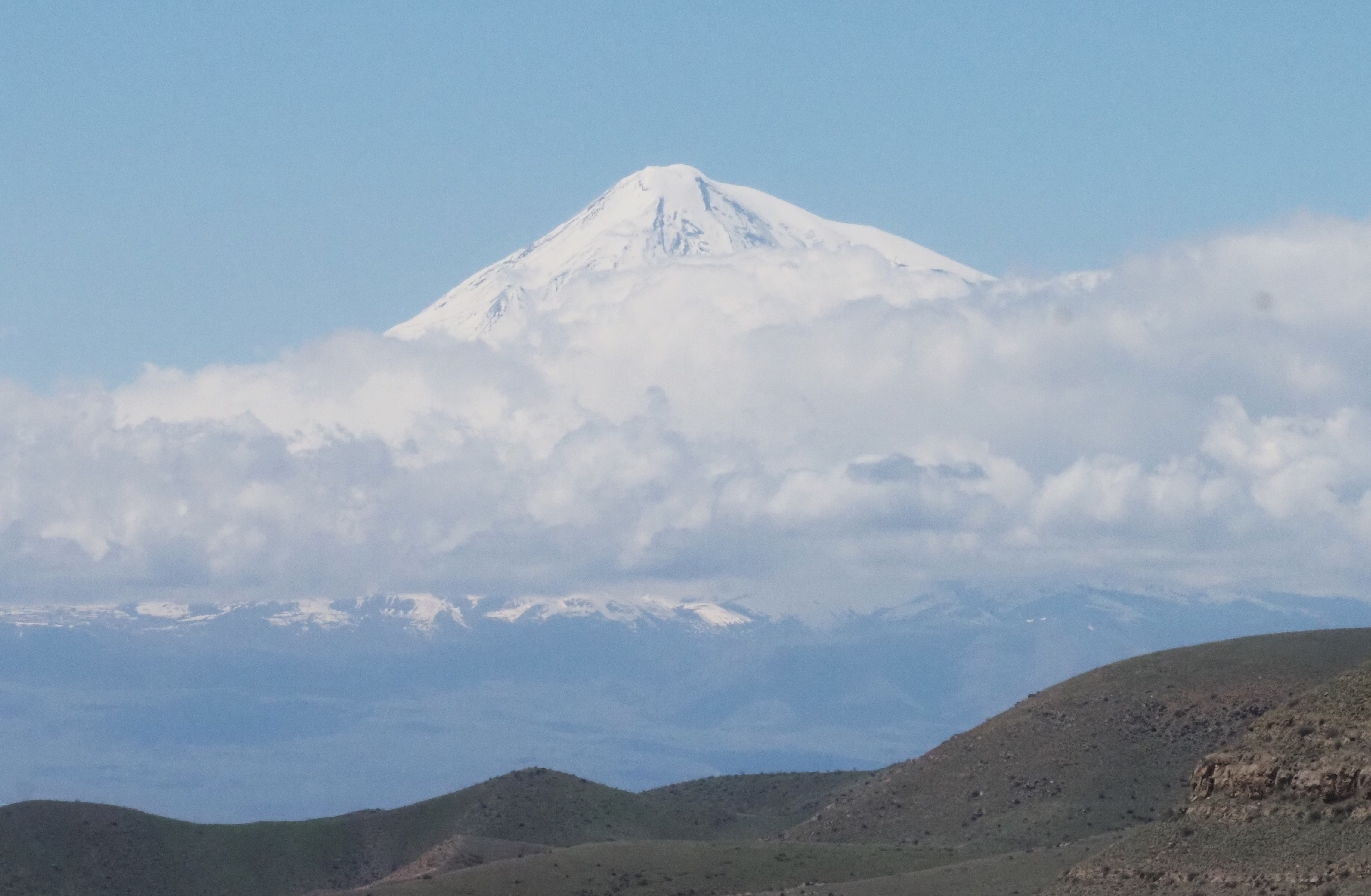
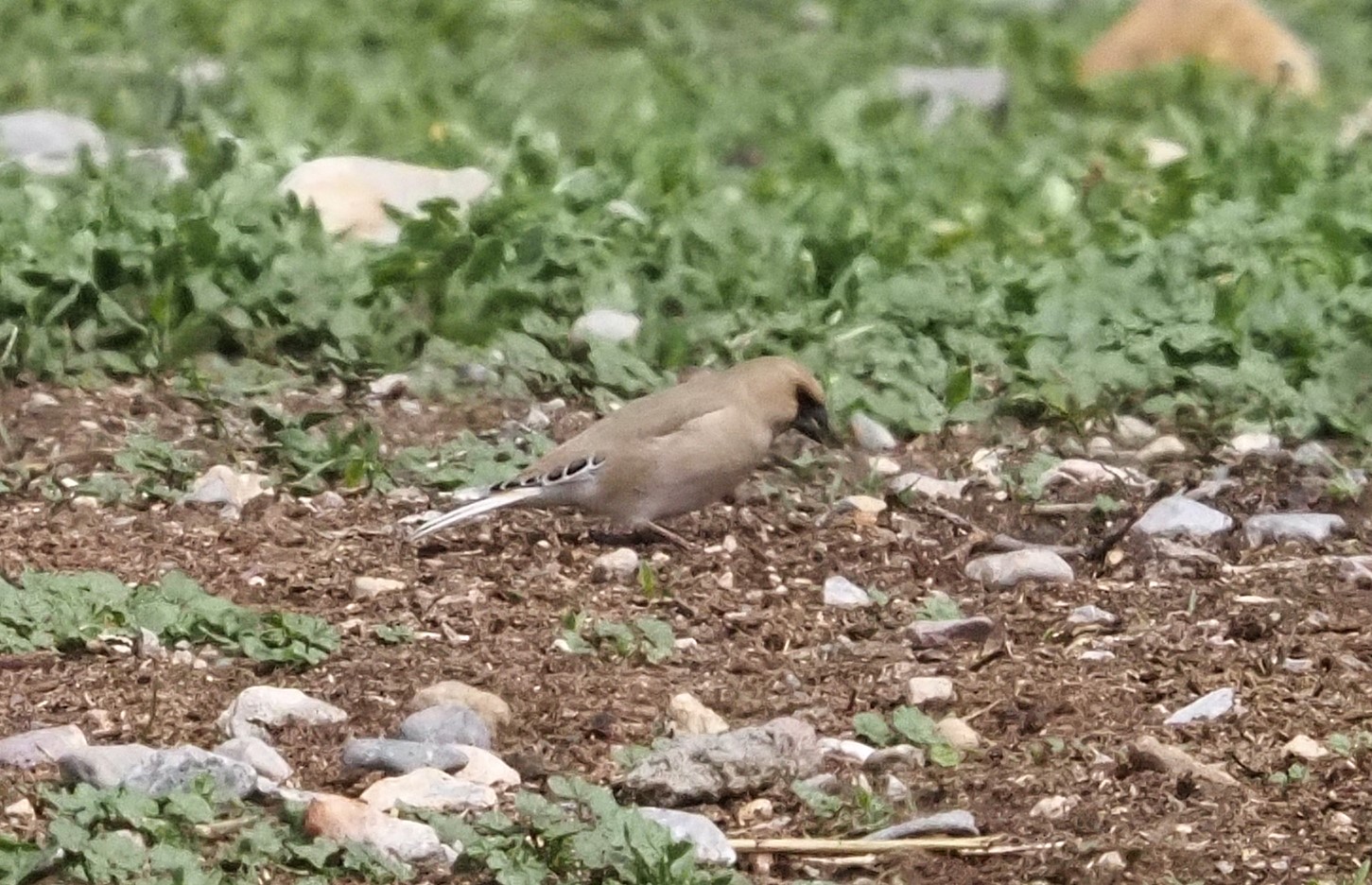
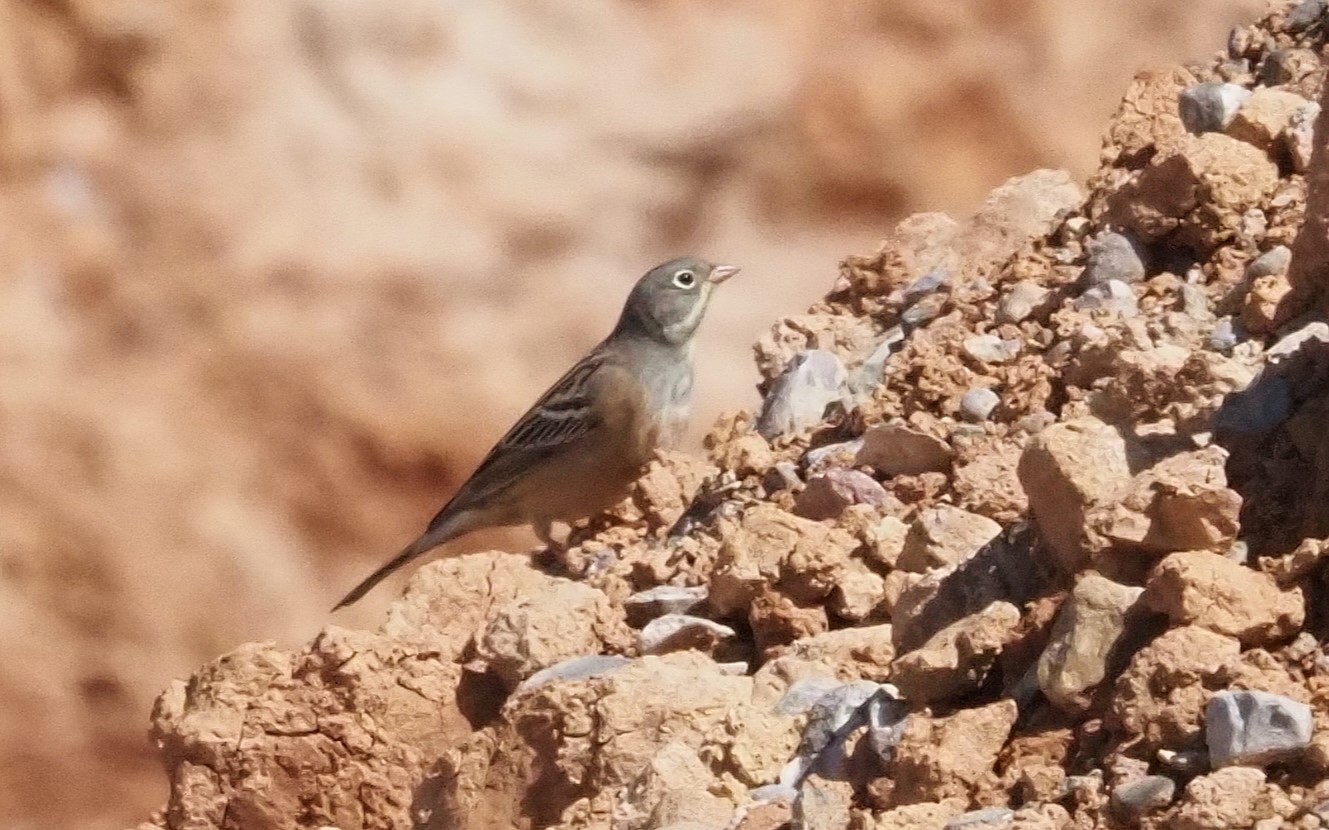
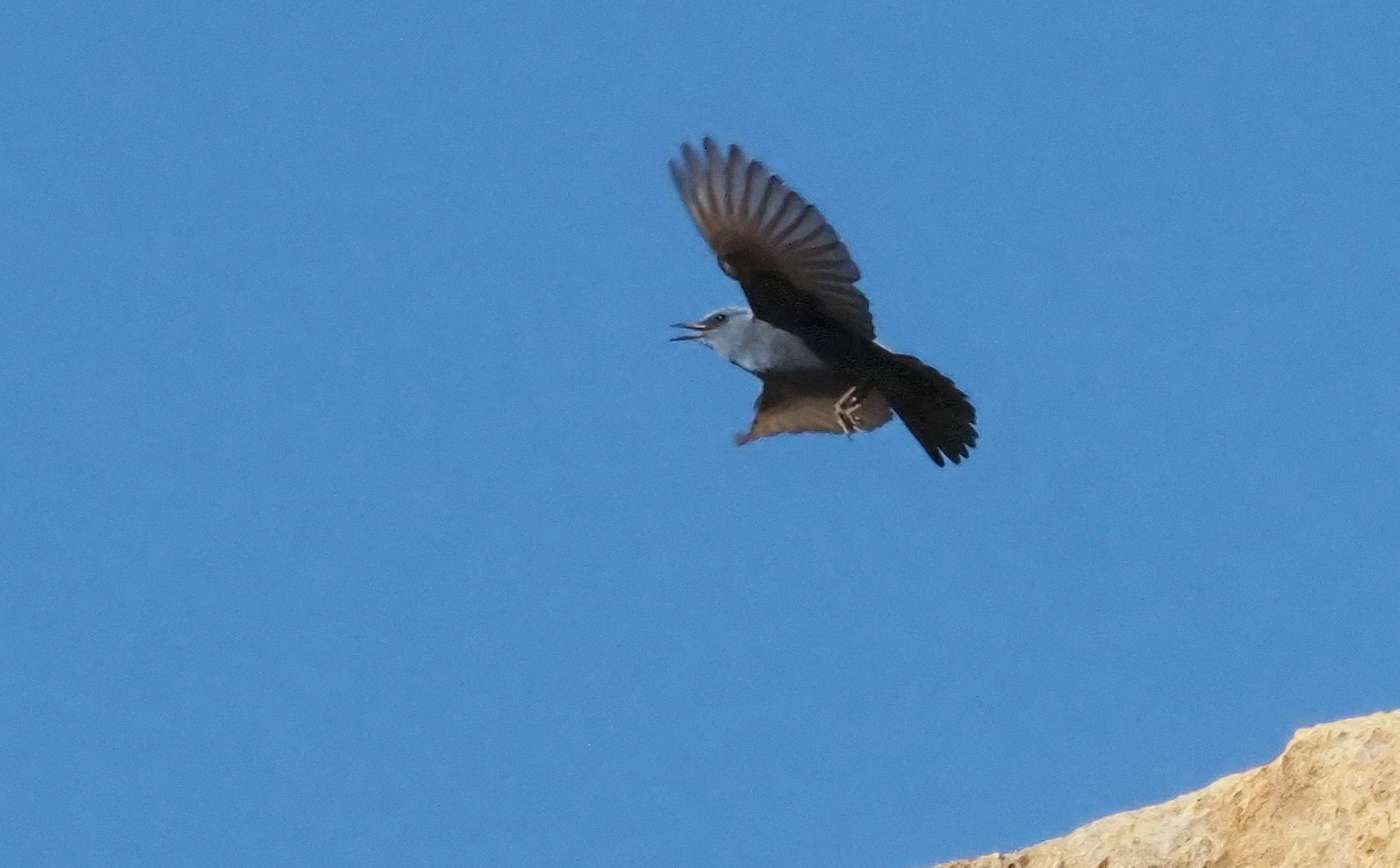
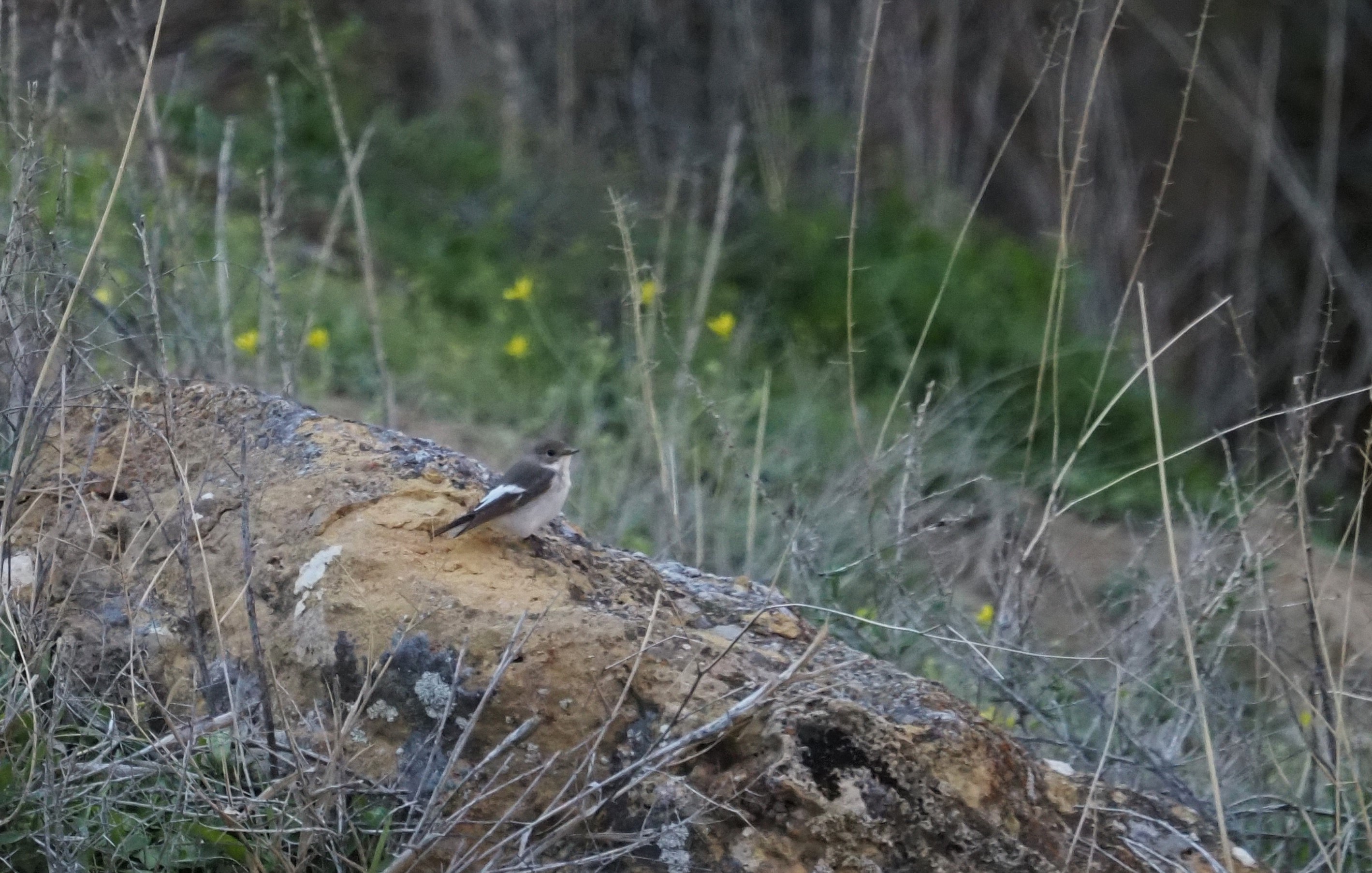
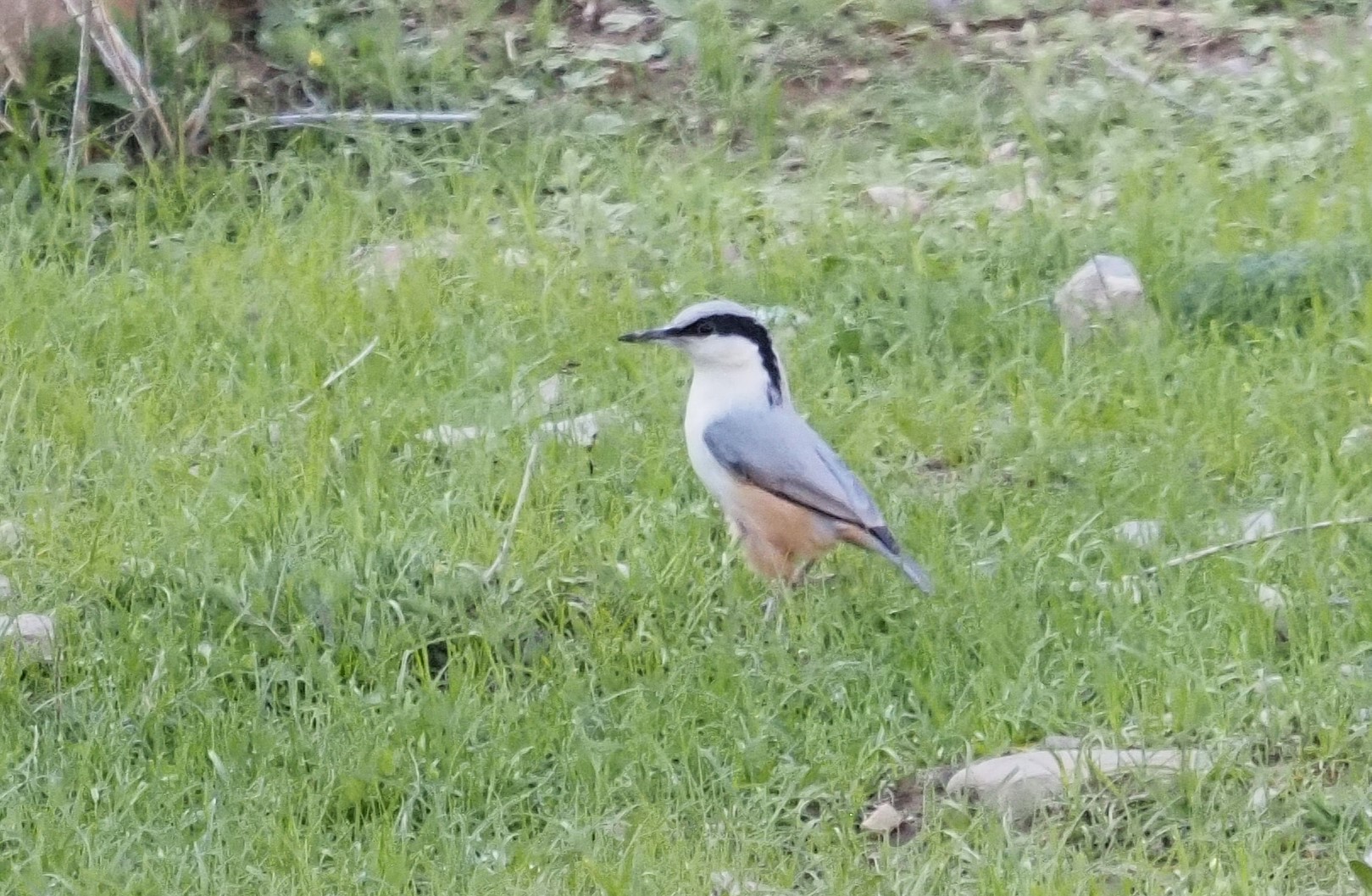
Day 4. Early morning start to check another canyon with low very low vegetation. Here we got a myriad of Lesser Whitethroats and Common Redstarts. A pair of Pied Wheatears were noted at the entrance of the valley, and a flock of Pale Rockfinches were seen landing in the slopes around. Inside the canyon, both Long-legged Buzzard and Common Rock Sparrows were common, and a good flow of migratory birds of prey were moving in the slopes. We counted 11 Montagu’s Harriers moving North before a bunch of Steppe Buzzards appeared in the sky but also the first Levant Sparrowhawk of the trip, a male, was the main speciality of the morning! Eurasian Goshawk, 2 Booted Eagles, 1 Greater Spotted Eagle and tens of Black Kites were also seen migrating North.
Back to accommodation, we enjoyed again our surprisingly good local breakfast before packing and start moving towards to the Georgia. But before, while crossing Yerevan, we had a small crash with a big truck and our side mirror went ground. Well, following the Armenian law, we had no right to move the car an inch after the crash, not before the police arrived.. At the end, we lost two hours waiting for the police to arrive, and after they arrived we were clear to go after a couple of questions.
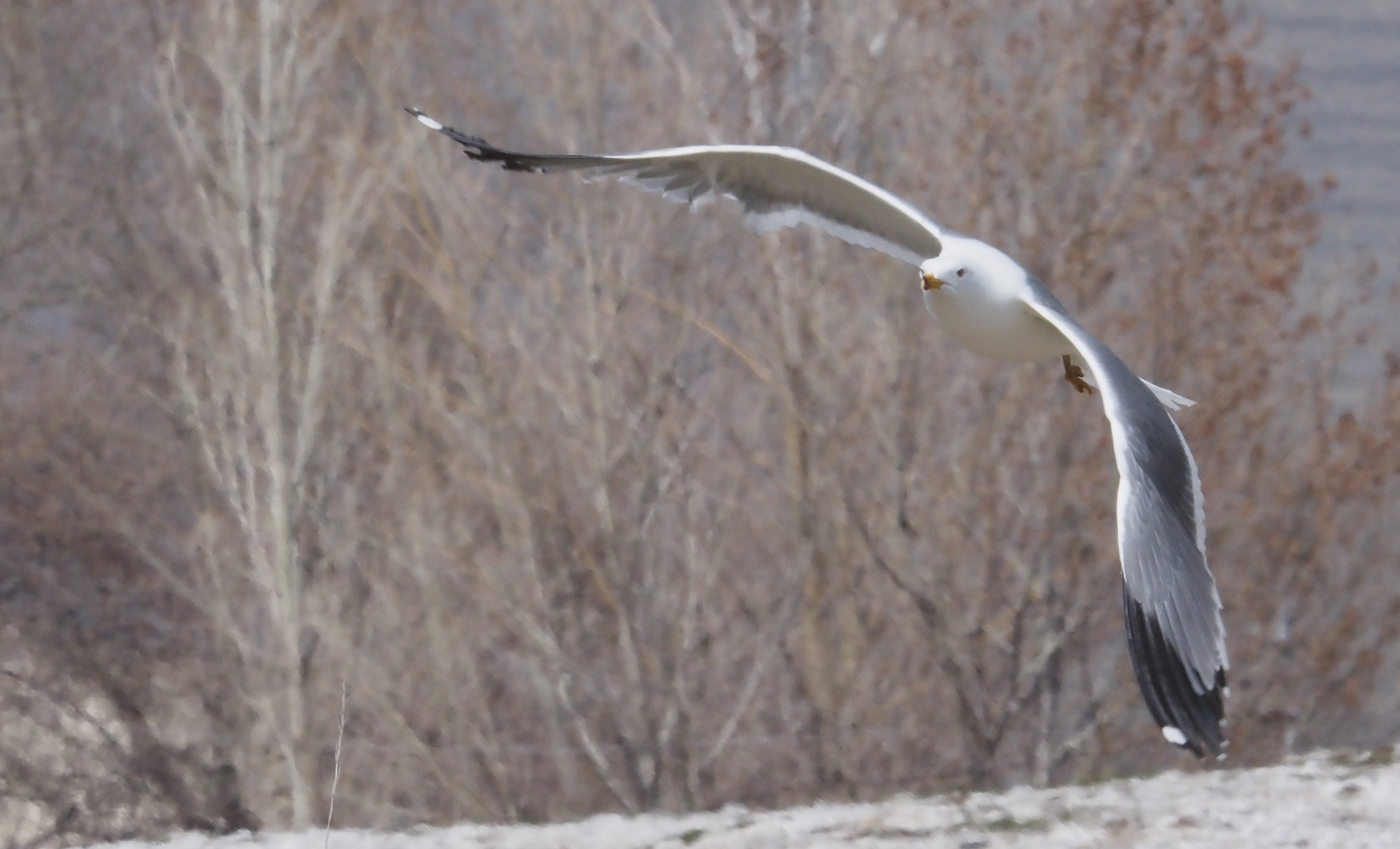
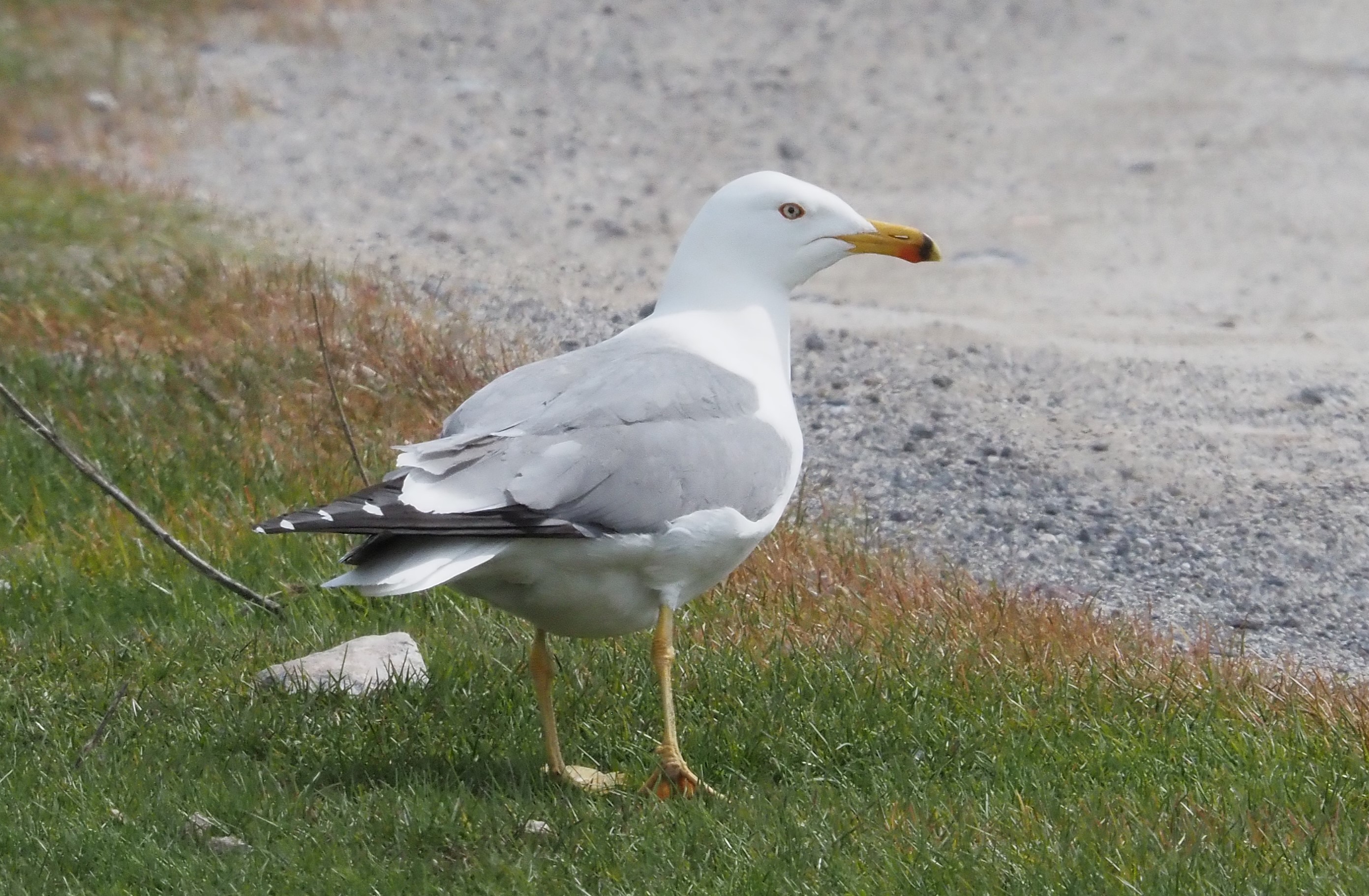
Back to the road, we still had time for a short stop by a large lake mid way from Yerevan to the Georgian border. Here, we got excellent views on tens of Armenian Gulls. The lake itself hold hundreds and hundreds of Black-necked Grebes, while the shores had small flocks of ducks and shorebirds, being 2 Garganeys and a few Spur-winged Plovers were the best species for both groups.
After this stop we got some solid drive. We crossed the border with Georgia with no issues, and before sunset we arrived to our accommodation in the South of Tblisi, where we enjoyed a nice dinner to end a long day.
Day 5. The day started with strong winds in Tblisi. Before breakfast we went for a walk. The original plan was to explore the very best location for Woodpeckers in the city, but this small nature reserve was closed to prevent accidents due to the very strong winds.
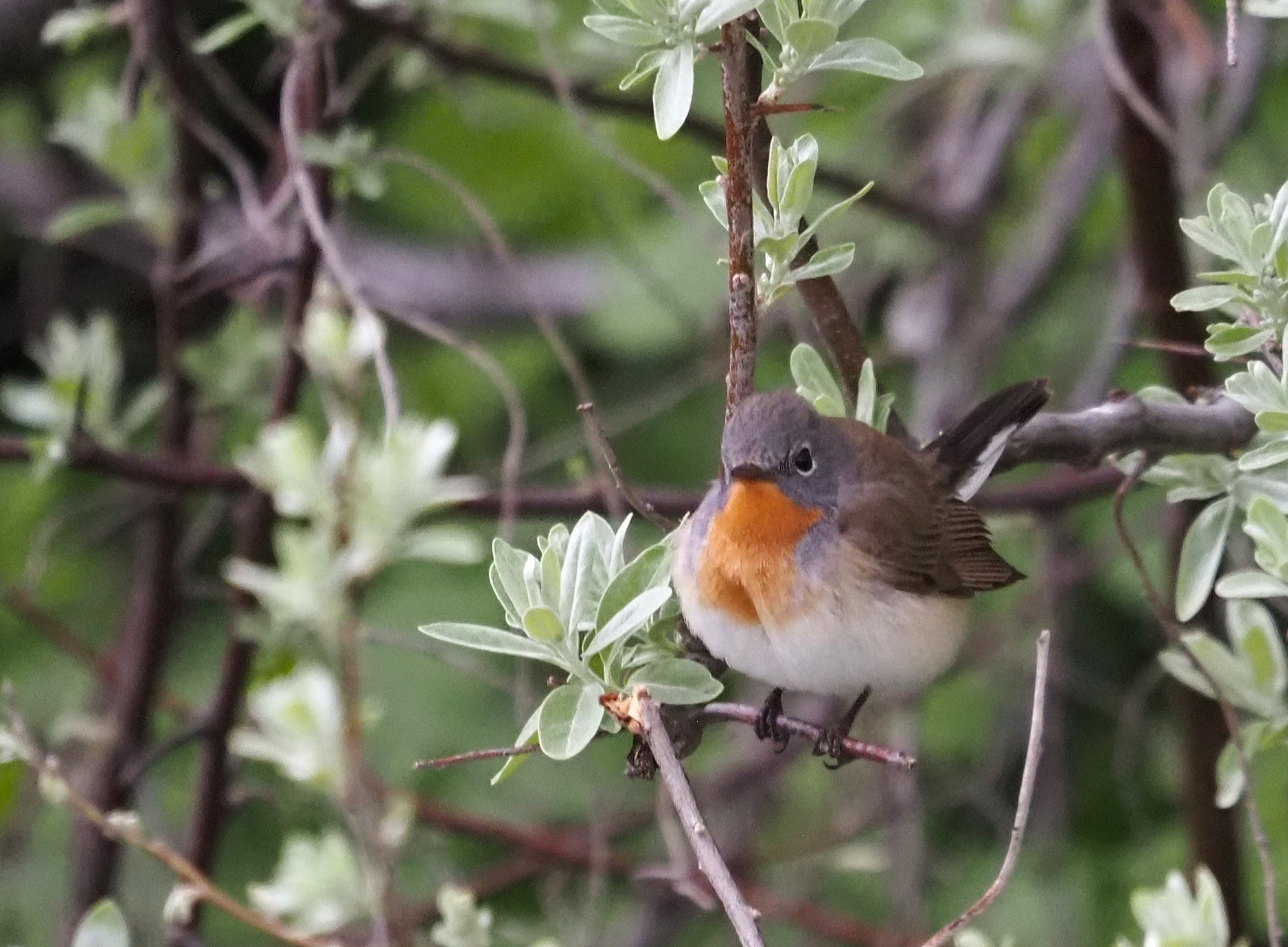
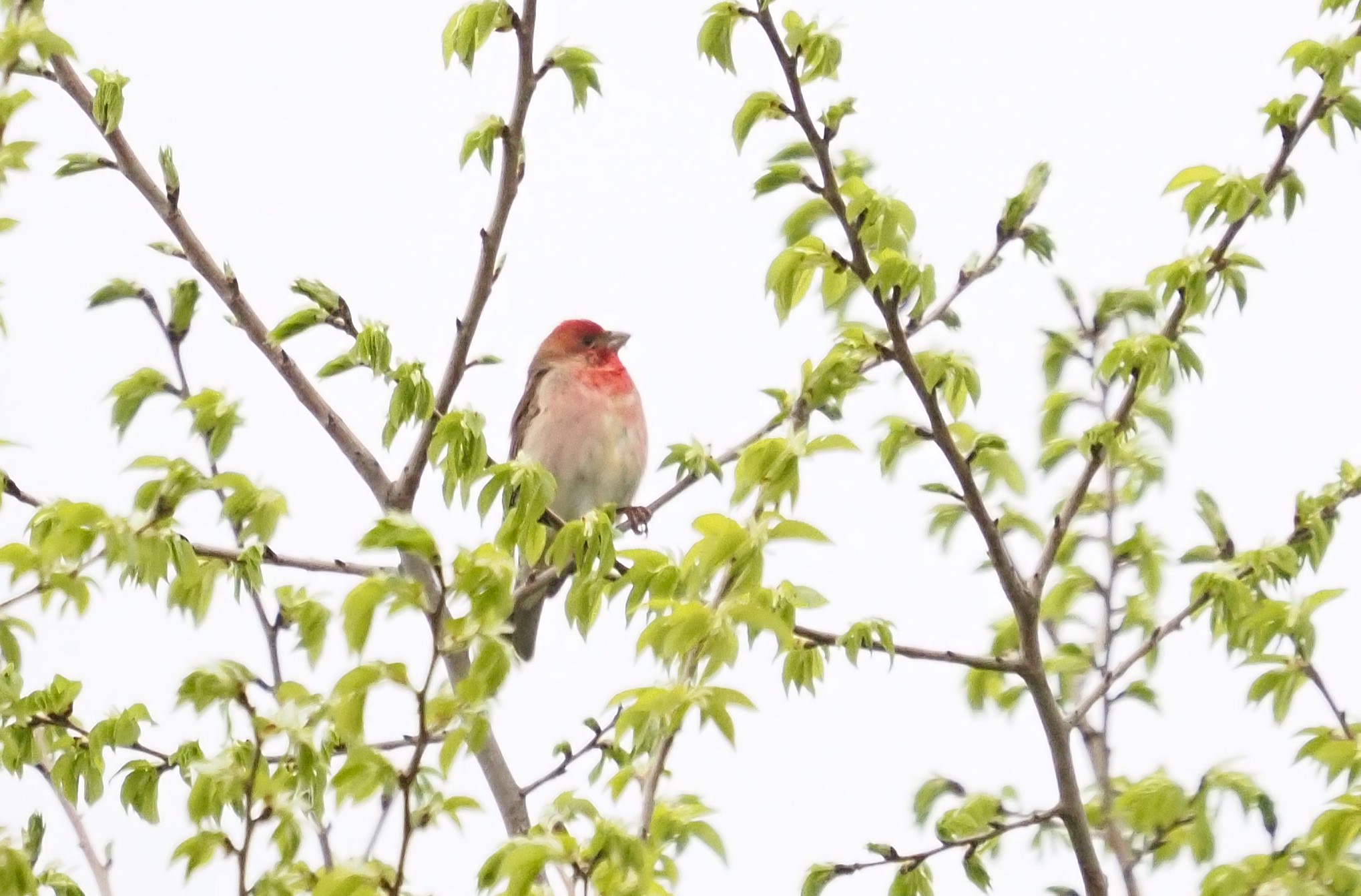
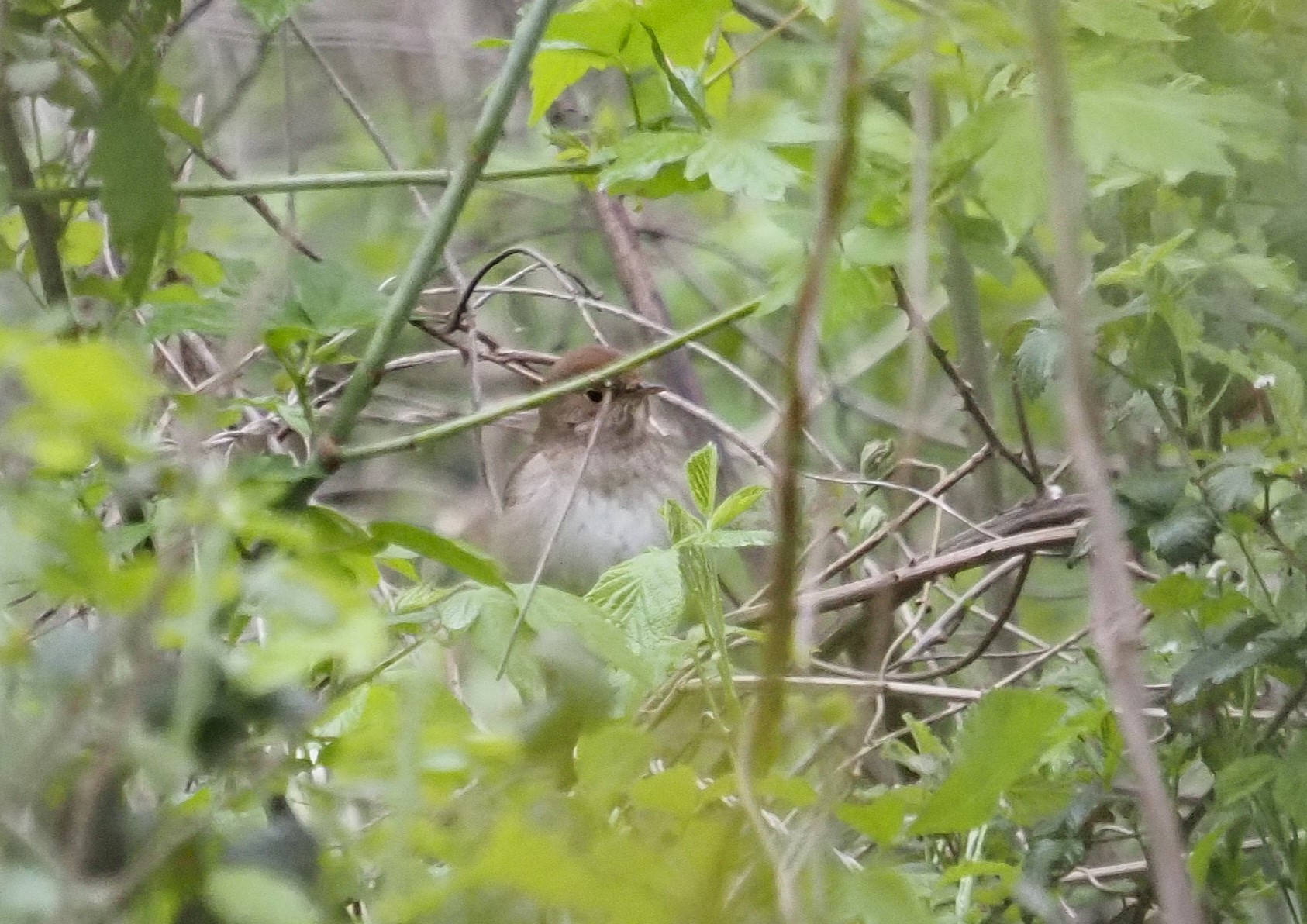
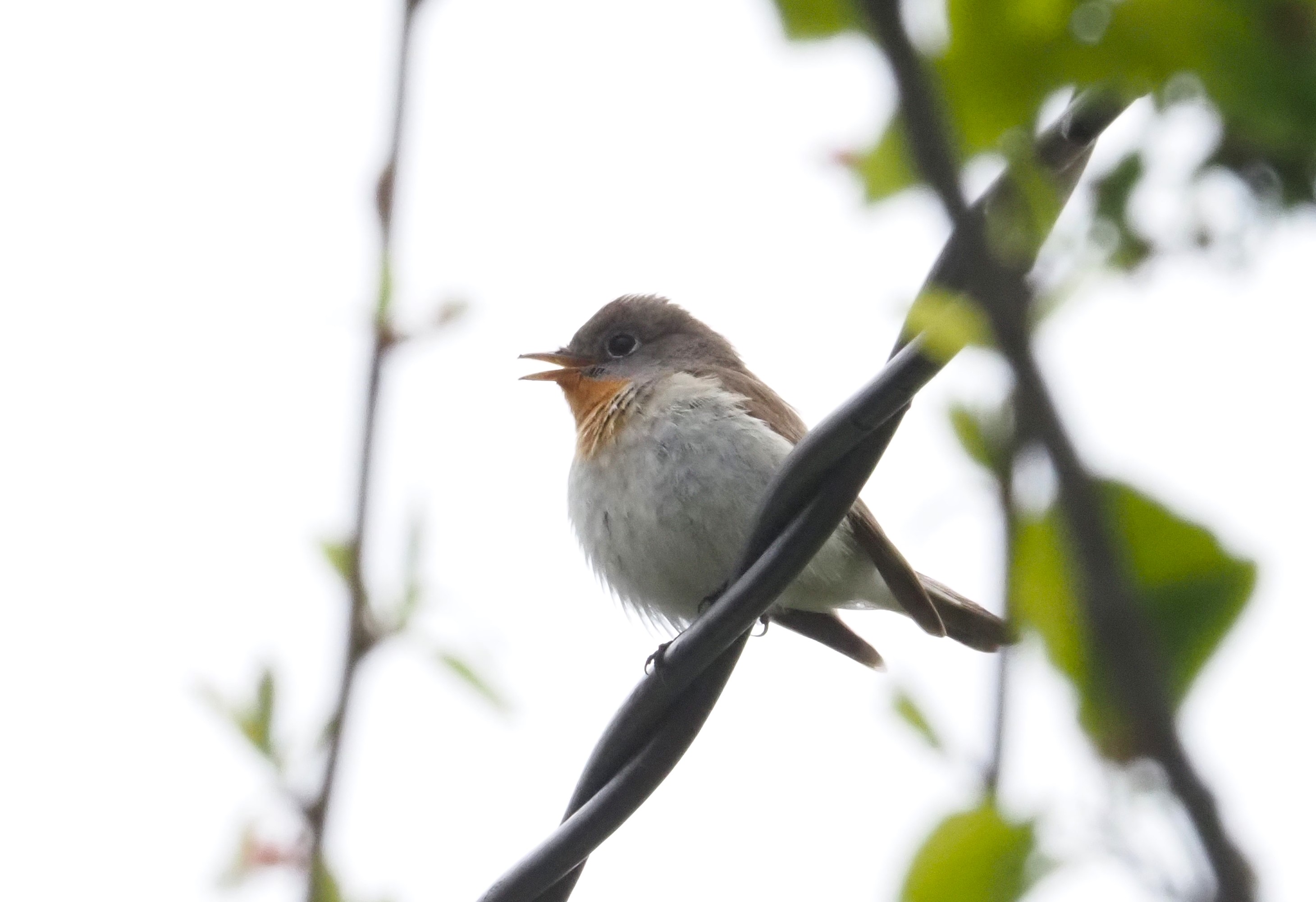
The forest was cancelled, so we decided to explore a couple of nearby locations. The firs one, some open plains, produced nothing so we moved into a small patch of forest that looked like well away from the wind, probably a good place for small birds to hide from the wind. We were right. In a patch of 200 metres we got several Red-breasted Flycatchers, Green Warbler, Turtle Dove, Penduline Tits, 1 male Levant Sparrowhawk, a lovely Come Rosefinch, Collared Flycatcher, good views in one of the singing Thrush Nightingales, plenty of Willow Warblers, a lovely pair of European Rollers about to nest in the forest edge and Hawfinch!
After breakfast we started the transfer North, expecting to arrive to Stepansdminda in three hours. During the previous days we heard about the massive amount of snow in the mountain passes leading to Stepandsminda, with news of some groups being blocked in the road or even not being able to arrive to this mountain resort. For us, it was a cloudy but pleasant morning but only a few miles after leaving the motorway we started to see tens and tens of cars along the road, and soon we were stopped by the police. The mountain pass was closed. Indefinitely. The police had no information. It was 10:30 in the mourning, and we spent the next two hours trying to collect bits of information among the hundreds of people waiting along the road to the road to be reopened.
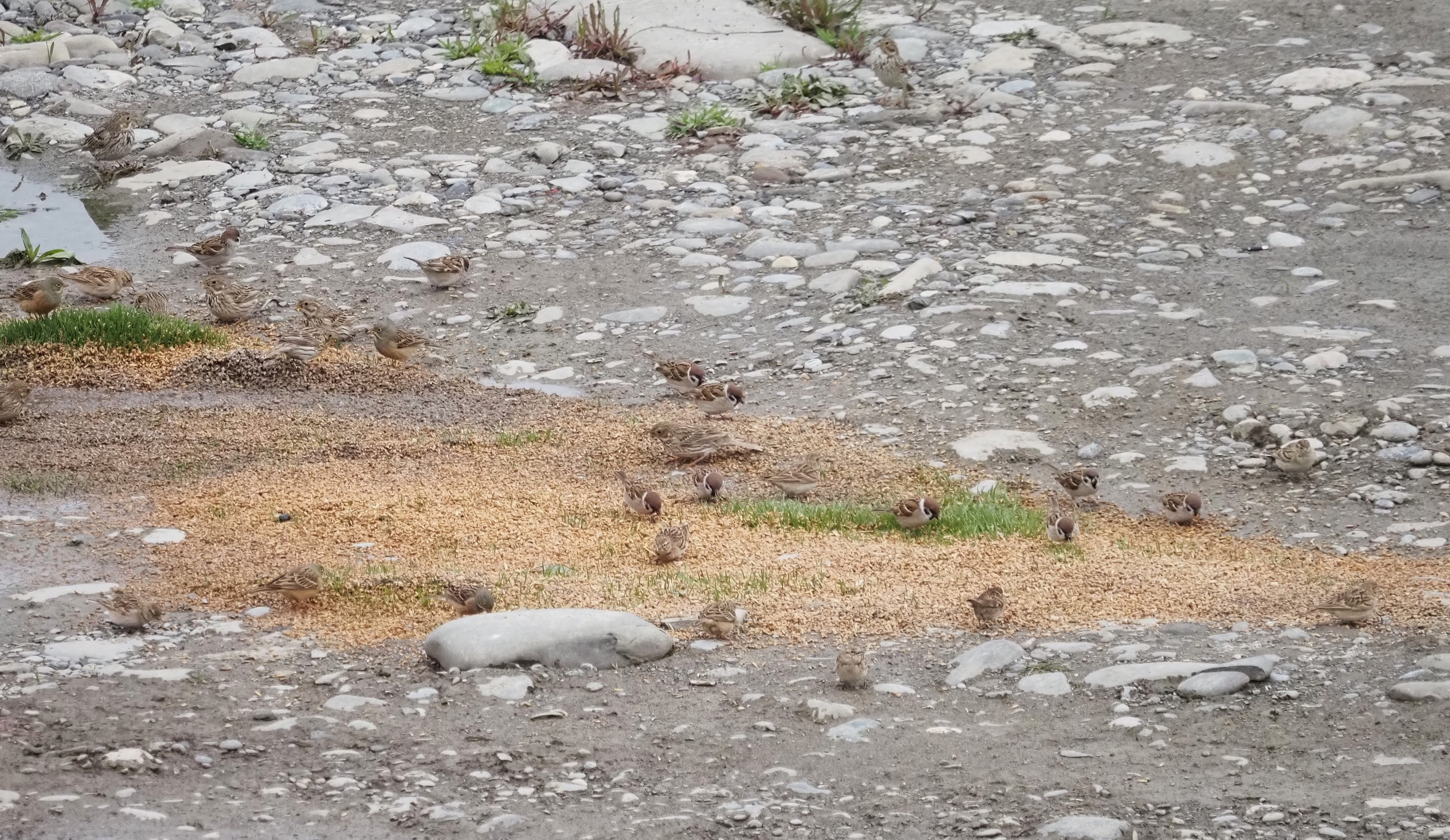
Tales of the road reopening in the late afternoon made us stay in the queue. During the next hours, a number of short walks immediately around produced an excellent list of migratory birds including several Greater Short-toed Larks and Whinchats, Lesser Spotted Woodpecker, Purple Heron, a large amount of Eastern Common Redstarts, 1 Merlin, 3 Lesser Spotted Eagles, an amazing flock of 10+ Ortolan Bunting, Common Nightingale and Barred Warbler. A few tour participants went up in a hill and got nice views on Semi-collared Flycatchers!
At about 16:00 o’clock it was already clear that the mountain pass was definitely not opening so, a bit fustrated, we decided to come back to Tblisi to spend the night and to try to cross the next day..
Day 6. After having breakfast we started a new birdwatching day. The mountain pass was still closed, and it was clear that, if opening, it was not going to happen very early in the morning. So, first light we moved up in the hills around Tblisi to scan for a bird that we was reserved for the last day in the original plan.
After a short drive, we arrived to a steep slope covered with pines and soon after we found a very nice Krüpper’s Nuthatch feeding in the upper area of the pines. It took us a bit to get proper views on the bird. Around, there were several Chiffchaffs, including a couple of migratory Mountain Chiffchaff. Here, we also got a couple of Common Redstarts singing their heart out.
After enjoying a nice breakfast in a local bakery, we drove back to the main road leading to the High Caucasus. Here we found the same queue, and the police was informing everyone asking them that the mountain pass was not opening in the coming three days..
From our side, some contingency plans were done. After several talks we decided that our stay in Stepandsminda, originally planned for a 3 nights long stay, should be cut down to a single overnight. The point is that, even if the mountain pass reopened, we had no guarantees to remain open for long, especially with the massive amount of snow that we had seen all around. So, after many talks we decided to cut down our stay to a single overnight in order to be sure that we all were arriving to our flights. The last night will be devoted to explore some habitats West of Tblisi. After contacting our accommodation is Stepandsminda, everything was arranged. So, with only one night in the higher Caucasus, we needed to be extremely effective to see all the main specialties living in that amazing area..
A couple of straws around the queue produced very little. That day the migration had vanished, so very little to do beyond waiting.. After a couple of hours of waiting, suddenly, all cars in the queue started moving with no previous advice. I put the key in contact, ready to go, but nothing happened! The minibus was dead. The battery was dead!
Panic. No way. Should be push the car? Should be call the road assistance? We tried a couple of tricks, with no luck. But we were not alone. In the queue there were plenty of Russians, and Russians are used to this kind of troubles, and they all got the required equipment in these situations. After twenty minutes of fight, the battery was recovered and we were ready to move!
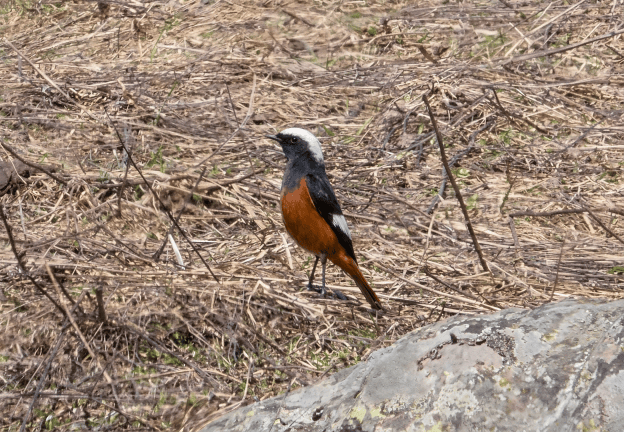
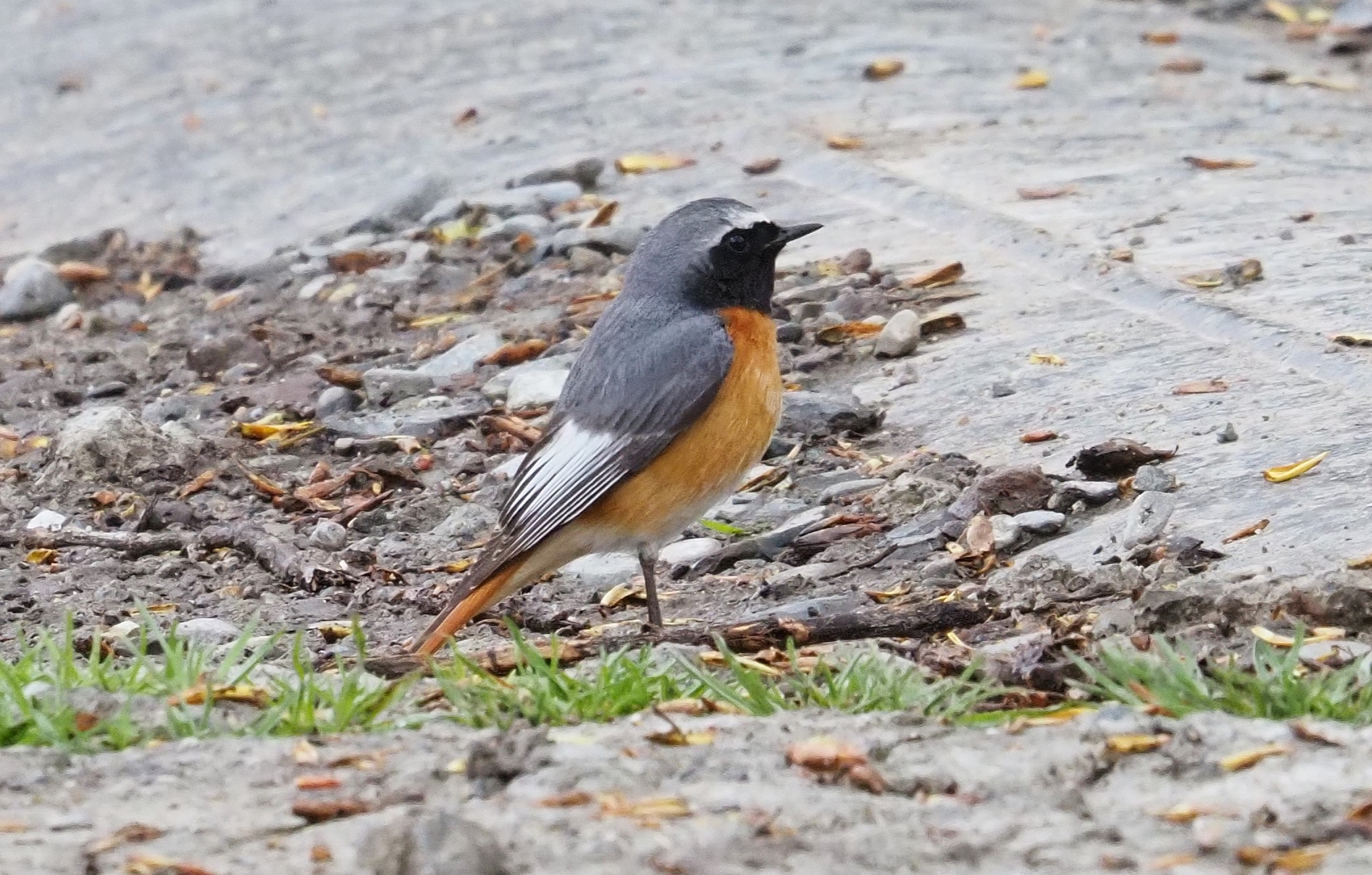
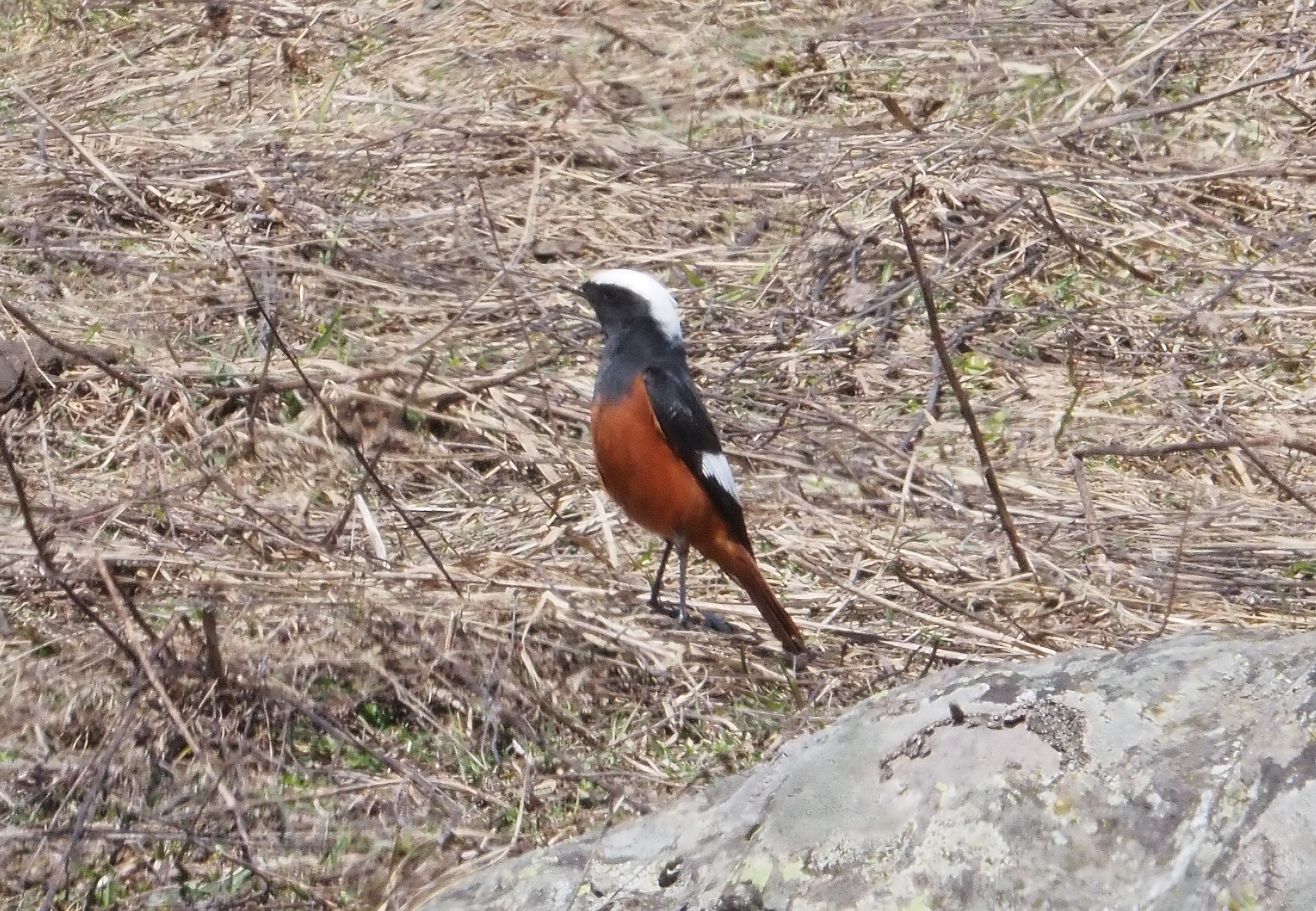
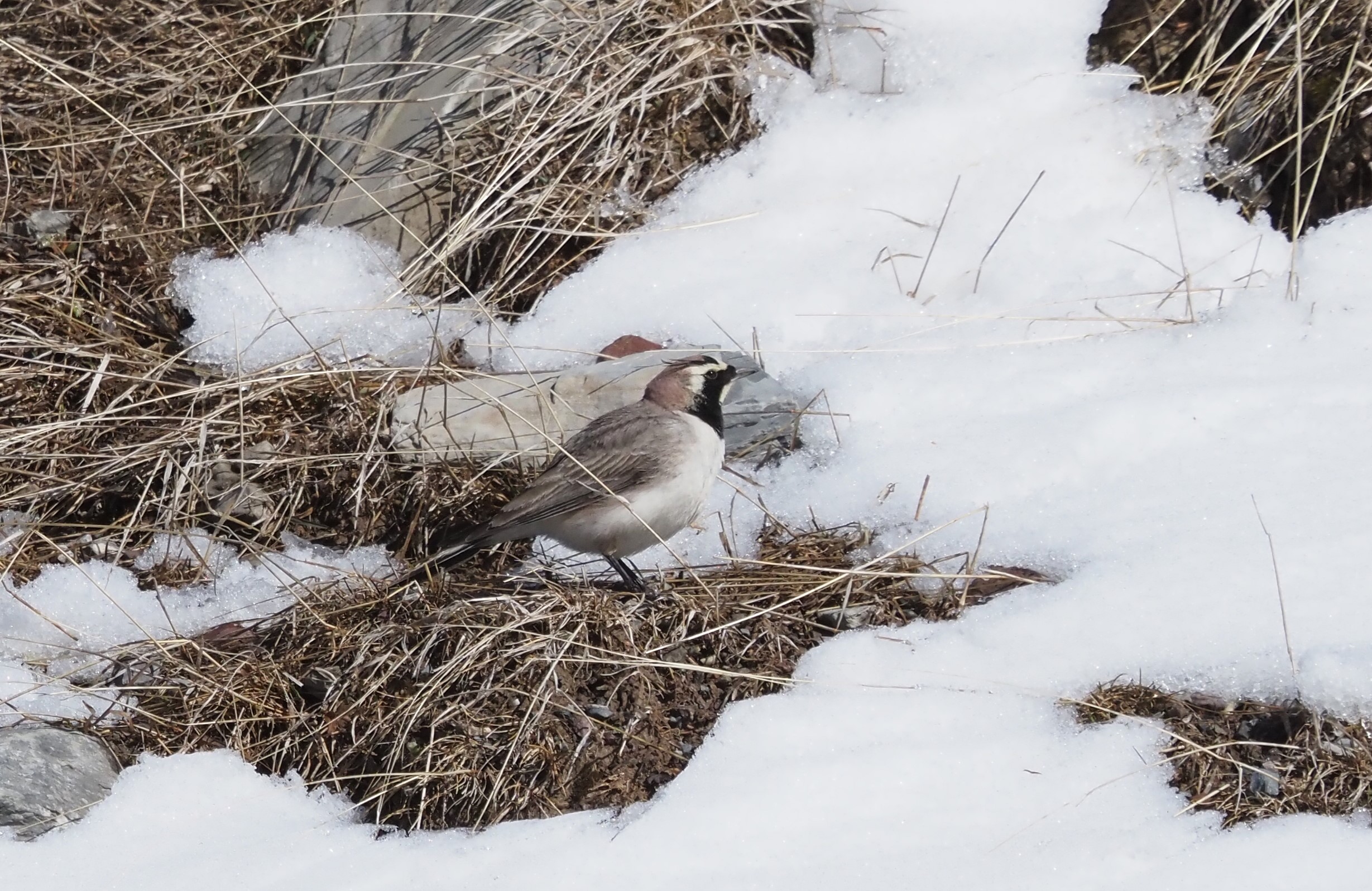
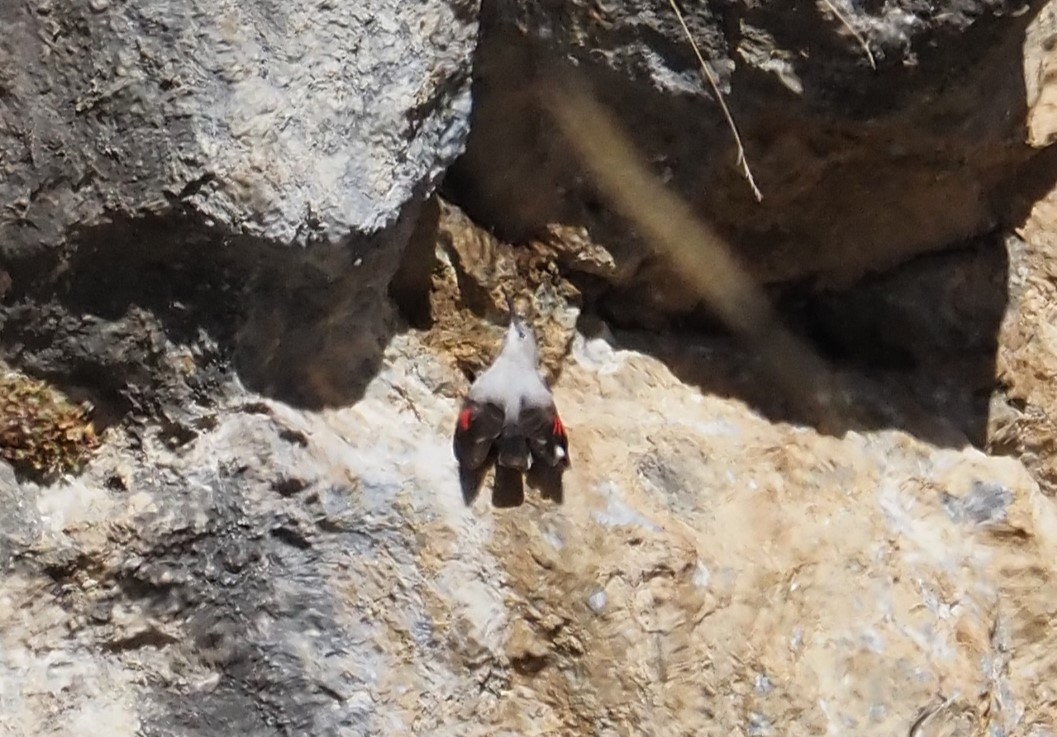
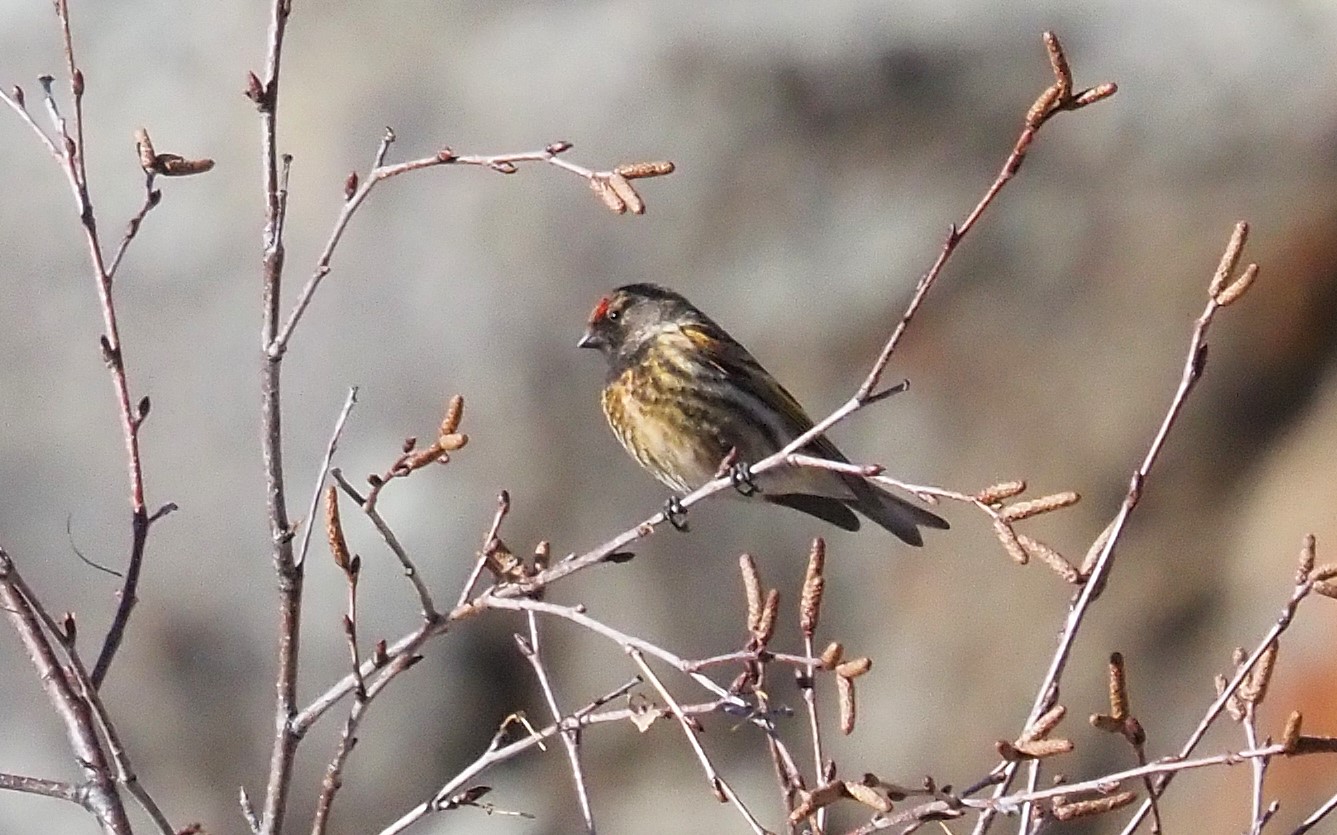
In our road we had no extra problems and right before passing the last mountain crossing Rob got a Redstart moving not far away from the road. We stop right away in layby and in a couple of minutes we were all enjoying a pair of wonderful Gündelstadt Redstarts moving in the snow. We got some nice pics, and check the Northern Wheatears and Water Pipits nearby before going further North, and right after the mountain pass we found a nice flock of Horned Larks moving in the slopes. Our first real birding stop in the afternoon was devoted to explore some cliffs. Here, in a nice short walk, we found Red-billed Choughs, Tree Pipits and Dunnock, but more importantly, we got very nice views on 1 Wallcreeper while feeding in the cliffs and very good looks on a number of Red-fronted Serins moving in the willows and the shrubs around.
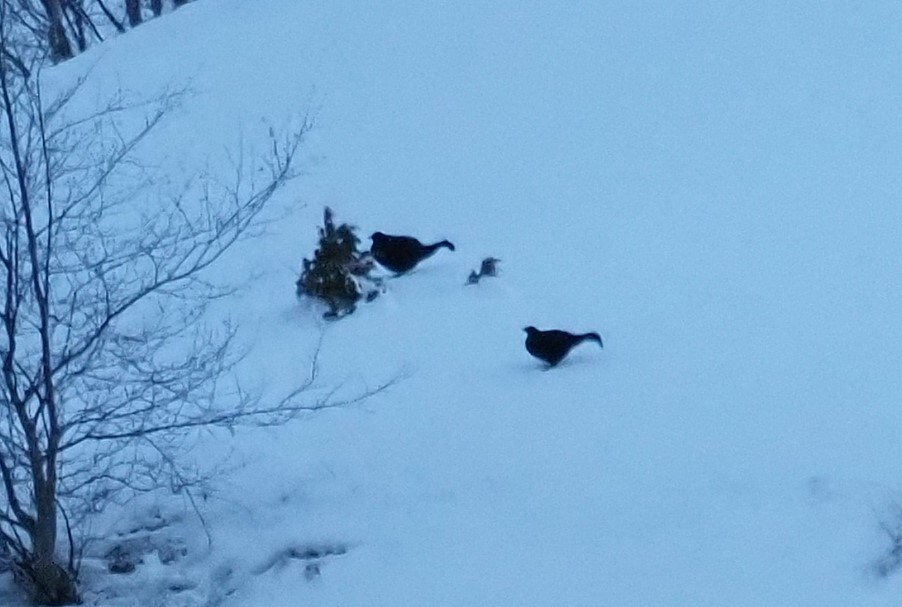
It was already a bit late in the afternoon, we had still light enough to try to get something more. So, a very last stop around Stepandsminda brought us to some very steep slopes. Here, we were lucky to find some Caucasian Black Grouses, including some males that produced very good scope views while moving in the snow, with some very nice interactions between males, that were jumping in the snow in a short of choreography. After this amazing afternoon, the mood in the group had turned and we all now believed as a good possibility to contact with all the main targets living in the area.
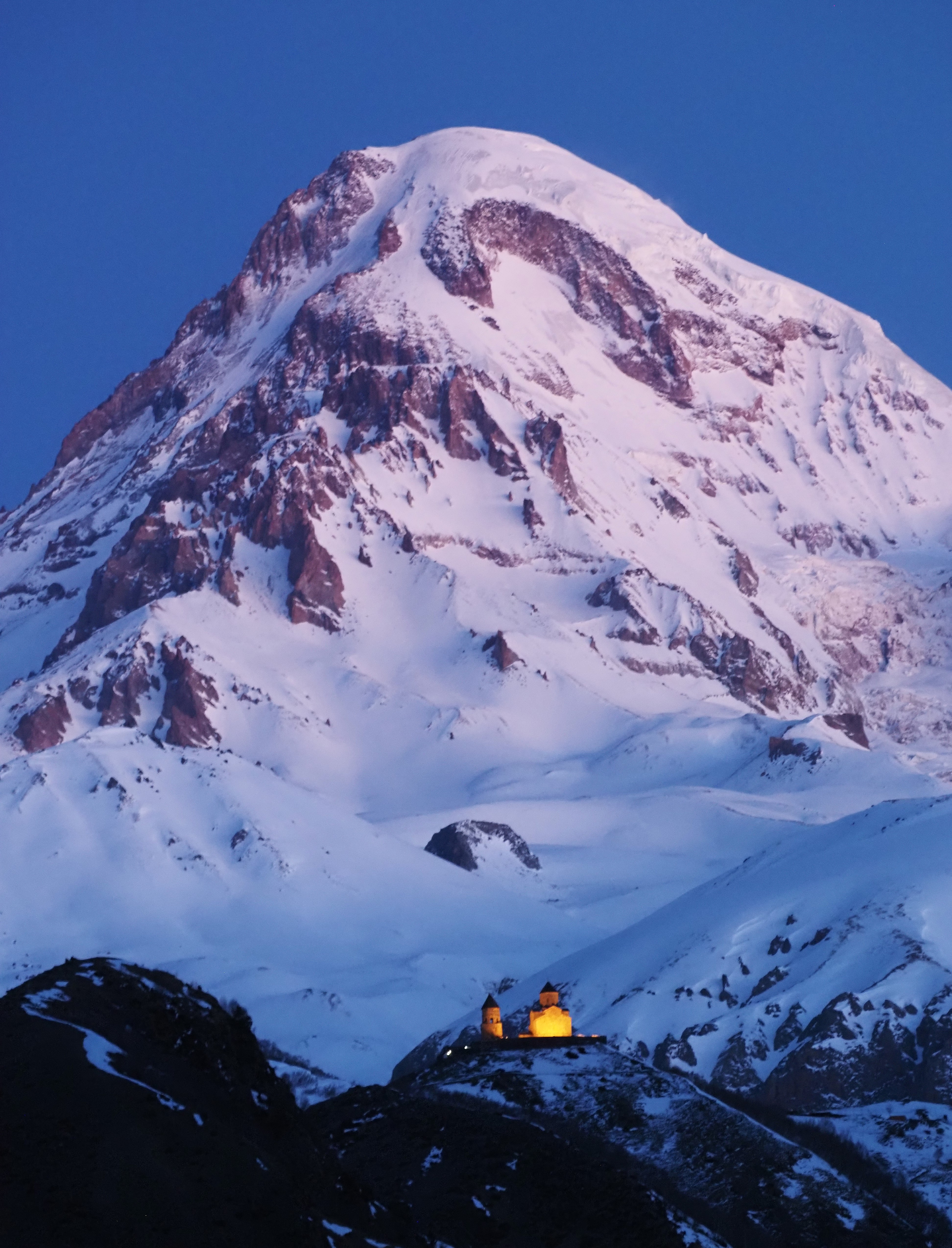
Day 7. Very early start in Stepandsminda (the only one for our group) with the views of the impressive 5,000 metres high mountains around the valley. A short drive lead us to the closer good spot and we were ready for another fight. A short walk in proper habitat produced good views on Ring Ouzel and Water Pipits, and better views on Caucasian Black Grouses. From here, we came down the slope to visit a second location. Here, a small group of Dutch birders gave us some indications and after a very short walk we all set up our scopes. And Joe got it. As simple as this. Joe got a Caucasian Snowcock just at the first glance in the slope! Absolutely mad. During the next half an hour we were all following a pair of Caucasian Snowcocks and eventually got nice record shots while moving in the slope. Here, we also got a wonderful Lammergeier (aka Bearded Vulture) flying above us, as elegant as ever!
We still had some time before breakfast so we decided to go back to the first spot, but now with more luck. The Caucasian Black Grouses were now far higher, but our perseverance was granted with nice views on Alpine Accentor and small flocks of Red-fronted Serins. And then Rob went “Great Rosefinch“. And yes, behind us, feeding in the grass a bit higher in the slope, it was a wonderful male Great Rosefinch. A very special bird for every tour participant, and probably the most sought-after bird in Georgia! So, for over 10 minutes, we a feast of Great Rosefinch while this solitary bird was feeding on the ground. At some point, a Snow Finch crossed in front some of us, but nobody pair much attention on it. Well, it doesn’t happen often that a Snow Finch is eclipsed by another bird!!
Little by little, the Rosefinch kept going up the slope, and we deserved a good breakfast. After a well deserved coffee with all those massive peaks as a frame, we decided to come back up to the same area and try to see more Rosefinches. We searched around enjoying Common Crossbill, Rufous-tailed Rock Thrush, Eurasian Siskins and plenty of Common Chaffinch. But no more Rosefinches for us..
A couple of extra stops produced a few Eurasian Griffons, another Lammergeier, distant Golden Eagles and good numbers of Wheatears and Water Pipits plus some extra Rufous-tailed Rock Thrushes, but our minds were already in the mountain pass and the possibility to be isolated here as it happened to a couple of groups earlier in the spring. So, right before crossing the pass we invested some time to try to relocate the Wallcreeper in the same spot of the previous afternoon. One of us never saw the bird, and we tried hard to refind this wonderful animal. But we never got it. Here, Common Whitethroat was new for the trip and we got excellent views on a Wryneck. A very good way to say goodbye to this amazing valley.
So, we drove beyond the mountain pass and had a stop in a lovely local restaurant to enjoy a good lunch. The rest of afternoon was solid drive until arriving to our accommodation for an overnight stay.
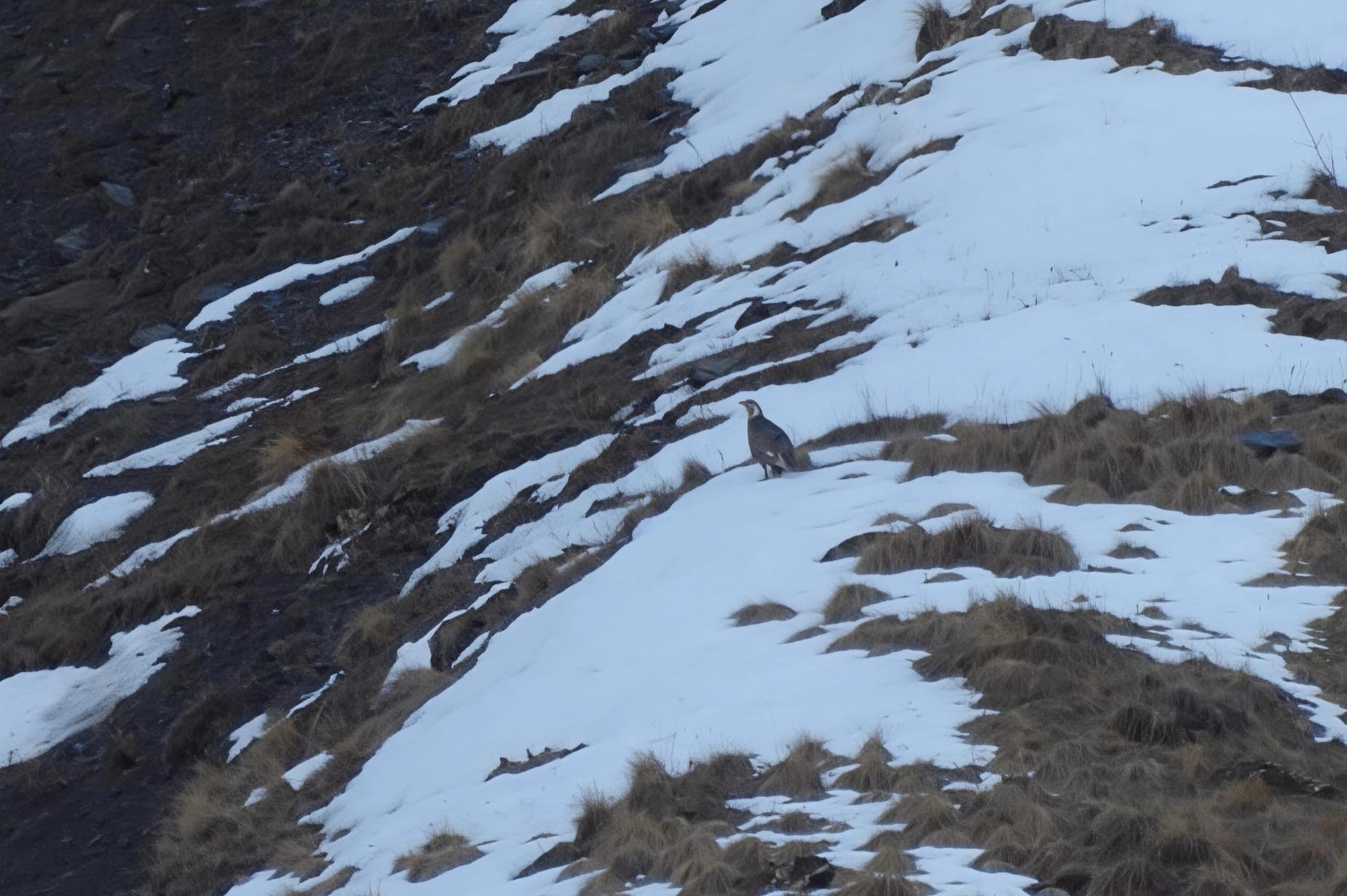
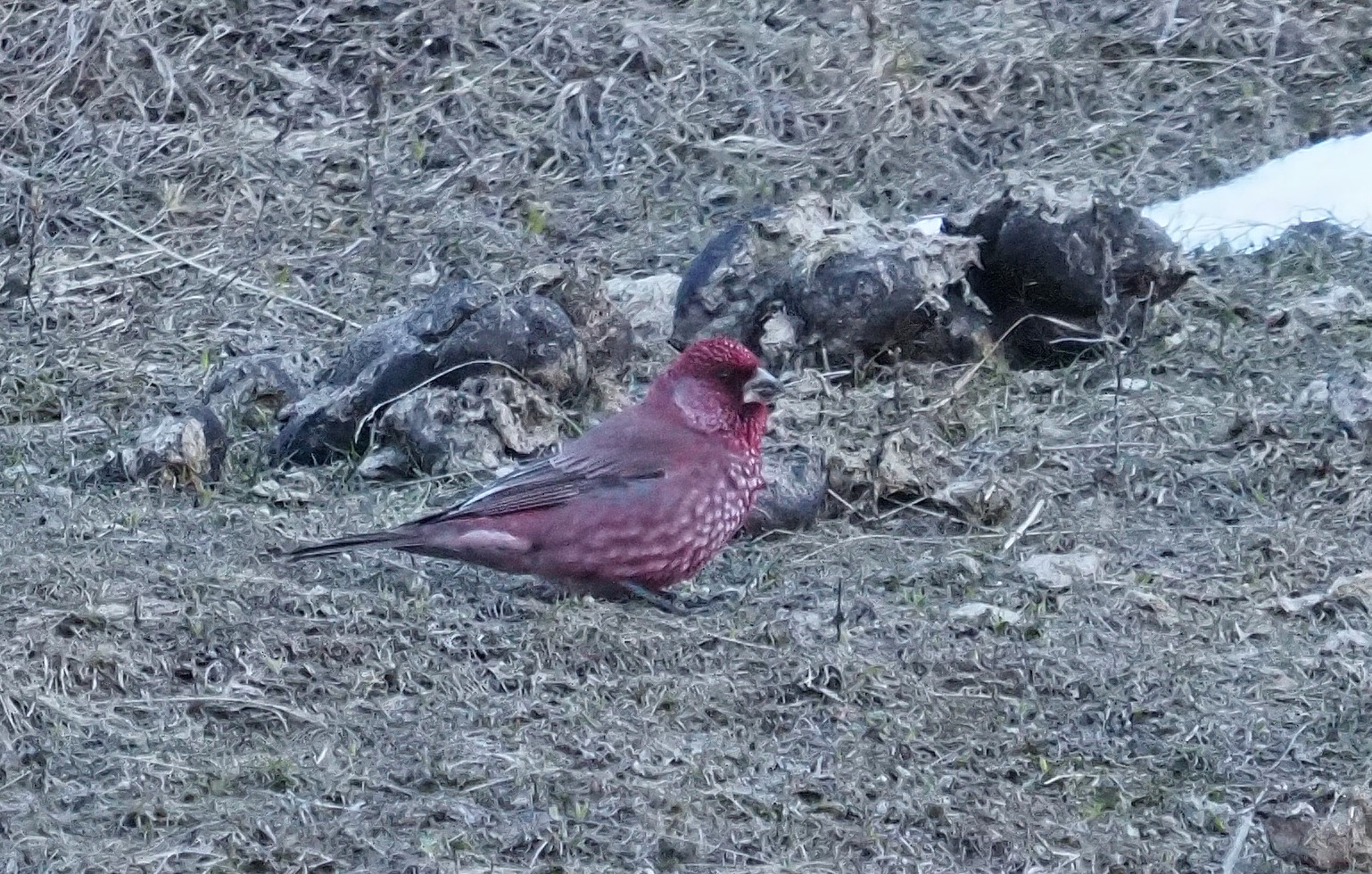
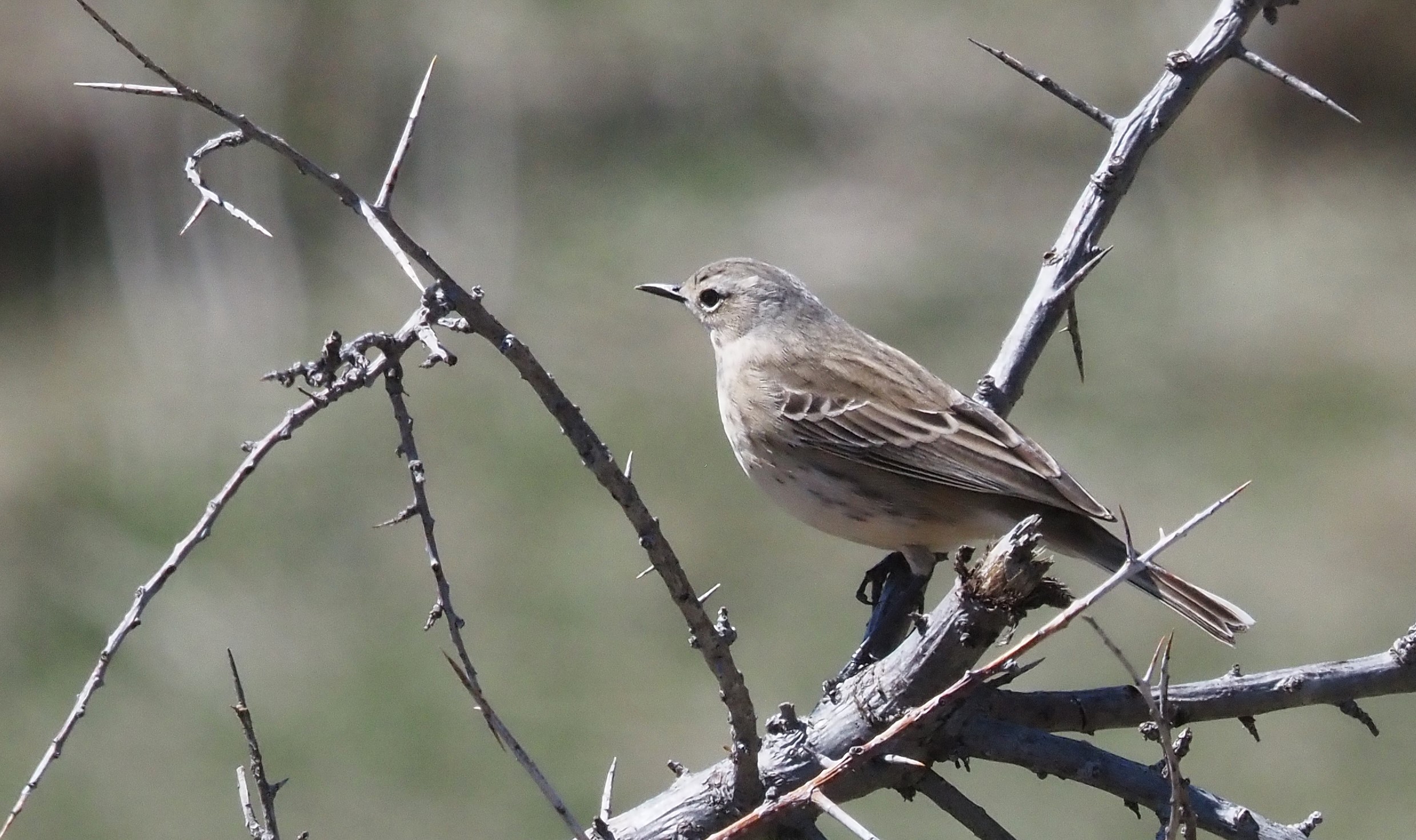
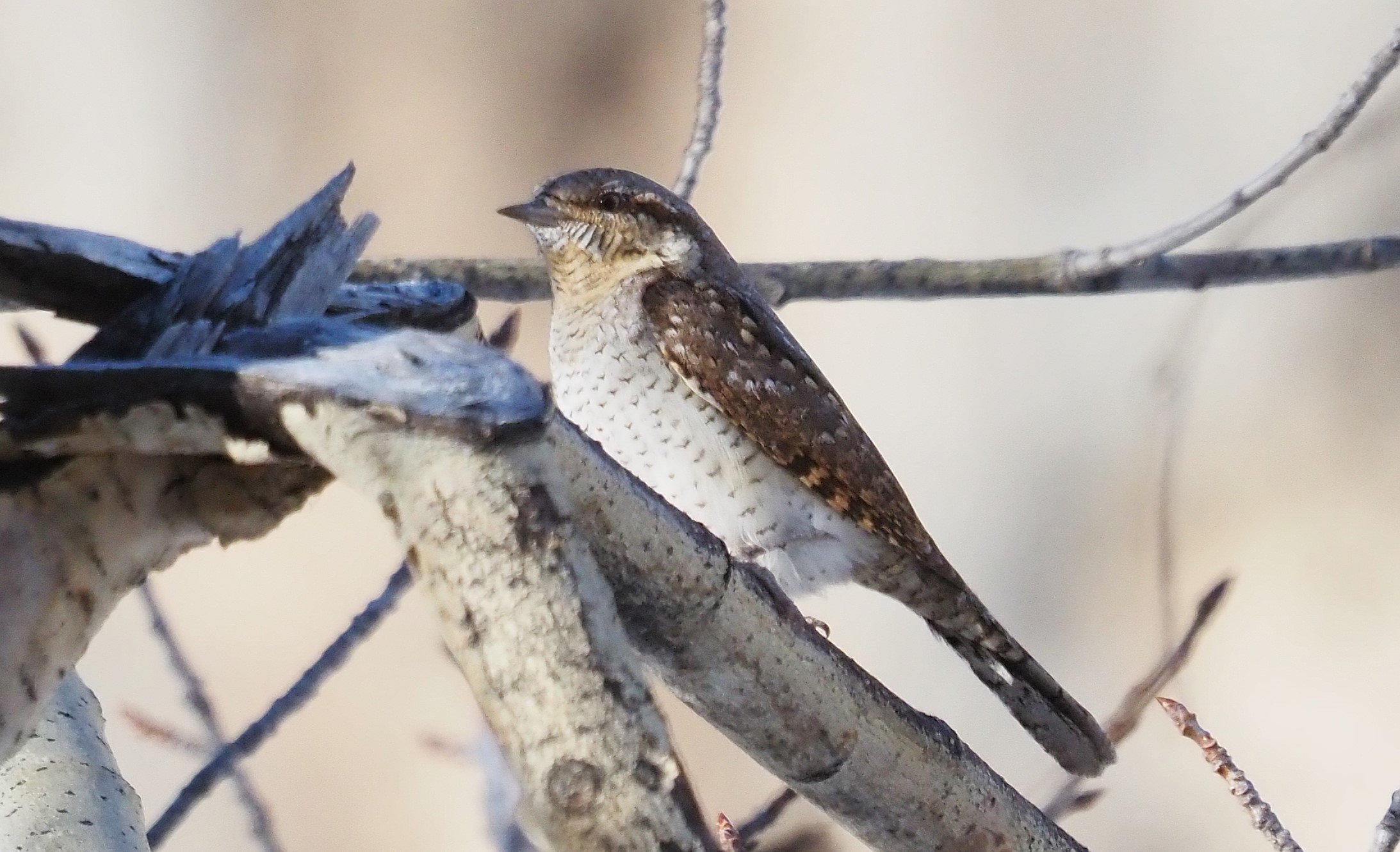
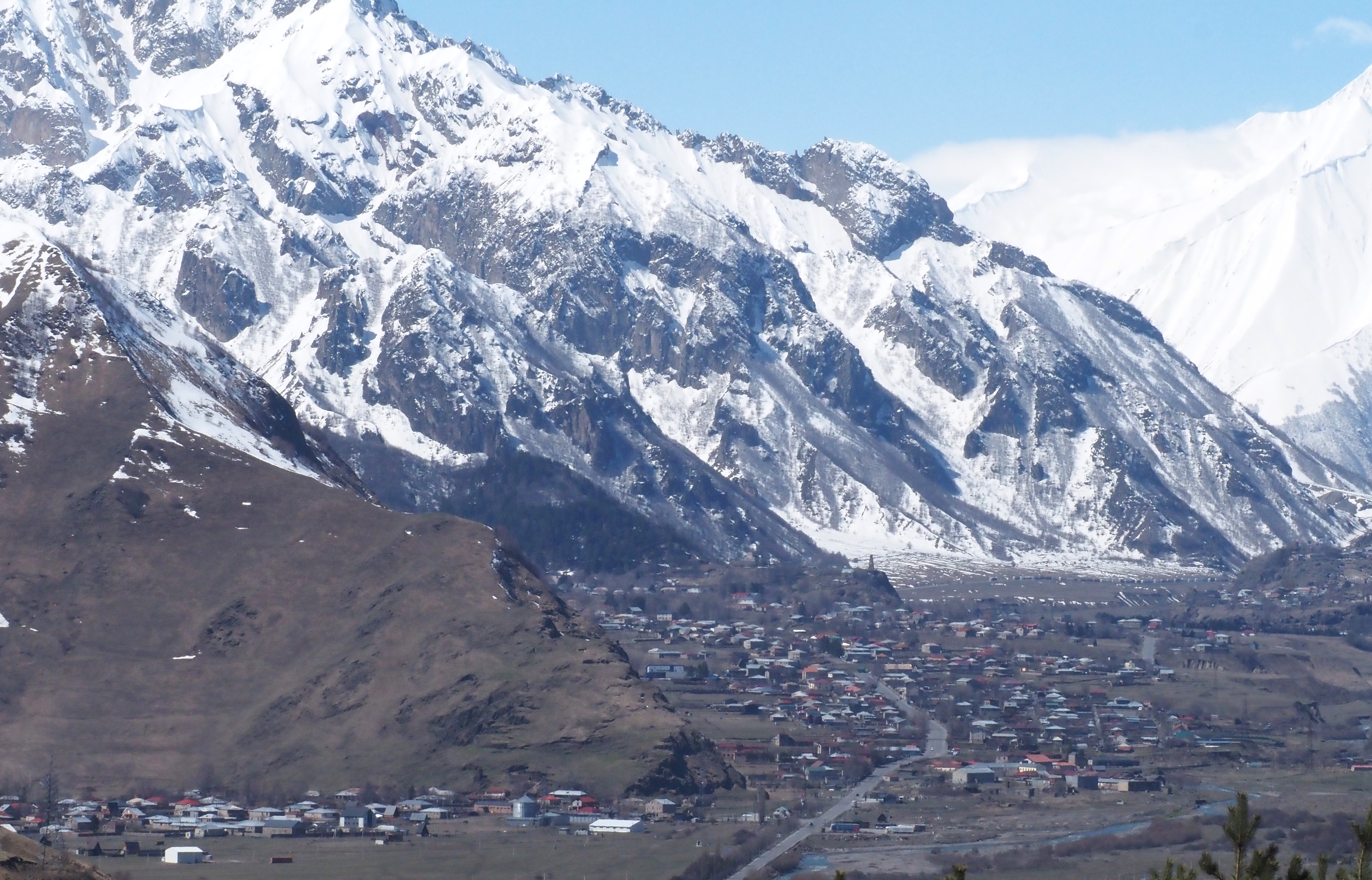
Day 8. Last morning of the trip. This time we woke up very early in order to drive South and explore a well known place for Caspian Snowcock. Unfortunately, the snow was again in our way and the track leading to the mountain pass was full of snow. The recent snow in the area made very difficult to arrive to the place, and with our planes leaving in the afternoon, we decided to not risk a good end of the trip and be trap in the snow high in the road. So, we came back still almost in the dark and when we were mid way down in the valley we got a flat tire..
No way. What else could happen to us. We started to change the tire, and we got the wonderful help of a local mechanic that was on his way to work. In 20 minutes it was down and we went down to the accommodation to enjoy the best breakfast in the tour before transferring back to Tblisi (3 hours of road), where a real hurricane was storming the city. With time for very little more, we just went back to airport, prior a stop in a nearby hotel were some tour participants had some rest before catching their plane well inside the night..
Very looking forward our next trip in Georgia & Armenia, hopefully with normal levels of snow and as many birds as always!!
List of seen species during the tour
- Chukar (Alectoris chukar)
- Caucasian Snowcock (Tetraogallus caucasicus)
- Caucasian Grouse (Lyrurus mloksiewiczi)
- Mallard (Anas platyrhynchos)
- Eurasian Teal (Anas crecca)
- Gadwall (Mareca strepera)
- Northern Shoveler (Spatula clypeata)
- Garganey (Spatula querquedula)
- Red-crested Pochard (Netta rufina)
- Common Pochard (Aythya ferina)
- Common Swift (Apus apus)
- Alpine Swift (Apus melba)
- Common Cuckoo (Cuculus canorus)
- Great White Pelican (Pelecanus onocratus)
- Feral Pigeon (Columba livia)
- Common Woodpigeon (Columba palumbus)
- European Turtle Dove (Streptopelia turtur)
- Eurasian Collared Dove (Streptopelia decaocto)
- Laughing Dove (Spilopelia senegalensis)
- Black-bellied Sandgrouse (Pterocles orientalis)
- Water Rail (Rallus aquaticus) – heard only
- Spotted Crake (Porzana porzana)
- Eurasian Moorhen (Gallinula chloropus)
- Eurasian Coot (Fulica atra)
- Common Crane (Grus grus)
- Black-necked Grebe (Podiceps nigricollis)
- Great Crested Grebe (Podiceps cristatus)
- Little Grebe (Tachybaptus ruficollis)
- Black-winged Stilt (Himantopus himantopus)
- Black-winged Pratincole (Glareola nordmanni)
- Northern Lapwing (Vanellus vanellus)
- White-tailed Lapwing (Vanellus leucurus)
- Spur-winged Lapwing (Vanellus spinosus)
- Common Ringed Plover (Charadrius hiaticula)
- Little Ringed Plover (Charadrius dubius)
- Ruff (Calidris pugnax)
- Common Redshank (Tringa totanus)
- Greenshank (Tringa nebularia)
- Marsh Sandpiper (Tringa stagnatilis)
- Wood Sandpiper (Tringa glareola)
- Green Sandpiper (Tringa ochropus)
- Common Sandpiper (Actitis hypoleucos)
- Black-headed Gull (Chroicocephalus ridibundus)
- Slender-billed Gull (Chroicocephalus genei)
- Armenian Gull (Larus armenicus)
- Mediterranean Gull (Ichthyaetus melanocephalus)
- Common Tern (Sterna hirundo)
- Gull-billed Tern (Gelochelidon nilotica)
- Great Cormorant (Phalacrocorax carbo)
- Pygmy Cormorant (Microcarbo pygmaeus)
- White Stork (Ciconia ciconia)
- Glossy Ibis (Plegadis falcinellus)
- Eurasian Spoonbill (Platalea leucorodia)
- Black-crowned Night Heron (Nycticorax nycticorax)
- Western Cattle Egret (Ardea ibis)
- Great White Egret (Ardea alba)
- Grey Heron (Ardea cinerea)
- Purple Heron (Ardea purpurea)
- Little Egret (Egretta garzetta)
- Lammergeier (Gypaetos barbatus)
- Eurasian Griffon (Gyps fulvus)
- Cinereous Vulture (Aegypius monachus)
- Egyptian Vulture (Neophron percnopterus)
- Short-toed Eagle (Circaetus gallicus)
- Golden Eagle (Aquila chrysaetos)
- Steppe Eagle (Aquila nipalensis)
- Booted Eagle (Aquila pennata)
- Greater Spotted Eagle (Clanga clanga)
- Lesser Spotted Eagle (Clanga pomarina)
- Black Kite (Milvus migrans)
- Montagu’s Harrier (Circus pygargus)
- Pallid Harrier (Circus macrourus)
- Western Marsh Harrier (Circus aeruginosus)
- Eurasian Goshawk (Accipiter gentilis)
- Eurasian Sparrowhawk (Accipiter nisus)
- Levant Sparrowhawk (Accipiter brevipes)
- Common (Steppe) Buzzard (Buteo buteo vulpinus)
- Long-legged Buzzard (Buteo rufinus)
- Little Owl (Athene noctua)
- Common Hoopoe (Upupa epops)
- European Roller (Coracias garrulus)
- European Bee-eater (Merops apiaster)
- Blue-cheeked Bee-eater (Merops persicus)
- Syrian Woodpecker (Dendrocopos syriacus)
- Lesser Spotted Woodpecker (Dryobates minor)
- Eurasian Green Woodpecker (Picus viridis) – heard only
- Eurasian Wryneck (Jynx torquilla)
- Common Kestrel (Falco tinnunculus)
- Lesser Kestrel (Falco naumani)
- Merlin (Falco columbaris)
- Red-backed Shrike (Lanius collurio)
- Eurasian Magpie (Pica pica)
- Eurasian Jay (Garrulus glandarius)
- Western Jackdaw (Coloeus monedula)
- Hooded Crow (Corvus cornix)
- Rook (Corvus frugilegus)
- Common Raven (Corvus corax)
- Red-billed Chough (Pyrrhocorax graculus)
- Eurasian Blue Tit (Cyanistes caeruleus)
- Great Tit (Parus major)
- Long-tailed Tit (Aegithalos caudatus)
- Western Penduline Tit (Remiz pendulinus)
- Horned Lark (Eremophila alpestris)
- Greater Short-toed Lark (Calandrella brachydactyla)
- Crested Lark (Galerida cristata)
- Eurasian Skylark (Alauda arvensis)
- Woodlark (Lullula arborea)
- Turkestan Short-toed Lark (Alaudala rufescens)
- Bimaculated Lark (Melanocorypha bimaculata)
- Crag Martin (Ptyonoprogne rupestris)
- Sand Martin (Riparia riparia)
- Barn Swallow (Hirundo rustica)
- Western House Martin (Delichon urbicum)
- Cetti’s Warbler (Cettia cetti)
- Common Chiffchaff (Phylloscopus collybita)
- Caucasian Chiffchaff (Phylloscopus sindianus)
- Willow Warbler (Phylloscopus trochilus)
- Green Warbler (Phylloscopus nitidus)
- Common Reed Warbler (Acrocephalus scirpaceus)
- Marsh Warbler (Acrocephalus palustris) – heard only
- Paddyfield Warbler (Acrocephalus agricola)
- Great Reed Warbler (Acrocephalus arundinaceus) – heard only
- Sedge Warbler (Acrocephalus schoenobaenus)
- Moustached Warbler (Acrocephalus melanopogon)
- Grasshopper Warbler (Locustella naevia) – heard only
- Savi’s Warbler (Locustella luscinioides) – heard only
- Eurasian Blackcap (Sylvia atricapilla)
- Eastern Orphean Warbler (Curruca crassirostris)
- Lesser Whitethroat (Curruca curruca)
- Ménétries’s Warbler (Curruca mystacea)
- Greater Whitethroat (Curruca communis)
- Eurasian Wren (Troglodytes troglodytes)
- Krüpper’s Nuthatch (Sitta krueperi)
- Eastern Rock Nuthatch (Sitta tephronota)
- Western Rock Nuthatch (Sitta neumayer)
- Eurasian Treecreeper (Certhia familiaris)
- Common Starling (Sturnus vulgaris)
- Song Thrush (Turdus philomelos)
- Mistle Thrush (Turdus viscivorus)
- European Blackbird (Turdus merula)
- Ring Ouzel (Turdus torquatus)
- Collared Flycatcher (Ficedula albicollis)
- Semicollared Flycatcher (Ficedula semitorquata)
- Red-breasted Flycatcher (Ficedula parva)
- European Robin (Erithacus rubecula)
- Thrush Nightingale (Luscinia luscinia)
- Common Nightingale (Luscinia megarhynchos)
- Bluethroat (Luscinia svecica)
- Common Redstart (Phoenicurus phoenicurus)
- Eastern Black Redstart (Phoenicurus ochruros)
- White-winged Redstart (Phoenicurus erythrogaster)
- White-throated Robin (Irania gutturalis)
- Northern Wheatear (Oenanthe oenanthe)
- Isabelline Wheatear (Oenanthe isabellina)
- Pied Wheatear (Oenanthe pleschanka)
- Finsch’s Wheatear (Oenanthe finschii)
- Eastern Black-eared Wheatear (Oenanthe melanoleuca)
- Whinchat (Saxicola rubetra)
- European Stonechat (Saxicola rubicola)
- Siberian Stonechat (Saxicola maurus)
- Blue Rock Thrush (Monticola solitarius)
- Rufous-tailed Rock Thrush (Monticola saxatilis)
- Alpine Accentor (Prunella collaris)
- Dunnock (Prunella modularis)
- Eurasian Tree Sparrow (Passer montanus)
- House Sparrow (Passer domesticus)
- Pale Rockfinch (Carpospiza brachydactyla)
- Common Rock Sparrow (Petronia petronia)
- White-winged Snowfinch (Montifringilla nivalis)
- Water Pipit (Anthus spinolleta)
- Tawny Pipit (Anthus campestris)
- Tree Pipit (Anthus trivialis)
- White Wagtail (Motacilla alba)
- Grey Wagtail (Motacilla cinerea)
- Citrine Wagtail (Motacilla citreola)
- Western Yellow Wagtail (Motacilla flava)
- Common Chaffinch (Fringilla coelebs)
- Common Rosefinch (Carpodacus erythrinus)
- Great Rosefinch (Carpodacus rubicilla)
- Red-fronted Serin (Serinus pusillus)
- Eurasian Greenfinch (Chloris chloris)
- Eurasian Goldfinch (Carduelis carduleis)
- Desert Finch (Rhodospiza obsoleta)
- Twite (Linaria flavirostris)
- Linnet (Linaria flavirostris)
- Rock Bunting (Emberiza cirlus)
- Ortolan Bunting (Emberiza hortulana)
- Corn Bunting (Emberiza calandra)
List of mammals seen during the trip
- Water Bole (Arbicola amphibius)
- Red Fox (Vulpes vulpes)
- West Caucasian Tur (Capra caucasica)

