Arxiu d'etiquetes: Birding trips

Finland & Finnmark 2025 Birding Tour Trip Report

  • Dates: May 25th to June 3rd, 2025
  • Tour Participants: 7
  • Number of species seen: 181
  • Tour leader: Carles Oliver

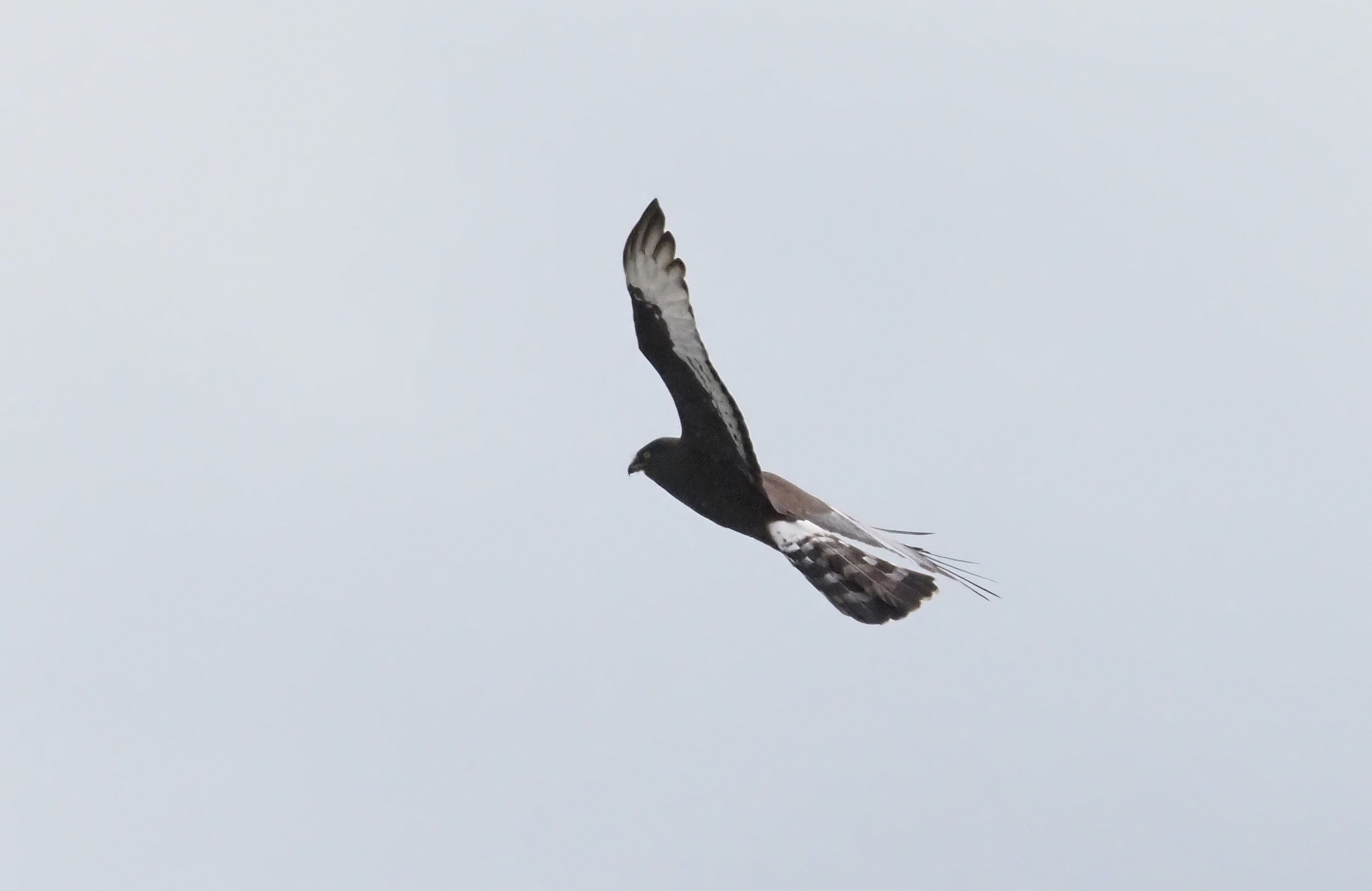
Overview: Our 8th issue exploring Northern Finland & Finnmark was another successful trip. The tour enjoyed mild weather during the first days of the trip, but the last days were cloudy and windy, with temperatures clearly lower than average. The last two days of the trip we got some light rain. In this trip we got nice views on all the species of Grouses and 5 species of Owls. The North of the itinerary was empty of rodents, and this explains the absence of Northern Hawk Owls and Rough-legged Buzzards (only 2 seen). On raptors, this was partially compensated by the occurrence of a male Pallid Harrier the first days of the trip. It was also a low year for Redpolls, and both Mealy and Arctic (now lumped in a single species) were showing in modest numbers.

All images in this trip report by tour leader Carles Oliver. All rights reserved.

Day 1. During the afternoon, all the tour participants are assembling at the Oulu Airport. Meet and greet at the terminal, and once the vehicle is collected we directly drive to our accommodation. After dinner we still have time for some birding, and taking advantage of the good light we had a walk to check in the bay beside our hotel. Here we got the first views on Common Rosefinch of the trip, but also other species including Red-breasted Merganser, Great Crested Grebe, Greenshank, Sedge Warbler and a distant flock of Common Cranes feeding in the bay. A drake Garganey is also very nice pick up, and our list also includes a distant Lesser Black-backed Gull (nominal race) and Common Snipes displaying in the air. After a few more minutes we called a day and come back to our rooms for a short sleep.

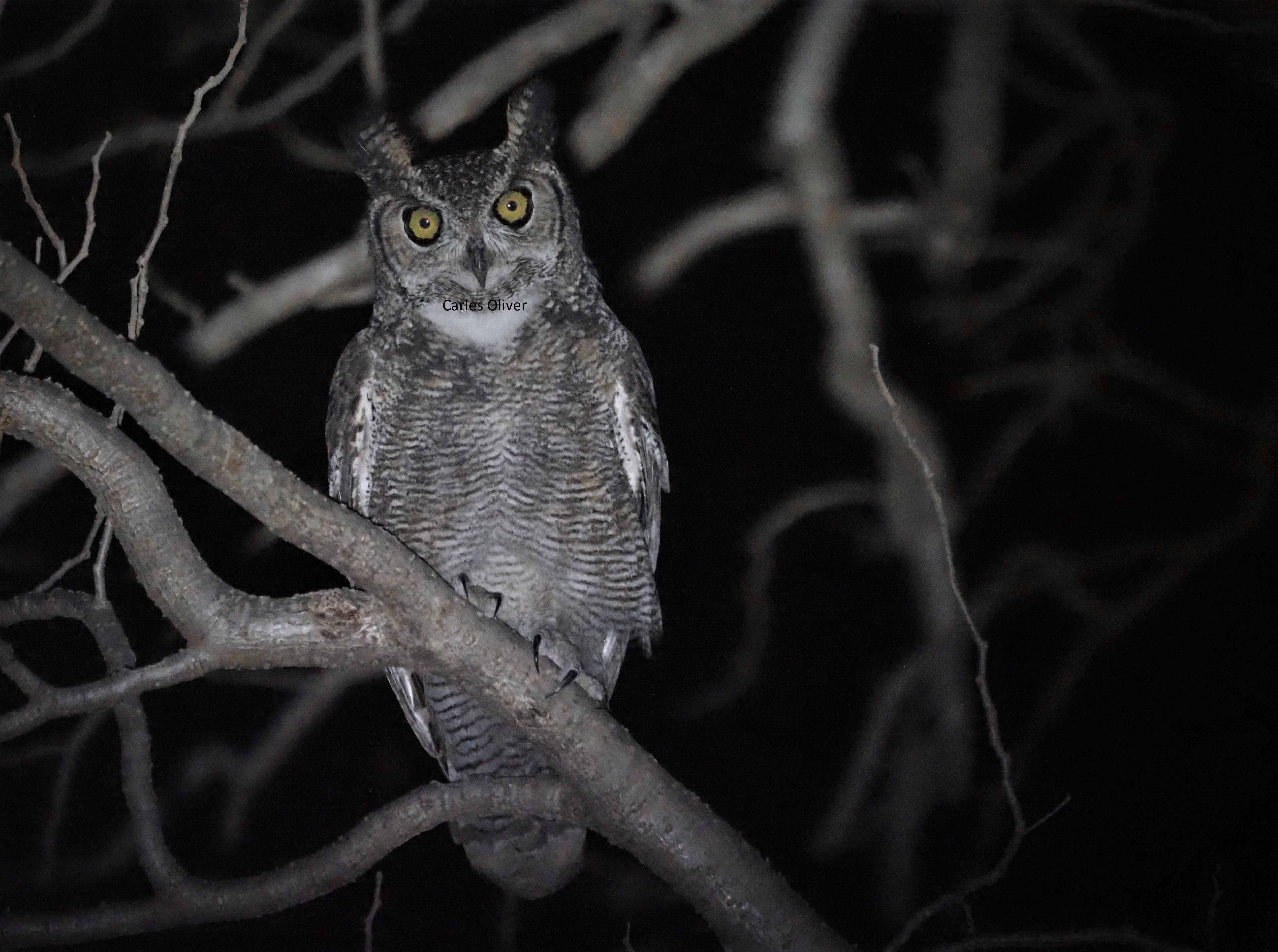
Day 2. Very early morning start. After leaving the accommodation with our local guide we go to the woodlands. Here we get a first stop to see a Eurasian Eagle Owl that is roosting along one lane. The Owl didn’t enjoy our company so it went deeper in the forest, we all got very nice scope views. Always a treat!

A second stop was made way inside the forest. This time to visit a nest of Great Grey Owl. After a short walk in the forest we enjoyed great views of the female on a massive nest of Northern Goshawk. Definitely a wonderful sight! Around it, we had both Spotted & Pied Flycatchers and, in the way to our van a distant, familiar call caught our attention, and the time proved us right when a wonderful Eurasian three-toed Woodpecker just emerged from the woods to stop right by the road, working in one of the oldest trees around. Jackpot! We were not expecting this species to show here!

From here we drove a short distance into a small backyard. As we arrive, a family group of Scandinavian Bullfinches (a very distinctive race both in size and in voice) were very showy in the trees around. Here we also got nice views on Goldcrest and our first Greenfinch was singing from high up in the tree. Soon, the first reason of our visit here was audible in the distance, and it didn’t take long to show up: a wonderful Black Woodpecker that landed a few meters away from us, in their way to attend its nest in the backyard. Very happy with this sight we only had to move slightly around the same tree to face a second whole. This time was a Tengmalm’s Owl that was on the nest! Amazing! It is always great to see this super cute creatures, especially when it comes to owl chicks.. After a few minutes enjoying this amazing bird and a couple of other small passerines, we went back to minibus.

Our last stop of the morning was to get deep into the boreal forest. a ten minutes walk into the habitat was mandatory to reach our goals there. This is normally a nice place for woodpeckers, but after we already nealed the Three-toed Woodpecker we focused in smaller species. In our we heard 1 Wood Warbler singing and we saw Tree Pipit, Eurasian Treecreeper, Lesser Whitethroat and a few Robins. Suddenly we arrived into a place where many birds were singing. There were Siskins but also Great & Blue Tits and Common Chaffinches. Not surprisingly, an Eurasian Pygmy Owl was the cause of all that mess. The owl was high up in the tree and we were lucky to find it! During the next minutes, we were enjoying the Owl, trying different angles to have better views/shots. While exploring the forest we also found a Lesser Spotted Woodpecker that showed out very well before we arrive to a Grey-headed Woodpecker nesting hole! The male performed very well of us, showing out for at least 10 minutes!

Back to the road, we had to a couple of stops because of Eurasian Woodcocks moving really close to the tarmac before arriving to the last stop of the morning. Here we visited a nesting pair of Ural Owls. When we arrived, it was quite cloudy and the female Ural Owl was inside the nesting box, providing really good scope views.

Great Grey Owl sitting on its nest. A wonderful sight!
This Three-toed Woodpecker popped out from the forest. A really unexpected sight!
Black Woodpecker showed really well around its nesting hole.
Tengmalm’s Owl inside its nest hole in a private garden
We were very lucky to pick up this Eurasian Pygmy Owl up in the trees.
Here a closer look!
Lesser Spotted Woodpecker
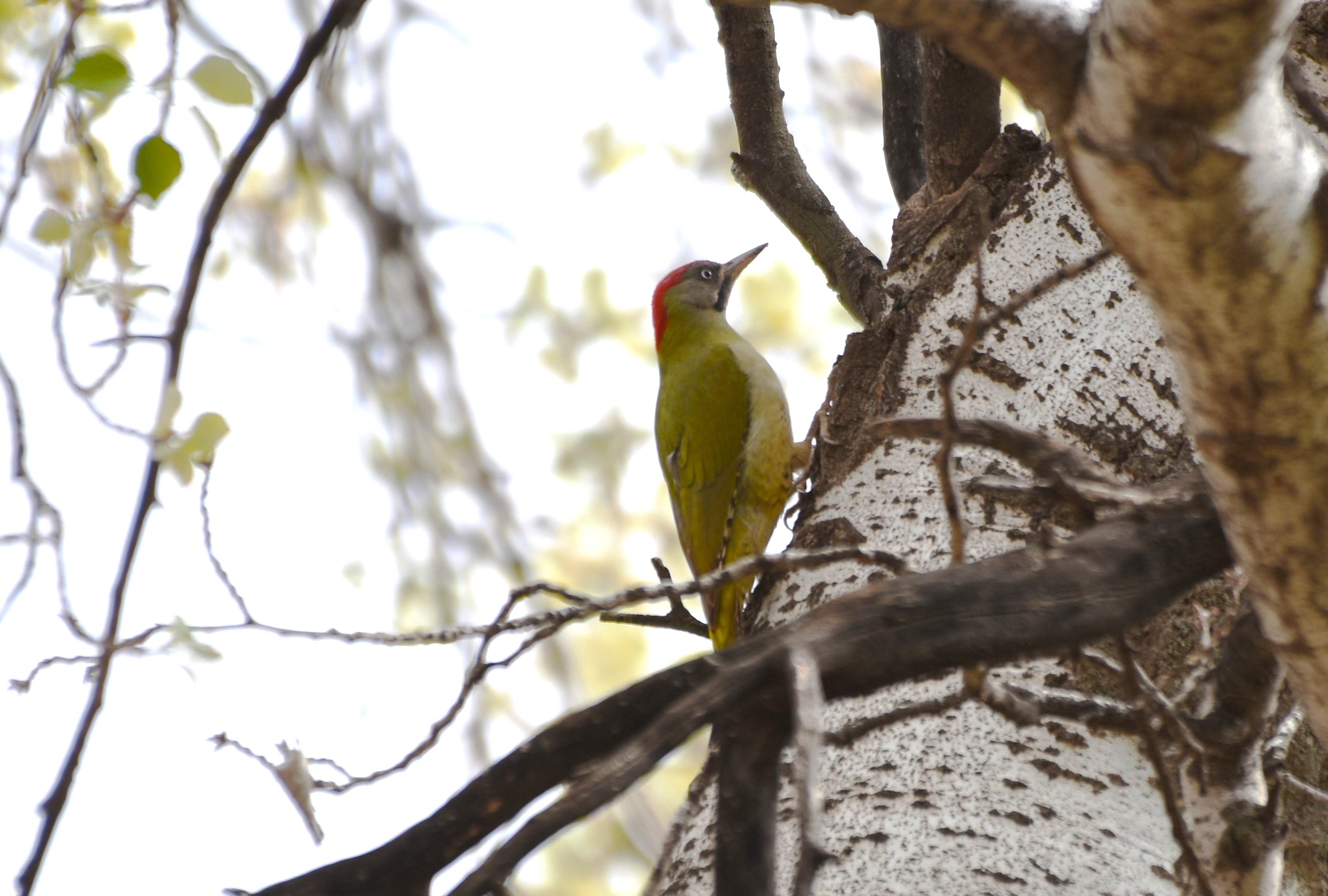
Grey-headed Woodpecker showing very nicely

Very excited after this wonderful morning, we went for an early lunch followed by a resting time in our accommodation. The after was sunny, and we kept going with the planning, going to check a massive bog area South of Oulu. As we went inside the place, we got nice views on some common species here including Eurasian Tree Sparrow, Yellowhammer, Pied Flycatcher, Lesser Whitethroat, Yellow Wagtail and Spotted Flycatcher. The path crosses and large area of bog, and here we got some Marsh Harriers flying around, and excitement rocked up when a wonderful male Pallid Harrier just came to us crossing the bog. Even if never came really close, this was one of the birds of the week for some of us! Beyond, we got the first (far) views on Ruff and White-tailed Eagle. The only one Caspian Tern of the trip was seen here, and the list was also including Garganey and 1 Taiga Bean Goose that flew over our group.

After dinner we still had energy to check a nesting place of Terek’s Sandpiper. Unfortunately, with no luck..

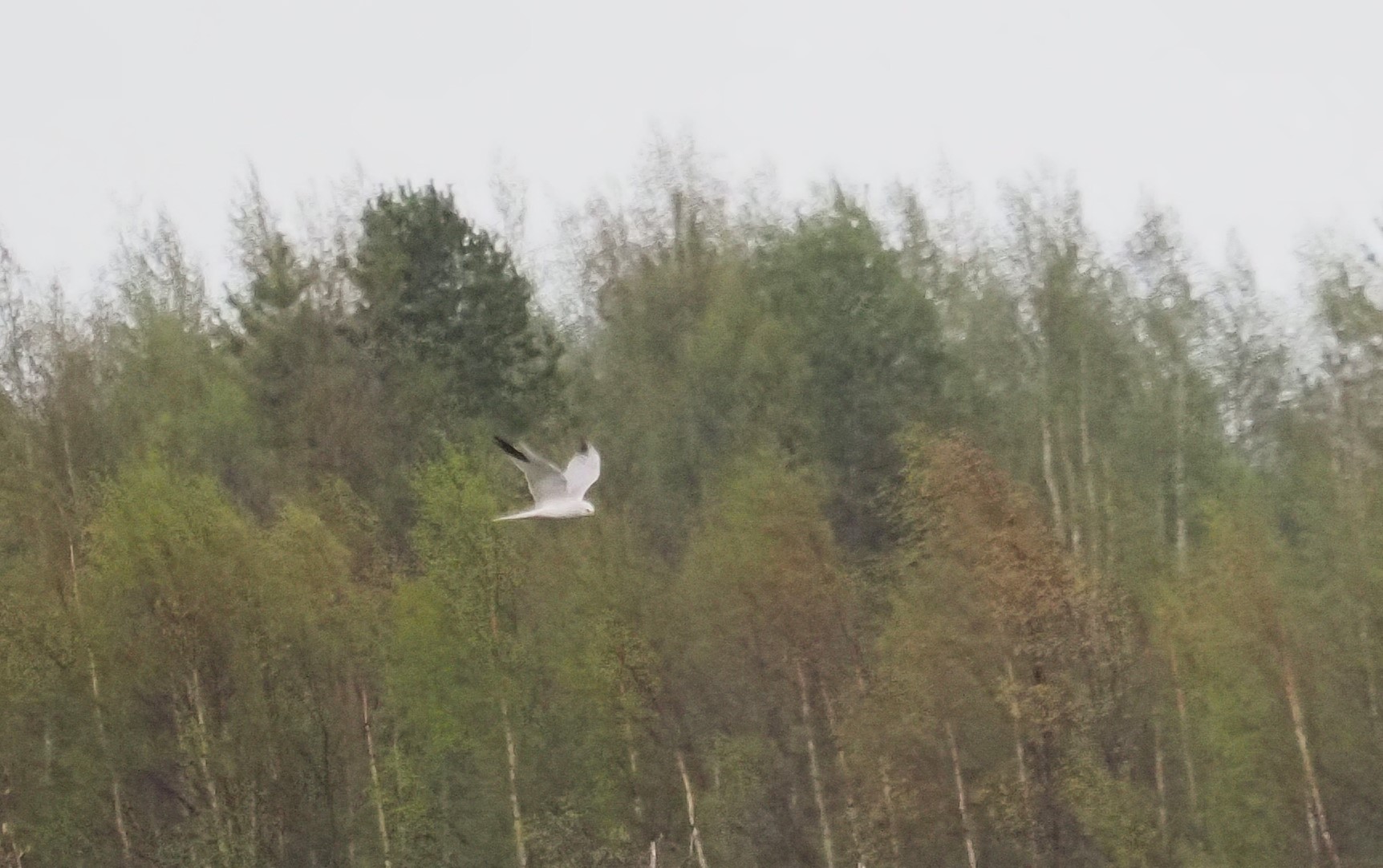
This male Pallid Harrier was one of the surprises of our first day!

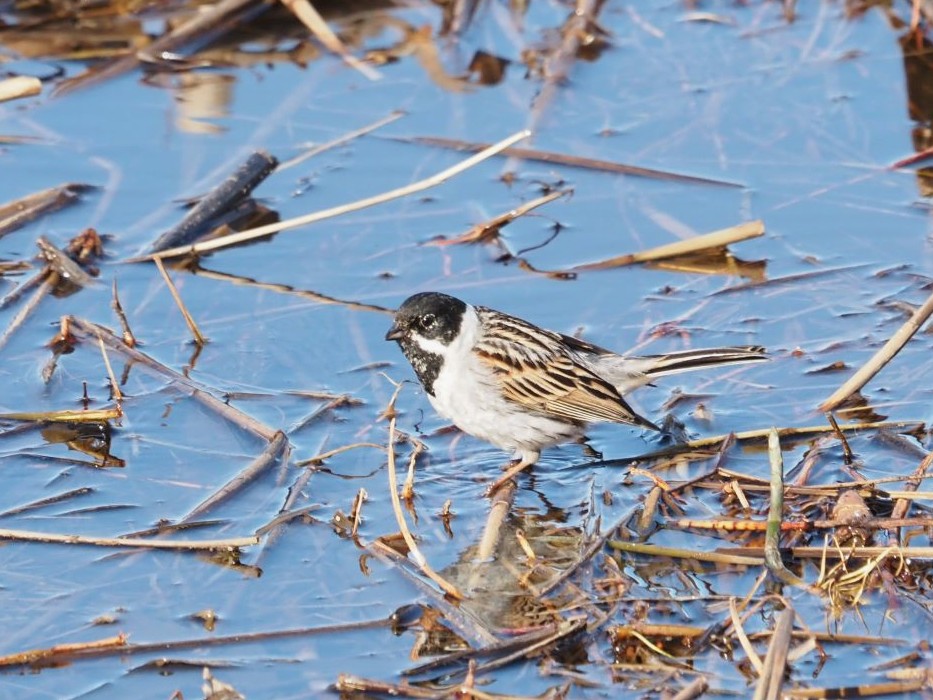
Day 3. After enjoying a very good breakfast we left our accommodation and start heading East. Our first stop that morning was to check a couple of places looking for Ortolan Bunting. Our first stop produced Common Whitethroat, Curlews, Rooks, Green Sandpiper and close views on a pair of Grey Partridges. Following the lovely lanes that cross the farming around Oulu we soon arrived into a second interesting spot. Here, we soon heard at least 3 Ortolan Buntings singing around. Yellowhammers & Reed Bunting were both common here and it was not easy to connect with the Ortolans in the misty ambient. Still, after a few minutes, we got some proper views. From here we drove a few mile into a nice area of forest where we got really nice looks on both Garden Warbler and a very showy Common Rosefinch. A male European Honey Buzzard flew over us, clapping its winds up head in a phenomenal display that, for me, was one of the best behavioural tips of the trip! In this same spot we got our first Hazel Grouse singing around. This is normally a nice place to try to see it, and the bird did a couple of crossings at close range. Unfortunately not everybody in the group connected with the bird, and after a time trying to have better views we finally decided to leaving for another day and go to check a nearby pond where a drake Slavonian Grebe was waiting for us! After enjoying close views on this little gems we kept driving East, and after having an en route lunch we arrived to Kuusamo.

Grey Partridge was a nice adding to our list
Common Rosefinch singing his heart out from the top of a small pine
Lovely Slavonian Grebe showing its puffs up!

It was a cloudy afternoon in Kuusamo. Our first movement in this new area was to check a couple of places for Little Bunting, with little reward out of distant Little Gulls, Sand Martins (new for the trip) and the nice sand rather distinctive song of the “abietinus” race of Willow Warbler. The last stop before arriving to visit a colony of Little Gulls. Here we got excellent views on the smallest gull, but also on the nesting Red-necked Grebes and Whooper Swans distant 5 Black-throated Divers and Goldeneyes and the first Brambling of the trip!

Redwings became even more obvious around Kuusamo
Wood Sandpiper is a common breeder in marshes of all sizes in Northern Finland
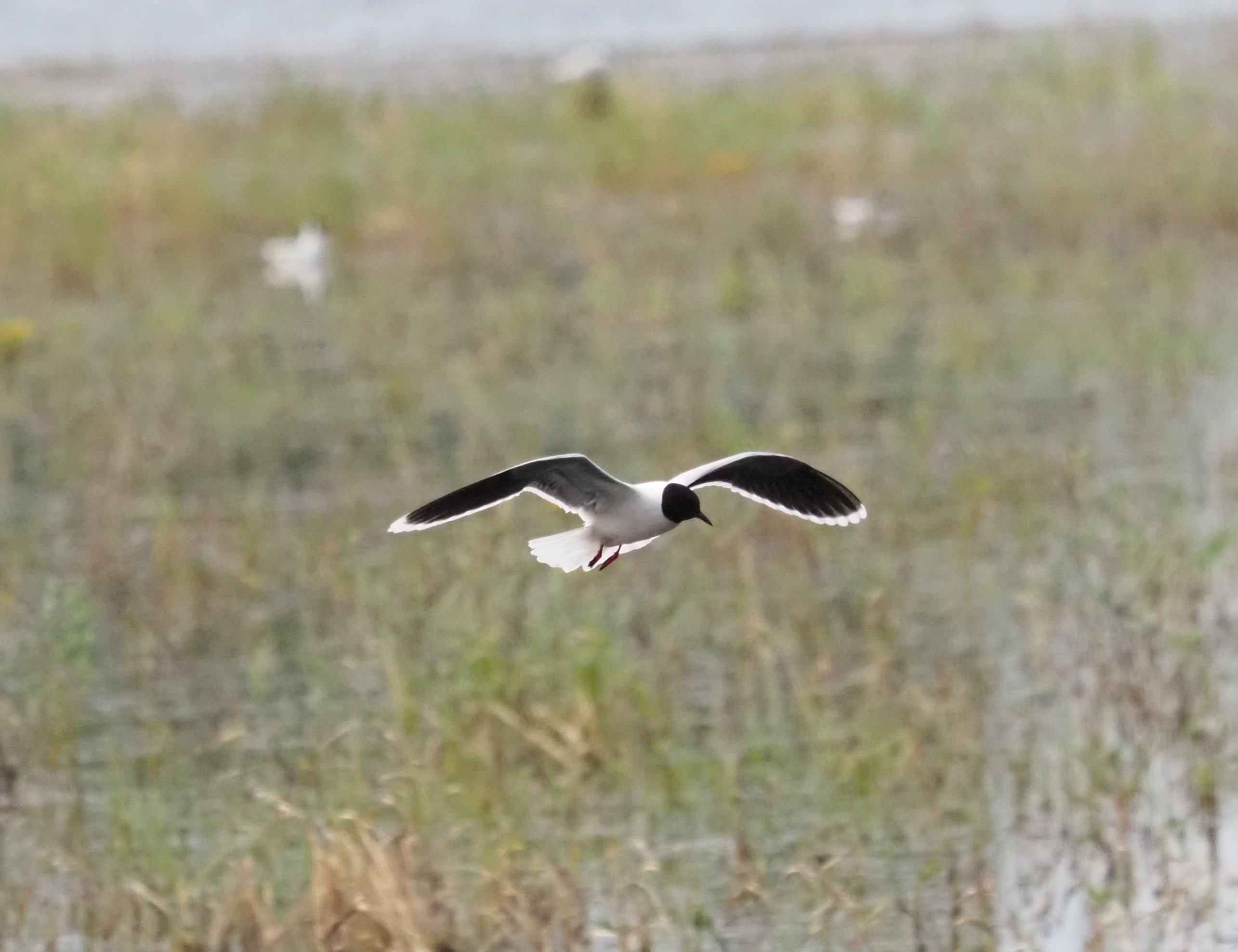
Little Gull around one colony

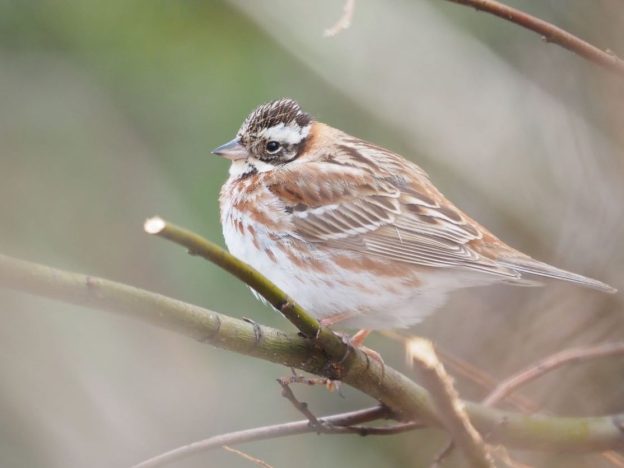
Day 4. As usual in this areas, we had a very early start of the day before going to the forest. En route, we had a first en route stop. Here we got ruff views on a couple of Rustic Buntings that we heard as we were driving. A bit beyond, we got a small flock of Common Crossbills. The first Grouse drive of the trip was not totally successful. Still, we got nice views on the 1st Willow Grouse of the trip before arriving in a lek of Capercaillies. Here, Mark got a bird moving behind a bush, and this is how we got our first male Capercaillie lekking in the forest! We all got good views but we couldn’t get pictures, the bird went into a small ditch and went away from us.

After a shortwalk in the forest, we enjoyed our take away breakfast. Here we got a good number of forest passerines including Golcrests, Siskins, Redstarts, Pied Flycatchers, Willow Warblers, Treecreepers, all of them at close range. Back to the van, we did a bit more of Grouse drive, and we got a second lekking Capercaillie that provided way better views than the first views. After some coffee we tried a different place for Rustic Bunting with a nice male appearing in front of us and singing for long, and our efforts got rewarded with good views on Tree Pipits and, especially, some amazing views on an extremely obliging pair of Willow Grouses! They were so close that we could hear the noise of their long claws when classing the tiny rocks of the lane..

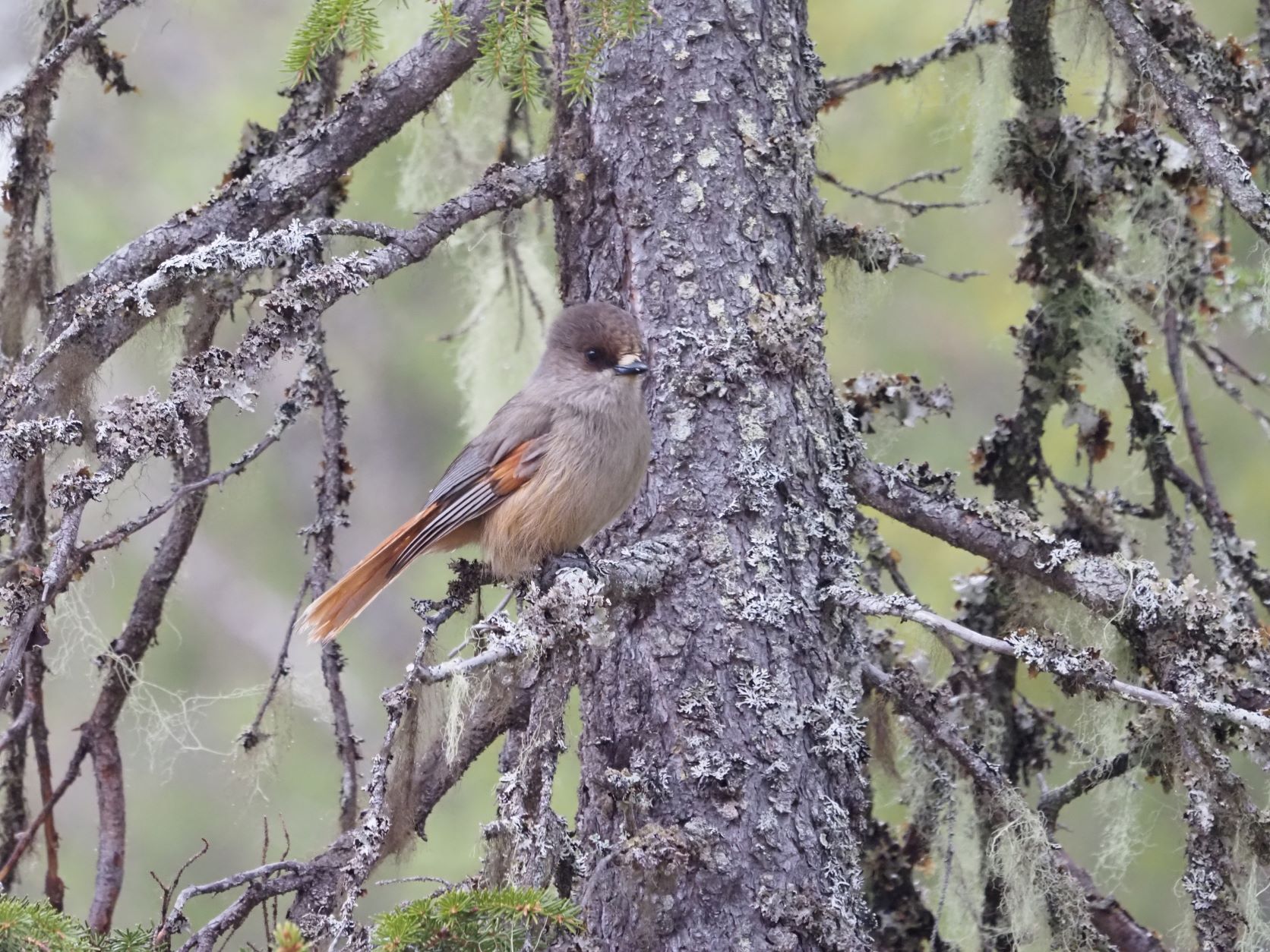
From here we drove to one of the most famous hills around Kuusamo. Walking up the hill, we got nice views on Bullfinches and Willow Tits, and once we arrived to the top we got views into 2 elusive Siberian Jays. It was a sunny morning, and soon we were hearing a lovely Red-flanked Bluetail singing from the top of the canopy. It didn’t take long to us to locate the bird, that a few minutes later came down to the ground to feed around, providing excellent views and photo chances! From the top of the hill we still got scope views on a second Red-flanked Bluetail and a Merlin flying at full speed on its way North!

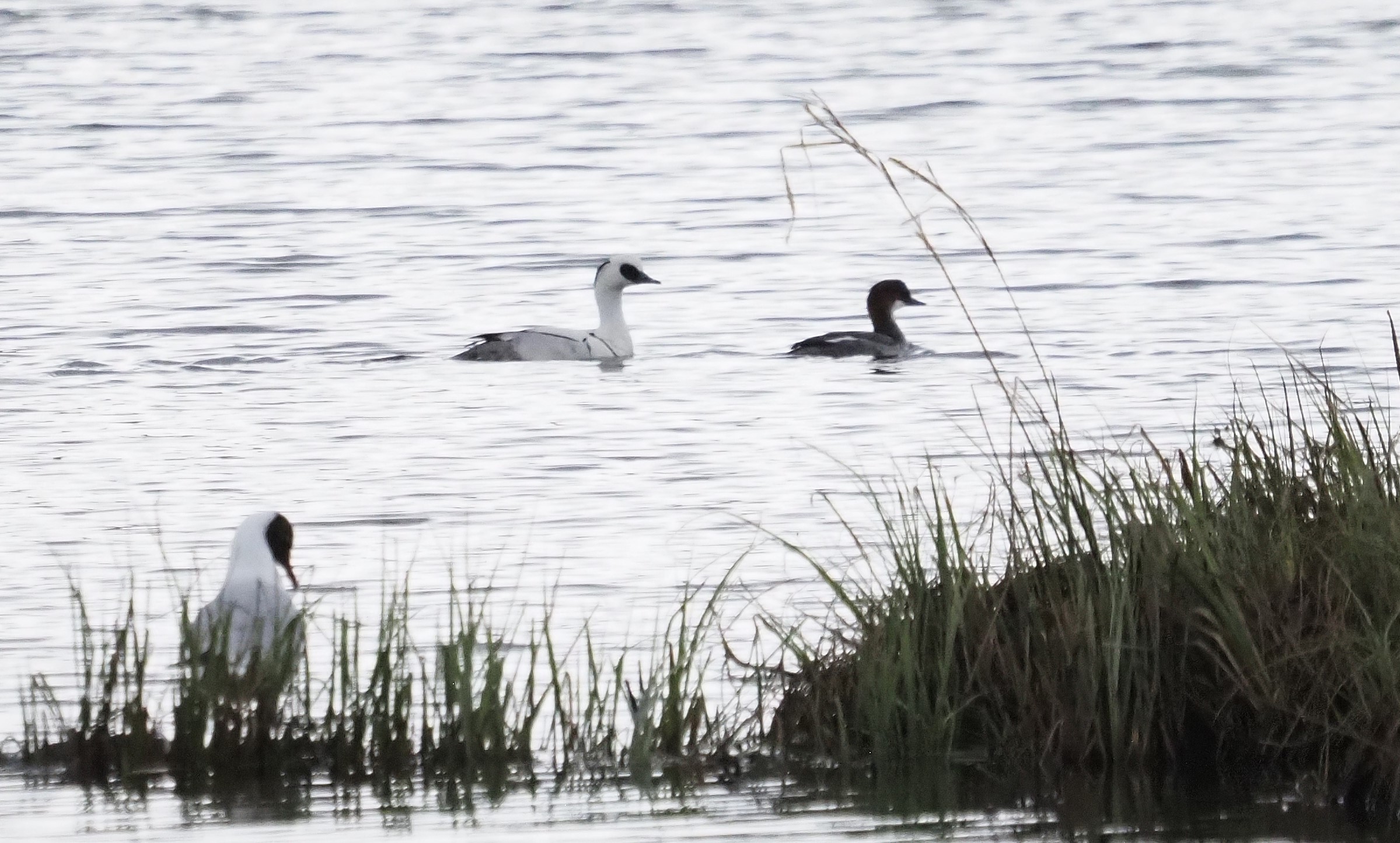
To end the morning, we had a stop in a couple of ponds. Here we got Wigeons, Eurasian Teals, Tufted Ducks, Little Gulls and Goldeneyes. Common Sandpiper was new for the trip and other waders here included Common Snipe, Greenshank and Wood Sandpiper. Still, the best bird in this stop was the drake Smew that was swimming along with Goldeneyes.

After lunch, we went into a different place looking for Rustic Bunting, and this time we got very nice views on a singing male. A Hazel Grouse was singing around, but again we only got a male flying around the group, and with the tip of a Black Kite as we were enjoying the landscape at our accommodation.

The first bird of the morning was this shy Rustic Bunting
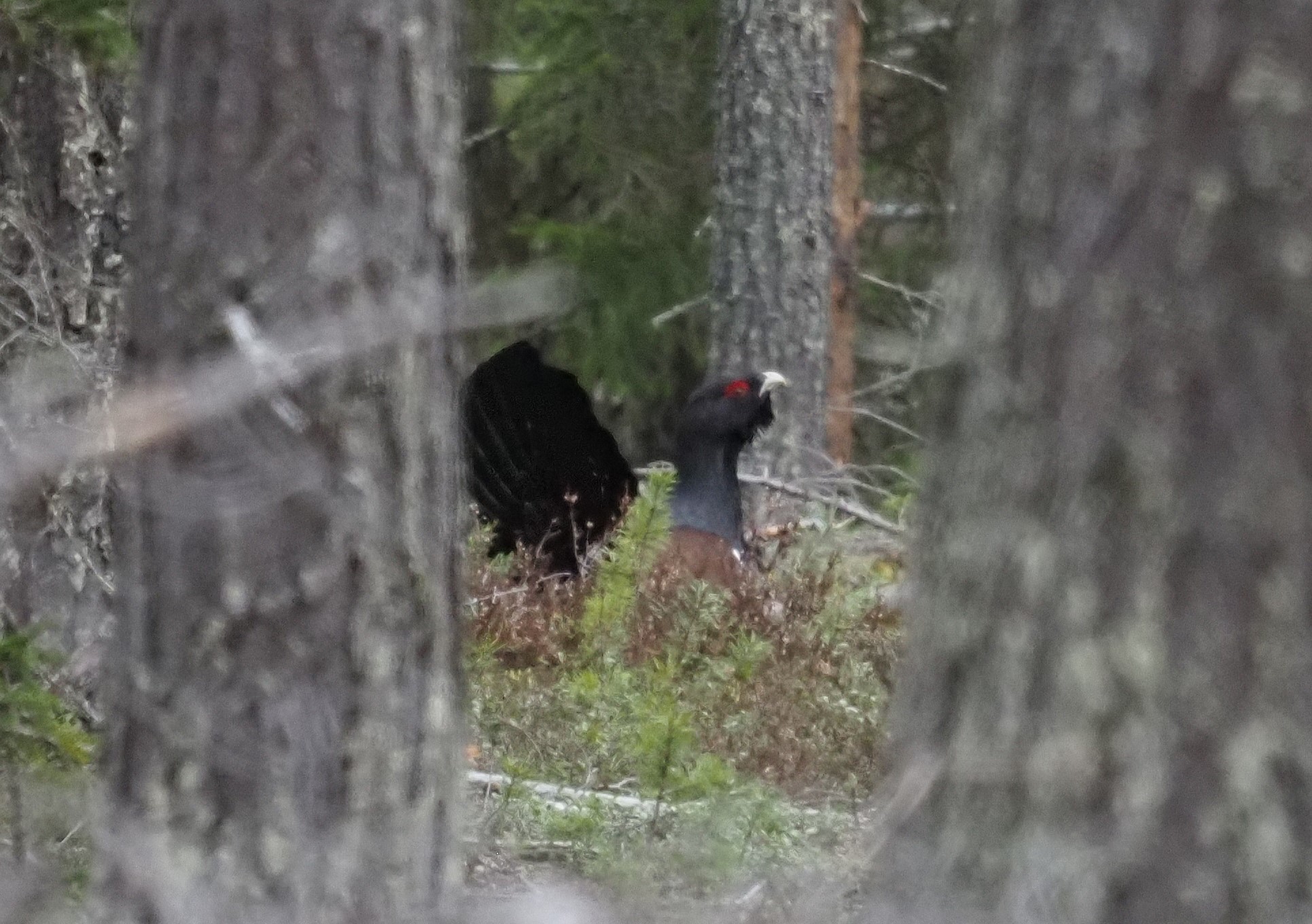
Male Capercaillie moving in the woods
Amazing close up to female Willow Grouse
And here, the male. It was so close that the all were about to touch it!
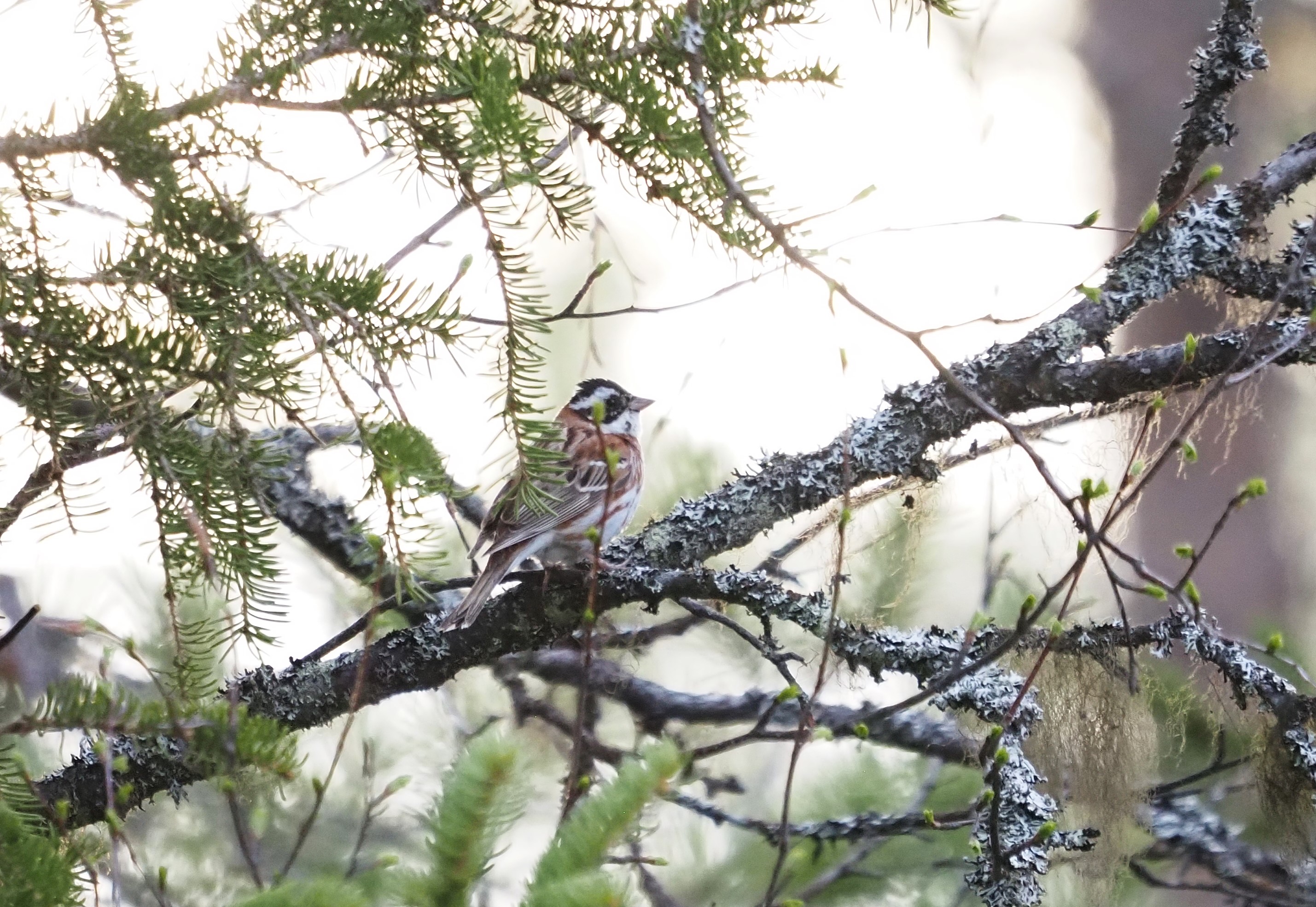
Rather distant, but solid views on Rustic Bunting!
A nice flock of drake Goldeneyes
Red-flanked Bluetail showed very nicely to our group!
A very attractive pair of Smews to end the morning!

Day 5. After enjoying breakfast at our accommodation, we drove back to some good areas for Grouses. Here we got nice views into a female Black Grouse before going for a short walk in the boreal forest. Our main goal was to contact with Hazel Grouse, but we had no luck. In the walk we had Willow Tit and an flock of unidentified Crossbills before transfering North. It was a poor year for Northern Hawk Owl, but we information of a recent sight midway between Kuusamo and Ivalo. We drove there and invested a couple of hours exploring the massive fogs around. Unfortunately we got no Owls, but 2 very showy Siberian Jays while Bohemian Waxwing, European Golden Plover and Mealy Redpolls were new for the trip. Other species here included Wood Sandpiper, Eurasian Sparrowhawk and a couple of flocks of Common Cranes.

Black Grouse up in a tree as we were about to start our short walk
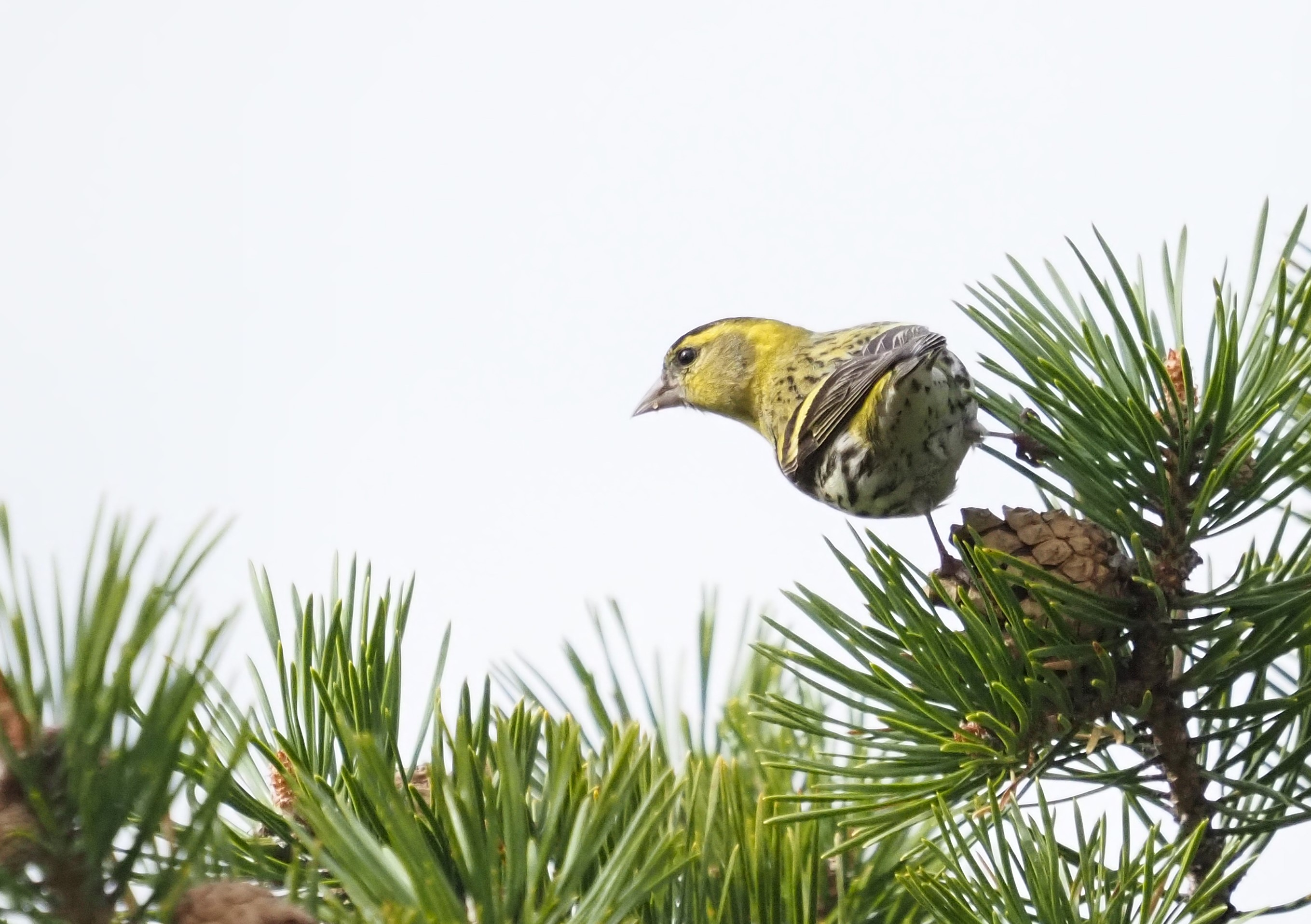
Lovely Eurasian Siskin, a fairly common bird in the boreal forest

After some lunch, we arrived around Ivalo, where we invested some time exploring one of the many lanes around the town. It was a sunny afternoon with temperatures of 22ºC so, rather warm for this latitude. Along the lane we amazing and very close views on different females of Black Grouses, and a couple of Siberian Tits emerged from the boreal forest for the enjoyment of the photographers in the group. Along the afternoon we also got 2 Willow Grouses at short range, Redpolls, 3 Bohemian Waxwings and a few Mistle Thrushes (rather scarce this year along our itinerary) and 2 very showy Siberian Jays, but the best was the 4 different female Western Capercaillies that gave us quite a show, with their fan-like tails up and their amazing gorges down in an extremely interesting behaviour! Without doubt, one of the best sights on female Capercaillie for me after so many years!!

Very glad after such a great afternoon, we just covered the short distance to our accommodation before enjoying a very tasty dinner!

During the afternoon we got some amazing views on three species of Grouses. Here a female Black Grouse.
Siberian Tit, a must for any birdwatcher exploring this region
Our afternoon in the boreal forest included very good looks on Siberian Jays
No words for this stunning sight on female Capercaillie!

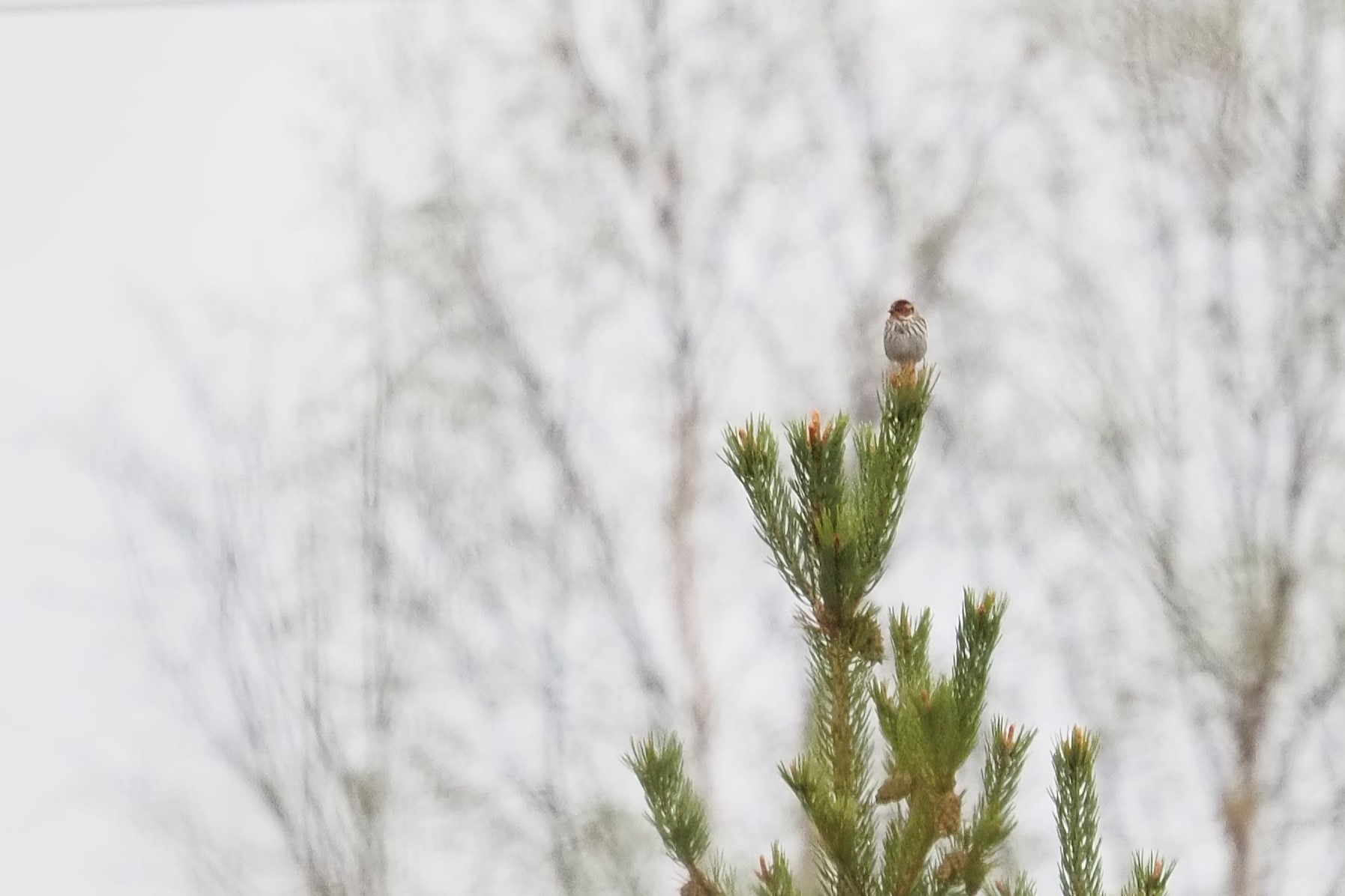
Day 6. After having breakfast in our accommodation we drove a couple of miles to stop in a quite famous place for Little Bunting. Even if far away, we soon had nice scope views in this little fella while 2 more of them were singing around. It was again a sunny, and since we had not visited any bird tower for the last days we decided to go into a close one to have a fast look around. Here we got the first Whimbrel of the trip plus distant views on Goosander, Yellow Wagtail and Common Crane. Back to the road, we had to do an emergency stop because it was a male Parrot Crossbill feeding on the tarmac, but unfortunately I was the only to see them. With the van in the middle of the lane, we all realised that we were having a gorgeous female of Capercaillie right in front of us, watching us and deciding whether it was a good moment to cross the road, or not.

From here we went into a different spot, a nice boreal forest. Again, our main goal was Hazel Grouse, the only forest Grouse that was somehow scaping good views.. This area is normally good for forest birds, but this year was very low. Still, soon we got a male Hazel Grouse singing deep in the forest. We moved slowly, tracking him along the lanes. It sounded close and it seemed like singing from the ground, which is always better to try to locale this species. I was walking side by side with Mike, when he suddenly pointed out to the ground, only about 10 metres away from us: He had found the male Hazel Grouse! He was extremely happy. For him, it was the end of a long pursuit. Even if being a big lister with several thousands of birds on it, he had been missing this bird for years, even if he was trying in a few countries! I was very happy, especially to know that he self-found the bird!!

After the male, we also got the female deep in the forest. Both birds walked away a bit from us, getting inside a forest landscape puzzled with boulders and dead trees. It took us about 20 minutes to get everybody on the birds, as they were moving slowly down, and the work became easier once Núria settled down that the male was jumping up into a specific boulder to sing from there every few minutes. Scoping that rock, everybody enjoyed a bit of these Grouses!

In this issue we only got scope views on Little Bunting. Here a record shot.
Hazel Grouse showed very well after a long search. A great spot by Peter!

After this we just started the transfer to Norway, with a lunch stop in one of the famous feeding stations for Pine Grosbeak that, this time, produced nothing.

From here we had some solid drive North, but with stops that allow us nice views on Smew, Red-breasted Merganser, Velvet Scoter, Bluethroat and one of the very few Rough-legged Buzzards of the trip along with commoner species.

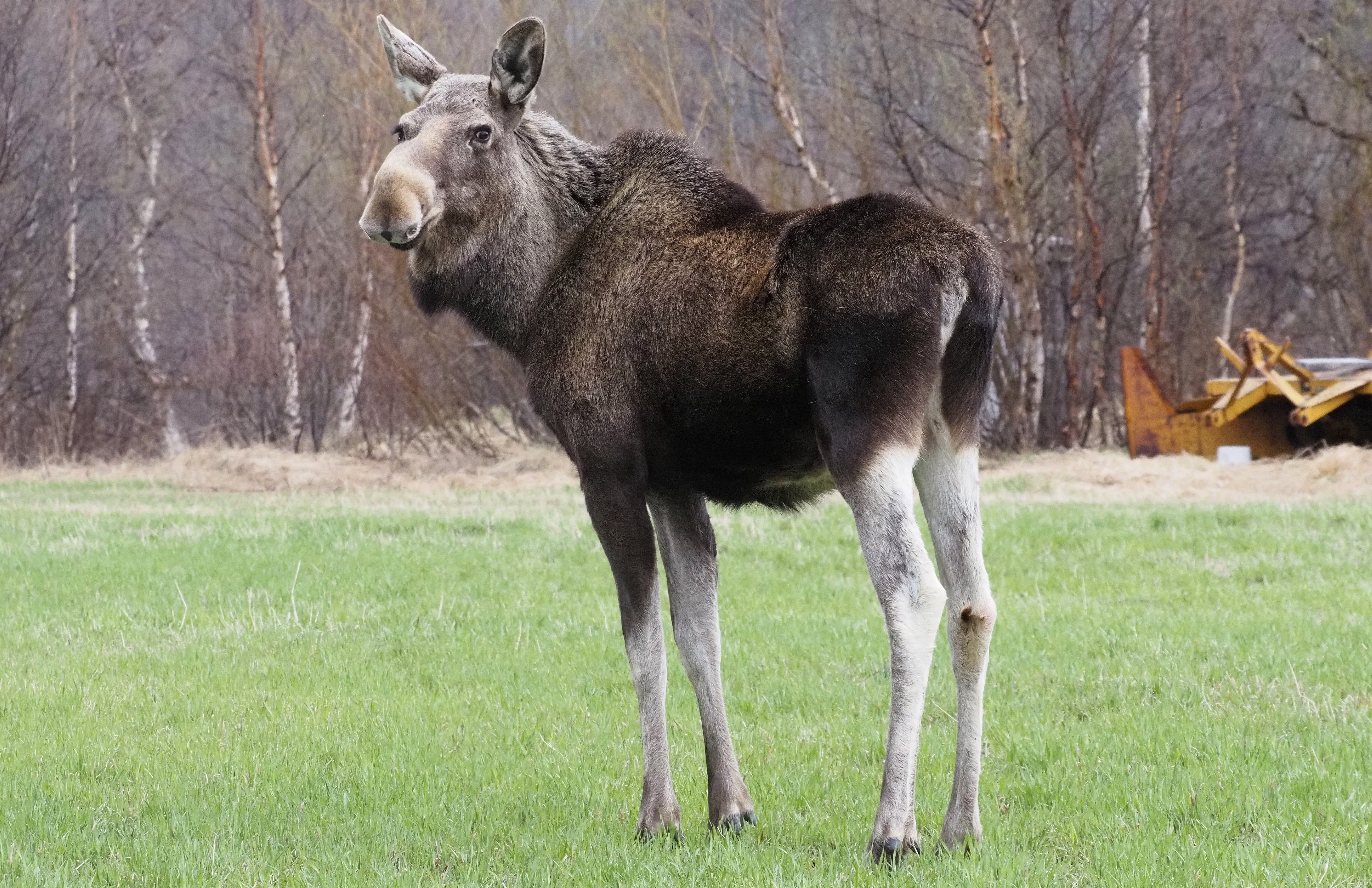
I was enjoying the drive inside Norway when suddenly a “Moooooooooossse” came from the last raw of seats of the van! Yes, Mike got a Moose in a small field beside the road. After a safe stop in the lane, we all enjoyed a very nice views on the Moose, before it vanished inside the dense and low birches.

A first stop in Varanger produced scope views on Temminck’s Stints along with Redshanks & Oystercatchers and many, many Common Ringed Plover. A bit further, we did a second stop to enjoy the first White-tailed Eagles of the trip, and here we got lucky and we found a nice flock of 80+ Red Knots in full summer plumage! Along with them, Bar-tailed Godwits, Dunlins and other species!

The bird feeders are a nice place to enjoy some common species. Here a Great Spotted Woodpecker showing its tongue.
The first Moose of the trip always creates a big wave of happiness in our groups. The image is a bit blurry, but it deserves to be here

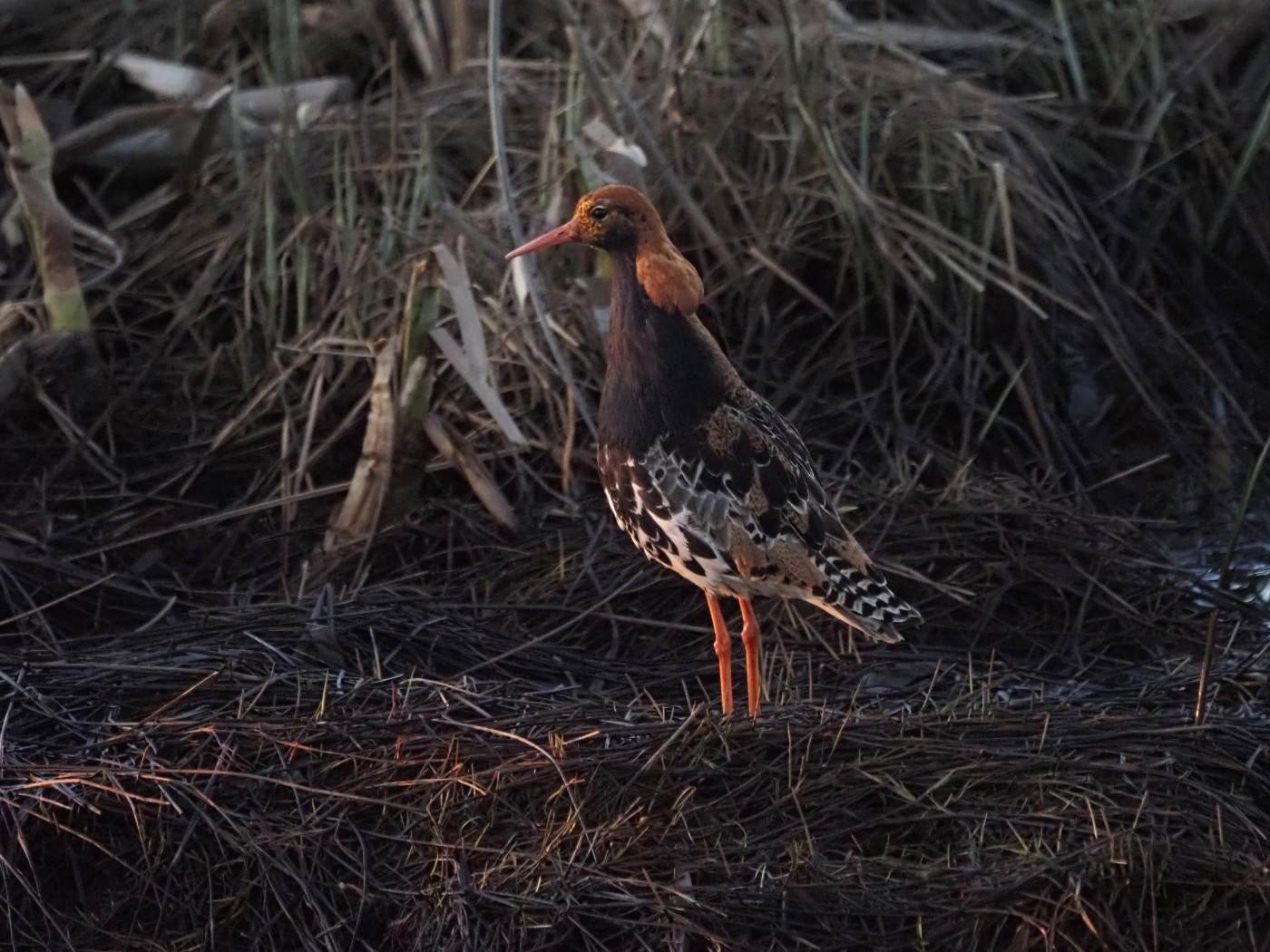
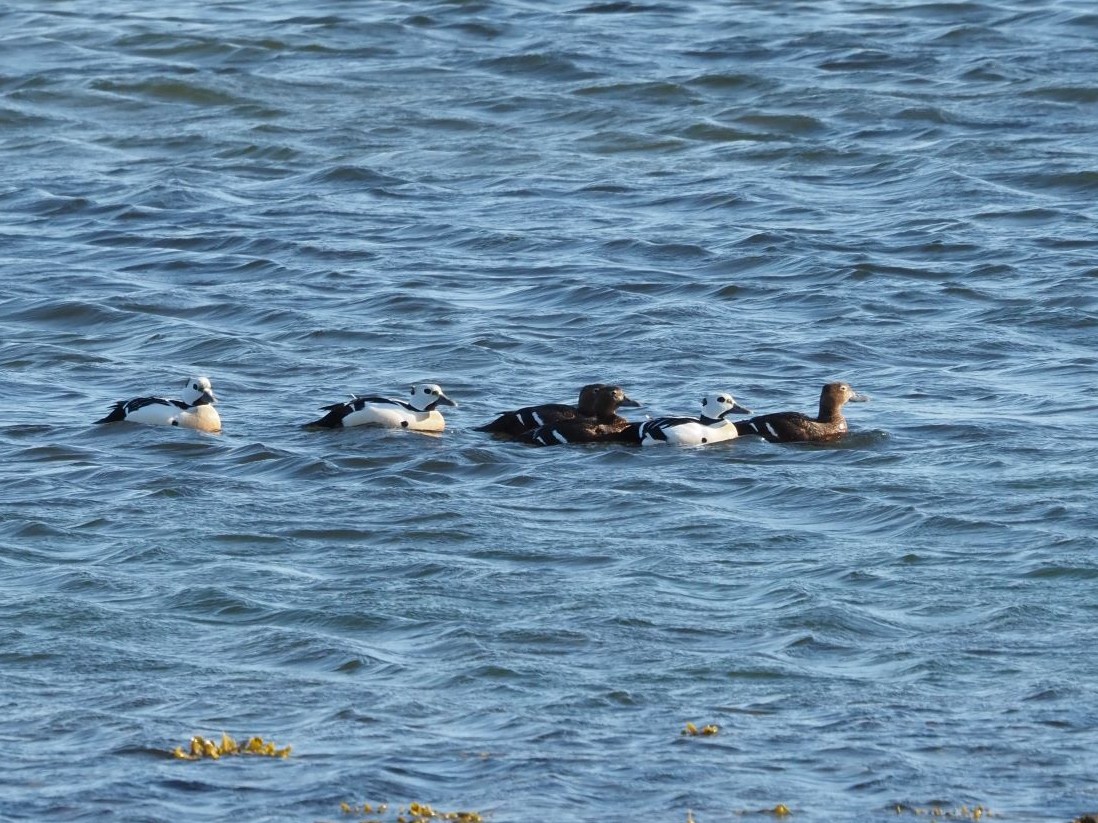
After checking in at our accommodation in Varanger we still had plenty of time to enjoy some top locations. In Vadso we spent some lovely time in one of its famous “Pharalope ponds”. Here we got to see this small creatures very close as they were feeding and courtshipping in the water. The afternoon was lovely but not very sunny. Still, we had great views on these wonderful birds, in a moment that normally is one of the highlights of our time in Norway. Along with them, some gorgeous Ruffs were also lekking, and yet this was another very special moment. There were males of the different colours that fighted for the attention of a couple of females moving in the grass. But these were not the only birds around. A pair of Temminck’s Stints were feeding at close range, and we also got a Bluethroat moving in the vegetation as well as a couple of Red-throated Pipits. Both Arctic Skuas and Arctic Terns were flying over the small lagoon and the bay beyond was full of Common Eiders & Goosanders. Unfortunately no Steller’s Eiders this year, as the seemed to be vanished from the area weeks ago.

After such a great stop, we still had some time to check a small corner that it is very nice for waders. Here we got excellent views on a large flock of drake Dunlins but also 2 Temminck’s Stints and Bar-tailed Godwit to end another wonderful day!

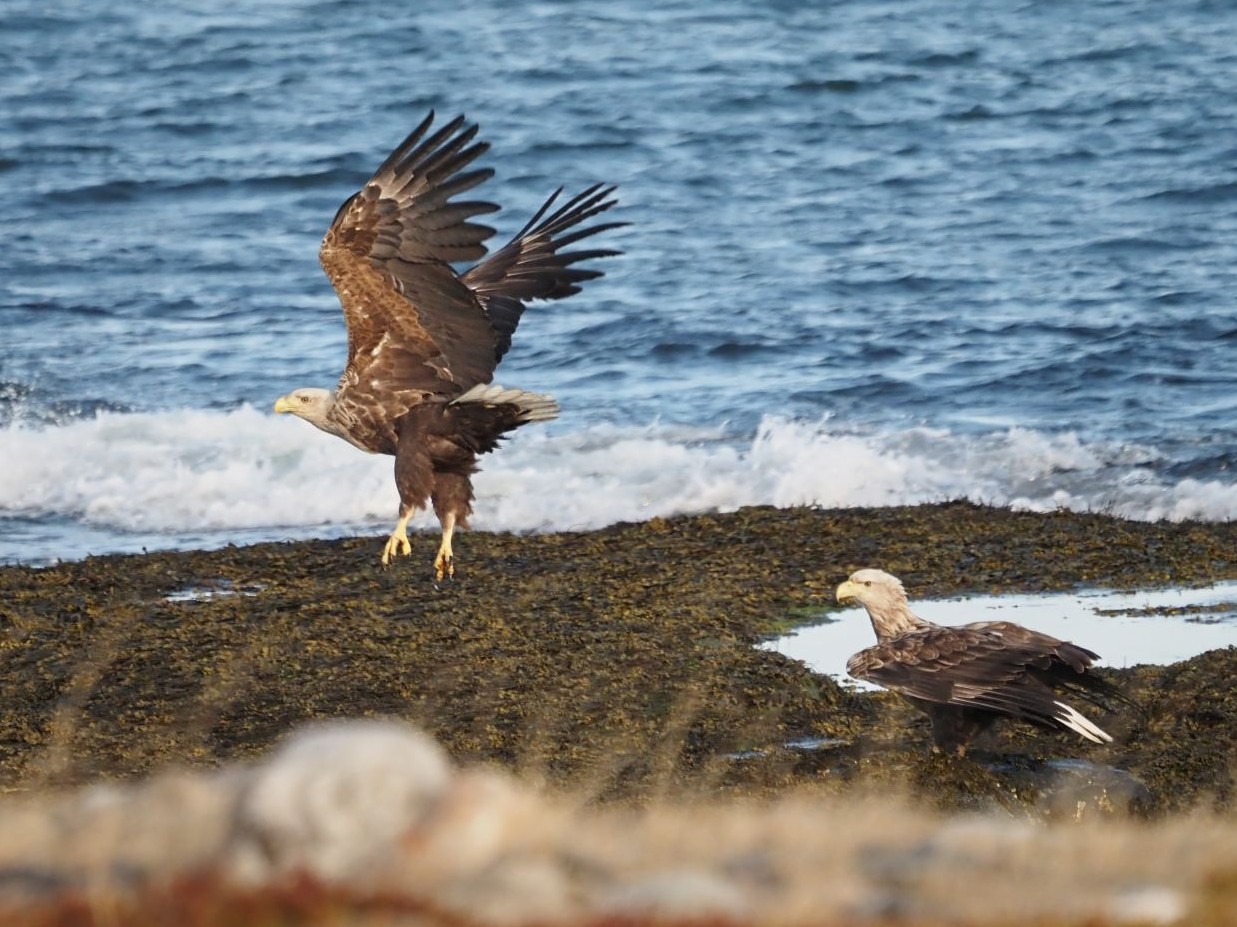
During our first drive in Varanger we got some very close views on White-tailed Eagles
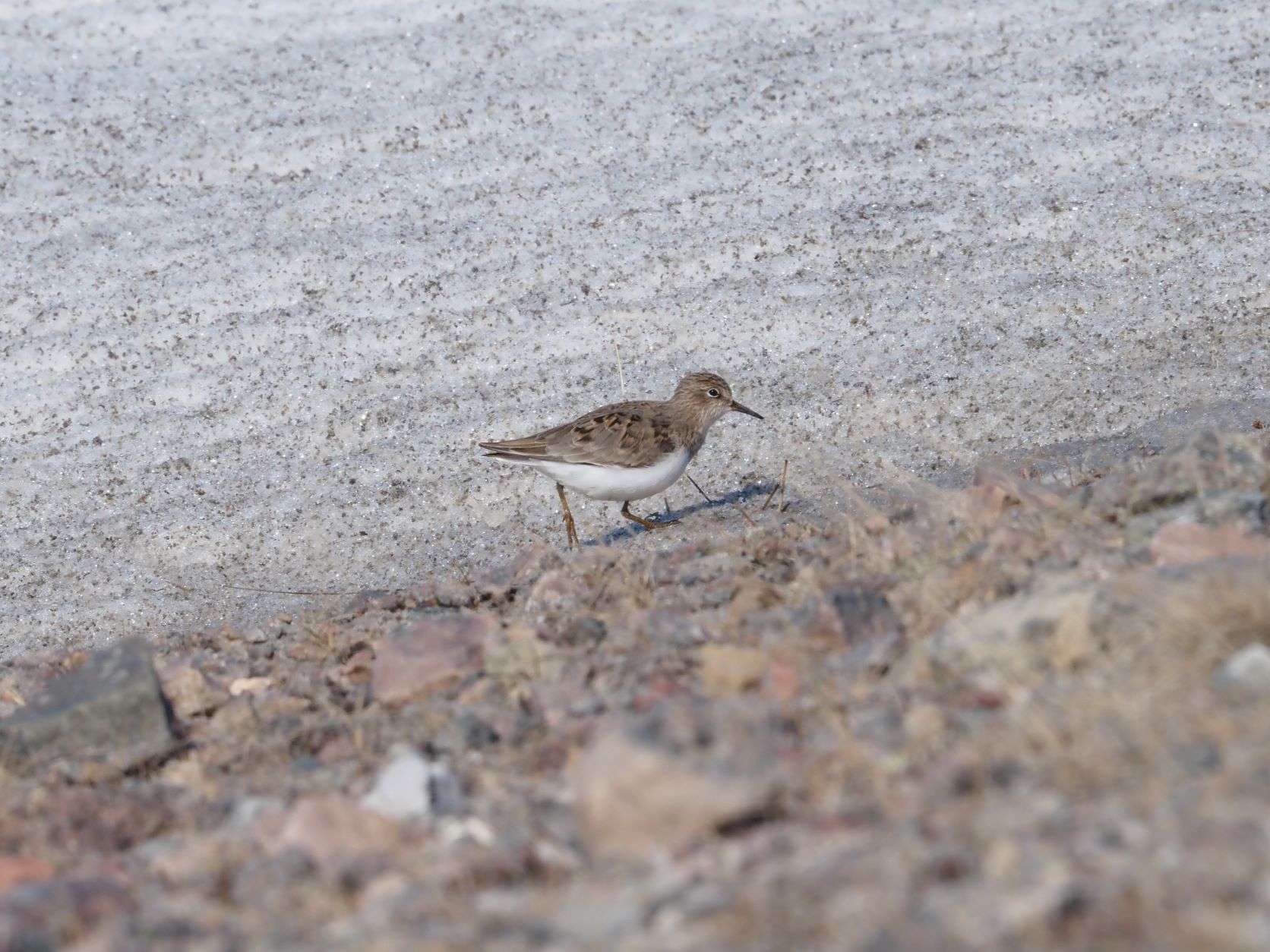
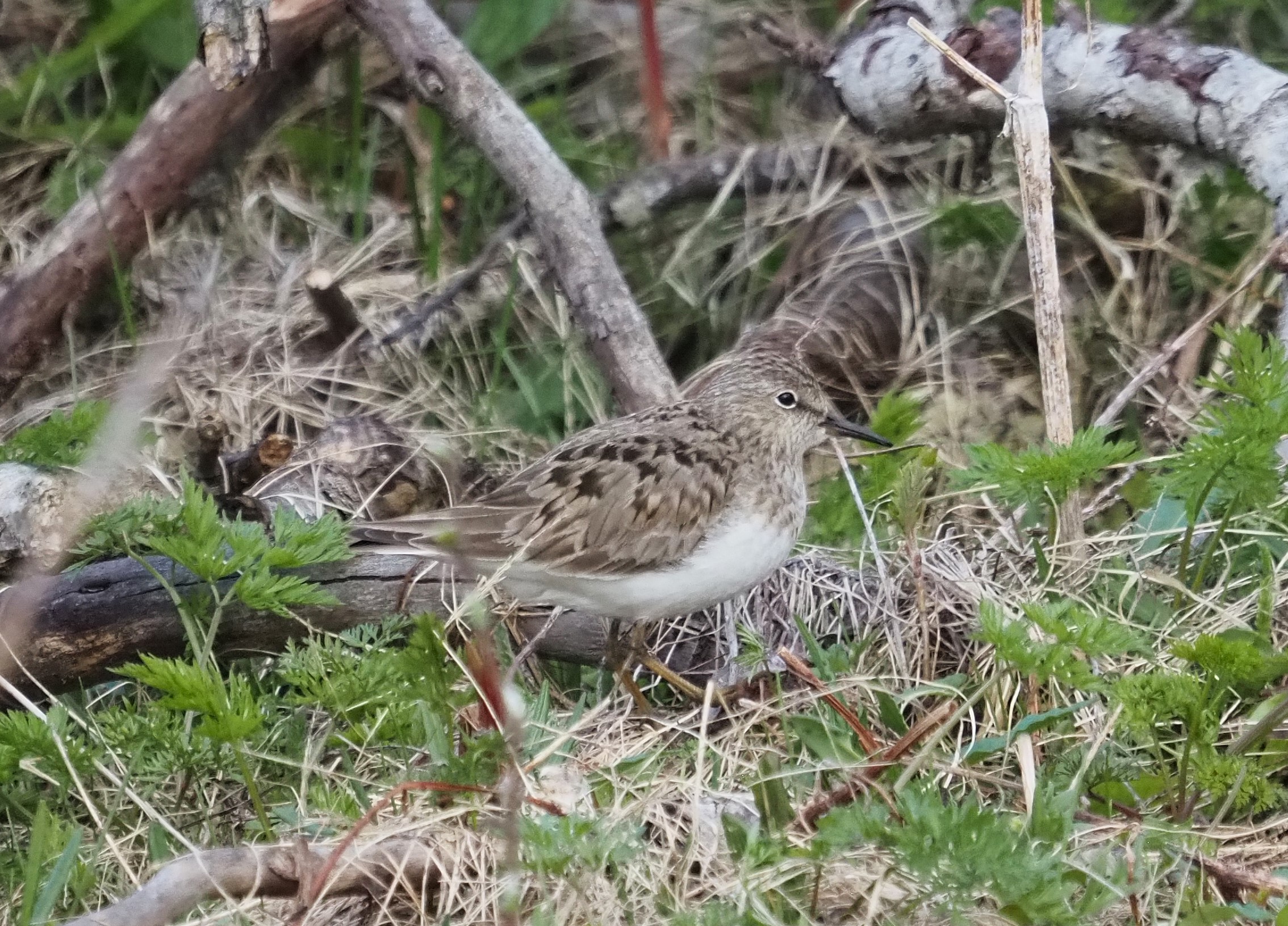
Temminck’s Stint on its nesting site
This wonderful Ruff was taking a break on the fights..
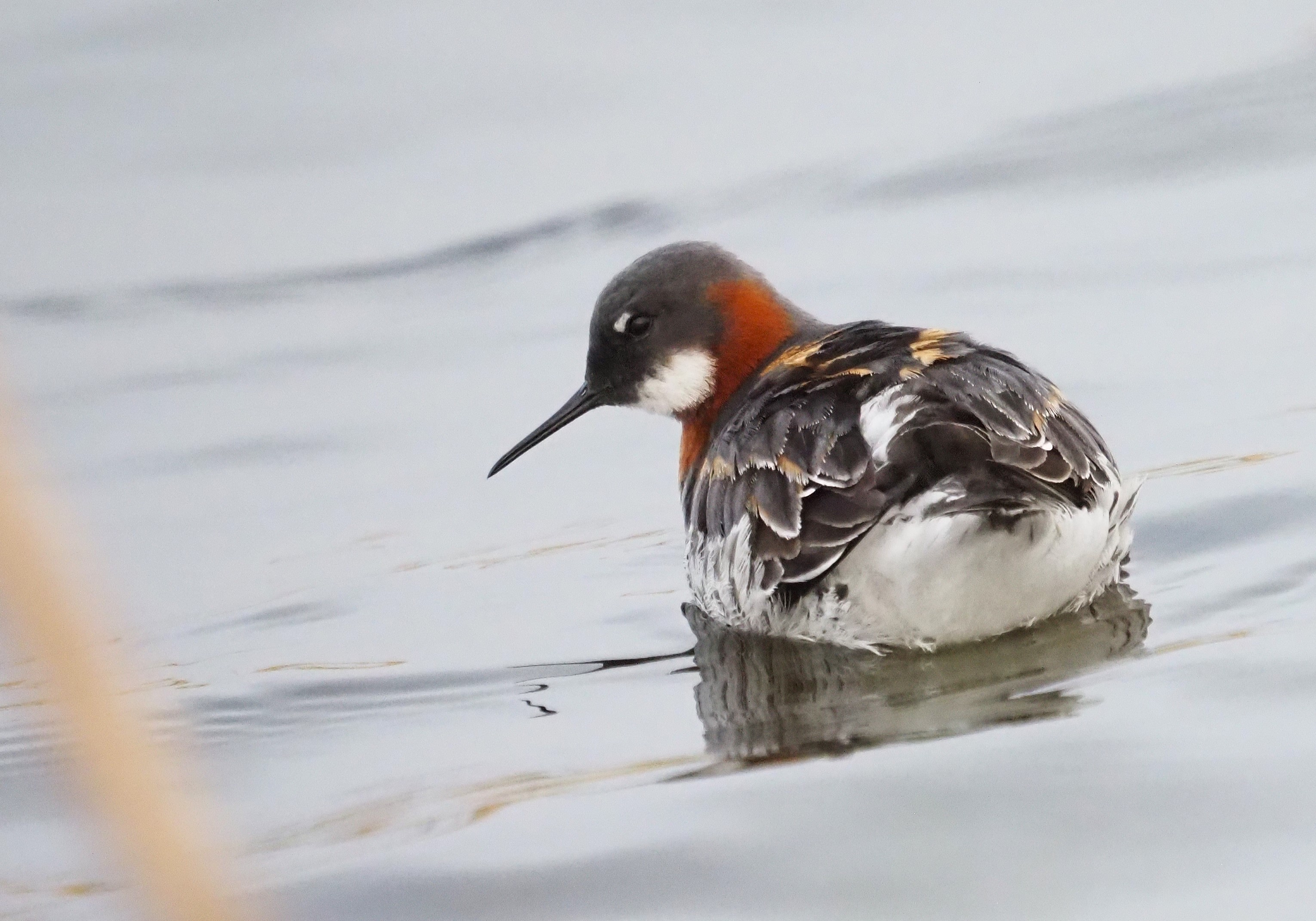
A couple Red-necked Phalarope female close ups

Day 7. After enjoying a gorgeous breakfast at our accommodation we transferred North to Vadso. The main goal of the day was to visit Hornoya and its massive see bird colony. Our drive North had some stops to see Golden Plovers but also White-tailed Eagles, Arctic Skuas and a couple of Willow Ptarmigans standing up in the tundra. The drive also produced a small flock of Tundra Bean Geese in some fields next to the road.

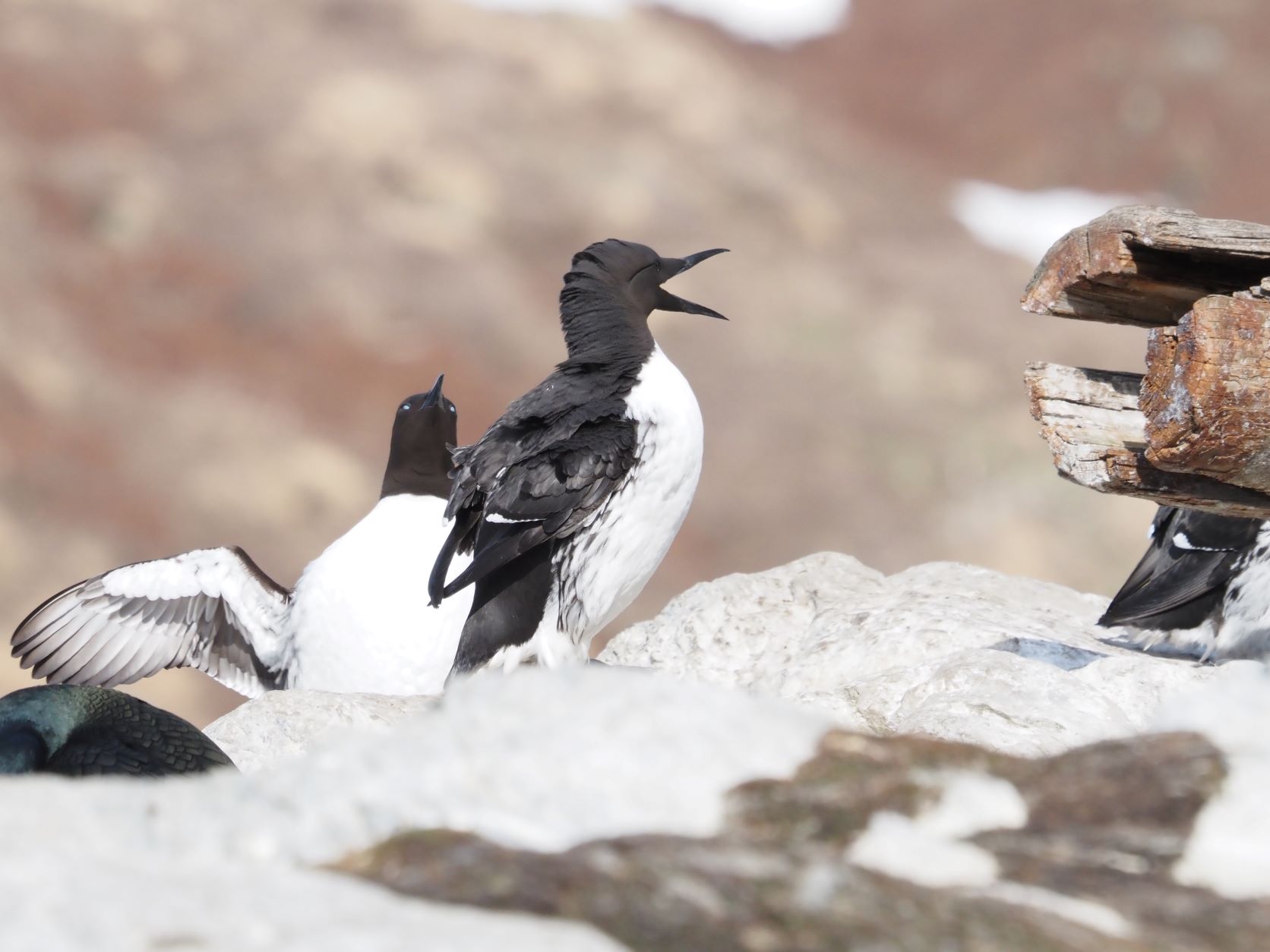
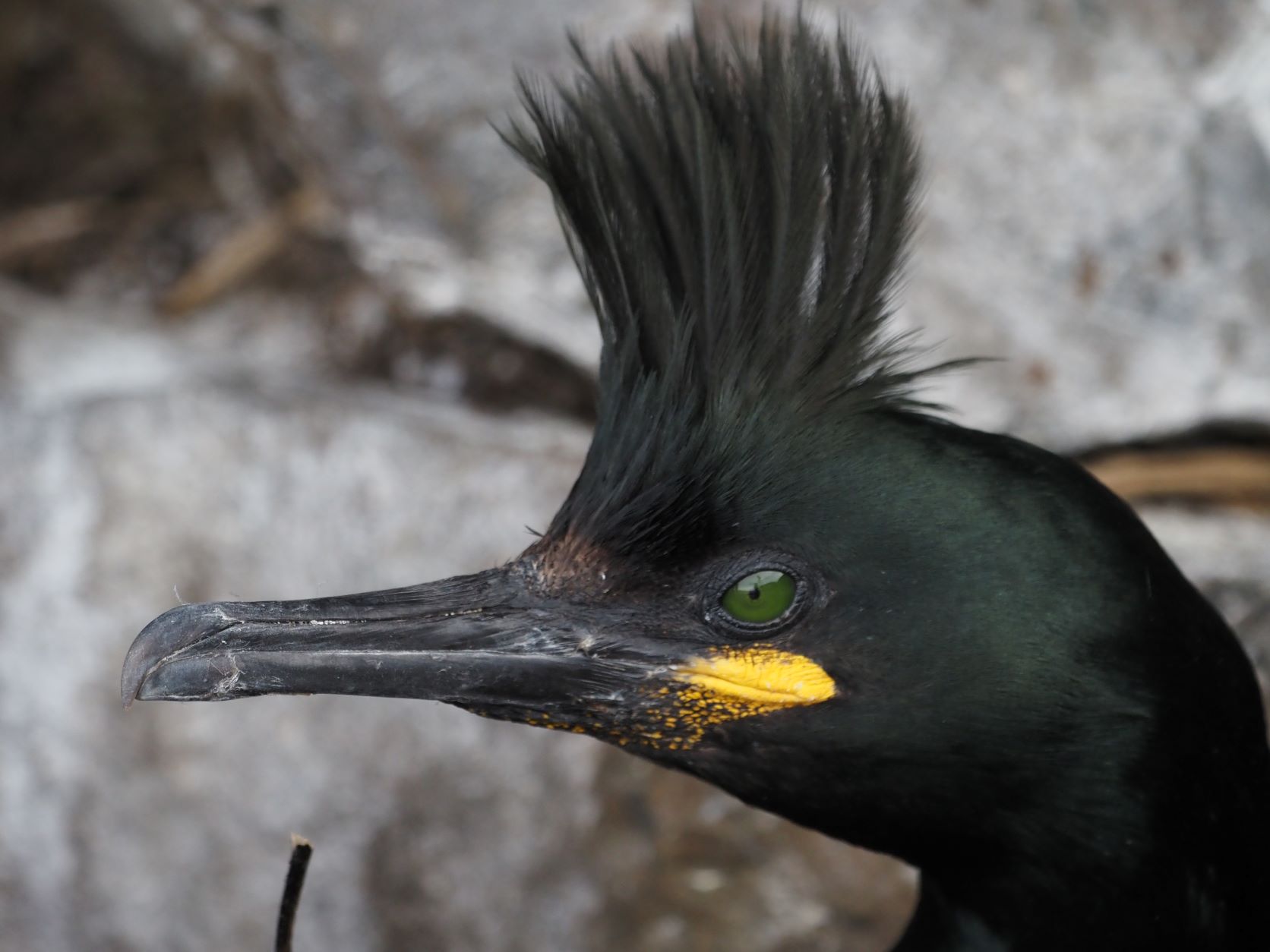
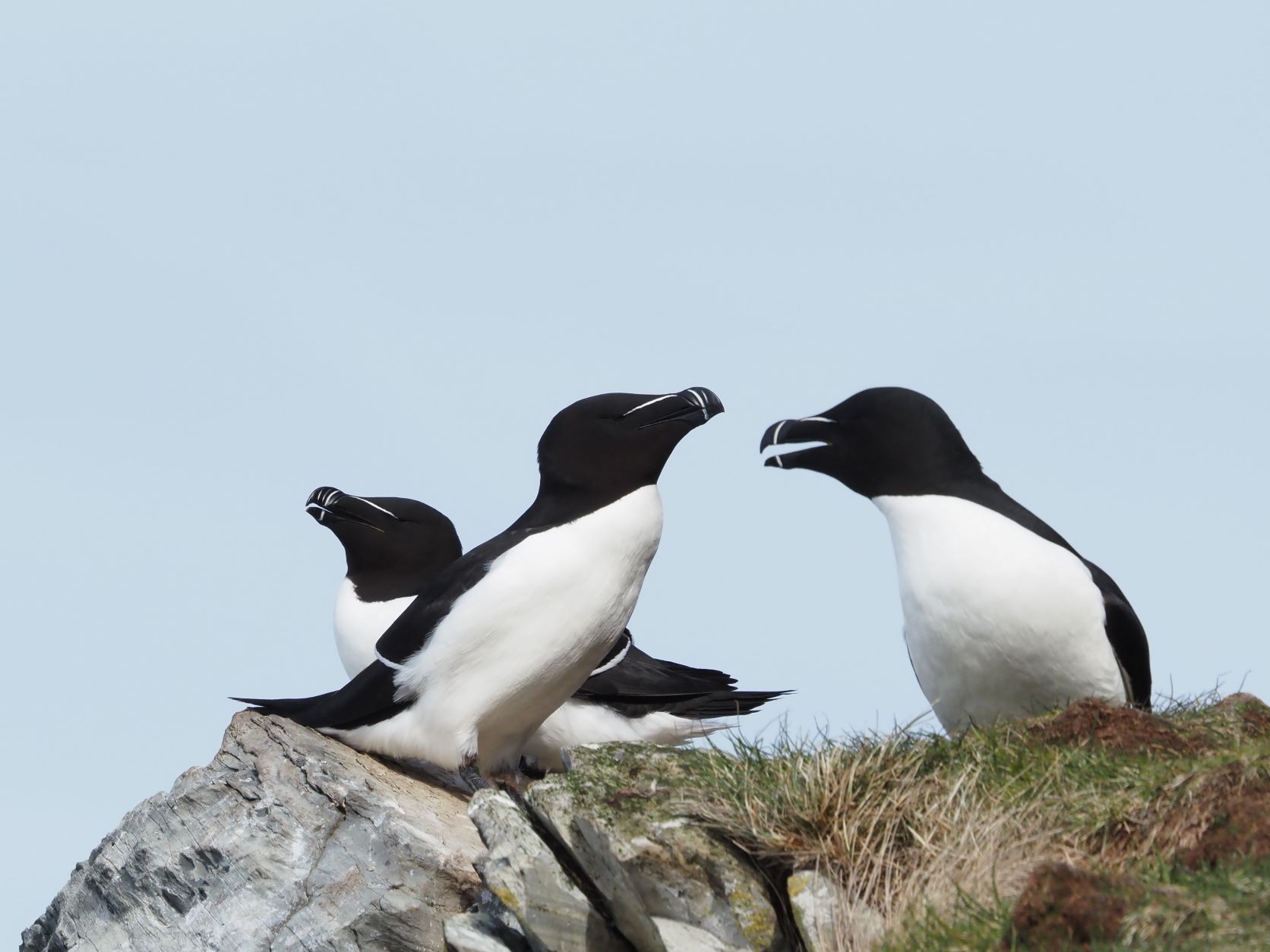
After a short boat trip, we arrived to Hornoya. The boat trip produced little beyond a couple of distants Grey Seals, Black Guillemots and flocks and flocks of Auks as we were approaching the island. Hornoya hosts a massive number of seabirds. Here there about 100.000 sea birds, with Kittiwake being the commoner followed by Common Guillemots, both with tens of thousands of pairs. Along with them there a few thousand of pairs of Razorbills and Atlantic Puffins. Shags, Brünnich’s Guillemots and Fulmars are also nesting here, the last with only a few pairs.

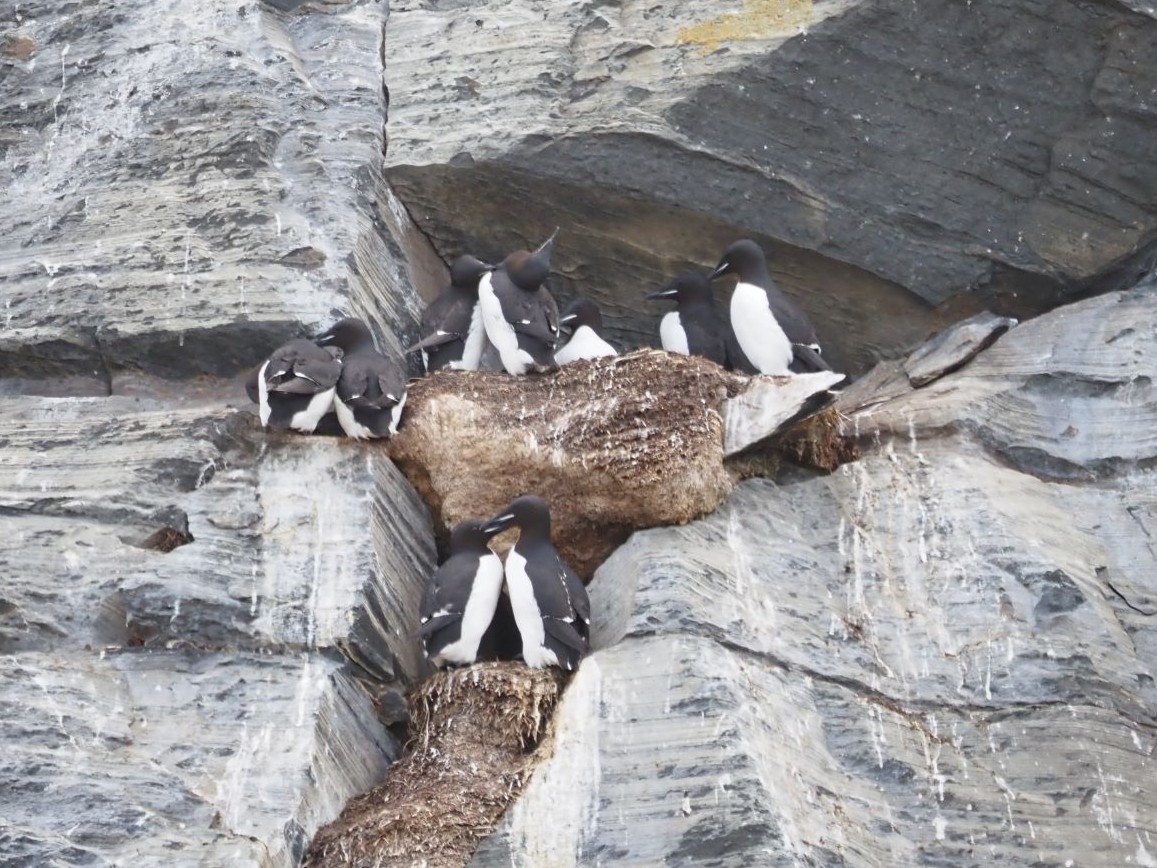
It didn’t take long for us to find some pairs of Brünnich’s Guillemots nesting in the cliffs, normally about 20 to 40 metres high, in all nests of Kittiwakes. Along the following hours, we enjoyed the breathtaking ambient of the colony. Those in the group that wanted to explore the upper part of the island had nice views on Red-throated Pipits and Barnacle Geese, and those who prefered to stay lower had good views on Purple Sandpipers and Water Pipits.

Black Guillemot in Vardo
Brünnich’s Guillemots on their nesting cornise
Guillemots only a few inches away
Atlantic Puffins were very tame, as usual
Face to face with Atlantic Puffin
This year there weren’t many

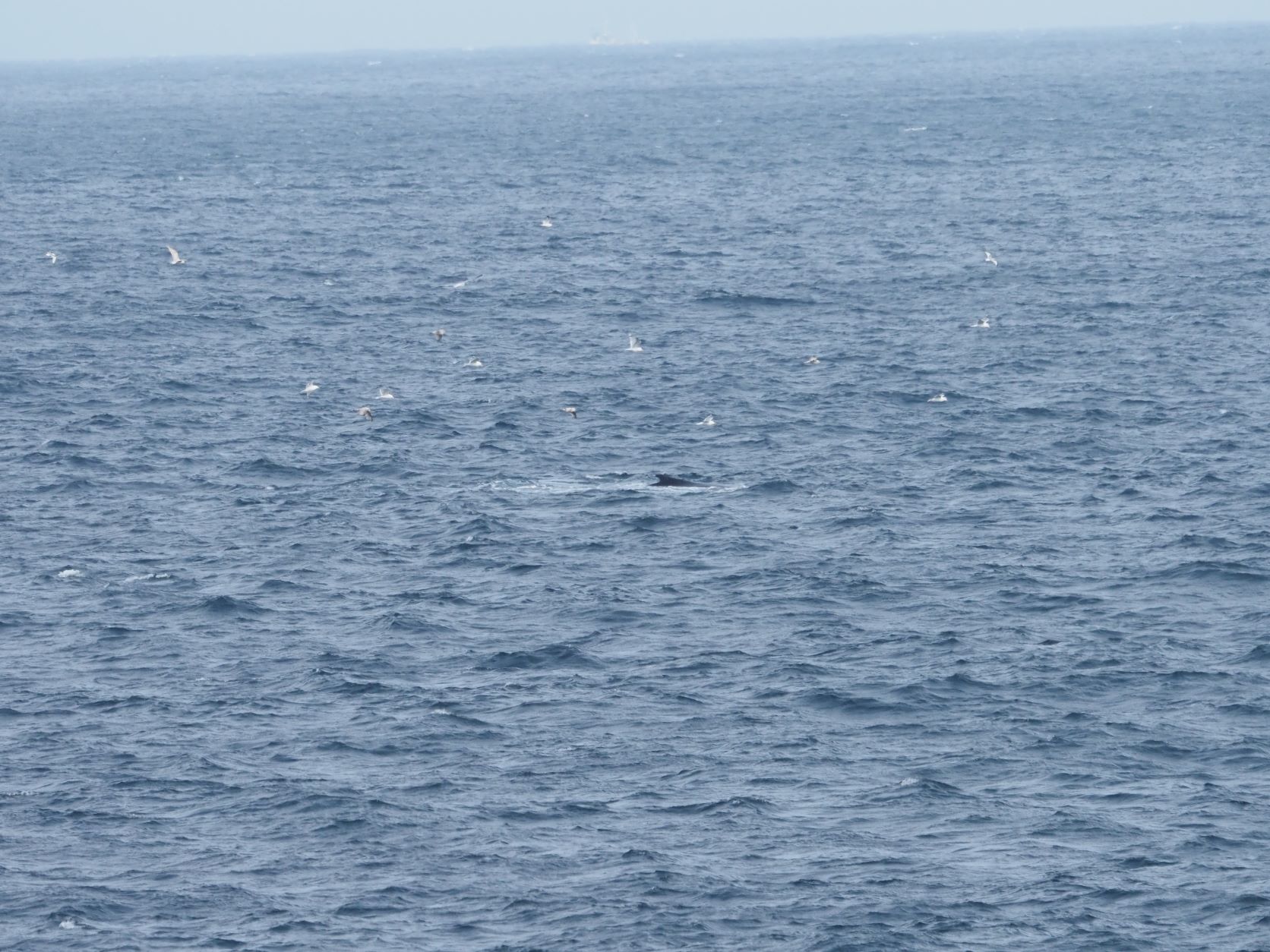
Back to the continent, we did a picnic stop in a nice tundra patch. It was our first stop in a proper tundra, but unfortunately the weather was misty and cold, and we had only a few birds around. It became windy, but during our drive North from Vardo, we had a number of stops in sheltered bays that allowed to connect with some good birds. Here we had large flocks of Long-tailed Ducks but also several Red-throated Diver and a nice mixed flock of Common & Velvet Scoters. Black Guillemots and Goosanders were everywhere. But the best bird in these bays was a drake White-billed Diver that, even if a bit far, produced nice scope views. A bit beyond, we had a couple of Minke Whales swimming really close to the coast, and we stopped a couple of minutes to check around. It was time enough for Mark to find a White-billed Diver in the sea, right out from where were. Second for the afternoon!

We still drove beyond, eventually arriving to the end of the lane. This is a nice place to check the sea. We are actually out of the Varanger fjord, and facing North into the Arctic Ocean, it will be nothing between us and the Svalbard archipelago, about 1000 miles North! This is also nice place for seabirds to migrate. It is still migration, and birds keep moving East along this coast, in their way to their nesting grounds in Central Siberia. Here we had the first Atlantic Gannets of the trip, but also several Auks, 2 Fulmars (blue form), at least 1 Pomarine Skua and a wonderful Great Northern Diver still in winter plumage and quite close to the coast. From here we just drove South, and this last transfer didn’t produce any new species out of a flock of 6 Pink-footed Geese close to Vadso.

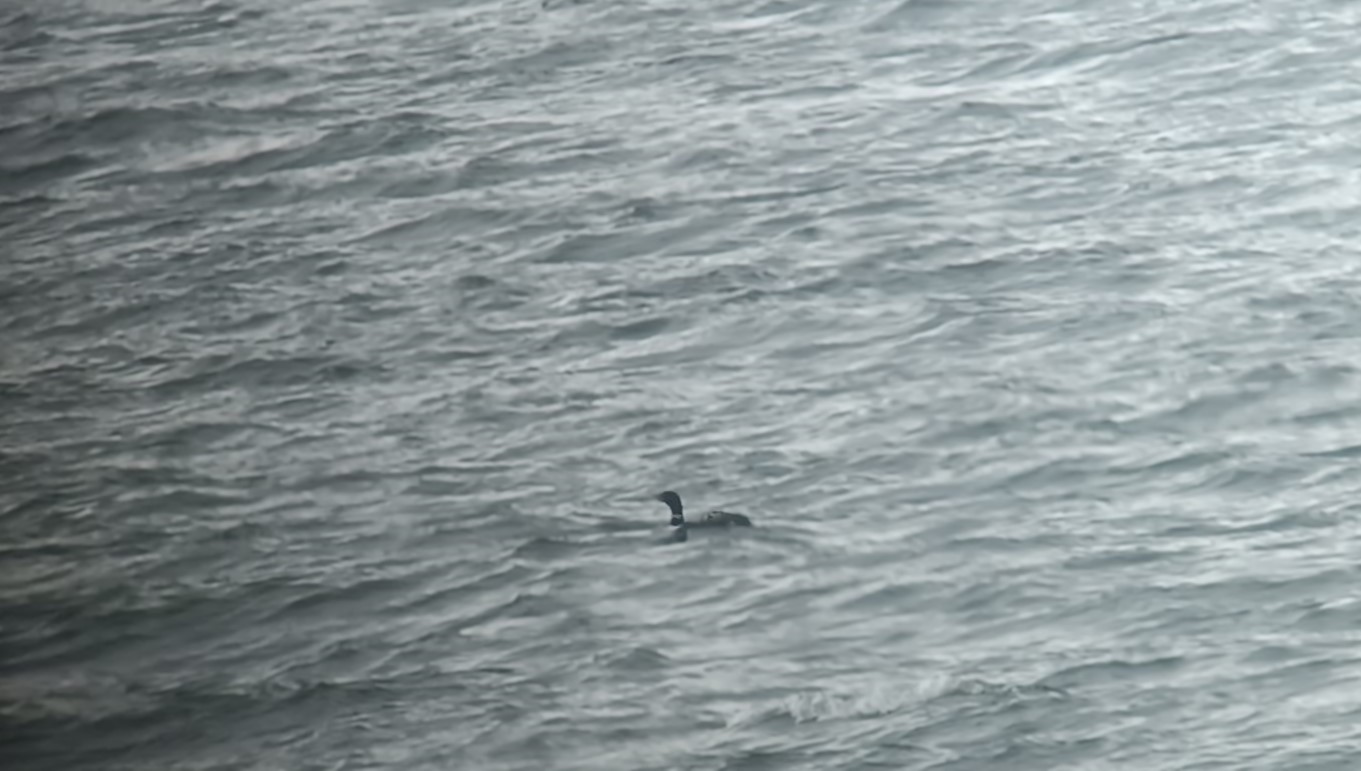
This is best image that we could get on White-billed Diver

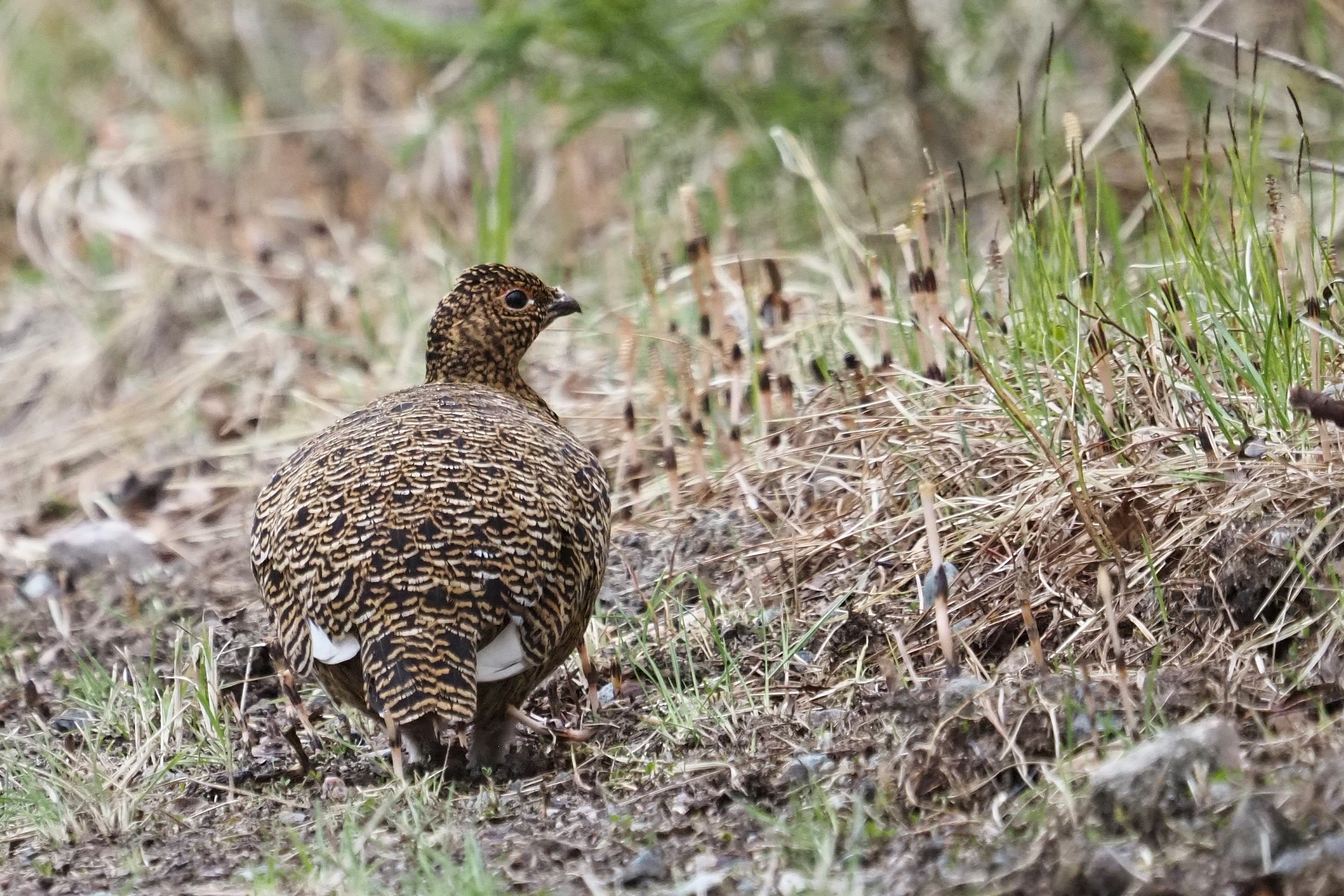
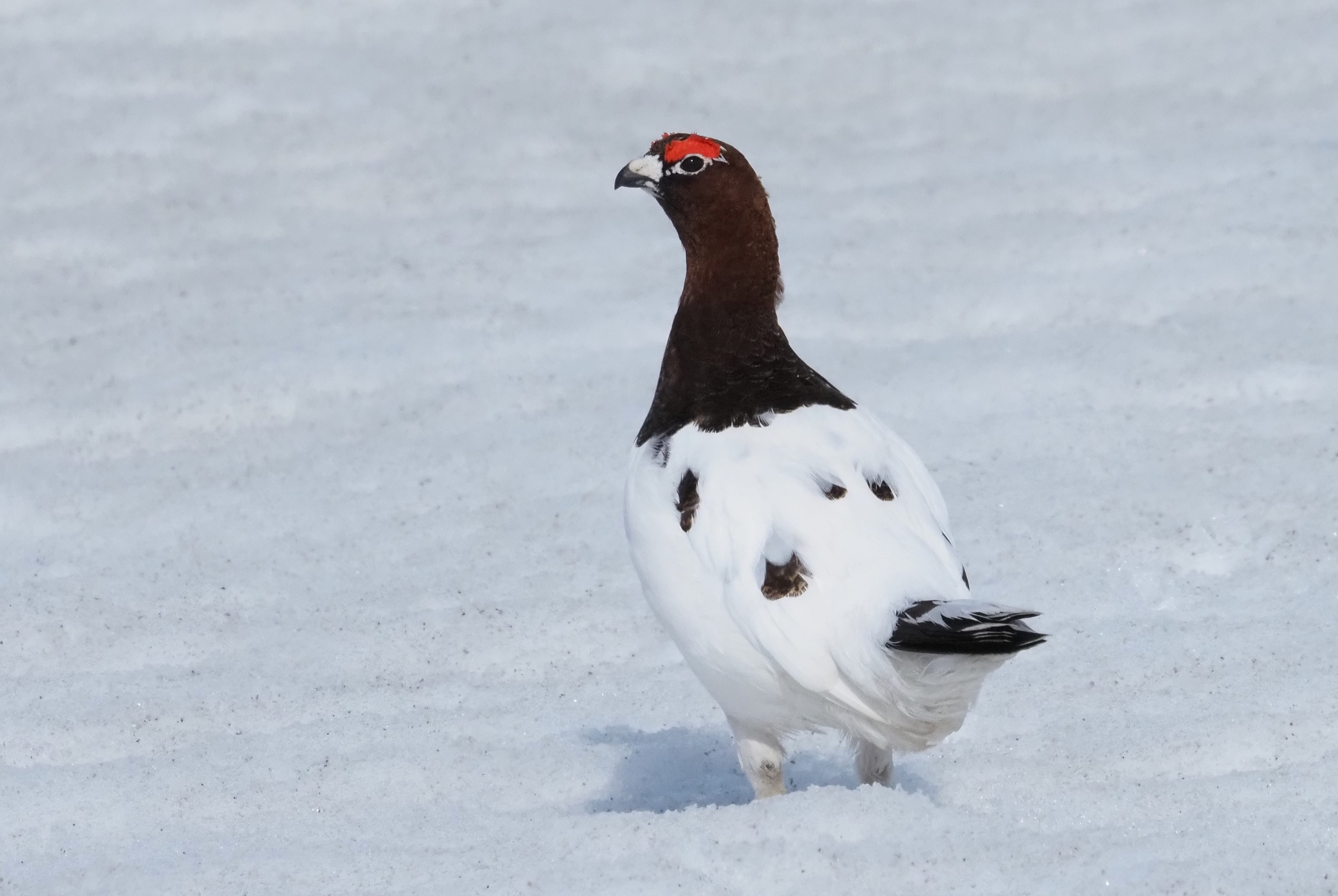
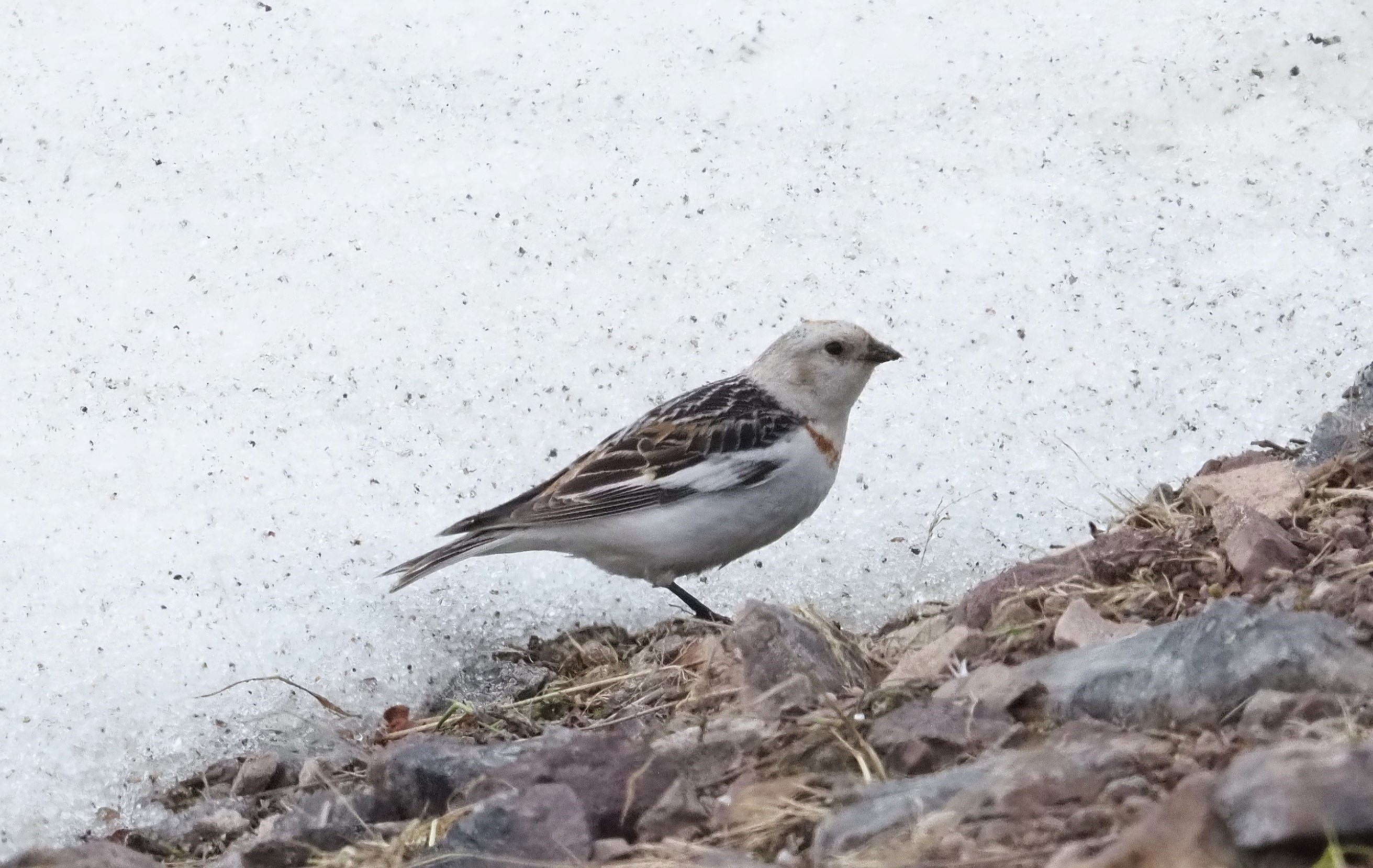
Day 8. This day was devoted to explore the central plateau of Varanger. This is one of the most spectacular places to be along our itinerary. After breakfast, we drove up the plateau. Once arrived to the high tundra, our way was always joined by several Willow Grouses and the majestic Long-tailed Skuas nesting around. A first stop produced Bluethroat and a shy pair of Arctic Redpoll. Temminck’s Stints were flying around along with Red-necked Phalaropes. Here and there there were small flocks of busy Ruffs lekking in the tundra. Most of the tundra was covered with snow and the birds were concentrated in the few patches of grass, and conveniently along both sides of the lane. Here we saw 4 Shore Larks but also several Lapland Buntings displaying and feeding on the ground, one of them moving along a female Snow Bunting. Cannot remember of this was before or after having the first of many Rock Ptarmigans. On Rock Ptarmigans, a first highlight was to see a pair displaying, with a second highlight including a male Rock Ptarmigan & male Willow Grouse standing next to each other! Here we also had several waders including Golden Plover, Little Stint, Whimbrel, Curlew, Temminck’s Stint, Wood Sandpiper, Common Snipe, Bar-tailed Godwit and 2 Turnstones flying in the hills covered with snow. Quite a sight!

We had close views on Bluethroat on our first stop in the morning
Willow Grouse showed superbly, once more!
Long-tailed Skua
Dunlin in full summer plumage
Rock Ptarmigan hiding as the weather became really cloudy
Snow Bunting feeding along a minor lane
Tundra Bean Goose & Red-necked Phalarope. A nice combination!

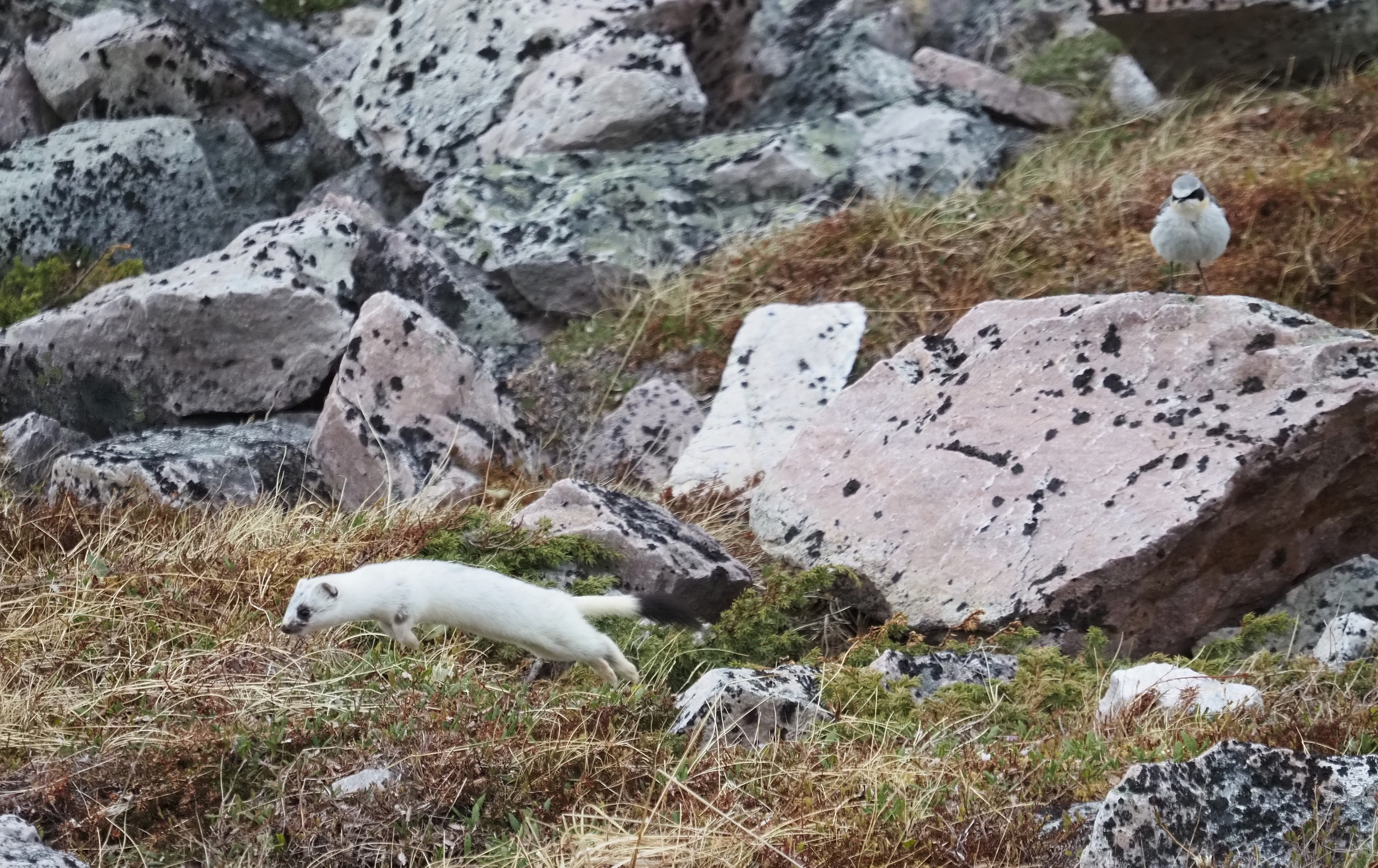
Exploring the Northern coast of Varanger, we had a rather poor afternoon. The day was very quiet with no wind and probably that explained the absence of migration in the sea. The last movement of the day was to check the bays around Bervelag. Here we got 4 King Eiders, including 2 bizarre-looking second summer males. In our way back, the most interesting sight was a female Merlin, some Black-throated Divers and a very attractive Stout that Paddy found in a typical place for Gyrfalcon that produced no falcons.

King Eiders showing their “gentle” faces.
This Stout was a funny way to end the afternoon. The Wheatear saw it in a different way..

Day 9. Going back to Finland we had a stop in a small nature reserve at the very beginning of the Varanger fjord. Here we got Tree Sparrow (very scarce here), 2 Sand Martins (rare) and still 2 Little Gulls in summer plumage. It was windy and cloudy so a good day for birds to move and to find birds out of their normal spots. The tide was high, with only some yards of tidal marsh out of the water right in front of the two small hides of the nature reserve. Even if nothing very spectacular, here we got lovely views on summer plumaged Little and Temminck’s Stints feeding side to side along with other common species.

Back to Finland, we had a pair of stops under the (already) solid rain. Here we got nice views on a drake Spotted Redshank, a few Bohemian Waxwings and 2 close Taiga Bean Geese. The rain was making difficult to scan for waders in the bojs, but the rain had been really nice for us. The ambient so fresh and cloudy in the border between Norway and Finland that we saw up to 7 Moose, including some extremely close views providing us with great photo opportunities! Arrived to our accommodation in the afternoon, we had plenty of time to enjoy up to 4 Pine Grosbeaks at the feeding station to end our last full day!

Legendary views on Moose..
We were lucky to pick up this Arctic Redpoll. There really few this year!
Bohemian Waxwing along the road as we were crossing large boreal forests
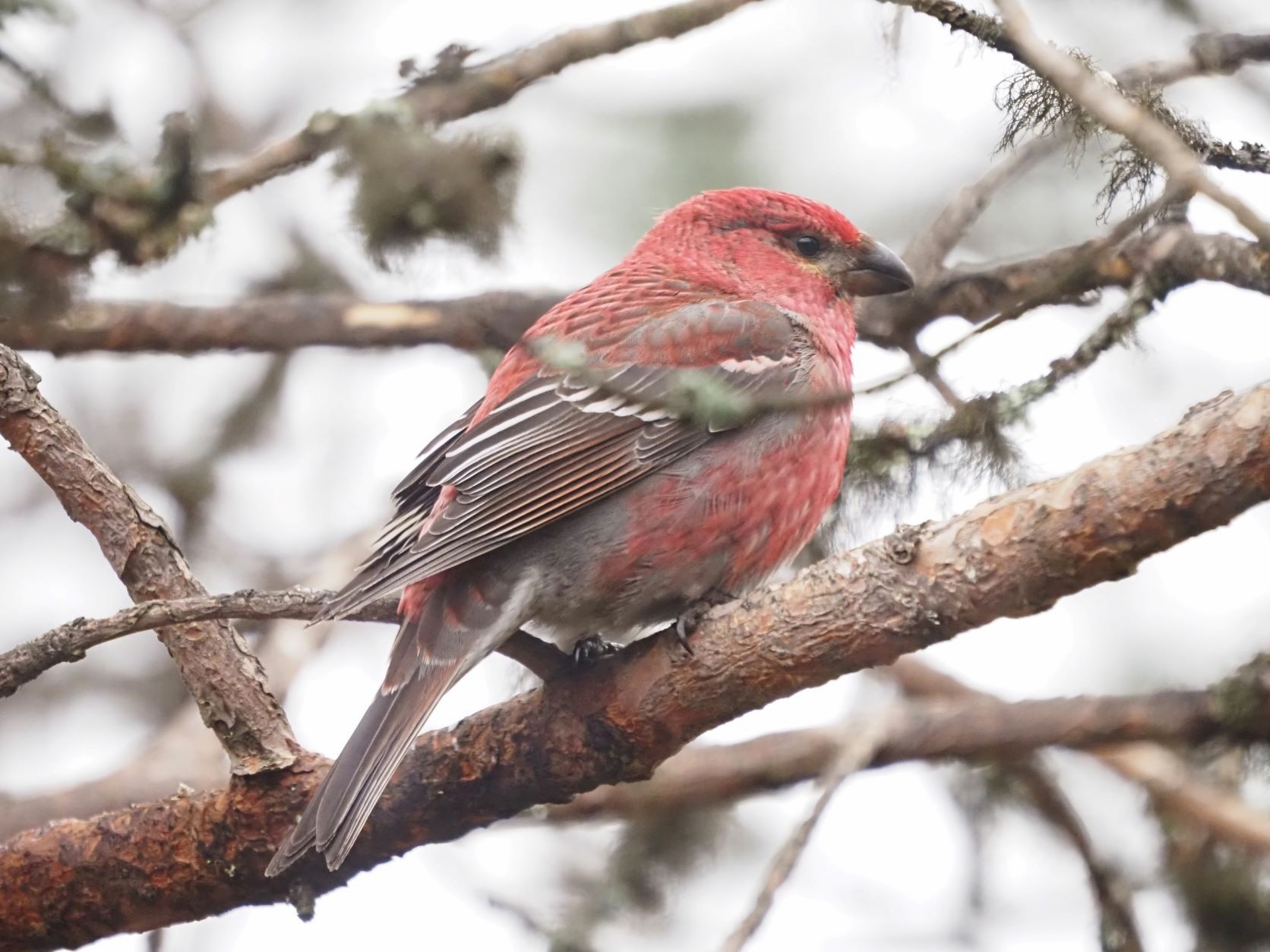
Despite the rainy afternoon, the day ended with superb views on Pine Grosbeaks

Day 10. This day we agreed an early start to try to catch up with a couple of species that we were still missing. Our first movement was to check a nesting place for Broad-billed Sandpiper, and we had extremely good views on a bird singing, displaying and feeding on the ground. Always a pleasure to see how their plumage matches so well with the landscape where they belong! Here we also got 3 drake Spotted Redshanks, Red-necked Phalaropes and Ruffs about to lek in the cloudy ambient.

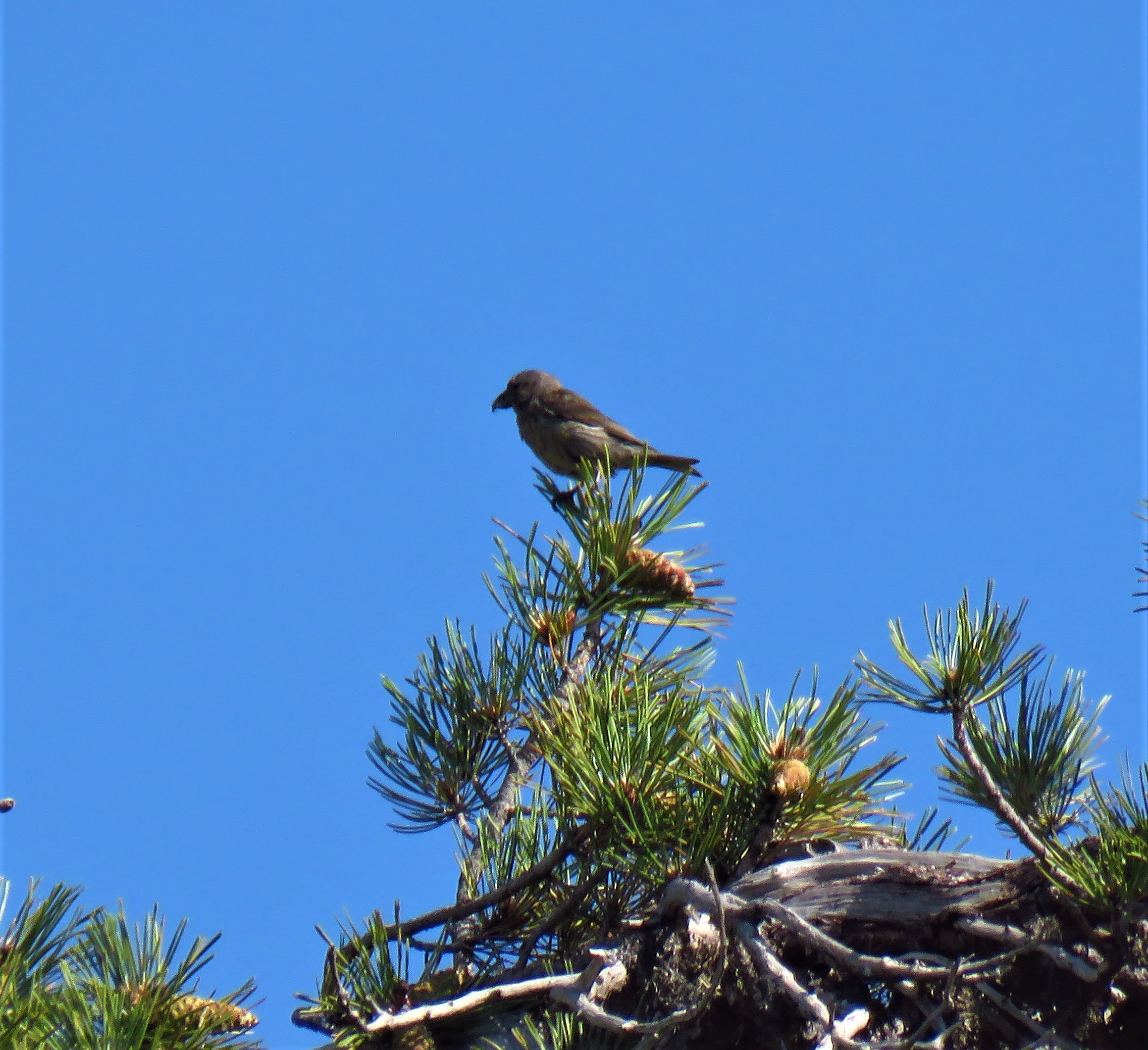
From here we moved into a forest, with the hope to connect with Parrot Crossbill. We got more Willow Grouses, Rough-legged Buzzard and a couple of Smews in the way, but our efforts to put down the Parrot Crossbill in the list of trip had no reward.

From here we just drove to the airport to end another great trip in Northern Finland and Finnmark. Very looking forward to be back there in 2026! Impossible to get enough of this place!!!

This Broad-billed Sandpiper gave us a show in the last morning of the tour!

Looking forward going back in 2026. Please check our website to get all the details: https://barcelonabirdingpoint.com/tour-por-pais/finland-finnmark-the-wild-arctic/

List of the birds of the trip:

  1. Whooper Swan (Cygnus cygnus)
  2. Mute Swan (Cygnus olor)
  3. Common Shelduck (Tadorna tadorna)
  4. Greylag Goose (Anser anser)
  5. Tundra Bean Goose (Anser serrirostris)
  6. Taiga Bean Goose (Anser fabalis)
  7. Pink-footed Goose (Anser brachyrhynchus)
  8. Barnacle Goose (Branta leucopsis)
  9. Eurasian Wigeon (Marecca penelope)
  10. Gadwall (Marecca strepera)
  11. Eurasian Teal (Anas crecca)
  12. Mallard (Anas platythynchos)
  13. Northern Pintail (Anas acuta)
  14. Garganey (Spatula querquedula)
  15. Northern Shoveler (Spatula clypeata)
  16. Tufted Duck (Aythya fuligula)
  17. Common Eider (Somateria mollissima)
  18. King Eider (Somateria spectabilis)
  19. Long-tailed Duck (Clangula hyemalis)
  20. Common Scoter (Melanitta nigra)
  21. Velvet Scoter (Melanitta fusca)
  22. Goldeneye (Bucephala clangula)
  23. Smew (Merguellus albellus)
  24. Goosander (Mergus merganser)
  25. Red-breasted Merganser (Mergus serrator)
  26. Common Pheasant (Phaisanus colchinus) — heard only
  27. Grey Partridge (Perdix perdix)
  28. Hazel Grouse (Bonasa bonasia)
  29. Willow Grouse (Lagopus lagopus)
  30. Rock Ptarmigan (Lagopus mutus)
  31. Black Grouse (Lyrurus tetrix)
  32. Western Capercaillie (Tetrao urogallus)
  33. Common Swift (Apus apus)
  34. Common Cuckoo (Cuculus canorus)
  35. Feral Pigeon (Columba livia)
  36. Common Woodpigeon (Columba palumbus)
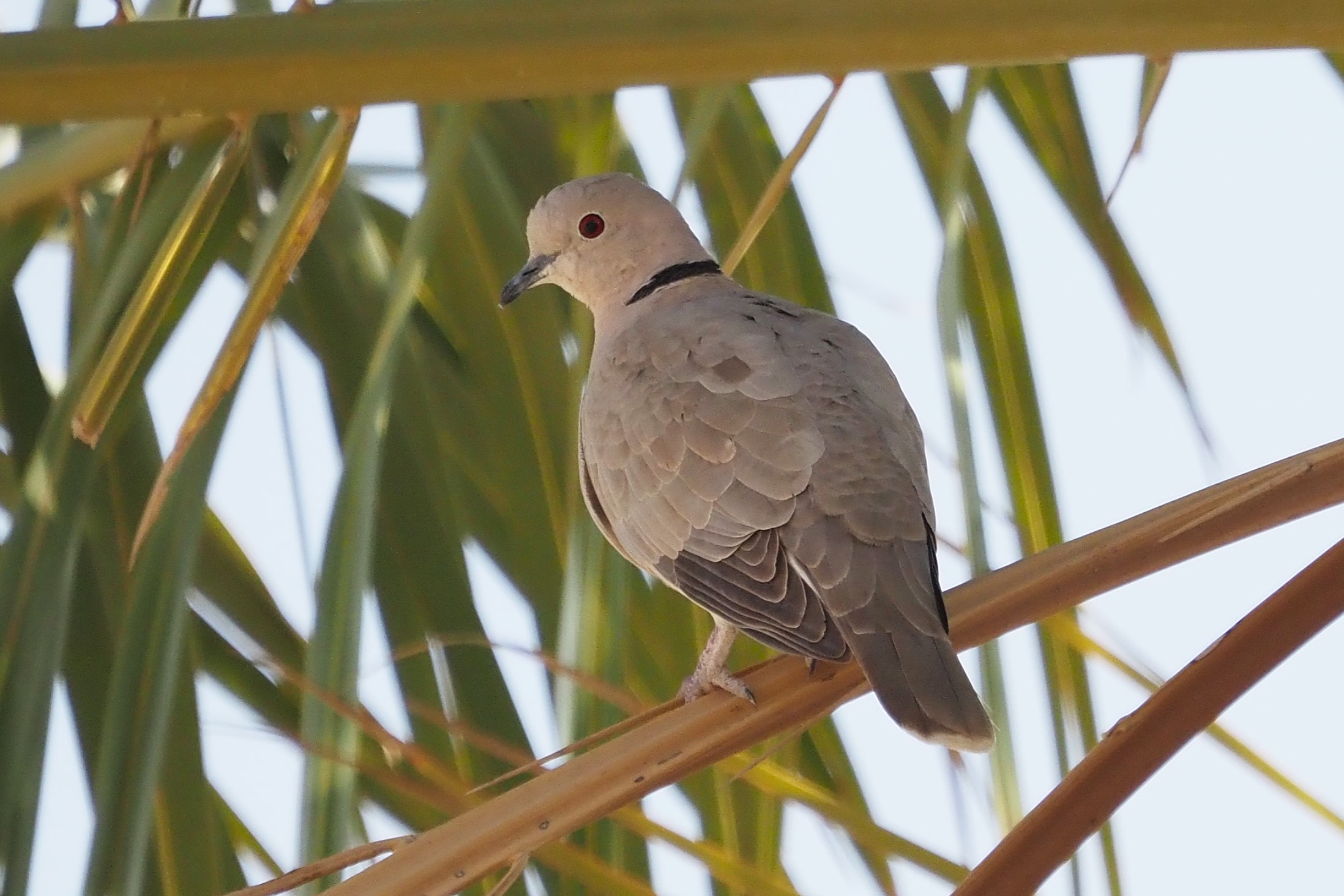
  37. Eurasian Collared Dove (Streptopelia decaocto)
  38. Common Crane (Grus grus)
  39. Great Crested Grebe (Podiceps cristatus)
  40. Red-necked Grebe (Podiceps grisegena)
  41. Slavonian Grebe (Podiceps auritus)
  42. Eurasian Oystercatcher (Haematopus ostralegus)
  43. Common Ringed Plover (Charadrius hiaticula)
  44. Eurasian Golden Plover (Pluvialis apricaria)
  45. Northern Lapwing (Vanellus vanellus)
  46. Temminck’s Stint (Calidris temminckii)
  47. Dunlin (Calidris alpina)
  48. Purple Sandpiper (Calidris maritima)
  49. Little Stint (Calidris minuta)
  50. Red Knot (Calidris canutus)
  51. Ruff (Calidris pugnax)
  52. Broad-billed Sandpiper (Calidris falcinellus)
  53. Eurasian Woodcock (Scolopax rusticola)
  54. Common Snipe (Gallinago gallinago)
  55. Bar-tailed Godwit (Limosa lapponica)
  56. Black-tailed Godwit (Limosa limosa)
  57. Eurasian Whimbrel (Numenius phaeopus)
  58. Eurasian Curlew (Numenius arquata)
  59. Spotted Redshank (Tringa erythropus)
  60. Common Redshank (Tringa totanus)
  61. Greenshank (Tringa nebularia)
  62. Green Sandpiper (Tringa ochropus)
  63. Wood Sandpiper (Tringa glareola)
  64. Common Sandpiper (Actitis hypoleucos)
  65. Ruddy Turnstone (Arenaria interpres)
  66. Red-necked Phalarope (Phalaropus lobatus)
  67. Little Gull (Hydrocoloeus minutus)
  68. Black-headed Gull (Chroicocephalus ridibundus)
  69. Common Gull (Larus canus)
  70. Great Black-backed Gull (Larus marinus)
  71. Herring Gull (Larus argentatus)
  72. Lesser Black-backed Gull (Larus fuscus)
  73. Glaucous Gull (Larus hyperboreus)
  74. Kittiwake (Rissa trydactyla)
  75. Common Tern (Sterna hirundo)
  76. Arctic Tern (Sterna paradisaea)
  77. Little Tern (Sternula albifrons)
  78. Caspian Tern (Hydroprogne caspia)
  79. Arctic Skua (Stercorarius parasiticus)
  80. Pomarine Skua (Stercorarius pomarinus)
  81. Long-tailed Skua (Stercorarius logicaudus)
  82. Guillemot (Uria aalge)
  83. Brünnich’s Guillemot (Uria lomvia)
  84. Razorbill (Alca torda)
  85. Black Guillemot (Cepphus grylle)
  86. Atlantic Puffin (Fratercula arctica)
  87. Red-throated Diver (Gavia stellata)
  88. Black-throated Diver (Gavia arctica)
  89. White-billed Diver (Gavia adamsii)
  90. Great Northern Diver (Gavia immer)
  91. Atlantic Gannet (Morus bassanus)
  92. Northern Fulmar (Fulmarus glaciaris)
  93. Great Cormorant (Phalacrocorax carbo)
  94. Atlantic Shag (Gulosus aristotelis)
  95. Osprey (Pandion haliaetos)
  96. Hen Harrier (Circus cyaneus)
  97. Pallid Harrier (Circus macrourus)
  98. Western Masrh Harrier (Circus aeruginosus)
  99. Eurasian Goshawk (Accipiter gentilis)
  100. Eurasian Sparrowhawk (Accipiter nisus)
  101. European Honey Buzzard (Pernis apivorus)
  102. Black Kite (Milvus migrans)
  103. Common Buzzard (Buteo buteo)
  104. Rough-legged Buzzard (Buteo lagopus)
  105. White-tailed Eagle (Haliaeetus albicilla)
  106. Eurasian Eagle Owl (Bubo bubo)
  107. Tengmalm’s Owl (Aegolius funereus)
  108. Great Grey Owl (Strix nebulosa)
  109. Ural Owl (Strix uralensis)
  110. Eurasian Pygmy Owl (Glaucidium passerinum)
  111. Great Spotted Woodpecker (Dendrocopos major)
  112. Lesser Spotted Woodpecker (Dryobates minor)
  113. Three-toed Woodpecker (Picoides tridactylus)
  114. Black Woodpecker (Dryocopus martius)
  115. Grey-headed Woodpecker (Picus canus)
  116. Common Kestrel (Falco tinnunculus)
  117. Merlin (Falco columbarius)
  118. Eurasian Jay (Garrulus glandarius)
  119. Siberian Jay (Perisoreus infaustus)
  120. Eurasian Magpie (Pica pica)
  121. Jackdaw (Coloeus monedula)
  122. Hooded Crow (Corvus cornix)
  123. Rook (Corvus frugilegus)
  124. Common Raven (Corvus corax)
  125. Bohemian Waxwing (Bombycilla garrulus)
  126. Willow Tit (Poecile montanus)
  127. Siberian Tit (Poecile cinctus)
  128. Eurasian Blue Tit (Cyanistes caeruleus)
  129. Great Tit (Parus major)
  130. Eurasian Skylark (Alauda arvensis)
  131. Shore Lark (Eremophila alpestris)
  132. Sand Martin (Riparia riparia)
  133. Barn Swallow (Hirundo rustica)
  134. Western House Martin (Delichon urbicum)
  135. Common Chiffchaff (Phylloscopus collybita) — heard only
  136. Willow Warbler (Phylloscopus trochilus)
  137. Sedge Warbler (Acrocephalus schoenobaenus)
  138. Garden Warbler (Sylvia borin) — heard only
  139. Common Whitethroat (Curruca communis)
  140. Lesser Whitethroat (Curruca curruca)
  141. Goldcrest (Regulus regulus)
  142. Eurasian Wren (Troglodytes troglodytes) — heard only
  143. Common Starling (Sturnus vulgaris)
  144. Fieldfare (Turdus pilaris)
  145. Song Thrush (Turdus philomelos)
  146. Eurasian Redwing (Turdus iliacus)
  147. Mistle Thrush (Turdus viscivorus)
  148. Eurasian Blackbird (Turdus merula)
  149. Eurasian Robin (Erithacus rubecula) — heard only
  150. Bluethroat (Luscinia svecica)
  151. Red-flanked Bluetail (Tarsiger cyanurus)
  152. Common Redstart (Phoenicurus phoenicurus)
  153. Whinchat (Saxicola rubetra)
  154. Northern Wheatear (Oenanthe oenanthe)
  155. Spotted Flycatcher (Muscicapa striata)
  156. Pied Flycatcher (Ficedula hypoleuca)
  157. House Sparrow (Passer domesticus)
  158. Eurasian Tree Sparrow (Passer montanus)
  159. Meadow Pipit (Anthus pratensis)
  160. Tree Pipit (Anthus trivialis)
  161. Red-throated Pipit (Anthus cervinus)
  162. White Wagtail (Motacilla alba)
  163. Yellow Wagtail (Motacilla flava)
  164. Common Chaffinch (Fringilla coelebs)
  165. Brambling (Fringilla montifringilla)
  166. Eurasian Greenfinch (Chloris chloris)
  167. Eurasian Goldfinch (Carduelis carduelis)
  168. Eurasian Siskin (Spinus spinus)
  169. Linnet (Carduelis cannabina)
  170. Mealy Redpoll (Carduelis flammea) / Arctic Redpoll (Carduelis flamema hornemanni)
  171. Common Rosefinch (Carpodacus erythrinus)
  172. Eurasian Bullfinch (Pyrrhula pyrrhula)
  173. Pine Grosbeak (Pinicola enucleator)
  174. Common Crossbill (Loxia curvirostra)
  175. Lapland Bunting (Calcarius lapponicus)
  176. Snow Bunting (Pletrophenax nivalis)
  177. Yellowhammer (Emberiza citrinella)
  178. Ortolan Bunting (Emberiza hortulana)
  179. Reed Bunting (Emberiza schoeniclus)
  180. Rustic Bunting (Emberiza rustica)
  181. Little Bunting (Emberiza pusilla)

List of mammals seen during the trip:

  1. European Hare (Leppus leppus)
  2. Mountain Hare (Leppus timidus)
  3. Red Squirrel (Sciurus vulgaris)
  4. Stout (Mustela erminea)
  5. Grey Seal (Halichoerus grypus)
  6. Roe Deer (Capreolus capreolus)
  7. Moose (Alces alces)
  8. Reindeer (Rangifer tarandus)
  9. Northern Minke Whale (Balaenoptera acurostrata)

Morocco Birding Tour 2025 Trip Report

  • Dates: March 13th to 22nd, 2025
  • Tour Participants: 8
  • Number of species seen: 188
  • Tour leader: Sergi Sales

Overview: 11th issue for the birding tour company Barcelona Birding Point exploring Southern Morocco. The first days of this issue have been conditioned by a heavy snowfall in the High Atlas. There, our group had to invest longer than usual in order to connect with the main specialties living in the highest part of this massive mountain range. This meant less time to explore wetlands, meaning a shorter list of birds. Despite this, the group got a couple of scarcities for the country; Blue-winged Teal (vagrant from North America) & Spotted Crake (a pretty scarce migratory species in Morocco). The desert and the mountain steppes were as wonderful as always! Despite the fast development, Morocco keeps the whole of its exotims, and remains as one of the main birding destinations in the Western Palearctic due to its landscapes, cultural richness and a wide selection of specialties just beside Europe!

All images in this trip report from Sergi Sales. All rights reserved

Day 1

The tour participants meet for breakfast at our accommodation in Marrakech. Some of them arrived just after breakfast, coming from a different accommodation. After this delicious meet and greet we are ready to start the tour!

As usual, several House Buntings are singing in the gardens of the accommodation, joined by some very noisy Common Bulbuls and by the fast flights of the Pallid Swifts living around.

From here we drove a few miles, into a wooded valley. Here we had our first White Storks, Spotless Starlings, European Red-rumped Swallows & Western Cattle Egrets of the trip, but also the Moroccan race of White Wagtail (until recently still considered as a full species, so something interesting to take a look at it..). After a few minutes we found the first speciality of the tour, as a Levaillant’s Green Woodpecker is moving in some large trees. Up to 4 birds are seen during this stop. Here there are several African Chaffinches (a 2024 split from Common Chaffinch), African Blue Tits and the very contrasted race of Great Spotted Woodpecker.

Levaillant’s Woodpecker (Picus vailantii).
African Blue Tit (Cyanistes teneriffeae).
African Chaffinch (Fringilla spodiogenys).

After this very nice first stop, we headed up into the hillsides. But our route became harder than expected. Our track was damaged during the earthquake in late 2023 but now we are also facing some strong rain. As we keep gaining in altitude, the rain becomes icy rain and, later on, snow. Halfway we made a stop in a typical place for Tristam’s Warbler but the weather conditions are far from average.. Still, a small patch of blue sky allows some birding activity, and this is translated in a showy male Blue Rock Thrush, joined by the first Moussier’s Redstart of the trip and a wonderful Rock Bunting. 3 species within a few inches from each other! This very nice sight aims us to follow up the road. There are only 5 miles left to Oukaimeden ski resort, but this is when the snow becomes very strong, reducing the visibility both on the tarmac and in the air. We took advantage of this horrible weather conditions to taste our first tajin of the trip in a road restaurant, and since the weather keep getting worst we decided to quit the upper part of the road and go down to the valley.

The ends in the plains around Marrakech, where despite the cold temperatures (+5ºC) we got the first Moroccan Magpies, Long-legged Buzzards and Greater Short-toed Larks of the trip plus one obliging Stone Curlew.

Day 2

Due to the bad weather the first day we decided a change in the original planning and to go back to the road leading to Oukaïmeden early in the morning, expecting the road to be open. The weather looks very good and we managed to arrive to the ski resort despite the snow and the low temperatures.

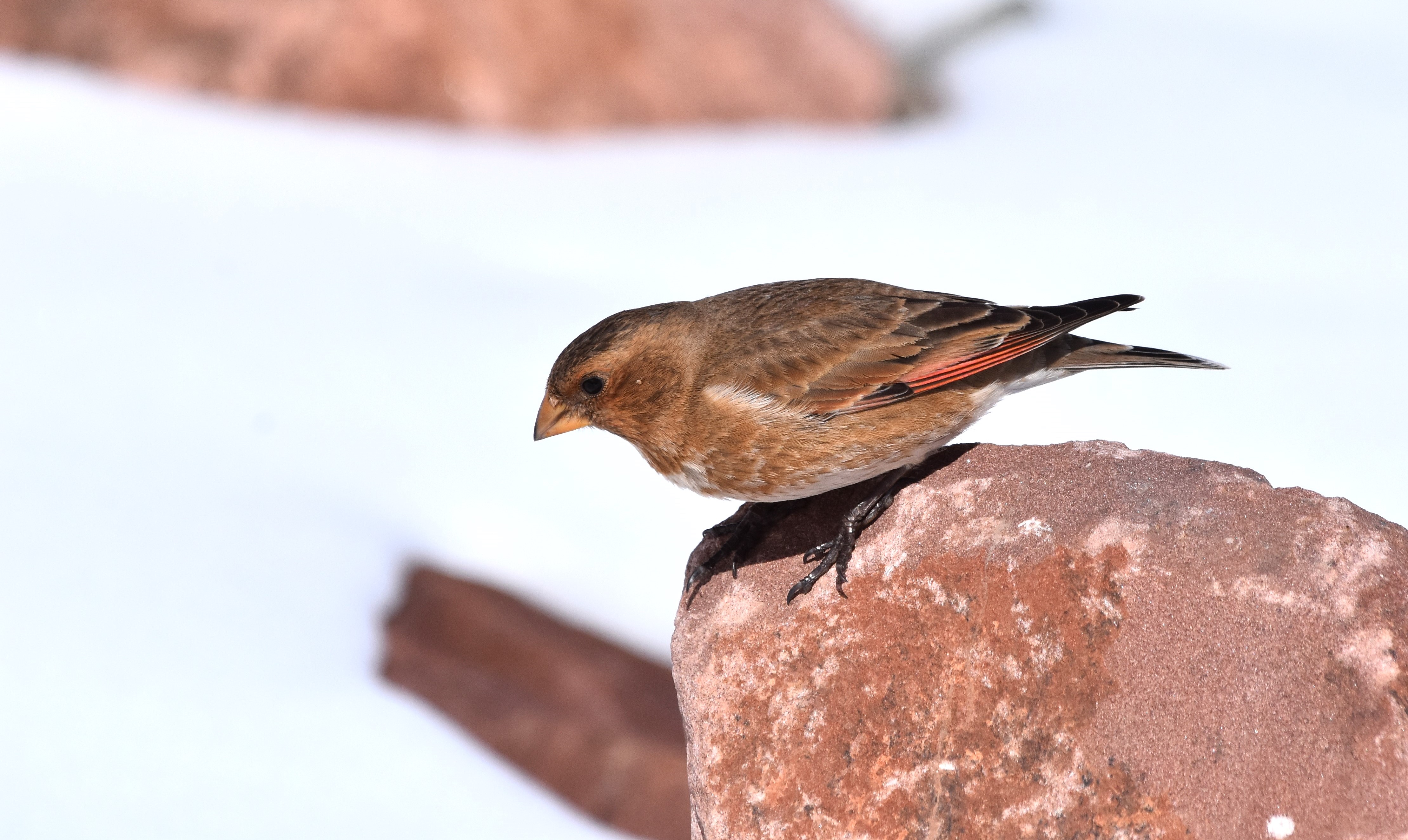
Lower than expected we found a nice flock of Atlas Horned Larks, and while enjoying this species we also discovered one pair of Black Wheatears and a couple of shy Ring Ouzels. At the lake of the ski resort we got Eurasian Coots but also the nesting pair of White-bellied Dippers (this is one of the Southernmost territories of this species!). Around there were more Atlas Horned Larks along with Thekla Larks and the large flocks of Red-billed Choughs that were wondering around all along the morning started to be joined by Alpine Choughs. Around the buildings there were also a good number of Common Rock Sparrows. But no sign of the Crimson-winged Finches. Other small groups of birdwatchers from different nationalities were (British, Belgians, Dutchs,..) also looking for these buggers. We kept looking for them and at the end a small flock of this sought-after species flew right in front of us. Wonderful!

More than satisfied after this in extremis sight we started the long transfer to the Souss Massa National Park. En route, while crossing the breathtaking landscapes of the Atlas mountains, we enjoyed species such as Alpine & Little Swifts and the first Spanish Sparrows of the trip in a mixed colony in the motorway. Once the night arrived, already close to our accommodation, we got Stone Curlews and Little Owls crossing the road plus one very fast Long-eared Owl that not everybody could see.

Atlas Horned Lark (Eremophila alpestris atlas)
Alpine Chough (Pyrrhocorax graculus).
African Crimson-winged Finch (Rhodopechys sanguineus alienus).
A second view on the African Crimson-winged Finch, this time showing the lovely roseate primaries.

Day 3

There are several reasons to visit the Souss-Massa area, but there is always something special when it comes to try to connect with Black-crowned Tchagras, since this is one of their Northernmost spots in the African continent! So we leave our accommodation for a pre-breakfast walk to explore the mixture of farming and bushland surrounding our privileged location. It didn’t take long to listen the first Tchagra and also a good number of Western Olivaceous Warblers plus a good variety of migratory passerines. Common Quails are singing in the fields around but they are as secretive and shy as usual, and they keep into hide despite our efforts. Moussier’s Redstarts, on the contrary, stand at the opposite side of the spectrum, and show themselves on terrific views!

Happy after this nice stat of the day, we came back to the accommodation to enjoy a wonderful breakfast.

Black-crowned Tchagra (Tchagra senegallus).
Moussier’s Redstart (Phoenicurus moussieri).
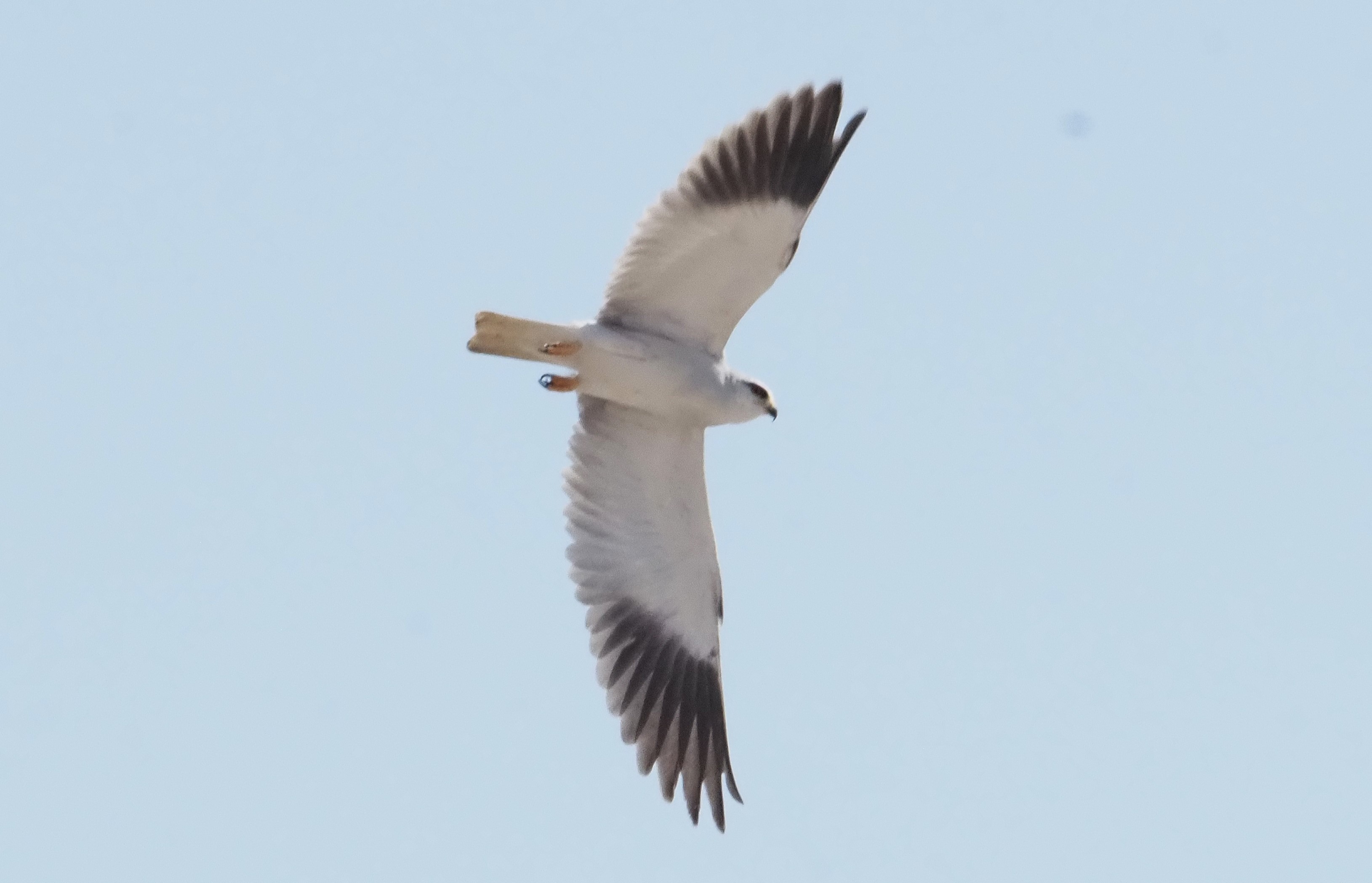
Black-winged Kite (Elanus caeruleus)

Back to the fields, we contact with a showy Black-winged Kite in our way to one of the several water ponds along the river. This time we are lucky, and the Kite goes on with great display show. Here, the plentiful crops around are thriving with passage birds including Willow, Western Subalpine & Western Orphean Warblers but also Tree Pipits and Woodchat Shrikes.

Our first pond produces a good array of waders and ducks, and our growing list is complemented with the first flock of Brown-throated Martins flying over the ranking vegetation along with other species of Swallows & Martins.

From here we walk along the Massa River following the way down to its estuary. Along the way we find a number of ducks and waders as well as Greater Flamingoes and Glossy Ibises. We also meet other birdwatchers that have seen the long staying Green-winged Teals. After a long scanning, we finally found them resting along with Northern Shovelers and our efforts were rewarded with good views on the male as it came out of the vegetation for a swim.

At noon, we went to enjoy our picnic boxes in one of the impressive beaches next to the estuary. Here it is possible to enjoy a good seawatching, and we are lucky enough to have a good passage of Atlantic Gannets that they. Along with them we also get a few Great & Arctic Skuas. Migration was intense at that moment, and we got flocks of Eurasian Spoonbills and Grey Plovers moving North along the coastline. Still, our main goal here was to find the critically endangered Northern Bald Ibis, that has along this coast their only three self-sustained colonies in the world. We were about to give up when suddenly 3 Bald Ibis emerged, moving towards the sea cliffs where they would spend that night!

Day 4

Our pre-breakfast outing produces nice views on Barbary Partridges but also on Little Owl and several Moroccan Magpies. After breakfast we started transfering to Boulmane du Dades; a rather long drive crossing the impressive Anti Atlas landscapes. This is normally a good drive for birds of prey, but this time was rather low. Still, we got the first Bonelli’s Eagles of the trip. Right before crossing Ouarzazate we made a stop in a little pond that had been very good in previous trips, and it didn’t disappoint us neither this year. Here we got Little Ringed Plover, Black Wheatears and Ruddy Shelducks, but also the first Maghreb Larks & Desert Larks of the trip. Still, the best bird in this stop was a Spotted Crake that came out of the rank vegetation giving excellent views to the group.

After this stop we covered the last miles until our accommodation, arriving there about sunset. Tomorrow we will head to the famous Tagdilt Track!

Barbary Partridges (Alectoris barbara)
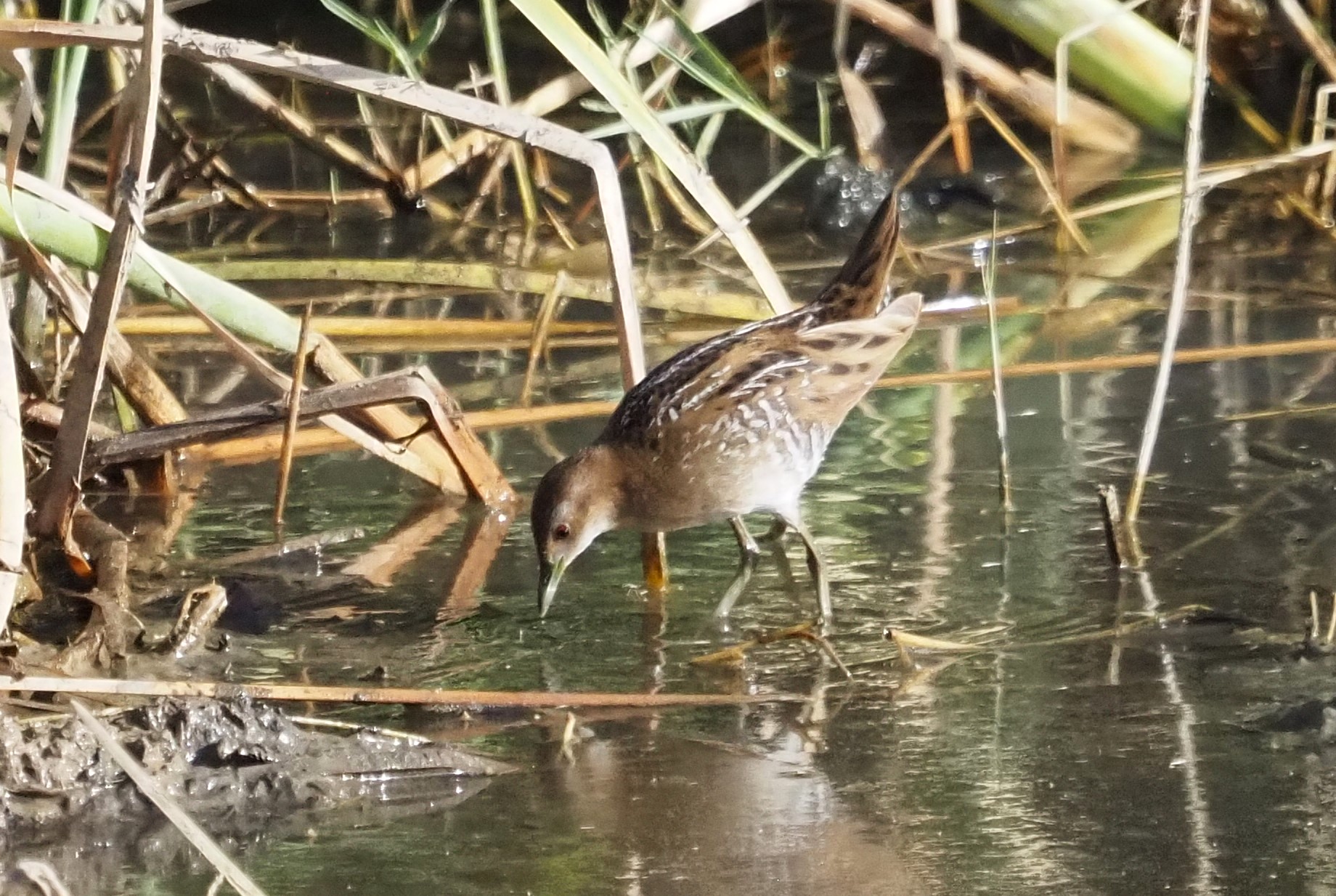
Spotted Crake (Porzana porzana) in a small stream in the Anti Atlas.

Day 5

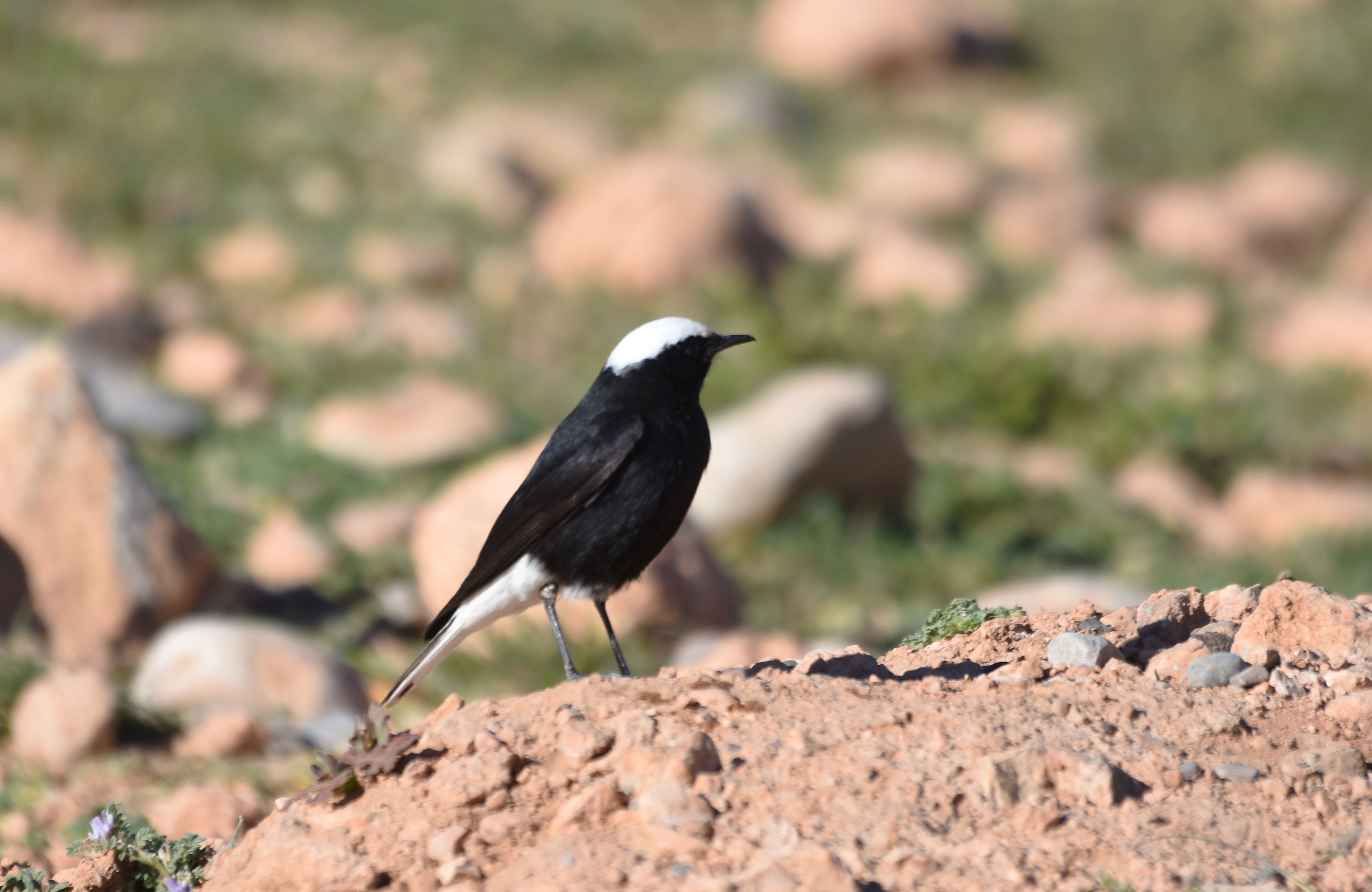
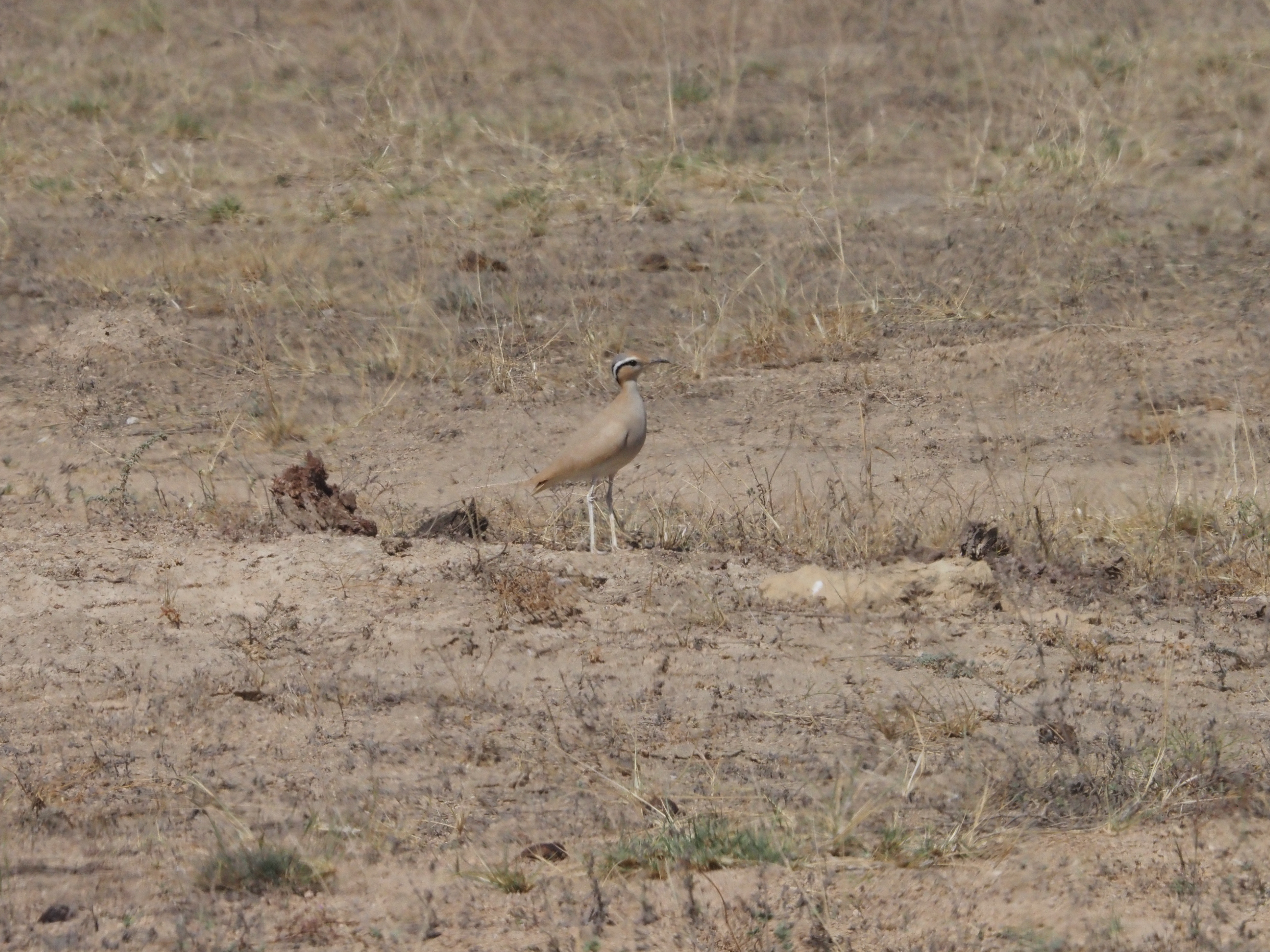
We headed to explore the large seme desert plain known as Tagdilt Track, probably the best location for Larks and Wheatears in the Western Palearctic. It didn’t take long to find the first of many White-crowned Black Wheatear, always a wonderful bird to admire! The area is fulfilled with birds, despite the many plastics around. Here there several pairs of Red-rumped Wheatears, some of them already with their chicks running around. Still, the commoner of the Wheatears around is the Desert Wheatear. Here there are also some migratory species, including both Northern & Western Black-eared Wheatears! It doesn’t look like a good year for Thick-billed Larks, and during the morning we fail to find any of them. Going away from the “rubbish dump” we soon find several Desert Larks and Bar-tailed Larks (usually uncommon here). Among the many Thekla Larks here we found the first Greater Hoopoe Lark of the trip and, while enjoying this beauty a flock of Cream-coloured Courser crosses the track providing great looks! Back to the rubbish dump we found also a small flock of Temminck’s Lark, similar to Horned Lark but smaller and living in dry ambients.

White-crowned Black Wheatear (Oenanthe leucopygia)
Red-rumped Wheatear (Oenanthe moesta).
Temminck’s Lark (Eremophila bilopha)

The temperature climbs up and we go to explore to the gorges around expecting to find also some shade. Just after arriving a Lanner Falcon flew at short distance above the group, trying to catch a Desert Lark.

After a short walk we arrived in front of a small cave and the local guide there showed us a Pharaon Eagle Owl with 3 small chicks. Close by we also get Long-legged Buzzards, that look like nesting around. Trumpeter Finches are flying around and a bit beyond we got a distant Maghreb Wheatear. Unfortunately it is shy and we need an extra walk to get nice views on the pair nesting around. More than satisfied with this stop, we went back to the plains and soon we contact with a Thick-billed Lark that shows out before disappearing in the vegetation..

Pharaon Eagle Owl (Bubo ascalaphus).
Maghreb Wheatear (Oenanthe halophila).
Thick-billed Lark (Ramphocoris clotbei)
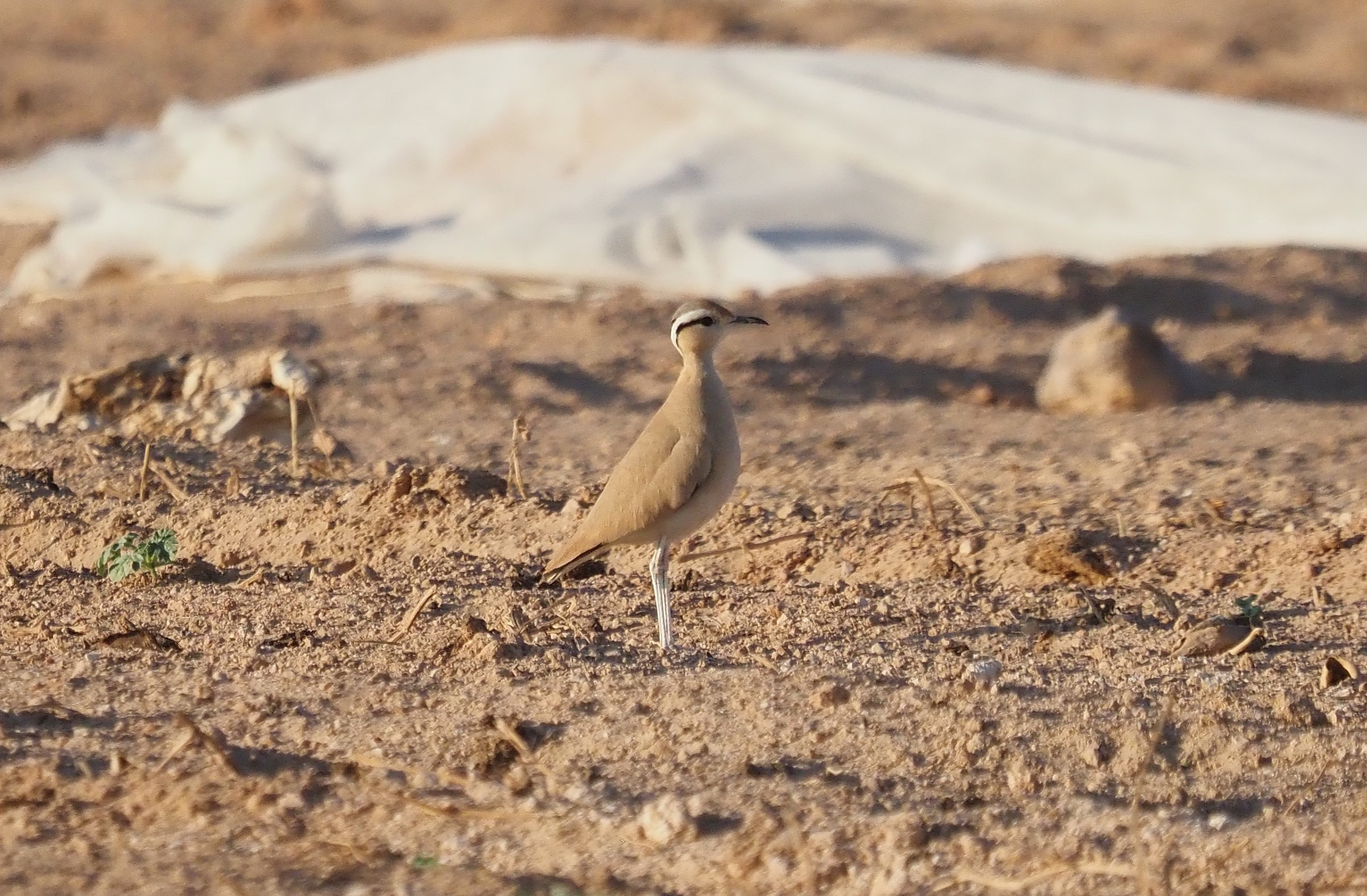
Cream-coloured Courser (Cursorior cursor).

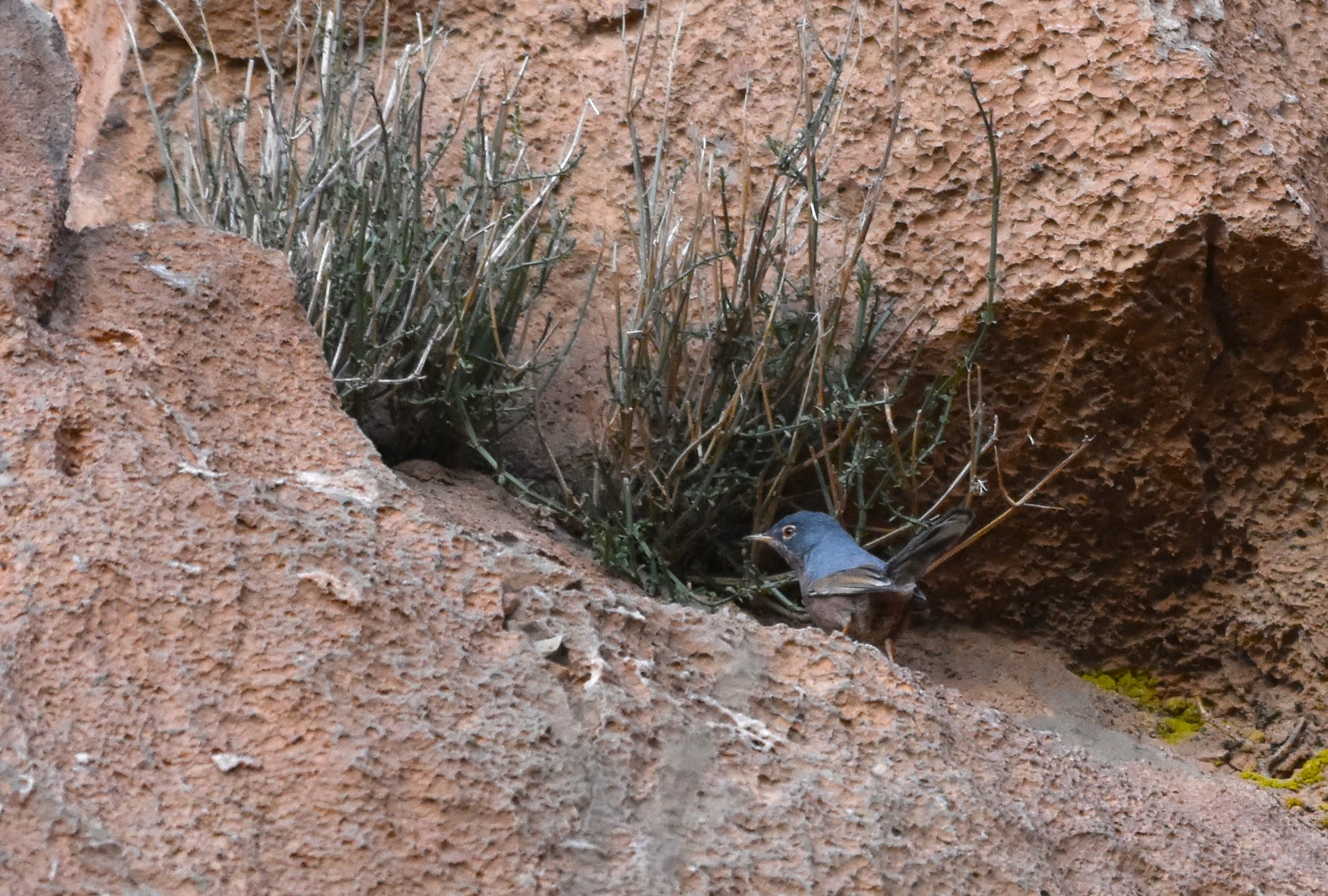
Late in the afternoon we went up into the Dades Gorge to look for Tristam’s Warbler, a species that we couldn’t find during the first day because of the bad weather. A few minutes after arriving to the spot, a male was heart singing and shortly we found the bird, that provided very good looks. Back to the accommodation we still had a final chapter for the day as a Bonelli’s Eagle flew over us at close range bringing a massive branch at the peak to land in the cliffs beyond right by the nest! This is normally a good place for Barbary Falcon, but there is no luck for this bird this year.. We get inside our accommodation, still hearing the songs of Blue Rock Thrushes and Black Wheatears arond it!

Tristam’s Warbler (Curruca deserticola).

Dia 6

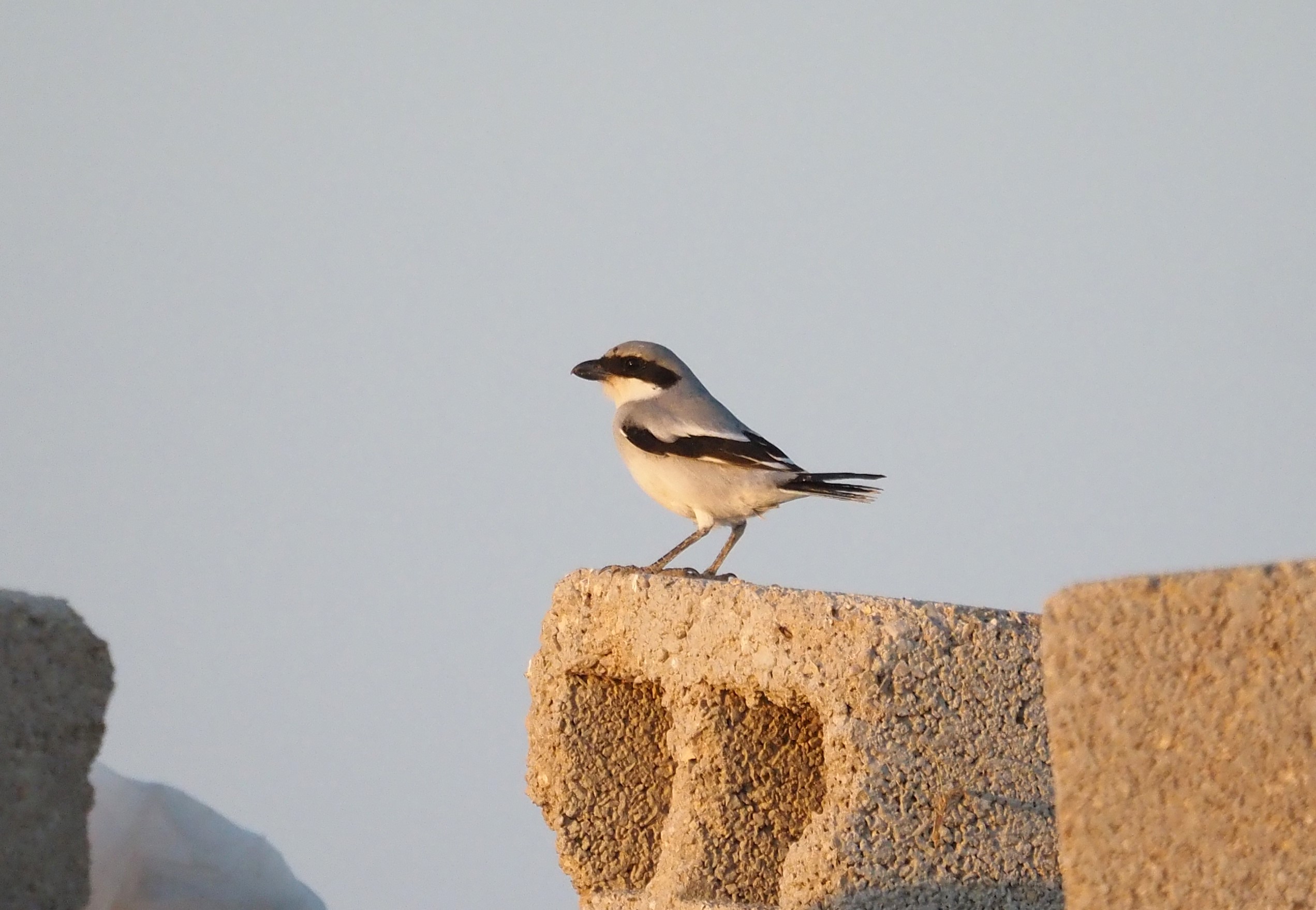
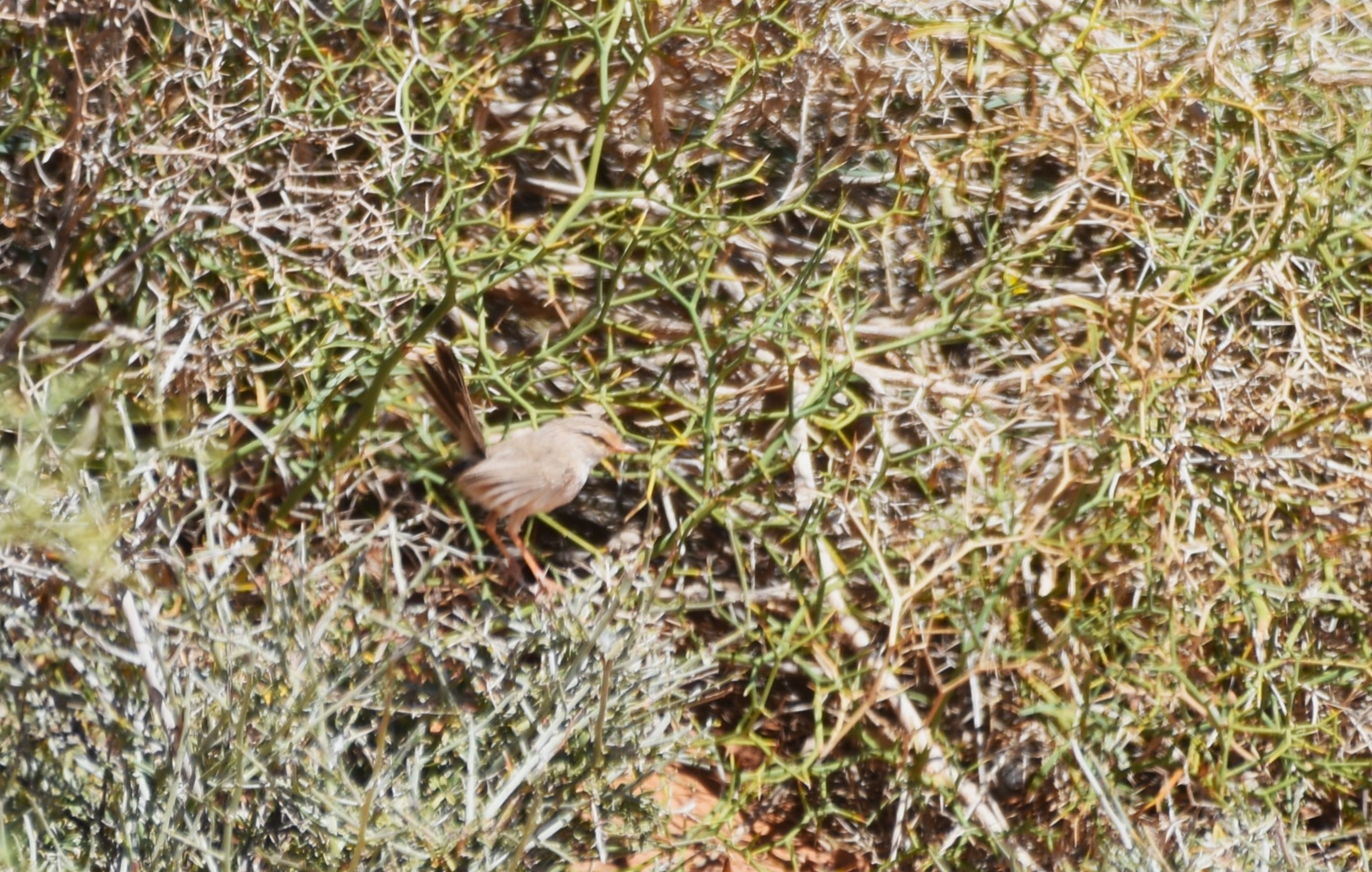
Long trasfer to the first dunes of the Sahara. En route, we went for a stop looking for the often secretive Streaked Bush Warbler (often referred in this area as Saharan Scrub Warbler and a full species regarding some lists). We had some walk in the sandy terrain surrounded by goats and enjoying several Great Grey Shrikes, when we heard the call of the birds and after some running we all got good views on a family group as there were moving on the ground or inside the tiny, spiny bush.

It is almost lunch time so we went into a nearby restaurant to enjoy a very nice set menu lunch. It is Ramadah, but it is not hard to find places like along our way. After lunch we kept moving to Merzouga and after a couple of less productive stops we arrived to the impressive lagoon nearby Merzouga. The lagoon had been dry for 5 years, but the generous rains during the last winter made it happen, and the lagoon looked like amazing. Here we got the typical image of Flamingoes framed with sand dunes that made this place became famous worldwide, but we also enjoyed the good array of nesting birds around: Ruddy Shelducks, Black-winged Stilts + Little Ringed & Kentish Plovers. The lagoon also hosted scarce migratory birds including Black-necked Grebe and Osprey and, most importantly, a shy and very distant flock of Marbled Ducks!

Streaked Scrub Warbler (Scotocerca inquieta saharae).

Day 7

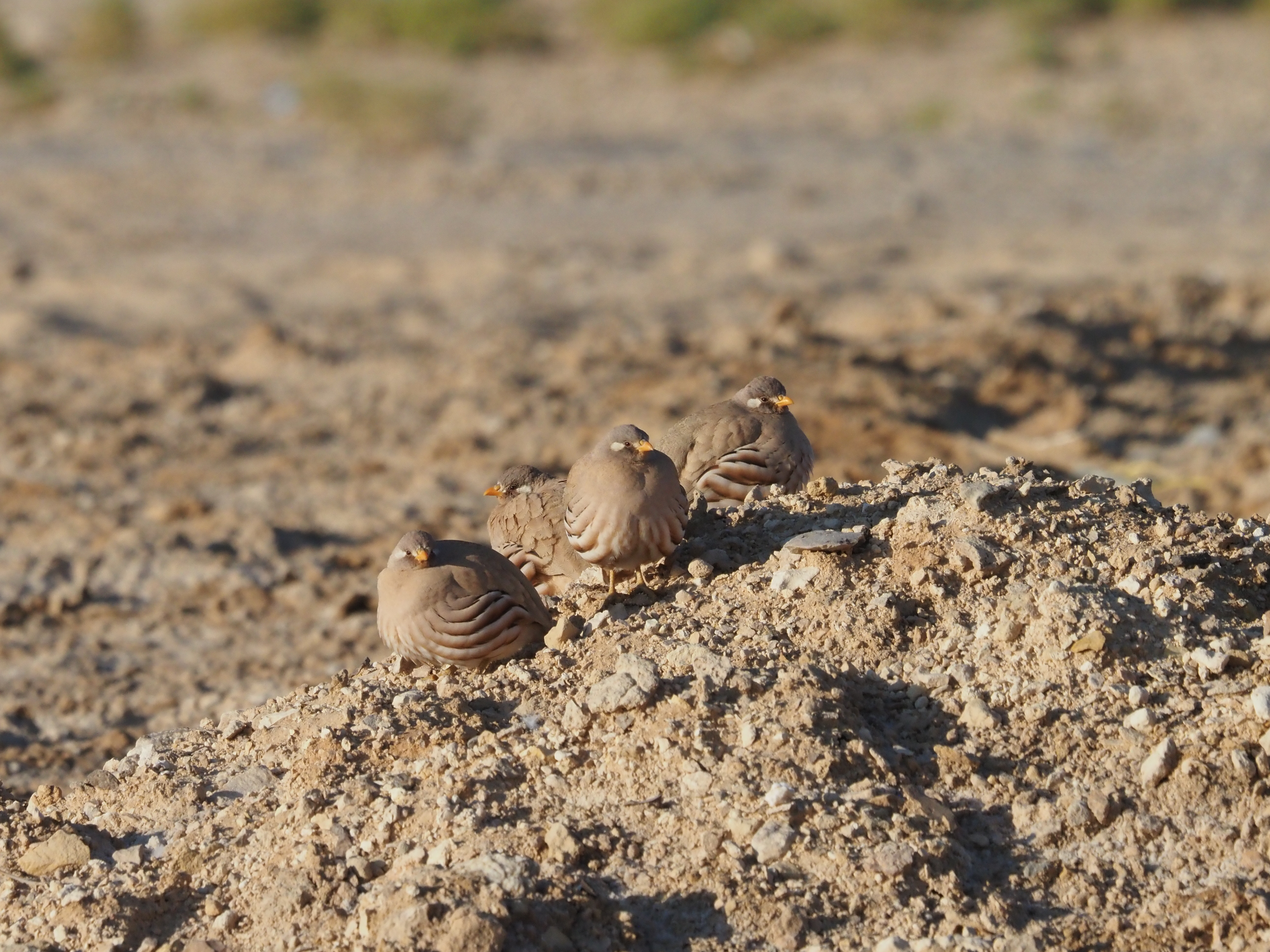
Very early in the morning we met our local guides coming with its full-equiped 4x4s. First stop was to check a drinking pond where Sandgrouses come to drink water early in the morning. Soon, we were enjoying good numbers of both Spotted & Crowned Sandgrouses. For the first time in years, Crowned Sandgrouses were outnumbering the Spotted ones. After enjoy the Sandgrouse spectacle and no majoy delay we moved to our next spot, this time to check a pair of Desert Sparrows nesting nearby. Unfortunately we have no luck with them so, taking advantage of this we decided to move deeper in the desert, where a nomad is waiting for us as he found a Egyptian Nightjar roosting in the desert. After a short walk we arrived where the Nightjar is and we all spent a few minutes watching this absolute treat, always at a safe distance.

Leaving this amazing spot, we went back to the Desert Sparrow territory, and this time we immediately got the eyes on the birds as they were hanging around very close to their nest. We actually saw one male and two females building the nest.

From here we have a bit of a drive as we are going now in search of the African Desert Warbler. After some walk in the dunes we got to see one, but not everybody in the group got to see the bird.. We were decided to be there longer, but a strong wind started to blow in and we decided to give up, so far. A pity, since the place was fulfilled with migratory birds (Common Redstarts, Booted Eagles, W Bonelli’s & W Subalpine Warblers, Woodchat Shrikes,..).

After lunch weather conditions kept degrading so we decided to call it a day and have some spare time in the afternoon, aiming to have better luck the next day.

Spotted and Crowned Sandgrouses drinking water.
Egyptian Nightjar (Caprimulgus aegiptiacus)
Desert Sparrow (Passer simplex).

Day 8

Early in the morning we went for a stroll around the accommodation, a typical place for Fulvous Blabbler. Soon, we got to see one of them, providing really good looks. From here, we moved into a typical place for African Desert Warbler but we failed again. Anyway, this could be the best fail ever, since a Fennec just came out from nowhere, crossing in front of the car and letting us decent views! We could count ourselves lucky to see it, even without trying it!

Still shocked after the last desert jewel, we went for a last go on the Desert Warbler, trying to improve the views that we got the day before. Again, we failed to find the bird but our tenacity is rewarded by finding a nest of Greater Hoopoe Lark, built up in a tussock so they can watch out for predators.

Our way to the famous Cafe Yasmina (where the Catalan Bird Society has a ringing station) is a bit difficult, since the winter rains have made the are become a small lake. Taking advantage of these unusual conditions, tens of migratory birds are feeding around. Here we found the only flock of Collared Pratincoles for the trip, while Sedge Warblers are especially common in the tamarisk around, where they are joined by Western Olivaceous Warblers. En route we also have a few Cream-coloured Coursers and the first Seebohm’s Wheatears of the trip.

The last stop of the day is to have a second visit in the Merzouga lake. Beside the species that we saw in our previous visit, we added Little Stint, Dunlin, Common Redshank, Common Greenshank and Wood Sandpiper along with a rather unexpected Water Pipit. Close by, in a palm orchard, we got some passerines but also a mixed flock of European & Blue-cheeked Bee-eaters.

Torden lleonat (Argya fulva)
Fennec (Vulpes zerda) a la carrera
African Desert Warbler (Curruca deserti).
Alosa puput (Alaemon alaudipes).

Day 9

Transfer day with stops in our way to Ouarzazate. In our stops exploring different wadis (dry desert-like streams) we found a good variety of Wheatears but also Spectacled Warbler along with the commoner Western Subalpine Warbler. We also found a small nesting colony of Blue-cheeked Bee-eaters.

Before arriving to our accommodation in Ouarzazate we went for a visit into the Al-Mansour Barrage, a massive reservoir South of the city. Here we added Gull-billed Tern and Sand Martin to our list before the strong winds made us withdraw back to our accommodation.

 Day 10

Last day of the trip. The birding starts early, as the birds join us while having breakfast. The gardens of the accommodation are hosting some Western Olivaceous Warblers, but also Hoopoes, Tree Pipits and Warblers while several Red-rumped Swallows are flying above us.

En route we made a stop in a stream. The weather was clearly better than in previous days, as the wind was totally stopped. And this spot was fulfilled with migratory passerines. Here we got 10+ birds of 7 species in a single tree: W Subalpines & W Orphean Warblers; Common Whitethroat; Willow & W Bonelli’s Warblers; Common Chiffchaffs and some very tame Iberian Chiffchaffs. The rank vegetation was having tens of Sedge & Common Reed Warblers moving around. Pied Flycatcher was a new species for the tour.

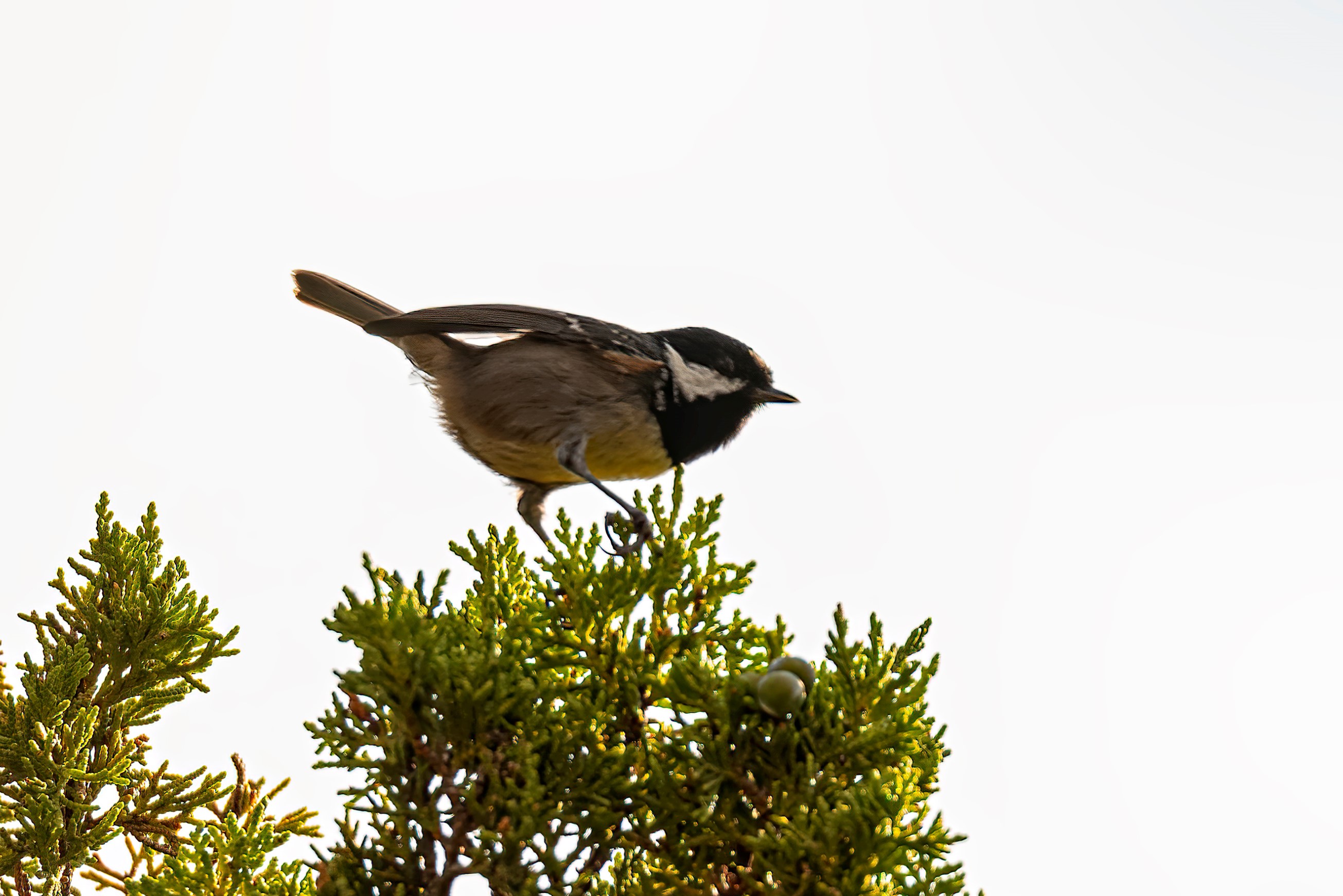
While crossing the Atlas mountains we nice views on Red-billed Choughs, and the last stop of the trip was to explore a conifer woodland. Here we got Coal Tit and Eurasian Sparrowhawk while Common Crossbills are heard calling around. As a final sight, a Eurasian Goshawk was seen displaying above the slopes!

This is the last stop of the trip before arriving to our accommodation back in Marrakech, ending a pretty nice tour despite the challenging weather conditions, with far less birds of prey than in previous editions but enjoying excellent numbers of migratory passerines, especially in those areas still having ponds from the generous winter rains.

List of bird species of the tour:

  1. Ruddy Shelduck (Tadorna ferruginea)
  2. Common Shelduck (Tadorna tadorna)
  3. Blue-winged Teal (Spatula discors)
  4. Northern Shoveler (Spatula clypeata)
  5. Mallard (Anas platyrhynchos)
  6. Pintail (Anas acuta)
  7. Eurasian Teal (Anas crecca)
  8. Marbled Duck (Marmaronetta angustirostris)
  9. Common Quail (Coturnix coturnix) — only heard
  10. Barbary Partridge (Alectoris barbara)
  11. Feral Pigeon (Columba livia)
  12. Common Wood-pigeon (Columba palumbus)
  13. European Turtle Dove (Streptopelia turtur)
  14. Eurasian Collared Dove (Streptopelia decaocto)
  15. Laughing Dove (Spilopelia senegalensis)
  16. Spotted Sandgrouse (Pterocles senegallus)
  17. Crowned Sandgrouse (Pterocles coronatus)
  18. Red-necked Nightjar (Caprimulgus ruficollis) — heard only
  19. Egyptian Nightjar (Caprimulgus aegyptius)
  20. Alpine Swift (Tachymarptis melba)
  21. Common Swift (Apus apus)
  22. Pallid Swift (Apus pallidus)
  23. Little Swift (Apus affinis)
  24. Spotted Crake (Porzana porzana)
  25. Eurasian Moorhen (Gallinula chloropus)
  26. Eurasian Coot (Fulica atra)
  27. Stone Curlew (Burhinus oedicnemus)
  28. Black-winged Stilt (Himantopus himantopus)
  29. Pied Avocet (Recurvirostra avosetta)
  30. Grey Plover (Pluvialis squatarola)
  31. Common Ringed Plover (Charadrius hiaticula)
  32. Little Ringed Plover (Charadrius dubius)
  33. Kentish Plover (Charadrius alexandrinus)
  34. Whimbrel (Numenius phaeopus)
  35. Bar-tailed Godwit (Limosa lapponica)
  36. Black-tailed Godwit (Limosa limosa)
  37. Common Snipe (Gallinago gallinago)
  38. Common Sandpiper (Actitis hypoleucos)
  39. Green Sandpiper (Tringa ochropus)
  40. Wood Sandpiper (Tringa glareola)
  41. Common Redshank (Tringa totanus)
  42. Common Greenshank (Tringa nebularia)
  43. Ruff (Calidris pugnax)
  44. Curlew Sandpiper (Calidris ferruginea)
  45. Sanderling (Calidris alba)
  46. Dunlin (Calidris alpina)
  47. Little Stint (Calidris minuta)
  48. Cream-coloured Courser (Cursorior cursor)
  49. Collared Pratincole (Glareola pratincola)
  50. Arctic Skua (Stercorarius parasiticus)
  51. Great Skua (Stercorarius skua)
  52. Slender-billed Gull (Chroicocephalus genei)
  53. Black-headed Gull (Chroicocephalus ridibundus)
  54. Yellow-legged Gull (Larus michahellis)
  55. Lesser Black-backed Gull (Larus fuscus)
  56. Gull-billed Tern (Gelochelidon nilotica)
  57. Sandwich Tern (Thalasseus sandvicensis)
  58. Greater Flamingo (Phoenicopterus roseus)
  59. Little Grebe (Tachybaptus ruficollis)
  60. Great Crested Grebe (Podiceps cristatus)
  61. Black-necked Grebe (Podiceps nigricollis)
  62. White Stork (Ciconia ciconia)
  63. Atlantic Gannet (Morus bassanus)
  64. Great Cormorant (Phalacrocorax carbo)
  65. Glossy Ibis (Plegadis falcinellus)
  66. Northern Bald Ibis (Geronticus eremita)
  67. Eurasian Spoobill (Platalea leucorodia)
  68. Little Egret (Egretta garzetta)
  69. Squacco Heron (Ardeola ralloides)
  70. Western Cattle Egret (Bubulcus ibis)
  71. Great White Egret (Ardea alba)
  72. Grey Heron (Ardea cinerea)
  73. Osprey (Pandion haliaetos)
  74. Black-winged Kite (Elanus caeruleus)
  75. Short-toed Eagle (Circaetus gallicus)
  76. Booted Eagle (Aquila pennata)
  77. Bonelli’s Eagle (Aquila fasciata)
  78. Eurasian Sparrowhawk (Accipiter nisus)
  79. Eurasian Goshawk (Accipiter gentilis)
  80. Western Marsh Harrier (Circus aeruginosus)
  81. Montagu’s Harrier (Circus pygargus)
  82. Black Kite (Milvus migrans)
  83. Long-legged Buzzard (Buteo rufinus cirtensis)
  84. Pharaon Eagle Owl (Bubo ascalaphus)
  85. Little Owl (Athene noctua)
  86. Hoopoe (Upupa epops)
  87. Blue-cheecked Bee-eater (Merops persicus)
  88. Eurasian Bee-eater (Merops apiaster)
  89. Great Spotted Woodpecker (Dendrocopos major)
  90. Levaillant’s Woodpecker (Picus vailantii)
  91. Lesser Kestrel (Falco naumanii)
  92. Eurasian Kestrel (Falco tinnunculus)
  93. Lanner Falcon (Falco biarmicus)
  94. Black-crowned Tchagra (Tchagra senegalus)
  95. Great Grey Shrike (Lanius excubitor) — Algerian Shrike; Desert Grey Shrike
  96. Woodchat Shrike (Lanius senator)
  97. Moroccan Magpie (Pica mauretanica)
  98. Red-billed Chough (Pyrrhocorax pyrrhocorax)
  99. Alpine Chough (Pyrrhocorax graculus)
  100. Brown-necked Raven (Corvus ruficollis)
  101. Common Raven (Corvus corax)
  102. Coal Tit (Periparus ater atlas)
  103. Great Tit (Parus major)
  104. African Blue Tit (Cyanistes teneriffae)
  105. Greater Hoopoe Lark (Alaemon alaudipes)
  106. Thick-billed Lark (Ramphocoris clotbey)
  107. Bar-tailed Lark (Ammomanes cinctura)
  108. Desert Lark (Ammomanes deserti)
  109. Thekla Lark (Galerida theklae)
  110. Maghreb Lark (Galerida macrorhyncha)
  111. Crested Lark (Galerida cristata)
  112. Horned Lark (Eremophila alpestris)
  113. Temminck’s Lark (Eremophila bilopha)
  114. Greater Short-toed Lark (Calandrella brachydactyla)
  115. Mediterranean Short-toed Lark (Alaudala rufescens)
  116. Zitting Cisticola (Cisticola juncidis)
  117. Western Olivaceous Warbler (Iduna opaca)
  118. Sedge Warbler (Acrocephalus schoenobaenus)
  119. Common Reed Warbler (Acrocephalus scirpaceus)
  120. Brown-throated Martin (Riparia paludicola)
  121. Oreneta de ribera comuna (Riparia riparia)
  122. European Crag Martin (Ptyonoprogne rupestris)
  123. Barn Swallow (Hirundo rustica)
  124. Western House Martin (Delichon urbicum)
  125. European Red-rumped Swallow (Cecropis rufula)
  126. Common Bulbul (Pycnonotus barbatus)
  127. Western Bonelli’s Warbler (Phylloscopus bonelli)
  128. Willow Warbler (Phylloscopus troquilus)
  129. Common Chiffchaff (Phylloscopus collybita)
  130. Iberian Chiffchaff (Phylloscopus ibericus)
  131. Streaked Scrub Warbler (Scotocerca inquieta)
  132. Cetti’s Warbler (Cettia cetti)
  133. Eurasian Blackcap (Sylvia atricapilla)
  134. Western Orphean Warbler (Curruca hortensis)
  135. African Desert Warbler (Curruca deserti)
  136. Western Subalpine Warbler (Curruca iberiae)
  137. Tristam’s Warbler (Curruca deserticola)
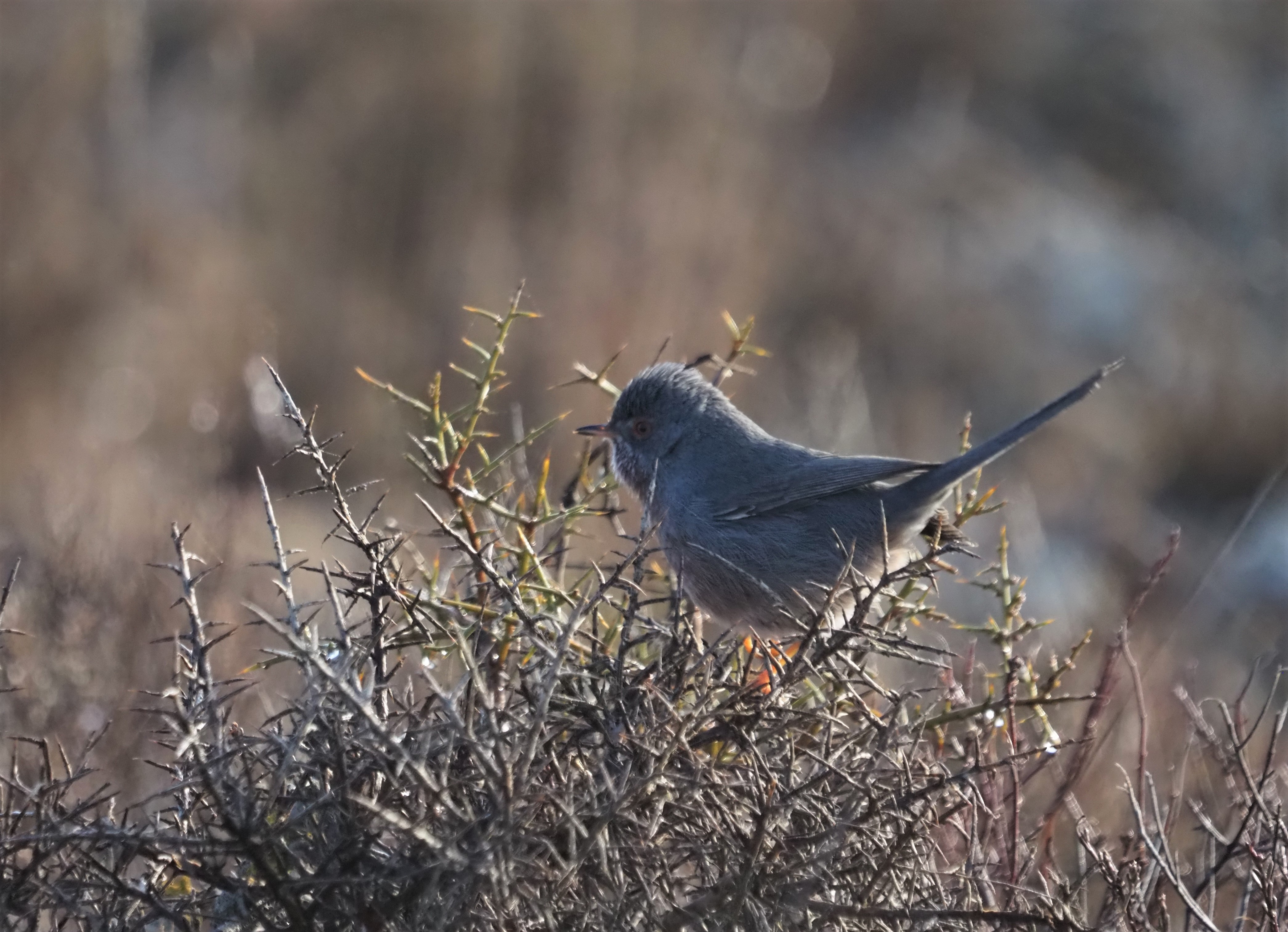
  138. Sardinian Warbler (Curruca melanocephala)
  139. Spectacled Warbler (Curruca conspicillata)
  140. Common Whitethroat (Curruca communis)
  141. Rufous Babbler (Argya fulva)
  142. Eurasian Wren (Troglodytes troglodytes)
  143. White-throated Dipper (Cinclus cinclus)
  144. Spotless Starling (Sturnus unicolor)
  145. Mistle Thrush (Turdus viscivorus)
  146. Eurasian Blackbird (Turdus merula)
  147. Ring Ouzel (Turdus torquatus)
  148. Eurasian Robin (Erithacus rubecula)
  149. Common Nightingale (Luscinia megarhynchos)
  150. Pied Flycatcher (Ficedula hypoleuca)
  151. Moussier’s Redstart (Phoenicurus moussieri)
  152. Common Redstart (Phoenicurus phoenicurus)
  153. Black Redstart (Phoenicurus ochruros)
  154. Blue Rock Thrush (Monticola solitarius)
  155. European Stonechat (Saxicola rubicola)
  156. Northern Wheatear (Oenanthe oenanthe)
  157. Seebohm’s Wheatear (Oenanthe seebohmi)
  158. Desert Wheatear (Oenanthe deserti)
  159. Western Black-eared Wheatear (Oenanthe hispanica)
  160. Red-rumped Wheatear (Oenanthe moesta)
  161. Black Wheatear (Oenanthe leucura)
  162. White-crowned Black Wheatear (Oenanthe leucopyga)
  163. Maghreb Wheatear (Oenanthe lugens)
  164. House Sparrow (Passer domesticus)
  165. Spanish Sparrow (Passer hispanoliensis)
  166. Desert Sparrow (Passer simplex)
  167. Common Rock Sparrow (Petronia petronia)
  168. Grey Wagtail (Motacilla cinerea)
  169. Western Yellow Wagtail (Motacilla flava)
  170. White Wagtail (Motacilla alba) — 168a. Moroccan Wagtail (Motacilla alba subpersonata)
  171. Tawny Pipit (Anthus campestris)
  172. Meadow Pipit (Anthus pratensis)
  173. Tree Pipit (Anthus trivialis)
  174. Red-throated Pipit (Anthus cervinus)
  175. Water Pipit (Anthus spinolleta)
  176. African Chaffinch (Fringilla spodiogenys)
  177. Crimson-winged Finch (Rhodopechys sanguineus alienus)
  178. Trumpeter Finch (Bucanetes githagineus)
  179. Eurasian Greenfinch (Chloris chloris)
  180. Common Linnet (Linaria cannabina)
  181. Common Crossbill (Loxia curvirostra) — heard only
  182. Eurasian Goldfinch (Carduelis carduelis)
  183. European Serin (Serinus serinus)
  184. Eurasian Siskin (Spinus spinus)
  185. Corn Bunting (Emberiza calandra)
  186. Rock Bunting (Emberiza cia)
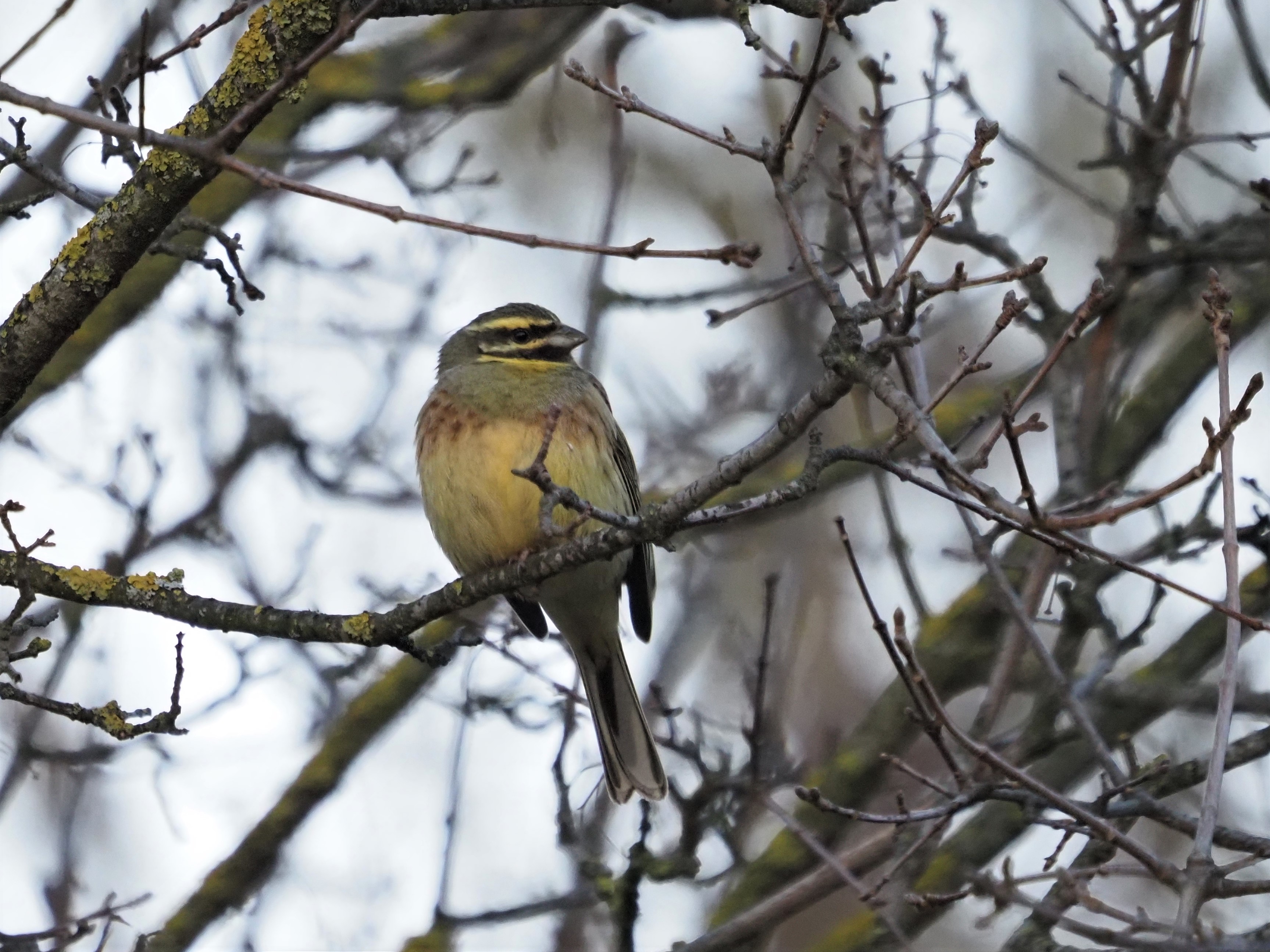
  187. Cirl Bunting (Emberiza cirlus)
  188. House Bunting (Emberiza sahari)

Pyrenees Winter Break 2025

  • Dates: From February 8th to 12th, 2025
  • Tour participants: 6
  • Number of species: 143
  • Tour leader: Carles Oliver

Overview.

The tour started in the Pyrenees with the first morning hampered by snow, low cloud and mist at higher altitudes before clearing to much clearer and milder weather. The weather in the lowlands/plains was very kind with warmer conditions and only very light winds. The bad weather in the first day affected a bit the tour, with a couple of locations performing clearly below average, especially those involving boreal forests. The lack of snow in the top of the mountains during January and February meant no chances for us to connect with Snow Finches. In the steppes, Dupont’s Larks performed very well for us, and once we connected with the major targets in the plains we even had time for a couple of hours of birdwatching at Ebro Delta, a coastal heaven of birds that is normally out of bounds in this itinerary..

DAY 1.

After collecting all 6 tour participants from around the airport in Barcelona we headed through drizzly rain towards the Pyrenees. After 90 minutes of drive, we arrived to the area to explore, and we had a short coffee stop before attempting to drive a lane higher into the mountains through increasingly heavy snow. Around 1500m the road had become quite difficult, so we parked safely and explored the area.

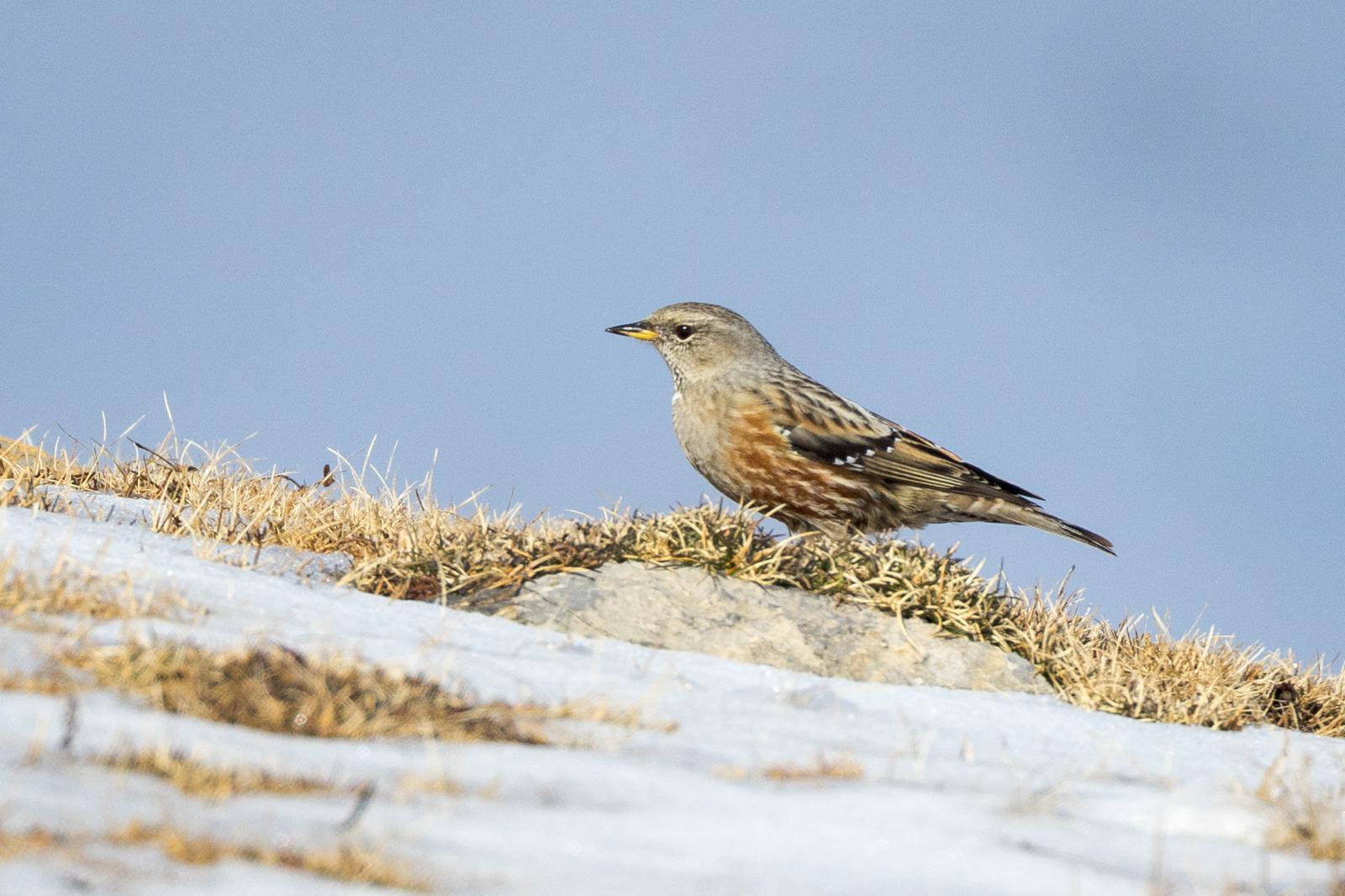
Almost immediately the group found an Alpine Accentor sheltering and feeding on the screen by the roadside! Everyone enjoyed good views despite the weather, before it moved off further up the slope, here we also saw and heard our first European Crested Tits, Coal Tit, Firecrest, and Mistle Thrush of the trip along with several Red-billed Chough.

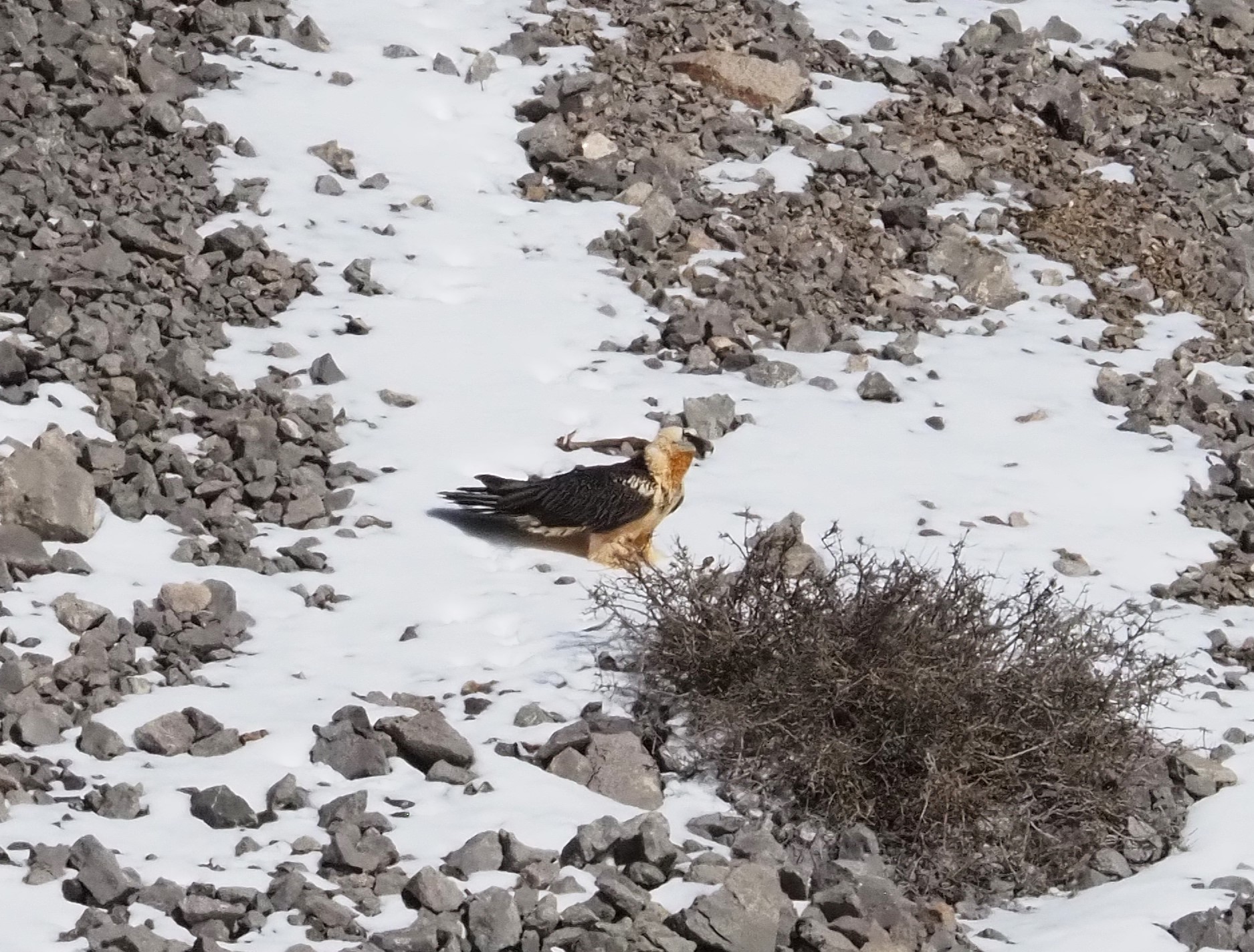
After a walk up the road a few hundred metres the weather began to improve, and as we headed back to the minibus the first of several Eurasian Griffon Vulture began to appear overhead. Whilst enjoying views of these one of the group (Jonny R) shouted out….. ”LAMMERGEIER!!” and an adult bird passed directly overhead giving great views as it glided down across the valley – what a start to the trip!

Alpine Accentor (Prunella collaris) feeding in the slope. Image by Carles Oliver.
Full adult Lammergeier (Gypaetos barbatus). Image by Carles Oliver

After this excitement we decided to slowly head down the mountain, the weather continued to improve and before we had travelled far we had to stop – 2 Lammergeier were circling and showing well above us! An adult-type bird and a younger 3rd year type bird gave a superb show before drifting away. We then stopped around in the valley where the terraced fields and trees provided lots of birds including Rock Bunting, Hawfinch, Black Redstart, European Stonechat, European Serin, Meadow Pipit and some of the commoner Finches and Tits as well as an unexpected Cattle Egret – not something normally seen at this altitude! We could also hear Iberian Green Woodpecker calling here.

During our urban lunch stop and whilst there saw White-throated Dipper, Common Chiffchaff and Grey Wagtail on the stream through the village and a Common Buzzard passed overhead.

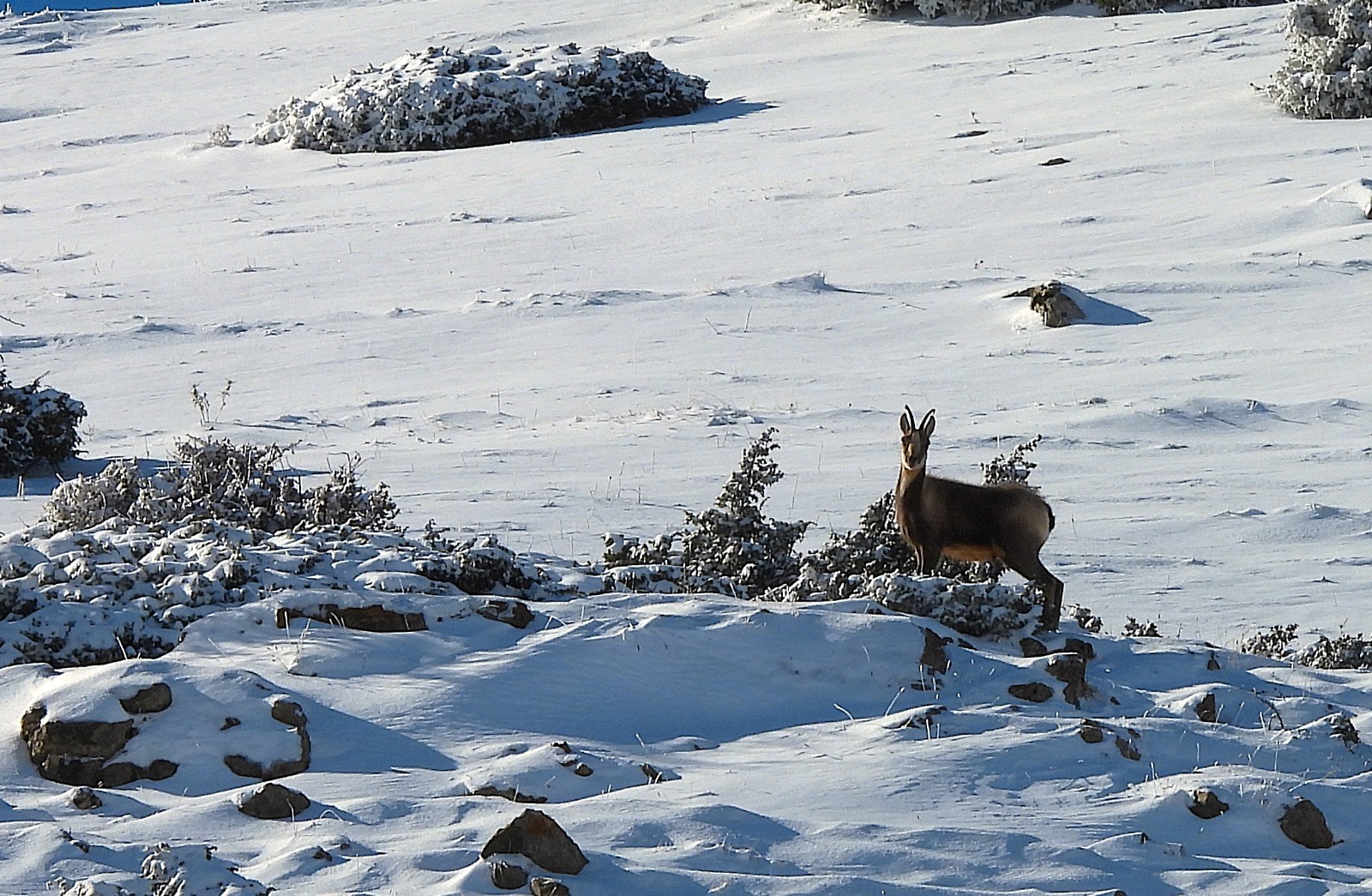
In the afternoon we drove another scenic lane up into the mountains where we enjoyed more fantastic views of 20+ Eurasian Griffons as well as 2 Golden Eagles, Red-billed Choughs and even Magpie which seemed out of place at this altitude. A small group of feeding birds included Fieldfare, Yellowhammer, Chaffinch and Goldfinch. This site also produced our first Pyrenean Chamois of the trip. We again descended into lower meadows and fields and walked a small hill that provided our first Iberian Grey Shrike as well as Eurasian Tree Sparrows, Crested Lark, Firecrests, Crested Tits, Black Redstarts, Yellowhammer, Goldcrest and Corn Buntings. Our last stop before reaching the accommodation for the evening produced lovely views of 8 Rock Sparrows on wires by the roadside – but the day was not finished there because our fabulous accommodation and host has a feeding station in the garden, and as the light faded we were treated to amazing views of up to 3 Beech Martins!! A quite amazing end to fantastic first day.

Hawfinch (Coccothraustes coccothraustes). Image by Justin Williams.
Rock Bunting (Emberiza cia). Image by Carles Oliver.
European Crested Tit (Lophophanes cristatus). Image by Jo Simon.
Eurasian Griffon (Gyps fulvus). Image by Jo Simon.
Beech Martin (Martes foina). Image by Stephen Davis.

Day 2.

In some ways a slightly frustrating day with numerous stops and effort failing to locate any Citril Finch, Black Woodpecker or White-winged Snowfinch, but this aside we enjoyed a fantastic variety of birds as we tried several areas including trips into France and then Andorra!

In the lower altitudes we came across a fantastic mixed flock of finch and other small birds including Common Crossbills, (c20) giving great views along the road, as well as Brambling, Siskin, Bullfinch, Short-toed Treecreeper, Great Spotted Woodpecker, Long-tailed Tit, Rock Bunting and Chaffinch, again we could hear Iberian Green Woodpecker calling but they remained invisible…..also in these areas Red Kites became more frequent. Here we also came across our only Red Squirrel of the trip.

In the high mountain passes we enjoyed yet more incredible views of Eurasian Griffons and Common Raven, and as we entered Andorra, our first stop around the town produced a decent number of Alpine Chough hanging about around the shops and houses.

As we had time left in the day, we retraced our steps and returned to summit the lane at Coll de Pal – we had to stop quite soon on the way up due to an adult Lammergeier showing incredibly well by the van!! This bird gave us our best views yet and even landed on the scree a few hundred yards away – a definite highlight of the whole trip!!

Onwards to the summit of the pass in bright sunshine, and we were rewarded at the top when we located a group of 4 Alpine Accentors feeding down to a few metres away, scuttling and shuffling in the snow and short turf – superb!

We then took the 90 min transfer to Lleida where we would be based for 2 nights.

Common Crossbill (Loxia curvirostra). Image by Jonathan Kennedy.
Alpine Choughs (Pyrrhocora graculus) in Andorra. Image by Justin Williams.
That afternoon we got impressive views on Lammergeier. Image by Carles Oliver.
Lammergeier about to land for us. Image by Carles Oliver.
Lammergeier on the ground. Image by Carles Oliver.
Pyrenean Chamois (Rupicabra pyrenaica). Image by Justin Williams.
Alpine Accentor (Prunella collaris). Image by Stephen Davis.

Day 3.

The day began with a short trip to our first site and roadside White Storks but even this was interrupted by one of the group skilfully spotting a Stone Curlew by the road!

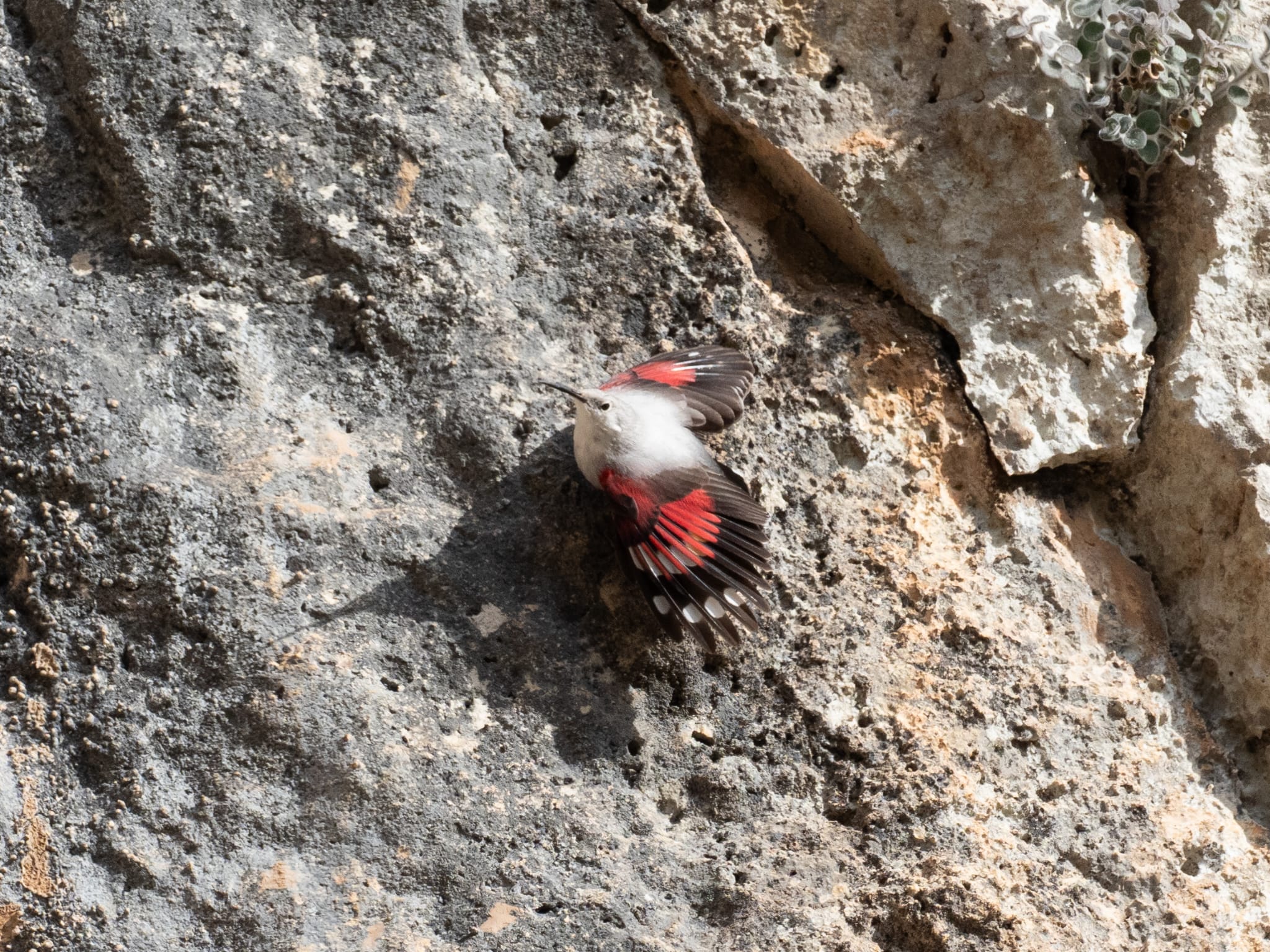
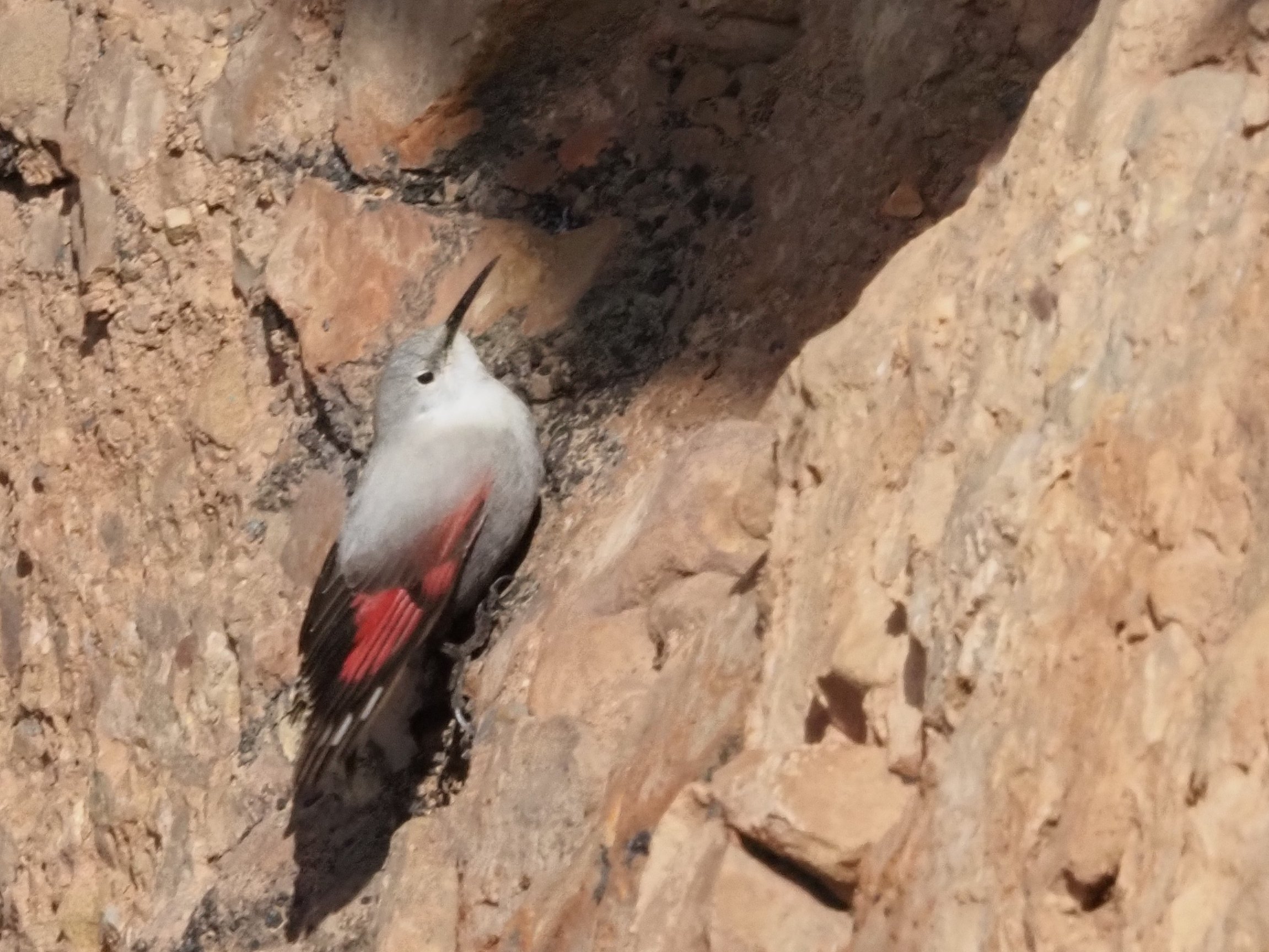
We were shortly at our first stop, a spectacular dam and gorge with a river and mixed scrub, we quickly began adding birds such as Rock Sparrow, Blue Rock Thrush, Crag Martins (which breed in the tunnel), Blackcap, Kestrel, Song Thrush, Short-toed Treecreeper, Common Kingfisher, Cettis and Sardinian Warblers, Firecrest, Rock Buntings and several Eurasian Griffons. Around 2 hours had now passed and things were starting to get a bit tense…..and then WALLCREEPER!! A bird was located towards the dam and 3 of the group were in the right spot to see it straight away, whilst the rest hurried towards the bird, they found a second Wallcreeper! This bird gave everyone much better views for a few minutes, and everyone could relax, especially Carles!

As we left the gorge a short stop provided Cirl Buntings, 2 Peregrines, Hawfinch and a large flock of Corn Bunting, and as we stopped for coffee, Spotless Starlings.

Stone Curlew (Burhinus oedicnemus). Image by Stephen Davis.
Wallcreeper (Tichodroma muraria). Image by Justin Williams.
Wallcreeper (Tichodroma muraria). Image by Jonathan Kennedy.
Wallcreeper (Tichodroma muraria). Image by Justin Williams.
Wallcreeper Argonauts! Image by Jo Symon.

We then moved on towards our next site with a couple of stops, the first providing many Cattle Egrets, White Storks and our first Great Egret, the second 2 Golden Eagles, Lapwing, Raven, Thekla Larks and a ringtail Hen Harrier as well as a roadside Little Owl.

We then stopped beside a spectacular roadside cliff face for our lunchtime picnic and immediately located our 3rd Wallcreeper of the day!! Although a little more distant this bird gave good telescope views, but we were distracted from this by 2-3 Black Wheatears which were also showing well here along with a Blue Rock Thrush!

We were now into an area of plains and mixed arable land that is rapidly changing due to increased irrigation, but some areas still held many birds and we were quickly seeing Calandra Larks along with Thekla and Crested Larks and after walking a while we saw a distant Iberian Grey Shrike, Peregrine, and then located a single summer plumaged Pin-tailed Sandgrouse, a little distant, but again telescope views were good. As we left the site, we had excellent views of another Iberian Grey Shrike which really showed the difference between this and its northern counterpart.

We then called at a small roadside wetland and began adding a few species such as Coot Shoveler, Common Pochard, Common Snipe, Reed Bunting and Great Egret, as well as a rather unexpected, and slightly questionable, African Sacred Ibis! This bird has been in the area a while, and presumably originates from a ‘feral’ population in nearby France, Italy or Germany… Either way it made at least one of the group very happy!

Our last stop was to close by, and before we had even parked the van our main target was located – a male Eagle Owl! Perched in the ruins of an huge ancient building, this guy sat and watched us as we quietly watched him before starting to sing….amazing!

Whilst Serins and Sardinian Warblers twittered and scratched nearby, the Eagle Owl sat watch, his deep hoot echoing occasionally, until he finally flew low across to a nearby rock face….what an end to a truly fantastic days birding!!

Little Owl (Athene noctua) on its roof. Image by Justing Williams.
Spotless Starling (Sturnus unicolor). Image by Justin Williams.
Pin-tailed Sandgrouse (Pterocles alchata) male. Image by Carles Oliver.
Iberian Grey Shrike (Lanius meridionalis) posed nicely for the group. Image by Carles Oliver.
African Sacred Ibis (Therskiornis aethiopicus) moving along with Western Cattle Egrets. Image by Carles Oliver.
Eurasian Eagle Owl (Bubo bubo) watching us. Image by Carles Oliver.

Day 4.

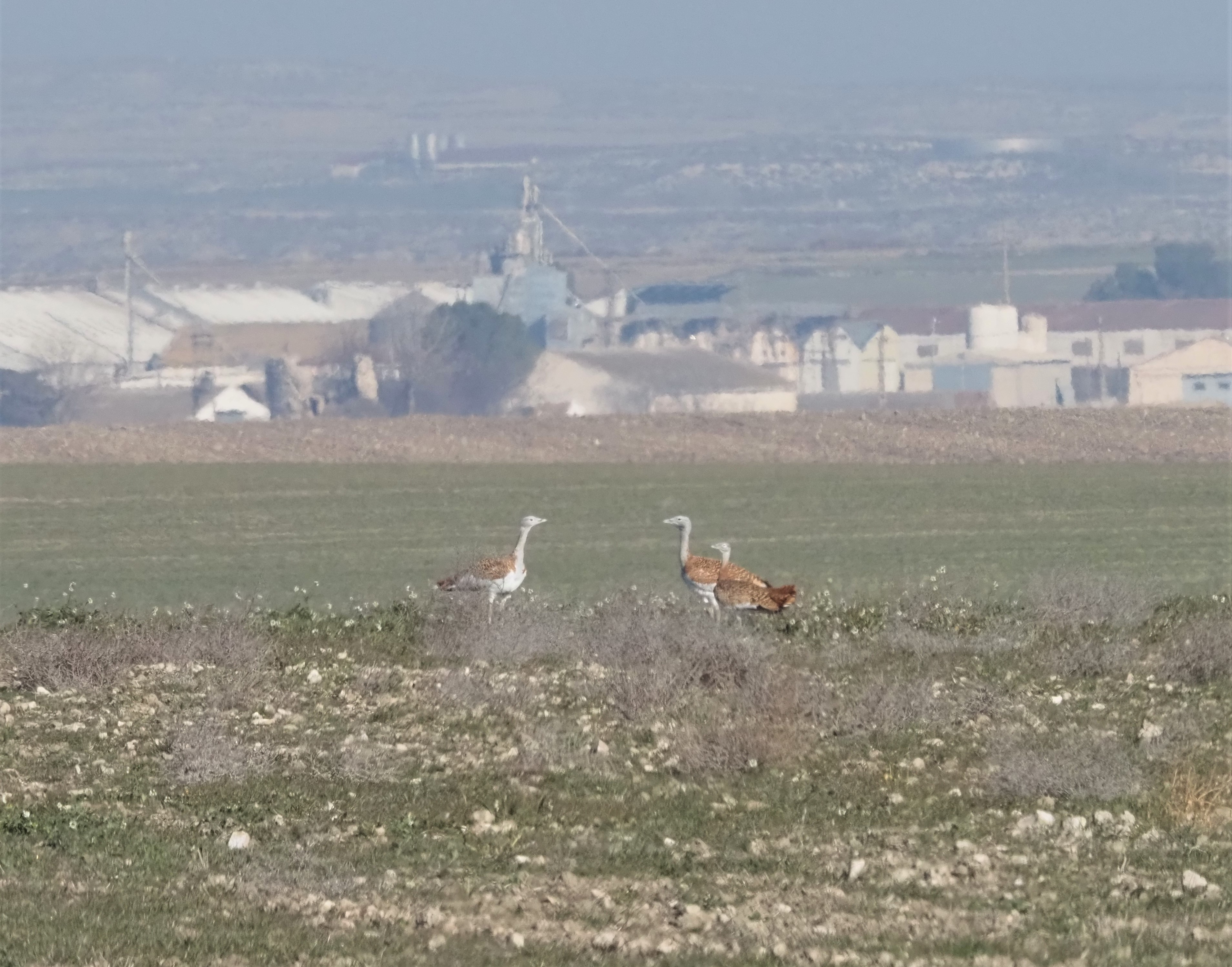
The day began with a short transfer after breakfast, interrupted by a large flock of migrating Common Cranes. These birds had presumably roosted nearby in the large open arable fields and were continuing their northward journey. We then entered an area of mixed arable/farmed/wild fields with big skies and tremendous views, misty fog didn’t help our search, but we quite quickly located 5 Great Bustards, all males, slowly wandering across their chosen field. Views were not brilliant, but very atmospheric! Here we were surrounded by Calandra Larks, Corn Buntings and our first Lesser Short-toed Larks as well as a Zitting Cisticola, Stonechats and Sardinian Warbler.

We then took a short coffee stop as the mist cleared and visited a small wetland with more Larks and many Linnets, Corn Buntings and Chaffinch before having second, clearer but distant views of the Great Bustards. With this under our belts we collected lunch and moved on.

We soon arrived at Lomaza (only briefly distracted by a large flock of migrating White Storks) and began to look at various larks…. A lot! A landscape of low spiky grass, thistle and huge skies stretched all around us. Quickly we were seeing many Calandra, Thekla and Lesser Short-toed (or ‘Mediterranean’) Larks, with their songs all around us, including much mimicry from the Calandra – quite a soundscape!

After c45mins, suddenly, the song we were searching for, and quickly some views of our quarry…DUPONT’S LARK! At least 2 birds, a pair, were making short, darting runs between bits of spiky tussocks grass until, amazingly, the male climbed a short way into a tussock and sat in full view singing…..a fantastic bit of good fortune and handshakes all round!

With the pressure off we all enjoyed the experience and incredible scenery of this beautiful, wild landscape.

The weather was warm now, and we stopped near Belchite to admire some ruins complete with Crag Martins, Serins and Black Redstart before moving onto a high plateau.

Slowly driving and scanning the fields we came across an unexpected flock of Dotterel, with around 25-30 birds present and showing well, whilst above a Golden eagle soared past. Again we were seeing lots of Calandra Lark with birds still in large winter flocks, Stonechats by the road, Red-legged Partridge, 2 Red Fox, but no sandgrouse….much scanning and scoping eventually led to one of the group picking out a small flock in the far distance, we drove nearer and saw up to 16 Black-Bellied Sandgrouse, good scope views of the birds moving about their chosen field as well as in flight when they are really impressive, a fantastic end to another brilliant day!

Great Bustards (Otis tarda) in dense fog. Image by Carles Oliver.
Dupont’s Lark (Chersophilus duponti): shaking wings as preparing to leave its resting site (up), male singing from to top of a tussock (below). Image by Carles Oliver.
Eurasian Dotterel (Charadrius morinellus), one of 25+ birds resting in a plugged field. Image by Justin Williams.
European Serin (Serinus serinus) female in a short stop around Belchite. Image by Carles Oliver.
Golden Eagle (Aquila chrysaetos), one of many seen during the trip. Image by Carles Oliver
Corn Bunting (Emberiza calandra) acting like being spring. The area around Lleida has the largest density in Europe. Image by Carles Oliver.

Day 5.

We awoke to fairly torrential constant rain, and with the forecast not looking good we made the decision to change our plans and head for the Ebro Delta.

This journey was briefly interrupted with a stop when we spotted 4 Spanish Ibex on a high hill beside the road. Once we arrived at the Ebro we rapidly began adding birds to the trip list, the total change in habitat was exciting and we added many species during the morning including exciting birds such as Moustached Warbler which showed quite well a few times, Penduline Tit, Western Swamphen, Bluethroat, Greater Flamingo, Glossy Ibis, Slender-billed Gull, Caspian Tern, Black-necked Grebe, Red-crested Pochard, and Osprey as well a variety of waders and other wetland birds.

Too soon we had to leave and head for Barcelona, and the airport, but still we made time for 2 quick stops – the first giving us great views of Iberian Green Woodpecker (finally!) and Monk Parakeets. The second stop was at the beach right by the airport where we had fantastic views of Audouins Gull and also passing Atlantic Gannets and Sandwich Terns….a fitting end to a really enjoyable trip with a great group!

Western Swamphen (Porphyrio porphyrio) under the rain. Image by Carles Oliver.
Penduline Tit (Remiz pendulinus) showed well under the rain. Image by Carles Oliver.
Bluethroat (Luscinia svecica) in the path for us. Image by Carles Oliver.
Iberian Green Woodpeckers (Picus sharpei). Image by Jo Symon.
Another shot on Iberian Green Woodpecker. Image by Justin Williams.
Our group almost complete. Image by Daf Edwards.

List of birds seen during the tour

  1. Red-legged Partridge (Alectoris rufa)
  2. Common Shelduck (Tadorna tadorna)
  3. Mallard (Anas platyrhynchos)
  4. Eurasian Teal (Anas crecca)
  5. Northern Shoveler (Spatula clypeata)
  6. Common Pochard (Aythya ferina)
  7. Red-crested Pochard (Netta rufina)
  8. Great Bustard (Otis tarda)
  9. Black-bellied Sandgrouse (Pterocles orientalis)
  10. Pin-tailed Sandgrouse (Pterocles alchata)
  11. Feral Pigeon (Columba livia domestica)
  12. Common Woodpigeon (Columba palumbus)
  13. Eurasian Collared Dove (Streptopelia decaocto)
  14. Water Rail (Rallus aquaticus) — heard only
  15. Eurasian Moorhen (Gallinula chloropus)
  16. Eurasian Coot (Fulica atra)
  17. Western Swamphen (Porphyrio porphyrio)
  18. Common Crane (Grus grus)
  19. Great Crested Grebe (Podiceps cristatus)
  20. Black-necked Grebe (Podiceps nigricollis)
  21. Little Grebe (Tachybaptus ruficollis)
  22. Atlantic Gannet (Morus bassanus)
  23. Greater Flamingo (Phoenicopterus ruber)
  24. Black-winged Stilt (Himantopus himantopus)
  25. Stone Curlew (Burhinus oedicnemus)
  26. Eurasian Dotterel (Eudromias morinellus)
  27. Grey Plover (Pluvialis squatarola)
  28. Northern Lapwing (Vanellus vanellus)
  29. Ruddy Turnstone (Arenaria interpress)
  30. Dunlin (Calidris alpina)
  31. Sanderling (Calidris alba)
  32. Common Snipe (Gallinago gallinago)
  33. Common Redshank (Tringa totanus)
  34. Greenshank (Tringa nebularia)
  35. Green Sandpiper (Tringa ochropus)
  36. Eurasian Curlew (Numenius arquata)
  37. Common Sandpiper (Actitis hypoleuca)
  38. Slender-billed Gull (Chroicocephalus geneni)
  39. Black-headed Gull (Chroicocephalus ridibundus)
  40. Mediterranean Gull (Ichthyaetus melanocephalus)
  41. Audouin’s Gull (Ichthyaetus audouinii)
  42. Yellow-legged Gull (Larus michahellis)
  43. Lesser Black-backed Gull (Larus fuscus)
  44. Caspian Tern (Hydroprogne caspia)
  45. Sandwich Tern (Thalasseus sandvicensis)
  46. White Stork (Ciconia ciconia)
  47. Great Cormorant (Phalacrocorax carbo)
  48. Glossy Ibis (Plegadis falcinellus)
  49. African Sacred Ibis (Threskiornis aethiopica)
  50. Little Egret (Egretta garzetta)
  51. Western Cattle Egret (Ardea ibis)
  52. Great White Egret (Ardea alba)
  53. Grey Heron (Ardea cinerea)
  54. Lammergeier (Gypaetus barbatus)
  55. Eurasian Griffon (Gyps fulvus)
  56. Golden Eagle (Aquila chrysaetos)
  57. Red Kite (Milvus milvus)
  58. Hen Harrier (CIrcus cyaneus)
  59. Western Marsh Harrier (Circus aeruginosus)
  60. Eurasian Sparrowhawk (Accipiter nisus)
  61. Common Buzzard (Buteo buteo)
  62. Osprey (Pandion haliaetos)
  63. Eurasian Eagle Owl (Bubo bubo)
  64. Little Owl (Athene noctua)
  65. Eurasian Hoopoe (Upupa epops)
  66. Common Kingfisher (Alcedo atthis)
  67. Great Spotted Woodpecker (Dendrocopos major)
  68. Iberian Green Woodpecker (Picus sharpei)
  69. Eurasian Kestrel (Falco tinnunculus)
  70. Peregrine Falcon (Falco peregrinus)
  71. Monk Parakeet (Myiopsitta monachus)
  72. Mediterranean Short-toed Lark (Alaudala rufescens)
  73. Eurasian Skylark (Alauda arvensis)
  74. Crested Lark (Galerida cristata)
  75. Thekla’s Lark (Galerida theklae)
  76. Calandra Lark (Melanocorypha calandra)
  77. Dupont’s Lark (Chersophilus duponti)
  78. Crag Martin (Ptyonoprogne rupestris)
  79. Meadow Pipit (Anthus pratensis)
  80. Water Pipit (Anthus spinolleta) — heard only
  81. White Wagtail (Motacilla alba)
  82. Grey Wagtail (Motacilla cinerea)
  83. White-bellied Dipper (Cinclus cinclus)
  84. Dunnock (Prunella modularis) — heard only
  85. Alpine Accentor (Prunella collaris)
  86. European Robin (Erithacus rubecula)
  87. Bluethroat (Luscinia svecica)
  88. Black Redstart (Phoenicurus ochruros)
  89. Black Wheatear (Oenanthe leucura)
  90. European Stonechat (Saxicola rubicola)
  91. Blue Rock Thrush (Monticola solitarius)
  92. Song Thrush (Turdus philomelos)
  93. Redwing (Turdus iliacus) — heard only
  94. Mistle Thrush (Turdus viscivorus)
  95. Fieldfare (Turdus pilaris)
  96. European Blackbird (Turdus merula)
  97. Eurasian Blackcap (Sylvia atricapilla)
  98. Sardinian Warbler (Curruca melanocephala)
  99. Moustached Warbler (Acrocephalus melanopogon)
  100. Zitting Cisticola (Cisticola juncidis)
  101. Cetti’s Warbler (Cettia cetti)
  102. Common Chiffchaff (Phylloscopus collybita)
  103. Goldcrest (Regulus regulus)
  104. Firecrest (Regulus ignicapillus)
  105. Eurasian Wren (Troglodytes troglodytes) — heard only
  106. Eurasian Blue Tit (Cyanistes caeruleus)
  107. European Crested Tit (Lophophanes cristatus)
  108. Great Tit (Parus majors)
  109. Coal Tit (Periparus ater)
  110. Long-tailed Tit (Aegithalos caudatus)
  111. Western Penduline Tit (Remiz pendulinus)
  112. Eurasian Nuthatch (Sitta europaea)
  113. Short-toed Treecreeper (Certhia brachydactyla)
  114. Wallcreeper (Tichodroma muraria)
  115. Iberian Grey Shrike (Lanius meridionalis)
  116. Eurasian Magpie (Pica pica)
  117. Eurasian Jay (Garrulus glandarius)
  118. Western Jackdaw (Coloeus monedula)
  119. Carrion Crow (Corvus corone)
  120. Hooded Crow (Corvus cornix)
  121. Common Raven (Corvus corax)
  122. Alpine Chough (Pyrrhocorax graculus)
  123. Red-billed Chough (Pyrrhocorax pyrrhocorax)
  124. European Starling (Sturnus unicolor)
  125. Spotless Starling (Sturnus vulgaris)
  126. Eurasian Tree Sparrow (Passer montanus)
  127. House Sparrow (Passer domesticus)
  128. Common Rock Sparrow (Petronia petronia)
  129. Common Chaffinch (Fringilla coelebs)
  130. Brambling (Fringilla montifringilla)
  131. European Serin (Serinus serinus)
  132. Eurasian Goldfinch (Carduelis carduelis)
  133. Eurasian Greenfinch (Chloris chloris)
  134. Eurasian Siskin (Spinus spinus)
  135. Linnet (Acanthis cannabina)
  136. Eurasian Bullfinch (Pyrrhula pyrrhula)
  137. Common Crossbill (Loxia curvirostra)
  138. Hawfinch (Coccothraustes coccothraustes)
  139. Yellowhammer (Emberiza citrinella)
  140. Cirl Bunting (Emberiza cirlus)
  141. Rock Bunting (Emberiza cia)
  142. Common Reed Bunting (Emberiza schoneiclus)
  143. Corn Bunting (Emberiza calandra)

List of mammals seen during the tour

  1. Red Squirrel (Sciurus vulgaris)
  2. European Rabbit (Oryctolagus cuniculus)
  3. Roe Deer (Capriolus capriolus)
  4. Pyrenean Chamois (Rupricabra rupricabra)
  5. Spanish Ibex (Cabra hispanica)
  6. Beech Marten (Martes foina)
  7. Red Fox (Vulpes vulpes)

Hongria Birding Tour, 2024

  • Dates: Del 3 al 8 d’agost, 2024
  • Participants: 5
  • Número d’espècies vistes: 143
  • Tour leader: Sergi Sales

Resum: Hongria presenta una combinació entre increïbles boscos, zones d’aiguamoll i grans planures de secà, anomenades putsza. Aquest país és un dels pocs llocs on pots veure tots els picots d’Europa, excepte el tridàctil, alhora que bones poblacions de piocs salvatges amb un bon assortit de rapinyaires.

Dia 1

Fent escala a Viena, arribem al petit aeroport de Budapest al migdia amb temps per poder fer una primera visita a les zones de putsza al Sud de la capital.

Tot just trepitjar les primeres planúries no ens és gens difícil, als marges dels camins, veure un bon nombre d’escorxadors i trenques. Els primers encara alimentant pollets volanders.

Estols d’oques comunes comencen a desplaçar-se a les zones de joca al igual que grans grups de cornelles emmantellades barrejades amb graules.

En aquesta zona son freqüents els grups familiars de gaig blau. No tardem gaire en veure el majestuós vol de l’au més pesada amb capacitat per poder volar; el pioc salvatge, i tot voltant per la zona veiem altres grups que com per art de màgia desapareixen de l’horitzó de forma miraculosa. Entre les escenes màgiques que restaran a la nostra memòria està la del vol d’un nombrós grup de piocs sobre la nostra posició amb el seu majestuós vol.                                                       

D’aquí ens desplacem al nostre allotjament per acabar aquesta llarga jornada degustant les primeres viandes de la famosa cuina hongaresa.

Trenca (Lanius minor), espècie molt comú a les estepes hongareses. Lesser Grey Shrike.

Escorxador (Lanius collurio), una espècie encara més comú que l’anterior. Red-backed Shrike.

Pioc salvatge (Otis tarda) en vol al vespre. Great Bustard.

Dia 2

Acompanyats de bons amics hongaresos visitem la famosa reserva de putsza al Sud de la capital. Una vegada près el cafè recuperador fem un tomb pel poble a la cerca del picot garser siriac, ocell que sovint es veu en zones humanitzades. No triguem a detectar les veus d’aquest ocell i finalment una parella es deixa veure al voltant d’una zona enjardinada. La migració dels petits ocells ja és present, com a confirma la visualització en el mateix jardí d’un mosquiter xiulaire i les veus de diversos tallarols xerraires.  

Travessem zones obertes tot esperant que l’augment de la temperatura activi als gran rapinyaires. Repetim forces espècies vistes el dia anterior, amb les primeres observacions de llunyanes d’àguiles imperials orientals. Finalment es fan tèrmiques on s’agrupen diverses àguiles imperials i les primeres majestuoses àguiles marines.

Sobrevolen els espais pasturats pels búfals alliberats dins el marc dels projectes de gestió d’hàbitats per les espècies estepàries, cigonyes blanques i negres. Ens dirigim ara a un racó diferent, a on fem espera d’un dels gran targets del viatge, el falcó sacre. Tot veient una de les seves preses favorites, els suslic, esperem fins que un exemplar de falcó apareix tot lluitant amb un dels omnipresents xoriguers comuns.  Posteriorment, un altre exemplar en del·laïta amb vols de cacera a més curta distància.    

Una vegada assolits els principals objectius de la regió, visitem alguna de les grans zones humides bàsicament emprades com a piscifactories de peix d’aigua dolça, sobretot carpa i peix gat. Aquí hi trobem un bon ventall d’aus aquàtiques alhora que els primers corbs marins pigmeus del viatge i morell xocolaters, alguns encara en grups familiars. Dos exemplars de les escasses perdius de mar en aquesta zona es llueixen davant nostre i alhora que tafaners joves de mallerengues de bigotis es deixen veure en els canyissars que envolten les basses.

Arribat al migdia visitem un restaurant especialitzat en cuina local, una gran cloenda per un agran jornada.

Posteriorment marxem cap el nord-est ja que ens espera un llarg trànsfert on van sortint noves espècies pel tour com un grapat de falcons cama-rojos.

Cigonyes blanca i negra (dreta) sobrevolant les estepes hongareses. White and Black Storks.
Àguila marina (Hieraaetus albicilla). White-tailed Eagle
Falcó sagrat (Falco cherrug), un dels rapinyaires més amenaçats a Europa. Saker Falcon.
Àguila imperial oriental (Aquila heliaca). Eastern Imperial Eagle

Dia 3

Avui l’objectiu és visitar el mític conjunt de zones humides i putsza de la regió d’Hortobagy. Un organitzat sistema de piscifactories de peix d’aigua dolça permet visitar caminant diverses basses amb diferents cobertures de canyissar on per exemple són abundants un seguit de passeriformes de canyissar com els boscarlers comuns, les boscarles de canyar o les mallerengues de bigotis.  En aquestes dates les zones més somes estan pràcticament seques però allà on resta una mica d’aigua, es concentren un bon nombre d’ardèids, bec-planers i limícoles. Des d’una de les torres d’observació es veu l’increïble paisatge que genera una gran zona humida envaïda per florits nenúfars grocs. Entre ells s’amaguen morells xocolaters, cabussons i centenars de corb marins pigmeus.

Després d’un excel·lent dinar en un clàssic restaurant d’Hortobagy, visitem zones inundades on centenars d’oques es concentraven en les pastures properes. En una d’ells, entre grups de fumarells carablancs, vam poder trobar alguns fumarells alablancs.

Decidim acabar la jornada visitant zones d’estepes on gaudim d’una espectacular tarda amb grups familiars de gaig blau, falcons cama-rojos, piocs salvatges, trenques i escorxadors alhora que rapinyaires com àguila imperial oriental o arpella cendrosa.

Corb marí pigmeu (Micracarbo pygameus), una espècie habitual a Hongria. Pygmy Cormorant.
Picot verd europeu (Picus viridis) jove. European Green Woodpecker
Femella (esq) i mascle (dreta) de falcó cama-roig (Falco vespertinus). Red-footed Falcon

Dia 4

Avui l’objectiu serà visitar els majestuosos boscos caduficolis per intentar sumar un bon nombre de picots i altres ocells forestals

Comencem a la cerca d’una de les espècies que interessen al tour: les mallerengues capnegres. Un cop ens endinsem en zones de coníferes no triguem en detectar, dins de grans grups mixtes (reietons, mallerengues, raspinell pirinenc..), els primers exemplars d’aquesta espècie.

Un excitat picot negre eurosiberià ens acomiada de la zona. D’aquí conduim fins a un altre bosc a la cerca del més localitzat dels picots, el picot garser dorsblanc.

Als pocs minuts s’escolta el típic reclam del picot cendrós, finalment deixant-se veure després d’una breu disputa amb un picot verd europeu. Sembla que li agrada recuperar energia al sol, ja que resta immòbil una bona estona a la capçada d’un arbre per fortuna per nosaltres.

Arbres madurs fan que el picoteig de picot sigui constant i ens fa amena l’espera fins que surti l’estrella del dia. Picots garsers mitjans, grossos i petits són abundants alhora que grups mixtes de passeriformes on apareixen grups nombrosos de mallerengues cuallargues de les races de cap blanc, un ocell d’aspecte tant delicat com espectacular. Finalment dues no massa llunyanes parelles de picot garser dorsblanc es van deixar veure i escoltar a plaer.

En una breu passejada pel mateix bosc, 8 espècies de picots! no està gens malament.

Visitem zones obertes a la cerca de petits migrants on a més de durbecs, cotxes fumades….apareix un inquieta busqueta icterina.

Dinem a peu de rierol on ens visita una família de cueretes torrenteres i al refugi d’una bona ombra.

Posteriorment visitem un espai obert, un mosaic de pastures, camps i fruiters. Els arbres i arbustos estaven plens de fruites i baies fet que atreia petits migrants, especialment tallarols de casquet, xerraires, verderoles… Vista fugaç i veus de tallarol esparverenc, el qual no es deixa veure de forma òptima. Escanejant el cel va sorprendre una fase pàl·lida d’àguila calçada, espècie rara en aquesta àrea.

Picot cendrós (Picus canus). Grey-headed Woodpecker.
Mallarenga cuallarga capblanca (Aegithalos caudatus). Long-tailed Tit (Eastern)
Mallerenga capnegre (Poecile montanus) a un bosc de coníferes. Willow Tit.
Picot garser dorsblanc (Dendrocopos leucotos). White-backed Woodpecker
Bosqueta icterina (Hippolais icterina). Icterine Warbler.

Dia 5

Afortunadament a hores d’ara ja hem assolit els principals objectius del tour, per tant, el que fem és intentar millorar observacions d’algunes de les espècies i/o fotografiar-les.

Comencem visitant zones periurbanes a la cerca de picot garser siríac i sobretot picot verd europeu, dels quals no tardem en detectar, especialment el picot verd dels quals un jove s’acaba aturant a un pal de formigó donant observacions a plaer. Aquest mosaic d’hàbitats fa que siguin abundants els fringíl·lids i migrants com el tallarol gros.

Una vegada comencen a pujar les temperatures ens desplacem cap als sectors on nidifiquen les àguiles pomerànies, el darrer dels targets que ens quedava per assolir. Als pocs minuts es deixa veure un exemplar que veiem aturar a una vall arbrada. Posteriorment es veuen altres vegades fins dos exemplars. La zona sembla bona per rapinyaires ja que també es deixen veure aligots vespers i altres aus planejadores.

Amb les temperatures de mig matí decidim visitar zones boscoses on segur que es manté més activitat que en zones obertes. Una passejada per un madur bosc caducifoli ens permet gaudir de bones observacions de varis picots garsers mitjans, grossos, petits i grups mixtes de mallerengues.

Nou dinar en restaurants de cuina típica hongaresa per tancar una altre gran matí ornitològic.

Decidim visitar zones boscoses amb arbres grans per cercar el picot negre, el pícid que pitjor havíem observat en aquest viatge.  Vàrem escollir bé el lloc de prospecció perquè en pocs minuts ja escoltàvem un picot a curta distancia, el qual ens va acompanyar una bona estona fent volades ràpides a curs distància, mostrant la gran habilitat que tenen per aturar-se a la banda “equivocada dels arbres”.

Una bones copes de casolana palinka per tancar el darrer sopar del viatge.

Picot garser mitjà (Dendrocopos medius). Middle Spotted Woodpecker.

Dia 6

Aquest matí només disposem d’un parell d’hores de birding abans de desplaçar-nos cap a l’aeroport. Per això decidim de fer un tomb tot resseguint un torrent a tocar de l’hospedatge per tal de mirar algun picot més.

Cercant entre els grans arbres veiem un bon ventall d’espècies forestals, entre elles diversos grups mixten a on destaquen mallerengues cuallargues de cap blanc i 4 espècies de pícids destacant uns quants picots verds europeus; a les zones obertes veiem cotxes fumades i papamosques grisos, però sobretot destaca el nombre de mosquiters xiulaires que veiem en aquesta passejada.

Un relaxat i gran final per un extraordinari tour a un país molt recomanable per viatjar per qualsevol ornitòleg.

Llista d’aus observades al llarg del tour:

  1. Faisà — Phaisanus colchinus — Common Pheasant
  2. Cigne mut — Cygnus olor — Mute Swan
  3. Oca comuna — Anser anser — Greylag Goose
  4. Ànec griset — Marecca strepera — Gadwall
  5. Xarxet comú — Anas crecca — Eurasian Teal
  6. Ànec coll-verd — Anas platyrhynchos — Mallard
  7. Xarrasclet — Spatula querquedula — Garganey
  8. Xibec — Netta rufina — Red-crested Pochard
  9. Morell de cap roig — Aythya ferina — Common Pochard
  10. Morell xocolater — Aythya nyroca — Ferruginous Duck
  11. Colom roquer — Columba livia — Feral Pigeon
  12. Xixella — Columba oenas — Stock Dove
  13. Tudó — Columba palumbus — Common Wood Pigeon
  14. Tòrtora europea — Streptopelia turtur — European Turtle Dove
  15. Tòrtora turca — Streptopelia decaocto — Eurasian Collared Dove
  16. Falciot negre — Apus apus — Common Swift
  17. Polla d’aigua — Gallinula chloropus — Eurasian Moorhen
  18. Fotja eurasiàtica — Fulica atra — Eurasian Coot
  19. Pioc salvatge — Otis tarda — Great Bustard
  20. Cabusset — Tachybaptus ruficollis — Little Grebe
  21. Cabussó coll-negre — Podiceps nigricollis — Black-necked Grebe
  22. Cabussó emplomallat — Podiceps cristatus — Great Crested Grebe
  23. Cames llargues — Himantopus himantopus — Black-necked Stilt
  24. Fredeluga comuna — Vanellus vanellus — Northern Lapwing
  25. Becut eurasiàtic — Numenius arquata — Eurasian Curlew
  26. Becadell comú — Gallinago gallinago — Common Snipe
  27. Gamba roja comuna — Tringa totanus — Common Redshank
  28. Gamba roja pintada — Tringa erythropus — Spotted Redshank
  29. Valona — Tringa glareola — Wood Sandpiper
  30. Xivita — Tringa ochropus — Green Sandpiper
  31. Xivitona — Actitis hypoleucos — Common Sandpiper
  32. Gavina riallera — Chroicocephalus ridibundus — Black-headed Gull
  33. Gavià del Caspi –Larus cachinnans — Caspian Gull
  34. Gavià argentat — Larus michahellis — Yellow-legged Gull
  35. Xatrac comú — Sterna hirundo — Common Tern
  36. Fumarell negre — Chlidonias niger — Black Tern
  37. Fumarell alablanc — Chlidonias leucopterus — White-winged Black Tern
  38. Fumarell carablanc — Chlidonias hybridus — Whiskered Tern
  39. Cigonya blanca — Ciconia ciconia — White Stork
  40. Black Stork — Ciconia nigra — Black Stork
  41. Corb marí pigmeu — Phalacrocorax pigmaeus — Pygmy Cormorant
  42. Corb marí gros — Phalacrocorax carbo — Great Cormorant
  43. Bernat pescaire — Ardea cinerea — Grey Heron
  44. Agró roig — Ardea purpurea — Purple Heron
  45. Martinet menut — Botaurus minutus — Little Bittern
  46. Martinet ros — Ardeola ralloides — Squacco Heron
  47. Esplugabous — Bubulcus ibis — Western Cattle Egret
  48. Martinet blanc — Egretta garzetta — Little Egret
  49. Martinet de nit — Nycticorax nycticorax — Black-crowned Night Heron
  50. Agró blanc — Ardea alba — Great White Egret
  51. Bec-planer eurasiàtic — Platalea leucorodia — Eurasian Spoonbill
  52. Capó reial — Plegadis falcinellus — Glossy Ibis
  53. Aligot vesper europeu — Pernis apivorus — European Honey Buzzard
  54. Aligot comú — Buteo buteo — Common Buzzard
  55. Esparver cendrós — Circus pygargus — Montagu’s Harrier
  56. Arpella comuna — Circus aeruginosus — Western Marsh Harrier
  57. Àguila pomerània — Clanga pomarina — Lesser Spotted Eagle
  58. Àguila marcenca — Circaetus gallicus — Short-toed Eagle
  59. Àguila imperial oriental — Aquila heliaca — Eastern Imperial Eagle
  60. Àguila calçada — Aquila pennata — Booted Eagle
  61. Esparver comú — Accipiter nisus — Eurasian Sparrowhawk
  62. Àguila marina — Haliaaetus albicilla — White-tailed Eagle
  63. Putput eurasiàtica — Upupa epops — Eurasian Hoopoe
  64. Gaig blau — Coracias garrulus — European Roller
  65. Abellerol europeu — Merops apiaster — European Bee-eater
  66. Blauet comú — Alcedo atthis — Common Kingfisher
  67. Colltort comú — Jynx torquilla — Eurasian Wryneck
  68. Picot garser mitjà — Dendrocopos medius — Middle Spotted Woodpecker
  69. Picot garser dors-blanc — Dendrocopos leucotos — White-backed Woodpecker
  70. Picot garser gros — Dendrocopos major — Great Spotted Woodpecker
  71. Picot garser siriac — Dendropocos syriacus — Syrian Woodpecker
  72. Picot garser petit — Dryobates minor — Lesser Spotted Woodpecker
  73. Picot cendrós — Picus canus — Grey-headed Woodpecker
  74. Picot verd europeu — Picos viridis — European Green Woodpecker
  75. Picot negre — Dryocopus martius — Black Woodpecker
  76. Xoriguer comú — Falco tinnunculus — Common Kestrel
  77. Falcó cama-roig — Falco vespertinus — Red-footed Falcon
  78. Falcó sacre — Falco cherrug –Saker Falcon
  79. Falcó mostatxut — Falco subbuteo — Eurasian Hobby
  80. Cogullada comuna — Galerida cristata — Crested Lark
  81. Alosa comna — Alauda arvensis — European Skylark
  82. Oreneta de ribera — Riparia riparia — Sand Martin
  83. Oreneta comuna — Hirundo rustica — Barn Swallow
  84. Oreneta cuablanca — Delichon urbicum — Common House Martin
  85. Cuereta blanca — Motacilla alba — White Wagtail
  86. Cuereta groga — Motacilla flava — Western Yellow Wagtail
  87. Cuereta torrentera — Motacilla cinerea – Grey Wagtail
  88. Pit-roig — Erithacus rubecula — European Robin
  89. Rossinyol comú — Luscinia megarhynchos — Common Nightingale
  90. Cotxa fumada — Phoenicurus ochruros — Black Redstart
  91. Bitxac comú — Saxicola rubicola — European Stonechat
  92. Còlit gris — Oenanthe oenanthe — Northern Wheatear
  93. Tord comú — Turdus philomelos — Song Thrush
  94. Griva comuna — Turdus viscivorus — Mistle Thrush
  95. Merla comuna — Turdus merula — Eurasian Blackbird
  96. Tallarol esparverenc — Curruca nisoria — Barred Warbler
  97. Tallareta comuna — Curruca communis — Common Whitethroat
  98. Tallarol xerraire — Curruca curruca — Lesser Whitethroat
  99. Tallarol gros — Sylvia borin — Garden Warbler
  100. Tallarol de casquet — Sylvia atricapilla — Eurasian Blackcap
  101. Boscarla dels joncs — Acrocephalus schoenobaenus — Sedge Warbler
  102. Boscarla de canyar — Acrocephalus scirpaceus — Common Reed Warbler
  103. Balquer — Acrocephalus arundinaceus — Great Reed Warbler
  104. Boscarler comú — Locustella luscinioides — Savi’s Warbler
  105. Bosqueta icterina — Hippolais icterina — Icterine Warbler
  106. Mosquiter comú — Phylloscopus collybita — Common Chiffchaff
  107. Mosquiter de passa — Phylloscopus troquilus — Willow Warbler
  108. Mosquiter xiulaire — Phylloscopus sibilatrix — Wood Warbler
  109. Cargolet — Troglodytes troglodytes — Eurasian Wren
  110. Papamosques gris — Muscicapa striata — Spotted Flycatcher
  111. Mallerenga carbonera — Parus major — Great Tit
  112. Mallerenga blava — Cyanistes caeruleus — Eurasian Blue Tit
  113. Mallerenga petita — Periparus ater — Coal Tit
  114. Mallerenga d’aigua — Poecile palustris — Marsh Tit
  115. Mallerenga capnegra — Poecile montanus — Willow Tit
  116. Teixidor — Remiz pendulinus — Eurasian Penduline Tit
  117. Mallerenga de bigotis — Panurus biarmicus — Bearded Tit
  118. Mallerenga cuallarga — Aegithalos caudatus — Long-tailed Tit
  119. Raspinell comú — Certhia brachydactyla — Short-toed Treecreeper
  120. Raspinell pirinenc — Certhia familiaris — Eurasian Treecreeper
  121. Pica-soques blau — Sitta europaea — Eurasian Nuthatch
  122. Reietó — Regulus regulus — Goldcrest
  123. Trenca — Lanius minor — Lesser Grey Shrike
  124. Escarxador — Lanius collurio — Red-backed Shrike
  125. Oriol europeu — Oriolus oriolus — Eurasian Golden Oriole
  126. Gaig eurasiàtic — Garrulus glandarius — Eurasian Jay
  127. Garsa eurasiàtica — Pica pica — Eurasian Magpie
  128. Gralla occidental — Corvus monedula — Western Jackdaw
  129. Cornella emmantellada — Corvus cornix — Hooded Crow
  130. Graula — Corvus frugilegus — Rook
  131. Corb comú — Corvus corax — Corb comú
  132. Estornell comú — Sturnus vulgaris — Common Starling
  133. Pardal comú — Passer domesticus — House Sparrow
  134. Pardal xarrec — Passer montanus — Eurasian Tree Sparrow
  135. Pinsà comú — Fringilla coelebs — Common Chaffinch
  136. Durbec — Coccothraustes coccothraustes — Hawfinch
  137. Cadernera comuna — Carduelis carduelis — Eurasian Goldfinch
  138. Verdum eurasiàtic — Chloris chloris — Eurasian Greenfinch
  139. Gafarrí europeu — Serinus serinus — European Serin
  140. Passerell comú — Lanaria cannabina — Common Linnet
  141. Verderola –Emberiza citrinella — Yellowhammer
  142. Repicatalons — Emberiza schoeniclus — Common Reed Bunting
  143. Cruixidell — Emberiza calandra — Corn Bunting

Llista de mamífers observats al llarg del tour:

  1. Llebre europea — Leppus europaeus — European Hare
  2. Cabirol — Capreolus capreolus — Roe Deer
  3. Souslik — Spermophilus citellus — Suslik
  4. Daina — Dama dama — Fallow Deer
  5. Rata de camp — Rattus norvegicus — Brown Rat
  6. Esquirol — Sciurus vulgaris — Red Squirrel
  7. Guineu — Vulpes vulpes — Red Fox

Cape Town Grand Tour 2024 Trip Report

  • Dates: From October 11th to 19th, 2024
  • Tour participants: 3
  • Number of species: 240
  • Tour leader: Carles Oliver

All images in this trip report by Carles Oliver. All rights reserved.

Overview: This tour explores the Western Cape province, a very interesting part of South Africa hosting very interesting endemics, including some only living in this small area of the country and are not to be found anywhere else. This was our 3rd tour exploring the Cape Town province, and despite the weather was not as good as it could be, we got a wonderful array of species including good views not only in the very sought-after endemics but also in some very interesting species at the continent level including Buff-spotted Flufftail, Marsh Owl, Quailfinch, Spectacled Petrel, Secretary Bird and Verreaux’s Eagle. Yes, the weather was a bit challenging, with a couple of days of very low temperatures and extremely strong winds. The weather conditions were neither in our side during the offshore, and we had an extremely quiet day, with nearly no wind. Still, we got a very long list of species, even if some major road works made impossible to explore one of the largest wetlands along the itinerary.

Day 1. Arrived to Cape Town from our connexion flight via Dubai, and we got our first birds of the trip in the parking lot of the airport, where we had both Cape Canary & Cape White-eye in the very first bush that we saw.

It was a lovely evening, and the short transfer to the our accommodation not only provided the group with the first views on the majestic Table Mountain NP, but also with flocks of Western Cattle Egrets and Hadada Ibises. We even got a House Crow, a very uncommon bird in the area! Once in our lodge, we still had a few minutes of birding overlooking a close estuary. There, we got several Egyptian Geese, Brown-hooded & Hartlaub’s Gulls but also Black-necked Stilts, Pied Kingfishers, Common Greenshanks, some magnificent Blacksmith Plovers and the first African Spoonbills, Cape Teals & African Oystercatchers of the tour, plus the only one Black-crowned Night Heron of the trip!

Day 2. After a nice breakfast, we left the accommodation, ready to have the first serious birding of the trip. This first day was devoted to explore a small area of the coast East of Cape Town. A 45 minutes transfer was necessary to reach the first location of the day. There, in a very impressive coastal fynbos (South African Mediterranean scrub land) we had a lovely short walk with a long and interesting list of species including several endemics. White-necked Ravens were flying over the closer houses along with a couple of Rock Kestrels. Down in the scrubs, the explosive song of Cape Grassbirds was the opening for a very interesting list of species. Soon, we had our first family groups of Piping & Red-headed Cisticolas along with Cape Buntings, Cape Wagtail, Cape Robin Chats, Cape Canaries, Olive Thrushes, Yellow Bishop and the extemelly common Southern Double-banded Sunbird and the firsts Rock Martins of the trip. Only a few metres of walk were necessary to have the first Cape Sugarbird, with a very impressive male singing only a few yards away from us. Its rather weird song didn’t distracted us from scanning from new species, and we found a very close Cape Rock Thrush looking for preys in a nearby meadow.

A bit more of walk was required to find the first Orange-breasted Sunbirds of the trip. Here the slope becomes steeper, and impressive rocky outcrops emerge to create a number of solid rock walls higher in the slope. Those fingers and the rocky tongues between them are the habitat for a very special species, and the main reason for us to visit this location. We had some hard scanning in the slopes, trying to locate this very sought-after species. After some minutes, we got nothing but suddenly Ann got a bird. A kind of “dark Mistle Thrush with its tail up” she came to described. No doubt, she had a Cape Rockjumper! Following her indications, it only took us half minute to point the scope on the bird: A wonderful male Cape Rockjumper only for ous eyes! It was mid way up the slope, but it provided long and excellent views on the scope as it kept exploring the rocky, low vegetated mountain. At some point the bird moved down the slope, and our hearts beated hard, facing the perspective of a close view. But it never happened. Soon, the Rockjumper went back up and we kept enjoying the bird whilst scanning for a possible female that never showed out. A couple of Cape Siskins flew higher in the slopes, providing a first (although poor) view for our guests. This small beauty is an endemic species of the coastal scrubland East of Cape Town, and a very important species for the trip! Other very interesting species here included the rarely seen Victorin’s Warbler and the first of many Karoo Prinias, White-rumped Swifts and Familiar Chats.

Cape Sugarbird (Promerops cafer)
White-necked Raven (Corvus albicollis)
Cape Rock Thrush (Monticola rupestris), a endemic with a really small range.
Cape Buntings (Emberiza capensis) are always so obliging!
Orange-breasted Sunbird, a superb sunbird with a very small range.
Proteas are such a fancy plants!
Red-headed Cisticola (Cisticola subruficapilla)
Cape Rockjumper (Chaetops frenatus) showing well in the scope and with a poor but clear image.
Orange-breasted Sunbird (Anthobaphes violacea) is likely to stop in the many boulders within its habitat.
Amazing views on this stunning male Cape Sugarbird as we were leaving our first stop.

After such a phenomenal first stop of our trip, we drove down from the mountains to enjoy a very nice coffee stop and (probably) the most beautiful muffins in the area! Close by, a very attractive botanical garden was waiting for us. A 30′ short walk around there was enough to discover a very nice selection of birds. Swee Waxbills were probably the most sought-after species at this spot. One pair of this little jewels were having a bath as we arrived, and we got amazing views on them. Along with this tiny birds, the walk around the garden offered us very nice looks in Fiscal Flycatchers, Amethyst Sunbirds, obliging Cape Batis and Forest Canary. Cape Bulbuls were everywhere and we had the first glimpse on Sombre Greenbuls. Here we also got the first Streaky-headed Seedeasters, Brimstone Canaries & Pin-tailed Whydahs of the trip, and a couple of Black Sawwings. Soaring higher in the sky, we got Greater Striped Swallows and White-rumped Swifts but also the first 3 Jackal Buzzard of the trip and 1 African Black Swift.

From here, a very short drive lead us to a colony of African Penguins. It is always surprising to see these wonderful birds evolving in the shallow water or simply resting in the white sand. This colony is right in the middle of a town. Do you imagine to have a short walk along the coast right next to your house when a dozen of penguins just get out of the wader to colonise that beach? This is exactly what it happened in this place, and I would pay to see the faces of the neighbours back in those days! So, now the colony has dozens of nests and a healthy population of this endangered species. We got amazing views, and also got good views on African Oystercatcher, Greater Crested Tern and a surprisingly close Bank Cormorant.

The always impressive Swee Waxbill (Coccopygia melanotis)
We had really close views on Cape Batis (Batis capensis)
Fynbos in full bossom.
This African Black Oystercatcher (Haematopus moquini) decided to have a bath right in front of us.
Colony of Cape Cormorants. Please note the White-breasted Cormorant in the top and some Crowned Cormorants in the left side.
African Penguins (Spheniscus demersus) arriving to the shore.
African Penguins drying out right after getting out of the ocean.
African Penguin enjoying the life!

From here, we drove back to Cape Town to have some time in the famous Strandfrontein Wetlands. This is a large wetland with a number of large lagoons and interesting channels. The area was not as fulfilled with waterfowl as in previous trips, but still produced a nice list of birds. Along with interesting flocks of Greater & Lesser Flamingoes and Cape Teals, we also had the firsts flocks of Spur-winged Geese. Cape Shovelers and Red-billed Ducks were also common. A single Southern Pochard was seen in flight, and a few Black-necked & Little Grebes were seen in one of the larger ponds. A small flock of 7 Fulvous Whistling Ducks had been in the place for weeks (a local rarity) and was spending the afternoon feeding along with Red-knobbed. Here we also got the first Cape Sparrows of the trip, just when a Black Crake crossed the road as a ghost!

In the channels we got good views on both Little Rush and Lesser Swamp Warblers and Levaillant’s Cisticola showed well despite the strong wind. An African Marsh Harrier was crossing the sky just went a Burchell’s Coucal was heard calling in a thicket nearby. In our way out, we had a short stop to watch the first Cape Spurfowls of the trip.

From here we went back to our accommodation to enjoy a nice evening meal before having a nice rest.

Cape Teal (Anas capensis) is, by far, my favourite duck in this region.
Cape Shoveler (Spatula smithii), a common duck around Cape Town.
Fulvous Whistling Ducks (Dendrocygna viduata) are a scarcity in the Southern tip of Africa.
Lesser (left) & Greater (right) Flamingoes feeding side by side.

Day 3. An early start was necessary to connect with our boat, leaving the harbour right after sunset. Whilst waiting for the boat to be ready, we got nice views on a Black-headed Heron roosting in the harbour and a Peregrine Falcon flying high over the bay.

It was a sunny and quiet day. Unfortunately we had a day with almost no wind, and this affected seriously the amount and diversity of sea birds during the offshore. Still, got a number of goodies, and we were really lucky to see 4 Humpback Whales in a superb manner. They jumped out of the sea several times not far from us, and one of them was splashing its fin against the water, creating a impressive sound all around the bay.

While enjoying the whales we also got the first parties of African Penguins and Brown Fur Seals leaving the security of their colonies to explore their hunting areas. Several flocks of Common Terns and Greater Crested Terns were also seen here.

Soon, we were outside the bay, and after enjoying a stop right by the Cape of Good Hope, we kept going South. Soon, we got the first Shy Albatrosses of the trip, along with some White-chinned Petrels and Subantarctic Skuas.

The sea was extremely plain and we only got the first flocks of seabirds around a large trawler. Here we got tens of Sooty Shearwaters but also Black-browed Albatrosses and we were also lucky to find a few Great Shearwaters,1 Sabine’s Gull flying quite high and a superb Northern Giant Petrel that was following the ship. Here, the only Arctic Tern of the trip was seen as well. A second trawler was not far away from us, and it was mandatory to take a look. We approached this second vessel from the back, and we were lucky find some good birds there. First it was the only one Indian Yellow-nosed Albatross of the day, this is a quite common species, but the conditions were probably too calm for them to move. A few minutes later we also found a nice Spectacled Petrel moving along with the many White-chinned’s, and at least 4 Cape Petrels. A few Cape Gannets were fishing here, providing good views to the group. Several Shy & Black-broweds Albatrosses were sitting on the water, and we enjoyed long views on these amazing beasts. We still had some time here, but we only had a small flock of 4 Sabine’s Gulls as an interesting sighting.

In the way back to the harbour we still had time to enjoy on a variety of Cormorants, including Crowned Cormorants, large flocks of Cape Cormorants and also a small colony of the critically endangered Bank Cormorant that was sharing a large granite outcrop with a Brown Fur Seals colony.

While crossing the bay we enjoyed several Humpback Whales!
White-chinned Petrels (Procellaria aequinoctialis) are common around Cape Town.
Brown Fur Seal.
Shy Albatross (Thalassarche cauta)
Northern Giant Petrel approaching the trawler.
Northern Giant Petrel (Macronetes halli)
Immature Black-browed Albatross (Thalassarche melanophris)
Shy Albatross (Thalassarche cauta)
Subantarctic or Brown Skua (Stercorarius antarcticus)
Cape Gannet (Morus capensis)
Full adult Shy Albatross
Sabine’s Gull (Xema sabini)
Great Shearwater (Puffinus griseus)
Brown Fur Seal enjoying a sun bath.
Critically endangered Bank Cormorants (Phalacrocorax neglectus) sitting on its nests.

After a nice lunch in the bay, we drove to a nearby lagoon. A short walk there produced Red-knobbed Coots but also Little Grebes and the first views of Black-winged Kite, Fork-tailed Drongo, African Darter, Whiskered Tern, White-throated Swallow and Alpine Swift. From here we just when back to our accommodation for an early end of the day.

Day 4. Leaving our accommodation, we went to the Table Mountain slopes before leaving Cape Town. Our first stop of the day was devoted to explore a small stream surrounded by interesting woodlands. Just leaving the vehicle we got a couple of Black Goshawks flying over area. A short walk here produced really good looks on scaped Bronze Mannikins, Sombre Greenbuls, Rameron Pigeons and Levaillant’s Cisticolas. Here we also got really good views on Little Rush Warblers but the main target of the stop was living low in the rank vegetation. After some wait in a quiet spot, a wonderful Buff-spotted Flufftail came out of the dense vegetation a walk right in front of me, only a couple of metres away from us! Unfortunately, not everybody in the group got to see the bird so we decided to go for a walk and, after a while, we came back to same spot to try the bird again. And we were double lucky that day since the Flufftail came out again for another short walk and this time we all enjoyed great views on the bird walking on the mud and even jumping on a log!

From here we went to the famous Kristenbosch National Botanical Garden. This is a well known birding spot in Cape Town and host a good variety of birdlife along with an impressive selection of the rich flora of the region. Unfortunately we went to visit the place on Sunday, mid morning, and the garden was really crowd. Still, we got a nice set of species including Cape Batis, Forest Canary & Forest Buzzard. The more dense areas were good to see species of the tangles including Lemon Dove, African Dusky Flycatcher, Cardinal Woodpecker and African Paradise Flycatcher. Here we also got good views on Southern Boubou and we heard some of the few Common Chaffinches still living the area after they were introduced by the British 150 years ago. Our walk around produced also good views on Cape White-eyes, African Harrier-Hawk and really good views on a roosting Spotted Eagle Owl.

Little Rush Warbler (Bradypterus baboecala), a shy inhabitant of the rank vegetation.
Levaillant’s Cisticola (Cisticola tinniens), a common inhabitant of moist vegetation and wetlands.
Average leave photobombed by a Buff-spotted Flufftail (Sarothrura elegans)
Olive Woodpecker (Dendropicos griseocephalus) working hard for food.
Dusky African Flycatcher (Muscicapa adusta ), is a fairly common bird in a variety of woodlands.
Spotted Eagle Owl (Bubo africanus) roosting in the Botanical Garden.
Fork-tailed Drongo (Dricurus assimilus)

After leaving the botanical garden it was time to leave the city and go North. Before having a short stop for lunch we had a stop on Birkenhead Drive Wetland. By then the weather was turning, and the sunny day was already becoming cloudy, and windy. Here we got 2 Maccoa Ducks and 1 White-backed Duck but also Common Greenshanks along with commoner species including a couple of Yellow-billed Kites, Southern Fiscals and the firsts Southern Masked Weaver & Southern Red Bishops of trip nesting in the reedbeds.

We kept moving North in our way to the West Coast National Park. But before arriving we had a stop by the highway. Here we got a gorgeous Black-winged Kite hunting really close to us, the first views on Southern Grey Sparrows, 3 Bokmakierie, Grey-backed Cisticolas, 4 Pied Starlings, 1 Jackal Buzzard and a wonderful Grey-winged Francolin showing in the top of some rocks. Here, we also got a singing Common Quail. Once inside the West Coast National Park the weather deteriorated really fast, and fastly became a windy, cold afternoon. We also got some rain and birding was really low. We had a short walk exploring the fabulous coastal scrub lands typical of this protected site, but bird activity was poor and we only got 1 Chestnut-vented Warbler, 1 Karoo Larks, a distant Black Harrier, 2 White-backed Mousebirds 1 Cape Longclaw deep inside the thickets. A bit disappointed for the low bird activity we decided to have a short drive. We got lucky with close views in a couple of Grey-winged Francolins. It was becoming really windy, and the light was not good to try to spot small birds in the thickets, so we tried a walk through the marshes to one of the outlooks. Despite the bad weather here we got good views on Kittlitz’s Plovers, Little Stints, Black-winged Stilts, Curlew Sandpipers, 1 Marsh Sandpiper and the bell ringed for us and we got to see the White-rumped Sandpiper that had been hanging around the area!

Once in the outlook, we got a nice selection of waders including Bar-tailed Godwits, Grey Plovers, Sanderlings, Lesser Flamingoes, African Oystercatchers, Common Ringed Plovers, 1 Sandwitch Tern and several Black-headed Herons. The weather became really bad at some point, and we decided to go to our accommodation to have some rest and a good dinner.

Black-winged Kite (Elanus caeruleus) with a prey.
Chestnut-vented Warbler (Curruca subcoerulea), a common inhabitant in the coastal scrubs.
Cape Spurfowl (Ptermistis capensis), an extremely common around Capte Town.

Day 5. This morning as windy as it was the evening before, but we had a promising sun shining in the sky. Windy. In the morning we went back to the West Coast National Park, but the wing was so strong that we had difficulties to get out of the vehicle. Our first drive produced nice views on a Southern Black Korhaan displaying. We got long views son the bird, and while enjoying the view we were surprised by two other males flying around. A bit further, another gorgeous Black Korhaan was standing right in the lane, providing stunning views! It was sunny, but windy, and the Cape Berg Adders felt comfortable in this weather. During the morning we 4 of them crossing the road or taking advantage of the warm tarmac.

We drove to the Northern area of the parc, hoping for some shelter against the wind. And we were lucky. In that area we had a nice walk in an nice area of scrubs. Here, Karoo Bush Robins and Karoo Prinias looked like being everywhere, and we also had really good views on one singing White-throated Canary and some restless Malachite Sunbirds. Walking down to an outlook dominating the bay, we also got great views on some White-fronted Plovers. Unfortunately, the outlook was not sheltered against the wind, and birdwatching from there was a bit uncomfortable. Still, we managed a good selection of bird including a couple of Caspian Terns and 1 Subantarctic Tern in summer plumage along with several Common Terns, always a treat!

Back to the vehicle, the wind became even stronger, making any birding quite hard. A couple of Black Harriers scouting the scrubs was the best sight in our way out to the West Coast National Park. The wind kept extremely strong all along the afternoon. Still, our transfer to Ceres produced a number of interesting birds, including the first Red-capped Larks, Capped Wheatears & African Pipits for the trip.

A few miles inland, we stopped in the highway itself. In the distance, a pair of Blue Cranes were walking in a field. Along with them, a very young Blue Crane was walking with them, picking on the ground and the grass, and struggling to follow their parents as they were looking for food in the meadow. This was a wonderful and highly unexpected view and in fact it came to end our day. When arriving to our accommodation the wind was still really strong, and we decided to spare the rest of the afternoon resting a bit.

African Pipit (Anthus cinnamomeus)
Two different close ups on Black Koorhans (Afrotis afraoides).
White-throated Canary (Crithagra leucoptera), a scarce inhabitant in coastal thickets.
White-fronted Plover (Charadrius marginatus)
Cape Berg Adder (Bitis atropos) offered us impressive views!
Cape Weaver (Ploceus capensis) displaying in our lunch stop.

Day 6. After a couple of days with strong winds and sparse rain, the sun raised in a quiet ambient. When we left our accommodation it was a splendid morning with a mild temperature. We covered the short distance to the karoo enjoying the voluptuous landscape along the road, but also some good birds including the first White-faced Whistling Ducks of the tour, Red-billed Ducks and the only small flock of Blue-billed Teals of the trip! A small herd of Red Hartebeests crossed the road, followed soon after by a couple of Steenboks and a Cape Grey Mongoose.

Our first proper stop was just by road. Even if we had some traffic (and its associated dust), the birding was superb. Here, a rocky outcrop is broken by a small stream, being the perfect place to get a good array of species. Small parties of Lark-like Buntings were moving everywhere and in only 5 minutes we got a fabulous list of birds including Layard’s Warbler, Common (African) Reed Warbler, Common Waxbills, Cape Penduline Tit singing from the top of small bush along the stream but also Long-billed Crombec (also referred as Cape Crombec), the first Hamerkop of the trip, several Karoo Prinias and Grey-backed Cisticolas, 2 Mountain Chats, 7 Black-headed Canaries moving on the ground and in the lower flowers, and even a Karoo Thrush. But the very best was probably a nice Verreaux’s Eagle showing up in the sky for a couple of minutes. Even if it was not really close, it was a wonderful sight!

From here we drove deeper in the karoo and a second stop produced an even longer list, with really good looks on Fairy Flycatchers, Karoo Emeromela, Nicholson’s Pipit, 1 Fiscal Flycatcher, Sickle-winged Chats, the first Pale-Chanting Goshawk of the trip, 1 Booted Eagle, 1 Karoo Chat, restless Malachite Sunbirds, several Cape Buntings and Karoo Scrub Robins, 1 singing African Hoopoe and the only 2 Dusky Sunbirds of the trip! Still, and despite our efforts, we failed to find any Cinnamon-breasted Warbler..

From here we had some drive through the wonderful karoo landscape, with stops to enjoy both Karoo & Sickle-winged Chats but also Thick-billed & Karoo Larks. We arrived to an outlook from where we a large lagoon could be seen. Several Southern Shelducks were feeding there along with other waterfowl but also Greater Flamingoes, Whiskered Terns, 4 Marsh Sandpipers, Ruffs and other waders. A small flock of European Bee-eaters move on, calling around us, even if we never saw them. The bush around was also well alive, with several chats moving around and also our only one Karoo Long-billed Lark and 1 Common Ostrich. Suddenly, a Greater Kestrel showed up in the sky, moving a couple of Yellow Canaries and 1 Barn Swallow.

Our final stop in the karoo was devoted to new rocky outcrop. Here we got excellent views on both Namaqua & Rufous-eared Warblers as they were very active in the scrubs but also our first Mountain Wheatear (also referred as Mountain Chat), 1 Ant-eating Chat and 4 very approachable Spike-heeled Larks. In the way back, 4 Pale-chanting Goshawks had been working in a remarkable spectacle just for us. A young bird was trying to compete for the hunting territory of a pair of these birds of prey, and along 15 minutes we had very close views on an air battle, with these acrobats fighting hard to keep their opponents out of its territory. It was a great way to end our morning exploration!

Back to our accommodation and after enjoying a midday break, we went to explore a nearby open lands. Very little was seen out of some Little Swifts, African Stonechats Banded Martins and passing Purple Heron. But right before dinner we had superb views on 2 Spotted Eagle Owls singing from the top of our own accommodation! What a way to end our day!

Steenbok (Raphicerus campestris) in the karoo.
The always impressive Verreaux’s Eagle (Aquila verreauxii)
Large-billed Lark
Rufous-eared Warbler (Malcorus pectoralis) showed superbly for our group!
Spike-heeled Lark (Chersomanes albofasciata) provided intimate views!
Great to see the complex design of this 2nd year Pale Chanting Goshawk (Melierax canorus)
Full adult Pale Chanting Goshawk
Typical karoo habitat
Fairy Flycatcher (Stenostira scita), a restless species that favours large and dense bush
A small flock of Black-headed Canaries (Serinus alario) up in the slopes.

Day 7. After a succulent breakfast, we kept exploring the area around Ceres, but this time we headed to the slopes. Here, we walked up a famous lane in the hope to contact with another endemic; the Ground Woodpecker. The short walk was great and we managed to have good views on Cape Siskins, Orange-breasted Sunbirds and Booted Eagles. Still, we only heard a distant Ground Woodpecker and we failed to see this key species.

A second stop was made in a mountain pass West of Ceres. Here we did have a number of minor stops, hoping to find the rather scarce Protea Seedeater (or Protea Canary), after a number of non productive stops we finally found one of them perched close to other Canaries! It was already midday and quite warm, and this final victory came along with really good views on a pair of Klipspringers resting on the boulders close to the lane.

From here we started the transfer to Bontebok National Park. In our way, apart from a lovely lunch, we enjoyed with the several Common Ostriches and crossing some nice habitat we picked up small concentrations of Blue Cranes and also a nice Common Buzzard (from the vulpinus race and often referred as a separate species; Steppe Buzzard).

Klipspringer (Oreotragus oreotragus)
Small flocks of Blue Cranes were feeding along our way

We arrived to Bontebok National Park during the afternoon, a good couple of hours before sunset. Almost immediately we got Crowned Lapwings and Cape Crows, two species that were escaping from us during the previous days. A game drive around the park produced soon small herds of stunning Bonteboks but also some scarce Mountain Zebras and Red Hartebeest. Bokmakieries looked like being everywhere in the thickets, but the very first amazing sight of the afternoon was an obliging juvenile Montagu’s Harrier that we found only a few meters away from our van! Personally, it has been the closer views on this species ever and one of the highlights of the tour!

As the afternoon advanced, Cape Clapper Larks started showing off and displaying all around us. Here we also picked up the first Cloud Cisticolas of the trip. The extensive grasslands of the park host a thriving population of Denham’s Bustards, and soon we enjoyed excellent views in these giants, with one male displaying and up to 5 birds flying at close range. In one of these nice stops to enjoy the Bustards, we got 2 Quailfinches moving out from the lane. As always with this species, it was a fast view, but soon after we got 2 more Qualfinches flying really close to us, providing proper looks! Same birds? Hard to know. We started moving out, but we had to stop because of the many Cape Robin-Chats, White-backed Mousebirds and Pin-tailed Whydahs along the way. Here, a couple of Spotted Thick-knees crossed the lane, and a bit beyond two Black Harriers provided good looks as well. But the best was still to come, in our way back, a Black-winged Kite was harassing a bird, and what was our surprise when we saw that the Kite was actually harassing a Marsh Owl! We were lucky, and a minor track lead us right by where the action was going on. And yes, a pair of amazing Marsh Owls were patrolling its territory right in front us. Unfortunately they were not as close as they were only one minute ago, but we all still had a great views in these incredible creatures. Marsh Owls are extremely scarce in Western Cape, with only a handful of known territories, and they are actually a description species for the area!

Back to the vehicles, we just drove to the gate of the National Park, but before leaving we found a nest of Black-winged Kites. The nest was so close and low that it was possible to see the chicks on the nest even without bins. Cleverly, we decided to keep going immediately and to do not disturb them. From here we just went to our accommodation to enjoy a wonderful dinner and rest.

Young Montagu’s Harrier (Circus pygargus), a nice way to start time in Bontebok National Park.
Cape Clapper Lark (Corypha apiata), a common lark moisty grasslands.
A taste of the great views that we had on Denham’s Bustards.
Bontebok (Damaliscus pygargus), for me, the most beautiful antelope in Africa.
A pair of Spotted Thick-knee (Burhinus capensis) was a rather unexpected sight
Red Hartebeest (Alcephalus busephalus caama) in golden hour
Marsh Owl (Asio capensis) came out from its day roosting place just in time!

Day 8. The day started foggy and rainy in our accommodation, and our pre-breakfast walk produced little out of a distant Red-chested Cuckoo, 1 Tambourine Dove, Bar-throated Apalises and Rameron Pigeons. After breakfast, we drove South in the way to have some birding in the well known Agulhas Plains, half way down to De Hoop Nature Reseve.

Agulhas Plains was as great as always. The rain vanished and with the sun and the mild temperatures came the birds. The area was full of Red-capped Larks, African Pipits, Capped Wheatears, African Stonechats and Red-billed Queleas. Large-billed Larks were singing along the fences. We were also lucky to get at least 3 Agulhas Long-billed Larks and a minimum of 5 Cape Vultures, an endangered species with only a couple of colonies in the Western Cape. Here we also got good numbers of Blue Cranes feeding in the harvested areas along with the firsts Zitting Cisticolas of the trip. Pearl-breasted Swallows were patrolling the streams, and small flocks of the tiny Grey-backed Sparrow Larks were also enjoyed. Once closer to the nature reserve we started enjoying the first mammals, with small herds of Springboks and Elands roaming the slopes while the first Denham’s Bustards of the day became evident.

Rameron Pigeon (Columba arquatix), a common beauty in many parts of Africa.
Sombre Greenbuls (Andropadus importunus) are far easier to hear than to see
African Black Duck (Anas sparsa), often a shy species.
The very impressive landscape in our accommodation.
Capped Wheatear (Oenanthe pileata), a common inhabitant of extensive farming
Large-billed Lark (Galerida magnirostris) close up
Pin-tailed Whydah (Vidua macroura) is not scarce at all
We were lucky to have amazing views on Agulhas Long-billed Lark (Certhilauda brevirostris)
Blue Crane (Anthropoides paradiseus), what a smart creatures they are!
Southern Red Bishop (Euplectes orix) a fairly common bird in the open lands.
Cape Vulture (Gyps cropotheres) has become really scarce in the Western Cape province.

The Hoop Nature Reserve is an excellent place to enjoy wildlife, and our time in the reserve included close views on Bonteboks, Mountain Zebras, Grey Rheboks and Yellow Mongoose. In terms of birdlife, African Fish Eagle, Plain-backed Pipit, Speckled Mousebird and Great Crested Grebe were all new for the trip,

Back to the plains, we had further and closer views on Denham’s Bustard (yes, I love them!) and we were surprised to see a Common Quail running the lane right in front off our van! A bit beyond, a small pond and the meadows around produced Grey-winged Francolin, Three-banded Plover, 2 Spotted Thick-knee and, of course, Blacksmith Plovers.

Back to the accommodation, we got a Fiery-necked Nightjar in the way to dinner. The bird was sitting on the dart road. After dinner, we tried to relocate the bird but, despite at least two males were singing around, we never saw it again..

Bokmakeire (Telophorus zeylonus), a superb bird all along!
Mountain Zebra (Equus zebra)
Yellow Mongoose (Cynictis penicillata)
Denham’s Bustard (Neotis denhami) displaying.
Black Harrier (Circus maurus), the master of the coastal fynbos

Day 9. Last day of the trip. During the night we got some rain, and our pre-breakfast walk was a bit muddy, but productive. In the garden of the accommodation we got nice views on the only Grey-hooded Kingfisher of the trip. Greater Double-collared Sunbirds were common around the accommodation, along with commoner species including Sombre Greenbuls, Bar-throated Apalis, Cape Sugarbird, Jackal Buzzard and Cape Batis. To find the singing Klaa’s Cuckoo was a bit more difficult, but at end everybody in the group enjoyed good views.

After breakfast we decided a last minute visit to the Bontebok National Park. We only had one hour but we were regarded not only with the best views on Grey-winged Francolins of the trip but also with a very nice Secretary Bird hunting in the grasslands. Even if the bird was never close, it was a great way to end the trip. This was one of the main targets for some of our guests, and until that moment it was escaping from us!

In our way back to Cape Town, our planning still included a visit into a coastal tidal plain, but some major works in the highway 2 produced long queues and we finally decided to head directly to the airport, ending a wonderful 3rd issue of our special birding trip around Cape Town.

Very, very looking forward coming back in 2025! Join us. Please contact us info@barcelonabirdingpoint.com

This Klaa’s Cuckoo (Chrysococcyx klaas) was singing around our accommodation

Southern Masked Weaver (Ploceus velatus)
Greater Double-banded Sunbirds (Cinnyris afer) were moving along with Cape Sugarbirds.
Suprisingly, we only had 1 Brown-hooded Kingfisher (Alcyon albiventris) during the trip.
Grey-winged Francolin (Scleroptila afra) in our way out of Bontebok NP.

List of birds seen during the trip

  1. Common Ostrich (Struthio camelus)
  2. Egyptian Goose (Alopochen aegyptiacus)
  3. Spur-winged Goose (Plectropterus gambensis)
  4. South African Shelduck (Tadorna cana)
  5. White-faced Whistling Duck (Dendrocygna viduata)
  6. Fulvous Whistling Duck (Dendrocygna tricolor)
  7. Maccoa Duck (Oxyura maccoa)
  8. Cape Shoveler (Spatula smithii)
  9. Blue-billed Teal (Spatula hottentota)
  10. Red-billed Duck (Anas erythrorhyncha)
  11. African Black Duck (Anas sparsa)
  12. Yellow-billed Duck (Anas undulata)
  13. Cape Teal (Anas capensis)
  14. White-backed Duck (Thalassornis leuconotus)
  15. Southern Pochard (Aythya erythrophthalma)
  16. Helmeted Guineafowl (Numida meleagris)
  17. Cape Spurfowl (Ptermistis capensis)
  18. Grey-winged Francolin (Scleroptila afra)
  19. Common Quail (Coturnix coturnix)
  20. Fiery-necked Nightjar (Caprimulgus pectoralis)
  21. Little Swift (Apus affinis)
  22. White-rumped Swift (Apus caffer)
  23. African Black Swift (Apus barbatus)
  24. Alpine Swift (Apus melba)
  25. Denham’s Bustard (Neotis denhami)
  26. Southern Black Korhaan (Eupodotis vigorsii)
  27. Burchell’s Coucal (Centropus burchellii) — heard only
  28. Red-chested Cuckoo (Cuculus solitarius)
  29. Klaas’s Cuckoo (Chrysococcyx caprius)
  30. Speckled Pigeon (Colunba guinea)
  31. Rameron Pigeon (Columba arquatix)
  32. Feral Pigeon (Columba livia spp)
  33. Namaqua Dove (Oena capensis)
  34. Ring-necked Dove (Streptopelia capicola)
  35. Red-eyed Dove (Streptopelia semitorquata)
  36. Laughing Dove (Streptopelia senegalensis)
  37. Lemon Dove (Aplopelia larvata)
  38. Buff-spotted Flufftail (Sarothrura elegans)
  39. Black Crake (Amaurornis flavirostris)
  40. Red-knobbed Coot (Fulica cristata)
  41. Eurasian Moorhen (Gallinula chloropus)
  42. Blue Crane (Anthropoides paradisea)
  43. Little Grebe (Tachybaptus ruficollis)
  44. Black-necked Grebe (Podiceps nigricollis)
  45. Great Crested Grebe (Podiceps cristatus)
  46. Greater Flamingo (Phoenicopterus ruber)
  47. Lesser Flamingo (Phoeniconaias minor)
  48. Spotted Thick-knee (Burhinus capensis)
  49. African Black Oystercatcher (Haematopus moquini)
  50. Black-winged Stilt (Himantopus himantopus)
  51. Pied Avocet (Recurvirostra avosetta)
  52. Grey Plover (Pluvialis squatarola)
  53. Crowned Lapwing (Vanellus coronatus)
  54. Blacksmith Lapwing (Vanellus arnatus)
  55. Common Ringed Plover (Charadrius hiaticula)
  56. White-fronted Plover (Charadrius marginatus)
  57. Kittlitz’s Plover (Charadrius pecuarius)
  58. Three-banded Plover (Charadrius tricollaris)
  59. Common Greenshank (Tringa nebularia)
  60. Marsh Sandpiper (Tringa stagnatilis)
  61. Bar-tailed Godwit (Limosa lapponica)
  62. Common Whimbrel (Numenius phaeopus)
  63. Eurasian Curlew (Numenius arquata)
  64. Ruddy Turnstone (Arenaria interpres)
  65. Sanderling (Calidris alba)
  66. Little Stint (Calidris minuta)
  67. Curlew Sandpiper (Calidris ferruginea)
  68. White-rumped Sandpiper (Calidris fuscicollis)
  69. Grey-headed Gull (Chroicocephalus cirrocephalus)
  70. Hartlaub’s Gull (Chroicocephalus hartlaubii)
  71. Cape Gull (Larus dominicanus vetula)
  72. Sabine’s Gull (Xenus sabini)
  73. Caspian Tern (Hyproprogne caspia)
  74. Great Crested Tern (Thalasseus bergii)
  75. Sandwich Tern (Thalasseus sandvicensis)
  76. Arctic Tern (Sterna paradisaea)
  77. Common Tern (Sterna hirundo)
  78. Antarctic Tern (Sterna vitatta)
  79. Whiskered Tern (Chlidonias hybridus)
  80. Subantarctic Skua (Stercorarius antarcticus)
  81. African Penguin (Spheniscus demersus)
  82. Shy Albatross (Thalassarche cauta)
  83. Black-browed Albatross (Thalassarche melanorphys)
  84. Indian Yellow-nosed Albatross (Thalassarche carteri)
  85. Northern Giant Petrel (Macronetes galli)
  86. Cape Petrel (Daption capense)
  87. White-chinned Petrel (Procellaria aequinoctialis)
  88. Spectacled Petrel (Procellaria conspicillata)
  89. Great Shearwater (Ardenna gravis)
  90. Sooty Shearwater (Ardenna grisea)
  91. Cape Gannet (Morus capensis)
  92. African Darter (Anhinga rufa)
  93. Long-tailed Cormorant (Microcarbo africanus)
  94. Crowned Cormorant (Microcarbo coronatus)
  95. White-breasted Cormorant (Phalacrocorax lucidus)
  96. Bank Cormorant (Phalacrocorax neglectus)
  97. Cape Cormorant (Phalacrocorax capensis)
  98. Great White Pelican (Pelecanus onocratus)
  99. African Sacred Ibis (Threskiornis aethiopicus)
  100. Hadada Ibis (Bostrychia hagedash)
  101. Glossy Ibis (Plegadis falcinellus)
  102. African Spoonbill (Platalea alba)
  103. Black-crowned Night Heron (Nycticorax nycticorax)
  104. Western Cattle Egret (Bubulcus)
  105. Little Egret (Egretta garzetta)
  106. Purple Heron (Ardea purpurea)
  107. Grey Heron (Ardea cinerea)
  108. Black-headed Heron (Ardea melanocephala)
  109. Hamerkop (Scopus umbretta)
  110. Secretary Bird (Sagittarius serpentarius)
  111. Yellow-billed Kite (Milvus aegyptius)
  112. Black-shouldered Kite (Elanus caeruleus)
  113. African Fish Eagle (Haliaeetus vocifer)
  114. Cape Vulture (Gyps coprotheres)
  115. African Marsh Harrier (Circus ranivorus)
  116. Black Harrier (Circus maurus)
  117. Montagu’s Harrier (Circus pygargus)
  118. Southern Pale Chanting Goshawk (Melierax canorus)
  119. Black Goshawk (Accipiter melanoleucus)
  120. African Harrier-Hawk (Polyboroides typus)
  121. Common (Steppe) Buzzard (Buteo buteo vulpinus)
  122. Forest Buzzard (Buteo trizonatus)
  123. Jackal Buzzard (Buteo rufofuscus)
  124. Verreaux’s Eagle (Aquila verreauxii)
  125. Booted Eagle (Aquila pennata)
  126. Marsh Owl (Asio capensis)
  127. Spotted Eagle Owl (Bubo africanus)
  128. Speckled Mousebird (Colius striatus)
  129. White-backed Mousebird (Colius colius)
  130. African Hoopoe (Upupa africana) — heard only
  131. Pied Kingfisher (Ceryle rudis)
  132. Brown-hooded Kingfisher (Halcyon albiventris)
  133. Ground Woodpecker (Geocolaptes olivaceus) — heard only
  134. Olive Woodpecker (Dendropicos griseocephalus)
  135. Rock Kestrel (Falco rupicolus)
  136. Greater Kestrel (Falco rupicoloides)
  137. Peregrine Falcon (Falco peregrinus)
  138. Cape Batis (Batis capensis)
  139. Southern Boubou (Laniarius ferrugineus)
  140. Bokmakierie (Telophorus zeylonus)
  141. Southern Fiscal (Lanius collaris)
  142. Fork-tailed Drongo (Dricurus adsimilis)
  143. African Paradise Flycatcher (Tersiphone viridis)
  144. House Crow (Corvus splendens)
  145. Cape Crow (Corvus capensis)
  146. Pied Crow (Corvus albus)
  147. White-necked Raven (Corvus albicollis)
  148. Cape Rockjumper (Chaetops frenatus)
  149. Cape Penduline Tit (Anthoscopus minutus)
  150. Cape Clapper Lark (Mirafra africana)
  151. Large-billed Lark (Mirafra albicauda)
  152. Karoo Lark (Calendulauda albescens)
  153. Spike-heeled Lark (Chersomanes albofasciata)
  154. Karoo Long-billed Lark (Certhilauda brevirostris)
  155. Agulhas Long-billed Lark (Certhilauda subcoronata)
  156. Grey-backed Sparrow Lark (Eremopterix verticalis)
  157. Red-capped Lark (Calandrella cinerea)
  158. Cape Bulbul (Pycnonotus capensis)
  159. Sombre Greenbul (Andropadus importunus)
  160. Black Saw-wing (Psalidoprogne holomelas)
  161. Plain Martin (Riparia paludicola)
  162. Banded Martin (Riparia cincta)
  163. Rock Martin (Ptyonoprogne fuligula)
  164. Barn Swallow (Hirundo rustica)
  165. White-throated Swallow (Hirundo albigularis)
  166. Pearl-breasted Swallow (Hirundo dimidiata)
  167. Greater Striped Swallow (Cecropis cucullata)
  168. Cape Grassbird (Sphenoeacus afer)
  169. Long-billed Crombec (Sylvietta rufescens)
  170. Victorin’s Warbler (Cryptillas victorini)
  171. Common Reed Warbler (Acrocephalus scirpaceus)
  172. Lesser Swamp Warbler (Acrocephalus gracilirostris)
  173. Little Rush Warbler (Bradypterus baboecala)
  174. Grey-backed Cisticola (Cisticola subruficapilla)
  175. Levaillant’s Cisticola (Cisticola tinniens)
  176. Cloud Cisticola (Cisticola textrix)
  177. Zitting Cisticola (Cisticola juncidis)
  178. Piping Cisticola (Cisticola fulvicapilla)
  179. Karoo Prinia (Prinia maculosa)
  180. Rufous-eared Warbler (Malcorus pectoralis)
  181. Bar-throated Apalis (Apalis thoracica)
  182. Karoo Eremomela (Eremomela gregalis)
  183. Layard’s Warbler (Curruca layardi)
  184. Chestnut-vented Warbler (Curruca subcoerulea)
  185. Cape White-eye (Zosterops virens)
  186. Common Starling (Sturnus vulgaris)
  187. Pied Starling (Lamprotornis bicolor)
  188. Red-winged Starling (Onychognathus morio)
  189. Olive Thrush (Turdus olivaceus)
  190. Karoo Thrush (Turdus smithi)
  191. Fiscal Flycatcher (Melaenornis sirens)
  192. African Dusky Flycatcher (Muscicapa adusta)
  193. Karoo Scrub-Robin (Cercotrichas coryphoeus)
  194. African Stonechat (Saxicola torquatus)
  195. Sickle-winged Chat (Emarginata sinuata)
  196. Karoo Chat (Emarginata schlegelii)
  197. Ant-eating Chat (Myrmecocichla formicivora)
  198. Mountain Wheatear (Myrmecocichla monticola)
  199. Cape Robin-Chat (Cossypha caffra)
  200. Cape Rock Thrush (Monticola rupestris)
  201. Familiar Chat (Oenanthe familiaris)
  202. Capped Wheatear (Oenanthe pileata)
  203. Orange-breasted Sunbird (Anthobaphes violacea)
  204. Amethyst Sunbird (Chalcomitra amethystina)
  205. Malachite Sunbird (Nectarinia famosa)
  206. Southern Double-collared Sunbird (Cinnyris chalybeus)
  207. Greater Double-collared Sunbird (Cinnyris afer)
  208. Dusky Sunbird (Cinnyris fuscus)
  209. Cape Sugarbird (Promerops cafer)
  210. Cape Sparrow (Passer melanurus)
  211. House Sparrow (Passer domesticus)
  212. Southern Grey-headed Sparrow (Passer diffusus)
  213. Cape Weaver (Ploceus capensis)
  214. Southern-Masked Weaver (Ploceus velatus)
  215. Village Weaver (Ploceus cucullatus)
  216. Red-billed Quelea (Quelea quelea)
  217. Southern Red Bishop (Amblyospiza albifrons)
  218. Yellow Bishop (Euplectes capensis)
  219. Bronze Mannikin (Lonchura cucullata)
  220. Swee Waxbill (Coccopygia melanotis)
  221. Common Waxbill (Estrilda astrild)
  222. Qualfinch (Ortygospiza atricollis)
  223. Pin-tailed Whydah (Vidua macroura)
  224. Cape Wagtail (Motacilla capensis)
  225. Cape Longclaw (Macronyx capensis)
  226. African Pipit (Anthus cinnamomeus)
  227. Plain-backed Pipit (Anthus leucophrys)
  228. Nicholson’s Pipit (Anthus nicholsoni)
  229. Cape Canary (Serinus canicollis)
  230. Black-headed Canary (Serinus alario)
  231. Forest Canary (Crithagra scotops)
  232. Yellow Canary (Crithagra flaviventris)
  233. Brimstone Canary (Crithagra sulfurata)
  234. White-throated Canary (Crithagra leucoptera)
  235. Protea Seedeater (Crithagra leucoptera)
  236. Streaky-headed Canary (Crithagra gularis)
  237. Cape Siskin (Crithagra totta)
  238. Common Chaffinch (Fringilla coelebs) — heard only
  239. Lark-like Bunting (Emberiza impetuani)
  240. Cape Bunting (Emberiza capensis)

List of mammals seen during the tour

  1. Chacma Baboon (Papio ursinus)
  2. Bush Karoo Rat (Otomys unisulcatus)
  3. Cape Grey Mongoose (Herpestes pulverulenta)
  4. Yellow Mongoose (Cynictis penicillata)
  5. Brown Fur Seal (Arctocephalus pusillus)
  6. Rock Hyrax (Procavia capensis)
  7. Mountain Zebra (Equus zebra)
  8. Red Hartebeest (Alcephalus buselaphus)
  9. Eland (Taurotragus scriptus)
  10. Greater Kudu (Tragelaphus strepsiceros)
  11. Springbok (Antidorcas marsupialis)
  12. Steenbok (Raphicerus campestris)
  13. Klipspringer (Oreotragus oreotragus)
  14. Grey Rhebok (Pelea capreolus)
  15. Bontebok (Damaliscus dorcas)
  16. Humpback Whale (Megaptera novaeangliae)
  17. Southern Right Whale (Eubalaena australis)

List of reptilians seen during the tour

  1. Angulate Tortoise (Chersina angulata)
  2. Cape Berg Adder (Bitis atropos)
  3. Cape Boomslang (Dispholidus typus)
  4. Southern Rock Agama (Agama atra)

Xipre 2023, crònica del tour

Dates: Del 25 al 30 d’agost, 2023

Número de participants: 8

Número d’espècies: 131

Tour líder: Sergi Sales

Resum general: El nostre primer tour a la illa de Xipre ha estat organitzat per gaudir dels ocells endèmics de l’illa així com del començament de la migració de tardor pels ocells de l’est del Western paleàrtic. El tour ha estat marcat per la calor, però malgrat les altes temperatures el pardaleig ha estat prou bo, amb bons números d’espècies migradores i bones observacions dels endemismes. Tot amb tot, molt content per com ha anat el viatge, amb els tres principals endèmics: el tallarol de Xipre, el xot de Xipre i el còlit de Xipre. Tots tres s’han observat bé, a més dels futurs possibles nous endèmics. Sumant a la llista d’espècies emblemàtiques com el francolí coll-negre, el corriol de leschenault, territ becadell, hortolà cendrós, tallarol esparverenc o la perdiu de chukar. Fins i tot sumant dues rareses locals com l’estornell rosat i l’alció d’Esmirna. En resum, gran viatge a una meravellosa illa i amb ganes de tornar-hi la propera primavera!

Dia 0 – viatge

El grup arriba ja ben entrada la nit del dia 25 a Larnaca en vol directe des de Barcelona però tot i així ens dona temps a sentir, al pàrquing de l’aeroport, el primer ocell del viatge: un torlit.

Dia 1

Ens aixequem una mica més tard del que tocaria per poder descansar i recuperar energia. A les immediacions de l’hotel i entorn de Larnaka, comencem a contactar amb espècies típiques de l’illa com són la cornella emmatellada (molt abundant), tórtores del Senegal (ocell en clara expansió), el primer aligot rogenc del viatge i una espectacular fredeluga d’esperons aprofitant la verdor de les rotondes de trànsit, cada vegada més urbà.

El plàning del 1er matí és passar la jornada a Cape Greko, famós punt cap a l’est de l’illa on es poden detectar gran nombre de “targets” del viatge però alhora punt de concertació de migrants.

La primera aturada, a un sector amb conreus envoltats de zones de màquia, ja ens aporta escorxadors aturats als cables, trenques (coincidim amb dates de bona entrada d’aquesta espècie a Xipre) a la capçada d’un arbre i els primers capsigranys emmascarats del tour.

Escorxador – Red-backed Shrike (Lanius collurio). Imatge de Salvador Parreu
Capsigrany emmascarat – Masked Shrike (Lanius nubicus). Imatge de Salvador Parreu.

Són abundants les bosquetes pàl·lides orientals i els tallarols xerraires, però no sempre fàcils de veure amb claredat. Però si un ocell és complicat d’observar, és el tallarol de Xipre. Diversos exemplars escoltats a molt curta distancia però que generalment només es poden gaudir fent petits i curts volts entre els arbustos.

Aquí també s’escolten diverses perdius chukars i un llunyà francolí negre.

La temperatura ambiental puja dràsticament i a les zones amb menys vegetació del cap i petits camps del voltant descobrim diversos còlits de Xipre i 3 còlits isabelins, mentre un grup migrant de pelicans comuns passa en migració a poca alçada junt amb alguns rapinyaires com una arpella comuna, un aligot vesper i un milà negre.

Còlit isabelí – Isabelline Wheatear (Oenanthe isabellinus). Imatge de Salvador Parreu.


Pelicans comuns – Great White Pelican (Pelecanus onocrotalus). Imatge del tour líder Sergi Sales.

Després d’un extraordinari dinar iranià fem una visita a l’Oroklini Lake, a on gaudim de la primera zona humida del viatge i a on ràpidament detectem un magnífic territ becadell, una de les espècies més buscades pel grup! També un gran nombre de fredelugues esperonades i altres limícoles i, entre ells, dues sisetes.

Acabem la llarga jornada a unes petites llacunes litorals on no es veu un gran nombre d’ocells.

Territ becadell (Limicola falcinellus) i fedeluga d’esperons (Vanellus spinosus). Imatge de Ramon Grimalt.


Siseta – Marsh Sandpiper (Tringa stagnatilis). Imatge de Ramon Grimalt.

Dia 2

Per intentar aprofitar les hores amb temperatures més moderades, ens aixequem ben aviat i ràpidament estem al camp, visitant en primer lloc unes petites basses, les Bishop Pools, però el fet de que fos diumenge va fer que la zona tingués obert l’accés per visitar l’església però no pas l’espai natural. Finalment accedim caminant observant més tallarols i bosquetes migrants fins arribar a la bassa on hi ha algunes espècies aquàtiques. La sorpresa arriba al moment de tornar a agafar el vehicle, ja que a la capçada d’un arbre mort veiem un jove d’estornell rosat el qual no el podem gaudir massa estona ja que el pas d’un falcó de la reina i diversos tudons el fan volar i malauradament no el podem relocalitzar. Es tracta d’una espècie molt escassa a l’illa, amb observacions només puntuals. Al llarg del pas postnupcial es veu algun exemplar immadur.

Fem una breu aturada per esmorzar desprès de fer un primer intent a la llacuna d’Akrotiri per la grua damisel·la.

Amb forces recuperades gràcies a l’esmorzar, anem cap l’oest i fem una aturada a Kensington Cliffs , escenari espectacular on podem veure diversos falcons marins fent acrobàcies just davant nostre en un entorn fantàstic.

Falcó de la reina – Eleonora’s Falcon (Falco eleonorae). Imatge de Ramon Grimalt.

D’aquí anem a una petita zona humida per gaudir del nostre picnic. A la bassa apareix un rascletó però malauradament només es deixa veure breument. La zona és rica en diversitat ja que a més d’aus aquàtiques també es veuen rapinyaires, trenques…i grans grups de pardals de passa. Aquí també se sent el reclam d’una cuereta citrina que, malauradament no es deixa veure.

Sota un sol de justícia continuem cap a la península de Pafos. L’bjectiu principal és el corriol de Leschenaut però malauradament el passeig marítim en obres al costat de la zona dels corriols està en obres i això ens obliga a entrar al nucli arqueològic annex. Després de 3 hores llarguíssimes de buscar i intentar tindre llocs amb bona visibilitat, aconseguim detectar aquest mític limícol provinent dels llacs salats de Turquia. En concret 2 exemplars adults que fa dies que es veuen per la zona i un 3er exemplar nou, de 1er hivern. Cervesa ben freda per celebrar l’observació.

Corriol de Leschenault – Greater Sand Plover (Charadrius leschenaulti). Imatge de Ramon Grimalt.

Al vespre ens acompanya un ornitòleg local per optimitzar la cerca d’aus nocturnes. El primer que veiem és un parell de mussols comuns. Posteriorment, a un penya-segat, sentim dues òlibes molt actives, però continuem sense rastre de l’espècie més buscada, i no és fins al tercer intent que aconseguim escoltar i veure diversos xots xipriotes. Simultàniament un enganyapastors acaba de completar el paisatge sonor d’aquella màgica nit.

Xot de Xipre – Cyprus Scops Owl (Otus cyprius). Imatge de Ramon Grimalt.

Fem un excel·lent sopar en una taberna grega i cap a dormir que és mitjanit i avui han estat moltes hores seguides de birding!!

Dia 3

Matinada per prospectar la mítica zona de muntanya de Troödos. Allà trobem la fresqueta de la muntanya, ja que en un moment hem pujat a 600m de desnivell, i gaudim d’una temperatura sorprenentment agradable al llarg de tot el matí.

Només baixar del cotxe ens trobem envoltats pels tres dels targets de la zona: la mallerenga petita xipriota, la subespècie local de raspinell comú (totes dues candidates per a esdevenir espècies separades de les formes continentals) i el trencapinyes, ocell que del qual també s’està estudiant la taxonomia. La breu passejada ens permet veure a plaer i fotografiar aquestes espècies alhora que s’escolten contínuament els reclams en vol dels trencapinyes. Sembla que ha estat una molt bona de temporada de cria per a l’espècie. Finalment, s’aconsegueixen fer bones observacions de la quarta espècie objectiu: el gaig de la subespècie xipriota. Un bon ventall de possibles futurs splits! També podem gaudir i retratar a plaer un magnífic exemplar de còlit de Xipre mentre un falciot pàl·lid ens fa acrobàcies en un curiós vol baix entre els pins.

Mallerenga petita xipriota – Cyprus Coal Tit (Periparus ater cypriotes). Imatge de Sanvador Parreu.

Trencapinyes comú (Loxia curvirostra). Imatge de Sergi Sales

Gaig de Xipre – Cyprus Jay (Garrulus glandarius glazneri). Imatge de Salvador Parreu.

Contactem amb el reviewer local d’Ebird, el Colin Richards, que molt amablement s’ofereix a acompanyar-nos al seu local patch, al sector d’Agia Varvara, i després a Anarita Park. Ja havíem prospectats totes dues zones en jornades anteriors però gaudim de millor observacions en algunes espècies i fins it tot en sumem alguna de nova. Després del cafè frappe de rigor (gran descobriment), anem cap a Germasogeia Reservoir, una petita zona humida i de vegetació de garriga molt propera al nostre hotel. La forta ventada dificulta la detecció d’espècies però tot i així trobem algunes de les espècies més comuns en migració d’aquestes dates i, entre mig de innumerables reclams de tallarol de capnegre (cada vegada més abundant a l’illa) sentim diversos tallarols de Xipre dels quals només fem un bona observació d’una femella. I com a colofó final, un parell de magnífics hortolans cendrosos es deixen veure al marge de la carretera.

Dia 4

Una vegada vistos la majoria dels objectius del viatge, intentem cerca noves espècies i millorar les observacions d’alguns ocells, per això matinem per arribar amb les primeres llums al Greek Cape. Des del cotxe detectem un tallarol emmascarat oriental, més contrastat que el nostre tallarol, això ens fa baixar del cotxe per viure un dels moment més màgics del viatge, on desenes de petits ocells migrants semblava que moguessin els matolls on s’alimentaven. Gaudim d’un autèntic festival de tallarols: l’esparverenc que es deixar retratar de forma notable, el xerraire, el capnegre, el de Xipre, l’emmascarat oriental i el trencamates!!  Sumant trenques, capsigranys comuns i emmascarats, gaigs blaus, escorxadors, bosquetes pàl·ides orientals,…

Còlit de Xipre – Cyprus Wheatear (Oenanthe cypriaca). Imatge de Salvador Parreu

Tallarol esparverenc – Barred Warbler (Curruca nisoria). Imatge de Ramon Grimalt.

El fet d’arribar ben aviat ens permet gaudir de diferents estols de perdius de Chukar, alguns d’ells amb més de 20 individus.

Molt satisfets amb aquest inici de matí fem una estona a la zona del voltant de la tanca militar al Greek Cape sense massa noves espècies a afegir, i és que la calor ja apreta. Després del cafè frappe de rigor repetim visita a Oroklini Lake on ja no es veu el territ becadell però si 3 sisetes.

Fem una aturada curta a diverses zones humides al voltant de Larnaka, a on a més d’espècies més habituals, afegim curroc i gavina capblanca a la llista del viatge.

Decidim acabar la jornada fent aturada a les zones humides al sud de Nicosia, a on veiem diversos francolins, espècie aparentment complicada d’observar en aquestes dates però que en aquell espai sembla assolir densitats destacables. Des d’una petita torre d’observació podem veure a plaer un grapat de francolins, la majoria mascles quan, de sobte, apareix un alció d’Esmirna volant davant mateix de la torre d’observació. Mega raresa a l’illa que fa uns dies enrere s’havia observat per la zona però que no s’havia tornat relocalitzar. Gran final d’una inoblidable jornada!

Francolí negre – Black Francolin (Francolinus francolinus). Imatge de Ramon Grimalt.

Dia 5

Últim dia, sortim ben aviat cap al mític a Akrotiri Lake amb l’esperança de trobar alguna grua damisel·la. Però continuem sense sort i és que enguany les observacions es concentren al Nord de l’illa i són de grups en migració activa. Fins i tot amb grups grans però sense aquests quedin sedimentats per l’illa.

D’Akrotiri tornem a visitar el lloc l’alció d’Esmirna però a l’arribar, uns ornitòlegs locals ens comentem que s’ha observat un moment amagant-se dins d’una zona boscosa d’on no ha tornat a sortir. Tornem a gaudir dels francolins i apurem les darreres hores bans de marxar cap a l’aeroport visitant sectors arbustius propers a l’hotel, on a més de diversos còlits de Xipre per fi alguns del grup veiem un tallarol de Xipre amb el típic plomatge adult.

Capó reial – Glossy Ibis (Plegadis falcinellus). Imatge de Salvador Parreu.

Després d’una bona dutxa ens dirigim cap a l’aeroport a on un puntual vol ens torna cap a casa.

Molt contents per com ha anat el viatge, amb els tres principals endèmics: el tallarol de Xipre, el xot de Xipre i el còlit de Xipre. Tots tres s’han observat bé, a més dels futurs possibles nous endèmics. Sumant a la llista d’espècies emblemàtiques com el francolí coll-negre, el corriol de leschenault, territ becadell, hortolà cendrós, tallarol esparverenc o la perdiu de chukar. Fins i tot sumant dues rareses locals com l’estornell rosat i l’alció d’Esmirna, en resum gran viatge a una meravellosa illa.

Llistat d’espècies vistes al llarg del tour (inclou noms vulgars en anglès i català a més del nom científic:

  1. Garganey — Xarrasclet — Spatula querquedula
  2. Northern Shoveler — Ànec cullerot comú — Spatula clypeata
  3. Mallard — Ànec collverd — Anas platyrhynchos
  4. Eurasian Teal — Xarxet comú — Anas crecca
  5. Black Francolin — Francolí negre — Francolinus francolinus
  6. Chukar — Perdiu chukar — Alectoris chukar
  7. Greater Flamingo — Flamenc comú — Phoenicopterus roseus
  8. Little Grebe — Cabusset comú — Tachybaptus ruficollis
  9. Rock Pigeon (feral) — Colom roquer — Columba livia
  10. Common Woodpigeon — Tudó — Columba palumbus
  11. European Turtle Dove — Tórtora eurasiàtica — Streptopelia turtur
  12. Eurasian Collared Dove — Tórtora turca — Streptopelia decaocto
  13. Laughing Dove — Tórtora del Senegal — Spilopelia senegalensis
  14. European Nightjar — Enganyapastors comú — Caprimulgus europaeus (heard only / només sentit)
  15. Common Swift — Falciot negre — Apus apus
  16. Pallid Swift — Falciot pàl·lid — Apus pallidus
  17. Eurasian Moorhen — Polla d’aigua comuna — Gallinula chloropus
  18. Eurasian Coot — Fotja comuna — Fulica atra
  19. Stone Curlew — Torlit comú — Burhinus oedicnemus
  20. Black-winged Stilt — Camallarga comuna — Himantopus himantopus
  21. Spur-winged Lapwing — Fredeluga d’esperons — Vanellus spinosus
  22. Greater Sand Plover — Corriol de Leschenault — Charadrius leschenaultii
  23. Kentish Plover — Corriol camanegre — Charadrius alexandrinus
  24. Little Ringed Plover — Corriol anellat petit — Charadrius dubius
  25. Common Ringed Plover — Corriol anellat gros — Charadrius hiaticula
  26. Ruff — Batallaire — Calidris pugnax
  27. Broad-billed Sandpiper — Territ becadell — Calidris falcinellus
  28. Curlew Sandpiper — Territ bec-llarg — Calidris ferruginea
  29. Little Stint — Territ menut comú — Calidris minuta
  30. Common Sandpiper — Xivitona comuna — Actitis hypoleucos
  31. Green Sandpiper — Xivita comuna — Tringa ochropus
  32. Greenshank — Gamba verda — Tringa nebularia
  33. Marsh Sandpiper — Siseta — Tringa stagnatilis
  34. Wood Sandpiper — Valona — Tringa glareola
  35. Common Redshank — Gamba roja comuna — Tringa totanus
  36. Slender-billed Gull — Gavina capblanca — Chroicocephalus genei
  37. Yellow-legged Gull — Gavià de potes grogues — Larus michahellis
  38. Lesser Black-backed Gull — Gavià fosc — Larus fuscus
  39. Gull-billed Tern — Curroc — Gelochelidon nilotica
  40. Whiskered Tern — Fumarell carablanc — Chlidonias hybridus
  41. Great Cormorant — Corb marí gros — Phalacrocorax carbo
  42. (Mediterranean) Shag — Corb marí emplomallat — Gulosus aristotelis
  43. Great White Pelican — Pelicà blanc comú — Pelecanus onocratus
  44. Little Bittern — Martinet menut comú — Ixobrychus minutus
  45. Grey Heron — Bernat pescaire — Ardea cinerea
  46. Purple Heron — Agró roig — Ardea purpurea
  47. Little Egret — Martinet blanc comú — Egretta garzetta
  48. Western Cattle Egret — Esplugabous — Bubulcus ibis
  49. Squacco Heron — Martinet ros — Ardeola ralloides
  50. Glossy Ibis — Capó reial — Plegadis falcinellus
  51. European Honey Buzzard — Aligot vesper europeu — Pernis apivorus
  52. Western Marsh Harrier — Arpella comuna — Circus aeruginosus
  53. Black Kite — Milà negre — Milvus migrans
  54. Western Barn Owl — Òliba comuna — Tyto alba
  55. Cyprus Scops Owl — Xot de Xipre — Otus cyprius
  56. Eurasian Hoopoe — Puput comuna — Upupa epops
  57. Common Kingfisher — Blauet comú — Alcedo atthis
  58. White-throated Kingfisher — Alció d’Esmirna — Halcyon smirnensis
  59. European Bee-eater — Abellerol comú — Merops apiaster
  60. European Roller — Gaig blau europeu — Coracias garrulus
  61. Common Kestrel — Xoriguer comú — Falco tinnunculus
  62. Eleonora’s Falcon — Falcó de la reina — Falco eleonorae
  63. Eurasian Hobby — Falcó mostatxut eurasiàtic — Falco subbuteo
  64. Peregrine Falcon — Falcó pelegrí — Falco peregrinus
  65. Red-backed Shrike — Escorxador comú — Lanius collurio
  66. Lesser Grey Shrike — Trenca — Lanius minor
  67. Masked Shrike — Capsigrany emmascarat — Lanius nubicus
  68. Woodchat Shrike — Capsigrany comú — Lanius senator niloticus
  69. Eurasian Jay — Gaig eurasiàtic — Garralus glandarius glazneri
  70. Eurasian Magpie — Garsa eurasiàtica — Pica pica
  71. Western Jackdaw — Gralla occidental — Corvus monedula
  72. Hooded Crow — Cornella emmantellada — Corvus cornix
  73. Cyprus Coal Tit — Mallerenga petita — Periparus ater cypriotes
  74. Great Tit — Mallerenga carbonera — Parus major
  75. Crested Lark — Cogullada comuna — Galerida cristata
  76. Zitting Cisticola — Trist — Cisticola juncidis
  77. Eastern Olivaceous Warbler — Busqueta pàl·lida oriental — Iduna pallida
  78. Sedge Warbler — Boscarla dels joncs — Acrocephalus schoenobaenus
  79. Eurasian Reed Warbler — Boscarla de canyar — Acrocephalus scirpaceus
  80. Great Reed Warbler — Balquer — Acrocephalus arundinaceus
  81. Willow Warbler — Mosquiter de passa — Phylloscopus troquilus
  82. Cetti’s Warbler — Rossinyol bord — Cettia cetti
  83. Eurasian Blackcap — Tallarol de casquet — Sylvia atricapilla
  84. Barred Warbler — Tallarol esparverenc — Curruca nisoria
  85. Lesser Whitethroat — Tallarol xerraire — Curruca curruca
  86. Eastern Orphean Warbler — Tallarol emmascarat oriental — Curruca crassirostris
  87. Cyprus Warbler — Tallarol de Xipre — Curruca melanothorax
  88. Sardinian Warbler — Tallarol capnegre — Curruca melanocephala
  89. Spectacled Warbler — Tallarol trencamates — Curruca conspicillata
  90. Sand Martin — Oreneta de ribera comuna — Riparia riparia
  91. Barn Swallow — Oreneta comuna — Hirundo rustica
  92. Red-rumped Swallow — Oreneta cua-rogenca — Cecropis daurica
  93. Western House Martin — Oreneta cuablanca — Delichon urbicum
  94. Short-toed Treecreeper — Raspinell comú — Certhia brachydactyla dorothae
  95. Rosy Starling — Estornell rosat — Pastor roseus
  96. Spotted Flycatcher — Papamosques gris — Muscicapa striata
  97. Common Nightingale — Rossinyol comú — Luscinia megarhynchos
  98. Whinchat — Bitxac rogenc — Saxicola rubetra
  99. Isabelline Wheatear — Còlit pàl·lid — Oenanthe isabellinus
  100. Cyprus Wheatear — Còlit de Xipre — Oenanthe cypriaca
  101. House Sparrow — Pardal comú — Passer domesticus
  102. Spanish Sparrow — Pardal de passa — Passer hispanoliensis
  103. Grey Wagtail — Cuereta torrentera — Motacilla cinerea
  104. Black-headed Wagtail — Cuereta groga balcànica — Motacilla flava feldegg
  105. Common Chaffinch — Pinsà comú — Fringilla coelebs
  106. Eurasian Greenfinch — Verdum eurasiàtic — Chloris chloris
  107. Common Crosbill — Trencapinyes comú — Loxia curvirostra guillemandi
  108. Eurasian Goldfinch — Cadernera comuna — Carduelis carduelis
  109. Cretzschmar’s Bunting — Hortolà cendrós — Emberiza caesia

Llistat de rèptils observats

  1. Cyprus Whip Snake — Serp fuet de Xipre — Dolichophis cypriensis
  2. Cyprus Water Frog — Granota verda de Xipre — Pelophylax cypriensis
  3. Starred Agama — Agama de Xipre — Laudacia cypriaca
  4. Trodos Lizard — Phoenicolacerta troodica
  5. Kotschys’ Geckoo — Medyodactylos kotschyi

Pyrenees Winter Break 2023 Trip Report

Dates: February 8th to 12th, 2023

Number of participants: 6

Number of species seen: 128

All images by tour leader Carles Oliver. All rights reserved

Overview: Our 9th Pyrenees Winter Break tour started in the Pyrenees right after a strong snow fall. During the tour the weather was sunny and not especially cold in the mountains. In the plains, we had a morning with some fog, but it didn’t stop us to find all main specialties living there.

Day 1: Once all tour participants were collected from the their accommodations around the International Barcelona Airport, a short drive lead us to the Pyrenees. Only 90 minutes away from the city and we were already in a wonderful location, a mountain range hosting all high mountain birds specialties living in the Pyrenees.

It was sunny, but the day before it had been snowing so a pair of high mountain lanes were closed during the morning. Our fist stop was dedicated to explore the meadows around Bagà, where the very first birds of the day and the trip was a Lesser Spotted Woodpecker that was hunging around the parking place. Here we had some common birds in the area including Cirl Bunting, Black Redstart, Eurasian Blue Tit and Eurasian Nuthatch. Here, the terraced landscape is fulfilled with lines of Poplars and a fast scan produced the first Iberian Green Woodpecker of the tour while was moving high in the trees. Several Common Chaffinches were around, and they all moved down to the ground to feed, followed by the Iberian Green Woodpecker.

Other birds in this first stop included European Stonechat, Meadow Pipit, Common Magpie and Eurasian Greenfinch.

After this good start we drove some miles up in a lane. Our goal was to arrive to the limit of the forest (About 1800 metres above the sea level), but we were stopped by a small flock of birds. Here we had the first Mistle Thrushes of the trip along with several Common Crossbills, Coal Tits, and Goldcrests. Still, our guests especially enjoyed the views on both Rock Buntings and European Crested Tits.

Once above the tree limit, we did another non planned stop. A gorgeous Lammergeier (aka Bearded Vulture) was sitting in the top of a rocky outcrop just beside the road, providing the group with incredible views! Common Crossbills were also around, adding with their calls a plus on the mountainous ambients of the sight. After ten minutes of observation, the Lammergeier decided to fly away, passing over the group and providing us with unforgettable memories of that moment.

Wonderful Lammergier (Gypaetos barbatus) during our exploration of the Cadí-Moixeró Natural Park. Images by tour leader Carles Oliver

From here we drove higher. Beyond the tree limit there were mixed flocks of Fieldfares and Mistle Thrushes feeding on the snowed slopes. The weather was stable, with only a brise and some scenic clouds, and many birds were taking advantage of the good weather to feed around. Here we saw more Rock Buntings and a flock of 11 Bramblings flew off from one of the last trees up the lane.

When we arrived to the mountain pass, we found chunky three birds feeding by the tarmac. 3 wonderful Snowfinches were right beside us, but unfortunately decided to flew off and down the slope. From here we decided to go for a short walk. Common Ravens were seen around, and a Peregrine Falcon appeared in a fast, low flight going down the slope in a mission. Up to 10 Eurasian Griffons were also seen exploring the thermals before a large flock of 60+ Snowfinches suddenly appeared in a small hillside some 150 metres away from us, and started feeding on the ground. We all enjoyed very much the finch spectacle with several calls, short flights and even fights. We waited a bit, not moving, and we were rewarded with the birds coming down the hillside just beside the tarmac. After 10 minutes of observation, the birds simply decided to go up the slope again, and disappeared beyond some large boulders!

Alpine Accentor (Prunella collaris) showing nicely in our first day in the mountains
SnowFinches (Montifringilla nivalis) feeding on the slopes. Image by Carles Oliver
Rock Bunting (Emberiza cia) is a common bird in the broken slopes around the Pyrenees.

Really happy after such a great sight, the group came back to the van, decided to explore that lane a bit more. Only a few miles away, a stop was made. Our short walk was again successful, as we found a lovely, obliging Alpine Accentor feeding really close to the road and, with some patience, we got some great shots on it. The views on the Accentor were perturbed by a large flock of 73 Alpine Choughs that suddenly appeared in the valley, offering good but rather distant views while a Lammergeier appeared again, crossing the valley in some seconds.

Really happy after this really successful start we went all the way down and did our way for the last stop of the day in a scrub hillside not far from our accommodation. It was already early afternoon, offering a calid light for the sightings to come. Our short walk up the hill produced some interesting sights including a large flock of Cirl Buntings feeding on the ground along with 2 Woodlarks, 4 Rock Buntings, 2 Redwings, 14 Rock Sparrows and the firsts Iberian Grey Shrike of the trip. In the skies, several Red Kites were moving around and we counted 3 Griffons Vultures and 1 adult Lammergeier. Here we also had the only Citril Finch of the trip, unfortunately a flying bird that provided poor views.

After this stop we just drove the short distance to our accommodation.

Day 2. After enjoying a lovely breakfast we left our accommodation. The first stop of the day was devoted to explore a lovely corner of the Segre River that crosses the beautiful Cerdanya valley. Here we enjoyed White-throated Dippers, Cirl Buntings, many Redwings and 2 Bramblings among several Chaffinches. Here we also had an Eurasian Woodcock that flew off from a nearby meadow, an uncommon bird to have here in day light!

From here we went up in the forested slopes, to spend some time in a boreal forest. As usual, the area was quite full of activity and it didn’t take us long to enjoy good views on Short-toed Treecreeper, Goldcrest, European Crested Tit, Firecrest and Coal Tit but also Common Crossbill, Goldfinch and Greenfinches. But the most celebrated sight here was a Black Woodpecker moving really low in a pine tree that offered us lovely scope views.

Happy after this lovely views we drove up to Andorra. During the hour long drive, a pair of stops were necessary to enjoy both Lammergeier and Golden Eagle. Once in Pas de la Casa we had a stop for a coffee while enjoying the urban Alpine Choughs that live around the sky resort. By the time of our arrival it was snowing a bit, providing the sight with a wonderful alpine setting!

Cirl Bunting (Emberiza cirlus) showed very well around the accommodation
Alpine Chough (Pyrrhocorax graculus) under the snow fall in Andorra. Image by tour leader Carles Oliver

From here we drove back to Catalonia to have a final stop in the large fields that are the core of the Cerdanya Valley. There we enjoyed large flocks of Eurasian Skylarks, several flocks of Cirl & Rock Buntings, Meadow Pipits, Linnets and Corn Buntings but also the only 2 Hen Harriers of the tour, including a lovely male.

Day 3. Transfer to a different section of the Pyrenees. We drove West for about 90 minutes before to arrive into a small gorge in a secondary road. This was our first attempt to find a Wallcreeper, and we didn’t have to wait long! We waited for the bird in a small, old bridge, and only a few minutes after we got out of the vehicle, a wonderful Wallcreeper right in front us, providing excellent views for some minutes. The bird, always in search of insects that look for shelter in the rocky crevices, started to climb up the wall and we could follow its itinerary for several minutes. It kept doing short flights, and flickering its wings to show out its wonderful red panels (a way to keep other Wallcreepers away from that cliff).

Here we also had other interesting birds living in the cliffs including Blue Rock Thrush and Crag Martin. The Wallcreeper, after showing out for about 15 minutes, finally disappeared behind a rock, and this was the time for us to move to our next stop.

Wallcreeper (Tichodroma muraria), without doubt the most sought-after bird in the mountains!

Leaving the hills behind, we drove to one of the few corners around Lleida where traditional wheat farming is still dominant. These areas host an abundant birdlife, and the number and variety of birds of prey is quite stunning. It didn’t take long before we had several views on Western Marsh Harriers, Red Kites and also Common Buzzards, some Griffons, Eurasian Sparrowhawk and even 2 Goshawks. All of this before the real goal of this stop appeared in one of its preferred trees: the long-staying Long-legged Buzzard! This bird of prey, nesting from Bulgaria to the East until the Arabian Peninsula, is a huge rarity in Catalonia and always worth a visit! This time we had excellent scope views, and also the chance to compare the size of this large Buzzard with a much smaller Western Marsh Harrier that was perched in a tree next to the Buteo hawk.

A small flock of Little Bustards had been some weeks feeding in a field nearby, and we covered the short distance to enjoy lovely scope views of 7 of this endangered bird, another victim of the farming intensification in Europe.

From this place we drove East to explore some of the dry canyons immediately South of Lleida. A pair of stops here allowed us to enjoy not only Stock Doves, Red-billed Choughs and Little Owl, but also on the scarce Black Wheatear. Here, between the abandoned terraces and the small cliffs of these canyons we were lucky enough to find a female Eurasian Eagle Owl hatching on its nest! A wonderful sight to end the third day of the tour!

Iberian Grey Shrike (Lanius meridionalis), a lovely Iberian endemic!
Distant to don’t disturb the female Eurasian Eagle Owl (Bubo bubo) on its nest.

Day 4. Early start to explore the massive steppe lands South & West of Lleida. On the contrary of the previous day, the morning was foggy around the city so we decided to go up to the highlands West of Lleida to try to scape the fog. And we did it, partially.

As soon as arriving to the steppes we enjoyed large flocks of Corn Buntings but also Calandra & Mediterranean Short-toed Larks. They were feeding on the ground along with Common Linnets, Meadow Pipits and Goldfinches. It was sunny, but the fog was not far away and it was moving our way, so we didn’t have a lot of time!

We were lucky and 4 Black-bellied Sandgrouses flew off from a nearby field, allowing great flight views and nice photo opportunities. We scanned in different fields looking for Pin-tailed Sandgrouse, but we were unsuccessful. Finally, we decided to move to lower area to keep scanning. A pair of stops were necessary to enjoy Iberian Grey Shrikes and Thekla’s Larks and by we arrived to the new location the fog started catching us up. It was a pity because at soon as we arrived a flock of 14 Black-bellied Sandgrouse flew off from the field, but 8 more remained. A fast scan in the place allowed us to find 12 Pin-tailed Sandgrouses, some of them really close to us and the fog allowed great scope views despite it ruined the photo chances of the moment.

Dartford Warbler (Curruca undata) can be especially common in the steppes during winter
Calandra Lark (Melanocorypha calandra) favours both extensive crops and steppe lands.
Suddenly the fog appeared in our views on Pin-tailed Sandgrouses, even if close, were not shining.

Decided to escape the fog, we drove East to check another place in Los Monegros. There, around Bujaraloz, we went in the search of the small population of Great Bustards that subsists in the area. Here it was sunny and it only took us 5 minutes to find a lovely flock of 17 males walking around in a wonderful field full of flowers. After enjoying this great birds we took our time to check a pair of corners around, where we found more Pin-tailed Sandgrouses but also Merlin and 1 Golden Eagle.

It was already lunch time so we covered the short distance to a small lagoon. From its view point we had a good selection of waterfowl that included Little & Great Crested Grebes, Gadwall, Eurasian Teals, Common Pochards, Shovelers, 5 Red-crested Pochards and 1 male Pintails. The reedbeds around were having some Great White Egrets and Grey Herons and a short walk by reed produced Penduline Tits, ruff views on an elusive Cetti’s Warblers, several Reed Buntings and a shy Bluethroat that not allowed any photo. The fields around were having large flocks of Chaffinches and we were happy to pick up a Brambling from there as well!

From here we had a final stop in a different wetland very close to Lleida, where the fog was still persistent. Here we had short walk along the reeds. It was little movement, but finally our perseverance was rewarded with good views on 2 Bearded Tits that appeared really close in the reeds. They were really celebrated by the tour participants, and the afternoon ended with 2 Common Kingfishers chasing each other in the fog!

Great Bustards (Otis tarda) has only two small populations left in Aragon, and they can be harder than expected to find!

Day 5. Last morning of the trip before heading back to Barcelona Airport. This morning was devoted to explore the wonderful habitat of low, sparse scrubland where the poor understood Dupont’s Lark lives. This species is to be found in poor soils with a rich gradient of salt on it, resulting a landscape of low, scattered scrubs. The songs of both Calandra & Mediterranean Short-toed Larks were constant in the air. The morning was sunny, and the temperature was higher than the day before. We spend some time exploring the area by combining short walks and slow drives, and after less than hour we were enjoying a Dupont’s Lark while feeding on the ground. It was interesting to see the bird excavating the soil with powerful movements of its whole body, pushing its long bill into the soft soil to get a small prey before starting its short, fast runs between the tussocks of grass.

Dupont’s Larks (Chersophilus duponti) favour the poor soils around the Ebro basin.
Many White Storks (Ciconia ciconia) don’t nest any more so to see them in the nest in February is not rare!

This was quite a phenomenal way of ending our tour. After this we just drove back to Barcelona, where we had a final stop around the airport to enjoy Iberian Green Woodpeckers, Eurasian Hoopoes, Zitting Cisticola and a rather unexpected light form Booted Eagle!

List of birds seen:

  1. Mute Swan (Cygnus olor)
  2. Northern Shoveler (Spatula clypeata)
  3. Gadwall (Mareca strepera)
  4. Mallard (Anas platyrhynchos)
  5. Northern Pintail (Anas acuta)
  6. Eurasian Teal (Anas crecca)
  7. Red-crested Pochard (Netta rufina)
  8. Common Pochard (Aythya ferina)
  9. Tufted Duck (Aythya fuligula)
  10. Red-legged Partridge (Alectoris rufa)
  11. Little Grebe (Tachybaptus ruficollis)
  12. Great Crested Grebe (Podiceps cristatus)
  13. Feral Pigeon (Columba livia sp)
  14. Stock Dove (Columba oenas)
  15. Common Woodpigeon (Columba palumbus)
  16. Eurasian Collared Dove (Streptopelia decaocto)
  17. Pin-tailed Sandgrouse (Pterocles alchata)
  18. Black-bellied Sandgrouse (Pterocles orientalis)
  19. Great Bustard (Otis tarda)
  20. Little Bustard (Tetrax tetrax)
  21. Water Rail (Rallus aquaticus) – heard only
  22. Eurasian Moorhen (Gallinula chloropus)
  23. Eurasian Coot (Fulica atra)
  24. Stone Curlew (Burhinus oedicnemus)
  25. European Golden Plover (Pluvialis apricaria)
  26. Northern Lapwing (Vanellus vanellus)
  27. Common Snipe (Gallinago gallinago)
  28. Green Sandpiper (Tringa ochropus)
  29. Black-headed Gull (Chroicocephalus ridibundus)
  30. Yellow-legged Gull (Larus michahellis)
  31. White Stork (Ciconia ciconia)
  32. Great Cormorant (Phalacrocorax carbo)
  33. Grey Heron (Ardea cinerea)
  34. Great White Egret (Ardea alba)
  35. Little Egret (Egretta garzetta)
  36. Western Cattle Egret (Bubulbus ibis)
  37. Bearded Vulture – Lammergeier (Gypaetos barbatus)
  38. Eurasian Griffon (Gyps fulvus)
  39. Golden Eagle (Aquila chrysaetos)
  40. Booted Eagle (Aquila pennata)
  41. Western Marsh Harrier (Circus aeruginosus)
  42. Hen Harrier (Circus cyaneus)
  43. Eurasian Sparrowhawk (Accipiter nisus)
  44. Northern Goshawk (Accipiter gentilis)
  45. Red Kite (Milvus milvus)
  46. Common Buzzard (Buteo buteo)
  47. Long-legged Buzzard (Buteo rufinus)
  48. Eurasian Woodcock (Scolopax rusticola)
  49. Eurasian Eagle Owl (Bubo bubo)
  50. Little Owl (Athene noctua)
  51. Eurasian Hoopoe (Upupa epops)
  52. Common Kingfisher (Alcedo atthis)
  53. Black Woodpecker (Dryocopus martius)
  54. Great Spotted Woodpecker (Dendrocopos major)
  55. Lesser Spotted Woodpecker (Dendrocopos minor)
  56. Iberian Green Woodpecker (Picus sharpei)
  57. Common Kestrel (Falco tinnunculus)
  58. Merlin (Falco columbarius)
  59. Peregrine Falcon (Falco peregrinus)
  60. Iberian Grey Shrike (Lanius meridionalis)
  61. Eurasian Jay (Garrulus glandarius)
  62. Common Magpie (Upupa epops)
  63. Red-billed Chough (Pyrrhocorax pyrrhocorax)
  64. Alpine Chough (Pyrrhocorax graculus)
  65. Western Jackdaw (Corvus monedula)
  66. Carrion Crow (Corvus corone)
  67. Common Raven (Corvus corax)
  68. Calandra Lark (Melanocorypha calandra)
  69. Dupont’s Lark (Chersophilus duponti)
  70. Mediterranean Short-toed Lark (Alaudala rufescens)
  71. Woodlark (Lullula arborea)
  72. Eurasian Skylark (Alauda arvensis)
  73. Thekla’s Lark (Galerida theklae)
  74. Crested Lark (Galerida cristata)
  75. Eurasian Crag Martin (Ptynoprogne rupestris)
  76. Coal Tit (Periparus ater)
  77. European Crested Tit (Lophophanes cristatus)
  78. Eurasian Blue Tit (Cyanistes caeruleus)
  79. Great Tit (Parus major)
  80. Eurasian Penduline Tit (Remiz pendulinus)
  81. Long-tailed Tit (Aegithalos caudatus)
  82. Eurasian Nuthatch (Sitta europaeus)
  83. Wallcreeper (Tichodroma muraria)
  84. Short-toed Treecreeper (Certhia brachydactyla)
  85. Eurasian Wren (Troglodytes troglodytes)
  86. White-throated Dipper (Cinclus cinclus)
  87. Goldcrest (Regulus regulus)
  88. Firecrest (Regulus ignicapillus)
  89. Cetti’s Warbler (Cettia cetti)
  90. Zitting Cisticola (Cisticola juncidis)
  91. Common Chiffchaff (Phylloscopus collybita)
  92. Eurasian Blackcap (Sylvia atricapilla)
  93. Sardinian Warbler (Curruca melanocephala)
  94. Dartford Warbler (Curruca undata)
  95. European Robin (Erithacus rubecula)
  96. Bluethroat (Luscinia svecica)
  97. Black Redstart (Phoenicurus ochruros)
  98. Blue Rock Thrush (Monticola solitarius)
  99. European Stonechat (Saxicola rubicola)
  100. Black Wheatear (Oenanthe leucura)
  101. Mistle Thrush (Turdus viscivorus)
  102. Song Thrush (Turdus philomelos)
  103. Redwing (Turdus iliacus)
  104. Fieldfare (Turdus pilaris)
  105. Common Starling (Sturnus vulgaris)
  106. Spotless Starling (Sturnus unicolor)
  107. Alpine Accentor (Prunella collaris)
  108. Grey Wagtail (Motacilla cinerea)
  109. White Wagtail (Motacilla alba)
  110. Meadow Pipit (Anthus pratensis)
  111. Common Chaffinch (Fringilla coelebs)
  112. Brambling (Fringilla montifringilla)
  113. Hawfinch (Coccothraustes coccothraustes)
  114. Eurasian Greefinch (Chloris chloris)
  115. Common Linnet (Linaria cannabina)
  116. Common Crossbill (Loxia curvirostra)
  117. Eurosasian Goldfinch (Carduelis carduelis)
  118. Citril Finch (Carduelis citrinella)
  119. European Serin (Serinus serinus)
  120. Eurasian Siskin (Spinus spinus)
  121. Corn Bunting (Emberiza calandra)
  122. Rock Bunting (Emberiza cia)
  123. Cirl Bunting (Emberiza cirlus)
  124. Yellowhammer (Emberiza citrinella)
  125. House Sparrow (Passer domesticus)
  126. Eurasian Tree Sparrow (Passer montanus)
  127. Rock Sparrow (Petronia petronia)
  128. Snowfinch (Montifringilla nivalis)

Oman Birding Tour 2023 Trip Report

Dates: From January 15th to 25th, 2023

Number of participants: 4

Number of species seen: 203

All images in this trip report by tour leader Carles Oliver except by the especifically signed under a different name. All rights reserved.

Overview: 7th tour exploring Oman, a country that seems to hold countless surprises for any birdwatcher. In the crossroad between the Horn of Africa, the Western Palearctic and the Indian subcontinent, Oman shows a wonderful variety of winter and passage birds.

Some birds living in the coastal Dhofar hills, isolated by the sea but also by the massive sand desert that goes on for over 1000 miles well inside Saudi Arabia, have walked down an interesting speciation process, producing a number of endemics. At the same time, this area keeps being colonised by a number of African species, arriving from Yemen via the Aden Strait.

The weather during the tour was sunny and pleasant, always between 20ºC to 25ºC, out of a pair of days of stronger heat in the North of the country. In the South, we had a pair of windy days, but the wind didn’t destroy any of our birding options, and we kept enjoying an excellent birding in the Dhofar. On birds, it is interesting to note that this winter was poor in Harriers. Normally, one can expect double figures of Montagu’s or even Pallids during the tour, but this time we only got one of each! Numbers of Steppe Eagles were also low, and looks like the main overwintering spot for the bird has been definately re-establised inside Saudi Arabia.

In the same way, both numbers of Ducks and Shrikes were low, especially in the wetlands in the Dhofar, where Ducks can be very common depending on the year. Still, it was a good variety of ducks, and we got good views on both Turkestan & Isabelline Shrikes.

It is also worrying how rare the Arabian Grosbeak is getting during the last years. By the other hand, happy to see more Sandgrouses than ever before in the trip, with hundreds & hundreds of Chestnut-bellieds’s, and really good numbers of both Spotted & Crowned.

Day 1. After an afternoon flight we landed in Muscat International Airport. Once the whole group was assembled there, we moved to our accommodation placed only a few miles away from the airport.

The next morning we had a lovely breakfast and the group enjoyed the very first Common Mynas, Pale Crag Martins and House Crows of the trip. It was a sunny and rather warm morning in Muscat. Our first stop was devoted to explore Al Ansab lagoons. This small wetland has been closed due to maintenance works. Unfortunately one of the works have consisted in a new pavilion next to the main view point over the best lagoon for waders and ducks. Hopefully this will not affect the variety of birds that the area is normally holding.

In Al Ansab we got the very first views on some common birds in the north of the country including Grey Francolin, Indian Silverbill, Red-wattled Lapwing, Delicate Prinia, White-cheeked Bulbul and Purple Sunbird. Beside this, the lagoon offered a good array of waterfowl and waders including Black-winged Stilts, Greater Flamingo, Eurasian Teal, Common Snipe, Kentish Plover, Pintail, Whiskered Tern, Eurasian Moorhen, Crested Lark, Common Ringed Plover and the first of some Marsh Sandpipers. The grass around had 3 Citrine Wagtails, 1 White Wagtail, Desert Wheatear and 1 Western Yellow Wagtail.

Grey Francolin (Ortygornis pondicerianus) around our accommodation. Image by tour leader Carles Oliver

From Al Ansab we went to Muscat River, where we were delighted by hundreds of waders. Dunlin, Little Stint and Greenshank were propably the commonest species but we also got good views on several Lesser Sand Plovers, Temminck’s Stints, Western Reef Egrets, 4 Black-tailed Godwits and 2 Marsh Sandpipers. The area was also nice for terns and in two different mixed flocks we counted 4 Common Terns + 2 Whiskered & 1 White-winged Black Tern. In the way to the beach we were surprised by tens of Chestnut-bellied Sandgrouses in the way to their drinking ponds.

Once in the beach, we noted 2 Greater Crested Terns along with several Slender-billed Gulls, Sandwich Terns and the beautiful Lesser Crested Terns. Here we also had the chance to see together Greater Sand & Lesser Sand Plovers, and it was useful to see how different the birds are in attitude, size and coloration. The small sand bar at the end of the river was also having several Heuglin’s & Steppe Gulls (both now considered Lesser Black-back Gull races) and the always gorgeous Sooty Gull.

One of the many flocks of Chestnut-bellied Sandgrouses (Pterocles exustus) flying around the water ponds. Image by Carles Oliver

From here we drove some miles away to look for the tiny population of Black-winged Kites living in Oman. It didn’t take long before we found two adults, probably the same birds that we found nesting in the area back in November 2022. We really enjoyed this wonderful bird, and the stop was also granted with the firsts Arabian Bee-eaters of the trip, and the first Indian Roller! Back to the coast, we scanned some flocks of gulls in search of Palla’s Gull, and again didn’t take long before we found 7 of them, with some individuals showing a wonderful black head. What a beast! A further scanning of the flock revealed not only some Black-headed Gulls but also 2 Caspian Gulls. Beyond, the beach was also having Eurasian Whimbrel and Oystercatcher.

After a nice lunch we explored some parks around Muscat. Unfortunately Al Qurm was closed, and the only accessible point was the coastal promenade so we turned around and went to Al Wustah, where we got good views on 2 Alexandrine Parakeets, Red-vented Bulbuls, White-spectacled Bulbuls and a flyover Bonelli’s Eagle. Late in the afternoon we went back to the Al Qurm promenade, where we enjoyed with the many Pallid Swifts passing by, and good (but distant) views on Pacific Golden Plover, Eurasian Curlew and Bar-tailed Godwit to end the day.

Black-winged Kite (Elanus caeruleus), still a big rarity in Northern Oman.

The impressive Palla’s Gull (Ichthyaetus ichthyaetus) along with Steppe Gulls (Larus fuscus barabensis)

Red-wattled Lapwing (Vanellus indicus), a really common bird in Northern Oman.

Indian Roller (Coracias benghalensis), another common view in Northern Oman.

The impressive Alexandrine Parakeet (Psittacula eupatria) around Al Wustah

Day 2. Driving South from Muscat, we went to explore the very impressive mountain landscape of the Al Harar Mounts. These peaks, reaching 3000+ meters above the sea level, extend for over 700 kilometres in Northern Oman and neighbouring Emirates. We spent the morning in a small valley immediately below the mountains.

Here we chose to explore a small plain that leads into a gorge. We did a number of stops along the tracks of the plain. Persian Wheatear was the very first specialty to be noted. Up in a wire, we had good views on the first of many Levant Grey Shrike, now considered to be inside the Great Grey Shrike complex. A bit beyond, 2 Desert Larks were seen so we decided to go for a small walk, and we were glad to see that the Desert Larks were actually moving along with 2 Striolated Buntings. Suprisingly, these were the only Striolateds of the tour!

Further inside the plain, we had a stop in the dry river bed (called wadi in Arabic). Here we saw some Lesser Whitethroats, Black Redstart and several White-cheeked Bulbuls. An Eastern Orphean Warbler showed briefly while a pair of Indian Rollers were moving in the rocks nearby. When coming back to the vehicle we got the first Plain Leaf Warbler of the tour, and a wonderful Hume’s Wheatear was perched nearby, providing good photo opportunities.

There were certainly some good birds in the area so we decided to go further on in the valley, but the upper walk didn’t produce anything beyong Purple Sunbirds, Plain Leaf Warblers and Lesser Whitethroats. Back the vehicle, we were granted with a Lappet-faced Vulture appearing up in the sky! Always a wonderful bird to have!!

The acacia thornbush in Al Harar Mountains

The recently split Arabian Bee-eater (Merops cyanophrys)

The very smart Hume’s Wheatear (Oenanthe albonigra), a specialty from Northern Oman living in gorges, gallies and broken terrain.

Persian Wheatear (Oenanthe chrysopygia) in the plains.

Plain Leaf Warbler (Phylloscopus neglectus) prefers large, dense evergreen canopies along wadis

After lunch we drove into a massive gorge. This breathtaking corner of the world is one of the very few sites where Omani Owl is known to exist! It was early in the afternoon, and in our way in we had more Hume’s Wheatears and Indian Rollers. We also explored a small corner with oasis-like vegetation, and we got some Siberian Chiffchaffs calling and performing well and the first Grey Wagtail of the trip. In the distance, two Egyptian Vultures were noted in the top of the cliffs. We did wait until dusk, expecting to get something from one of the most unknown Owls in the planet, and our efforts were well granted. First with really distant houls, but even before dusk we got 1 Omani Owl calling up in the cliffs while flying and, later in the evening, a male was heard singing at least twice not really far away.

Of course, we did look for this closer bird for some time, but we absolutely failed to get anything else from such an enygmatic bird. After this we drove down the gorge and covered the short distance to our accommodation, where we had the chance to taste the local cuisine.

Delicate Prinia (Prinia lepida), a common bird in Northern Oman.

Day 3. Early morning start to transfer South to Salalah. Despite the big distance, we did once again very well. After breakfast, we drove South some miles and, taking advantage of the wonderful morning light, we had some birding. We didn’t have to walk far from our vehicle to get a Ménétrie’s Warbler feeding on the lush vegetation. We followed the bird tree to tree and got good views, but we were distracted by an Asian Desert Warbler that popped up from a bush only a pair of metres away from us. Indian Rollers were flying around, as there were the first Brown-necked Ravens of the trip. We kept walking the area and only 5 minutes later we found some Arabian Babblers calling in the distance. We had to move fast to catch them up but finally got good views on this specialist of desert scrublands and oasis-like places. When following the Babblers a wonderful party of Lichtenstein’s Sandgrouses flew off from the bare soil, leaving the group wanting more from them! When scouting the area in search of the Babblers we got 2 juvenile Tawny Pipits.

Arabian Babblers (Turdoides squamiceps) were a bit elusive this time. Image by tour participant Moisés Zozaya.

Ménétriés’s Warbler (Curruca mystacea) showed really well while looking for food in the wady srcubalnd. Image by tour participant Moisés Zozaya.

After such a great stop we had some driving, and our next real birding stop didn’t come until the afternoon. Our typical picnic place was this time empty of birds, and only 1 Isabelline Shrike & 1 Western Marsh Harrier were noted. But in the afternoon we had plenty of time to explore the famous desert farms in the way to Salalah. Here we had soon several Isabelline & Desert Wheatears along with a Northern Wheatear. We drove around looking for anything moving, and we were granted with a lovely male Pallid Harrier that the tour participant Otger was fast to catch up when flying low. We enjoyed this beuatiful bird of prey when he was really busy, flying into the green fields, where it was hunting boles, and moving later to the bare ground around to feed on them. The Pallid Harrier repeated the operation three times, and our group was delighted to see this uncommon behaviour once and over.

A further drive in the area brought us to an open fleld beyond the farms. This is a place that normally concentrates a large number of Sandgrouses, and this time was not different. Soon, we had tens of Chestnut-bellied Sandgrouses moving around, and we got good scope views on them and also in Spotted Sandgrouses, far more scarce here. A Marsh Harrier was patrolling the area, moving flocks of tens of Sandgrouses once and over as he was patrolling the area. Back to the farm, a large flock of Namaqua Doves provided good looks, with some obliging individuals. In the distance, a large flock of 80+ White Storks were circling up in the sky. We decided a do some walk in the area, and we were lucky to find 2 Pied Wheatears (one adult male, and one putative 1st winter female) feeding around along with a male Siberian Stonechat and the only one Greater Short-toed Lark of the trip!

From here we drove to our accommodation in Salalah, even if we had to go into a lay-by due to a Short-toed Snake Eagle that was standing by the road.

Pied Wheatear (Oenanthe pleschanka) moulting to adult male.

Isabelline Wheatear (Onenathe isabellinus) , the commonest Wheatear in Southern Oman.

Namaqua Doves (Oena capensis) were fairly common this year in the desert.

Pallid Harrier (Circus macrourus) male

Day 4. Early morning start to explore the gorgeous South of Oman. Our first morning stop was devoted to go to Ayn Hamran, a plentiful birding location and one of the corner of wonders in the country. Here went fast through a number of common species in the South. African Silverbills, Rüppell’s Weavers, Cinnamon-breasted Buntings, Abyssinian White-eyes, Arabian Sunbirds, African Paradise Flycatchers and Tristam’s Starlings were fastly seen. A female Eurasian Sparrowhawk was quite a surprise, considering that they are really scarce so far South. A 1st year Imperial Eagle just passed over us but it did it in a wrong moment since we were tracking a secretive Arabian Warbler moving inside the canopy. We had excellent views on it, and while searching for this bird we just found the first Eastern Olivaceous Warbler of the morning. We then moved around the stream, and we were lucky to be fast in finding a gorgeous & obliging Arabian Grosbeak! This is one of the most scarce and difficult to find specialties in the area. The bird showed up for at least 15 minutes and we could register its song, take videos and really enjoy this wonderful bird. A second bird was noted to be calling around, but we never found it.

Close by, a Black-crowned Tchagra was feeding on the ground, and the group again had excellent views in the rather small and delicate Arabian race of this common species in Africa.

The morning was already wonderful, and it was only 9:00! We kept walking around. Delicate Prinias were also showy, but they could not compete with the Grosbeak! A Turkestan Shrike was seen at close range but in a difficult angle, and Clamorous Reed Warblers were heart, but never seen. A Red-breasted Flycatcher were heard around, and after some scanning we found the bird catching flies low in the fig trees. For our surprise, a second individual was also calling in the area.

This year we got really wonderful views on the always challenging Arabian Warbler (Curruca leucomelaena)

This was the first of out of four Red-breasted Flycatchers (Ficedula parva) seen during the tour!

Eastern Olivaceous Warbler (Iduna pallida)

The very scarce Arabian Grosbeak (Rhynchostruthus percivali) keeps being one of the most sought-after birds in Oman!

Black-crowned Tchagra (Tchagra senegallus percivali), often a difficult species.

Bruce’s Green Pigeons (Treron waalia) trust on their plomage to avoid being located.

From here we walked to the large fig trees. This is a place attacting several birds. There were plenty of Bulbuls, White-eyes, a 2nd Eastern Olivaceous Warbler and, after several scanning and some walk, we got to have close views on a beautiful male Bruce’s Green Pigeon. The blue of its eyes is something that many birdwatchers dream to see once in their lives! 3 more Bruce’s flew out the same tree while several African Paradise Flycatchers were hunting around.

After such a great start we came back to the coast, not without a stop in the desert-like plain to see the firsts Black-crowned Sparrow-Lark of the trip, and a lovely flock of 6 Chestnut-bellied Sandgrouses that the tour participant Magda saw when we were only a few feet away! In the coast was windy, but not that much. While enjoying our picnic in East Khawar, we had a view on the wildfowl around. Here we had the firsts Squacco & Indian Pond Herons of the trip, and some Citrine Wagtails were walking in the patches of tall grass around. 3 Eurasian Spoonbills were roosting in an island. Waders in the area included Black-tailed Godwit, Little Stint & Wood Sandpiper but also Marsh Sandpiper, Ruff and Temminck’s Stint. 1 Greater Spotted Eagle came to provide close views while taking an eye on the several Gulls and Terns roosting around. Here we had 4 Gull-billed Terns, Caspian Tern, Common Tern and 1 White-winged Black Tern. The gulls were all Steppe, Sooty, Heuglin’s and Slender-billeds, with only 4 Black-headed Gulls in the large flocks. In the water there were small parties of Garganeys and a single 1st winter Purple Heron was also seen moving in a close patch of vegetation.

Slender-billed Gulls (Chroicocephalus genei)

Citrine Wagtail (Motacilla citreola)

The afternoon was still young so we drove South of Salalah to check a major wetland. In the way, Booted & Greater Spotted Eagles were noted. Once South of the city, it didn’t take long before we got the first Terek’s Sandpipers feeding in the mudflats along with Lesser Sand Plovers, Dunlins, Common Redshanks, Ruddy Turnstones and a couple of Bar-tailed Godwits. Out in the sea, Moises located the first Brown Bobby fishing close to the coast, followed by 3 more and 1 Masked Boobby. Socotra Cormorants were also present, fishing in small parties or alone, and allowed lovely scope views. Back in the shoreline, we found the African Openbill that has been in the area since the last fall. It spent a lot of time feeding in shallow water, surrounded by several Western Reef Egrets and Grey Herons. On the beach, 13 Ospreys and 2 Greater Spotted Eagles were counted sitting on rocks or directly on the bare sand. There were also some terns, including some Lesser & Greater Crested Terns.

Far South, we still had another stop in a wetland, this time a bit twitch the Lesser White-fronted Goose that had been there during the last weeks. Twitch is not something you can do really often in Oman, and it is always welcome! It didn’t take long to locate it feeding in the grassy patches at the river mouth along with some Pintails and Grey Plovers. Here we also got 8 Red-knobbed Coots, several Garganeys, a distant Indian Pond Heron, and close views on Pacific Golden Plover. A further exploration of the place produced 2 lovely Pheasant-tailed Jacanas, one of them showing a little bit of its majestic nesting plomage. A bit of sea watching nearby produced little of interest out of 10+ Brown Boobies and a small party of Socotra Cormorants feeding around.

While vesperting we drove some kilometers in a nearby wady. Even if the access was difficult, it was worth it when a Desert Owl started calling in the area despite the wind! It took us some time and some walk around, but we finally got breathtaking views on this amazing and poorly known owl!

Lesser White-fronted Geese (Anser erythropus), only the 5th record for Oman!

One of the two Pheasant-tailed Jacanas (Hydrophaisanus chirurgus) seen during the tour.

Brown Booby (Sula leucogaster)

The Desert Owl (Strix hadorami) was discovered in Oman only 10 years ago!

Day 5. After the amazing day before, we could not expect much more, but the day proved us wrong! An early morning stop in a reedbed produced little out of a Crested Honey Buzzard that Moises saw in our way back to the vehicles and that turned out to be the only one of the trip!

From the coast we decided to climb up to the Dhofar highlands, probably the most remarkable place for birds of prey in Oman. The area was filled up with Imperial Eagles, and we counted at least 12 of them! 1 Short-toed Snake Eagle was also seen before stopping forced by a running flock of the endemic Arabian Partridges in one side of the van. Arrived to the top of the mountain, we could enjoy the gorgeous cliffs that are facing the Arabian Sea. Here we enjoyed several Fan-tailed Ravens but also Pale Crag Martins, Common Kestrels, and a lovely pair of Arabian Wheatears. Verreaux’s Eagles proved harder, as it could not be in another way, and required some scanning from different places but finally we got a nice adult soaring around that, even if distant, were one of the highlights of the day!

Imperial Eagle (Aquila helicaca) during our day in the Dhofar highlands.

Arabian Wheatear (Oenanthe lugentoides), another Arabian endemic, formerly considered to be conspecific with Mourning Wheatear.

Verreaux’s Eagle (Aquila verreauxii) showed well but briefly.

Tristam’s Starling (Onychognathus tristamii)

Fan-tailed Raven (Corvus rhidipurus) riding Bactrians in the highlands.

Eurasian Griffon (Gyps fulvus). The origin of these Griffons is unknown.

Some Rock Hyrax were feeding around, or hiding in the shades from the very powerful eagle that is always looking for them! The Hyraxes led us to two lovely Red-legged Buzzards that were patrolling the area. When leaving, a Long-billed Pipit was also seen moving in the rocky slopes. When moving in the Dhofar one should always have an eye in the sky, and once again proved correct, since we got both Lappet-faced Vulture & Eurasian Griffon moving around, both being scarce species in Southern Oman.

From here we drove to a proper place for picnic, and after enjoying our packed lunches we moved in search of some specialties. Both Palestine & Arabian Sunbirds were seen, although not at close range. Cinnamon-breasted Buntings were virtually everywhere along with African Silverbills, and we were lucky to picked up some Yemen Serins feeding on the ground along with them! At the beggining we saw only 3 but a further scanning produced at least 10, some of them providing really close looks. Here we also got 4 Tree Pipits. But the most surprinsing was to see a large flock of nearly 50 Bruce’s Green Pigeon leaving a tiny tree next to our group. We had been in this area, enjoying the Yemen Serins, for almost 15 minutes and nobody notice any single of the 50 Bruce’s

Back to the vehicles we drove down to the coast, with a nice stop to enjoy the small population of Baobabs that subsists in the Dhofar. Here we got Arabian Warbler, Common Chiffchaff and a lovely African Paradise Flycatcher in shining nesting plumage and showing out its 2 long tail feathers. What a cracker!

Baobabs up in the Dhofar hillsides.

African Paradise Flycatcher (Tersiphone viridis) in full nesting plomage. A cracker!

Yemen Serin (Cithragra menachensis), a scarce and elusive species.

Juvenie Bonelli’s Eagle (Aquila fasciata) vs Osprey (Pandion haliaetos). Not a great shot but something not to be seen every day.

“fulvescens” Greater Spotted Eagle (Clanga clanga)

Once in the coast, we take a look into a pair of small corners but we got little, and probably the most interesting sights in both places was a “fulvescens” form of Greater Spotted Eagle, and a juvenile Bonelli’s being moved by an Osprey; definately not a common combination to see in the sky!

After a coffee stop, we did drove back to the hills to explore a wonderful corner: A stream that runs down the mountains and that is covered with lotus and floating vegetation, small reedbeds and mangrove-like bushes. What a great place! Here we did a walk along the stream, and soon we got the first Bluethroat of the trip; a female. Grey Herons, Wood Sandpipers and Little Egrets were around in good numbers, and a low scanning produced great views into 2 White-breasted Waterhens. This bird, often really elusive, was another of the highlights that day. Two Snipes flew off, and one of them really sounded like a Pin-tailed Snipe but unfortunately we could not relocate the bird, neither hear it again… Here we also got 4 Black-crowned Night Herons, Indian Pond & Squacco Herons, 3 Citrine Wagtails at close range in lovely afternoon light, a showy male Bluethroat and a calling Diederick Cuckoo that called 3 times from a large tree but never showed out.

Female type Bluethroat (Luscinia svecica)

We were lucky to catch up good views on the elusive White-breasted Waterhen (Amaurornis phoenicurus)

Indian Pond Heron (Ardeola grayii)

Yet another Citrine Wagtail (Motacilla citreola)

Day 6. Early morning start. This was the morning of our offshore. But before arriving to the harbour we had a stop in a small river mouth. Here, in previous tours we have counted tens of Rose-coloured Starlings living the reedbeds where do they roost, but this time we only got one along with several Common Mynas, some Western Marsh Harriers, Rüppell’s Weavers, 2 Yellow Wagtails and 1 adult Purple Heron. Once in the boat, we sailed out and fastly discovered that it was a quiet day, with very little movement in the sea. Despite this, we got excellent views on a number of Persian Shearwaters passing by the boat, some at close range. Small flocks of Red-necked Phalaropes were flying around, as there were some Masked Bookies, including some great views inmediatly above the boat and on the sea. Both Green & Loggerhead Turtles were seen a number of times, again quite close. But the clymax came when a Jouanin’s Petrel showed up in front of the boat! It was quite distant but still possible to see its typical shape and jizz and the long body. Unfortunately, not eveyone in the group catched up with the bird…

Back on the harbour, we got some close views on Striated Herons before living for our next stop. In the way back to Salalah, we scouted a large plain and our efforts were rewarded with a flock of 10 Cream-coloured Coursers that showed really well along with Isabelline Wheatears. After lunch, we revisited a pair of river mouths but we didn’t get that much different from our previous visits so we moved to check one of the typical places for Spotted Thick-knees to be roosting. They were there, and we enjoyed lovely views on 12 of them before moving for our last stop.

Persian Shearwater (Puffinus persicus)

Masked Booby (Sula dactylatra)

Striated Heron (Butorides striata)

Cream-coloured Courser (Cursorior cursor) is quite uncommon in Southern Oman.

Juvenile Imperial Eagle (Aquila heliaca)

Greater Spotted Eagle (Clanga clanga)

Spotted Thick-knee (Burhinus capensis)

Back to the forested valleys, we explored a small stream, where we were surprised to find another Red-breasted Flycatcher having a bath along with Citrine & Grey Wagtails and 2 African Paradise Flycatchers. We enjoyed long views on the Flycatcher while searching for other goodies to appear, but everything we could find was a Hottetotta genus Scorpion. Here we waited until sunset, and with the very last lights of the day we were surprised to hear a Rufous-scrub Robin calling from the bush land. We scanned a bit but the last light of the day didn’t help and we never got a visual on this always wonderful ground flycatcher. Only a few minutes after the Robin was calling, we got the first call of an Arabian Eagle Owl coming from the opposite slope. During the next half an hour we struggled to find and approach the bird but every second of it was worth it when we finally got this endemic owl only a few meters away in a really unforgettable experience for all of us!

Not a day whithout a portrait on a Citrine Wagtail!

Blackstart (Oenanthe melanura), currently considered to be a Wheatear.

This time we enjoyed really intimate views on an Arabian Eagle Owl (Bubo milesi) while moving in the woodlands. Image by tour leader Carles Oliver

Day 7. The morning of this day was devoted to explore the oases at Mudday. This is the only reliable place for Grey Hypocolius in Oman, and there were only 2 birds reported at the end of December (in our trip on early December 2022 we were lucky to see 4 of them!). The Hypocolius proved to be as hard as ever, and it really took us an extra effort and patiente to finally connect with one of them, even if shortly! In the meanwhile we had time to enjoy at least 4 Nile Valley Sunbirds, 3 Blackstarts (they were suprisingly scarce this time in all the places we went!), several Sand Partridges including some birds drinking from a water hole, my first African Collared Dove in the place for some years, an Imperial Eagle, a lovely male Caucasian Bluethroat, the only Montagu’s Harrier of the trip, 1 Arabian Bee-eater and a lovely Hooded Wheatear!

A part from all of this was the experience to see 60+ Crowned Sandgrouses coming down to drink water in different flocks. Their calls, the very shy movements and behaviour and the very special beauty of the Sandgrouses on the ground at close range keep being for me one of the most wonderful birding experiences on Earth!

The very first glympse of the male Hypocolius was when it was feeding in a bush, only a few meters from us. The bird flew off before everyone in the group could have something of it, but it looked like not being far. We accurately scanned all the bushes and palm trees around, but we didn’t have a clue. From there we moved to check other corners around, getting our range of search bigger and bigger. Finally we dediced to come back to the exact place where we first saw the bird and scanned around for several minutes. Finally, right was I was about to give up, the bird appeared right in the same bush as it was the first time! Didn’t stay long there, though, and we still had to follow the bird up in the palm trees where it was hidden and, after a slowy scan, finally got excellent views on this amazing species, and eveyone had really good looks on it.

Sand Partridge (Ammoperdix heyi) in lovely morning light

Hooded Wheatear (Oenanthe monacha) overseeing the wadi.

Nile Valley Sunbird (Hedidypna metalltica) showing its amazing array of colours!

African Collared Dove (Streptopelia roseogrisea)

Hundreds of Crowned Sandgrouses (Pterocles coronata) were attending the water holes.

Grey Hypocolius (Hypocolius ampelinus) male hiding in the palm trees.

Really glad for this amazing view we went back to Salalah to have some lunch and rest. In the afternoon, we went to check the well known Raysut ponds. It was cloudy when we arrived, even about to rain! But of course, it didn’t rain at all. Here we counted 120 Abdim’s Storks, double figures of Whites‘, and 9 Red-wattled Lapwings (including one of the spur-winged x Red-wattled hybrids that live in the area). Other interesting species here included several Little Grebes, 1 Marsh Sandpiper, 1 Common Snipe (little numbers of Snipes this year) and Temminck’s Stints.

Abdim’s Stork (Ciconia abdimii) in the Raysut ponds. Image by tour leader Carles Oliver

Red-wattled x Spur-winged Lapwing hybrid (Vanellus indicus x spinosus). Image by tour participant Moises Zozaya.

Back to the coast, we headed to West Kawhar, a place that very few people check (because normally is very little there). But we were lucky, not only because of the flocks of Pacific Golden Plovers at close range that provided great views but especially because we were lucky to find a Long-tailed Cormorant! Checking the dead trees around I was surprised to find this juvenile, small Cormorant with a long tail and a vivid red eye. The bird was extremely small (for a Cormorant) with a humbed head and whitish underparts. It may not be very exciting for those that have visited tropical Africa, but it happens to be a first for Oman! Very happy for our luck, we did some photos of the bird and pair attention to all main details with the scopes before leaving to our last wetland stop in a in the Dhofar.

Our last river mouth produced little out of a lovely flock of 5 Cotton Pygmy Goose. This is actually one of the best corners for ducks but it was almost empty…

Another point that is well worth checking in Salalah are the several farms around. You can choose any of them, for sure you will get excellent birds. Our farm was close to the beach, and just arriving to the place we found a tiny pond with some reeds. Here, a Clamorous Reed Warbler eluded us again, but we were happy to enjoy some Citrine Wagtails, Bluethroat and Green Sandpiper. Once in the fields, we soon had a large flock of Rosy Starlings flying around, that eventually stopped in the top of a thicket allowing really good scope views. Here we got another large flock (200+) of Pacific Golden Plovers, one of them showing what it look to be a complete summer plomage. Another surprise was to find 2 Common Cranes here, and we enjoyed them while some Red-throated Pipits and Yellow Wagtails were flying above us. The visit ended with brief views on a Siberian Stonechat.

To end the day, we chose another visit to wooded valley, and here we got really nice views on 1 Arabian Scops Owl. At least 3 more were heard singing around before going back to our accommodation for a very deserved rest.

Long-tailed Cormorant (Microcarbo africanus), a putative 1st for Oman was a big surprise for all of us! Images by tour leader Carles Oliver

Pacific Golden Plover (Pluvialis fulva), a common overwintering bird in Oman

Cotton Pygmy Goose (Nettapus coromandelianus), a very scarce winter visitor to Oman.

West Khawar in Salalah, a wonderful birding location.

Arabian Scops Owl (Otus pamelae), another Arabian endemic

Day 8. After breakfast we went back to explore farms. This time we had a first stop in a different one. Surprisingly we didn’t have any Harrier at all, but the place was literally fullfilled with Yellow Wagtails. Hundreds, thousands of them were moving around, following the tractors but, in fact, everywhere. Both feldegg & beema races were noted, with some thunbergi probably also there. Large flocks of Ruffs were in the move along with Glossy Ibises. On the ground, we got some lovely views on Red-throated Pipits including some salmon-breasted ones. But the most celebrated bird here was an Oriental Skylark that landed only a few meters away from us, and after some accurate scanning of the soil, showed well for some seconds before leaving.

The visit had been so great so we decided to do a fast stop to the farm where we had been birdwatcher the previous afternoon. There, we got lucky to find the Rose-coloured Starlings bathing in a small pond only a few meters away from us. Besides, 4 Little Ringed Plovers were also seen at close range. Back to the proper farms, we listened some Red-throated Pipits before a wonderful Richard’s Pipit appeared and stop only some 20 meters away from us. All the group enjoyed wonderful views on the bird both with the scope and with the bins before the bird moved to a taller grass corner.

Red-throated Pipit (Anthus cervinus)

Rose-coloured Starling (Pastor roseus)

Richard’s Pipit (Anthus richardi), another uncommon winter visitor in Oman.

From here we drove back to the desert. In this day we faced a transfer North for an overnight in Duqm, but we still didn’t give up of birding! After a pair of hours of car we stopped in a new farm. Just driving the road we got some flocks of Sandgrouses flying in the distance so we decided to explore the fields around. Here we were granted with 12 Cream-coloured Coursers, Isabelline Shrike, tens of Chesnut-bellied Sandgrouses, Black-crowned Sparrow-Larks and some Levant Grey Shrikes.

Back to desert, we kept driving North. To cross the desert is always wonderful and not absent of birding opportunities, and after some miles we got a pair of Greater Hoopoe Larks nicely moving in the bare soil. We got even lucky to listen its beautiful song, a long whistle that is often (like this time) joined by a short displaying flight. Really happy with these great views we went back to hit the road until the afternoon, when we did a last stop to enjoy the lovely light. There, not far from Duqm, we did a stroll around and we got really good views on 1 Asian Desert Warbler doing its way while following a male Desert Wheatear.

Soon after that we arrived to our nice accommodation in Duqm, where we enjoyed a well deserved rest before dinner.

A bit of off-road was required but we finally got excellent views on Greater Hoopoe Lark (Alaemon alaudipes).

Asian Desert Warbler (Curruca nana)

Day 9. After breakfast, our day started by doing a short walk to the small garden of our accommodation. Here we found a Red-breasted Flycatcher during our last visit in early December and, suprinsingly, the bird was still moving in this tiny garden! Purple Sunbirds were also seen here. A short drive led us then to a small canal with a rich reedbed where we saw 3 Wood Sandpipers, some Eurasian Teals, a Green Sandpiper and the very firsts Mallards of the tour (a flock of 6).

From here we transfered North to the massive mudflats around Masirah Island. There is an estimation of 1 million waders overwintering here, and once you visit the area you may consider this estimation as conservative. Soon, we had some Kentish & Lesser Sand Plovers along with Dunlins, Curlew Sandpipers and Little Stints. We took some time to check some of the several flocks of Gulls around, but nothing different appeared despite the good photo opportunities.

Greater Crested Tern (Thalasseus bergii).

3rdw Heuglin’s Gull (Larus fuscus heuglini).

Back to the mudflats we enjoyed with the arrival of thousands of waders to the feeding areas. Bar-tailed Godwits were really common, as there were Dunlins, Common Redshanks, Grey Plovers, Eurasian Curlews and Greater Sand Plovers, some of them showing already a promising summer coloration. The scan around produced the very first Broad-billed Sandpiper, that was celebrated in the group. At the same time, a Clamorous Reed Warbler showed out from the mangrove vegetation, and we all finally got some views on a species that had been eluding us for all the tour long. A small flock of 7 Spotted Sandpipers were also seen, and when we were checking this gorgeous waders the very first Crab Plover appeared right in front of us! Always a gorgeous bird, almost the size of a Little Egret, the Crab Plovers move often here in pairs that consist in an adult with a juvenile that constantly beg for food. Little by little, more and more Crab Plovers were arriving, and we were able to see some birds catching and feeding on crabs. In only 30 minutes we counted up to 70 birds. Other species also appeared here including Caspian & Gull-billed Terns. We hoped for some Little/Saunder’s Terns to appear, but we didn’t have luck on this.

Our final stop of the day was to check a different corner of this massive mudflats. Here we had barely the same birds than in our previous stop out of Crab Plovers. Still, we got at least four more Broad-billed Sandpipers, 1 Striated Heron in the mangroves and some Eurasian Whimbrels for our day list.

From here we transfered to our accommodation, arriving there a bit after sunset.

Crab Plovers (Dromas ardeola) feeding surrounded by ither waders.

Broad-billed Sandpiper (Limicola falcinellus).

Greater Sand Plovers (Charadrius leschenaultii). Image by Moises Zozaya.

Day 10. Last morning in Oman. We drove the distance between our accommodation from Muscat with some stops in the way to take a look on some raptors. First a lienatus-like Black Kite, but later 3 Lappet-faced Vultures joined by 1 Imperial Eagle and some Egyptian Vultures were a good entertaiment for the very last miles before arriving to Muscat. Our last serious birding stop was devoted to explore the famous Al Mouj Golf Courser in search of the White-tailed Lapwing that had been seen during the last weeks. We were not lucky on the lapwing, but we still had some nice addings to our list including Ferruginous Duck (1 male), Eurasian Wigeon and 3 Greater White-fronted Geese. Along with them, we also had several Red-wattled Lapwings, Indian Rollers, Ruffs, Western Yellow Wagtails and Little Grebes in the ponds.

From here we just drove the very short distance to the airport, and got ready for our flights back to Europe!

And this is how we ended our 7th tour to Oman. Already looking forward our trip in 2024 to have more incredible sights in this awesome birding country!

Lappet-faced Vultures (Torgos trachilaetos) are surprisingly common in Northern Oman.

Indian Roller (Coracias benghalensis) in a cloudy day to end the tour!

Species of birds seen during the tour:

  1. Arabian Partridge (Alectoris melanocephala)
  2. Sand Partridge (Ammoperdix heyi)
  3. Grey Francolin (Ortygornis pondicerianus)
  4. Greater White-fronted Goose (Anser albifrons)
  5. Lesser White-fronted Goose (Anser erythropus)
  6. Cotton Pygmy Goose (Nettapus coromandelianus)
  7. Mallard (Anas platyrhynchus)
  8. Gadwall (Anas strepera)
  9. Eurasian Wigeon (Anas penelope)
  10. Pintail (Anas acuta)
  11. Eurasian Teal (Anas crecca)
  12. Garganey (Spatula querquedula)
  13. Northern Shoveler (Spatula clypeata)
  14. Ferruginous Duck (Aythya nyroca)
  15. Pallid Swift (Apus pallidus)
  16. Chestnut-bellied Sandgrouse (Pterocles exustus)
  17. Crowned Sandgrouse (Pterocles coronatus)
  18. Spotted Sandgrouse (Pterocles senegallus)
  19. Lichtenstein’s Sandgrouse (Pterocles lichtensteinii)
  20. Feral Pigeon (Columba livia sp.)
  21. Eurasian Collared Dove (Streptopelia decaocto)
  22. African Collared Dove (Streptopelia roseogrisea)
  23. Laughing Dove (Streptopelia senegalensis)
  24. Namaqua Dove (Oenas capensis)
  25. Bruce’s Green Pigeon (Treron waalia)
  26. Common Crane (Grus grus)
  27. White-breasted Waterhen (Amaurornis phoenicurus)
  28. Eurasian Moorhen (Gallinula chloropus)
  29. Eurasian Coot (Fulica atra)
  30. Red-knobbed Coot (Fulica cristata)
  31. Little Grebe (Tachybaptus ruficollius)
  32. Greater Flamingo (Phoenicopterus roseus)
  33. Spotted Thick-knee (Burhinus capensis)
  34. Eurasian Oystercatcher (Haematopus ostralegus)
  35. Crab Plover (Dromas ardeola)
  36. Black-winged Stilt (Himantopus himantopus)
  37. Pheasant-tailed Jacana (Hydrophaisanus chirurgus)
  38. Red-wattled Lapwing (Vanellus indicus)
  39. Pacific Golden Plover (Pluvialis fulva)
  40. Grey Plover (Pluvialis squatarola)
  41. Little Ringed Plover (Charadrius dubius)
  42. Common Ringed Plover (Charadrius hiaticula)
  43. Kentish Plover (Charadrius alexandrinus)
  44. Lesser Sand Plover (Charadrius mongolus)
  45. Greater Sand Plover (Charadrius leschenaultii)
  46. Common Snipe (Gallinago gallinago)
  47. Black-tailed Godwit (Limosa limosa)
  48. Bar-tailed Godwit (Limosa lapponica)
  49. Eurasian Whimbrel (Numenius phaeopus)
  50. Eurasian Curlew (Numenius arquata)
  51. Spotted Redshank (Tringa erythropus)
  52. Common Redshank (Tringa totanus)
  53. Marsh Sandpiper (Tringa stagnatilis)
  54. Common Greenshank (Tringa nebularia)
  55. Green Sandpiper (Tringa ochropus)
  56. Wood Sandpiper (Tringa glareola)
  57. Terek Sandpiper (Xenus cinereus)
  58. Common Sandpiper (Actitis hypoleucos)
  59. Ruddy Turstone (Arenaria interpres)
  60. Little Stint (Calidris minuta)
  61. Temminck’s Stint (Calidris temminckii)
  62. Dunlin (Calidris alpina)
  63. Curlew Sandpiper (Calidris ferruginea)
  64. Broad-billed Sandpiper (Limicola falcinellus)
  65. Ruff (Philomachus pugnax)
  66. Red-necked Phalarope (Phalaropus lobatus)
  67. Slender-billed Gull (Chroicocephalus genei)
  68. Black-headed Gull (Chroicocephalus ridibundus)
  69. Heuglin’s Gull (Larus fuscus heuglini) / Steppe Gull (Larus fuscus barabensis)
  70. Caspian Gull (Larus cachinnans)
  71. Palla’s Gull (Larus ichthyaetus)
  72. Sooty Gull (Larus hemprichii)
  73. Caspian Tern (Hydroprogne caspia)
  74. Greater Crested Tern (Thalasseus bergii)
  75. Lesser Crested Tern (Thalasseus bengalensis)
  76. Sandwich Tern (Thalasseus sandvicensis)
  77. Common Tern (Sterna hirundo)
  78. Gull-billed Tern (Gelochelidon nilotica)
  79. Little Tern (Sternula albifrons)
  80. Whiskered Tern (Chlidonias hybridus)
  81. White-winged Black Tern (Chlidonias leucopterus)
  82. Persian Shearwater (Puffinus persicus)
  83. Jouanin’s Petrel (Bulweria fallax)
  84. Abdim’s Stork (Ciconia abdimii)
  85. White Stork (Ciconia ciconia)
  86. African Openbill (Anastomus lamelligerus)
  87. Masked Booby (Sula dactylatra)
  88. Brown Bobby (Sula leucogaster)
  89. Great Cormorant (Phalacrocorax carbo)
  90. Socotra Cormorant (Phalacrocorax nigrogularis)
  91. Long-tailed Cormorant (Microcarbo africanus)
  92. Glossy Ibis (Plegadis falcinellus)
  93. Eurasian Spoonbill (Platalea leucorodia)
  94. Striated Heron (Butorides striata)
  95. Squacco Heron (Ardeola ralloides)
  96. Indian Pond Heron (Ardeola grayii)
  97. Western Cattle Egret (Bubulcus ibis)
  98. Black-crowned Night Heron (Nycticorax nycticorax)
  99. Purple Heron (Ardea purpurea)
  100. Grey Heron (Ardea cinerea)
  101. Western Reed Egret (Egretta gularis)
  102. Little Egret (Egretta garzetta)
  103. Great White Egret (Casmerodius albus)
  104. Egyptian Vulture (Neophron percnopterus)
  105. Griffon Vulture (Gyps fulvus)
  106. Lappet-faced Vulture (Torgos trachelietos)
  107. Osprey (Pandion haliaetos)
  108. Crested Honey Buzzard (Pernis ptilorhynchus)
  109. Black Kite (Milvus migrans)
  110. Greater Spotted Eagle (Clanga clanga)
  111. Steppe Eagle (Aquila nipalensis)
  112. Eastern Imperial Eagle (Aquila heliaca)
  113. Verreaux’s Eagle (Aquila verreauxii)
  114. Bonelli’s Eagle (Aquila fasciata)
  115. Booted Eagle (Hieraaetus pennatus)
  116. Short-toed Snake Eagle (Circaetus gallicus)
  117. Eurasian Sparrowhawk (Accipiter nisus)
  118. Black-winged Kite (Elanus caeruleus)
  119. Western Marsh Harrier (Circus aeruginosus)
  120. Pallid Harrier (Circus macrourus)
  121. Montagu’s Harrier (Circus pygargus)
  122. Long-legged Buzzard (Buteo rufius)
  123. Arabian Scops Owl (Otus pamelae)
  124. Desert Owl (Strix hadorami)
  125. Omani Owl (Strix butleri)
  126. Arabian Eagle Owl (Bubo milesis)
  127. Eurasian Hoopoe (Upupa epops)
  128. Indian Roller (Coracias benghalensis)
  129. Arabian Bee-eater (Merops cyanophrys)
  130. Common Kestrel (Falco tinnunculus)
  131. Alexandrine Parakeet (Psittacula eupatria)
  132. Ring-necked Parakeet (Psittacula krameri)
  133. Black-crowned Tchagra (Tchagra senegallus)
  134. Isabelline Shrike (Lanius isabellinus)
  135. Turkestan Shrike (Lanius phoenicuroides)
  136. Levant Grey Shrike (Lanius excubitor aucheri)
  137. Arabian Babbler (Turdoides squamiceps)
  138. African Paradise Flycatcher (Tersiphone viridis)
  139. Grey Hypocolius (Hypocolius ampelinus)
  140. White-eared Bulbul (Pycnonotus leucotis)
  141. Red-vented Bulbul (Pycnonotus cafer)
  142. White-spectacled Bulbul (Pycnonotus xanthopygos)
  143. House Crow (Corvus splendens)
  144. Brown-necked Raven (Corvus ruficollis)
  145. Fan-tailed Raven (Corvus rhidipurus)
  146. Greater Hoopoe-Lark (Alaemon alaudipes)
  147. Desert Lark (Ammomanes deserti)
  148. Greater Short-toed Lark (Calandrela brachydactyla)
  149. Black-crowned Sparrow-Lark (Eremopterix nigriceps)
  150. Oriental Skylark (Alauda gulgula)
  151. Crested Lark (Galerida cristata)
  152. Pale Crag Marting (Ptyonoprogne obsoleta)
  153. Barn Swallow (Hirundo rustica)
  154. Graceful Prinia (Prinia gracilis)
  155. Delicate Prinia (Prinia lepida)
  156. Common Chiffchaff (Phylloscopus collybita)
  157. Siberian Chiffchaff (Phylloscopus trists)
  158. Plain Leaf Warbler (Phylloscopus neglectus)
  159. Clamorous Reed Warbler (Acrocephalus stentoreus)
  160. Asian Desert Warbler (Curruca nana)
  161. Lesser Whitethroat (Curruca curruca)
  162. Eastern Orphean Warbler (Curruca crassirostris)
  163. Arabian Warbler (Curruca leucomelaena)
  164. Ménétries’ Warbler (Curruca mystacea)
  165. Eastern Olivaceous Warbler (Iduna pallida)
  166. Abyssinian White-eye (Zosterops abyssinicus)
  167. Common Myna (Acridothere tristis)
  168. Rose-coloured Starling (Pastor roseus)
  169. Tristam’s Starling (Onychognathus tristamii)
  170. Bluethroat (Luscinia svecica)
  171. Black Redstart (Phoenicurus ochruros)
  172. Siberian Stonechat (Saxicola maurus)
  173. Isabelline Wheatear (Oenanthe isabellina)
  174. Northern Wheatear (Oenanthe oenanthe)
  175. Desert Wheatear (Oenanthe deserti)
  176. Pied Wheatear (Oenanthe pleschanka)
  177. Arabian Wheatear (Oenanthe lugentoides)
  178. Hume’s Wheatear (Oenanthe albonigra)
  179. Hooded Wheatear (Oenanthe monacha)
  180. Persian Wheatear (Oenanthe chrysopygia)
  181. Blackstart (Oenanthe melanura)
  182. Red-breasted Flycatcher (Ficedula parva)
  183. Nile Valley Sunbird (Hedydipna metallica)
  184. Palestine Sunbird (Cinnyris osea)
  185. Arabian Sunbird (Cinnyris hellmayrii)
  186. Purple Sunbird (Cinnyris asiaticus)
  187. House Sparrow (Passer domesticus)
  188. Rüppell’s Weaver (Ploceus galbula)
  189. African Silverbill (Euodice cantans)
  190. Indian Silverbill (Euodice malabarica)
  191. Citrine Wagtail (Motacilla citreola)
  192. White Wagtail (Motacilla alba)
  193. Grey Wagtail (Motacilla cinerea)
  194. Western Yellow Wagtail (Motacilla flava)
  195. Richard’s Pipit (Anthus richardi)
  196. Tawny Pipit (Anthus campestris)
  197. Long-billed Pipit (Anthus similis)
  198. Tree Pipit (Anthus trivialis)
  199. Red-throated Pipit (Anthus cervinus)
  200. Yemen Serin (Cithraga menachensis)
  201. Arabian Grosbeak (Rhynchostruthus percivali)
  202. Striolated Bunting (Emberiza striolata)
  203. Cinnamon-breasted Bunting (Emberiza tahapisi)
A lovely Blackstart (Oenanthe melanura) to end another wonderful tour in Oman!

Finland & Finnmark Tour 2022 Trip Report

Overview: Our 5th tour exploring Finland was dated a pair of weeks earlier than previous issues. The average temperature was low during the whole trip, and the early dates marked the tour, improving our chances for Grouses and Owls, but also making not possible to connect with some species including Terek’s Sandpiper, Common Rosefinch and Greenish Warbler. However, the early date provided us with better chances for both Steller’s & King Eiders and some interesting migratory species (Marsh Sandpiper, Greater White-fronted Goose, Purple Sandpiper), while the cold ambient was excellent to spot Grouses in the taiga forest. The number of Owls was extremelly high, especially aorund Oulu. Here, we counted a minimum of 20 Short-eared Owls in a single day!

All images in this trip report by tour leader Carles Oliver

  • Dates: 19th to 28th May, 2022
  • Number of participants: 8 +1 tour leader
  • Species along the tour: 171

Day 1. After meeting in Helsinki Airport, the whole group of participants landed in Oulu in the afternoon. The beggining of the tour was delayed as we had to wait for our bus to come, but even from the airport terminal we already had a good sensation about the trip since one of the very first birds to appear was Short-eared Owl flying above the parking of the airport. Other birds noted while waiting included the first of many Yellowhammers and Tree Pipits.

Once in our accommodation we had an early dinner, and after dinner we enjoyed some pre dawn birding in a localy location nearby. There we enjoyed the first displaying Ruffs along with several Wood Sandpipers and Common Snipes. A Greater Bittern was booming in the distance, and Reed Buntings were singing all around. This location, a lovely bay with an extensive bog plain around produced also 6 White-tailed Eagles, Marsh Harriers, Dunlins, 2 Greenshanks, Whooper Swans and hunting Short-eared Owls. Small flocks of Common Cranes were feeding in the fields nearby, the song of Pied Flycatchers emerged from the woodlands close to the sunset, and a male Whinchat joined them for a little while. In our way back to the accommodation European Starlings and Rook were both noted.

Male Ruff (Calidris pugnax) in full summer plumage
Lesser Whitethroat (Curruca curruca) was churring around our accommodation in Oulu

Day 2. A very early start to explore some typical places for some of the wonderful Owls living around Oulu. It was a really cold morning, with temperatures far below the average, arriving to -4ºC! Not far from our accommodation we had the first surprises of the day, as we had several Black Grouses displaying along the lane, some of them in the open fields, others flying away as our van recheaded them. We crossed several good spots a low speed, and we were granted we our firsts Western Capercaillies of the tour, including a wonderful male that showed out for us in the top of a pine.

Soon after we arrived to the first key place, where a Northern Hawk Owl had been hunting the last days. We didn’t have to wait long before the Northern Hawk Owl showed out of the forest, landing in the wires and allowing excellent views. The bird spent some time hunting around and we could all enjoy views of the bird hovering and diving on the grass in search of prey.

Black Grouse (Lyrurus tetrix) was the very first species of Grouse of the trip this year
Great Grey Owl (Strix nebulosa) crossing the lane right in front of our van
Northern Hawk Owl (Surnia ulula) offered consistent but rather distant views

During the morning we counted 20+ Short-eared Owls, that seemed to be everywhere! We always thought that we would be granted with a close view soon or later, but that never happened this time…

A second stop in the morning produced another wonderful moment of our group. A Great Grey Owl was seen standing up in a meadow by the our road, so we had a stop and enjoyed wonderful views on the bird moving in the field and even catching a prey before vanishing into the woods. Even if the stop was short, we again had 2 Short-eared Owls moving in the fields around!

We kept moving into the woodlands, with more Black Grouses here and there and eventually some Eurasian Woodcocks flying around until arriving to one of the several territories of Eurasian Pygmy Owls around Oulu. Coal Tit and Mistle Thrush were added to our list but a nice (pressumed) male stole the show when decided to stop really close to us in a dead branch. For 5 minutes, we all enjoyed great views on this tiny Owlet, and when decided to leave the spot, the Owl was still sitting on his branch, enjoying the very early morning ambient in the forest.

It was already mid morning, so we had a break to enjoy some coffee before going on with some more birding. Lesser Whitethroats were singing around, and the first of many Eurasian Bullfinches and Common Crossbills of the trip were also seen. But the best surprise of the stop was to enjoy more than decent views on a Black Woodpecker that was feeding around the area!

Eurasian Pygmy Owls (Glaucidium passerinum) inhabits spruce and fear forests, sometimes in high densities
Tengmalm’s Owl (Aegolius funereus) in its nest box around Oulu

Back into the boreal forest, we visited a nest box for Tengmalm’s Owl, and we also enjoyed good views on the bird taking out the head from its whole and watching us. From here, a short drive was mandatory to explore one of the typical corners for Ural Owl, and we were again granted with excellent views on a adult of this magnificient Owl! It was one of the tour participants who found the massive Owl roosting in a pine, and we had 15 minutes to admire and take some shots on the bird. Always respecting the distance so the bird was not disturbed.

After such a wonderful morning we drove back to our accommodation to have some rest. After lunch and rest, we visited a pair of places in the afternoon. Before dinner, we visited a corner near Oulu in the search of Terek’s Sandpiper. There, we enjoyed Common Ringed and Little Ringed Plovers, Common Sandpipers, Arctic Terns, Whinchats and singing Skylarks, but no sign of the Terek’s Sandpipers.

The last stop in the afternoon was to explore the large belt of marshes South of Oulu. Here we had a good list of waders, but also enjoyed good views on 1 Marsh Sandpiper along with several Wood Sandpipers and some Common Greenshanks. We had good scope views on the Marsh Sandpiper but not long because it was all the time getting inside the many ditches around.

Reed Bunting (Emberiza schoeniclus)
Wood Sandpiper (Tringa glareola), a very common nesting wader in Northern Finland

After this 2nd stop we drove back the small distance to our accommodation to get an early dinner. After dinner, everybody with still some energy went for a walk inmediatly around our accommodation. A new booming Greater Bittern was listened around as well as a good variety a good selection of waders that included two Spotted Redshanks, Eurasian Oystercatchers and Common Ringed Plovers to name a few. In the distance, we also had a small flock of Barnacle Geese (now nesting in different places along the Baltic See), Great Crested Grebes (the only ones along the trip) and 2+ Great Northern Divers feeding in the bay.

Day 3. Early morning start to explore a pair of spots before our midday transfer to Kuusamo. The first spot was to check a nesting place of Great Grey Owl around Oulu. After some searching in the place, we enjoyed wonderful views not only of the female in the nest but also on the perfectly camouflaged male nearby!

An impressive Great Grey Owl (Strix nebulosa), one of the most impressive sights along the tour!

A second stop was to done North of Oulu, and even before arriving to the location we had excellent views on a pair of Hazel Grouses feeding on the ground, very vocal and moving in the woodlands. Very happy after such a great success, we still scanned around the area looking for other goodies, but Eurasian Robin and Reed Buntings was everything that we could see. After this scanning we went to search for some of the Pallid Harriers nesting around. The different stops along the morning produced Short-eared Owls, White-tailed Eagles, Rough-legged Buzzards, 3 Hen Harriers, several Marsh Harriers and even a Black Kite and 1 Eurasian Hobby (both species pretty scarce in the area), but unfortunately we couldn’t contact with any Pallid Harriers. Special mention required for a lovely pair of Garganeys that were spotted in our final stop that morning.

This one was the first of many Western Capercaillies (Tetrao urogallus)
Mountain Hare (Leppus nitidus)

After lunch we drove to Kuusamo, where we did arrive in the late afternoon. En route, a stop was mandatory to enjoy the first of many females Western Capercaillies along the trip. All the clients enjoyed great views on this gorgeous female! Once in our accommodation, our guests enjoyed some free birding in the lake and forest around the hotel, enjoying good views on the nesting Goldeneyes, Black-throated Divers and Whooper Swans before dinner.

Day 4. Very early start that morning to explore the gorgeous boreal forests around Kuusamo. Before doing some walk in selected areas we had some “game drive” in some areas which are normally great for grouses. In about 30 minutes of drive we got 10+ Capercaillies and 2 Willow Grouses! We changed the area, and in a different lane we still got more Capercaillies (it looked like being everywhere) and 15+ Black Grouses, some of them lekking directly in the tarmac!

Black Grouses (Lyrurus tetrix) lekking in the road

After such a great start, we went to explore one of the most famous corners in the Kuusamo. This hill, with a good spruce forest in the top, is hosting some of the most wanted birds in the region. Unfortunately the rain was going to join us during the rest of the morning, but still we got 2 Bohemian Waxwings moving around and good views on 1 Red-flanked Bluetail while singing. The variety of birds was low, anyway. A further walk under the rain only produced Song Thrush and flocks of Crossbills passing away.

We had to wait until the stopped at mid-morning. Then we tried again the same spot, having good but good views on Parrot Crossbills and amazing views on 2 Siberian Jays that delighted the photographers in the group.

The boreal forests around Kuusamo
Siberian Jay (Perisoreus infaustus) within its amazing habitat

After our early lunch and a good nap, we went out to check out a pair of locations around Kuusamo. Our first stop produced excellent views on Mountain Hares, but also Eurasian Wigeon, Pied Flycatcher and Eurasian Woodcock singing around. But the best birds on this small grassland were a superb pair of Rustic Buntings that came to us, allowing excellent views by everyone in the group! After this stop we went to enjoy a colony of Little Gulls in the area, and we found more birds than ever before, allowing really close views on some pass by birds. Along with them, 4 Red-necked Grebes in full summer plomage were a wonderful way to end our afternoon.

This it turned out to be a good year for Rustic Buntings (Emberiza rustica)
Little Gulls (Hydrocoloeus minutus) have rather mobile nesting colonies in Northern Finland
Arctic Tern (Sterna paradisaea), the equivalent of Long-tailed Skuas for terns!

Day 5. Another really early start. After a wonderful breakfast, our first stop was to explore one of the best corners to enjoy Willow Grouse, and even before getting out of the van we were listening a bird singing around. After a short strall we got excellent views on a male singing from the top of a birch tree. 2 Rustic Buntings were also seen around, and the stop produced also a flock of migratoy Yellow Wagtails, and a male Eurasian (Northern) Bullfinch.

Willow Grouse (Lagopus lagopus) inhabits a wide range of habitats
Red-flanked Bluetail (Tarsiger cyanurus) keeps expanding its still tiny nesting range in Fennoscavia
While searching for forest specialties we were surrounded by some very obliging Siberian Jays (Perisoneus infaustus)
Scandinavian Willow Tit (Poecile montanus) showing the white edges in the wing
This superb Hazel Grouse (Tetrastes bonasia) was one of the birds of the day!
Another superb view on Rustic Bunting (Emberiza rustica)

The second stop of the morning was devoted to have better views on Red-flanked Bluetail, and after some walk, we had wonderful views on a lovely male, but also Common Redstart, another male Rustic Bunting, Northern Goshawk and extremely confiding Siberian Jays!

From here we still visited another area of boreal forest, still searching for Tree-toed Woodpecker. Unfortunately we had no luck with this specialty but we got our first drake Smew, but also Scandinavian Willow Tits. In our way back, another stop was mandatory as we spotted a pair of Hazel Grouses. After some waiting, we all enjoyed amazing views on the male while singing and performing for us at close range!

After a stop and a coffee it was time to go North. From Kuusamo we drove North, getting inside the Northern Circle Pole. After an en route lunch, our last stop of the day was to explore a gorgeous patch of spruce forest really close to Ivalo. In here, one of my favourite spots in Finland, we had a pair of stops but it didn’t take long before we had our first Siberian Tit appearing and showing in front of us! A second stop produced another pair, and along the we had 3 Capercaillies and really close views on Black Grouses (both males and females).

Part of the group enjoying the first drake Smew of the trip
Not many times you can enjoy Hazel Grouse (Tetrastes bonasia) in full sun light
Siberian Tit (Poecile cinctus) was a really desired bird for our group.
We got several superb views on Capercaillies (Tetrao urogallus) around Ivalo
Brambling (Fringilla montifringilla) in full summer plumage
We were granted with really long views on a pair of Pine Grosbeaks (Pinicola enucleator)
We had another displaying Willow Grouse (Lagopus lagopus)
The group enjoying Pine Grosbeaks, one of them also visible in the image

A short walk around, even if it was at mid-afternoon, produced Siberian Jay, Bohemian Waxwing, Siberian Tit and Mealy Redpolls. But the very best birds of the afternoon were a pair of Pine Grosbeaks feeding, and the male even singing extremely close from the path. Our group enjoyed a 20 minutes long view in this amazing, and often extremely hard to find bird! In our way out of the area, we still had to stop again as 2 Willow Grouses were lekking in the dart road, and provided us, again, with unforgettable views!

Day 6. After the previous successful days, we decided to have a slightly later start today. After breakfast, we kept moving North towards to Norwegian border. In our way, we had a pair of stops to enjoy Rough-legged Buzzard and a pair of nesting Peregrine Falcons. Siberian Tit and Great Grey Shrike were other “en route” birds.

Rough-legged Buzzards (Buteo lagopus) reaches its best densities in the North Polar Circle

Once in Norway, we enjoyed excellent views on Rough-legged Buzzards and we had a mandatory stop in the road to enjoy some really close Moose. Keeping our way North, we had a stop in an estuary to look for migratory waders and geese. Here we had the only 2 Greater White-fronted Geese of the trip, and also 2 Tundra Bean Geese. The area was hosting some waders such as Eurasian Whimbrel, Sanderling, Ruddy Turstone, Dunlin in lovely full nesting plomage, Little Stints and the first Temminck’s Stint of the trip: a calling bird that was flying around the hide.

Getting inside Varanger is always a great experience, and soon we were enjoying great views on a number of White-tailed Eagles and Rough-legged Buzzards. A pair of Short-eared Owls were also noted, as well as the first of many Arctic Skuas. Before arriving to our accommodation we had some scanning in the bay around, and we were lucky enough to find 6+ Steller’s Eiders roosting along with Common Eiders, and including 3 drakes! While enjoying the birds, a close Temminck’s Stint feeding along Dunlins was also a nice adding! Happy with the scope views, we had a break and some members of the group decided to try closer views on the birds while exploring the meadows and coastline around our hotel.

A small flock of Steller’s Eiders (Polysticta stelleri) delighted us for most of an afternoon.

In the afternoon, the Steller’s Eiders were moved to the other side of the bay, so we drove and enjoyed excellent views on the birds while swimming and feeding, sometimes getting at close range of our group! Everybody was delighted with these magnificient birds as it was one of the main targets for most of our clients. Along with these beauties, the area produced the first of many Kittiwakes of the tour along with several Dunlins, Ruffs and some drake Bar-tailed Godwits.

Before dinner, we still had time to explore a first patch of tundra. Unfortunately it was windy so the number of birds was low. Still, we had good views on Meadow Pipits and European Golden Plovers but the best bird of the stop was a stunning Bluethroat singing his heart out!

Red-spotted Bluethroats (Luscinia svecica) can be really common in the bushland around the tundra

Day 7. Again a windy day in Varanger. The pre-dawn strall didn’t produce much because of the wind. After breakfast we went North to Vardo, where a small boat brought us to the bird colony in Hornoya. It is quite difficult to put down in words how an experience such as visiting Hornoya is. Tens of thousands of birds nesting, calling, yelling in cliffs. Waves of birds taking off from the roks to the sea: Guillemots (about 20% being “bridled”), Razorbills, Kittiwakes and wonderful Puffins nesting around! Atlanlic Shags a few inches away from you, nesting under rocks on the ground. Broken eggs of Auks on the ground, and the intense smell all around!

But Hornoya is also home for one of the easiest accessible colonies of Brünnich’s Guillemot, and once we were in the island, our first target was to find some of them. Even if not specially common, it didn’t take long before we had some of them nesting in the cliffs. Once located, we had some time enjoying the very close views on the Auks. We also had a confiding flock of Purple Sandpipers that catched our attention while a pair of Razorbills were mating only inches away from us! Rock Pipits were also seen around, catching insects but also exploring broken eggs while Great Black-backed & Herring Gulls were patrolling the area. Black Guillemots were scarce in the island this year, but we still got to see some around.

The impressive colonies of Auks in Hôrnoya
Guillemots (Uria aalge), about 25% of them Bridled, are the commonest Auk in the area
In Hôrnoya it is possible enjoy ridiculous views on Shags (Golosus aristotelis)
Brünnichs Guillemots (Uria lomvia)
Atlantic Puffins (Fratercula arctica) are the less common of the Auks nesting in Hôrnoya
Kittiwakes (Rissa Tridactyla) are everywhere!
Purple Sandpipers (Calidris maritima) in full summer plumage. Flocks of these beauties were still in the move going towards Russia
Razorbill (Alca torda), the most elegant Auk in Europe!
Here Common, Bridled and Brünnich’s Guillemots

In the distance we could the Greylag Geese nesting a close island, but our eye was permanently in the sky, looking for anything interesting to appear. 2 White-tailed Eagles were also patrolling the cliffs, and their movements produced waves of Auks leaving the nesting sites in search of shelter down in the ocean. We never saw any of the eagles catching an Auk, but they didn’t look in a hurry… Even if our main target in the sky never appeared (too early in the season?), we were granted with a pastby Glaucous Gull.

Back in the continent, we spend the afternoon exploring the tundra and the many bays between Hornoya and Hamminberg. The wind was still blowing, but even with it we soon had great views on some males Lapland Buntings. Several Arctic Skuas were also moving in this spot, already chosing the nesting site and being monitored by the White-tailed Eagles around. European Golden Plovers, Rough-legged Buzzard, Red-throated Pipits, Ruffs, Common Snipes, Wood Sandpipers and Common Ringed Plovers were also noted around. Along the bays we had several Long-tailed Ducks, but also Common Eiders, Tundra Bean Goose and large feeding flocks of Goosanders. Black-throated & Red-throated Divers were also seen in different locations.

Lapland Buntings (Calcarius lapponicus) were quite active all along the area
White-tailed Eagles (Haliaeetos albicilla) were a common view along the coast, including some very attractive adults
Small flocks of Tundra Bean Geese (Anser serrirostris) were seen in the typical places

But the best sighting on our way North were 2 impressive Humpback Whales really close to the coast. One of them was splashing its large pectoral fin in the water, and at times we saw both the pectoral and the tail fins out of the water! It looks like this behaviour is not uncommon during the mating season, when females can do it for quite long to keep the attention of the males!

Once arrived to Hamminberg, we enjoyed good views on Atlantic Gannets fishing close to the coast. Large flocks of Goosanders were in the move to the East while both Long-tailed Ducks and Black Guillemots were all around. Still, the strong wind made the sea watching quite unpleasant. In our way back, a nice Pomarine Skua was also noted and provided us with good views!

Humpback Whales (Megaptera novaeangliae) was the 3rd species of whale seen in our tours exploring Finnmark!

Day 8. In the morning we explored a patch of forest were a pair of Northern Hawk Owl was nesting, but unfortunately we couldn’t find it. Still, we got excellent views on Bluethroat while Bohemian Waxwings were moving around. After this stop we moved to center of Varanger, to explore some tundra plateaus. As soon as arrived to the high lands, we had the first Long-tailed Skuas performing for us, chasing each other in long pursuits. They were just arrived, so it means a lot of activity to defend the best corners of the tundra.

A number of stops along the way produced a great list of birds including close ups to Temminck’s Stints, Shore Larks, Lapland Buntings, Bluethroats, Ruffs and 4+ mobile Snow Buntings in shinning summer plomage!

The extremely smart Long-tailed Skuas (Stercorarius longicaudus) within its tundra nesting ground
Temminck’s Stint (Calidris temminckii) in full summer plumage

After this successful start in the tundra, we decided to explore the Northern patch of coast of Varanger. There, Atlantic Gannets were fishing all around along with large numbers of Black Guillemots and Long-tailed Ducks. Great Cormorants and Goosanders were migrating East in good numbers and flocks of Purple Sandpipers were noted doing the same. The dramatic landscapes of the area were also the perfect background for small flocks of Twites moving in the grasslands, and a nice pair of King Eiders (female and 2nd year male) that we found inside a flock of 20+ Common Eiders.

Back to the plateau, we had a pair of stops searching for Rock Ptarmigan before we found a wonderful pair of them. Everybody in the group enjoyed wonderful scope views, and some enjoyed a walk in the snow to have closer views and good shots on the Ptarmigans. In our way to our hotel we still had a last stop, since we found an obliging pair of Red-throated Divers feeding really close to our lane.

2nd calendar-year male King Eider (Somateria spectabilis) along with Common Eiders (Somateria mollisima)
Most of Varanger was still really icy!
Rock Ptarmigans (Lagopus mutus), the male still showing his winter plumage
Red-throated Diver (Gavia stellata) in wonderful afternoon light
Snow Buntings (Plectrophenax nivalis) were scarce and very mobile!

Day 9. Morning stop in the plateaus in our way South to enjoy more views on Rock Ptarmigans, Snow Buntings and Shore Larks. Unfortunately we were a bit too early for Eurasian Dotterels, but the Long-tailed Skua spectacle was a wonderful reward anyway!

Almost in Finland, we had a last stop in Norwegian territory to scan for Gyrfalcons. Under the intense rain and wind we could only find a pair of Peregrine Falcons while pastby Merlin and Ring Ouzel were noted. Back into Finland, and despite the intense rain, we had a pair of stops in our way to the accommodation to admire close Smews and Bohemian Waxwings were noted again along the road.

During the afternoon, we were hit by the rain and the very strong wind. Still, we decided to explore a pair of corners targeting some specialties that had been scaping to us so far. After some driving, we arrived to one secret pool, were we enjoyed 10 minutes of plain weather, with Bluethroats, Reed Buntings, Yellow Wagtails around and confiding Wood Sandpipers. But the very best were 3 Red-necked Phalaropes landing in the pond quite close and offering some great views even under the incipient rain!

This drake Smew (Mergellus albellus) appeared in a smalls pond by the road
Red-necked Phalarope (Phalaropus lobatus) was the very last specialty to appear in the tour, under the heavy rain!

Day 10. Early morning start to enjoy the bird feeders of our accommodation under the rain. Pine Grosbeaks offered great views as so it did the many drake Bramblings and 1 Red Squirrel. In our way to the airport for our morning flight, a very last female Capercaillie showed out as a wonderful way to end our 5th tour exploring Northern Finland and Finnmark!

Pine Grosbeak (Pinicola enucleator)

List of seen bird species during the tour:

  1. Whooper Swan (Cygnus cygnus)
  2. Greylag Goose (Anser anser)
  3. Greater White-fronted Goose (Anser albifrons)
  4. Tundra Bean Goose (Anser serrirostris)
  5. Taiga Bean Goose (Anser fabalis)
  6. Barnacle Goose (Branta leucopsis)
  7. Common Shelduck (Tadorna tadorna)
  8. Eurasian Wigeon (Anas penelope)
  9. Eurasian Teal (Anas crecca)
  10. Mallard (Anas platyrhynchos)
  11. Pintail (Anas acuta)
  12. Gadwall (Mareca strepera)
  13. Garganey (Spatula querquedula)
  14. Northern Shoveler (Spatula clypeata)
  15. Tufted Duck (Aythya fuligula)
  16. Common Goldeneye (Bucephala clangula)
  17. Common Eider (Somateria mollissima)
  18. King Eider (Somateria spectabilis)
  19. Steller’s Eider (Polysticta stelleri)
  20. Long-tailed Duck (Clangula hyemalis)
  21. Common Scoter (Melanitta nigra)
  22. Smew (Merguellus albellus)
  23. Goosander (Mergus merganser)
  24. Red-breasted Merganser (Megur serrator)
  25. Red-throated Diver (Gavia stellata)
  26. Black-throated Diver (Gavia arctica)
  27. Great Northern Diver (Gavia immer)
  28. Great Crested Grebe (Podiceps cristatus)
  29. Red-necked Grebe (Podiceps grisegena)
  30. Greater Bittern (Botaurus stellaris)
  31. Atlantic Gannet (Morus bassanus)
  32. Great Cormorant (Phalacrocorax carbo)
  33. Atlantic Shag (Phalacrocorax aristotelis)
  34. Black Kite (Milvus migrans)
  35. Hen Harrier (Circus cyaneus)
  36. Western Marsh Harrier (Circus aeruginosus)
  37. Northern Goshawk (Accipiter gentilis)
  38. Eurasian Sparrowhawk (Accipiter nisus)
  39. Rough-legged Buzzard (Buteo lagopus)
  40. Western Osprey (Pandion haliaetos)
  41. White-tailed Eagle (Haliaeetus albicilla)
  42. Eurasian Kestrel (Falco tinnunculus)
  43. Eurasian Hobby (Falco subbuteo)
  44. Merlin (Falco columbarius)
  45. Peregrine Falcon (Falco peregrinus)
  46. Hazel Grouse (Tetrastes bonasia)
  47. Willow Grouse (Lagopus lagopus)
  48. Rock Ptarmigan (Lagopus mutus)
  49. Black Grouse (Lyrurus tetrix)
  50. Western Capercaillie (Tetrao urogallus)
  51. Common Crane (Grus grus)
  52. Western Water Rail (Rallus aquaticus)
  53. Eurasian Oystercatcher (Haematopus ostralegus)
  54. Common Ringed Plover (Charadrius hiaticula)
  55. Little Ringed Plover (Charadrius dubius)
  56. Eurasian Golden Plover (Pluvialis apricaria)
  57. Northern Lapwing (Vanellus vanellus)
  58. Temminck’s Stint (Calidris temminckii)
  59. Dunlin (Calidris alpina)
  60. Little Stint (Calidris minuta)
  61. Sanderling (Calidris alba)
  62. Purple Sandpiper (Calidris maritima)
  63. Ruff (Calidris pugnax)
  64. Eurasian Woodcock (Scolopax rusticola)
  65. Common Snipe (Gallinago gallinago)
  66. Jack Snipe (Lymnocriptes minimus)
  67. Bar-tailed Godwit (Limosa lapponica)
  68. Black-tailed Godwit (Limosa limosa)
  69. Eurasian Whimbrel (Numenius phaeopus)
  70. Eurasian Curlew (Numenius arquata)
  71. Spotted Sandpiper (Tringa erythropus)
  72. Common Redshank (Tringa totanus)
  73. Greenshank (Tringa nebularia)
  74. Marsh Sandpiper (Tringa stagnatilis)
  75. Wood Sandpiper (Tringa glareola)
  76. Green Sanspiper (Tringa ochropus)
  77. Common Sandpiper (Actitis hypoleucos)
  78. Ruddy Turstone (Arenaria interpres)
  79. Red-necked Phalarope (Phalaropus lobatus)
  80. Arctic Skua (Stercorarius parasiticus)
  81. Pomarine Skua (Stercorarius pomarinus)
  82. Long-tailed Skua (Stercorarius longicaudus)
  83. Little Gull (Hydrocoloeus minutus)
  84. Black-headed Gull (Chroicocephalus ridibundus)
  85. Common Gull (Larus canus)
  86. Great Black-backed Gull (Larus marinus)
  87. Herring Gull (Larus argentatus)
  88. Lesser Black-backed Gull (Larus fuscus)
  89. Glaucous Gull (Larus hyperboreus)
  90. Kittiwake (Rissa tridactyla)
  91. Common Tern (Sterna hirundo)
  92. Arctic Tern (Sterna paradisaea)
  93. Common Guillemot (Uria aalge)
  94. Brünnich’s Guillemot (Uria lomvia)
  95. Razorbill (Alca torda)
  96. Black Guillemot (Cepphus grylle)
  97. Atlantic Puffin (Fratecula arctica)
  98. Feral Pigeon (Columba livia)
  99. Common Wood Pigeon (Columba palumbus)
  100. Eurasian Collared Dove (Streptopelia decaocto)
  101. Common Cuckoo (Cuculus canorus)
  102. Short-eared Owl (Asio flammeus)
  103. Tengmalm’s Owl (Aegolius funereus)
  104. Great Grey Owl (Strix nebulosa)
  105. Northern Hawk Owl (Surnia ulula)
  106. Ural Owl (Strix uralensis)
  107. Eurasian Pygmy Owl (Glaucidium passerinum)
  108. Common Swift (Apus apus)
  109. Great Spotted Woodpecker (Dendrocopos major)
  110. Black Woodpecker (Dryocopus martius)
  111. Skylark (Alauda arvensis)
  112. Shore Lark (Eremophila alpestris)
  113. Sand Marting (Riparia riparia)
  114. Barn Swallow (Hirundo rustica)
  115. Western House Martin (Delichon urbicum)
  116. Tree Pipit (Anthus trivialis)
  117. Meadow Pipit (Anthus pratensis)
  118. Red-throated Pipit (Anthus cervinus)
  119. Rock Pipit (Anthus petrosus)
  120. White Wagtail (Motacilla alba)
  121. Yellow Wagtail (Motacilla flava thunbergi)
  122. Bohemian Waxwing (Bombycilla garrulus)
  123. Dunnock (Prunella modularis)
  124. Eurasian Robin (Erithacus rubecula)
  125. Bluethroat (Luscinia svecica)
  126. Red-flanked Bluetail (Tarsiger cyanurus)
  127. Common Redstart (Phoenicurus phoenicurus)
  128. Whinchat (Saxicola rubetra)
  129. Northern Wheatear (Oenanthe oenanthe)
  130. Fieldfare (Turdus pilaris)
  131. Song Thrush (Turdus philomelos)
  132. Eurasian Redwing (Turdus iliacus)
  133. Mistle Thrush (Turdus viscivorus)
  134. Eurasian Blackbird (Turdus merula)
  135. Sedge Warbler (Acrocephalus schoenobaenus)
  136. Lesser Whitethroat (Curruca curruca)
  137. Common Chiffchaff (Phylloscopus collybita)
  138. Willow Warbler (Phylloscopus trochilus)
  139. Goldcrest (Regulus regulus)
  140. Spotted Flycatcher (Muscicapa striata)
  141. Pied Flycatcher (Ficedula hypoleuca)
  142. Willow Tit (Poecile montanus)
  143. Siberian Tit (Poecile cinctus)
  144. Coal Tit (Periparus ater)
  145. Eurasian Blue Tit (Cyanisted caeruleus)
  146. Great Tit (Parus major)
  147. Eurasian Treecreeper (Certhia familiaris)
  148. Northern Grey Shrike (Lanius excubitor)
  149. Eurasian Jay (Garrulus glandarius)
  150. Siberian Jay (Perisoreus infaustus)
  151. Eurasian Magpie (Pica pica)
  152. Western Jackdaw (Corvus monedula)
  153. Hooded Crow (Corvus cornix)
  154. Rook (Corvus frugilegus)
  155. Common Raven (Corvus corax)
  156. European Starling (Sturnus vulgaris)
  157. House Sparrow (Passer domesticus)
  158. Common Chaffinch (Fringilla coelebs)
  159. Brambling (Fringilla montifringilla)
  160. European Goldfinch (Carduelis carduelis)
  161. Eurasian Greenfinch (Chloris chloris)
  162. Eurasian Siskin (Spinus spinus)
  163. Mealy Redpoll (Carduelis flammea)
  164. Twite (Carduelis flavirostris)
  165. Common Crossbill (Loxia curvirostra)
  166. Parrot Crossbill (Loxia pytopsittacus)
  167. Eurasian Bullfinch (Pyrrhula pyrrhula)
  168. Pine Grosbeak (Pinicola enucleator)
  169. Yellowhammer (Emberiza citrinella)
  170. Reed Bunting (Emberiza schoeniclus)
  171. Rustic Bunting (Emberiza rustica)
  172. Lapland Bunting (Calcarius lapponicus)
  173. Snow Bunting (Pletrophenax nivalis)

List of seen mammal species during the tour:

  1. European Hare (Leppus leppus)
  2. Mountain Hare (Leppus nitidus)
  3. Muskrat (Ondatra zibethicus)
  4. Red Squirrel (Sciurus vulgaris)
  5. Grey Seal (Halichoerus grypus)
  6. Humpback Whale (Megaptera novaeangliae)
  7. Roe Deer (Capreolus capreolus)
  8. Reindeer (Rangifer tarandus)
  9. Moose (Alces alces)

Pyrenees Winter Break (+ Ebro Delta), 2020 Trip Report

Number of days: 6

Tour participants: 5

Dates: February 6th to 11th, 2020

All images along the tour by Brian Buffery, Giovanni Grieco and tour leader Carles Oliver.

The tour participants to the tour flew into Barcelona prior the tour started. We met the next morning in their hotel neat the airport for an early morning transfer to the Pyrenees. Temperature was high as a result of several days of high pressures, and temperatures escalating above 20C in the days before the tour started.

Day 1. Once in the Pyrenees, we drove up until 1600 metres high and spent some time in a rocky slope with small cliffs. There, we got good views on Rock Buntings, singing and showing up really well. European Crested Tits were also noted, but we didn’t have any other good bird. From there, the lovely lane brought us throught Mountain forests with small flocks of Mistle Thruses and Common Crossbills. Once the forests end, the lane crosses some alpine meadows show. Due to the long period of high temperatures, the snow was few, and concentrated in a certain slopes. We spent some time scanning, with little success. Only a few Eurasian Griffons were moving in the sky, joined by 1 Common Raven.

Black Redstart (Phoenicurus ochruros), a common but always wonderful flycatcher to see.

We spent some time scanning the snowed slopes with little luck, and we were about to leave when 3 Snowfinches flew from a spinned slope, really high up in the mountain. Despite teh birds were extremelly far away we decided to spend some time scanning the slope.  But nothing. Sowe drove half a mile, and scan again. And now we were more lucky as a nice flock of about 25 Snowfinches showed in the sky, flying from a close slope. The birds we actually doing some short flights to inmediatly reland in the slope, so we got excellent views on the birds walking on the snow, feeding and preening. Unfortunately all birds were a bit far up in the slope, so not really excellent chances for photography. We spent about half an hour waiting for the birds to eventually come down the slope and have closer views. Unfortunately the birds never came really closer.

Happy after the enjoying a species I was not expecting to find, we kept our way and came back to the mountain pass. There, there was a good number of Eurasian Griffons passing by, producing some really good views. Here we also got excellent views on a flock of Alpine Chough flying over, calling, and playing in the sky as only a Chough can do.

Only a pair of minutes after the Chough did its show, a large raptor was seen along with Eurasian Griffons. Moving slowly above the slope, an impressive adult Lammergeier was moving to our position. Everybody connected with the bird of prey way before the bird was close, so everybody enjoyed excellent views on the bird approaching us… The majestic bird just passed over us, the snow reflecting on the underwings so we all enjoyed the details of the axiles, the underwinds and its iconic moustache. The bird was around for some minutes, and we still had a second Lammergeier passing by before we moved to our accommodation for some rest.

We got our first views on Lammergeier (Gypaetos barbatus) in the first morning of the tour.

After some resting, we still had time to explore a wooded slope in search of some new species. The area was full of Common Crossbills, some of them singing. A lovely Iberian Green Woodpecker was a celebrated spot in the group. The area was full of birds: Eurasian Siskin, Mistle Thrush, Rock Bunting, Shorttoed Treecreeper and Crested Tit were also noted. Big flocks of migratory Common Chaffinches were around. We did a number of stops along the lane, and among them 2 Citril Finches passed over our heads, calling. Unfortunately only one tour participant had a view in these birds.

The afternoon was going away and as the night came we moved to a proper spot for the most difficult of the Owls in Europe. We didn’t have to wait long because soon after sunset we had a Tengmalm’s Owl singing quite close to our van! The bird started singing about 80 metres away so we just walked inside the open woodland, trying to find the small owl. We enjoyed a wonderful listening but despite our efforst, we never so this scarce owl!

Sunset is to arrive to the Pyrenean subboreal forest.

Day 2. After a good rest, we just started our second day by spending some time in the same lane where we were the last afternoon. Our goal was to have better views on Citril Finches. But that morning we were no lucky about them. After this we spent the rest of the morning in a mountain pass closeby. A huge flock of above 70 Red-billed Choughs was feeding on the greenish slopes that were supposed to be snowed. High temperatures for 15 days in a row right before the arrival of the group had been meltering the snow, and despite our efforts we were uncapable to find any Alpine Accentor, the main goal of the morning.

Crag Martin (Ptynoprogne rupestris) showinfg the tail markings.

After lunch we drove to the steppes for some afternoon birding. Our first stop was to check some corners looking for one of the most sought-after species in this habitat. Meanwhile, we enjoyed very much to find a large flock of over 150 Eurasian Tree Sparrows. Several other species were recorded around including Eurasian Reed Bunting, Corn Bunting, European Stonechat, Eurasian Skylark, Northern Lapwing, Common Kestrel, Crested Lark, Common Buzzard, Meadow Pipit and several more!

To spot Little Bustards (Tetrax tetrax) out of the nesting season can be difficult.

In our second stop we were more lucky, and after some scanning we found 12 Little Bustards in a nearby field. They were hiding in a filed with tall vegetation and we could only count them after a long wait and search of the small neck appearing above the grass. While enjoying them, we got other good birds around including 1 Great White Egret, Grey Heron , Mistle Thrush and Zitting Cisticola.

But a good surprise was to come. In a nearby field, a large flock of over 150 European Golden Plovers was resting. It look like the typcical large premigratory flock. While trying to count the Bustards, Gio was scanning the plovers and he was lucky enough to find out a 1st winter Eurasian Dotterel right in the center of the flock! What a nice spot!!!

Eurasian Dotterel (Charadrius morinellus) in a flock of Golden Plover close to Linyola.

After such a great spot we just moved to a nearby wetland for the last stop of the day. The large fresh water lagoon is placed in the middle of a large plain, and attracks good number os Western Marsh Harriers that roost in the reedbeds. We counted no less than 23 of them! Eurasian Teals, Northern Shovelers, Common Snipes, Reed Buntings, Water Rail, Northern Lapwings, Redcrested Pochards and big numbers of Great Cormorants and Western Jackdaws were all enjoyed, but probably the best birds for most of the tour participants were the Western Swamphens showing in the reedbeds, and noisily calling as the sunset approached. A wonderful end of the day!

During the afternoon we found this roosting place with +150 Eurasian Tree Sparrows (Passer montanus).

Day 3. This day we drove up a long valley, into the a Catalan shire called Pallars, to look for some Pyrenean especialities. Our first stop was in a huge gorge. There, we hope for the most wanted bird for many birdwatchers visting the Pyrenees in winter, the Wallcreeper. During a pair of hours we walked and scouted the rocks all around, hoping for any movement in the cliffs. Whitebellied Dippers were singing, very active in the river, and we counted 4 in single corner of the river! Some Eurasian Griffons were also moving in the sky, and didn’t take long until the massive silouhette of 1 Lammergeier appeared from the massive cliffs. Red Kite and Rock Bunting were also enjoyed.

After a long search, we finally found an extremelly distant Wallcreeper in a big, plain rock face. Only 1 tour participant saw the bird, so we all spent a lot of time trying to refind the bird. Some minutes passed away, and nobody was having the Wallcreeper…but suddenly a something moved in the rocks really close to us, inmediatly at the other side of the river: Wallcreeper!

Wallcreeper (Tichodroma muraria), always a challenging bird!

We were having a Wallcreeper right there, and this time everyone in the group found the bird without difficulties! We spent a pair of minutes enjoying of the bird moving in the rock face, beside a huge cavity. As always, it was great moment for anyone in the group!! After taking photos and recording videos we were enjoying the bird until it moved away from the rock face… and then came the typical question, was that the same bird that we were looking for extremely high up, or was it a different one? Who knows…

In this stop we still enjoyed a pair of other good birds before going for a coffee stop as Shorttoed Treecreeper and Eurasian Crag Martin showed really well in our way to the car.

After our pic-nic stop, we spent a pair of hours exploring a wooded lane, a wonderful spot for Citril Finches. Again, Common Crossbills were common and active. There were flocks of Eurasian Goldfinches and Common Chaffinches and, while scanning the flocks looking for something different, we enjoyed 2 superb Lammergeiers flying ove us in beautiful light. After a long, long scanning, 2 Citril Finches were seen when driving down the lane so we inmediatly stopped, with the finches calling around and moving in the trees for a some seconds before they moved away as they seemed associated to a huge flock of Common Chaffinches. We scanned over and over the flock but we were uncapable to refind them. Mistle Thrush, Fieldfare and Hawfinch were noted in the while.

One of the 4 Lammergeiers (Gypaetos barbatus) seen during that day.

The last stop of the day was to look for Eurasian Black Vulture. The Catalan Pyrenees holds a small population of about 50 individuals, concentrated in a pair of valleys but expanding in range and numbers. The whole day had been poor in raptor activity and, when we did arrive to the observation place, the raptor activity was minimal. Still, there were some Eurasian Griffons flying and after some hard scanning we found at least three distant Eurasian Black Vulture circling along with them. Another Lammergeier was also found, by the way. Here we also enjoyed some small birds including Cirl Bunting, Great Spotted Woodpecker and Sardinian Warblers. After this stop we drove back to our accommodation for a good dinner and rest.

Day 4. Early morning start to explore the steppes. After a transfer we did arrive to the dry lands where most of the specialities are to be found. Unfortunately the weather was not good at all, as it was extremelly windy… Windy days can be terrible in the steppes, being quite easy to miss most (or all) the good birds in such a conditions.

But we were confident so our first stop was in a corner were Sandgrouses use to feed in early morning. A first look to the area revealed no activity at all. Only 1 or 2 Calandra Larks were flying, almost no songs in the sky. A distant Red Kite was the most notiable… We moved slowly along the lane, carefully scanning the fields that were hurt by the wind. It took us a good while until we found the first Blackbellied Sandgrouse on the ground. A male. Did an effort to get the scopes out so everybody could enjoy despite the really strong wind. Some minutes later, a small flock of 5 Pintailed Sandgrouses moved from a nearby filed, coming closer to us. It took some time to put everybody in the birds as they mild so well even if it was so few grass! Our happiness was complete when we realised that there were also some Blackbellied Sandgrouses on the ground, only few metres away from the Pintailed’s!! So, at the end, we had both species together side by side, feeding, preening and enjoying the hard morning weather!

Due to very strong winds, this is the best image we got on a Pin-tailed Sandgrouse.

Black-bellied Sandgrouse (Pterocles orientalis) during one of the last tours to Morocco. No images during this tour…

A short drive in the area around provided us with good views on Thekla, Calandra & Sky Larks. Also Little Owl, Iberian Grey Shrike and Redbilled Chough. Due to the wind it was again little movement of raptors in the sky, or that is what it looked like until 4 Golden Eagles appeared in the sky at the same time! Two adults and 2 juveniles playing long time with the wind at short range.

This obliging Golden Eagle (Aquila chrysaetos) was the first of the 5 seen during the day!

After a coffee stop we still had time to enjoy some good views on Lesser Shorttoed Larks before changing the habitat to explore some cliffs nearby.

The short drive to the clay cliffs produced several White Storks, some of them in their nests, Spotless Starlings, and Common Buzzards. Once arrived, we were suprised by a bird moving in the cliff.A Wallcreeper!!! Amazing. It is not normal to see a Wallcreeper so low, and it is even more strange to see it in a clay cliff which is not especially in the middle of the plains! Again everybody enjoyed the bird while moving up. Higher, a Blue Rock Thrush was also really showy. After a pair of minutes enjoying the bird we lost it and spent some time looking for the Black Wheatears living in this spot. After some minutes we had a pair of Black Wheatear moving in the broken slope. Here we also got the firsts Black Redstarts and Common Chiffchaffs of the tour.

This Wallcreeper (Tichodroma muraria) was totally unexpected, and shared cliff with Blue Rock Thrush and Black Wheatear.

After such a wonderful stop, we faced our transfer to Ebro Delta, a pair of hours of driving with several surprises in the way. The area between Lleida Steppes and Ebro Delta is a complex, hilly area crossed by Ebro river. It is good nautral border and a natural corridor that many birds use between the Mediterranean coast and the Pyrenees. The afternoon was sunny and calm and soon we realised that it was a good number of birds of prey migrating. After a pair of stops we had 1 Short-toed Snake Eagle, 1 Black Kite, 1 Northern Goshawk, several Common Buzzards and a few Eurasian Sparrowhawks moving North.

Once in Ebro Delta, we spent the rest of the afternoon in the Northern Bay, where we enjoyed good views on a long list of species. Slender-billed & Audouin’s Gull were the most celebrated but the list also included Whiskered, Caspian & Sandwich Terns, Black-necked Greve, Red-crested Pochard, Kentish Plover, Greenshank, Common Sandpiper, Knot, Eurasian Oystercatcher, Bar-tailed Godwit, Eurasian Curlew, Little Stint, Dunlin, Common Snipe, Common Redshank, big flocks of Greater Flamingoes and Mediterranean Gulls plus ruff views on a female Bluethroat that showed shortly due to the strong wind! After such a great end of the day, we drove to our accommodation for a good rest and plentiful dinner. 

Day 5. After enjoying our breakfast we went out to take a fast look to a small pond just by our hotel. There, we had a good surprise as a male Little Bittern moved in the reeds providing good looks. Cetti’s Warbler and Little Egret were also seen there!

But our first serious stop of the day was by the largest fresh water lagoon in the delta, called l’Encanyissada. A pair of stops were enough to catch with some of the most sought-after species. While flocks of Greater Flamingoes were passing over, we enjoyed wonderful views on Western Swamphens. In the lagoon there were flocks of Blacknecke Grebes but out attention was focused in the reedbeds. Cetti’s Warbler was showing well in some small plants by the reeds and 2 Water Pipits were seen in a nearby channel along with Green Sandpiper. But all alarms went on when a “tak-tak” came from the reeds. There was a Moustached Warbler just along the edge of the reedbed, calling and moving really low in the brown steems. It didn’t take long until all tour participants were enjoying good views on this shy species!

But the bird spectacled kept going. A flock of 5 Wood Sandpipers flew over right at the same time that 1 Whitespotted Bluethroat male called from the reedbed. A bit of scan was required before all tour participants enjoyed excellent views on this bird. The male was actually quite showy and it was calling a pair of times as it was moving along the shore of the channel. A further scan along different channels revealed at least 5 Bluethroats, 2 of them being males in full summer plomage.

Bluethroat (Luscinia svecica) in typical winter habitat.

After such a successful stop we decided to move on to explore some salt marshes. The area is an important nesting place for several species, including Audouin’s Gull, and we could see that many of them were already back in the area. At least 80 Audouins’s were there along with Caspian Terns, Grey Plovers, Kentish & Common Ringed Plovers, 100s of Dunlins and at least 7 Little Stints in the middle.

Audouin’s Gulls (Ichthyaetus audouinii) already busy in their colony.

From there we end the morning by exploring a sand bar facing South. This is a good place where to enjoy waders, Terns and Gulls. Several Great Crested Grebes were on the sea, as the sand bar protects a large inner bay. Along with them, 4 Blackthroated Divers were fishing and offering great views, but the best was to discover 1 Great Skua resting on the sea, far away but still offering a god view. Closer, flocks of Dunlins & Kentish Plovers were really appreciated by the group, along with the Slenderbilled Gulls side by side to Mediterranean Gull. A good way to walk the path of telling them apart. Northern Gannet and Ruddy Turnstone were also enjoyed in this stop.

Western Swamphen (Porphyrio porphyrio) has become a common view in Ebro Delta.

To enjoy our picnic we went inside a wooded hide. From the hide, it didn’t look like a lot of birds, but we were having a good fun with the nice views on Western Swamphens and Cetti’s Warbler while a Booted Eagle was circling. Suddenly, a Great Spotted Cuckoo crossed the lagoon to stop right beside the hide! Wonderful!! This species of cuckoo arrives really early in the season and by the end of February you can expect some of them moving around, but due to the few time we had in the steppes, I was not expecting to see them at all!

Slim numbers of Booted Eagles (Aquila pennata) overwinter in Ebro Delta.

Great Spotted Cuckoo (Clamator glandarius) is a scarce migratory bird in Ebro Delta itself.

During the afternoon we drove up along a lane to explore a mountainous areas some 30 miles away from Ebro Delta. It is extremelly windy and we had to drive up and down the lane a pair of times before we succeed, but finally we got what we were looking for and 2 Alpine Accentors were seen in the lane, right in front of the car!!! The birds were just feeding by the lane despite the extremelly strong wind but unfortunately they flew off down the slope before we could take any image of them…

Spanish Ibex (Capra hispanica) in a typical view.

Really happy about this spot, we moved to our final stop. A lovely Mediterranean gorge hosts some really good specialities. Weather conditions were hard so bird activity was really low. Still, we got good views in a female Spanish Ibex and we were about to leave when a call came from high up the cliff and a wonderful male Bonelli’s Eagle came down to inmediatly display over the valley. It called again just when dramatically dived in the sky to come back to the cliffs in a fast movement!!! What a incredible sight to end the day!!!

Bonelli’s Eagle (Aquila fasciata) displaying in late afternoon.

But this was not all. After dinner we just went out to the hotel grounds, were the tour participants enjoyed wonderful vews on 1 Eurasian Scops Owl that is actually nesting in a nest box right there!!!

Eurasian Scops Owl (Otus scops) already at nest at the end of February!

Day 6. Our last day of the tour we spent the morning in the delta. In our first stop we were scouting a large marshy area: big flocks of Blackwinged Stilts and Pied Avocets were resting there along with Northern Shovelers, Pintails, Blacktailed Godwits, Common Kingfishers, Shelducks and other goodies. Beyond this spot, the paddy fields around provided good birding and an accurate scan we enjoyed good views on 30 or more Ruffs but also Dunlins, European Golden Plovers, huge flocks of Glossy Ibises, obliging Lesser Shorttoed Larks and 1 Peregrine Falcon (probably a calidus race).

Young Greater Flamingoes (Phoenicopterus roseus) love to feed in the paddy fields.

It was time to head back to the airport but we still had time for a pair of fast stops around Barcelona. Our picnic stop by the airport reported Water Pipit. The afternoon was rainy and cold but we still tried to get the impressive Red-billed Leiothrix, an alien species living in some well forested areas in Greater Barcelona. By the time we did arrive, the temperature was low but we still managed good views on Firecrest as well as Monk Parakeet, Coal, Longtailed and European Crested Tits.

Ans this was the end of this wonderful tour to the Pyrenees, despite the really high temperatures!! Already ready for our next adventure, happening very soon.

Do you want to join us?