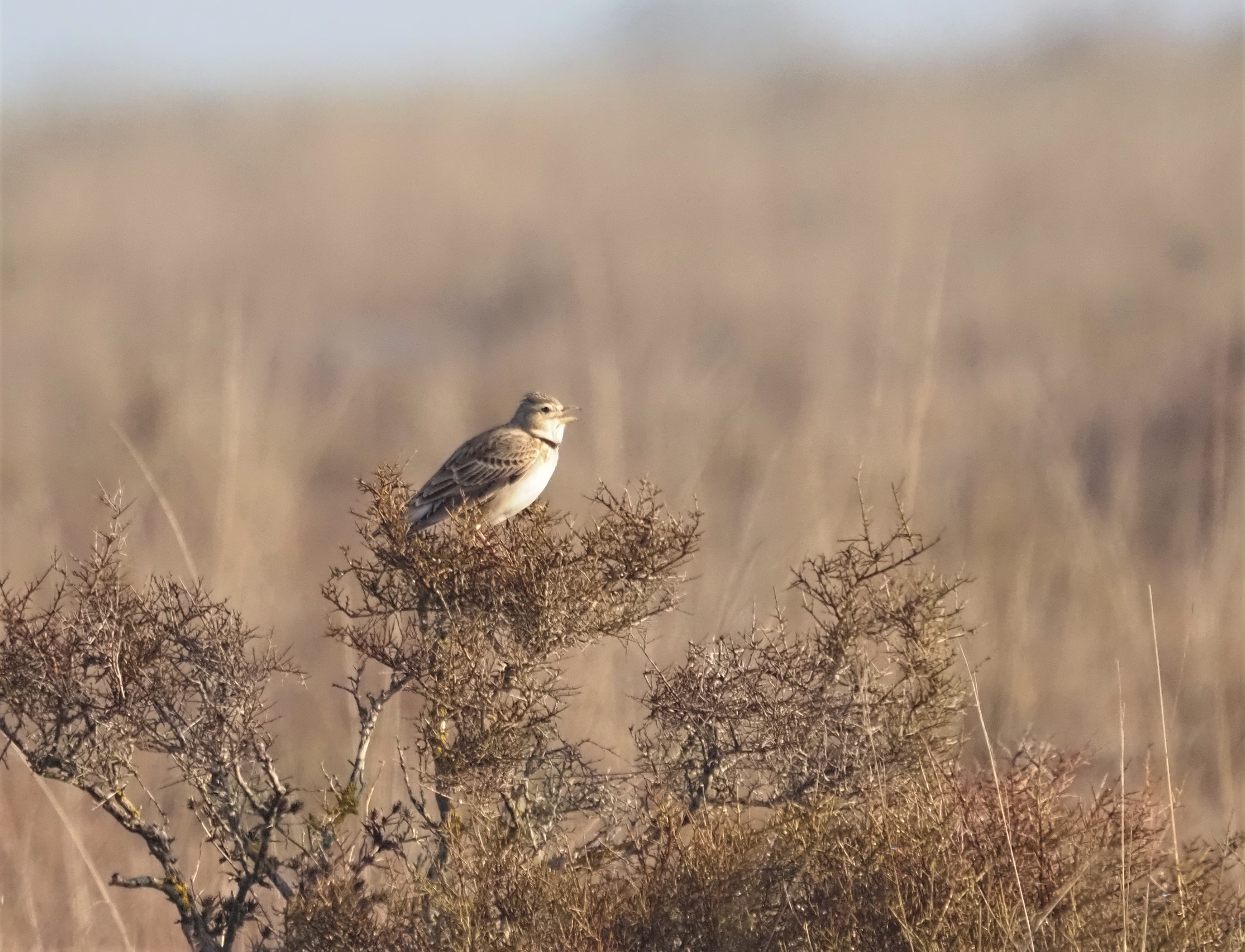
Arxiu d'etiquetes: Birding in the Pyrenees

Pyrenees Winter Break 2025

  • Dates: From February 8th to 12th, 2025
  • Tour participants: 6
  • Number of species: 143
  • Tour leader: Carles Oliver

Overview.

The tour started in the Pyrenees with the first morning hampered by snow, low cloud and mist at higher altitudes before clearing to much clearer and milder weather. The weather in the lowlands/plains was very kind with warmer conditions and only very light winds. The bad weather in the first day affected a bit the tour, with a couple of locations performing clearly below average, especially those involving boreal forests. The lack of snow in the top of the mountains during January and February meant no chances for us to connect with Snow Finches. In the steppes, Dupont’s Larks performed very well for us, and once we connected with the major targets in the plains we even had time for a couple of hours of birdwatching at Ebro Delta, a coastal heaven of birds that is normally out of bounds in this itinerary..

DAY 1.

After collecting all 6 tour participants from around the airport in Barcelona we headed through drizzly rain towards the Pyrenees. After 90 minutes of drive, we arrived to the area to explore, and we had a short coffee stop before attempting to drive a lane higher into the mountains through increasingly heavy snow. Around 1500m the road had become quite difficult, so we parked safely and explored the area.

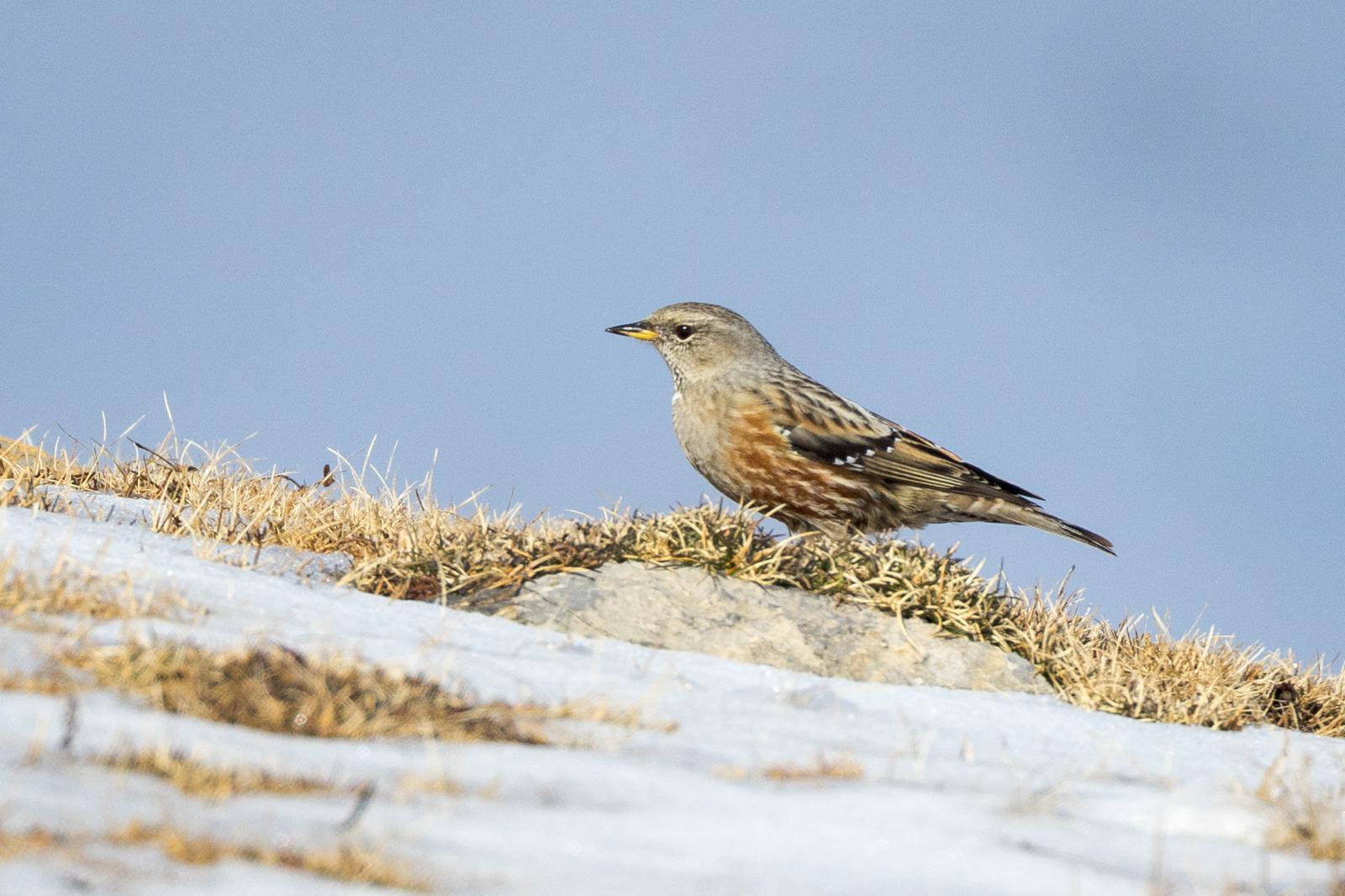
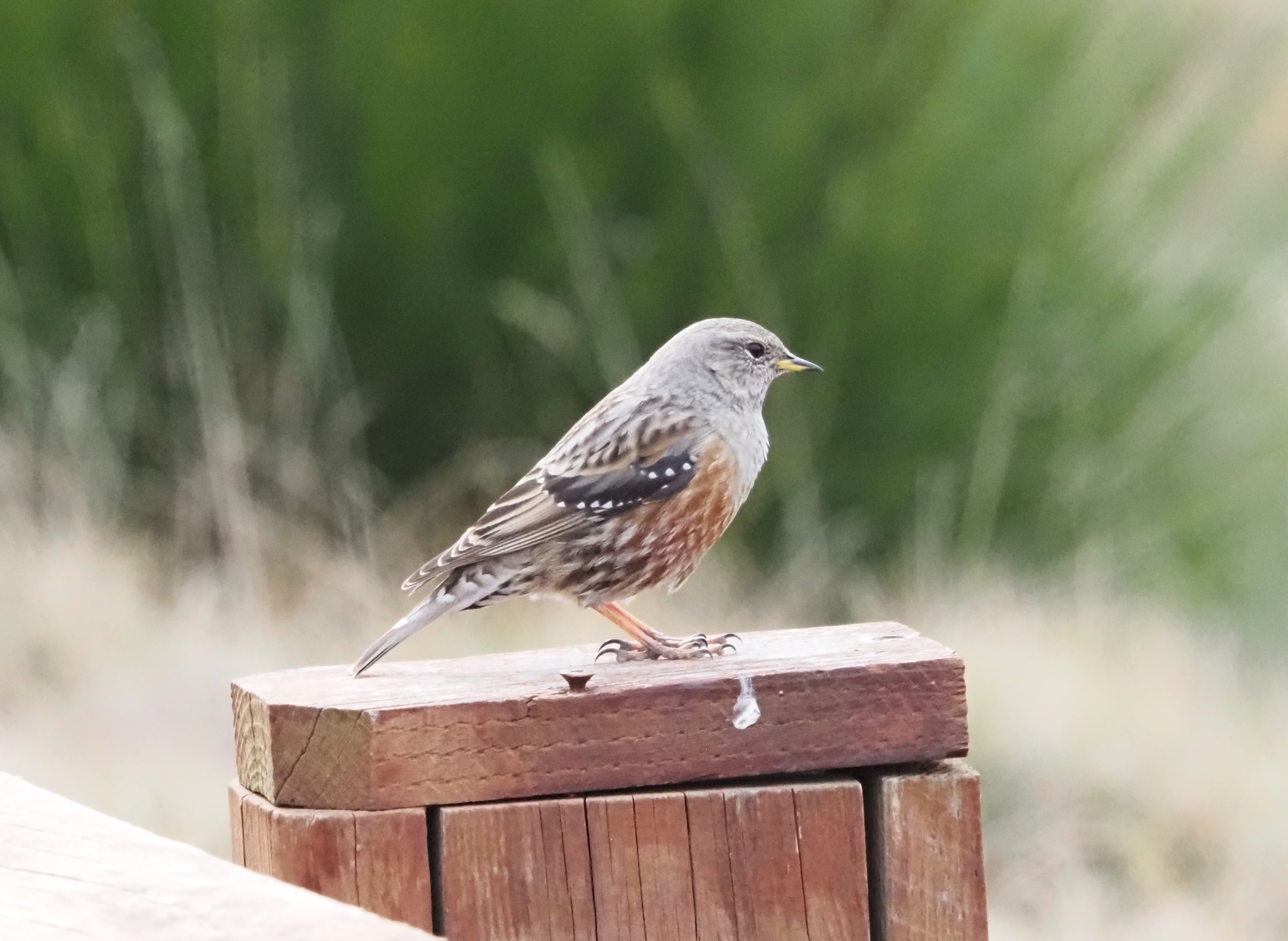
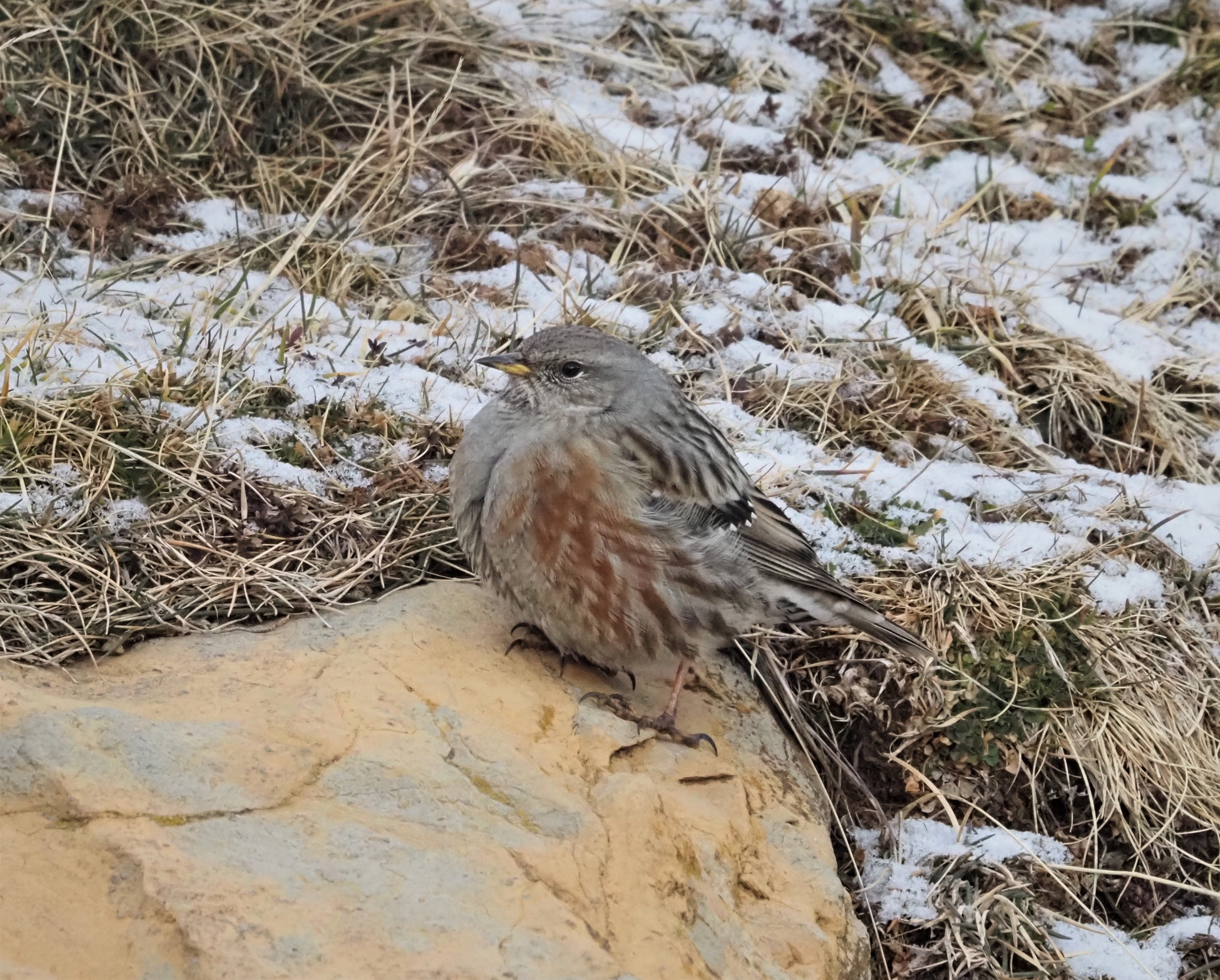
Almost immediately the group found an Alpine Accentor sheltering and feeding on the screen by the roadside! Everyone enjoyed good views despite the weather, before it moved off further up the slope, here we also saw and heard our first European Crested Tits, Coal Tit, Firecrest, and Mistle Thrush of the trip along with several Red-billed Chough.

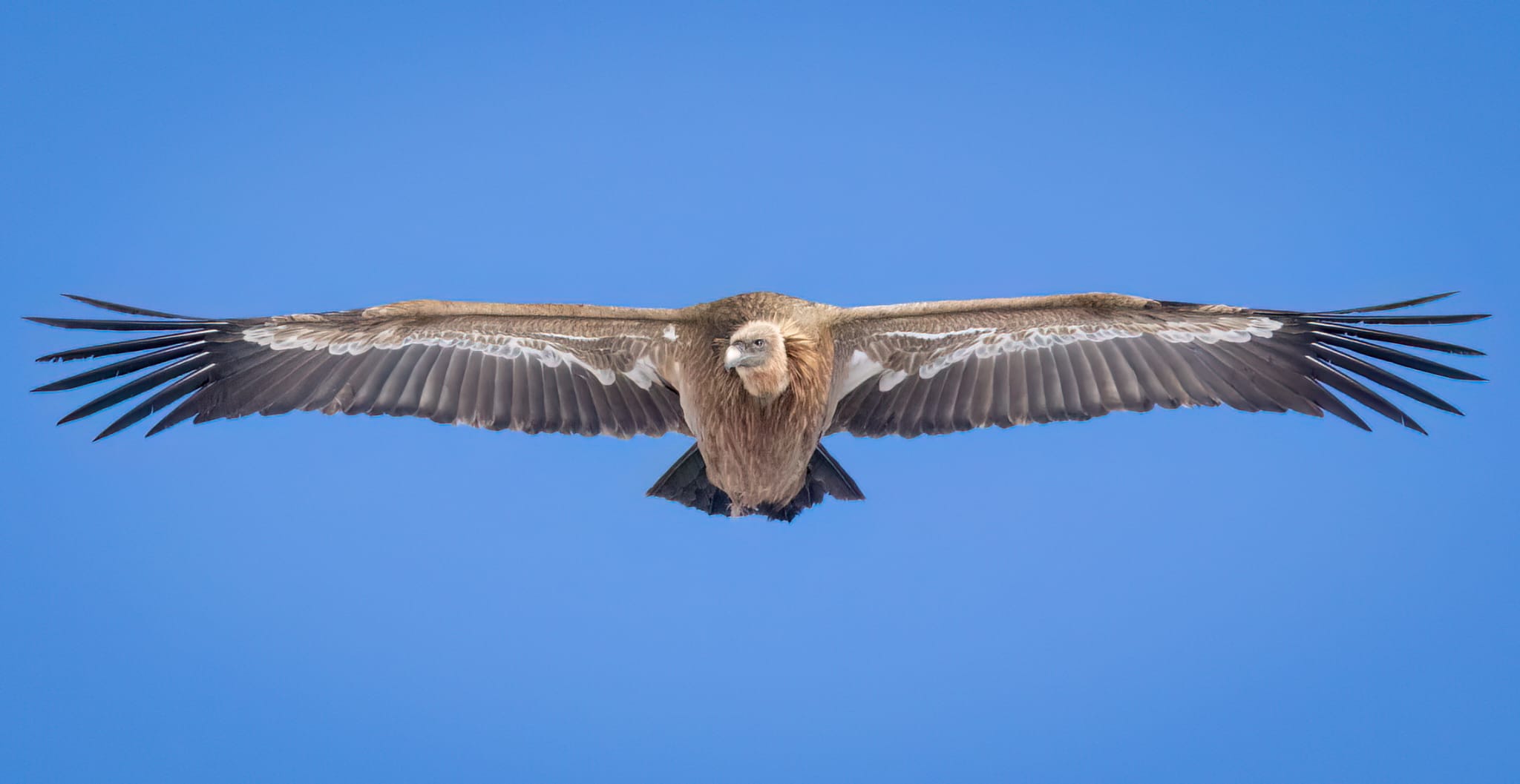
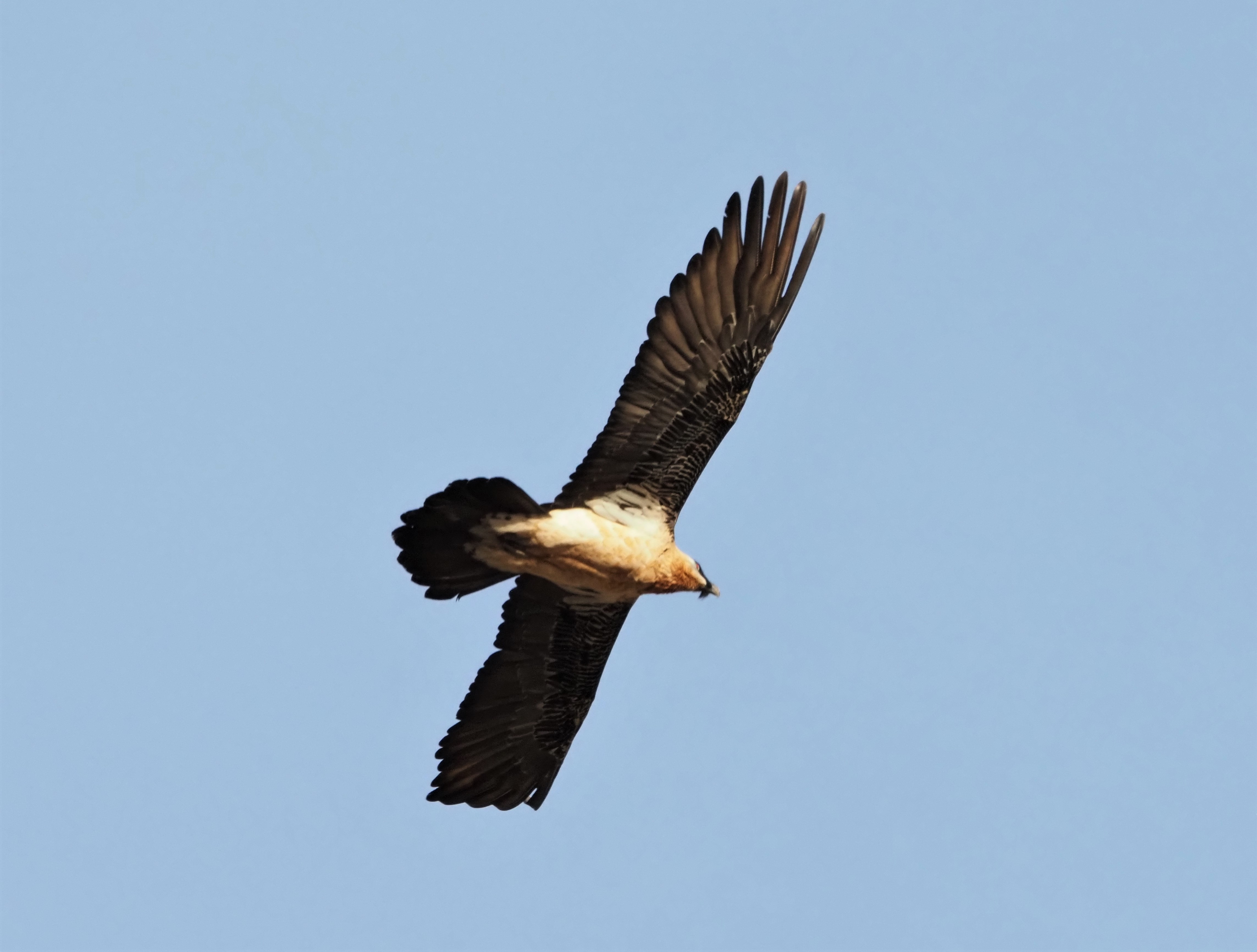
After a walk up the road a few hundred metres the weather began to improve, and as we headed back to the minibus the first of several Eurasian Griffon Vulture began to appear overhead. Whilst enjoying views of these one of the group (Jonny R) shouted out….. ”LAMMERGEIER!!” and an adult bird passed directly overhead giving great views as it glided down across the valley – what a start to the trip!

Alpine Accentor (Prunella collaris) feeding in the slope. Image by Carles Oliver.
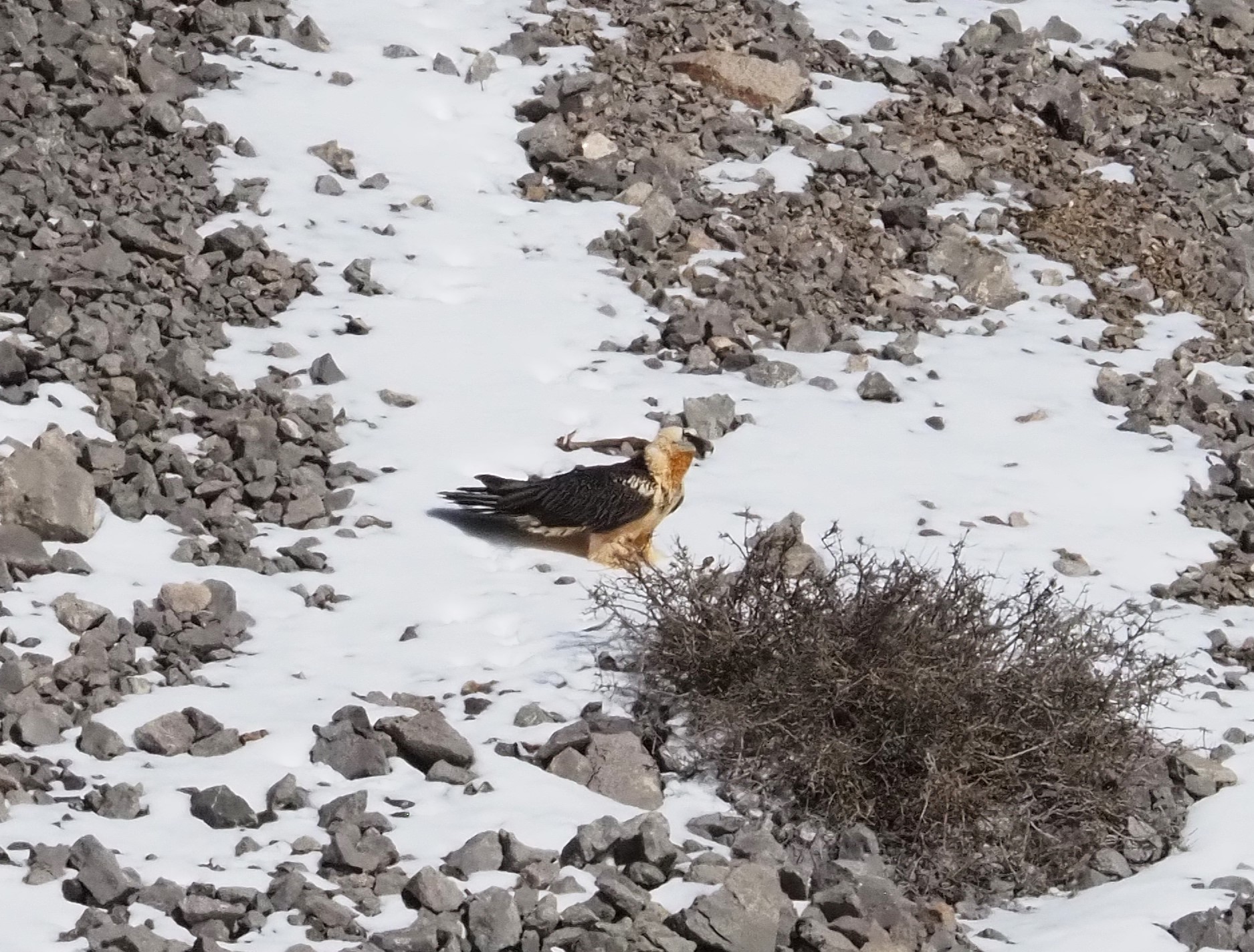
Full adult Lammergeier (Gypaetos barbatus). Image by Carles Oliver

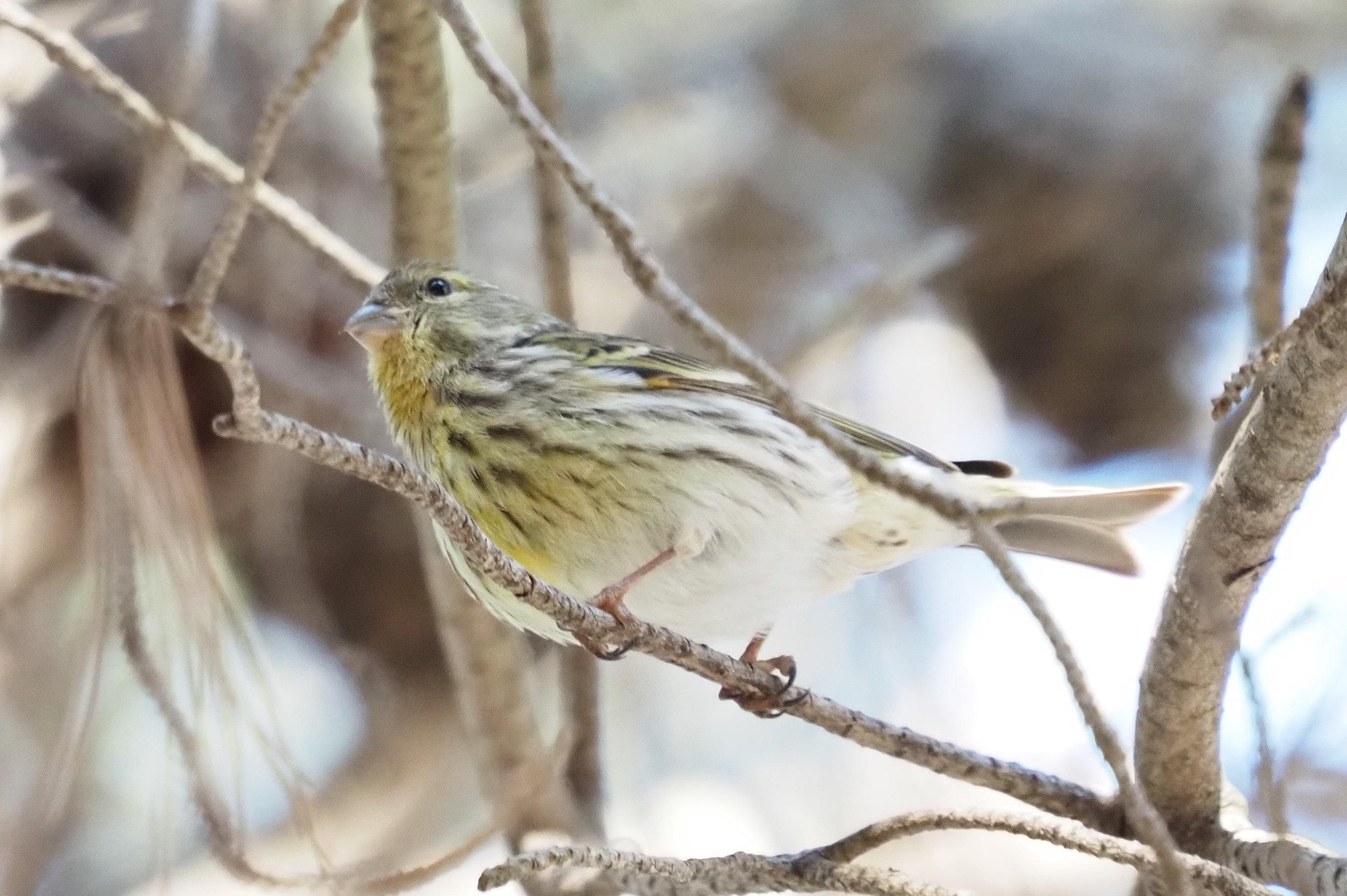
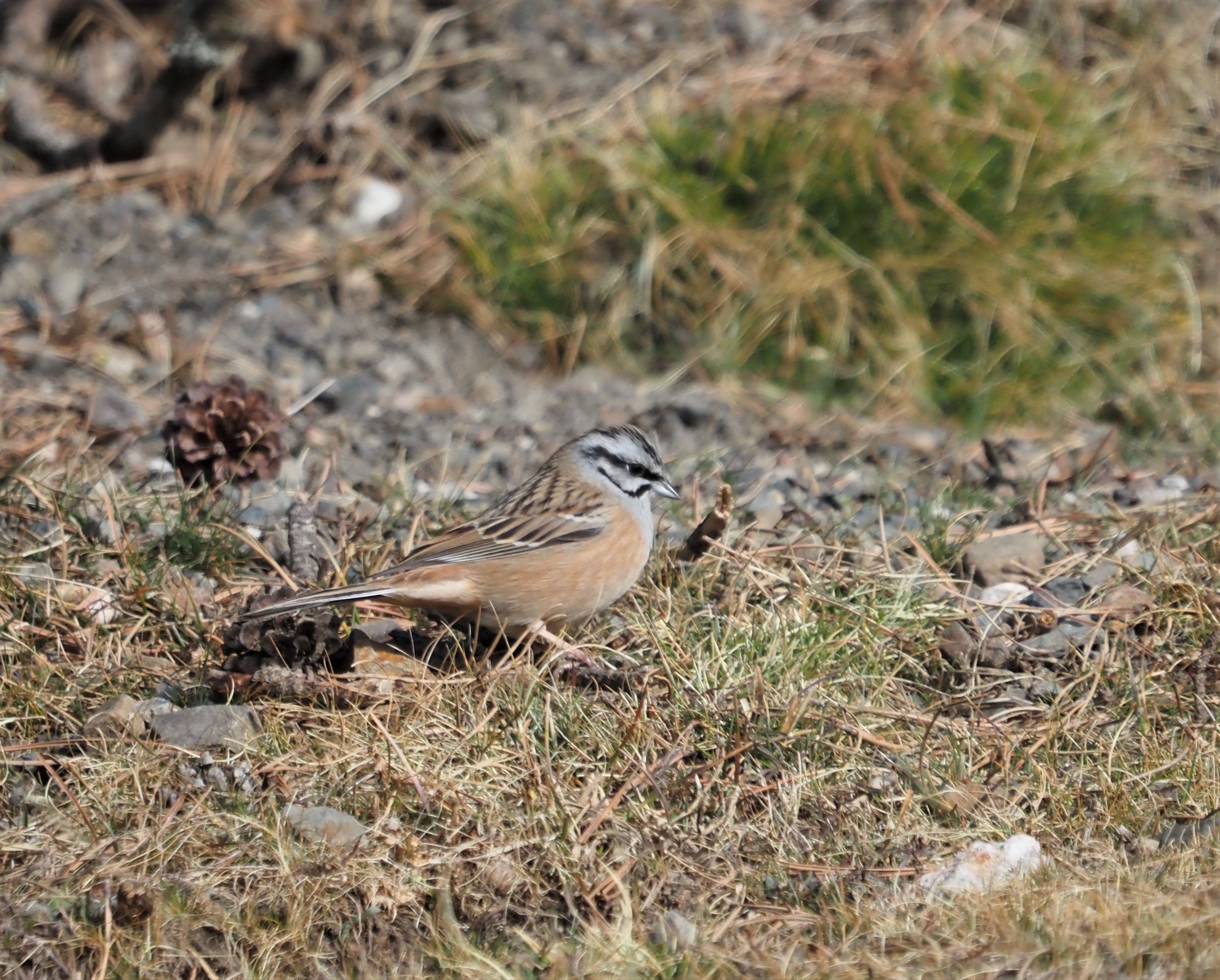
After this excitement we decided to slowly head down the mountain, the weather continued to improve and before we had travelled far we had to stop – 2 Lammergeier were circling and showing well above us! An adult-type bird and a younger 3rd year type bird gave a superb show before drifting away. We then stopped around in the valley where the terraced fields and trees provided lots of birds including Rock Bunting, Hawfinch, Black Redstart, European Stonechat, European Serin, Meadow Pipit and some of the commoner Finches and Tits as well as an unexpected Cattle Egret – not something normally seen at this altitude! We could also hear Iberian Green Woodpecker calling here.

During our urban lunch stop and whilst there saw White-throated Dipper, Common Chiffchaff and Grey Wagtail on the stream through the village and a Common Buzzard passed overhead.

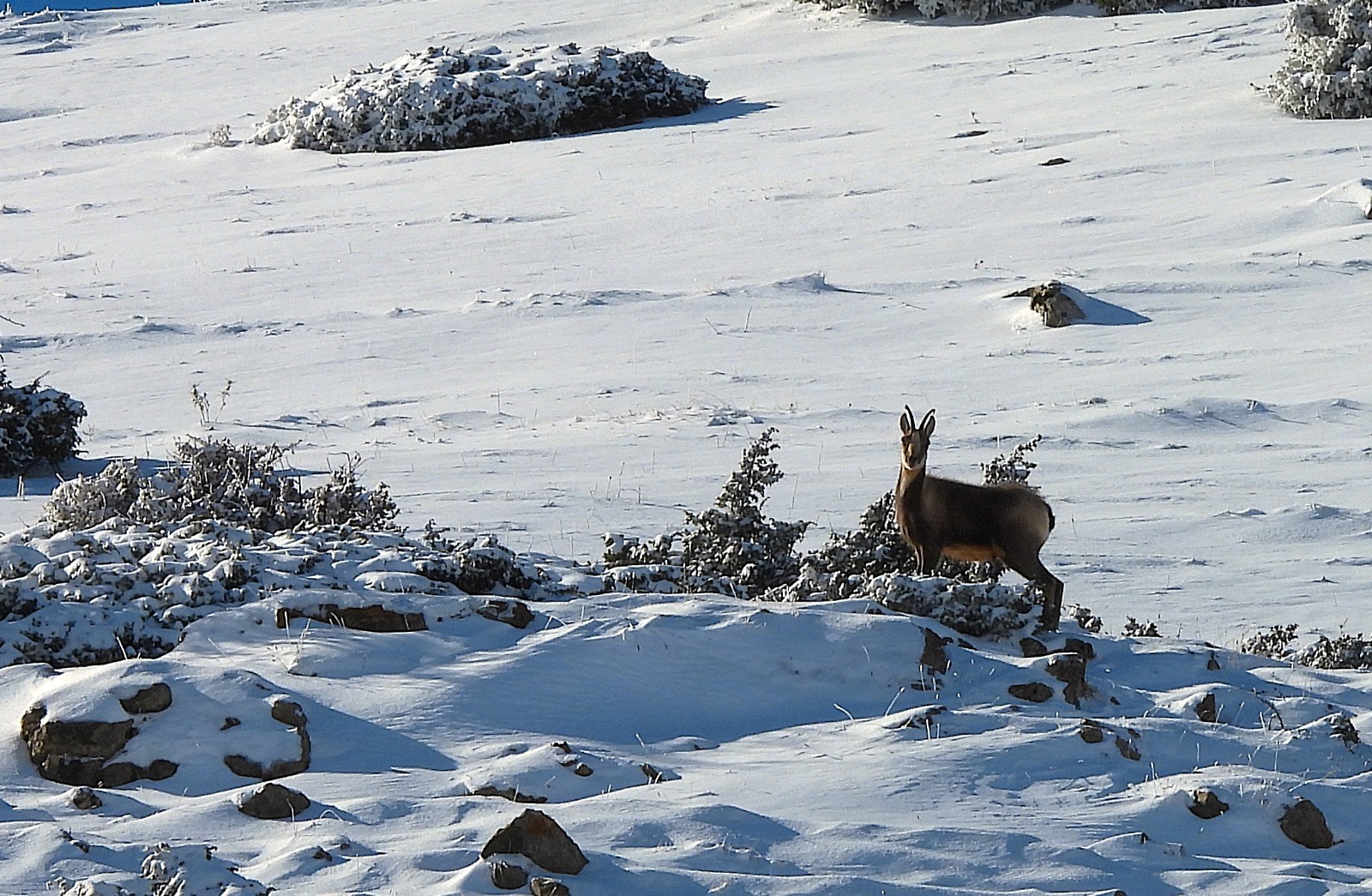
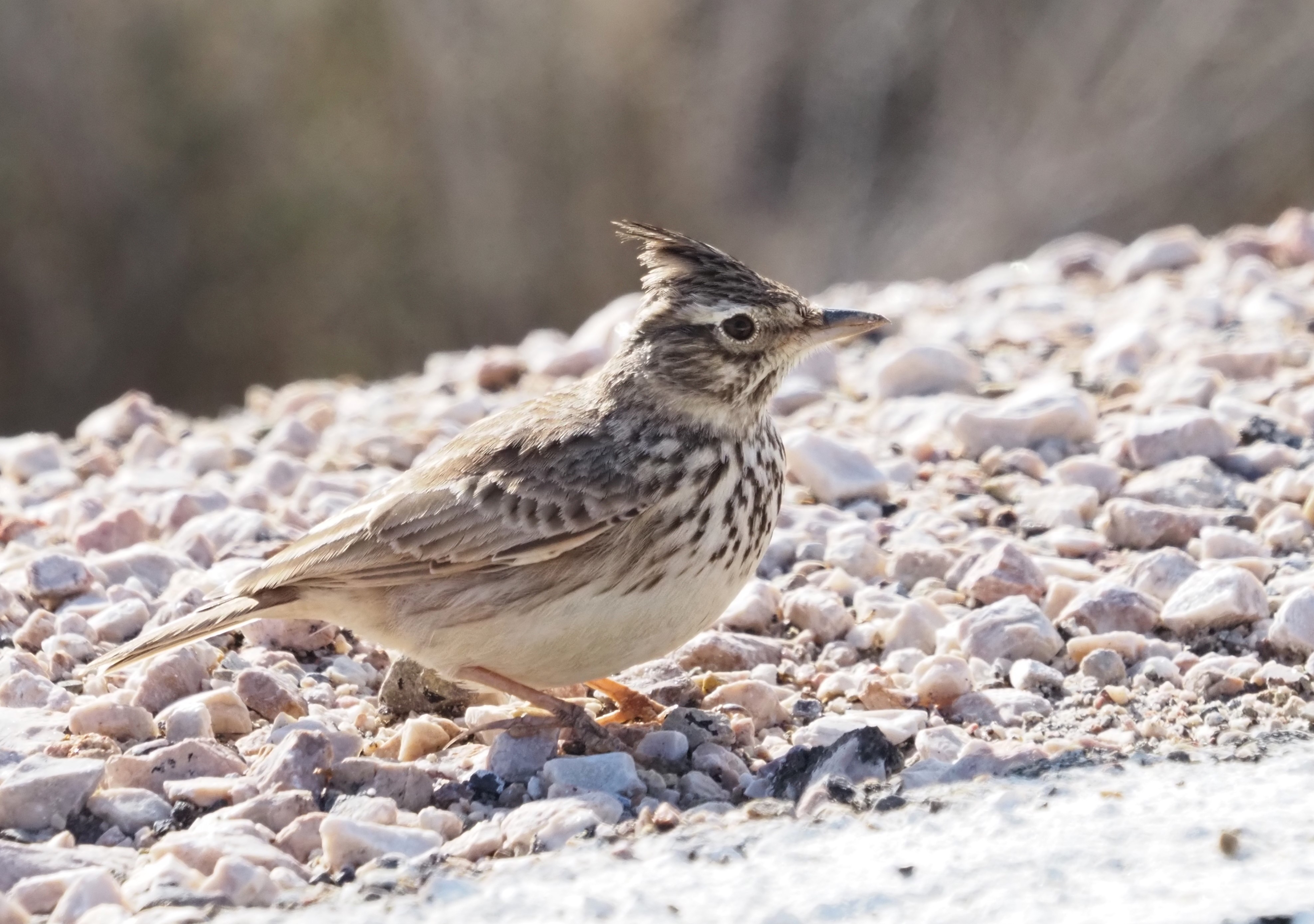
In the afternoon we drove another scenic lane up into the mountains where we enjoyed more fantastic views of 20+ Eurasian Griffons as well as 2 Golden Eagles, Red-billed Choughs and even Magpie which seemed out of place at this altitude. A small group of feeding birds included Fieldfare, Yellowhammer, Chaffinch and Goldfinch. This site also produced our first Pyrenean Chamois of the trip. We again descended into lower meadows and fields and walked a small hill that provided our first Iberian Grey Shrike as well as Eurasian Tree Sparrows, Crested Lark, Firecrests, Crested Tits, Black Redstarts, Yellowhammer, Goldcrest and Corn Buntings. Our last stop before reaching the accommodation for the evening produced lovely views of 8 Rock Sparrows on wires by the roadside – but the day was not finished there because our fabulous accommodation and host has a feeding station in the garden, and as the light faded we were treated to amazing views of up to 3 Beech Martins!! A quite amazing end to fantastic first day.
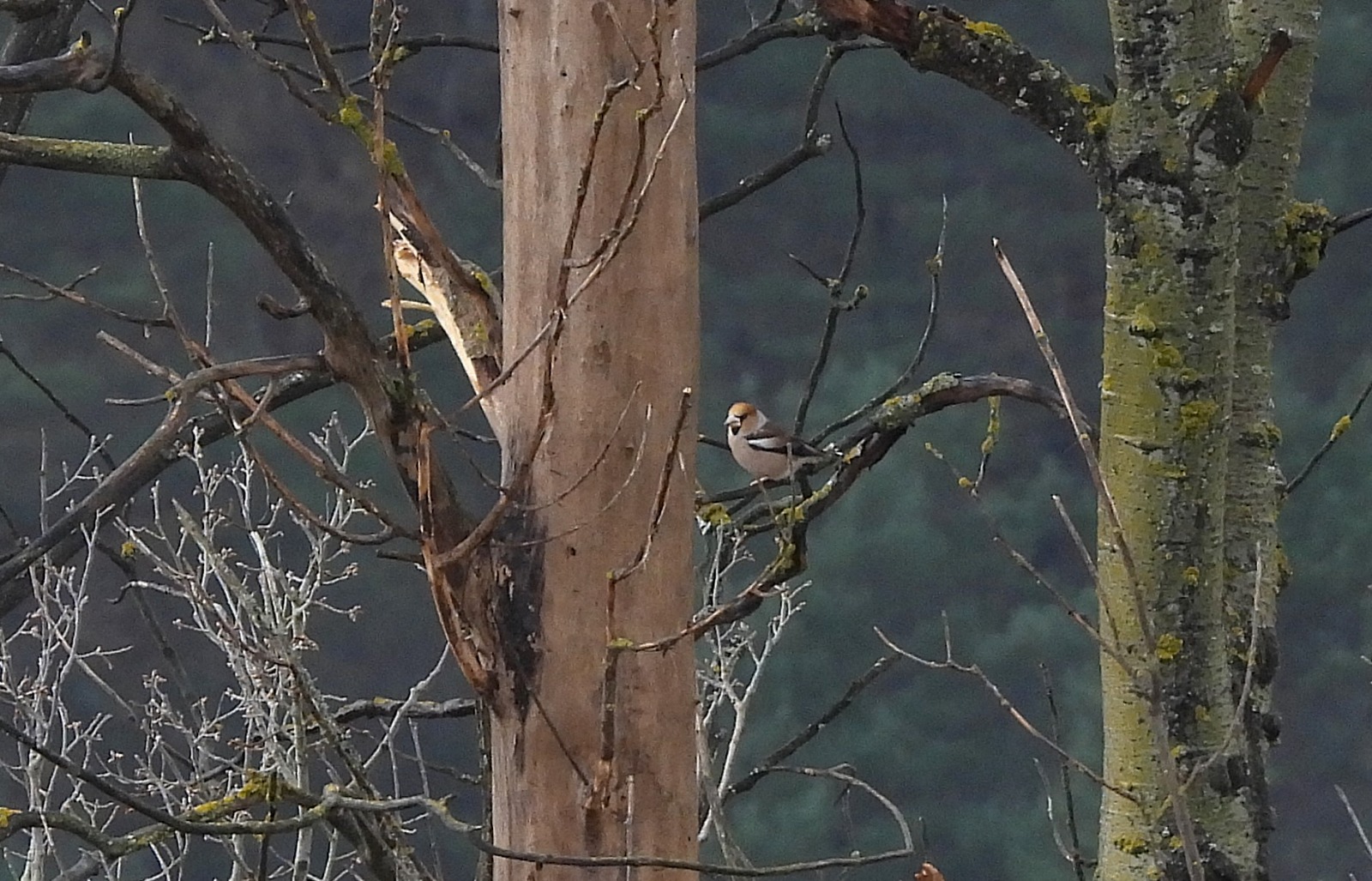
Hawfinch (Coccothraustes coccothraustes). Image by Justin Williams.
Rock Bunting (Emberiza cia). Image by Carles Oliver.
European Crested Tit (Lophophanes cristatus). Image by Jo Simon.
Eurasian Griffon (Gyps fulvus). Image by Jo Simon.
Beech Martin (Martes foina). Image by Stephen Davis.

Day 2.

In some ways a slightly frustrating day with numerous stops and effort failing to locate any Citril Finch, Black Woodpecker or White-winged Snowfinch, but this aside we enjoyed a fantastic variety of birds as we tried several areas including trips into France and then Andorra!

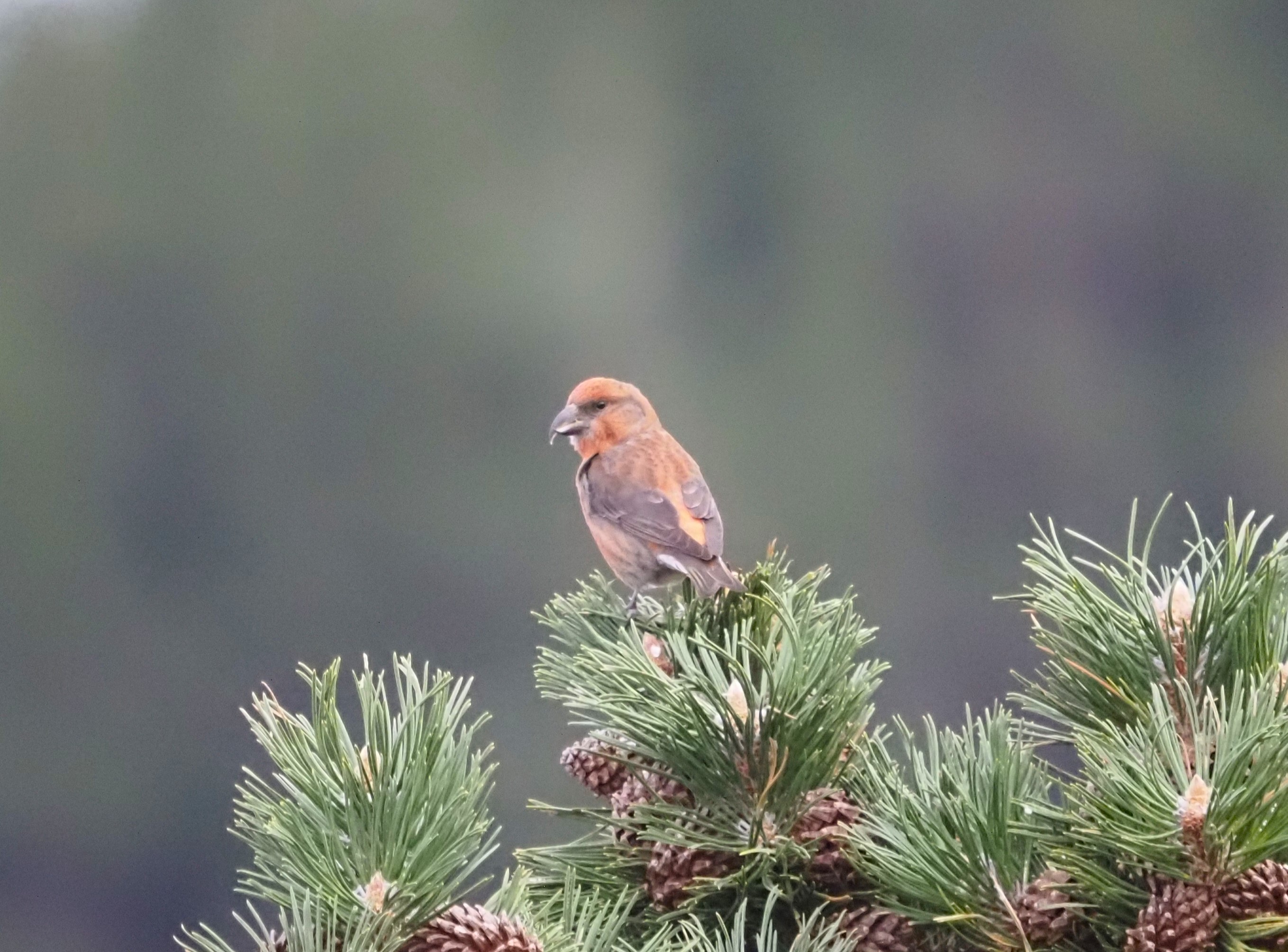
In the lower altitudes we came across a fantastic mixed flock of finch and other small birds including Common Crossbills, (c20) giving great views along the road, as well as Brambling, Siskin, Bullfinch, Short-toed Treecreeper, Great Spotted Woodpecker, Long-tailed Tit, Rock Bunting and Chaffinch, again we could hear Iberian Green Woodpecker calling but they remained invisible…..also in these areas Red Kites became more frequent. Here we also came across our only Red Squirrel of the trip.

In the high mountain passes we enjoyed yet more incredible views of Eurasian Griffons and Common Raven, and as we entered Andorra, our first stop around the town produced a decent number of Alpine Chough hanging about around the shops and houses.

As we had time left in the day, we retraced our steps and returned to summit the lane at Coll de Pal – we had to stop quite soon on the way up due to an adult Lammergeier showing incredibly well by the van!! This bird gave us our best views yet and even landed on the scree a few hundred yards away – a definite highlight of the whole trip!!

Onwards to the summit of the pass in bright sunshine, and we were rewarded at the top when we located a group of 4 Alpine Accentors feeding down to a few metres away, scuttling and shuffling in the snow and short turf – superb!

We then took the 90 min transfer to Lleida where we would be based for 2 nights.

Common Crossbill (Loxia curvirostra). Image by Jonathan Kennedy.
Alpine Choughs (Pyrrhocora graculus) in Andorra. Image by Justin Williams.
That afternoon we got impressive views on Lammergeier. Image by Carles Oliver.
Lammergeier about to land for us. Image by Carles Oliver.
Lammergeier on the ground. Image by Carles Oliver.
Pyrenean Chamois (Rupicabra pyrenaica). Image by Justin Williams.
Alpine Accentor (Prunella collaris). Image by Stephen Davis.

Day 3.

The day began with a short trip to our first site and roadside White Storks but even this was interrupted by one of the group skilfully spotting a Stone Curlew by the road!

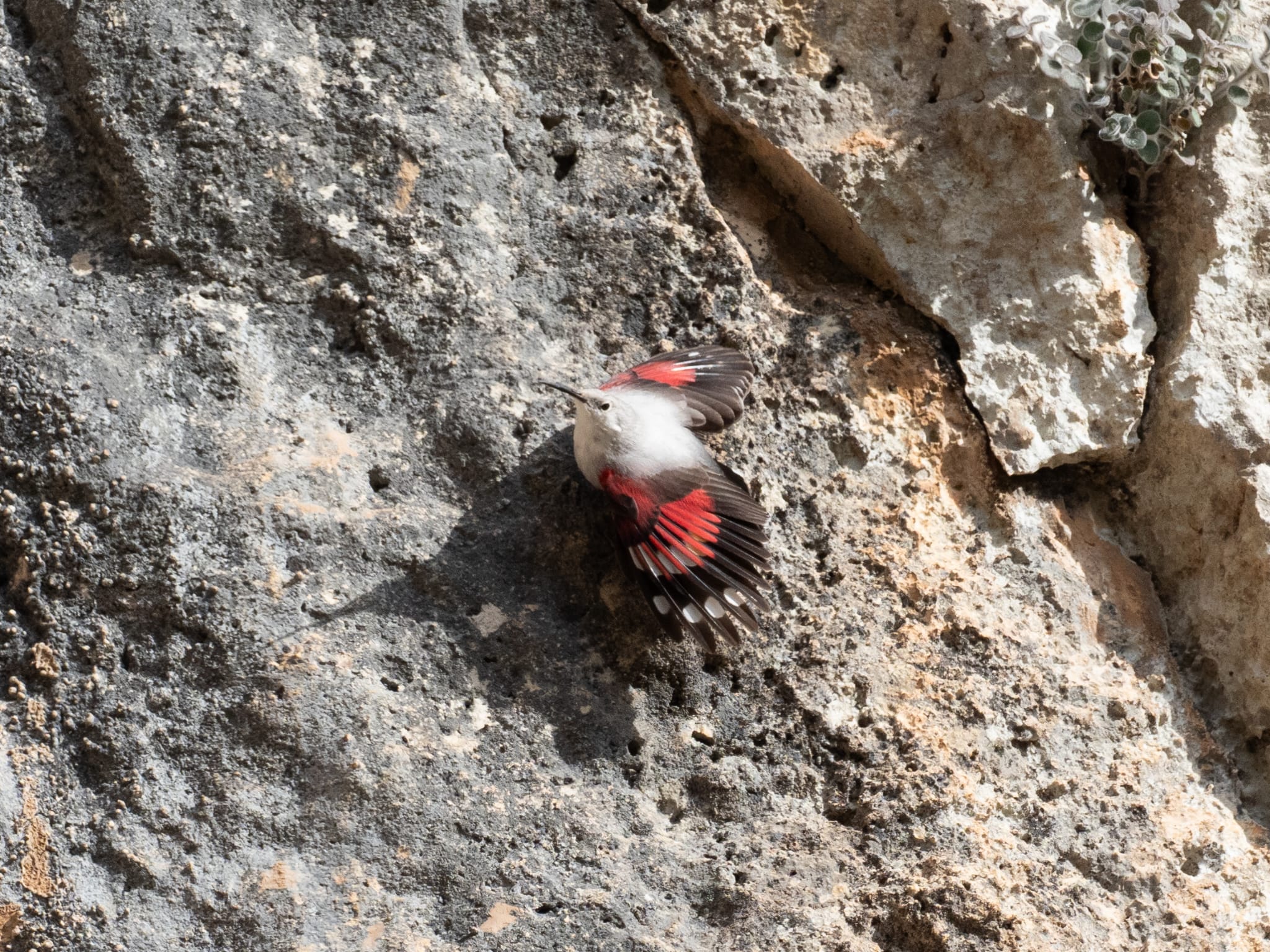
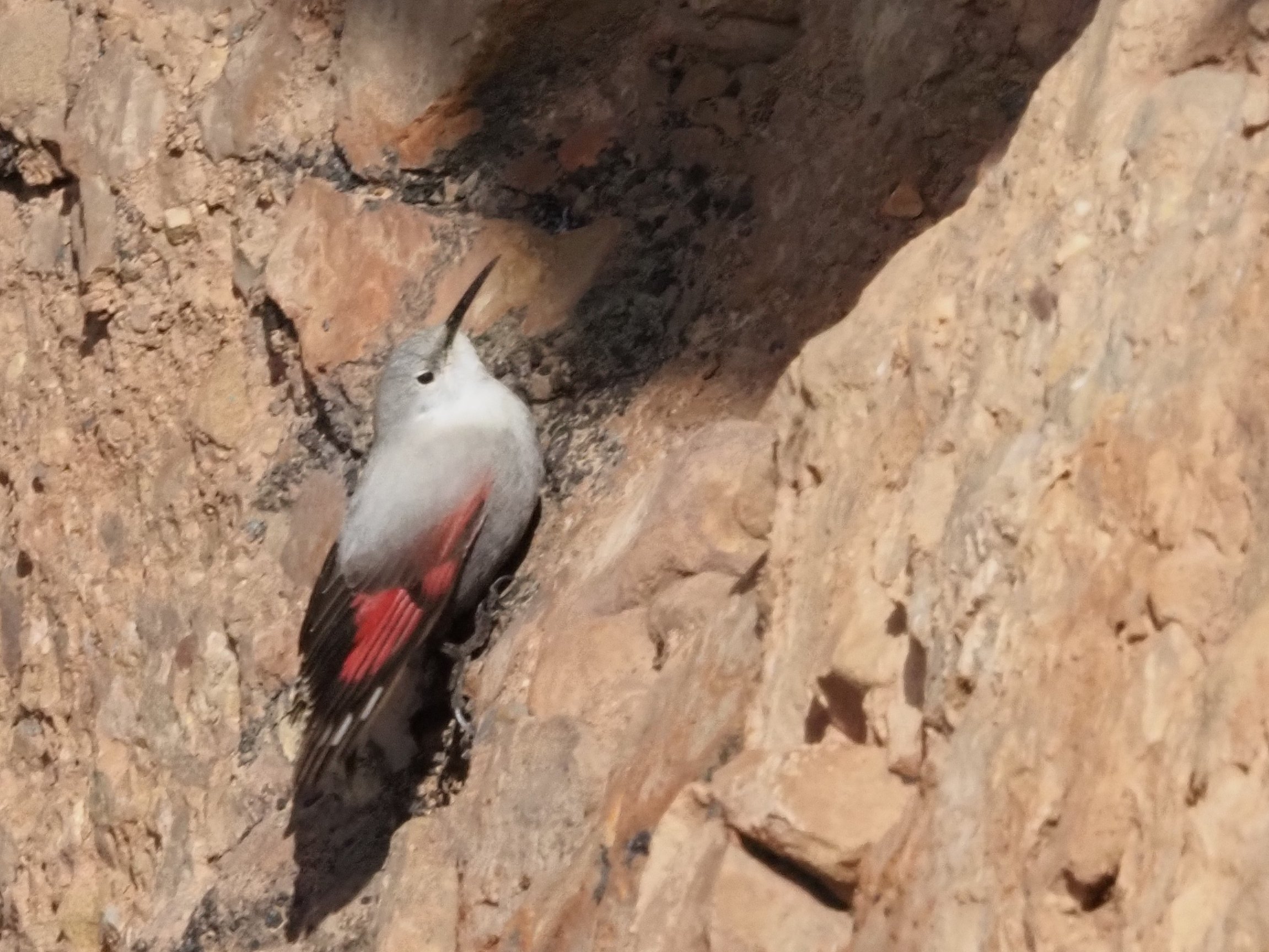
We were shortly at our first stop, a spectacular dam and gorge with a river and mixed scrub, we quickly began adding birds such as Rock Sparrow, Blue Rock Thrush, Crag Martins (which breed in the tunnel), Blackcap, Kestrel, Song Thrush, Short-toed Treecreeper, Common Kingfisher, Cettis and Sardinian Warblers, Firecrest, Rock Buntings and several Eurasian Griffons. Around 2 hours had now passed and things were starting to get a bit tense…..and then WALLCREEPER!! A bird was located towards the dam and 3 of the group were in the right spot to see it straight away, whilst the rest hurried towards the bird, they found a second Wallcreeper! This bird gave everyone much better views for a few minutes, and everyone could relax, especially Carles!

As we left the gorge a short stop provided Cirl Buntings, 2 Peregrines, Hawfinch and a large flock of Corn Bunting, and as we stopped for coffee, Spotless Starlings.

Stone Curlew (Burhinus oedicnemus). Image by Stephen Davis.
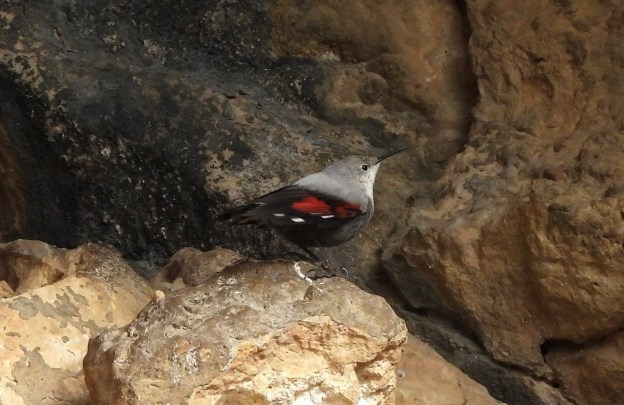
Wallcreeper (Tichodroma muraria). Image by Justin Williams.
Wallcreeper (Tichodroma muraria). Image by Jonathan Kennedy.
Wallcreeper (Tichodroma muraria). Image by Justin Williams.
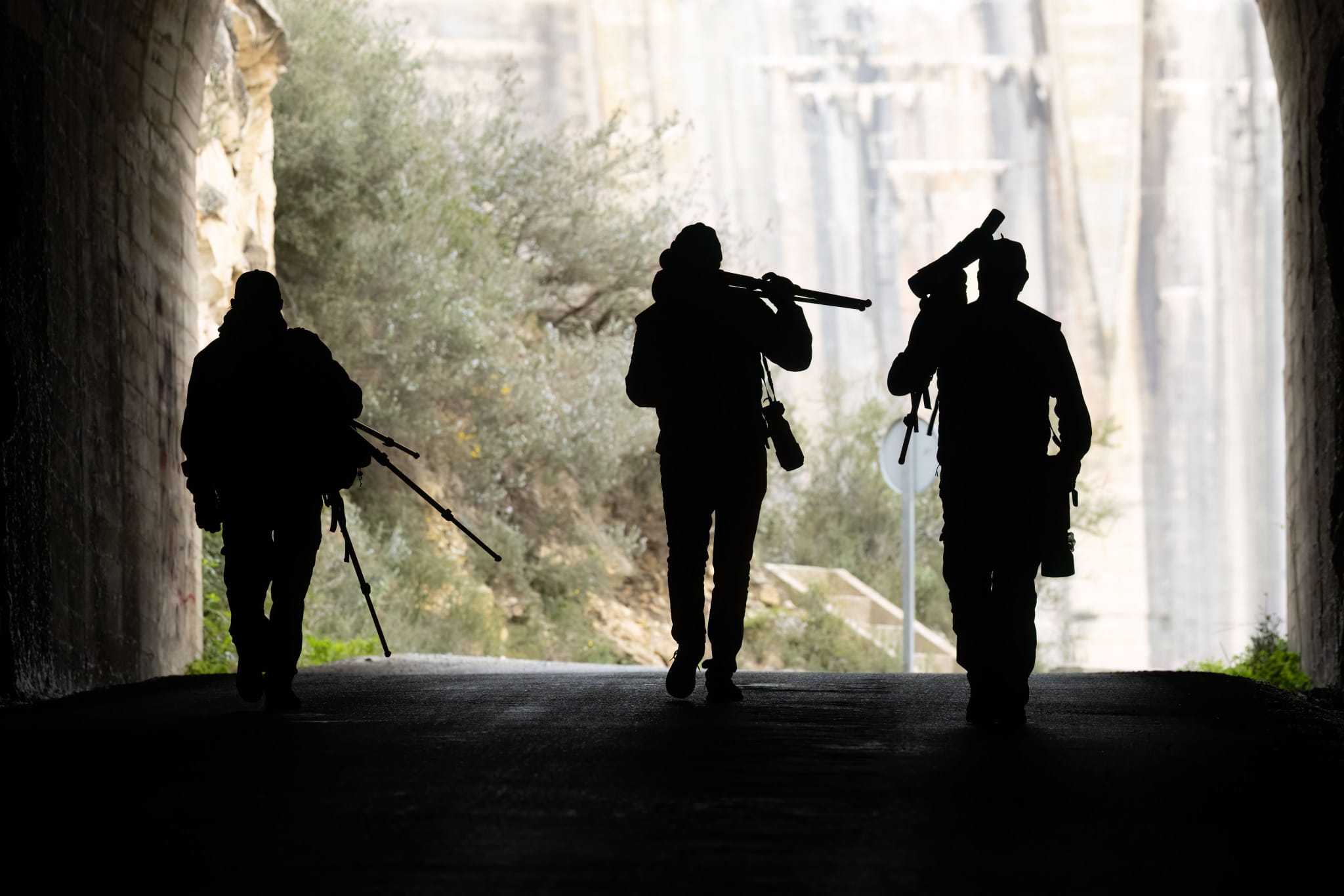
Wallcreeper Argonauts! Image by Jo Symon.

We then moved on towards our next site with a couple of stops, the first providing many Cattle Egrets, White Storks and our first Great Egret, the second 2 Golden Eagles, Lapwing, Raven, Thekla Larks and a ringtail Hen Harrier as well as a roadside Little Owl.

We then stopped beside a spectacular roadside cliff face for our lunchtime picnic and immediately located our 3rd Wallcreeper of the day!! Although a little more distant this bird gave good telescope views, but we were distracted from this by 2-3 Black Wheatears which were also showing well here along with a Blue Rock Thrush!

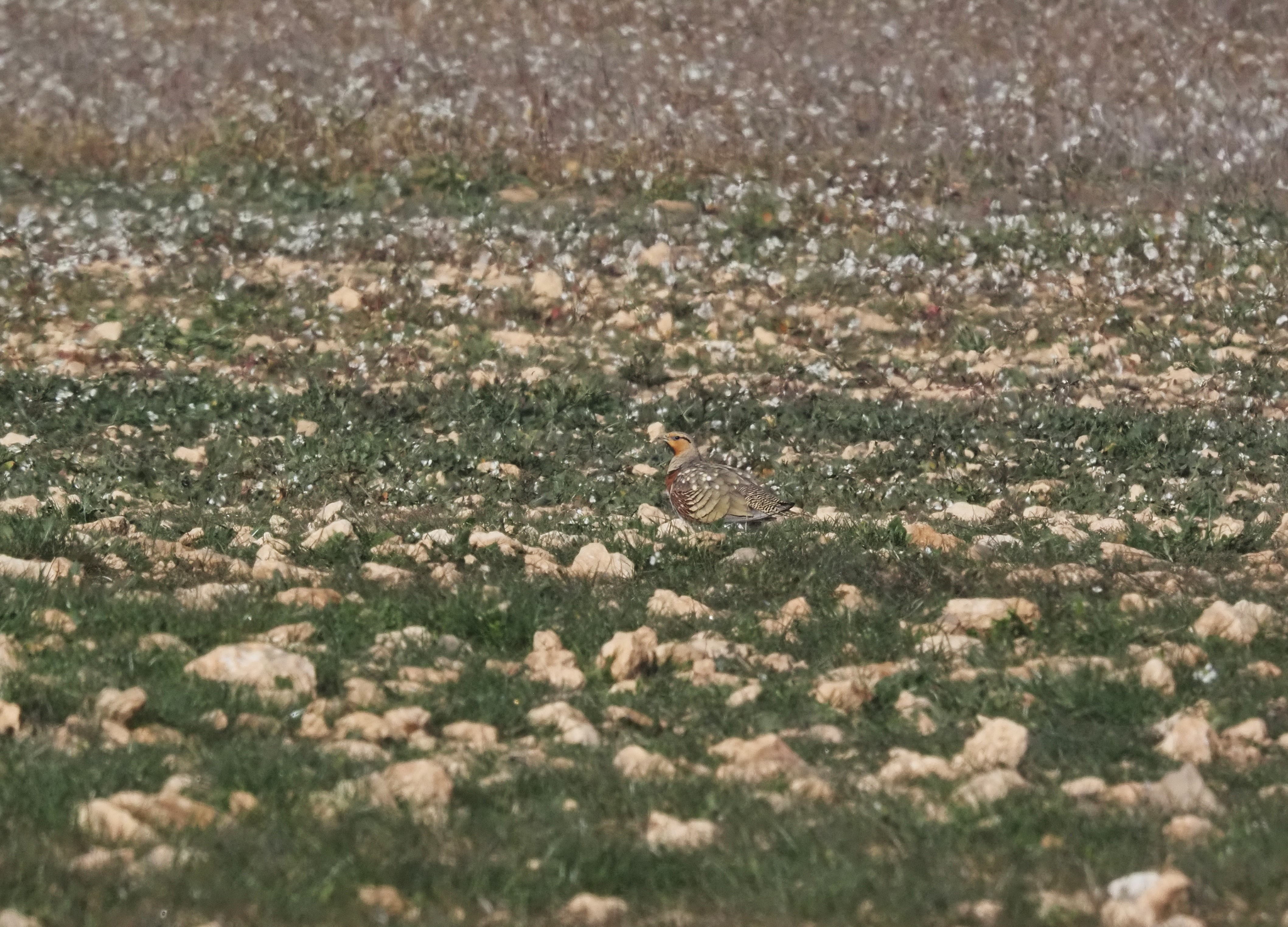
We were now into an area of plains and mixed arable land that is rapidly changing due to increased irrigation, but some areas still held many birds and we were quickly seeing Calandra Larks along with Thekla and Crested Larks and after walking a while we saw a distant Iberian Grey Shrike, Peregrine, and then located a single summer plumaged Pin-tailed Sandgrouse, a little distant, but again telescope views were good. As we left the site, we had excellent views of another Iberian Grey Shrike which really showed the difference between this and its northern counterpart.

We then called at a small roadside wetland and began adding a few species such as Coot Shoveler, Common Pochard, Common Snipe, Reed Bunting and Great Egret, as well as a rather unexpected, and slightly questionable, African Sacred Ibis! This bird has been in the area a while, and presumably originates from a ‘feral’ population in nearby France, Italy or Germany… Either way it made at least one of the group very happy!

Our last stop was to close by, and before we had even parked the van our main target was located – a male Eagle Owl! Perched in the ruins of an huge ancient building, this guy sat and watched us as we quietly watched him before starting to sing….amazing!

Whilst Serins and Sardinian Warblers twittered and scratched nearby, the Eagle Owl sat watch, his deep hoot echoing occasionally, until he finally flew low across to a nearby rock face….what an end to a truly fantastic days birding!!

Little Owl (Athene noctua) on its roof. Image by Justing Williams.
Spotless Starling (Sturnus unicolor). Image by Justin Williams.
Pin-tailed Sandgrouse (Pterocles alchata) male. Image by Carles Oliver.
Iberian Grey Shrike (Lanius meridionalis) posed nicely for the group. Image by Carles Oliver.
African Sacred Ibis (Therskiornis aethiopicus) moving along with Western Cattle Egrets. Image by Carles Oliver.
Eurasian Eagle Owl (Bubo bubo) watching us. Image by Carles Oliver.

Day 4.

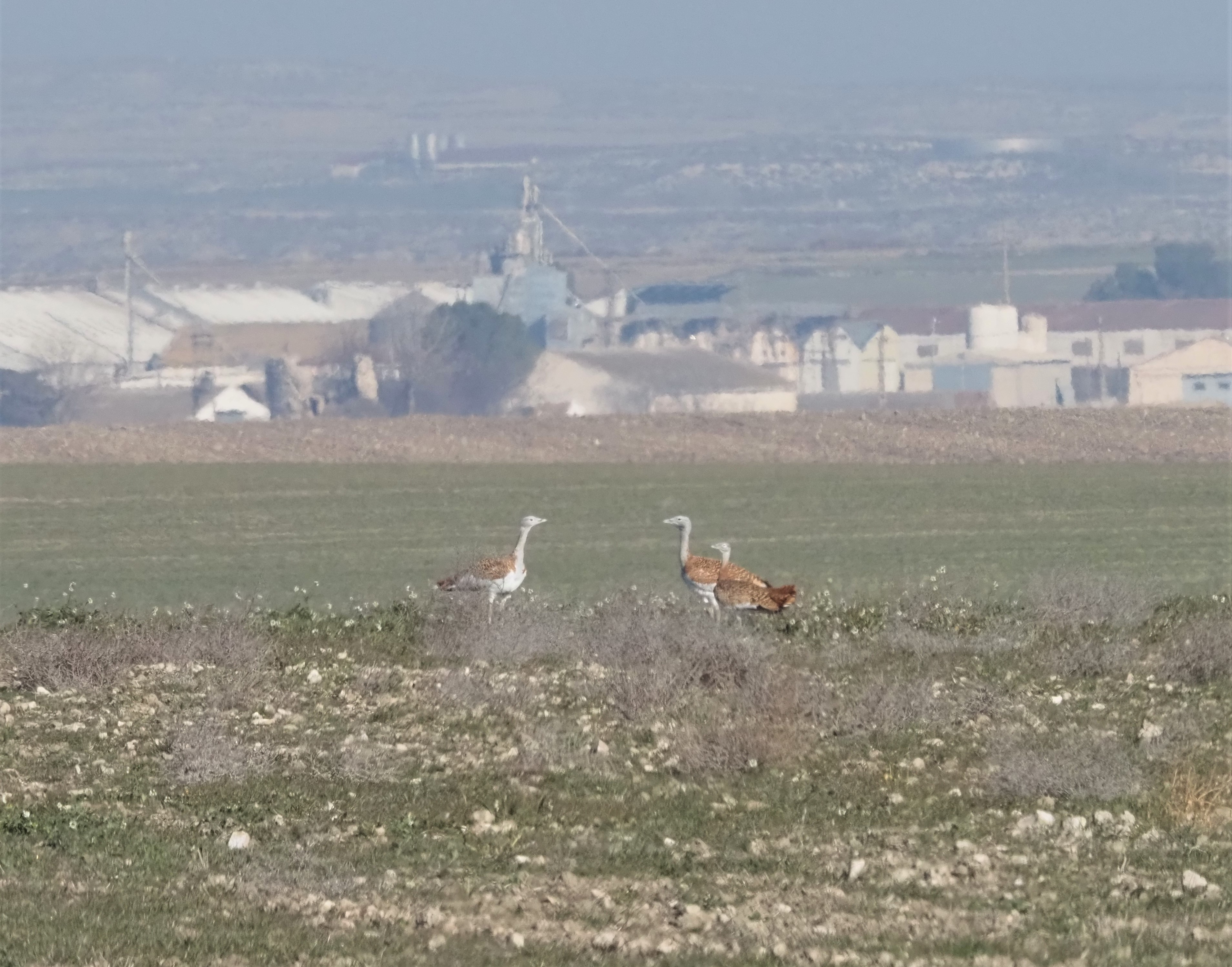
The day began with a short transfer after breakfast, interrupted by a large flock of migrating Common Cranes. These birds had presumably roosted nearby in the large open arable fields and were continuing their northward journey. We then entered an area of mixed arable/farmed/wild fields with big skies and tremendous views, misty fog didn’t help our search, but we quite quickly located 5 Great Bustards, all males, slowly wandering across their chosen field. Views were not brilliant, but very atmospheric! Here we were surrounded by Calandra Larks, Corn Buntings and our first Lesser Short-toed Larks as well as a Zitting Cisticola, Stonechats and Sardinian Warbler.

We then took a short coffee stop as the mist cleared and visited a small wetland with more Larks and many Linnets, Corn Buntings and Chaffinch before having second, clearer but distant views of the Great Bustards. With this under our belts we collected lunch and moved on.

We soon arrived at Lomaza (only briefly distracted by a large flock of migrating White Storks) and began to look at various larks…. A lot! A landscape of low spiky grass, thistle and huge skies stretched all around us. Quickly we were seeing many Calandra, Thekla and Lesser Short-toed (or ‘Mediterranean’) Larks, with their songs all around us, including much mimicry from the Calandra – quite a soundscape!

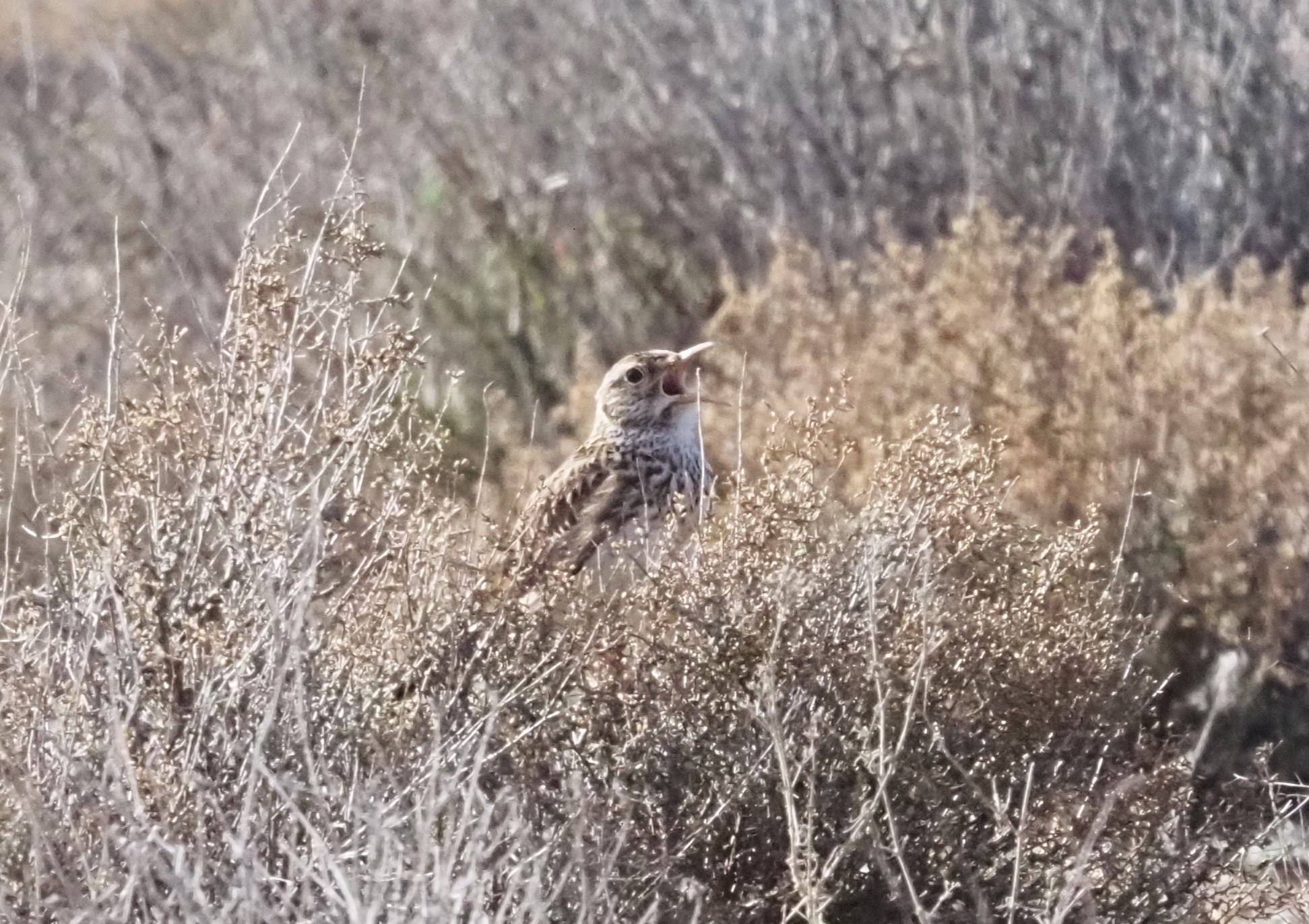
After c45mins, suddenly, the song we were searching for, and quickly some views of our quarry…DUPONT’S LARK! At least 2 birds, a pair, were making short, darting runs between bits of spiky tussocks grass until, amazingly, the male climbed a short way into a tussock and sat in full view singing…..a fantastic bit of good fortune and handshakes all round!

With the pressure off we all enjoyed the experience and incredible scenery of this beautiful, wild landscape.

The weather was warm now, and we stopped near Belchite to admire some ruins complete with Crag Martins, Serins and Black Redstart before moving onto a high plateau.

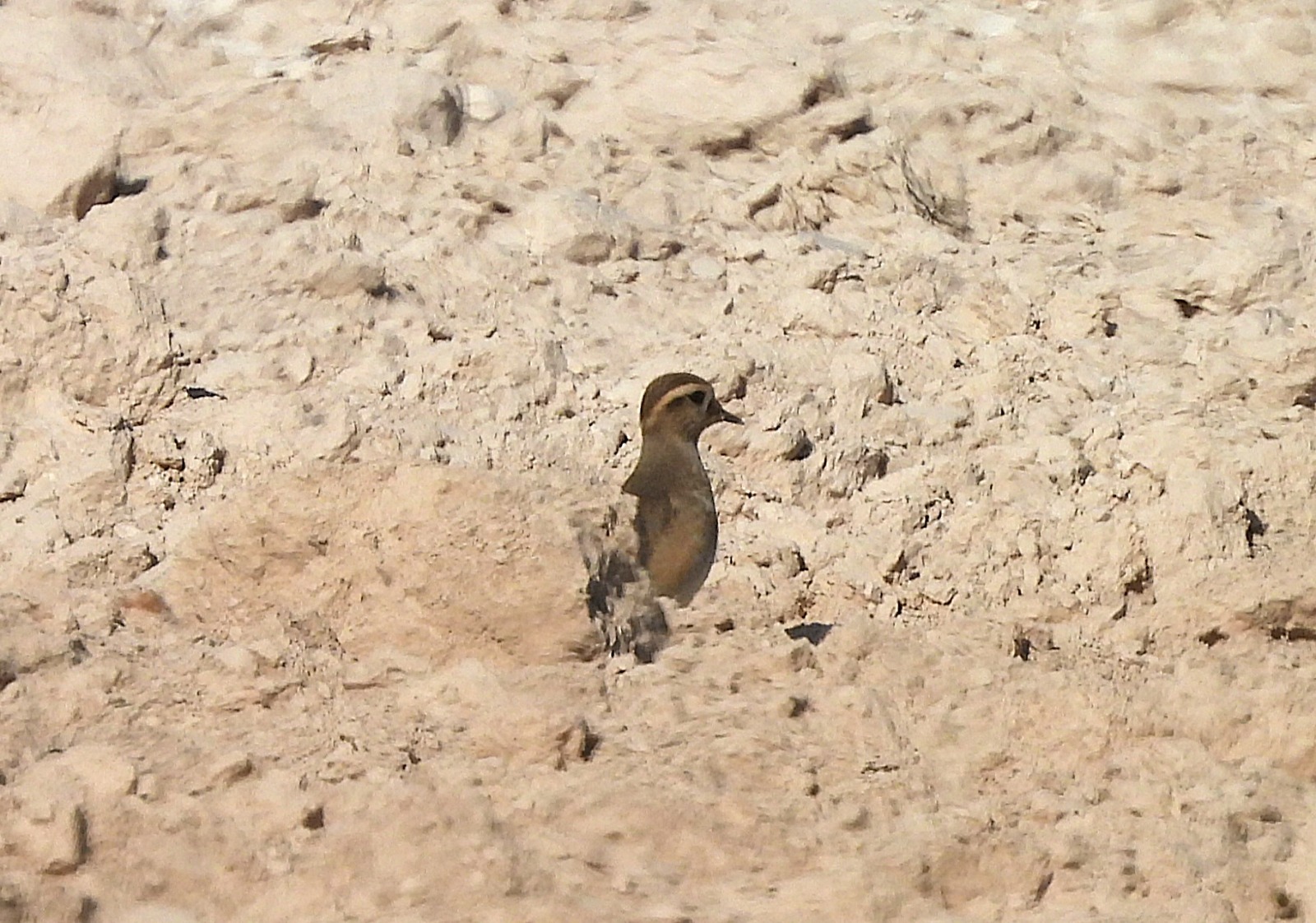
Slowly driving and scanning the fields we came across an unexpected flock of Dotterel, with around 25-30 birds present and showing well, whilst above a Golden eagle soared past. Again we were seeing lots of Calandra Lark with birds still in large winter flocks, Stonechats by the road, Red-legged Partridge, 2 Red Fox, but no sandgrouse….much scanning and scoping eventually led to one of the group picking out a small flock in the far distance, we drove nearer and saw up to 16 Black-Bellied Sandgrouse, good scope views of the birds moving about their chosen field as well as in flight when they are really impressive, a fantastic end to another brilliant day!

Great Bustards (Otis tarda) in dense fog. Image by Carles Oliver.
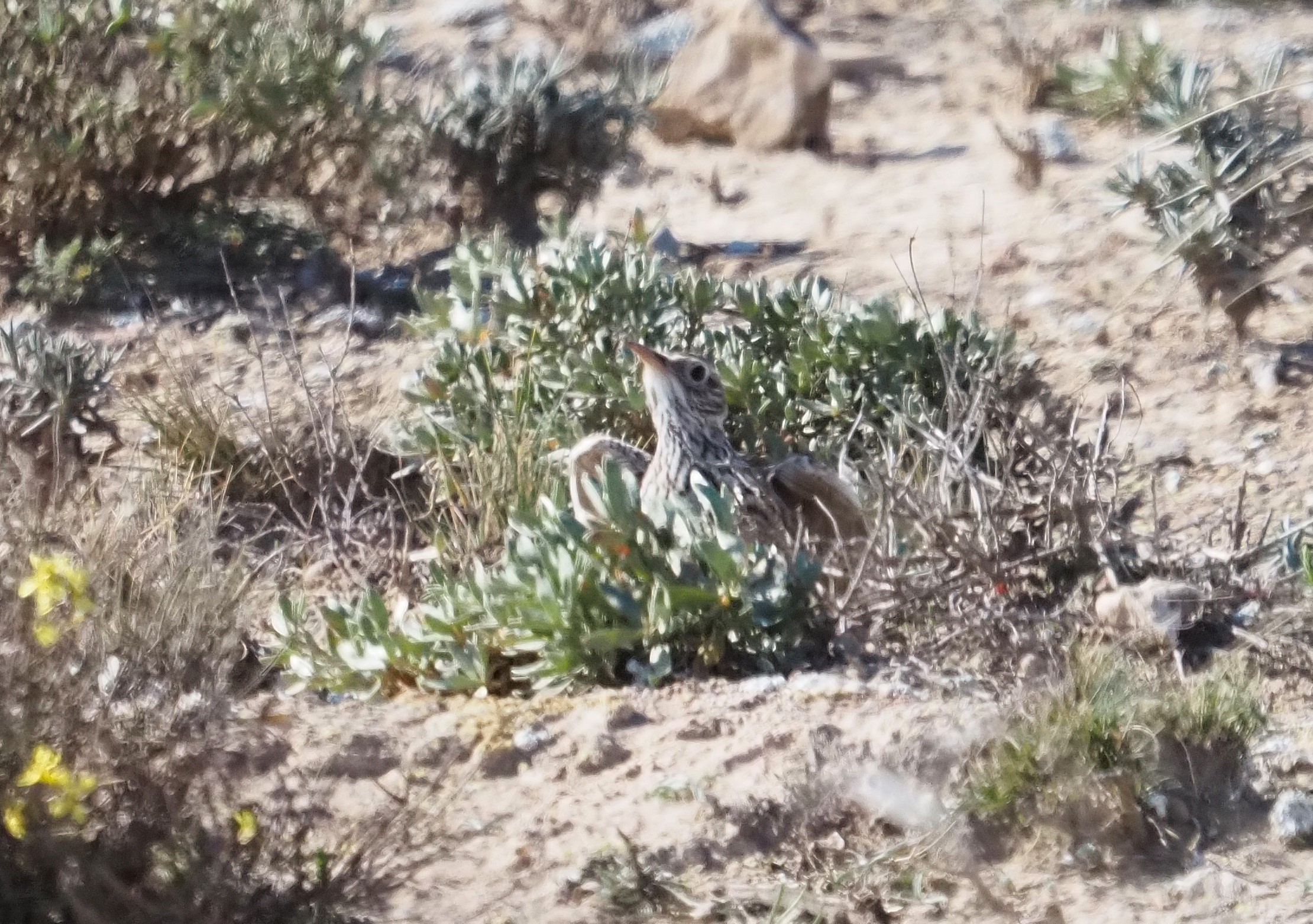
Dupont’s Lark (Chersophilus duponti): shaking wings as preparing to leave its resting site (up), male singing from to top of a tussock (below). Image by Carles Oliver.
Eurasian Dotterel (Charadrius morinellus), one of 25+ birds resting in a plugged field. Image by Justin Williams.
European Serin (Serinus serinus) female in a short stop around Belchite. Image by Carles Oliver.
Golden Eagle (Aquila chrysaetos), one of many seen during the trip. Image by Carles Oliver
Corn Bunting (Emberiza calandra) acting like being spring. The area around Lleida has the largest density in Europe. Image by Carles Oliver.

Day 5.

We awoke to fairly torrential constant rain, and with the forecast not looking good we made the decision to change our plans and head for the Ebro Delta.

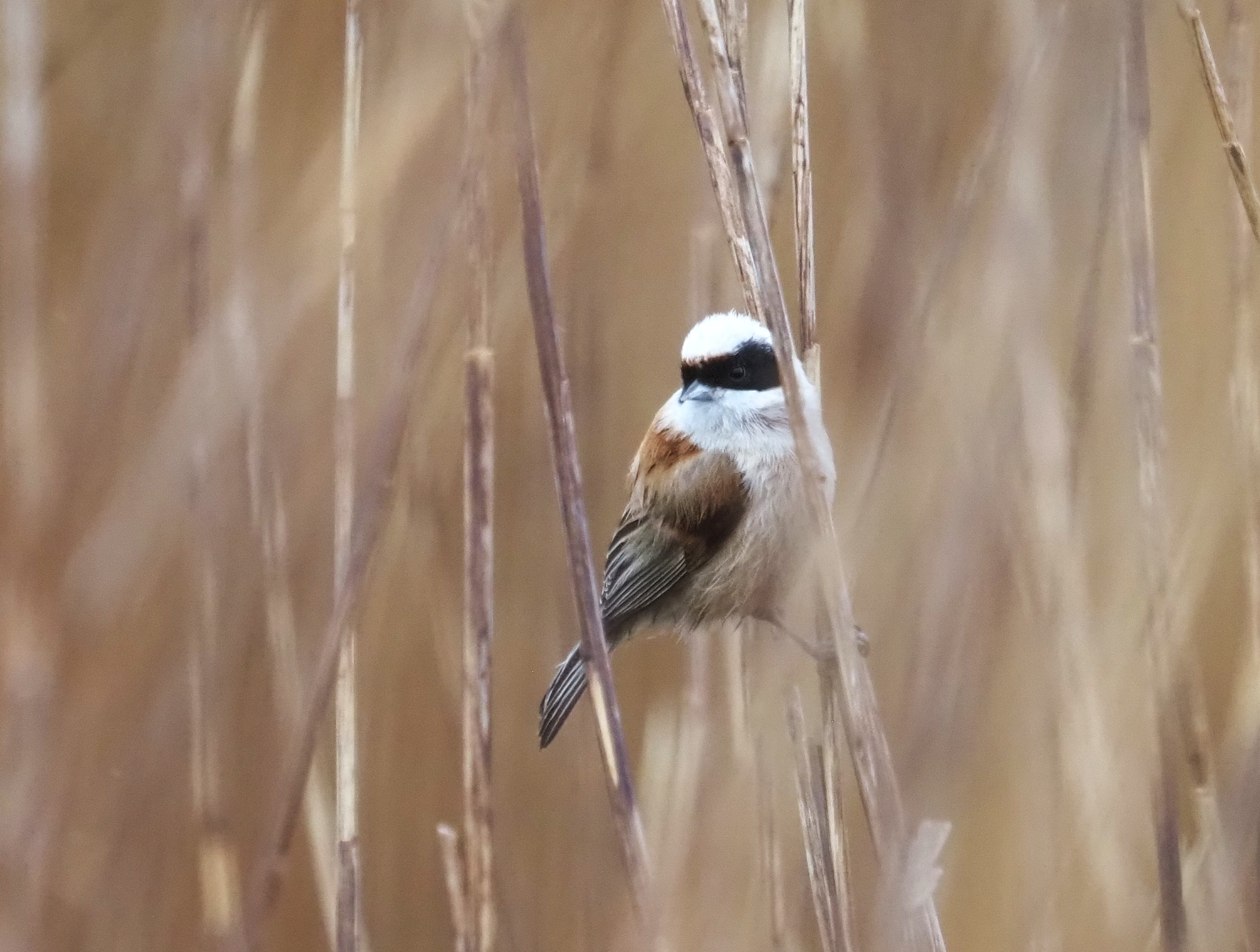
This journey was briefly interrupted with a stop when we spotted 4 Spanish Ibex on a high hill beside the road. Once we arrived at the Ebro we rapidly began adding birds to the trip list, the total change in habitat was exciting and we added many species during the morning including exciting birds such as Moustached Warbler which showed quite well a few times, Penduline Tit, Western Swamphen, Bluethroat, Greater Flamingo, Glossy Ibis, Slender-billed Gull, Caspian Tern, Black-necked Grebe, Red-crested Pochard, and Osprey as well a variety of waders and other wetland birds.

Too soon we had to leave and head for Barcelona, and the airport, but still we made time for 2 quick stops – the first giving us great views of Iberian Green Woodpecker (finally!) and Monk Parakeets. The second stop was at the beach right by the airport where we had fantastic views of Audouins Gull and also passing Atlantic Gannets and Sandwich Terns….a fitting end to a really enjoyable trip with a great group!

Western Swamphen (Porphyrio porphyrio) under the rain. Image by Carles Oliver.
Penduline Tit (Remiz pendulinus) showed well under the rain. Image by Carles Oliver.
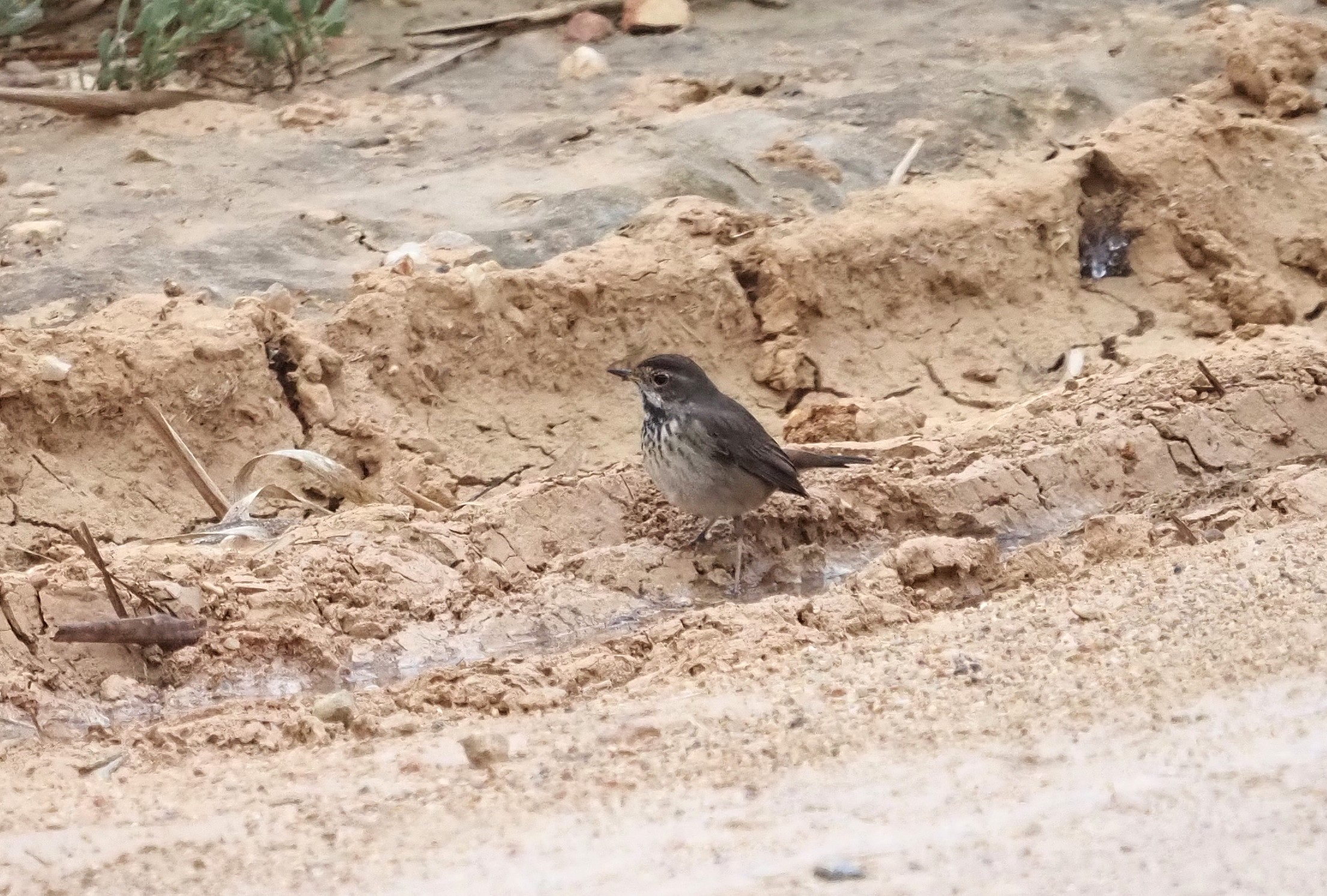
Bluethroat (Luscinia svecica) in the path for us. Image by Carles Oliver.
Iberian Green Woodpeckers (Picus sharpei). Image by Jo Symon.
Another shot on Iberian Green Woodpecker. Image by Justin Williams.
Our group almost complete. Image by Daf Edwards.

List of birds seen during the tour

  1. Red-legged Partridge (Alectoris rufa)
  2. Common Shelduck (Tadorna tadorna)
  3. Mallard (Anas platyrhynchos)
  4. Eurasian Teal (Anas crecca)
  5. Northern Shoveler (Spatula clypeata)
  6. Common Pochard (Aythya ferina)
  7. Red-crested Pochard (Netta rufina)
  8. Great Bustard (Otis tarda)
  9. Black-bellied Sandgrouse (Pterocles orientalis)
  10. Pin-tailed Sandgrouse (Pterocles alchata)
  11. Feral Pigeon (Columba livia domestica)
  12. Common Woodpigeon (Columba palumbus)
  13. Eurasian Collared Dove (Streptopelia decaocto)
  14. Water Rail (Rallus aquaticus) — heard only
  15. Eurasian Moorhen (Gallinula chloropus)
  16. Eurasian Coot (Fulica atra)
  17. Western Swamphen (Porphyrio porphyrio)
  18. Common Crane (Grus grus)
  19. Great Crested Grebe (Podiceps cristatus)
  20. Black-necked Grebe (Podiceps nigricollis)
  21. Little Grebe (Tachybaptus ruficollis)
  22. Atlantic Gannet (Morus bassanus)
  23. Greater Flamingo (Phoenicopterus ruber)
  24. Black-winged Stilt (Himantopus himantopus)
  25. Stone Curlew (Burhinus oedicnemus)
  26. Eurasian Dotterel (Eudromias morinellus)
  27. Grey Plover (Pluvialis squatarola)
  28. Northern Lapwing (Vanellus vanellus)
  29. Ruddy Turnstone (Arenaria interpress)
  30. Dunlin (Calidris alpina)
  31. Sanderling (Calidris alba)
  32. Common Snipe (Gallinago gallinago)
  33. Common Redshank (Tringa totanus)
  34. Greenshank (Tringa nebularia)
  35. Green Sandpiper (Tringa ochropus)
  36. Eurasian Curlew (Numenius arquata)
  37. Common Sandpiper (Actitis hypoleuca)
  38. Slender-billed Gull (Chroicocephalus geneni)
  39. Black-headed Gull (Chroicocephalus ridibundus)
  40. Mediterranean Gull (Ichthyaetus melanocephalus)
  41. Audouin’s Gull (Ichthyaetus audouinii)
  42. Yellow-legged Gull (Larus michahellis)
  43. Lesser Black-backed Gull (Larus fuscus)
  44. Caspian Tern (Hydroprogne caspia)
  45. Sandwich Tern (Thalasseus sandvicensis)
  46. White Stork (Ciconia ciconia)
  47. Great Cormorant (Phalacrocorax carbo)
  48. Glossy Ibis (Plegadis falcinellus)
  49. African Sacred Ibis (Threskiornis aethiopica)
  50. Little Egret (Egretta garzetta)
  51. Western Cattle Egret (Ardea ibis)
  52. Great White Egret (Ardea alba)
  53. Grey Heron (Ardea cinerea)
  54. Lammergeier (Gypaetus barbatus)
  55. Eurasian Griffon (Gyps fulvus)
  56. Golden Eagle (Aquila chrysaetos)
  57. Red Kite (Milvus milvus)
  58. Hen Harrier (CIrcus cyaneus)
  59. Western Marsh Harrier (Circus aeruginosus)
  60. Eurasian Sparrowhawk (Accipiter nisus)
  61. Common Buzzard (Buteo buteo)
  62. Osprey (Pandion haliaetos)
  63. Eurasian Eagle Owl (Bubo bubo)
  64. Little Owl (Athene noctua)
  65. Eurasian Hoopoe (Upupa epops)
  66. Common Kingfisher (Alcedo atthis)
  67. Great Spotted Woodpecker (Dendrocopos major)
  68. Iberian Green Woodpecker (Picus sharpei)
  69. Eurasian Kestrel (Falco tinnunculus)
  70. Peregrine Falcon (Falco peregrinus)
  71. Monk Parakeet (Myiopsitta monachus)
  72. Mediterranean Short-toed Lark (Alaudala rufescens)
  73. Eurasian Skylark (Alauda arvensis)
  74. Crested Lark (Galerida cristata)
  75. Thekla’s Lark (Galerida theklae)
  76. Calandra Lark (Melanocorypha calandra)
  77. Dupont’s Lark (Chersophilus duponti)
  78. Crag Martin (Ptyonoprogne rupestris)
  79. Meadow Pipit (Anthus pratensis)
  80. Water Pipit (Anthus spinolleta) — heard only
  81. White Wagtail (Motacilla alba)
  82. Grey Wagtail (Motacilla cinerea)
  83. White-bellied Dipper (Cinclus cinclus)
  84. Dunnock (Prunella modularis) — heard only
  85. Alpine Accentor (Prunella collaris)
  86. European Robin (Erithacus rubecula)
  87. Bluethroat (Luscinia svecica)
  88. Black Redstart (Phoenicurus ochruros)
  89. Black Wheatear (Oenanthe leucura)
  90. European Stonechat (Saxicola rubicola)
  91. Blue Rock Thrush (Monticola solitarius)
  92. Song Thrush (Turdus philomelos)
  93. Redwing (Turdus iliacus) — heard only
  94. Mistle Thrush (Turdus viscivorus)
  95. Fieldfare (Turdus pilaris)
  96. European Blackbird (Turdus merula)
  97. Eurasian Blackcap (Sylvia atricapilla)
  98. Sardinian Warbler (Curruca melanocephala)
  99. Moustached Warbler (Acrocephalus melanopogon)
  100. Zitting Cisticola (Cisticola juncidis)
  101. Cetti’s Warbler (Cettia cetti)
  102. Common Chiffchaff (Phylloscopus collybita)
  103. Goldcrest (Regulus regulus)
  104. Firecrest (Regulus ignicapillus)
  105. Eurasian Wren (Troglodytes troglodytes) — heard only
  106. Eurasian Blue Tit (Cyanistes caeruleus)
  107. European Crested Tit (Lophophanes cristatus)
  108. Great Tit (Parus majors)
  109. Coal Tit (Periparus ater)
  110. Long-tailed Tit (Aegithalos caudatus)
  111. Western Penduline Tit (Remiz pendulinus)
  112. Eurasian Nuthatch (Sitta europaea)
  113. Short-toed Treecreeper (Certhia brachydactyla)
  114. Wallcreeper (Tichodroma muraria)
  115. Iberian Grey Shrike (Lanius meridionalis)
  116. Eurasian Magpie (Pica pica)
  117. Eurasian Jay (Garrulus glandarius)
  118. Western Jackdaw (Coloeus monedula)
  119. Carrion Crow (Corvus corone)
  120. Hooded Crow (Corvus cornix)
  121. Common Raven (Corvus corax)
  122. Alpine Chough (Pyrrhocorax graculus)
  123. Red-billed Chough (Pyrrhocorax pyrrhocorax)
  124. European Starling (Sturnus unicolor)
  125. Spotless Starling (Sturnus vulgaris)
  126. Eurasian Tree Sparrow (Passer montanus)
  127. House Sparrow (Passer domesticus)
  128. Common Rock Sparrow (Petronia petronia)
  129. Common Chaffinch (Fringilla coelebs)
  130. Brambling (Fringilla montifringilla)
  131. European Serin (Serinus serinus)
  132. Eurasian Goldfinch (Carduelis carduelis)
  133. Eurasian Greenfinch (Chloris chloris)
  134. Eurasian Siskin (Spinus spinus)
  135. Linnet (Acanthis cannabina)
  136. Eurasian Bullfinch (Pyrrhula pyrrhula)
  137. Common Crossbill (Loxia curvirostra)
  138. Hawfinch (Coccothraustes coccothraustes)
  139. Yellowhammer (Emberiza citrinella)
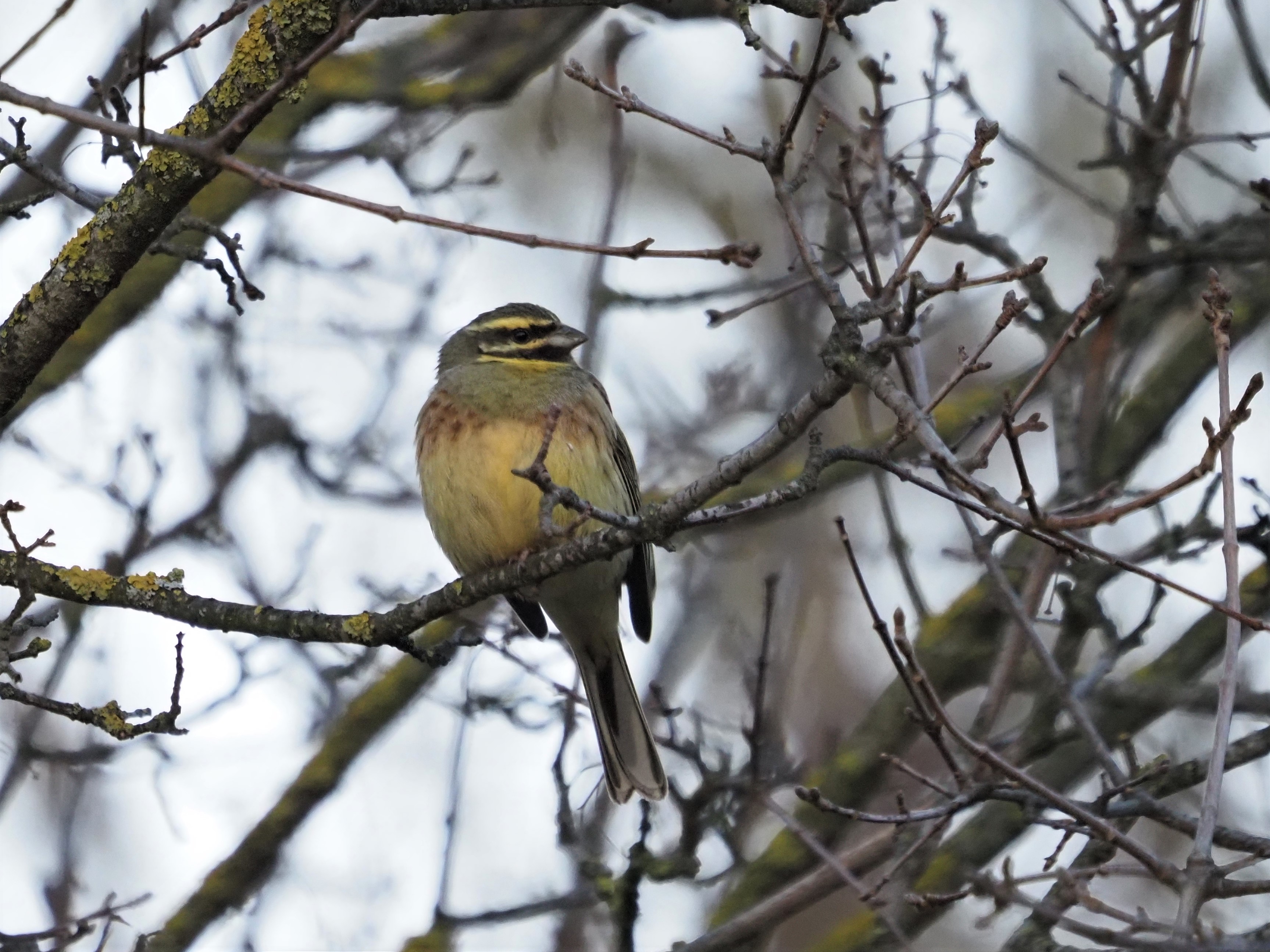
  140. Cirl Bunting (Emberiza cirlus)
  141. Rock Bunting (Emberiza cia)
  142. Common Reed Bunting (Emberiza schoneiclus)
  143. Corn Bunting (Emberiza calandra)

List of mammals seen during the tour

  1. Red Squirrel (Sciurus vulgaris)
  2. European Rabbit (Oryctolagus cuniculus)
  3. Roe Deer (Capriolus capriolus)
  4. Pyrenean Chamois (Rupricabra rupricabra)
  5. Spanish Ibex (Cabra hispanica)
  6. Beech Marten (Martes foina)
  7. Red Fox (Vulpes vulpes)

Pyrenees Winter Break 2024

  • Dates: From February 6th to 10th, 2024
  • Tour participants: 5
  • Number of species seen: 110
  • Tour leader: Carles Oliver

All images in this trip report by tour leader Carles Oliver unless otherwise specified. All rights reserved.

Overview: 10th Pyrenees Winter Break issue. This winter in the Pyrenees has been specially unnormal. The winter started normally, with the first snowfall happening in early November. Soon, the trend changed and we faced several weeks without any snowfall and the high temperatures melted the few snow left. With temperatures ranking 25ºC in January, some high mountain specialties changed their normal routines, especially affected were Snow Finches and Citril Finches, but also Alpine Choughs. This anormal situation, made the tour a bit harder than usual. Despite all of this, we got excellent views in the high mountain specialties and many of the steppe birds, with stunning views on both Wallcreeper and Dupont’s Lark, and 8+ Lammergeiers & 5+ Cinereous Vultures seen.

Day 1. After gathering all the tour participants from their accommodations around the city and enjoy tea & coffee stop we headed to the first birding stop of the tour. During the next hour, we walked around a mosaic landscape with some large trees, bushland and crops.

Here we were delighted to see the first Iberian Green Woodpeckers of the trip, quite active in the early morning. The morning was a bit cloudy and, once again, warm for what we can expect in Barcelona in early February. Small flocks of Common Chaffinches were getting out of the fields, and along with them we saw European Serins and Eurasian Tree Sparrows. Our walk around had a nice start, with a showy Lesser Spotted Woodpecker was calling and drumming from the top of the canopies, and we had really good looks on it for almost five minutes. In this same spot we also got Iberian Green Woodpeckers and a Ring-necked Parakeet exploring some nesting holes. Both Great & Blue Tits were active in the area, and a juvenile Peregrine Falcon did a couple of fast flights in the area, hoping to catch one of the several small birds moving. Other interesting birds here included Eurasian Hoopoe, Eurasian Jay and Common Pheasant. 3 Rock Buntings flew out from the bushes, but unfortunately none of the tour participants had a proper view on them

From the lovely plain in the Llobregat Delta we drove to a small garden around Barcelona where a White-throated Sparrow had been seen. We waited for almost one hour but, unfortunately, the Sparrow didn’t show for us. Still, a nice flock of Red-billed Leiothrix was a great entertainment for us, with some Eurasian Blackcaps and Coal Tits also showing well.

After a short stop for coffees and logistics, we drove up to the hills, with the next stop in the top of the one of the highest mountains between Barcelona and the Pyrenees. Here we had the longest walk of the trip, aiming to connect with the small population of Alpine Accentors living there. Fortunately we didn’t have to walk a lot before a lovely flock of at least 12 Alpine Accentors came to us to offer the group wonderful and very long views, with some of the birds performing right in front of us for several minutes! It was midday and in this small peak, normally covered with snow in early February, the sensation was of being late September! We had a comfortable 15ºC when being at 1700m above the sea level! Even in such a conditions, it was very surprising to find a female Hen Harrier hunting in the slopes of the mountains, and moreover, to see 3 Dartford Warblers singing and chasing each other in the tall vegetation. This is only a summer visitor to this habitat, normally covered by snow. Dartford Warblers spend the winter at lower altitudes, waiting for the snow to melt and temperatures to arise up (this is normally happening by late March or early April).

From here we covered the short distance of driving to the first hillsides of the Pyrenees where, even before arriving to the planned stop, we had to do a stop in one of its minor roads, that appeared covered by hundreds of Finches. Here we got the first excellent views on Common Crossbill, with some superb males singing from the top of the Mountain Pines. Hundreds of Eurasian Siskins were calling and singing here, probably moving North to their nesting grounds in Northern Europe. Eurasian Goldfinch, Coal & Crested Tits, Goldcrest and Mistle Thrush were all seen here, some of them providing great looks. At least 2 Citril Finches were noted inside this massive flock of birds, but they flew over almost unnoticed and I fell to put anyone in the group on the Finches, that fastly disappeared in the forest.

The afternoon was well advanced when we had our last stop of the day. This time to have some time in a lovely subboreal forest. Here, we were again surrounded by Common Crossbills and Siskins and only one minute after leaving the van we had a Black Woodpecker calling not far away. It took us only a pair of minutes to contact with the bird, that was active with a variety of calls to finally stop in a large, dead trunk. There we enjoyed long views as the bird was first calling and then preening before going away. We still had some more time in this lovely habitat, but it didn’t produce anything else out of a pair of showy Great Spotted Woodpeckers and 1 Eurasian Nuthatch.

Close up on Common Buzzard (Buteo buteo) to start the tour.
Red-billed Leiothrix (Leiothrix lutea) has a small population in the forests around Barcelona.
Alpine Accentor (Prunella collaris) was worth every step un the hill!
Common Crosbill (Loxia curvirostra) has been a common sight along this winter in the Pyrenees.
We enjoyed rather distant but long views on Black Woodpecker (Dryocopus martius).

Day 2. After enjoying our breakfast in our quiet accommodation in La Cerdanya valley, we spent the next couple of hours exploring the valley immediately beside. Here, a number of selected stops produced a good list of birds that included large numbers of Mistle Thrushes and Redwings with some Fieldfares but also really good views on Short-toed Treecreeper, Common Crossbills, Crested Tit and, especially, gorgeous looks on Rock Buntings that seemed very active and ready to start the nesting season.

From here, we drove inside Andorra. All the main mountain passes in this area of Catalonia had no snow at the moment, and our only hope to find Snow Finches was to go inside Andorra and do some stops along a mountain pass reaching 2500 metres above the sea level and sky resort located nearby. Once there, we saw that the amount of snow was also really thin, and the sunny weather reduced our chances to connect with the Finches even thinner. Still, we enjoyed very lovely views on Alpine Choughs as they were feeding around the sky resort but also acting almost as Wallcreepers in the buildings around!

Crossing Andorra, we headed South towards the most impressive spot for large raptors in the Pyrenees. Even if the intense Andorran traffic made us go slowly, we arrived to the hillsides around Isona with the sun well high in the sky. Moreover, in our way out of Andorra we got excellent views on White-throated Dippers.

The rest of the afternoon we drove along a pair of tracks, with several stops to enjoy the many birds of prey in the sky. After three hours, a conservative count showed out 7 Lammergeiers, hundreds of Eurasian Griffons and 12 Cinereous Vultures. We got several excellent views, with adult Lammergeiers passing only tens of metres away from the van; Lammergeiers circling along with Cinereous Vultures; or a flock of 15 Griffons and 4 Lammergeiers all circling together to name some of most celebrated sights. Due to the multiple stops to enjoy the several raptors in the sky, we arrived to our accommodation a bit later than expected, but with some unforgettable memories!

Rock Bunting (Emberiza cia) singing his heart out for us.
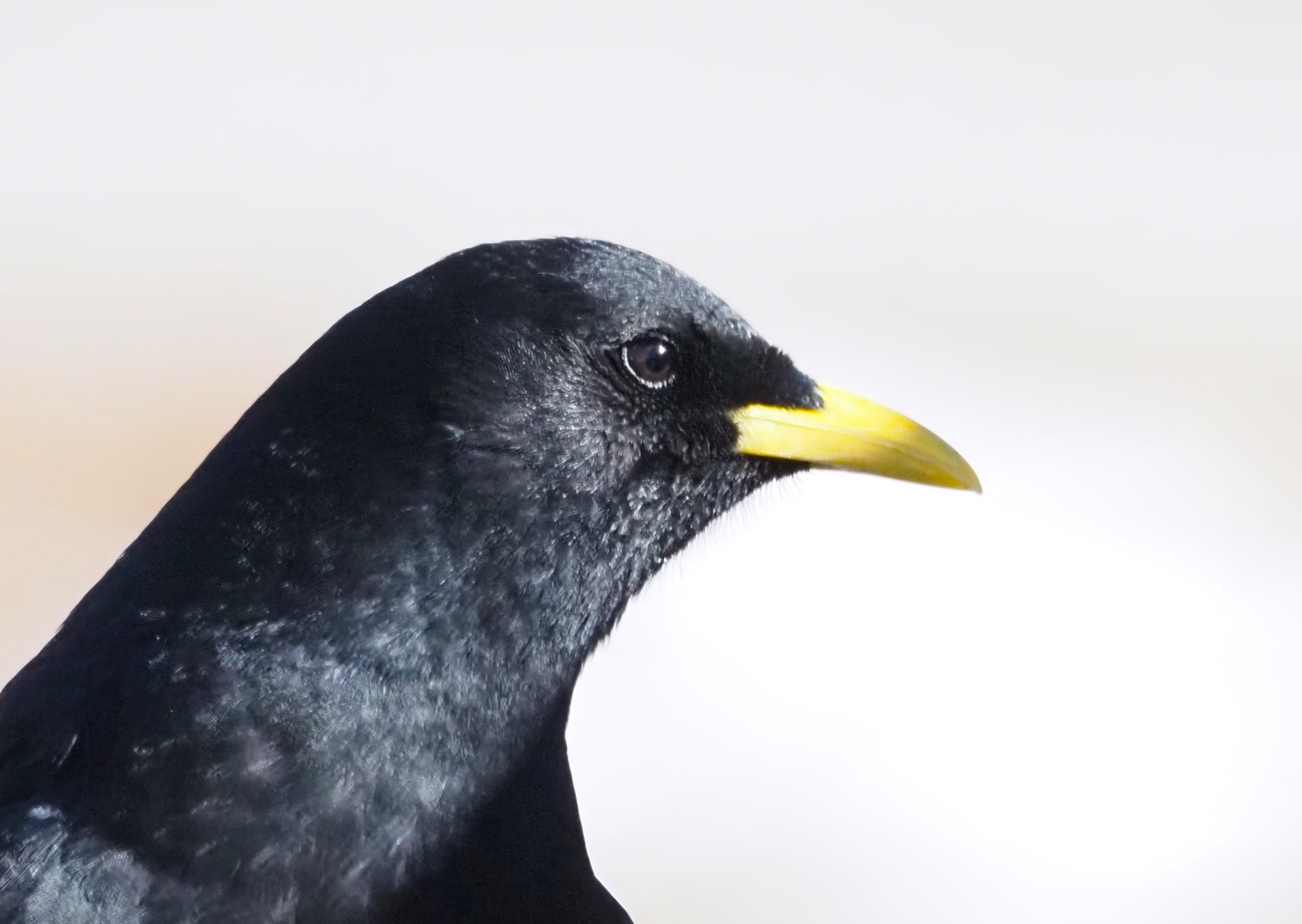
Alpine Chough (Phyrrocorax graculus)
Alpine Chough close up in our visit in Andorra.
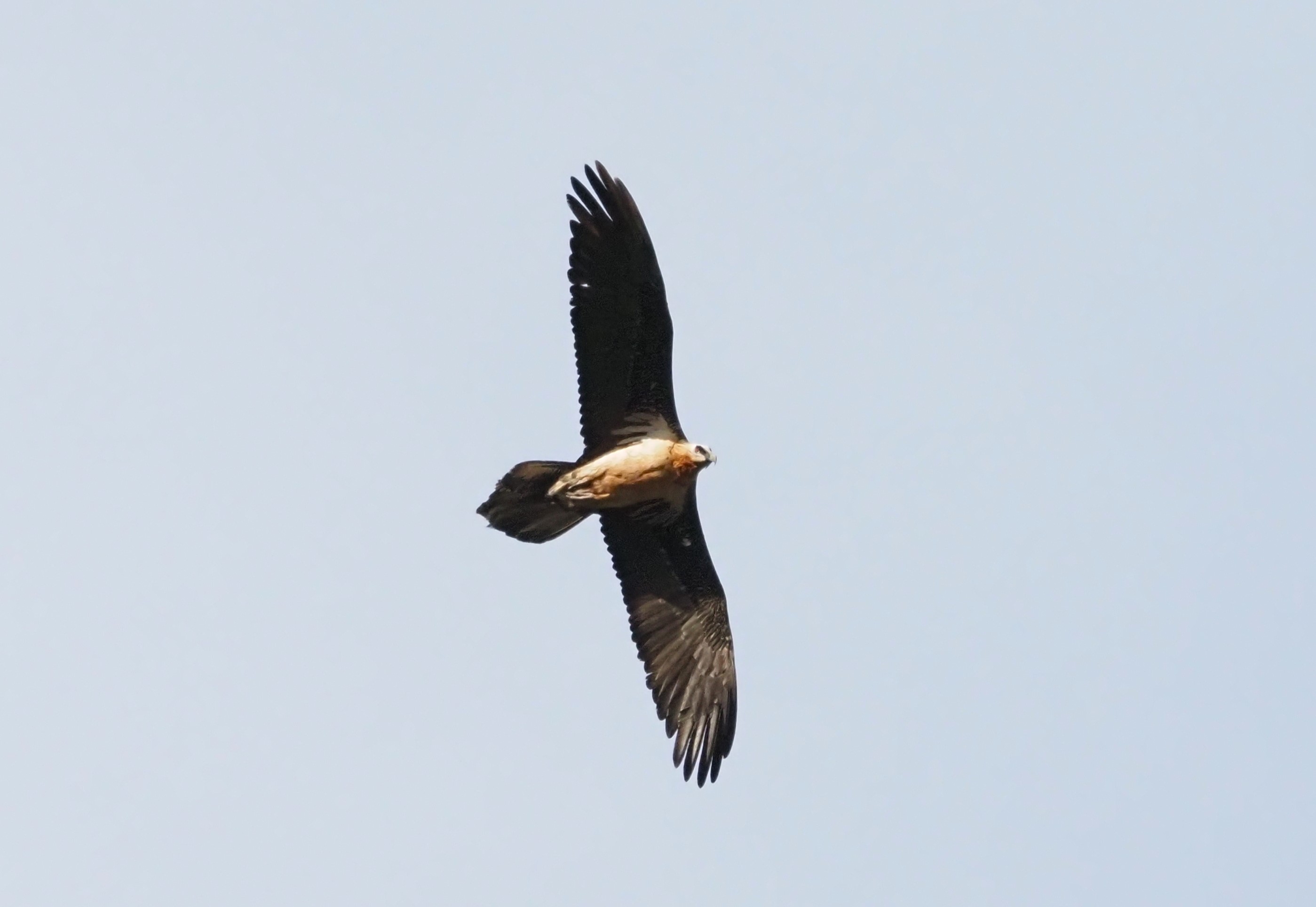
Lammergeier (Gypaetos barbatus), one of the several enjoyed.
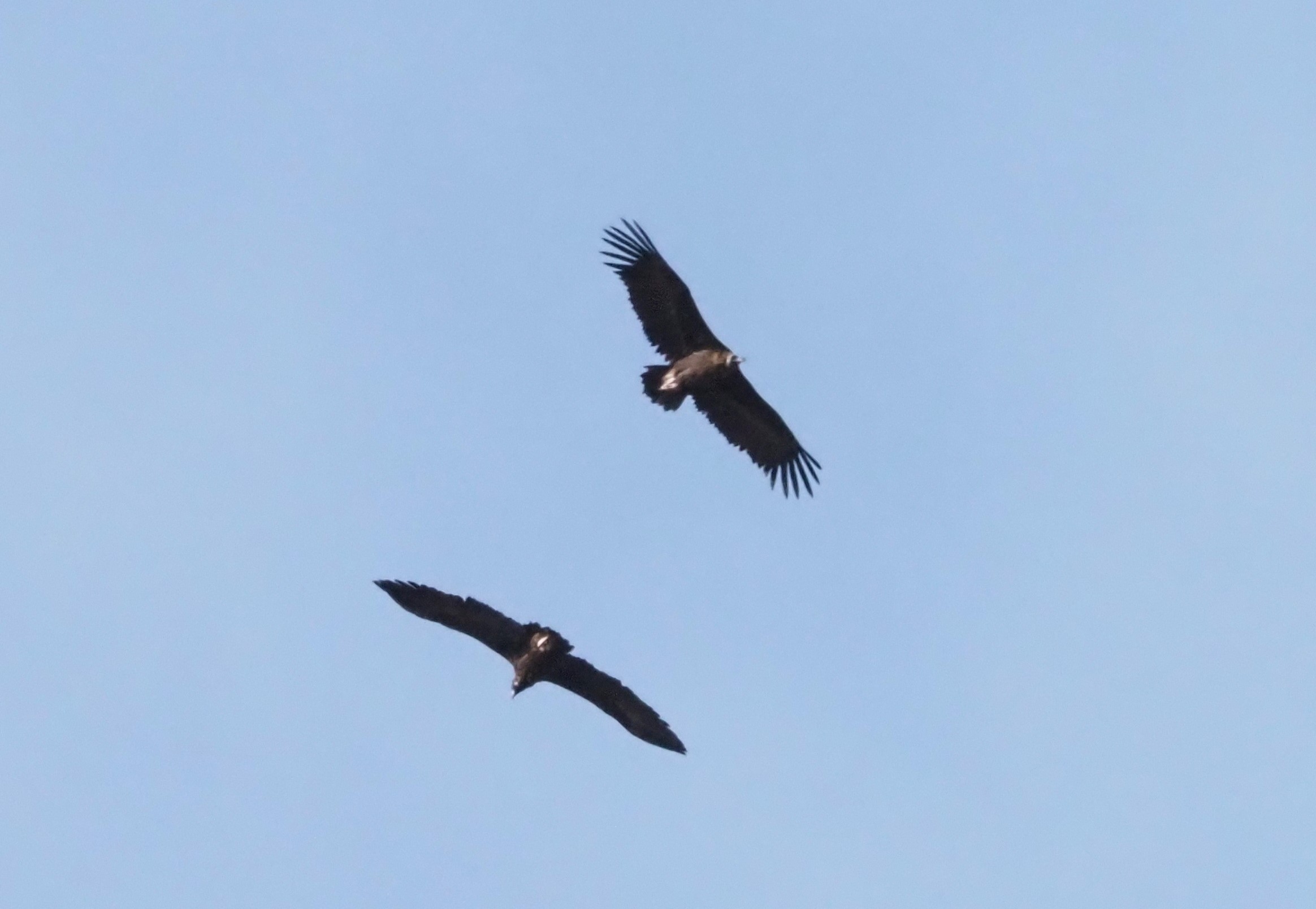
A pair of Lammergeiers almost touching wings.
Cinereous Vulture (Aegypius monachus) has a small but healthy population in the Pyrenees.

Day 3. After breakfast, we covered the short distance from Lleida to the first gorges in the Pyrenees. Once there, we spent a couple of hours enjoying the rocky outcrops. Blue Rock Thrush had a short appearance, but Firecrests and Goldcrest gave us long views. In the cliffs, Griffons Vultures were nesting along with Rock Sparrows. In the river along the gorge, Dippers were moving up and down along with Grey Wagtails. Other birds here included Eurasian Sparrowhawk, Cirl Buntings and Sardinian Warbler.

But the main reason to come was another, and a really important one. To be fair, the Wallcreeper overwintering in the gorge didn’t take long to appear, but we had to wait a bit before everybody in the group could connect with it. Still, we were really lucky, and a Wallcreeper appeared at its typical place a bit after 10:00 in the morning. The bird was half way up in the cliff, and not very showy. We had to wait for 5 minutes before the bird, suddenly, decided to come down by the tarmac! The next 10 minutes were some of the most intense in our Pyrenean outings this winter, with extremely close views on this Wallcreeper, while the bird was moving really low along the gorge. At times, we had ti sensation of be able even of touching the bird!

Wallcreeper (Tichodroma muraria) at close range. Image by Mark Dowie.
Another great shot on Wallcreeper. Please note the delicate design of the undertail coverts. Image by Mark Dowie.

After enjoying such a wonderful views on the one of the main specialties living in the mountains we drove down to the plains. There, large flocks of European Golden Plovers and Northern Lapwings were waiting for us. We have our lunch stop by a small pond, where we had Northern Shovelers, Common Pochards, Little Grebes, Eurasian Coots & Teals, 2 Green Sandpipers but also large flocks of White Storks in the move from their roosting places around Lleida. The area was also good for small birds and European Stonechat, Meadow Pipit, Eurasian Skylark, Crested Lark, Chiffchaff, Linnet, Reed Bunting and Eurasian Tree Sparrow were noted.

After lunch we changed to a second pond, and our visit was granted with nice views on 7 Ferruginous Ducks, a very scarce bird in Catalonia!

Driving East, we arrived to an area with a very different landscape. Here, small but cleverly managed fields still allow a good density of Little Bustards. This species, formerly fairly common in Iberia, had become almost a scarcity, and its winter flocks have been severely decimated. A first stop was done to try to connect with a pair of Black-winged Kites nesting in the area, but we only got a small flock of Woodlarks, several Corn Buntings and multiple views on Red Kite & Marsh Harrier. A bit further, 4 Little Bustards were seen by the road, and we got good views from the van to don’t disturb the birds.

The last stop of the day was deserved to the desert-like ambients South of Lleida, where we had a short walk to enjoy the first Thekla’s Larks of the trip along with lovely flocks of Red-billed Choughs, Spotless Starlings, Rock Sparrows and a Black Wheatear that refused to show for the group! It was already quite late, but we decided to have a very last stop, and our effort was very worth. We still had to get out of the van when we listened and Eurasian Eagle Owl calling from somewhere in the valley. After a fast scanning, we decided to go for a slow short walk, and after a few metres Mark got the bird singing from a dead branch up in the hillside. During the few minutes, we got amazing scope views on the bird while some Redwings were attending their roosting site. A superb way to end another very good day!

Part of the flock of Ferruginous Ducks (Aythya nyroca) seen around Lleida.
Little Bustard (Tetrax tetrax) female feeding.
Eagle Owl calling from its perch. Image by Mark Dowie.

Day 4. After a sunny start of the trip, this was a grey and rainy day. A difficult weather to search for the specialties living in the steppes. Still, we went to explore the endless plains in central Monegros. A first stop in a small salty lagoon produced the only Kentish Plover of the trip along with Common Shelducks and Black-headed Gulls. From here, we got in the plains, but the muddy tracks made difficult for us to arrive to some locations. Still, we were lucky enough to contact with 2 nice Black-bellied Sandgrouses that provided flying views. 1 Little Owl was also a nice sight while flocks of Calandra & Skylarks were flying over the fields. After a couple of hours checking around the rain became heavier, and we decided to go for a service stop. It was a fortunate choice since the sky cleared right when we were leaving the coffee shop.

Back to the plains, we managed to arrive to a nice spot and soon we found a nice of 11 Pin-tailed Sandgrouses that stayed on a field for us for about 20 minutes. Here we had nice scope views with some good photo and video chances. Several Calandra & Crested Larks were singing here, and as the sun became stronger, the first Mediterranean Short-toed Larks (aka Lesser Short-toed Larks) of the trip were noted. From here we moved into a different section of the plains, and we were lucky to find a nice flock of 31 Common Cranes feeding on the ground at close range, and a closer flock of Eurasian Griffons on the ground, waiting for the weather to improve. Here we also got a nice male Hen Harrier flying over the large fields, and 2 extra Little Owls! But unfortunately the rain started again, even heavier than before and we decided to move away, trying to put some distance from the mud and the rain.

But when we arrive to our new accommodation, the rain was also there for us, and we decided to end the day after enjoying a distant view on a new Little Owl.

Pin-tailed Sandgrouses (Pterocles alchata) feeding under the rain.

Day 5. After enjoying breakfast, we headed out to the large steppes immediatly South of Zaragoza. This is a wonderful are to enjoy steppe birds, with multiple places where to go and try to find the different specialties living in the region. After the generous rain of the previous day, we woke up in a sunny day with only some clouds.

We started driving in the minor tracks crossing the steppes and soon got 2 Black-bellied Sandgrouses in a farming area. Beyond, both Calandra and Mediterranean Short-toed Larks started singing, offering both really good looks. It didn’t take long before we got a first Dupont’s Lark singing. It looked like far away, but then a second bird started singing a bit closer. Some Short-toed Larks were around, feeding and providing some photo opportunities. The wind started to pick up, but both Dupont’s Larks were still singing. We put out the scopes, trying to see them in the ocean of grass in front of us, but we couldn’t contact with the bird..

After 40 minutes of scan we decided to move away and try a different spot. By that time the wind was already strong. A new Lesser Short-toed Lark in good light was welcome by the photographers in the group, but suddenly a second bird appeared right behind the Short-toed Lark. A Dupont’s Lark sitting in the top of a small bush only 10 metres away from us!! Soon we were all having the bird and celebrating our luck.

Mediterranean Short-toed Lark (Alaudala rufescens).
Lovely views on a singing Dupont’s Lark (Chersophilus duponti) after a couple of hours of waiting! Image by tour leader Carles Oliver
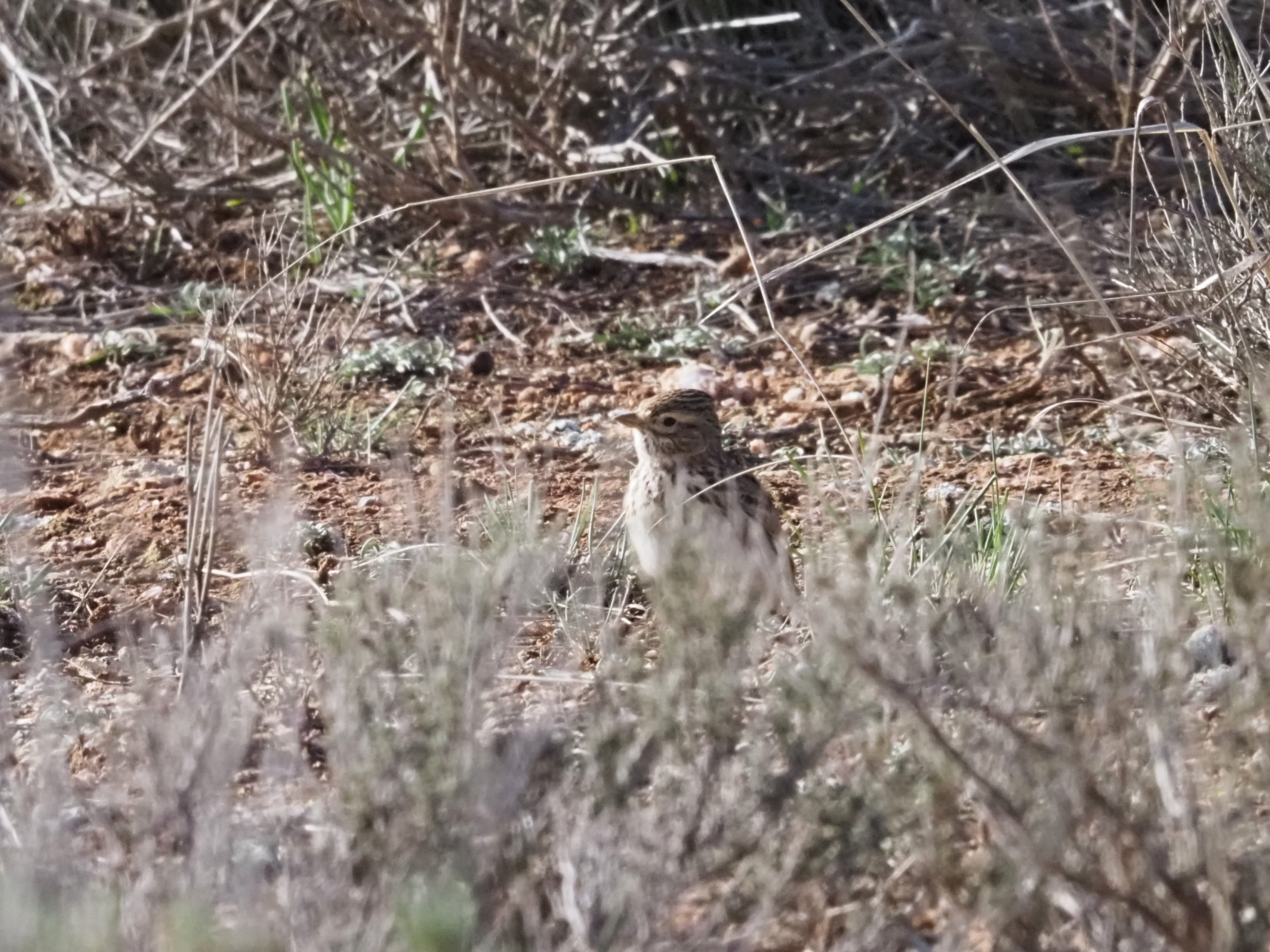
Thekla’s Lark (Galerida theklae) close up to end our exploration of the steppes.

Leaving the steppes, we still had a pair of Red-billed Choughs displaying around and 2 Black-bellied Sandgrouses plus a pair of superb Golden Eagles in the highway. But certainly the wind had picked up in the last minutes. We started the final transfer to Barcelona, having a stop in a lovely lagoon with a wonderful reedbed. Unfortunately, by the time we arrived to the lagoon the wind was so strong that it was almost not possible to stand up, and we had to search refuge in a blind and even inside the van to enjoy our packed lunches. Here, we only got Gadwalls and Great Crested Grebes and the very strong wind made no possible to contact with any passerine living in the reeds.

Despite the strong wind, we still had something to add to our list and a small detour to explore a sheltered gorge produced a nice male Black Wheatear in the top of a small cliff, providing good views to all the members of the group. This very last minute sight was really appreciated, since the first contact with this species, a couple of days before, was poor and not everyone in the group actually so the bird.

After this short stop, we just transferred back to Barcelona to end our tour around the airport by mid afternoon.

List of birds seen during the tour

  1. Red-legged Partridge (Alectoris rufa)
  2. Ring-necked Pheasant (Phaisanus colchinus)
  3. Common Shelduck (Tadorna tadorna)
  4. Mallard (Anas platyrhynchos)
  5. Gadwall (Anas strepera)
  6. Eurasian Teal (Anas crecca)
  7. Northern Shoveler (Spatula clypeata)
  8. Common Pochard (Aythya ferina)
  9. Ferruginous Duck (Aythya nyroca)
  10. Little Bustard (Tetrax tetrax)
  11. Black-bellied Sandgrouse (Pterocles orientalis)
  12. Pin-tailed Sandgrouse (Pterocles alchata)
  13. Feral Pigeon (Columba livia domestica)
  14. Stock Dove (Columba oenas)
  15. Common Woodpigeon (Columba palumbus)
  16. Eurasian Collared Dove (Streptopelia decaocto)
  17. Eurasian Moorhen (Gallinula chloropus)
  18. Eurasian Coot (Fulica atra)
  19. Common Crane (Grus grus)
  20. Great Crested Grebe (Podiceps cristatus)
  21. Little Grebe (Tachybaptus ruficollis)
  22. Kentish Plover (Charadrius alexandrinus)
  23. European Golden Plover (Pluvialis apricaria)
  24. Northern Lapwing (Vanellus vanellus)
  25. Greenshank (Tringa nebularia)
  26. Green Sandpiper (Tringa ochropus)
  27. Yellow-legged Gull (Larus michahellis)
  28. White Stork (Ciconia ciconia)
  29. Great Cormorant (Phalacrocorax carbo)
  30. Western Cattle Egret (Bubulcus ibis)
  31. Great White Egret (Ardea alba)
  32. Grey Heron (Ardea cinerea)
  33. Lammergeier (Gypaetus barbatus)
  34. Eurasian Griffon (Gyps fulvus)
  35. Cinereous Vulture (Aegypius monachus)
  36. Red Kite (Milvus milvus)
  37. Hen Harrier (CIrcus cyaneus)
  38. Western Marsh Harrier (Circus aeruginosus)
  39. Eurasian Sparrowhawk (Accipiter nisus)
  40. Common Buzzard (Buteo buteo)
  41. Eurasian Eagle Owl (Bubo bubo)
  42. Little Owl (Athene noctua)
  43. Eurasian Hoopoe (Upupa epops)
  44. Great Spotted Woodpecker (Dendrocopos major)
  45. Lesser Spotted Woodpecker (Dryobates minor)
  46. Iberian Green Woodpecker (Picus sharpei)
  47. Black Woodpecker (Dryocopus martius)
  48. Eurasian Kestrel (Falco tinnunculus)
  49. Peregrine Falcon (Falco peregrinus)
  50. Rose-ringed Parakeet (Psittacula krameri)
  51. Mediterranean Short-toed Lark (Alaudala rufescens)
  52. Eurasian Skylark (Alauda arvensis)
  53. Crested Lark (Galerida cristata)
  54. Thekla’s Lark (Galerida theklae)
  55. Woodlark (Lullula arborea)
  56. Calandra Lark (Melanocorypha calandra)
  57. Dupont’s Lark (Chersophilus duponti)
  58. Meadow Pipit (Anthus pratensis)
  59. White Wagtail (Motacilla alba)
  60. Grey Wagtail (Motacilla cinerea)
  61. White-bellied Dipper (Cinclus cinclus)
  62. Alpine Accentor (Prunella collaris)
  63. European Robin (Erithacus rubecula)
  64. Black Redstart (Phoenicurus ochruros)
  65. Black Wheatear (Oenanthe leucura)
  66. European Stonechat (Saxicola rubicola)
  67. Song Thrush (Turdus philomelos)
  68. Redwing (Turdus iliacus)
  69. Mistle Thrush (Turdus viscivorus)
  70. European Blackbird (Turdus merula)
  71. Blue Rock Thrush (Monticola solitarius)
  72. Eurasian Blackcap (Sylvia atricapilla)
  73. Sardinian Warbler (Curruca melanocephala)
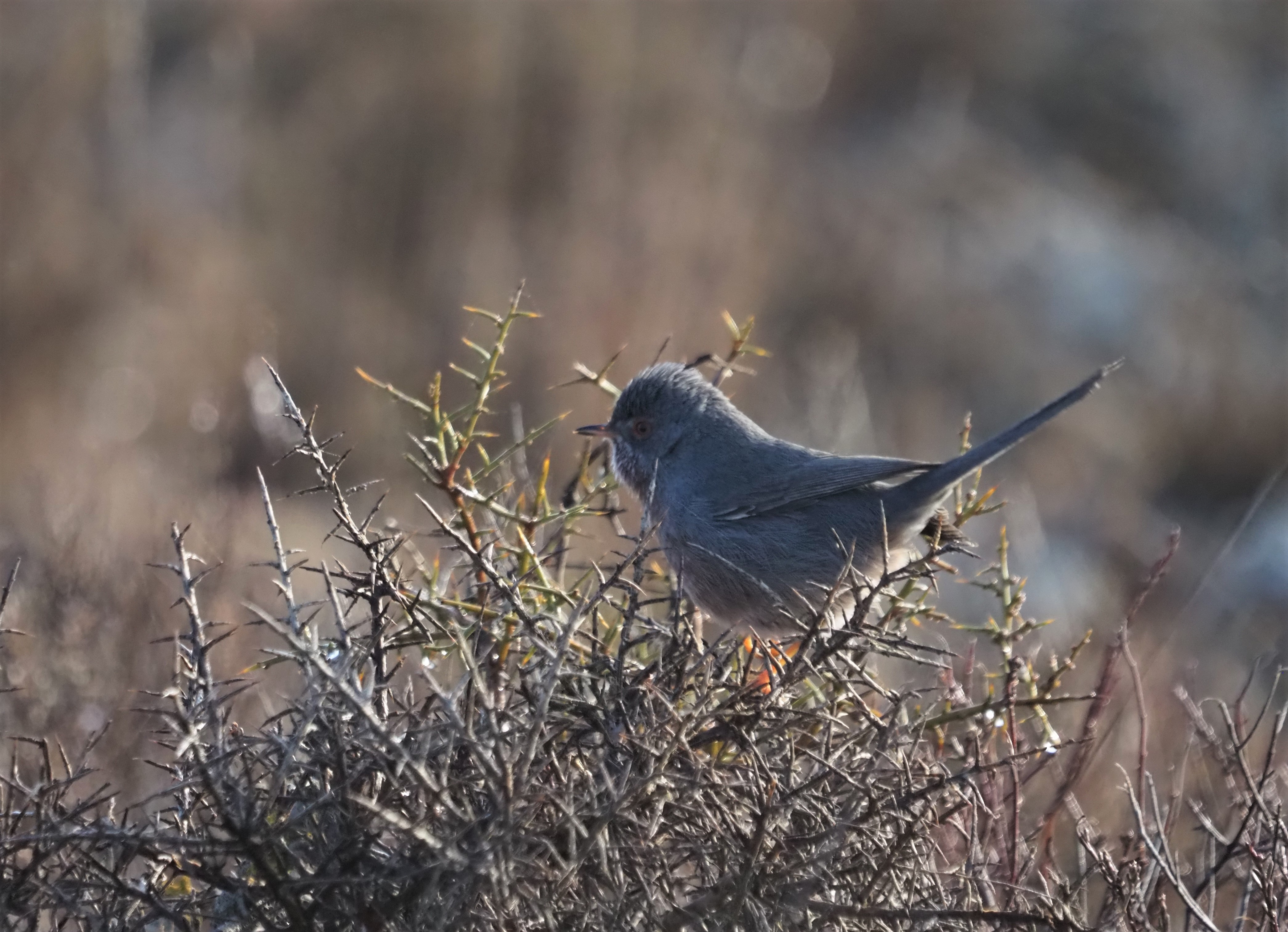
  74. Dartford Warbler (Curruca undata)
  75. Cetti’s Warbler (Cettia cetti)
  76. Common Chiffchaff (Phylloscopus collybita)
  77. Goldcrest (Regulus regulus)
  78. Firecrest (Regulus ignicapillus)
  79. Eurasian Wren (Troglodytes troglodytes)
  80. Eurasian Blue Tit (Cyanistes caeruleus)
  81. European Crested Tit (Lophophanes cristatus)
  82. Great Tit (Parus majors)
  83. Coal Tit (Periparus ater)
  84. Long-tailed Tit (Aegithalos caudatus)
  85. Red-billed Leiothrix (Leiothrix lutea)
  86. Short-toed Treecreeper (Certhia brachydactyla)
  87. Wallcreeper (Tichodroma muraria)
  88. Iberian Grey Shrike (Lanius meridionalis)
  89. Eurasian Magpie (Pica pica)
  90. Eurasian Jay (Garrulus glandarius)
  91. Western Jackdaw (Coloeus monedula)
  92. Carrion Crow (Corvus corone)
  93. Common Raven (Corvus corax)
  94. Alpine Chough (Pyrrhocorax graculus)
  95. Red-billed Chough (Pyrrhocorax pyrrhocorax)
  96. European Starling (Sturnus unicolor)
  97. Spotless Starling (Sturnus vulgaris)
  98. Eurasian Tree Sparrow (Passer montanus)
  99. House Sparrow (Passer domesticus)
  100. Common Rock Sparrow (Petronia petronia)
  101. Common Chaffinch (Fringilla coelebs)
  102. European Serin (Serinus serinus)
  103. Eurasian Goldfinch (Carduelis carduelis)
  104. Eurasian Greenfinch (Chloris chloris)
  105. Eurasian Siskin (Spinus spinus)
  106. Linnet (Acanthis cannabina)
  107. Common Crossbill (Loxia curvirostra)
  108. Cirl Bunting (Emberiza cirlus)
  109. Rock Bunting (Emberiza cia)
  110. Corn Bunting (Emberiza calandra)

List of mammals seen during the tour

  1. European Rabbit (Oryctolagus cuniculus)
  2. Red Fox (Vulpes vulpes)
  3. Red Deer (Cervus elaphus)

Pyrenees Winter Break 2023 Trip Report

Dates: February 8th to 12th, 2023

Number of participants: 6

Number of species seen: 128

All images by tour leader Carles Oliver. All rights reserved

Overview: Our 9th Pyrenees Winter Break tour started in the Pyrenees right after a strong snow fall. During the tour the weather was sunny and not especially cold in the mountains. In the plains, we had a morning with some fog, but it didn’t stop us to find all main specialties living there.

Day 1: Once all tour participants were collected from the their accommodations around the International Barcelona Airport, a short drive lead us to the Pyrenees. Only 90 minutes away from the city and we were already in a wonderful location, a mountain range hosting all high mountain birds specialties living in the Pyrenees.

It was sunny, but the day before it had been snowing so a pair of high mountain lanes were closed during the morning. Our fist stop was dedicated to explore the meadows around Bagà, where the very first birds of the day and the trip was a Lesser Spotted Woodpecker that was hunging around the parking place. Here we had some common birds in the area including Cirl Bunting, Black Redstart, Eurasian Blue Tit and Eurasian Nuthatch. Here, the terraced landscape is fulfilled with lines of Poplars and a fast scan produced the first Iberian Green Woodpecker of the tour while was moving high in the trees. Several Common Chaffinches were around, and they all moved down to the ground to feed, followed by the Iberian Green Woodpecker.

Other birds in this first stop included European Stonechat, Meadow Pipit, Common Magpie and Eurasian Greenfinch.

After this good start we drove some miles up in a lane. Our goal was to arrive to the limit of the forest (About 1800 metres above the sea level), but we were stopped by a small flock of birds. Here we had the first Mistle Thrushes of the trip along with several Common Crossbills, Coal Tits, and Goldcrests. Still, our guests especially enjoyed the views on both Rock Buntings and European Crested Tits.

Once above the tree limit, we did another non planned stop. A gorgeous Lammergeier (aka Bearded Vulture) was sitting in the top of a rocky outcrop just beside the road, providing the group with incredible views! Common Crossbills were also around, adding with their calls a plus on the mountainous ambients of the sight. After ten minutes of observation, the Lammergeier decided to fly away, passing over the group and providing us with unforgettable memories of that moment.

Wonderful Lammergier (Gypaetos barbatus) during our exploration of the Cadí-Moixeró Natural Park. Images by tour leader Carles Oliver

From here we drove higher. Beyond the tree limit there were mixed flocks of Fieldfares and Mistle Thrushes feeding on the snowed slopes. The weather was stable, with only a brise and some scenic clouds, and many birds were taking advantage of the good weather to feed around. Here we saw more Rock Buntings and a flock of 11 Bramblings flew off from one of the last trees up the lane.

When we arrived to the mountain pass, we found chunky three birds feeding by the tarmac. 3 wonderful Snowfinches were right beside us, but unfortunately decided to flew off and down the slope. From here we decided to go for a short walk. Common Ravens were seen around, and a Peregrine Falcon appeared in a fast, low flight going down the slope in a mission. Up to 10 Eurasian Griffons were also seen exploring the thermals before a large flock of 60+ Snowfinches suddenly appeared in a small hillside some 150 metres away from us, and started feeding on the ground. We all enjoyed very much the finch spectacle with several calls, short flights and even fights. We waited a bit, not moving, and we were rewarded with the birds coming down the hillside just beside the tarmac. After 10 minutes of observation, the birds simply decided to go up the slope again, and disappeared beyond some large boulders!

Alpine Accentor (Prunella collaris) showing nicely in our first day in the mountains
SnowFinches (Montifringilla nivalis) feeding on the slopes. Image by Carles Oliver
Rock Bunting (Emberiza cia) is a common bird in the broken slopes around the Pyrenees.

Really happy after such a great sight, the group came back to the van, decided to explore that lane a bit more. Only a few miles away, a stop was made. Our short walk was again successful, as we found a lovely, obliging Alpine Accentor feeding really close to the road and, with some patience, we got some great shots on it. The views on the Accentor were perturbed by a large flock of 73 Alpine Choughs that suddenly appeared in the valley, offering good but rather distant views while a Lammergeier appeared again, crossing the valley in some seconds.

Really happy after this really successful start we went all the way down and did our way for the last stop of the day in a scrub hillside not far from our accommodation. It was already early afternoon, offering a calid light for the sightings to come. Our short walk up the hill produced some interesting sights including a large flock of Cirl Buntings feeding on the ground along with 2 Woodlarks, 4 Rock Buntings, 2 Redwings, 14 Rock Sparrows and the firsts Iberian Grey Shrike of the trip. In the skies, several Red Kites were moving around and we counted 3 Griffons Vultures and 1 adult Lammergeier. Here we also had the only Citril Finch of the trip, unfortunately a flying bird that provided poor views.

After this stop we just drove the short distance to our accommodation.

Day 2. After enjoying a lovely breakfast we left our accommodation. The first stop of the day was devoted to explore a lovely corner of the Segre River that crosses the beautiful Cerdanya valley. Here we enjoyed White-throated Dippers, Cirl Buntings, many Redwings and 2 Bramblings among several Chaffinches. Here we also had an Eurasian Woodcock that flew off from a nearby meadow, an uncommon bird to have here in day light!

From here we went up in the forested slopes, to spend some time in a boreal forest. As usual, the area was quite full of activity and it didn’t take us long to enjoy good views on Short-toed Treecreeper, Goldcrest, European Crested Tit, Firecrest and Coal Tit but also Common Crossbill, Goldfinch and Greenfinches. But the most celebrated sight here was a Black Woodpecker moving really low in a pine tree that offered us lovely scope views.

Happy after this lovely views we drove up to Andorra. During the hour long drive, a pair of stops were necessary to enjoy both Lammergeier and Golden Eagle. Once in Pas de la Casa we had a stop for a coffee while enjoying the urban Alpine Choughs that live around the sky resort. By the time of our arrival it was snowing a bit, providing the sight with a wonderful alpine setting!

Cirl Bunting (Emberiza cirlus) showed very well around the accommodation
Alpine Chough (Pyrrhocorax graculus) under the snow fall in Andorra. Image by tour leader Carles Oliver

From here we drove back to Catalonia to have a final stop in the large fields that are the core of the Cerdanya Valley. There we enjoyed large flocks of Eurasian Skylarks, several flocks of Cirl & Rock Buntings, Meadow Pipits, Linnets and Corn Buntings but also the only 2 Hen Harriers of the tour, including a lovely male.

Day 3. Transfer to a different section of the Pyrenees. We drove West for about 90 minutes before to arrive into a small gorge in a secondary road. This was our first attempt to find a Wallcreeper, and we didn’t have to wait long! We waited for the bird in a small, old bridge, and only a few minutes after we got out of the vehicle, a wonderful Wallcreeper right in front us, providing excellent views for some minutes. The bird, always in search of insects that look for shelter in the rocky crevices, started to climb up the wall and we could follow its itinerary for several minutes. It kept doing short flights, and flickering its wings to show out its wonderful red panels (a way to keep other Wallcreepers away from that cliff).

Here we also had other interesting birds living in the cliffs including Blue Rock Thrush and Crag Martin. The Wallcreeper, after showing out for about 15 minutes, finally disappeared behind a rock, and this was the time for us to move to our next stop.

Wallcreeper (Tichodroma muraria), without doubt the most sought-after bird in the mountains!

Leaving the hills behind, we drove to one of the few corners around Lleida where traditional wheat farming is still dominant. These areas host an abundant birdlife, and the number and variety of birds of prey is quite stunning. It didn’t take long before we had several views on Western Marsh Harriers, Red Kites and also Common Buzzards, some Griffons, Eurasian Sparrowhawk and even 2 Goshawks. All of this before the real goal of this stop appeared in one of its preferred trees: the long-staying Long-legged Buzzard! This bird of prey, nesting from Bulgaria to the East until the Arabian Peninsula, is a huge rarity in Catalonia and always worth a visit! This time we had excellent scope views, and also the chance to compare the size of this large Buzzard with a much smaller Western Marsh Harrier that was perched in a tree next to the Buteo hawk.

A small flock of Little Bustards had been some weeks feeding in a field nearby, and we covered the short distance to enjoy lovely scope views of 7 of this endangered bird, another victim of the farming intensification in Europe.

From this place we drove East to explore some of the dry canyons immediately South of Lleida. A pair of stops here allowed us to enjoy not only Stock Doves, Red-billed Choughs and Little Owl, but also on the scarce Black Wheatear. Here, between the abandoned terraces and the small cliffs of these canyons we were lucky enough to find a female Eurasian Eagle Owl hatching on its nest! A wonderful sight to end the third day of the tour!

Iberian Grey Shrike (Lanius meridionalis), a lovely Iberian endemic!
Distant to don’t disturb the female Eurasian Eagle Owl (Bubo bubo) on its nest.

Day 4. Early start to explore the massive steppe lands South & West of Lleida. On the contrary of the previous day, the morning was foggy around the city so we decided to go up to the highlands West of Lleida to try to scape the fog. And we did it, partially.

As soon as arriving to the steppes we enjoyed large flocks of Corn Buntings but also Calandra & Mediterranean Short-toed Larks. They were feeding on the ground along with Common Linnets, Meadow Pipits and Goldfinches. It was sunny, but the fog was not far away and it was moving our way, so we didn’t have a lot of time!

We were lucky and 4 Black-bellied Sandgrouses flew off from a nearby field, allowing great flight views and nice photo opportunities. We scanned in different fields looking for Pin-tailed Sandgrouse, but we were unsuccessful. Finally, we decided to move to lower area to keep scanning. A pair of stops were necessary to enjoy Iberian Grey Shrikes and Thekla’s Larks and by we arrived to the new location the fog started catching us up. It was a pity because at soon as we arrived a flock of 14 Black-bellied Sandgrouse flew off from the field, but 8 more remained. A fast scan in the place allowed us to find 12 Pin-tailed Sandgrouses, some of them really close to us and the fog allowed great scope views despite it ruined the photo chances of the moment.

Dartford Warbler (Curruca undata) can be especially common in the steppes during winter
Calandra Lark (Melanocorypha calandra) favours both extensive crops and steppe lands.
Suddenly the fog appeared in our views on Pin-tailed Sandgrouses, even if close, were not shining.

Decided to escape the fog, we drove East to check another place in Los Monegros. There, around Bujaraloz, we went in the search of the small population of Great Bustards that subsists in the area. Here it was sunny and it only took us 5 minutes to find a lovely flock of 17 males walking around in a wonderful field full of flowers. After enjoying this great birds we took our time to check a pair of corners around, where we found more Pin-tailed Sandgrouses but also Merlin and 1 Golden Eagle.

It was already lunch time so we covered the short distance to a small lagoon. From its view point we had a good selection of waterfowl that included Little & Great Crested Grebes, Gadwall, Eurasian Teals, Common Pochards, Shovelers, 5 Red-crested Pochards and 1 male Pintails. The reedbeds around were having some Great White Egrets and Grey Herons and a short walk by reed produced Penduline Tits, ruff views on an elusive Cetti’s Warblers, several Reed Buntings and a shy Bluethroat that not allowed any photo. The fields around were having large flocks of Chaffinches and we were happy to pick up a Brambling from there as well!

From here we had a final stop in a different wetland very close to Lleida, where the fog was still persistent. Here we had short walk along the reeds. It was little movement, but finally our perseverance was rewarded with good views on 2 Bearded Tits that appeared really close in the reeds. They were really celebrated by the tour participants, and the afternoon ended with 2 Common Kingfishers chasing each other in the fog!

Great Bustards (Otis tarda) has only two small populations left in Aragon, and they can be harder than expected to find!

Day 5. Last morning of the trip before heading back to Barcelona Airport. This morning was devoted to explore the wonderful habitat of low, sparse scrubland where the poor understood Dupont’s Lark lives. This species is to be found in poor soils with a rich gradient of salt on it, resulting a landscape of low, scattered scrubs. The songs of both Calandra & Mediterranean Short-toed Larks were constant in the air. The morning was sunny, and the temperature was higher than the day before. We spend some time exploring the area by combining short walks and slow drives, and after less than hour we were enjoying a Dupont’s Lark while feeding on the ground. It was interesting to see the bird excavating the soil with powerful movements of its whole body, pushing its long bill into the soft soil to get a small prey before starting its short, fast runs between the tussocks of grass.

Dupont’s Larks (Chersophilus duponti) favour the poor soils around the Ebro basin.
Many White Storks (Ciconia ciconia) don’t nest any more so to see them in the nest in February is not rare!

This was quite a phenomenal way of ending our tour. After this we just drove back to Barcelona, where we had a final stop around the airport to enjoy Iberian Green Woodpeckers, Eurasian Hoopoes, Zitting Cisticola and a rather unexpected light form Booted Eagle!

List of birds seen:

  1. Mute Swan (Cygnus olor)
  2. Northern Shoveler (Spatula clypeata)
  3. Gadwall (Mareca strepera)
  4. Mallard (Anas platyrhynchos)
  5. Northern Pintail (Anas acuta)
  6. Eurasian Teal (Anas crecca)
  7. Red-crested Pochard (Netta rufina)
  8. Common Pochard (Aythya ferina)
  9. Tufted Duck (Aythya fuligula)
  10. Red-legged Partridge (Alectoris rufa)
  11. Little Grebe (Tachybaptus ruficollis)
  12. Great Crested Grebe (Podiceps cristatus)
  13. Feral Pigeon (Columba livia sp)
  14. Stock Dove (Columba oenas)
  15. Common Woodpigeon (Columba palumbus)
  16. Eurasian Collared Dove (Streptopelia decaocto)
  17. Pin-tailed Sandgrouse (Pterocles alchata)
  18. Black-bellied Sandgrouse (Pterocles orientalis)
  19. Great Bustard (Otis tarda)
  20. Little Bustard (Tetrax tetrax)
  21. Water Rail (Rallus aquaticus) – heard only
  22. Eurasian Moorhen (Gallinula chloropus)
  23. Eurasian Coot (Fulica atra)
  24. Stone Curlew (Burhinus oedicnemus)
  25. European Golden Plover (Pluvialis apricaria)
  26. Northern Lapwing (Vanellus vanellus)
  27. Common Snipe (Gallinago gallinago)
  28. Green Sandpiper (Tringa ochropus)
  29. Black-headed Gull (Chroicocephalus ridibundus)
  30. Yellow-legged Gull (Larus michahellis)
  31. White Stork (Ciconia ciconia)
  32. Great Cormorant (Phalacrocorax carbo)
  33. Grey Heron (Ardea cinerea)
  34. Great White Egret (Ardea alba)
  35. Little Egret (Egretta garzetta)
  36. Western Cattle Egret (Bubulbus ibis)
  37. Bearded Vulture – Lammergeier (Gypaetos barbatus)
  38. Eurasian Griffon (Gyps fulvus)
  39. Golden Eagle (Aquila chrysaetos)
  40. Booted Eagle (Aquila pennata)
  41. Western Marsh Harrier (Circus aeruginosus)
  42. Hen Harrier (Circus cyaneus)
  43. Eurasian Sparrowhawk (Accipiter nisus)
  44. Northern Goshawk (Accipiter gentilis)
  45. Red Kite (Milvus milvus)
  46. Common Buzzard (Buteo buteo)
  47. Long-legged Buzzard (Buteo rufinus)
  48. Eurasian Woodcock (Scolopax rusticola)
  49. Eurasian Eagle Owl (Bubo bubo)
  50. Little Owl (Athene noctua)
  51. Eurasian Hoopoe (Upupa epops)
  52. Common Kingfisher (Alcedo atthis)
  53. Black Woodpecker (Dryocopus martius)
  54. Great Spotted Woodpecker (Dendrocopos major)
  55. Lesser Spotted Woodpecker (Dendrocopos minor)
  56. Iberian Green Woodpecker (Picus sharpei)
  57. Common Kestrel (Falco tinnunculus)
  58. Merlin (Falco columbarius)
  59. Peregrine Falcon (Falco peregrinus)
  60. Iberian Grey Shrike (Lanius meridionalis)
  61. Eurasian Jay (Garrulus glandarius)
  62. Common Magpie (Upupa epops)
  63. Red-billed Chough (Pyrrhocorax pyrrhocorax)
  64. Alpine Chough (Pyrrhocorax graculus)
  65. Western Jackdaw (Corvus monedula)
  66. Carrion Crow (Corvus corone)
  67. Common Raven (Corvus corax)
  68. Calandra Lark (Melanocorypha calandra)
  69. Dupont’s Lark (Chersophilus duponti)
  70. Mediterranean Short-toed Lark (Alaudala rufescens)
  71. Woodlark (Lullula arborea)
  72. Eurasian Skylark (Alauda arvensis)
  73. Thekla’s Lark (Galerida theklae)
  74. Crested Lark (Galerida cristata)
  75. Eurasian Crag Martin (Ptynoprogne rupestris)
  76. Coal Tit (Periparus ater)
  77. European Crested Tit (Lophophanes cristatus)
  78. Eurasian Blue Tit (Cyanistes caeruleus)
  79. Great Tit (Parus major)
  80. Eurasian Penduline Tit (Remiz pendulinus)
  81. Long-tailed Tit (Aegithalos caudatus)
  82. Eurasian Nuthatch (Sitta europaeus)
  83. Wallcreeper (Tichodroma muraria)
  84. Short-toed Treecreeper (Certhia brachydactyla)
  85. Eurasian Wren (Troglodytes troglodytes)
  86. White-throated Dipper (Cinclus cinclus)
  87. Goldcrest (Regulus regulus)
  88. Firecrest (Regulus ignicapillus)
  89. Cetti’s Warbler (Cettia cetti)
  90. Zitting Cisticola (Cisticola juncidis)
  91. Common Chiffchaff (Phylloscopus collybita)
  92. Eurasian Blackcap (Sylvia atricapilla)
  93. Sardinian Warbler (Curruca melanocephala)
  94. Dartford Warbler (Curruca undata)
  95. European Robin (Erithacus rubecula)
  96. Bluethroat (Luscinia svecica)
  97. Black Redstart (Phoenicurus ochruros)
  98. Blue Rock Thrush (Monticola solitarius)
  99. European Stonechat (Saxicola rubicola)
  100. Black Wheatear (Oenanthe leucura)
  101. Mistle Thrush (Turdus viscivorus)
  102. Song Thrush (Turdus philomelos)
  103. Redwing (Turdus iliacus)
  104. Fieldfare (Turdus pilaris)
  105. Common Starling (Sturnus vulgaris)
  106. Spotless Starling (Sturnus unicolor)
  107. Alpine Accentor (Prunella collaris)
  108. Grey Wagtail (Motacilla cinerea)
  109. White Wagtail (Motacilla alba)
  110. Meadow Pipit (Anthus pratensis)
  111. Common Chaffinch (Fringilla coelebs)
  112. Brambling (Fringilla montifringilla)
  113. Hawfinch (Coccothraustes coccothraustes)
  114. Eurasian Greefinch (Chloris chloris)
  115. Common Linnet (Linaria cannabina)
  116. Common Crossbill (Loxia curvirostra)
  117. Eurosasian Goldfinch (Carduelis carduelis)
  118. Citril Finch (Carduelis citrinella)
  119. European Serin (Serinus serinus)
  120. Eurasian Siskin (Spinus spinus)
  121. Corn Bunting (Emberiza calandra)
  122. Rock Bunting (Emberiza cia)
  123. Cirl Bunting (Emberiza cirlus)
  124. Yellowhammer (Emberiza citrinella)
  125. House Sparrow (Passer domesticus)
  126. Eurasian Tree Sparrow (Passer montanus)
  127. Rock Sparrow (Petronia petronia)
  128. Snowfinch (Montifringilla nivalis)