Welcome to the official blog site of Barcelona Birding Point, your new birding & wildwatching travel agency. Here you will find trip reports, detailed information about some of our tours, tips on conservation and more.
The tour started in the Pyrenees with the first morning hampered by snow, low cloud and mist at higher altitudes before clearing to much clearer and milder weather. The weather in the lowlands/plains was very kind with warmer conditions and only very light winds. The bad weather in the first day affected a bit the tour, with a couple of locations performing clearly below average, especially those involving boreal forests. The lack of snow in the top of the mountains during January and February meant no chances for us to connect with Snow Finches. In the steppes, Dupont’s Larks performed very well for us, and once we connected with the major targets in the plains we even had time for a couple of hours of birdwatching at Ebro Delta, a coastal heaven of birds that is normally out of bounds in this itinerary..
DAY 1.
After collecting all 6 tour participants from around the airport in Barcelona we headed through drizzly rain towards the Pyrenees. After 90 minutes of drive, we arrived to the area to explore, and we had a short coffee stop before attempting to drive a lane higher into the mountains through increasingly heavy snow. Around 1500m the road had become quite difficult, so we parked safely and explored the area.
Almost immediately the group found an Alpine Accentor sheltering and feeding on the screen by the roadside! Everyone enjoyed good views despite the weather, before it moved off further up the slope, here we also saw and heard our first European Crested Tits, Coal Tit, Firecrest, and Mistle Thrush of the trip along with several Red-billed Chough.
After a walk up the road a few hundred metres the weather began to improve, and as we headed back to the minibus the first of several Eurasian Griffon Vulture began to appear overhead. Whilst enjoying views of these one of the group (Jonny R) shouted out….. ”LAMMERGEIER!!” and an adult bird passed directly overhead giving great views as it glided down across the valley – what a start to the trip!
Alpine Accentor (Prunella collaris) feeding in the slope. Image by Carles Oliver.Full adult Lammergeier (Gypaetos barbatus). Image by Carles Oliver
After this excitement we decided to slowly head down the mountain, the weather continued to improve and before we had travelled far we had to stop – 2 Lammergeier were circling and showing well above us! An adult-type bird and a younger 3rd year type bird gave a superb show before drifting away. We then stopped around in the valley where the terraced fields and trees provided lots of birds including Rock Bunting, Hawfinch, Black Redstart, European Stonechat, European Serin, Meadow Pipit and some of the commoner Finches and Tits as well as an unexpected Cattle Egret – not something normally seen at this altitude! We could also hear Iberian Green Woodpecker calling here.
During our urban lunch stop and whilst there saw White-throated Dipper, Common Chiffchaff and Grey Wagtail on the stream through the village and a Common Buzzard passed overhead.
In the afternoon we drove another scenic lane up into the mountains where we enjoyed more fantastic views of 20+ Eurasian Griffons as well as 2 Golden Eagles, Red-billed Choughs and even Magpie which seemed out of place at this altitude. A small group of feeding birds included Fieldfare, Yellowhammer, Chaffinch and Goldfinch. This site also produced our first Pyrenean Chamois of the trip. We again descended into lower meadows and fields and walked a small hill that provided our first Iberian Grey Shrike as well as Eurasian Tree Sparrows, Crested Lark, Firecrests, Crested Tits, Black Redstarts, Yellowhammer, Goldcrest and Corn Buntings. Our last stop before reaching the accommodation for the evening produced lovely views of 8 Rock Sparrows on wires by the roadside – but the day was not finished there because our fabulous accommodation and host has a feeding station in the garden, and as the light faded we were treated to amazing views of up to 3 Beech Martins!! A quite amazing end to fantastic first day.
Hawfinch (Coccothraustes coccothraustes). Image by Justin Williams.Rock Bunting (Emberiza cia). Image by Carles Oliver.European Crested Tit (Lophophanes cristatus). Image by Jo Simon.Eurasian Griffon (Gyps fulvus). Image by Jo Simon.Beech Martin (Martes foina). Image by Stephen Davis.
Day 2.
In some ways a slightly frustrating day with numerous stops and effort failing to locate any Citril Finch, Black Woodpecker or White-winged Snowfinch, but this aside we enjoyed a fantastic variety of birds as we tried several areas including trips into France and then Andorra!
In the lower altitudes we came across a fantastic mixed flock of finch and other small birds including Common Crossbills, (c20) giving great views along the road, as well as Brambling, Siskin, Bullfinch, Short-toed Treecreeper, Great Spotted Woodpecker, Long-tailed Tit, Rock Bunting and Chaffinch, again we could hear Iberian Green Woodpecker calling but they remained invisible…..also in these areas Red Kites became more frequent. Here we also came across our only Red Squirrel of the trip.
In the high mountain passes we enjoyed yet more incredible views of Eurasian Griffons and Common Raven, and as we entered Andorra, our first stop around the town produced a decent number of Alpine Chough hanging about around the shops and houses.
As we had time left in the day, we retraced our steps and returned to summit the lane at Coll de Pal – we had to stop quite soon on the way up due to an adult Lammergeier showing incredibly well by the van!! This bird gave us our best views yet and even landed on the scree a few hundred yards away – a definite highlight of the whole trip!!
Onwards to the summit of the pass in bright sunshine, and we were rewarded at the top when we located a group of 4 Alpine Accentors feeding down to a few metres away, scuttling and shuffling in the snow and short turf – superb!
We then took the 90 min transfer to Lleida where we would be based for 2 nights.
Common Crossbill (Loxia curvirostra). Image by Jonathan Kennedy.Alpine Choughs (Pyrrhocora graculus) in Andorra. Image by Justin Williams.That afternoon we got impressive views on Lammergeier. Image by Carles Oliver.Lammergeier about to land for us. Image by Carles Oliver.Lammergeier on the ground. Image by Carles Oliver.Pyrenean Chamois (Rupicabra pyrenaica). Image by Justin Williams.Alpine Accentor (Prunella collaris). Image by Stephen Davis.
Day 3.
The day began with a short trip to our first site and roadside White Storks but even this was interrupted by one of the group skilfully spotting a Stone Curlew by the road!
We were shortly at our first stop, a spectacular dam and gorge with a river and mixed scrub, we quickly began adding birds such as Rock Sparrow, Blue Rock Thrush, Crag Martins (which breed in the tunnel), Blackcap, Kestrel, Song Thrush, Short-toed Treecreeper, Common Kingfisher, Cettis and Sardinian Warblers, Firecrest, Rock Buntings and several Eurasian Griffons. Around 2 hours had now passed and things were starting to get a bit tense…..and then WALLCREEPER!! A bird was located towards the dam and 3 of the group were in the right spot to see it straight away, whilst the rest hurried towards the bird, they found a second Wallcreeper! This bird gave everyone much better views for a few minutes, and everyone could relax, especially Carles!
As we left the gorge a short stop provided Cirl Buntings, 2 Peregrines, Hawfinch and a large flock of Corn Bunting, and as we stopped for coffee, Spotless Starlings.
Stone Curlew (Burhinus oedicnemus). Image by Stephen Davis.Wallcreeper (Tichodroma muraria). Image by Justin Williams.Wallcreeper (Tichodroma muraria). Image by Jonathan Kennedy.Wallcreeper (Tichodroma muraria). Image by Justin Williams.Wallcreeper Argonauts! Image by Jo Symon.
We then moved on towards our next site with a couple of stops, the first providing many Cattle Egrets, White Storks and our first Great Egret, the second 2 Golden Eagles, Lapwing, Raven,Thekla Larks and a ringtail Hen Harrier as well as a roadside Little Owl.
We then stopped beside a spectacular roadside cliff face for our lunchtime picnic and immediately located our 3rdWallcreeper of the day!! Although a little more distant this bird gave good telescope views, but we were distracted from this by 2-3 Black Wheatears which were also showing well here along with a Blue Rock Thrush!
We were now into an area of plains and mixed arable land that is rapidly changing due to increased irrigation, but some areas still held many birds and we were quickly seeing Calandra Larks along with Thekla and Crested Larks and after walking a while we saw a distant Iberian Grey Shrike, Peregrine, and then located a single summer plumaged Pin-tailed Sandgrouse, a little distant, but again telescope views were good. As we left the site, we had excellent views of another Iberian Grey Shrike which really showed the difference between this and its northern counterpart.
We then called at a small roadside wetland and began adding a few species such as Coot Shoveler, Common Pochard, Common Snipe, Reed Bunting and Great Egret, as well as a rather unexpected, and slightly questionable, African Sacred Ibis! This bird has been in the area a while, and presumably originates from a ‘feral’ population in nearby France, Italy or Germany… Either way it made at least one of the group very happy!
Our last stop was to close by, and before we had even parked the van our main target was located – a male Eagle Owl! Perched in the ruins of an huge ancient building, this guy sat and watched us as we quietly watched him before starting to sing….amazing!
Whilst Serins and Sardinian Warblers twittered and scratched nearby, the Eagle Owl sat watch, his deep hoot echoing occasionally, until he finally flew low across to a nearby rock face….what an end to a truly fantastic days birding!!
Little Owl (Athene noctua) on its roof. Image by Justing Williams.Spotless Starling (Sturnus unicolor). Image by Justin Williams.Pin-tailed Sandgrouse (Pterocles alchata) male. Image by Carles Oliver.Iberian Grey Shrike (Lanius meridionalis) posed nicely for the group. Image by Carles Oliver.African Sacred Ibis (Therskiornis aethiopicus) moving along with Western Cattle Egrets. Image by Carles Oliver.Eurasian Eagle Owl (Bubo bubo) watching us. Image by Carles Oliver.
Day 4.
The day began with a short transfer after breakfast, interrupted by a large flock of migrating Common Cranes. These birds had presumably roosted nearby in the large open arable fields and were continuing their northward journey. We then entered an area of mixed arable/farmed/wild fields with big skies and tremendous views, misty fog didn’t help our search, but we quite quickly located 5 Great Bustards, all males, slowly wandering across their chosen field. Views were not brilliant, but very atmospheric! Here we were surrounded by Calandra Larks, Corn Buntings and our first Lesser Short-toed Larks as well as a Zitting Cisticola, Stonechats and Sardinian Warbler.
We then took a short coffee stop as the mist cleared and visited a small wetland with more Larks and many Linnets, Corn Buntings and Chaffinch before having second, clearer but distant views of the Great Bustards. With this under our belts we collected lunch and moved on.
We soon arrived at Lomaza (only briefly distracted by a large flock of migrating White Storks) and began to look at various larks…. A lot! A landscape of low spiky grass, thistle and huge skies stretched all around us. Quickly we were seeing many Calandra, Thekla and Lesser Short-toed (or ‘Mediterranean’) Larks, with their songs all around us, including much mimicry from the Calandra – quite a soundscape!
After c45mins, suddenly, the song we were searching for, and quickly some views of our quarry…DUPONT’S LARK! At least 2 birds, a pair, were making short, darting runs between bits of spiky tussocks grass until, amazingly, the male climbed a short way into a tussock and sat in full view singing…..a fantastic bit of good fortune and handshakes all round!
With the pressure off we all enjoyed the experience and incredible scenery of this beautiful, wild landscape.
The weather was warm now, and we stopped near Belchite to admire some ruins complete with Crag Martins, Serins and Black Redstart before moving onto a high plateau.
Slowly driving and scanning the fields we came across an unexpected flock of Dotterel, with around 25-30 birds present and showing well, whilst above a Golden eagle soared past. Again we were seeing lots of Calandra Lark with birds still in large winter flocks, Stonechats by the road, Red-legged Partridge, 2 Red Fox, but no sandgrouse….much scanning and scoping eventually led to one of the group picking out a small flock in the far distance, we drove nearer and saw up to 16 Black-Bellied Sandgrouse, good scope views of the birds moving about their chosen field as well as in flight when they are really impressive, a fantastic end to another brilliant day!
Great Bustards (Otis tarda) in dense fog. Image by Carles Oliver.Dupont’s Lark (Chersophilus duponti): shaking wings as preparing to leave its resting site (up), male singing from to top of a tussock (below). Image by Carles Oliver.Eurasian Dotterel (Charadrius morinellus), one of 25+ birds resting in a plugged field. Image by Justin Williams.European Serin (Serinus serinus) female in a short stop around Belchite. Image by Carles Oliver.Golden Eagle (Aquila chrysaetos), one of many seen during the trip. Image by Carles OliverCorn Bunting (Emberiza calandra) acting like being spring. The area around Lleida has the largest density in Europe. Image by Carles Oliver.
Day 5.
We awoke to fairly torrential constant rain, and with the forecast not looking good we made the decision to change our plans and head for the Ebro Delta.
This journey was briefly interrupted with a stop when we spotted 4 Spanish Ibex on a high hill beside the road. Once we arrived at the Ebro we rapidly began adding birds to the trip list, the total change in habitat was exciting and we added many species during the morning including exciting birds such as Moustached Warbler which showed quite well a few times, Penduline Tit, Western Swamphen, Bluethroat, Greater Flamingo, Glossy Ibis, Slender-billed Gull, Caspian Tern, Black-necked Grebe, Red-crested Pochard, and Osprey as well a variety of waders and other wetland birds.
Too soon we had to leave and head for Barcelona, and the airport, but still we made time for 2 quick stops – the first giving us great views of Iberian Green Woodpecker (finally!) and Monk Parakeets. The second stop was at the beach right by the airport where we had fantastic views of AudouinsGull and also passing Atlantic Gannets and Sandwich Terns….a fitting end to a really enjoyable trip with a great group!
Western Swamphen (Porphyrio porphyrio) under the rain. Image by Carles Oliver.Penduline Tit (Remiz pendulinus) showed well under the rain. Image by Carles Oliver.Bluethroat (Luscinia svecica) in the path for us. Image by Carles Oliver.Iberian Green Woodpeckers (Picus sharpei). Image by Jo Symon.Another shot on Iberian Green Woodpecker. Image by Justin Williams. Our group almost complete. Image by Daf Edwards.
Tour leader: Carles Oliver (Barcelona to Lisbon) & Sergi Sales (Sofia to Cyprus)
All images by Carles Oliver. All rights reserved.
Overview: Our very first Southern Europe Odyssey has been a very funny and brave adventure. Visiting 5 European countries and 9 islands (3 in the Mediterranean; 6 in the Atlantic Ocean), we have enjoyed a very long list of European and Macaronesian endemics and specialities. The tour has been divided in different sections so our guests could join the part they were most interested about. Very looking forward to go on again with this crazy adventure!
Day 1. From Barcelona to Picos de Europa. Our Odyssey through South Europe, an ambitious program visiting 5 countries and 9 islands started in a very epic way; a 3:00am pick up to try to catch up with some nocturnal birds. Very close from the Barcelona airport we had a first stop. It is a small area of farming with some lines of trees, some of them with several holes. Here we started looking for European Scops Owl. It was clearly colder than expected. During the previous weeks we had low temperatures clearly below average in Catalonia, with strong snow falls up in the Pyrenees. That morning, the temperatura drop to only 7ºC!
Along the next half an hour we tried to have any view on the Scops Owls living in the area, but little success. We heard them as we heard Little Owl and Western Barn Owl but we no success to see any of them. But the situation turned on when a close a Scops Owl suddenly came to us from the inside the canopies and landed only by the path, 150 centimetres high! We all had excellent views on the bird and a couple of shots before the bird came back deep inside the vegetation. Still excited about such good looks, we heard a second bird calling down the path,, very low in the trees and only a few meters away from us. A few second after that we got the bird singing in the torch, allowing not only really good views but also a number of shots! Very happy for this success we drove up the valley to try a second bird. By the time we arrived the raising was in the sky, and the first Nightingales were singing. It was still cold and a bit early in the season so I was not very sure that the whole thing could work. But it did, and at the second attempt a very nice Red-necked Nightjar emerged from the shadows and flew directly above the group to show the large white markings in the tail and a wings, and the lovely orangish coloration in the underwing coverts. The bird was singing, probably right arrived from Africa and busy to mark its territory!
Eurasian Scops Owl (Otus scops) was a major target for many in the group, and we enjoyed great views next to Barcelona. Image by tour leader Carles Oliver.
Very happy with this excellent sight, we drove West, living behind Barcelona, that was only about to wake up in another busy day. It was about 6:30 when we stop in a quiet service station to have some breakfast. A selection of coffees, orange juices and potato omelette was served and we had some time for relax after the early start. Here the group had also the chance to meet Sergi Sales, the leader for the Eastern part of the Odyssey as he was on his way to lead a day trip out of Barcelona with a birder from Japan.
From here we kept going West for about 30 miles, and our first birding stop with daylight was devoted to a lovely patch of traditional farming. Here, the Catalan Government is taking efforts to manage the habitat and preserve some spots for the very endangered Little Bustard. At the first stop of the van, we got excellent scope views on a displaying Little Bustard, and during the next 90 minutes we had 6 different males chasing each other or simply singing from their lekking positions. A Montagu’s Harrier female was also one of the first birds for us, but even before that we got a distant male Red-footed Falcon sitting down on some dead branches. Certainly a very good start for the trip! Several Calandra Larks and Corn Buntings were seen, as White Storks, Stock Dove and Western Jackdaws were. We kept moving through this great habitat, adding good looks on specialities like Stone Curlew and Iberian Grey Shrikes but also migratory birds including Northern Wheatear and the always very nice looking Whinchats. Common Kestrels, Marsh Harriers, Red Kites and Black Kites were all seen, and we also had time for a short visit to a nesting colony of Lesser Kestrels, where we had some nice scope views on the birds. But probably one of the best birds on this location was the nice pair of Great Spotted Cuckoos chasing each other quite high in the sky! A quite unexpected view. Here, we also got the first Short-toed Eagle for the trip.
We could stay there longer, but we were committed with some extra specialties along our long way to Picos de Europa. Our next movement was to visit another area inside the Catalan dry lands. Here we got nice views on both Black Wheatears & Black-eared Wheatears plus Spotless Starling, Thekla Lark and some lovely views on European Turtle Doves. The area was also rich on Finches and Greenfinch, Serin and European Goldfinch were all seen before we stoped by a puddle. Here another singing Common Nightingale was waiting for us, and we got nice views on the first Sardinian Warblers of the trip along with migratory Pied & Spotted Flycatchers. Again, European Turtle Doves were present in the area, joined this time by European Bee-eaters and Griffons flying over our heads. In the water, only a Eurasian Moorhen was seen.
Little Bustard (Tetrax tetrax) landing on its lek spot in the Catalan steppes.Little Bustard (Tetrax tetrax), a species which dramatically decreasing in Western Europe. That morning we were very lucky to have close views on Stone Curlews (Burhinus oedicnemus).One of the two Great Spotted Cuckoos (Clamator glandarius) that flew over us.Iberian Grey Shrike (Lanius meridionalis).Black Wheatear (Oenanthe leucura) showed distant but very well in our stop at Mas de Melons NR.
From here we had some solid drive West, with some comfort stops in the way. Our next birding stop didn’t come until mid afternoon, in the border between The Basque Country and Castille. Here we spent some time in a riverside forest. It was slightly windy and the bird activity was light. Some Greenfinches were feeding in the area along with Eurasian Blackcap. But a short walk around the area fastly put us in contact with our main target here. One Iberian Chiffchaff was singing low in the riparian vegetation and a few moments later we were all enjoying wonderful views on the bird! During about 5 minutes, the bird was singing around us and flickering the winds, showing way better we were expecting. Along the next 20 minutes we saw at least 4 Iberian Chiffchaffs and also got really good looks on Cetti’s Warbler, Eurasian Wren, Eurasian Goldfinches, Great Tits and a family of Short-toed Treecreepers moving in the thick trunks along the Ebro River. Along the banks of the river, a Common Sandpiper completed the list for the place.
From here, we still had to cover one hour of drive to our final destination at the heart of Picos de Europa.
Iberian Chiffchaff (Phylloscopus ibericus), one of the most sought-after species for some of the tour participants!
Day 2. From Picos de Europa to Belchite. After enjoying a great breakfast we drove into the mountains. It looked like a quiet morning, and the towering landscape allowed us to connect with some Griffon Vultures in our way to Fuente Dé cable car. We arrived earlier than expected, and we gather at the access queue. A powerful brise started to blow, and our concerns about the cable car being open that morning started to arise. In the queue we picked up Coal Tit, Goldcrest, Eurasian Nuthatches, Common Chaffinch (the first Chaffinch species of the many to come in this Odyssey) and Black Redstart, all of them new for the trip. The minutes went out, the queue grew at the same rhythm that our concerns did, and our worst thought came truth when the staff attending the cable car confirmed that the cable car was not to be open that day. A last minute change in the weather broadcast made the conditions unsuitable for the cable car to run in a safe way. Devastated by the news, we had a couple of strolls around, hoping to connect with some good birds. It was certainly still a slim chance for cable car to open, so we decided to invest a couple of hours wandering around. Along this time we got nice views on Firecrest, Song Thrush, European Crested Tit, Dunnock, Eurasian Treecreeper, Blue & Great Tits, Linnets, European Stonechats and lovely views in some Rock Buntings. Both Alpine & Red-billed Choughs were seen, even if the first were far up in the sky. A low Egyptian Vulture was one of the final sightings. At the end, the day turned into a grey, windy one. Back to the van, we started driving back Est, expecting to arrive to our next accommodation at the Ebro Valley about sunset.
In the way, several White Storks we had a number of birding stops. Along the rivers, we got ruff views on a speedy Common Kingfisher, but also on the first Long-tailed Tits and Grey Wagtails of the trip. Several Griffons were seen here as well. Back to the road, we crossed a large area of altitudinal plateaus covered with low scrublands. A wonderful habitat for a number of species, and a couple of stops in our way allowed us to connect with a Woodlark singing from a wire, but also with a massive flock of Common Rock Sparrows A bit beyond, another stops was mandatory to enjoy a Golden Eagle passing really close of the van. The bird, a full adult, was circling above the road. Once with the foot on the ground, we found close Cirl Bunting, Western Yellow Wagtail in the fields around and Sonja got a nice Common Cuckoo landing into a large tree right in front of us! The rest of transfer was a bit more quiet, and only a couple of Short-toed Eagles and a hunting Montagu’s Harriers deserve our attention.
But before going to the accommodation we still had a very short stop around the village, and we were lucky enough to find a lovely Little Owl sitting on the top a pile of rocks. The Owl offered really good looks and some photo opportunities despite the poor light, and this final stop was complemented with the very last bird of the day, a nice European Nightjar that was flying around!
European Crested Tit (Lophophanes cristatus), one of the most celebrated birds in our morning at Picos de Europa. Common Rock Sparrow (Petronia petronia). We enjoyed large flocks between Picos & Los Monegros. Short-toed Eagle (Circaetus gallicus) feeding on a Montpellier Snake (Malpolon monspessulanus).
Day 3. Ebro Valley to Ebro Delta. Just arrived to the habitat, we heard a singing Dupont’s Lark not far away from us. Mediterranean Short-toed Larks were very active, but our attention was concentrated in Dupont’s, a scarce and often difficult to see bird. After a fast scanning, I found the bird singing from a tiny tussock, and I tried to put directions so everybody could enjoy. Unfortunately the bird came down to the ground and started running, and most of the tour participants only got partial views on the bird moving around. The Dupont’s vanished in the vegetation and we decided to wait and see if it was reappearing, but after 10 minutes 3 Pint-tailed Sandgrouses crossed the road, flying into a nearby pond. We immediately took our change and approach the pond, trying to get better views on the birds. We could not find them, but then 2 Black-bellied Sandgrouses flew over, provided good looks. Dupont’s Larks were still singing around, but we were still unable to find anything beyond 2 Thekla’s Larks having a bad argument in the steppes. And then Keith appeared and said the magic words: “I found a roosting Nightjar”. We inmediatly moved to into the bushes. He flushed the bird, that got deep inside the bushland. We had to move carefully to don’t disturbed again. Only a few minutes later we got the bird again, an European Nightjar, roosting really deep inside a bush. 1, 2, 3, 4, 5, all clients got to see the bird! But just at the moment to take some shots, the bird flew out, stopping not far. We tried a second a approach, and this time we got nice flight views before it got really deep inside a large bush!
Just back to the van, we decided to try a different strategy to get Dupont’s Lark. We drove through some good habitat, and only 2 minutes later Keith spoiled us again by finding a wonderful Dupont’s Lark walking just beside the vehicle. The bird was only 10 meters away, and all tour participants had good views on the bird as it was moving and feeding among to tussocks of vegetation.
A last stop before leaving this hotspot produced good views in the only Western Orphean Warbler of the trip. Here we also enjoyed European Turtle Dove, migratory Willow Warbler, Woodchat Shrike and fly over Booted Eagle.
Mediterranean Short-toed Lark (Alaudala rufescens) in typical habitat. Dupont’s Lark (Chersophilus duponti) showed really and in different views, despite the rather distant images. European Turtle Dove (Streptopelia turtur) is nesting in good numbers in the grasslands.
It was a sunny day, and in our transfer to Ebro Delta we had a nice lunch stop in one of the many gorges in the area. Here we got lucky again and the whole group enjoyed great views on Western Bonelli’s Warblers but also Peregrine Falcon, Red-rumped Swallows and distant but showy Blue Rock Thrush.
We arrived to Ebro Delta, following the channels and paddyfields covered by hundreds of Glossy Ibises, Whiskered Terns and Herons the many species including Squacco Herons and Purple Herons. A first stop was done in a typical spot for migratory passerines and we got excellent views not only in Willow Warblers but also in 4 Pied Flycatchers, Garden Warbler, Spotted Flycatcher, 1 Melodious Warbler (the only Melodious for the Odyssey), 7+ Eurasian Golden Orioles, Woodchat Shrike, Common Chiffchaff, 3 Common Whitethroats and 1 Common Redstarts. Happy with such array of birds we move to a second spot. Always surrounded by Stilts and Marsh Harriers in our way, we did arrive to a El Violí area, a nice marsh surrounded by lagoons. A relaxed walk around provided a massive list including goodies such as Pied Avocet, 4 Red-crested Pochards, Western Swamphens, Purple Herons, 4 Collared Pratincoles, Penduline Tit, Eurasian Spoonbills, Spotted Redshanks, Great Reed Warblers, good views on 3+ Little Bitterns and migratory Whinchats.
And with the evening shading we just drove the short distance to our accommodation.
Our transfer to Ebro Delta crossed some of the best areas for raptors in Catalonia. Here a gorgeous Golden Eagle (Aquila chrysaetos) seen from a highway. Winchats (Saxicola rubetra) are migratory birds along the Catalan coast. Here a wonderful male! Great Reed Warbler (Acrocephalus arundinaceus) singing his heart out in the reedbeds at Ebro Delta.
Day 4. Ebro Delta – Mallorca. After enjoying a nice breakfast we move to our first stop. It was another sunny day and we went to check the largest lagoon in Ebro Delta. Here, along with the several Common & Whiskered Terns, Swamphens and Audouin’s Gulls we also got really nice views on Caspian Terns and, more importantly, some summer plomaged Mediterranean Gulls that were displaying in an island. This was an important target for some of our guests, and it was really celebrated, especially when some Med Gull decided to come right above us, providing wonderful views to everyone in the group. The stop also provided good scope views on Savi’s Warbler, a scarce nesting bird at Ebro Delta and, more surprisingly, we also got good scope views on 2 Common Reed Buntings. The Reed Buntings nesting here belong to the extremely endangered witherbyi race that has only a few tens of nesting pairs left in Catalonia! Very happy for this very good array of birds, we move North for a last stop in this amazing wetland before heading back to Barcelona.
The last stop was as good as the first one and here, in a swallow water inner bay we got very nice views on 20+ summer plumaged Red Knots joined by 4 drake Curlew Sandpipers! Along with them, Bar-tailed Godwits in summer colours, Eurasian Curlew, Kentish Plover, Eurasian Oystercatcher (the only one for the Odyssey!) and 1 Osprey.
We drove back to Barcelona to take the plane connecting us with Mallorca, but it was still time for a final before leaving Catalonia.. Very close to the airport, we visited a place for the endemic Iberian Green Woodpecker. It didn’t even take us a minute to connect with the bird! Amazingly, one of this woodpeckers just flew parallel to the van for some meters, stopping close to the van and allowing us time to get out of the minivan and connect with it in a very pleasant way. In addition, we also got 2 Hooded Crows, a substantial part of the tiny population recently established around the Catalan capital city. It was too easy! So, we still had time. I asked the people if was fancy to try for Dartford Warbler nearby. No was not an option, and everybody agreed. Ten minutes later we were on place and, guess what, a pair of Dartfords just flew around us to provide some views.. Everybody was happy so now, yes, was time to take a plane and deep into the Mediterranean!
Arrived to Mallorca in the early afternoon, we collected our minibus and drove directly East expecting some goo evening light. That evening, the island was covered with a sheet of light clouds, creating the perfect conditions for some sea watching. We wouldn’t be disappointed and within the next 45 minutes we enjoyed of tens and tens of Scopoli’s Shearwaters passing by our cape, some of them at close range. Along with them, small clocks of Balearic Shearwaters were also in the move to their nesting grounds at Cabrera island. In addition, here we also got the only Northern Gannet of the whole Odyssey and, more importantly 2 Shags, another target species for some of our guests!
Eurasian Penduline Tit (Remiz pendulinus) keeps expanding at Ebro Delta. Mediterranean Gull (Ichthyaetos melanocephala) was really celebrated by some tour participants.Red Knots (Calidris canutus), Curlew Sandpipers (Calidris ferruginea) & Black-bellied Plovers (Pluvialis squatarola) in nice summer colours. Slender-billed Gulls (Larus genei) right in time before we transferred back to Barcelona.
Day 5. Mallorca. Before breakfast we had a short walk exploring the cliffs South from our accommodation. No migrants were found, but we got nice views on a singing Blue Rock Thrush, 2 Pallid Swifts, several Mediterranean Flycatchers and a nice family of Hoopoes. Out in the sea we had distant views on both Scopoli’s & Balearic Shearwaters + a couple of (Mediterranean) Shags. After we enjoyed our delicious breakfast, we went off to meet Jason, our local guide during our full day in the island. Jason is British but his roots in Mallorca are already deep, and this includes his great skills when speaking Catalan in the delicious Mallorcan variation!
It was a very sunny morning and our first movement was to go on with a short walk through some coastal scrubland. Here, it didn’t take long before we contacted with 2 nice Balearic Warblers, and the group enjoyed nice views on this endemic while was moving in an out a bush. Sometimes it came to the top of the bush to sing, but we often had to fight to have proper views on it.
Crossing the island, we headed to Serra de Tramuntana and in the way we caught a migratory Montagu’s Harrier flying very low over the fields. Here, the impressive rocky slopes are home to a good number of specialities. The first to appear were 2 Cinereous Vultures along with 5 Griffon Vultures. Back on the ground, we got nice views on a Tawny Pipit and several Mediterranean Flycatchers. We still had to walk a bit more to see the first Moltoni’s Warbler of the trip, but at the end it provided great views along with 2 other individuals. Back to the van, we still had 3 Common Crossbills passing over us. It was already midday when we left the hills, going this time to the Northern part of the island to explore its main wetland. By the time we arrived to S’Albufera the weather was already cloudy and allowed us to walk inside in a fresh ambient that is uncommon for the season. Some Gull-billed Terns welcomed us to the marshes, and as we walked inside we had time to enjoy the wonderful mixed colony of Squacco Herons, Glossy Ibises, Little Egrets and Night Herons with many birds showing out their best colours! From the hides, we got really good views on Red-knobbed Coots but also 3 Marbled Teals and the firsts Little Ringed Plover and Common Snipe of the tour. Once out, we got excellent views on a family of Red-knobbed Coots feeding their chicks in the path itself only a few yards from us!
To end the day, we had a stop in some farming area. Here we got really good views on Thekla’s Larks but also (Balearic) Woodchat Shrikes and Red-legged Partridges before going back to our accommodation for a well deserved rest.
Mediterranean Flycatcher (Muscicapa tyrrhenica) just by our accommodation. Balearic Warbler (Curruca balerica) fighting to not get in the image!Moltoni’s Warbler (Curruca subalpina) on its typical Mediterranean habitat.Marbled Teal (Marmaronetta angustirostris), Red-knobbed Coot (Fulica cristata) & Common Shelduck (Tadorna tadorna) at S’Albufera.We got lucky and enjoyed some very tender sights on Red-knobbed Coots (Fulica cristata)
Day 6. Mallorca – Tenerife. After enjoying a very nice breakfast, we drove back to Palma, but with a stopover at Salobrar de Campos. Again, we got really few migrants, but excellent views on Kentish Plovers, Black-winged Stilts, Pied Avocets, Greater Flamingoes and a couple of obliging Western Yellow Wagtails.
We landed in Tenerife in the early afternoon and 10′ behind schedule, but we collected the van very quick. At Tenerife Airport, a new Odysseer joined the expedition, and we all left the airport with more energy than ever, heading to the pine woods mid way up to the Teide volcano, the tallest mountain in the Canary Islands.
We had time for a good afternoon stop so we drove up into the slopes of the magnificent Teide (a large volcano that is the highest mountain in the Canary Island). In the way up, we had a pair of Berthelot’s Pipits that showed superbly for the group. But the main stop was in a mature Canary Island Pine forest, where we immediately connected with a nice flock of Atlantic Canaries. Along with them, we got African Blue Tits, Great Spotted Woodpeckers and Common Ravens. It didn’t take long before we got the first Blue Chaffinch, quietly singing while perched in the out for us! We had been tracking their contact calls for some minutes, but was Bud who finally spotted the bird! During the coming 40 minutes we enjoyed several views on Blue Chaffinches, both males and females while feeding on the ground, chasing each other or having more than words with one of the Great Spotted Woodpeckers around.
Totally satisfied after this first stop in the Canary Islands, we just drove to our accommodation to enjoy an extraordinary dinner!
Kentish Plover (Anarhynchus alexandrinus) in Mallorca.Berthelot’s Pipit (Anthus berthelotii) close up.Tenerife Blue Chaffinches (Fringilla teydea) provided great looks in one of the typical places for the species (above & below). Echium wildpretii, a gorgeous endemic plant from the Canary Islands (Teide NP).
Day 7. Tenerife. Early morning breakfast for the group before transfering North of the island to look for the many specialties living in the laurel forest. It is a fresh day and as we park we soon enjoy views on Atlantic Canaries feeding around and the distinctive Canary Island Chiffchaffs being very active. ACommon Buzzard soars the sky, and we are surprised by the good activity of Bolle’s Pigeon feeding in the canopies, flying around and flocking in the trees that holds their food. We spent some time enjoying them, but our attention is required in the sky as the very first Common Kestrel in the Canary Islands appears also in the sky. As in many species here, this is a specific race, and in this case it is smaller and duller, with a distinctive tawny tint in the underneath. The Kestrel was still in the sky when a Laurel Pigeon arrives to one of the most popular trees, landing in the middle of the Bolle’s Pigeon, but out of view. As we concentrate our efforts in locating this bird, a secondLaurel Pigeon flies into some large Pines, but only Keith manages short views on the bird while it is perched in the outer branches.
We still spent some time in the parking before starting our walk, but we never had any other Laurel showing here. The path we are following goes up the hill and gets inside a very interesting, almost pristine, laurel forest. In our way up, some European Robin (race superbus, considered as a full species in some lists) show up, producing really good looks. A bit beyond we also find the recently split Canary Island Chaffinch while a small flock of Plain Swift is flying around us and a pair of Eurasian Sparrowhawk is soaring the sky. We spent most of the morning in the area, but we could not get any further view on Laurel Pigeons. Instead, some lovely Tenerife Goldcrest (race teneriffae, another serious potential split) provided the group with excellent views!
Back to the van, we drove a short distance to enjoy a typical Canarian meal. We were all happy after the many sightings on Bolle’s Pigeon (35+ birds!) and all the other endemics. We were about to leave Tenerife but we wanted better views on Laurel Pigeon so in the way back a fast stop was done and from here got excellent views on at least 18 Laurel Pigeons! They were very active, flying along the slopes. Two or three times we got scope views on perched Laurel Pigeon and all 4 scopes concentrated on them! By 14:30 we were back to the airport. We had “cleared” the island in less than one day!!
We took a commuter flight to Fuerteventura. But, by the time we arrived there it was already a bit late in the afternoon. Still, a last stop was made by a pond where we had the first Ruddy Shelducks and Laughing Doves of the trip plus good looks on 2 very attractive summer plomaged Dunlins, 1 Little Ringed Plover, 1 Yellow Wagtail, and some Egyptian Vultures, very active despite the strong wind.
Canary Island Chiffchaff (Phylloscopus canariensis) showing the broad eye brow and the long, rather decurved bill. Tenerife Robing (Erithacus rubecula superbus), a serious candidate to become full species.Tens of Bolle’s Pigeons (Columba bollii) were feeding in the wood lands, but always conveniently far..The recently split Canary Islands Chaffinch (Fringilla canariensis) has become a new endemic of the islands. At the end we enjoyed at least 18 Laurel Pigeons (Columba junoniae) feeding and gathering in a gorge.
Day 8. Fuerteventura. It had been a windy night, and when we gathered at the lobby of our accommodation for a pre-breakfast exploration of the desert around, I have to confess that I was a bit worry about the possibilities of get the birds during the day. We drove the short distance to a good location for some desert birds. As we drove in, the first lights of the day revealed some Yellow-legged Gulls in the move. Surprisingly it didn’t take long before we found a wonderful male Houbara Bustard standing up at a short distance from the minibus. we all got great views and we could track a bit the large bird as it was moving in the desert. At some point we lost track, and kept driving a bit beyond only to find a female Houbara Bustard. We stop and decided to walk out of the vehicle so everybody could have a good chance for views and photos.
As we were enjoying the female, we suddenly got the male coming from the opposite side of the track and, for our surprise, started displaying only 100 meters away from us. The display on this species is admirable, as they become a wonderful white ball, starting running up while is converted in a snow ball. We saw the bird displaying for long, and even crossed the small road in the search of the female that was running the opposite slope.
Once we enjoyed very much this splendid moment, we decided to come back to the accommodation and enjoy a well deserved breakfast.
After breakfast we left our accommodation and drove West in the search of proper habitat for the other main target in the island. Even before arrived to the place we had to slow down. A very nice Egyptian Vulture was feeding on the ground along with Common Ravens. A bit beyond, we started scanning the endless rocky desert that host many of the good birds living in the island. Soon, we got 3 Black-bellied Sandgrouses flying into the plain and stopping in the rocky plain. It took us a couple of minutes to figure out where they landed, and a gentle approach allowed us to have very close views on all 3 birds; 2 males and 1 young. A marvellous morning light was on the birds, and the photographers in the group enjoyed this very much. We parked a bit beyond and had a stroll along a wide valley. A small reservoir of water that serves for irrigate some areas around is the best wetland in the island. We got some Black-winged Stilts and 3 Little Ringed Plovers but, unfortunately, nothing else. Small flocks of Sandgrouses were mobile in the area, probably attending the water pond in a place out of view. We got amazing flight views, with several flocks calling as they were crossing the valley at full speed. We counted a minimum of 18 individuals.
A few moments later we got the a nice pair of Fuerteventura Chats moving in the dry river bed. They were a bit far away so we decided to walk down the slope and a few minutes later we were enjoying really nice looks in both, male and female. The male appear to be a bit dirty due to the muddy river bed. Several flocks of Sandgrouses flew over us and 2 Cream-coloured Courser joined them at some point! A further walk through the habitat allowed us to have ruff views on Trumpeter Finches but close views on both 2 Stone Curlews, the Canary Islands race of Great Grey Shrike and Spanish Sparrows. Very distantly, a Barbary Falcon showed out briefly chasing a small bird.
We went back to our accommodation for some lunch. Outside, the wind started to blow in a very serious way and our perspectives for an afternoon birding almost vanishes. Still, we decided to go out and try to catch up with something else. This time we went to the famous Tendaya plains, and we were delighted with our choice from the very beginning. Not even arrived to the habitat we had to spot to admire a flock of extremely close Black-bellied Sandgrouses feeding inside a enclosure for goats. They were feeding along with Collared Doves, a bit grotesque if you want, but equally enjoyable! Only a few yards beyond we made a stop to explore some nice bushland. The Great Grey Shrikes kept down in the habitat, away from the strong wind, but our walk was rewarded with solid views on 3 Spectacled Warblers, 1 migratory Spotted Flycatcher and 4 Barbary Partridges moving a bit far away from us. The area was full of Trumpeter Finches and we all enjoyed great views on these little gems. The surprise of the afternoon was a nice female Eurasian Golden Oriole but the wind started to get really serious. It was probably time to move back. In the extra time, we still had a gorgeous female Houbara Bustard walking along the mini vas, and providing great looks in the wonderful afternoon light.
A superb Houbara Bustard (Chlamydotis undulata) in full display was the best of our pre-breakfast outing in Fuerteventura. Egyptian Vulture (Neophron percnopterus) has in Fuerteventura one of the few non-migratory populations of this species worldwide. Black-bellied Sandgrouse (Pterocles orientalis) melting with the landscape.Fuerteventura Chat (Saxicola dacotiae), endemic from that island and with a fastly decreasing population.Spanish Sparrow (Passer hispanoliensis) We were lucky to enjoy extremely close views on some Black-bellied Sandgrouses (Pterocles orientalis), including this female. Trumpeter Finch (Bucanetes githagineus) close up. Houbara Bustard (Chlamydotis undulata)
Day 9. Fuerteventura – Gran Canaria. We woke up in Fuerteventura in another windy morning. In our way to the airport, we did a couple of stops to try to have some migratory birds, but we really few luck. In our stops we only got 1 European Bee-eater, 2 Dunlins in full summer plumage and 3 Western Yellow Wagtails along with Eurasian Hoopoes,Linnets and some Berthelot’s Pipits.
Once in Gran Canaria, we drove up in the hills with the hope of contacting with the extremely scarce Gran Canaria Blue Chaffinch. With an estimated population of about 50 males left, this is the most endangered songbird in the Macaronesia!
Our way up provided us the best views on Plain Swifts so far in the trip as they were feeding along the lane, showing us their flight capabilities and taking advantage of the strong wind to fly really low over the tarmac. A couple of Canary Island Chaffinch also crossed the road and a Common Kestrel (dacotiae race) was also seen hunting. We arrived to the mature pine forests that serve as a habitat for this extremely endangered species. Right arrived, we had a bird singing a number of times up in the canopy. It was midday, and we were surprised to listen the bird singing. Unfortunately we couldn’t locate the bird, and we hang around some time, convinced that the finch could not be really far away. During this time, we got nice views on the Gran Canaria Chaffinch, and enjoy very much with a pair of Great Spotted Woodpeckers that were attending a nest nearby. Some Atlantic Canaries were also active, feeding in the area so our Chaffinch could not be far away!
We dispersed a bit, and finally was James who found the feeding along with some Canaries. The bird flew off, landing next to Dorothy, who pointed out the bird and anyone in the group could enjoy close views on this extremely scarce bird! Mission accomplished, and in less than 1 hour, so we still had time to go down to the coast and try to contact with the long staying Sudan Golden Sparrows in a urban parc in the capital city of the island. Here we got Ring-necked Parakeets, the long-staying (and ship assisted) Pied Crow, Eurasian Blackcaps and intimate views on Canary Islands Chiffchaffs and Atlantic Canaries. But, unfortunately, we never saw the Sparrows.
From here, we still have a drive to our accommodation, where we had a wonderful dinner in a local restaurant. Well, the clients had a wonderful dinner and the tour leader got his tiramisu stolen by some guests!!!!!!! How is this even possible!?!?
Gran Canaria Blue Chaffinch (Fringilla polatzeki), an extremely endangered endemic songbird.The amazing cliffs of Gran Canaria, a nesting site of Barolo’s Shearwaters. Happy faces after contacting with Gran Canaria Chaffinch!
Day 10. Gran Canaria – Madeira. This was basically a transfer day. With the few time available we tried again the Sudan Golden Sparrows but, as a local birdwatcher told us, they seemed to be vanished from their normal spots.
In the evening we landed in Madeira and we directly went to our accommodation for some rest.
Atlantic Canary (Serinus canaria) in a urban park in Las Palmas.
Day 11. Madeira. Relaxed morning to explore the outskirts of our accommodation and work some of the logistics for the offshores to come. Common Sandpiper, Common Waxbills, Grey Wagtail and Lesser Black-backed Gull was the most interesting birds before we step on the boat.
Once on the ocean, We headed South and soon after we were enjoying the first Cory’s Shearwaters of the trip. The ocean was a bit rough and we had to break through several 3 metres high waves to arrive to the proper birding places. But we were not alone, since several Bulwer’s Petrels were flying around. We counted at least 10 of this very smart sea birds. Along with the common Cory’s Shearwaters we also had a small number of Manx’s since here is one of the Southernmost places where do they nest!
But everything started to pack together when we had our first Pterodroma in the air. At the beginning the bird was a bit far away but we didn’t have to wait long before the bird came closer, confirming what most suspected, we were admiring a Zino’s Petrel, one of the most scarce see birds in this part of the world!!
Nesting high in the central part of the island, Zino’s Petrel main known colony is about 200 pairs! We all got solid views in this majestic bird, and we were surprised to see a 2nd Zino’s Petrel flying a bit more far away off our ship!
In the way to back, we had a good surprise, since a Barolo Shearwater took off along with some Manx Shearwaters. Unfortunately, not everyone in the group could enjoy thi tiny Shearwater.. When arriving to the harbour, a distant Whimbrel was also a nice adding to our trip list.
Cory’s Shearwater (Calonectris diomedea) during our first Madeiran offshore.Bulwer’s Petrels (Bulweria bulwerii) were surprisingly common in our first boat trip.Zino’s Petrel (Pterodroma madeira) flying close to our boat.
Day 12.Madeira. After a nice breakfast, we went to spend the morning looking for the endemics living in the island. A first exploration close to the accommodation produced nice views on the both Madeiran Chaffinch and Madeiran Firecrest plus several Eurasian Blackcaps and a few Common Buzzards and Goldfinches. From here we moved to Funchal, where a nice short walk inside a local garden produced very nice views on the also endemic Trocaz Pigeon. Back to the accommodation, we had a free afternoon before going with our nocturnal walk up to visit the Zino’s Petrel colony.
Walking in the night in the highest mountains in Madeira is always as impressive as the first time. The scenery is abrupt, broken and has the sense of mystery and discovery that everyone is searching when travelling around the world. That night was rather cold, and the squeals of the Petrels arrived to us as distant ecos in the mist.
Madeiran Chaffinch (Fringilla madeirensis), another recent split for our group!Madeira Firecrest (Regulus madeirensis), my closest ever views on a Regulus Warbler!Trocaz Pigeon (Columba trocaz), a very impressive inhabitant of the indigenous forests in Madeira.
Day 13. Madeira. After a late breakfast, we went to the Eastern tip of Madeira, a good place to have a couple of complementary species in the island. As we parked the car, we noticed Spectacled Warblers in the low scrublands. For our surprise, James and Sonja found a nest with a female inside, probably protecting the young birds from the strong and rather cold wind blowing that morning. Both male and female were doing several visits to the nest, feeding the youngs, and both alternate on lying on the young birds.
Our walk around produced a bunch of Atlantic Canaries and good views on Berthelot’s Pipits. Spectacled Warblers were well active all around the slope. We were in search of the small population of Common Rock Sparrows living here, and we were surprised to find a female-type Trumpeter Finch instead! It was at the top of a fence, and it looked like be moving along with the several Atlantic Canaries around! This is a big rarity in Madeira, with only a handful of previous records!
Really happy to have this really good bird in our visit to Madeira, we moved a bit away to scan a slope where we previously heard the Common Rock Sparrows calling. We scanned a bit with poor results, and we were about to leave when Barbara just came to us with a great image of a Common Rock Sparrow sitting on a rock. We parked again the minibus, walked down the slope and soon we were having a nice pair of Rock Sparrows that looked like collecting food for a close nest! This last stop was nicely complemented by a Red-legged Partridge peacefully sitting on a small bare area. Even if not natural to the island, this is always a handsome bird to have.
Happy after this nice morning, we just came back to the accommodation for a nice lunch a good rest before our 2nd offshore.
Spectacled Warbler (Curruca conspicillata), inhabits low scrubland both in the coast and in the top of the highest mountains.Trumpeter Finch (Bucanetes githagineus); third record for Madeira?Common Rock Sparrow (Petronia petronia). As some islands around the Macaronesia, Madeira holds a small population of them.
This time we headed North-East, and the offshore was dominated by good numbers of Bulwer’s Petrels moving around the boat. We also had at least 3 European Storm Petrels feeding along, and we could compare this small species with 2 Wilson’s Stormies that also came along, offering very and several views. To end the afternoon we had rather distant but solid views on 1 Madeiran Storm Petrel that, unfortunately, never came close enough but that we enjoyed very much! In the way back, we had nice flocks of both Manx & Cory’s Shearwaters resting on the sea, providing some very close views..
Cory’s Shearwater (Calonectris diomedea). European Storm Petrel (Hydrobates pelagicus) showing the wide underwing band.Wilson’s Storm Petrel (Oceanites oceanicus) came, at times, very close to the boat!European Storm Petrel (Hydrobates pelagicus)Wilson’s Storm Petrel (Oceanites oceanicus) “walking” the sea.A nice pod of Short-finned Pilot Whales (Globicephala macrorrhynchus) came across our boat. Manx Shearwater (Puffinus puffinus) close up.
Day 14. Morning off. Last offshore. After having a free morning to enjoy the wonderful Madeiran wines, we assembled again in the afternoon, ready for our last offshore in this island. In our way to the harbour we were joined by a small flock of Ruddy Turnstones; 6 of them were feeding at the end of a small stream.
It was clearly less windy than the previous days, and the offshore was again dominated by the good numbers of Cory’s Shearwaters and Bulwer’s Petrels. Soon, we were again enjoying both Wilson’s & European Storm Petrels, but all the eyes turned away from them when a wonderful Desertas Petrel appeared in the sky. Darker and structurally heavier (especially when it comes to the bill) than Zino’s, we all enjoyed several views on this really unknown taxon while riding the waves!
So nice to enjoy a flock of Ruddy Turnstones (Arenaria interpres) in our way to the dock!Wilson’s Storm Petrel (Oceanites oceanicus) in mild afternoon light.Deserta’s Petrel (Pterodroma deserta) with its island as a background.Deserta’s Petrel (Pterodroma deserta) -left- versus Bulwer’s Petrel (Bulweria bulwerii) -right.
Day 15. Madeira. This day we were supposed to fly to Sao Miguel, but our flight was cancelled. We got the news early in the morning, and some of the tour participants took a guided walk around Funchal, while the rest stayed at the accommodation to enjoy some rest.
After a morning of telephone calls to make sure that our accommodation and minibus were still waiting for us at Ponta Delgada the they after, some of us reassembled again for an afternoon walk. Along the stream next to our accommodation we got a drake Glossy Ibis along with the common Muscovy Ducks. Eurasian Moorhen was also an island tick, and along with these species we got the normal selection of Atlantic Canaries, Common Waxbills, Eurasian Blackcaps and Eurasian Blackbirds. A Grey Wagtail was showing nicely in the stream, and at the far end of it we still got 4 Ruddy Turnstones feeding among the rocks. From here we got a taxi to explore the Westernmost point of the island. A walk around produced again nice views on Rock Sparrows, Berthelot’s Pipits and Spectacled Warblers. Here, 3 Barn Swallows were a new surprise. Our walk around also produced really a pair of Roseate Terns holding a territory in the Northern coast of the island. They were quite far away, but we spent 40 minutes enjoying scope views to make sure that everybody catched the absence of a black rear edge in the wings.
After this we just went back to the accommodation to get ready for a nice evening meal.
A drake Glossy Ibis (Plegadis falcinellus), a description species for Madeira. Without wind, we got several sights on Spectacled Warblers (Curruca conspicillata), like this female.
Day 16. Madeira – Sao Miguel. After our flight was delayed for one day, we finally got out of Madeira, landing in Ponta Delgada during the early afternoon. Before living Madeira we saw again the drake Glossy Ibis in the creek by the hotel, and Dorothée and Sonja had a Western House Martin flying around the airport.
Once in Sao Miguel, we directly moved to one of the strongholds for the endemic and very endangered Azores Bullfinich. In the way we got a good selection of the common birds in this island including several European Robins, Common Buzzards, Grey Wagtails, Common Starlings and Atlantic Canaries (very common here). We also got a few Common Woodpigeons, Eurasian Goldfinches and ruff views on the endemic Azores Chaffinch.
Once at the place we started looking for these small Bullfinches. For about one hour we quietly scanned the vegetation looking for movement, but we only got Goldcrests and Blackcaps singing around us. At some point we started to disperse when suddenly Keith yelled from down the path. We all ran down to find him pointing up in the hillside, where two superb Azores Bullfinches were feeding in a small tree. This was a lifer bird for all, including me, and it was really celebrated considering the few time we got to try to find it!
The birds went away after some minutes of sighting, and we walked down to the van. But we were around the van William saw something flying down inside a small creek. We went to see what it was, and James found the two Bullfinches feeding only a couple of metres away from the group, really low in the vegetation! This was a wonderful view, way better that what we were expecting to have in such a short period of time.
From here we went down to our accommodation, with one stop to have better views on the Azores Chaffinches. There, we got also really got looks on 1 Azores Noctule, the only endemic mammal of the islands, flying in full daylight! Around our accommodation, a shortstop was added to scan a small island. Beyond the small colony of Common Terns, we got to see 9 Cory’s Shearwaters flying really close to the coast in really good light.
Azores Chaffinch (Fringilla moreletti) feeding in an open land. Azores Bullfinch (Pyrrhula murina) Azores Bullfinch (Pyrrhula murina) close up.
Day 17. Sao Miguel – Terceira. Before our connection flight with Terceira, we had time to explore a bit the promenade around Ponta Delgada, where we got 3 Whimbrels and 4 Ruddy Turnstones along with the typical views on some Cory’s Shearwaters moving not especially close to the coast. A second stop was made by the Lagoa Verde, to enjoy further views on Azores Chaffinches, Azorean Common Woodpigeon, Atlantic Canaries, Common Terns, Goldcrests and Little Egrets.
Once arrived to Terceira, we had an afternoon walk around the famous Paúl de Praia Victoria. Nothing of interest was seen beyond Common Waxbills and some pairs of Moorhens and Coots and an escaped Cockatail. At the evening, a further walk produced an interesting Great White Egret (a local rarity) roosting in the lagoon.
Great White Egret (Ardea alba) roosting in Terceira.Azores Common Woodpigeon (Columba palumbus azorica), another splittable race.
Day 18. Terceira. After breakfast we walked down to the harbour, where our boat was waiting for us. That morning we had a bit of rain, but nothing really serious.
Out in the sea, we soon had the first Cory’s Shearwaters but our eyes were looking for something smaller. It didn’t take long before we got the first 2 Barolo’s Shearwaters, and soon after another 3 or 4 birds moving along with Cory’s. The difference of size was just incredible. Other small flocks were seen, with great views and also great photo chances! Beyond the Shearwaters, we had to go further South before we got the main target of the offshore. It was a bit long waiting, with the Ocean being really plain, but suddenly a wonderful Monteiro’s Storm Petrel showed out for us, performing in a great way and allowing us to see its forked tail. What a stunner!
Very glad with this great species, we just went back to Terceira while enjoying more Barolo’s Shearwaters. At the end, no less than 14 Barolo’s were seen, not bad at all!
We were lucky to get lovely views on Monteiro’s Storm Petrel (Oceanodroma monteiroi)Our group back to the harbour in Terceira after enjoying Monteiro’s Storm Petrel.Barolo Shearwaters (Puffinus baroli) were surprisingly common around Terceira.
Day 19. Terceira – Lisbon. This was basically a travel day back to Lisbon, but our midday flight allowed us some local birding before leaving Açores. A short walk from our accommodation gave us access to a very nice farmland. Keith was here the they before, and he was already enjoying the Common Quails. That was our main target for the morning and after some search we finally found the first of them. And then a second and even a third bird, all of them singing from the top of the lovely stone walls that served to mark the limits of the properties. Along with them, waves of Atlantic Canaries, Blackbirds and Blackcaps to say goodbye to these wonderful islands!
Arrived to Lisbon, we just went down the corner of our accommodation, where a very nice local restaurant was waiting for the group. It was another pleasant dinner full of fun and good mod. A perfect way to end the first half of the Odyssey!
Common Quail (Coturnix coturnix) singing from a stone edge.
Day 20. Lisbon – Sofia. Early morning flight connecting Lisbon with Sofia, the capital city of Bulgaria. Our group of guests landed and they immediately met Sergi and their local guide, but all of that will be explained soon..
List of birds seen during the tour
Mute Swan (Cygnus olor)
Ruddy Shelduck (Tadorna ferruginea)
Common Shelduck (Tadorna tadorna)
Greylag Goose (Anser anser)
Marbled Teal (Mamaronetta angustirostris)
Gadwall (Marecca strepera)
Mallard (Anas platyrhynchos)
Northern Pintail (Anas acuta)
Northern Shoveler (Spatula clypeata)
Garganey (Spatula querquedula)
Common Pochard (Aythya ferina)
Ferruginous Duck (Aythya nyroca)
White-headed Duck (Oxyura leucocephala)
Common Quail (Coturnix coturnix)
Red-legged Partridge (Alectoris rufa)
Barbary Partridge (Alectoris barbara)
European Nightjar (Caprimulgus europaeus)
Red-necked Nightjar (Caprimulgus ruficollis)
Common Pheasant (Phaisanus colchinus)
Little Bustard (Tetrax tetrax)
Houbara Bustard (Chlamydotis undulata)
Common Swift (Apus apus)
Plain Swift (Apus unicolor)
Pallid Swift (Apus pallidus)
Alpine Swift (Tachymarpstis melba)
Common Cuckoo (Cuculus canorus)
Great Spotted Cuckoo (Clamator glandarius)
Pin-tailed Sandgrouse (Pterocles alchata)
Black-bellied Sandgrouse (Pterocles orientalis)
Feral Pigeon (Columba livia)
Stock Dove (Columba oenas)
Common Wood Pigeon (Columba palumbus)
Trocaz Pigeon (Columba trocaz)
Bolle’s Pigeon (Columba bollii)
Laurel Pigeon (Columba junoniae)
European Turtle Dove (Streptopelia turtur)
Eurasian Collared Dove (Streptopelia decaocto)
Laughing Dove (Streptopelia senegalensis)
Water Rail (Rallus aquaticus) —————————— heard only
All images in this trip report by tour leader Carles Oliver unless otherwise specified. All rights reserved.
Overview: 10th Pyrenees Winter Break issue. This winter in the Pyrenees has been specially unnormal. The winter started normally, with the first snowfall happening in early November. Soon, the trend changed and we faced several weeks without any snowfall and the high temperatures melted the few snow left. With temperatures ranking 25ºC in January, some high mountain specialties changed their normal routines, especially affected were Snow Finches and Citril Finches, but also Alpine Choughs. This anormal situation, made the tour a bit harder than usual. Despite all of this, we got excellent views in the high mountain specialties and many of the steppe birds, with stunning views on both Wallcreeper and Dupont’s Lark, and 8+ Lammergeiers & 5+ Cinereous Vultures seen.
Day 1. After gathering all the tour participants from their accommodations around the city and enjoy tea & coffee stop we headed to the first birding stop of the tour. During the next hour, we walked around a mosaic landscape with some large trees, bushland and crops.
Here we were delighted to see the first Iberian Green Woodpeckers of the trip, quite active in the early morning. The morning was a bit cloudy and, once again, warm for what we can expect in Barcelona in early February. Small flocks of Common Chaffinches were getting out of the fields, and along with them we saw European Serinsand Eurasian Tree Sparrows. Our walk around had a nice start, with a showy Lesser Spotted Woodpecker was calling and drumming from the top of the canopies, and we had really good looks on it for almost five minutes. In this same spot we also got Iberian Green Woodpeckers and a Ring-necked Parakeet exploring some nesting holes. Both Great & Blue Tits were active in the area, and a juvenile Peregrine Falcon did a couple of fast flights in the area, hoping to catch one of the several small birds moving. Other interesting birds here included Eurasian Hoopoe, Eurasian Jay and Common Pheasant. 3 Rock Buntings flew out from the bushes, but unfortunately none of the tour participants had a proper view on them
From the lovely plain in the Llobregat Delta we drove to a small garden around Barcelona where a White-throated Sparrow had been seen. We waited for almost one hour but, unfortunately, the Sparrow didn’t show for us. Still, a nice flock of Red-billed Leiothrix was a great entertainment for us, with some Eurasian Blackcaps and Coal Tits also showing well.
After a short stop for coffees and logistics, we drove up to the hills, with the next stop in the top of the one of the highest mountains between Barcelona and the Pyrenees. Here we had the longest walk of the trip, aiming to connect with the small population of Alpine Accentorsliving there. Fortunately we didn’t have to walk a lot before a lovely flock of at least 12 Alpine Accentors came to us to offer the group wonderful and very long views, with some of the birds performing right in front of us for several minutes! It was midday and in this small peak, normally covered with snow in early February, the sensation was of being late September! We had a comfortable 15ºC when being at 1700m above the sea level! Even in such a conditions, it was very surprising to find a femaleHen Harrier hunting in the slopes of the mountains, and moreover, to see 3 Dartford Warblers singing and chasing each other in the tall vegetation. This is only a summer visitor to this habitat, normally covered by snow. Dartford Warblers spend the winter at lower altitudes, waiting for the snow to melt and temperatures to arise up (this is normally happening by late March or early April).
From here we covered the short distance of driving to the first hillsides of the Pyrenees where, even before arriving to the planned stop, we had to do a stop in one of its minor roads, that appeared covered by hundreds of Finches. Here we got the first excellent views on Common Crossbill, with some superb males singing from the top of the Mountain Pines. Hundreds of Eurasian Siskins were calling and singing here, probably moving North to their nesting grounds in Northern Europe. Eurasian Goldfinch, Coal & Crested Tits, Goldcrestand Mistle Thrushwere all seen here, some of them providing great looks. At least 2 Citril Finches were noted inside this massive flock of birds, but they flew over almost unnoticed and I fell to put anyone in the group on the Finches, that fastly disappeared in the forest.
The afternoon was well advanced when we had our last stop of the day. This time to have some time in a lovely subboreal forest. Here, we were again surrounded by Common Crossbills and Siskins and only one minute after leaving the van we had a Black Woodpeckercalling not far away. It took us only a pair of minutes to contact with the bird, that was active with a variety of calls to finally stop in a large, dead trunk. There we enjoyed long views as the bird was first calling and then preening before going away. We still had some more time in this lovely habitat, but it didn’t produce anything else out of a pair of showy Great Spotted Woodpeckersand 1 Eurasian Nuthatch.
Close up on Common Buzzard (Buteo buteo) to start the tour.Red-billed Leiothrix (Leiothrix lutea) has a small population in the forests around Barcelona.Alpine Accentor (Prunella collaris) was worth every step un the hill!Common Crosbill (Loxia curvirostra) has been a common sight along this winter in the Pyrenees.We enjoyed rather distant but long views on Black Woodpecker (Dryocopus martius).
Day 2. After enjoying our breakfast in our quiet accommodation in La Cerdanya valley, we spent the next couple of hours exploring the valley immediately beside. Here, a number of selected stops produced a good list of birds that included large numbers of Mistle Thrushes and Redwings with some Fieldfares but also really good views on Short-toed Treecreeper, Common Crossbills, Crested Tit and, especially, gorgeous looks on Rock Buntings that seemed very active and ready to start the nesting season.
From here, we drove inside Andorra. All the main mountain passes in this area of Catalonia had no snow at the moment, and our only hope to find Snow Finches was to go inside Andorra and do some stops along a mountain pass reaching 2500 metres above the sea level and sky resort located nearby. Once there, we saw that the amount of snow was also really thin, and the sunny weather reduced our chances to connect with the Finches even thinner. Still, we enjoyed very lovely views on Alpine Choughs as they were feeding around the sky resort but also acting almost as Wallcreepers in the buildings around!
Crossing Andorra, we headed South towards the most impressive spot for large raptors in the Pyrenees. Even if the intense Andorran traffic made us go slowly, we arrived to the hillsides around Isona with the sun well high in the sky. Moreover, in our way out of Andorra we got excellent views on White-throated Dippers.
The rest of the afternoon we drove along a pair of tracks, with several stops to enjoy the many birds of prey in the sky. After three hours, a conservative count showed out 7 Lammergeiers, hundreds of Eurasian Griffons and 12 Cinereous Vultures. We got several excellent views, with adult Lammergeiers passing only tens of metres away from the van; Lammergeierscircling along with Cinereous Vultures; or a flock of 15 Griffonsand 4 Lammergeiers all circling together to name some of most celebrated sights. Due to the multiple stops to enjoy the several raptors in the sky, we arrived to our accommodation a bit later than expected, but with some unforgettable memories!
Rock Bunting (Emberiza cia) singing his heart out for us.Alpine Chough (Phyrrocorax graculus) Alpine Chough close up in our visit in Andorra.Lammergeier (Gypaetos barbatus), one of the several enjoyed.A pair of Lammergeiers almost touching wings. Cinereous Vulture (Aegypius monachus) has a small but healthy population in the Pyrenees.
Day 3. After breakfast, we covered the short distance from Lleida to the first gorges in the Pyrenees. Once there, we spent a couple of hours enjoying the rocky outcrops. Blue Rock Thrush had a short appearance, but Firecrests and Goldcrest gave us long views. In the cliffs, Griffons Vultures were nesting along with Rock Sparrows. In the river along the gorge, Dippers were moving up and down along with Grey Wagtails. Other birds here included Eurasian Sparrowhawk, Cirl Buntings and Sardinian Warbler.
But the main reason to come was another, and a really important one. To be fair, the Wallcreeper overwintering in the gorge didn’t take long to appear, but we had to wait a bit before everybody in the group could connect with it. Still, we were really lucky, and a Wallcreeperappeared at its typical place a bit after 10:00 in the morning. The bird was half way up in the cliff, and not very showy. We had to wait for 5 minutes before the bird, suddenly, decided to come down by the tarmac! The next 10 minutes were some of the most intense in our Pyrenean outings this winter, with extremely close views on this Wallcreeper, while the bird was moving really low along the gorge. At times, we had ti sensation of be able even of touching the bird!
Wallcreeper (Tichodroma muraria) at close range. Image by Mark Dowie.Another great shot on Wallcreeper. Please note the delicate design of the undertail coverts. Image by Mark Dowie.
After enjoying such a wonderful views on the one of the main specialties living in the mountains we drove down to the plains. There, large flocks of European Golden Plovers and Northern Lapwings were waiting for us. We have our lunch stop by a small pond, where we had Northern Shovelers, Common Pochards, Little Grebes, Eurasian Coots & Teals, 2 Green Sandpipers but also large flocks of White Storks in the move from their roosting places around Lleida. The area was also good for small birds and European Stonechat, Meadow Pipit, Eurasian Skylark, Crested Lark, Chiffchaff, Linnet, Reed Bunting and Eurasian Tree Sparrow were noted.
After lunch we changed to a second pond, and our visit was granted with nice views on 7 Ferruginous Ducks, a very scarce bird in Catalonia!
Driving East, we arrived to an area with a very different landscape. Here, small but cleverly managed fields still allow a good density of Little Bustards. This species, formerly fairly common in Iberia, had become almost a scarcity, and its winter flocks have been severely decimated. A first stop was done to try to connect with a pair of Black-winged Kites nesting in the area, but we only got a small flock of Woodlarks, several Corn Buntings and multiple views on Red Kite & Marsh Harrier. A bit further, 4 Little Bustards were seen by the road, and we got good views from the van to don’t disturb the birds.
The last stop of the day was deserved to the desert-like ambients South of Lleida, where we had a short walk to enjoy the first Thekla’s Larks of the trip along with lovely flocks of Red-billed Choughs, Spotless Starlings, Rock Sparrows and a Black Wheatear that refused to show for the group! It was already quite late, but we decided to have a very last stop, and our effort was very worth. We still had to get out of the van when we listened and Eurasian Eagle Owl calling from somewhere in the valley. After a fast scanning, we decided to go for a slow short walk, and after a few metres Mark got the bird singing from a dead branch up in the hillside. During the few minutes, we got amazing scope views on the bird while some Redwings were attending their roosting site. A superb way to end another very good day!
Part of the flock of Ferruginous Ducks (Aythya nyroca) seen around Lleida.Little Bustard (Tetrax tetrax) female feeding.Eagle Owl calling from its perch. Image by Mark Dowie.
Day 4. After a sunny start of the trip, this was a grey and rainy day. A difficult weather to search for the specialties living in the steppes. Still, we went to explore the endless plains in central Monegros. A first stop in a small salty lagoon produced the only Kentish Plover of the trip along with Common Shelducks and Black-headed Gulls. From here, we got in the plains, but the muddy tracks made difficult for us to arrive to some locations. Still, we were lucky enough to contact with 2 nice Black-bellied Sandgrouses that provided flying views. 1 Little Owl was also a nice sight while flocks of Calandra & Skylarks were flying over the fields. After a couple of hours checking around the rain became heavier, and we decided to go for a service stop. It was a fortunate choice since the sky cleared right when we were leaving the coffee shop.
Back to the plains, we managed to arrive to a nice spot and soon we found a nice of 11 Pin-tailed Sandgrouses that stayed on a field for us for about 20 minutes. Here we had nice scope views with some good photo and video chances. Several Calandra & Crested Larks were singing here, and as the sun became stronger, the first Mediterranean Short-toed Larks (aka Lesser Short-toed Larks) of the trip were noted. From here we moved into a different section of the plains, and we were lucky to find a nice flock of 31 Common Cranes feeding on the ground at close range, and a closer flock of Eurasian Griffons on the ground, waiting for the weather to improve. Here we also got a nice male Hen Harrier flying over the large fields, and 2 extra Little Owls! But unfortunately the rain started again, even heavier than before and we decided to move away, trying to put some distance from the mud and the rain.
But when we arrive to our new accommodation, the rain was also there for us, and we decided to end the day after enjoying a distant view on a new Little Owl.
Pin-tailed Sandgrouses (Pterocles alchata) feeding under the rain.
Day 5. After enjoying breakfast, we headed out to the large steppes immediatly South of Zaragoza. This is a wonderful are to enjoy steppe birds, with multiple places where to go and try to find the different specialties living in the region. After the generous rain of the previous day, we woke up in a sunny day with only some clouds.
We started driving in the minor tracks crossing the steppes and soon got 2 Black-bellied Sandgrouses in a farming area. Beyond, both Calandra and Mediterranean Short-toed Larks started singing, offering both really good looks. It didn’t take long before we got a first Dupont’s Lark singing. It looked like far away, but then a second bird started singing a bit closer. Some Short-toed Larks were around, feeding and providing some photo opportunities. The wind started to pick up, but both Dupont’s Larks were still singing. We put out the scopes, trying to see them in the ocean of grass in front of us, but we couldn’t contact with the bird..
After 40 minutes of scan we decided to move away and try a different spot. By that time the wind was already strong. A new Lesser Short-toed Lark in good light was welcome by the photographers in the group, but suddenly a second bird appeared right behind the Short-toed Lark. A Dupont’s Lark sitting in the top of a small bush only 10 metres away from us!! Soon we were all having the bird and celebrating our luck.
Mediterranean Short-toed Lark (Alaudala rufescens). Lovely views on a singing Dupont’s Lark (Chersophilus duponti) after a couple of hours of waiting! Image by tour leader Carles OliverThekla’s Lark (Galerida theklae) close up to end our exploration of the steppes.
Leaving the steppes, we still had a pair of Red-billed Choughs displaying around and 2 Black-bellied Sandgrouses plus a pair of superb Golden Eagles in the highway. But certainly the wind had picked up in the last minutes. We started the final transfer to Barcelona, having a stop in a lovely lagoon with a wonderful reedbed. Unfortunately, by the time we arrived to the lagoon the wind was so strong that it was almost not possible to stand up, and we had to search refuge in a blind and even inside the van to enjoy our packed lunches. Here, we only got Gadwalls and Great Crested Grebes and the very strong wind made no possible to contact with any passerine living in the reeds.
Despite the strong wind, we still had something to add to our list and a small detour to explore a sheltered gorge produced a nice male Black Wheatear in the top of a small cliff, providing good views to all the members of the group. This very last minute sight was really appreciated, since the first contact with this species, a couple of days before, was poor and not everyone in the group actually so the bird.
After this short stop, we just transferred back to Barcelona to end our tour around the airport by mid afternoon.
Overview: 10th issue of our tour exploring Morocco in early spring. Arranged with the group months in advance, the tour was for 1 day in order to look for Dupont’s Lark. Our group enjoyed very stable weather all the tour long, with only an afternoon of strong wind that made difficult to find many birds. Temperatures were mild when not cool, making the birdwatching very pleasant during almost all the days. The severe drought affecting the whole Morocco had, anyway, a strong impact in our tour since most of the wetlands visited during the trip were dry or had a very low level of water. The poor water management along with the severe droughts and the over exploted subsoil waters put in a high risk the survival of most of the wetlands in this part of the world. However, we got excellent numbers of steppe birds during the trip, with more Thick-billed & Desert Larks than in any previous tour! Numbers of migratory birds were acceptable and far better than the tour in 2022, when we had almost none of them for 10 days. The excellent views on Dupont’s Lark rank high in the memories of the trip, along with the very enjoyable sights in most desert specialists.
Day 1. After a coordinated arrival to our accommodation in Marrakech, the whole group met for breakfast early in the morning. After enjoying the coffee, tea and some fruits and eggs, we left to explore the Atlas mountains. It was a very sunny day and warm day in Marrakech and before leaving we enjoyed a stop to see the hundreds of Pallid Swifts around, the fast wing beats of the Little Swifts and some urban birds including Eurasian Blackbird, Common Woodpigeon and Red-rumped Swallow.
After negotiating the traffic in Marrakech, a short transfer led us to the first proper stop of the trip. There, a line of mature trees are the perfect nesting habitat for Woodpeckers. A pair of minutes after the group was enjoying the firsts African Blue Tits of the tour, that were to join an interesting selection of birds seen during the transfer including Cetti’s Warbler, Moroccan & Grey Wagtails, African Chaffinches, European Serins, White Wagtails and Lesser Kestrels. A short walk along the tree line produced also Great Tit, Blackcaps and Little Swifts and soon after a Levaillant’s Green Woodpecker flew off from the trees to feed in the almond orchads around. During the next 15 minutes the group enjoyed non-stop views on the female woodpecker while looking for ants in the red soil. The only one Eurasian Wren of trip was heard around, and a lovely Atlas Great Spotted Woodpecker performed really well for us. Before going back to the van, a Short-toed Treecreeper appeared as well. The form living in Morocco, under the mauretanica race, is always a very interesting bird to see, as it likely to be split and be a species in its own. Other birds here included Song Thrush, Grey Heron and the very first Short-toed Snake Eagle of the tour!
Back to the road, we started the transfer up to the top of the Atlas. Along the way we had a lovely stop to enjoy another Maghreb endemic, the Tristam’s Warbler. Scanning a lovely slope full of junipers, it didn’t take us long to locate some of them, and after some time waiting one male came down the slope and showed really well. Here we also got the very first of many Moussier’s Redstarts and lovely views on Rock Buntings plus a very distant Booted Eagle.
Lesser Kestrel (Falco naumanni) in our way up to the Atlas. Image by tour participant Mark Newsome.Levaillant’s Woodpecker (Picus vaillantii), the only endemic woodpecker in Northern Africa. Image by tour leader Carles OliverAfrican Blue Tit (Cyanistes teneriffeae) favours decideous trees. Image by Carles OliverShort-toed Treecreeper (Certhia brachydactyla), the local race is a good candidate to become a full species. Image by Carles OliverTristam’s Warbler (Curruca deserticola), a specialist of mountain scrublands in the Atlas. Image by Carles Oliver
As we were winning altitude, the landscape changed from the junipers to the Spanish Firs first and then to the high mountain grasslands. There, it was already possible to enjoy large flocks of both Alpine & Red-billed Choughs, and the whole Oukaïmeden was flooded with their characteristic calls. Once parked, a stroll aorund produced several Black Redstarts, Common Rock Sparrows and a pair of Grey Wagtails. The area was really full of locals that have come up in the mountains to enjoy the snow, and we had to go a bit away from them to contact with a first flock of African Crimson-winged Finches! First we found 5, then 7, 11, 15 and so on!! Perched in the buildings and feeding on the ground, this endemics bird to the Atlas provided the group with great views!
Happy with this great views we went for dinner in a restaurant nearby, and better views on both Choughs were done while waited to be served. After lunch, a second stroll around produced not only great views on Mistle Thrush, Thekla Lark, Rock Sparrow and obliging Atlas Horned Larks but also a rather unexpected male Seebohm’s Wheatear (also refered as Atlas Wheatear) feeding in the grasslands! This bird was really celebrated in the group, that was well aware that the fenology of the species (arriving to the Atlas by the end of March after spending the winter in the Southern part of the Sahel) makes the species often difficult to find in this tour.
Atlas Wheatear (Oenanthe seebohmi), another specialty living in the the Atlas grasslands. Image by Mark Newsome.Firecrest (Regulus ignicapilla) on Spanish Fir showing out its name! Image by Mark Newsome.Red-billed Chough (Pyrrhocorax pyrrhocorax), a common bird around Oukaïmeden. Image by Carles OliverThe atlas race of Horned Lark (Eremophila alpestris) is only living in the Atlas high mountain grasslands. Image by Carles OliverAfrican Crimson-winged Finch (Rhodopechys alienus), another Atlas endemic. Image by Carles OliverHere showing the crimson wings. Image by Carles Oliver
Day 2. The day started with a pre dawn walk in the streets of Marrakech. Our goal was to locate the endemic Maghreb Owl, that is having a small population in different gardens of the city. We couldn’t be more lucky when, after only 15 minutes of search, our efforts were granted with a wonderful Maghreb Owl sitting in a small tree! During the next minutes, we all enjoyed great views on it before it flew off, back to the gardens!
After breakfast, transfer to Agadir. Once leaving behind the massive plains around Marrakech, we had a stop near the coast immediately South of Essaouira to enjoy the birds living in the famous Argan trees, a evergreen species that produces a really appreciated seed used in cosmetic industries, lotions and so.
Maghreb Owl (Strix mauretanica) was one of the most celebrated birds of the trip! Image by Carles Oliver
The day was warm but the Atlantic never stop to send fog inland, and during most of the day the ambient was a bit misty. Soon after stopping we had Western Orphean Warblers singing and displaying around, some of them being really obliging! African Chaffinches were common there and with some patience we also found Western Bonelli’s Warbler, European Bee-eater, Common Redstart and Woodchat Shrike. Neil enjoyed the stop so much that decided to stay a bit longer than expected… Nothing serious, only a rather long stroll
From here our next stop was to explore the sandy plains around one largest colony of Northern Bald Ibis. There we has an interesting set of species including some good flocks of Greater Short-toed Larks, Spectacled Warbler, Thekla Lark and a distant Barbary Falcon that was enjoying a prey on the ground. A bit of sea watching was made as we were waiting for the Ibises to appear, adding Audouin’s Gull and Lesser Black-backed Gull to our list. There, Mark was lucky enough to have 1 Atlantic Puffin flying North! Some Northern Bald Ibises were flying up and down but always distant.
After about one hour waiting in the area, we finally were rewarded with a nice flock of 8 Northern Bald Ibis landing in the plains only 200 metres away from us. Our group enjoyed great views on them while they were preening and feeding a bit around. Excellent views that were really celebrated by the group. When leaving, we got a flock of migrating Wheatears feeding next to the road: 1 Western Black-eared male, 1 Seebohm’s male, and 2 Northern Wheatears!
After some lunch rest, we drove the short distance to the small Tamri Estuary, were we had the firsts Ruddy Shelducks of the trip along with 20+ Kentish Plovers, Moroccan Wagtail, Audouin’s Gulls and several Western Yellow Wagtail plus Ringed Plovers, Subalpine Warblers, Red-rumped Swallows, Grey Heron, Little Ringed Plovers, 4 Ruffs and 20+ Northern Bald Ibis in flight!
Western Orphean Warbler (Curruca hortensis) favours orchads and tall, sparse maquis. Image by Carles OliverNorthern Bald Ibises (Geronthicus eremita) taking care of their plomage. Image by Carles OliverMaghreb Magpie (Pica mauretanica), a common endemic along the Moroccan Atlantic coast. Image by Carles Oliver
Going South, we negotiated the always challenging traffic in Agadir to explore the Souss Estuary, one of the best brackish wetlands in this part of Morocco. Here we had a good selection of waders but always with little numbers if compared with previous years. Some noted species included Eurasian Whimbrel, Black-winged Stilts, Osprey, Grey Plovers, Ringed & Kentish Plovers, Common Redshanks, Greenshanks, both Black-tailed & Bar-tailed Godwits, Whimbrel, 6 Red Knots as well as Pied Avocets and Oystercatchers. Here the group also enjoyed close views on the beautiful Maghreb Magpies and flocks of tern including several Sandwich Terns and very vocal Gull-billed Terns along with a solitary Common Tern.
From here we drove a last transfer to our accommodation in the Souss-Massa National Park, where we had a fly over Stone Curlew some miles before arriving to our hotel.
Day 3. The cloudy morning provided us with a very comfortable temperature. This day was devoted to explore the Massa River and nearby areas. After breakfast, we only had to walk a few meters to contact with the first of many Black-crowned Tchagras, wonderful bird that was calling and showing out nearby our van. A short drive of only 5 minutes allowed the group to explore a pair of corners with excellent birding. The numbers of migratory warblers were good all along the river, and in the next 90 minutes we got a good array of warblers including Sardinian, Western Subalpine, Western Orphean, Cetti’s, Zitting Cisticola, Iberian Chiffchaff, Willow Warbler, Western Bonelli’s plus first views on Western Olivaceous Warbler singing and calling in the tamarisks. Moussier’s Redstarts were a common view around while the bush were full of migratory warblers. Flocks of Spanish Sparrows were flying around, and some provided close views along with really obliging Cirl Buntings, African Chaffinches and European Stonechats. Another wonderful spot was a Little Owl perched low in a small bush.
Black-crowned Tchagra (Tchagra senegalensis) holds good densities along the Massa River. Image by Carles OliverSardinian Warbler (Sylvia melanocephala), a common view around Marrakech and the Atlantic coast. Image by Mark Newsome.Moussier’s Redstart (Phoenicurus moussieri), one of the most atractive birds in the area. Image by Carles OliverThe African Chaffinch (Fringilla coelebs africana) is a very distinctive form, and an eternal candidate to become a full species. Image by Carles Oliver
Up in the air there were small flocks of Little Swifts but also Common & Pallid Swifts while some European Bee-eaters were flying around. In the ponds, the waterfowl was scarce due to the low level of water, but our first stops still produced Common Kingfisher, Glossy Ibis, a lovely Purple Heron and a roosting flock of Night Herons. Tree Pipits, Common Quail and Melodious Warbler were all heard, and we got some views in all of them, out of the Quail.. In one of this ponds, we had the first Brown-throated Martin of the day, all the whole group enjoyed close views on this tiny swallow while hunting insects around. This is a decreasing species in Morocco, currently with only a few colonies left, mainly in the wetlands along the Atlantic coast.
The very last pond before lunch produced not only warblers also Eurasian Teals, Wood & Green Sandpipers and Little Ringed Plovers.
After lunch the clouds disapeared and the lovely blue sky was back. We went to explore the Massa River mouth. En route, we had Black-winged Kite & Western Marsh Harrier + Tawny Pipit and Greater Short-toed Larks. Once in the area, we were surprised by the few birdlife there. Here we only had distant views Eurasian Spoonbills, Ruddy Shelducks, Northern Shovelers, Kentish Plovers, Greenshanks while the scrublands around had a few migratory warblers and small floks of Common Linnets and European Serins.
Back to our vehicles, the rest of the afternoon was devoted to sea watching in nearby coastal cliffs. Despite the rather misty ambient and the hard light with the sun placed above the sea we got a fine selection of sea birds including several Arctic Skuas moving South (!) as well as small numbers of Balearic, Cory’s & Manx Shearwaters mainly moving North. Large flocks of Oystercatchers were migrating along the coast and, as the afternoon went on, the group was able to catch up with some other sea birds including Pomarine & Great Skuas and some Razorbills, all of them moving back North to their nesting grounds in Europe.
Day 4. This day we left Agadir in a very cloudy ambient that was to be with us until we crossed the Anti Atlas. Beyond there we enjoyed the sun in the Ouarzazate basin, but also the very windy conditions. A first stop was done en route to enjoy a pair of Black-winged Kites by the road. Our group was lucky enough to enjoy some mating, with the mail very nervous and flying all the time from a prominent perch to the female and back. Both individuals were really excited, even with some calls in a species that is really silent in average. The whole scene was ideal to capture some shots of the bird, and it was one of the best raptor experiences along the trip in a country that is having every time less and less birds of prey in its skies due to direct prosecution.
Along with the Black-winged Kites, we also enjoyed here some Crested Larks but also flocks of Spanish Sparrows, Eurasian Blackcaps, Corn Bunting and another singing Melodious Warbler that only gave us partial views..
Western Bonelli’s Warbler (Phylloscopus bonelli), a common migratory bird. Image by Carles OliverA mating pair of Black-winged Kites (Elanus caeruleus) was a nice surprise during one of the transfers. Image by Carles Oliver Black-winged Kite (Elanus caeruleus) ready to land. Image by Carles OliverDesert Larks (Ammomanes deserti) were this year as common as ever. Image by Carles Oliver
Back in the road we had a pair of additional stops in the road to enjoy the firsts of many Trumpeter Finches and Desert Larks before arriving to the large barrage immediately South of Ouarzazate. There, we spent a pair of really productive hours before the final drive to Boulmane du Dades, but even before arriving to the wetland, in a stop to buy some cold drinks in Ouarzazate we had a first flock of hundreds of Black Kites with several Booted & Short-toed Eagles moving along with them! It was great to see all these birds moving above the city centre as they were flying South to look for some sheltered place to spend the night around the dump.
The dump around Ouarzazate covers a large area, has several access points, and to explore it is always challenging. Just arriving we founds a flock of 8 Blue-cheeked Bee-eaters feeding by the access road, and their flights and calls delighted the group for quite long. In that same place, the firsts Maghreb Larks of the trip showed up, providing the group with great views with its typical tame behaviour. Sand Martin, Western Black-eared Wheatear, Desert Lark, Willow Warbler and European Bee-eater were all noted as we moved on and lovely migratory flock of Kentish Plovers resting in the desert delighted us with excellent views before we could reach the proper place to scan for waterfowl. Yes, a small detour was necessary to arrive, and some tamarisks still remember the underneath of our van, but we arrived!
Unfortunately was windy, and the waterfowl was inside the reedbeds. Meadow Pipit, Great Crested Grebe, Yellow Wagtail and Eurasian Coots were noted. At least 2 Montagu’s Harrier, including one male, were seen flying above the reeds along with several Marsh Harriers. It was a bit disappointing but after some wait, a Marsh Harrier flew really low over the reeds and a massive flock of 60+ Marbled Teals appeared in the sky, flying along the reeds and giving good scope looks to the group! After such a wonderful sight, we waited some more time, and smaller flocks of Marbled Teals were again seen moving up and down, but after some time it was clear that we were not going to have a better/closer view on the birds, so we decided to leave towards our accommodation for an evening meal and some rest.
Booted Eagle (Aquila pennata) over Ouarzazate. Image by Mark Newsome.Blue-cheecked Bee-eater (Merops persicus), a wonderful beauty! Image by Mark Newsome.Maghreb Larks (Galerida macrorhyncha) are common in farmlands around the desert like ambients. Image by Carles OliverKentish Plovers (Charadrius alexandrinus) chose the desert to do a break on their migration. Image by Carles Oliver
Day 5. A bit windy but sunny day in the endless plains inmediatly South of Boulmane du Dades. This day we were concentrated in locating the many goodies living in the wonderful steppe lands East and South from Boulmane du Dades.
The morning was a bit windy but the firsts stops exploring the steppe lands produced soon good birds including Thekla’s & Greater Short-toed Larks, the first Desert Wheatears of the tour along with the much scarcer Red-rumped Wheatear and the always wonderful Temminck’s Lark. A short walk around the rubbish dump produced one of the main targets of the day, 3 wonderful Thick-billed Larks that were feeding around along with Temminck’s. We could enjoy at least two of them for quite long, and the group was really delighted to enjoy such a great birding, even if the habitat around was not as pristine as one could expect, and definately more smelly than an average patch of steppe.. Despite the poor environment, here we also had White & Western Yellow Wagtails, Little Ringed Plover and Meadow & Tawny Pipits.
From here had a pair more of stops where we had Atlas Buzzard (the status of the cirtensis form, formerly treated as a Long-legged Buzzard race, is under discussion), several Black Kites, Marsh Harriers and 1 Montagu’s Harrier. We also enjoyed really close views on Temminck’s Larks and obliging Desert Wheatears.
The temperature raised up, and our jackets were a bit less essential. Beyond the plain, a number of small canyons lead to the mountainous areas South of the Draa River. A stop in one of the many villages there produced close and long views on Trumpeter Finches along with European Serins, Linnets and Algerian Shrike.
Back to the plains, we went to some farm lands. This is a typical place for Larks to concentrate but this time the area looked like empty. Still, a short walk around produced 3 wonderful Thick-billed Larks feeding around. The trees around had also Woodchat Shrike, Tree Pipit, Western Bonelli’s Warbler, Common Whitethroat and Western Subalpine Warbler. From here, a short drive led us to a large, open plain in the middle of the steppes. This is a typical place for Cream-coloured Coursers, and soon we located the first of them. After some cautious approach we all enjoyed wonderful views on them, and finally we counted a minimum of 12 moving around them. When leaving, a pair of Black-bellied Sandgrouses showed up in front of us, and we had enough time to go out and enjoy lovely scope views on both of them!
Female Red-rumped Wheatear (Oenanthe moesta). Image by Carles OliverNothing can compare to the delicate facial & breast pattern on Temminck’s Larks (Eremophila bilopha). Image by Carles OliverEven with all that rubbish, Thick-billed Lark (Ramphocorys clotbei) keeps being wonderful! Image by Carles OliverOur secret corner worked once more, and this time provided our group with great views on Thick-billed Larks! Image by Carles OliverCream-coloured Coursers (Cursorior cursor) were just arriving to their nesting grounds. Image by Carles OliverIt took us some time to locate the female Black-bellied Sandgrouse (Pterocles orientalis)! Image by Carles Oliver
Back to our accommodation, we enjoyed a nice lunch and some rest before going to explore a different location. The ondulations around Boulmane produces a number of canyons and we spent some time exploring of them. It didn’t take long before we got the firsts specialties, and Desert Wheatears, Trumpeter Finches and Desert Larks showed really well before enjoying a nice pair of the very scarce and elusive Maghreb Wheatear while moving in the barren slope. This is another Maghreb endemic, only known form a thin stripe crossing Morocco, Algeria & Tunisia and formerly considered conspecific with Mourning Wheatear, a Levant specialty. Atlas Buzzard and Common Kestrels were also noted here, and we also had some views on a roosting Pharaon Eagle Owl that, unfortunately, was really deep inside a hole and never came out enough to provide the group with a full view.
The last stop of the day was quite a change of ambient. Driving up the very scenic Gorge du Dades, with its many wonderful Kashbahs and colourful dressed women, we arrived to a small cliff. Just arrived we had a fast and interesting bird spectacle in front us: 2 Peregrine Falcons being moved by a much smaller, longer tailed, Barbary Falcon! The Peregrines looked like the owners of the cliff at the moment, as we even saw the pair passing food to each other. The Barbary Falcon, higher at all times, disappeared beyond the cliff. We waited for some time to have better views on the Barbary Falcon, and a showy Blue Rock Thrush and some Booted Eagles moving up the valley helped us to have a good entertainment. The Barbary Falcon showed a pair of times more in the sky, and we decided to end the afternoon soon enough to have some rest in the accommodation before dinner.
Spinny-tailed Lizzard (Uromastyx acanthinura). Image by Carles Oliver
Day 6. A transtional day between the high plateaus around Boulmane du Dades and the sandy deserts around Merzouga. The morning was sunny but fresh, with a cold air coming down from the Atlas that made our first stop really comfortable. The first stop in the morning was to look for the rather scarce Saharan Scrub Warbler, an endemic form of the Levant Scrub Warbler living in the sparse bushlands along wadis but also up in the slopes in the Northern slope of the Atlas mountains.
Our short walk produced almost immediately the first Bar-tailed Larks of the trip as well as confiding Mediterranean Short-toed Larks. Walking along the wadi we had a good set of the typical species living in this kind of habitats including Spectacled Warbler, Trumpeter Finches and Deser Wheatear plus migratory species such as Western Subalpine Warbler and Northern Wheatear. After a good while scanning the area we were starting to think about going somewhere else when Rob found 2 Scrub Warblers feeding at close range from us.
The birds, as typical on them, where feeding really low in the base of the small scrubs, making very difficult to see them for longer than a pair of seconds. Jumping from bush to bush, the Scrub Warblers moved really fast along the wadi, covering a lot of ground, flying from bush to bush but also “running” in the sand like tiny Babblers and typically standing by the base of a bush, tail-ups, before disappearing inside the grass.
After enjoying the Scrub Warblers for 20 minutes we started to come to the van, but we still had a pair of sights: First, a Cream-coloured Courser that flew over us while calling and secondly, a pair of Bar-tailed Larks showing quite close, as tame as ever.
Saharan Scrub Warbler (Scotocerca inquieta saharae) frozen in a jump. A great shot by Mark Newsome.Trumpeter Finch (Bucanetes githagineus) feeding on seeds. Image by Mark Newsome.Desert Wheatear males (Oenanthe deserti) can be really tame. Image by Carles Oliver
From here we drove into a close restaurant and enjoy some shade. After lunch, we covered the short distance to our next accommodation with a number of stops in the way. Desert Grey Shrike was added to our list, as well as Brown-necked Raven. A longer stop to explore another wadi produced good views on the common list of migratory species including Willow, Western Subalpine & Western Bonelli’s Warblers, but also Black-eared Wheatear & Western Orphean Warbler.
The last stop of the day was devoted to the typical habitat of Greater Hoopoe Lark, and it didn’t take long before having the first sight for trip of this really appreciated species: 2 individuals, one of them singing and displaying in flight. A great sight to end another wonderful day!
Day 7. This day was devoted to explore the desert around Merzouga. This is a quite well known place for the many desert specialties living around. It was a sunny and pleasant day all through, with a fresh brise during most of the day.
Our first stop was around a water hole where we did stop to look for Sandgrouses coming to drink water from several kilometers away. We didn’t have to wait long since even before our arrival some flocks of Crowned Sandgrouses were already on the ground, waiting for the best moment to approach the water. After some waiting, we id enjoy several flocks of both Crowned and Spotted Sandgrouses coming to the plain around the small pond, and soon their calls and wing beats filled up the ambient. This was a wonderful moment, and all the tour participants were really happy to see 80+ Crowned & 40+ Spotted Sandgrouses coming to drink water! We left the area with still more Sandgrouses coming to drink water, but we had to move to our next stop, a nomadic camp nearby where a pair of Desert Sparrow was nesting.
It was time for us to enjoy some tea, and our patience in the camp was rewarded with amazing views on a Desert Sparrow male that was feeding right the tents! The bird was really tame and allowed excellent images. Here, a Greater Hoopoe Lark also appeared, and provided the group with the best views on this species along the trip. White-crowned Black Wheatear, Common Redstart and Brown-necked Raven were also noted here.
Leaving this sandy patch of the desert, we drove North into a large wady where a nomad was waiting for us. His expertise was needed to find the next target of the trip, and after a short walk in the wady he brought directly to one Egyptian Nightjar that was roosting in the wadi. Respecting a good distance from the bird, we all enjoyed a wonderful view in this magnificent bird! A further walk around the dunes was also productive and Greater Hoopoe Larks and Desert Wheatears showed well, but the very best of the walk was to find a nice African Desert Warbler doing its way around the sparse vegetation of the wadi! This is again a desert specialist, and one of the most tricky birds to find in Morocco!
Crowned Sandgrouses (Pterocles coronata) around a water hole. Image by tour leader Carles OliverSpotted Sandgrouses (Pterocles senegallus) have been outnumbered by Crowneds in recent years. Image by Carles OliverWhite-crowned Wheatears (Oenanthe leucopygia) are urban birds in the desert. Image by Carles OliverDesert Sparrow (Passer ) favoured us with really close views. Image by Mark NewsomeGreater Hoopoe Lark (Alaemon alaudipes), the commoner lark around Merzouga. Image by Carles OliverEgyptian Nightjar (Caprimulgus aegyptiacus). Image by Carles OliverAfrican Desert Warbler (Curruca deserti) inhabits along the wadi scrublands. Image by Carles Oliver
Happy after such a great views we went for some rest and lunch in a close accommodation. But in our way we had to do another stop: During the morning we had several flocks of Black Kites migrating North over the desert along with some Western Marsh Harriers, but one of these flocks was joined by a lovely Egyptian Vulture, the only one for the trip!
Our picnic was really tasty and, walking around the accommodation we enjoy it not only Western Subalpine Warblers & other common migratory birds but also Woodchat Shrike, Spanish Sparrow, Blue-cheeked Bee-eaters and a really tame Eastern Olivaceous Warbler (Iduna pallida reiseri) that posed really well for all the tour participants!
After lunch we tried to improve our rather scarce list of raptors but we were unlucky and the very last stop of the day was devoted to explore a small crop area with some water. Here we had several Western Yellow Wagtails of different races (nominal, Spanish, Italian & British) but also Maghreb Larks, Eurasian Crag Martin, Red-rumped Swallow, Little Ringed Plover, Wood Sandpiper, Northern Grey Shrike, Meadow Pipit, Greater Short-toed Lark and Ruddy Shelduck to name a few!
Western Yellow Wagtail (Motacilla flava). Image by Mark NewsomeEastern Olivaceous Warbler (Iduna pallida reiseri), often refered as Saharan Olivaceous Warbler. Image by Mark Newsome.Ruddy Shelducks (Tadorna ferruginea) nest in good numbers in paddy fields. Image by Carles Oliver
Day 8. Due to the long drought and the terrible water management in the areas, the once famous and extremelly famous Merzouga lake is now gone. With the lake gone, this morning we explored a pair of corners in search of a good migratory action.
Firstly we explored the grounds of a nearby hotel, where we got more common migratory birds plus Western Orphean Warbler, Eastern Olivaceous Warbler, Common Whitethroat, European Bee-eater and Woodchat Shrike. From here we drove the short distance to the major palm grove in the area, where we had double figures of Common Whitethroat and Willow Warblers while Garden Warbler, European Turtle Dove and Bluethroat were added to the list. Here we enjoyed also great views on a family group of Fulvous Babbler, including an aberrant individual! This species, anyway, was already seen for some of the tour participants in a pre-dawn walk around our accommodation and shortly the day before in the desert!
In the afternoon the group agreed to do a good exploration some tens of kilometers South from Merzouga. This area, not really explored by most birdwatchers, provided us with a quite pristine landscapes, as it once was Merzouga, along with excellent numbers of Desert, Bar-tailed & Greater Hoopoe Larks. Here Carmine found a lovely flock of 8 Crowned Sandgrouses that provided the group with gorgeous views and good photo chances!
Western Subalpine Warbler (Curruca iberiae), the commnest bush warbler in migration in Morocco. Image by Mark Newsome.This year there were excellent numbers of Fulvous Babblers (Turdoides fulva) around Merzouga. Image by Mark NewsomeMigratory Locust (Locusta migratoria). Image by Mark NewsomeWoodchat Shrike (Lanius senator) hunting from a palm shade. Image by Carles OliverEuropean Turtle Dove (Streptopelia turtur), a jewel declining all around the continent. Image by Carles OliverBar-tailed Lark (Ammomanes cinctura) was extremelly common South of Merzouga. Image by Carles OliverCrowned Sandgrouse shows similar habits to those seen from Lichtenstein’s Sandgrouses. Image by Carles Oliver
Day 9. Transition day from Merzouga to the endless steppe land around Saïda, home of the shy and always challenging Dupont’s Lark! Before leaving the desert, we had a pair of stops. After breakfast we covered a short distance to explore the grounds of another accommodation. Here we didn’t have a lot of time as the owners were not happy with our visit and we were invited to immediatly leave the gardens. A real pity since within 5 minutes we already had enjoyed some good sights including obliging Common Nightingale, Eurasian Hoopoe and Dylan found the 1st Eurasian Wryneck of the trip! Unfortunately it was no chance to try a dialogue with the owners and we left what can be considered as the less welcoming ksar in Southern Morocco!
Around Erfoud we still have a last stop before our long drive North. Our search of a proper pond finally was successful and we found a small pond (we could not consider it as a “proper” one) where we got the only 3 Sedge Warblers of trip along with Eurasian Reed Warbler, Eastern Olivaceous Warbler, Western Bonelli’s Warbler, Bluethroat and, nearby, another Wryneck.
After some driving a lunch stop, we arrive to Zaïda in a windy afternoon. Birding was extremelly poor and we only got some distant Temminck’s Larks, a pair of Desert Wheatears and 1 Black-eared Wheatear. But swords were up for the next morning and try to find the famous “ghost bird”!
Moroccan Wagtail (Motacilla subpersonata), another Maghreb endemic. Image by Carles OliverMale Bluethroat (Luscinia svecica) hiding in dry tamarisks. Image by Carles OliverRecord shot of an Eurasian Wryneck (Jynx torquilla) in the desert dunes. Image by Carles OliverDesert Wheatear (Onenanthe deserti). Image by Mark Newsome.
Day 10. After a nice breakfast we covered the few miles from our accommodation to the place where I saw Dupont’s Larks in 2022. We arrived to place, that was free of wind and had a really pleasant temperature. Bird activity was intense and it didn’t take long before we built a good list including several Mediterranean Short-toed Larks, Thekla Larks, Desert & Red-rumped Wheatears, Trumpeter Finches and a good number of Temminck’s Larks. Driving only 150 metres away from where we got the bird in 2022, Mark found a rather large lark running about 50 metres away from the van, not far from a pair of Desert Wheatears. The bird disappeared behind some bush and, after some wait, a lovely Dupont’s Lark appeared in front of us! The bird was quite far away so we all jumped out of the vans to allow everybody to get good views on the bird, that was feeding in the area for some time before climbing in a bush and sing for some time to replay a distant male. After a pair of minutes, the bird flew off, singing in flight, and flying a long distance away, disappearing beyond the small ondulations of the terrain!
All the tour participants were really excited as the confidence about finding this very difficult bird is always low! We the best was still to come. Decided to get better views, we moved a bit away to check another corner. No birds were listened there so we decided to come back to the area where we first seen the Dupont’s Lark. In the way, 2 Cream-coloured Coursers, Thick-billed Larks & some Black-bellied Sandgrouses were all seen! Back to place we were enjoying some Mediterranean Short-toed Larks displaying ten metres away from the van when a gorgeous Dupont’s Lark just appeared only a few metres to our left! The bird was really relaxed and was feeding around the tussocks of grass. The excitement inside the vehicles was huge, hundreds of images were taken and most of the tour participants decided to go out to enjoy this incredible sight from even closer (but never leaving the road!).
Common Whitethroat (Curruca communis) from our pre-dawn walk. Image by tour leader Sergi Sales.Black-bellied Sandgrouses (Pterocles orientalis) around Saïda. Image by Mark Newsome.Dupont’s Lark (Chersophilus duponti) offered unforgettable views to all the tour participants! Image by Carles Oliver Mediterranean Short-toed Lark (Alaudala rufescens) displaying. Image by Carles Oliver
Extremelly happy after such a great views, we started the long transfer to Ouarzazate, where we had the last overnight of the tour. In the way, we still have time to stop and enjoy amazing views on a hatching female Lanner Falcon plus some other goodies including Fat Sand Rat, Desert Larks, Atlas Buzzard and a female Maghreb Wheatear.
At dust, a short stop in a river produced some nice views on Grey Wagtail, Booted Eagle and Cetti’s Warbler before a Barbary Falcon appeared in a fast raid to try to catch one of the Cattle Egrets around. A really nice way to end the day!
The impressive broken terrain South of Boulmane du Dades offers good habitat to a variety of species. Image by Carles Oliver
Day 11. Last day of this tour, one day longer than usual to include Dupont’s Lark in the itinerary. Before driving back to Marrakech by crossing the Atlas, we decided to have another go to the massive barrage South of Boulmane du Dades. This time the weather was clearly better, a calm, sunny and promising morning that was not really productive. A series of stops in the massive dump produced good views on migratory Black Storks and large flocks of Black Kites but little numbers of ducks in the lake.
But, when leaving one of the spots, Carmine found a pair of gorgeous Thick-billed Larks right next to the van that displayed long for us! Leaving the dump behind us, we still enjoyed close views on Little Ringed Plover by the road, and the very last birding stop still produced Little Swift, Common Nightingale, Melodious Warbler, Black-eared Wheatear and a singing Wryneck before we crossed the Atlas back to Marrakech, where we did arrive at mid afternoon, in time for everybody to reach their flights.
Black Kites (Milvus migrans) leaving their roosting place to cross the Atlas. Image by Carles OliverThe last day we got quite impressive views on Thick-billed Larks. Images by Carles OliverLittle Ringed Plover (Charadrius dubius) in flight. Image by Mark Newsome. Black-eared Wheatear (Oenanthe hispanica) in a typical migratory spot. Image by Carles Oliver
All images in this trip report by Carles Oliver. All rights reserved.
Overview. Our 8th tour to Morocco explored again one of the most popular routes in Southern Morocco. Combining excellent mountain birding in the Atlas with the stunning variety of birdlife living in the transitional plains between the mountains and the Sahara, this tour embraces a good array of habitats that provides excellent chances for all the main specialties living in the area. This year, the tour was marked by an unusual cloudy weather and very cold temperatures. During our stay in Agadir, we had general rains in the area, and the snow was appearing a pair of times during the tour. This situation was translated in a poor bird migration, with several trans-Saharan migratory species showing very thin numbers, when not being totally absent from our trip list. Despite the general unusual weather, we got excellent views on all specialties out of Thick-billed Lark. The tour had also a pair of very interesting birds, as males Little Crake and Pallid Harrier were seen both around Ouarzazate.
Day 1: Early breakfast in our hotel in Marrakech before going out and enjoy a sunny but rather fresh day. All tour participants were arriving along the day before in a number of afternoon flights, and we all met for an evening meal.
Before getting to the van we had some nice looks to the Marrakech urban birdlife. A number of Pallid Swifts were flying low, and we got good views on the colour and structure. On the same hotel, two House Buntings were singing their heart out while Sardinian Warblers, Common Bulbuls, Spotless Starlings and Eurasian Greenfinches were also noted.
Maghreb Magpie (Pica mauretanica) showing out its smart blue facial markings
In our way out of Marrakech we had first views on Maghreb Magpies, a recent split from Eurasian Magpies, on the wires or feeding on the ground, often along with Cattle Egrets. Our first stop was to explore a lovely valley in the Atlas. Here, small patches of riverside forests are surrounded by the wallnut orchards while the slopes around are fittered with Juniper srublands. Soon after living the van we had our first Levaillant’s Woodpecker (aka AtlasGreen Woodpecker) nicely showing. We could all have excellent views while the bird was slowy moving in the branches of tree, in an interesting warbler-like behaviour. 2 African Blue Tits appeared as well in the same place, and a showy Eurasian Wren was a nice adding. Great Tit was calling in the distance, and European Serins were moving all around. A bit more of time in this wonderful location allowed us to have 3 Little Swifts, our first Moroccan Wagtail, Great Spotted Woodpecker and lovely views on a male Cirl Bunting.
The North African race of Great Spotted Woodpeckers are quite disctintive, showing a darkish tint in the breast and extensive red in the vental areaLevaillant’s Green Woodpecker, the first of many specialities showing in the tourAfrican Chaffinches are close to the races living in the Canaries but still considered conspecific with the European races
We move on from this wonderful corner to go up in the hillsides. As normal, we had some good roadside birding, and Lesser Kestrels and Eurasian Sparrowhawk were noted while moving up. Once arrived to a typical habitat we had a second stop, successful again. Soon after we got out of the van a wonderful Tristam’s Warbler was moving really close while feeding in the Junipers. Another bird was singing up in the slope and provided good looks while showing on the top of a bush. Around the area we also had two Atlas Coal Tits (a potential split) and a wonderful Rock Bunting calling while doing its way in a barren slope. However, the suprise of the stop was to see 3+ Ring Ouzels (torquatus race) moving in the scrublands and on the ground while looking for berries.
Back to the lane, we kept doing our way up until a large flock of Red-billed Choughs came to us in a wonderful aerial spectacle. The birds were not only playing with the wind in the slopes, but also harrasing an Atlas Buzzard (still considered a race of Long-legged Buzzard, but who knows for how long). A fast stop by the road was required, and happily all the tour participants could connect with this amazing bird of prey, clearly smaller and short-winged than nominals Long-leggeds. But we were still luckier when a Barbary Falcon joined the show for a while, and offered nice views while flying quite lower than the Choughs themselves!
Tristam’s Warblers look for slopes rich in junipers to nestIn our way to Oukaimeden we had the chance to enjoy superb views on cirtensis Long-legged Buzzard (aka Atlas Buzzard)
Happy after such a wonderful road side stop, we kept our way to arrive to Oukaïmeden. Once in the area, we did a short walk in the plain and we fast had a flock of 6 Rock Sparrows that gave us nice views. Black Redstarts and Black Wheatears were around, and we were lucky enough to see White-throated Dipper in the stream and 1 Alpine Accentor that flew along right in front of us, but the main attractions of the place kept elusive for us.
We decided to do a lunch stop, and enjoy the good food up in the mountains. After lunch we went for a second shot in the plains and we were definately luckier, since a female African Crimson-winged Finch appeared sitting on a wire and, after a bit of walk, we all enjoyed excellent views on the bird! It was certainly strange to have a single individual here, contrasting with flocks that we normally find but never mind. We really took that!
A last stop was required before stating going down to Marrakech. In a small corner of the plain (a typical place for them to be) we found 12+ Atlas Horned Lark, a very distictive, resident race of Horned Larks, and again a good candidate for a future split.
Out of mountains, we still decided to go for a final stop before going back to our accommodation. The Southern part of Marrakech has lovely fields and a good array of birdlife living on them. Here we had a stop to and we were granted with a lovely flock of European Serins, Spanish Sparrows, Corn Buntings, Crested Larks, Zitting Cisticolas, European Stonechats plus the views on species such as Moussier’s Redstart and Woodchat Shrike. But the main character and the authentical reason of our stop was to look for Barbary Partridges, and we were lucky enough to find 3+ of them doing their way in the fields, and trying to disapear in the open terrain.
Atlas Horned Laks are endemic of the Atlas high plateaus and slopes, overwintering in the same mountains but at lower altitudesThis year we struggled to find this female African Crimson-winged Finch!While searching for the high mountain species we had the chance to enjoy some obliging Red-billed Choughs
Day 2. Transfer day from Marrakech to the Agadir area. A transfer was more complicated due to the difficult traffic around Agadir. Our first stop was in Essaouira, where we enjoined some good birds South of the city. Here we had first views on Ruddy Shelducks but also Pied Avocets, Black-winged Stilts, 2 Green Sandpipers, Wood Sandpiper, 1 Ruff, 14 Eurasian Spoonbills, Greater Flamingoes, Common Redshanks, 3 Little Ringed Plovers and 1 Common Snipe. Some other species, although more distant, included 3 Audouin’s Gulls + 1 Mediterranean Gull and 3 Sandwich Terns roosting along with large numbers of Yellow-legged Gulls (probably coming from the Mogador Island colony) and a single Lesser Black-backed Gull.
Our journey kept to the South, following the wonderful coastal route that, crossing slopes fittered with Argan trees, arrives to the Tamri Estuary. Here we had a walk and soon we had good views on Northern Bald Ibis flying above us. The walk goes along the coastal dunes, with many Lesser Black-backed Gulls moving up in down along the coast. A scan into a flock of gulls roosting in the beach produced to less than 40 Audouin’s Gulls and some nice-looking Kentish Plovers. But the main attraction was still to come when a Northern Bald Ibis just landed a few metres away from us, and started to look for food in the sand. Digging its bill in the dunes, the bird showed really suggessful and got warms and some small insects. After 20 minutes of wonderful sighting, joined by two pairs of Moussier’s Redstart, we did a last stop further South, in the Cape Tamri.
Northern Bald Ibis, with only three colonies in Morocco, is one of the most endangered birds in the region
This location proved in other issues to be excellent for seawatching, but this time all the birds were seen really far away, and the counts were not above 25 Northern Gannets moving North and some Sandwich Terns moving around. The stop was complemented with great views on tame Thekla Larks moving around the rocky outcrops and 2 Algerian Shrikes (the race of Great Grey Shrike living in Northern Morocco and along the Atlantic coast).
We started moving to our accommodation, with a last stop in mind, but our changes of this last birding stop vanished into a large traffic jump due to road works.
Day 3. Our day in the Souss-Massa National Park started with a pair of short walks to catch up with some specialties around. The weather was clearly changing, with a massive low pressure system coming from the Atlantic Ocean and threatening with strong rains and lower temperatures. Still, we managed a pair of successful stops in the morning.
Our first stop was to explore a small corner of the Massa River. In the past, this area showed a wonderful variety of birdlife, including several migratory birds. But this year the water level (like in many other corners along the Massa River) was really low, and the migratory birds almost absent. A short stroll rapidly produced good views on Cetti’s Warbler and African Chaffinches. Several Common Chiffchaffs were moving around, and a obliging pair of Moussier’s Redstart provided great views. In the distance, a Black-winged Kite was whovering above the farming around the river. After some scanning, we were able to locate a wonderful Black-crowned Tchagra moving in the lash vegetation, and with some patience we all enjoyed great and close views on it!
Black-winged Kite next to our accommodation!This issue again provided excellent views on Black-crowned Tchagra, despite the weatherLittle Owl in a fig tree was a rather unexpected sight
The clouds were already coming, and temperature was getting down (collapsing!), but we managed a second stop before the heavy rain arrived. In a small patch of reeds and tamarisks we found the first Western Olivaceous Warbler (aka Isabelline Warbler) of the trip moving in the vegetation and going on with what it sounded like a subsong. 3 Eurasian Spoonbills were feeding in a small pond along with 1 Common Sandpiper and 1 Little Ringed Plover. Some Little & Pallid Swifts flew above us, providing good looks while we moving away from the river to have a short exploration of the fields around. A flock of 35 Eurasian Siskins was quite a surprise so far South, but little more could be added out of 1 Meadow Pipit and Moussier’s Redstarts. It started to rain heavily so we decided to go back to our accommodation. In our way back, a Little Owl was a nice find!
The heavy rain tied us to ous hotel until mid-afternoon, when the rain stopped and we could go out. There were still some clouds, but had to move! Another potentially good corner in the river Massa was also rather quiet, but we still had 4 Plain Martins flying around, brief views on 1 Bluethroat, Maghreb Magpies, a distant Western Swamphen, 1 Purple Heron and a small flock of Pied Avocets feeding nearby the bridge. Beyond this point, the area become more bushy, with formidable formations of euphorbias. Here we did a second stop, and we were granted with 3 Western Black-eared Wheatears, European Bee-eaters, Sardinian Warblers, 2 Eurasian Hoopoes, 2 Cirl Buntings at close range and 1 Great Spotted Cuckoo! We were all quite satisfied with this, and we drove back to the hotel for an early dinner. After dinner, more birds!
A short walk from our accommodation, and a bit of luck, provided great views on 1 Red-necked Nightjar calling, flying and briefly stopping around us in a great sight that, for our clients, ranked among one of the 10 better birds of the trip!!!
This stunning and wet male Moussier’s Redstart was extremely tame with our groupWestern Olivaceous Warblers nest along the River MassaFemale Cirl Bunting around our accommodationSuperb Spanish Sparrows were feeding at the hotel grounds
Day 4. Transfer day between Agadir and Ouarzazate. The morning was again really cold (only 10ºC!!) and with some rain. Despite the bad weather we did stop in the Massa River, and we had a good hearing on 3 Black-crowned Tchagras singing while a flock of Glossy Ibis was feeding around. A second morning stop in the Souss River estuary was way more productive. Here we got a really good selection of waders feeding in the mudflats along with several Eurasian Spoonbills, some Greater Flamingoes, Mediterranean Gulls and a Lesser Kestrel hunting dragonflies!
It was quite a surprise the good number of Black-tailed Godwits in the estuary feeding along with several Black-winged Stilts and Pied Avocets. A minimum of 48 Ruffs were also counted, and 27 Curlew Sandpipers. 3 Spotted Redshanks were also noted along with many Common Redshanks, Grey Plovers, Eurasian Whimbrels and some Wood Sandpipers. A careful scanning revealed also 1 Temminck’s Stint, 2 Red Knots, 4 Eurasian Curlews, 4 Bar-tailed Godwits and a flock of 7 Little Stints. Surprisingly we only counted 4 Common Ringed Plovers in the whole estuary!
Stilts, Black-tailed Godwits, Ruffs + Common & Spotted Redshanks feeding in Souss RiverA lovely view of the Souss River
A short walk along the more vegetated areas produced some Yellow Wagtails and short views on a (white-spotted) Bluethroat.
After this pleasant stop we went on with our transfer along the Anti Atlas. The roads between Agadir & Ouarzazate goes along one of the best areas for birds of prey in Morocco. With the Tawny Eagle and Chanting Goshawks both gone for long, the area remains as an interesting hot-spot for birds of prey such as Black-winged Kite. Along the road, we counted up to 4 Black-winged Kites, but also Black Kites, our first Short-toed Snake Eagle and 1 Barbary Falcon.
House Bunting in a terrace
One of the best stops on this road birding provided excellent views on a Great Spotted Cuckoo singing from the top of an Argan Tree. Some tens of miles away from the cuckoo, another stop was mandatory when we found 4 obliging Cream-coloured Coursers and 2 Desert Larks just by the tarmac!
This was the 2nd Great Spotted Cuckoo of the tour. Just by the highwayThis year Cream-coloured Coursers seem to be everywhere!
In the afternoon we were already close to Ouarzazate, when we crossed one of the many streams coming down from the Atlas. There, roosting in the reedbeds, there were several Little Egrets and 4 Black-crowneds Night Herons. A stop was, obviously, mandatory!
The vegetation along the stream was full of Sedge Warblers that were feeding along with 1 or 2 Eurasian Reed Warblers while the first Willow Warbler of the trip was moving in a tall grass right beyond. We were really enjoying the views on these little fellas just when 1 male Little Crake decided to walk out of the vegetation, showing himself in a superb afternoon light! The bird was there for 10 minutes, in what it was a lifer bird of more than the half of the group! Then somebody advaced about a bird of prey coming from the right, and we all had the time enjoy a superb Bonelli’s Eagle diving right beyonf the stream, tallons in the front of, probably trying to catch a prey!
Everybody was really excited, and the Little Crake was still in the out, but a Eurasian Wryneck just called in our back. Time to move to the small Almond plantation and try to find the Wryneck. We moved slowly in the fields with scatered large Almond trees, when a small bird just flew off from the grass and landed low in small bush: 1 Common Grasshoper Warbler! It took me 10 minutes to put everyone in the bird, but we did it!!!
Back to the Wryneck operation, we moved around the area and found a lovely European Turtle Dove sitting on a tree. A tour participant found a Woodchat Shrike in a large shrub and we all admired it but, by the time my bins came back to the tree where the Turtle Dove was, it was turned into the Wryneck that we had been looking for!! What a wonderful stop!!
And this is how a road birding day can turn out in a absolutely great birding day!
Male Little Crake in a small stream around OuarzazateSurprisingly, this was our only European Turtle Dove of the tour!
Day 5. Early morning start to explore the massive reservoir inmediatly South of Ouarzazate. Weather was still cloudy, and temperatures were far lower than expected. Still, we enjoyed another great day. Instead of heading directly to the reservoir, we drove a bit around the semi desert to try to find some specialties. There we had first views on Desert & White-crowned Black Wheatears but also a pair of Trumpeter Finches and 1 Spectacled Warbler. It was clear that it was some migration, since it was a flock after a flock of Greater Short-toed Larks moving North, and we got 17 Black Storks that seemed to be roosting in a distant plateau East of the reservoir.
Once in the lake, we had good views on both Maghreb & Thekla’s Larks. The shores were full with Ruddy Shelducks and the songs of migratory Sedge Warblers were all over. A distant Water Rail was also noted, while a large flock og 400+ White Storks were roosting in the reeds. On waders, it was low. We only had some Little Ringed Plovers, some Ruffs, Green Sandpipers, 2 Greenshanks and 3 Black-tailed Godwits.
Maghreb Lark (Galerida macrorrhyncha), a recent split from Crested LarkOne of the only 3 Alpine Swifts during the tour
A bit beyond we reached a view point over the reservoir and we soon had excellent but distant views over the many Marbled Teals around. We counted a minimum of 80 of them and, along with this really scarce duck, we enjoyed a good array of other ducks including Gadwalls, Northern Shovelers and Eurasian Teals, but also 1 female Eurasian Wigeon, 2 Tufted Ducks, 12 Common Pochards, 5 Garganeys and 2 Northern Pintails. In the lagoon we also got the only Great Crested Grebes of the trip while 2 Alpine Swifts flew over.
After some time scanning the lagoon we started to move. It was still cold and cloudy but it was evident that a good raptor migration was going on. Hundreds of distant Black Kites were cincling and moving North, 1 female Western Marsh Harrier was seen flying low and inmediatly after we got one of the surprises of the trip, a male Pallid Harrier that showed briefly while flying towards the Atlas! Unfotunately not everyone in the group got a proper view on this very scarce bird of prey!!
It was already late in the morning so we started moving East to arrive to our accommodation in Boulmane du Dades for an early lunch. The ambient here was even colder that it was in the morning, and we had lunch by the fire!
During the afternoon we had a first contact with the extensive steppe land inmediatly South of Boulmane. The light was poor and the temperature was only 6ºC, extremelly low for Morocco in this season. Still, it didn’t take long to have first views on Temminck’s Larks, and a proper stroll around produced a pair of Greater Hoopoe Larks, 1 Long-legged Buzzard, 1 Barbary Falcon a flock of 6 Cream-coloured Coursers and some Desert Wheatears.
Part of our group enjoying the plains!Barbary Falcon in its scouting pointThere were still few numbers of Desert Wheatears in Boulmane and nearby areas
Day 6. Full day enjoying the steppes and gorges around Boulmane. In the morning we had some stops in the plains, adding great views on Trumpeter Finches and Red-rumped Wheatears to our list. We were only 3ºC but the birding was still great, with several Temminck’s Larks around and migratory Greater Short-toed Larks feeding around. A short visit to proper fields around produced 8 Black-bellied Sansgrouses and, for our surprised, they were joined by 1 Pin-tailed Sandgrouse!
We were in a small lowland in the way to the Atlas, and a further exploration of the areas produced excellent views on Little Owls!
Our last stop of the morning was even better. A small corner in the plains that is normally a good place for Larks was having more than ever: 15+ Cream-coloured Coursers, 10+ Greater Hoopoe Larks, Mediterranean Short-toed Larks, Thekla’s Larks and Greater Short-toed Larks were all seen and enjoyed. A Tawny Pipit showed briefly and some bush around produced 2 Willow Warblers, 1 Tree Pipit, Linnets and 4 species of Wheatears (Northern, White-crowned Black, Red-rumped & Desert!).
Trumpeter Finch is, un many locations, the only one Finch aroundTemminck’s Lark, always a treatLittle Owl in the plains South of Boulmane. Please note the light brown coloration
In the afternoon the sun finally appeared, and temperature rose. We basically spent the afternoon in a pretty gorge close to Boulmane. There, we enjoyed great views on a roosting Pharaon Eagle Owl, but also a pair of Lanner Falcons, Black Wheatear, Desert Larks, a flyby Red-rumped Swallow and stunning views on a Maghreb Wheatear, one of the most sought-after birds of the country!
We enjoyed great views on a pair of Lanner FalconsPharaon Eagle Owl inside its daytime hollowMaghreb Wheatear, one of two endèmic Wheatears in the regionAn old Kashba, the Southern Morocco fancy castles made on clay
Day 7. In the morning we had another walk to explore a different corner in the plains, hoping to connect with Thick-billed Lark. It was no way to find this species but we enjoyed good views on Black-bellied Sandgrouses feeding on the ground and a good set of other larks.
After our en-route lunch we spent some time in a well-known spot in the desert, where we looked for the scarce and unobtrusive Saharan Scrub Warbler. The walk produced Woodchat Shrike, Tawny Pipit, Thekla Lark, Spectacled Warbler and the first Bar-tailed Lark of the trip. After some time looking for the famous Scotocerca, we were about to quit from our day quesy when one of the tour participants advaced us about a bird moving low in the scrubs. It took us about 25 minutes to put everybody in the bird but eventually there they were: A handsome pair of Saharan Scrub Warbler!
Saharan Scrub Warbler lives in low density in desert Scrub lands and barren slopesBlack-bellied Sandgrouses blind perfectly with the stony plainsThis year Greater Hoopoe Larks were really common around Boulmane du Dades
After this great sight we just drove to our accommodation down in the desert, with some road birding sights including Booted Eagle and Brown-necked Raven.
Day 8. Our day started in the desert by checking some great places for migratory song birds. Unfortunately, the extremely low temperatures of the last days was affecting the bird migration. Along the morning the number and variety of birds was extremely low. We still had good views on Western Subalpine Warblers, Western Bonelli’s Warblers, Common Redstarts, Eurasian Hoopoes, Willow Warblers and 3 Woodchat Shrikes. 1 Western Black-eared Wheatear was an unexpected sight, and we also enjoyed good views on Bar-tailed & Maghreb Larks.
But the bird of the day was the African Desert Warbler that we found nesting close to one of the main roads in the area, and that was providing really good looks!
Western Bonelli’s Warblers are a common view along the tourAfrican Desert Warbler in typical nesting site
Day 9. Early morning start to enjoy the birds of the desert. Our first stop was to visit a water hole in the dunes, and our efforts here were granted with great views on 80+ Crowned Sandgrouses and 40+ Spotted Sandgrouses that came down to drink water early in the morning. The images of these Sandgrouses drinking water is something that our clients will never forget!
A short drive for a coffee stop gave us access to one of the few Desert Sparrows left in the area, and we all again enjoyed really good views on a species that is becoming more and more scarce due to the concurrence of House Sparrows in the area. The morning ended with a last stop, this time to see 2 Egyptian Nightjars roosting in the dunes! Another amazing sight!!
During the afternoon, our clients had a free time to explore by their own the dunes and the bushland around the accommodation.
This year Crowned Sandgrouses were surprisingly common in MerzougaSpotted Sandgrouses on their to the water holeEgyptian Nightjar blinding in a wadyThe impressive sand dunes around MerzougaOnce and again we got amazing views on Desert Sparrows
Day 10. Transfer day from the desert to Marrakech. But in the morning we still had time to explore the extensive palm groves near Merzouga. There we were lucky enough to find a gorgeous Fulvous Babbler! Other good birds in the area included Common Redstart and Maghreb Lark.
Fulvous Babbler, a typical bird of palm grovesAtlas Wheatear inhabits the Atlas high mountain grasslands
The roads in Morocco have improved a lot and only some hours after we were already in the Atlas alpine meadows, were we had another productive stop, adding Atlas Wheatear (a recent split from Northern Wheatear, a short-migratoy species that nests in the Atlas high plateaus and overwinters in the Sahel plains). Here, we also got 3 Booted Eagles migrating North and the only Water Pipit of the trip!
A pair of hours later we were arriving to Marrakech after crossing the Atlas, and a rather massive snowfall that was ending our 8th tour to Morocco, and the one with the most weird weather!!!
In 2023 we will come, same dates. Join for excellent birding and good fun!!
This is the official report of the 2016 issue Moroccan early spring trip by Barcelona Birding Point led by Carles Oliver. Our trip started this year in 1st April, some weeks later than in previous issues but having more or less the same itinerary.
Day 1. After a good breakfast in our hotel in Marrakech we head to the Atlas. Here the landscape becomes more wet than around the city and the valleys start to show river side forests along every single stream while the slopes around are covered by juniper scrub lands.
Our first stop in this ambient fastly produced the first birds of the trip. A pair of Great Spotted Woodpeckers (Dendrocopos major numidus) showed really well in the popplars. Right behind us we had 5 Hawfinches (Coccothraustes coccothraustes buvryi) showed out in the top of a close orchad tree. Some other birds around included African Chaffinch (Fringilla coelebs africana), Chiffchaff (Phylloscopus collybita), Blackcap (Sylvia atricapilla), European Serin (Serinus serinus), Greenfinch (Chloris chloris) and African Blue Tit (Cyanistes teneriffae ultramarinus), what a beauty!
Common Nightingales (Luscinia megarhychos) were singing around but we could not get any view on them, yet! Cattle Egrets (Bubulcus ibis) and White Storks (Ciconia ciconia) were all the time flying around while the firsts Red-rumped Swallows (Cecropis daurica) of many during the trip showed well flying over the orchads. Andreas spot also the first Grey Wagtail (Motacilla cinerea) of the trip calling from the top of a roof!
The main goal of the stop was, still, not hard to find out as a male Levaillant’s Woodpecker (Picus vallantii) was appearing along the tree line and showing really close. We all got excellent views on the bird moving along the tree and even drumming! What a bird!!
The African Chaffinch (Fringilla coelebs africana) is a common view in the Moroccan forests and it is also a possible future split. Image: Carles Oliver
Levaillant’s Woodpecker (Picus vallantii), a scarce near-endemic living in the Atlas Northern slope. Image: Bauke Kortleve
Our second stop of the day produced also a really good list of birds. Only after getting out of the car we got +4 Sardinian Warblers (Sylvia melanocephala) along with 5 migratory European Bee-eaters (Merops apiaster). Soon after we got excellent views on the local race of Subalpine Warbler (Sylvia cantillans inornata) singing and hiding, as tipically, really well, in the scrublands. A short walk in the area produced a Common Kestrel (Falco tinnunculus), a briefly seen pack of Barbary Partridges (Alectoris barbara), a male Cirl Bunting (Emberiza cirlus) singing from a perch,+4 Red-rumped Swallows (Cecropis daurica) and one wonderful Common Cuckoo (Cuculus canorus) singing from a really tall perch and flying away. But the best of the stop were the awesome views on Tristam’s Warbler (Sylvia deserticola) when a male came out from the bush land around. We were lucky as we could follow the bird among the vegetation for some minutes!!! This bird is also a Moroccan near-endemic and, well, sometimes not easy to spot.
Tristam’s Warbler (Sylvia deserticola), a tricky near-endemic warbler living in mountanious open scrubs. Image: Carles Oliver
After that we just head to Oukaïmeden, the main stop of the day, since it is the best place for high mountain birds in Morocco. Still, even before arriving to Oukaïmeden we had to stop three times. The first spot to enjoy a flock of +8 Lesser Kestrels (Falco naumanii). The second stop produced a wonderful combination of raptors in the sky with both Long-legged Buzzard (Buteo rufinus cirtensis) and Booted Eagle (Aquila pennata) soaring over the slopes and a wonderful flock of over 40 Red-billed Chough (Pyrrhocorax pyrrhocorax). In the last stop we enjoyed a pair of light forms Booted Eagles (Aquila pennata) disturbed by Ravens (Corvus corax).
Once in Oukaïmeden we promptly had our first Common Rock Sparrow (Petronia petronia) and the near-endemic Seebohm’s Wheatear (Oenanthe seebohmi), counting over 20 of each of them at the end of our stay in Oukaïmeden. A flock of over 200 Alpine Choughs (Pyrrhocorax graculus) were flying over the opositte slope, impressive! A short walk around produced a good flock of Common Rock Sparrow and, alomg with them, Linnets (Acanthis cannabina), 2 Mistle Thrush (Turdus viscivorus deichleri) and our 3 Common Chaffinches (Fringilla coelebs) along the trip. Soon after Bauke spot the first Atlas Horned Lark (Eremophila alpestris atlas) of the day! Walking around we spot about 30 of them and didn’t have to wonder more to have our 2 firsts African Crimson-winged Finches (Rhodopechys alienus) showing close but briefly!! Still expecting a better views we walk a bit more further when Bauke spot, in a private moment, wonderful flock of 5 finches perched on a rock. What a view! This was to rank among the highlights of the trip!
Seebohm’s Wheatear (Oenanthe seehbomi), again a near-endemic living in the high mountain grass lands in Morocco and Algeria. Image: Bauke Kortleve
Atlas Horned Lark (Eremophila alpestris atlas), an endemic race (and possible future split) endemic of NW African high mountains. Image: Carles Oliver
African Crimson-winged Finches (Rhodopechys alienus) has been recently split from Asian Crimson-winged Finch. This was, of course, one of the highlights of the trip! Image: Carles Oliver
After a good lunch around we still enjoyed of the beautiful view of over 100 Choughs feeding on the grasslands around. They were mainly Alpine but some Red-billeds were providing really close views! A little walk further away still produced some really good birds. 1 Blue Rock Thrush (Monticola solitarius) was singing from the top of a ridge. Below, 4 Water Pipits (Anthus spinolleta) were feeding along the stream along with a pair of Grey Wagtails (Motacilla cinerea), Winter Wren (Troglodytes troglodytes) and Mistle Thrush. A wondwerful Rock Bunting (Emberiza cia) male was really celebrated in the group and gave us excellents while moving on ground. The last bird in appear up here was a distant but good view on a Dipper (Cinclus cinclus), a bird which has here its southermost population. Before coming back in our car, we still had 1 Booted Eagle in the sky.
Booted Eagle (Aquila pennata) light form flying. This species nest in good numbers around Marrakech. Image: Bauke Kortleve
A new stop in a phantastic Spanish Fear (Abies pinsapo) spot produced some birds regarded to canopies. Coal Tits (Periparus ater) and Firecrests (Regulus ignicapilla) showed really well. A flock of 4 Siskins (Spinus spinus) was a really good bonus!
Lanner Falcon (Falco biarmicus), a gorgeous bird that we could enjoy up to 4 times along the tour. Image:Bauke Kortleve
Day 2. An early morning start for our transfer to the area around Agadir. In our way we could see some flocks of European Bee-eaters in their migratory way and both Woodchat (Lanius senator) and Algerian Shrikes (this last a probable future split from Northern Grey Shrike).
Once arrived there we did a stop in the Tamri Stuary. From here we could see our 2 firsts Northern Bald Ibises (Geronthicus eremita) preening by the water. It was a far but really intense view because all the extremely delicated situation of this species worldwide! A fast view on the stuary produced a flock of 5 Eurasian Spoonbills (Platalea leucorodia), Grey Herons (Ardea cinerea), Little Egret (Egretta garzetta), 2 Ruddy Shelducks (Tadorna ferruginea) and a good flock of gulls and terns roosting on the beach.
We decided to do along the beach to have better views on the Ibises. Soon we discovered a pair of Kentish Plover (Charadrius alexandrinus) that provided excellent views along with Moroccan Wagtails moving on the beach while several Lesser Black-backed Gulls (Larus fuscus) were moving over us. During the walk we had at least 2 Subalpine Warblers (Sylvia cantillans) in the scrubs along the sandy area. When arrived closer to the stuary we had excellent views on the Ibises but also good views on +20 Audouin’s Gulls (Larus audouinii) sleeping on the beach along with +20 Sandwich Terns (Sterna sandvicensis) along with Yellow-legged Gulls (Larus michahellis), 2 Great Cormorant (Phalacrocorax carbo), 2 Common Ringed Plovers (Charadrius hiaticula) and Eurasian Coots (Fulica atra). In the way back to the car we had more views on Subalpine Warblers and a pair of flocks of Spanish Sparrows that had wonderful views on some males showing full summer plumage.
Not satisfied with the views we had on Northern Bald Ibises we went to explore the fields around expecting to find any group feeding on the sandy areas or going for water somewhere. After a short exploration we had some individuals flying around. Finally, we had at least 7 individuals moving on the slopes, feeding on ground and enjoyed of really close views of birds flying around us!!!
Above & below Northern Bald Ibises (Geronthicus eremita) flying in some of the really close views we enjoyed in Tamri. Images: Bauke Kortleve
These slopes are also great for other birds as we had at least 2 Spectacled Warblers (Sylvia conscipillata), Thekla Larks (Galerida theklae) and wonderful views on at least two pairs of Black-eared Wheatears (Oenanthe hispanica). Before leaving the area we had to stop again since a Long-legged Buzzard was soaring really close of the car, along with 1 Common Kestrel. Close by we also enjoyed 1 Peregrine Falcon (Falco peregrinus brookei).
Our next stop was in Cape Tamri, expecting to have some migratory sea birds. We did not do a long stay because of the strong (and cold) wind but still we had +100 Northern Gannets (Morus bassanus) flying North along with +3 Manx Shearwaters (Puffinus puffinus) and, the best, 1 Razorbill (Alca torda). This bird was my first Razorbill so far South, despite during this winter it had been some sights along this coast.
Last stop of the day was to explore the Souss River just beside Agadir. This really well known site is excellent to locate gull, terns and waders that cannot be located anywhere else during the trip! Before arriving we had some beautiful views on Laughing Dove (Streptopelia senegalensis) and Moroccan Magpie (Pica pica mauretanicus). The mudflats along the river had +30 Grey Plovers (Pluvialis squatarola), 1 Common Redshank (Tringa totanus), Curlew (Numenius arquata), 2 Whimbrels (Numenius phaeopus), several Eurasian Oystecatchers (Haematopus ostralegus), Common Ringed Plovers and good views on 5 Bar-tailed Godwits (Limosa lapponica), a pair of them showing a wonderful summer plomage.
There were several flocks of gulls in the mudflats. Scanning them we had 5 Mediterranean Gulls (Larus melanocephalus), 2nd year all of them, +15 Slender-billed Gulls (Chroicocephalus genei) and Black-headed Gulls (Chroicocephalus ridibundus) along with Yellow-legged and Lesser Black-backed Gulls. A big flock of over 50 Gull-billed Terns (Gelochelidon nilotica), some of them offering great views all around. Here we also had our firsts Zitting Cisticolas (Cisticola juncidis) of the trip. When arriving to our hotel we still had a wonderful view on a flock of over 40 Glossy Ibises (Plegadis falcinellus) flying over the area. Without doubt was an incredible end for our second day of the trip!
Day 3. Even before getting inside the car we already had a pair of really good birds. A pair of Moussier’s Redstart (Phoenicurus moussieri) was showing really well (and close) and, beyonf them, a pair of wonderful Stone Curlews (Burhinus oedicnemus) were sleepping in the bare slope. After a good view from the scope we just got inside the car and approached the birds, getting excellent views on them without disturbing them!
During the trip we had estremely close views on a pair of Stone Curlews (Burhinus oedicnemus) roosting just by one of our accommodations. Image: Carles Oliver
Our first stop in the morning produced an amazing range of birds. A small pond in the river Massa produced our Savi’s Warbler (Locustella naevia) and Little Crake (Porzana parva) listened in the reeds around. Here we also had good views on +3 Isabelline Warblers (Iduna opaca), Iberian Yellow Wagtail (Motacilla flava iberiae), 2 Cetti’s Warblers (Cettia cetti), 2 Western Bonelli’s Warbler (Phylloscopus bonelli), Sedge Warbler (Acrocephalus schoenobaenus), several Subalpine Warblers (Sylvia cantillans) and Blackcaps (Sylvia atricapilla) as well as commoner birds including Moorhen (Gallinula chloropus), Little Grebe (Tachybaptus ruficallis), African Chaffinch, Sardinian Warbler, Common Bulbul and several Laughing Doves (Streptopelia senegalensis). The area around was being highly productive and we could wish to do not move from there in the whole week!! We came out of the vegetation to have a better view on the pond when a Little Bittern (Ixobrychus minutus) appeared flying over the small pond. The bird was really celebrated although the best bird in the stop were two wonderful Black-crowned Tchagras (Tchagra senegalensis) appearing really close to us. We could enjoy of really close views on the birds while moving on ground and around us. What a start for the day!
The Black-crowned Tchagra (Tchagra senegalensis) has in Morocco its most Northern population and the only one in the whole Western Palearctic. Image: Carles Oliver
Moussier’s Redstart (Phoenicurus moussieri), a wonderful near-endemic that can be surprisingly common in some areas. Image: Carles Oliver
This was our only one Marbled Duck (Marmaronetta angustirostris) during the trip. A bird that was highly celebrated by the group. Image: Bauke Kortleve
The transfer to our next stop produced wonderful views on a group of 4 European Bee-eaters (Merops apiaster) in the wires along the road. New stop, new pond. First sight here were two beautiful Black-crowned Night Heron (Nycticorax nycticorax) sleeping in a tamarisk with a wonderful Turtle Dove (Streptopelia turtur) singing right beside them. What a good combiation of birds! Grey Heron (Ardea cinerea) and Little Grebe were also present here.
In the fields around we spotted a pair of European Stonechat (Saxicola rubicola) and Corn Buntings (Miliaria calandra) while both Black-crowned Tchagras and more Turtle Doves were singing around us. A new Little Bittern was appearing from the reeds and flying over the pond but unfortunately we couldn’t relocated when stopping again among the vegetation. At the same time a Kingfisher (Alcedo atthis) joined the pond, stopping close to the Grey Heron. Again some Isabelline & Subalpine Warblers were moving by the edge of the reeds and our only one Purple Heron (Ardea purpurea) of the trip flew over us moving to the West…
Last stop of the morning. A tiny pond that was really productive for migratory birds. Again Subalpine Warblers and Blackcaps were moving here as well as Western Bonelli’s Warbler. A carefully scan of the area produced Isabelline Warbler, European Reed Warbler (Acrocephalus scirpaceus), Sedge Warbler, Willow Warblers (Phylloscopus trochilus), Cetti’s Warbler as well as 3 Squacco Herons (Ardeola ralloides), 1 Great White Egret (Chasmerodius albus), Common Sandpiper (Actitis hypoleucos) and Italian Yellow Wagtail (Motacilla flava cinereocapilla). The third Little Bittern (this time, a male) appeared from the lush vegetation! Here we also had the “rarity” of the trip; a Lesser Whitethroat (Sylvia curruca) showing really well, but rather shortly, in a tamarisk along with other warblers. This is a quite scarce bird in migration in West Europe and NW Africa so we can considered as the “best” bird of the trip! After such a successful morning we just came back to our accommodation for a good lunch and a bit of rest! During the afternoon we just travelled back to Marrakech after enjoying a bit of the dunes in the National Park.
Day 3. This day we were just crossing the Atlas to start exploring the Southern slope of this huge mountain range. But before and during the crossing we had some good stops.
First stop of the morning we did some birding in the olive orchads immediatly around Marrakech. Here we had some of the near-endemic Spotless Starlings (Sturnus unicolor) as well as several Common Bulbuls (Pycnonotus barbatus). Sardinian Warblers, African Chaffinches and Greenfinches we also present along with Africcan Magpies. Flocks of Little (Apus affinis) and Pallid Swifts (Apus pallidus) were flying over us. Here we had a good selection of migratory birds. Subalpine & Willow Warblers were common and we had also 2 Common Whitethroats (Sylvia communis) and Western Bonelli’s Warbler. The first of many Common Redstarts (Phoenicurus phoenicurus) were also showing out here and we also enjoyed the first Melodious Warbler (Hippolais polyglotta) of the trip showing really well in the out and even allowing good comparitions with both Willow and Isabelline Warblers!
Common Redstart (Phoenicurus phoenicurus) is a common (and beautiful) migratory bird in Morocco. Image: Bauke Kortleve
The second stop of the trip was even more interesting. While driving the road up to Ourika Valley Bauke was having a new pack of Barbary Partridges by the road and a Black-shouldered Kite (Elanus caeruleus) was appearing in the sky. We stop, of course. We all had excellent, but short, views on the Kite flying around. Scanning the fields around we had a Short-toed Eagle (Circaetus gallicus) on a post. Also a really good bird. There, European Stonechats (Saxicola rubicola), Cirl Buntings, Zitting Cisticolas and Corn Buntings were all showing well.
A bird calling not far from us decided us to explore a bit further away, just at the moment that 2 Great Spotted Cuckoos (Clamator glandarius) were appearing, calling both of them, from the olive trees! We had great views on the birds flying and, after some wait, we had them also on a tree top, calling, preening and giving us a really good show!!
Great Spotted Cuckoo (Clamator glandarius), sometimes a tricky bird, gave us an excellent view and was considered as one of the highlitghs of trip by some members of the group. Image: Bauke Kortleve
While driving up the Atlas we still had to stop a pair of time. The first because of a really close Short-toed Eagle flying over the car and the second because Andreas spot 2 European Rollers (Coracias garrulus) on a wire just by the road. Those birds gave us excellent views (and shots) during a pair of minutes. After they were living we just came out of the car to enjoy the landscape and at this moment a small flock of 6 migratory? Lesser Kestrels (Falco naumanii) passed over us, flying North!
European Roller (Coracias garrulus) was an unexpected (and very wellcome) bird while crossing the Atlas. Image: Bauke Kortleve
Moment to have lunch, and some birds. 2 Booted Eagles were flying over the terrace while waiting to be served. Around the restaurant 1 Common Nightingale (Luscinia megarhynchos) was singing quite close so we decided to try to have a look on the bird. And what a look!! We could see the bird calling and singing during 5 minutes, extremely close (4 metres?). Not bad for be waiting in a restaurant!
This Common Nightingale (Luscinia megarhynchos) was the first of many of them during the trip. Image: Carles Oliver
Our driving along the Atlas still gave us some more birds. Louise spot 2 Ravens and 1 Long-legged Buzzards. We did a pair of stops expecting to have, soon or later, some migratory raptors. Unfortunately we had nothing and our only migratory success were over 25 European Bee-eaters and a big flock of +100 Western House Martins (Delichon urbicum).
Once in the Northern slope we did a first stop in a typical migratory area. Here we had close views on common migratory birds such as Subalpine Warblers (Sylvia cantillans), Western Bonelli’s Warblers, Woodchat Shrike and great views on 2 Western Orphean Warblers (Sylvia hortensis) skulking inside a tiny almond tree along with Great Tit. The bird was also really celebrated! This place also offered our first of many Maghreb Larks (Galerida macrorrhyncha), a recent split from Crested Lark.
After some minutes of scanning a tiny almod tree this Western Orphean Warbler (Sylvia hortensis) was finally giving us wonderful views! Image: Bauke Kortleve
A last stop of the day was done along the road to look for the near-endemic, and very scarce, Maghreb Wheatear (Oenanthe lugens). After some scanning of the slopes around we got a really nice male up in the ridge of the cliff, moving in and out of some big hollows. What a bird! A probable female was also moving down in the slope but couldn’t be confirmed because of the wind and because the bird was disappering in the slope. We still had some more scanning trying to have better views but was impossible to relocate the birds and only got White-crowneds…
Stream in the Atlas Northern slope. This kind of ambients can be really productive. Image: Bauke Kortleve
After such a good day we just did the short transfer to our accommodation, located in a wonderful oasis-like area. During the short transfer we still had a Common Redshank (Tringa totanus) and 1 British Yellow Wagtail (Motacilla flava flavissima) in some fields being irrigated as well as several Maghreb Larks and some family groups of White-crowned Black Wheatears were spotted as well as a pair of migratory Northern Wheatears (Oenanthe oenanthe) as well as our firsts Fat Sand Rats (Psammomys sp.).
Day 5. Early morning start and first scanning of the area around our accommodation. In the stream nearby we found 2 Little Ringed Plovers (Charadrius dubius) and 1 Green Sandpiper (Tringa ochropus) along with Grey Heron. A first stop in the steppes around produced 2 Desert Larks (Ammomanes deserti) and a first look on Desert Grey Shrike (Lanius excubitor elegans) despite the really, really strong wind…
The day before, by passing with the car, we just saw a good place with some water so we decided to do a stop there and enjoy the birds moving around. We had a good flock of over 20 Yellow Wagtails (mainly Iberian), 3 Little Ringed Plover, +4 Common Sandpipers and one pair of Ruddy Shelducks being this the first close view on this species so far.
After that we just went to the big dam immediatly South of Ouarzazate. Here, as always, there were tones of birds. Andreas spot 5 Eurasian Spoonbills roosting in the edge of the water while +100 Greater Flamingoes and +60 Glossy Ibises were feeding around. Here we also had our firsts Black-winged Stilt (Himantopus himantopus) as well as +15 Collared Pratincoles (Glareola pratincola) roosting in the mudflats. Other birds here include 1 Common Ringed Plover (Charadrius hiaticula) and our only one Dunlin (Calidris alpina) of the trip. Our only Calidris, actually…
Great White Egret, Little Egret,Grey Heron and Cattle Egret were all around the dam and 1 Gull-billed Tern (Gelochelidon nilotica) was also flying over.
Maghreb Lark (Galerida macrorhyncha), a recent split and a common bird in farm land ambients South of the Atlas. Image:Bauke Kortleve
Also in the mud around, several Yellow Wagtails were feeding… and along with them were pipits… I think the very first pipit we had that day was a meritory Red-throated Pipit (Anthus cervinus), being this species a scarce migratory bird in Morocco. At least 3 Water Pipits (Anthus spinolleta) were there along with the wagtails along with 2 Meadow Pipits (Anthus pratensis), a rather late birds.
Migratory birds were moving around and Bauke spotted the first Blue-checkeed Bee-eater (Merops periscus) of the trip and the unfortunately only sight on Montagu’s Harrier (Circus pygargus), a female. A small flock of Common Swift (Apus apus) was also moving here along with several House Martins and Sand Martins (Riparia riparia) and some beautiful Red-rumped Swallows (Cecropis daurica).
On the water, huge flock of +200 Red-knobbed Coot (Fulica cristata) gave us good views and a distant Great Crested Grebe (Podiceps cristatus) was a good bird to add to the bird list of the trip. Around the water, in the tiny riparian vegetation we had a Chiffchaff moving on ground as well as the most strange sight on Savi’s Warbler (Locustella luscinioides) I’ve ever had. The bird was clearly nervous and moving in the open, showing really well despite the really strong light. It was moving also on ground for a while, a behaviour quite common, but normally impossible to see in the field.
During the trip we also enjoyed other wildlife, like this wonderful and impressive Bell’s Dabb Lizzard (Uromastyx nigriventris). Image: Bauke Kortleve
After arrived to our accommodation in Boulmane du Dades, we still had the afternoon to enjoy the famous Tahdild Road. That afternoon we had our firsts sights of many Temminck’s Lark (Eremophila bilopha), a wonderful, beautiful bird for me. We had also our only 2 Cream-coloured Coursers (Cursorior cursor) in a long, wonderful sight of the birds running in the steppe-lands. 1 Thekla Lark (Galerida theklae) was also showing well and we had our firsts 2 Thick-billed Larks (Rhamphocoris clotbei) flying over the steppes. Unfortunately only Gerda had them along with me so the next day our goal was to find a better ones!
Day 6. Full day in the steppe-lands around Boulmane and also some time to enjoy the Gorge du Dades. A first stop in the steppe land immediatly around Boulmane produced 3 Red-rumped Wheatears (Oenanthe moesta) and wonderful views on +6 Trumpeter Finches (Bucanetes githagineus) along with with Thekla, Temminck’s and our only one Greater Short-toed Lark (Calandrella brachydactyla) of the trip. 2 Seehbom’s Wheatears and 2 Woodchat Shrikes were a nice bonus, especially the wheatears!
Temminck’s Lark (Eremophila bilopha) a wonderful beauty living in the highland steppes. Image: Carles Oliver
A second stop around produced +3 Desert Wheatears (Oenanthe deserti) and wonderful views on Lesser Short-toed Larks (Calandrella rufescens) & Fat Sand Rats. 1 Long-legged Buzzard was moving around and he had good views on the bird while perched in the steppe. 4 more Trumpeter Finches were also a good bonus here.
Third stop, this time in a good corner for larks and sandgrouses. We walked along one “stream” and got really nice views on Desert Wheatears and a favolous male of Thick-billed Lark (Ramphocori clotbei) that Andreas spot moving on the sand. We all enjoyed really good views on the bird while typically moving in the open areas, looking for food. As always, several Temminck’s Larks were also around and, when coming back to car, we still had a wonderful Wryneck (Jynx torquilla) moving on ground and providing us with really good views while following it!!
In this issue we have had, again, wonderful views on Thick-billed Larks ( Ramphocoris clotbei) being this male the first we had on ground. Image: Bauke Kortleve
After lunch and some rest we just went around to explore one gorge just by Boulmane. Here we start to scan around when, suddenly, the impressive call of a Pharaon Eagle Owl (Bubo ascalaphus) came to our ears. The bird was really, really close so we just ketp slowly moving and scanning around until Bauke was finding the bird in a hollow in the cliffs! We all enjoyed the bird while sleeping and calling every 4-5 minutes… What a view!!
Pharaon Eagle Owl (Bubo ascalaphus) at its roosting place. It is wonderful to remember it singing among the rock while sleeping! Image: Bauke Kortleve
In the gorge around we also had some other birds including Common Kestrel,White-crowned Black Wheatears, Crag Martins (Ptynoprogne rupestris) and Desert Larks that showed really well and allowed really close views! An impressive Bell’s Dab Lizzard (Uromastyx nigriventris) was also a good bonus for all the group.
Desert Lark (Ammomanes deserti), a common bird living in semi-desertic areas. Image: Carles Oliver
After that we still had some time to explore the Gorge du Dades. A first stop here looking for a better view on Barbary Partridge produced nothing at all… Despite this and along the road, we had some Blue Rock Thrushes and Black Wheatears as well as +10 Crag Martins (Ptynoprogne rupestris).
The next stop provided us with a distant but good view on a Barbary Falcon (Falco peregrinoides) right in the top of a cliff. The bird didn’t stole the show and after a pair of minutes just left the cliff to directly fly towards a really distant Booted Eagle that was on ground! After some fight in the air, the Falcon just left the area a second Booted appeared in the sky, stopping both of them on a dead tree up in the top of the cliff. A really different view from those I’m more used in the Pyrenees!
Still in our way back to the hotel we had to do a stop in the road since another Barbary Falcon was flying just over the car and did an incredible flight down chasing a small bird and losing itself in the palm orchards around the Dades River…
Black Wheatear (Oenanthe leucura) is a near-endemic bird living in cliffs and bare slopes. Image: Carles Oliver
Day 7. Early morning start with the main goal to locate some Sandgrouses, a bird that was scaping us, so far. A pair of stops during the morning provide us with good looks to many interesting birds including +8 Red-rumped Wheatears, Desert Wheatears, Trumpeter Finches, Temminck’s Lark, Greater Short-toed Larks, 4 Long-legged Buzzards (including 2 juveniles) and 4 migratory Black Kites (Milvus migrans) but so signal of Sandgrouses any where…
Typical semi-arid countryside at the Southern slope of the Atlas mountains. Image: Bauke Kortleve
Finally we arrived to one place with some water… we didn’t have to wait for long until the first flock of Sandgrouses was appearing flying around! 4 Black-bellied Sandgrouses (Pterocles orientalis) showed their great way of flying! We decided to go closer to the water and had really close, wonderful views, on a pair of Black-bellieds, great! After some waiting there we could determine that at least 25 Black-bellied Sandgrouses were moving there in different flocks and we enjoyed of great views on some big flocks in the slopes around the water. Unfortunately we had to leave the area without signal of Crowned Sandgrouses (Pterocles coronatus), a bird that we finally missed during the trip, despite the many efforts to find one!
Black-bellied Sandgrouse (Pterocles orientalis). This year we enjoyed of extremely close views on this bird. Always a wonderful experience! Image: Carles Oliver
Male (left) and female (right) Black-bellied Sandgrouse approaching to a pool in the morning light. Image: Carles Oliver
After such a wonderful encounter we just drove some mile East to explore a point where in 2015 we had Scrub Warbler. Unfortunately, a walk around only produced Spectacled Warblers, Woodchat Shrike, Maghreb Lark and a distant Lanner Falcon.
After lunch, we explore a second location for Scrub Warbler. A walk around was extremely productive. Along the ouadi (local name for the dry river beds in the desert and semi-desert) we had some flocks of Trumpeter Finch, Woodchat Shrike, 2 pairs of Spectacled Warbler, several Temminck’s Lark and one wonderful Thick-billed Lark moving around us!!
The scanning of the many scrubs around was not producing the desired bird until Bauke spot 3 Scrub Warblers (Scotocerca inquieta saharae) about 50 metres from us. It was probably a family group and the birds showed out for some seconds. We fastly moved there to re-scan all the area but unfortunately we couldn’t have again the birds. Still, when looking for them, we got again a distant Lanner Falcon and a really unexpected Bar-tailed Lark (Ammomanes cinctura) moving in the sandy area!! A good bonus, anyway!
This Bar-tailed Lark (Ammomanes cinctura) was a great surprise while scanning for Scrub Warblers. Image: Bauke Kortleve
In our way down to our hotel in Merzouga we still had time to admire some of the many flocks of Blue-checkeed Bee-eaters moving in the oases along the road including some really close views!
Definately not a bad view on Blue-checkeed Bee-eaters (Merops persicus). Male and female that were also maiting by the car. Image: Carles Oliver
Day 8. Our day in the desert started in an excellent way. While waiting for some of the group, Gerda and I had a wonderful Lanner Falcon perched on ground directly in front of our hotel!! The bird just flew off and came to us, flying really close to the main building, going behind it and reappearing soon after joined by… a second Lanner!! Amazing!
The first stop of the day produced some typical migratory birds such as Common Redstart, Subalpine Warbler, Willow Warbler and European Bee-eater. Still, the main sight here was a phantastic pair of Desert Sparrow (Passer simplex) showing out really well while perched along with House Sparrows (Passer domesticus) or while looking for food in the dunes around… what a beauty!
Desert Sparrow (Passer simplex) was one of the highlights of the trip and we enjoyed of walk-away views on them. Image: Bauke Kortleve
In our second stop that day we explore a “ouadi”. Here we had our first of many (+8) Greater Hoopoe Larks (Alaemon alaudipes) that day. The birds were singing and displaying in a wonderful view, despite being a bit far away. Other birds here include Desert Grey Shrike, 3 Black Kites migrating North, Woodchat Shrike and 1 Greater Short-toed Lark. Still, no signal of the main goal in this stop… Some minutes later we had one of them calling and, finally, our local guide spot 1 African Desert Warbler (Sylvia deserti) about 200 metres “down” the ouadi. After a fast run towards the bird (and after a second running, actually…) we finally had really good views on one of the warblers (there were two moving around).
African Desert Warbler (Sylvia deserti) was finally appearing, despite required a long scanning (and some running!). Image: Bauke Kortleve
Happy for the good bird and the good exercise we came to the car. In the transfer we had some Brown-necked Ravens (Corvus ruficollis) flying here and there as well as several Barn Swallows (Hirundo rustica) flying North.
In our next stop we had 2 Egyptian Nightjars (Caprimulgus aegyptius) roosting on ground under the scarce vegetation of another ouadi. We, of course, had really long views on them and observed how they were oppening the eyes every minute or so, to check the area around… Other birds here included African Desert Warbler and Hoopoe Larks singing around and 3 Bar-tailed Larks! After some driving we also got 2 Spotted Sandgrouses (Pterocles senegalus) showing really close. It was also an excellent sight and very good for photographers in the group. After some more driving we had up to 8 Spotted Sandgrouses in different locations… Still, we didn’t get any Crowned, that was again the main goal of the driving.
Egyptian Nightjar (Caprimulgus aegyptius), again one of the highlights of the trip. This year we enjoy two birds while roosting. Below, Spotted Sandgrouses (Pterocles senegalensis), a “common” sandgrouse living in the desert. Images: Carles Oliver
After a good lunch we just kept looking for birds. In the oasis-like areas we had several Maghreb Larks, Blue-checkeed Bee-eaters, Turtle Doves, Greenfinches, White-crowned Black Wheatears, House Buntings, Laughing Doves and Common Kestrels but probably the best birds there were 1 Little Owl (Athene noctua) roosting in a tiny cliff and two family groups of Fulvous Blabblers (Turdoides fulva) skulking really low and inside the low palm trees, moving on ground and performing their really characterystic calls. Again a wonderful bird! We just finished the day with some relax in our hotel and, who wanted, enjoyed also the Common Nightingale and even Orphean Warbler showing in the grounds of the hotel.
Day 9. Just when opening the door of my room that day I could see a good day was waiting for us since a Grasshoper Warbler (Locustella naevia) was right in front of me, 5 metres to me, moving in the open! Unfortunately I didn’t have my bins ready… well, I was not expecting such a sight!!! I have to say that it was the first of the day, but not the last. The first stop of the day was in an oasis-like area, just following a small stream surrounded by large tamarisks. Here we soon listened our first Saharan Olivaceous Warbler (Iduna pallida reiseri), a race that some argue as being a different species from Eastern Olivaceous. A minimum of 5 individuals were singing around and, after some carefully scanning of the canopies, we all had good views on the birds! Other birds moving here included also Isabelline, Willow, Subalpine & (many) Western Bonelli’s Warblers. Blue-checkeed Bee-eaters were flying around along with European Bee-eaters, a nice combination!
Rufous Bush Robin (Cercotrichas galactotes) was again one of the highlitghs of the trip and a bit unexpected sight due to the dates of the trip. Image: Carles Oliver
After spending quite a long time enjoying the birds in the stream we spent the rest of the morning trying to locate Crowned Sandgrouse around. Unfortunately we had no contact with this species althought we still got 2 Trumpeter Finches and really close view on 2 Hoopoe Larks and +30 Brown-necked Ravens, many of them really close.
Brown-necked Raven (Corvus ruficollis) can be common around the desert. Image: Bauke Kortleve
Even before having lunch we had time to take a look into a pool in the desert. Here we had no big surprises out of Sedge & Eurasian Reed Warblers singing in the reeds,Little Ringed Plover and Little Grebe enjoying the water and 1 Marsh Harrier flying over…
Greater Hoopoe Lark (Alaemon alaudipes), a quite common bird in the desert that gave us great views on its wonderful display flights. Image:Carles Oliver
During the afternoon we just did a walk in a forested land close to our hotel. This was probably one of the best spots in the trip… here we had +6 Common Redstarts moving along with both +2 Spotted (Muscicapa striata) and +5 Pied Flycatchers (Ficedula hypoleuca). We spent some time enjoying really close views on both Savi’s (Locustella luscinioides) and Grasshoper Warblers (Locustella naevia), both of them skulking in the vegetation and showing really close! Bauke spot two new Scrub Bush Robins moving on ground! Willow, Western Bonelli’s and Subalpine Warblers were all around us and we also got Turtle Dove and Eurasian Reed Warbler in the orchads. While walking in the area Louise spot a Golden Oriole (Oriolus oriolus) moving in the canopy. After several scanning we finally managed to have the birds (there were two!), first in a short flight and finally both of them flying up in the sky and moving to the North, hopefully expecting to arrive to South-West Europe in the next days!!
Laughing Dove (Streptopelia senegalensis), a common bird in the oases-like areas. Image: Bauke Kortleve
This was a really wonderful end of our really last birding day in the trip… I could personally be there for weeks but it was already dark so we came to our accommodation to have a good dinner and rest!
Day 10. The very last day of the trip was a long, but good, transfer from Merzouga to Marrakech. In the way up we still had some good surprises, like a wonderful Egyptian Vulture (Neophron percnopterus) flying really low over the car around Rissani! It is always nice to see them in Morocco, since there are really few left of them in the country…
White-crowned Black Wheatear (Oenanthe leucopyga) becomes a common view immediatly South of the Atlas mountains. Image: Bauke Kortleve
One stop after lunch produced several warblers. Out of the “normal” migratory birds down here we got again nice views on Western Orphean Warbler, Goldfinch and Saharan Olivaceous Warbler.
While crossing the Atlas we had a pair of stops to try to find some raptors. Again we were not really lucky and we only got a really distant eagle moving East. It was a Bonelli’s Eagle (Aquila fasciata) but unfortunately nobody in the group had good views on the bird. A second stop in the Atlas was more productive. Here we had African Chaffinch, Grey Wagtail, +5 Nightingale, Blackcap, Winter Wren, Great Tit, European Robin (Erithacus rubecula) and our only one Garden Warbler (Sylvia borin) of the trip! Probably the best birds in this stop were a gorgeous Booted Eagle, dark form, hunting in the fields around and 3 Hawfinches showing really well just by the road. Excellent!
The very last stop of the trip was in some open fields, no very far away from Marrakech. Here we had good views on Stonechat, Woodchat Shrike and a new Western Orphean Warbler was showing a bit far, but well, good views after all. The best bird was, still, the 4 Barbary Partridges enjoyed while moving on ground in the fields. This bird didn’t offer any good view during the trip so far so it was a wonderful end for the trip!!
When we finally arrived to our hotel we were a bit tired of the long trip but we really satisfied of the wonderful trip we had. Weather this year was perfect all the days and we all enjoyed a good group of birdwatchers with really interesting chatings about the natural and human history of Morocco…
Sunset in Ourika Valley, in our very last stop of the trip… Image: Carles Oliver
Well, this was the trip… 2017 issue of the trip will run from 21st March to 30th March. Do you really wan to miss it?
You can have more images of the trip by following this LINK Many thanks to Bauke Kortleve for sharing his excellent images!!
To see the report of the 2015 issue please follow this LINK
Number of species: 173 Unexpected birds: Pallid Harrier (2), Eastern Subalpine Warbler, Aquatic Warbler
Part of our small group birdwatching around Boulmane du Dades.
As every year, in 2015 we had our early spring Moroccan tour. This issue streght from March 21st to March, 30th. As usually the tour started and finished in Marrakesh, the legenday & wonderful town known as being the “gateway to the desert” in Morocco. Day 1. The tour started with a change in the planning since we were adviced by one of our costumers that his plane was delayed for 10 hours so we had to reorganise our planning and spend some time spotting birds immediatly around Marrakesh instead of going directly to Agadir, as originally planned. That morning was finally really productive since we had time to explore some interesting locations around the city. There we could spot our first Thekla Larks of many more along the trip as well as 1 Booted Eagle, 1 Barbary Partridge singing in the fresh air of the morning and the first Algerian Shrike (a probable future split from Great Grey Shrike). Zitting Cisticolas were singing in the air while a pair of Moroccan White Wagtails were chasing insects in the short grass lands. Cattle Egrets and White Storks were also moving on the grass, looking for some casual preys. First views on Common Bulbul, Spotless Starling and Moroccan Magpie were also made along the morning and the local race of Greenfinch was also spotted in the olive groves along the road.
Algerian Shrike (Lanius excubitor algeriensis), a probable future split that will become a new near-endemic for Morocco.
After some birding in the open fields we moved close to a golf course were many times it is possible to see migratory birds. We spotted some Iberian Yellow Wagtails feeding on the grass. Over the grass there was a big flock of House Martins, Barn Swallows and Sand Martins hunting insects. Some Pallid Swifts joined them but the best were 2 Brown-throated Martins flying along with them! It was a wonderful view and we were really happy with it since I didn’t expected to have the bird that close of Marrakesh, becoming a nice bonus.
The endemic Moroccan Wagtail (Motacilla subpersonata) in a stream near Marrakesh
The morning was still long so I decided to explore a small river some kilometers South of Marrakesh. Here small orchards are to be found both sides of the stream and a line of small cliffs face one of the side of the river. This is a place were sometimes Brown-throated Martins are nesting so we were expecting to find some of them. Well, soon after our arrival at least 3 of them were flying really low and being especially interested in some nests placed in a small afluent of the river. It was a really nice view!! Some minutes of birding around produced some other birds such as Serin, Sardinian Warbler, Common Kestrel, Blue Rock Thrush, White Wagtail, Common Linnet and Cetti’s Warbler nerviously singing in the reeds. After all costumers joined the group we finally left Marrakesh towards Agadir. After our arrival to Agadir and our check-in in the hotel(where we were wellcomed by a House Bunting singing in the roof of the hotel and some Little Swifts fluing around) still had time to enjoy a bit of nice birding. We went to the mouth of the River Souss, a superb birding spot which is inside the town itself. In the way to the mouth we spot some birds. A brief stop allowed us to see the first of many Laughing Dove as well as Great Tit, African Chaffinches and several Moroccan Magpies. In mudflats we could spot some waders: several Common Ringed Plovers, Curlews, Dunlins as well as our only one Spotted Redshank during the trip and a wonderful flock of over 40 Common Shelducks flying North over the see line. Day 2. The day start with a new change from the original planning. We were supposed to be visit the mouth of River Massa but, as it was no time in a single day to visit both River Massa and Tamri the group agreed to avoid River Massa and go for Tamri. In addition, we explore longer the mouth of River Souss that was so productive the afternoon before. We arrived to Souss River mouth’s quite early and enjoy some good staff. Flocks of Dunlins were feeding quite close from us and 2 Curlew Sandpipers were feeding along with them. At the other side of the river, an Osprey was in a pylon, quietly eating a fish while a superb flock of 7 Eurasian Spoonbills arrived to feed on the mud flats! Here and there there were Oystercatchers as there were also some Grey Plover, some of them showing already some of their beautiful summer plomage. Other shorebirds present there included Bar-tailed Godwit, Redshank, Greenshank, Green Sandpiper, Sanderling, our only one Little Ringed Plover of the trip and 2 Black-winged Stilts, the first of the year for me! There were also some Great Cormorants (nominal race) as well as Little Egrets, Grey Herons and 1 Great White Egret.
African Blue Tit (Cyanistes ultramarinus) has darker blue and more constrasted head patterns than Eurasian Blue Tits.
Flocks of gulls were moving up and down the river and a good roosting site was located at the other side of the river. Along with the commoner Black-headed, Yellow-legged and LBB Gulls we could spot a minimum of 7 Mediterranean Gulls and 2nd year Slender-billed Gull. Always a nice bird to watch! We scan also for Audouin’s Gulls (one of my favourites, but without luck!) In the roosting place a small flock of Sandwich Terns were sleeping and we were glad to see how a Gull-billed Tern joined the roosting flock. We walked a little bit inside the bush land to get some migrating passerines. Soon we got the firsts birds since several Subalpine Warblers were moving in the bushes. After a short walk surrounded by Subalpine Warblers some Blackcaps were appearing as well. Jerome spotted a favolous Nightingale moving in the open and flying away really fast. 4 Common Chiffchaffs and several Willow Warblers were also moving in the bushes. Along with them, some resident Sardinian Warblers were singing and it do so 2 Turtle Doves in the distant eucaliptus (we tried to find them out, but it was impossible). Finally, a female Marsh Harrier came out of the reeds to say good morning to the group and go for some hunting somewhere else. At this moment, a wonderful flock of over 90 Greater Flamingoes appeared from the sea and flought over the river mouth for a pair of minutes, looking for a place to stop. Finally, they decided to come the same way they came… After such good start we moved to some fields near the river’s mouth. There, a nice combination of salt marshes and cereal crops allows a good general birding. The area was full of Yellow Wagtails, mainly Iberian but at least 1 Italian Yellow Wagtail (cinereocapilla) was moving with them! In the fields around we counted 4 Woodchat Shrike, several groups of Common Bulbul as well as Corn Bunting and Moroccan Magpie. In the salt marshes we spot a minimum of 25 Stone Curlews roosting in the mud flats, half hidden by the tall vegetation. Around them, a flock of 9 Ruffs feeding on ground along with Wood Sandpipers and Dunlins.
Stone Curlews (Burhinus oedicnemus) in a winter ground in the Zäers, Northern Morocco.
After a wonderful time birding it was also time to have some nice meal. We stop in a hotel in our way to Tamri and, after having a good rest and meal, we followed our way to the top place for Northern Bald Ibises. Unfortunately, it was raining. After a quite cold morning, a small rain start to fall down about noon.
Northern Bald Ibis (Geronticus eremita) looking for food in the plains around Cape Tamri. Image: Carles Oliver
We arrived to Tamri and, after some search, we could spot a small flock of 8 individuals feeding on ground. We carefully walked to them, having care of not disturbing the birds. We enjoyed the birds for several minutes, seeing how predated over sand beetles and larvaes. Several photos and videos could be recorded. After some minutes, a new flock arrived. There were already 25 individuals in front of us!! The scenery was awesome. The brown dunes, the gentle, green slope, such endangered bird quietly moving here and there… that I didn’t disturb the group of birdwatchers telling them about a Black-eared Wheatear just close to us… It was the only appearing in the tour and I was the only one watching the bird 😦 The rain made us move. It was getting cold and rainy so we came back to the Tamri. From the village itself we could spot 3 Peregrine Falcons. A little rain join us once more but a really short walk along fig and palm groves was really productive. A flock of Sand Martins flew off some reedbeds joined by >3 Red-rumped Swallows. In the groves around we spot several birds: 2 Cirl Buntings, 2 Ravens, Sardinian Warblers, some Goldfinches, a fast Wryneck (briefly showing in a small branch) and a wonderful flock of over 30 Spanish Sparrows preening on a little tree!
This Wryneck (Jynx torquilla) appeared near our group for just a few seconds and immediatly disappeared. Image: Carles Oliver
The rain became heavier so it was time to go to our hotel. That afternoon we came back to Marrakesh, having a good dinner in a fancy restaurant in Gueliz district, known as being the most attractive area of the Ville Nouveau of Marrakesh. Day 3. This day we were exploring the area around Oukaïemeden. This ski resort, placed right in the centre of the High Atlas, allows an approach to the high mountain specialties living in Morocco. Even before going inside the Atlas we had some nice birds. 2 Algerian Shrikes (a probable future split from Northern Grey Shrikes) were standing by the road showing the thin white supercilium and the buffy breast. Moroccan Magpies were all around and some Little Swifts were flying over. Not a bad start!
Moroccan Magpie (Pica mauretanicus) shows a fancy looking and it is considered now a full species.
Along the road we could see some interesting birds. Anna spot what it was our already 4th Moroccan Wagtail (Motacilla subpersonata), a recent split. European Serin, Cattle Egret, Common Bulbul, African Blue Tit, Great Tit, Firecrest and Chiffchaff were also appearing. A Short-toed Treecreeper (endemic race in Morocco) was also singing around but despite our efforts to attrack it to the road, we could not properly see the bird! A second stop upper in the road was even more interesting. A flock of over 27 Red-billed Choughs were just by the road and 1 female Black Redstart was standing in a building around. We were enjoying the Choughs when a quite distant Levaillant’s Woodpecker started to call! We looked for it and we finally could locate the bird at the top of a wood pylon, showing really well! At the same moment Anna called me as she had seen something really close in the road. We all went to take a look and saw a wonderful Moussier’s Redstart just by the road, showing first on a rock, then running up and down on the grass. We were enjoying three really good birds at the same time and at that moment we would prefer to have a pair of extra eyes!
Moussier’s Redstart (Phoenicurus moussieri) is a near-endemic mostly living in the Atlas and in hilly areas around.
As the Levaillant’s was still calling from the same position we decided to go closer. We walked for over 200 metres and got a really better view. Then we pair attention that by the pylon a bird was standing at the top of pile of rocks. It was a male Blue Rock Thrush! It was showing briefly but still was a nice view. The Levaillant’s went away but the walk back to the car reported African Chaffinches, Serins, a female Moussier’s Redstart and House Bunting, 2. When arriving to Oukaïemeden weather conditions were quite bad. It was snowing and the fog was quite dense, with a poor light. Still, the birding was superbe! A flock of over 30 Alpine Choughs was easily located in the snow, providing really good views from the car. After a short-walk we could locate the two firsts Horned Larks feeding on ground. We kept walking for a while a good flock was located. It was, actually a mixed flock since 15 Crimson-winged Finches were with them! Despite the poor light and the cold, they allowed really wonderful views and images…
Crimson-winged Finch in the Atlas. Despite the bad weather, they allowed wonderful images.
After a good time there we made a stop in the road by a stream. This area is one of the few in Morocco providing Dipper and one of our costumers from Canada really wanted to have one of this. In average conditions the bird it would appear. Unfortunately, we could not spot any of them and our efforts to find a Dipper only reported a Grey Wagtail and a Black Redstart… It was time for lunch and get some warm… the unnormally low temperatures and rainy weather we were having were challenging the tour but still we got nice views on all main birds so far!!
Atlas Horned Lark feeds along with Crimson-winged Finches and other high mountain birds. Image: Carles Oliver
After lunch time a short walk in a scrub land was programmed but it had to be cancelled due to the heavy rain. It was 17:00 so we came to the hotel to have some rest and enjoy a dinner in Marrakesh famous central square later in the eve. Day 4. This day we crossed the Atlas to arrive to our first contact with the steppes and semi-deserts located immediatly South of this mountain range. A long, fascinating road leads you up by several mountain passes. Soon, weather conditions showed not as good as expected. It snowing quite heavily and traffic was slow. For a while, I was considering to come back to Marrakesh and go ahead with any alternative planning. Finally and thanks to the several tracks going up and down the road was good enough to keep going, and we crossed to the South slope. As soon as crossing the main mountain pass, weather totally changed. It was sunny and quite warm, but really windy. Some short stops in road allowed us to count over 60 Black Kites migrating North despite the huge difficulties they had due to the strong wind. A minimum of 4 Marsh Harriers were also counted.
Black Kite (Milvus migrans) migrating with the snow of the Atlas behind. Image: Carles Oliver
Our first long stop was near Ouarzazate, in a location were a pair of Maghreb Wheatear was nesting that season. I saw the birds some days before so we stop and started to scan around trying to locate the birds. It was really windy, time was passing and the birds were not appearing. We spot our 2 firsts Black-crowned Wheatears and the first Desert Wheatear for the tour, but it was impossible to locate the Maghreb ones… Finally this was the only good bird not appearing in the tour. A pitty! Still, a second stop reported some good birds. In a farm land close to the place were we first stop, several Yellow Wagtails (iberiae) were feeding on ground beside some Greenfinches. Raptors were still moving North by the valley so we spot a very nice Montagu’s Harrier male and a distant Short-toed Eagle circling in the sky. But the best was a wonderful male of Pallid Harrier flying really low over the fields while flying North to get to Europe!! We were all really excited for this bird, not a common view in Morocco since most of them migrate via Turkey and Greece! Good for us!
Temminck’s Lark is my favourite lark living in Western Palearctic, Image: Carles Oliver
Still, the really windy conditions made really difficult to have a good birding so we continued the road to Boulmane du Dades, expecting to have a final stop in any non-windy spot along the road. A second stop was made before arriving to Boulmane, in a good area for Maghreb Wheatear. The really strong wind made really difficult to scan around so, from the car, we could see 2 Woodchat Shrikes and 2 Desert Grey Shrikes (again a future split from Northern Grey Shrike, really easy to tell apart from Algerian Shrike!) This was the end of the day so we arrived to our hotel and had a good rest! Day 5. Early start, good breakfast and go to steppe lands aroung Boulmane to have a great day of birding! Quite early in the morning we did some stops in the steppe lands. Well from the beggining several Greater Short-toed Larks were moving in the steppes. We had really wonderful views and had also the chance to compare it with 1 or 2 clear Lesser Short-toed Larks moving also in the area (two species than can be difficult to tell apart for many birders). Still, the main goal of this early stop in the steppes was to find out the beautiful Temminck’s Horned Lark, my favourite lark in Western Palearctic. It took about 10 minutes to have the first pair moving on ground and we could all observe the wonderful combination of its sandy upper coloration, the black mask, heavily contrasting with the pure white face and the two delicate black “antenas”… always a superb bird to me!
House Buntings are a common view in Southern Morocco and have recently expand their range to Central and Northern Morocco.
I did a second stop in the steppe land, this time focusing on Sandgrouses (in our 2014 tour we had a flock of over 60 Black-bellied Sandgrouses plus 18 Crowned Sandgrouses here). This year we only got 2 Black Bellied Sands flying over the steppe. Still, the place reported a nice Collared Pratincole flying over the steppe vegetation moving North (migratory?), several Thekla Larks and 2 Short-toed Eagles circling in the sky and moving North. They were obviously migratory birds but still they were disturbed by a local Barbary Falcon that was trying to push them away!! The difference of sizes was spectacular to see up in the sky! A bit after we got our first flock of Cream-coloured Courser of the tour. 9 individuals quite close and showing well, running up and down in the open steppe vegetation. The strong wind from the previous day had stop but still the temperature was lower than average. Still, some migratory birds were moving. We had several Desert Wheatears as well as 1 Red-rumped Wheatear (male) and a migratory Northern Wheatear. Flocks of Common Swifts were passing by as well as Barn Swallows joined by Sand Martins. A group of 5 Black Kites was spot in the sky right before Jerome spot a bird of prey flying quite low over the steppe. After half a second it was clear that the bird was a male Pallid Harrier! The second in two days! The bird was moving quite fast (still a bit of wind…), really low and in a few seconds desappeared in an ondulation of the terrain. We all look all around trying to refind the bird, unsuccessfully!
Cream-coloured Couser, a slender specialty ocurring in open desert-like areas.
So, we were again alone in the steppes, just joined by the group of Cream-coloured Coursers. Not a bad company, anyway! So, we enjoyed how they moved and feed on ground while (at least me) putting an eye in the sky (who knows what was next!) And the next was one Long-legged Buzzard appearing circling in the sky. It is always nice to see these raptors that, due to poissoning and hunting are scarcer year after year in Morocco. To end the morning we visited a small stream near there expecting to spot some migratory passerines. Right arriving there we got a Tree Pipit flying off the stream so I expected to find something else. No migratory birds were in the stream but a small flock of 3 Trumpeter Finch, including a beautiful male. We had excellent views on the birds drinking water and preening. In the while, 2 Red-rumped Swallows came to the stream and, after circling a bit, kept flying to somewhere else.
Trumperter Finches favours Rape seeds due to its high water content.
In the afternoon we went to spend some time in the Gorge du Dades a wonderful setting of small villages, oasis, olive groves and sandy cliffs host there a good selection of birds. We didn’t have some much time. Still, around the river itself we had a good flock of Blackcaps joined by Western Bonelli’s Warbler. Anna spot 1 Hoopoe in the farm next-by and allowed nice views on it. A brief view on Cetti’s Warbler in the riberside vegetation was a nice bonus. African Chaffinch, African Blue Tit and Sardinian Warbler joined us as well. In the way back we stop by some cliffs and had a good Black Wheatear (later we had a really wonderful one in the hotel itself). It had been a long, complete day and now was time to have a good dinner and a good rest!
Seebohm’s Wheatear has been recently split from Northern Wheatear and has become a new Moroccan near-endemic. Image: Carles Oliver
Day 6. Again in the morning in the steppes, this time with strong wind (again) and looking for Thick-billed Lark that has in this area some of the few nesting places in Southern Morocco. In the way to the steppes we had our only one Seebohm’s Wheatear of the trip, a wonderful male that for sure was waiting for better weather to go back to high mountain grasslands. In the steppes, we enjoyed a Red-rumped Wheatear male but soon we spot a pair of Thick-billed Larks. They were showing really well in a small stone hill in the steppe area and seemed to be collecting nesting material on ground.
Thick-billed Lark is a rather nomadic species living in large steppe areas
We saw the birds moving up and down from a small area beyond the stone hills. So, we moved a little bit and wait for a while, trying to discover the area where the larks were building the nest. After a small waiting a female was arriving to that area, running among the short vegetation. It was carrying what looked to be some feathers from a chicken. After some running turn left, coming directly to us and, after about ten metres the bird was stopping and getting inside its nest. We could easily see how the bird was building the nest. Behind, some Lesser Short-toed Larks were moving around. One minute or so latter the male was also arriving to nest bringing some extra feathers. It was a really wonderful view. Some minutes later we withdraw to do not disturbe the birds. After such a wonderful sight all the group was really happy so it was decided to go to the place were the Cream-coloured Coursers were seen yesterday to try to get better images. Unfortunately only five of the nine seen the day before were relocated and they didn’t allow to improve the images we took the day. In before. In contrast all the place was full of Temminck’s Larks and Greater Short-toed Larks. It was time to go to Gorge du Dades to look for one striking bird; the near-endemic Tristam’s Warbler. Inside the mountains the wind was extremely strong. We stop in some places looking for the bird but no luck. It was really little movement of small birds. Still, we had a really nice Hoopoe, several Common Kestrels, Nightingale and Black Redstart while a small flock of Common Linnets passed by. Trying to keep the group in protected places against the wind we found 2 Blue Rock Thrush (male and female) that allowed wonderful sights and images as well as 2 Rock Buntings, 1 House Bunting and Black Wheatears.
Blue Rock Thrush in Dades Gorge.
We had a lunch in the mountains and taking advantage of terrase in the restaurant we could see a good number of Crag Martins as well as Blue Rock Thrush, Grey Wagtail and African Blue Tit. Once the lunch was delaited we came to the place for Tristam’s Warbler. Weather conditions had changed quite a lot with only a soft brise moving among the rocks so I was now optimistic about finding the bird. Soon, a male was listened singing really up in the slope. We waited for some minutes and finally the bird was moving down the slope to stop immediatly below us in a small tree. It was a wonderful male showing really well and even allowing a record shot. A walk around allow us to (briefly) see a female but didn’t allow any approach.
Tristam’s Warbler in the best image that allowed in our 2015 tour. Pair attention in the fine brownish wing pannel to identificate the bird.
The rest of the afternoon we explored a small gorge down the mountains. The area presents a really low, scarce vegetation and it is a really good place for a number of birds. Just after a short walk we could listen a Spectacled Warbler singing up in the hills and, at the same time, a pair of Desert Larks moved in front of us, at the other side of the stream. We scoped the Desert Larks but in the meanwhile the Spectacled Warbler was lost. Soon after a pair Black Wheatears showed really well and a small pack of 3 Trumperter Finches appeared in the gorge to feed on ground around us. Some metres beyond that place a male Moussier’s Redstart appeared for a while showing its incredible plomage but was for short and it was not enjoyed for the whole group. It was time for last stop and the target was a small decidous forest by Dades River. Here we could see Blackbirds but also 1 Woodchat Shrike, 1 Western Bonelli’s Warbler, 1 Chiffchaff, Common Bulbul and European Serin. In the way back to the hotel we had to stop in the road as 1 superb Bonelli’s Eagle flow over us to say us good by and wishing us a good trip! Day 7. Early morning start and road to the East, towards Merzouga. Before, it was time to take a small look in a gorge to try to find the secretive Pharaon Eagle Owl… without luck. Still, we have some good birds; 1 female Thick-billed Lark showing really close, 2 Desert Larks, 1 Long-legged Buzzard and a pair of Red-rumped Swallows were all seen.
Desert Larks life in semi-arid, hilly areas. Image: Carles Oliver
Once in the road we did some stops providing more Desert and Red-rumped Wheatears. After a pair of hours of drive we stopped in a dry river bed to look for Scrub Warbler. We hadn’t had to wait long until a gorgeous male was showing well. Singing from the top of some bush or feeding on ground around them. This is normally a really striking bird and it is sometimes not appearing when exploring the country by yourself or even in a bird trip. In the area was little movement so we came to the car as I wanted to stop in a place which is normally providing good birding on migratory passerines. We arrived there and it was really quiet. Flocks of House Sparrows were moving in the sandy palm tree orchad plus some Greenfinches here and there. There were only few birds moving in a tree just beside the path so we were there and spot 4 “Subalpine Warblers”, all of them males. Taxonomic treatment of this species has been changed in the very last years so it has been recently split into 3 different species (Western, Moltonii’s & Eastern). So, what it was my surprise to see in that bush a male having all patterns of Eastern Subalpine Warbler (Sylvia albistriata). Light grey upperparts and rump, evident, well defined and wide white moustache along with strong reddish throat and breast as well as white belly and vental area. A great and unexpected sight that we could see for some minutes before but, unfortunately could not take any image of the bird!! No other birds were moving around and the heat was quite strong so we came to the car to follow the road until our hotel in Merzouga were we could have some rest, some chating about the exciting birding in the morning and to prepare ourselves for a small afternoon trip to Merzouga’s lake. That lake, placed in right beside one of the limits of Moroccan Sahara, acts as an iman for thousands of migratory birds as a mandatory stop after crossing the endless desert. Our one hour long visit to the lagoon that afternoon produced a fine selection of ducks including >50 Ruddy Shelduck showing their beauty along the shore of the lake. There were also 5 Northern Shovelers, 10 Marbled Ducks (really endangered ducks), 1 Garganey and a wonderful flock of at least 15 Ferruginous Ducks!! Small groups of Red-knobbed Coots were also feeding across the lagoon. The lake also reported some waders. We had 1 Stone Curlew, 4 Kentish Plovers and 4 Ruffs along with several Black-winged Stilts, Redshanks and Common Ringed Plovers. At least 10 Gull-billed Terns were over flying the lagoon and the Great Crested Grebes diving in. And all of this with the sandy dunes around the lagoon reflecting their colour in the flocks of Greater Flamingoes!!! The desert around the lagoon reported also 1 Nightingale, 1 Northern Wheatear, 1 Woodchat Shrike and Desert Wheatears moving along with some Greater Short-toed Larks… After such a nice selection of birds we came back to hotel to have a nice dinner a some rest! Day 8. This was our full day in the desert to look for desert specialties, some of them quite scarce or elusive. After having a good breakfast our 4×4 was waiting for us out of the hotel. Our first stop was to look for the scarce Desert Sparrow. After a short wait in a incredible setting of dunes and palm trees we spot one male arriving to the top of a small construction along with House Sparrows. It was there for some minutes, preening and showing in the wonderful morning light.
Desert Sparrows (Passer simplex) live in the desert and are highly dependant on dromedaries to look for their food.
Our second stop reported us 2 Greater Hoopoe Lark, 1 Bar-tailed Lark, 1 Desert Lark, 1 Hoopoe and 1 African Desert Warbler singing in the top of a bush. We were enjoying for quite long of the bird moving up and down along the sparse bushy area while feeding on caterpillars. While enjoying the warbler a huge flock of 64 Pin-tailed Sandgrouses flew over us calling and flying towards Algeria, where they sometimes go to feed. In the meanwhile Anna spot 1 Cream-coloured Couser and a carefully scanning of the area produced 3 more to be add to our list.
Bar-tailed Larks have become quite scarce in some areas in Southern Morocco. Image: Carles Oliver
The African Desert Warbler allowed excellent images but, despite our efforts, this time we could not get close enough to the Greater Hoopoe Lark to take any nice photo. With the help of a Lahce, our local guide, leaded us towards a place where a Egyptian Nightjar can be seen roosting in the desert. It is always an amazing to see their wonderful camouflage (thought they roost on ground in the middle of the desert!) We were there for a quarter or so and quietly leave the location to do not disturb the wondeful bird that, like a sphynx, was sleeping on the sand!
Egyptian Nightjar, a wonderful bird totally adapted spend the whole day under the sun of the desert.
After that we had a short stop in some “farm larnds”. Here we were expecting to find some migratory birds but was quite quiet. Still, 2 Maghreb Larks were appearing as well as 1 Winchat and 2 Norther Wheatears. Back to the desert a group of 4 Brown-necked Ravens showed well, but very briefly, by the road. In the “hammada” desert and after a short research we found our first pair of Spotted Sandgrouse of the trip, again allowing gorgeous views and good shots.
Spotted Sandgrouse is a typical inhabitant in stony deserts
It was already midday so we went to Rissani to have some lunch and we kept going on to spot some more birds. The oasis and orchards around Rissani were this year extremely productive as we found a family group of at least >10 Fulvous Babblers, 2 Blue-checked Bee-eaters, >4 Maghreb Wheatears, 4 Desert Grey Shrikes and 2 Little Owls roosting along with several Laughing Doves and Common Bulbuls!!
Fulvous Babblers can be surprisingly strikking to spot in the Palm groves where do they live
This was right before to explore a clay cliff hosting White-Crowned Wheatear and the impressive Pharaon Eagle Owl. It took us a little bit longer than expected (we enjoyed the White-Crowneds…) but we finally had really good views on a bird sleeping in a shade of a cavity. Unfortunably this time the bird was a little bit far away and we could not have really good shots on it! While watching the bird we had a unexpected visitor since a Barbary Falcon came and stop in the cliff where the Pharaon Eagle Owl was, just hundred metres from where the owl was!! A wonderful end for a wonderful day!
Barbary Falcon (Falco peregrinoides) on a cliff around Merzouga
Day 9. This morning we wake up with a nice flock of over 20 European Bee-eaters flying over our hotel, right beside the Erg Chebbi. This day we explored some areas for migratory birds. In our first stop we got 2 Olivaceous Warblers calling but we couldn’t get any clear view of the birds. In addition we got 1 Chiffchaff, Willow Warblers,Subalpine Warblers, 1 Squacco Heron, 2 African Wagtails and 2 Ruddy Shelducks. Later in the morning we did a stop in a small river, one of the few places with good riparian vegetation all around the area. The reedbeds were full of Sedge Warblers and European Reed Warblers. 4 Blue-cheecked Bee-eaters and small flock of Little Swifts were flying over us, really close allowing incredible views on them. Among the riparian vegetation we got a second Squacco Heron for that morning. We were checking for Crakes as this location is quite good for them. Still, we had no luck this time!
Marbled Ducks favours shallow, often temporary, lakes.
In the river we also spot 1 African White Wagtail and many Yellow Wagtails (iberiae). We were about to live when a bird moved really close in the reedbeds. We all stop and carefully scan the reeds… some seconds later we were shocked to see 1 Aquatic Warbler moving quite close to us!!! It showed well for some 5-10 seconds and immediatly after it disappeared again in the reeds!! It was a great end of our visit to this small wetland!!! Before going back to our hotel for lunch we made a final stop to try to get better views on SaharanOlivaceous Warbler. I tryed this time a different location with bigger trees and some sparse branches to give us more chances. In the area it was 1 Turtle Dove singing as well as some Moroccan Magpies, European Serin, Spotless Starling, Laughing Dove and Blackbirds. After some research I spot a bird right in front of us, singing and showing well in the sparse branches. Got it! An excellent end to our morning! In the afternoon, new visit to the Merzouga lake. We got more or less the same birds than two days before (including the flock of 10 Marbled Ducks) but we could a gorgeous flock of >30 Garganeys as well as a flock of 12 Common Pochards. A minimum of 6 Black-crowned Night Herons were also sleeping in the reeds and Greenshank and Bar-tailed Godwit were spotted in the shore.
Black-winged Stilt in the Merzouga Lake, a typical stop for several thousands of migratory birds.
Day 10. Last day of the tour and Merzouga-Marrakesh transfer. But before we had time to visit a small cliffy area around Rissani. We only had 1 hour before start our trip back but it was enough to have a wonderful Lanner Falcon on the cliff, preening in the early morning light. In the area, a pair of White-crowned Wheatears were moving at the foot of the cliff and 1 Desert Lark was moving also in the area. We started to go back to the car when a small flock of 4 Crowned Sandgrouses passed by us showing really well. Despite the flock was not enjoyed for the whole group, it was a fantastic end for our time in the desert.
Bonelli’s Eagle is, despite a steadily decline, the commonest eagle in Morocco. Image: Carles Oliver
We stop a pair of times in the way back but we only got a pair of distant Bonelli’s Eagle… was during the afternoon in the Northern slope of the Atlas, in a small poplar forest. Here we spot 1 Great Spotted Woodpecker, Cirl Bunting, Common Bulbul, Hawfinch, Nightingale, Short-toed Treecreeper, African Chaffinch, African Blue Tit and Eurasian Robin. And this was the end of the tour. We are already excited about our next issue… do you feel like coming 😉
For all those who don’t know so much about. The Bird Race or Big Day is a kind of competition where different teams of birdwatchers try to spot as much species as possible whitin 24 hours. This kind of competition is very popular in Catalonia, involving several teams, some of them including excellent, long experienced birdwatchers. The course is organized by the Catalan office of the SEO (Spanish RSPB equivalent), deciding the dates to participate (normally you can choose among two different week ends) as well as managing the datas.
The past 2nd May Carles Oliver, main birding guide in Barcelona Birding Point, participated in this race along with Victor Sanz and Eva Galofré. We all were the members of the Cames Llargues Team (Cames Llargues is the Catalan name of the Black-winged Stilt).
We scored 175 species of birds and got 4th position in Spain, 3rd in Catalonia! This is the resume of a wonderful birding day:
Far before the raising all the members of the team met in Barcelona. Right beside the city we had our first spot in an area of open land and pine woods. Here we had our first birds of the trip: Tawny Owl, Scops Owl, European Nightjar, Nightingale and Cetti’s Warbler.
After this short first stop we drove up to the Pyrenees. Until about 8:00am we visited some spots in a shire called Cerdanya. Here the landscape of open farm lands and small woodlands allowed us to spot a long list of birds including Wryneck, Iberian Green Woodpecker, Southern Iberian Shrike, Tree Pipit, Western Bonelli’s Warbler, Skylark, Dunnock, Woodlark, Quail, Blackcap, Little Grebe, Cirl Bunting, Mistle Thrush, White Wagtail, Iberian Yellow Wagtail, Northern Wheatear, Great Tit, Blue Tit, Short-toed Treecreeper, Rock Sparrow, Egyptian Vulture, Black Redstart, Red Kite and Griffon Vulture among other.
Montagu’s Harrier (Circus pygargus) male. We got 2 individuals, male & female in our participation in the 2015 Spain Bird Race. Image: Carles Oliver
We were really early morning but still had to look for a long list of species up in the mountains. We drove by a small lane leading us to the grass lands in the top of the mountains, over 2000 metres. Here we could add several species to our list including Golden Eagle, Alpine & Red-billed Choughs, Citril Finch, Raven, Common Rock Thrush, Firecrest, Goldcrest, Tawny Pipit, Water Pipit, Rock Bunting, Common Crossbill, Common Treecreeper, Chiffchaff, Dipper, Subalpine Warbler, Crag Martin, Crested Tit, Coal Tit and Stonechat among other species.
About 10:00am we started to move towards Ebro Delta. In the way down from the mountains we still could spot Alpine Swift, Monk Parakeet and Turtle Dove. We arrived to Ebro Delta about 12:20. Our first stop was to spot a Purple Sandpiper that has been wintering inside a town from December (not a regular bird at all in Catalonia). Then, we drove inside the wetlands to spot several waders including Collared Pratincole, Kentish Plover, Great Ringed Plover, Black-winged Stilt, Greenshank, Redshank, Dunlin, Little Stint, Curlew Sandpiper, Turnstone, Bar-tailed Godwit and Grey Plover. Squacco Heron, Grey Heron, Great Cormorant, Red-crested Pochard, Gadwall, Greater Flamingo, Glossy Ibis and Red-throated Pipit were also easily added to our list along with Little, Sandwich, Gull-billed, Common & Whiskered Terns. Audouin’s, Slender-billed, Black-headed & Mediterranean Gulls also appeared! A good stop in l’Alfacada provided us with Pied Avocet, Great Reed Warbler, Sedge Warbler, Purple Swamphen, Garden Warbler, Zitting Cisticola, Willow Warbler and Moussier’s Redstart!! Moussier’s Redstart is a rarity in Catalonia. This individual (a male) was the second record for the country and was found three days before for a birding trip from the USA.
Moussier’s Redstart at Ebro Delta, 2nd record for Catalonia. Image: Victor Sanz
We were quite satisfied with our visit to Ebro Delta. Still, we would like to be longer as we were missing some birds but the timing was hard and we had to leave to Los Monegros steppe land. At 17:20 we were arriving there and soon we got some birds to add to our list. Little Ringed Plover, Honey Buzzard, Stock Dove, Black Kite and Melodious Warbler. In the plains, a selection of stops allowed us to spot Blue Rock Thrush, Black Wheatear, Little Owl, Western Orphean Warbler, Spectacled Warbler, Dartford Warbler, Lesser Kestrel, Short-toed Lark, Lesser Short-toed Lark, Calandra Lark, Thekla Lark, Crested Lark and Dupont’s Lark. Great Spotted Cuckoo, Pin-tailed Sandgrouse, Bee-eater, Hoopoe, Black-eared Wheatear, Short-toed Eagle and Montagu’s Harrier were added in a final stop in the steppes. We were leaving the steppes about 20:00pm.
Afterthat we drove the short distance until Candasnos lagoon. Here we could add some more birds such as Purple Heron, Little Bittern, Great Crested Grebe and Common Pochard. Still, we were disapointed about this location as we were expecting to find some Black-necked Grebe…
It was also the moment to eat something and to take energy for the very final spot. We drove for 30 minutes until Zaidín, a small village in the Catalan border. It was already dark and we were really tired. Still, only 5 minutes were necesssary to add Red-necked Nightjar, Barn Owl and Long-eared Owl to our day account!
Red-necked Nightjars (Caprimulgus ruficollis) was one of the last birds to be detected for the team this year.
It was the moment to come back to Barcelona. We were arriving to the city at 00:20, absolutely tired but really satisfied for the amount of species we had along the day. 175 species is a wonderful success. We are already thinking how to improve the 2016 issue!
Some of the species we have to work to add them in next years include: Nuthatch, Lammergeier (appearing in 2014), Red-backed Shrike, Yellowhammer (appearing in 2014), Common Waxbill, Peregrine Falcon, Hooby, Black Woodpecker, Mute Swan, Bullfinch, Night Heron & Penduline Tit among other.
Next year, more information about this awesome bird race!!
Our 2014 Catalonia Grand Tour issue enjoyed a really good weather and a really wonderful birding was possible in all main locations. These lines will be an approach of what we got those days.
Day 1. Cadí-Moixeró Natural Park. After the arrival of all costumers to Barcelona International Airport the two cars involved in the tour left the facilities. This first day (afternoon as costumers were arriving 14:00pm) we drove directly to Cadí-Moixeró Natural Park, placed right in the centre of Catalan Pyrenees.
We arrived to the alpine forests at an altitude of 1.950 metres about 17:00pm and the really first bird we could spot around was a 2nd year male of Ring Ouzel (Turdus torquatus). A good spot that was just the beginning of a wonde range of good birds. Walking a little bit around our cars was easy to find a gorgeous male of Rock Bunting (Emberiza cia) singing on a branch as well as some Common Crosbills (Loxia curvirostra) feeding on Mountain Pines (Pinus uncinata). This area of open high mountain forest provided also good views on Mistle Thrush (Turdus viscivorus), Chaffinch (Fringilla coelebs), Crested Tit (Lophophanes cristatus) and Coal Tit (Periparus ater).
Rock Bunting (Emberiza cia), a widespread breeder in the Pyrenees.
The ambient around was fresh and clear and as we walked along the lane some other birds were also appearing: Black Redstarts (Phoenicurus ochruros), Blackbird (Turdus merula) & Hedge Sparrows (Prunella modularis). A small flock of Red-billed Choughs (Pyrrhocorax pyrrhocorax) flew over us while Linnets (Carduelis cannabina) constantly moved around in small flocks.
Some raptors were moving in the sky: impressive Griffon Vultures (Gyps fulvus), a small Eurasian Sparrowhawk (Accipiter nisus) and a pair of Honey Buzzards (Pernis apivorus), perhaps in migration to Northern nesting sites, but may be some of the pairs nesting around. Over a slope, the unmistakable shape of 3 Bearded Vultures (Gypaetos barbatus) appeared to us as a wonderful view. All 3 birds were flying really slowly, taking advantage of the small termals over the grassy slope and then soaring over the grass lands in its typical and ellegant flight. The first sight on “Lamm” of the tour could not be better!
Other birds were appearing as walking the small lane: Stonechat (Saxicola torquatus), European Serin (Serinus serinus), Northern Wheatears (Oenanthe oenanthe). Several songbirds were still singing in the canopies around: Goldcrest (Regulus regulus), Short-toed Treecreeper (Certhia brachydactyla), Woodlark (Lullula arborea) while the unmistakable voice of one Black Woodpecker (Dryocopus martius) arrived to us from the valley.
All the group was happy with this very first contact of the Pyrenees and the good sights on some of the most characterystic of its wildlife. After such a good sensations we came back to the hotel to enjoy a home-made dinner and a wonderful sleep time. However, in the way back we still spot Eurasian Jay (Garrulus glandarius) and several Song Thrushes (Turdus philomelos).
Day 2. Cadí Moixeró Natural Park – Boumort Game Reserve. After a nice breakfast we start our day by coming back to the same area that we visited the day before. A further exploration of it reported some other interesting birds. In the alpine grasslands both Tawny (Anthus campestris) and Water Pipits (Anthus spinolleta) were seen both feeding on ground and singing in flight.
Lammergeier (Gypaetos barbatus) adult is not any more an uncommon view in some Pyrenean valleys.
Alpine Choughs (Pyrrhocorax graculus) were also feeding on the grassland as we could easily count 6 of them. In the barren slopes we listened the beautiful song of a Common Rock Thrush (Monticola saxatilis) and, after a rather long reseach, we found the gorgeous male singing from a pine top. Raptors flying around included some Griffon Vultures, 1 Honey Buzzard and 1 Goshawk (Accipiter gentilis). Other birds to be added to our list were Alpine Swift (Apus melba), Crag Martin (Ptyprodogne rupestris) and Grey Wagtail (Motacilla cinerea).
After such a wonderful start we then move to a different massif, but always inside the Pyrenees. In our way we still do a fast stop to scan the Segre River looking for Dipper (Cinclus cinclus) -actually not appearing- and Common Sandpiper (Actitis hypoleucos). Once we arrive to our next spot (Boumort Game Reserve) different flocks of Griffon Vultures were already flying over the area. It was midday and we enjoyed our pic-nic while enjoying such a great view and scanning the sky for more raptors.
We didn’t have to wait so much to get the first Lammergeier (Gypaetos barbatus) of the day as two of them were flying over the barren slopes. We saw them for 20 minutes, chasing each other in a really gorgeous view. One of them a full adult, the second one probably a very old individual. From our view point we also got nice views of 2 Cinereous Vultures on ground, near a feeding station as well as tens of Griffons that were showing really well, flying over us all the time in an endless spectacle. Some minutes later we saw a different Lammergeier, probably a third to fourth year individual, showing really well the dark grey general coloration as well as the darker flight feathers in comparition with undercoverts. This bird show us well as it was actually “busy” by chasing a fourth Lammergeier, a third year by the way (darker and not so slimmer as the bird described before).
After enjoying such a gorgeous sight we continued our way. The small forests of Eurasian Black Pine (Pinus nigra) combined with the rocky, open slopes configures a really unique landscape in the upperparts of Boumort and allowed us to spot a good variety of good birds including a gorgeous pair of Common Rock Thrushes (Monticola saxatilis) as do so Western Bonelli’s Warbler (Phylloscopus bonelli), Woodlark (Lullula arborea), Firecrest (Regulus ignacapillus) and Northen Wheatear. All the time having an eye in the sky to prevent any other interesting raptor soaring around. In fact, we hadn’t have to wait so much to spot 2 Cinereous Vultures (Aegypius monachus) flying low over the valley in our left. The birds were probably the same that we saw some minutes ago on ground but this time much closer. They were young birds showing the characteristic black colour in their immense wings.
In our way out of the massif, the track was heading a long, green valley. This is a good place to spot some Lammergeiers as sometimes sleep in the cliffs around. It was 5pm so the moment was nice. Immediatly after stopping the car 2 Lamms were soaring really low over the pines (probably 3rd year individuals) and fastly dissapearing over the trees. That view was short but probably the most exciting of all of them! Still in our way to the lodge we spot 1 Golden Eagle (Aquila chrysaetos). It was flying quite high but still was a nice first view of a bird that some days later was gonna give us unforgettable sights!
Subalpine Warbler (Sylvia cantillans) female can be really common in garrigues and open forests
Day 3. Boumort Game Reserve – Lleida Steppes – Los Monegros. After a good start we all were delighted to spend some more time in the outbreaks of the Massís de Boumort. Today we were going to spend the morning here and go to spend the afternoon in the steppes… The goal this morning was not so much the raptors but the variety of small birds living in the scrublands & forests of the massif. Here the landscape is really Mediterranean with several olive groves, almond trees and orchards combined with scrubby slopes and impressive cliffs. An early morning short walk produced some good birds: Crested (Galerida cristata) & Wood Larks (Lululla arborea) were giving us really nice sights and providing a future useful experience in identification of Larks to all those members of the group less experienced in such a difficult family of birds. Other good birds showing really well were Common Rock Sparrow (Petronia petronia) 6, Subalpine Warbler (Sylvia cantillans) +4and Woodchat Shrike (Lanius senator). Western Orphean Warbler (Sylvia hortensis) is common here and we listened them singing several times in the canopies but it showed poorly to us. Golden Oriole (Oriolus oriolus) was, by contrast, an excellent sight of a minimum of 3 individuals (2 males) flying around. Other good birds showing that morning included European Bee-eater (Merops apiaster), Red-billed Chough +12, Cirl Bunting (Emberiza cirlus), Sardinian Warbler (Sylvia melanocephala), Greenfinch (Carduelis chloris), Goldfinch (Carduelis carduelis), Blue Tit (Parus caeruleus), Willow Warbler (Phylloscopus trochilus) and Winchat (Saxicola rubetra). Raptors that morning were poor but still included Honey Buzzard, Sparrowhawk and Griffon Vultures sleeping on their nesting sites, an unforgettable view for most of the costumers!
It was time to head to the steppes. But before we still had time to visit a really special corner. Here we spot some interesting raptors, specially 2 Egyptian Vultures (Neophron percnopterus) preening on a electrical tower close to Boumort. We enjoyed this wonderful sight for quite long and, while scanning the sky, we spot a good range of raptors including 1 Short-toed Eagle (Circaetus gallicus) and 3 Booted Eagles (Aquila pennata) that were both new for the tour as well as over 30 Griffons and 1 Common Buzzard (Buteo buteo).
It was time to leave the Pyrenees behind so we drove South to our next location. Lleida Steppes is a huge area of more or less plain terrain scattered with some low, rounded hills. Here the natural vegetation is a low garrigue with sparse Juniperus and Pines. However, most of the plain is a farm land, being wheat the main crop. Wheat croplands are highly important for steppe living birds since these fields have become the most important nesting and roosting site for several of the most endangered birds living here. The first stop in the steppes was already producing really good birds: 2 Hoopoes (Upupa epops) flew from the road and this made us stop there. A fast scan of the sky produced a close view of 1 Booted Eagle (Aquila pennata) -light phorm- as well as 1 Common Buzzard. Crested Lark was also there as well as Eurasian Tree Sparrow (Passer montanus). The next stop keeped producing really interesting birds such as Melodious Warbler (Hippolais polyglotta), Bee-eaters (Merops apiaster) +8, Subalpine Warbler (Sylvia cantillans), Cirl Bunting, Woodchat Shrike and 1 Roller (Coracias garrulus), a bird really desired by most of our costumers. This stop also produced an excellent view of a Quail (Coturnix coturnix) singing in a wheat field and the first sight of a party of Red-legged Partridge (Alectoris rufa), 6.
Black-shouldered Kite (Elanus caeruleus) is a really scarce nesting bird in Lleida Steppes. Photo: Carles Oliver
Raptors here were common: Western Marsh Harrier (Circus aeruginosus), Common Kestrel (Falco tinnunculus), Short-toed Eagle (Circaetus gallicus) 2 & Montagu’s Harrier (Circus pygargus) male were all present there. But the main reason to visit that spot was the beautiful and really scarce Black-shouldered Kite (Elanus caeruleus). Me and Frantisek spent quite a lot of time scanning for this bird. I was personally seeing the bird here for the last two seasons and some days before the tour I saw them again on their tree. At the last moment a pair was appearing, perched in an old tree. We all enjoyed the bird for 30 minutes and we could see several matings, with the male doing several exhibitional flights… It was a really special moment and one of the highlitghs of the tour!
I was personally really happy and satisfied. But the day was not off yet! We went to sleep to Los Monegros, the biggest and probably more famous steppe land in Western Europe. Due to long reseach and the longer view of the BW Kite we arrived later than planned to our guest house. Despite we all were tired, half of the costumers enjoyed our nocturnal tour. Long-eared Owl (Asio otus), Scops Owl (Otus scops), Little Owl (Athene noctua) and Barn Owl (Tyto alba) as well as several Stone Curlews (Burhinus oedicnemus) were all appearing, showing in an excellent way and allowing great photos. But the star of the night was the Red-necked Nightjar (Caprimulgus ruficollis), not only the 7 of them that we saw flying thanks to our light but especially the one we saw on ground 2 metres away from the car and that was providing perfect images!
Day 4. Los Monegros. New early start to explore some steppe lands immediatly around our lodge. Here we are in a flat land, trees are really scarce out of some almond and olive groves here and there and the natural vegetation is limited to some low and sparse scrubs. We directly drove to one special (and secret) location in the steppes. Our first stop produced several Thekla Larks (Galerida theklae), Southern Grey Shrike (Lanius meridionalis) 2, Black-eared Wheatear (Oenanthe hispanica) 3, Calandra Larks (Melanocorypha calandra) flying and singing all the time, Red-billed Choughs, Little Owl (Athene noctua) 2, a brief view of Great Spotted Cuckoo (Clamator glandarius) and some flocks of Black-bellied Sandgrouses (Pterocles orientalis) flying over us. But the most interesting sight was 2 beautiful males of Little Bustard (Tetrax tetrax) singing in a field, 80 metres from us. Again a bird really desired and that was delighting us in a Green, flowered field.
A typical view of a singing male of Little Bustard (Tetrax tetrax). Photo: Carles Oliver
After enjoying such a wonderful start we stop in a second spot. A fast scan allow us to find 3 Stone Curlews (Burhinus oedicnemus), a pair of Black-eared Wheatear (Oenanthe hispanica), +10 Short-toed Larks (Calandrella brachydactyla) & 1Tawny Pipit. Here were also appearing some interesting migratory birds; Winchat 2 & Pied Flycatcher (Ficedula hypoleuca) 3 and a fast Hooby (Falco subbuteo) trying to catch some birds from the fields.
But the most interesting birds in this stop were two flocks of Black-bellied Sandgrouses (Pterocles orientalis) flying really close, 1 Little Bustard (Tetrax tetrax) that flew from one field and 1 Dupont’s Lark (Chersophilus duponti) singing in the steppe. I decided to don’t get inside the field where the Dupont’s was singing to don’t disturb this really endangered bird. Some Lesser Short-toed Larks (Calandrella rufescens) were also singing in this field but unfortunately most of the costumers didn’t get nice views on them. Then we went back to our lodge to have some midday rest but still we got some good birds in our village itself as Spotless Starlings (Sturnus unicolor) and White Storks (Ciconia ciconia) are common here.
After our midday break we continue our tour by looking for some birds living in rocky slopes. We first spot a pair of Blue Rock Thrushes (Monticola solitarius) and then a pair of gorgeous Black Wheatears (Oenanthe leucura). In this same spot we got 1 Short-toed Eagle perched surprisingly close to us, several Bee-eaters nesting around and 1 Montagu’s Harrier (Circus pygargus) female flying around the cliffs.
Back to the plains we started to scan for Sandgrouses. After a short scan we spot a flock of 5 Pin-tailed Sandgrouses (Pterocles alchata) feeding on ground along with some Stone Curlews. We could aproach them until 80 metres, a distance that was providing an excellent view of the birds feeding for 20 minutes long. Despite of my interest to try a further approach the costumers decided to left and don’t disturb the birds. Good choice! Other birds here include good sights on Calandra Lark, Little Owl, Montagu’s Harrier and +10 Lesser Kestrels (Falco naumanni) hunting around us. After dinner the other half of the costumers went to the nocturnal tour with similar sights as the night before.
Red-necked Nightjars (Caprimulgus ruficollis) nest on dry, low bush land and tree crops
Day 5. Los Monegros – Ebro Delta. After our breakfast we start the day by visiting a colony of Lesser Kestrels. Here at least 20 pairs nest along with Jackdaws, Spotless Starlings and a pair of pairs of Red-billed Choughs. Then we started to scan the fields around. Prontly I found a male Little Bustard singing in one of the fields. The bird was not so close as those we got the day before but still gave us a nice and long sight as the bird slowly walked on the flowered field. Not far from him, 4 Stone Curlews were resting on the field, although they steadely moved away because of our presence. As most of the costumers wanted to try a better photo on Roller, we decided to do a small drive around looking for some pairs moving in the steppes.
This short drive produced several good sights on Little Bustard (1 more male), Little Owl, Hoopoes (several), Black-eared Wheatears, Spectacled Warbler (briefly) and a pair of Black-bellied Sandgrouses resting just beside our track.
Once arrived to the area where Rollers live we fastly found three of them but, despite our attemps to get a little bit closer, the birds were really nervous and was impossible to get good images. Other birds here included Stone Curlew 3, Common Buzzard, Woodchat Shrikes and 1 Hooby & 1 Great Spotted Cuckoo flying through.
Before living Los Monegros we still decided to explore some sedimentary cliffs around our lodge. Here, the cliffs join a small river and the shadows of the trees along it are an excellent view point to scan the area. Here we found several interesting species including Spotted Flycatcher (Muscicapa striata), Penduline Tit (Remiz pendulinus), Cirl Bunting, Stock Dove (Columba oenas), Nightingale (Luscinia megarhynchos) and Alpine Swifts (Apus melba) but the best sight was that of an incredible Golden Eagle (Aquila chrysaetos) resting on the cliffs, giving unforgettable sights to our costumers via scope. Many photos were taken providing a phantastic end to our stay in the steppes…
Golden Eagle (Aquila chrysaetos) resting on its cliff at Los Monegros
The transfer to Ebro Delta from Los Monegros was also interesting. One of the costumers spot some Turtle Doves (Streptopelia turtur) from the car adding a new species to the tour list. Some miles ahead we had to stop the cars in the road itself. Some raptors were flying over the Ebro River, including a gorgeous Bonelli’s Eagle (Aquila fasciata), adult. This bird was not without controversia as most of the costumers fail to spot it as were confussed with 1 Short-toed Eagle (Circaetus gallicus) flying over the Bonelli’s… Some minutes later 1 Egyptian Vulture (Neophron percnopterus) was flying also over us.
Once arrived to Ebro Delta we begun to see some of the common birds inside this huge wetland. Purple (Ardea purpurea) & Squacco Herons (Ardeola ralloides) can be here really common and despite the unnormal cold early spring most of them were already back from their African winter grounds. Along with them tens of Whiskered Terns (Chlidonias hybridus) and many Gull-billed Terns (Gelochelidon nilotica) were flying over the fields, looking for fish or crabs. Among the young rice plants, Black-winged Stilts (Himantopus himantopus) were also looking for food. After leaving our package in our new lodge we went to look for some Flamingoes (Phoenicopterus ruber). We found tens of them roosting in one of the many salt lakes in Ebro Delta.
Day 6. Ebro Delta. Our first raising in Ebro Delta gave us some special birds. Flocks of Glossy Ibises (Plegadis falcinellus) and Flamingoes were flying over l’Encanyissada, the main fresh water lagoon in Ebro Delta. Other good birds here included our firsts Purple Swamphens (Porphyrio porphyrio), Night Herons (Nycticorax nycticorax), Red-crested Pochards (Netta rufina), Great Crested Grebes (Podiceps cristatus), Fan-tailed Warblers (Cisticola juncidis), Great Reed Warblers (Acrocephalus arundinaceus) and European Reed Warblers (Acrocephalus scirpaceus). Water Rails (Rallus aquaticus) were calling from the reeds and Little (Sterna albifrons) and Common Terns (Sterna hirundo) were all the time flying up and down, capturing fish here and there.
After some more birding here we moved to the salt marshes. Here we found several waders such as Turstones (Arenaria interpress), Oystercatchers (Haematopus ostralegus), Redshanks (Tringa totanus), Common Ringed Plovers (Charadrius hiaticula), Grey Plovers (Pluvialis squatarola), Green Sandpipers (Tringa ochropus) and 2 Wimbrels (Numenius phaeopus). With them we found one of the surprises along our tour, 1 Terek Sandpiper (Xenus cinereus) that we could enjoy as long as necessary!! Terek Sandpiper is an Asian bird with closest nesting grounds in Eastern Ukraine. In Catalonia it is considered as a rarity since we only get one bird every two or three years.
Terek Sandpiper (Xenus cinereus) was the most unexpected bird along the tour. Photo: Frantisek Pochmon
We all were really satisfied because of this bird but we didn’t forget to pair attention to the bunch of birds in front of us. There were +20 Slender-billed Gulls (Croicocephalus genei) feeding on the salt lagoons as well as Little, Common, Gull-billed & Sandwich Terns (Sterna sandvicensis). A small group of gorgeous Caspian Terns (Hydroprogne caspia) were resting on ground and allowed us to enjoy its bulky body, specially when compared with the tiny Little Tern, which was side by side for long time. A drive along the dunes and beaches of Ebro Delta reported some interesting birds such as Sanderling (Calidris alba), Kentish Plover (Charadrius alexandrinus), Lesser Black-backed Gull (Larus fuscus) and the smart Audouin’s Gull (Larus audouinii) being this one the commonest gull in all the area -11.000 pairs in 2012.
It was lunch time, time to enjoy a wonderful paella from the Delta’s paddy fields and also time to discuss all the birds of the morning and the lasts days!!! To much stuff to do!
Early afternoon was to time to enjoy some grasslands. Here is the perfect place to look for scarcer birds. Iberian Wagtails (Motacilla iberiae) were common here and we could also spot Yellow wagtail (Motacilla flava), 3 Italian Wagtails (Motacilla cinereocapilla), 2 Red-throated Pipits (Anthus cervinus) & 7 Collared Pratincoles (Glareola pratincola) feeding on the grass along the wagtails. We then moved to an observation tower, a good view point to explore some of the most productive marshes in Ebro Delta. Purple Swamphens were common here as do so Glossy Ibises, Pied Avocets (Recurvirostra avossetta) & Shelducks (Tadorna tadorna). Other birds here included Curlew (Numenius arquata), Grey Plover (including one male in complete summer plumage), Wood Sandpiper (Tringa glareola) and a gorgeous pair of Little Bittern (Ixobrychus minutus) that were moving all the time in a channel beside our tower. A flock of over 23 Red Knot (Calidris canutus) flew over us, but most of our group was trying to discover the shy Little Bitterns among the reeds…
Squacco Heron (Ardeola ralloides) a beautiful commonview at Ebro Delta
Day 7. Ebro Delta – Llobregat Delta – Garraf Natural Park. Big flocks of Herons oversleep in most of the main fresh water lagoons in Ebro Delta. During the raising we could see several Squacco, Purple, Night, Grey (Ardea cinerea) flying around as well as Cattle Egrets (Bubulcus ibis), Little Egrets (Egretta garzetta) and White Great Egrets (Egretta alba). One Savi’s Warbler (Locustella naevia) was calling from the reeds and a pair of Little Bittern was climbing the reeds. One of the most interesting birds that morning was 1 Reed Bunting (Emberiza schoeniclus witherbyi) female. This race is one of the most endangered of Reed Bunting (less than 50 pairs left). We then moved to explore the Northern half of the delta. Despite the sabotage of an ironman course that was making more difficult the access to the whole area we still could spot a good mixed flock of tens of Dunlins (Calidris alpina), Curlew Sandpipers (Calidris ferruginea) and Sanderlings as well as 8 Bar-tailed Godwits (Limosa lapponica).
It was time to leave the Delta behind us. Sadly we drove North and had lunch in our new lodge, close to Barcelona. After lunch we went to explore Llobregat Delta Natural Reserve. Here we could still find some new birds for the tour such as Sedge Warbler (Acrocephalus schoenobaenus), Common Pochard (Aythya ferina), Shoveler (Anas clypeata), Bean Goose (Anser anser) and Cetti’s Warbler (Cettia cetti). Other species we that we enjoyed in other spots we showing well. This was the case of Purple Heron (Ardea purpurea),Little Bittern (Ixobrychus minutus) & Audouin Gull (Larus audouinii). The nesting population of Collared Pratincole was even allowing excellent images for all keen photographers in the group.
Our afternoon ended by visiting some sea cliffs in the Massís del Garraf Natural Park. Here the sedimentary karstic rocks meet the Mediterranean Sea in a dramatic landscape that is excellent for some birds. Blue Rock Thrushes (Monticola solitarius) are common here and provided us with excellent sights (at least 3 males). Sardinian Warbler (Sylvia melanocephala), Spotless Starling (Sturnus unicolor) and Crag Martin (Ptynoprogne rupestris) ere also present here. When arriving was quite late afternoon and flocks of Pallid Swifts (Apus pallidus) were frenetically flying around, chasing each other in small flocks or getting inside the cavities that host their clunches. There were also some Common (Apus apus) and Alpine Swifts (Apus melba) but 90% of birds were Pallid! Here a pair of Peregrine Falcon (Falco peregrinus) is nesting and we could enjoy the pair flying along the cliff and even attacking a young Shag (Phalacrocorax aristotelis) that was peacefully resting on a rock at the base of the cliff. To scape from the fast attack the Cormorant had to do a fast dive! After this stressing encounter, the young Cormorant decided to change the cliff and flew South.
Day 8. Garraf Natural Park – Sea Trip – Barcelona Airport. In our last morning we explored the scrubby slopes inside Garraf Natural Park. Here the landscape is really Mediterranean since many areas are covered by low, dense scrub lands but with several barren slopes and small cliffs. Here we found some very interesting birds such as the common Dartford Warbler (Sylvia undata) and specially the delicious sight on 1 Ortolan Bunting (Emberiza hortulana) male singing from a tree top. Other birds of interest here included Thekla Lark (Galerida theklae), Pallid Swift (Apus pallidus), Woodchat Shrike (Lanius senator), Southern Grey Shrike (Lanius excubitor), Black-eared Wheatear (Oenanthe hispanica) and Stonechat (Saxicola torquata).
Scopoli’s Shearwater (Calonectris diomedea diomedea) off shore Barcelona. Photo: Jan Legner
At mid-morning we moved to Badalona harbour. Badalona is a big town inside Barcelona Metropolitan Area. Here we got in a gorgeous 100-years-old ship to enjoy the sea inmediatly in front of Barcelona. We went 4 miles off and was enough to get some interesting birds such as 8 Cory’s Shearwater (Calonectris diomedea), +20 Yelkouan Shearwater (Puffinus yelkouan) and at least 6 of the really endangered (less than 2500 pairs left) Balearic Shearwater (Puffinus mauretanicus) with good chances for photos! A Great Skua (Stercorarius skua) was also appearing but too far for most of the people joining us. Closer to the coastline commoner birds here were appearing such as Audouin’s Gull and Sandwinch Tern.
Back to the harbour we enjoyed a good lunch while commenting the busy morning, comparing the images and getting some final impressions of the whole tour. For me, I have to say that it was a gorgeous week and I’m proud and happy to be guiding a so gentle, funny, polite and passionate group of birdwatchers!!
I expect to see them again, here or there and enjoy some more birds together!
Sandgrouses are sometimes defined “desert Partridges”. However, the enigmatic Pterocles genus is much more than Partridges. All Sandgrouses present incredible specific morphological adaptations to survive in adverse, dry countryside. The most famous one is this that allow them to transport water supplies to their chicks from ponds or rivers placed kilometres away from their nesting sites. This incredible habit is possible thanks to special feathers in their breast and allow them to colonize breeding areas without any water supplies during the nesting season.
Black-bellied Sandgrouse (Pterocles orientalis) male in a trip in 2018. Image by Carles Oliver
Sandgrouses live throughout semi-deserts, steppe lands and deserts of Asia, Africa and Europe. In Europe there are two species; Black-bellied Sandgrouse (Pterocles orientalis) and Pin-tailed Sandgrouse (Pterocles alchata).
This two species are famous because they can be very striking birds to find out. This post will help you in the difficult work of finding out some Pterocles.
Well, let’s say you are in a supposed good area for Sandgrouses. It is for several weeks you have read and reread the articles talking about where to find that birds. And finally you are there. Let’s suppose it is the first time that you’re visiting any steppe land. Around you it is a endless stretch of more or less plain, uniform terrain. How to find them out? What to look for?
SELECTING THE STREGHT
The first you have to think is that the terrain you have around is not homogeneous. Steppe lands, as any other ecosystem, have multiple variables acting on it. Some important variables to our purpose of finding Sandgrouses are: presence/absence of farm lands, vegetation cover, presence/absence of cattle (goats or sheep), presence/absence of water supplies and soil irregularity (more or less broken terrain).
Original steppe land vegetation like this at Los Monegros is every time more scarce in European steppe lands.
All of these items have an important influence about the presence and density of Sandgrouses. We have finally to be aware that Pin-tailed & Black-bellied Sandgrouses have different preferences in order to use the soil as well as different ecological requirements.
Let see one by one these terrain variables:
Presence/absence of farm lands. In Europe there is really few original steppe land left and thus most of it has been reconverted into farm land and prairies for cattle graze. However there are some places where you still can see the original steppe as it used to be until some centuries ago. Thus you are likely to be surrounded by a endless area of farm land. The first you have look for is for non crop fields. Due to the poor soil fields cannot be crop every year and thus some of them are resting. These fields are full of plants and they really likely to attrack Sandgrouses as they produce big amounts of seeds.
Vegetation cover. Avoid any field with really dense vegetation cover, especially if being bushered. No way to be Sandgrouses on them. Even if being there you may have almost none chances to find them out.
This kind of terrain is likely to attrack both Pin-tailed & Black-bellied Sandgrouses. Los Monegros, North-east Spain. Photo: Carles Oliver
Presence/absence of cattle. Cattle has a really important rule in Sandgrouses densities, especially about Pin-tailed Sandgrouse. This species is really likely to be immediatly around small courts and buildings where cattle (goats and sheeps) are sheltered. The reason is simple; as much the plants around are cattle as more plants are able to grow and thus, produce more seeds than average fields. One point; be aware of dogs!
Presence/absence of water points. Water points are really central items in Sandgrouses’ daily movements. However, not every single pool in the steppe is likely to attrack them. This is depending on the cover vegetation of the pool it self, its size, the number of pools around and, most important, the habits of the birds living immediatly around and natural history of the pond. However, to wait around a water pond can be good strategy in summer months in order to see some Sandgrouses, at least flying around while deciding if landing down or not.
Soil irregularity. Sandgrouses are good flyers, able to cover quite long distances. However, as any other bird living in the steppe lands, favours open, plain terrain. It means that they normally avoid to feed on canyons, small or medium-sized canyons as well as slopes. No matter how wonderful a steppe land can be, if being a in a slope +20º, it is 95% sure that there are no Sandgrouses around and it is better to look for them in a different location.
STRATEGY
Well, know you are in the area famous for its Sandgrouses and once you have identified what fields can be more interesting for them is the moment to start exploring them. But, how?
By car. It is no point to go by food since Sandgrouses (as Bustards and many other birds living in open spaces) will start to fly as far away as 300-400 metres from you! Sandgrouses really scare about people walking around but not so much about cars moving. So, the best strategy is to drive slowly by the dart roads, looking every single field likely to have them on ground.
It takes no point to go to “some special fields”, since the farm land is changing every year and the field that used to be resting two or three years ago now can be a wonderful croop with no chance for hosting any Sandgrouse.
This is an average sight on Pin-tailed Sandgrouses resting on a non cropped field at Lleida Steppes. Photo: Carles Oliver
The “car strategy” has to be combined with some stops to scan specially attractive fields or bigger fields. It is also the proper momment to be aware about their characterystic calls of the flocks moving around.
During summer we can select a good pond a wait there. Sandgrouses use to come drink water during the morning so a two-three hours long wait should produce good views. If birds are not appearing the wait can be really frustating, thought.
SEASONAL VARIATIONS
Not all seasons are the same to look for Sandgrouses, and thus strategy has to change depending on it.
During winter Sandgrouses flock. As any other bird living on the steppes, this is a system to fight agaisnt predators and it is also helpful for all individuals involved in the flock to find food suplies. Big flocks can be really easy to find when flying but, as birds are more concentrated, you have less chances to find THE flock, actually.
Pools like this one attrack Sandgrouses living around almost daily from June to September.
From mid March onwards flocks start to be smaller and smaller as different pairs start to come to their nesting grounds. March to June is probably the best time explore the steppes as small flocks are likely to fly around, seed production is the highest and the heat, unexistent.
From mid-July Sandgrouses start to move in family groups, sometimes involving two-three pairs or even more. They are likely to appear around ponds and sometimes up to 20 individuals arrive to drink water in such a places.
If you still have doubts about how to find them or prefer to be guided, please contact with professional guides: info@barcelonabirdingpoint.com
As a end, here you have another inhabitant of the steppes; Red-necked Nightjar (Caprimulgus ruficollis)

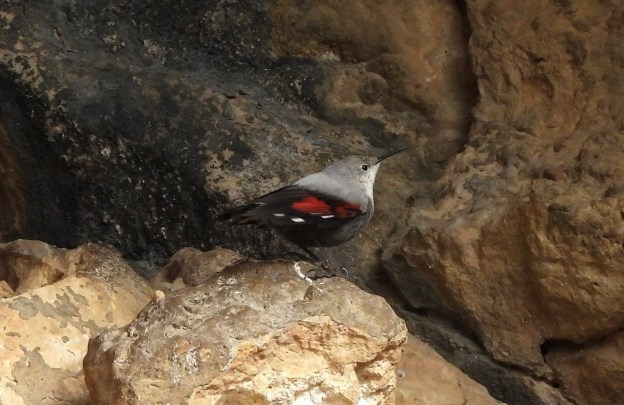


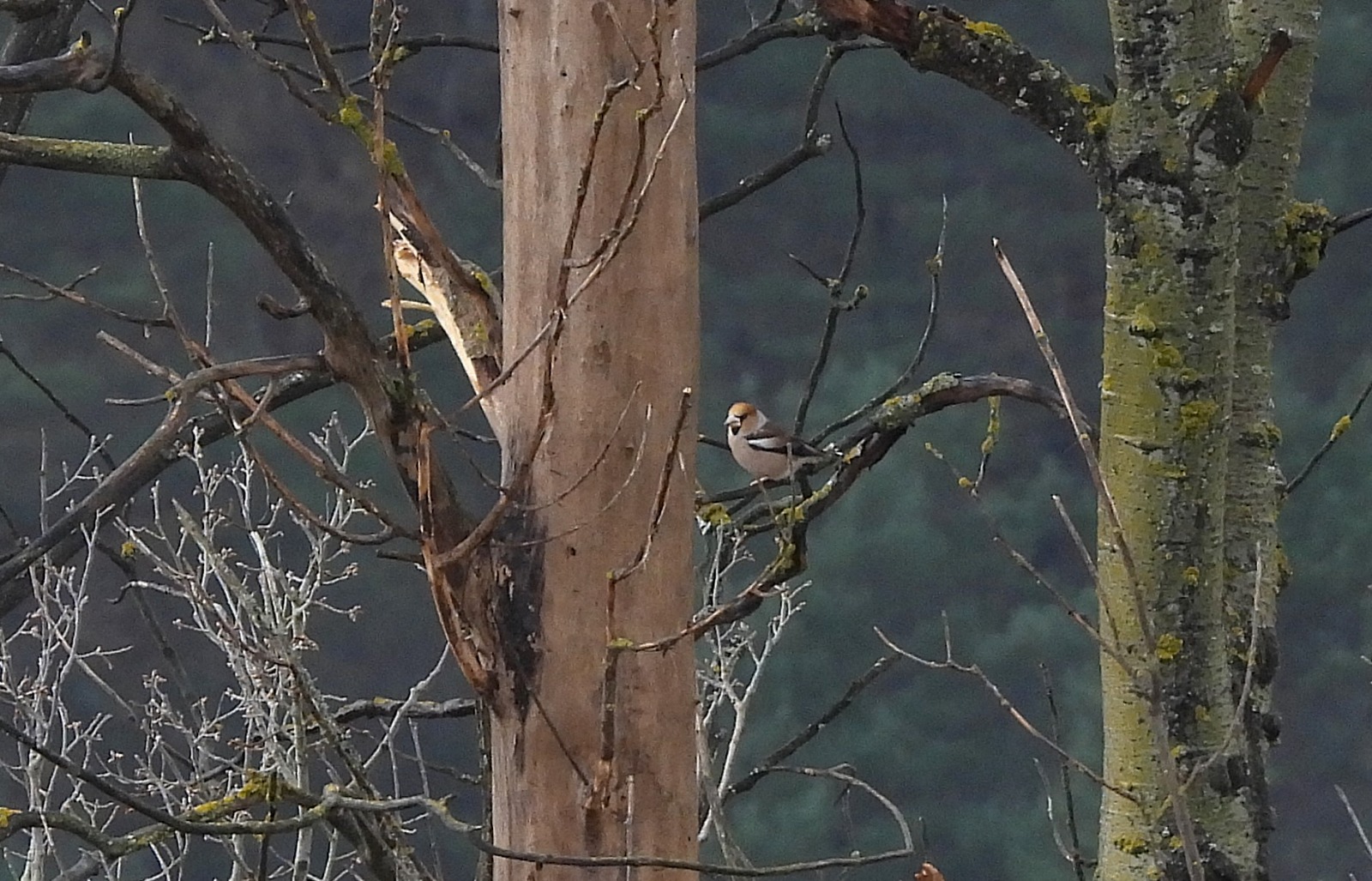


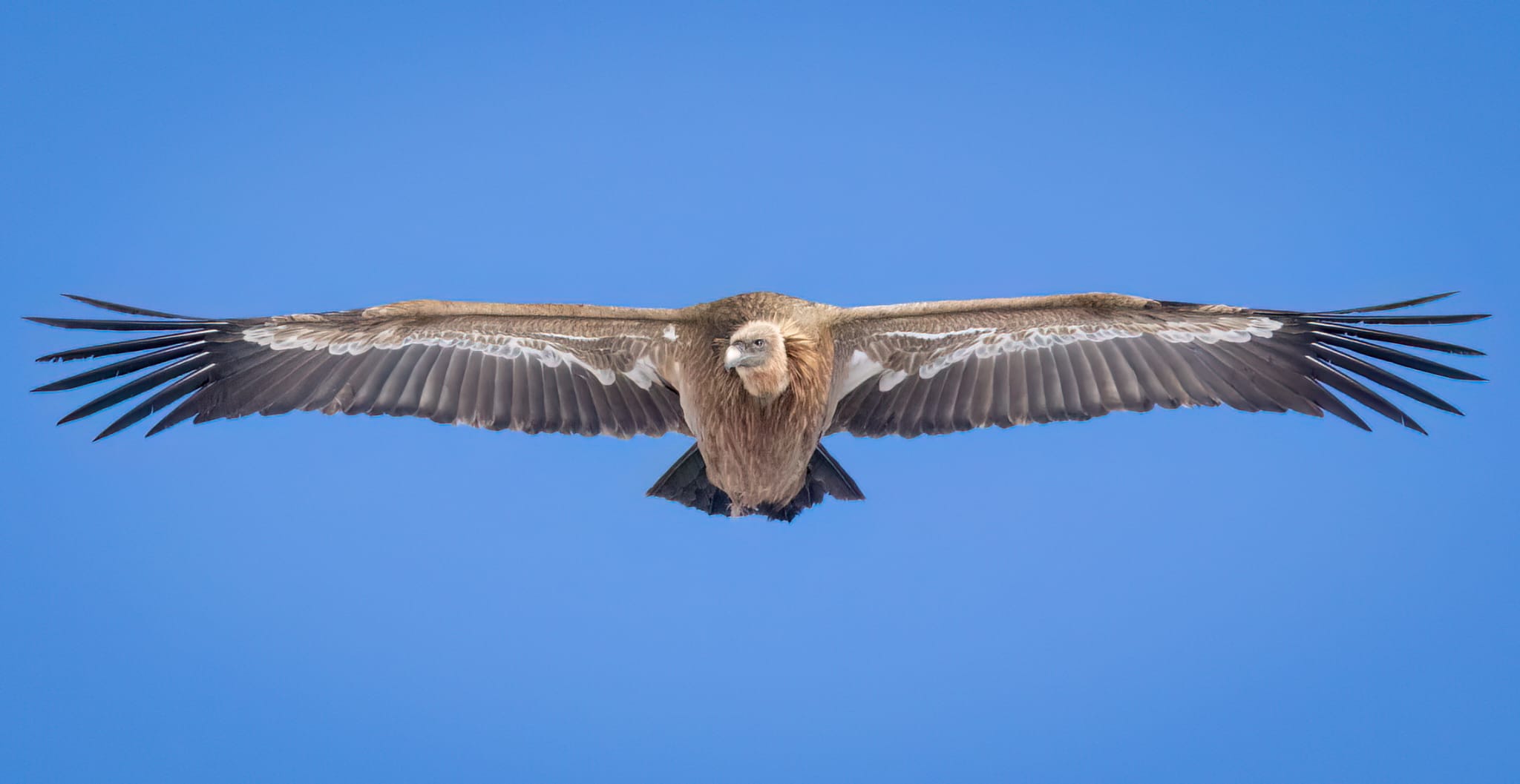


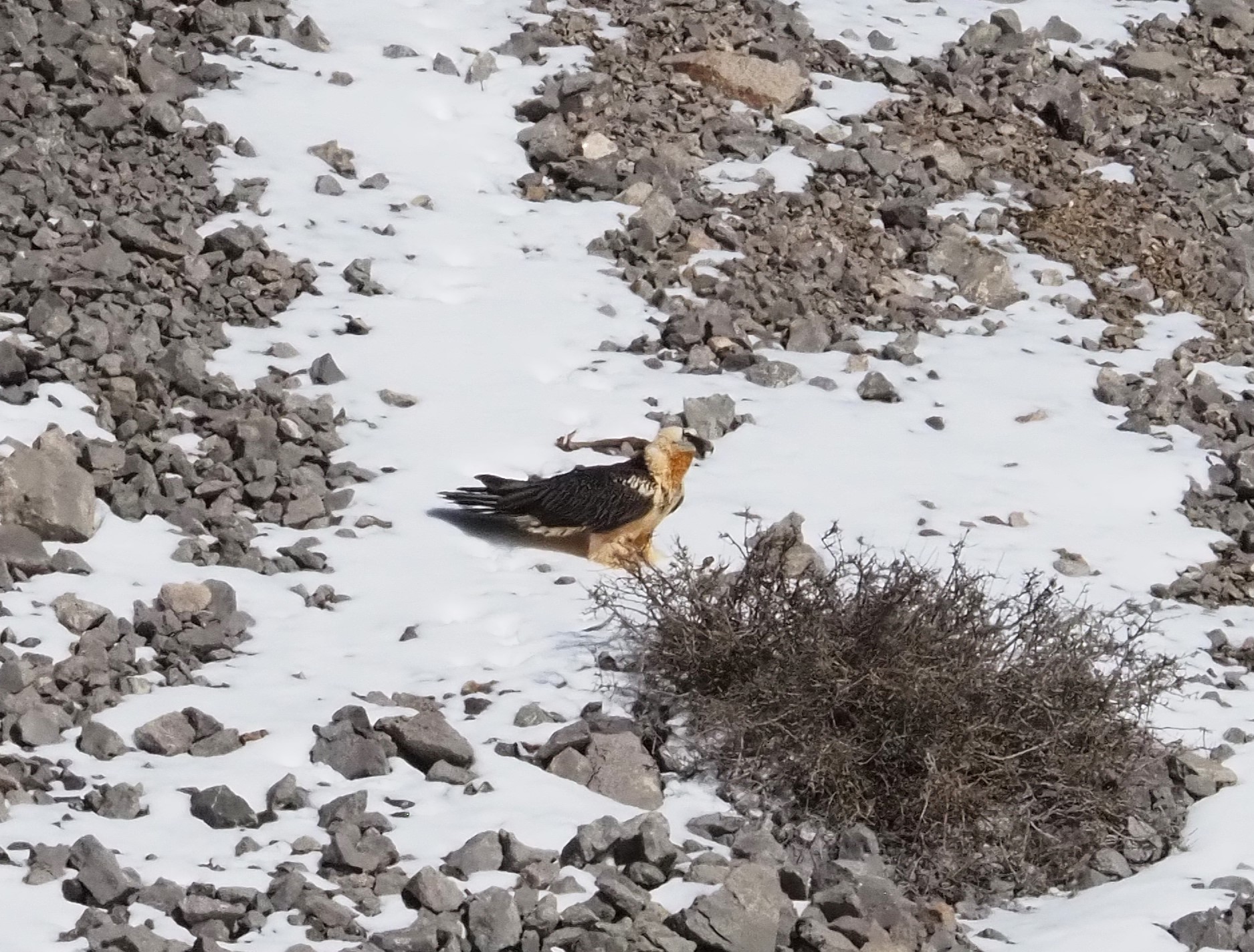
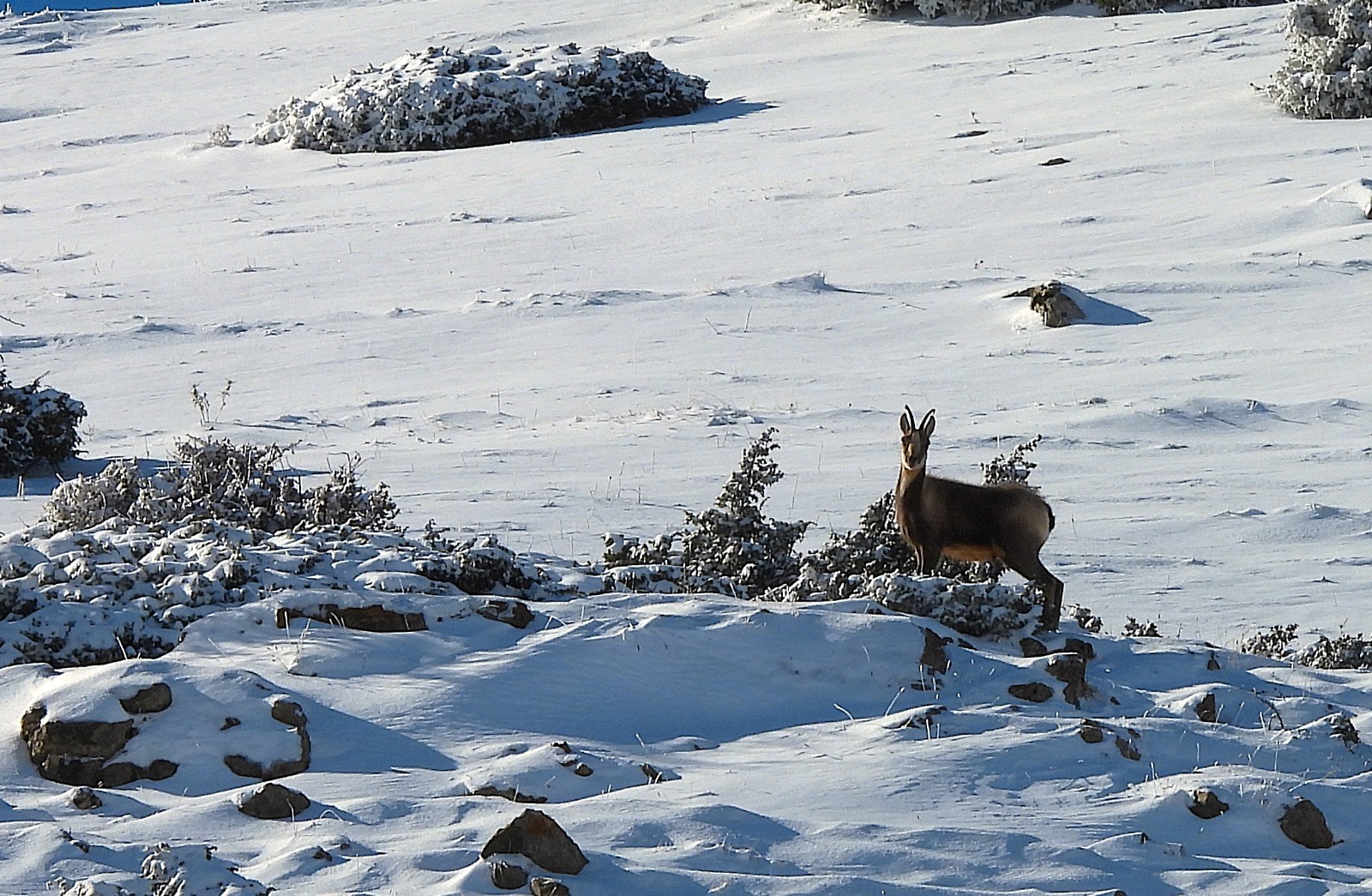
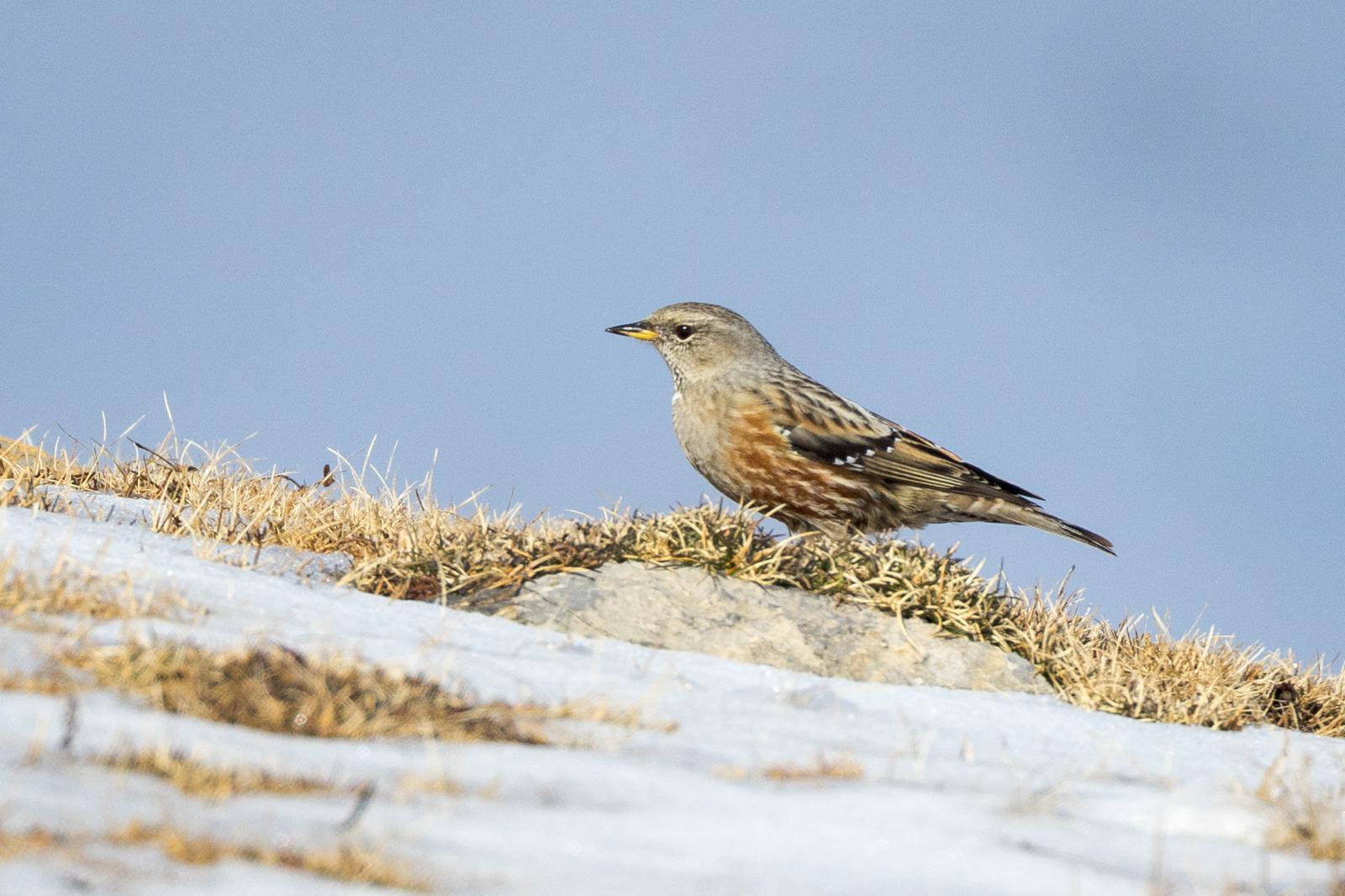


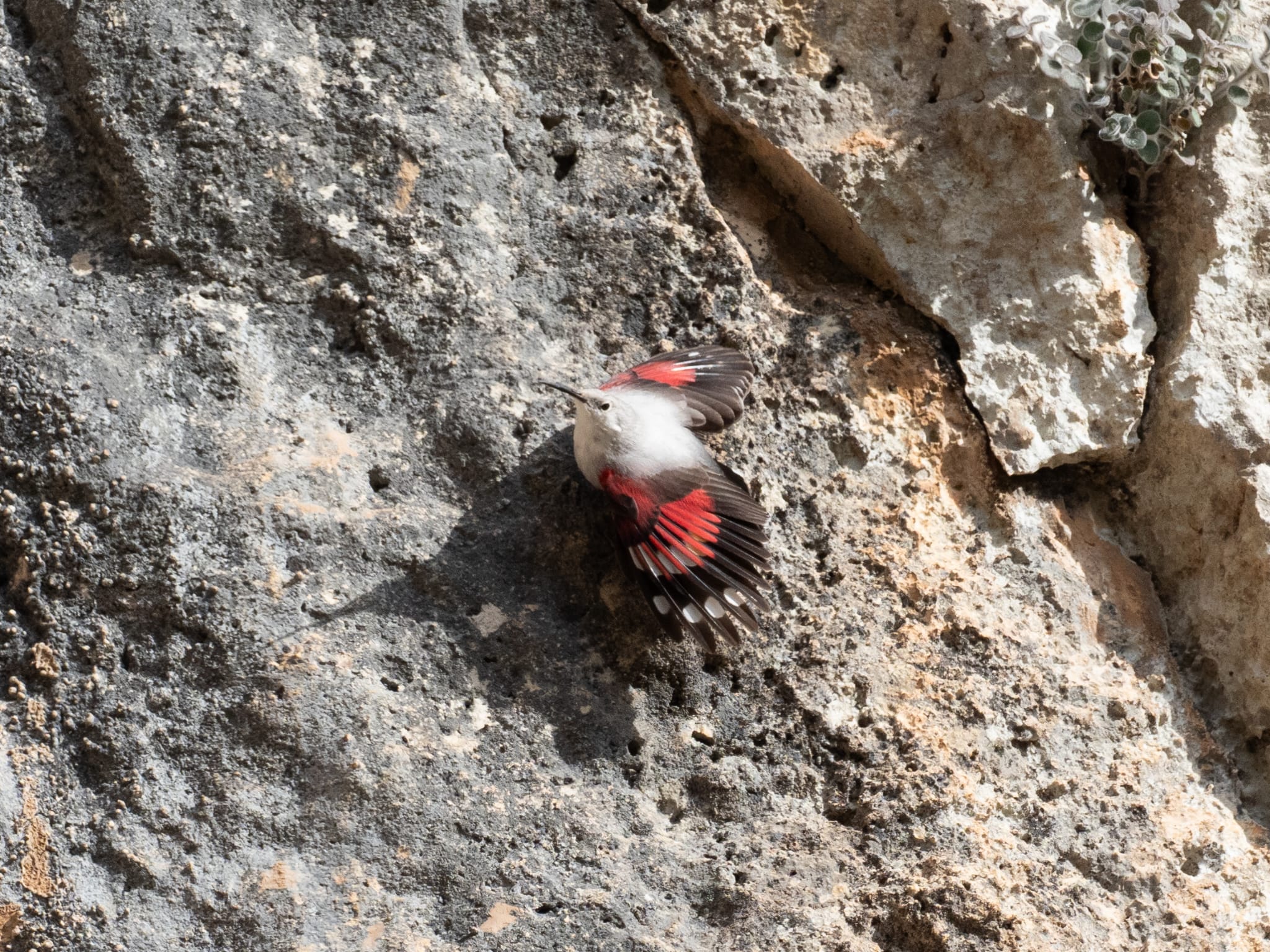

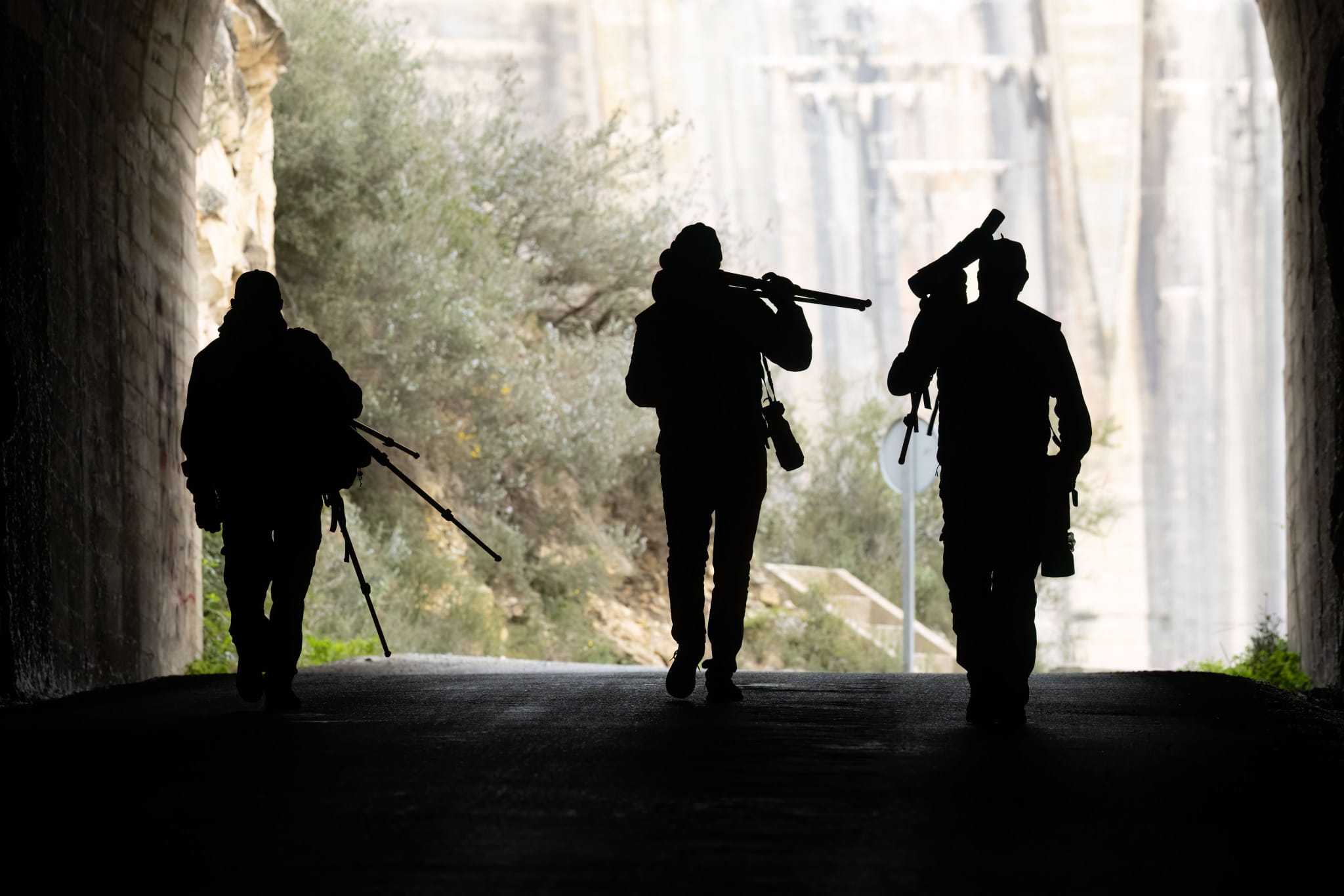


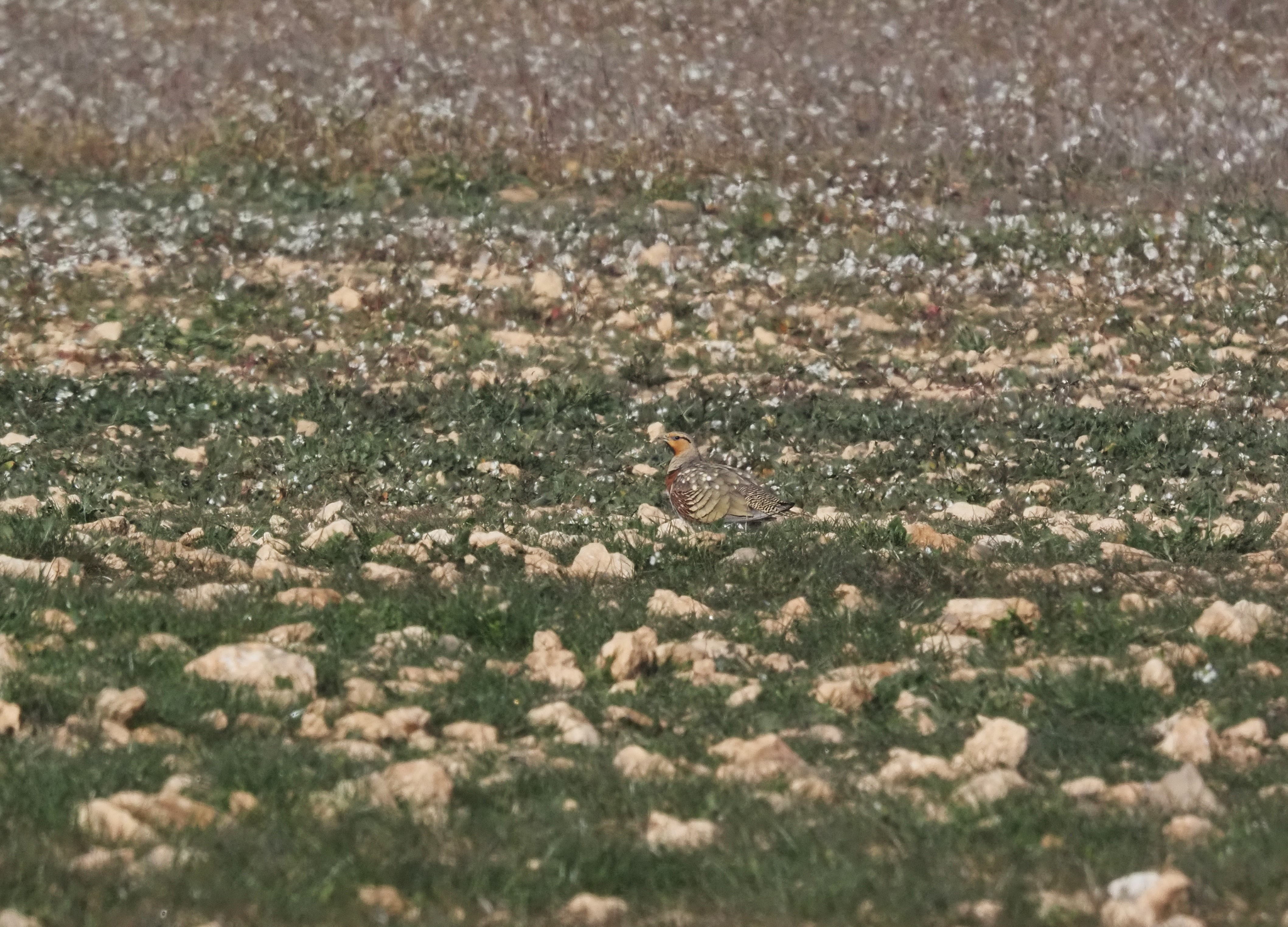



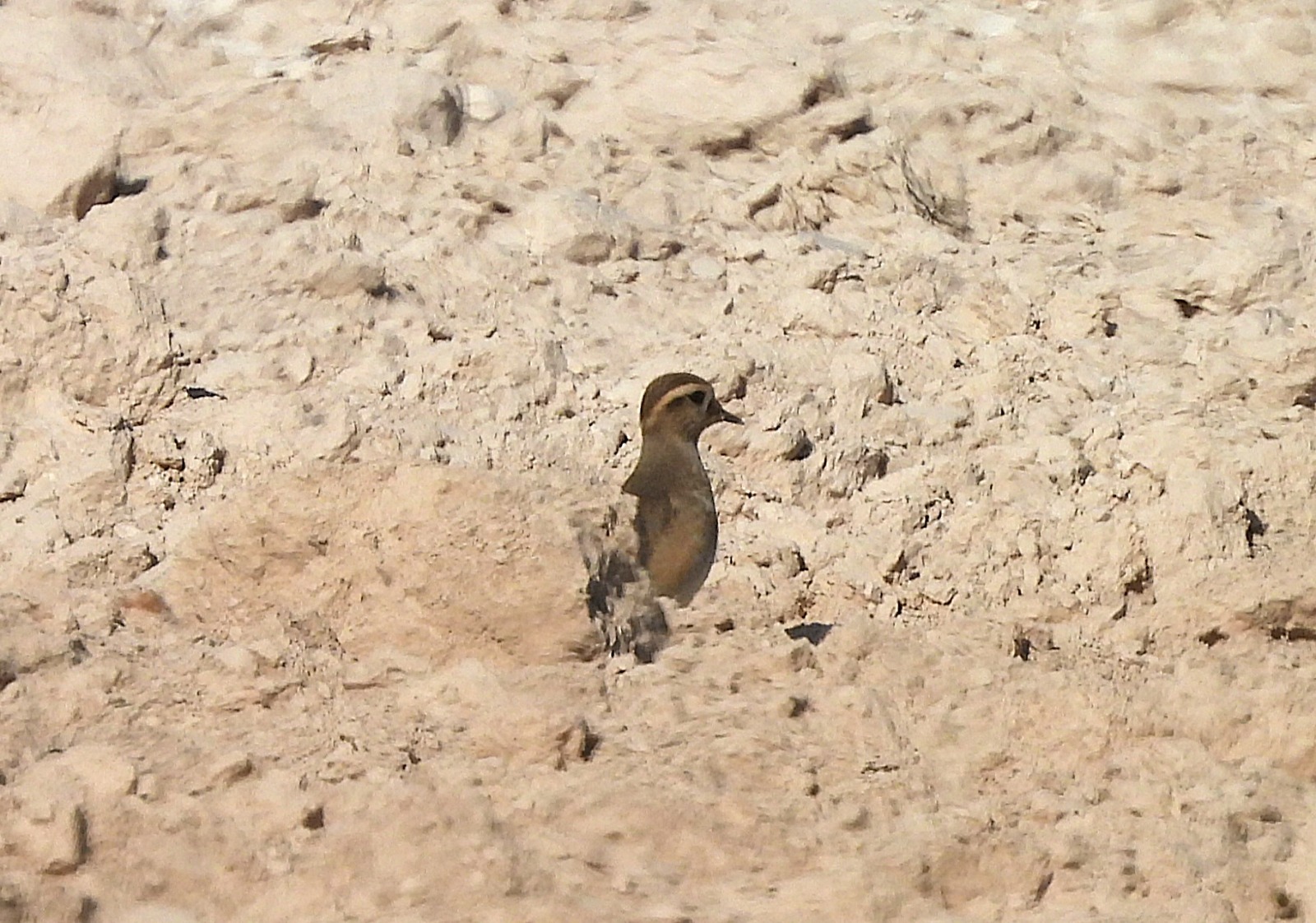
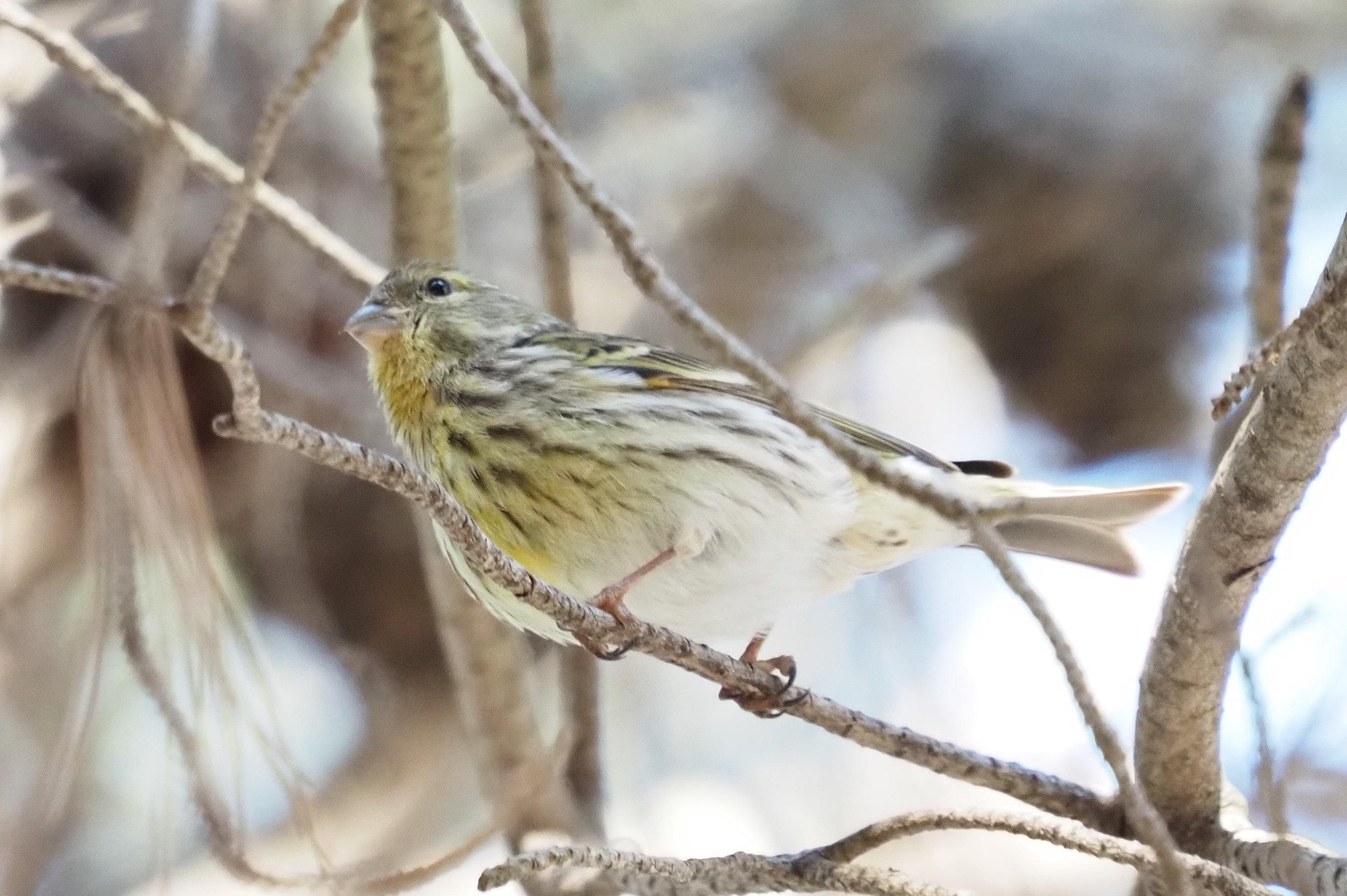


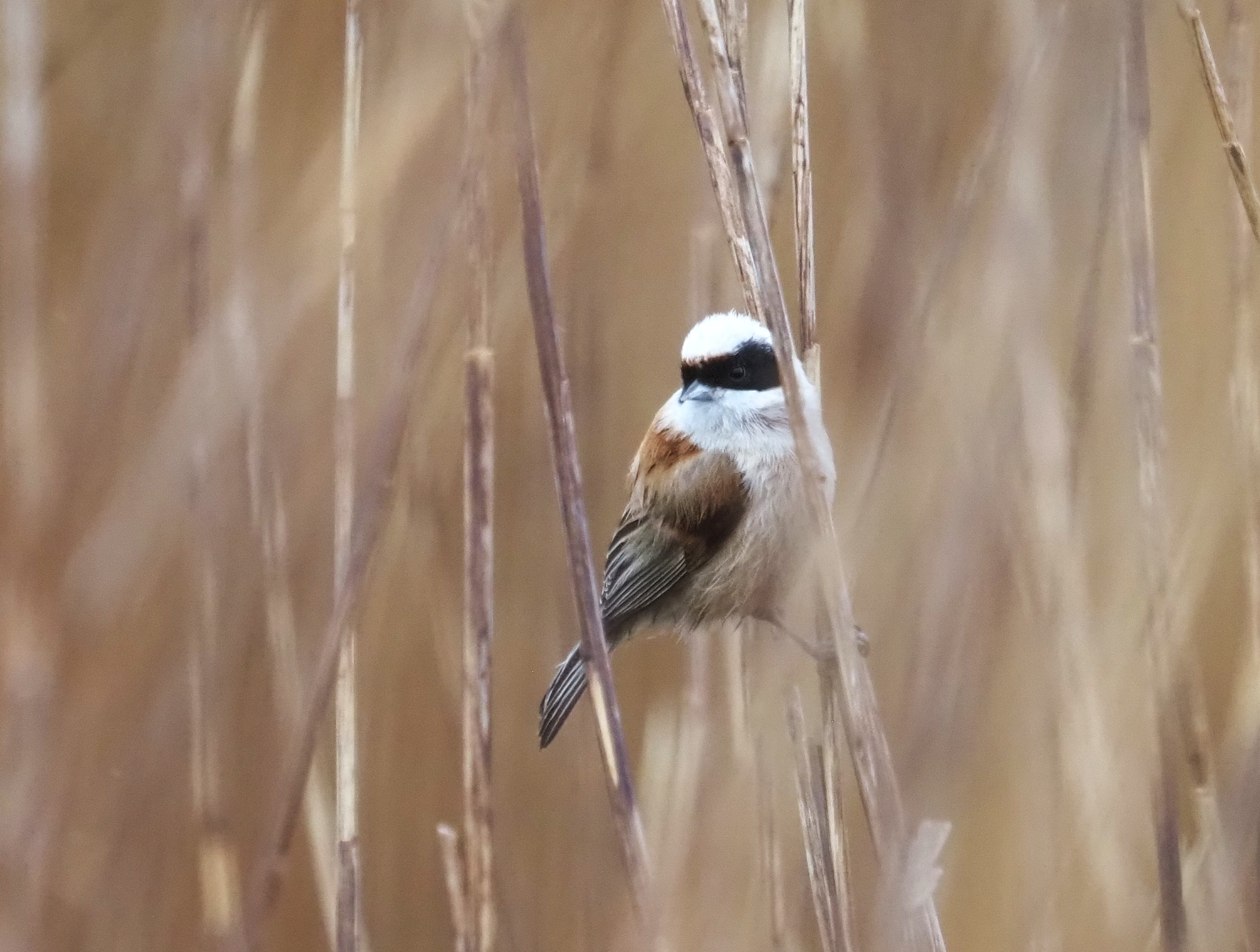
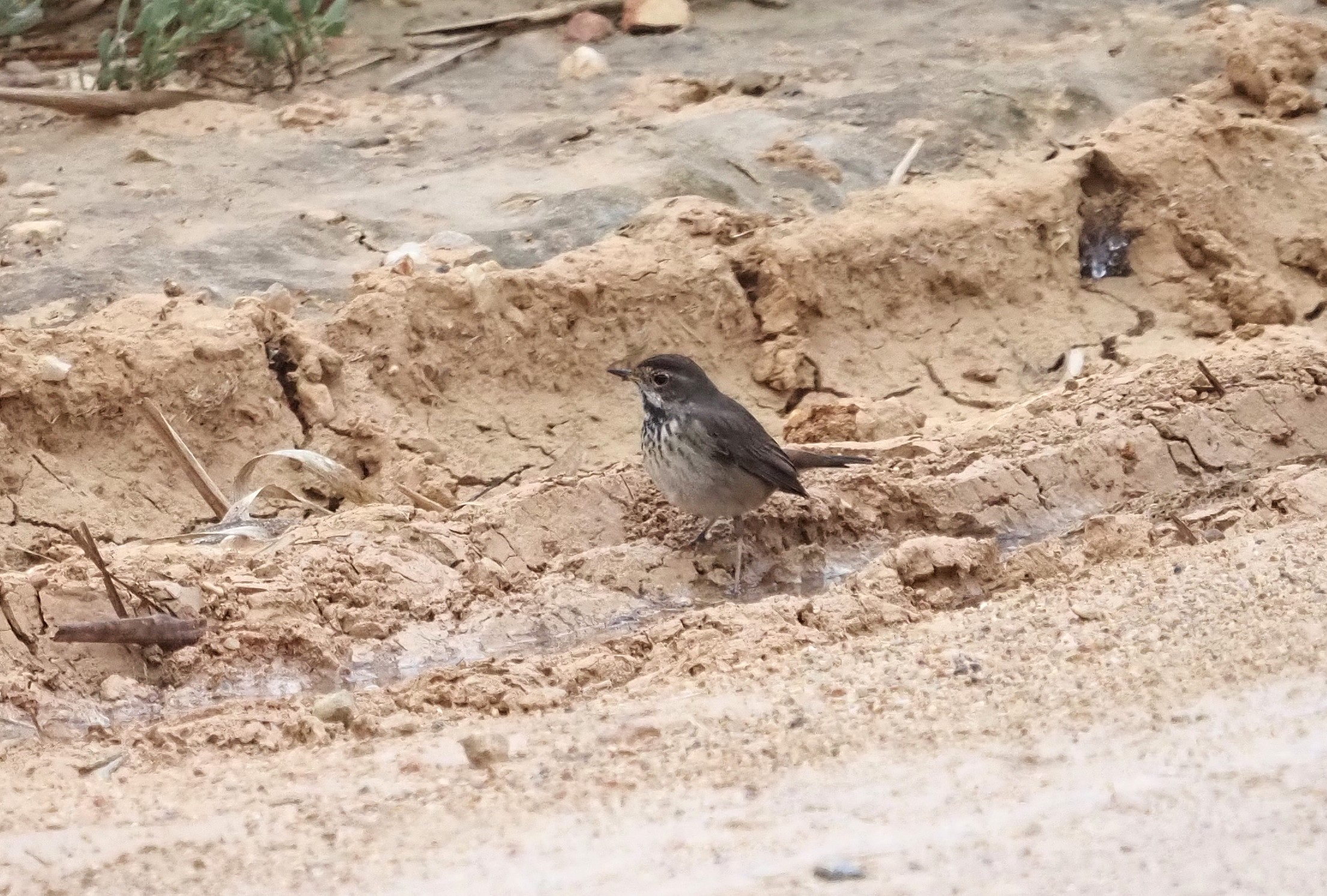


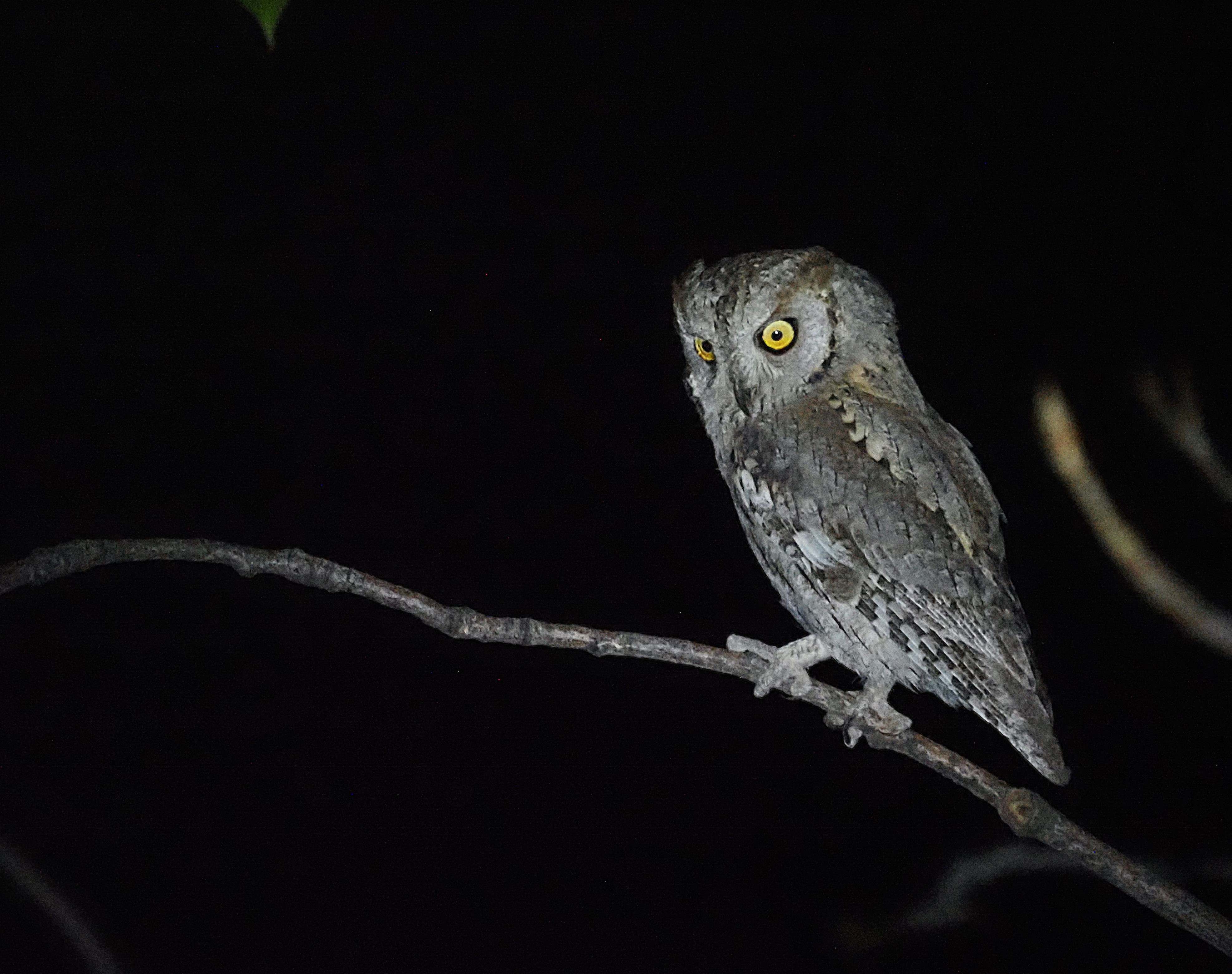
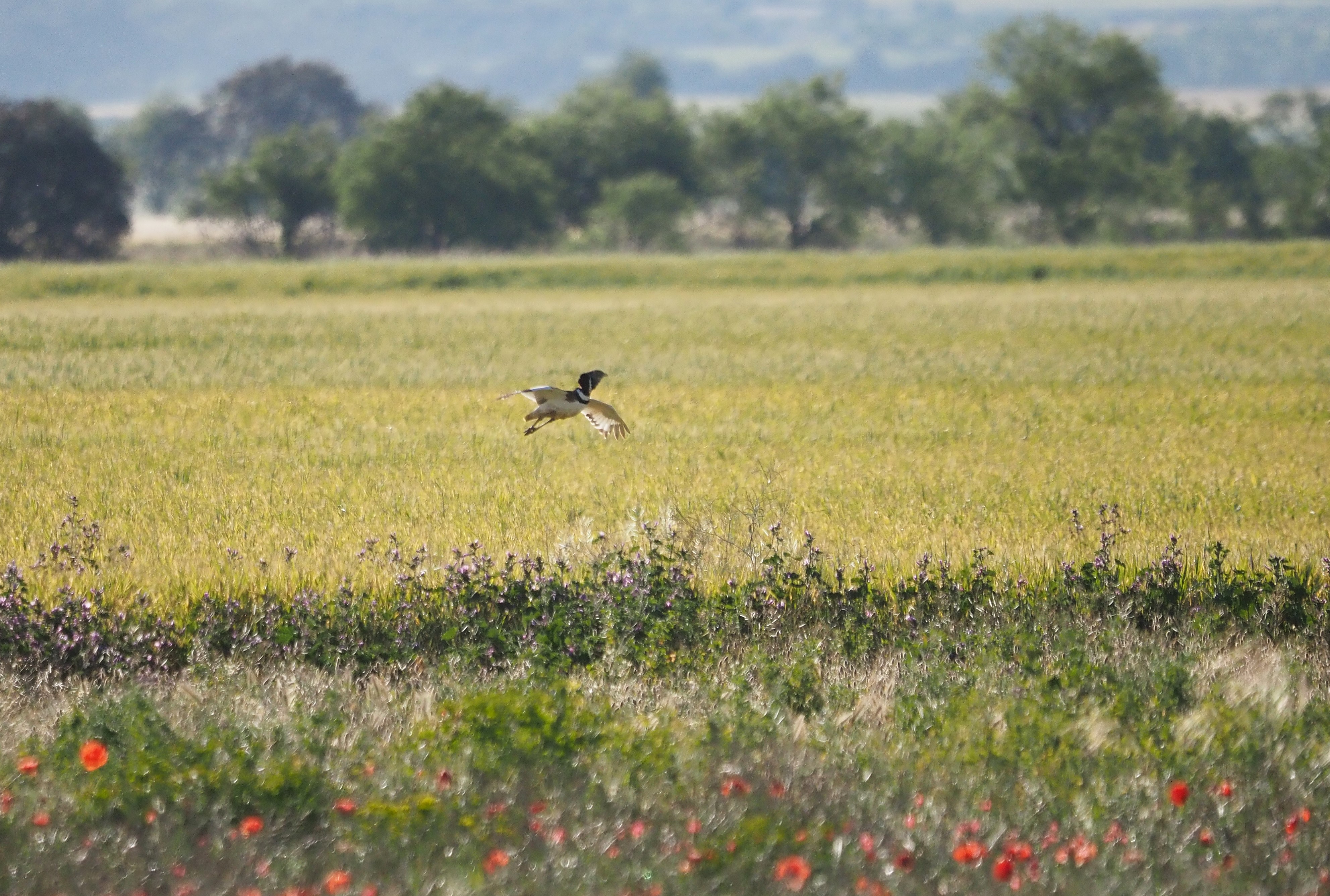

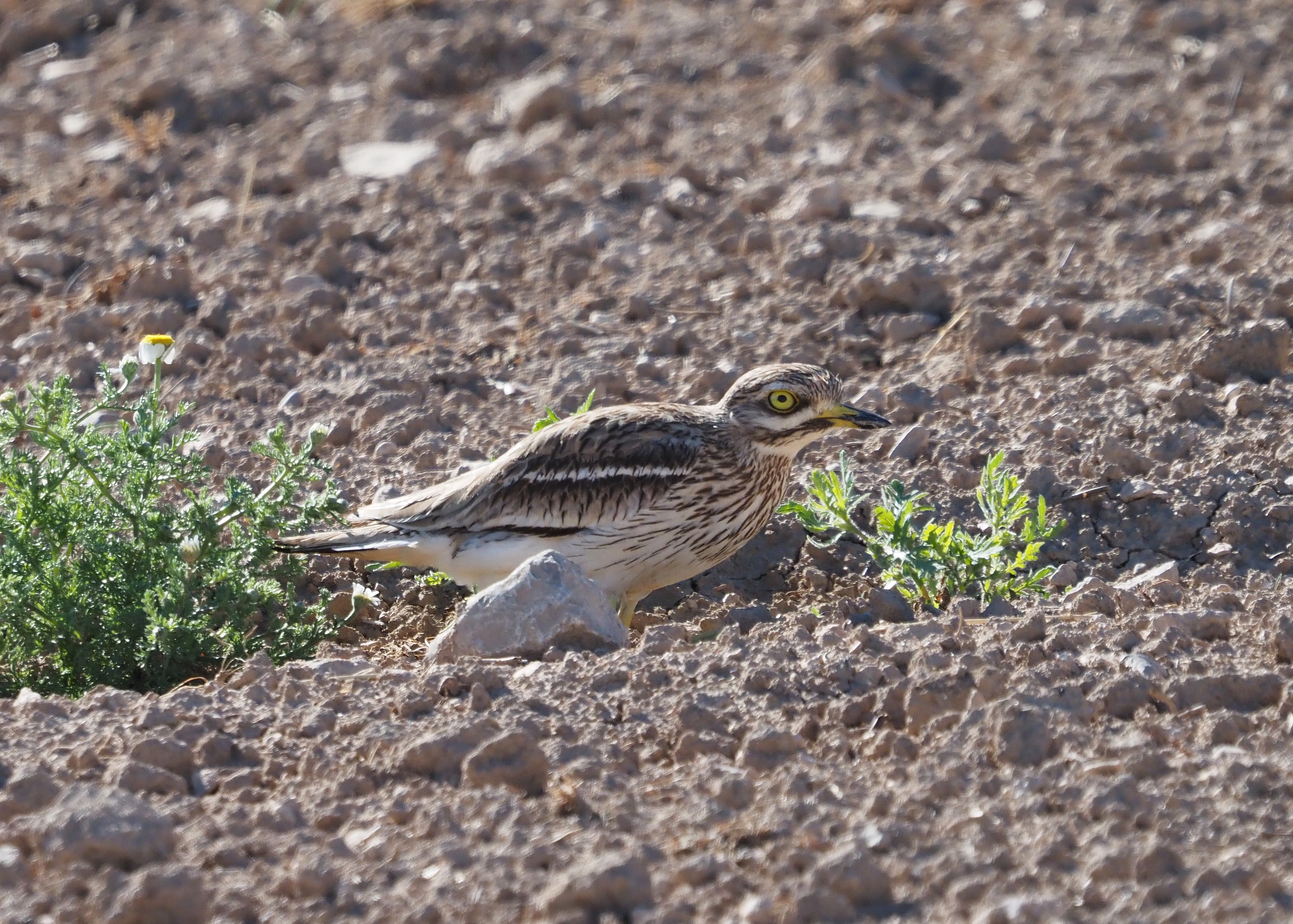
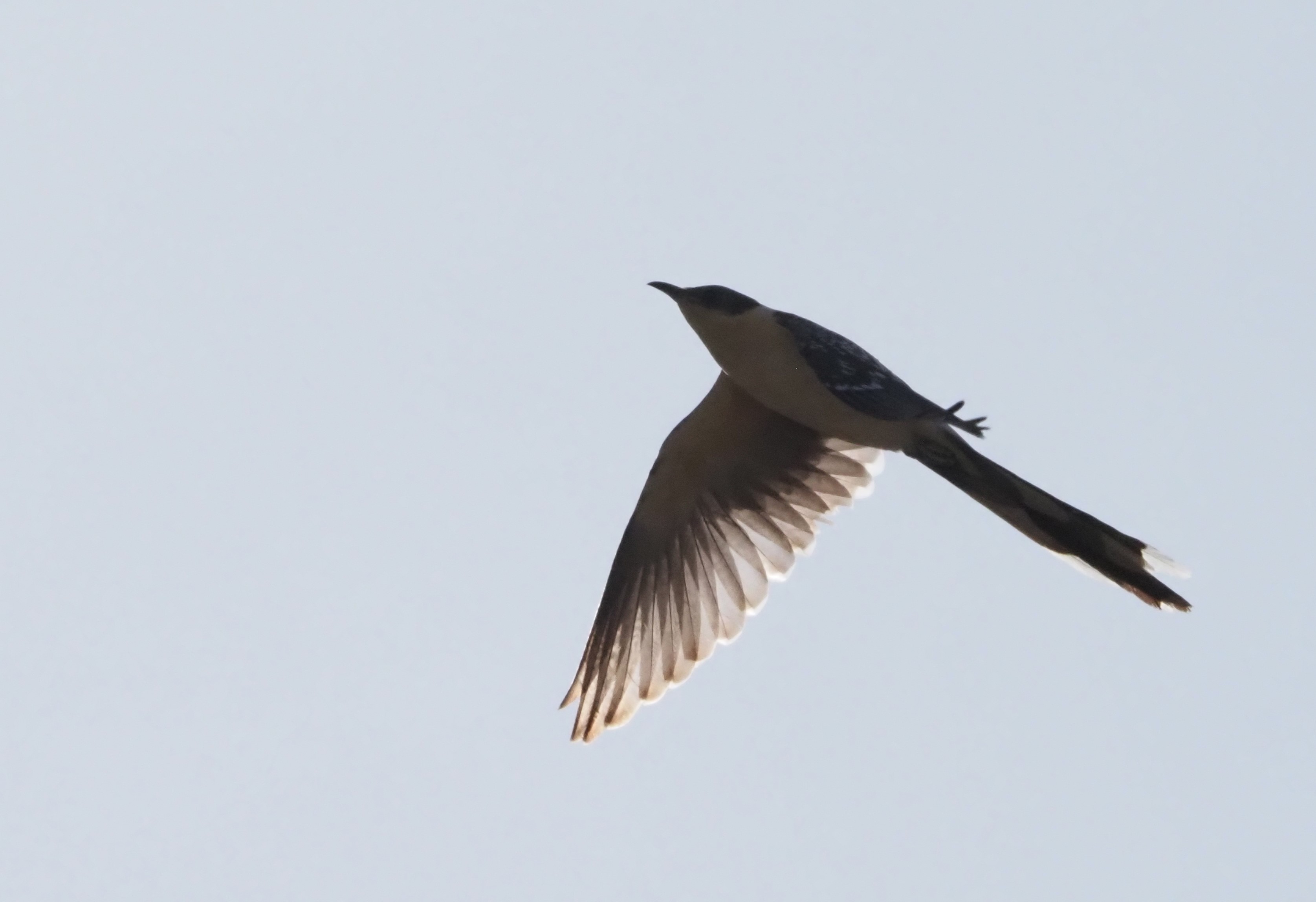


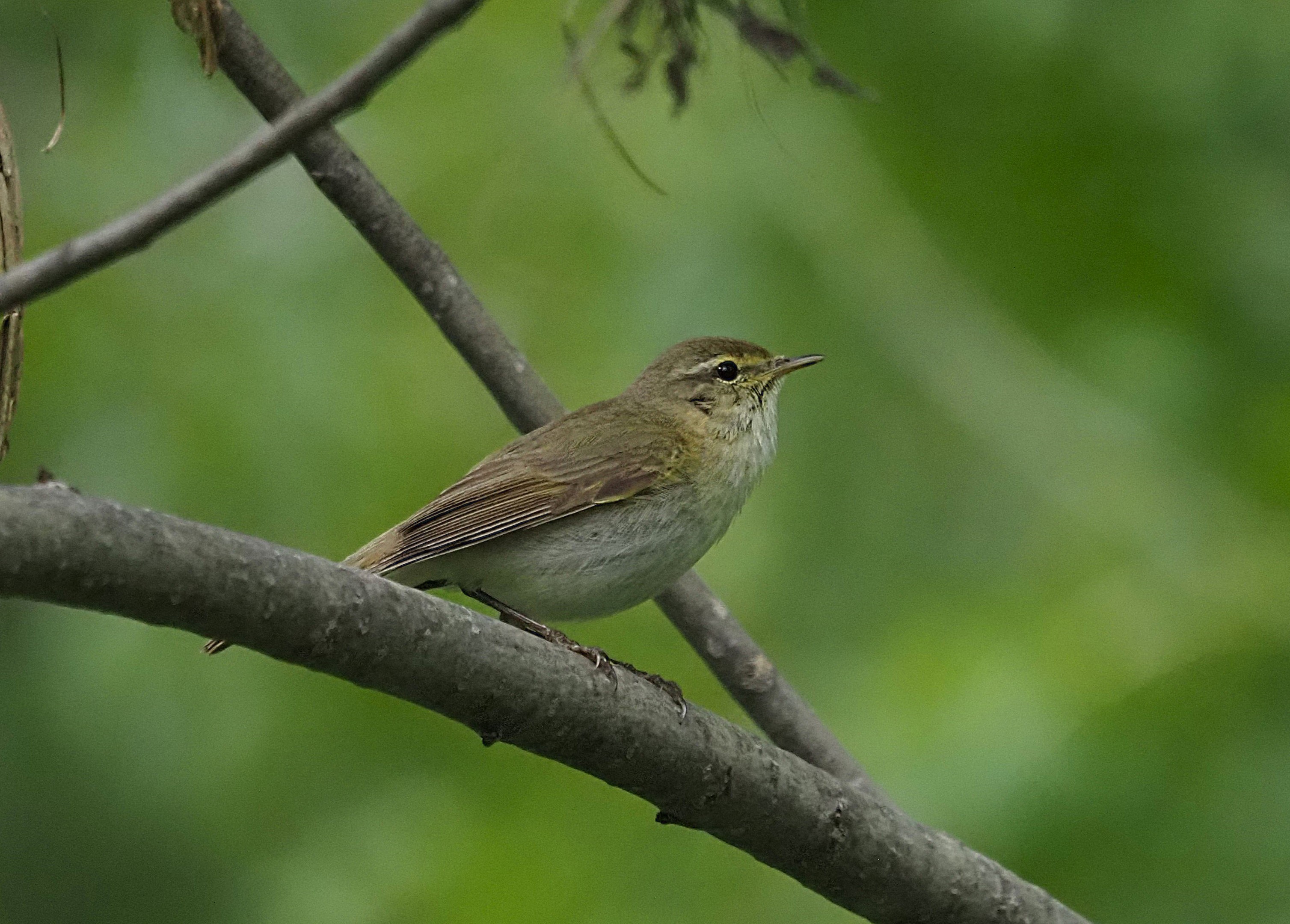

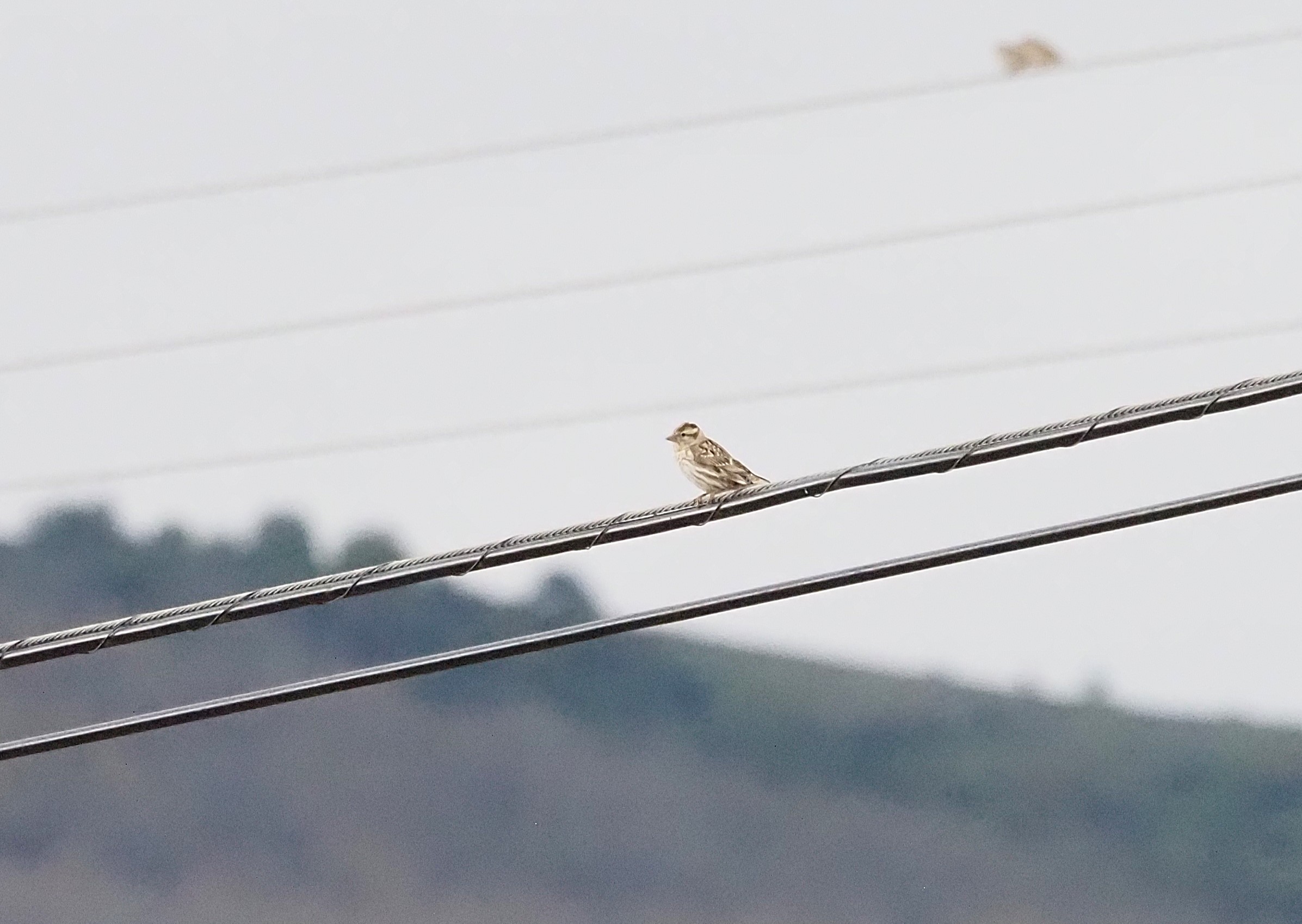

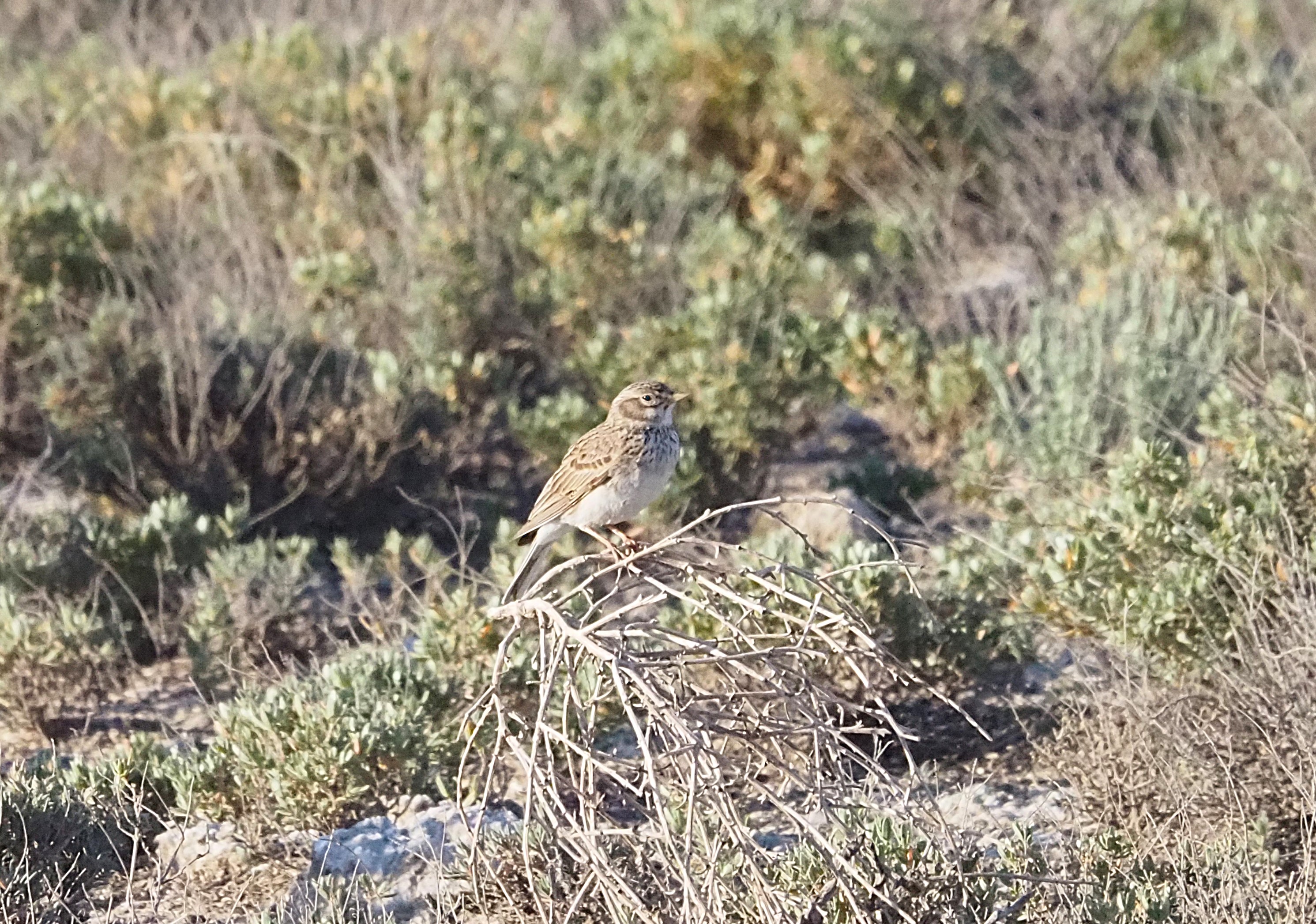


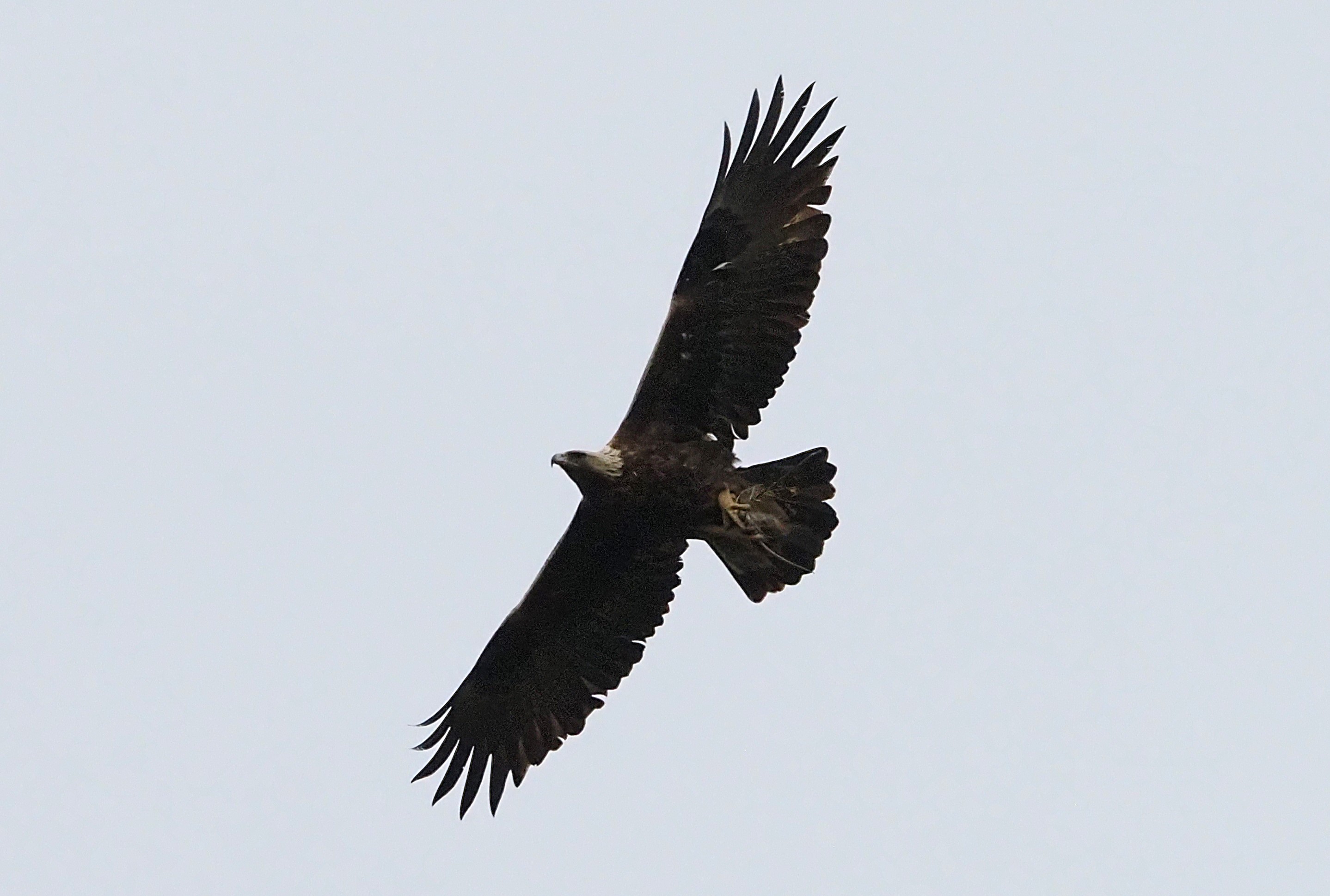

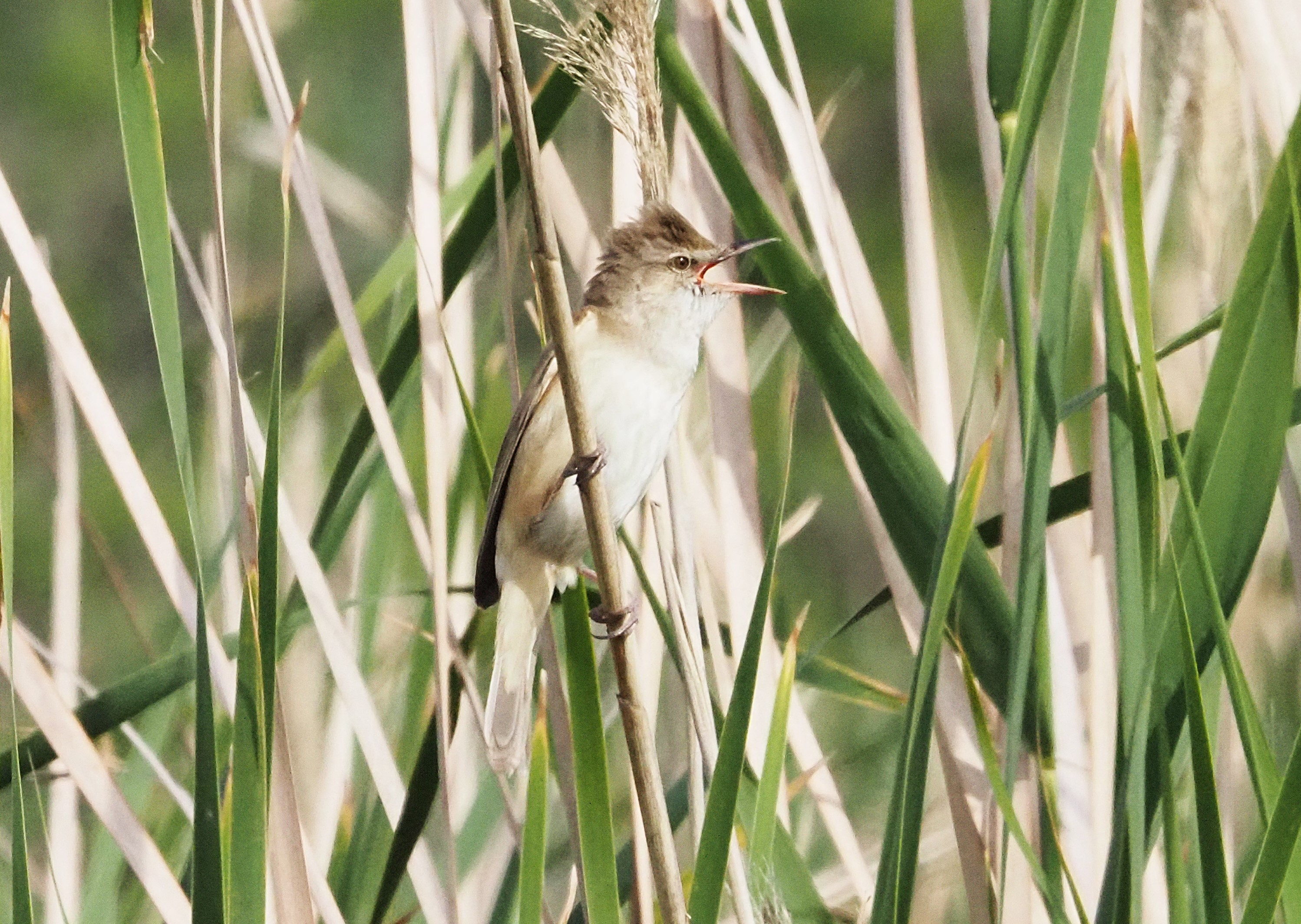


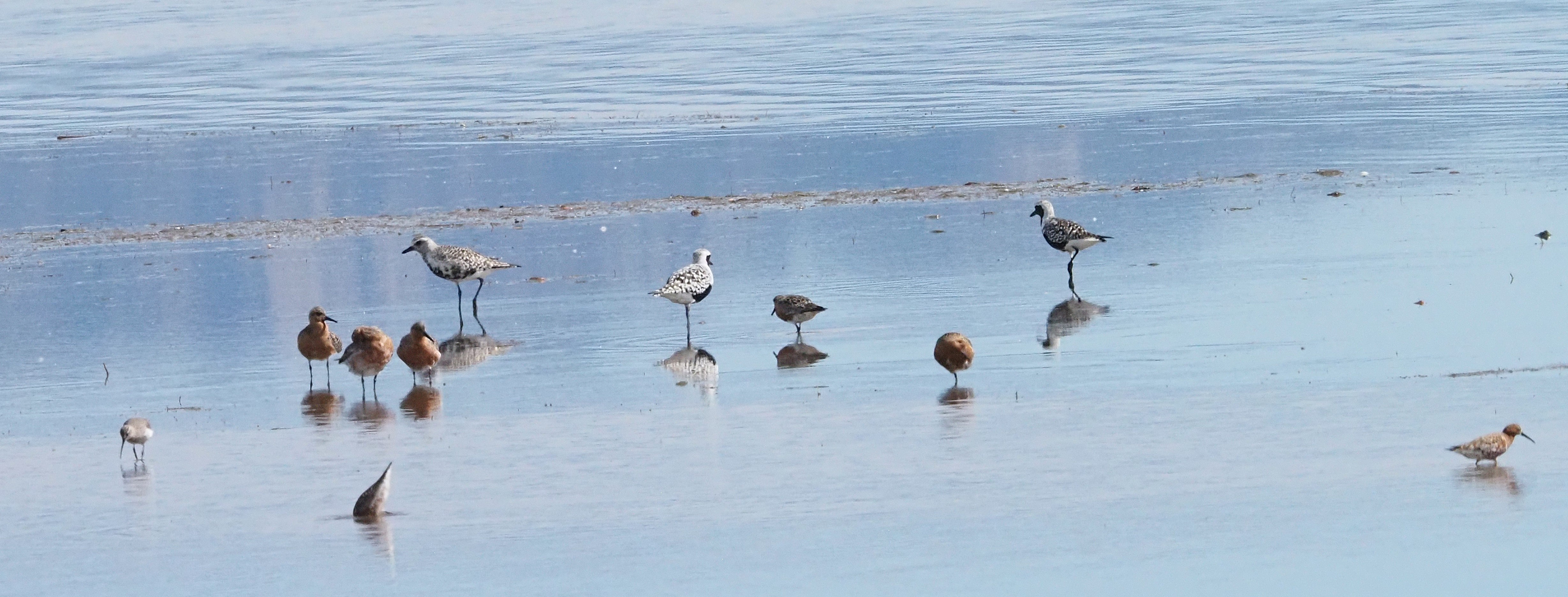

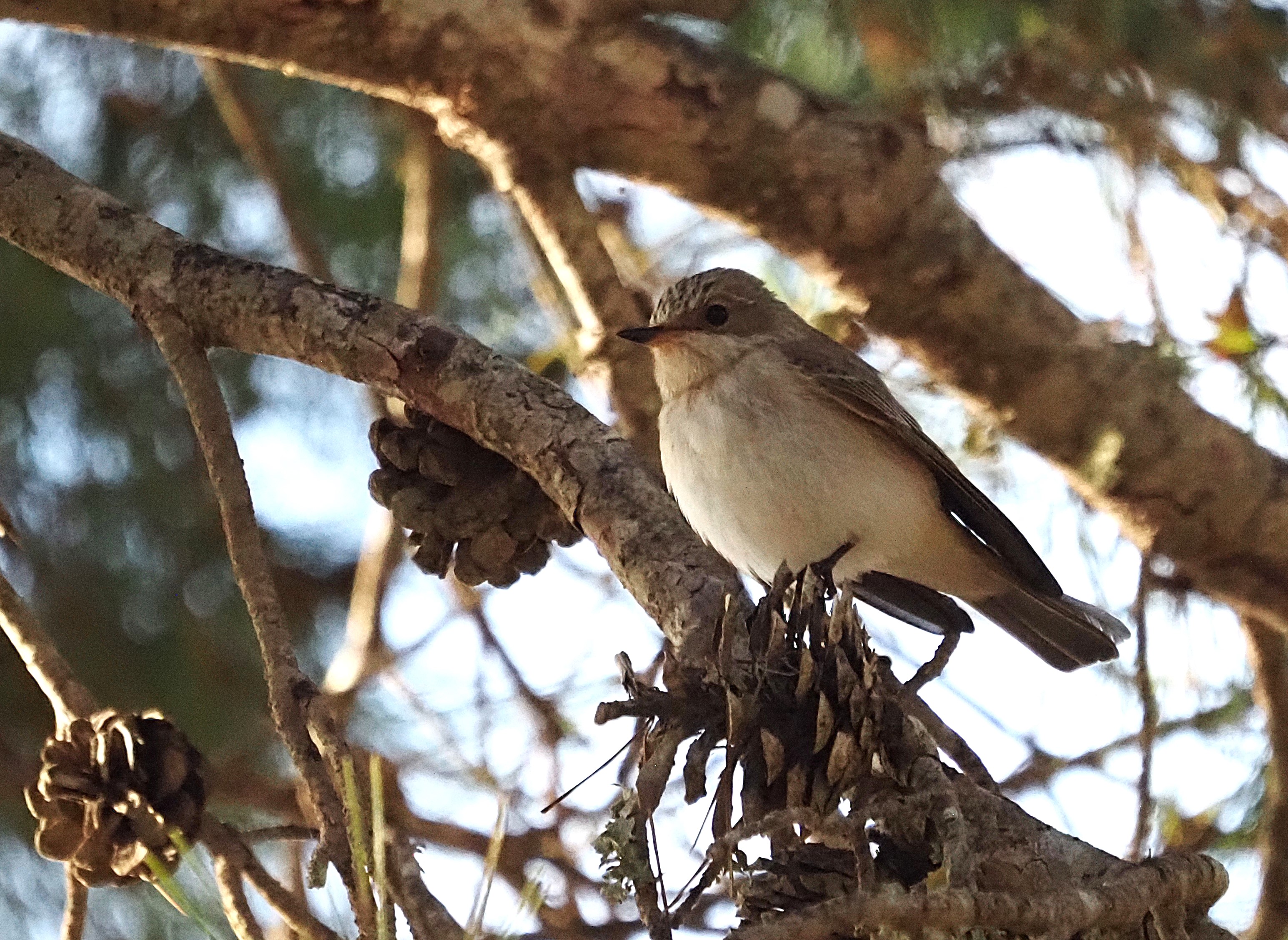
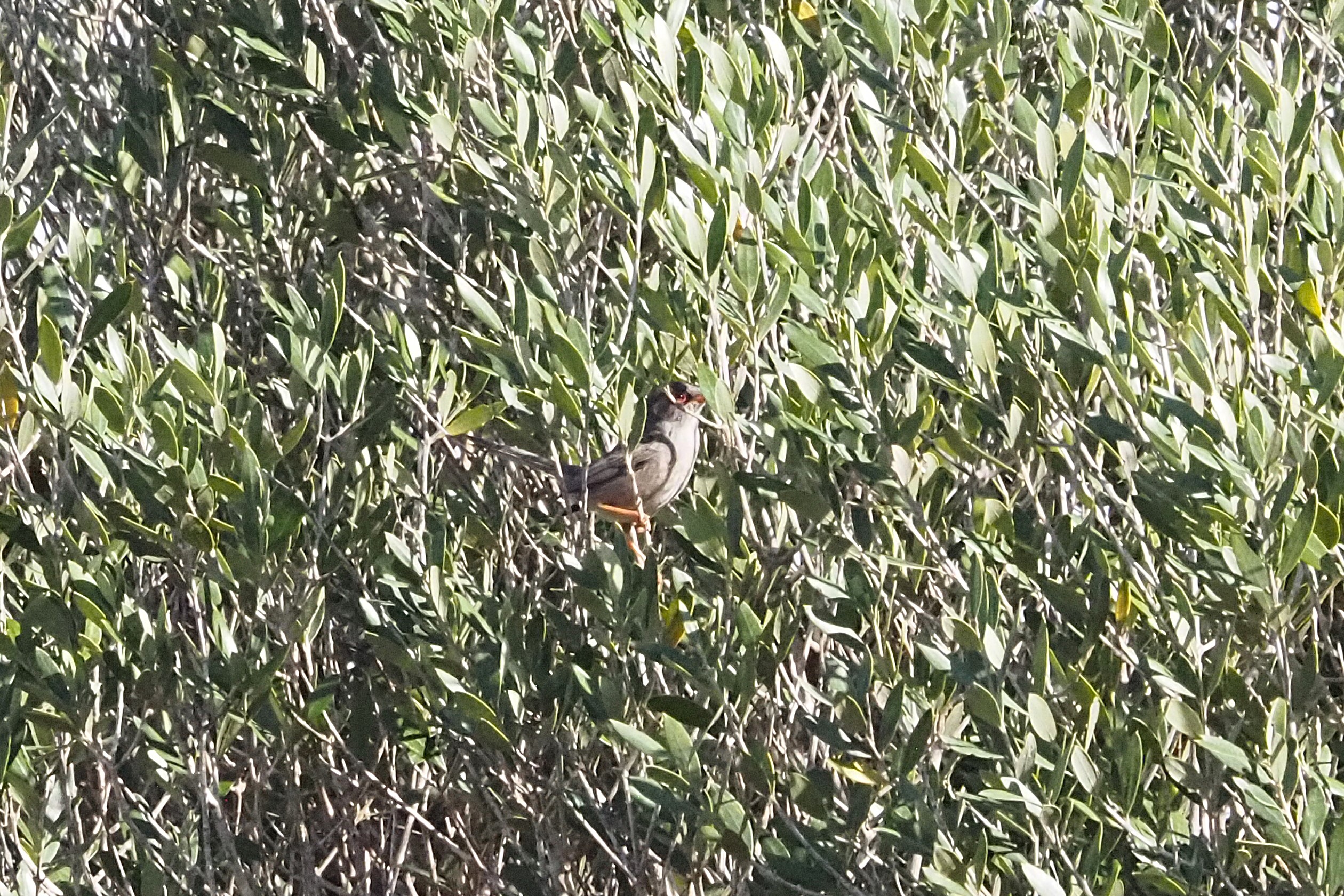
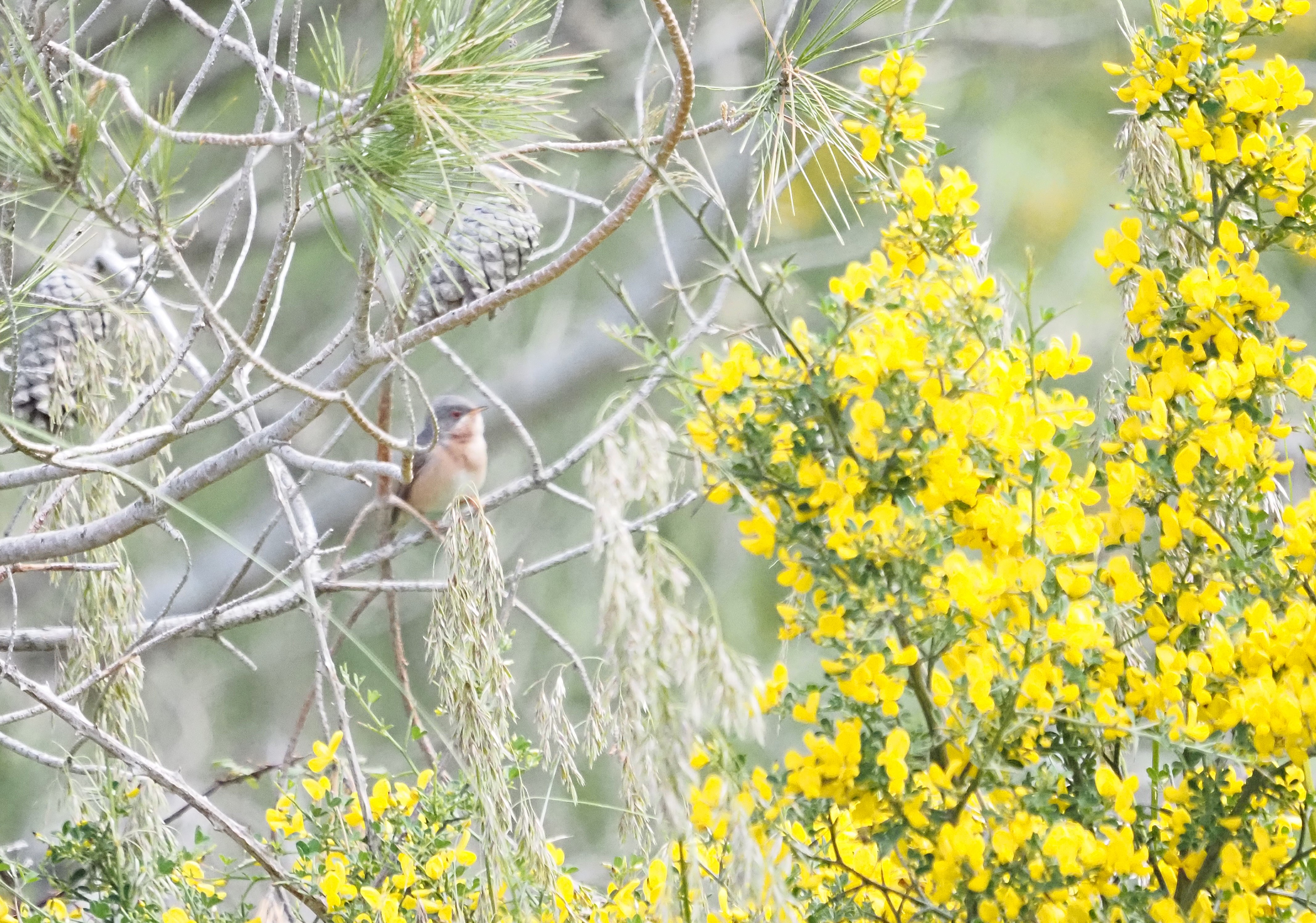
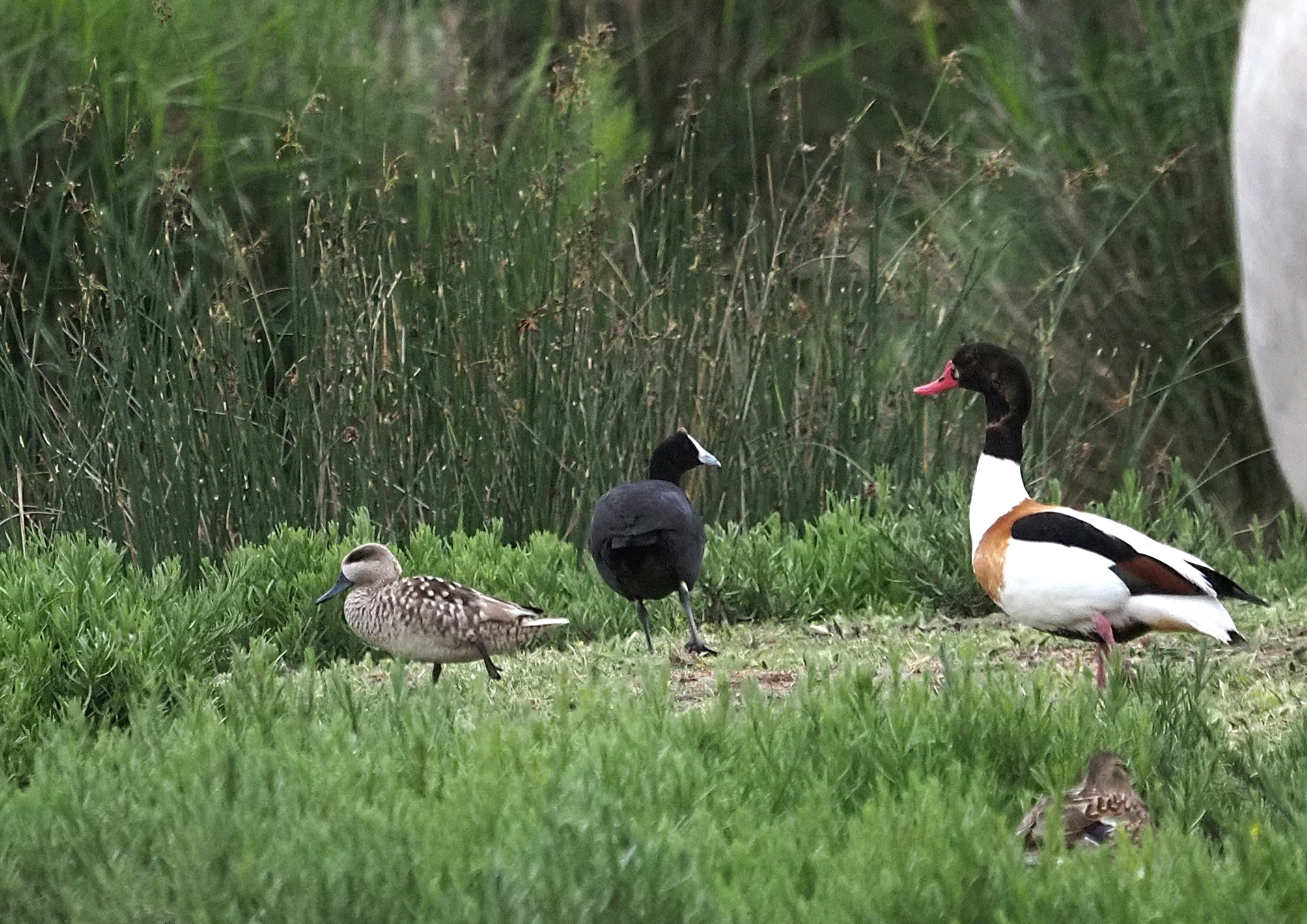
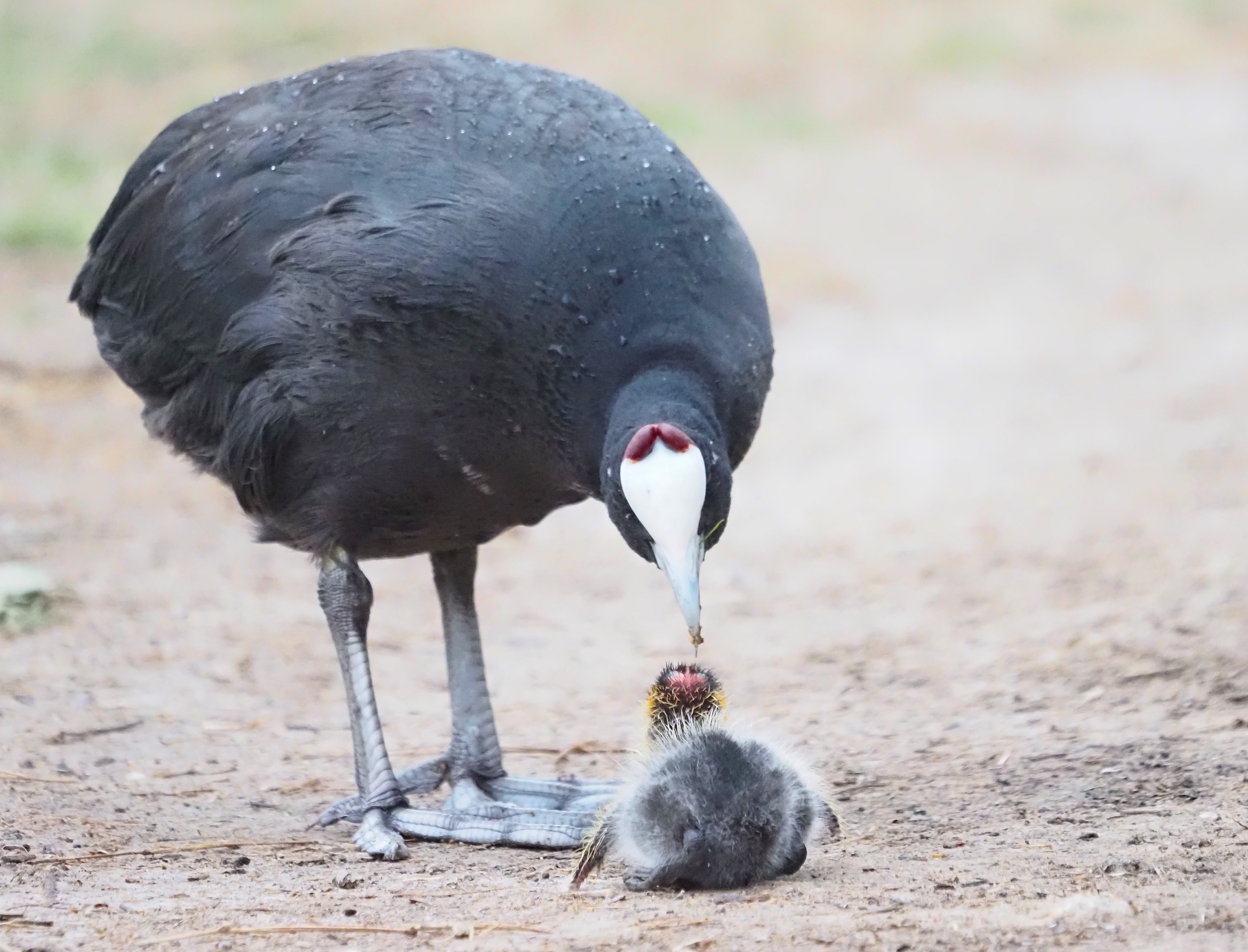


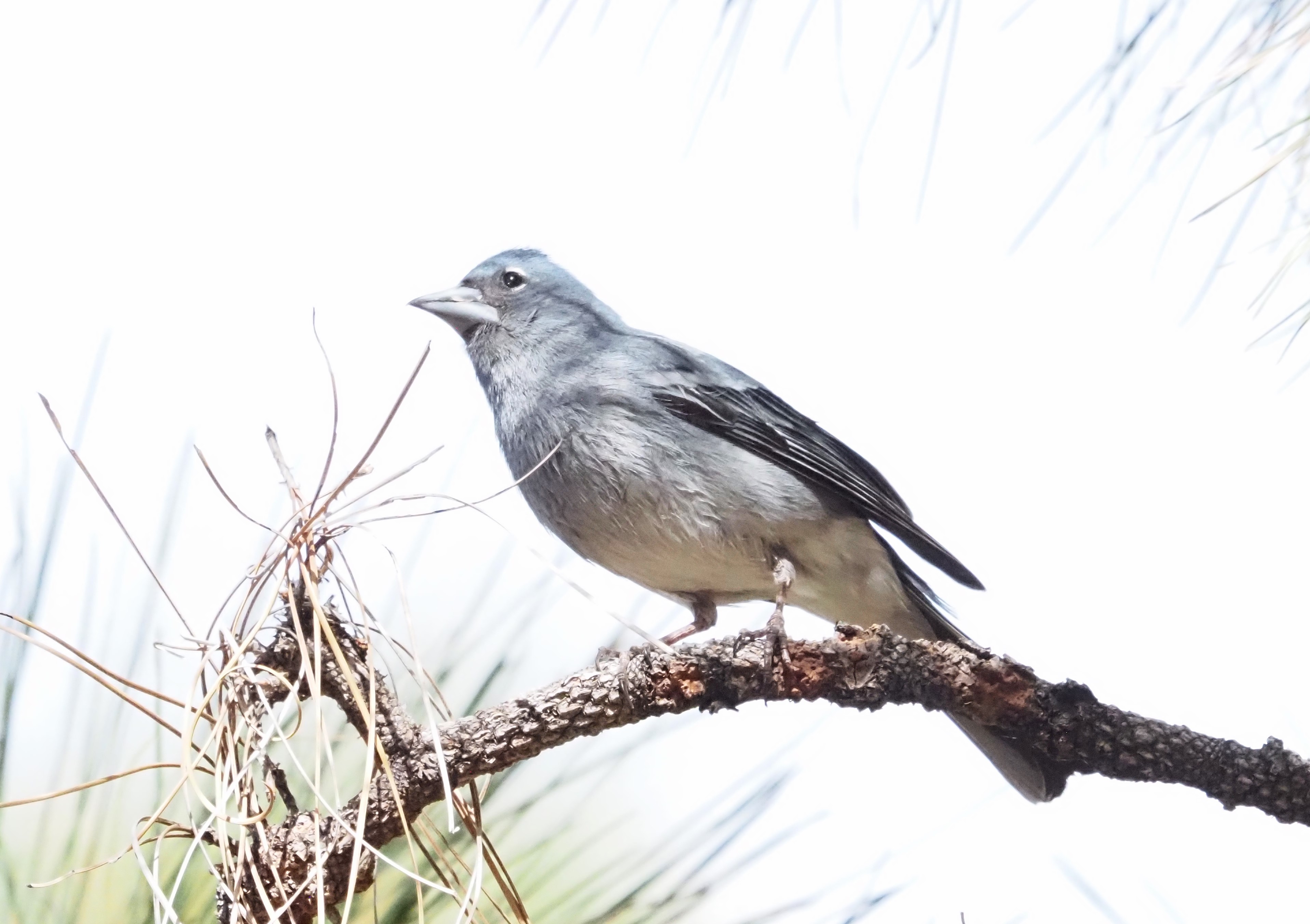
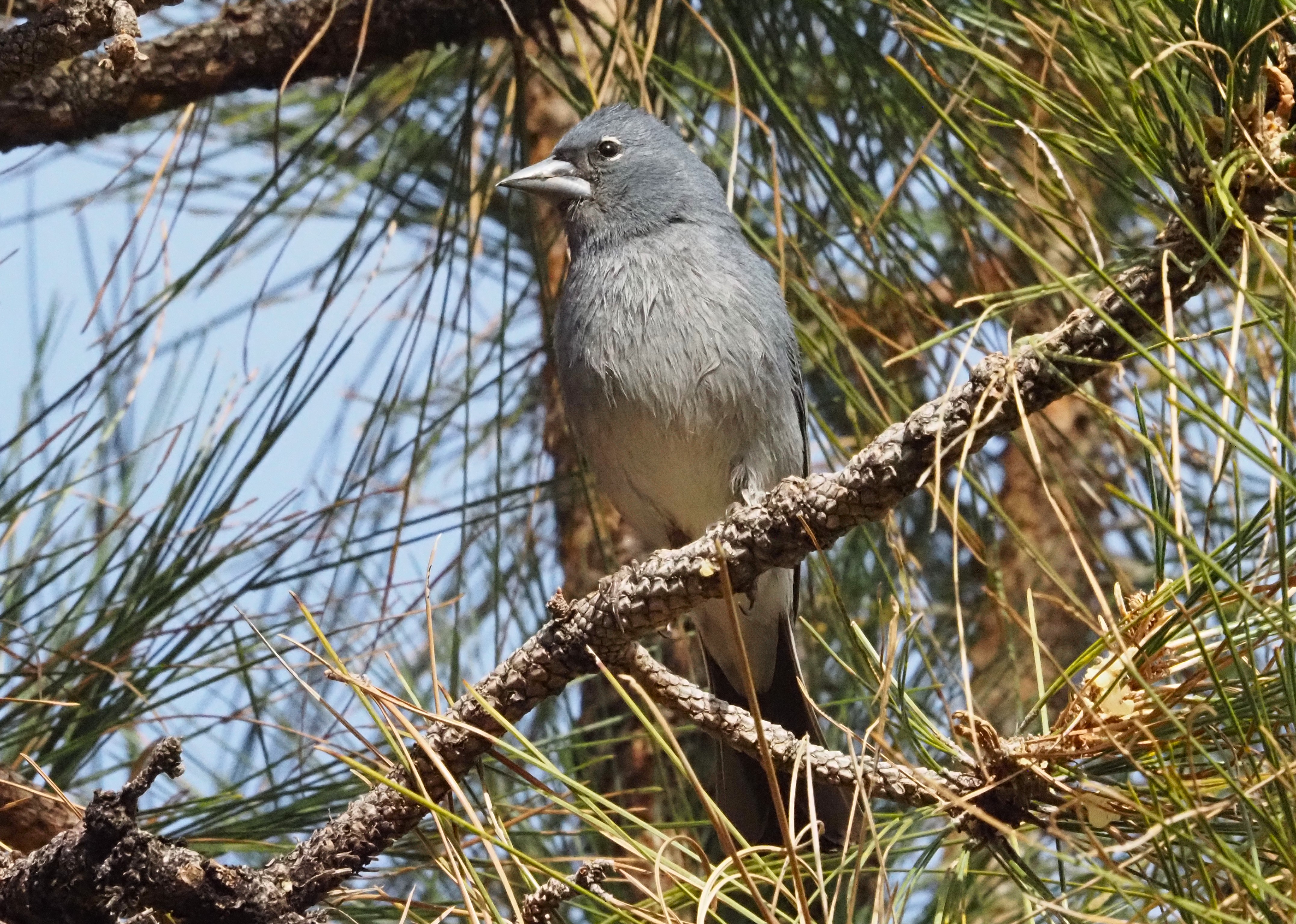

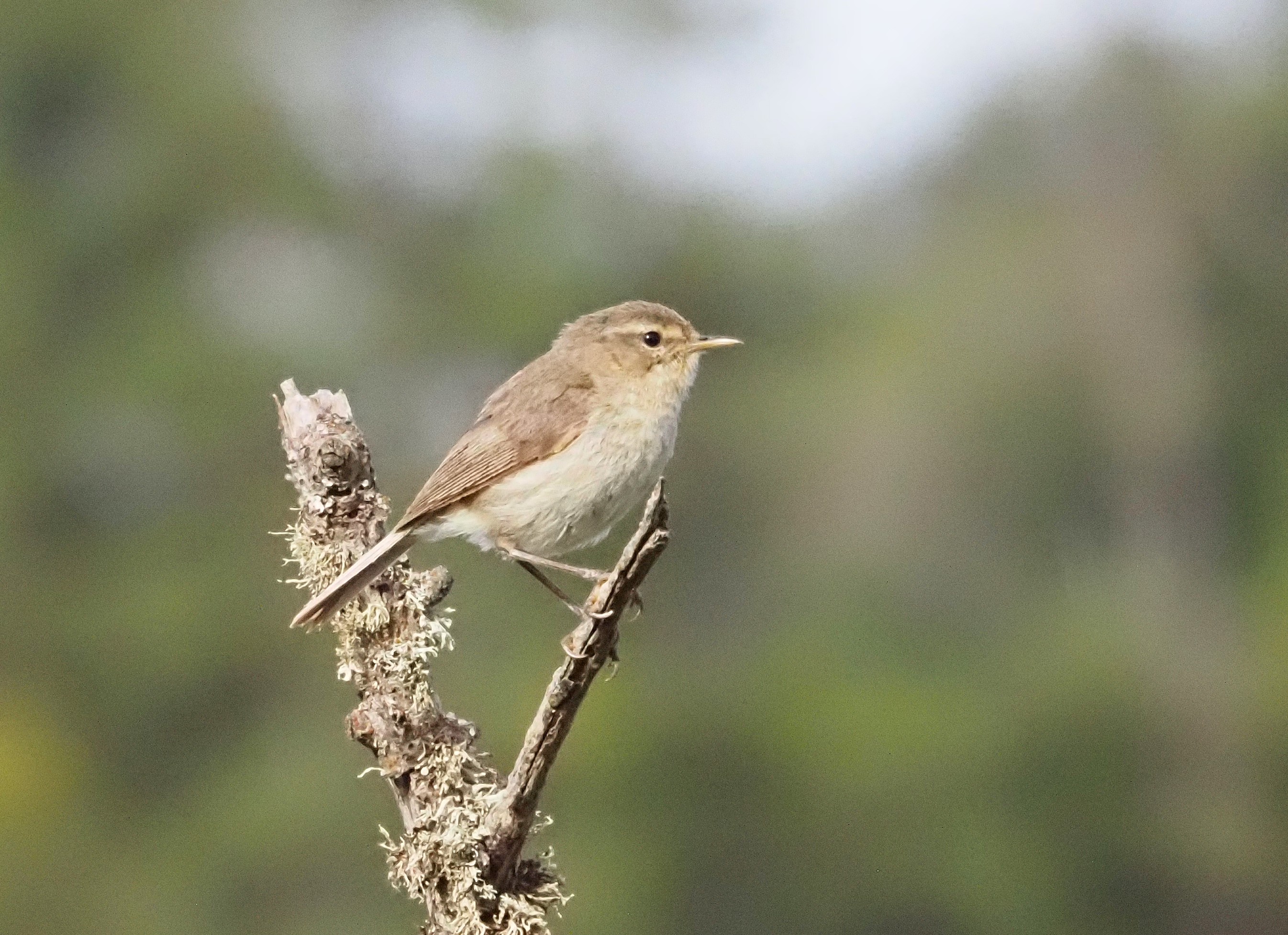
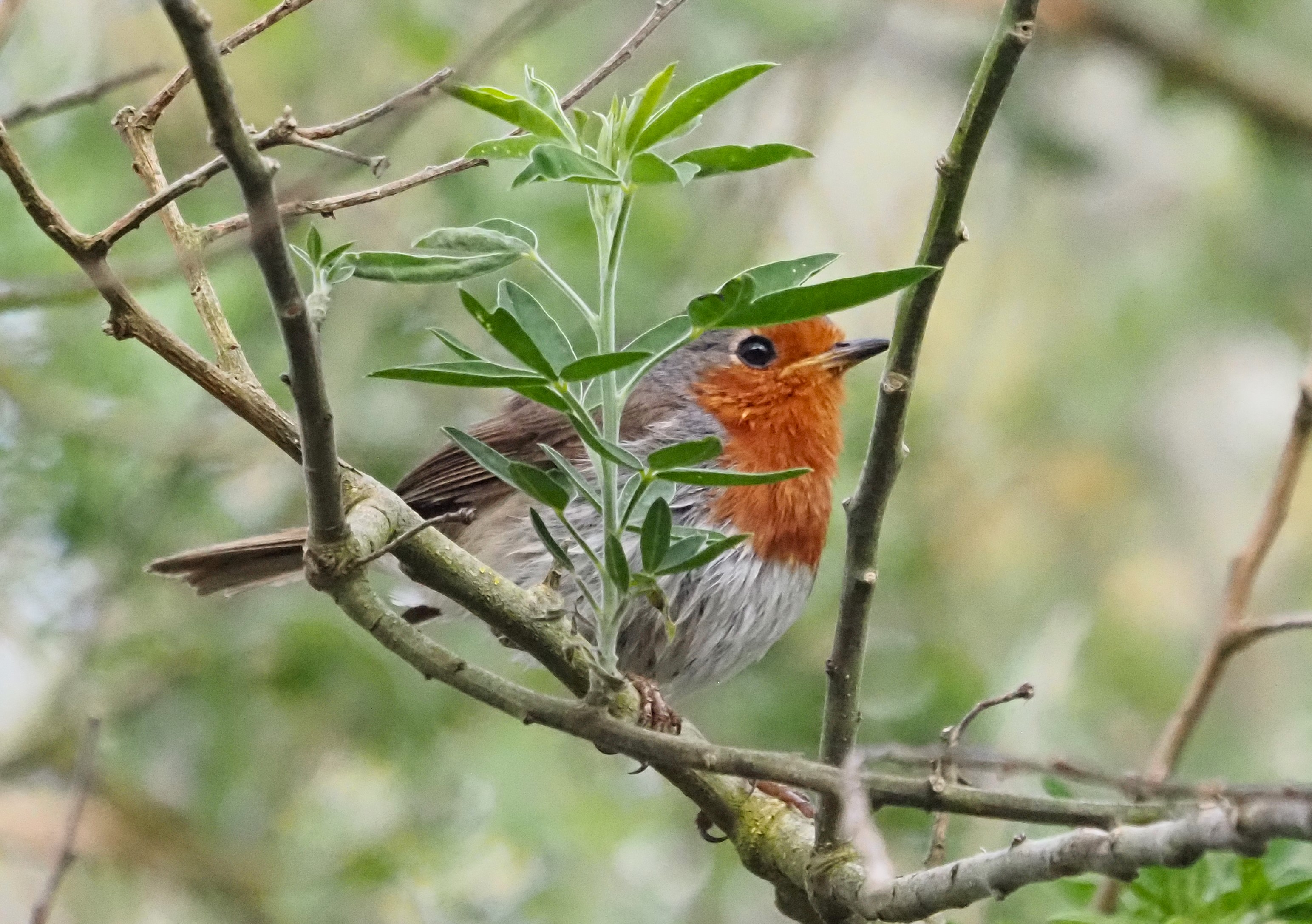
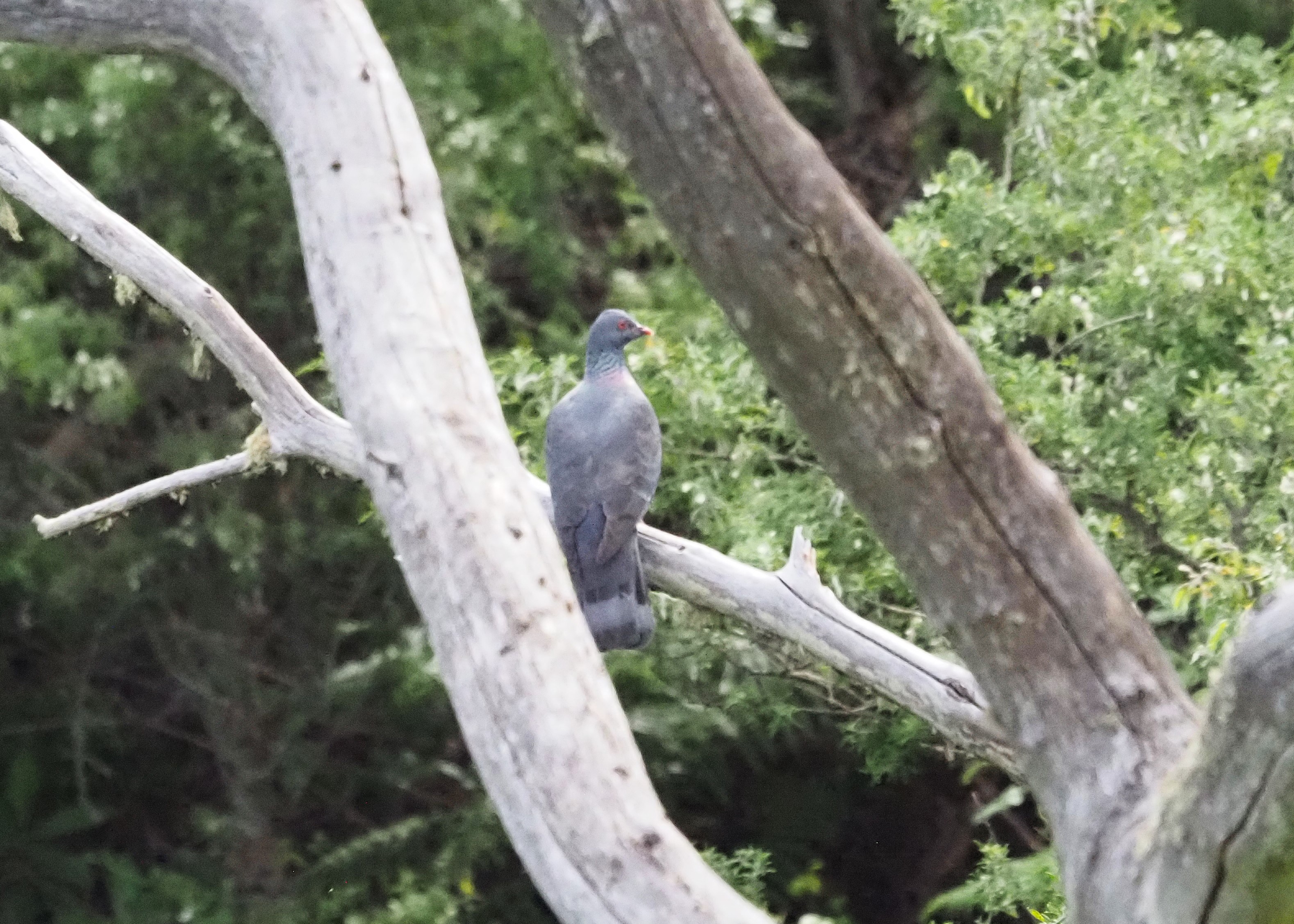
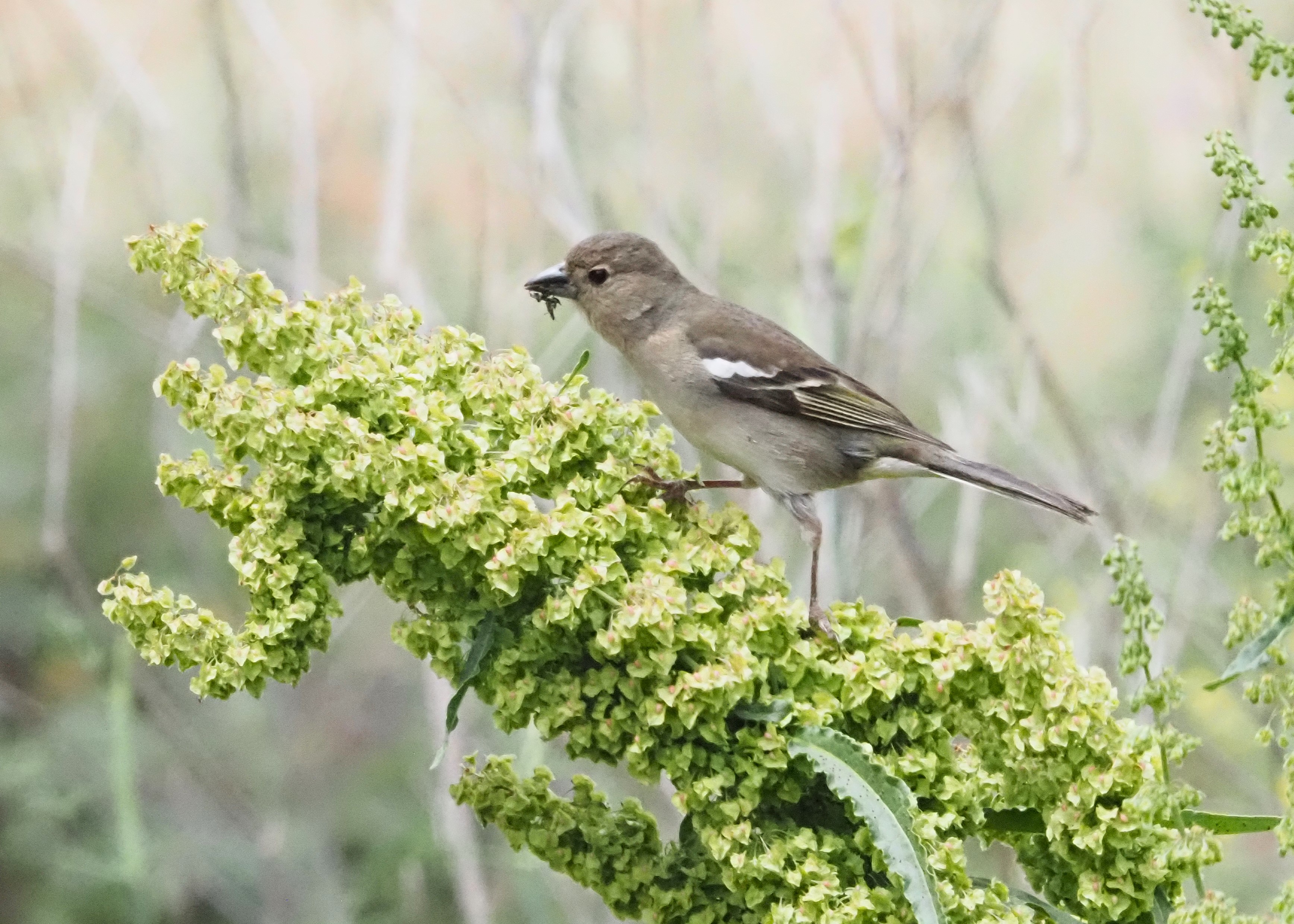
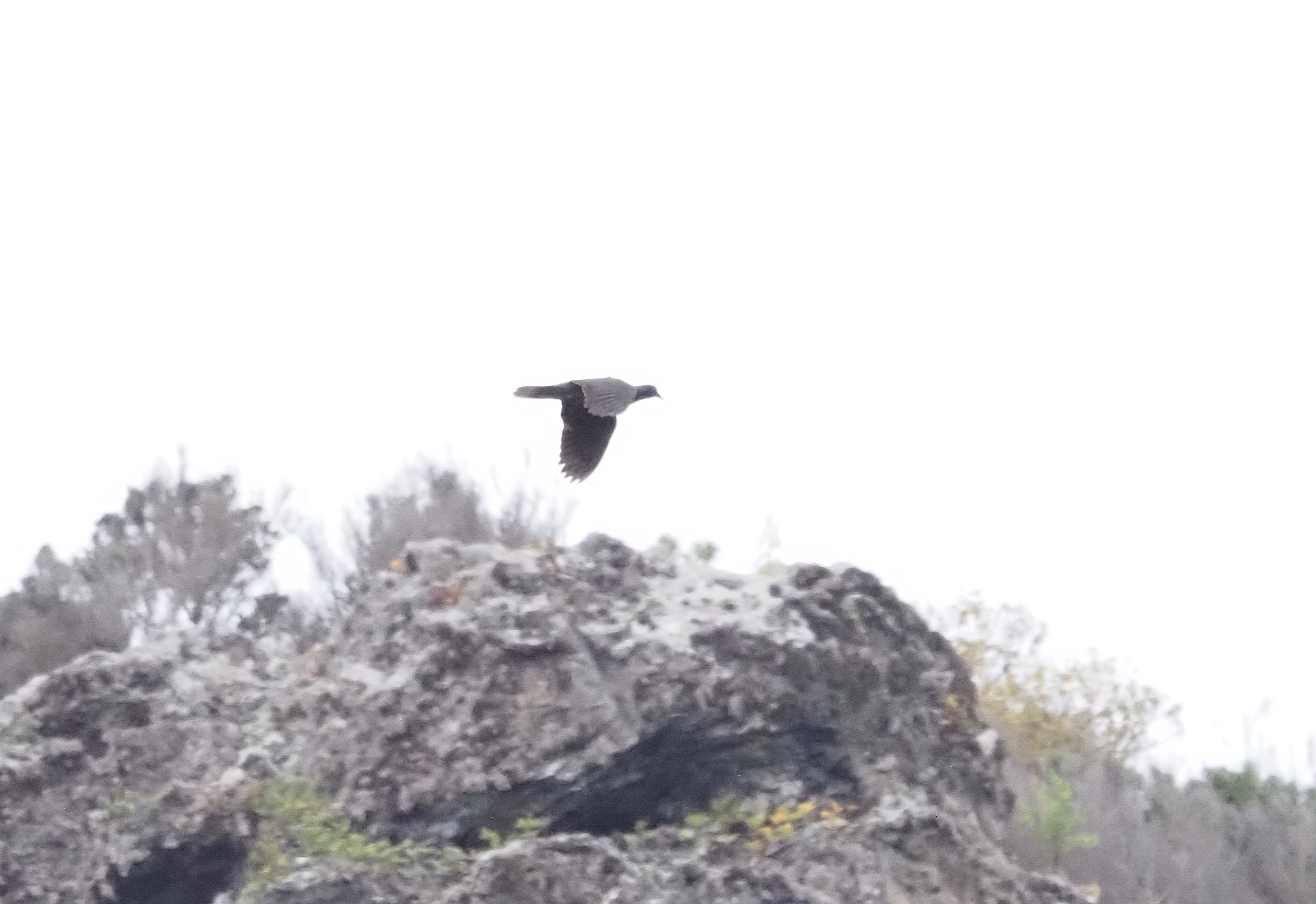
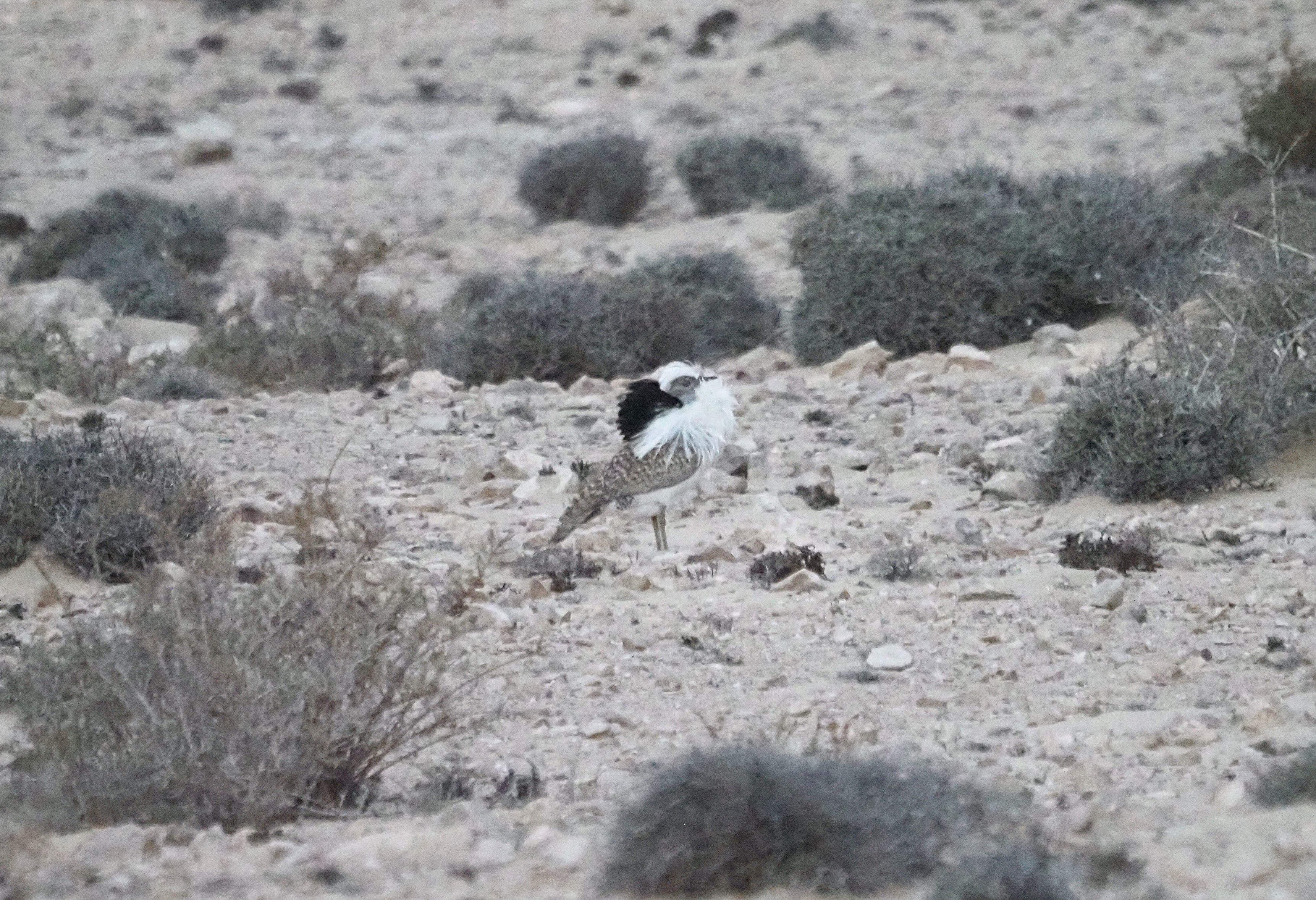

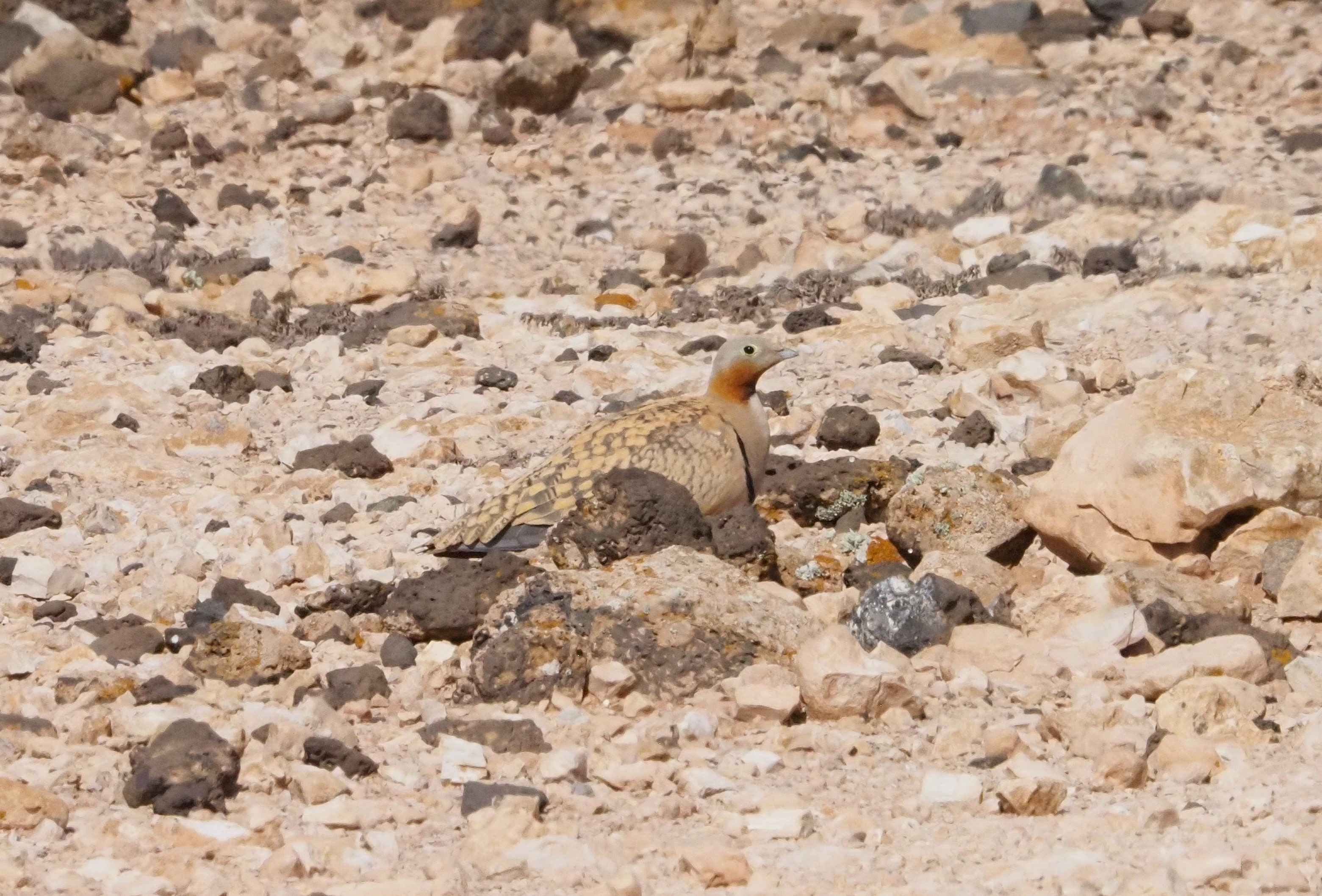


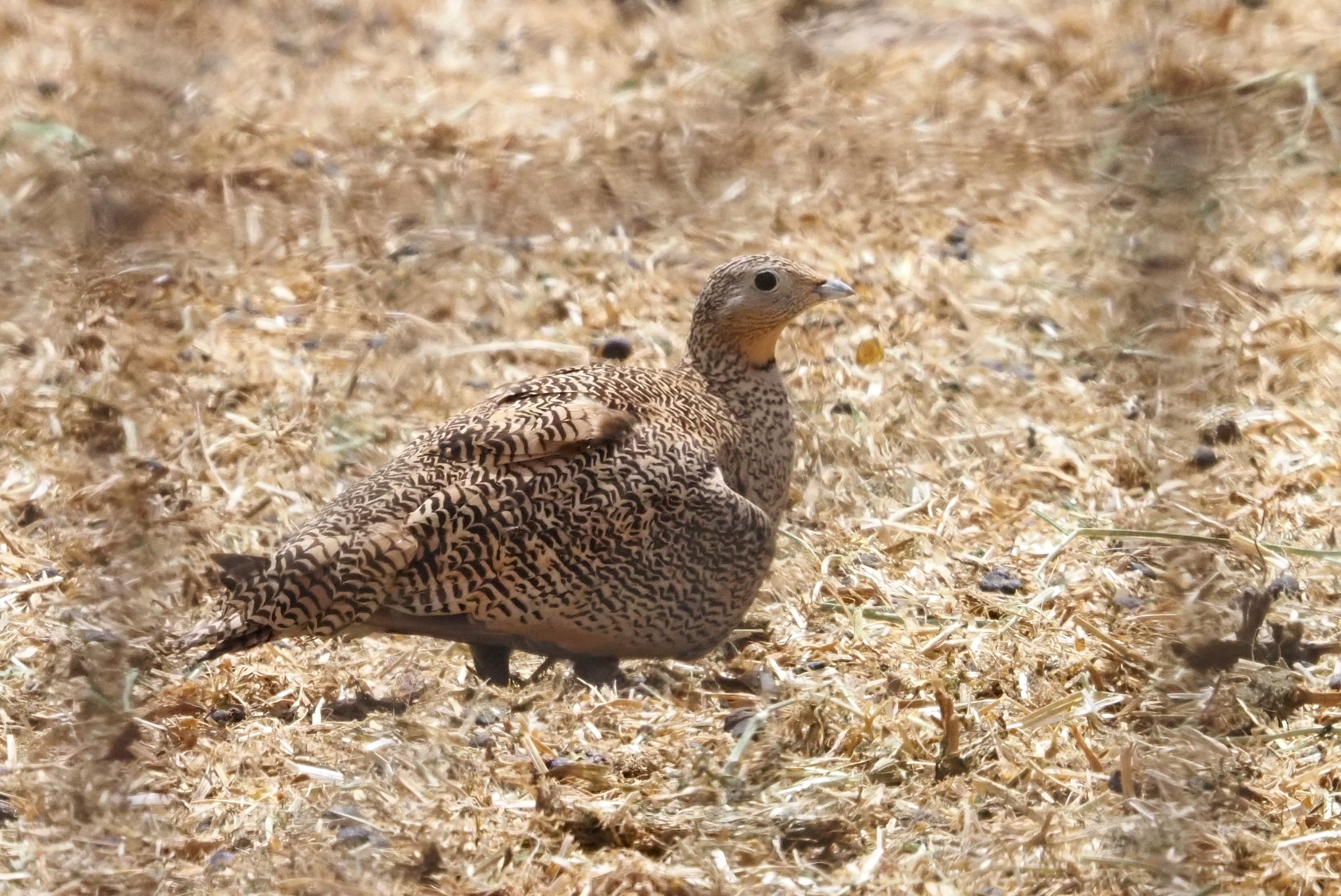
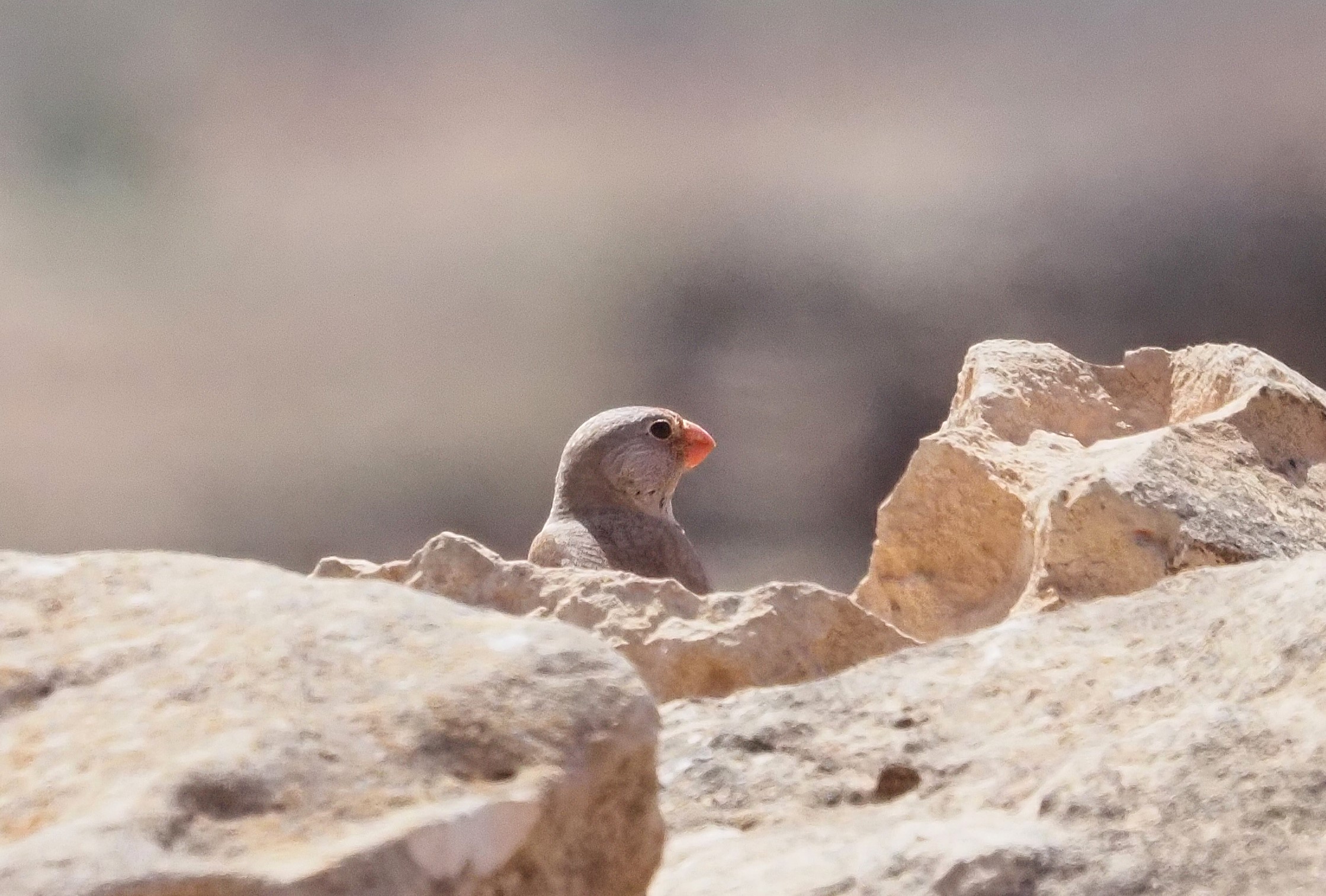
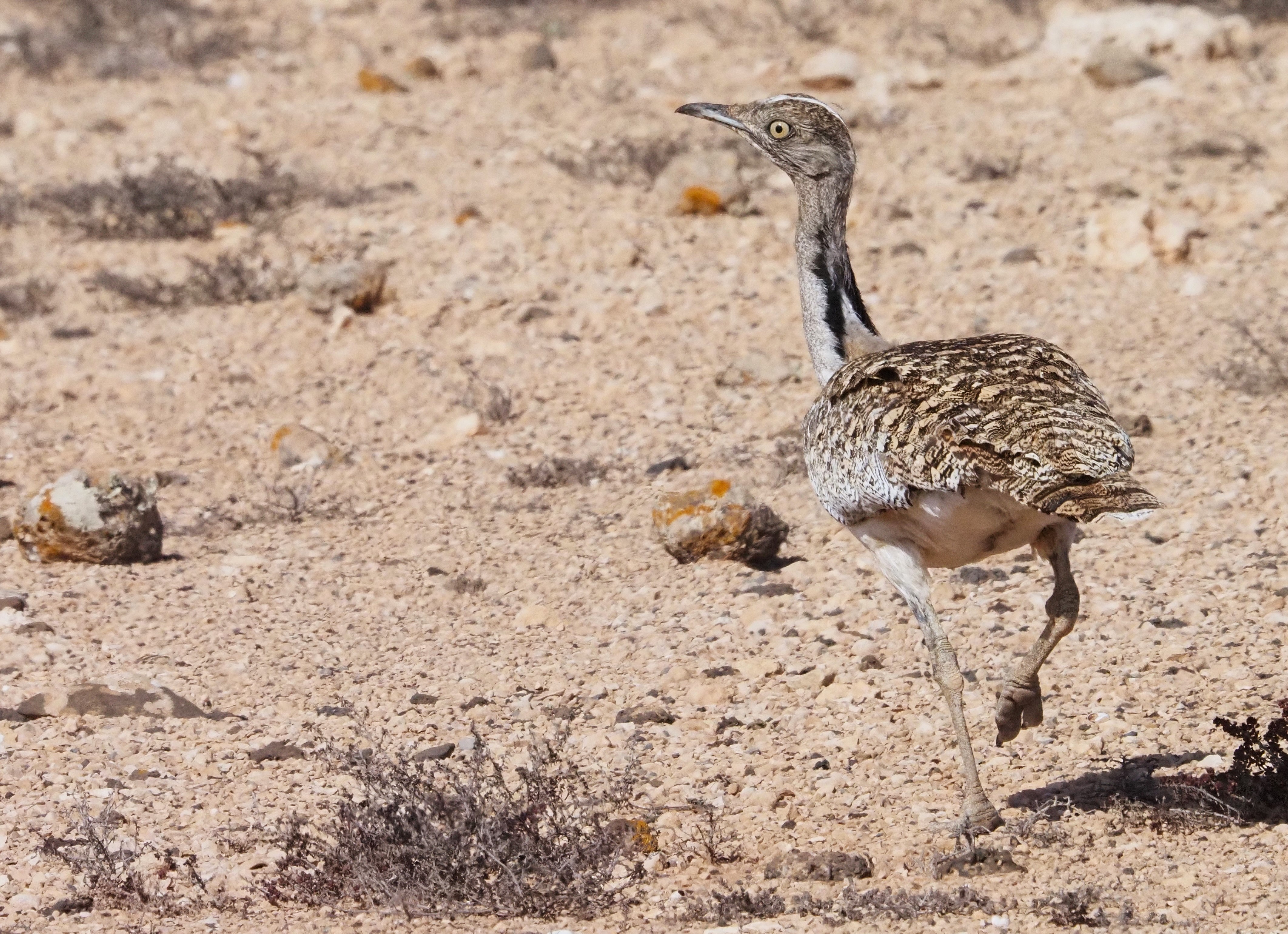
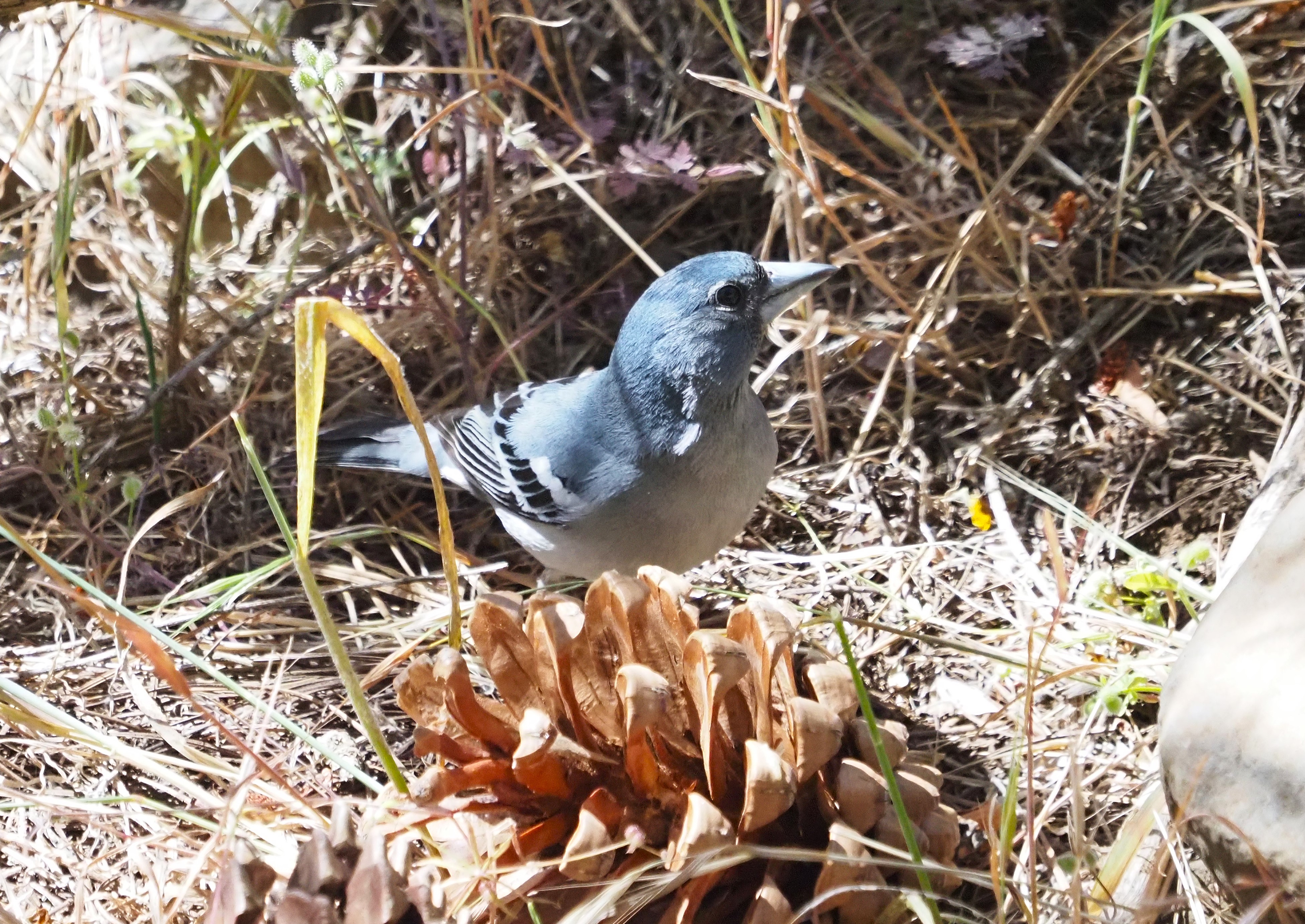
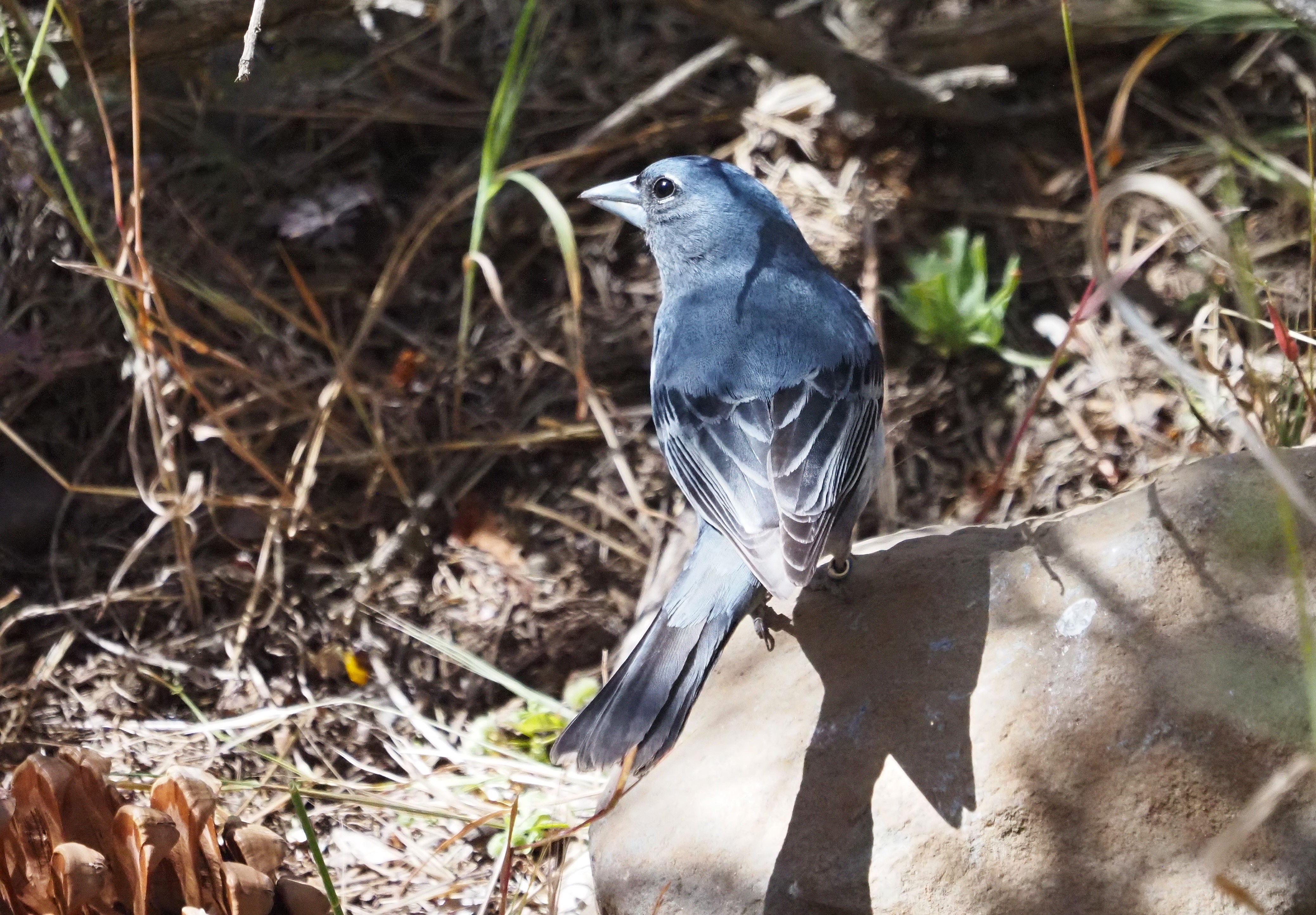

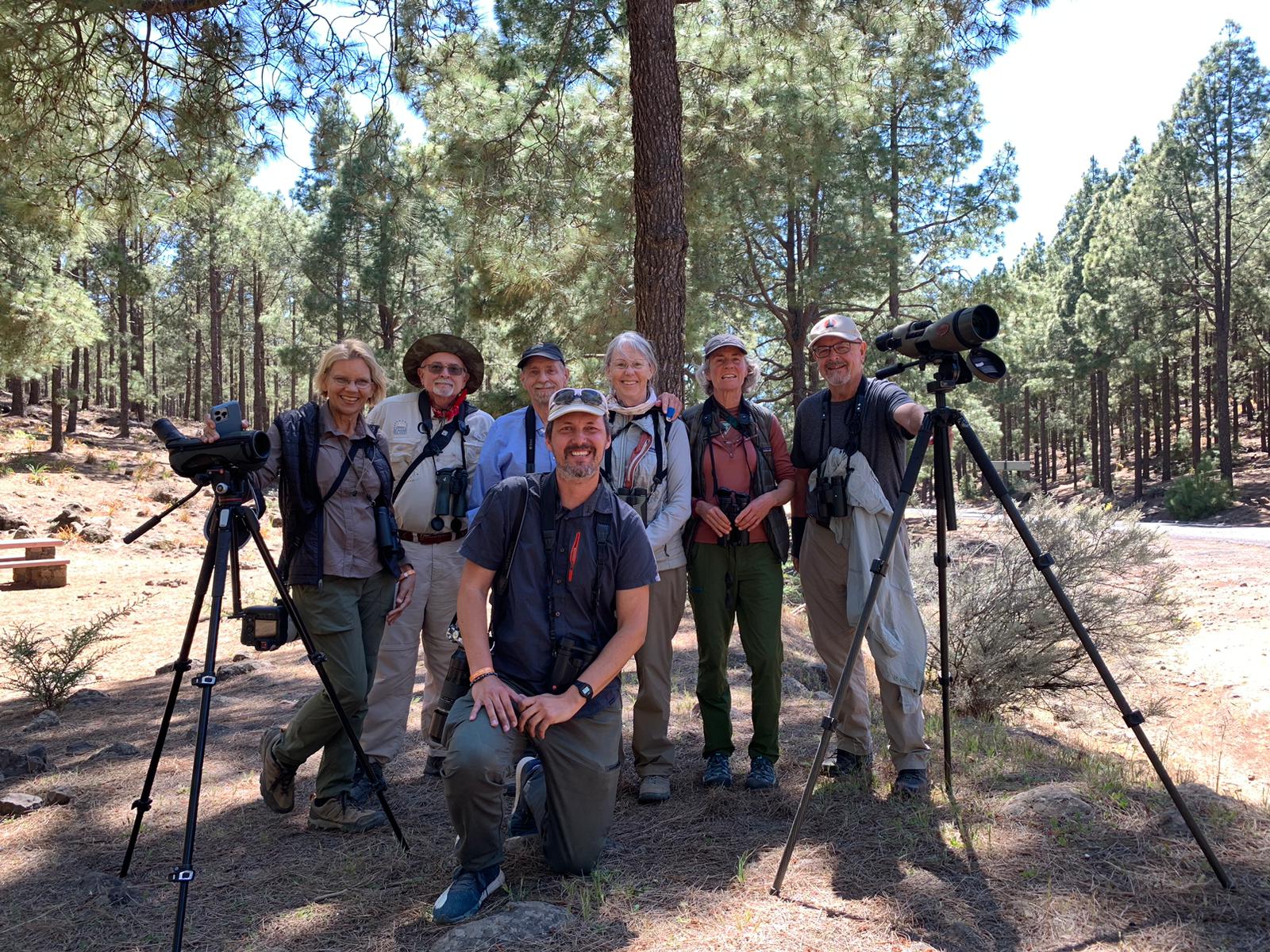


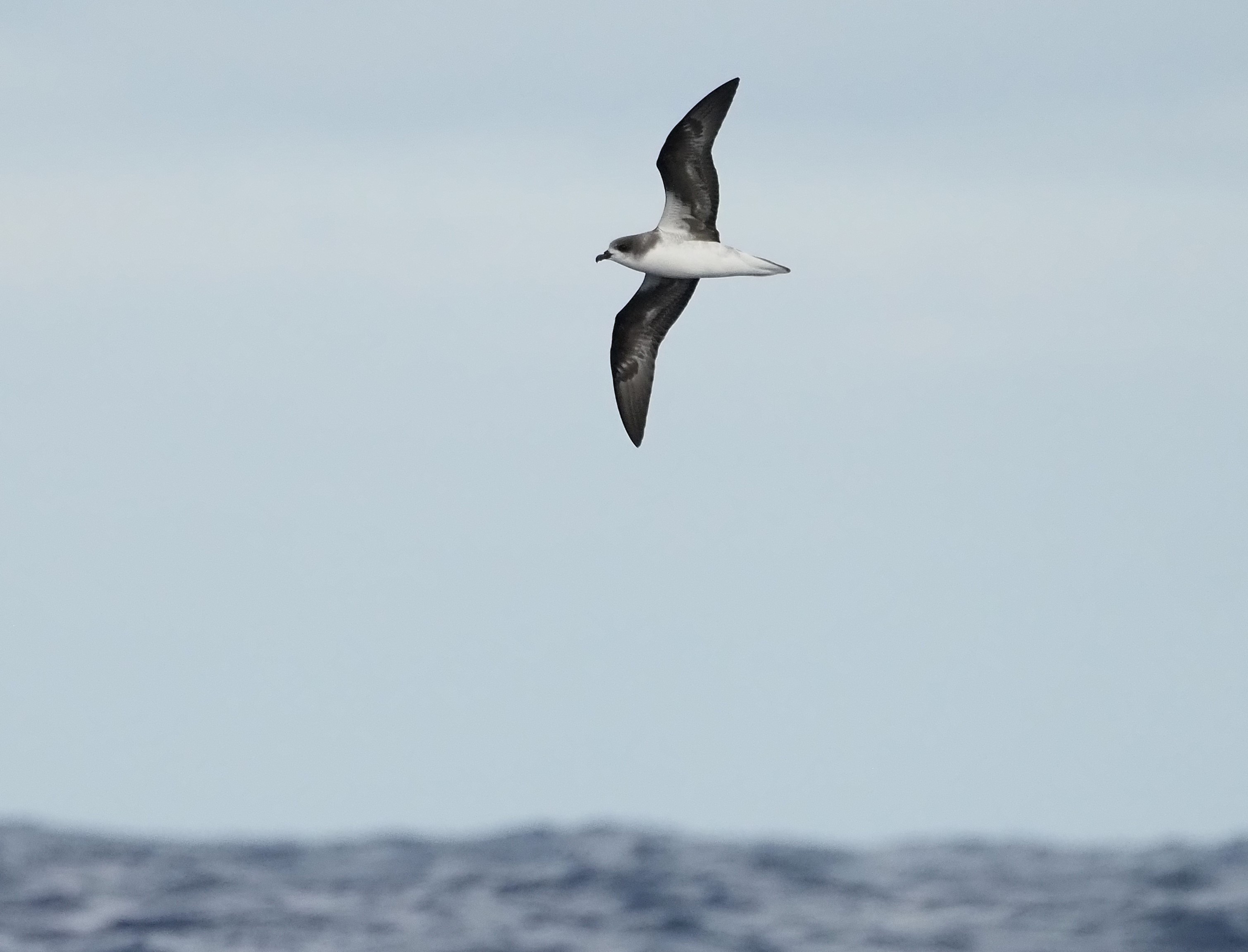

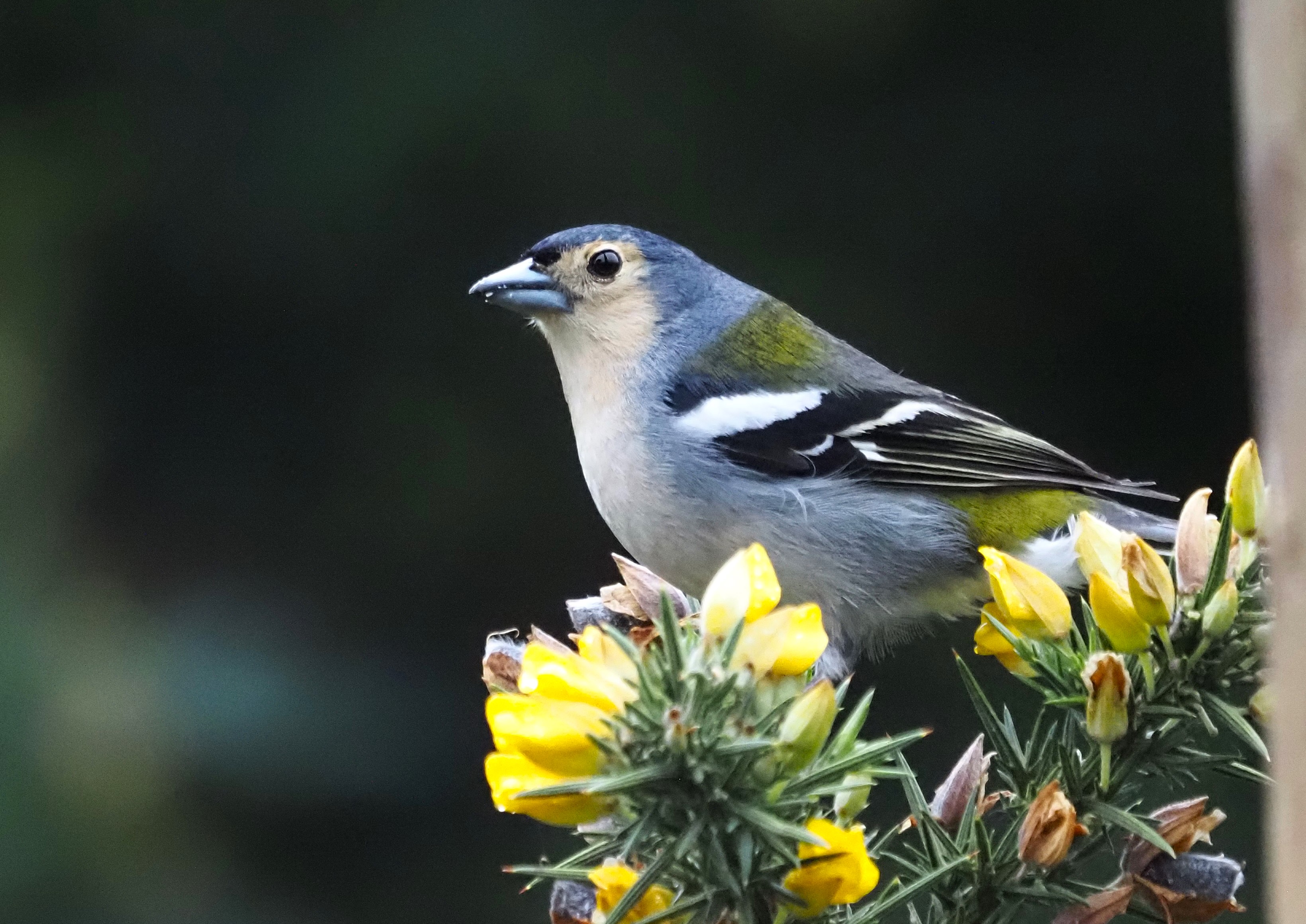


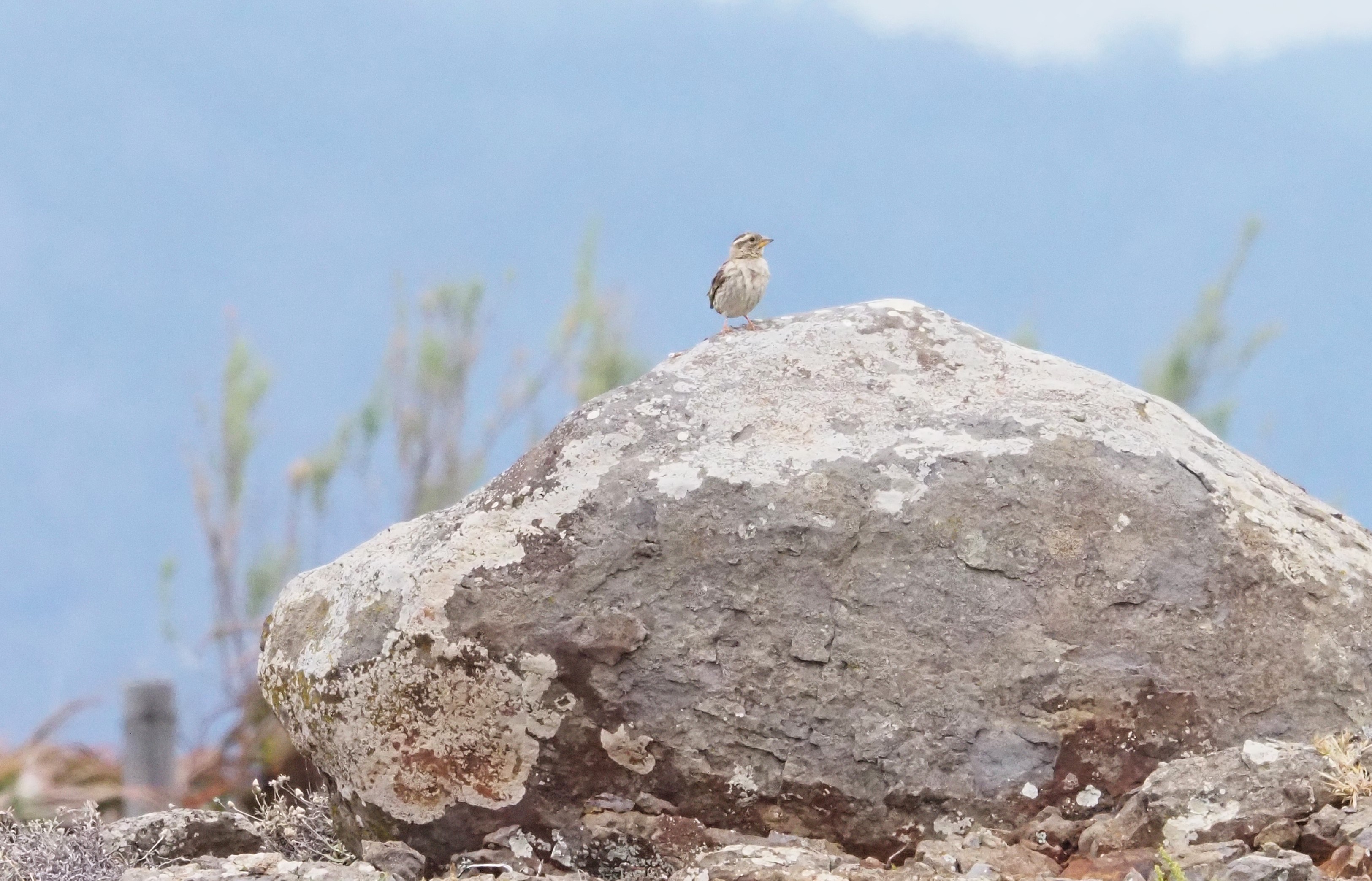


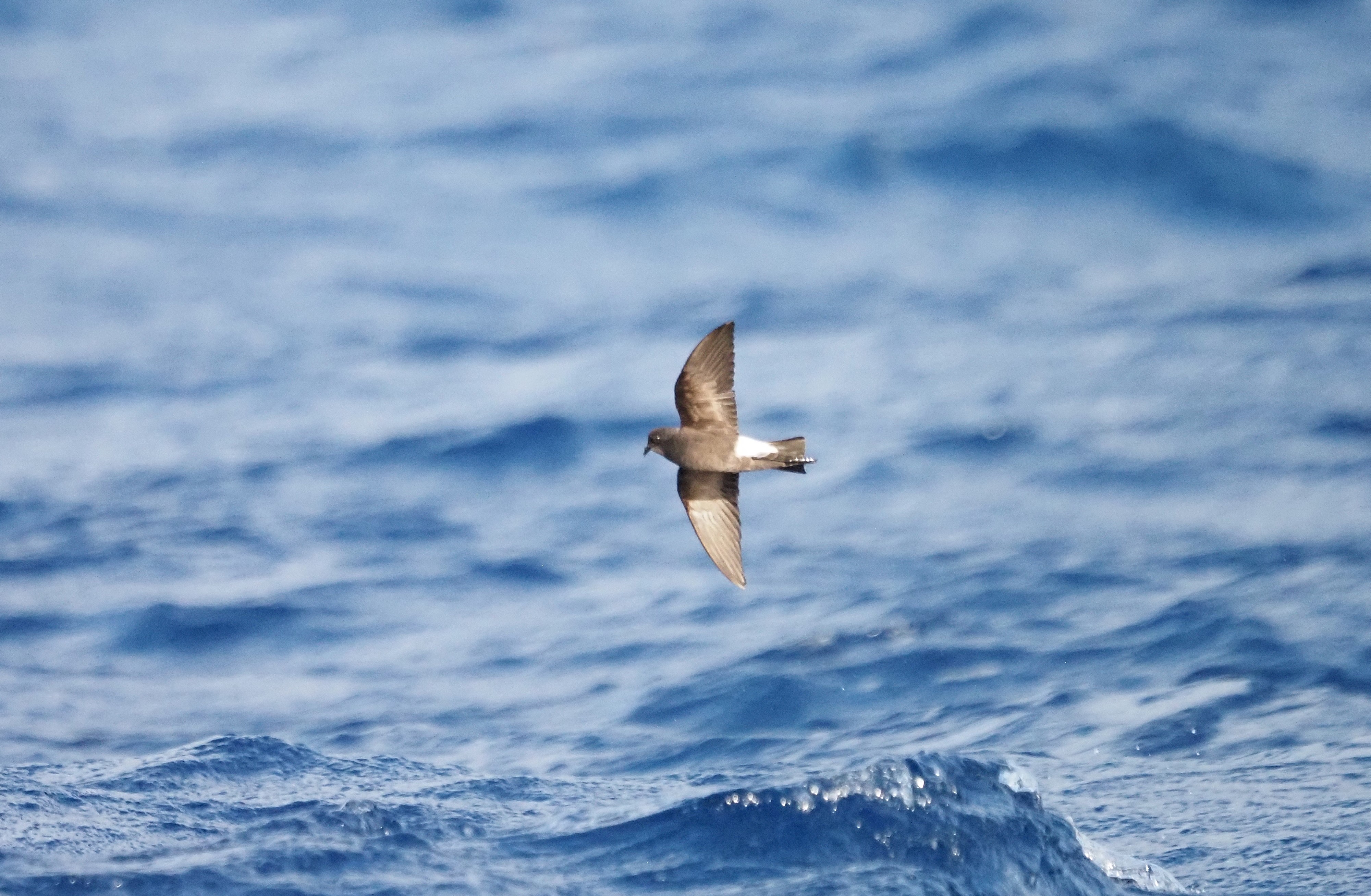
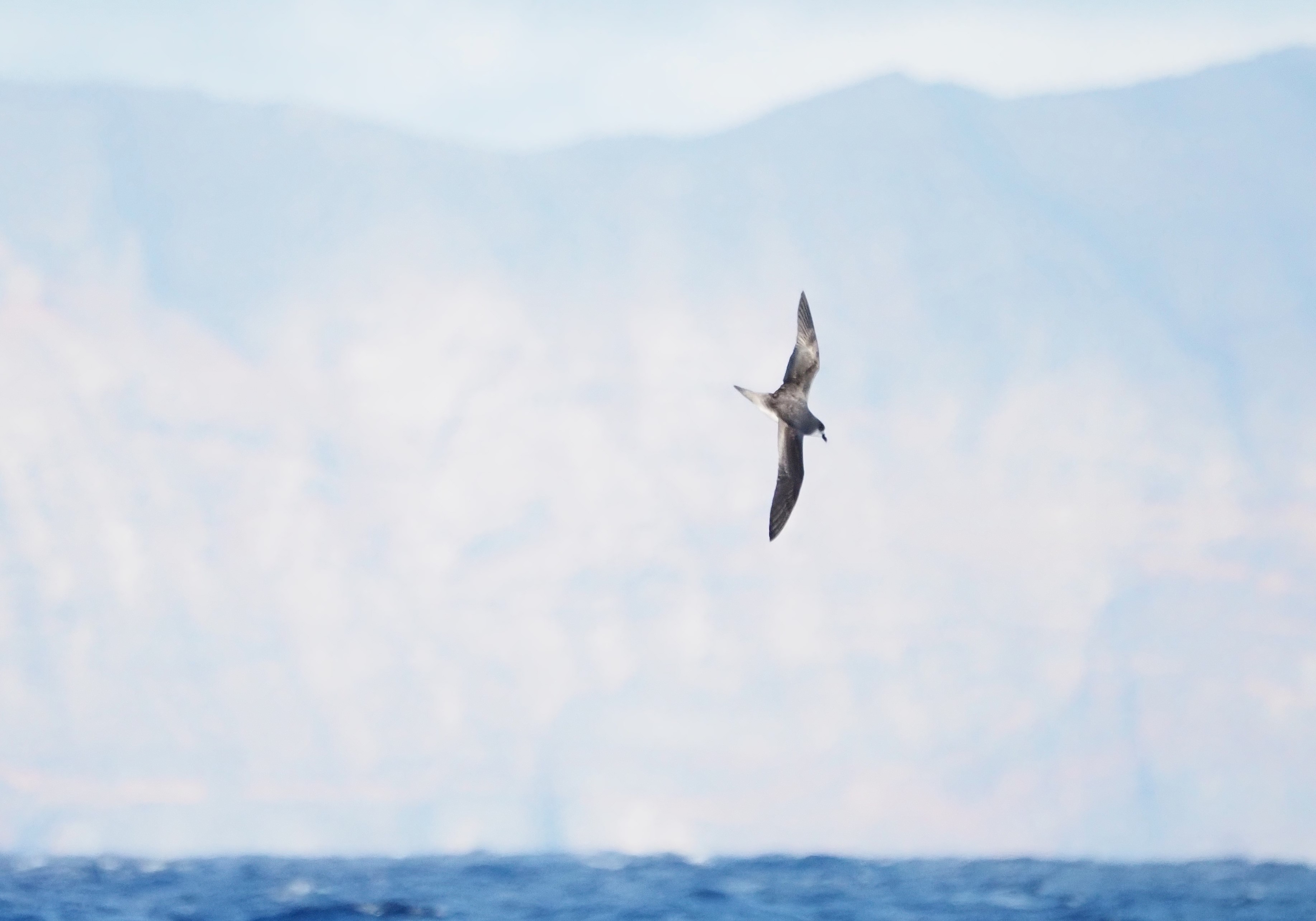
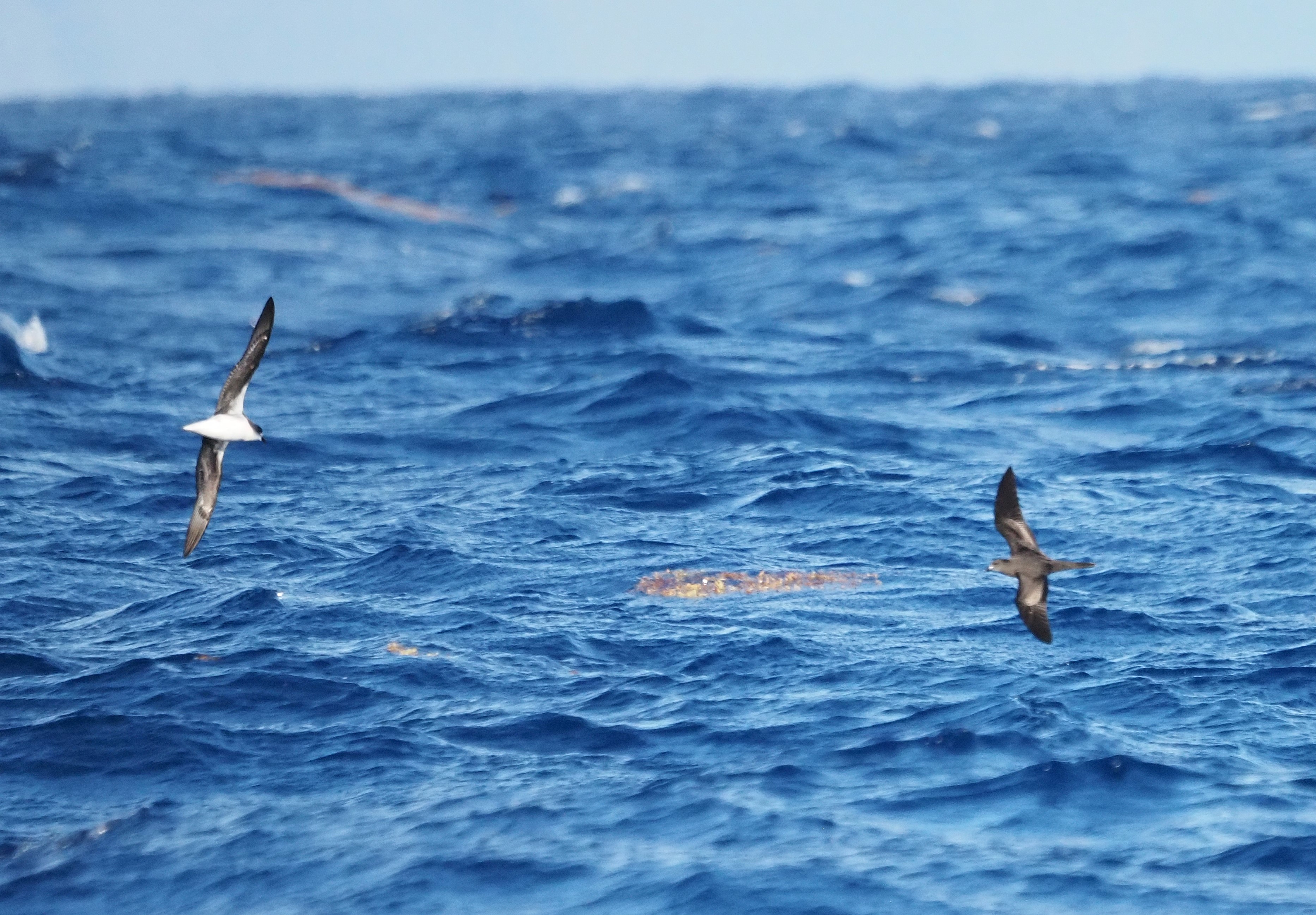
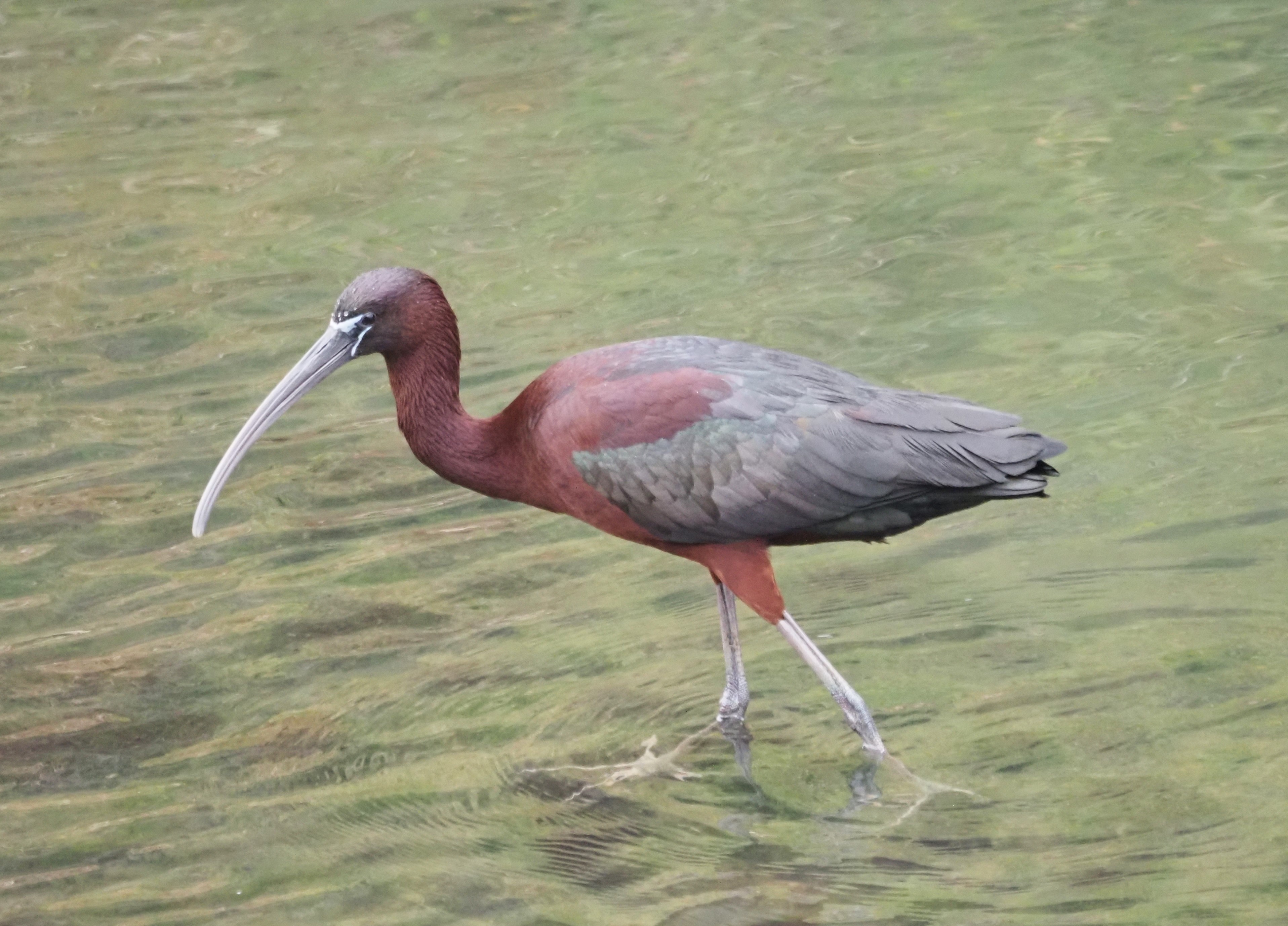
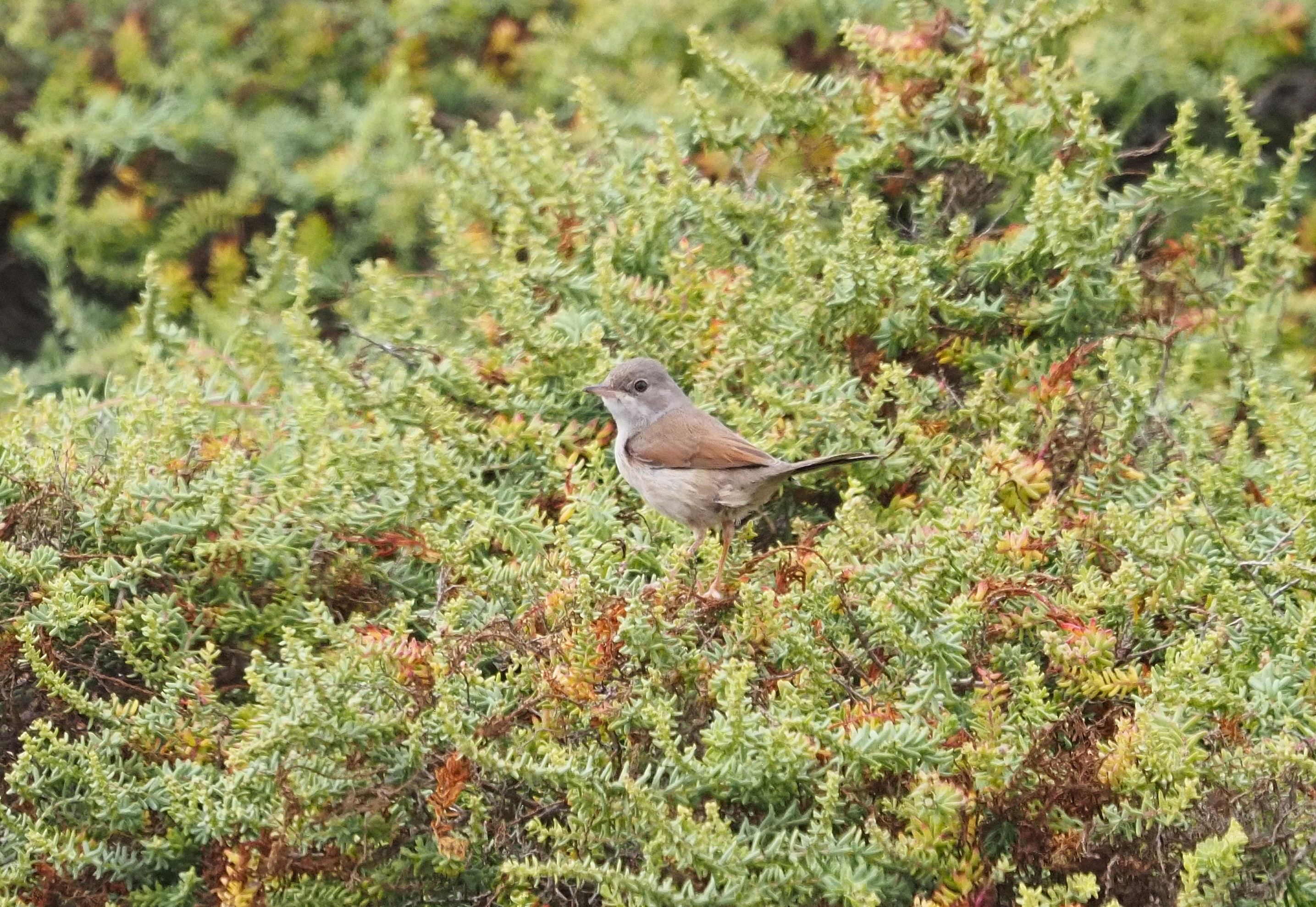

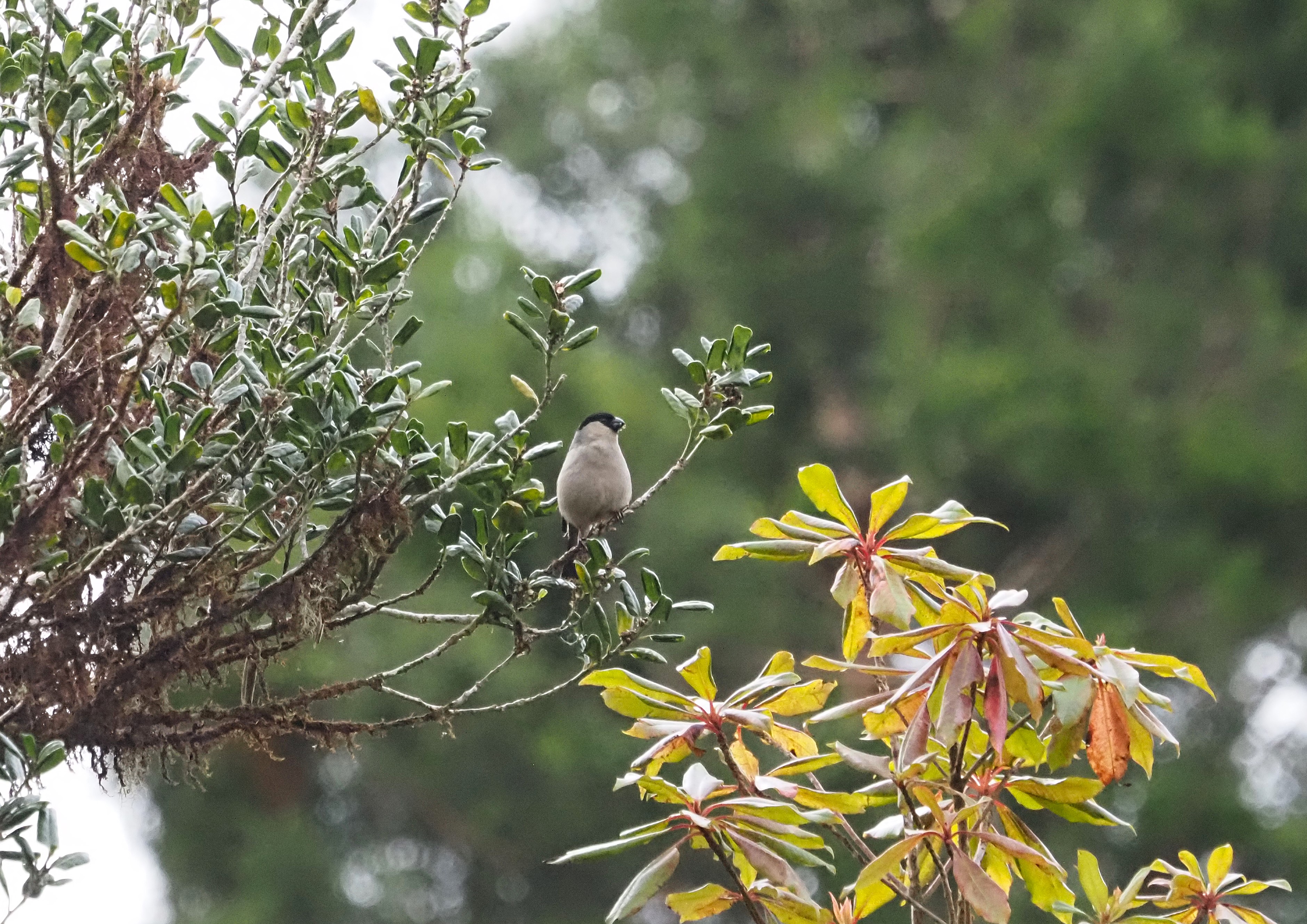


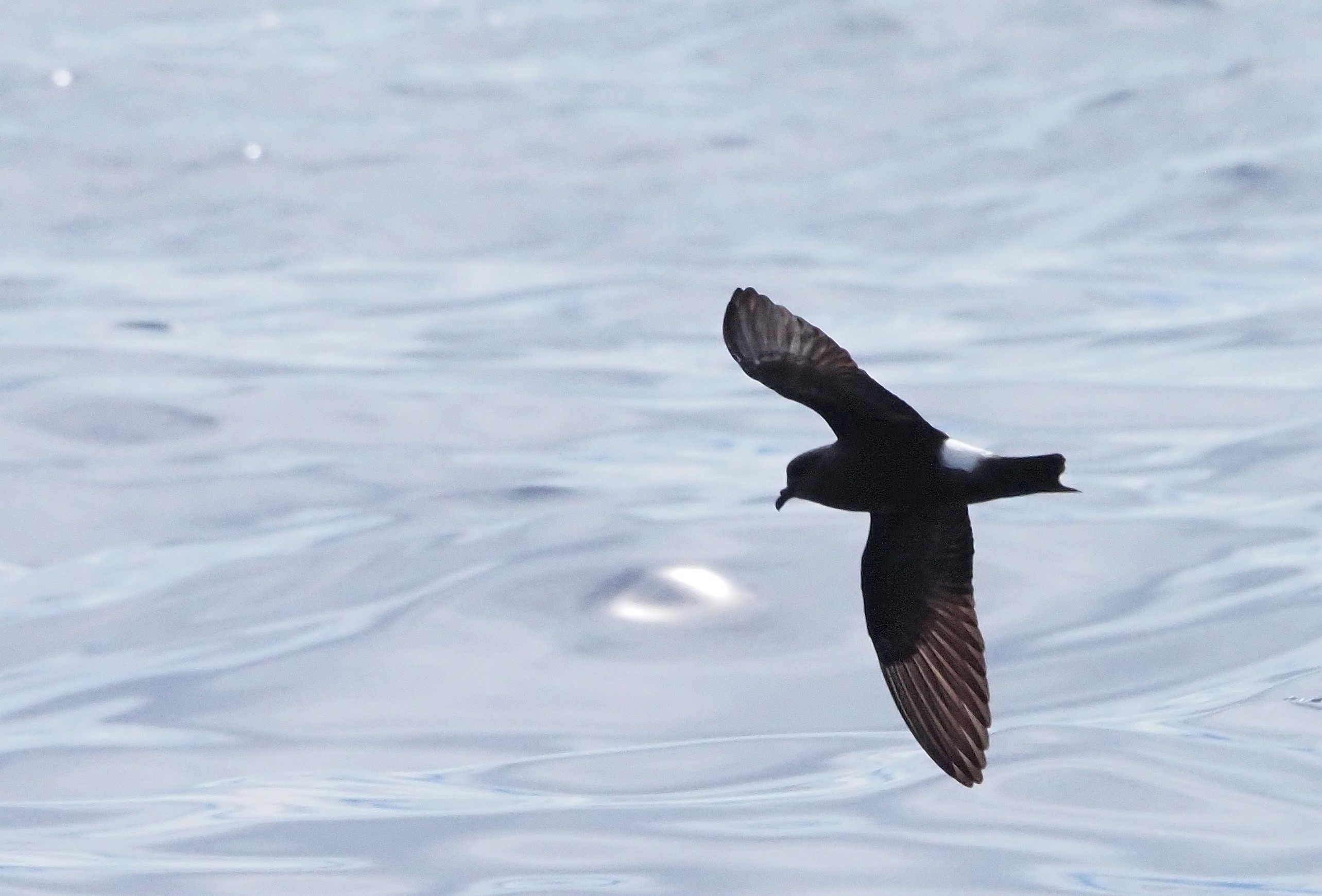
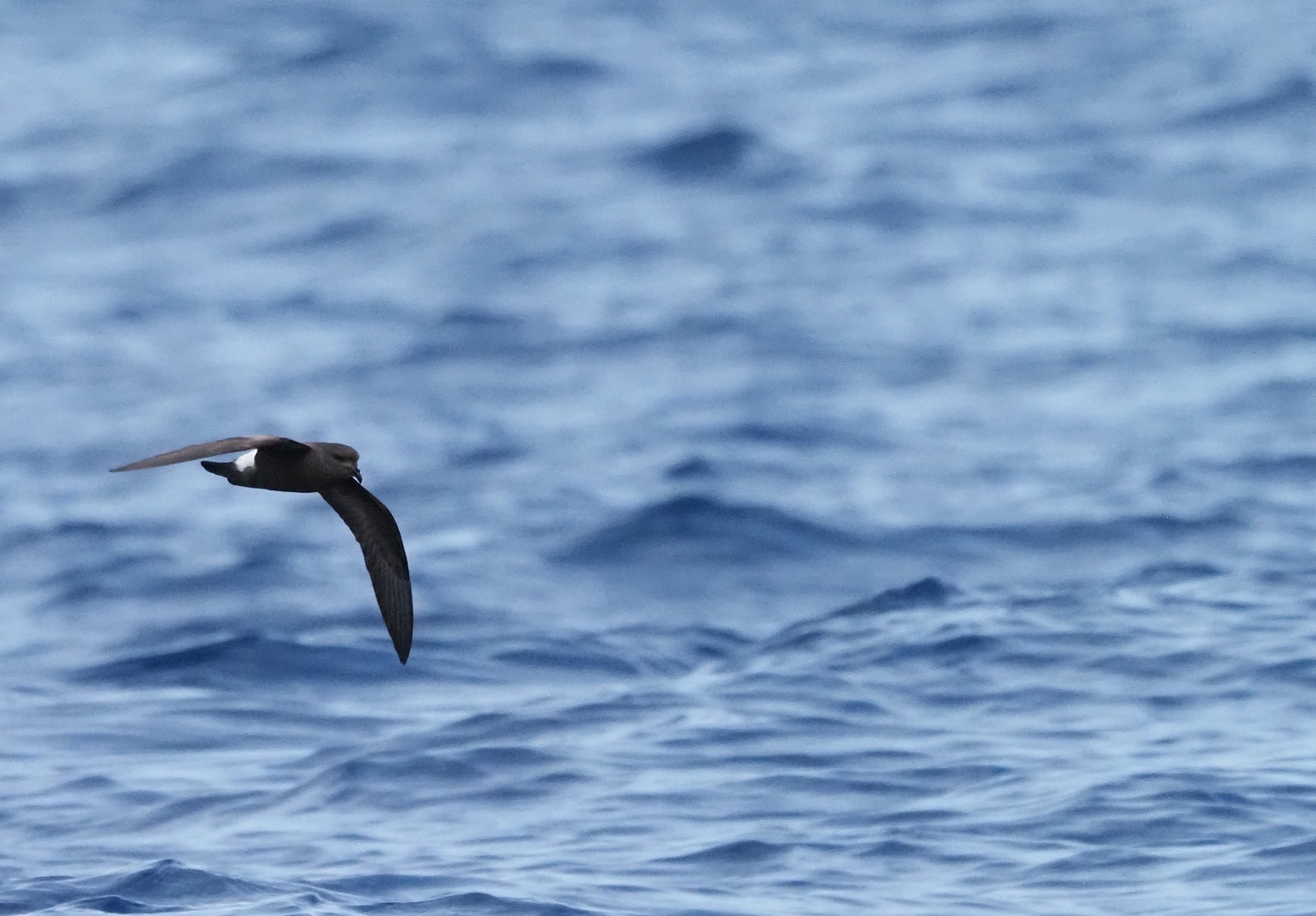

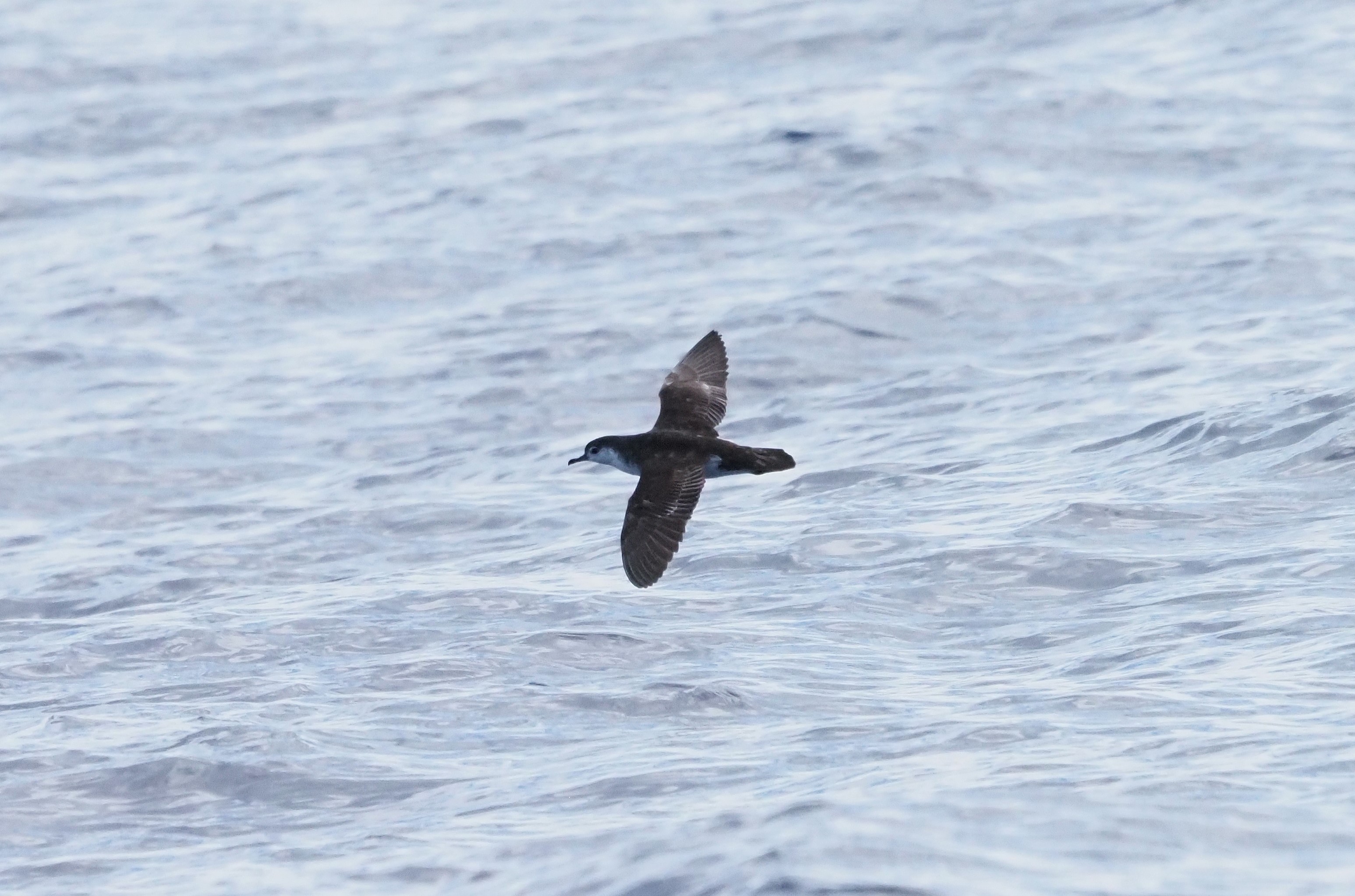
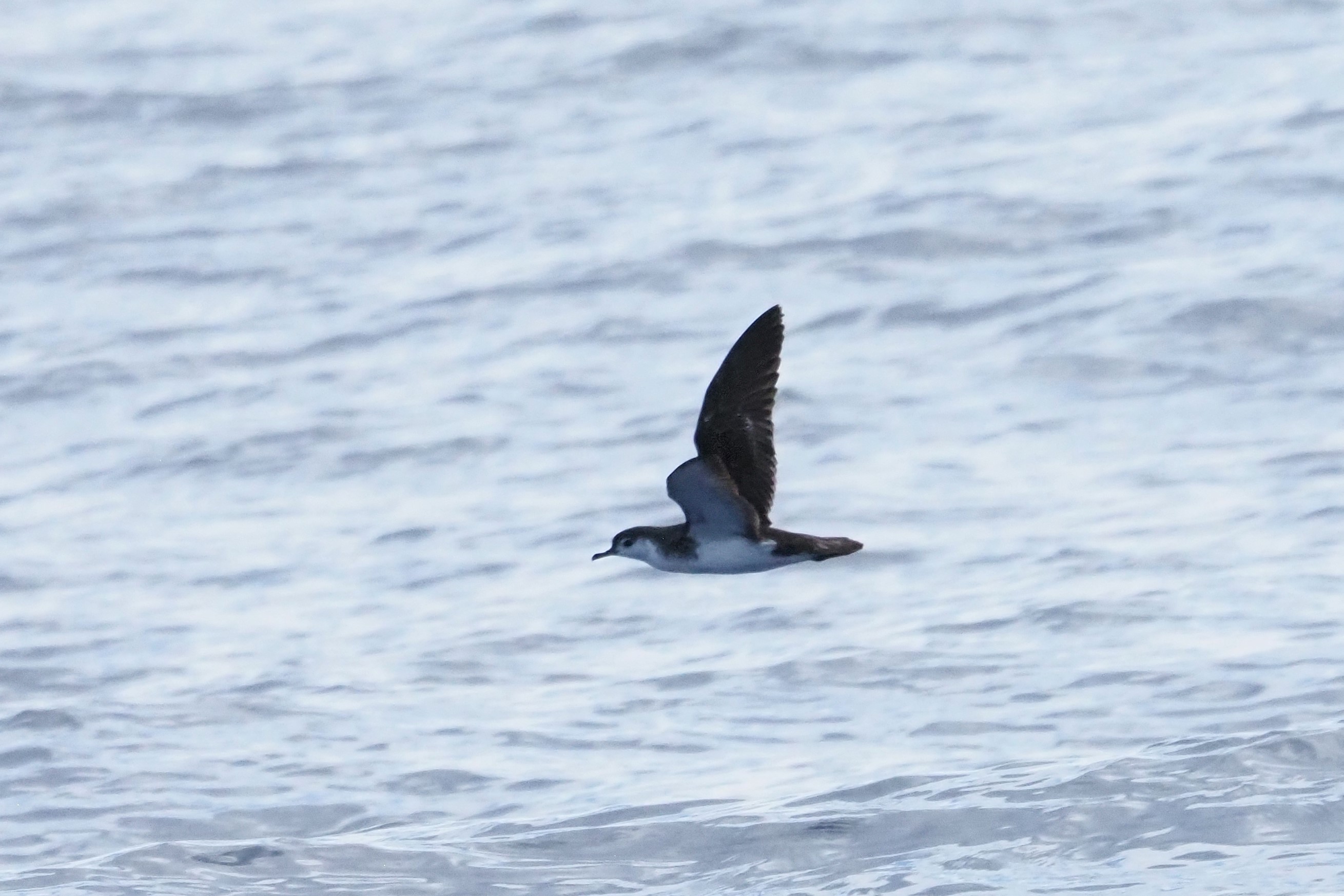
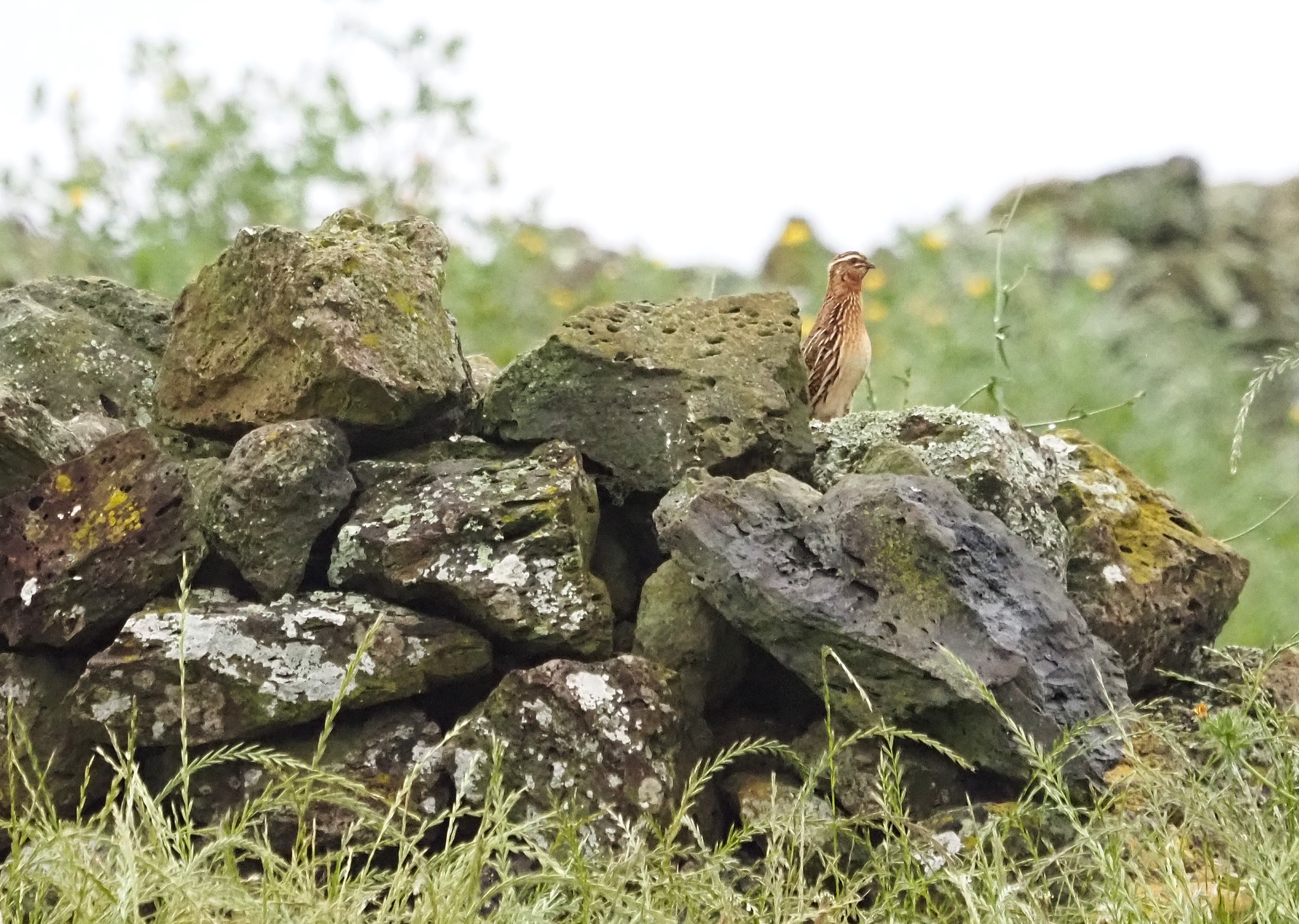


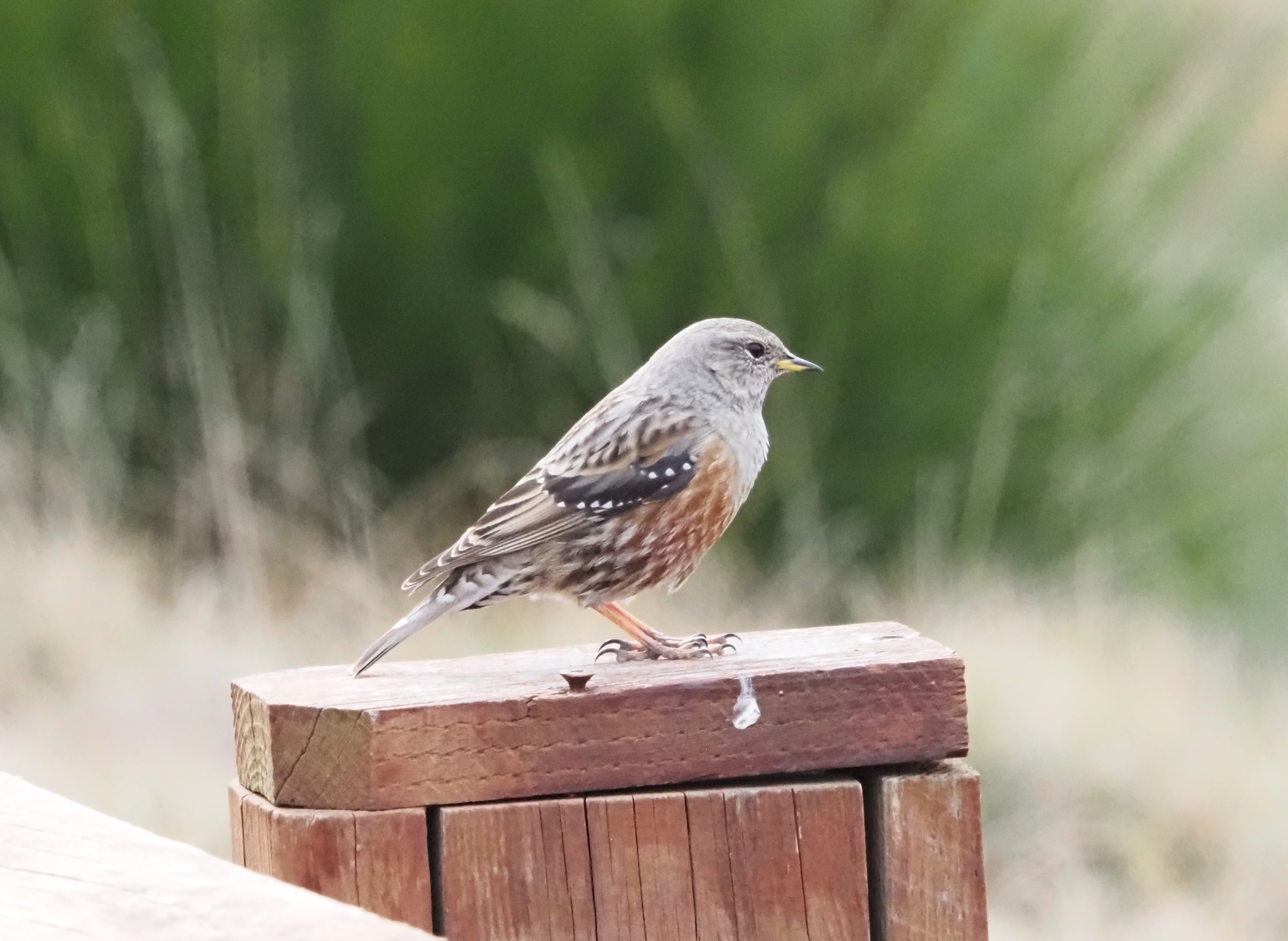
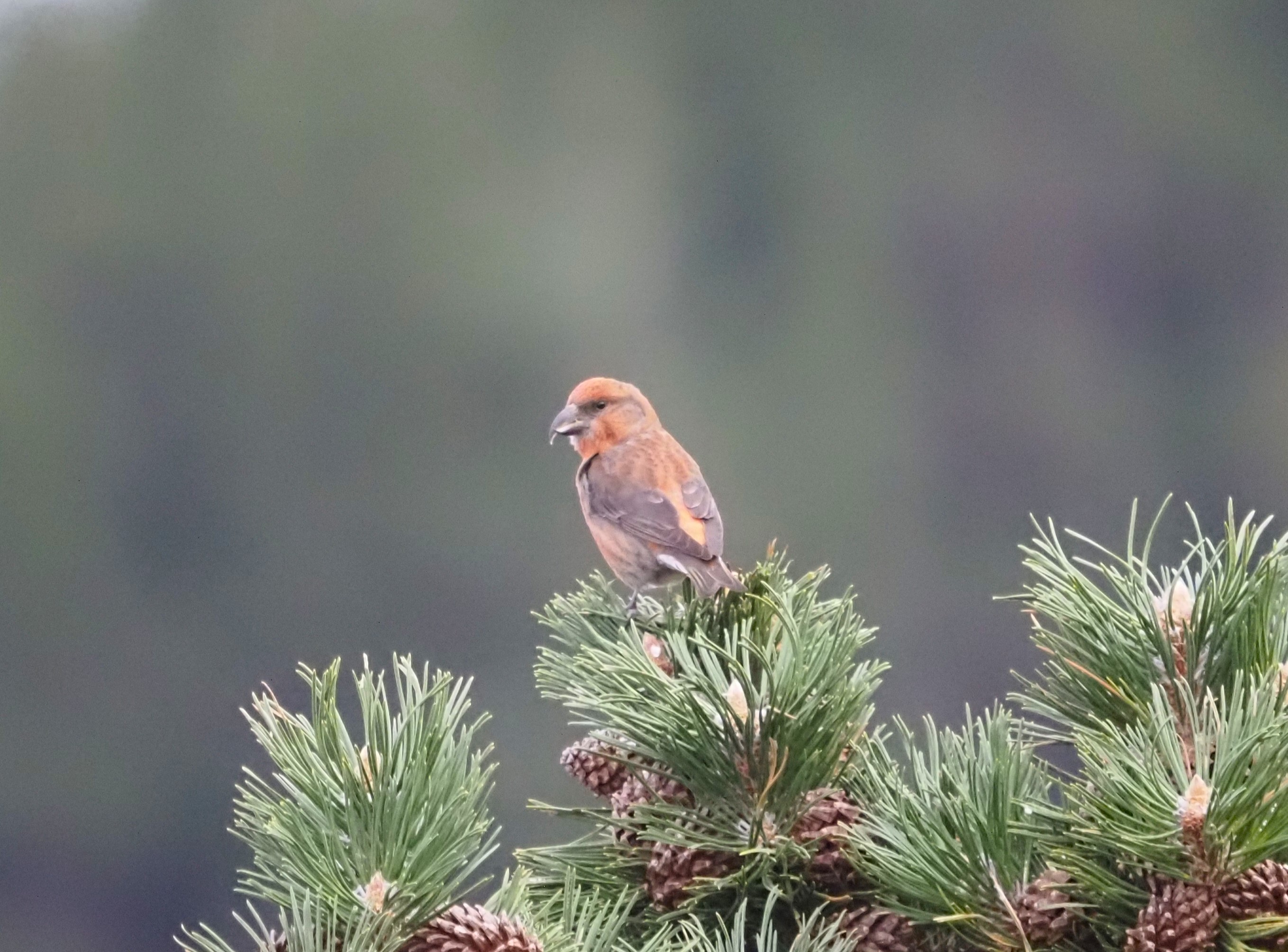


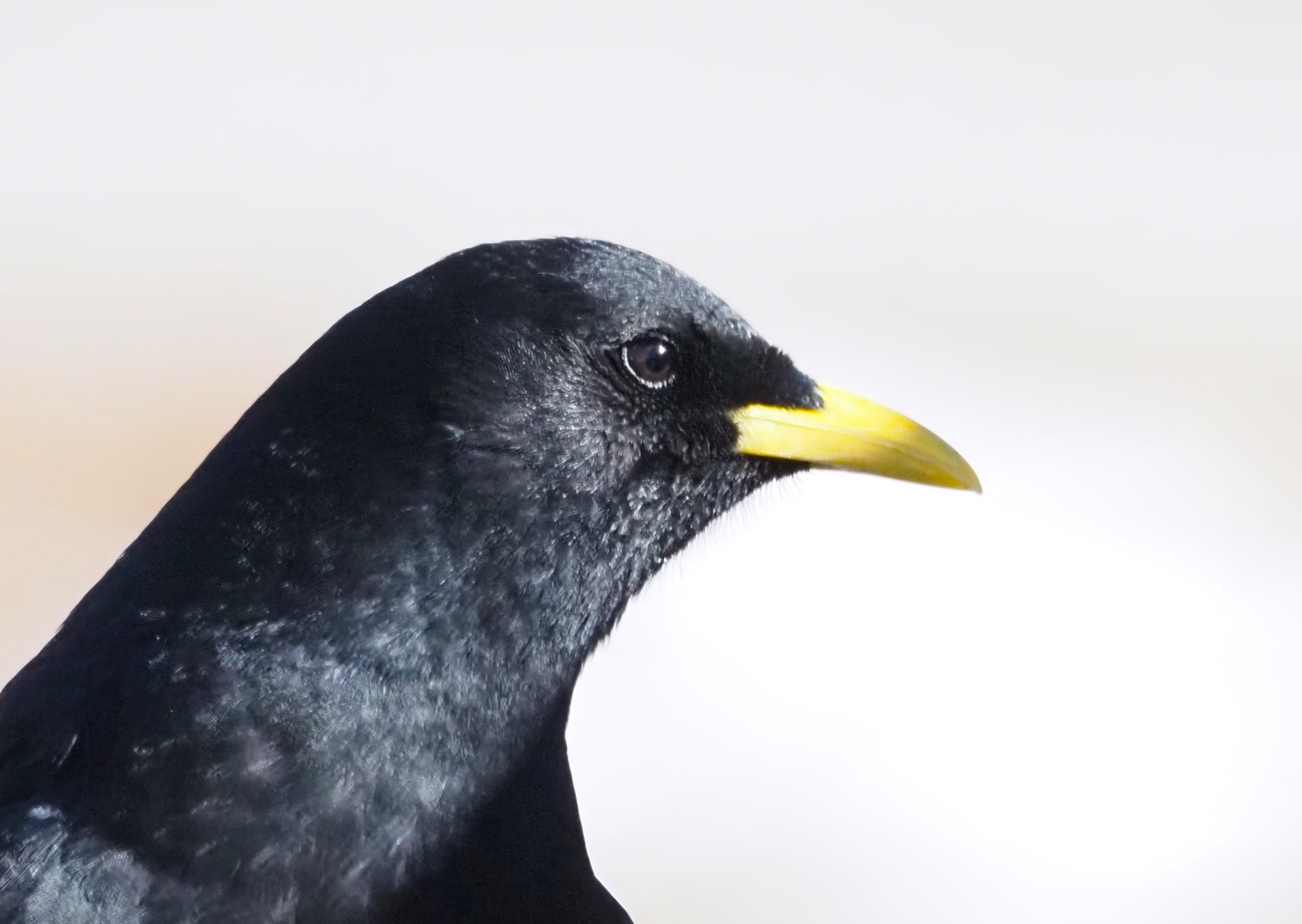
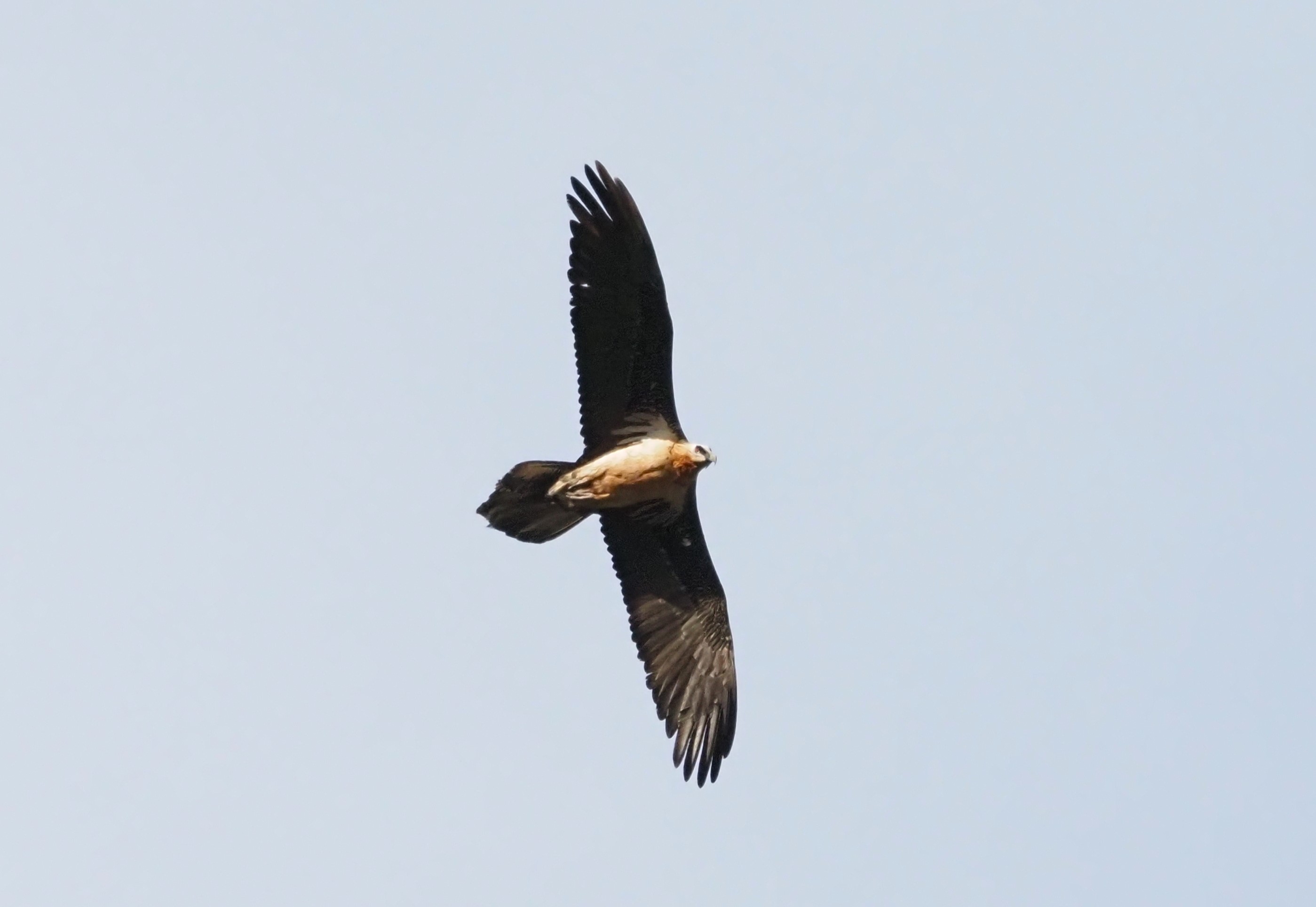

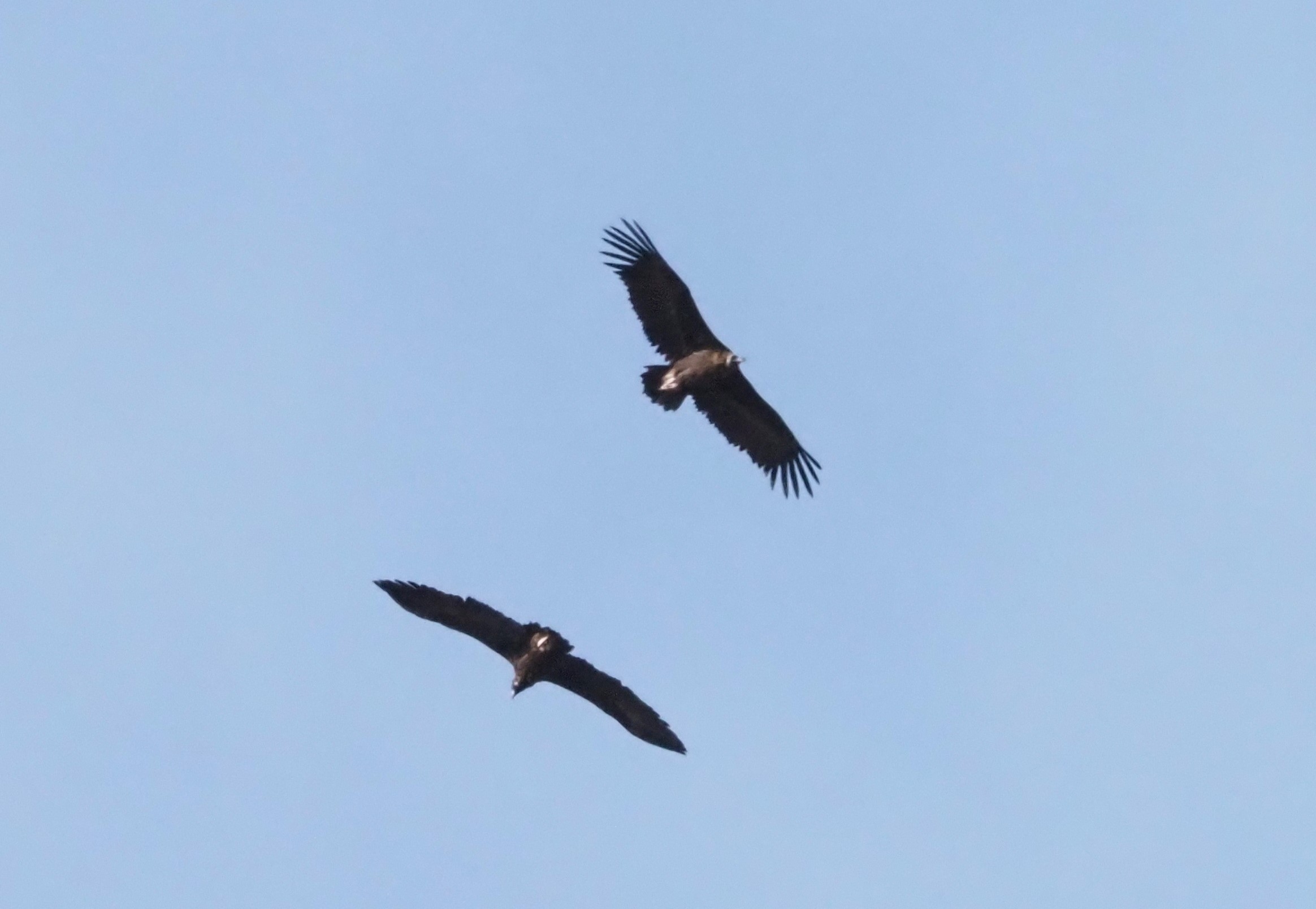


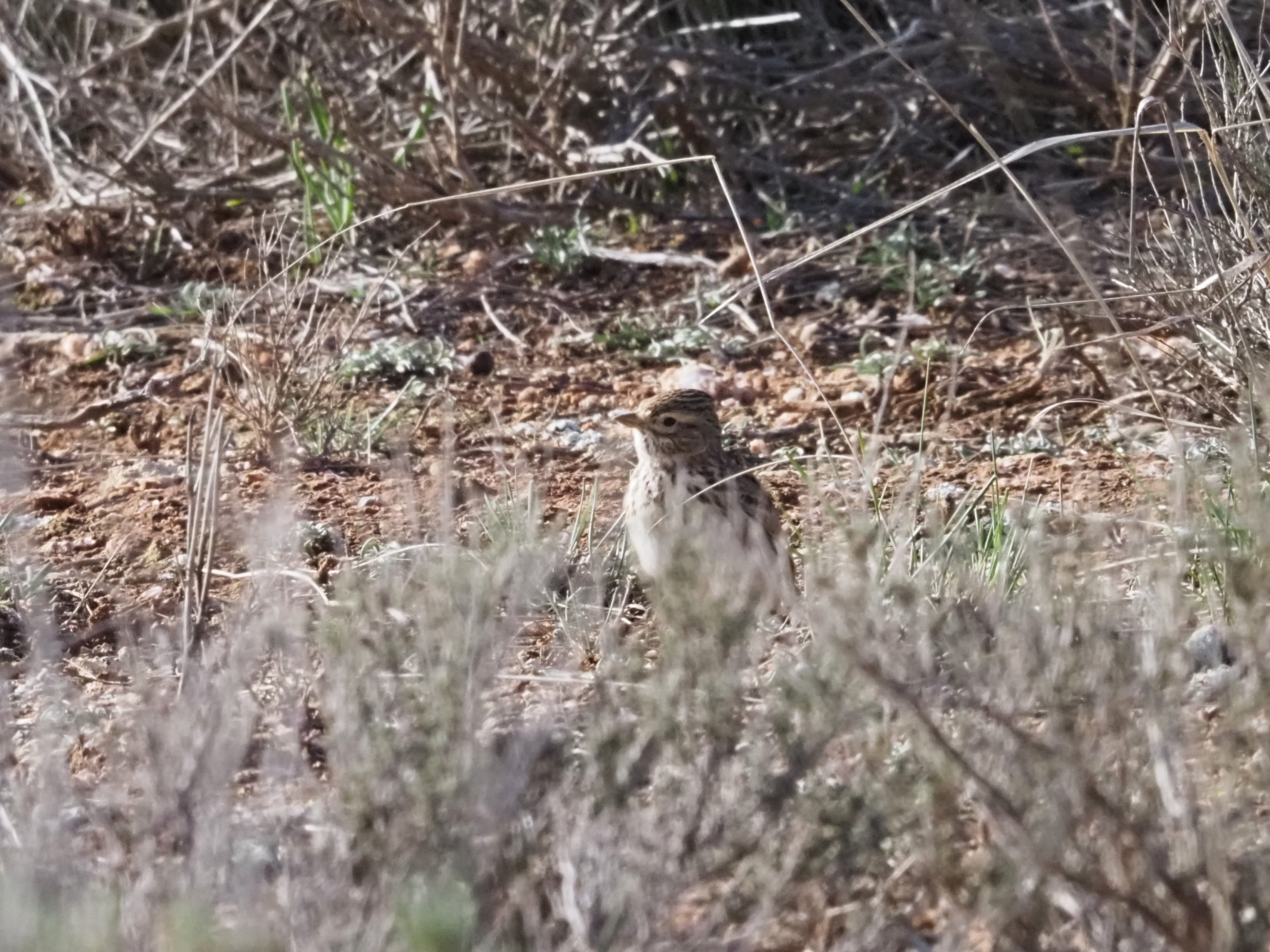
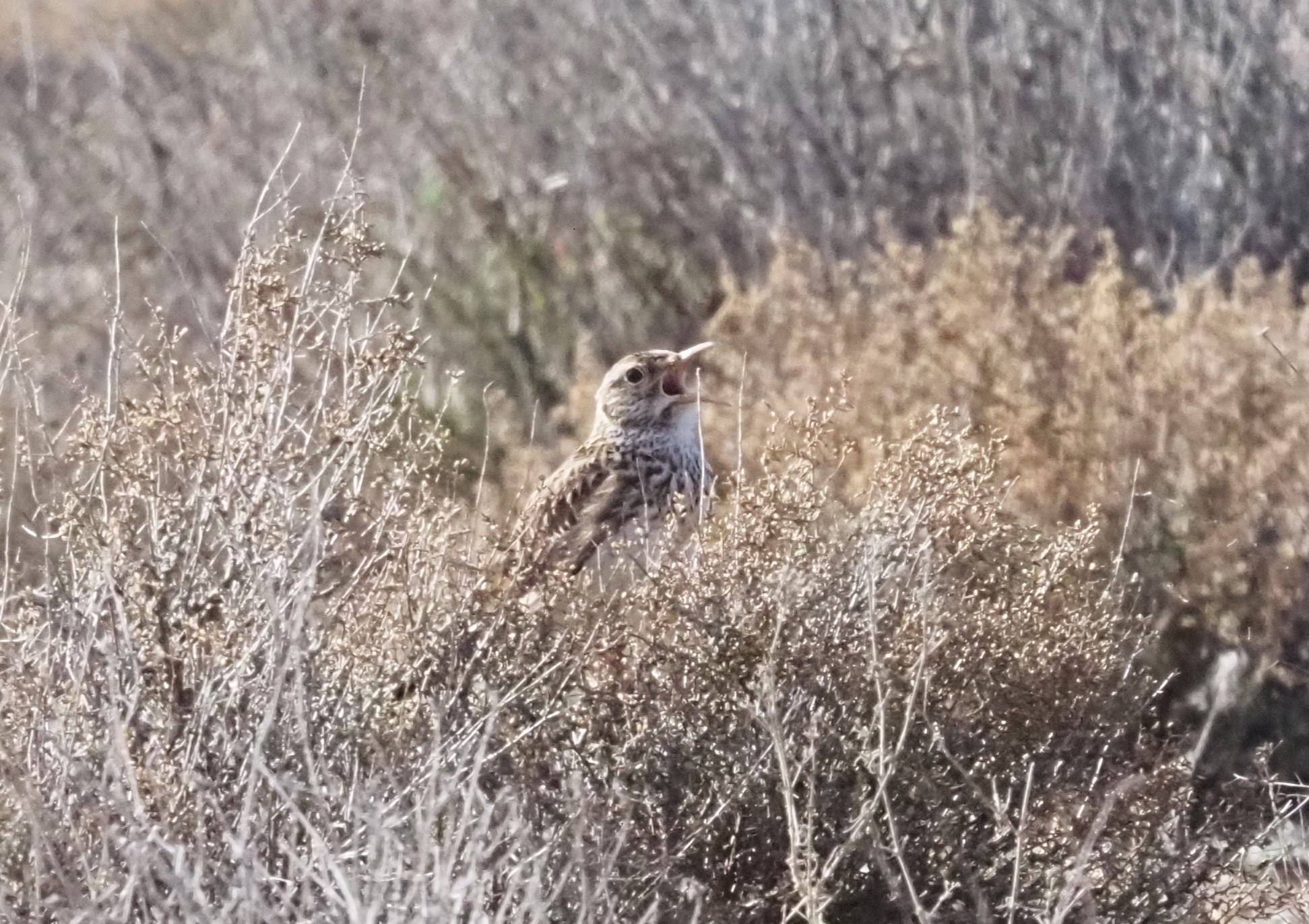
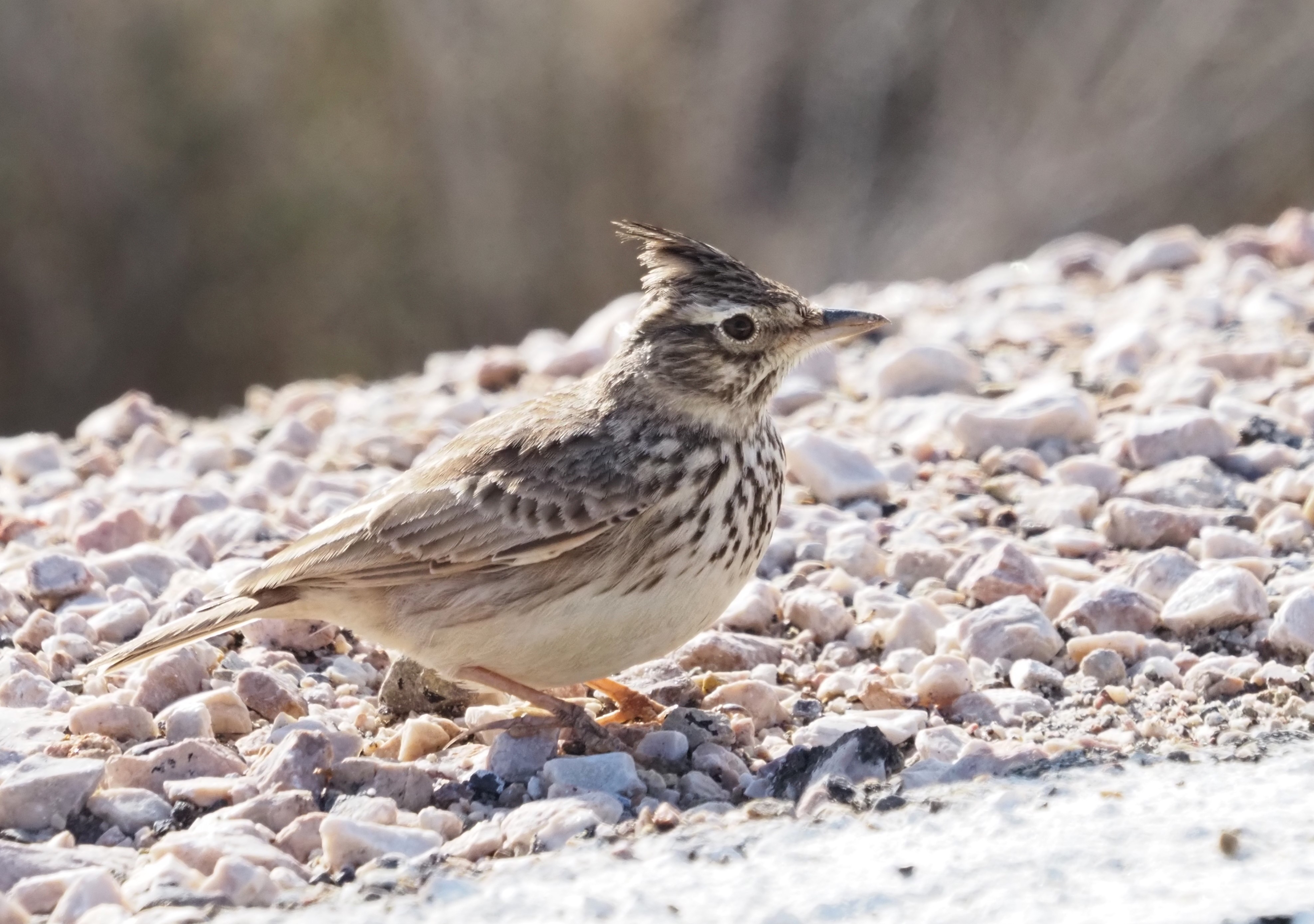
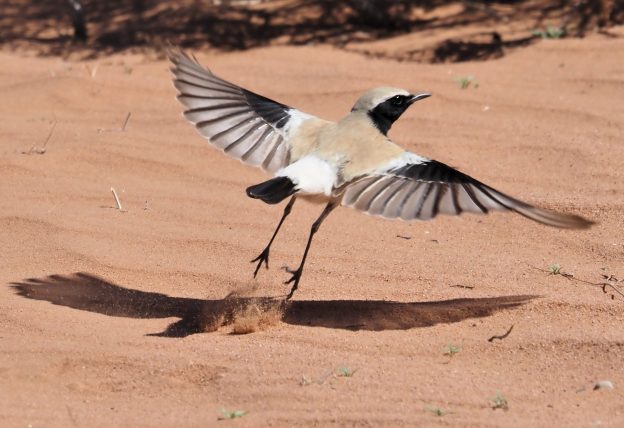


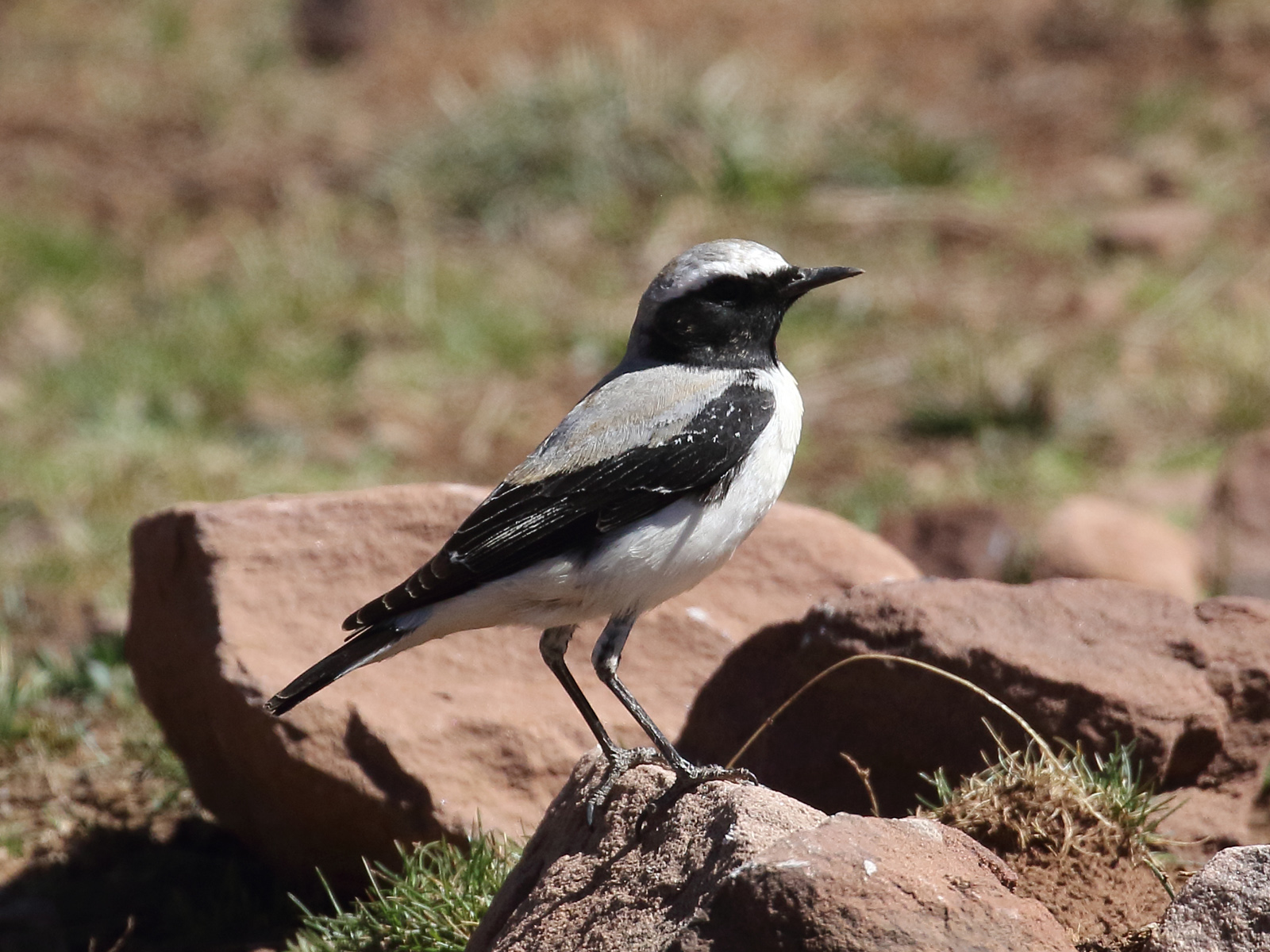


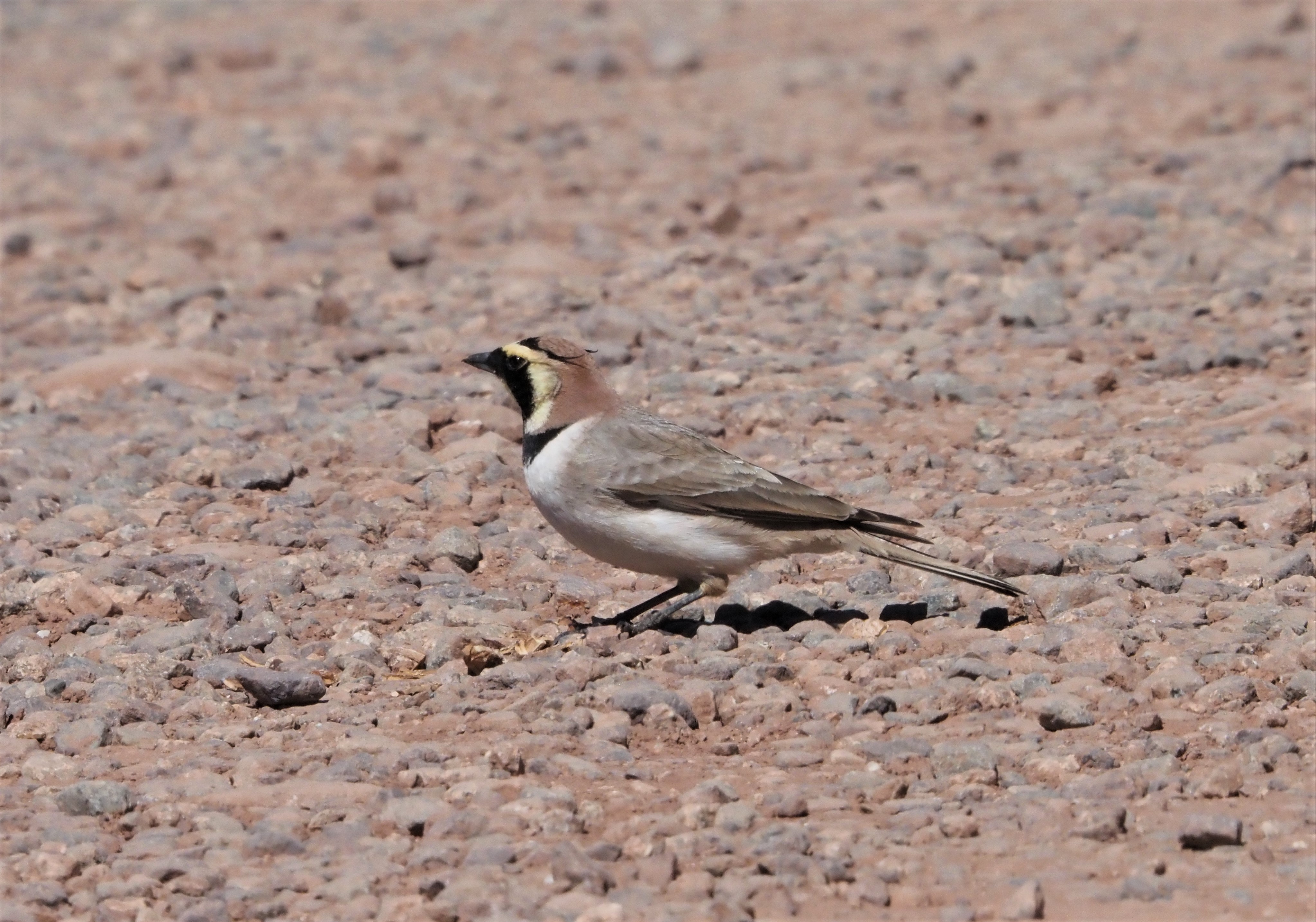


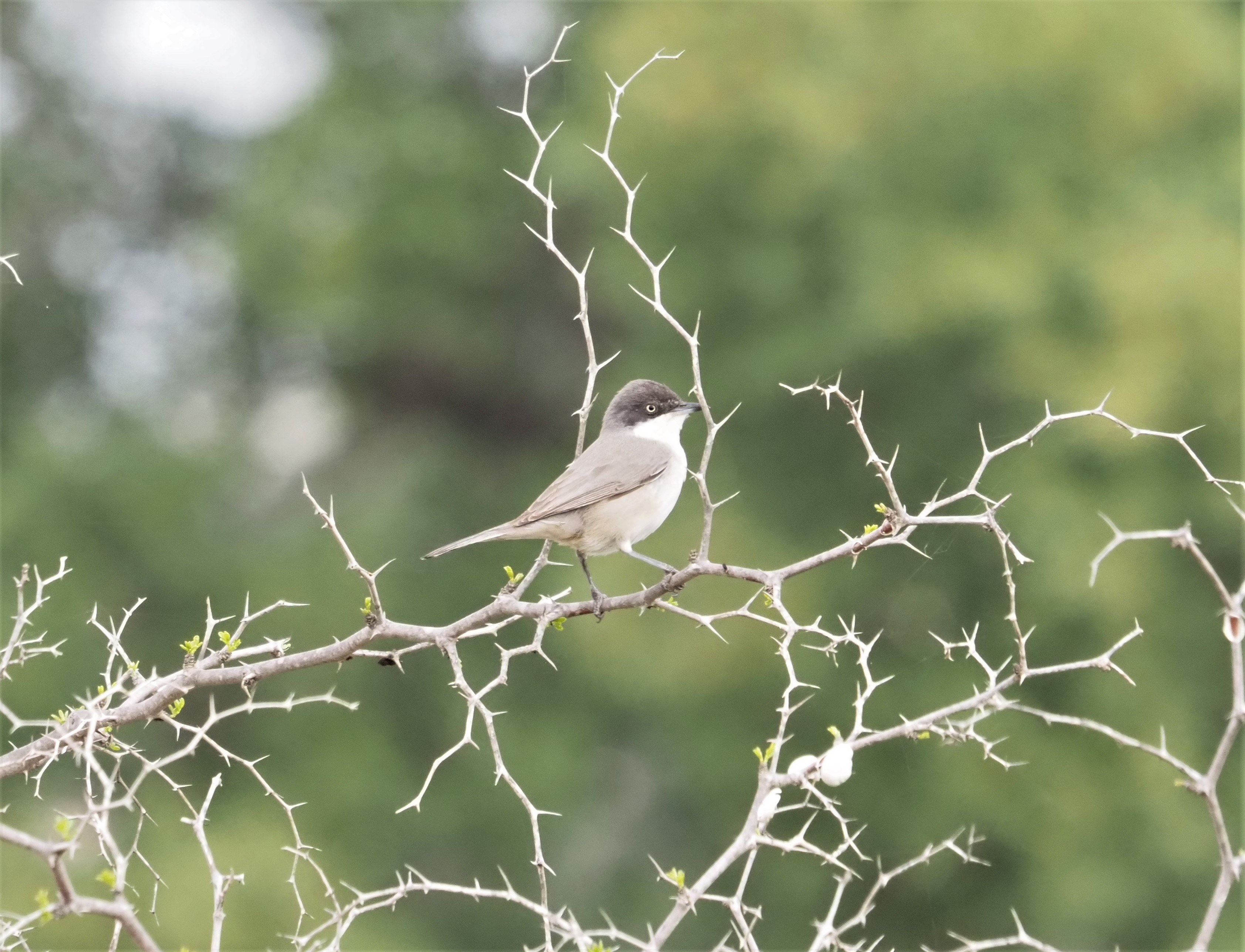


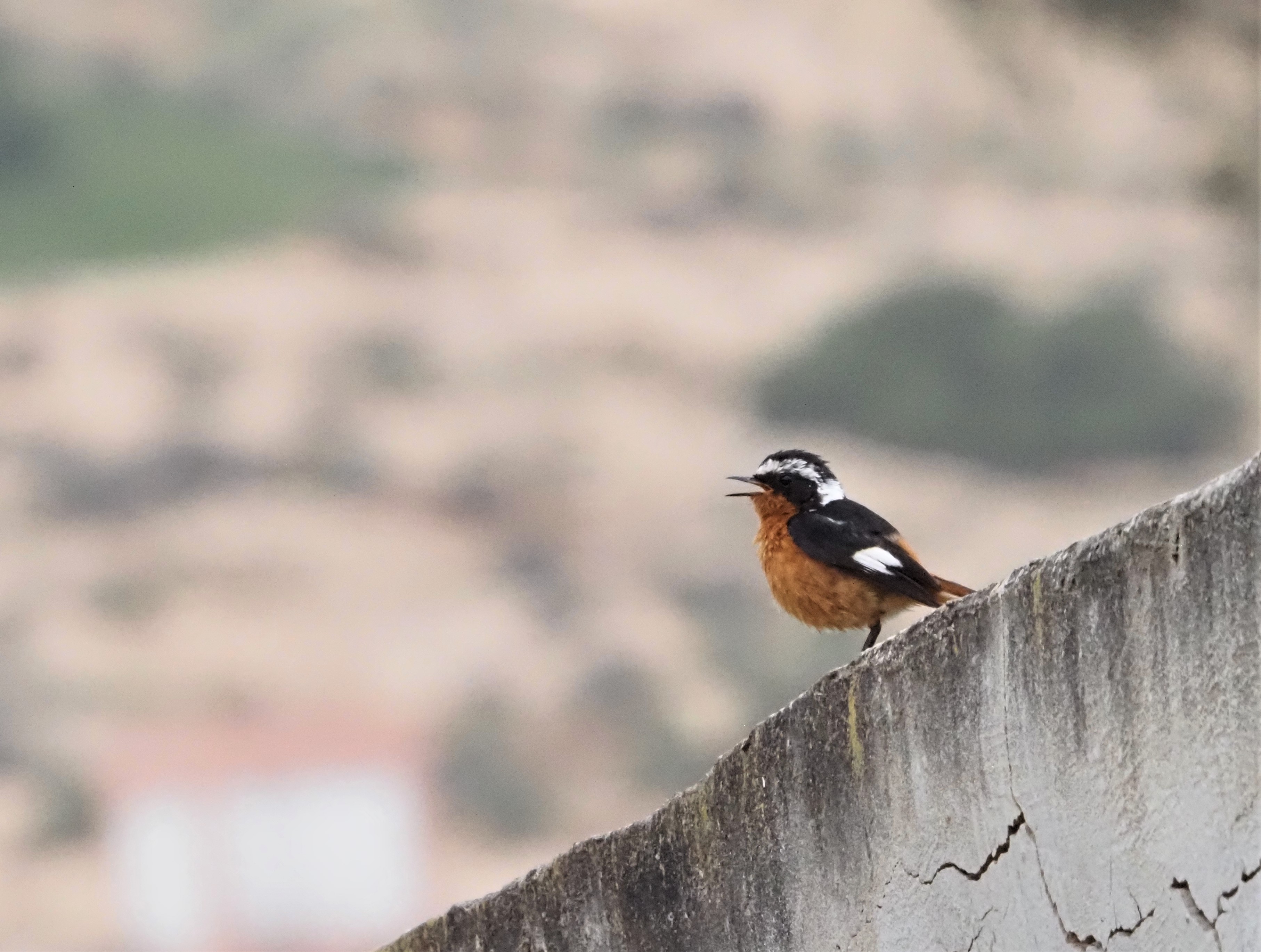


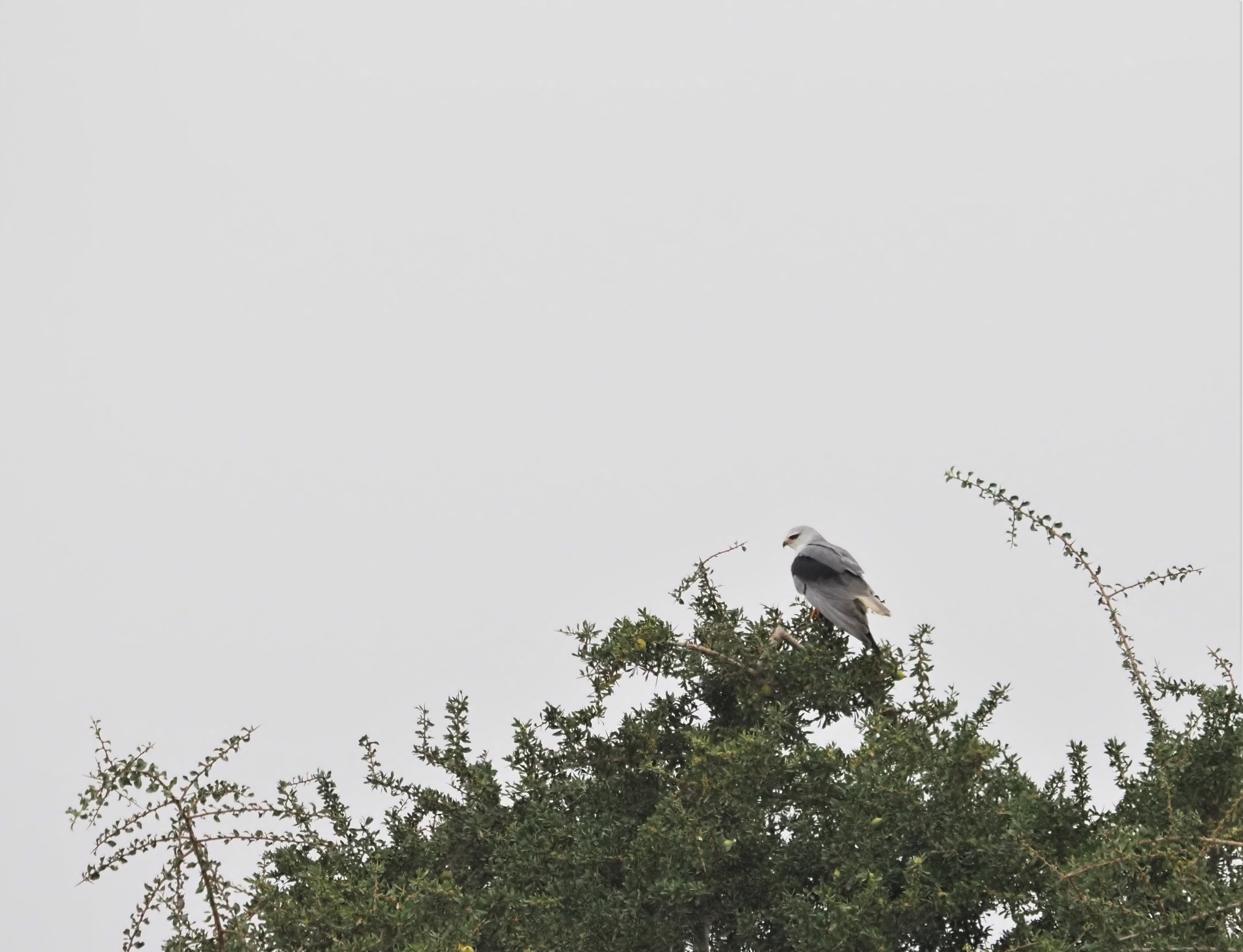


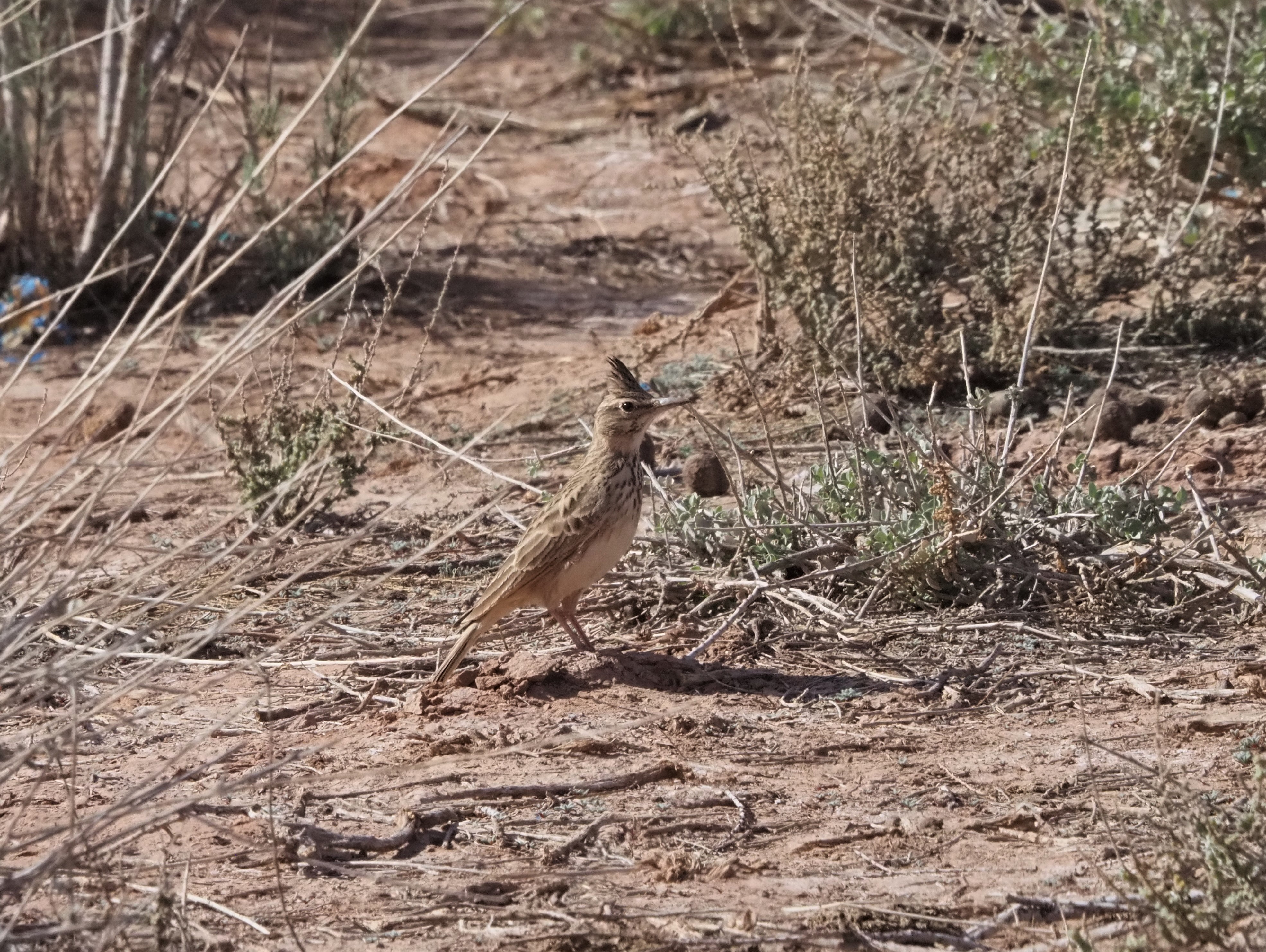


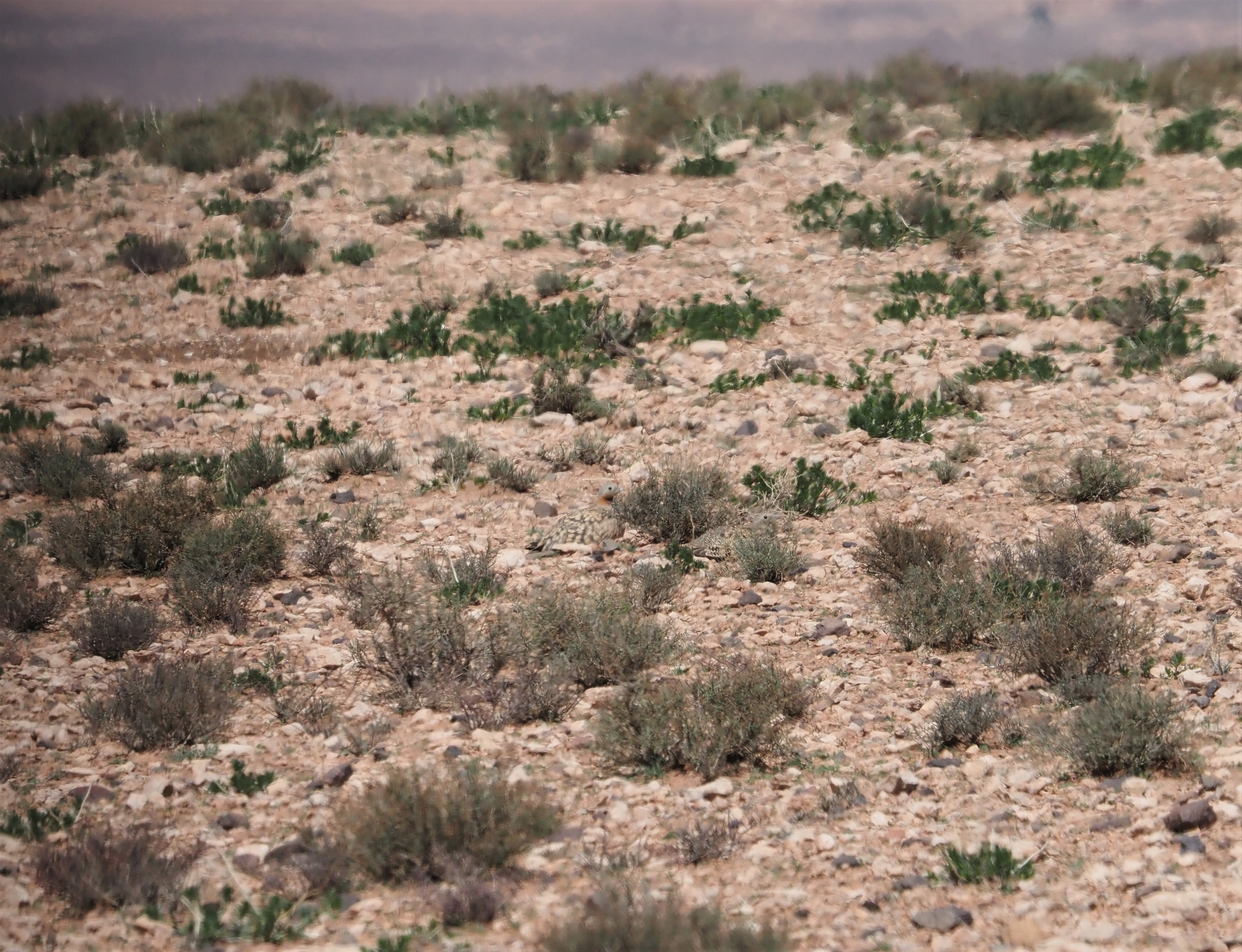
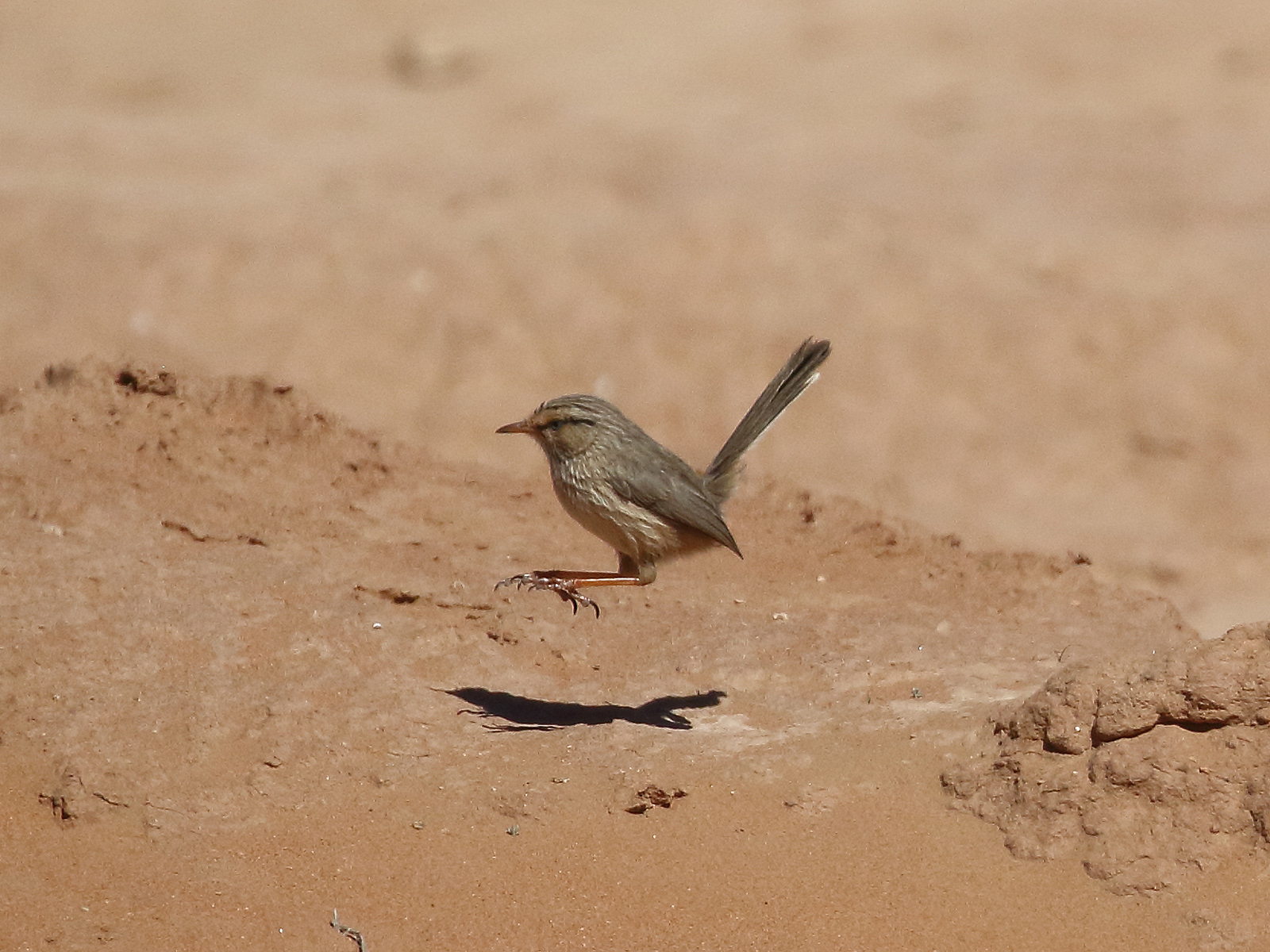


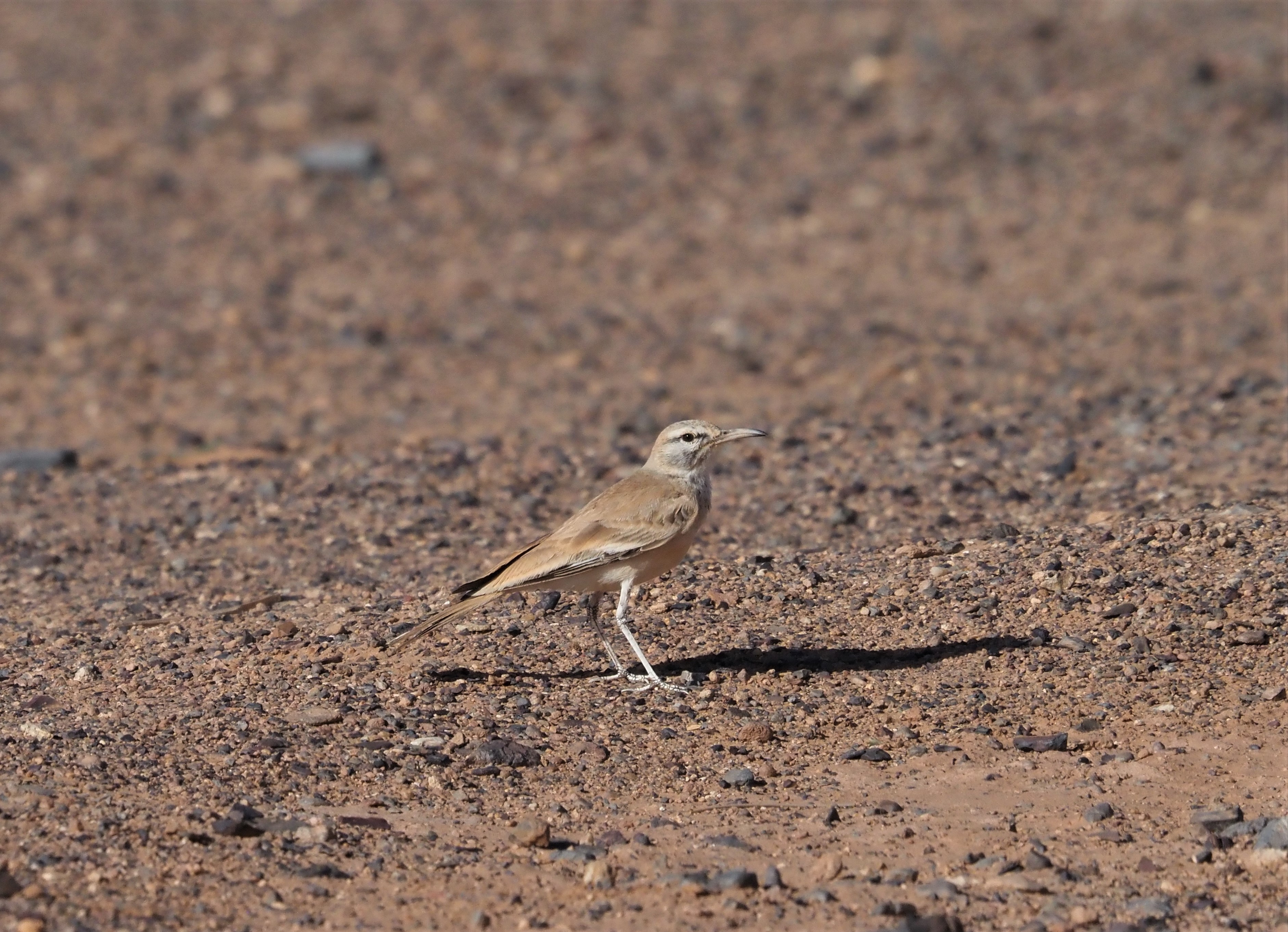
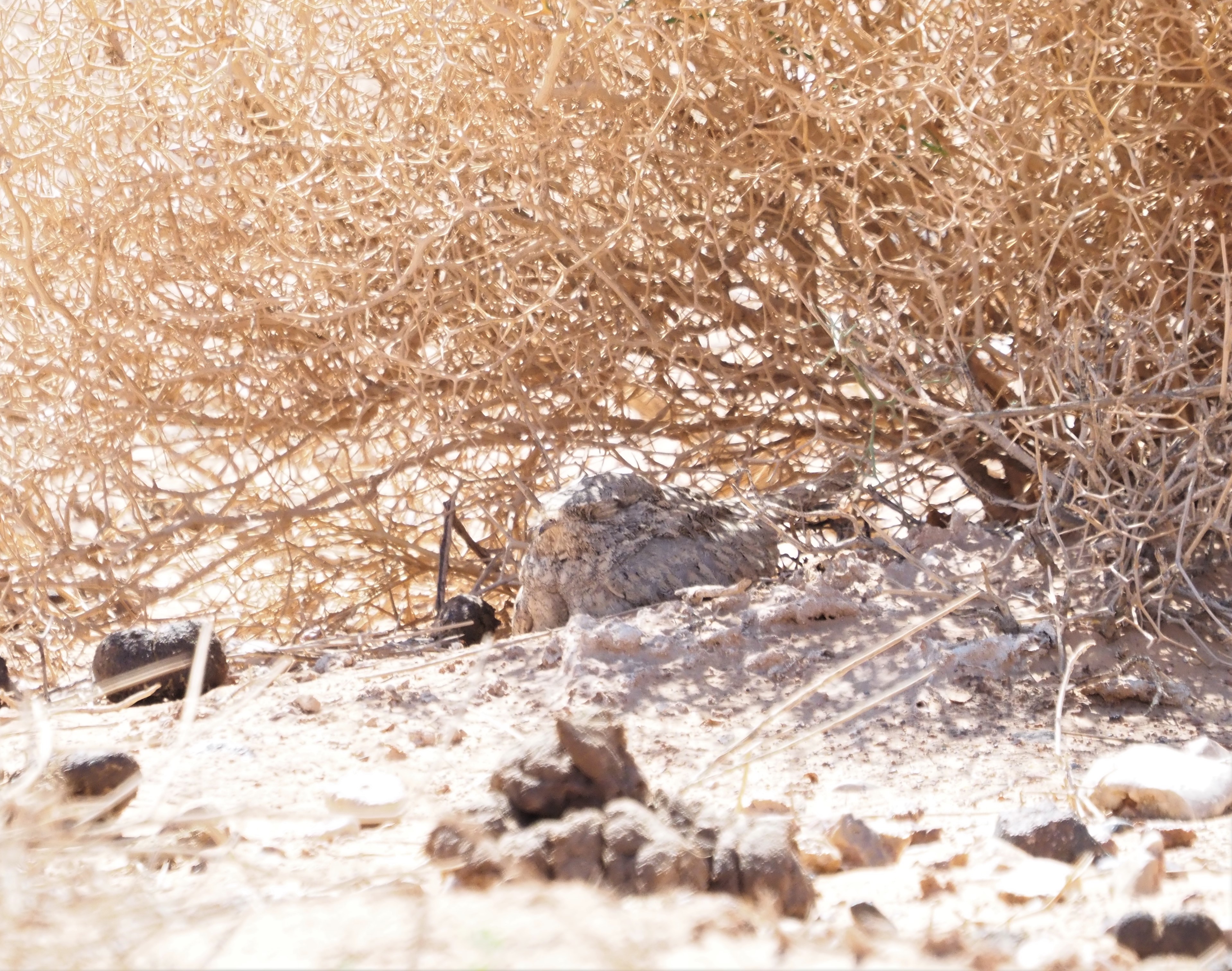

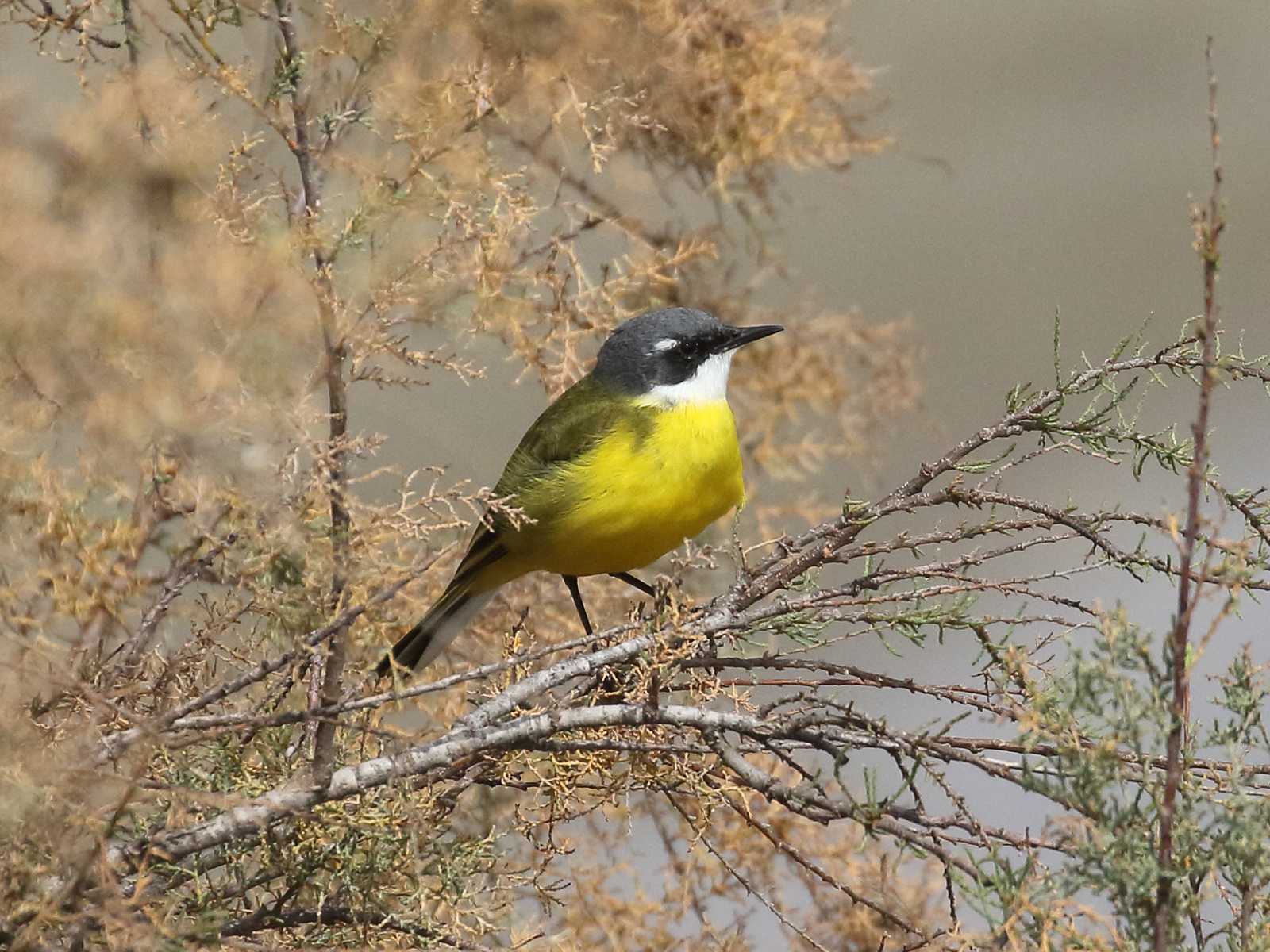

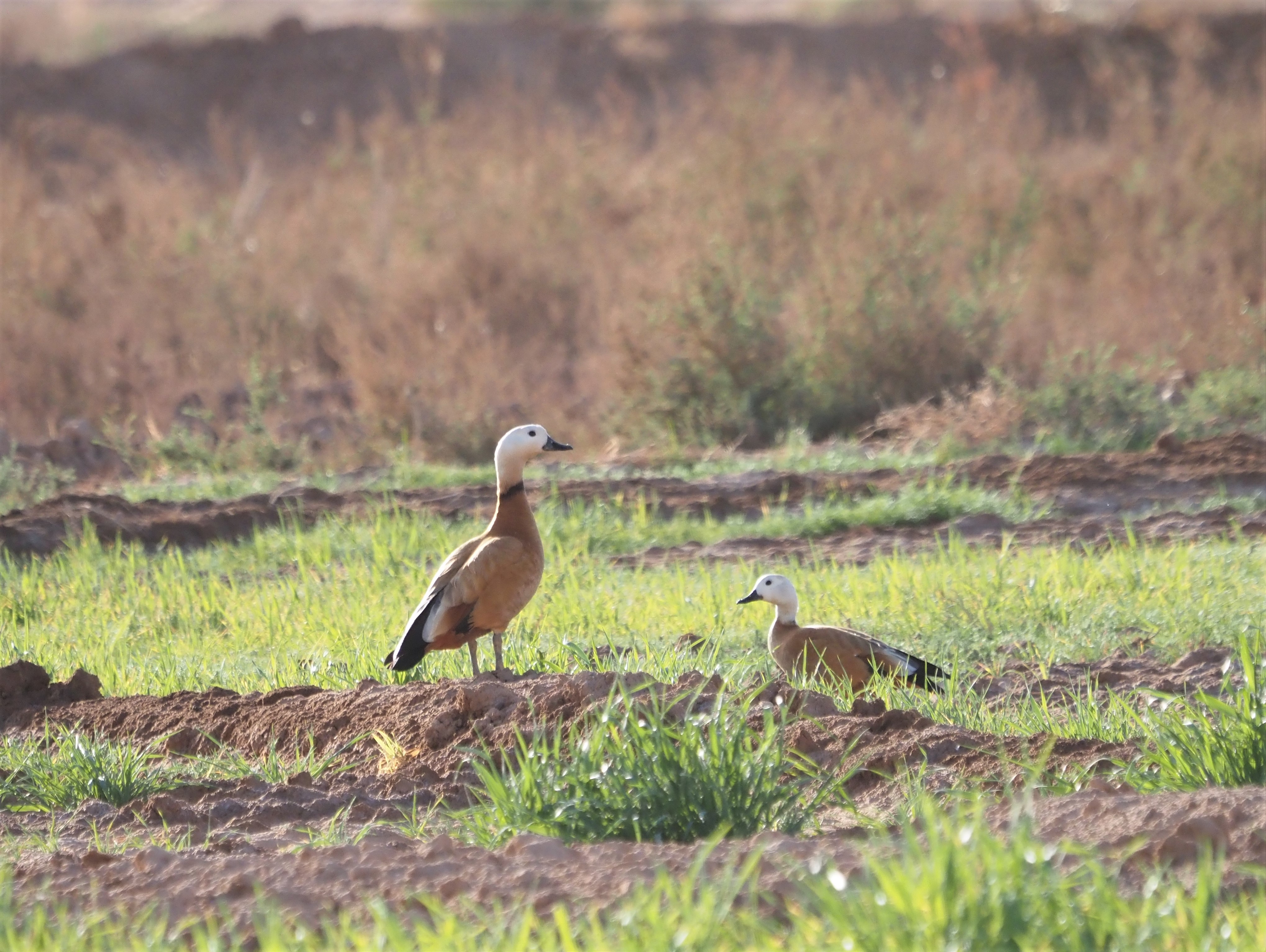


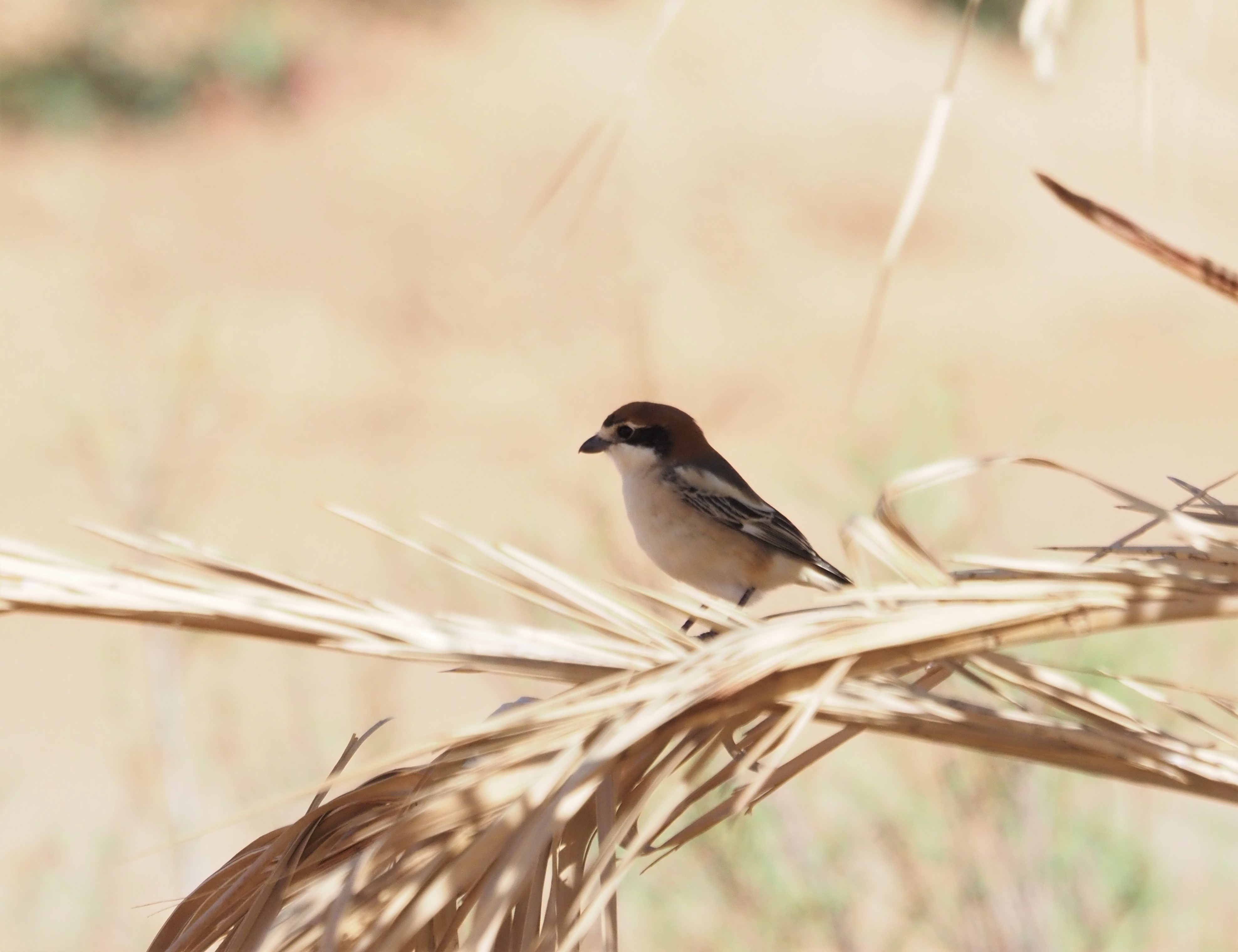


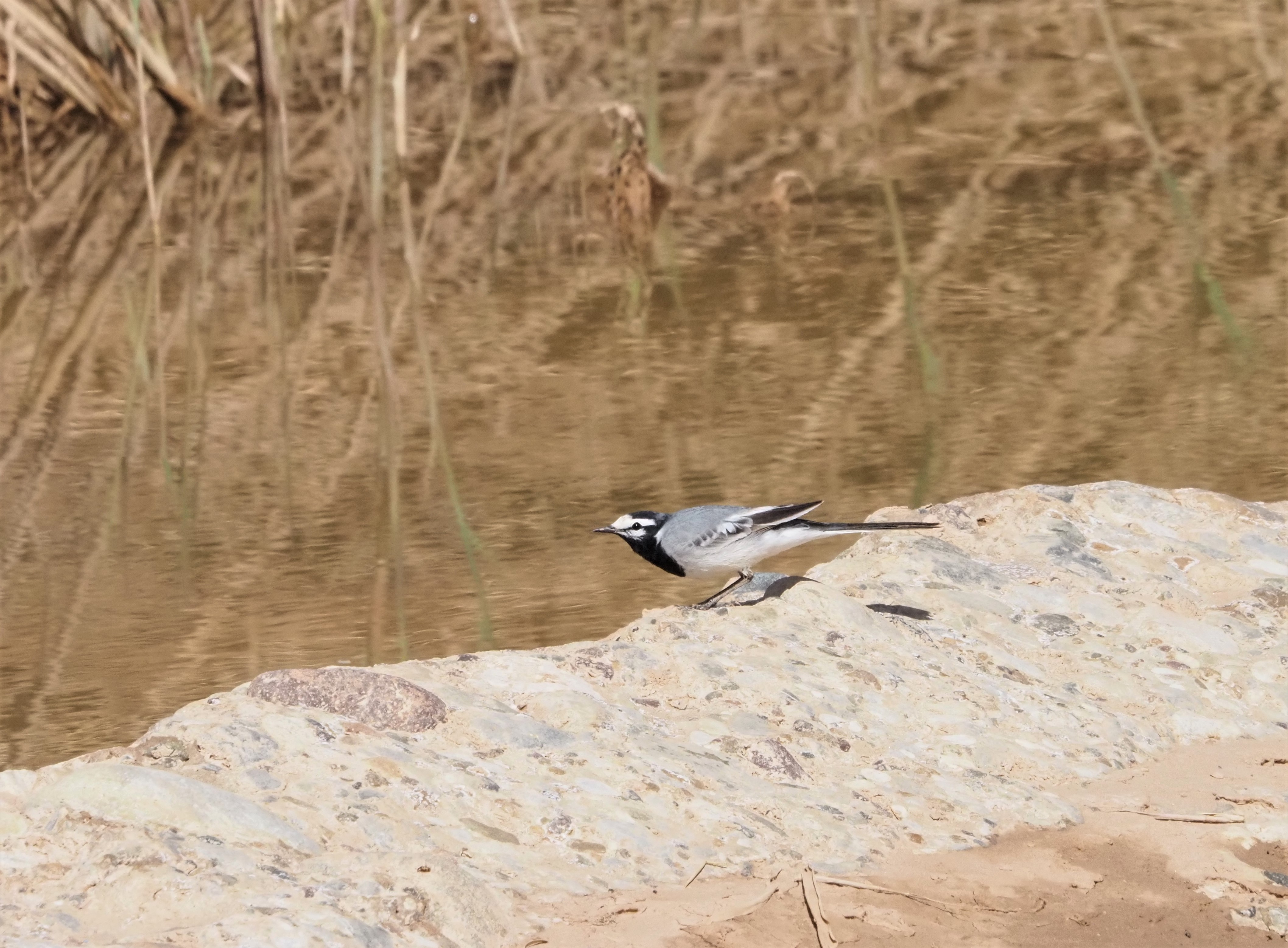


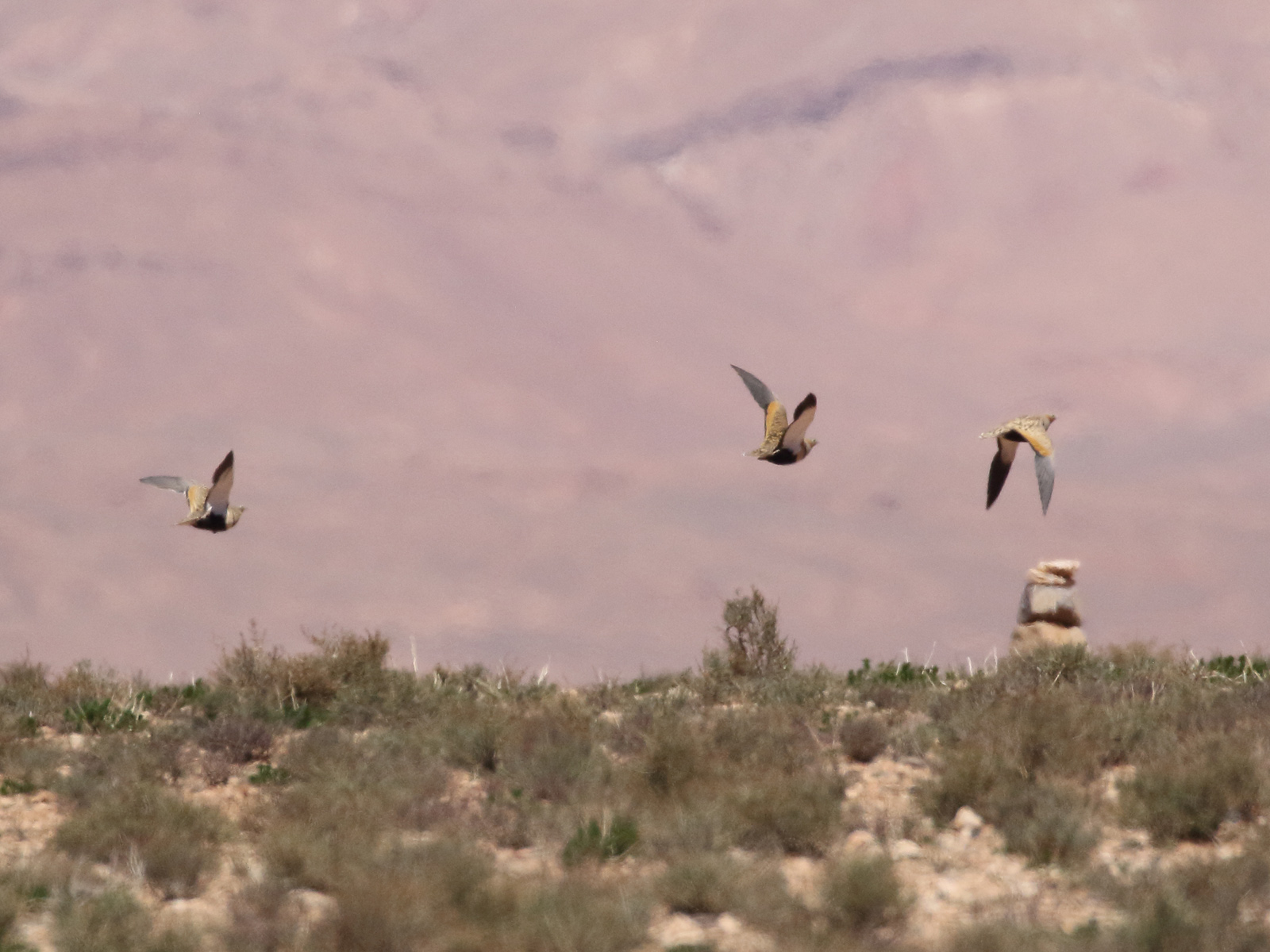

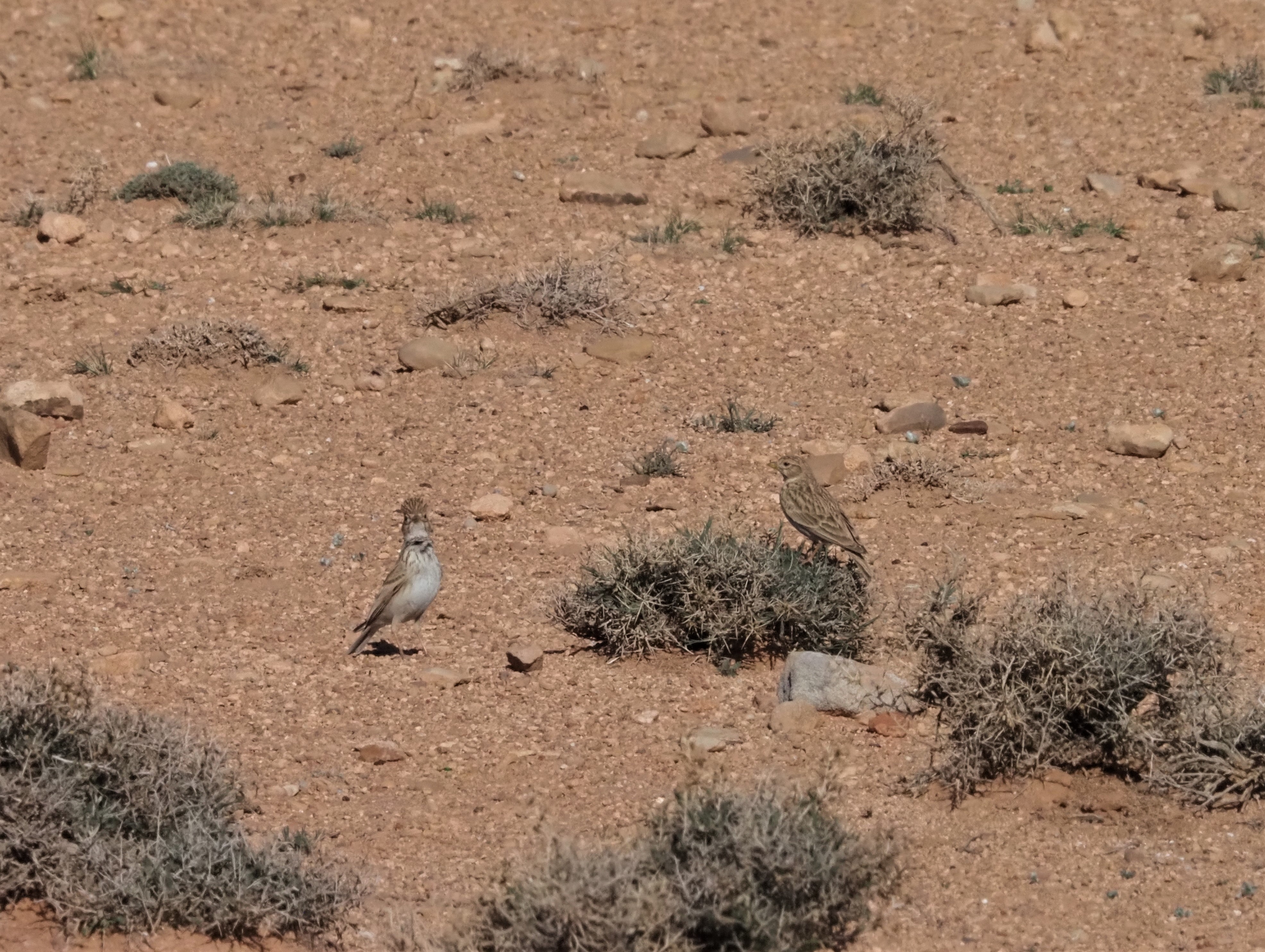


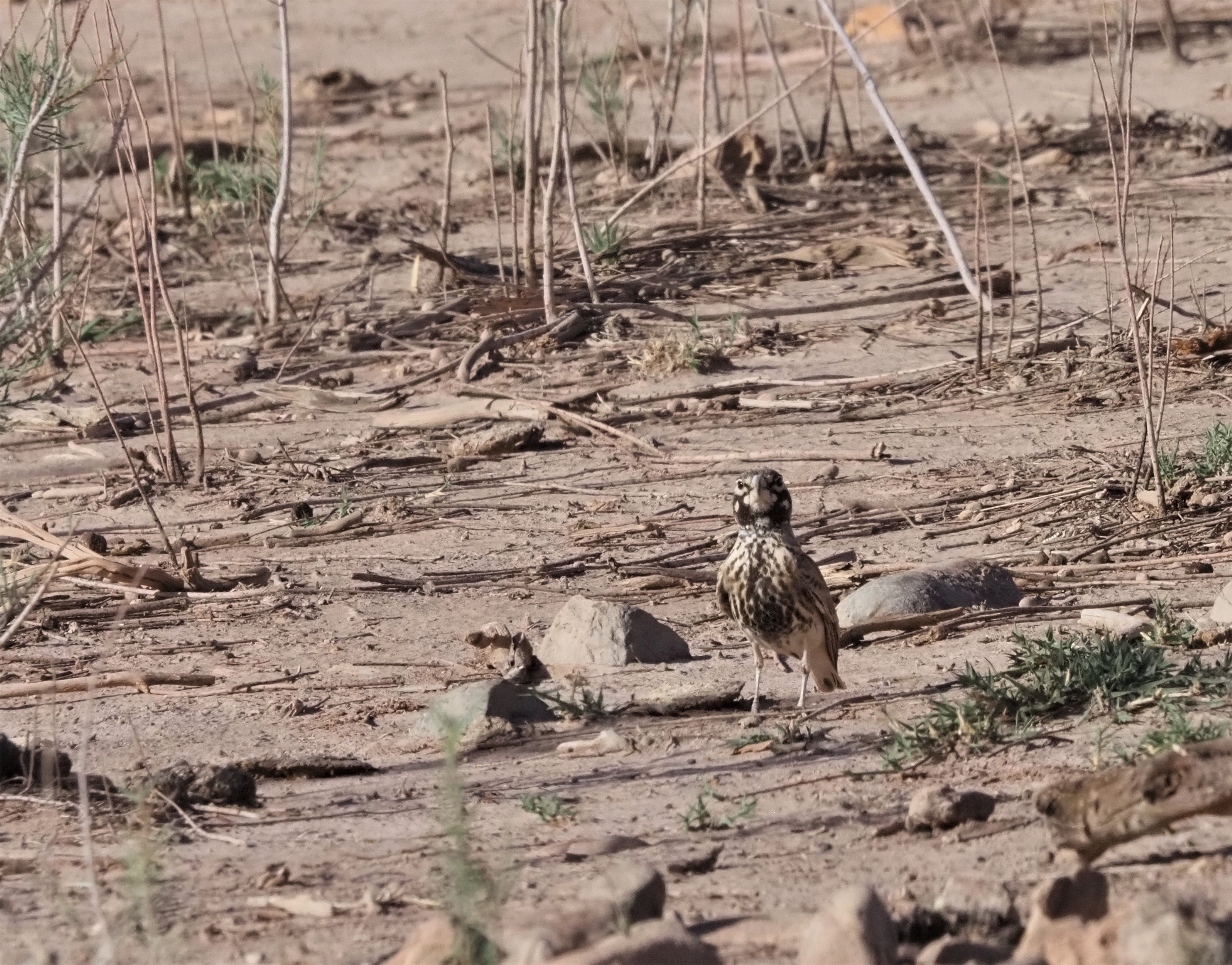


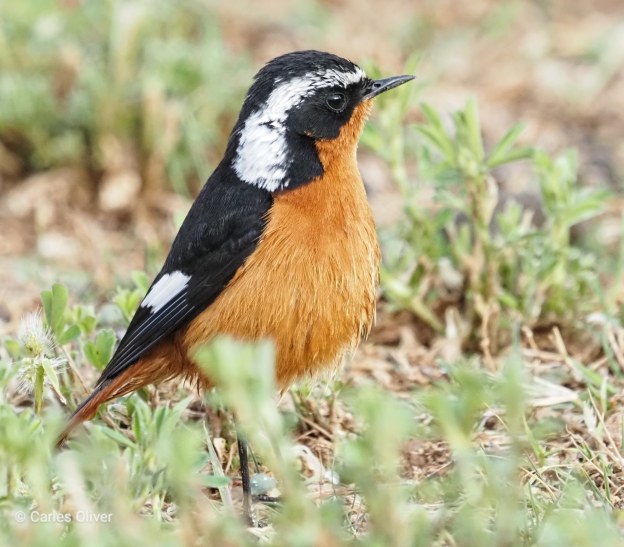

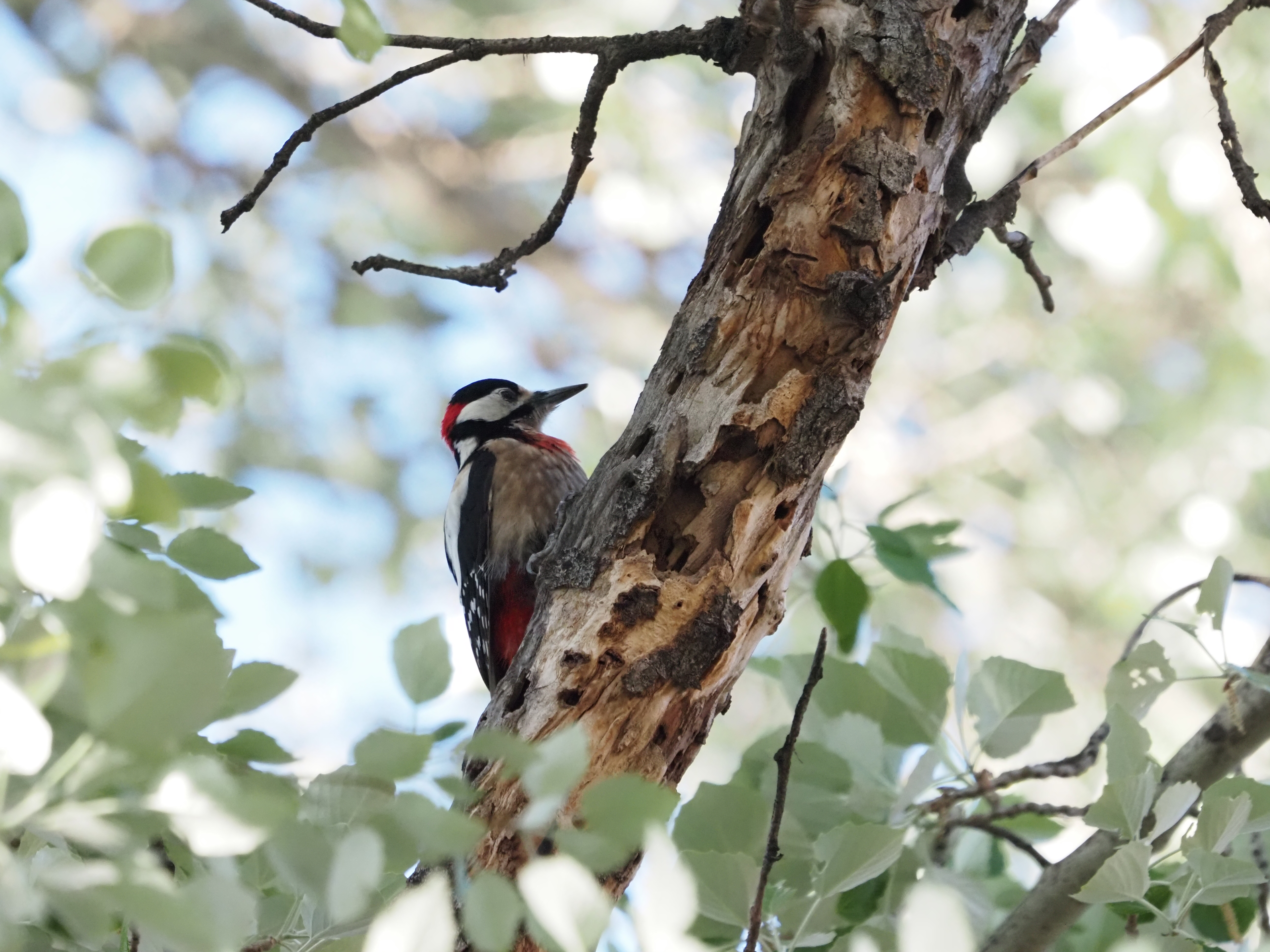
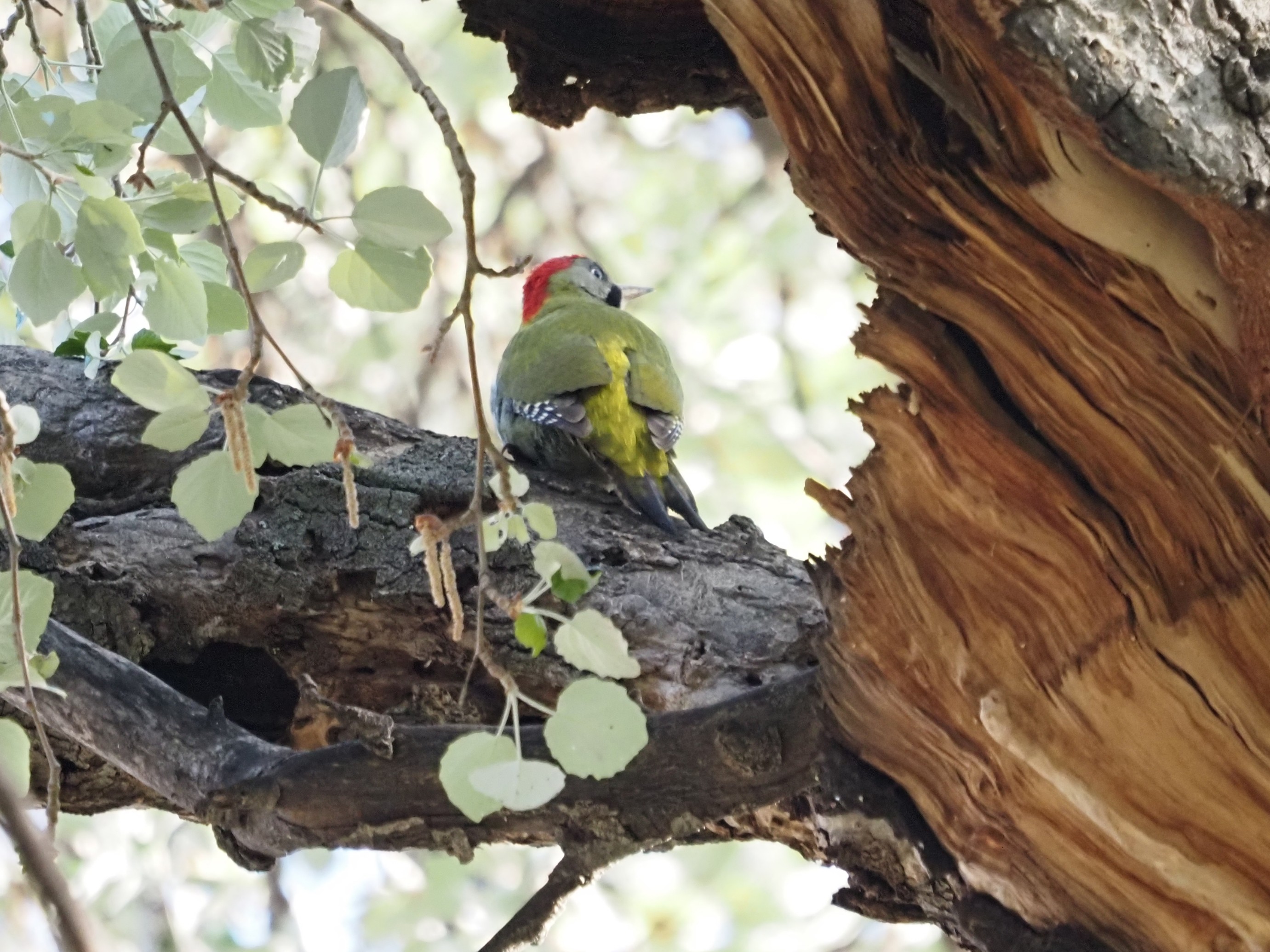


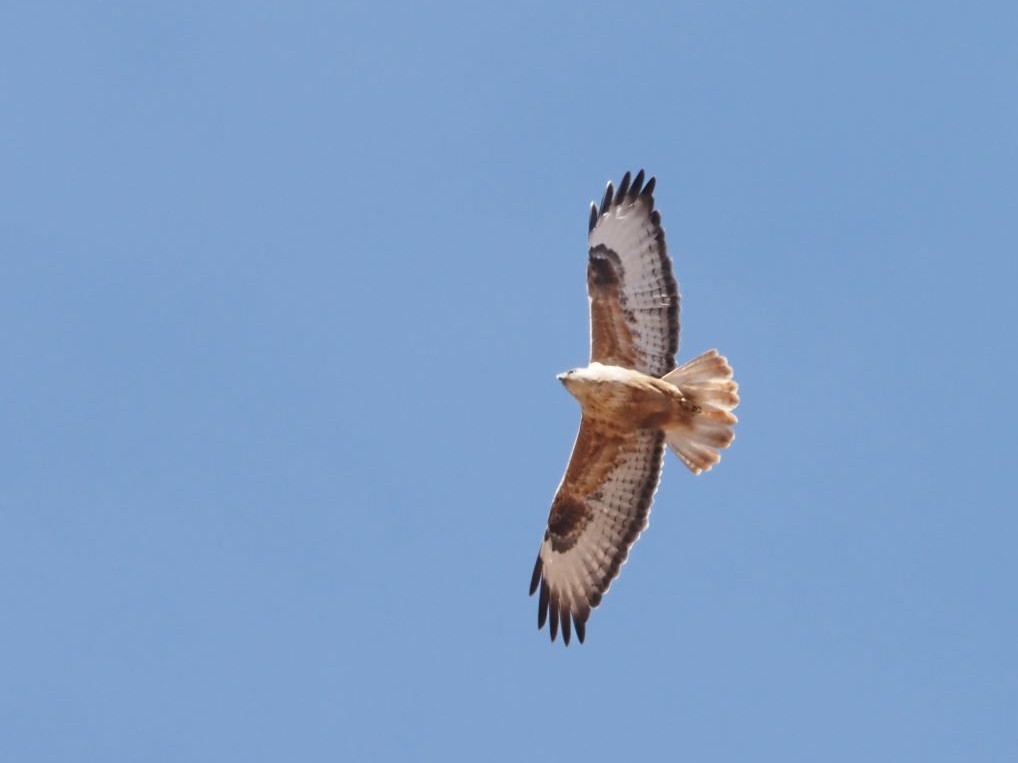


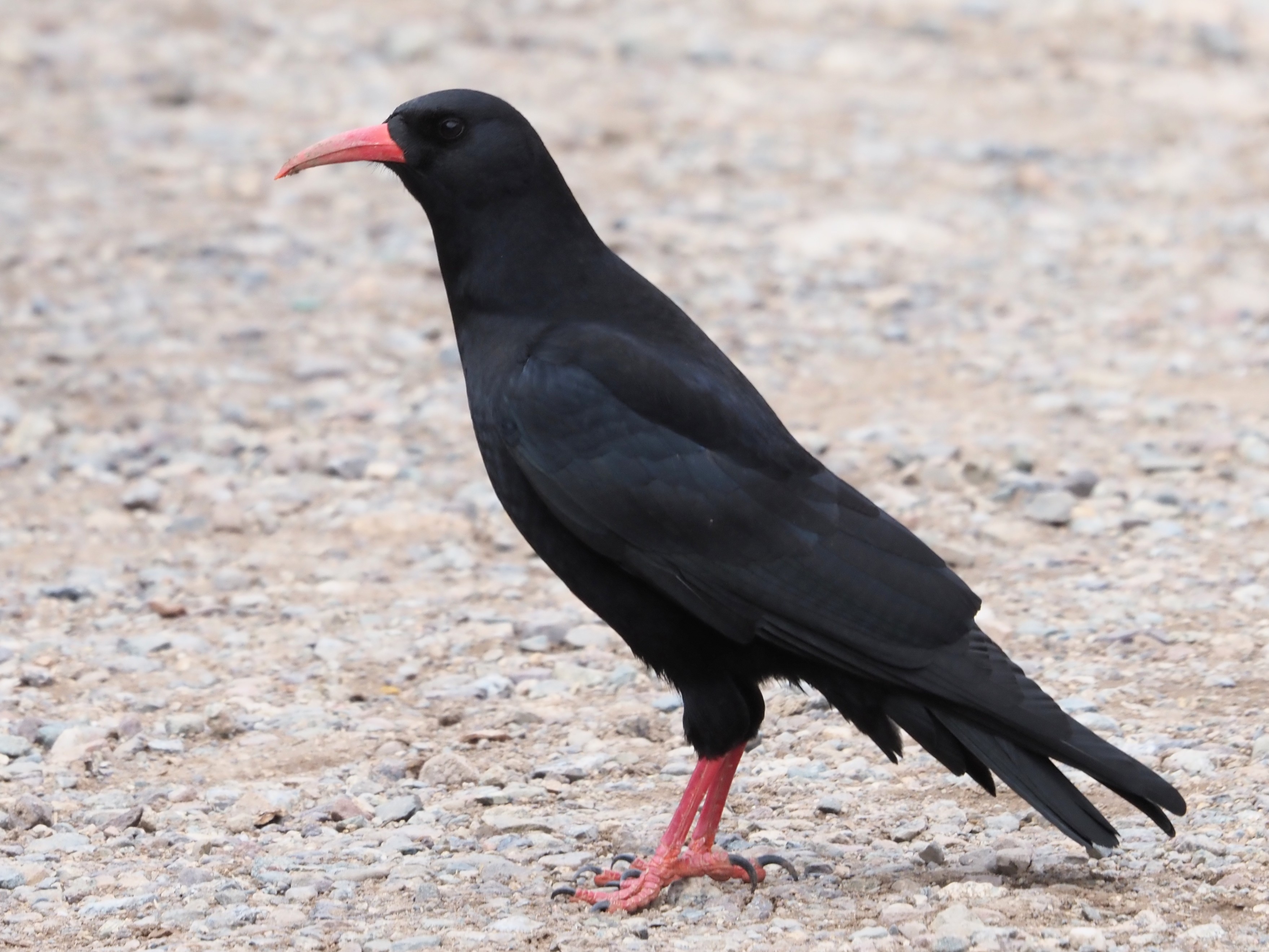


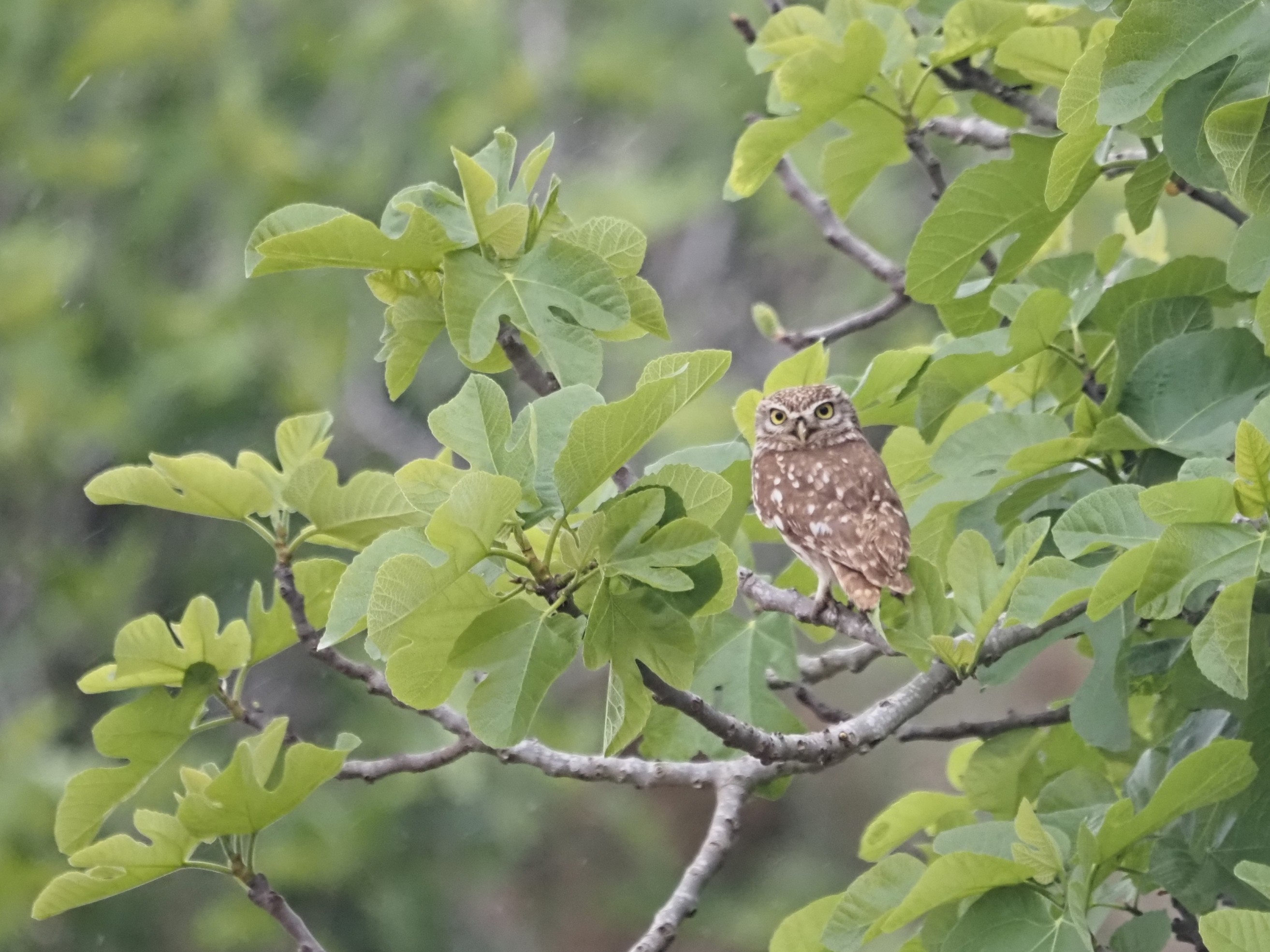

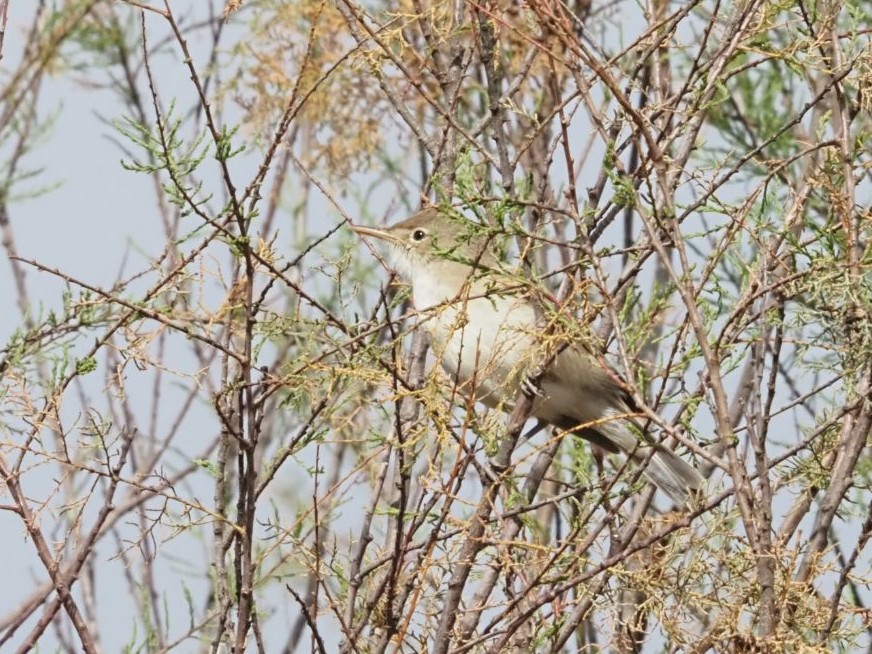
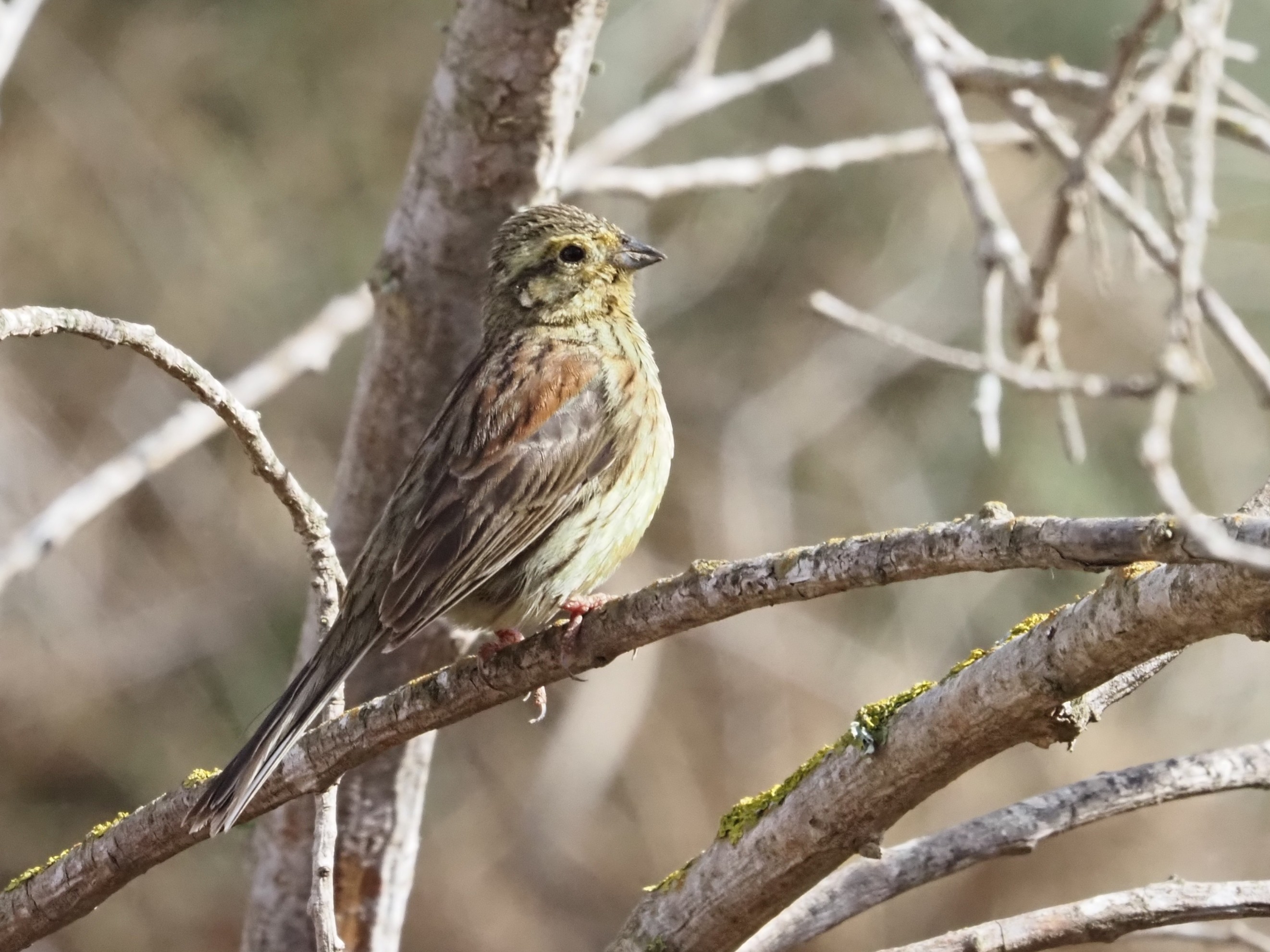


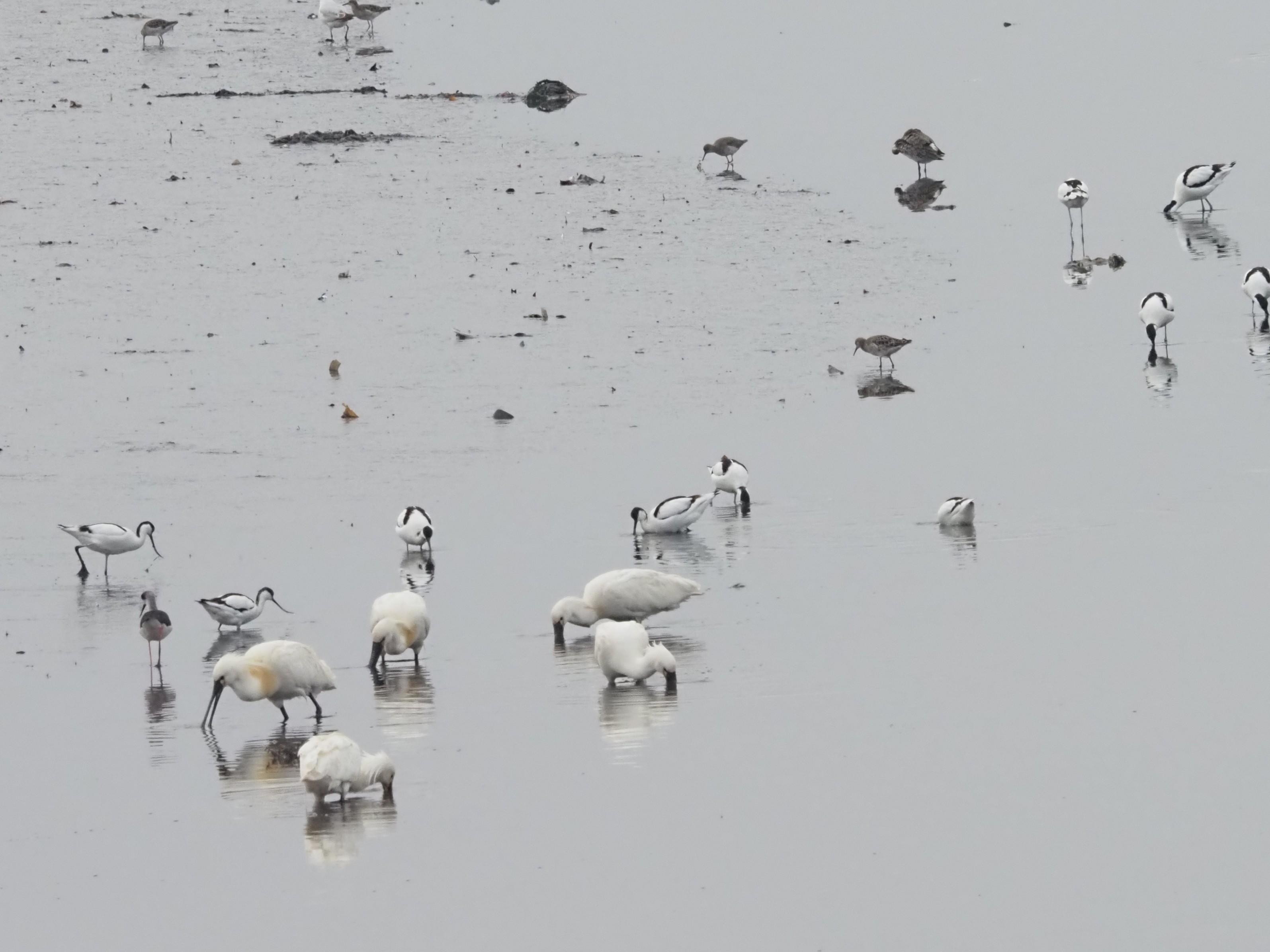
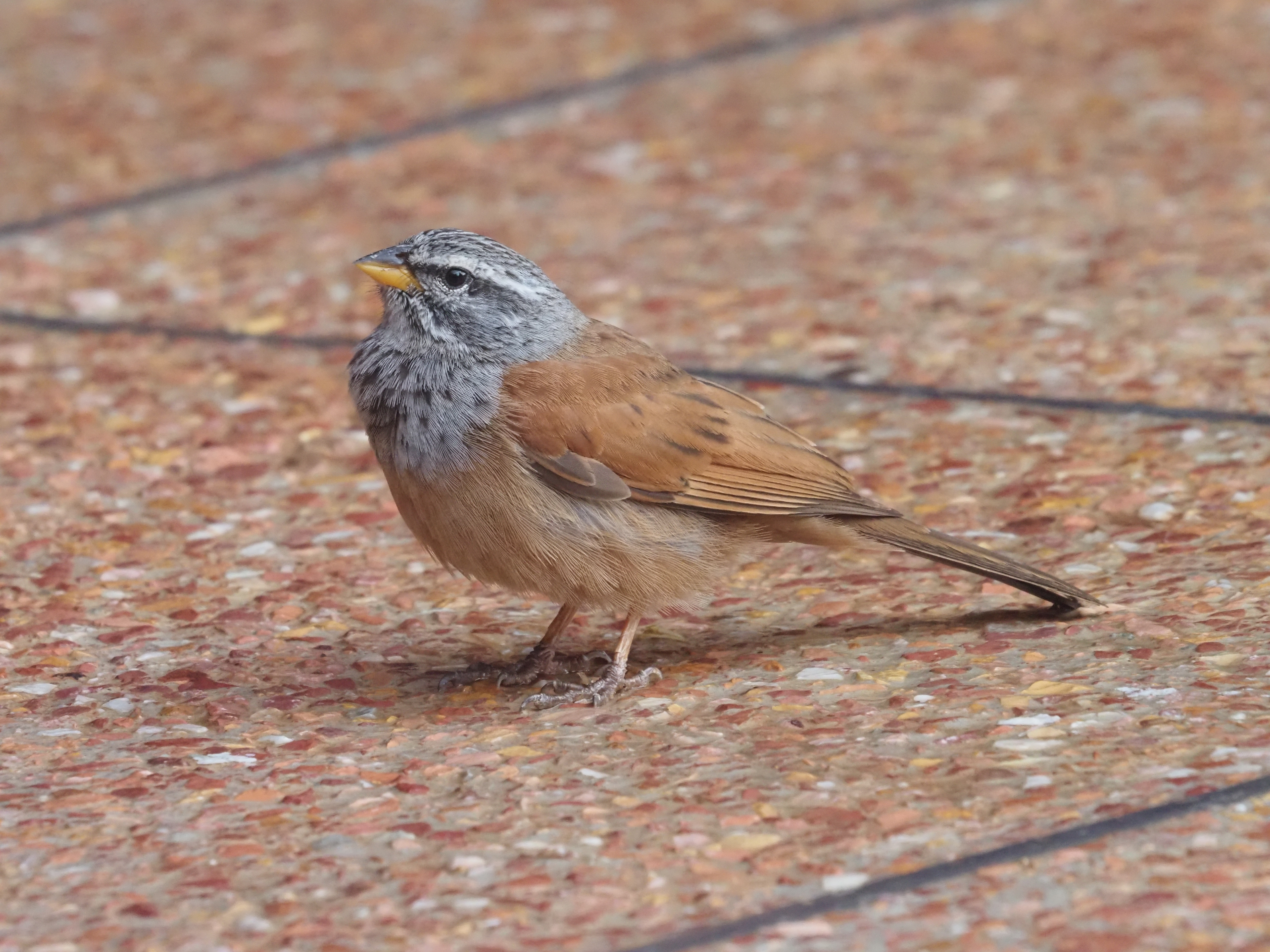


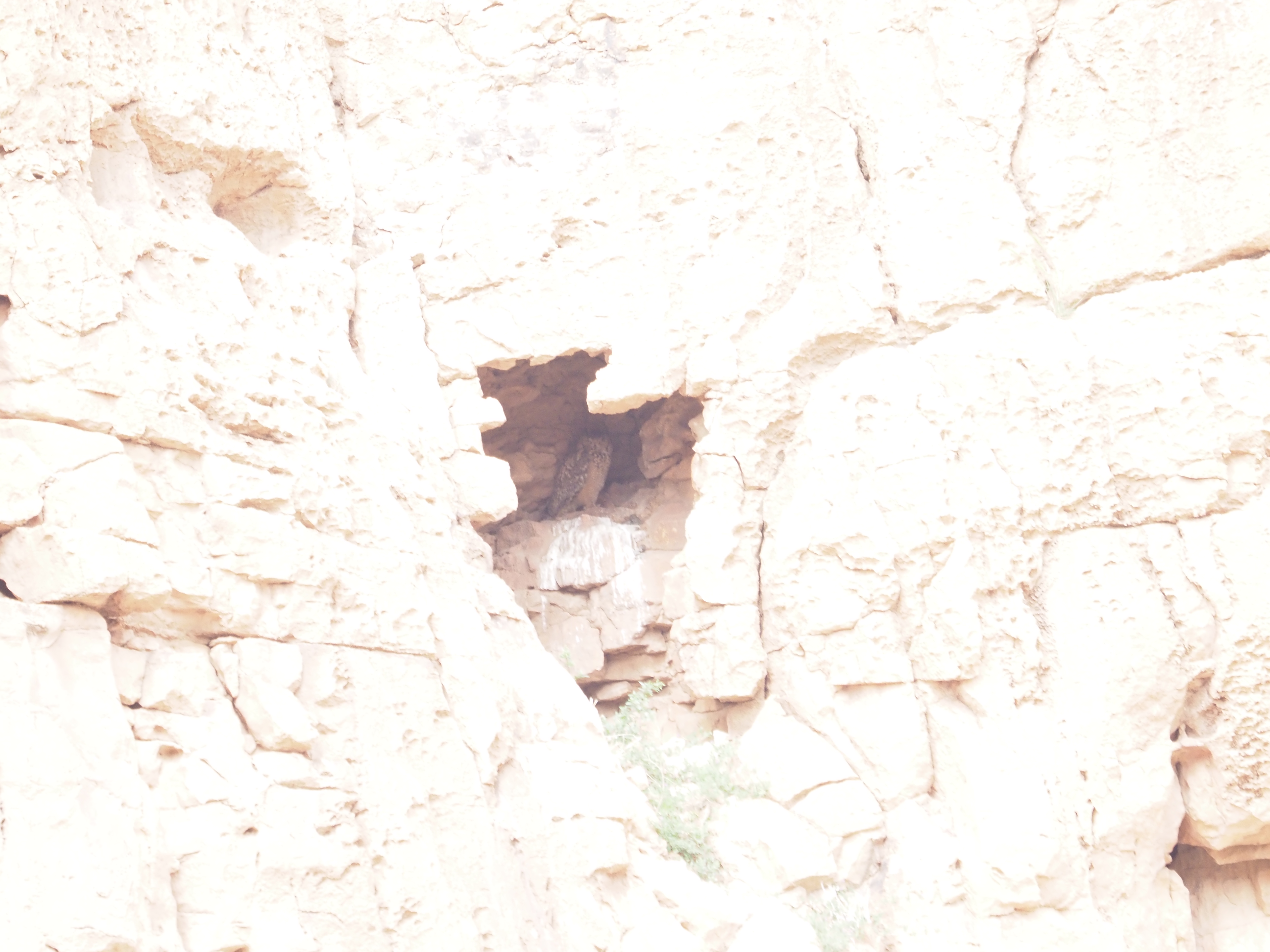
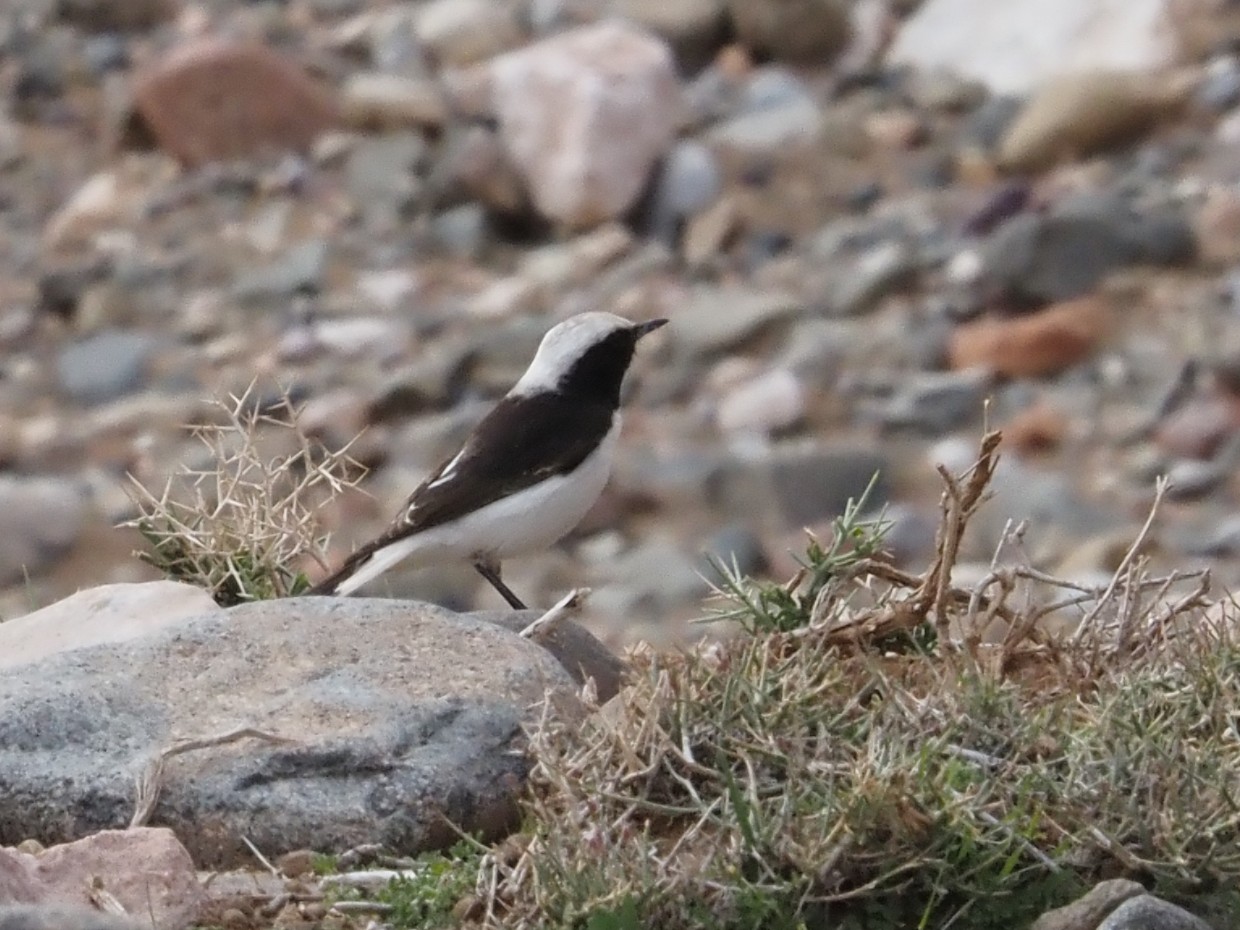


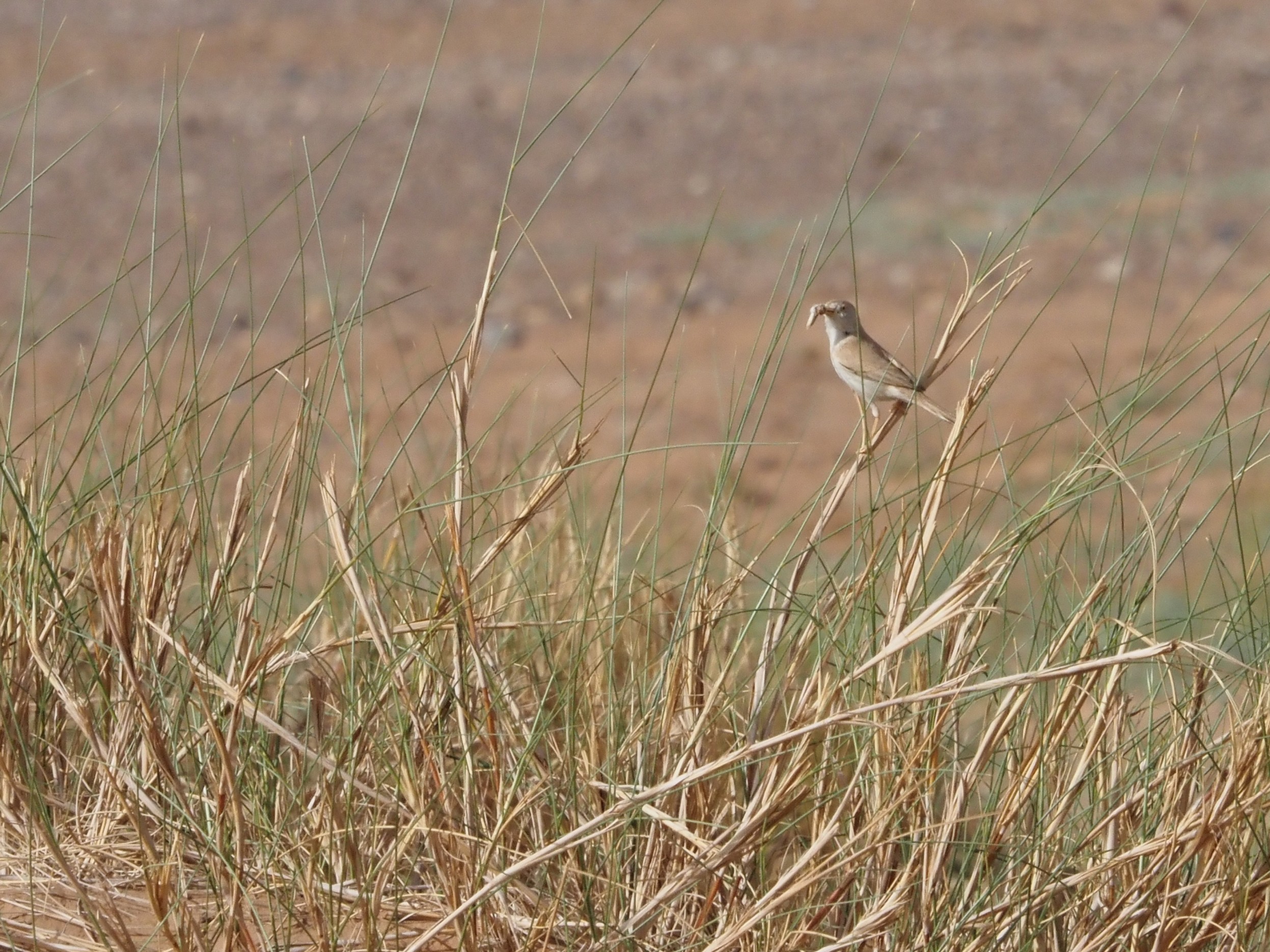
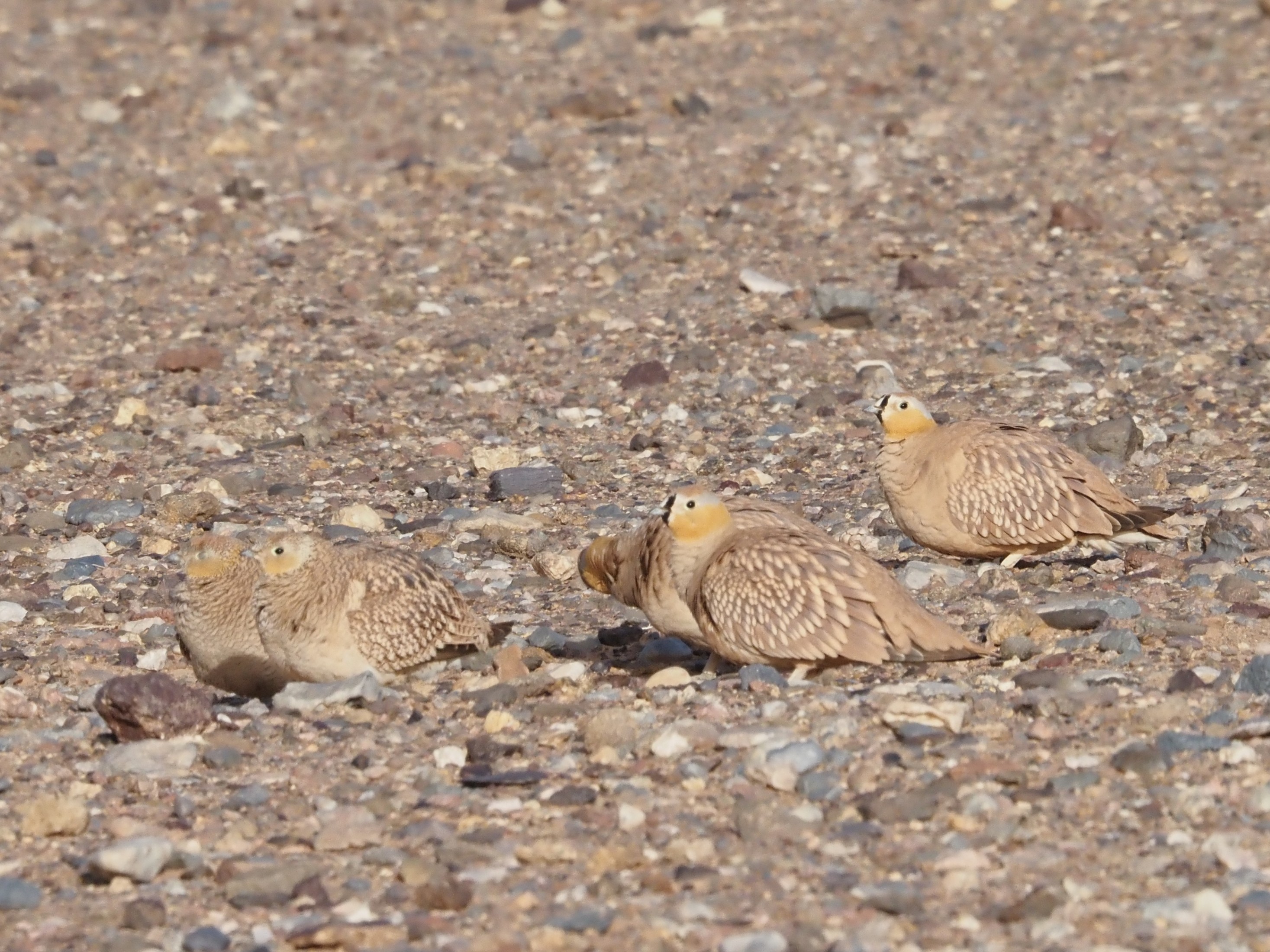


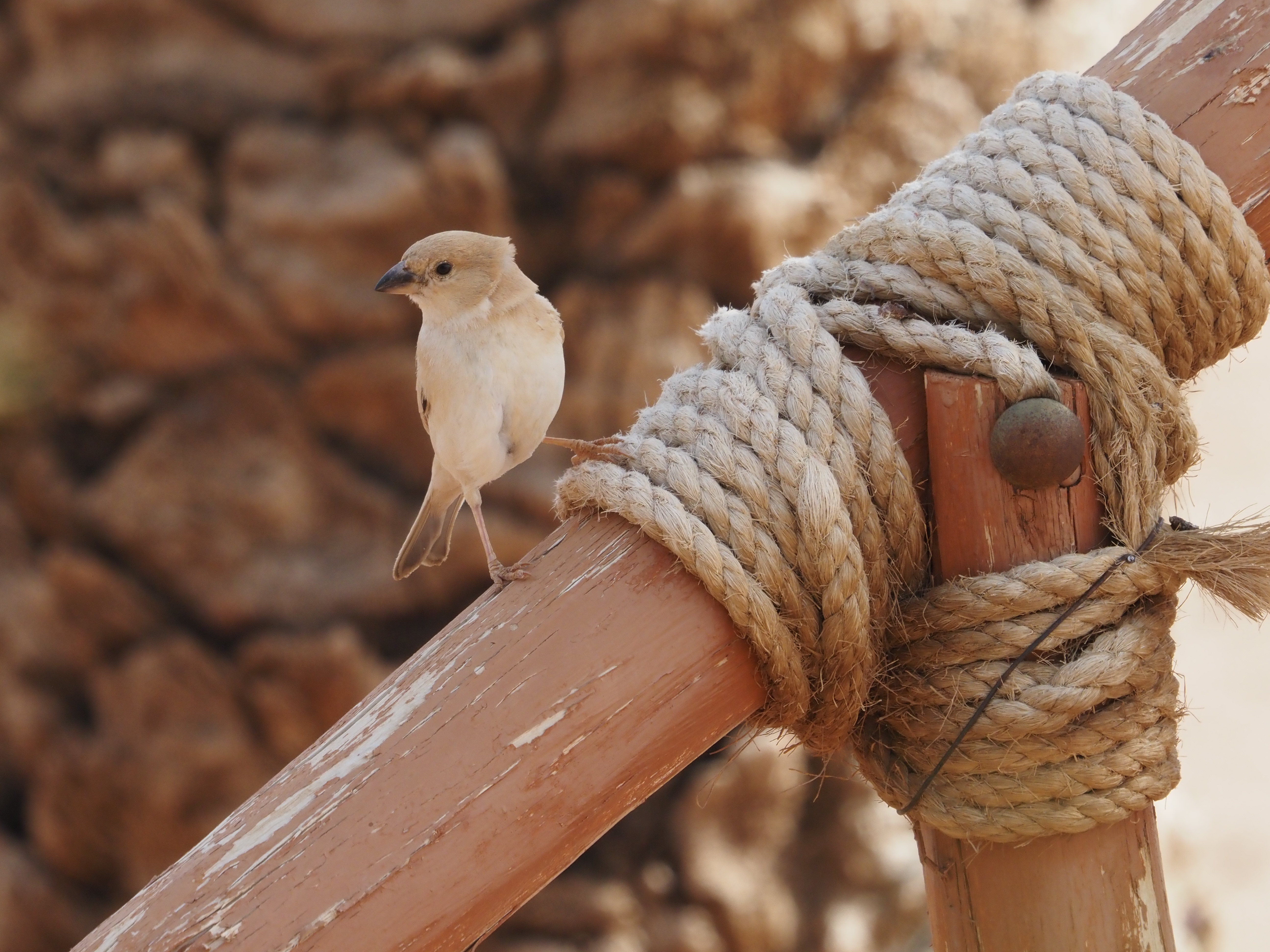


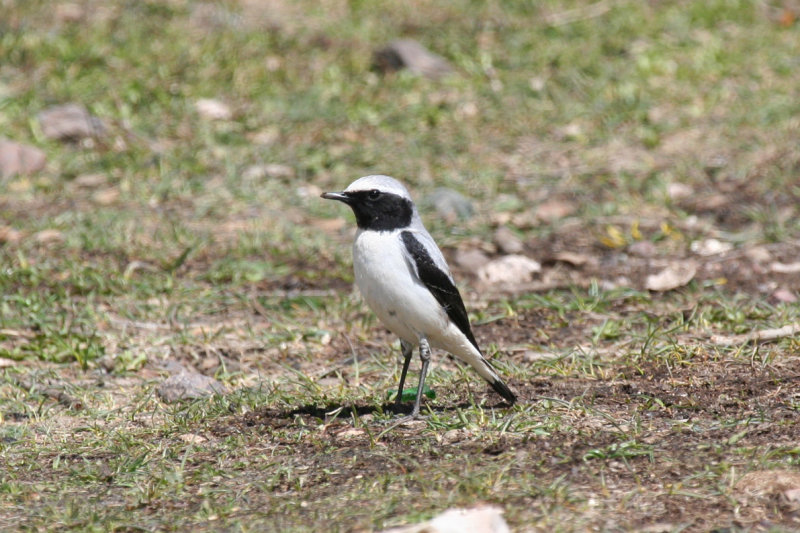
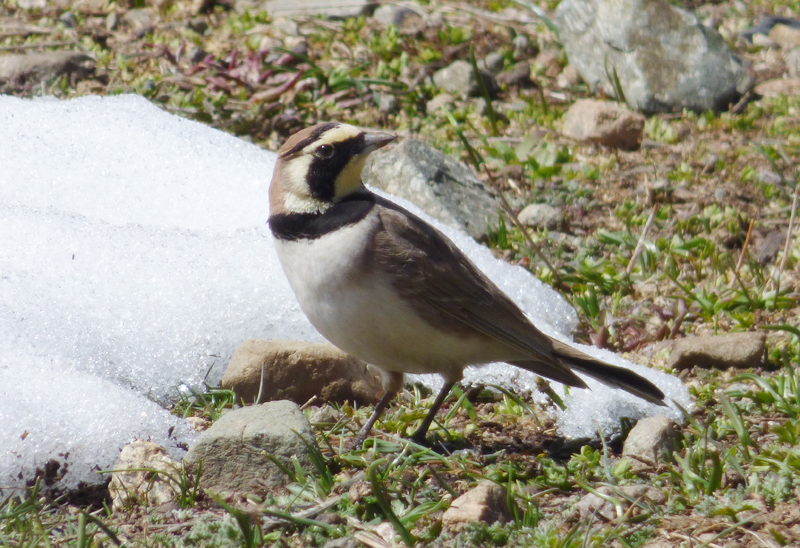


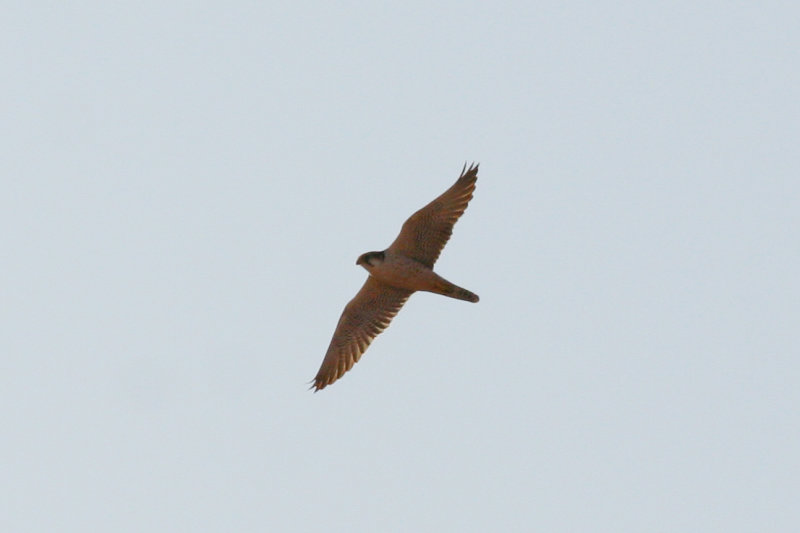

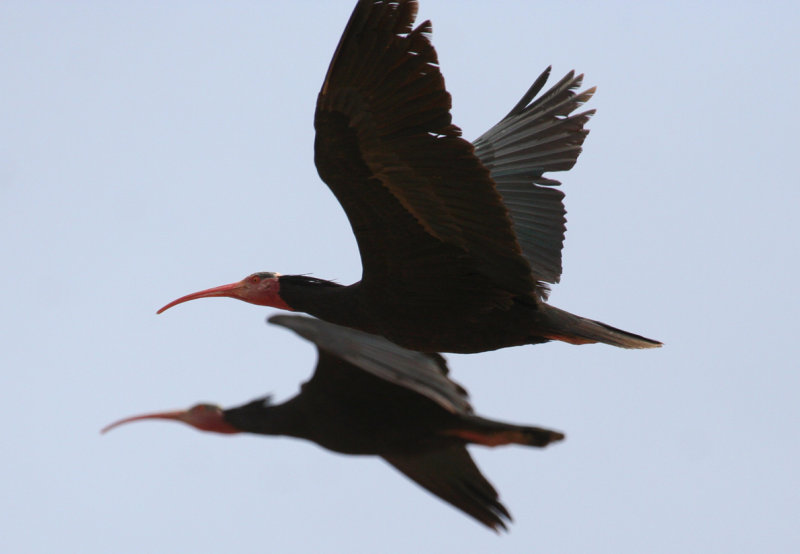

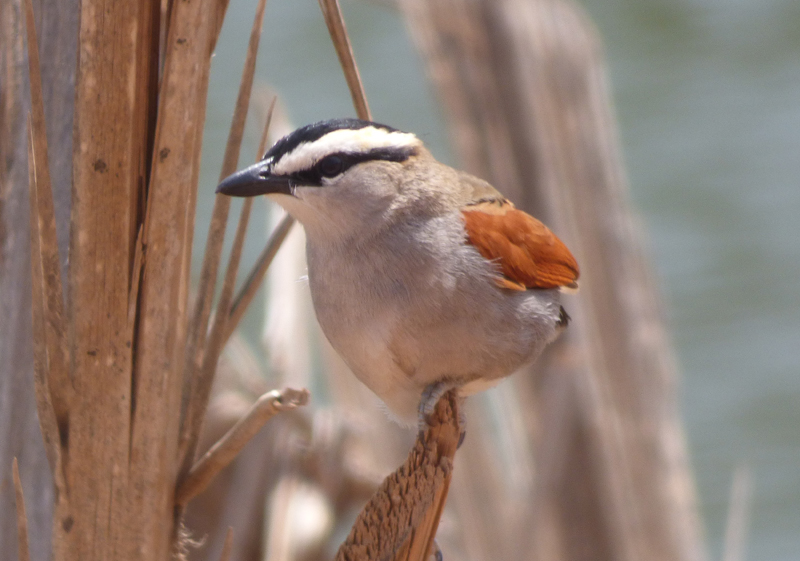

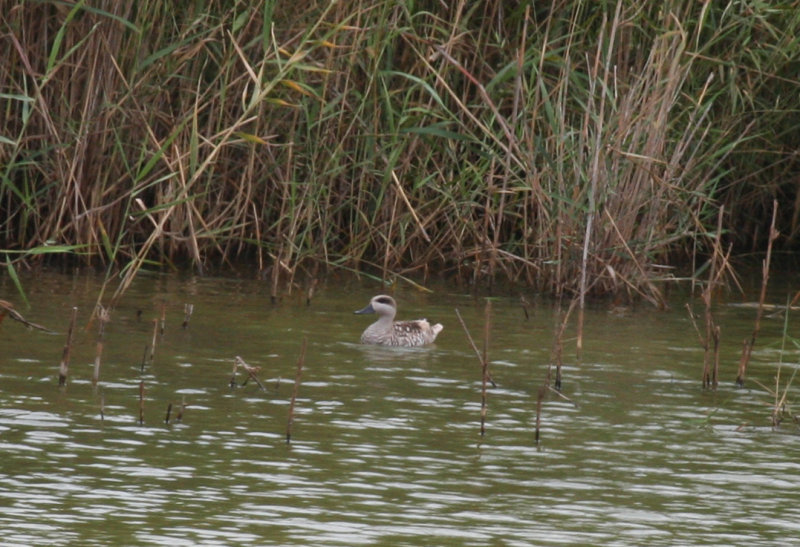




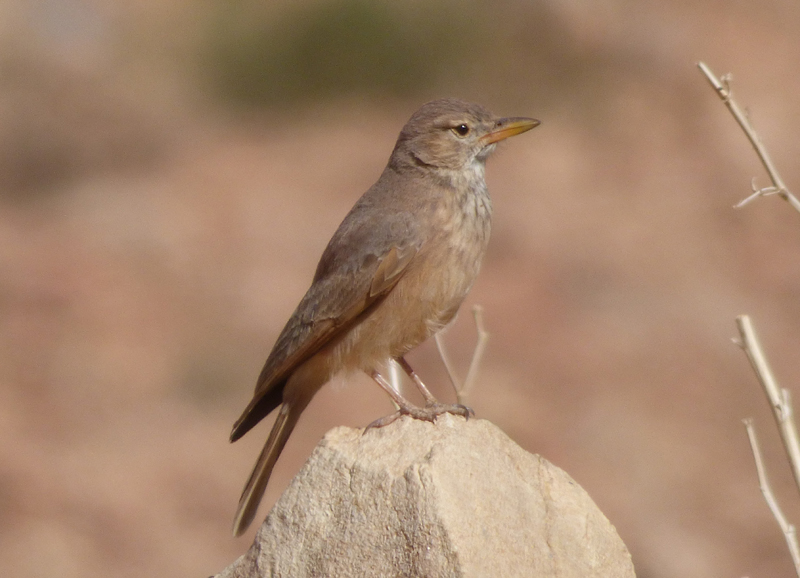


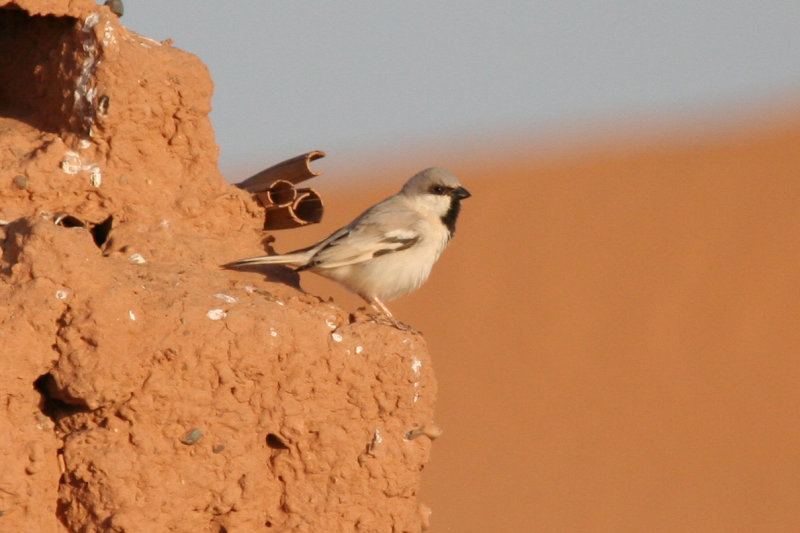


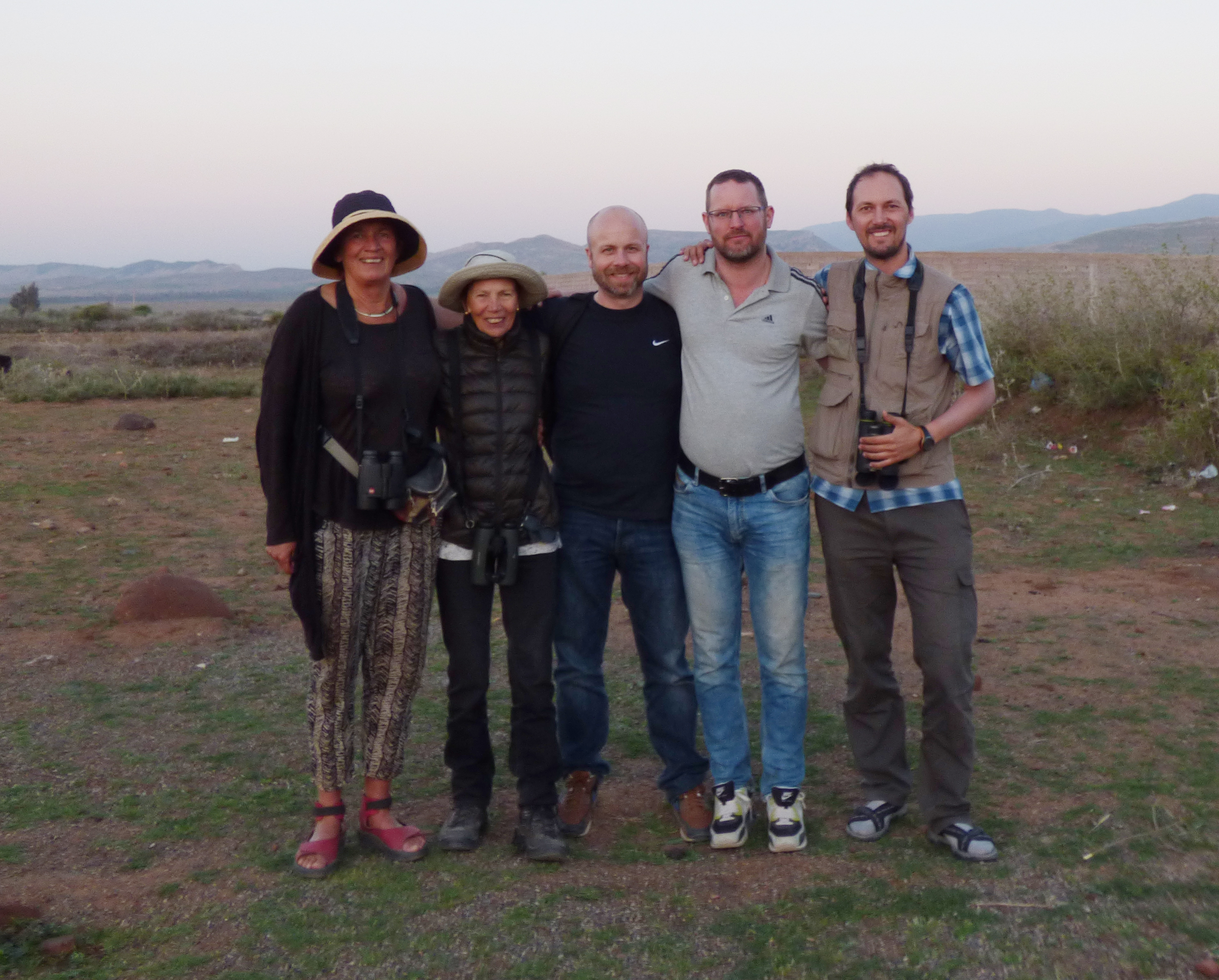

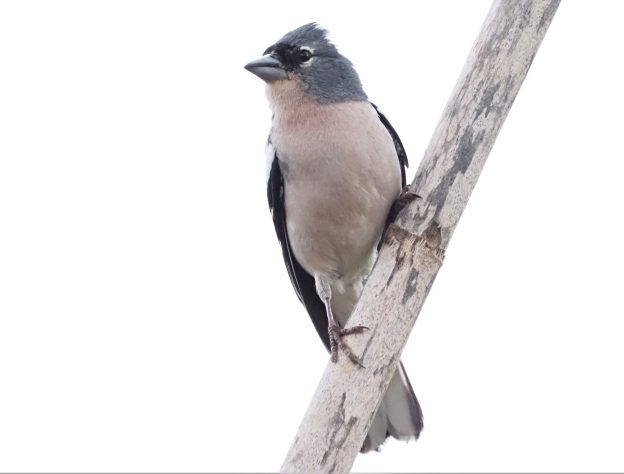


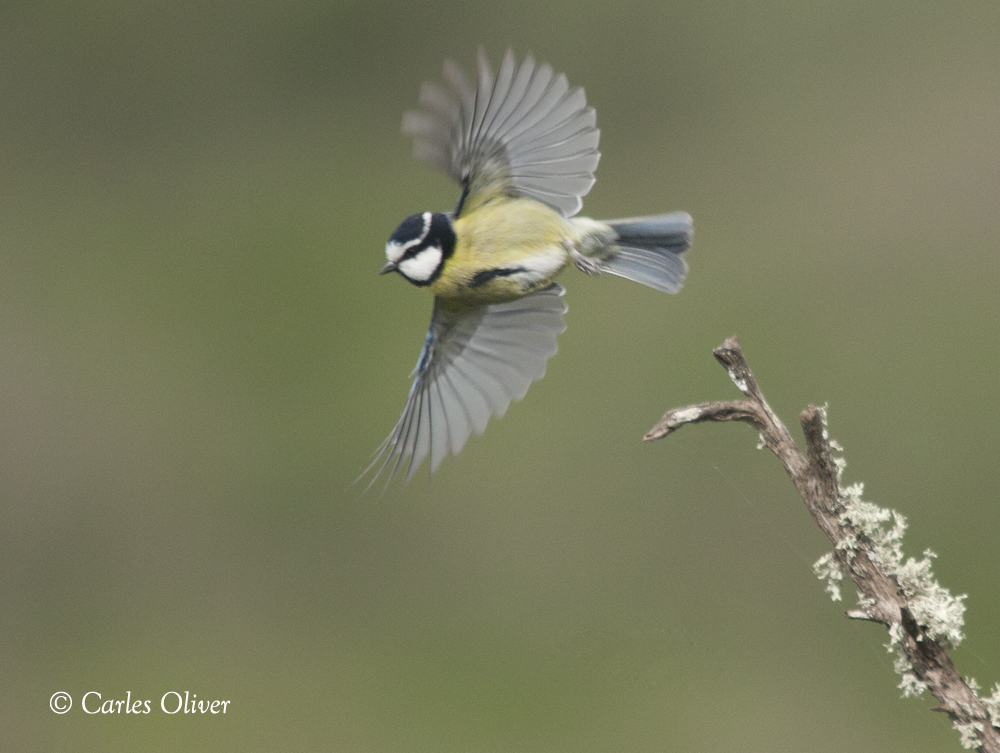

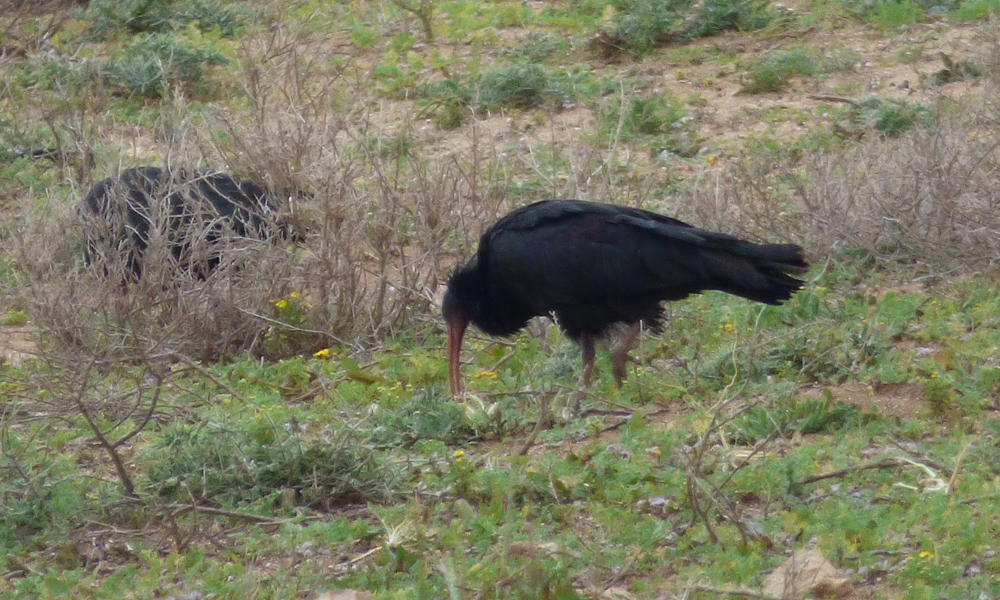
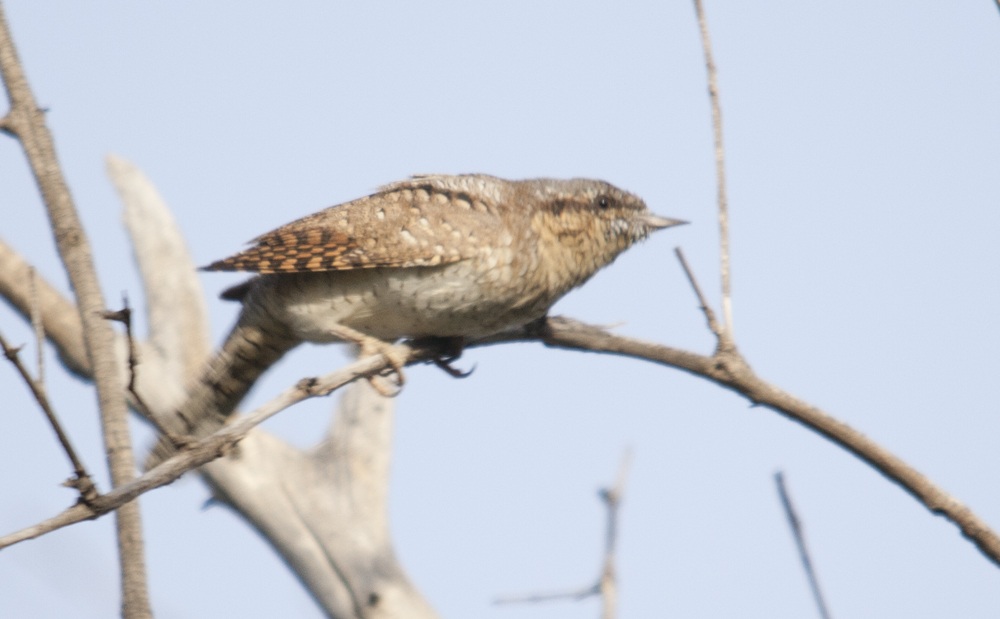

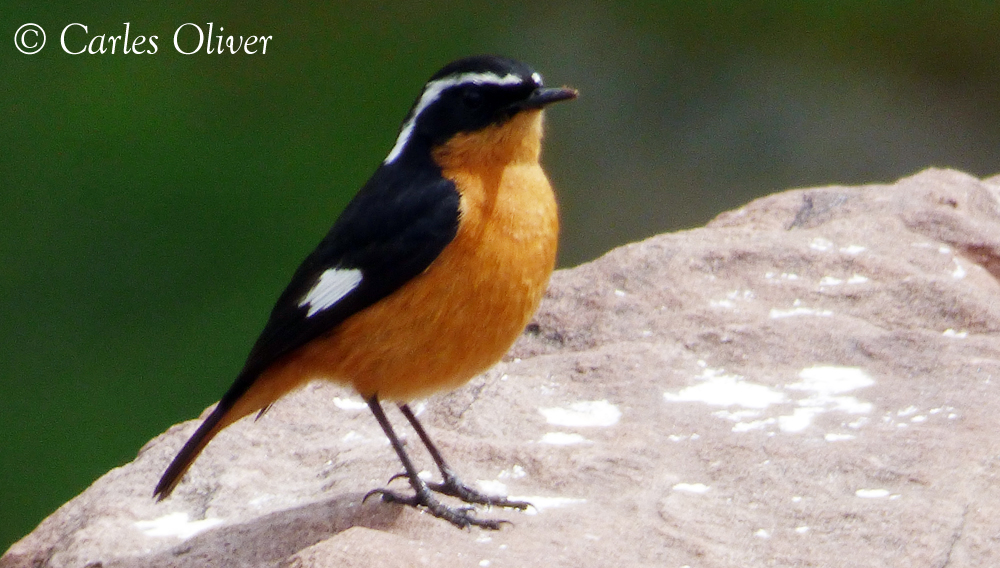


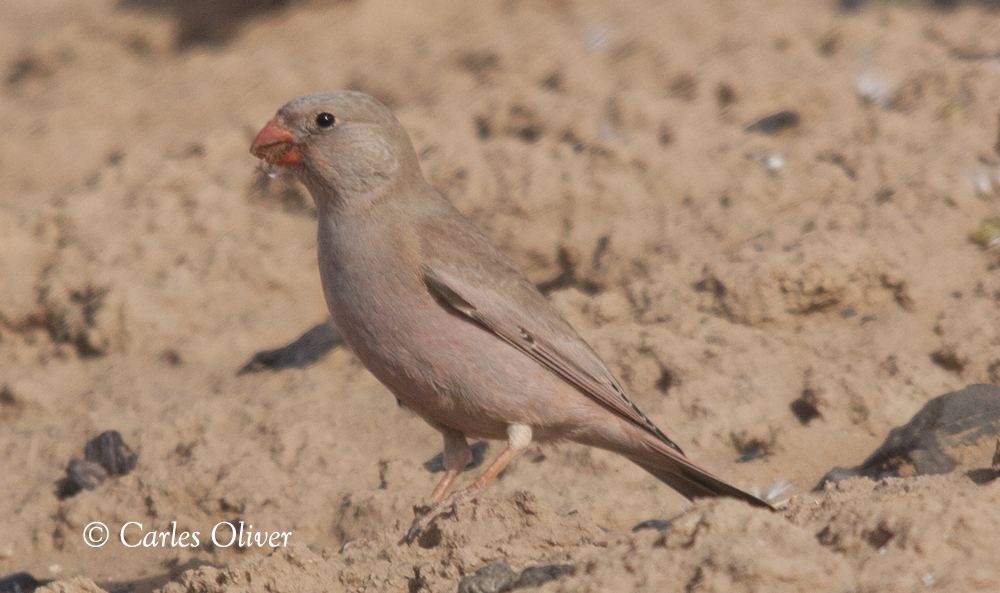
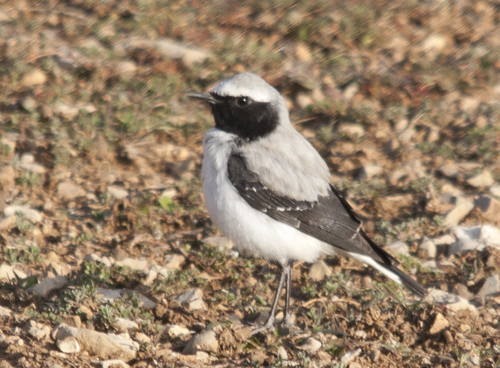
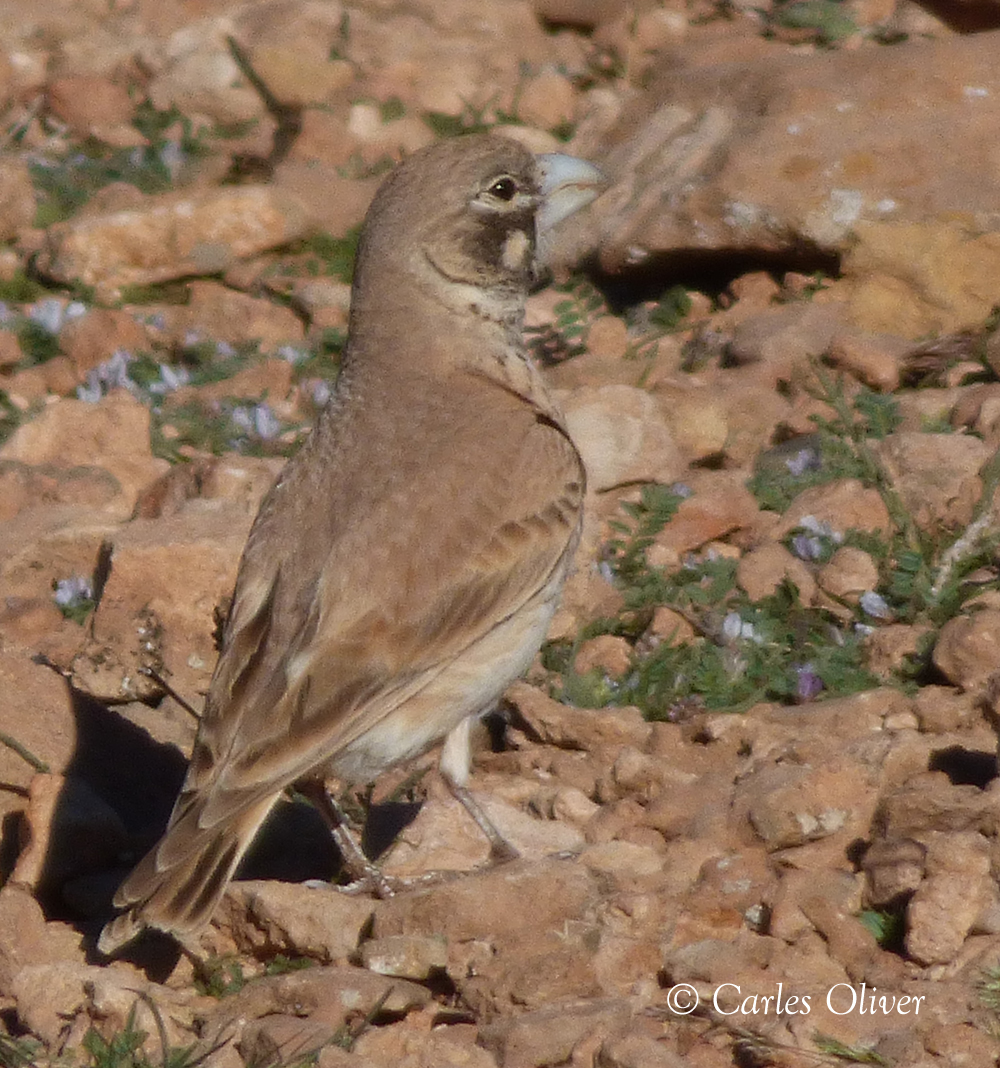





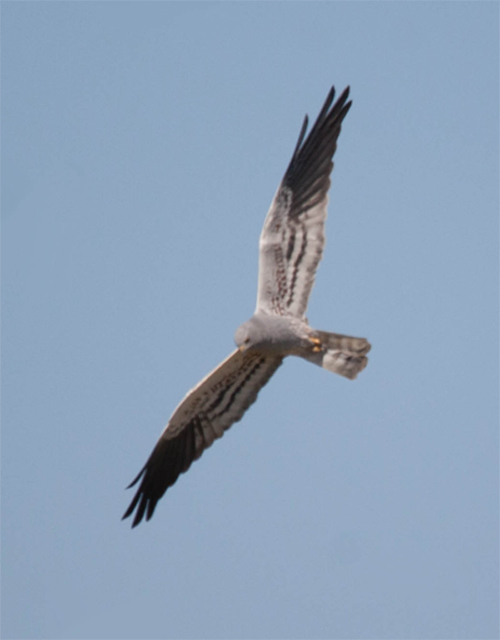


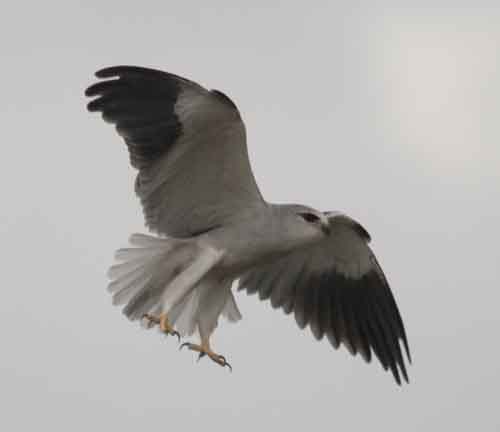
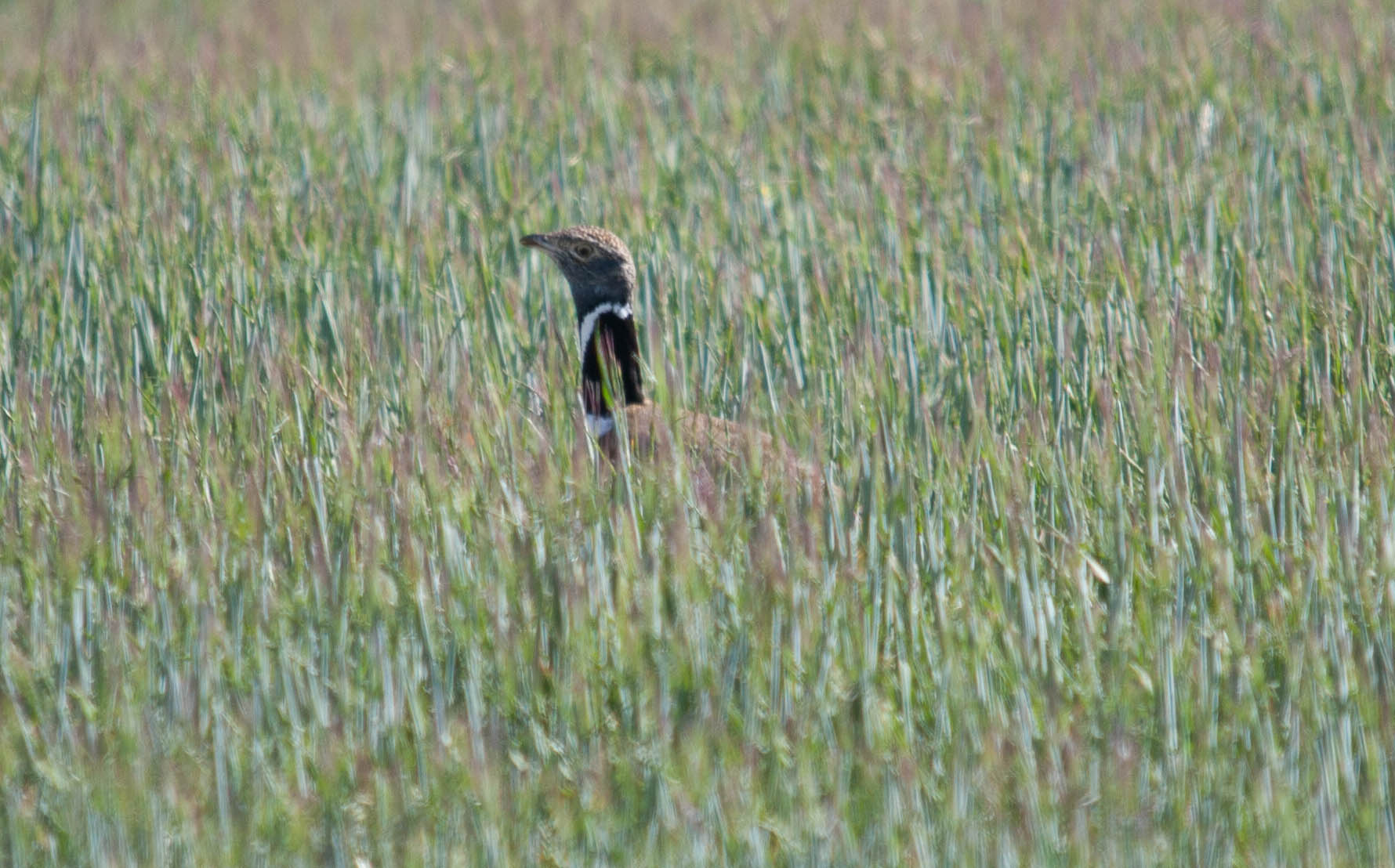


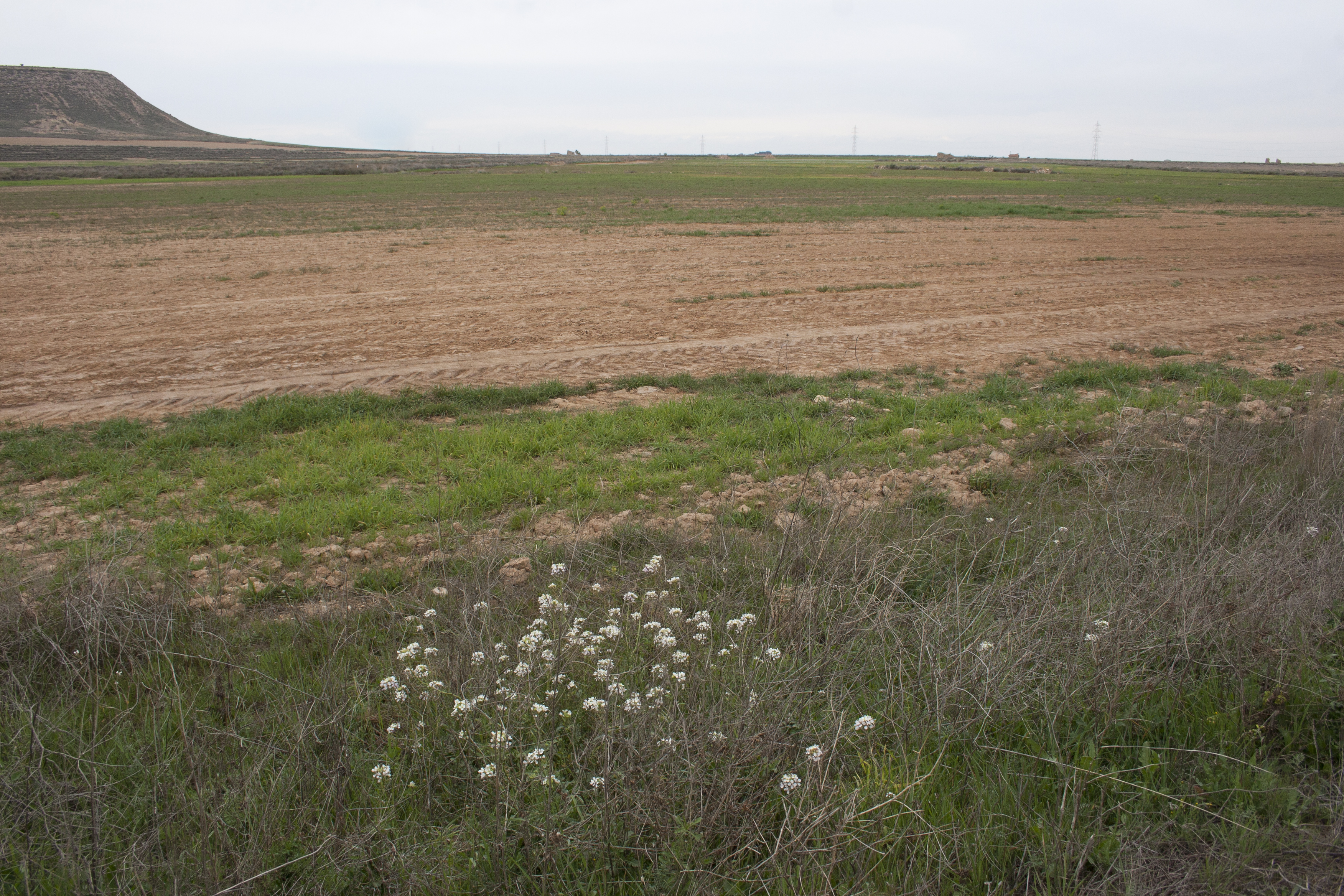


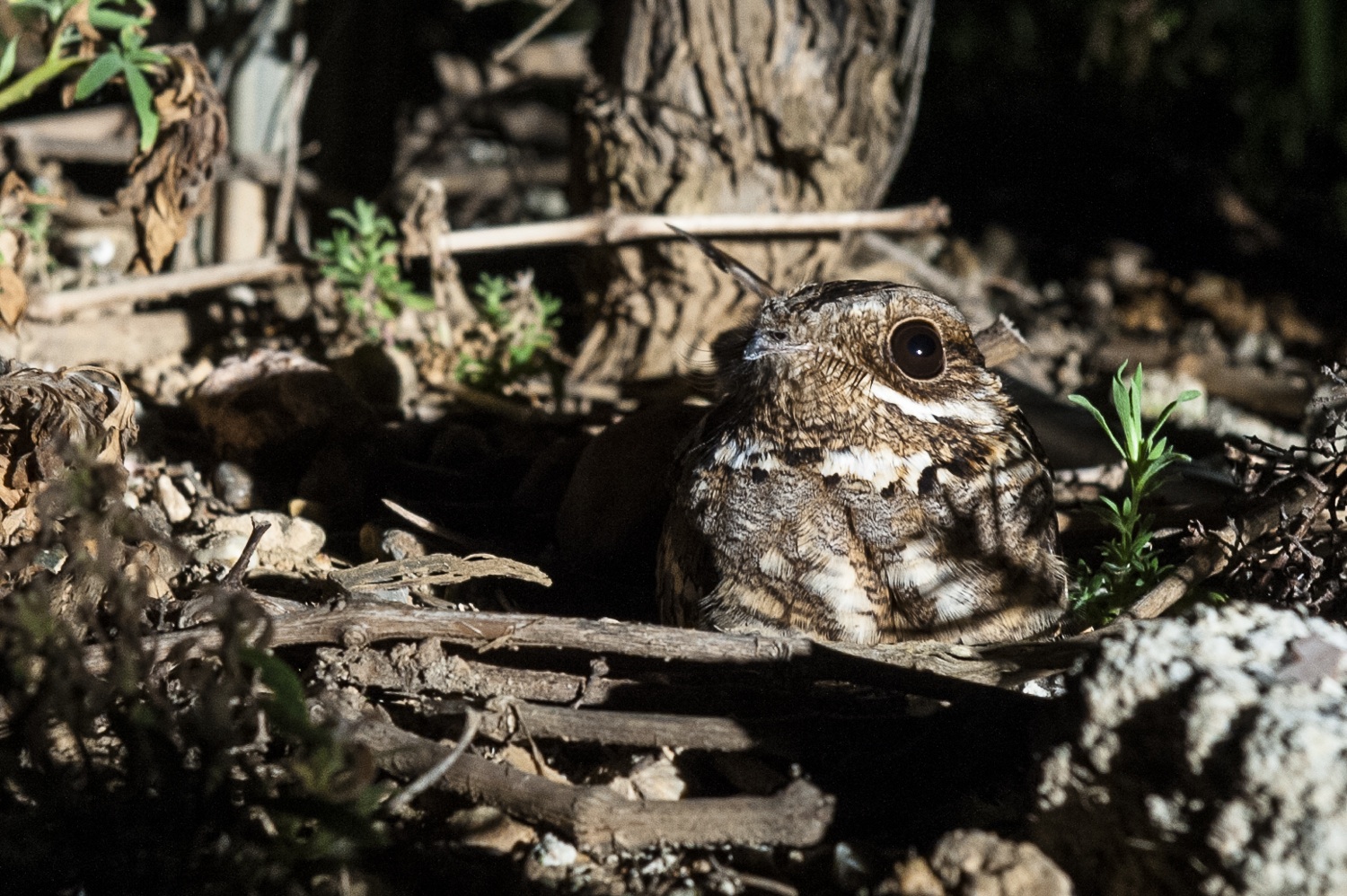
 Barcelona Birding Point Blog