Welcome to the official blog site of Barcelona Birding Point, your new birding & wildwatching travel agency. Here you will find trip reports, detailed information about some of our tours, tips on conservation and more.
The tour started in the Pyrenees with the first morning hampered by snow, low cloud and mist at higher altitudes before clearing to much clearer and milder weather. The weather in the lowlands/plains was very kind with warmer conditions and only very light winds. The bad weather in the first day affected a bit the tour, with a couple of locations performing clearly below average, especially those involving boreal forests. The lack of snow in the top of the mountains during January and February meant no chances for us to connect with Snow Finches. In the steppes, Dupont’s Larks performed very well for us, and once we connected with the major targets in the plains we even had time for a couple of hours of birdwatching at Ebro Delta, a coastal heaven of birds that is normally out of bounds in this itinerary..
DAY 1.
After collecting all 6 tour participants from around the airport in Barcelona we headed through drizzly rain towards the Pyrenees. After 90 minutes of drive, we arrived to the area to explore, and we had a short coffee stop before attempting to drive a lane higher into the mountains through increasingly heavy snow. Around 1500m the road had become quite difficult, so we parked safely and explored the area.
Almost immediately the group found an Alpine Accentor sheltering and feeding on the screen by the roadside! Everyone enjoyed good views despite the weather, before it moved off further up the slope, here we also saw and heard our first European Crested Tits, Coal Tit, Firecrest, and Mistle Thrush of the trip along with several Red-billed Chough.
After a walk up the road a few hundred metres the weather began to improve, and as we headed back to the minibus the first of several Eurasian Griffon Vulture began to appear overhead. Whilst enjoying views of these one of the group (Jonny R) shouted out….. ”LAMMERGEIER!!” and an adult bird passed directly overhead giving great views as it glided down across the valley – what a start to the trip!
Alpine Accentor (Prunella collaris) feeding in the slope. Image by Carles Oliver.Full adult Lammergeier (Gypaetos barbatus). Image by Carles Oliver
After this excitement we decided to slowly head down the mountain, the weather continued to improve and before we had travelled far we had to stop – 2 Lammergeier were circling and showing well above us! An adult-type bird and a younger 3rd year type bird gave a superb show before drifting away. We then stopped around in the valley where the terraced fields and trees provided lots of birds including Rock Bunting, Hawfinch, Black Redstart, European Stonechat, European Serin, Meadow Pipit and some of the commoner Finches and Tits as well as an unexpected Cattle Egret – not something normally seen at this altitude! We could also hear Iberian Green Woodpecker calling here.
During our urban lunch stop and whilst there saw White-throated Dipper, Common Chiffchaff and Grey Wagtail on the stream through the village and a Common Buzzard passed overhead.
In the afternoon we drove another scenic lane up into the mountains where we enjoyed more fantastic views of 20+ Eurasian Griffons as well as 2 Golden Eagles, Red-billed Choughs and even Magpie which seemed out of place at this altitude. A small group of feeding birds included Fieldfare, Yellowhammer, Chaffinch and Goldfinch. This site also produced our first Pyrenean Chamois of the trip. We again descended into lower meadows and fields and walked a small hill that provided our first Iberian Grey Shrike as well as Eurasian Tree Sparrows, Crested Lark, Firecrests, Crested Tits, Black Redstarts, Yellowhammer, Goldcrest and Corn Buntings. Our last stop before reaching the accommodation for the evening produced lovely views of 8 Rock Sparrows on wires by the roadside – but the day was not finished there because our fabulous accommodation and host has a feeding station in the garden, and as the light faded we were treated to amazing views of up to 3 Beech Martins!! A quite amazing end to fantastic first day.
Hawfinch (Coccothraustes coccothraustes). Image by Justin Williams.Rock Bunting (Emberiza cia). Image by Carles Oliver.European Crested Tit (Lophophanes cristatus). Image by Jo Simon.Eurasian Griffon (Gyps fulvus). Image by Jo Simon.Beech Martin (Martes foina). Image by Stephen Davis.
Day 2.
In some ways a slightly frustrating day with numerous stops and effort failing to locate any Citril Finch, Black Woodpecker or White-winged Snowfinch, but this aside we enjoyed a fantastic variety of birds as we tried several areas including trips into France and then Andorra!
In the lower altitudes we came across a fantastic mixed flock of finch and other small birds including Common Crossbills, (c20) giving great views along the road, as well as Brambling, Siskin, Bullfinch, Short-toed Treecreeper, Great Spotted Woodpecker, Long-tailed Tit, Rock Bunting and Chaffinch, again we could hear Iberian Green Woodpecker calling but they remained invisible…..also in these areas Red Kites became more frequent. Here we also came across our only Red Squirrel of the trip.
In the high mountain passes we enjoyed yet more incredible views of Eurasian Griffons and Common Raven, and as we entered Andorra, our first stop around the town produced a decent number of Alpine Chough hanging about around the shops and houses.
As we had time left in the day, we retraced our steps and returned to summit the lane at Coll de Pal – we had to stop quite soon on the way up due to an adult Lammergeier showing incredibly well by the van!! This bird gave us our best views yet and even landed on the scree a few hundred yards away – a definite highlight of the whole trip!!
Onwards to the summit of the pass in bright sunshine, and we were rewarded at the top when we located a group of 4 Alpine Accentors feeding down to a few metres away, scuttling and shuffling in the snow and short turf – superb!
We then took the 90 min transfer to Lleida where we would be based for 2 nights.
Common Crossbill (Loxia curvirostra). Image by Jonathan Kennedy.Alpine Choughs (Pyrrhocora graculus) in Andorra. Image by Justin Williams.That afternoon we got impressive views on Lammergeier. Image by Carles Oliver.Lammergeier about to land for us. Image by Carles Oliver.Lammergeier on the ground. Image by Carles Oliver.Pyrenean Chamois (Rupicabra pyrenaica). Image by Justin Williams.Alpine Accentor (Prunella collaris). Image by Stephen Davis.
Day 3.
The day began with a short trip to our first site and roadside White Storks but even this was interrupted by one of the group skilfully spotting a Stone Curlew by the road!
We were shortly at our first stop, a spectacular dam and gorge with a river and mixed scrub, we quickly began adding birds such as Rock Sparrow, Blue Rock Thrush, Crag Martins (which breed in the tunnel), Blackcap, Kestrel, Song Thrush, Short-toed Treecreeper, Common Kingfisher, Cettis and Sardinian Warblers, Firecrest, Rock Buntings and several Eurasian Griffons. Around 2 hours had now passed and things were starting to get a bit tense…..and then WALLCREEPER!! A bird was located towards the dam and 3 of the group were in the right spot to see it straight away, whilst the rest hurried towards the bird, they found a second Wallcreeper! This bird gave everyone much better views for a few minutes, and everyone could relax, especially Carles!
As we left the gorge a short stop provided Cirl Buntings, 2 Peregrines, Hawfinch and a large flock of Corn Bunting, and as we stopped for coffee, Spotless Starlings.
Stone Curlew (Burhinus oedicnemus). Image by Stephen Davis.Wallcreeper (Tichodroma muraria). Image by Justin Williams.Wallcreeper (Tichodroma muraria). Image by Jonathan Kennedy.Wallcreeper (Tichodroma muraria). Image by Justin Williams.Wallcreeper Argonauts! Image by Jo Symon.
We then moved on towards our next site with a couple of stops, the first providing many Cattle Egrets, White Storks and our first Great Egret, the second 2 Golden Eagles, Lapwing, Raven,Thekla Larks and a ringtail Hen Harrier as well as a roadside Little Owl.
We then stopped beside a spectacular roadside cliff face for our lunchtime picnic and immediately located our 3rdWallcreeper of the day!! Although a little more distant this bird gave good telescope views, but we were distracted from this by 2-3 Black Wheatears which were also showing well here along with a Blue Rock Thrush!
We were now into an area of plains and mixed arable land that is rapidly changing due to increased irrigation, but some areas still held many birds and we were quickly seeing Calandra Larks along with Thekla and Crested Larks and after walking a while we saw a distant Iberian Grey Shrike, Peregrine, and then located a single summer plumaged Pin-tailed Sandgrouse, a little distant, but again telescope views were good. As we left the site, we had excellent views of another Iberian Grey Shrike which really showed the difference between this and its northern counterpart.
We then called at a small roadside wetland and began adding a few species such as Coot Shoveler, Common Pochard, Common Snipe, Reed Bunting and Great Egret, as well as a rather unexpected, and slightly questionable, African Sacred Ibis! This bird has been in the area a while, and presumably originates from a ‘feral’ population in nearby France, Italy or Germany… Either way it made at least one of the group very happy!
Our last stop was to close by, and before we had even parked the van our main target was located – a male Eagle Owl! Perched in the ruins of an huge ancient building, this guy sat and watched us as we quietly watched him before starting to sing….amazing!
Whilst Serins and Sardinian Warblers twittered and scratched nearby, the Eagle Owl sat watch, his deep hoot echoing occasionally, until he finally flew low across to a nearby rock face….what an end to a truly fantastic days birding!!
Little Owl (Athene noctua) on its roof. Image by Justing Williams.Spotless Starling (Sturnus unicolor). Image by Justin Williams.Pin-tailed Sandgrouse (Pterocles alchata) male. Image by Carles Oliver.Iberian Grey Shrike (Lanius meridionalis) posed nicely for the group. Image by Carles Oliver.African Sacred Ibis (Therskiornis aethiopicus) moving along with Western Cattle Egrets. Image by Carles Oliver.Eurasian Eagle Owl (Bubo bubo) watching us. Image by Carles Oliver.
Day 4.
The day began with a short transfer after breakfast, interrupted by a large flock of migrating Common Cranes. These birds had presumably roosted nearby in the large open arable fields and were continuing their northward journey. We then entered an area of mixed arable/farmed/wild fields with big skies and tremendous views, misty fog didn’t help our search, but we quite quickly located 5 Great Bustards, all males, slowly wandering across their chosen field. Views were not brilliant, but very atmospheric! Here we were surrounded by Calandra Larks, Corn Buntings and our first Lesser Short-toed Larks as well as a Zitting Cisticola, Stonechats and Sardinian Warbler.
We then took a short coffee stop as the mist cleared and visited a small wetland with more Larks and many Linnets, Corn Buntings and Chaffinch before having second, clearer but distant views of the Great Bustards. With this under our belts we collected lunch and moved on.
We soon arrived at Lomaza (only briefly distracted by a large flock of migrating White Storks) and began to look at various larks…. A lot! A landscape of low spiky grass, thistle and huge skies stretched all around us. Quickly we were seeing many Calandra, Thekla and Lesser Short-toed (or ‘Mediterranean’) Larks, with their songs all around us, including much mimicry from the Calandra – quite a soundscape!
After c45mins, suddenly, the song we were searching for, and quickly some views of our quarry…DUPONT’S LARK! At least 2 birds, a pair, were making short, darting runs between bits of spiky tussocks grass until, amazingly, the male climbed a short way into a tussock and sat in full view singing…..a fantastic bit of good fortune and handshakes all round!
With the pressure off we all enjoyed the experience and incredible scenery of this beautiful, wild landscape.
The weather was warm now, and we stopped near Belchite to admire some ruins complete with Crag Martins, Serins and Black Redstart before moving onto a high plateau.
Slowly driving and scanning the fields we came across an unexpected flock of Dotterel, with around 25-30 birds present and showing well, whilst above a Golden eagle soared past. Again we were seeing lots of Calandra Lark with birds still in large winter flocks, Stonechats by the road, Red-legged Partridge, 2 Red Fox, but no sandgrouse….much scanning and scoping eventually led to one of the group picking out a small flock in the far distance, we drove nearer and saw up to 16 Black-Bellied Sandgrouse, good scope views of the birds moving about their chosen field as well as in flight when they are really impressive, a fantastic end to another brilliant day!
Great Bustards (Otis tarda) in dense fog. Image by Carles Oliver.Dupont’s Lark (Chersophilus duponti): shaking wings as preparing to leave its resting site (up), male singing from to top of a tussock (below). Image by Carles Oliver.Eurasian Dotterel (Charadrius morinellus), one of 25+ birds resting in a plugged field. Image by Justin Williams.European Serin (Serinus serinus) female in a short stop around Belchite. Image by Carles Oliver.Golden Eagle (Aquila chrysaetos), one of many seen during the trip. Image by Carles OliverCorn Bunting (Emberiza calandra) acting like being spring. The area around Lleida has the largest density in Europe. Image by Carles Oliver.
Day 5.
We awoke to fairly torrential constant rain, and with the forecast not looking good we made the decision to change our plans and head for the Ebro Delta.
This journey was briefly interrupted with a stop when we spotted 4 Spanish Ibex on a high hill beside the road. Once we arrived at the Ebro we rapidly began adding birds to the trip list, the total change in habitat was exciting and we added many species during the morning including exciting birds such as Moustached Warbler which showed quite well a few times, Penduline Tit, Western Swamphen, Bluethroat, Greater Flamingo, Glossy Ibis, Slender-billed Gull, Caspian Tern, Black-necked Grebe, Red-crested Pochard, and Osprey as well a variety of waders and other wetland birds.
Too soon we had to leave and head for Barcelona, and the airport, but still we made time for 2 quick stops – the first giving us great views of Iberian Green Woodpecker (finally!) and Monk Parakeets. The second stop was at the beach right by the airport where we had fantastic views of AudouinsGull and also passing Atlantic Gannets and Sandwich Terns….a fitting end to a really enjoyable trip with a great group!
Western Swamphen (Porphyrio porphyrio) under the rain. Image by Carles Oliver.Penduline Tit (Remiz pendulinus) showed well under the rain. Image by Carles Oliver.Bluethroat (Luscinia svecica) in the path for us. Image by Carles Oliver.Iberian Green Woodpeckers (Picus sharpei). Image by Jo Symon.Another shot on Iberian Green Woodpecker. Image by Justin Williams. Our group almost complete. Image by Daf Edwards.
Tour leader: Carles Oliver (Barcelona to Lisbon) & Sergi Sales (Sofia to Cyprus)
All images by Carles Oliver. All rights reserved.
Overview: Our very first Southern Europe Odyssey has been a very funny and brave adventure. Visiting 5 European countries and 9 islands (3 in the Mediterranean; 6 in the Atlantic Ocean), we have enjoyed a very long list of European and Macaronesian endemics and specialities. The tour has been divided in different sections so our guests could join the part they were most interested about. Very looking forward to go on again with this crazy adventure!
Day 1. From Barcelona to Picos de Europa. Our Odyssey through South Europe, an ambitious program visiting 5 countries and 9 islands started in a very epic way; a 3:00am pick up to try to catch up with some nocturnal birds. Very close from the Barcelona airport we had a first stop. It is a small area of farming with some lines of trees, some of them with several holes. Here we started looking for European Scops Owl. It was clearly colder than expected. During the previous weeks we had low temperatures clearly below average in Catalonia, with strong snow falls up in the Pyrenees. That morning, the temperatura drop to only 7ºC!
Along the next half an hour we tried to have any view on the Scops Owls living in the area, but little success. We heard them as we heard Little Owl and Western Barn Owl but we no success to see any of them. But the situation turned on when a close a Scops Owl suddenly came to us from the inside the canopies and landed only by the path, 150 centimetres high! We all had excellent views on the bird and a couple of shots before the bird came back deep inside the vegetation. Still excited about such good looks, we heard a second bird calling down the path,, very low in the trees and only a few meters away from us. A few second after that we got the bird singing in the torch, allowing not only really good views but also a number of shots! Very happy for this success we drove up the valley to try a second bird. By the time we arrived the raising was in the sky, and the first Nightingales were singing. It was still cold and a bit early in the season so I was not very sure that the whole thing could work. But it did, and at the second attempt a very nice Red-necked Nightjar emerged from the shadows and flew directly above the group to show the large white markings in the tail and a wings, and the lovely orangish coloration in the underwing coverts. The bird was singing, probably right arrived from Africa and busy to mark its territory!
Eurasian Scops Owl (Otus scops) was a major target for many in the group, and we enjoyed great views next to Barcelona. Image by tour leader Carles Oliver.
Very happy with this excellent sight, we drove West, living behind Barcelona, that was only about to wake up in another busy day. It was about 6:30 when we stop in a quiet service station to have some breakfast. A selection of coffees, orange juices and potato omelette was served and we had some time for relax after the early start. Here the group had also the chance to meet Sergi Sales, the leader for the Eastern part of the Odyssey as he was on his way to lead a day trip out of Barcelona with a birder from Japan.
From here we kept going West for about 30 miles, and our first birding stop with daylight was devoted to a lovely patch of traditional farming. Here, the Catalan Government is taking efforts to manage the habitat and preserve some spots for the very endangered Little Bustard. At the first stop of the van, we got excellent scope views on a displaying Little Bustard, and during the next 90 minutes we had 6 different males chasing each other or simply singing from their lekking positions. A Montagu’s Harrier female was also one of the first birds for us, but even before that we got a distant male Red-footed Falcon sitting down on some dead branches. Certainly a very good start for the trip! Several Calandra Larks and Corn Buntings were seen, as White Storks, Stock Dove and Western Jackdaws were. We kept moving through this great habitat, adding good looks on specialities like Stone Curlew and Iberian Grey Shrikes but also migratory birds including Northern Wheatear and the always very nice looking Whinchats. Common Kestrels, Marsh Harriers, Red Kites and Black Kites were all seen, and we also had time for a short visit to a nesting colony of Lesser Kestrels, where we had some nice scope views on the birds. But probably one of the best birds on this location was the nice pair of Great Spotted Cuckoos chasing each other quite high in the sky! A quite unexpected view. Here, we also got the first Short-toed Eagle for the trip.
We could stay there longer, but we were committed with some extra specialties along our long way to Picos de Europa. Our next movement was to visit another area inside the Catalan dry lands. Here we got nice views on both Black Wheatears & Black-eared Wheatears plus Spotless Starling, Thekla Lark and some lovely views on European Turtle Doves. The area was also rich on Finches and Greenfinch, Serin and European Goldfinch were all seen before we stoped by a puddle. Here another singing Common Nightingale was waiting for us, and we got nice views on the first Sardinian Warblers of the trip along with migratory Pied & Spotted Flycatchers. Again, European Turtle Doves were present in the area, joined this time by European Bee-eaters and Griffons flying over our heads. In the water, only a Eurasian Moorhen was seen.
Little Bustard (Tetrax tetrax) landing on its lek spot in the Catalan steppes.Little Bustard (Tetrax tetrax), a species which dramatically decreasing in Western Europe. That morning we were very lucky to have close views on Stone Curlews (Burhinus oedicnemus).One of the two Great Spotted Cuckoos (Clamator glandarius) that flew over us.Iberian Grey Shrike (Lanius meridionalis).Black Wheatear (Oenanthe leucura) showed distant but very well in our stop at Mas de Melons NR.
From here we had some solid drive West, with some comfort stops in the way. Our next birding stop didn’t come until mid afternoon, in the border between The Basque Country and Castille. Here we spent some time in a riverside forest. It was slightly windy and the bird activity was light. Some Greenfinches were feeding in the area along with Eurasian Blackcap. But a short walk around the area fastly put us in contact with our main target here. One Iberian Chiffchaff was singing low in the riparian vegetation and a few moments later we were all enjoying wonderful views on the bird! During about 5 minutes, the bird was singing around us and flickering the winds, showing way better we were expecting. Along the next 20 minutes we saw at least 4 Iberian Chiffchaffs and also got really good looks on Cetti’s Warbler, Eurasian Wren, Eurasian Goldfinches, Great Tits and a family of Short-toed Treecreepers moving in the thick trunks along the Ebro River. Along the banks of the river, a Common Sandpiper completed the list for the place.
From here, we still had to cover one hour of drive to our final destination at the heart of Picos de Europa.
Iberian Chiffchaff (Phylloscopus ibericus), one of the most sought-after species for some of the tour participants!
Day 2. From Picos de Europa to Belchite. After enjoying a great breakfast we drove into the mountains. It looked like a quiet morning, and the towering landscape allowed us to connect with some Griffon Vultures in our way to Fuente Dé cable car. We arrived earlier than expected, and we gather at the access queue. A powerful brise started to blow, and our concerns about the cable car being open that morning started to arise. In the queue we picked up Coal Tit, Goldcrest, Eurasian Nuthatches, Common Chaffinch (the first Chaffinch species of the many to come in this Odyssey) and Black Redstart, all of them new for the trip. The minutes went out, the queue grew at the same rhythm that our concerns did, and our worst thought came truth when the staff attending the cable car confirmed that the cable car was not to be open that day. A last minute change in the weather broadcast made the conditions unsuitable for the cable car to run in a safe way. Devastated by the news, we had a couple of strolls around, hoping to connect with some good birds. It was certainly still a slim chance for cable car to open, so we decided to invest a couple of hours wandering around. Along this time we got nice views on Firecrest, Song Thrush, European Crested Tit, Dunnock, Eurasian Treecreeper, Blue & Great Tits, Linnets, European Stonechats and lovely views in some Rock Buntings. Both Alpine & Red-billed Choughs were seen, even if the first were far up in the sky. A low Egyptian Vulture was one of the final sightings. At the end, the day turned into a grey, windy one. Back to the van, we started driving back Est, expecting to arrive to our next accommodation at the Ebro Valley about sunset.
In the way, several White Storks we had a number of birding stops. Along the rivers, we got ruff views on a speedy Common Kingfisher, but also on the first Long-tailed Tits and Grey Wagtails of the trip. Several Griffons were seen here as well. Back to the road, we crossed a large area of altitudinal plateaus covered with low scrublands. A wonderful habitat for a number of species, and a couple of stops in our way allowed us to connect with a Woodlark singing from a wire, but also with a massive flock of Common Rock Sparrows A bit beyond, another stops was mandatory to enjoy a Golden Eagle passing really close of the van. The bird, a full adult, was circling above the road. Once with the foot on the ground, we found close Cirl Bunting, Western Yellow Wagtail in the fields around and Sonja got a nice Common Cuckoo landing into a large tree right in front of us! The rest of transfer was a bit more quiet, and only a couple of Short-toed Eagles and a hunting Montagu’s Harriers deserve our attention.
But before going to the accommodation we still had a very short stop around the village, and we were lucky enough to find a lovely Little Owl sitting on the top a pile of rocks. The Owl offered really good looks and some photo opportunities despite the poor light, and this final stop was complemented with the very last bird of the day, a nice European Nightjar that was flying around!
European Crested Tit (Lophophanes cristatus), one of the most celebrated birds in our morning at Picos de Europa. Common Rock Sparrow (Petronia petronia). We enjoyed large flocks between Picos & Los Monegros. Short-toed Eagle (Circaetus gallicus) feeding on a Montpellier Snake (Malpolon monspessulanus).
Day 3. Ebro Valley to Ebro Delta. Just arrived to the habitat, we heard a singing Dupont’s Lark not far away from us. Mediterranean Short-toed Larks were very active, but our attention was concentrated in Dupont’s, a scarce and often difficult to see bird. After a fast scanning, I found the bird singing from a tiny tussock, and I tried to put directions so everybody could enjoy. Unfortunately the bird came down to the ground and started running, and most of the tour participants only got partial views on the bird moving around. The Dupont’s vanished in the vegetation and we decided to wait and see if it was reappearing, but after 10 minutes 3 Pint-tailed Sandgrouses crossed the road, flying into a nearby pond. We immediately took our change and approach the pond, trying to get better views on the birds. We could not find them, but then 2 Black-bellied Sandgrouses flew over, provided good looks. Dupont’s Larks were still singing around, but we were still unable to find anything beyond 2 Thekla’s Larks having a bad argument in the steppes. And then Keith appeared and said the magic words: “I found a roosting Nightjar”. We inmediatly moved to into the bushes. He flushed the bird, that got deep inside the bushland. We had to move carefully to don’t disturbed again. Only a few minutes later we got the bird again, an European Nightjar, roosting really deep inside a bush. 1, 2, 3, 4, 5, all clients got to see the bird! But just at the moment to take some shots, the bird flew out, stopping not far. We tried a second a approach, and this time we got nice flight views before it got really deep inside a large bush!
Just back to the van, we decided to try a different strategy to get Dupont’s Lark. We drove through some good habitat, and only 2 minutes later Keith spoiled us again by finding a wonderful Dupont’s Lark walking just beside the vehicle. The bird was only 10 meters away, and all tour participants had good views on the bird as it was moving and feeding among to tussocks of vegetation.
A last stop before leaving this hotspot produced good views in the only Western Orphean Warbler of the trip. Here we also enjoyed European Turtle Dove, migratory Willow Warbler, Woodchat Shrike and fly over Booted Eagle.
Mediterranean Short-toed Lark (Alaudala rufescens) in typical habitat. Dupont’s Lark (Chersophilus duponti) showed really and in different views, despite the rather distant images. European Turtle Dove (Streptopelia turtur) is nesting in good numbers in the grasslands.
It was a sunny day, and in our transfer to Ebro Delta we had a nice lunch stop in one of the many gorges in the area. Here we got lucky again and the whole group enjoyed great views on Western Bonelli’s Warblers but also Peregrine Falcon, Red-rumped Swallows and distant but showy Blue Rock Thrush.
We arrived to Ebro Delta, following the channels and paddyfields covered by hundreds of Glossy Ibises, Whiskered Terns and Herons the many species including Squacco Herons and Purple Herons. A first stop was done in a typical spot for migratory passerines and we got excellent views not only in Willow Warblers but also in 4 Pied Flycatchers, Garden Warbler, Spotted Flycatcher, 1 Melodious Warbler (the only Melodious for the Odyssey), 7+ Eurasian Golden Orioles, Woodchat Shrike, Common Chiffchaff, 3 Common Whitethroats and 1 Common Redstarts. Happy with such array of birds we move to a second spot. Always surrounded by Stilts and Marsh Harriers in our way, we did arrive to a El Violí area, a nice marsh surrounded by lagoons. A relaxed walk around provided a massive list including goodies such as Pied Avocet, 4 Red-crested Pochards, Western Swamphens, Purple Herons, 4 Collared Pratincoles, Penduline Tit, Eurasian Spoonbills, Spotted Redshanks, Great Reed Warblers, good views on 3+ Little Bitterns and migratory Whinchats.
And with the evening shading we just drove the short distance to our accommodation.
Our transfer to Ebro Delta crossed some of the best areas for raptors in Catalonia. Here a gorgeous Golden Eagle (Aquila chrysaetos) seen from a highway. Winchats (Saxicola rubetra) are migratory birds along the Catalan coast. Here a wonderful male! Great Reed Warbler (Acrocephalus arundinaceus) singing his heart out in the reedbeds at Ebro Delta.
Day 4. Ebro Delta – Mallorca. After enjoying a nice breakfast we move to our first stop. It was another sunny day and we went to check the largest lagoon in Ebro Delta. Here, along with the several Common & Whiskered Terns, Swamphens and Audouin’s Gulls we also got really nice views on Caspian Terns and, more importantly, some summer plomaged Mediterranean Gulls that were displaying in an island. This was an important target for some of our guests, and it was really celebrated, especially when some Med Gull decided to come right above us, providing wonderful views to everyone in the group. The stop also provided good scope views on Savi’s Warbler, a scarce nesting bird at Ebro Delta and, more surprisingly, we also got good scope views on 2 Common Reed Buntings. The Reed Buntings nesting here belong to the extremely endangered witherbyi race that has only a few tens of nesting pairs left in Catalonia! Very happy for this very good array of birds, we move North for a last stop in this amazing wetland before heading back to Barcelona.
The last stop was as good as the first one and here, in a swallow water inner bay we got very nice views on 20+ summer plumaged Red Knots joined by 4 drake Curlew Sandpipers! Along with them, Bar-tailed Godwits in summer colours, Eurasian Curlew, Kentish Plover, Eurasian Oystercatcher (the only one for the Odyssey!) and 1 Osprey.
We drove back to Barcelona to take the plane connecting us with Mallorca, but it was still time for a final before leaving Catalonia.. Very close to the airport, we visited a place for the endemic Iberian Green Woodpecker. It didn’t even take us a minute to connect with the bird! Amazingly, one of this woodpeckers just flew parallel to the van for some meters, stopping close to the van and allowing us time to get out of the minivan and connect with it in a very pleasant way. In addition, we also got 2 Hooded Crows, a substantial part of the tiny population recently established around the Catalan capital city. It was too easy! So, we still had time. I asked the people if was fancy to try for Dartford Warbler nearby. No was not an option, and everybody agreed. Ten minutes later we were on place and, guess what, a pair of Dartfords just flew around us to provide some views.. Everybody was happy so now, yes, was time to take a plane and deep into the Mediterranean!
Arrived to Mallorca in the early afternoon, we collected our minibus and drove directly East expecting some goo evening light. That evening, the island was covered with a sheet of light clouds, creating the perfect conditions for some sea watching. We wouldn’t be disappointed and within the next 45 minutes we enjoyed of tens and tens of Scopoli’s Shearwaters passing by our cape, some of them at close range. Along with them, small clocks of Balearic Shearwaters were also in the move to their nesting grounds at Cabrera island. In addition, here we also got the only Northern Gannet of the whole Odyssey and, more importantly 2 Shags, another target species for some of our guests!
Eurasian Penduline Tit (Remiz pendulinus) keeps expanding at Ebro Delta. Mediterranean Gull (Ichthyaetos melanocephala) was really celebrated by some tour participants.Red Knots (Calidris canutus), Curlew Sandpipers (Calidris ferruginea) & Black-bellied Plovers (Pluvialis squatarola) in nice summer colours. Slender-billed Gulls (Larus genei) right in time before we transferred back to Barcelona.
Day 5. Mallorca. Before breakfast we had a short walk exploring the cliffs South from our accommodation. No migrants were found, but we got nice views on a singing Blue Rock Thrush, 2 Pallid Swifts, several Mediterranean Flycatchers and a nice family of Hoopoes. Out in the sea we had distant views on both Scopoli’s & Balearic Shearwaters + a couple of (Mediterranean) Shags. After we enjoyed our delicious breakfast, we went off to meet Jason, our local guide during our full day in the island. Jason is British but his roots in Mallorca are already deep, and this includes his great skills when speaking Catalan in the delicious Mallorcan variation!
It was a very sunny morning and our first movement was to go on with a short walk through some coastal scrubland. Here, it didn’t take long before we contacted with 2 nice Balearic Warblers, and the group enjoyed nice views on this endemic while was moving in an out a bush. Sometimes it came to the top of the bush to sing, but we often had to fight to have proper views on it.
Crossing the island, we headed to Serra de Tramuntana and in the way we caught a migratory Montagu’s Harrier flying very low over the fields. Here, the impressive rocky slopes are home to a good number of specialities. The first to appear were 2 Cinereous Vultures along with 5 Griffon Vultures. Back on the ground, we got nice views on a Tawny Pipit and several Mediterranean Flycatchers. We still had to walk a bit more to see the first Moltoni’s Warbler of the trip, but at the end it provided great views along with 2 other individuals. Back to the van, we still had 3 Common Crossbills passing over us. It was already midday when we left the hills, going this time to the Northern part of the island to explore its main wetland. By the time we arrived to S’Albufera the weather was already cloudy and allowed us to walk inside in a fresh ambient that is uncommon for the season. Some Gull-billed Terns welcomed us to the marshes, and as we walked inside we had time to enjoy the wonderful mixed colony of Squacco Herons, Glossy Ibises, Little Egrets and Night Herons with many birds showing out their best colours! From the hides, we got really good views on Red-knobbed Coots but also 3 Marbled Teals and the firsts Little Ringed Plover and Common Snipe of the tour. Once out, we got excellent views on a family of Red-knobbed Coots feeding their chicks in the path itself only a few yards from us!
To end the day, we had a stop in some farming area. Here we got really good views on Thekla’s Larks but also (Balearic) Woodchat Shrikes and Red-legged Partridges before going back to our accommodation for a well deserved rest.
Mediterranean Flycatcher (Muscicapa tyrrhenica) just by our accommodation. Balearic Warbler (Curruca balerica) fighting to not get in the image!Moltoni’s Warbler (Curruca subalpina) on its typical Mediterranean habitat.Marbled Teal (Marmaronetta angustirostris), Red-knobbed Coot (Fulica cristata) & Common Shelduck (Tadorna tadorna) at S’Albufera.We got lucky and enjoyed some very tender sights on Red-knobbed Coots (Fulica cristata)
Day 6. Mallorca – Tenerife. After enjoying a very nice breakfast, we drove back to Palma, but with a stopover at Salobrar de Campos. Again, we got really few migrants, but excellent views on Kentish Plovers, Black-winged Stilts, Pied Avocets, Greater Flamingoes and a couple of obliging Western Yellow Wagtails.
We landed in Tenerife in the early afternoon and 10′ behind schedule, but we collected the van very quick. At Tenerife Airport, a new Odysseer joined the expedition, and we all left the airport with more energy than ever, heading to the pine woods mid way up to the Teide volcano, the tallest mountain in the Canary Islands.
We had time for a good afternoon stop so we drove up into the slopes of the magnificent Teide (a large volcano that is the highest mountain in the Canary Island). In the way up, we had a pair of Berthelot’s Pipits that showed superbly for the group. But the main stop was in a mature Canary Island Pine forest, where we immediately connected with a nice flock of Atlantic Canaries. Along with them, we got African Blue Tits, Great Spotted Woodpeckers and Common Ravens. It didn’t take long before we got the first Blue Chaffinch, quietly singing while perched in the out for us! We had been tracking their contact calls for some minutes, but was Bud who finally spotted the bird! During the coming 40 minutes we enjoyed several views on Blue Chaffinches, both males and females while feeding on the ground, chasing each other or having more than words with one of the Great Spotted Woodpeckers around.
Totally satisfied after this first stop in the Canary Islands, we just drove to our accommodation to enjoy an extraordinary dinner!
Kentish Plover (Anarhynchus alexandrinus) in Mallorca.Berthelot’s Pipit (Anthus berthelotii) close up.Tenerife Blue Chaffinches (Fringilla teydea) provided great looks in one of the typical places for the species (above & below). Echium wildpretii, a gorgeous endemic plant from the Canary Islands (Teide NP).
Day 7. Tenerife. Early morning breakfast for the group before transfering North of the island to look for the many specialties living in the laurel forest. It is a fresh day and as we park we soon enjoy views on Atlantic Canaries feeding around and the distinctive Canary Island Chiffchaffs being very active. ACommon Buzzard soars the sky, and we are surprised by the good activity of Bolle’s Pigeon feeding in the canopies, flying around and flocking in the trees that holds their food. We spent some time enjoying them, but our attention is required in the sky as the very first Common Kestrel in the Canary Islands appears also in the sky. As in many species here, this is a specific race, and in this case it is smaller and duller, with a distinctive tawny tint in the underneath. The Kestrel was still in the sky when a Laurel Pigeon arrives to one of the most popular trees, landing in the middle of the Bolle’s Pigeon, but out of view. As we concentrate our efforts in locating this bird, a secondLaurel Pigeon flies into some large Pines, but only Keith manages short views on the bird while it is perched in the outer branches.
We still spent some time in the parking before starting our walk, but we never had any other Laurel showing here. The path we are following goes up the hill and gets inside a very interesting, almost pristine, laurel forest. In our way up, some European Robin (race superbus, considered as a full species in some lists) show up, producing really good looks. A bit beyond we also find the recently split Canary Island Chaffinch while a small flock of Plain Swift is flying around us and a pair of Eurasian Sparrowhawk is soaring the sky. We spent most of the morning in the area, but we could not get any further view on Laurel Pigeons. Instead, some lovely Tenerife Goldcrest (race teneriffae, another serious potential split) provided the group with excellent views!
Back to the van, we drove a short distance to enjoy a typical Canarian meal. We were all happy after the many sightings on Bolle’s Pigeon (35+ birds!) and all the other endemics. We were about to leave Tenerife but we wanted better views on Laurel Pigeon so in the way back a fast stop was done and from here got excellent views on at least 18 Laurel Pigeons! They were very active, flying along the slopes. Two or three times we got scope views on perched Laurel Pigeon and all 4 scopes concentrated on them! By 14:30 we were back to the airport. We had “cleared” the island in less than one day!!
We took a commuter flight to Fuerteventura. But, by the time we arrived there it was already a bit late in the afternoon. Still, a last stop was made by a pond where we had the first Ruddy Shelducks and Laughing Doves of the trip plus good looks on 2 very attractive summer plomaged Dunlins, 1 Little Ringed Plover, 1 Yellow Wagtail, and some Egyptian Vultures, very active despite the strong wind.
Canary Island Chiffchaff (Phylloscopus canariensis) showing the broad eye brow and the long, rather decurved bill. Tenerife Robing (Erithacus rubecula superbus), a serious candidate to become full species.Tens of Bolle’s Pigeons (Columba bollii) were feeding in the wood lands, but always conveniently far..The recently split Canary Islands Chaffinch (Fringilla canariensis) has become a new endemic of the islands. At the end we enjoyed at least 18 Laurel Pigeons (Columba junoniae) feeding and gathering in a gorge.
Day 8. Fuerteventura. It had been a windy night, and when we gathered at the lobby of our accommodation for a pre-breakfast exploration of the desert around, I have to confess that I was a bit worry about the possibilities of get the birds during the day. We drove the short distance to a good location for some desert birds. As we drove in, the first lights of the day revealed some Yellow-legged Gulls in the move. Surprisingly it didn’t take long before we found a wonderful male Houbara Bustard standing up at a short distance from the minibus. we all got great views and we could track a bit the large bird as it was moving in the desert. At some point we lost track, and kept driving a bit beyond only to find a female Houbara Bustard. We stop and decided to walk out of the vehicle so everybody could have a good chance for views and photos.
As we were enjoying the female, we suddenly got the male coming from the opposite side of the track and, for our surprise, started displaying only 100 meters away from us. The display on this species is admirable, as they become a wonderful white ball, starting running up while is converted in a snow ball. We saw the bird displaying for long, and even crossed the small road in the search of the female that was running the opposite slope.
Once we enjoyed very much this splendid moment, we decided to come back to the accommodation and enjoy a well deserved breakfast.
After breakfast we left our accommodation and drove West in the search of proper habitat for the other main target in the island. Even before arrived to the place we had to slow down. A very nice Egyptian Vulture was feeding on the ground along with Common Ravens. A bit beyond, we started scanning the endless rocky desert that host many of the good birds living in the island. Soon, we got 3 Black-bellied Sandgrouses flying into the plain and stopping in the rocky plain. It took us a couple of minutes to figure out where they landed, and a gentle approach allowed us to have very close views on all 3 birds; 2 males and 1 young. A marvellous morning light was on the birds, and the photographers in the group enjoyed this very much. We parked a bit beyond and had a stroll along a wide valley. A small reservoir of water that serves for irrigate some areas around is the best wetland in the island. We got some Black-winged Stilts and 3 Little Ringed Plovers but, unfortunately, nothing else. Small flocks of Sandgrouses were mobile in the area, probably attending the water pond in a place out of view. We got amazing flight views, with several flocks calling as they were crossing the valley at full speed. We counted a minimum of 18 individuals.
A few moments later we got the a nice pair of Fuerteventura Chats moving in the dry river bed. They were a bit far away so we decided to walk down the slope and a few minutes later we were enjoying really nice looks in both, male and female. The male appear to be a bit dirty due to the muddy river bed. Several flocks of Sandgrouses flew over us and 2 Cream-coloured Courser joined them at some point! A further walk through the habitat allowed us to have ruff views on Trumpeter Finches but close views on both 2 Stone Curlews, the Canary Islands race of Great Grey Shrike and Spanish Sparrows. Very distantly, a Barbary Falcon showed out briefly chasing a small bird.
We went back to our accommodation for some lunch. Outside, the wind started to blow in a very serious way and our perspectives for an afternoon birding almost vanishes. Still, we decided to go out and try to catch up with something else. This time we went to the famous Tendaya plains, and we were delighted with our choice from the very beginning. Not even arrived to the habitat we had to spot to admire a flock of extremely close Black-bellied Sandgrouses feeding inside a enclosure for goats. They were feeding along with Collared Doves, a bit grotesque if you want, but equally enjoyable! Only a few yards beyond we made a stop to explore some nice bushland. The Great Grey Shrikes kept down in the habitat, away from the strong wind, but our walk was rewarded with solid views on 3 Spectacled Warblers, 1 migratory Spotted Flycatcher and 4 Barbary Partridges moving a bit far away from us. The area was full of Trumpeter Finches and we all enjoyed great views on these little gems. The surprise of the afternoon was a nice female Eurasian Golden Oriole but the wind started to get really serious. It was probably time to move back. In the extra time, we still had a gorgeous female Houbara Bustard walking along the mini vas, and providing great looks in the wonderful afternoon light.
A superb Houbara Bustard (Chlamydotis undulata) in full display was the best of our pre-breakfast outing in Fuerteventura. Egyptian Vulture (Neophron percnopterus) has in Fuerteventura one of the few non-migratory populations of this species worldwide. Black-bellied Sandgrouse (Pterocles orientalis) melting with the landscape.Fuerteventura Chat (Saxicola dacotiae), endemic from that island and with a fastly decreasing population.Spanish Sparrow (Passer hispanoliensis) We were lucky to enjoy extremely close views on some Black-bellied Sandgrouses (Pterocles orientalis), including this female. Trumpeter Finch (Bucanetes githagineus) close up. Houbara Bustard (Chlamydotis undulata)
Day 9. Fuerteventura – Gran Canaria. We woke up in Fuerteventura in another windy morning. In our way to the airport, we did a couple of stops to try to have some migratory birds, but we really few luck. In our stops we only got 1 European Bee-eater, 2 Dunlins in full summer plumage and 3 Western Yellow Wagtails along with Eurasian Hoopoes,Linnets and some Berthelot’s Pipits.
Once in Gran Canaria, we drove up in the hills with the hope of contacting with the extremely scarce Gran Canaria Blue Chaffinch. With an estimated population of about 50 males left, this is the most endangered songbird in the Macaronesia!
Our way up provided us the best views on Plain Swifts so far in the trip as they were feeding along the lane, showing us their flight capabilities and taking advantage of the strong wind to fly really low over the tarmac. A couple of Canary Island Chaffinch also crossed the road and a Common Kestrel (dacotiae race) was also seen hunting. We arrived to the mature pine forests that serve as a habitat for this extremely endangered species. Right arrived, we had a bird singing a number of times up in the canopy. It was midday, and we were surprised to listen the bird singing. Unfortunately we couldn’t locate the bird, and we hang around some time, convinced that the finch could not be really far away. During this time, we got nice views on the Gran Canaria Chaffinch, and enjoy very much with a pair of Great Spotted Woodpeckers that were attending a nest nearby. Some Atlantic Canaries were also active, feeding in the area so our Chaffinch could not be far away!
We dispersed a bit, and finally was James who found the feeding along with some Canaries. The bird flew off, landing next to Dorothy, who pointed out the bird and anyone in the group could enjoy close views on this extremely scarce bird! Mission accomplished, and in less than 1 hour, so we still had time to go down to the coast and try to contact with the long staying Sudan Golden Sparrows in a urban parc in the capital city of the island. Here we got Ring-necked Parakeets, the long-staying (and ship assisted) Pied Crow, Eurasian Blackcaps and intimate views on Canary Islands Chiffchaffs and Atlantic Canaries. But, unfortunately, we never saw the Sparrows.
From here, we still have a drive to our accommodation, where we had a wonderful dinner in a local restaurant. Well, the clients had a wonderful dinner and the tour leader got his tiramisu stolen by some guests!!!!!!! How is this even possible!?!?
Gran Canaria Blue Chaffinch (Fringilla polatzeki), an extremely endangered endemic songbird.The amazing cliffs of Gran Canaria, a nesting site of Barolo’s Shearwaters. Happy faces after contacting with Gran Canaria Chaffinch!
Day 10. Gran Canaria – Madeira. This was basically a transfer day. With the few time available we tried again the Sudan Golden Sparrows but, as a local birdwatcher told us, they seemed to be vanished from their normal spots.
In the evening we landed in Madeira and we directly went to our accommodation for some rest.
Atlantic Canary (Serinus canaria) in a urban park in Las Palmas.
Day 11. Madeira. Relaxed morning to explore the outskirts of our accommodation and work some of the logistics for the offshores to come. Common Sandpiper, Common Waxbills, Grey Wagtail and Lesser Black-backed Gull was the most interesting birds before we step on the boat.
Once on the ocean, We headed South and soon after we were enjoying the first Cory’s Shearwaters of the trip. The ocean was a bit rough and we had to break through several 3 metres high waves to arrive to the proper birding places. But we were not alone, since several Bulwer’s Petrels were flying around. We counted at least 10 of this very smart sea birds. Along with the common Cory’s Shearwaters we also had a small number of Manx’s since here is one of the Southernmost places where do they nest!
But everything started to pack together when we had our first Pterodroma in the air. At the beginning the bird was a bit far away but we didn’t have to wait long before the bird came closer, confirming what most suspected, we were admiring a Zino’s Petrel, one of the most scarce see birds in this part of the world!!
Nesting high in the central part of the island, Zino’s Petrel main known colony is about 200 pairs! We all got solid views in this majestic bird, and we were surprised to see a 2nd Zino’s Petrel flying a bit more far away off our ship!
In the way to back, we had a good surprise, since a Barolo Shearwater took off along with some Manx Shearwaters. Unfortunately, not everyone in the group could enjoy thi tiny Shearwater.. When arriving to the harbour, a distant Whimbrel was also a nice adding to our trip list.
Cory’s Shearwater (Calonectris diomedea) during our first Madeiran offshore.Bulwer’s Petrels (Bulweria bulwerii) were surprisingly common in our first boat trip.Zino’s Petrel (Pterodroma madeira) flying close to our boat.
Day 12.Madeira. After a nice breakfast, we went to spend the morning looking for the endemics living in the island. A first exploration close to the accommodation produced nice views on the both Madeiran Chaffinch and Madeiran Firecrest plus several Eurasian Blackcaps and a few Common Buzzards and Goldfinches. From here we moved to Funchal, where a nice short walk inside a local garden produced very nice views on the also endemic Trocaz Pigeon. Back to the accommodation, we had a free afternoon before going with our nocturnal walk up to visit the Zino’s Petrel colony.
Walking in the night in the highest mountains in Madeira is always as impressive as the first time. The scenery is abrupt, broken and has the sense of mystery and discovery that everyone is searching when travelling around the world. That night was rather cold, and the squeals of the Petrels arrived to us as distant ecos in the mist.
Madeiran Chaffinch (Fringilla madeirensis), another recent split for our group!Madeira Firecrest (Regulus madeirensis), my closest ever views on a Regulus Warbler!Trocaz Pigeon (Columba trocaz), a very impressive inhabitant of the indigenous forests in Madeira.
Day 13. Madeira. After a late breakfast, we went to the Eastern tip of Madeira, a good place to have a couple of complementary species in the island. As we parked the car, we noticed Spectacled Warblers in the low scrublands. For our surprise, James and Sonja found a nest with a female inside, probably protecting the young birds from the strong and rather cold wind blowing that morning. Both male and female were doing several visits to the nest, feeding the youngs, and both alternate on lying on the young birds.
Our walk around produced a bunch of Atlantic Canaries and good views on Berthelot’s Pipits. Spectacled Warblers were well active all around the slope. We were in search of the small population of Common Rock Sparrows living here, and we were surprised to find a female-type Trumpeter Finch instead! It was at the top of a fence, and it looked like be moving along with the several Atlantic Canaries around! This is a big rarity in Madeira, with only a handful of previous records!
Really happy to have this really good bird in our visit to Madeira, we moved a bit away to scan a slope where we previously heard the Common Rock Sparrows calling. We scanned a bit with poor results, and we were about to leave when Barbara just came to us with a great image of a Common Rock Sparrow sitting on a rock. We parked again the minibus, walked down the slope and soon we were having a nice pair of Rock Sparrows that looked like collecting food for a close nest! This last stop was nicely complemented by a Red-legged Partridge peacefully sitting on a small bare area. Even if not natural to the island, this is always a handsome bird to have.
Happy after this nice morning, we just came back to the accommodation for a nice lunch a good rest before our 2nd offshore.
Spectacled Warbler (Curruca conspicillata), inhabits low scrubland both in the coast and in the top of the highest mountains.Trumpeter Finch (Bucanetes githagineus); third record for Madeira?Common Rock Sparrow (Petronia petronia). As some islands around the Macaronesia, Madeira holds a small population of them.
This time we headed North-East, and the offshore was dominated by good numbers of Bulwer’s Petrels moving around the boat. We also had at least 3 European Storm Petrels feeding along, and we could compare this small species with 2 Wilson’s Stormies that also came along, offering very and several views. To end the afternoon we had rather distant but solid views on 1 Madeiran Storm Petrel that, unfortunately, never came close enough but that we enjoyed very much! In the way back, we had nice flocks of both Manx & Cory’s Shearwaters resting on the sea, providing some very close views..
Cory’s Shearwater (Calonectris diomedea). European Storm Petrel (Hydrobates pelagicus) showing the wide underwing band.Wilson’s Storm Petrel (Oceanites oceanicus) came, at times, very close to the boat!European Storm Petrel (Hydrobates pelagicus)Wilson’s Storm Petrel (Oceanites oceanicus) “walking” the sea.A nice pod of Short-finned Pilot Whales (Globicephala macrorrhynchus) came across our boat. Manx Shearwater (Puffinus puffinus) close up.
Day 14. Morning off. Last offshore. After having a free morning to enjoy the wonderful Madeiran wines, we assembled again in the afternoon, ready for our last offshore in this island. In our way to the harbour we were joined by a small flock of Ruddy Turnstones; 6 of them were feeding at the end of a small stream.
It was clearly less windy than the previous days, and the offshore was again dominated by the good numbers of Cory’s Shearwaters and Bulwer’s Petrels. Soon, we were again enjoying both Wilson’s & European Storm Petrels, but all the eyes turned away from them when a wonderful Desertas Petrel appeared in the sky. Darker and structurally heavier (especially when it comes to the bill) than Zino’s, we all enjoyed several views on this really unknown taxon while riding the waves!
So nice to enjoy a flock of Ruddy Turnstones (Arenaria interpres) in our way to the dock!Wilson’s Storm Petrel (Oceanites oceanicus) in mild afternoon light.Deserta’s Petrel (Pterodroma deserta) with its island as a background.Deserta’s Petrel (Pterodroma deserta) -left- versus Bulwer’s Petrel (Bulweria bulwerii) -right.
Day 15. Madeira. This day we were supposed to fly to Sao Miguel, but our flight was cancelled. We got the news early in the morning, and some of the tour participants took a guided walk around Funchal, while the rest stayed at the accommodation to enjoy some rest.
After a morning of telephone calls to make sure that our accommodation and minibus were still waiting for us at Ponta Delgada the they after, some of us reassembled again for an afternoon walk. Along the stream next to our accommodation we got a drake Glossy Ibis along with the common Muscovy Ducks. Eurasian Moorhen was also an island tick, and along with these species we got the normal selection of Atlantic Canaries, Common Waxbills, Eurasian Blackcaps and Eurasian Blackbirds. A Grey Wagtail was showing nicely in the stream, and at the far end of it we still got 4 Ruddy Turnstones feeding among the rocks. From here we got a taxi to explore the Westernmost point of the island. A walk around produced again nice views on Rock Sparrows, Berthelot’s Pipits and Spectacled Warblers. Here, 3 Barn Swallows were a new surprise. Our walk around also produced really a pair of Roseate Terns holding a territory in the Northern coast of the island. They were quite far away, but we spent 40 minutes enjoying scope views to make sure that everybody catched the absence of a black rear edge in the wings.
After this we just went back to the accommodation to get ready for a nice evening meal.
A drake Glossy Ibis (Plegadis falcinellus), a description species for Madeira. Without wind, we got several sights on Spectacled Warblers (Curruca conspicillata), like this female.
Day 16. Madeira – Sao Miguel. After our flight was delayed for one day, we finally got out of Madeira, landing in Ponta Delgada during the early afternoon. Before living Madeira we saw again the drake Glossy Ibis in the creek by the hotel, and Dorothée and Sonja had a Western House Martin flying around the airport.
Once in Sao Miguel, we directly moved to one of the strongholds for the endemic and very endangered Azores Bullfinich. In the way we got a good selection of the common birds in this island including several European Robins, Common Buzzards, Grey Wagtails, Common Starlings and Atlantic Canaries (very common here). We also got a few Common Woodpigeons, Eurasian Goldfinches and ruff views on the endemic Azores Chaffinch.
Once at the place we started looking for these small Bullfinches. For about one hour we quietly scanned the vegetation looking for movement, but we only got Goldcrests and Blackcaps singing around us. At some point we started to disperse when suddenly Keith yelled from down the path. We all ran down to find him pointing up in the hillside, where two superb Azores Bullfinches were feeding in a small tree. This was a lifer bird for all, including me, and it was really celebrated considering the few time we got to try to find it!
The birds went away after some minutes of sighting, and we walked down to the van. But we were around the van William saw something flying down inside a small creek. We went to see what it was, and James found the two Bullfinches feeding only a couple of metres away from the group, really low in the vegetation! This was a wonderful view, way better that what we were expecting to have in such a short period of time.
From here we went down to our accommodation, with one stop to have better views on the Azores Chaffinches. There, we got also really got looks on 1 Azores Noctule, the only endemic mammal of the islands, flying in full daylight! Around our accommodation, a shortstop was added to scan a small island. Beyond the small colony of Common Terns, we got to see 9 Cory’s Shearwaters flying really close to the coast in really good light.
Azores Chaffinch (Fringilla moreletti) feeding in an open land. Azores Bullfinch (Pyrrhula murina) Azores Bullfinch (Pyrrhula murina) close up.
Day 17. Sao Miguel – Terceira. Before our connection flight with Terceira, we had time to explore a bit the promenade around Ponta Delgada, where we got 3 Whimbrels and 4 Ruddy Turnstones along with the typical views on some Cory’s Shearwaters moving not especially close to the coast. A second stop was made by the Lagoa Verde, to enjoy further views on Azores Chaffinches, Azorean Common Woodpigeon, Atlantic Canaries, Common Terns, Goldcrests and Little Egrets.
Once arrived to Terceira, we had an afternoon walk around the famous Paúl de Praia Victoria. Nothing of interest was seen beyond Common Waxbills and some pairs of Moorhens and Coots and an escaped Cockatail. At the evening, a further walk produced an interesting Great White Egret (a local rarity) roosting in the lagoon.
Great White Egret (Ardea alba) roosting in Terceira.Azores Common Woodpigeon (Columba palumbus azorica), another splittable race.
Day 18. Terceira. After breakfast we walked down to the harbour, where our boat was waiting for us. That morning we had a bit of rain, but nothing really serious.
Out in the sea, we soon had the first Cory’s Shearwaters but our eyes were looking for something smaller. It didn’t take long before we got the first 2 Barolo’s Shearwaters, and soon after another 3 or 4 birds moving along with Cory’s. The difference of size was just incredible. Other small flocks were seen, with great views and also great photo chances! Beyond the Shearwaters, we had to go further South before we got the main target of the offshore. It was a bit long waiting, with the Ocean being really plain, but suddenly a wonderful Monteiro’s Storm Petrel showed out for us, performing in a great way and allowing us to see its forked tail. What a stunner!
Very glad with this great species, we just went back to Terceira while enjoying more Barolo’s Shearwaters. At the end, no less than 14 Barolo’s were seen, not bad at all!
We were lucky to get lovely views on Monteiro’s Storm Petrel (Oceanodroma monteiroi)Our group back to the harbour in Terceira after enjoying Monteiro’s Storm Petrel.Barolo Shearwaters (Puffinus baroli) were surprisingly common around Terceira.
Day 19. Terceira – Lisbon. This was basically a travel day back to Lisbon, but our midday flight allowed us some local birding before leaving Açores. A short walk from our accommodation gave us access to a very nice farmland. Keith was here the they before, and he was already enjoying the Common Quails. That was our main target for the morning and after some search we finally found the first of them. And then a second and even a third bird, all of them singing from the top of the lovely stone walls that served to mark the limits of the properties. Along with them, waves of Atlantic Canaries, Blackbirds and Blackcaps to say goodbye to these wonderful islands!
Arrived to Lisbon, we just went down the corner of our accommodation, where a very nice local restaurant was waiting for the group. It was another pleasant dinner full of fun and good mod. A perfect way to end the first half of the Odyssey!
Common Quail (Coturnix coturnix) singing from a stone edge.
Day 20. Lisbon – Sofia. Early morning flight connecting Lisbon with Sofia, the capital city of Bulgaria. Our group of guests landed and they immediately met Sergi and their local guide, but all of that will be explained soon..
List of birds seen during the tour
Mute Swan (Cygnus olor)
Ruddy Shelduck (Tadorna ferruginea)
Common Shelduck (Tadorna tadorna)
Greylag Goose (Anser anser)
Marbled Teal (Mamaronetta angustirostris)
Gadwall (Marecca strepera)
Mallard (Anas platyrhynchos)
Northern Pintail (Anas acuta)
Northern Shoveler (Spatula clypeata)
Garganey (Spatula querquedula)
Common Pochard (Aythya ferina)
Ferruginous Duck (Aythya nyroca)
White-headed Duck (Oxyura leucocephala)
Common Quail (Coturnix coturnix)
Red-legged Partridge (Alectoris rufa)
Barbary Partridge (Alectoris barbara)
European Nightjar (Caprimulgus europaeus)
Red-necked Nightjar (Caprimulgus ruficollis)
Common Pheasant (Phaisanus colchinus)
Little Bustard (Tetrax tetrax)
Houbara Bustard (Chlamydotis undulata)
Common Swift (Apus apus)
Plain Swift (Apus unicolor)
Pallid Swift (Apus pallidus)
Alpine Swift (Tachymarpstis melba)
Common Cuckoo (Cuculus canorus)
Great Spotted Cuckoo (Clamator glandarius)
Pin-tailed Sandgrouse (Pterocles alchata)
Black-bellied Sandgrouse (Pterocles orientalis)
Feral Pigeon (Columba livia)
Stock Dove (Columba oenas)
Common Wood Pigeon (Columba palumbus)
Trocaz Pigeon (Columba trocaz)
Bolle’s Pigeon (Columba bollii)
Laurel Pigeon (Columba junoniae)
European Turtle Dove (Streptopelia turtur)
Eurasian Collared Dove (Streptopelia decaocto)
Laughing Dove (Streptopelia senegalensis)
Water Rail (Rallus aquaticus) —————————— heard only
Overview: Our 5th tour to Extremadura started with extremely low temperatures of only 3ºC in the 2nd morning of the trip. After a long week of massive rains and low temperatures migration was low, and as the temperatures recovered some summer visitors only started to show out in the tour at the end of our week there. Still, we managed to connect with most of them, including Rufous-tailed Rock Thrush and some of the very firsts European Rollers of the season. As always, the most celebrated moments of the tour were our visit to Monfragüe National Park and the good variety of birds in all the plains we visited, including the endangered Little Bustard.
Please mind all rights reserved in all images in this trip report.
Day 1. Meet and greet in an accommodation nearby the Madrid International Airport before starting moving out of the city. This first day we will explore some wetlands South of the city. It is a sunny morning and we cross the light traffic around the city to arrive to the extensive farmlands South of Madrid. Along the road we can see the first of many Spotless Starlings and Black Kites along with a Red Kite and Common Kestrels.
Our first stop is devoted to explore one of the many wetlands in the area known as “La Mancha Húmeda”. It is still sunny, but it is already a bit windy. From a first platform we have close views on some drake White-headed Ducks along with Red-crested Pochard, the commoner Common Pochard, Northern Shoveler and Black-necked Grebes showing a full nesting plomage. A wonderful Purple Heron crossed the lagoon offering great views to the group while a rather distant Savi’s Warbler was singing far away from us, well covered by the rank vegetation. Several Greater Flamingoes are present in the lagoon and an accurate counting on the White-headed Ducks reveals 34+ birds there. Marsh Harriers are really common, and the air is full of their displays and pursuits.
A short walk around reveals Linnet and European Serin but also the first Zitting Cisticola for the group along with Sand Martin and rather distant Eurasian Sparrowhawk and Booted Eagle. From the reeds around us emerges a Western Swamphen just to land a hundred metres further in the reeds. In the way back the our vehicle, we had 50+ Black Kites still migrating North, several White Storks and a male Montagu’s Harrier flying high up in the sky.
From this wetland we just drove some miles inside the farming. It was already midday but the weather was comfortable. Checking some fields we got nice views on a migratory Northern Wheatear, Little Ringed Plovers, Crested Larks, a very distant Spanish Imperial Eagle and a really obliging Eurasian Hoopoe surrounded by the songs of many Calandra Larks and 1 Common Quail.
A bit beyond, the first European Roller of the trip was waiting for us in a wire by the road, and a bit beyond a lovely flock of Lesser Kestrels provided us with excellent views as they were hunting against the wind with the nice adding of a low Cinereous Vulture flying over the group as a wonderful first approach to this magnificent bird.
After a wonderful lunch, we drove West to check a second lagoon. By the time we arrived the weather had changed and a strong wind was blowing in the area. We were unable to see any reed living passerines, and a distant Water Pipit and a Great Reed Warbler singing but only breefly showing were the only addings from that side. Still, we got close views on several White-headed Ducks, 12 Whiskered Terns, an equal number of Black-necked Grebes and a juvenile Lesser Black-backed Gull. Here we also got a good number of Red-crested Pochards, Greylag Geese, 6 Black-winged Stilts, Green & Common Sandpipers and 8 Little Ringed Plovers.
Short after living, the rain arrived, and the transfer to our accommodation had multiple showers with a really strong wind.
White-headed Duck (Oyxura leucocephala) from our visit to La Mancha Húmeda. Image by Peter Sutton.Greater Flamingo (Phoenicopterus roseus). Image by Peter Sutton.Splendid Purple Heron (Ardea purpurea). Image by Peter Sutton.Zitting Cisticola (Cisticola juncidis). Image by Peter Sutton
Day 2. The morning started without wind but with really a very low temperature, and we were only at 4ºC when we did our morning walk around the accommodation. Due to this very temperature, the bird activity was slim. Still, we managed to get really good views on Woodlarks, Woodchat Shrikes and Short-toed Treecreeper. We started moving to the extensive plains around Trujillo, enjoying the first Spanish (formerly Azure-winged) Magpie of the trip, perching along in the fences along the road and flying across.
From our accommodation we covered the short distance to the plains around Trujillo, where we arrived about 9:30am. And we had a wonderful arrival, in the way of a majestic Great Bustard flying right in front of van, crossing the lane and disappearing in the endless grasslands. Our first stop in the was also memorable; a flock of 9 Great Bustards were moving in the fields, with 1 male in full display (the neck down on the back, the tail up and all the white, short feathers erected with the bird becoming a huge snowball moving up and down in the pastures.
Several Calandra Larks and Corn Buntings were singing in the skies or from the fences, and in the sky we counted several Black & Griffon Vultures, but also Booted Eagles and Lesser Kestrels. A bit of scan produced 2 Montagu’s Harriers patrolling the fields, but our attention was soon required again away from the Harriers, since a flock of Pin-tailed Sandgrouses was calling in the sky. Soon, we found 5 birds fastly moving, and we could follow them, providing a good although distant sight. Later, a second flock of 10 more Pin-tailed Sandgrouses was seen flying around. Again, far away.
Back to the woodlands, with Bee-eaters and Woodchat Shrikes all along the way, we had a shortwalk into proper habitat. Not many small birds but the first views of the trip on Sardinian Warbler. Several Spanish Sparrows were moving around, but the proved more difficult to locate here than in other areas around. In the sky, Booted Eagle and Black Kite were again in the move, but here we also got the first Short-toed Eagle of the trip, a gorgeous Black Stork that appeared quite close to us, and the first Spanish Imperial Eagle of the trip. In this case, probably an incomplete adult still showing some young feathers both in the center of the tail and in the inner primaries.
After a gentle stop to enjoy some sandwiches in a small community in the middle of the plains, we kept going with our exploration. The plains were full of Corn Buntings and Zitting Cisticolas, but also Calandra Larks, Black Vultures and we had a number of stops to enjoy Short-toed Snake Eagle and up to 3 Montagu’s Harriers in different places.
The very last stop of the day was devoted to the famous Arrocampo reservoir. Here we had a short walk along the reedbeds. We soon had both Little Egrets & Great White Egrets in this lovely wetland. Some Common Reed Warblers were singing in the place, and got some views on them as they were chasing each other in the reeds. In our way we had close views on European Stonechats, Zitting Cisticolas, Cetti’s Warblers and Western Cattle Egrets. Around one of the observation towers, a large colony of Purple Herons was established, and we counted 19 of them getting in and out or standing in the top of the reeds. Here, a gorgeous Savi’s Warbler was singing not far away from us, and an accurate scan soon revealed this scarce warbler singing from the top of reeds, allowing long and great scope views to all tour participants. Here we also had Western Swamphen, 3 distant Gull-billed Terns flying over the lagoon and calling Water Rail.
When coming back to our van we still had time to time for lovely views on a male Little Bittern plus good views on both Pallid & Alpine Swifts, and the mild afternoon light allowed us to compare shapes and coloration details. At last, 3 Eurasian Spoonbills flew above us, as a final say! From here, we just drove the short distance to our accommodation to enjoy some rest and dinner.
Woodlark (Lullula arborea) around our accommodation. Image by Peter SuttonWoodchat Shrike (Lanius senator) around our accommodation. Image by Peter Sutton.Great Bustard (Otis tarda) doing a pass by our van. Image by tour leader Carles Oliver.One of the many Black (or Cinereous) Vultures of the day. Image by Peter Sutton.European Bee-eater, just arrived from Africa! Image by Peter Sutton.The first Spanish Imperial Eagle was this interesting 4th or 5th year. Image by Peter Sutton.Savi’s Warbler (Locustella luscinioides). Image by Peter Sutton.Flying Little Bittern (Ixobrychus minutus) at Arrocampo. Image by tour participant Gill Griffiths.During the trip we got to the amazing blossom of the very common French Lavender (Lavandula pedunculata).
Day 3. After breakfast, we headed to the wonderful Gredos Mountains, but prior arriving to those escarpments we had a shortstop in a nice dehesa woodland. There we walk through a carpet of wildflowers and surrounded by singing Nightingales and perched Woodchat Shrikes. The area is full of broken poplars and it didn’t take long before we got nice but short views on a Eurasian Wryneck. A couple of Booted Eagles were seen along with Spanish Sparrows, the first views of Azure-winged Magpie for the trip and a pair of Common Rock Sparrows. A distant view on an Iberian Grey Shrike completed a good list before driving up to the mountains.
The morning was sunny and definately warmer than the previous day. By the time we arrived to the mountain pass it was a very pleasant temperature and we fastly got really good looks on Rock Buntings but also Dunnock and a fast moving Firecrest. Eurasian Griffon and Cinereous Vultures were both seen in the sky and our short walk up the hill allow us to connect with the first Black Redstarts of the trip but also with epic views on a wonderful Western Subalpine Warbler, and a Dartford Warbler moving also really close to us. The walk was complemented with nice views on 2 Spanish Ibexes and 1 really distant Blue Rock Thrush flycatching in the very top of the rocky slope. In our way down the slope we also got views in a flying Northern Wheatear and in an impressive female Peregrine Falcon flying really low above the slopes.
From this lovely mountain pass we drove inside the pinewoods, with some Iberian Grey Shrikes here and there in the “piornal” bush land. The pinewoods here host a nice selection of birds, and our next stop allowed us to see some of them. But first, we had some time to go through our picnic lunches while enjoying some mountain sun, or having a shortwalk around.
Once lunched, we invested some time to go through the birds living in the woods. Both Coal & Crested Tits were evident around, as were Common Chaffinch, Serin and Blackcap. Great Spotted Woodpecker and Short-toed Treecreeper were a bit more difficult to see. A pair of Citril Finches flew around us, and it took us a good while before we could put our eyes on them. But after some minutes of search a nice pair went down to the grass and fed for some time not far away from us. Up in the trees, a group of young Crossbills were calling, but it was impossible to locate them for the group..
Back to the mountain pass, we had a shortstop to enjoy a pass by Short-toed Eagle with a hanging snake from its peak, while some in the group had a female Montagu’s Harrier crossing the pass in her way North.
Sawfly Orchid (Ophrys tenthredinifera) during one of our strolls.Subalpine Warbler. Image by Peter Sutton.Citril Finches made us work hard this time. Image by Peter Sutton.Eurasian Crag Martin. Image by Peter Sutton.Rock Buntings provided good looks at Gredos. Image by Peter Sutton.Short-toed Snake Eagle. Image by Peter Sutton.Spanish Festoon (Zerynthia rumina). Image by tour participant Rhodie Blythe.
To end the day, we had a couple of stops in the wonderful Tietar Valley, immediately South of Gredos Mountains. At the first stop we got nice views on Iberian Grey & Woodchat Shrikes. Some Black Vultures were flying in the distance but soon we were distracted by a wonderful Black-winged Kite that went up to the skies to push out a Black Kite. It looks like this bird was holding a territory in the area, and during the next minutes we enjoyed wonderful views on the bird as it was flying above, including some display! The Kite finally got down the skies to stop in the top of tree. During the next minutes it remained there, providing great scope views, but slowly moving into the branches, and we realised that its nest must be in that same tree.
We didn’t want to disturb the bird, so we decided to go to explore a nice stream close by. The plan was to come back again to the place of the Black-winged Kite later, hoping for closer views. The stream, right at the end of a small reservoir had become a slow moving river thanks to the generous rains of the last days. Here, we enjoyed soon lovely views on a number of Common Nightingales singing in lovely afternoon light, and the walk was complemented with nice views on a dark form Booted Eagle feeding on a prey up in the trees. Common Kingfisher, Cetti’s Warbler and Sardinian Warblers were also noted here.
90 minutes later the Black-winged Kite place was still on the same tree and after some extra views we decided to go back to our accommodation to enjoy some fun while having dinner.
Black-winged Kite (Elanus caeruleus) displaying on its territory. Image by Peter Sutton.Iberian Grey Shrike. Image by Peter Sutton.
Day 4. This morning we went to explore the endless ondulate landscape of wonderful grasslands called La Serena. After having breakfast we transfer South with some flocks Black-winged Stilt flocks flying beside the highway in the paddyfields North of Merida. This looked like a very promising spot we had to time for it at the end.
After some delay (thanks to Google maps), we arrived to the plains, and only 2 minutes after arriving we were having a nice flock of Pin-tailed Sandgrouses on the ground, only 50 metres away from the van. These were the closest Sandgrouses I ever had in Extremadura, and all enjoyed good views on the birds. They were so quiet that I was tempted to set up the scope, but the flew away..
From here we drove in the plains, with several Lesser Kestrels all the way down and a number of Calandra Larks also singing here and there. Northern Wheatears could be also seen in the fences and wires; a good sign that the migration was restarting after a very cold week! Soon after, a wonderful Cinereous Vulture provided great views on the ground along with Griffons. Some of the Griffons with their necks and heads still dirty after scavenger a carrion.
The next stop was made in a typical place for Little Bustard. This bird was extremely common all around the grasslands in Extremadura, but now their numbers have decreased dramatically and you can count yourself lucky if you see any of them during the spring. And we got one male.
It was singing really far away. A Montagu’s Harrier distracted us while scanning in the search of the male Little Bustard. It took us some time but finally Ann got the bird singing half a mile away from us, in a lovely flowered hill. We all got nice scope views before the bird flew to the right, beyond a tiny elevation. We still wait a good quarter, and the bird only appeared briefly in the distance before walking down the hill, losing his shape in the ocean of flowers..
We kept exploring this wonderful plains. Our second stop, near to a colony of Lesser Kestrels, produced several of them but also 2 Red-billed Choughs, showy Little Owls, and a calling Great Spotted Cuckoo that we could not find. Some miles later we had a final morning stop. Here, surrounded by Calandra Larks, we got nice views on two Montagu’s Harrier but also Booted Eagle, and 1 very distant Golden Eagle that was sitting on a small rocky outcrop.
From here, we drove up to one of the rocky spines crossing La Serena. We had arranged a nice meal in a wonderful restaurant nearby, and we only got half an hour to explore the castle and around. It was enough.
We didn’t have to walk for long before Sean found a wonderful male Rufous-tailed Rock Thrush at the base of the escarpment. The bird flew off fast, but the views were excellent, but short! Alpine Swifts were flying low and 1 Egyptian Vulture was crossing the sky along with them, only a fraction of time after we found a nice Black Wheatear male at the top of the cliffs. This was a nice and close view, but we were distracted again by a shape in the sky: a Golden Eagle! Back to the rocks, a pair of Black Redstarts were a nice entertainment while waiting for the Black Wheatear to reappear. Instead, we got scope views on a Blue Rock Thrush singing from a distant tip of the cliffs. At last, we got long views on the Black Wheatear, that was singing at times, before going down to enjoy a fabulous lunch!
After lunch, we drove to Merida to try some urban birding. Firstly we walk some parks along the Tagus. Here we had good views on Common Redstart and Pied Flycatcher, and also intimate views on a wonderful female Lesser Spotted Woodpecker that was feeding only a few meters away from us! Glossy Ibises and Cattle Egrets were all the time flying above us from their nesting colonies at the river, and both Little Egret and Black-crowned Night Herons were also noted. Once on the Roman bridge crossing the Tagus, we got great views on Penduline Tit but also a male Little Bittern, 2 Western Swamphens and 2 Common Sandpipers while Pallid & Alpine Swifts were passing around us. Back to our vehicle, 3 nice Spoonbills appeared in the sky to end the stroll. Even if the original plan was to explore some wetlands, this option was not bad at all!
From here, we just drove back to our accommodation.
Cinereous (rigth) & 2 Griffon Vultures resting at La Serena plains. Image by Peter Sutton. Montagu’s Harrier (Circus pygargus). Image by Peter Sutton.Black Wheatear right before lunch. Image by Peter Sutton.In our short walk in Merida we got great views on Lesser Spotted Woodpecker. Image by Peter Sutton.Pernduline Tit. Image by Peter Sutton.
Day 5. Monfragües % Llanos de Cáceres.Early morning start to go and explore some of the best known birding sites in Extremadura. Monfragüe is an extensive National Park protecting some really well preserved habitats including scrublands, oak forests and small gorges. Being Extremadura mostly plain or ondulate, the Griffon Vulture population and the slim Egyptian Vulture population living in the area concentrates in the small rocky outcrops within the park and in other selected places.
But before going into Monfragüe we had some time to enjoy a small spot of Arrocampo and the extensive debesas around it. In the wetlands we had short views on a Western Swamphen but also migratory Sedge Warbler, Whinchat and some other goodies including a Savi’s Warbler singing close (but never seen), Marsh Harriers and lovely Bee-eaters flying around. From here we transferred to park, with several Iberian Magpies, Hoopoes, Woodchat Shrikes and Woodlarks along the way, but also Common Cuckoo, 2 Rock Sparrows and the only 2 Cirl Buntings of the whole tour!
At the first stop inside the National Park we enjoyed lovely views on Griffons and Black Vultures but also other interesting species including 2 Egyptian Vultures, Subalpine Warbler, scopes views on both Blue Rock Thrush & Rock Bunting and 2 Hawfinches passing over. Still, the very best bird was a wonderful Spanish Imperial Eagle soaring above our heads for long. The full adults of this species always surprise me as they look to have a thin, Harrier-like tail. Proportionally, they always look to me more delicate than other species of eagles, and even far more delicate than young Spanish Imperial Eagles.
From here, we drove through the nice slopes with a couple of productive stops. The first, to pick up a singing Western Orphean Warbler than provided excellent views to the group, and the second to have brief views on one of the just arrived Western Black-eared Wheatears and Subalpine Warbler.
A comfort stop allowed Ann to spot a wonderful Giant Peacock Moth (Saturnia pyri) in a window! From here we drove to the famous “Salto del gitano”, where we spent some time monitoring the skies. Many things were to see in here, including 2 nesting pairs of Black Storks that soared around us, providing great looks to everyone. Both Crag Martins and Red-rumped Swallows were also flying around us. One Spanish Eagle & Egyptian Vultures were also seen along with the common Griffons, and a Peregrine Falcon put itself out of the cliffs for our enjoyment. Blue Rock Thrush & Rock Buntings were singing for long in wonderful lights, the first providing really good photo chances!
Monfragües and the habitat around was full of Booted Eagle. Image by Peter Sutton.One of the many Black Storks moving around. Image by Peter Sutton.Western Orphean Warbler in Monfragüe. Image by Peter Sutton.One of the full adults Spanish Imperial Eagles that we saw in Monfragüe. Image by Peter Sutton.Blue Rock Thrush at El Salto del Gitano. Image by Peter Sutton.European Serin by Peter Sutton.Red-rumped Swallow flying around a bridge. Image by Peter Sutton.Giant Peacock Moth, a great pick up! Image by tour leader Carles OliverTongue-orchid (Serapias lingua) was blossoming around our accommodation.
From Monfragüe we drove South in the way to Càceres, with small flocks of Bee-eaters and Spanish Sparrows all along the way. North of Caceres there are also large extensions of plains. Here we got excellent views on a number of Greater Short-toed Larks but also Thekla’s & Calandra Larks. A minimum of 6 Great Bustards were seen in different stops, and the group celebrated the 3 Rollers in the area that, even if distant, they offered great views. Soaring in the sky, we had a number of White Storks but also small flocks of Black-headed Gulls, Black Vultures, 2 Booted Eagles and a distant Spanish Imperial Eagle. To end the day, we had a stop at Trujillo itself, where we had great views on the colony of Lesser Kestrels at the outskirts of the town.
Thekla’s Lark (Galerida theklae). Image by Peter SuttonGreater Short-toed Lark (Calandrella brachydactyla). Image by Peter Sutton.Lesser Kestrel in one of the colonies around Trujillo.
Day 6. Very last morning of the trip before transferring to Madrid. It is another sunny, bright day with no clouds, neither wind. Our first goal is to check the area where we found a Black-winged Kite a couple of days ago and try to get better views. But we are stopped in the way when a Great Spotted Cuckoo passes right in front of or van. We all jumped out and looked for the bird. It didn’t take long before we contact with the Great Spotted Cuckoo. The area is full of Azure-winged Magpies, and there are actually not one but two Great Spotted Cuckoos. We enjoyed 10 minutes of sighting on the birds, that are actually trying to parasite the Magpies. Several persecutions are seen, with the Magpies trying all the time to disturb the Cuckoos. Here we also see a pair of Common Cuckoo, and all the action goes on in a tiny patch of pines (here the vegetation is dominated by Oaks). A small flock of Bee-eaters is also present and a distant Eurasian Golden Oriole is heard calling in the distance. The views on the Cuckoos are long while it is perched in the pines, and we are all surprised to see the birds mating while the Magpies try to pull them out.
Here we also tried to find the Oriole (first of the year!), but instead we got a flying Lesser Spotted Woodpecker and a singing Willow Warbler.
Once arrived to the Black-winged Kite place, we got hunting but also resting in different tree along the valley, but only when we were leaving is when we got close views on the bird as it was closed to the road. From here we moved South ready to explore our last plains before driving back to Madrid. In the way, another stop was made to see an European Turtle Dove sitting in the wires with both Booted Eagle and Cinereous Vulture circling in the sky at close range.
The morning had gone fast, and we only had one hour the explore near Talavera before going for lunch. But in the plains, one hour is plenty of time when being in the proper patch of habitat!
Once in the plains, we got distant views on Griffons Vultures and some Kites. Moving around the area, it didn’t take long before we got close views on Great Bustards. As always, here you get closer views than in Extremadura. We got 8 individuals that were resting in the fields when we arrived. At the same a time, a very close Cinereous Vulture came to say hi to the group, providing excellent views to all of us. It was not alone, since we also got wonderful views on a young Spanish Imperial Eagle right before a distant Collared Pratincole marked the end of the trip.
Happy with this very successful morning, we just went to enjoy a nice lunch before transferring back to Madrid.
Iberian Magpies looked like less common than in previous years. Image by tour leader Carles OliverFlying Great Spotted Cuckoo. Image by tour leader Carles Oliver.Black-winged Kite scaping the photo from beside the van… Image by tour leader Carles Oliver.Best views on Black Vulture came from the impressive landscapes around Talavera. Habitats sadly overlooked. Image by Peter Sutton.Best views on Spanish Imperial Eagle were made in drylands around Talavera. Image by Carles OliverGreat Spotted Cuckoo by Peter Sutton.Great Bustard in the midday sunshine. Image by Peter Sutton.
All images by tour leader Carles Oliver. All rights reserved
Overview: Our 9th Pyrenees Winter Break tour started in the Pyrenees right after a strong snow fall. During the tour the weather was sunny and not especially cold in the mountains. In the plains, we had a morning with some fog, but it didn’t stop us to find all main specialties living there.
Day 1: Once all tour participants were collected from the their accommodations around the International Barcelona Airport, a short drive lead us to the Pyrenees. Only 90 minutes away from the city and we were already in a wonderful location, a mountain range hosting all high mountain birds specialties living in the Pyrenees.
It was sunny, but the day before it had been snowing so a pair of high mountain lanes were closed during the morning. Our fist stop was dedicated to explore the meadows around Bagà, where the very first birds of the day and the trip was a Lesser Spotted Woodpecker that was hunging around the parking place. Here we had some common birds in the area including Cirl Bunting, Black Redstart, Eurasian Blue Tit and Eurasian Nuthatch. Here, the terraced landscape is fulfilled with lines of Poplars and a fast scan produced the first Iberian Green Woodpecker of the tour while was moving high in the trees. Several Common Chaffinches were around, and they all moved down to the ground to feed, followed by the Iberian Green Woodpecker.
Other birds in this first stop included European Stonechat, Meadow Pipit, Common Magpie and Eurasian Greenfinch.
After this good start we drove some miles up in a lane. Our goal was to arrive to the limit of the forest (About 1800 metres above the sea level), but we were stopped by a small flock of birds. Here we had the first Mistle Thrushes of the trip along with several Common Crossbills, Coal Tits, and Goldcrests. Still, our guests especially enjoyed the views on both Rock Buntings and European Crested Tits.
Once above the tree limit, we did another non planned stop. A gorgeous Lammergeier (aka Bearded Vulture) was sitting in the top of a rocky outcrop just beside the road, providing the group with incredible views! Common Crossbills were also around, adding with their calls a plus on the mountainous ambients of the sight. After ten minutes of observation, the Lammergeier decided to fly away, passing over the group and providing us with unforgettable memories of that moment.
Wonderful Lammergier (Gypaetos barbatus) during our exploration of the Cadí-Moixeró Natural Park. Images by tour leader Carles Oliver
From here we drove higher. Beyond the tree limit there were mixed flocks of Fieldfares and Mistle Thrushes feeding on the snowed slopes. The weather was stable, with only a brise and some scenic clouds, and many birds were taking advantage of the good weather to feed around. Here we saw more Rock Buntings and a flock of 11 Bramblings flew off from one of the last trees up the lane.
When we arrived to the mountain pass, we found chunky three birds feeding by the tarmac. 3 wonderful Snowfinches were right beside us, but unfortunately decided to flew off and down the slope. From here we decided to go for a short walk. Common Ravens were seen around, and a Peregrine Falcon appeared in a fast, low flight going down the slope in a mission. Up to 10 Eurasian Griffons were also seen exploring the thermals before a large flock of 60+ Snowfinches suddenly appeared in a small hillside some 150 metres away from us, and started feeding on the ground. We all enjoyed very much the finch spectacle with several calls, short flights and even fights. We waited a bit, not moving, and we were rewarded with the birds coming down the hillside just beside the tarmac. After 10 minutes of observation, the birds simply decided to go up the slope again, and disappeared beyond some large boulders!
Alpine Accentor (Prunella collaris) showing nicely in our first day in the mountainsSnowFinches (Montifringilla nivalis) feeding on the slopes. Image by Carles OliverRock Bunting (Emberiza cia) is a common bird in the broken slopes around the Pyrenees.
Really happy after such a great sight, the group came back to the van, decided to explore that lane a bit more. Only a few miles away, a stop was made. Our short walk was again successful, as we found a lovely, obliging Alpine Accentor feeding really close to the road and, with some patience, we got some great shots on it. The views on the Accentor were perturbed by a large flock of 73 Alpine Choughs that suddenly appeared in the valley, offering good but rather distant views while a Lammergeier appeared again, crossing the valley in some seconds.
Really happy after this really successful start we went all the way down and did our way for the last stop of the day in a scrub hillside not far from our accommodation. It was already early afternoon, offering a calid light for the sightings to come. Our short walk up the hill produced some interesting sights including a large flock of Cirl Buntings feeding on the ground along with 2 Woodlarks, 4 Rock Buntings, 2 Redwings, 14 Rock Sparrows and the firsts Iberian Grey Shrike of the trip. In the skies, several Red Kites were moving around and we counted 3 Griffons Vultures and 1 adult Lammergeier. Here we also had the only Citril Finch of the trip, unfortunately a flying bird that provided poor views.
After this stop we just drove the short distance to our accommodation.
Day 2. After enjoying a lovely breakfast we left our accommodation. The first stop of the day was devoted to explore a lovely corner of the Segre River that crosses the beautiful Cerdanya valley. Here we enjoyed White-throated Dippers, Cirl Buntings, many Redwings and 2 Bramblings among several Chaffinches. Here we also had an Eurasian Woodcock that flew off from a nearby meadow, an uncommon bird to have here in day light!
From here we went up in the forested slopes, to spend some time in a boreal forest. As usual, the area was quite full of activity and it didn’t take us long to enjoy good views on Short-toed Treecreeper, Goldcrest, European Crested Tit, Firecrest and Coal Tit but also Common Crossbill, Goldfinch and Greenfinches. But the most celebrated sight here was a Black Woodpecker moving really low in a pine tree that offered us lovely scope views.
Happy after this lovely views we drove up to Andorra. During the hour long drive, a pair of stops were necessary to enjoy both Lammergeier and Golden Eagle. Once in Pas de la Casa we had a stop for a coffee while enjoying the urban Alpine Choughs that live around the sky resort. By the time of our arrival it was snowing a bit, providing the sight with a wonderful alpine setting!
Cirl Bunting (Emberiza cirlus) showed very well around the accommodationAlpine Chough (Pyrrhocorax graculus) under the snow fall in Andorra. Image by tour leader Carles Oliver
From here we drove back to Catalonia to have a final stop in the large fields that are the core of the Cerdanya Valley. There we enjoyed large flocks of Eurasian Skylarks, several flocks of Cirl & Rock Buntings, Meadow Pipits, Linnets and Corn Buntings but also the only 2 Hen Harriers of the tour, including a lovely male.
Day 3. Transfer to a different section of the Pyrenees. We drove West for about 90 minutes before to arrive into a small gorge in a secondary road. This was our first attempt to find a Wallcreeper, and we didn’t have to wait long! We waited for the bird in a small, old bridge, and only a few minutes after we got out of the vehicle, a wonderful Wallcreeper right in front us, providing excellent views for some minutes. The bird, always in search of insects that look for shelter in the rocky crevices, started to climb up the wall and we could follow its itinerary for several minutes. It kept doing short flights, and flickering its wings to show out its wonderful red panels (a way to keep other Wallcreepers away from that cliff).
Here we also had other interesting birds living in the cliffs including Blue Rock Thrush and Crag Martin. The Wallcreeper, after showing out for about 15 minutes, finally disappeared behind a rock, and this was the time for us to move to our next stop.
Wallcreeper (Tichodroma muraria), without doubt the most sought-after bird in the mountains!
Leaving the hills behind, we drove to one of the few corners around Lleida where traditional wheat farming is still dominant. These areas host an abundant birdlife, and the number and variety of birds of prey is quite stunning. It didn’t take long before we had several views on Western Marsh Harriers, Red Kites and also Common Buzzards, some Griffons, Eurasian Sparrowhawk and even 2 Goshawks. All of this before the real goal of this stop appeared in one of its preferred trees: the long-staying Long-legged Buzzard! This bird of prey, nesting from Bulgaria to the East until the Arabian Peninsula, is a huge rarity in Catalonia and always worth a visit! This time we had excellent scope views, and also the chance to compare the size of this large Buzzard with a much smaller Western Marsh Harrier that was perched in a tree next to the Buteo hawk.
A small flock of Little Bustards had been some weeks feeding in a field nearby, and we covered the short distance to enjoy lovely scope views of 7 of this endangered bird, another victim of the farming intensification in Europe.
From this place we drove East to explore some of the dry canyons immediately South of Lleida. A pair of stops here allowed us to enjoy not only Stock Doves, Red-billed Choughs and Little Owl, but also on the scarce Black Wheatear. Here, between the abandoned terraces and the small cliffs of these canyons we were lucky enough to find a female Eurasian Eagle Owl hatching on its nest! A wonderful sight to end the third day of the tour!
Iberian Grey Shrike (Lanius meridionalis), a lovely Iberian endemic!Distant to don’t disturb the female Eurasian Eagle Owl (Bubo bubo) on its nest.
Day 4. Early start to explore the massive steppe lands South & West of Lleida. On the contrary of the previous day, the morning was foggy around the city so we decided to go up to the highlands West of Lleida to try to scape the fog. And we did it, partially.
As soon as arriving to the steppes we enjoyed large flocks of Corn Buntings but also Calandra & Mediterranean Short-toed Larks. They were feeding on the ground along with Common Linnets, Meadow Pipits and Goldfinches. It was sunny, but the fog was not far away and it was moving our way, so we didn’t have a lot of time!
We were lucky and 4 Black-bellied Sandgrouses flew off from a nearby field, allowing great flight views and nice photo opportunities. We scanned in different fields looking for Pin-tailed Sandgrouse, but we were unsuccessful. Finally, we decided to move to lower area to keep scanning. A pair of stops were necessary to enjoy Iberian Grey Shrikes and Thekla’s Larks and by we arrived to the new location the fog started catching us up. It was a pity because at soon as we arrived a flock of 14 Black-bellied Sandgrouse flew off from the field, but 8 more remained. A fast scan in the place allowed us to find 12 Pin-tailed Sandgrouses, some of them really close to us and the fog allowed great scope views despite it ruined the photo chances of the moment.
Dartford Warbler (Curruca undata) can be especially common in the steppes during winterCalandra Lark (Melanocorypha calandra) favours both extensive crops and steppe lands.Suddenly the fog appeared in our views on Pin-tailed Sandgrouses, even if close, were not shining.
Decided to escape the fog, we drove East to check another place in Los Monegros. There, around Bujaraloz, we went in the search of the small population of Great Bustards that subsists in the area. Here it was sunny and it only took us 5 minutes to find a lovely flock of 17 males walking around in a wonderful field full of flowers. After enjoying this great birds we took our time to check a pair of corners around, where we found more Pin-tailed Sandgrouses but also Merlin and 1 Golden Eagle.
It was already lunch time so we covered the short distance to a small lagoon. From its view point we had a good selection of waterfowl that included Little & Great Crested Grebes, Gadwall, Eurasian Teals, Common Pochards, Shovelers, 5 Red-crested Pochards and 1 male Pintails. The reedbeds around were having some Great White Egrets and Grey Herons and a short walk by reed produced Penduline Tits, ruff views on an elusive Cetti’s Warblers, several Reed Buntings and a shy Bluethroat that not allowed any photo. The fields around were having large flocks of Chaffinches and we were happy to pick up a Brambling from there as well!
From here we had a final stop in a different wetland very close to Lleida, where the fog was still persistent. Here we had short walk along the reeds. It was little movement, but finally our perseverance was rewarded with good views on 2 Bearded Tits that appeared really close in the reeds. They were really celebrated by the tour participants, and the afternoon ended with 2 Common Kingfishers chasing each other in the fog!
Great Bustards (Otis tarda) has only two small populations left in Aragon, and they can be harder than expected to find!
Day 5. Last morning of the trip before heading back to Barcelona Airport. This morning was devoted to explore the wonderful habitat of low, sparse scrubland where the poor understood Dupont’s Lark lives. This species is to be found in poor soils with a rich gradient of salt on it, resulting a landscape of low, scattered scrubs. The songs of both Calandra & Mediterranean Short-toed Larks were constant in the air. The morning was sunny, and the temperature was higher than the day before. We spend some time exploring the area by combining short walks and slow drives, and after less than hour we were enjoying a Dupont’s Lark while feeding on the ground. It was interesting to see the bird excavating the soil with powerful movements of its whole body, pushing its long bill into the soft soil to get a small prey before starting its short, fast runs between the tussocks of grass.
Dupont’s Larks (Chersophilus duponti) favour the poor soils around the Ebro basin. Many White Storks (Ciconia ciconia) don’t nest any more so to see them in the nest in February is not rare!
This was quite a phenomenal way of ending our tour. After this we just drove back to Barcelona, where we had a final stop around the airport to enjoy Iberian Green Woodpeckers, Eurasian Hoopoes, Zitting Cisticola and a rather unexpected light form Booted Eagle!
During the tour the temperature ranged from 02ºC to 29ºC. We recorded 7 mammal species, over 227 species of birds and 3 species of reptiles. The species mentioned in the daily summaries are only some of those seen.
Day 1: Monday 15 April: Madrid to La Mancha Humeda and onto Extremadura.
Our trip begun with us meeting for a breakfast at our Hotel in Madrid. After meeting our local Guide and driver Carles we negotiated the Madrid traffic and made our way for the Navaesca lagoon and wetlands. As we left the city and headed into the Winelands and agricultural fields on route we enjoyed sightings of: Common Magpie, Black Kite, Common Wood Pigeon and Crested Lark.
Our first stop after a well deserved coffee break was Navaesca Lagoon south west of Madrid and here we enjoyed some amazing birding with highlights being: 50+ White-headed Duck, Cetti’s Warbler, Common Shelduck, Black-headed Gull, Ruff, Common Greenshank, European Penduline Tit, Bearded Reedling, Greylag Goose, Lesser Black-backed Gull, Red-crested Pochard, Little-ringed Plover and European Goldfinch to name a few. Luck was on our side this morning as we had really top cracking views of these species, we managed brief views of a Moustached Warbler but this unfortunately avoided us despite numerous attempts to relocate. We enjoyed our lunch watching the Whiskered Terns and had a good fly by sighting of a Mediterranean Gull.
White-headed Ducks (Oxyura leucocephala) are a scarce resident duck in Central Spain and along the Mediterranean coast. Image by tour leader Carles Oliver
After lunch the wind picked up and bird activity died down so we made our way to the Extremadura region. On our way to the Extremadura region we enjoyed road side sightings of: Booted Eagle, European Griffon Vulture, European Black Vulture, White Storks nesting, European Stonechat, Hawfinch, Western Marsh Harrier and Corn Bunting. At our accommodation in Extremaduta we enjoyed amazing next door birding including sightings of European Blue Tit, Black Kite, Red-rumped Swallow, Iberian Magpie, Common Cuckoo, Black-winged Kite, European Bee-eater, Mistle Thrush, Common Chaffinch, Great Tit, Woodchat Shrike, White Wagtail, and Booted Eagle.
We got daily great views on Black-winged Kites (Elanus caeruleus) during our stay in Extremadura. The fact that one pair nested in our accommodation grounds helped a bit 🙂 Image by Carles Oliver
What a great start to our tour as we enjoyed sunset over the snow capped Monfrague Mountains. Our dinner was enjoyed over a glass of red wine as we chatted about the excellent first day we have enjoyed. Also hearing common cuckoo call its characteristic cuckoo clock call again is always an enjoyable experience. We all slept well after a great day of birding.
Day 2: Tuesday 16 April. Monfragüe National Park.
Our morning begun nice and early with breakfast at our lodge as we could hear the birds waking up. We could hear Common Cuckoo calling from the breakfast table, which is not to shabby. We made our way towards the open fields know to be a good spot for both Little and Great Bustards. Lady luck was on our side and one of the first birds we saw in the area was a stunning male Little Bustard which offered us excellent views and and a flight display- wow this was enjoyed by all as these birds are now critically endangered so getting good views of this male was enjoyed by all. Just as we thought what more could we ask for, we had an incredible sighting of a Great Bustard displaying, what a pleasure. After some scanning we found a lek of about 5 males displaying for one females attention, it’s was most comical and most enjoyable to watch this behavior. Other highlights included: female Montagu’s Harrier, Black-bellied Sandgrouse, Common Buzzard, Eurasian Skylark, Eurasian Tree Sparrow, Whinchat, European Stonechat and Red-legged Partridge.
A quick coffee stop was enjoyed overlooking the Gredos mountain range, here we enjoyed a spectacular sighting of both Spainish Imperial Eagle and Cinereous Vulture flying right over us and giving us amazing views. On route to Monfragüe National Park we enjoyed sightings of: European Griffon Vulture, Booted Eagle, Great Tit, Eurasian Wren, Eurasian Blackcap, Woodlark, Spanish Sparrow, Lesser spotted Woodpecker and we hade a brilliant sighting of Western Orphean Warbler- sometimes a difficult bird to see!. As we enjoyed our lunch in the Oak fields we were treated to stunning views of a pair of Short-toed Treecreepers– it was most enjoyable to watch their behavior and antics. As we made our way into Monfragüe we enjoyed a cracking sighting of a Short-toed Snake Eagle with a snake in its mouth as it flew by and over us.
Little Bustard (Tetrix tetrix) showing really well in our tour. Image by Carles Oliver
The Monfragüe National Park is a special protected area for Birdlife in Spain and we enjoyed some wonderful sightings of the Griffon Vultures flying over us and in-front of us. Other top sightings included: Cinereous Vulture, Blue Rock Thrush, Sardinian Warbler, Rock Bunting, Black Redstart, Subalpine Warbler, Crag Marting, Peregrine Falcon and Black Stork. It was truly an amazing day birding in Extremadura and we all had a wonderful and busy day. As we made our way back to our accommodation we all chatted about the various sightings we enjoyed and also got chatting about the various conservation efforts been made in Europe to protect birds.
Day 3: Wednesday 17 April. The Caceres Plains and Arrocampo wetlands.
Our day started nice and early with breakfast and coffee as we got ready for another exciting day of birding in Spain. We made our way to Campo Lugar to improve our views of Great Bustard. On route in the town of Campo Lugar we had great views of Pallid Swift. In the grasslands we were rewarded with excellent views of Great Bustard which was enjoyed by all. Other highlights included: Gull-billed Tern, Northern Raven and Calandra Lark.
In the town we enjoyed a lovely coffee in a small Spanish coffee shop and were treated to exceptional views of Lesser Kestrel colony on a tower, we also had a good view of our first Iberian Grey Shrike of the trip. After our coffee stop we made our way to check the nest boxes put up for the European Rollers and we had good views of the birds nesting and even mating- these are incredible birds that make an extraordinary migration from Southern Europe to Southern Africa and its amazing to see the birds in Spain that we see in Southern Africa. We also enjoyed sightings of Eurasian Hoopoe and Iberian Grey Shrike.
One of the many Great Bustards (Otis tarda) that we enjoyed in Extremadura. Image by Carles Oliver
We made our way to Alcollarin Dam to see which migrant water birds would be around and enjoy our lunch. Our day just got better and better from this point and we enjoyed some incredible birding at the dam and we had sightings of: Collared Practincole, Northern Lapwing, Common Ringed Plover, Common Kingfisher, Temminck’s Stint, Kentish Plover, Common Kingfisher, Eurasian Spoonbill and Black Tern– this is some incredible birding for Southern Europe and everyone enjoyed the avian gems on show. Just as we thought things could not get better we had a lovely sighting of two European Otters swimming in water in front of this- truly amazing and a mammal lifer for all on the trip. As we travelled we chatted about our great day and I enjoyed learning from Larry A about North America and the great birding he enjoys in the State of California. It was also intresting to hear from Larry how the Black Tern in the States is a different tern to the one we have just seen in Spain. Larry also enjoyed the sighting of the Temminck’s Stint as it was a bird he wanted to see.
Spanish Magpie (Cyanopica coocki), a must-seen endemic to get when birding in Southern Spain and Portugal. Image by Carles Oliver
The views of about 30 Collared Practincoles impressed Pam as they flew over head. We enjoyed some down time at the accommodation before dinner and enjoyed a wonderful dinner and some good Spanish wine as we chatted about our wonderful day, birding stories and finished off our listing.
Thekla Lark (Galerida theklae) in the grasslands near Campo Lugar. Image by Carles Oliver
Day 4: Thursady. 18 April. Extremadura to the the Ebro Valley.
Our day begun a little earlier than normal as we decided we would check out the Arrocampo wetlands before moving onto the Ebro valley. We enjoyed a lovely breakfast before heading to the wetlands. Lady Luck was on our side and as we arrived at the wetland and made our way to the hide, we had a great sighting of a male and female Ferruginous Duck fly up and give us brilliant views of this hard to see species of Duck in Europe. It’s estimated that there are about 7 pairs left of these birds in Iberia so seeing a pair was really exciting and enjoyed by the whole group. The birds also decided to come and land on the pond in front of us and we got some really good views of this beautiful duck. Other highlights at the wetlands included: a Purple Heron, Little Bitten, Western Swamphen, Savi’s Warbler, Sand Martin and we unfortunately only managed to hear Water Rail. We were soon back on the road and heading for the Ebro Valley, today was set aside as a day of travel and we had a good 5 hours drive to get to the Ebro Valley and our accommodation.
European Bee-eaters (Merops apiaster) were a common view in several areas along this tour. Image by Carles Oliver
On the way we had panned a stop to try and find Bluethroat and Rufous-tailed Thrush but unfortunately the weather was not playing along and we had cold and rainy weather high up in the mountains with temperature dropping to 3 degrees Celsius- not ideal for bird watching. We did however get sightings of: European Serin, Eurasian Jay and Eurasian Robin. Our efforts were also rewarded with a wonderful sighting of a Common Salamander- Salamandra salamandra. This was a great find and this amphibian gem was enjoyed by the group, especially by Pam and myself.
We made our way to the Ebro Valley slowly as most of the drive was in the pouring rain, which did not help our birding efforts. As we approached our accommodation we went to the site where Dupont’s Lark occurs and tried our luck in locating this sought after species. Unfortunately the weather didn’t help us and the gusting wild and cold made finding the bird impossible. We did however enjoy views of a Golden Eagle hunting European Rabbits. We enjoyed a quick shower and freshen up before enjoying a lovely dinner together and a good nights rest.
Day 5: Friday 19 April. Ebro Valley and transfer to Pyrenees.
Our morning begun nice and early so we could get out and try for the Dupont’s Lark again. After breakfast we headed for the area we had been in the previous day searching for the Lark and our luck changed for the better. With the weather being calm and cool with no rain and wind we knew this was our best chance to see the bird. Lady Luck again was on our side and within 30 minutes we had spectacular views on a male Dupont’s Lark– this was just great and made up for our efforts from yesterday. The bird performed well and we could all enjoy this beauty. Larry was particularly chuffed as he had thought we would not see the bird- patience and perseverance paid off.
Other highlights for the morning included: Greater Short-toed Lark, Western Bonelli’s Warbler, European Turtle Dove, Calandra Lark, Black-bellied Sandgrouse, Pin-tailed Sandgrouse, Carrion Crow and Willow Warbler. After a short coffee break we made our way to an area to try and improve our views of Pin-tailed Sandgrouse and this we did with 5 birds showing well in the scopes- we then got treated to a fly by and all had awesome views of these magnificent birds. Another highlight was a male Pallied Harrier flying over the grasslands which we all managed to get good views of- this species is rare in Spain and was a good record for the tour.
In the tour we were lucky and enjoyed multiple and long views on Dupont’s Larks (Chersophilus duponti) in the wonderful steppes close to Codo. Image by Carles Oliver
We stopped to enjoy some of Spain’s old castles and made our way to lunch in the town of Bujaraloz and after a wonderful lunch enjoyed some birding at a nearby pond with us seeing: Green Sandpiper, Common Redshank, Common Sandpiper, Little Ringed Plover and Northern Shoveler. We made our way onto the Pyrenees and our accommodation. A strategical stop was made at a spot to try and find Black Wheatear and this paid off with us getting some good views on a pair, we also enjoyed sightings of good numbers of Griffon Vultures as well as Thekla Lark, Sardinian Warbler and Spectacled Warbler. We made our way into the Pyrenees Mountains and the birding that lay ahead of us was off the charts with us getting good views of Long-tailed Tit, Egyptian Vulture, Bearded Vulture and a male Wallcreeper moving along the rock face, this was a magical end for this day, probably one of the best days during the tour!
This male Wallcreeper (Tichodroma muraria) delighted us with great, but a bit distant views, just in our first stop into the Pyrenees. Image by Carles Oliver
We quickly freshened up and enjoyed a wonderful dinner at our accommodation at, the foot hills of the Pyrenees. What a brilliant day.
Day 6: Saturday 20 April. The Pyrenees.
Our morning once again begun nice and early so we could get into the high mountains of the Pyrenees and target some of the special birds of the high altitudinal areas. After a lovely home cooked breakfast we made our way to the Portalet mountain pass at about 2000m above sea level. We had a few high mountain birds to target.
Not really an average sight on Egyptian Vulture (Neophron percnopterus). Image by Carles Oliver
The snow capped mountains and the scenery was absolutely spectacular and we enjoyed taking in the magnificent part of Spain before crossing into France. Soon after entering France we enjoyed some good birding with us getting good views of: Bearded Vulture, Northern Wheatear, Red Kite, Yellowhammer, Water Pipit, Alpine Accentor which put on a wonderful display. We also enjoyed the antics of the Alpine Marmots on the cliffs. We also had spectacular close up views of both Alpine and Red-billed Chough. What a great morning of birding.
Lammergeier (Gypaetos barbatus) showing superbly during our tour. Image by Carles Oliver
We enjoyed launch overlooking the snow capped mountains and made our way further into France to continue our birding and try for the elusive White-backed Woodpecker- we unfortunately only could hear this bird and could not get any views on the species, we did however enjoy good views of: Ring Ouzel, Tree Pipit, Common Firecrest, Citril Finch– a good bird to see and with exceptional views which made Larry’s day, Eurasian Nuthatch, Coal Tit, Goldcrest and a Song Thrush displaying for us- all in all some good birding. We made our way back up the Pyrenees through the maze of tunnels and into Spain to get to our accommodation in time for a lovely home cooked traditional meal. This is exactly what the group needed and we all had a well deserved nights rest after another good days birding.
The very scarce and located Spectacled Warbler (Sylvia conscipillata) was really showy in the early afternoon. Image: Carles Oliver
Day 7: Sunday 21 April. The Pyrenees.
Another early start was on the cards for us in order to get out to the San Juan de La Monastery to try for the elusive Black Woodpecker. A quick walk around our accommodation after our lovely breakfast yielded us good views of Common Rock Sparrow– our first bird for the day and new for the trip. At the monastery luck was on our side and we managed to get several views of the hard to find Black Woodpecker. We also enjoyed very close up views of: Eurasian Treecreeper, Eurasian Crested Tit, Coal Tit and Eurasian Jay.
After a long search, we finally managed great looks on this Alpine Accentor (Prunella collaris). Image by Carles Oliver
Despite the rather poor light, Ring Ouzels (Turdus torquatus) gave us great sights up in the Pyrenees. Image by Carles Oliver
We made our way further into the Pyrenees towards Echo valley. Roadside birding included Griffon Vultures, a Booted Eagle being mobbed by a Red Kites and Egyptian Vulture. We headed high up into the mountains to our lunch stop and while having lunch enjoyed great sightings of Dunnock, European Robin and Coal Tit. We birded the area after lunch and had some really good birding with highlights being Citril Finch, Cirl Bunting, White-throated Dipper, Grey Wagtail, Short-toed Treecreeper, Marsh Tit and Common Chiffchaff. We all had some time to relax before dinner and enjoyed another wonderful home cooked meal by our host. The place we are staying is a traditional Spanish farm house that was built in the 1700s and had been tastefully upgraded and gives a lovely warm feel to it. The host is so welcoming and Larry S, Larry A, Pam and I really enjoyed staying here. The warm hospitality and traditional home cooked meals were welcomed and enjoyed by all. We all had a good nights rest after another great days birding in the Pyrenees.
Day 8: Monday 22 April. Lleida Steppes.
We had a slightly earlier start today so we could get into the lower Step areas and Open fields of the lower Pyrenees to target a few birds we had missed. After a lovely home cooked breakfast we said our goodbyes to our wonderful host and headed out. The area in which we started our birding has some of the best Steppes and open grassland in Spain and as soon as we got into the area we had a wonderful sighting of a Short-eared Owl that was perched and proceeded to give us a wonderful fly by- a highlight for all on the tour and a great start.
We enjoyed some good birding with highlights being: Little Owl, Black-eared Wheatear, Calandra Lark, Common Redstart, Tawny Pipit, Whinchat, Thekla, Greater-short Toed and Lesser-short Toed Larks. The hard scan around pay off when we finally got 2 Great Spotted Cuckoos feeding in an open field. We managed to get long and wonderful views on both birds on the ground, but we could not get too much close of them since they were feeding on a sensitive field, nesting ground for Sandgrouses and Larks. After a slight drive and a short coffee stop we stopped along a small stream and enjoyed some more birding with our first views of: Eurasian Golden Oriole, Wood Warbler, Common Nightingale and Alpine Swift. We also had some really good views of Rock Bunting and Cirl Bunting.
Eurasian Eagle Owl (Bubo bubo) in a late evening sight that included some great vocalisation. Image by Carles Oliver
We made our way further south to Fraga, just outside or Lleida and checked into our accommodation for the night. We decided to take a slight afternoon break as tonight we are going to take a night drive and target some of the nocturnal birds in the area. We all deserved the slight bit of downtime and after a slightly earlier dinner went off into the late afternoon and night to see what nocturnal birds we could find. Luck was once again on our side and we had an incredible night drive with us getting great views of Eurasian Eagle-Owl, Western Barn Owl and Eurasian Scops Owl. We were very lucky to get great views of all of these species and it made it an Owltastic day, with us seeing 5 species of owl in the day, that being: Short-eared Owl, Little Owl, Eurasian Eagle-Owl, Western Barn Owl and Eurasian Scops Owl. We all enjoyed a good nites rest after another great days birding.
Day 9: Tuesday 23 April. Lleida to Ebro Delta.
Another early start was on the cards for this morning so we could make our way to the Ebro Delta but still try and connect with a few birds we need in the area. After a lovely breakfast we were soon on the road and heading for the flowing step landscape just outside of Lleida. The break in the rain meant we could try see what birds were active and we had some good sightings with highlights being: Common Nightingale– finally some good views, Eurasian Hobby, Ortolan Bunting, Subalpine Warbler– great views, Great Spotted Woodpecker, Rock Sparrow and improved views of Eurasian Jay.
Wood Warbler (Phylloscopus sibilatrix) is a scarce migratory bird in Catalonia. Due to a huge irruption, during the tour we enjoyed a good number of them. Image by Carles Oliver
A stop along the nearby stream yielded us with a great sighting of Hawfinch- a difficult and tough bird to see, and we got good views. We soon were back on the road, heading for the Mediterranean coast. A quick lunch stop was enjoyed at a local tapas bar before making our way to a spot to try for Dartford Warbler– luck was on our side and we enjoyed good views on a pair of birds and also got some good views on a Common Whitethroat– the first for the trip. We soon moved onto a local wetland to check for any migrating birds and got rewarded with good views of Wood Warbler, Western Bonelli’s Warbler and Eurasian Tree Sparrow.
We made our way down to the coast and arrived at the Ebro Delta in the late afternoon to some perfect weather conditions and we got treated to some exceptional and exciting birding. We enjoyed views of: Curlew Sandpiper( breeding plumage), Eurasian Oystercatcher, Grey Plover, Slender-billed Gull, Dunlin, Common Shelduck, Garganey, Western Osprey and Bar-tailed Godwit in breeding plumage which was enjoyed by all as no one had seen the bird before in breeding dress.
Curlew Sandpiper (Calidris ferruginea) in almost full summer plomage at Ebro Delta. Image by Carles Oliver
As we left the bay we had the most incredible sightings of Audouin’s Gull, Mediterranean Gull, Black-headed Gull, Slender-billed Gull and Eurasian Curlew all sitting in the open offering excellent photo opportunities and also gave us a chance to compare the different Gills next to each other and therefore learn how to ID them. Both Larry’s enjoyed this opportunity. We made our way to our accommodation close to the Ebro Delta, settled in and had a lovely dinner talking about our great day and completing our lists. We all had a good nites rest after another great day.
Day 10: Wednsday 24 April. Ebro Delta.
We begun our day once again with an early start and a lovely breakfast and then headed out to explore the Ebro Delta and surrounds for the day. A walk around our accommodation yielded us sightings of Black-crowned Night Heron, Mediterranean Flycatcher (a really good bird to have in Catalonia since is nesting in the islands of the Western Mediterranean), European Pied Flycatcher and Little Bittern. We made our way north into the Delta to the point and had some really good birding with highlights being: Icterine Warbler, Western Yellow Wagtail, Purple Heron, Collared Pratincole and Red-crested Pochard. Unfortunately the wind picked up badly and this halted our birding, we decided to stop for a coffee break and try plan B.
Black-crowned Night Heron (Nycticorac nycticorax), a common nesting heron at Ebro Delta. Image by Carles Oliver
Baillon’s Crake (Porzana pusilla), a wonderful sight close to Ebro Delta! Image by Carles Oliver
We did have some excitement in one of the Subalpine Warblers we saw and photographed as we thought it could have been the recently split- Moltoni’s Warbler but after extensive checking and sending pics to experts we decided that is was a Western Subalpine Warbler. We also enjoyed watching a flock of about 50 Yellow Wagtails in a field close to the car and this gave us a chance to study the different races and we decided we have races from Italy, Iberia, NW Africa and Central Europe all in one spot- interesting stuff which was enjoyed by all but especially Larry S as he could also photograph the birds well. Our plan B kicked into place and we decided to enjoy lunch in a near by hide and boy did this work out as we had some exceptional birding which included: Little Stint, Baillon’s Crake, Spotted Redshank, Ruff, Marsh Sandpiper, Temminck’s Stint, Little Ringed Plover, Common Ringed Plover, Common Snipe and Wood Sandpiper. What a lunch stop!
Ebro Delta is always a guarantee and this time provided with really close views on Collared Pratincoles (Glareola pratincola). Image by Carles Oliver
The biggest surprise of our lunch was the Jack Snipe that showed up and was on display feeding right in front the hide offering exceptional views- this was truly amazing as this is a hard bird to see and to see it so well was amazing. The bird was also a lifer for all on the trip. We decided to take a slight break from the wind before heading out again in the late afternoon. The afternoon was enjoyed coming to grips with the different Gulls and Terns of the area, and we enjoyed the late afternoon watching the terns coming into roost, we enjoyed good sightings of Caspian, Little and Whiskered Terns. We enjoyed a lovely traditional dinner at the lodge while we chatted about the excitimng day and also enjoyed working through our checklists and rounding off another great day. After dinner we enjoyed a slight walk around the accommodation and got good views of the nesting Eurasian Scops Owl.
And this Jack Snipe (Lymnocriptes minimus) was probably the most celebrated bird of the tour. Image by Carles Oliver
Although this Temminck’s Stint (Calidris temminckii) moulting to summer plogame (see the Black center in the wing feathers) was also a hit! Image by Carles Oliver
Day 11: Thursday 25 April. Ebro Delta and Tortosa Beseit Natural Park.
We started our day once again nice and early with a lovely breakfast before heading out for some birding. The weather looked promising and we enjoyed great views of Black-crowned Night Heron at our accommodation. We made our way into the Delta and had a good sighting of Common Reed Bunting at the local wetland, the species we saw is actually Iberian Reed Bunting, the race is know as Witherbyi and could in the close future become a new split and species so it was really good to get good scope views on this endangered species. Other highlights included: Common Shelduck, Caspian Tern, Eurasian Penduline Tit, Great Reed Warbler and Lesser Black-backed Gull.
Bonelli’s Eagle (Aquila fasciata) controlling its territory from an advantatged point. Image by Carles Oliver
We made our way off the Delta towards Tortosa Beseit Natural Park to try a spot we know of for Bonelli’s Eagle. Luck was on our side and we arrived at the nesting area and had great views of the pair sitting up on the rocks, we also managed to get great scope views on a chick sitting on a neat nest- wow what a great sighting of this endangered Eagle. We made our way down into the Delta for lunch and had some good road side sightings of Short-toed Snake Eagle and Booted Eagle. Just before we lunch we got lucky and had a Red-footed Falcon fly by us while driving and we managed to relocate the bird and have exceptional views. The bird was flying and hawking insects and also perched close to us. We enjoyed lunch in the field and had our first European Honey Buzzard for the trip fly pass and offer decent views.
Red-footed Falcon (Falco vespertinus), again a scarce migratory bird in Catalonia that we were lucky yo enjoy in Ebro Delta. Image by Carles Oliver
We decided to take a short break before heading out in the afternoon to do some shore birding. Our afternoon birding was a great success with us enjoying some top birding at one of the local hides. Highlights at the hide included: Melodious Warbler, Water Rail, Eurasian Spoonbill, Temminck’s Stint, Marsh Sandpiper, Willow Warbler and fabulous views of the Jack Snipe in-front of us in the open purring on a show. We had a fabulous sunset over the water with the Greater Flamingoes and Pied Avocets offering us great shots as we got the reflections off the water- what an incredible way to spend our last evening on tour. We enjoyed a lovely dinner and chatted about the great day and tour we have had and how it’s sad that it’s already over. We all enjoyed the wine on offer and took a short walk outside to locate the resident Eurasian Scops Owl and we all have good views of the bird on the nest box. We all have a good nites rest after another great day.
Melodious Warbler (Hyppolais polyglotta) showed really in Ebro Delta along with its much scarcer relative Icterine Warbler (Hyppolais icterina). Image by Carles Oliver
Eurasian Scops Owl (Otus scops) provided with great sights in our accommodation at Ebro Delta. Image by Carles Oliver
Day 12: Friday 26 April. Ebro Delta to Barcelona via Llobregat Delta.
Our final day of the tour started with a lovely breakfast and a walk around our accommodation. The weather was juts perfect for our last day and our walk after breakfast rewarded us with great views of a Garden Warbler which was new for the trip. We were soon on the road and made a short stop along the coast to scan for sea birds and this rewarded us with scope views of a Mediterranean Storm Petrel, closer to the shore we enjoyed views of Lesser Black-backed Gull and a European Shag sitting on the rocks giving us wonderful views.
Mediterranean Shag (Phalacrocorax aristotelis desmarestii), a splitable race to take in count. Image by Carles Oliver
Soon we were back on the road towards Barcelona and the Llobregat Delta to see what we could find. We decided to bypass Barcelona and spend some time at the Llobregat Delta before ending the trip later in the afternoon in Barcelona. A stragic stop just outside of the Llobregat Delta rewarded us with good sightings of a pair of Iberian Green Woodpeckers; we got some really good views of these birds. We also enjoyed views of Monk and Rose-ringed Parakeet. Larry S took some time to enjoy and photograph the Common Swifts flying over head. We moved onto the Delta to enjoy our lunch in one of the bird hides. This worked our really well and we enjoyed some good views of: Northern Shoveler, Garganey, Collared Pratincole, Ferruginous Duck, Common Shelduck, Ruff, Common Greenshank and Common Redshank. What a way to enjoy our final lunch of the tour. We then knew we had to make our way into the hussel and bussel of Barcelona City to get to our hotel for the night.
After negotiating the Barcelona traffic we made it to our hotel in the city center and it was time to say our goodbyes after an incredible birding trip through the country of Spain. It’s always sad saying bye to lovely guests like Larry S, Pam and Larry A and it’s was an end to an incredible tour. We had a great time together, the trip was enjoyed by all and I had a great time. Our goodbyes were said and it’s always rewarding to have guests say they loved the tour and will back with us again. I would like to thank Larry S, Pam and Larry A for a wonderful trip, for the Enthusiasm, patience and all the laughs and good times we enjoyed.
Every little time we got requests of birdwatchers that, interested about coming to do some birdwatching in Catalonia, ask us about what it is the best time to come.
Well, this is always depending on what do you want to see… But it is not wrong to think on spring as being probably the best time for birdwatching. In the Mediterranean this means a combination of excellent, sunny weather with pleasant temperatures, high activity of the nesting species (resident or not) and tones of migratory birds in their way to Northernmost nesting grounds.
I personally love April. It is just because of the really good general birding. This is probably one of the best moments in the year for Crakes. And not talking about listen them, but talking on seeing them! Migration goes in excellent numbers along Mediterranean wetlands and, along with warblers, waders and raptors, it is always possible to enjoy Spotted Crakes (Porzana porzana) or Little Crakes (Porzana parva). Early April is also a good time to look for Iberian Chiffchaffs (Phylloscopus ibericus) as they hang around in their way to their nesting grounds. Along the month waves of Short-toed Eagles (Circaetus gallicus), Black Kites (Milvus migrans) and Montagu’s Harriers (Circus pygargus) are to arrive to their nesting grounds. Egyptian Vultures (Neophron percnopterus) are already defending their territories as they arrive as early as early-mid February.
Spotted Crakes (Porzana porzana) show up all along March and April in all kind of wetlands. Numbers are highly variable depending on the year. Image: Carles Olive
Egyptian Vultures keep expanding in Catalonia. They arrive as early as February. Image: Carles Oliver
By mid April Woodchat Shrikes (Lanius senator), Spectacleds (Sylvia conspicillata), Subalpines (Sylvia cantillans) and Orphean Warblers (Sylvia hortensis) will be all at their nesting grounds, but it is mandatory to keep searching for not-that-common birds in migration that can easily include Wood Warbler (Phylloscopus sibilatrix), Garden Warbler (Sylvia borin), Lesser Whitethroat (Sylvia curruca) along with some Balearic Flycatchers (Muscicapa tyrrhenica) to be discovered among the many Spotted Flycatchers (Muscicapa striata).
Western Subalpine Warblers (Sylvia cantillans) are a common migratory bird all along April. From 10th onwards they can also be found at their nesting grounds around. Image: Carles Oliver
Wood Warblers (Phylloscopus sibilatrix) are exclusivelly migratory birds in Catalonia, an rather scarce! They normally are to be found in mixed migratory warblers flocks. Image: Carles Oliver
But probably the best is that all of that can be done while still enjoying on Wallcreepers (Tichodroma muraria) in the Pyrenees as they still goes up. They are not that “easy” to find as in winter but still is mandatory to check some spots! And now, while looking for them, it is likely yo see superb Common Rock Thrush (Monticola saxatilis) or Rock Buntings (Emberiza cia) singing around!
In the wetlands, Bluethroats (Luscinia svecica) keep going North and more active as never before so it gets easier to locate them, and Iberian Reed Buntings (Emberiza s. whiterby) are also showing well within its tiny range! Small flocks of waders and beautiful ducks such as Garganeys (Anas querquedula) can be seen in every wetland and you can enjoy male Ruffs (Philomachus pugnax) going up with their splendid spring plomages. Few days ago we just got a mixed flock of Black-winged Stilts (Himantopus himantopus) along with Pied Avocets (Recurvirostra avosetta), Ruffs and Black-tailed Godwits (Limosa limosa) only 30 minutes after enjoying a Dupont’s Lark (Chersophilus duponti) singing right in front of us…
Garganeys (Anas querquedula) show up in good numbers all along April. Image: Carles Oliver
Dupont’s Lark (Chersophilus duponti) in flowering steppe vegetation. April at its best. Image: Carles Oliver
No mention to the steppes… they are never as beautiful as are in April. And are really productive! Many areas are carpeted by yellow, red and white flowers and Little Bustards (Tetrax tetrax) sing in the middle of the flowers while flocks of Sandgrouses (Pterocles sp.) and Stone Curlews (Burhinus oedicnemus) feed around. You will listen some 100s of Calandra Larks (Melonacorypha calandra) and Corn Buntings (Emberiza calandra)… you may think; “it would not be 100s!”. Yes, 100s
In the fields, flocks of Yellow Wagtails (Motacilla flava spp.) feed along with Pipits (meadow, tree, red-throated?), Great Spotted Cuckoos (Clamator glandarius) will always be really busy and noisy at this time while small parties of tiny Lesser Kestrels (Falco naumanii) move up and down in the air…
Great Spotted Cuckoos (Clamator glandarius) are superb birds! Arriving along March, they are especially active in early April. Image: Carles Oliver
Yes, spring is here and, maybe is not that important whether April is the best moment to enjoy birds in Catalonia or not. It is still a wonderful time to come and enjoy!
Check out our birding trips at barcelonabirdingpoint.com our contact us to design your birding adventure at info@barcelonabirdingpoint.com

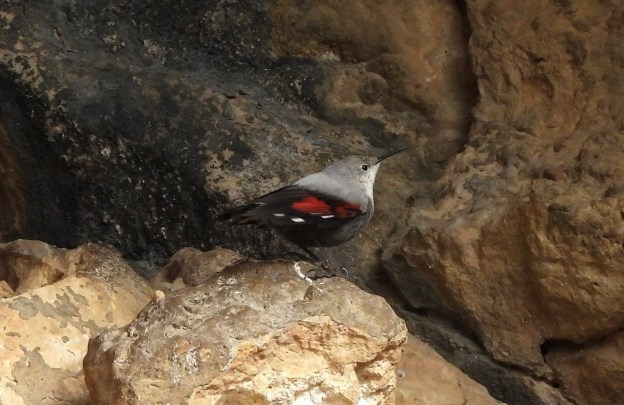


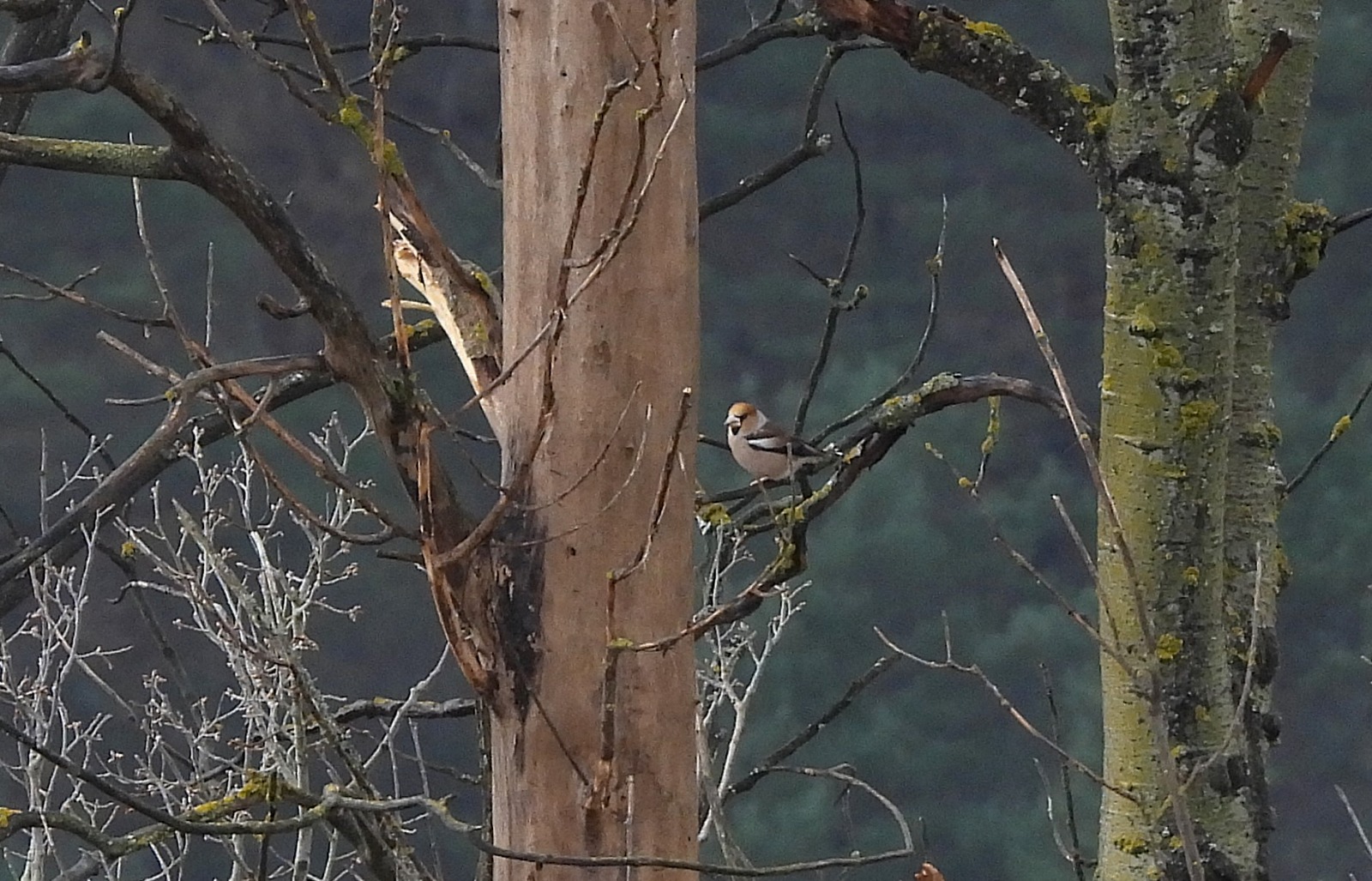


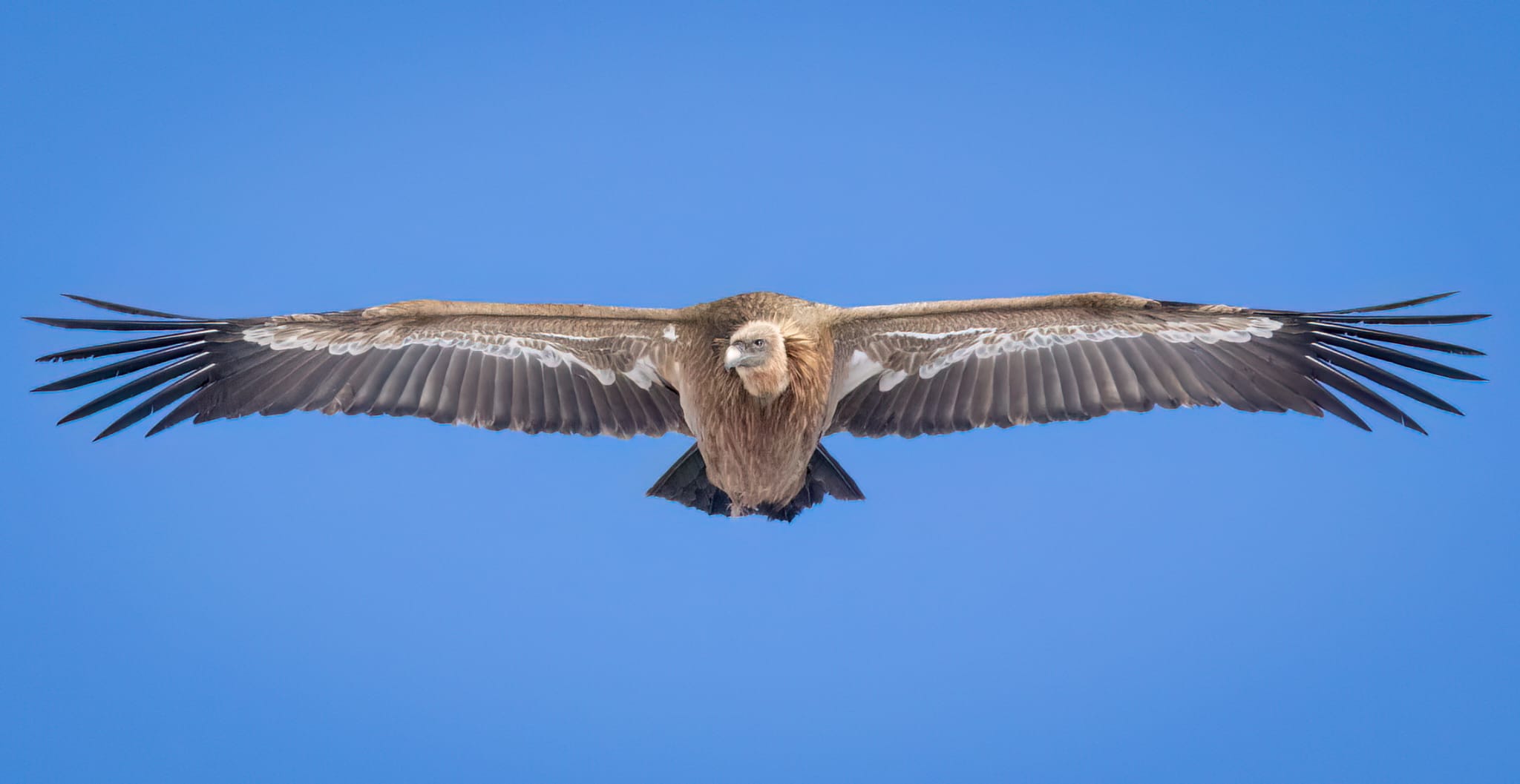


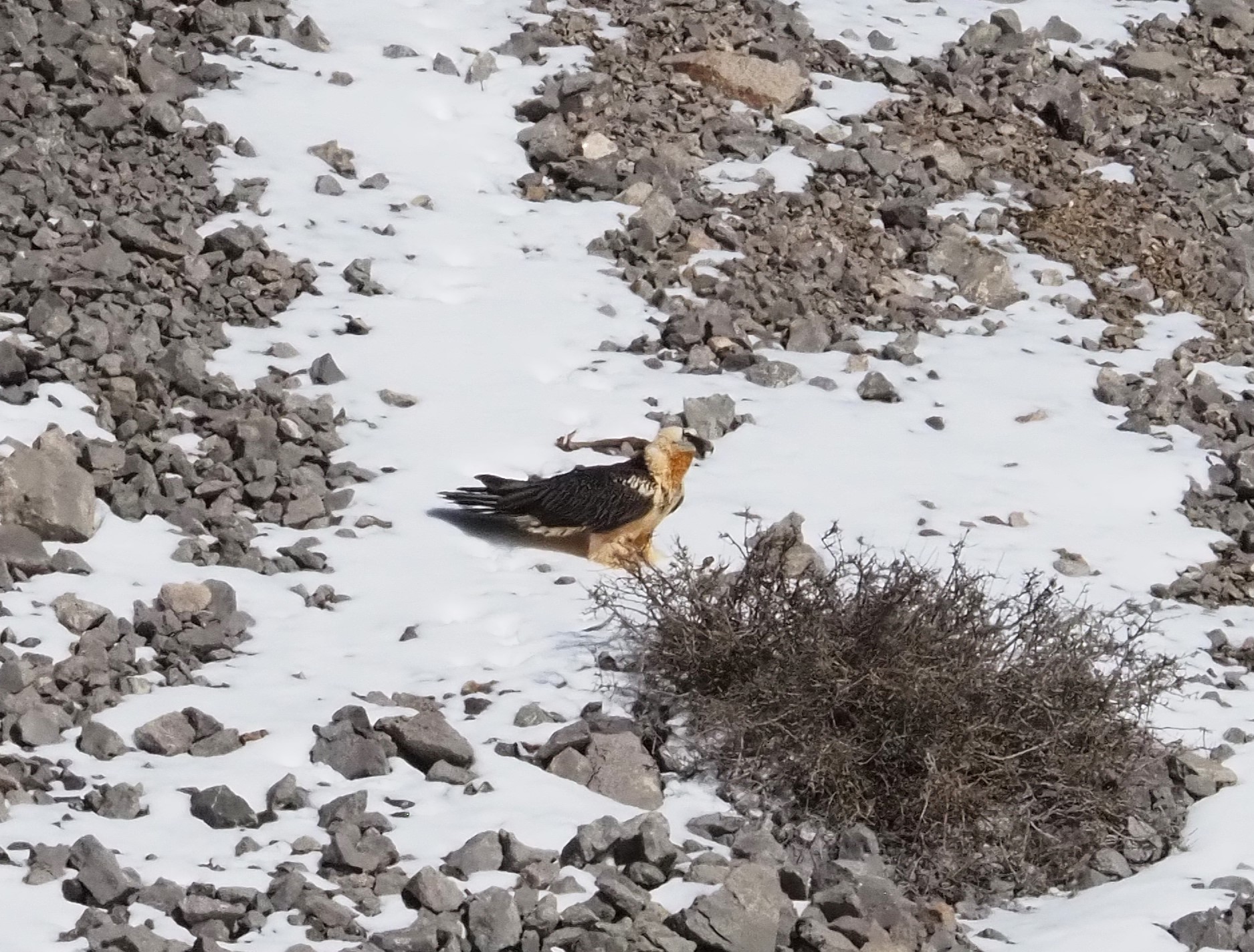
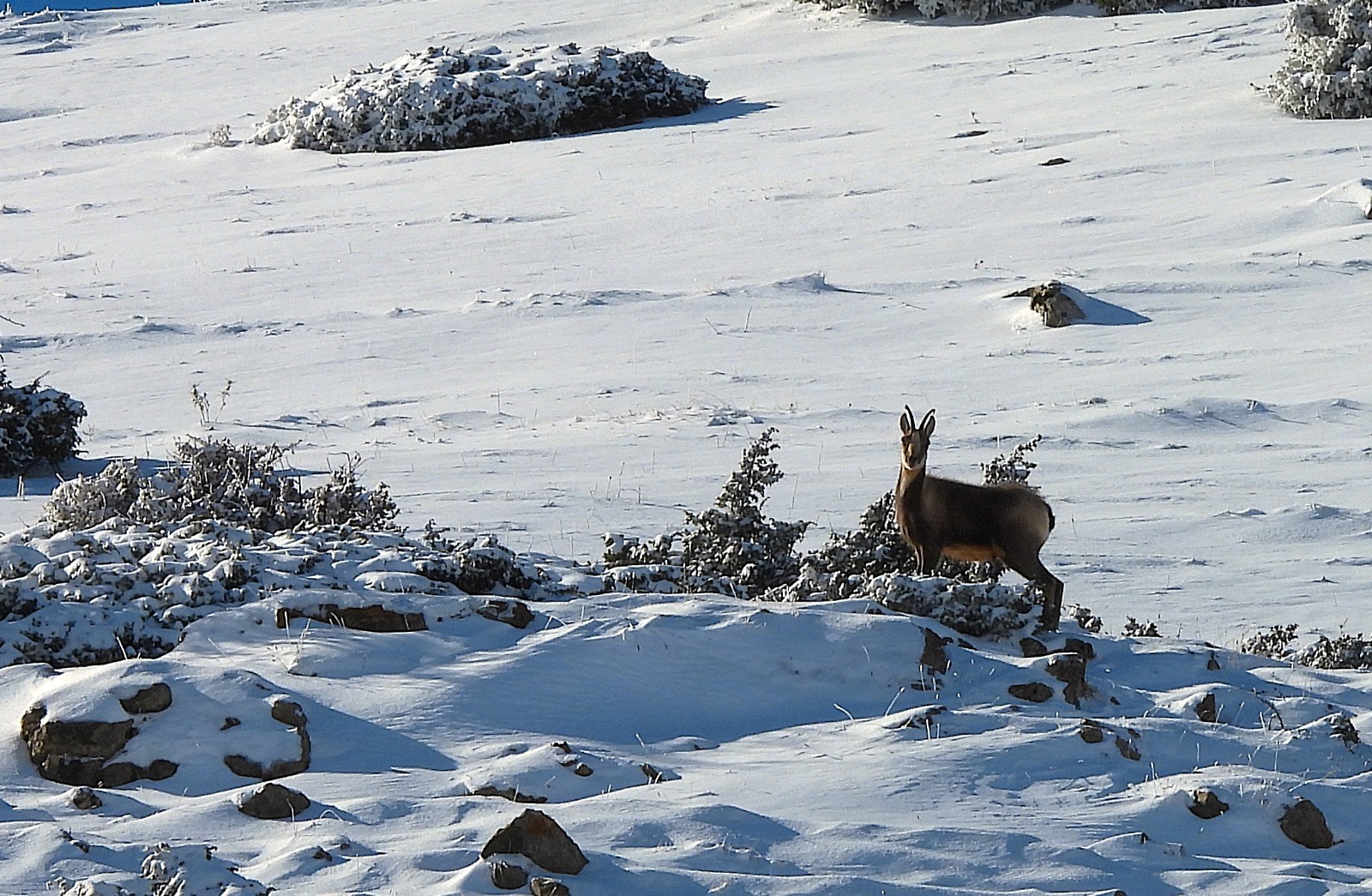
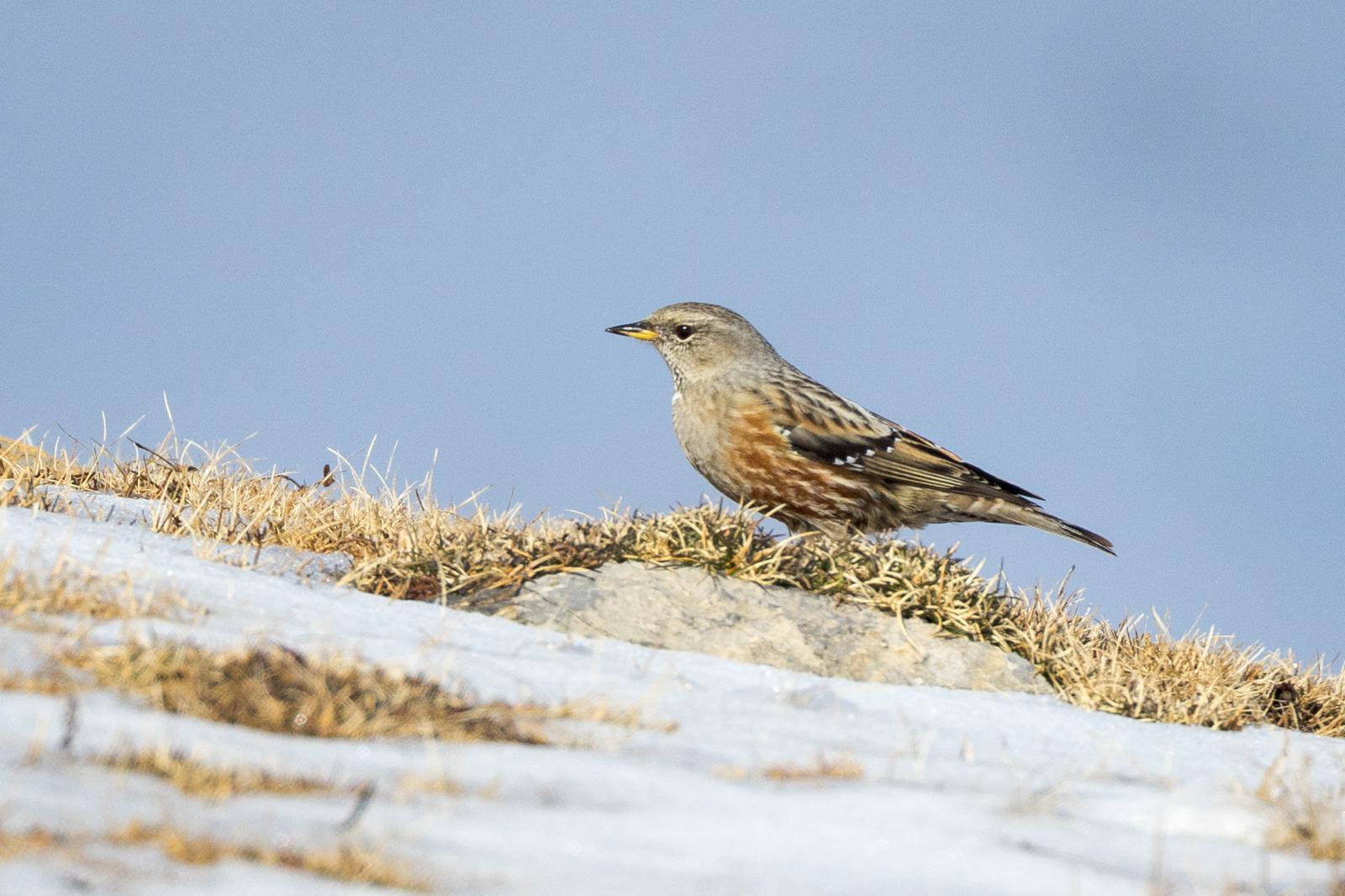


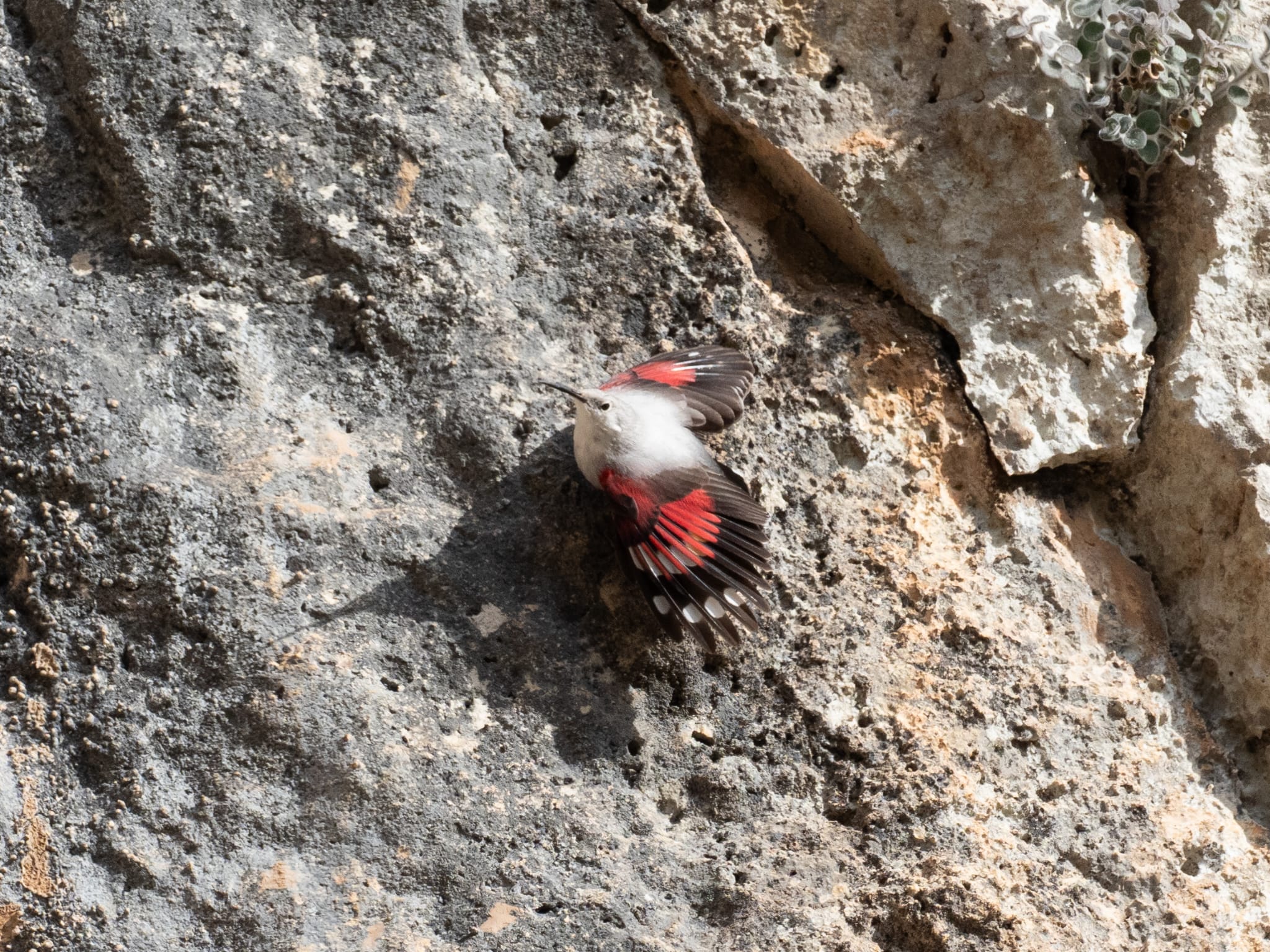

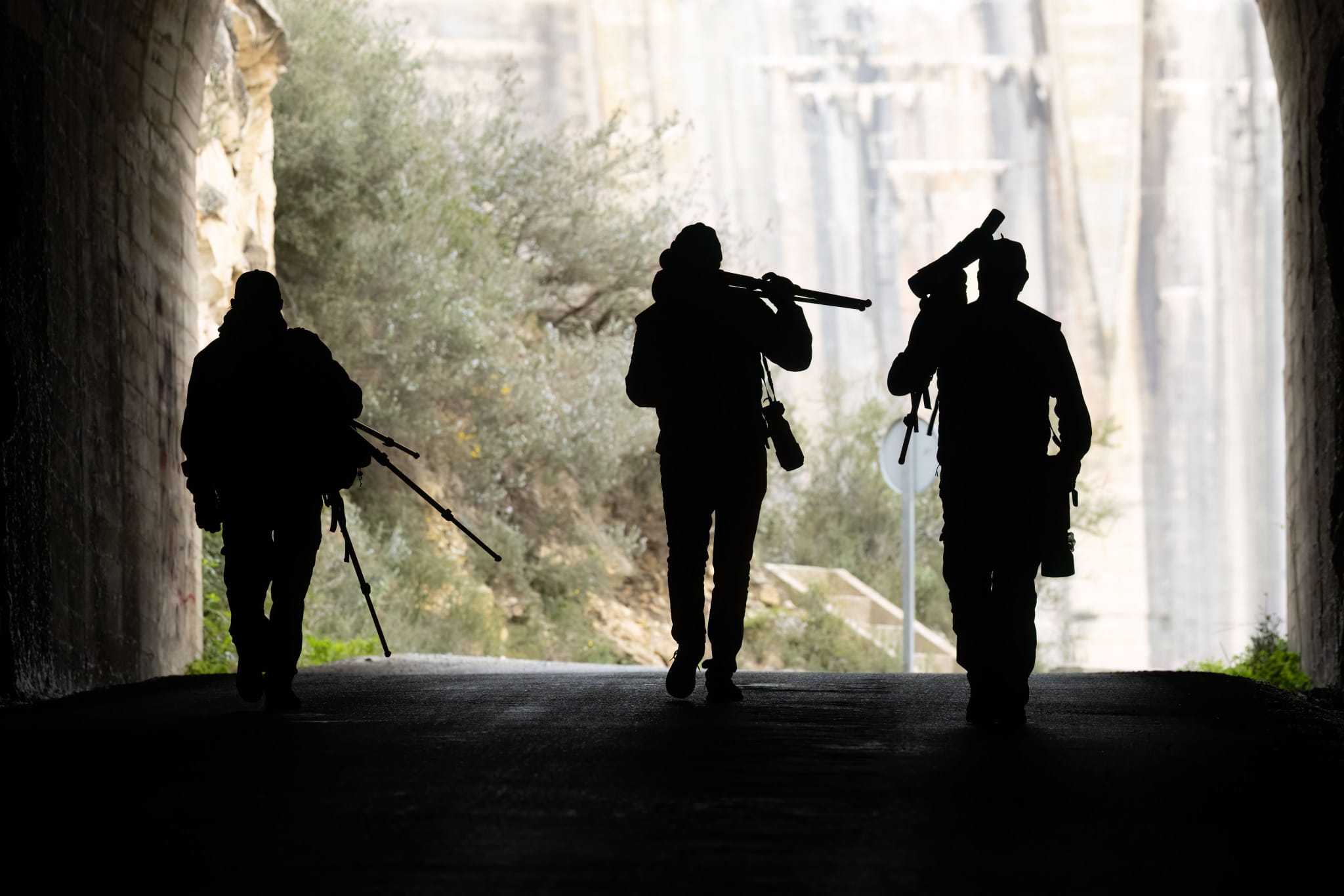


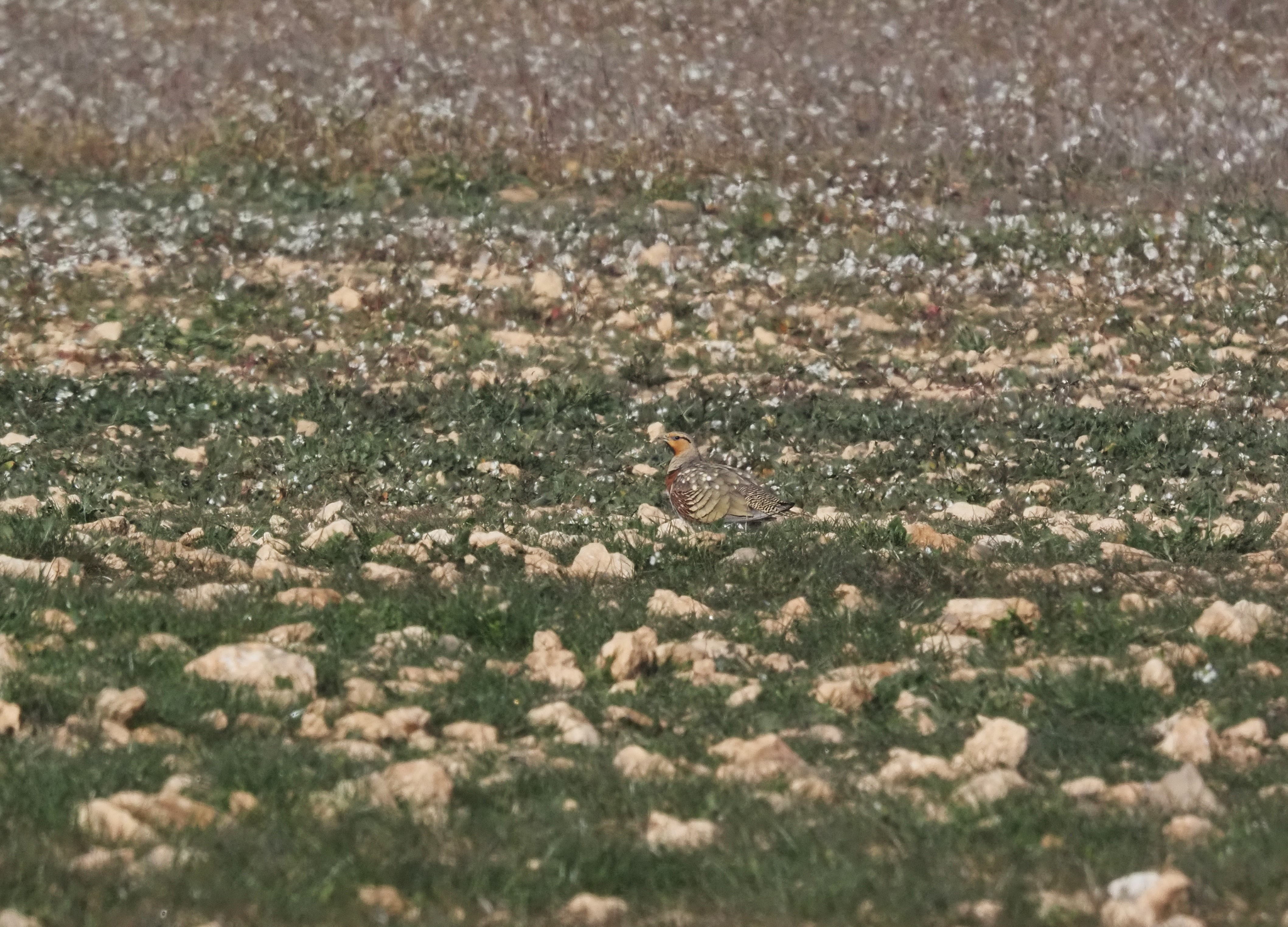



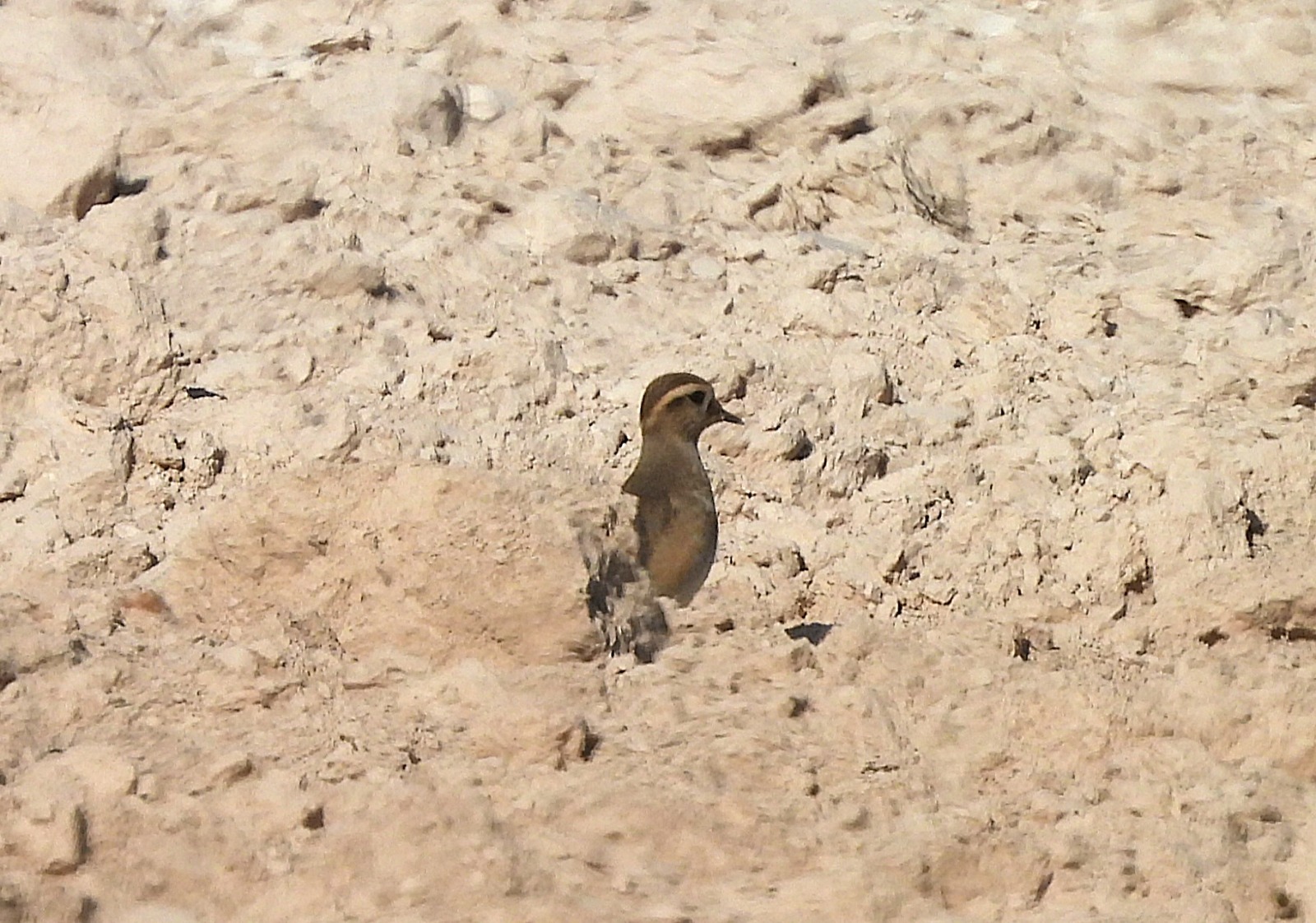
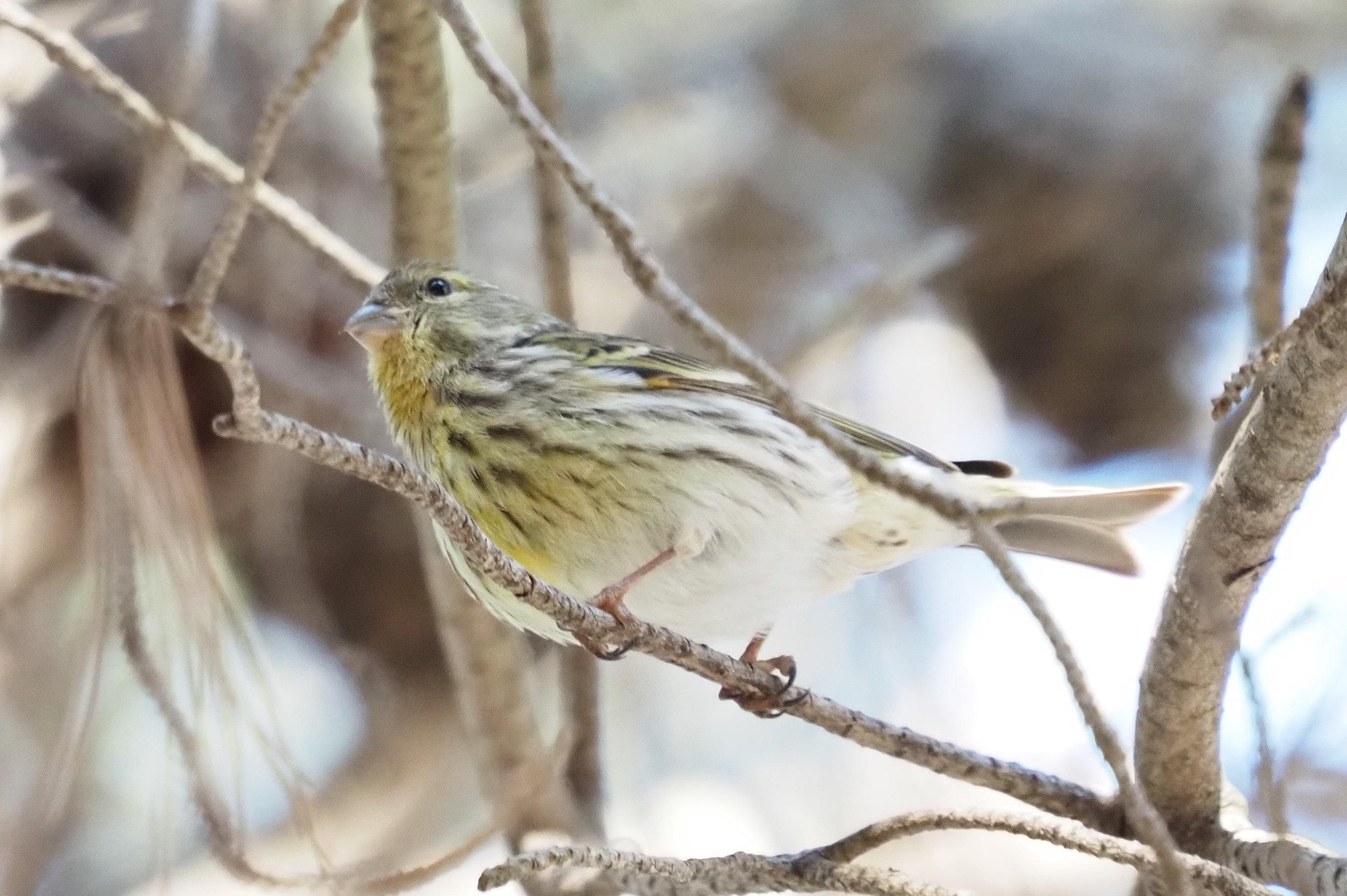


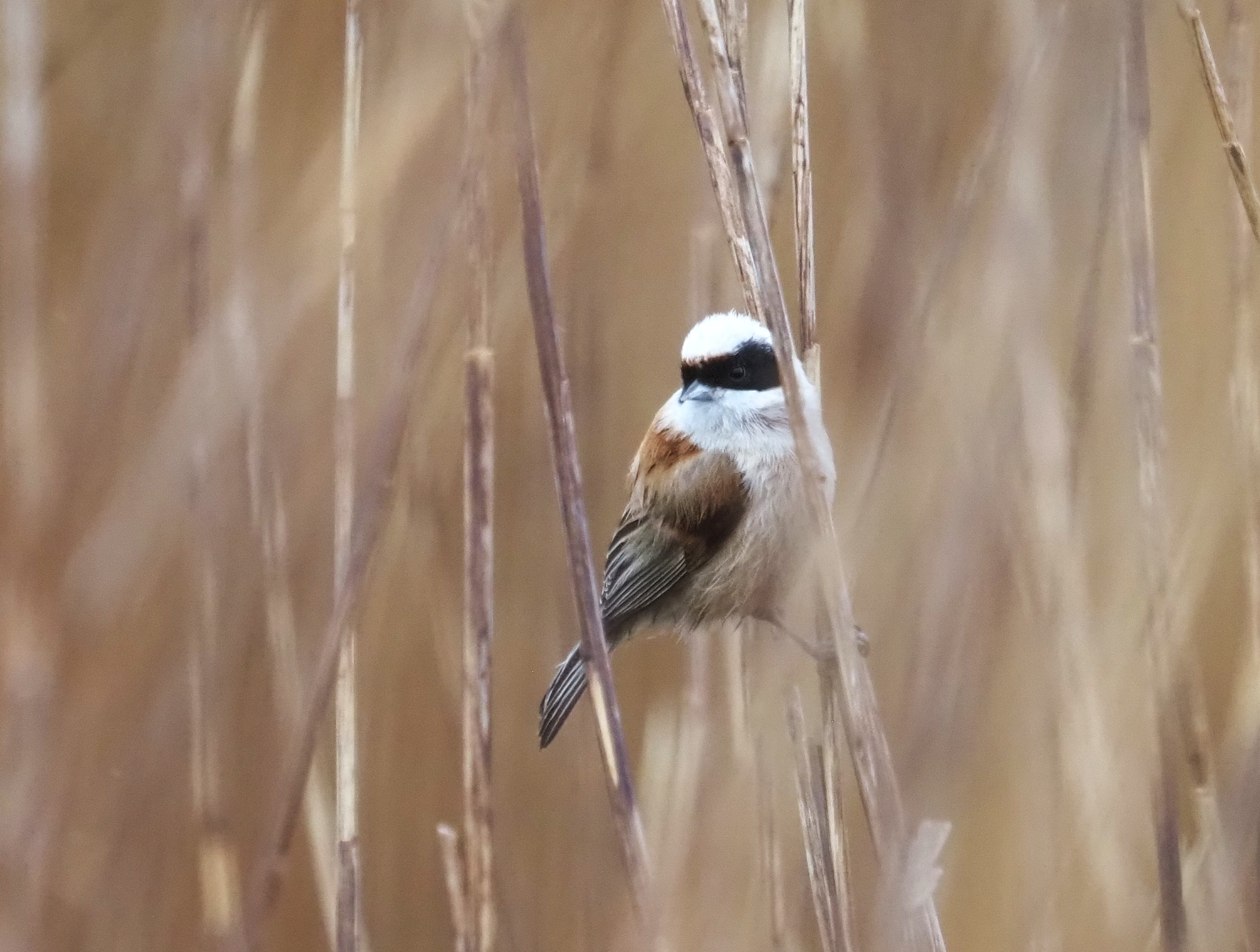
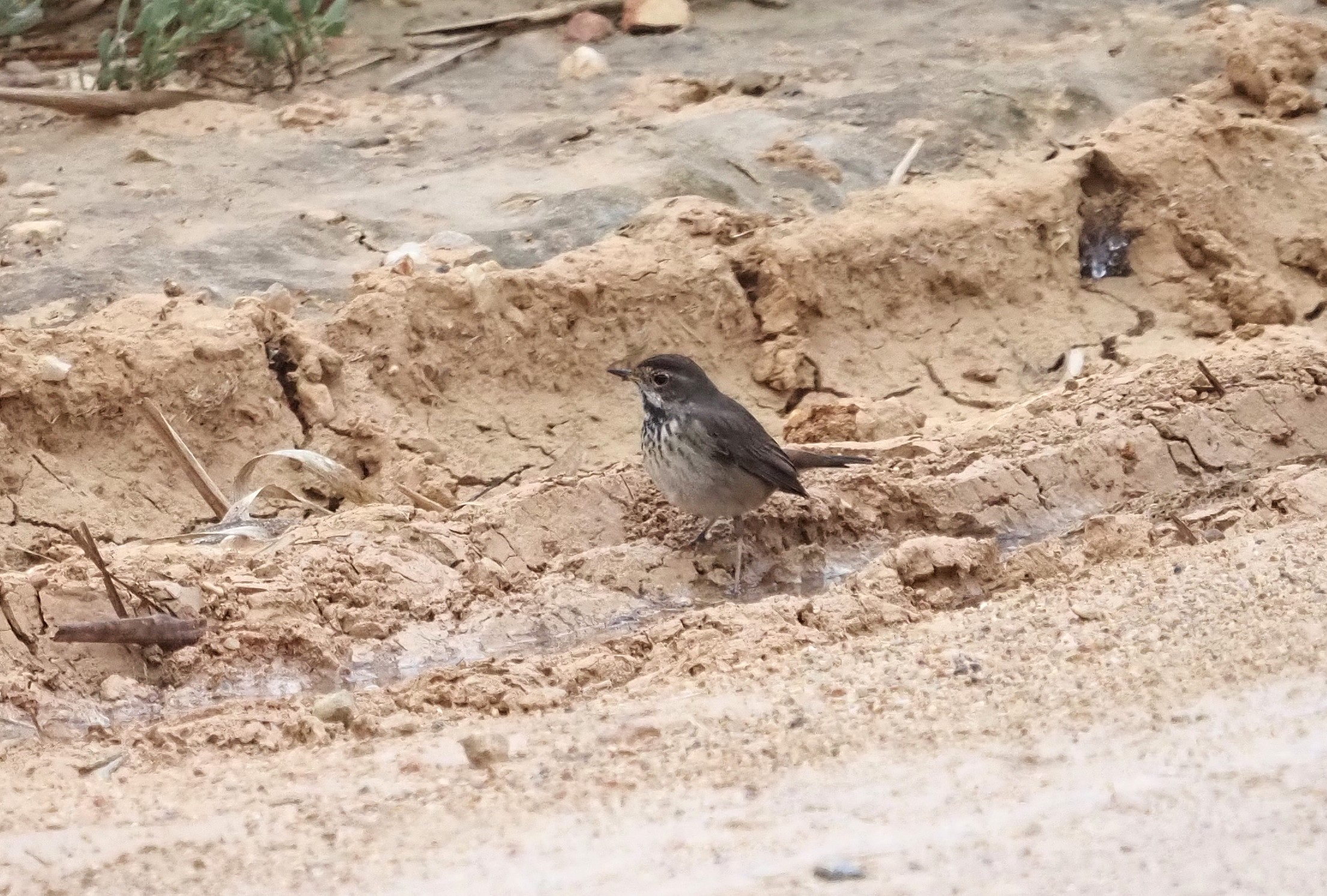


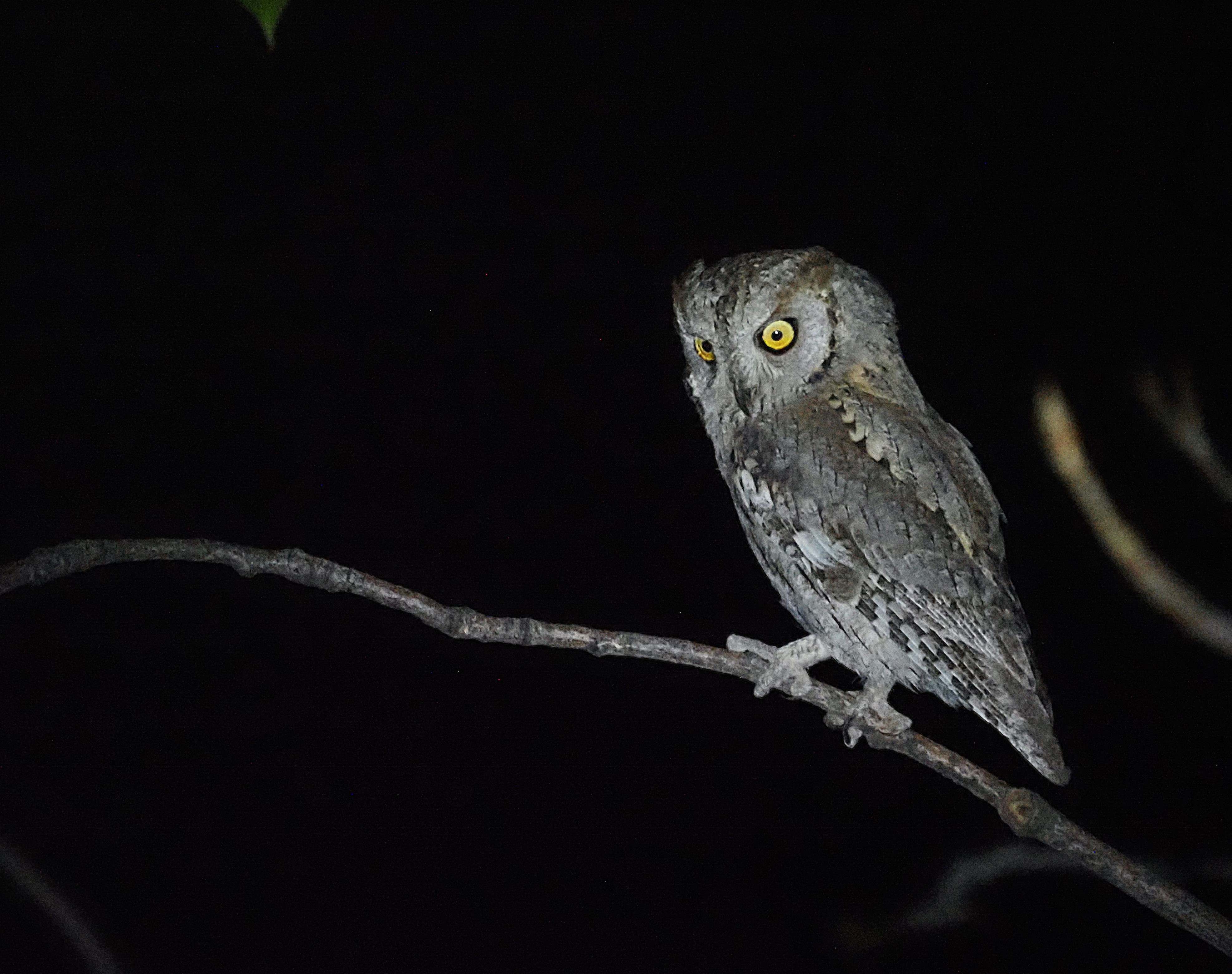
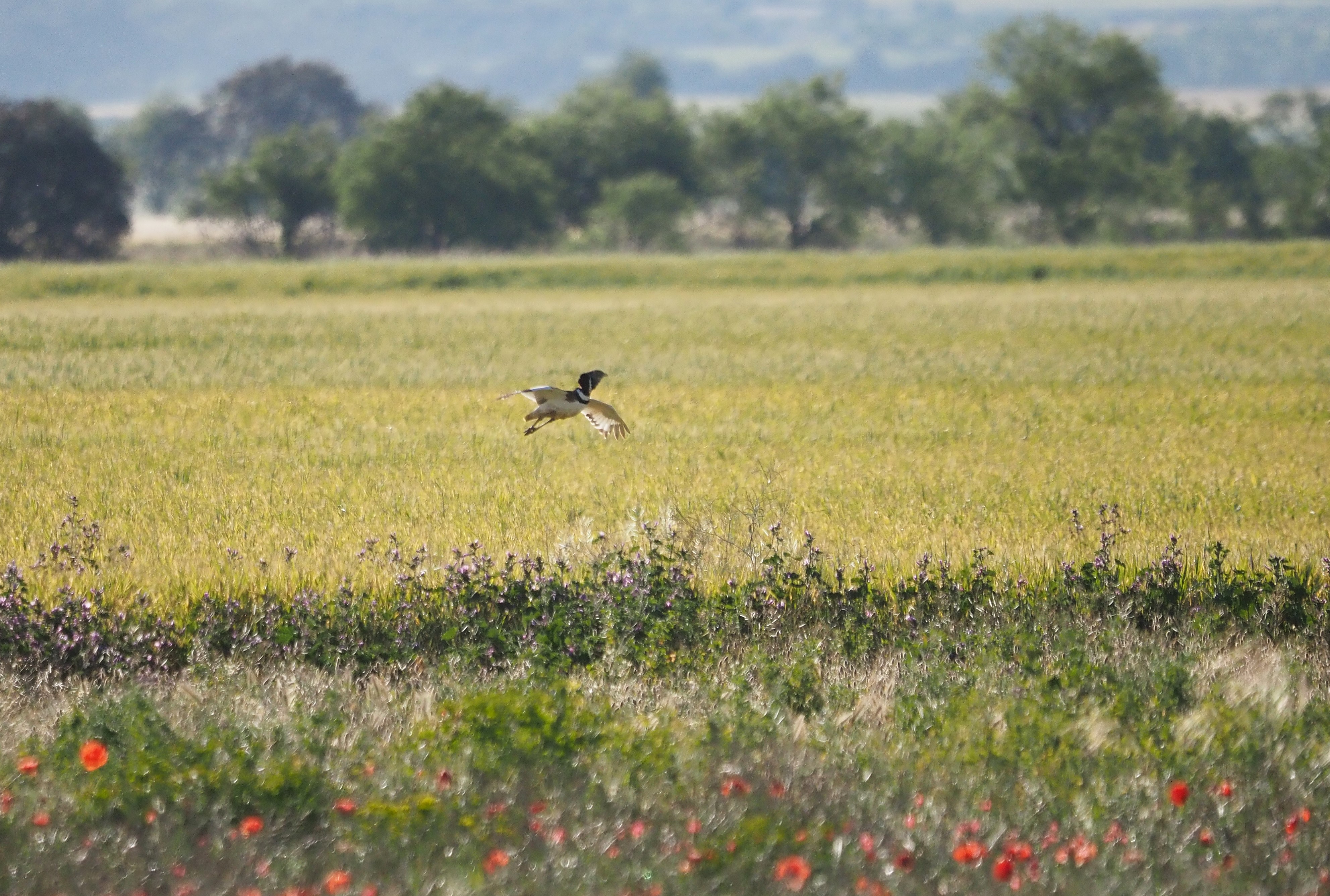

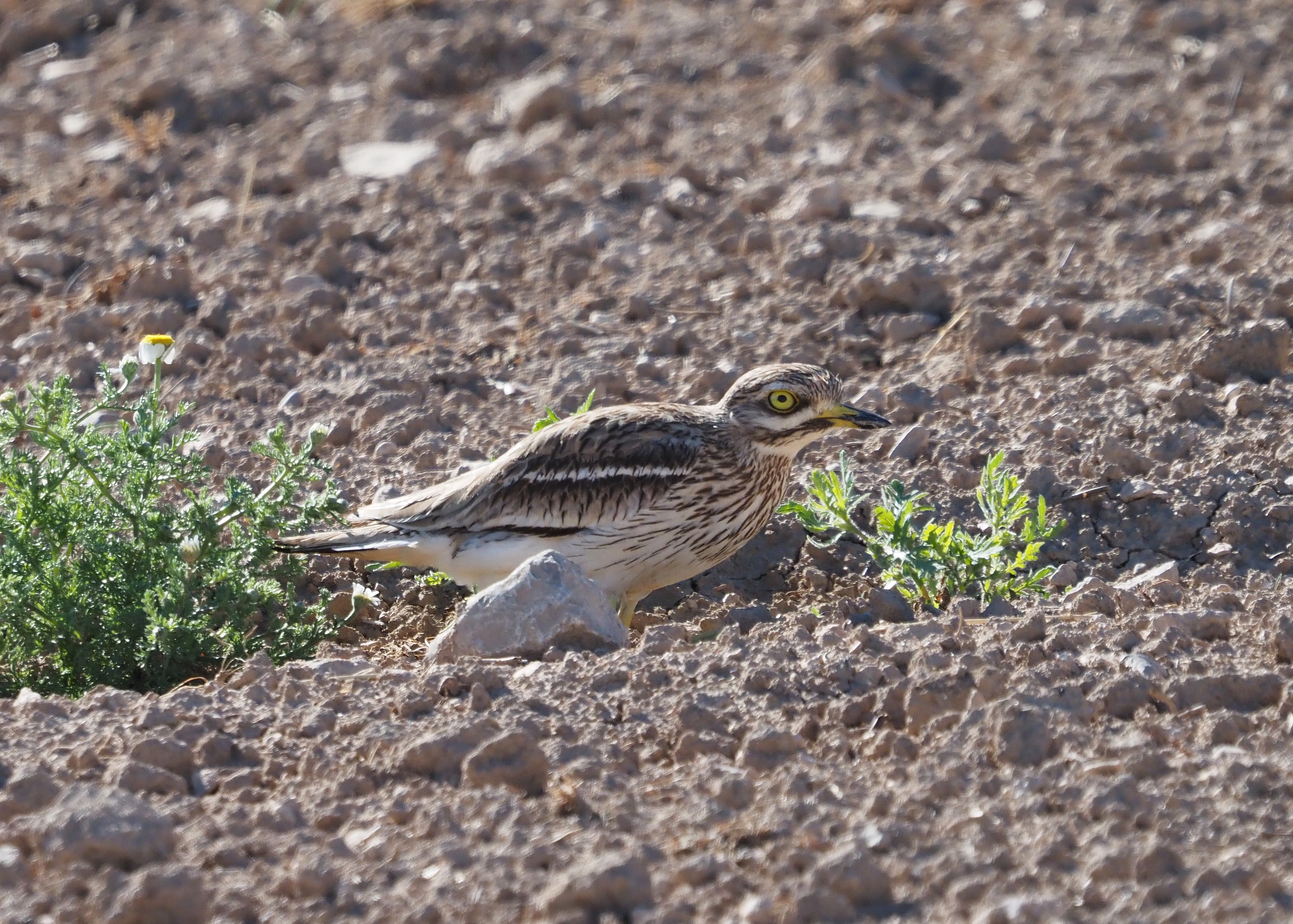
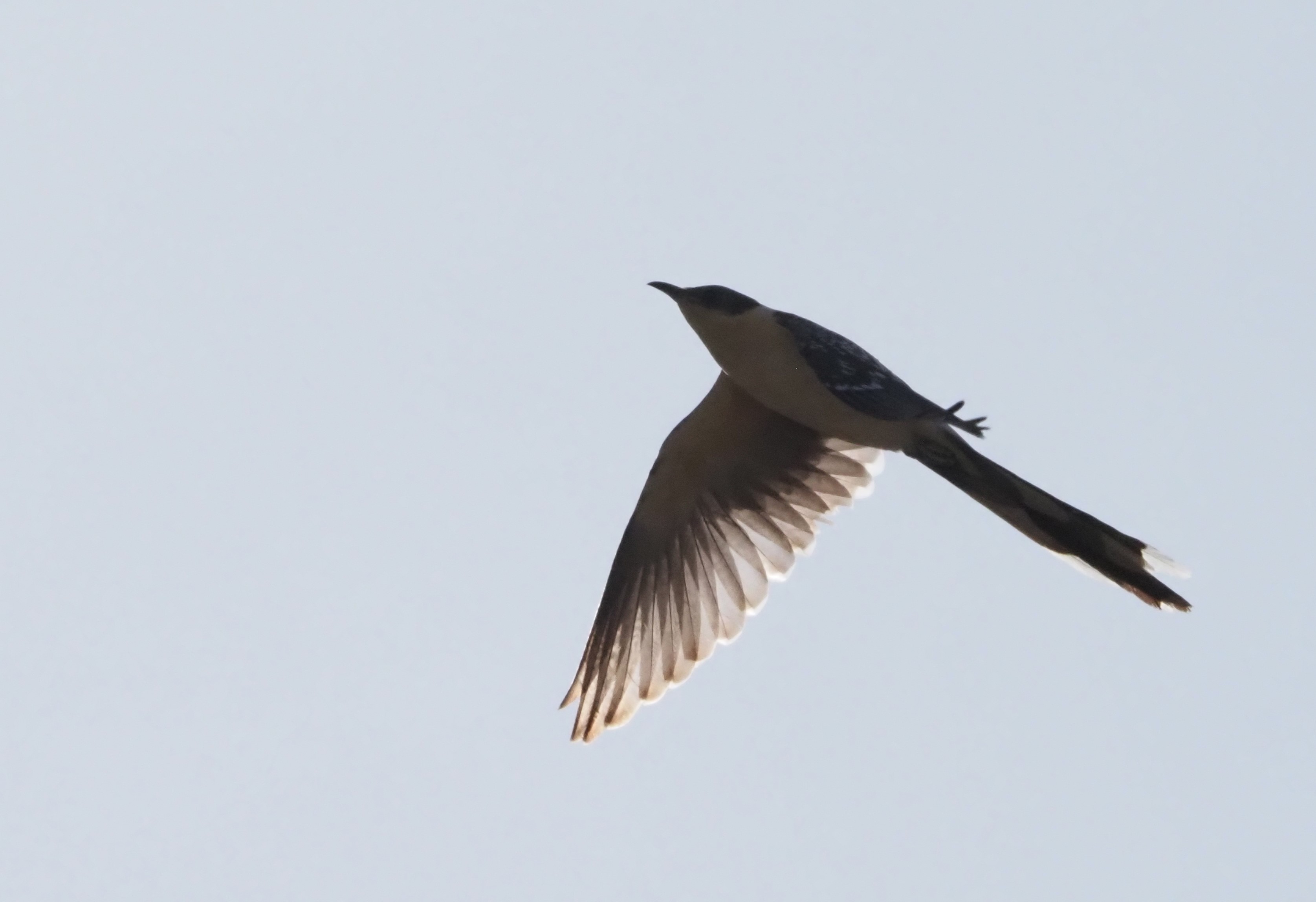


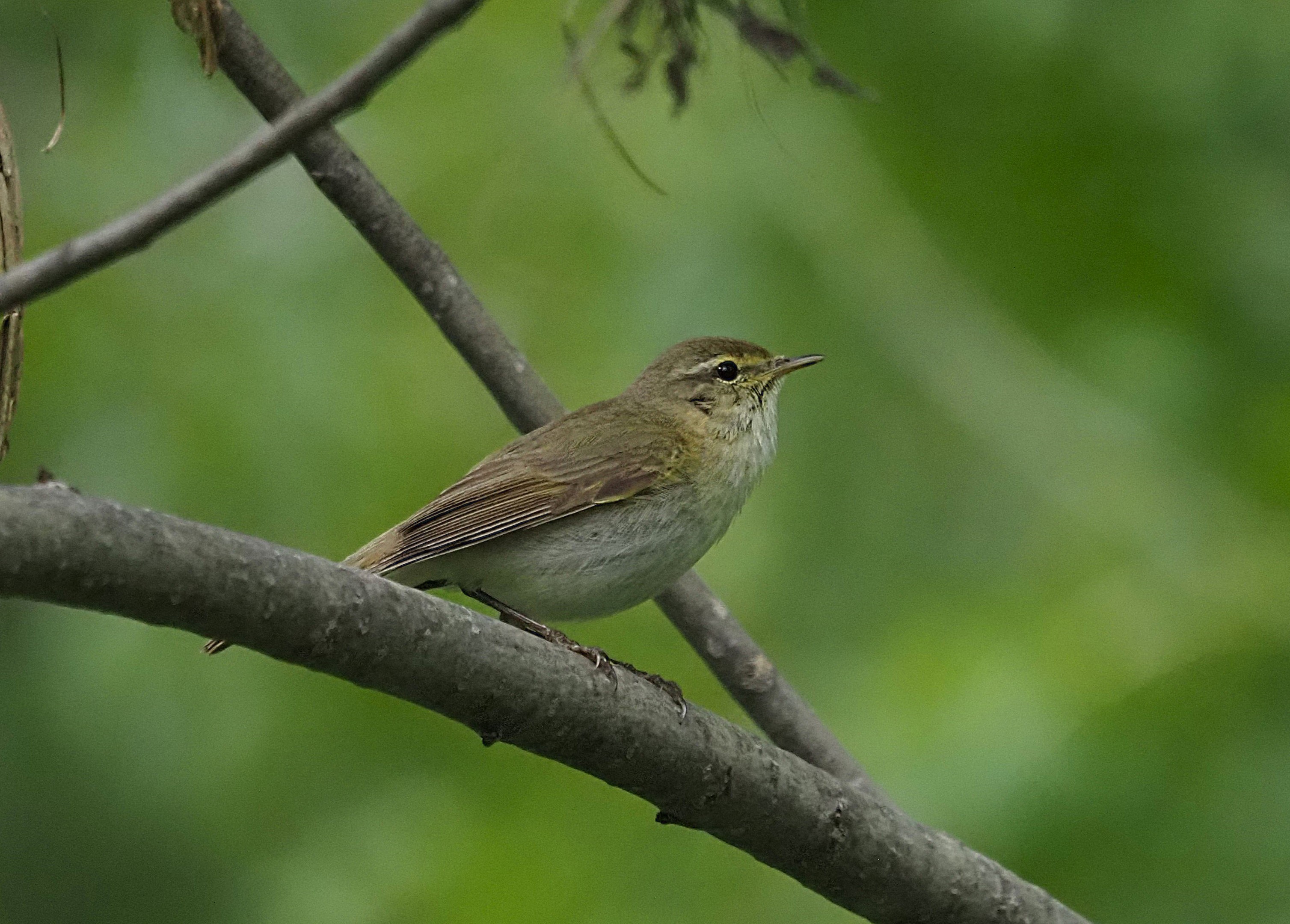

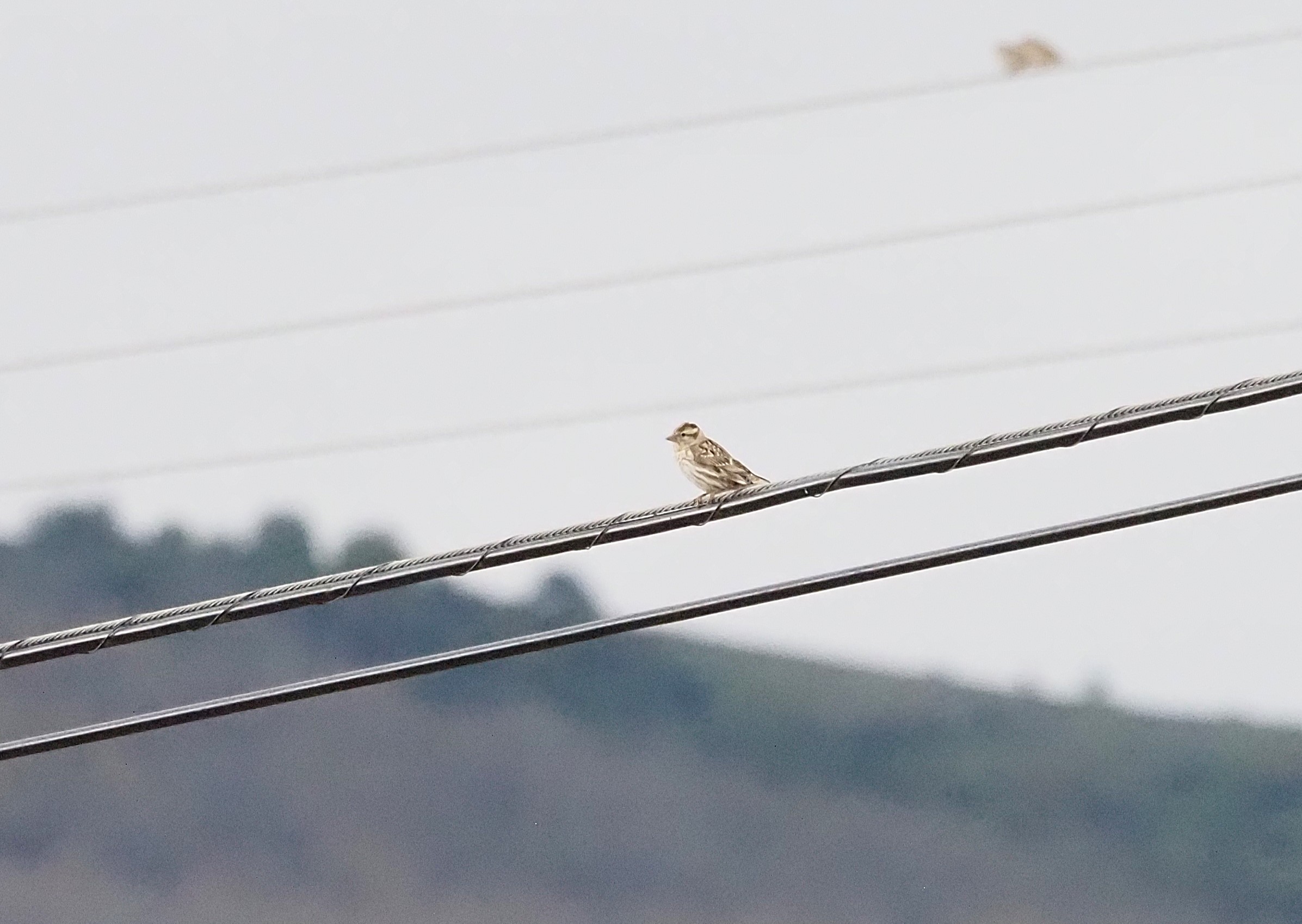

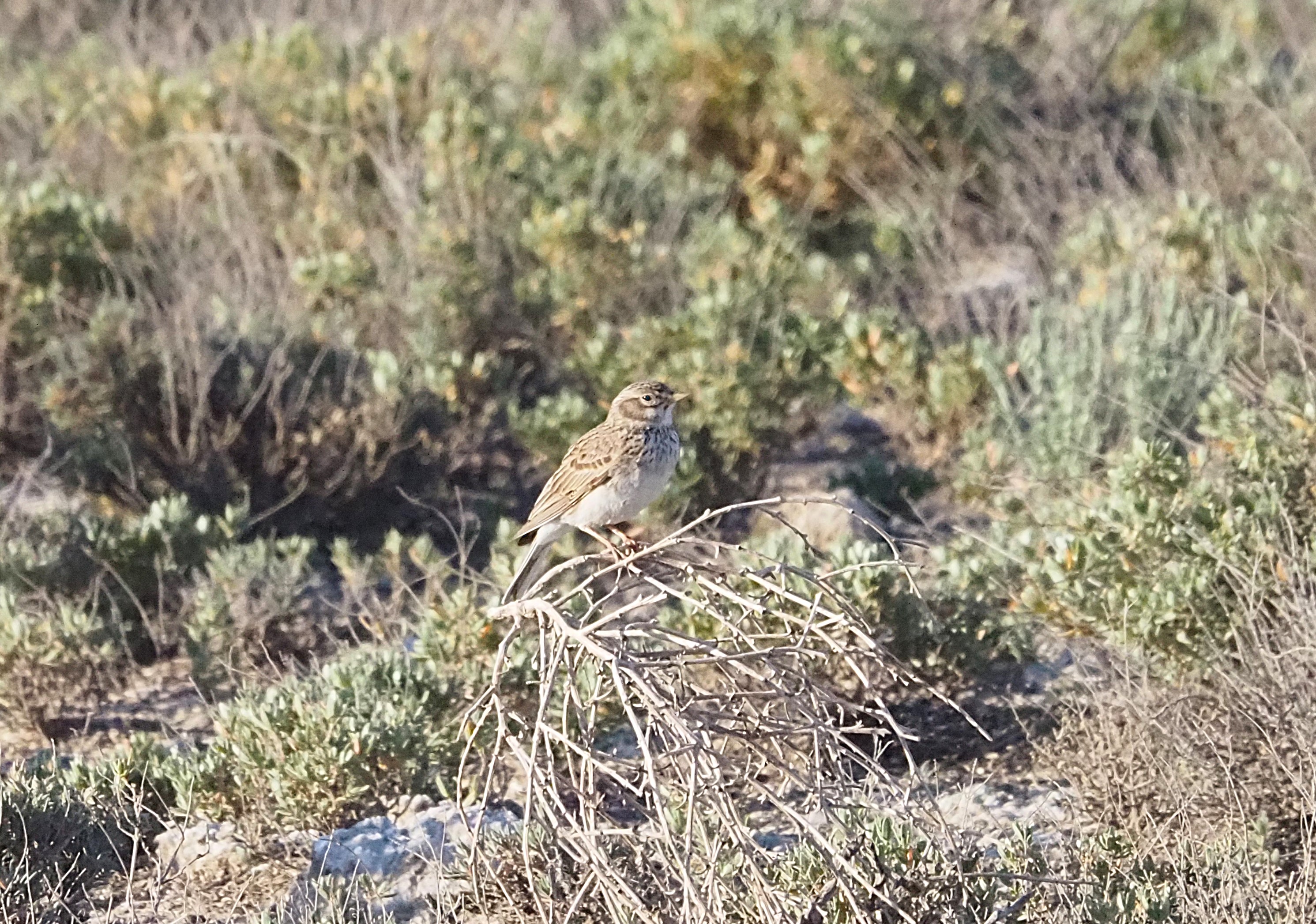


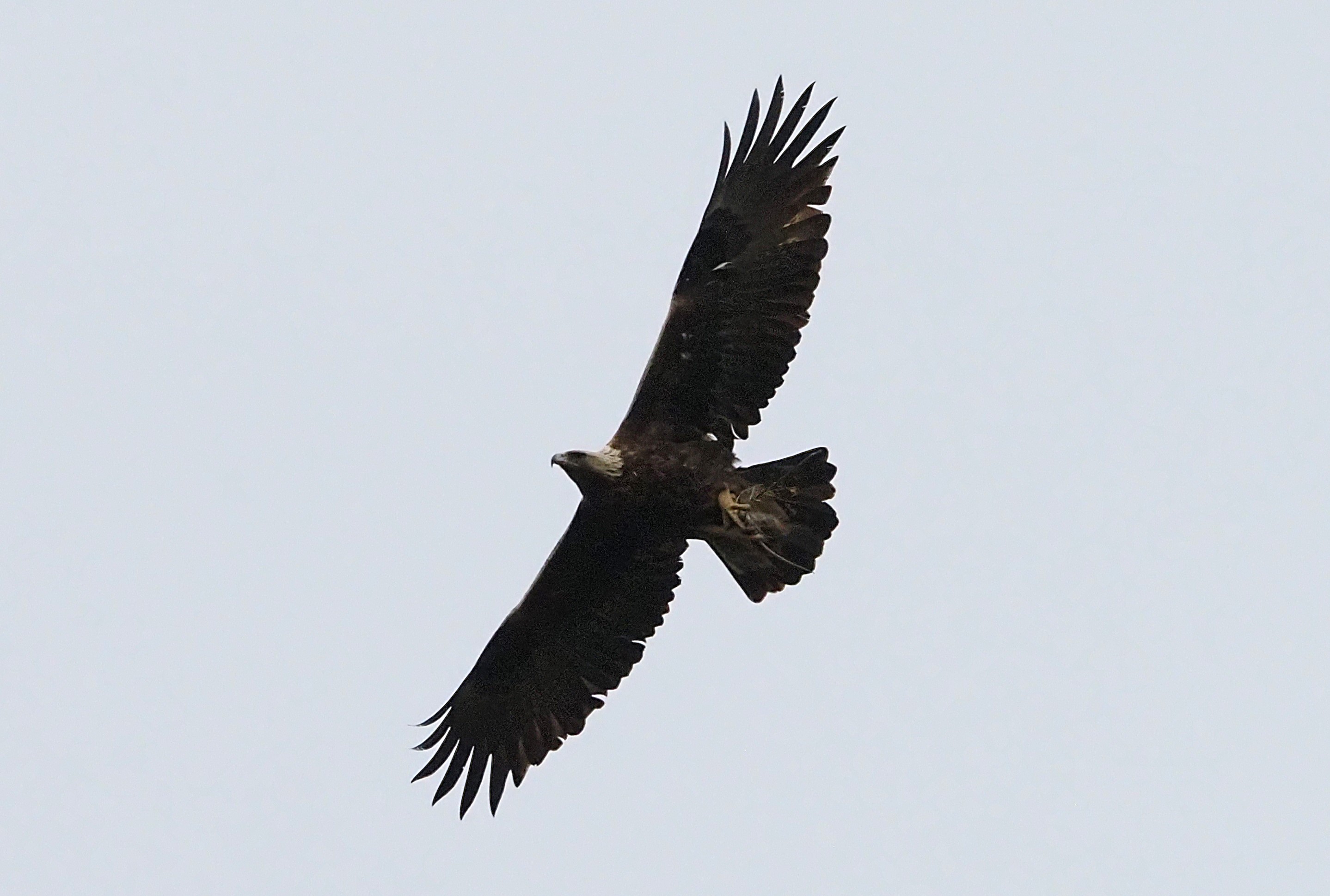

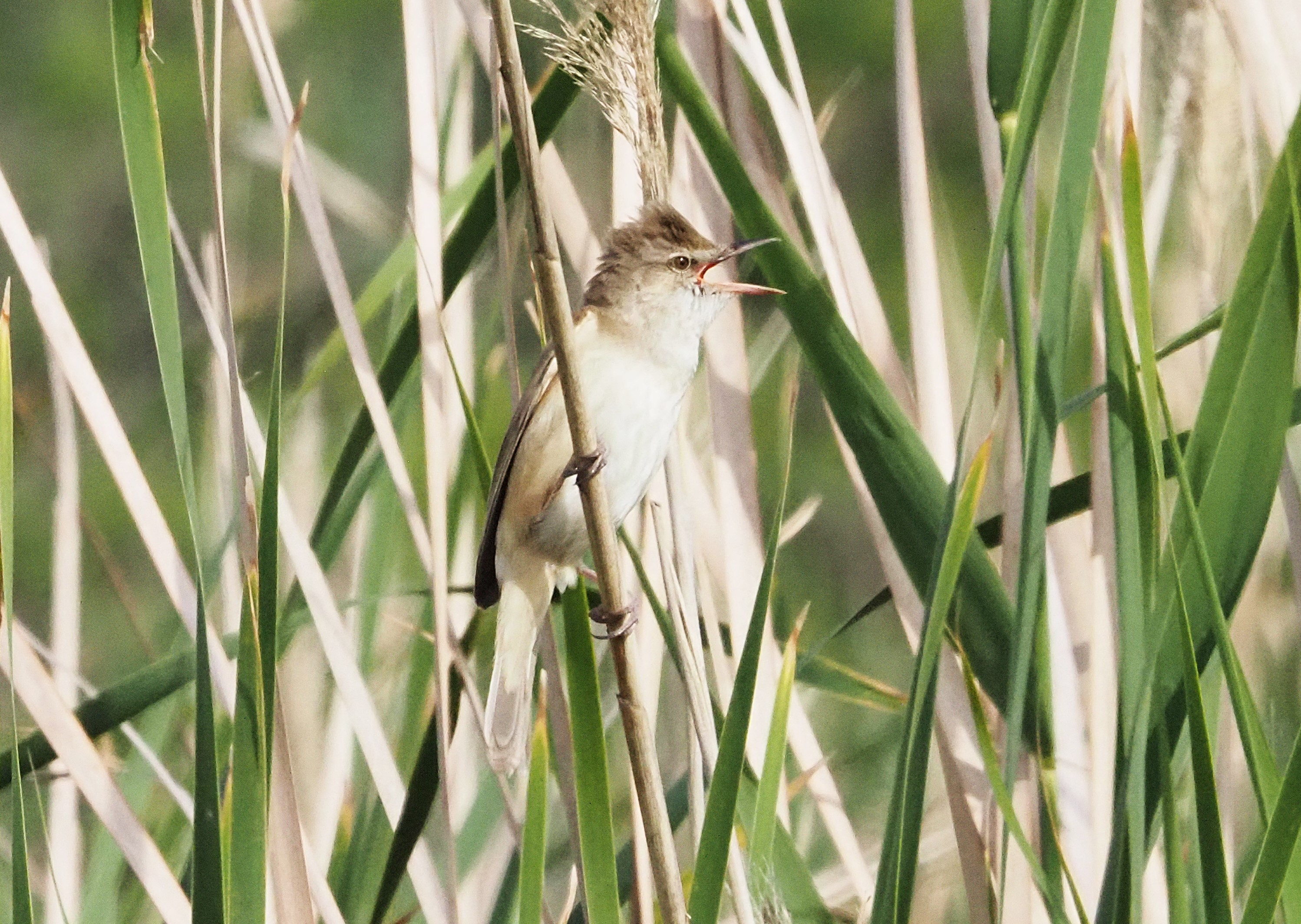


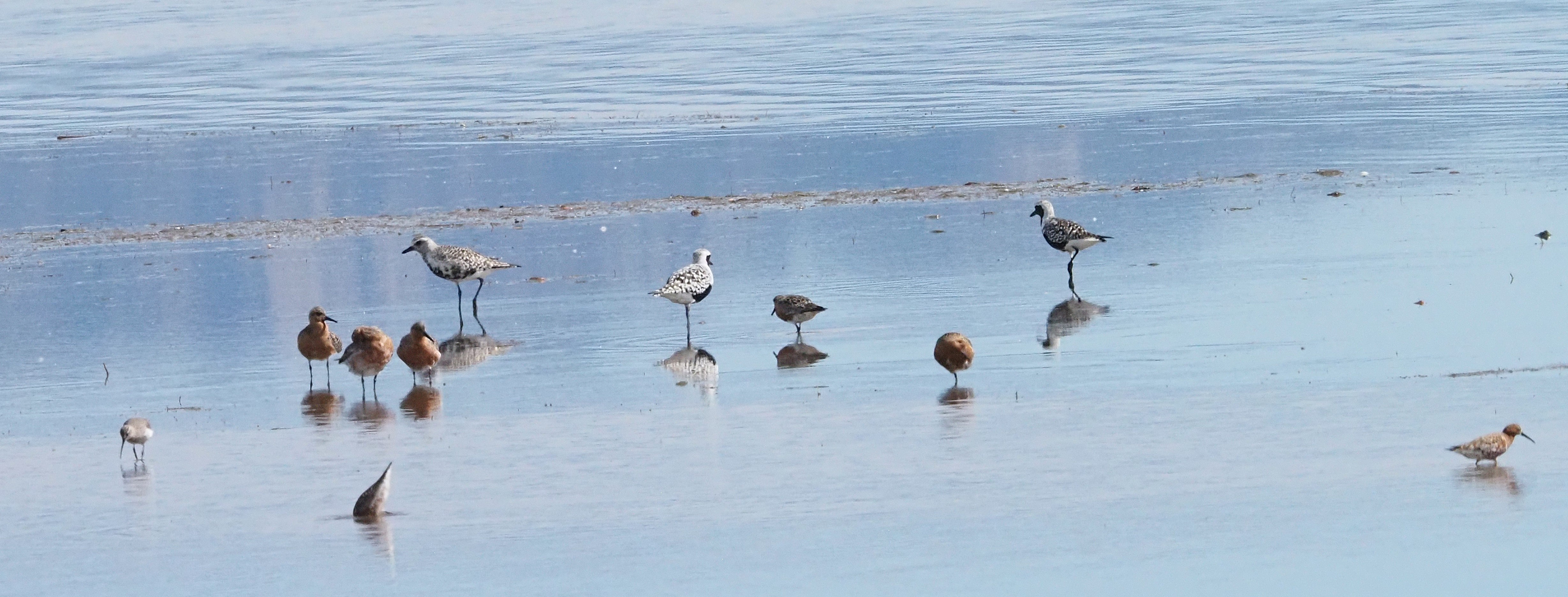

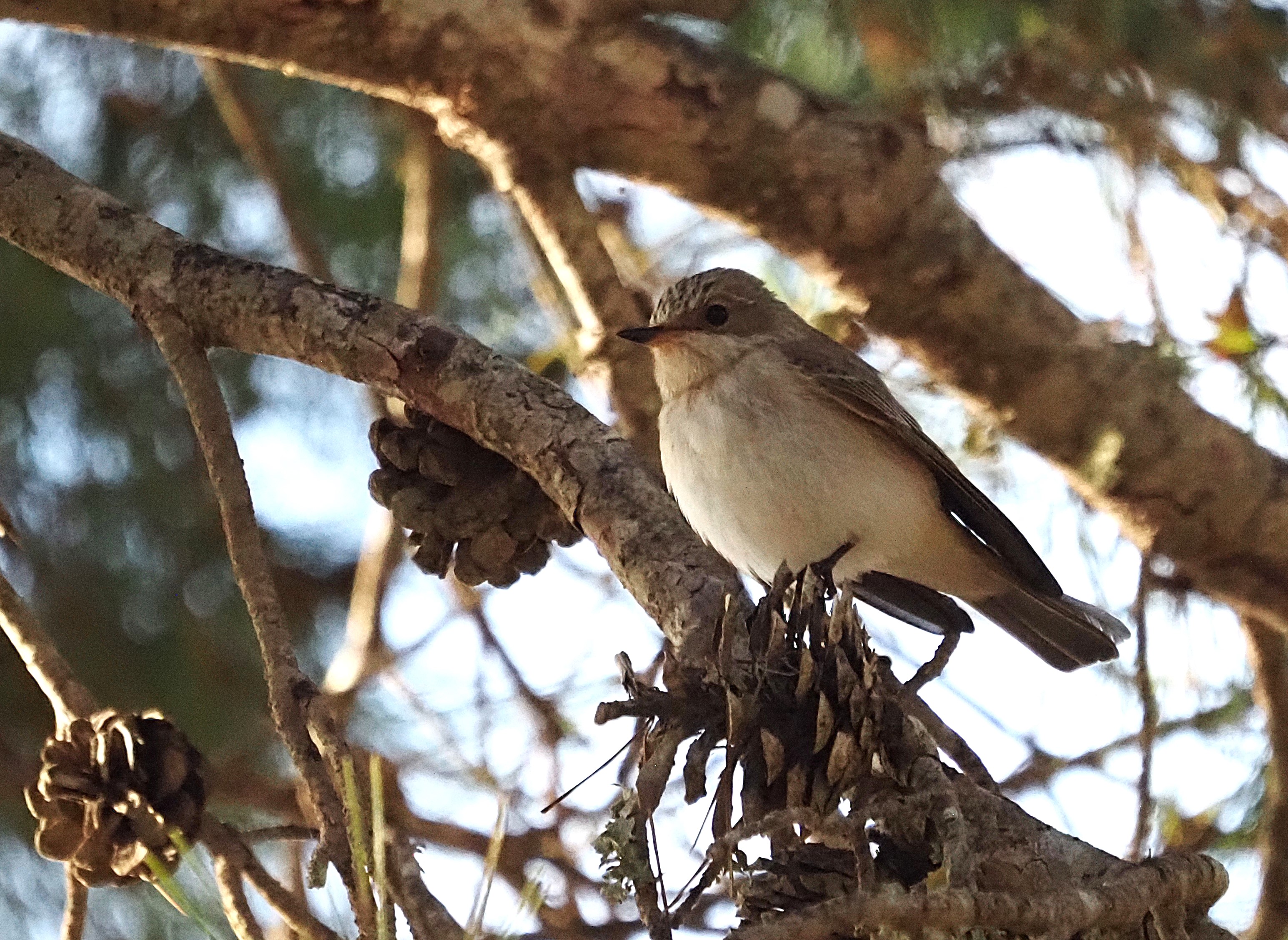
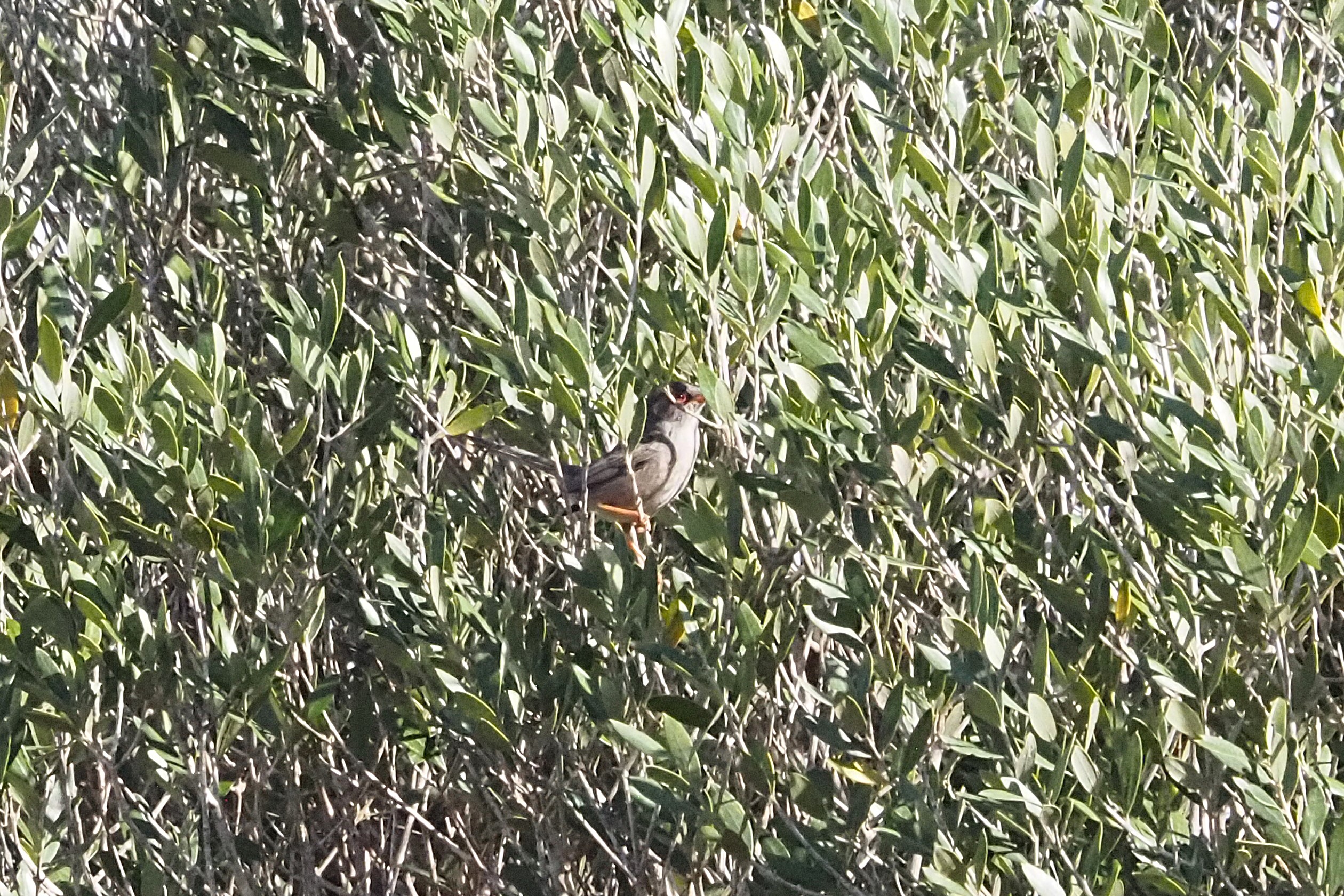
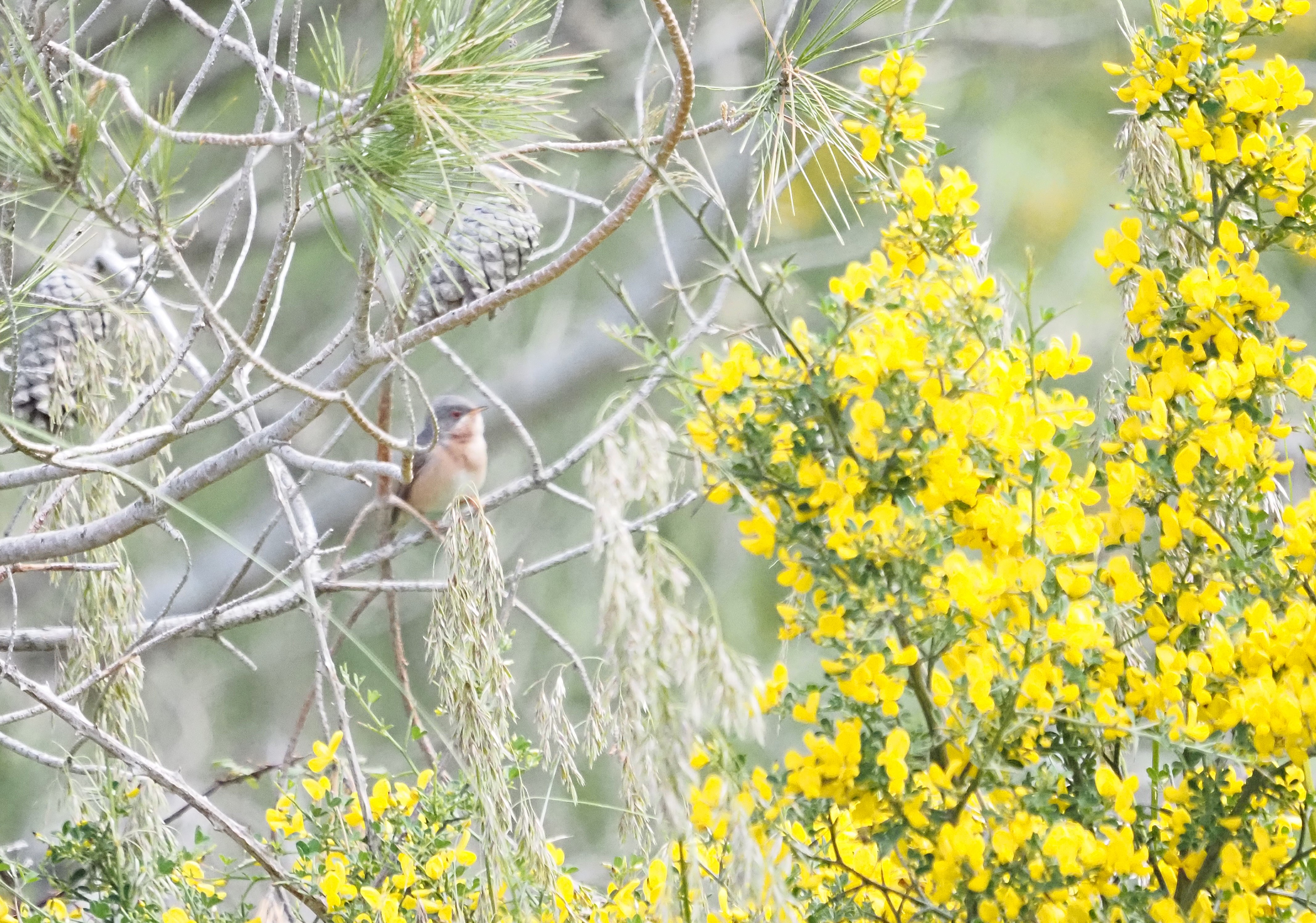
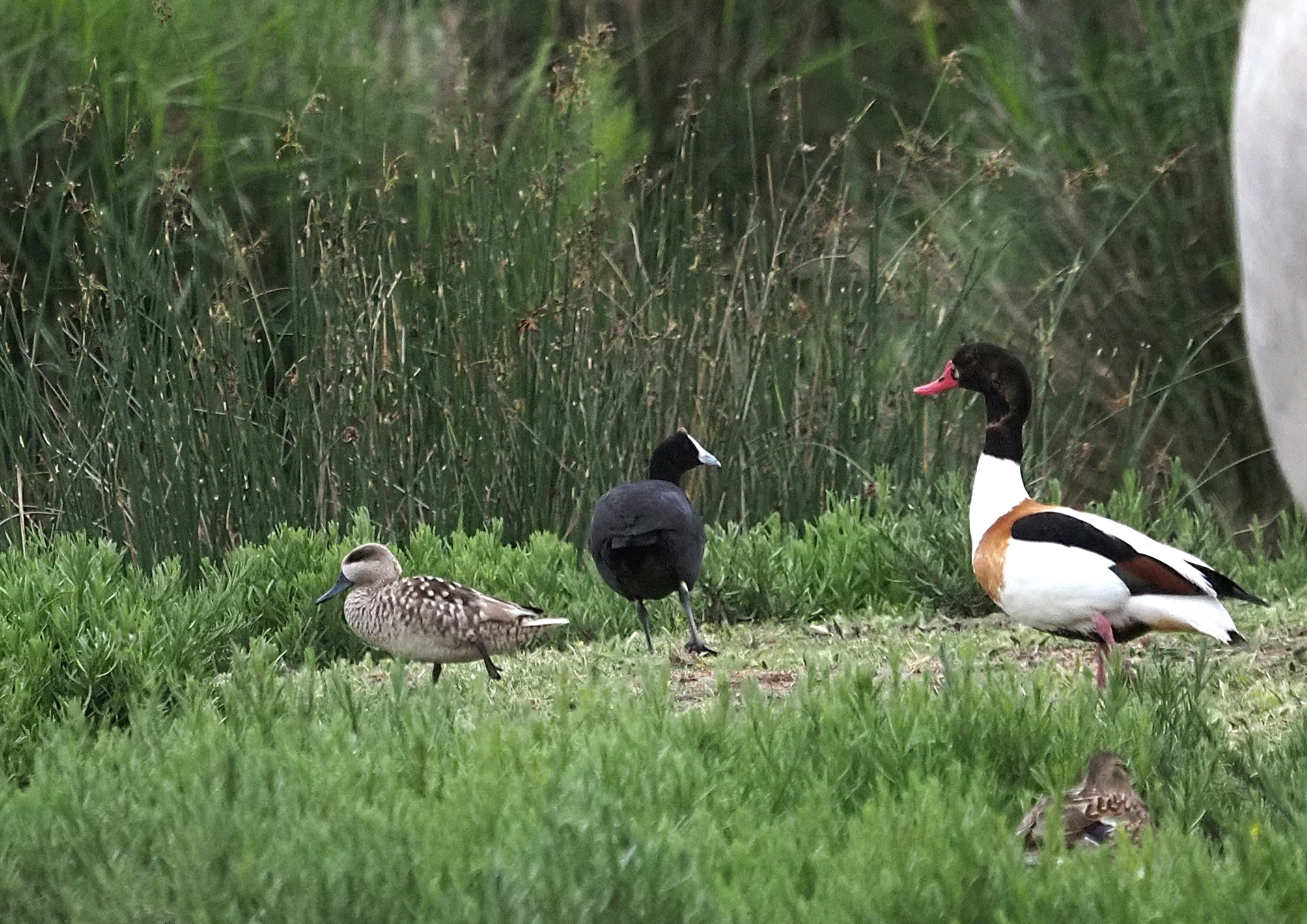
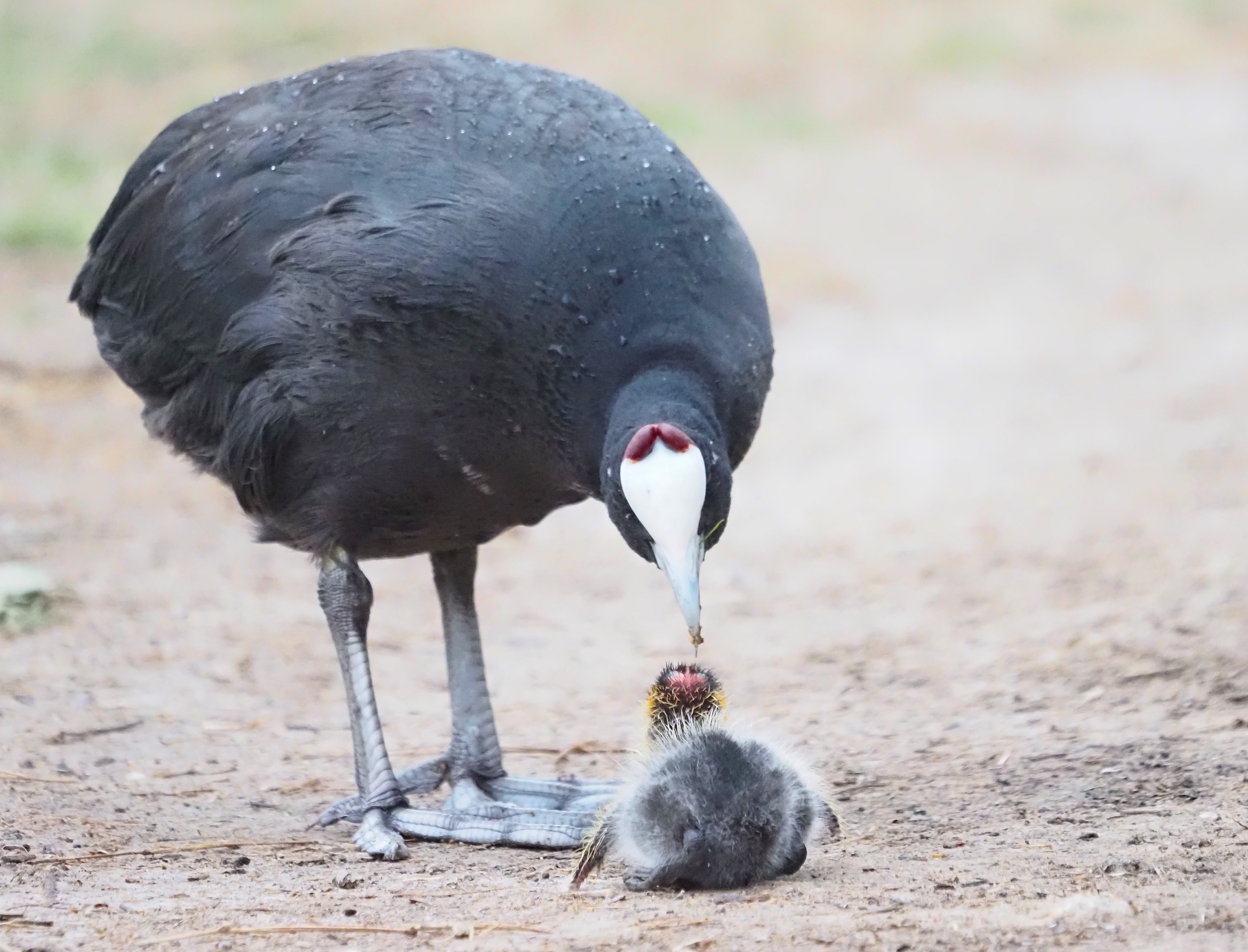


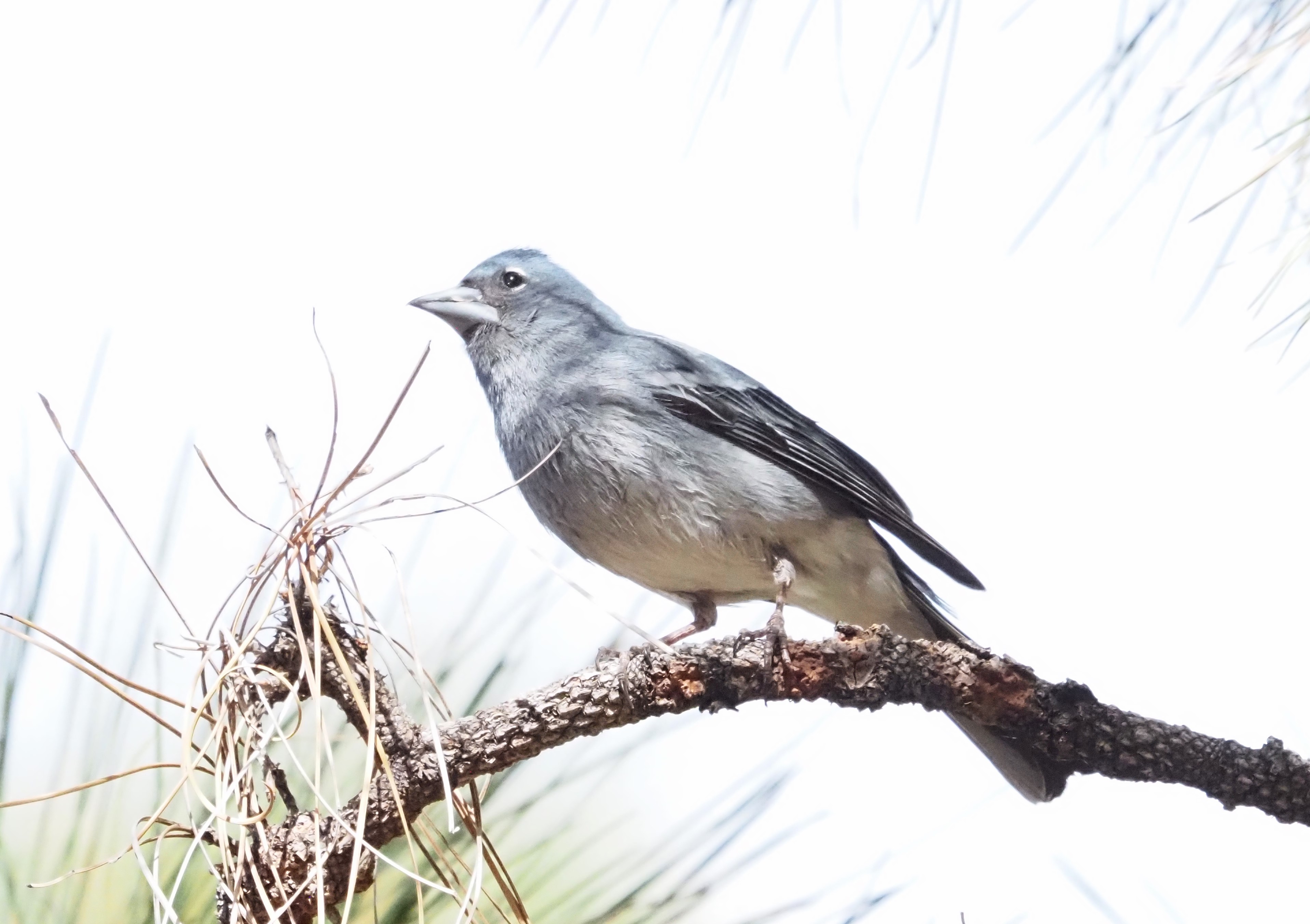
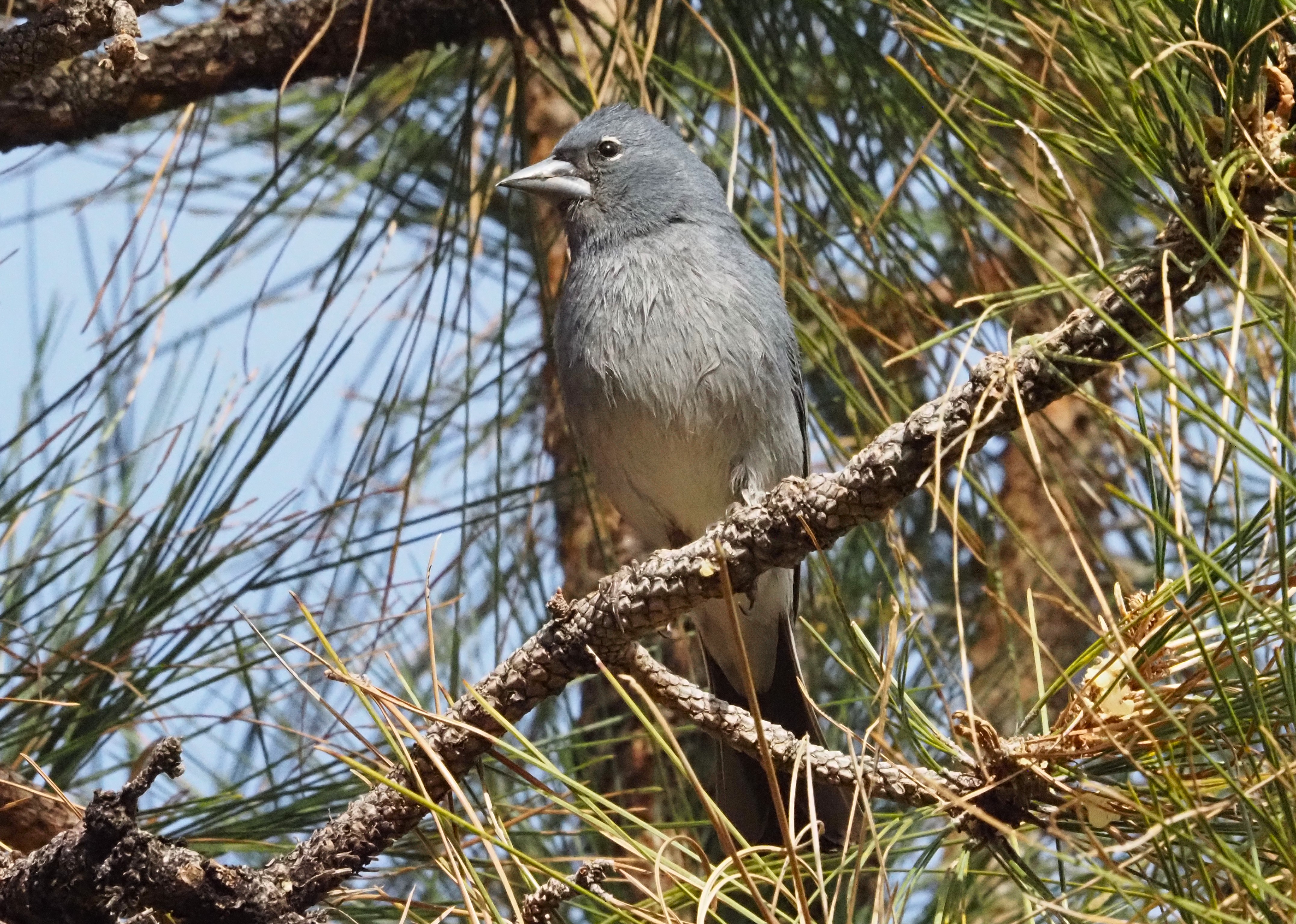

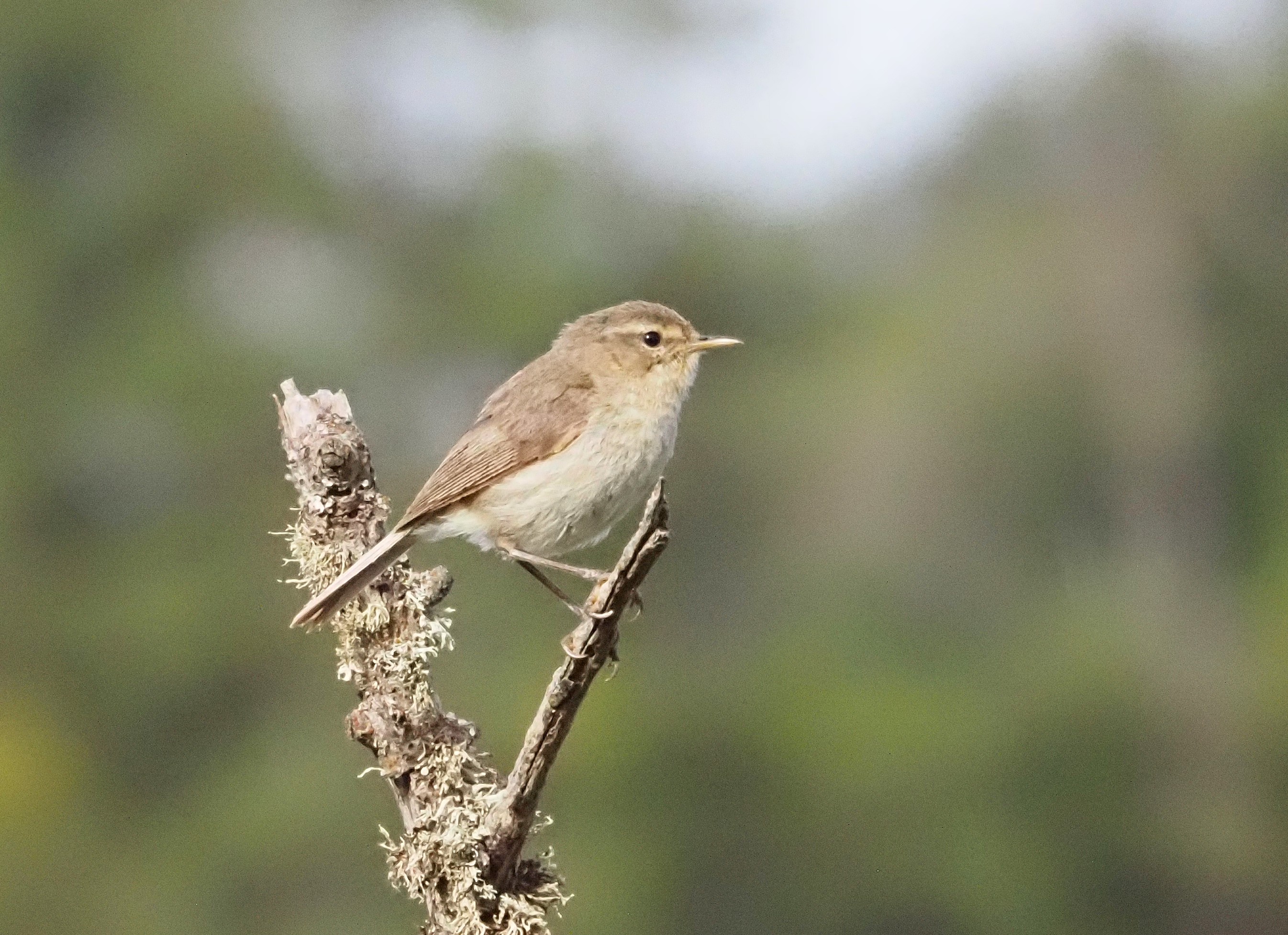
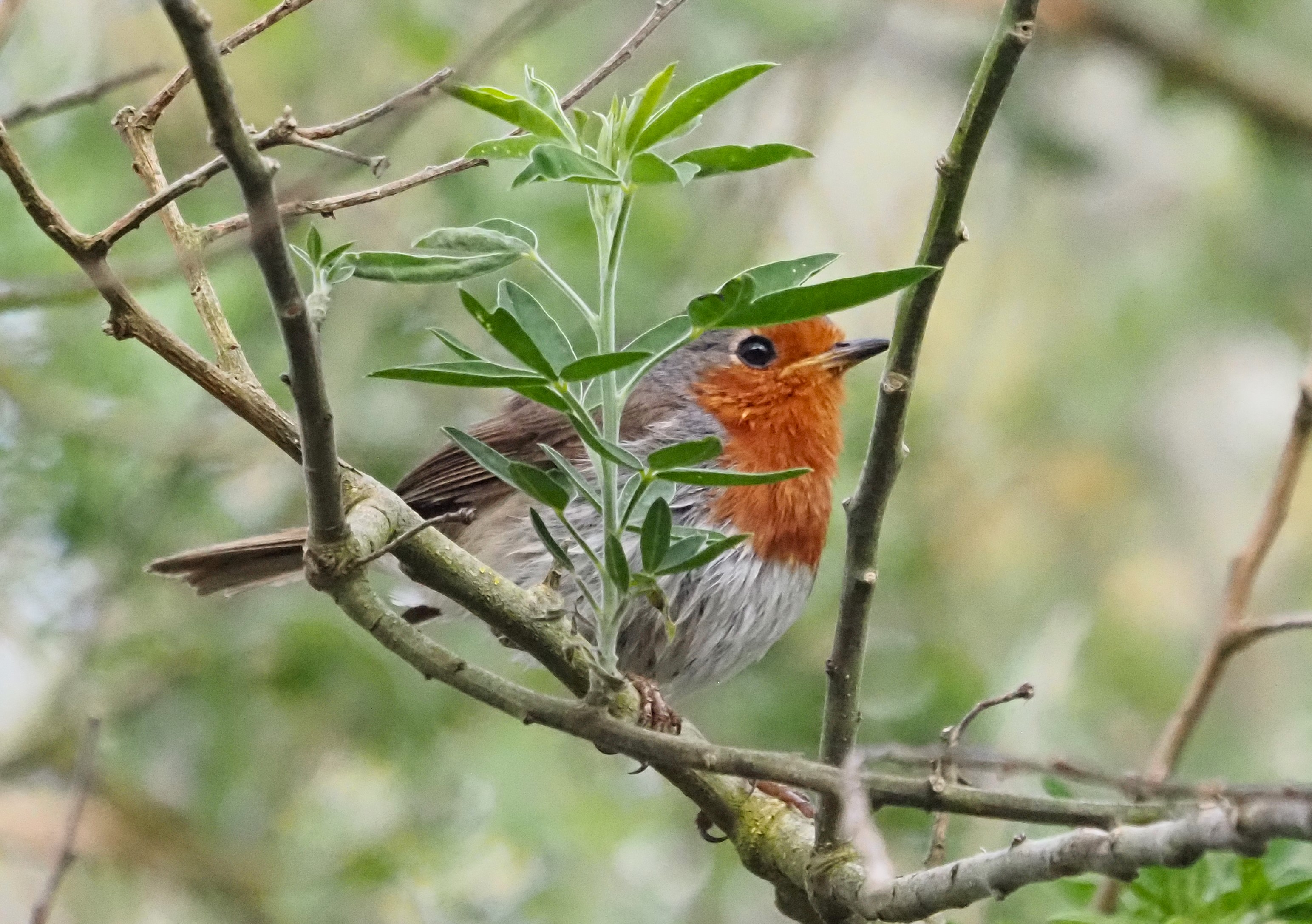
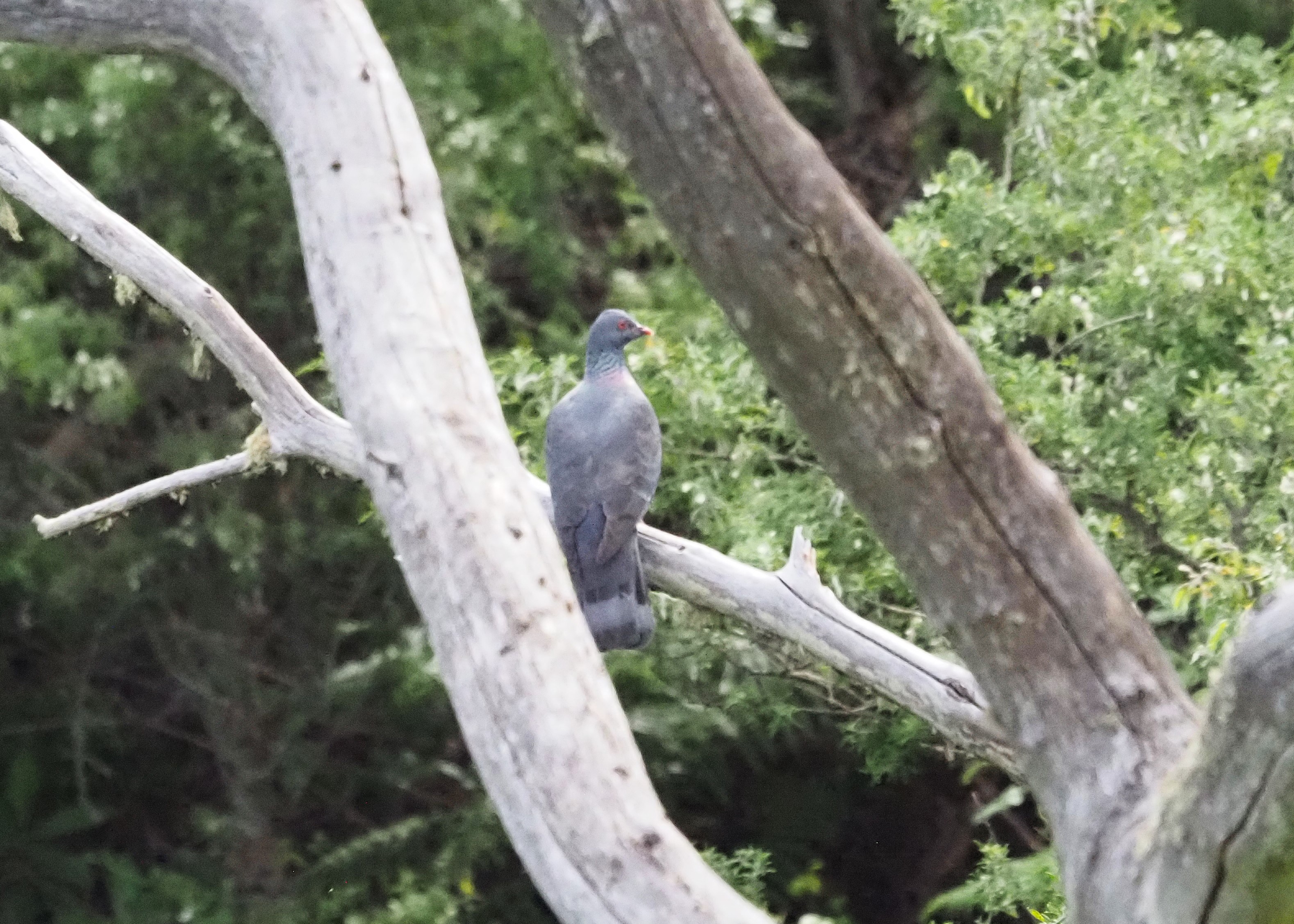
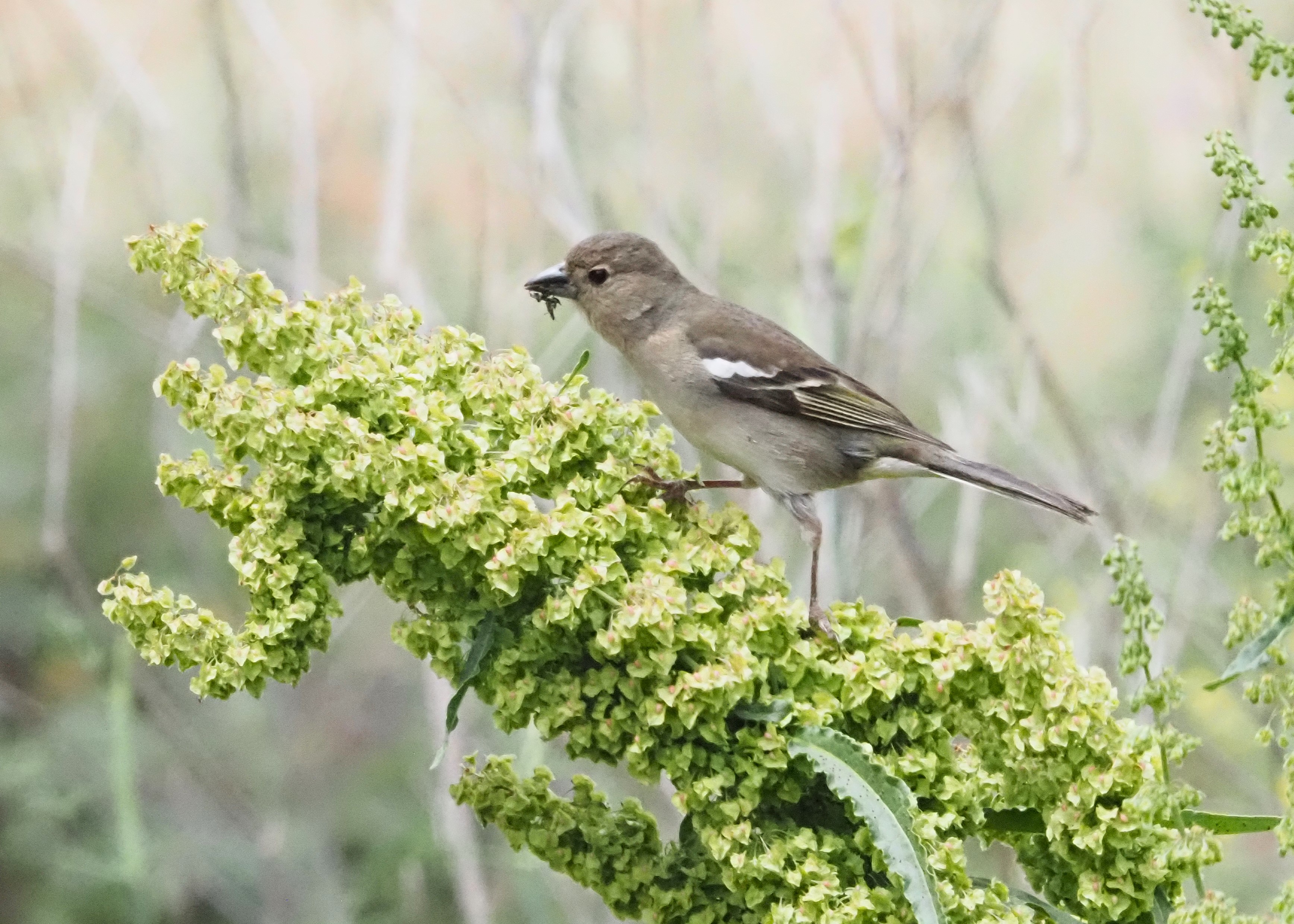
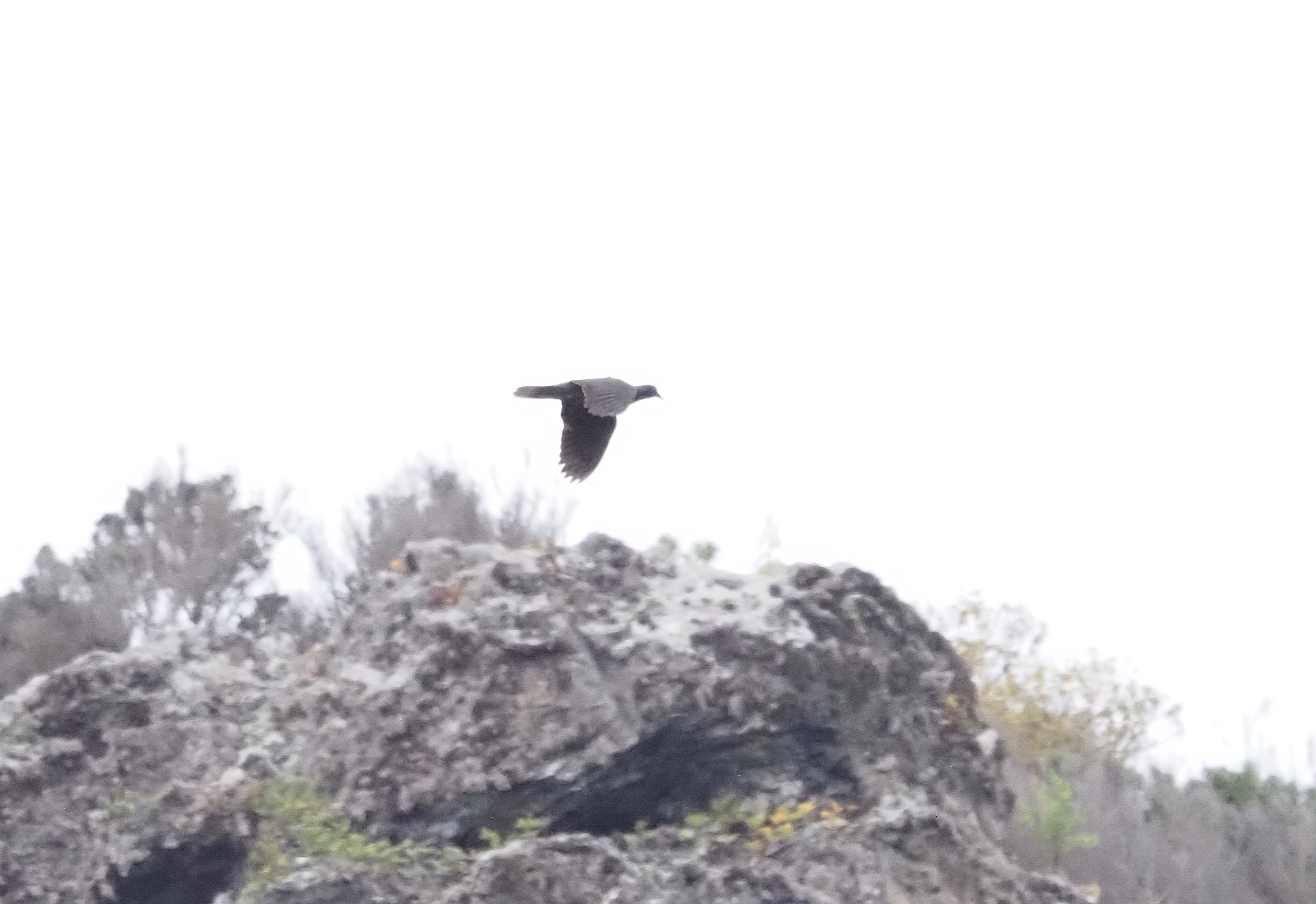
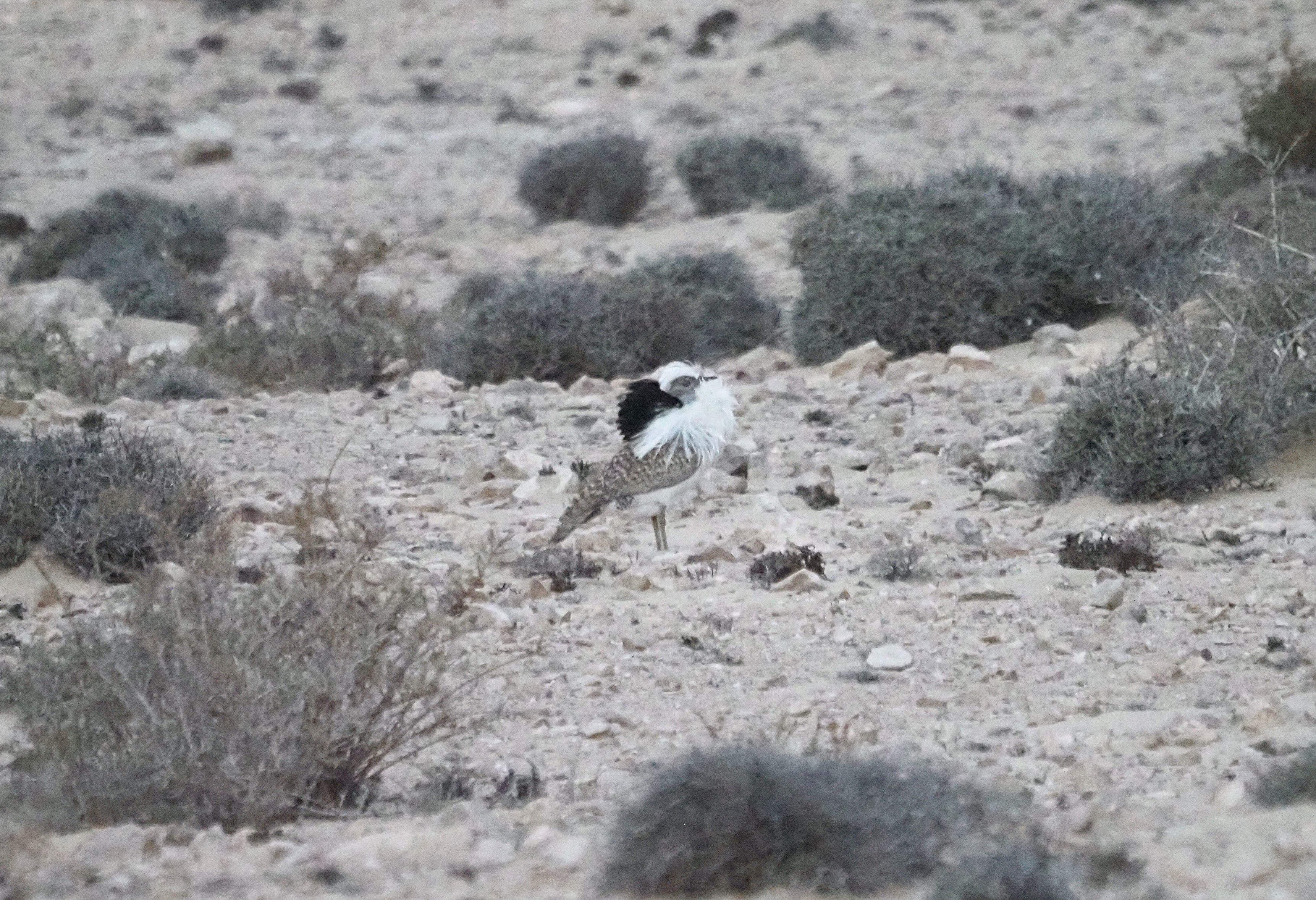

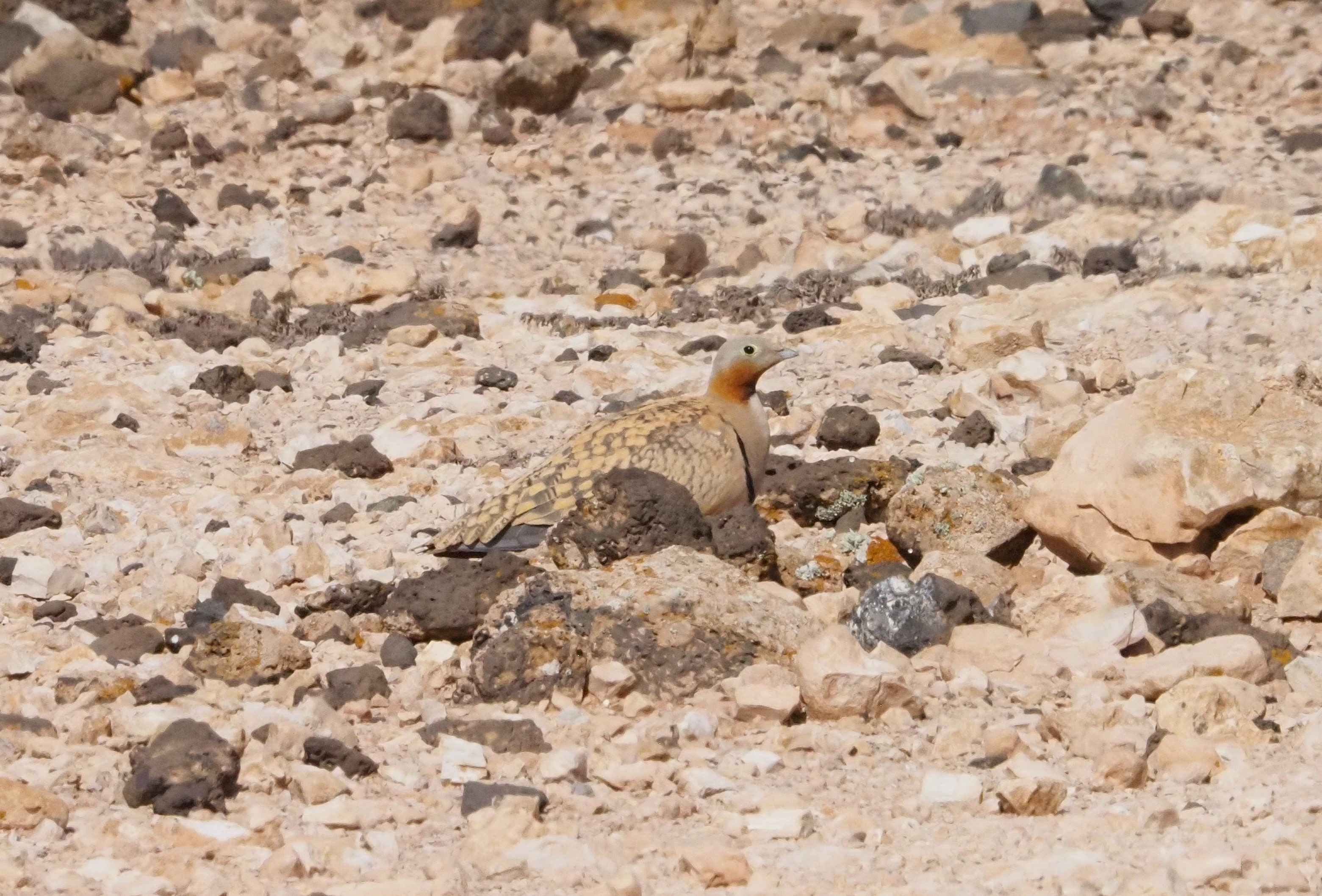


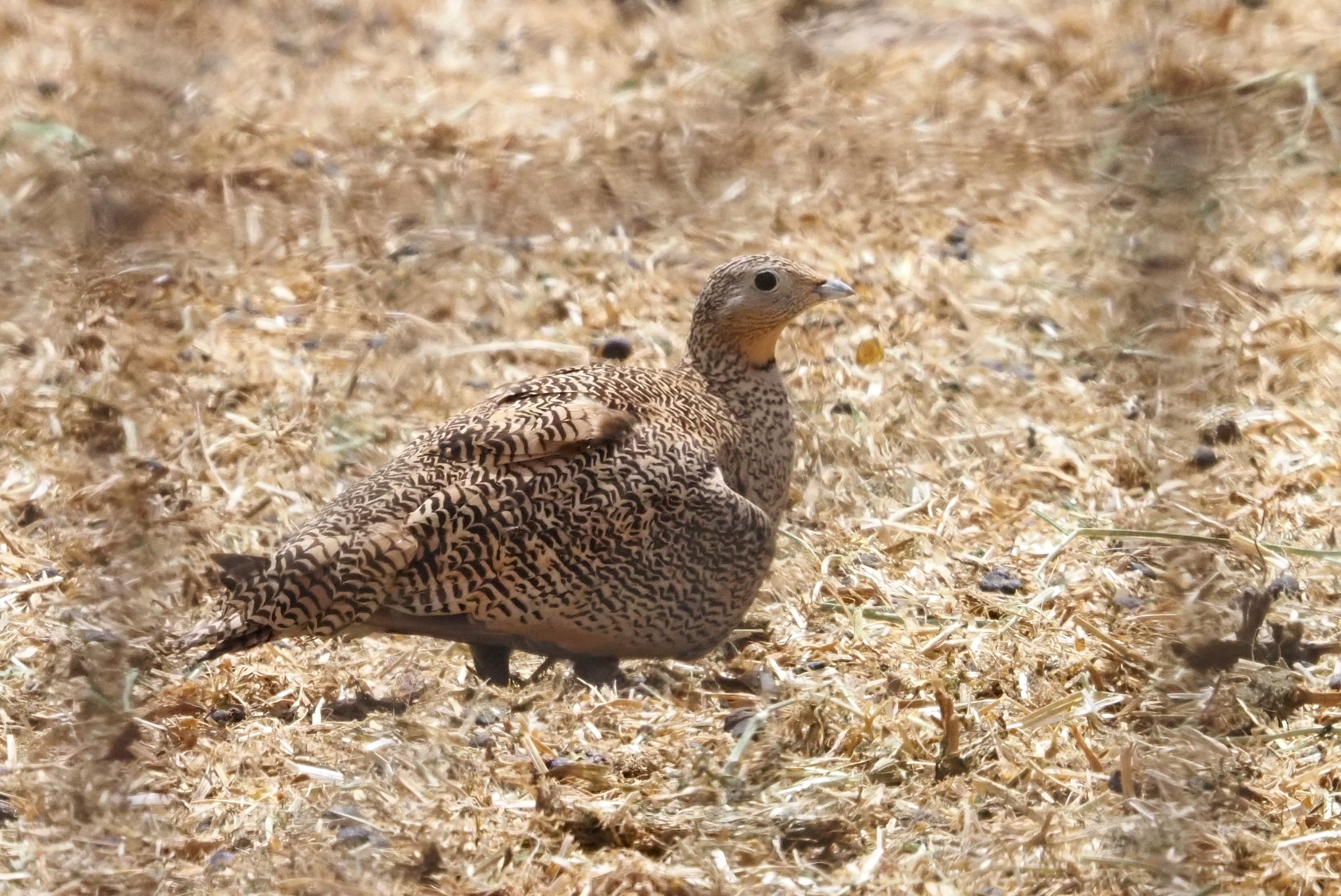
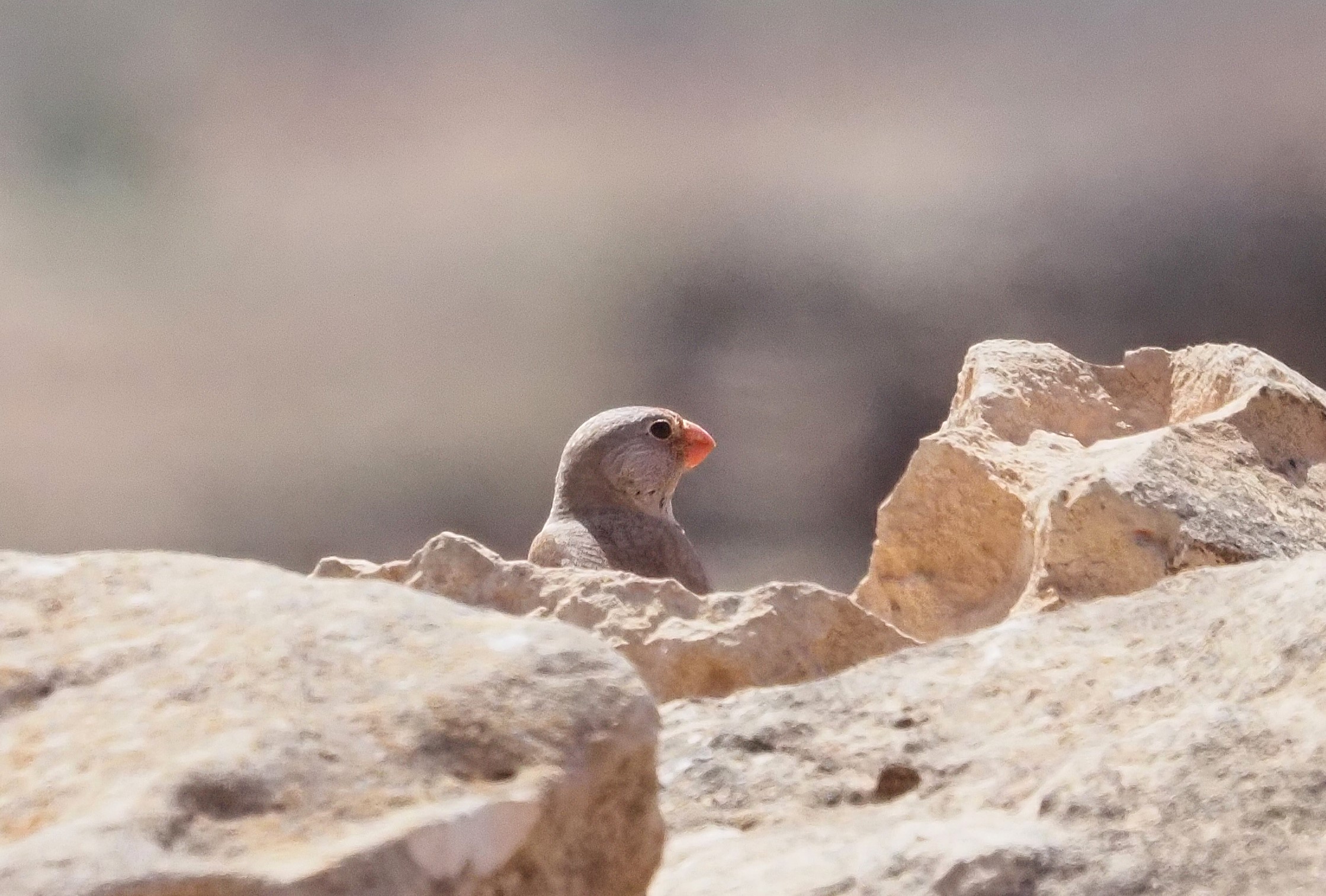
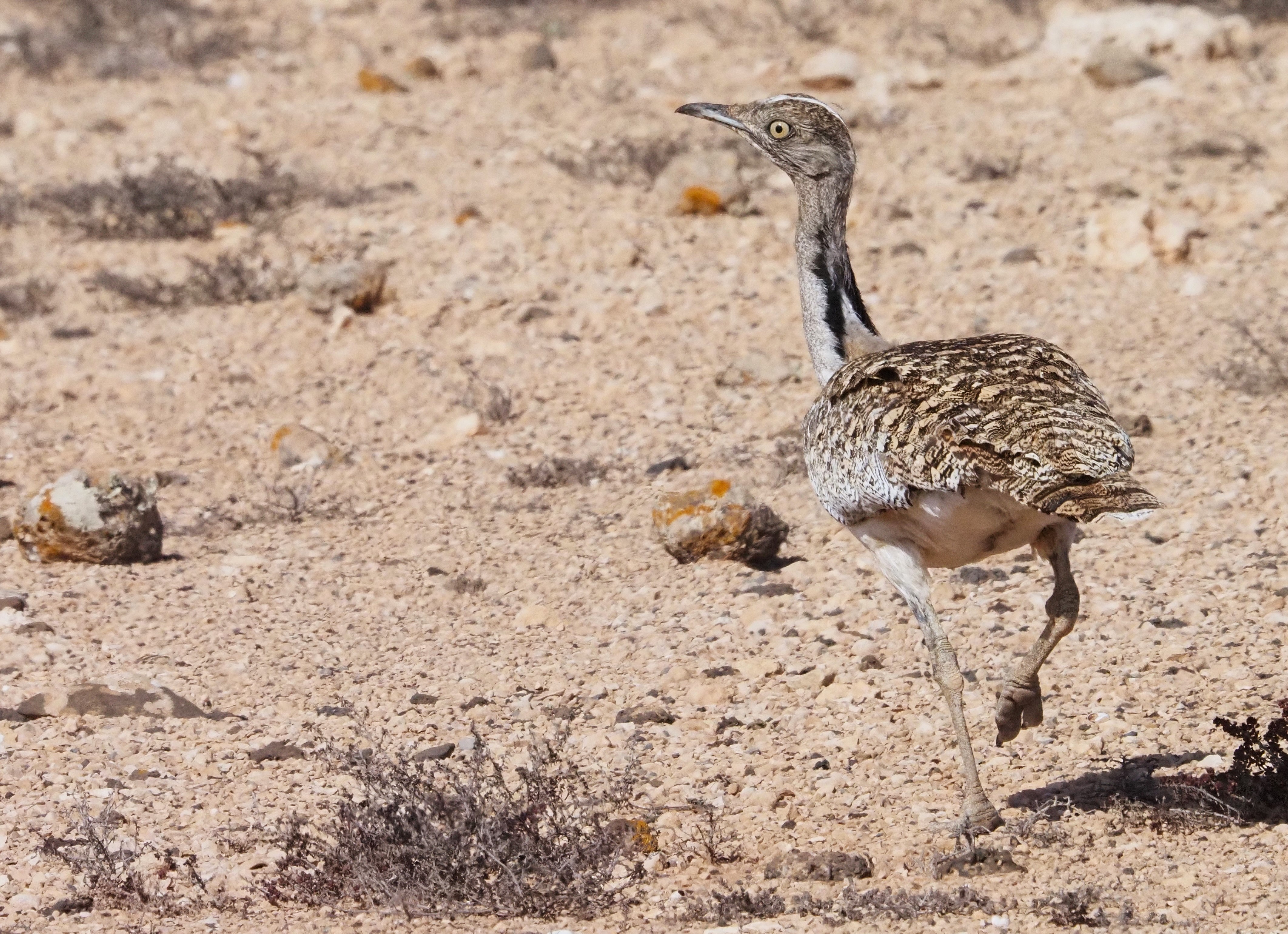
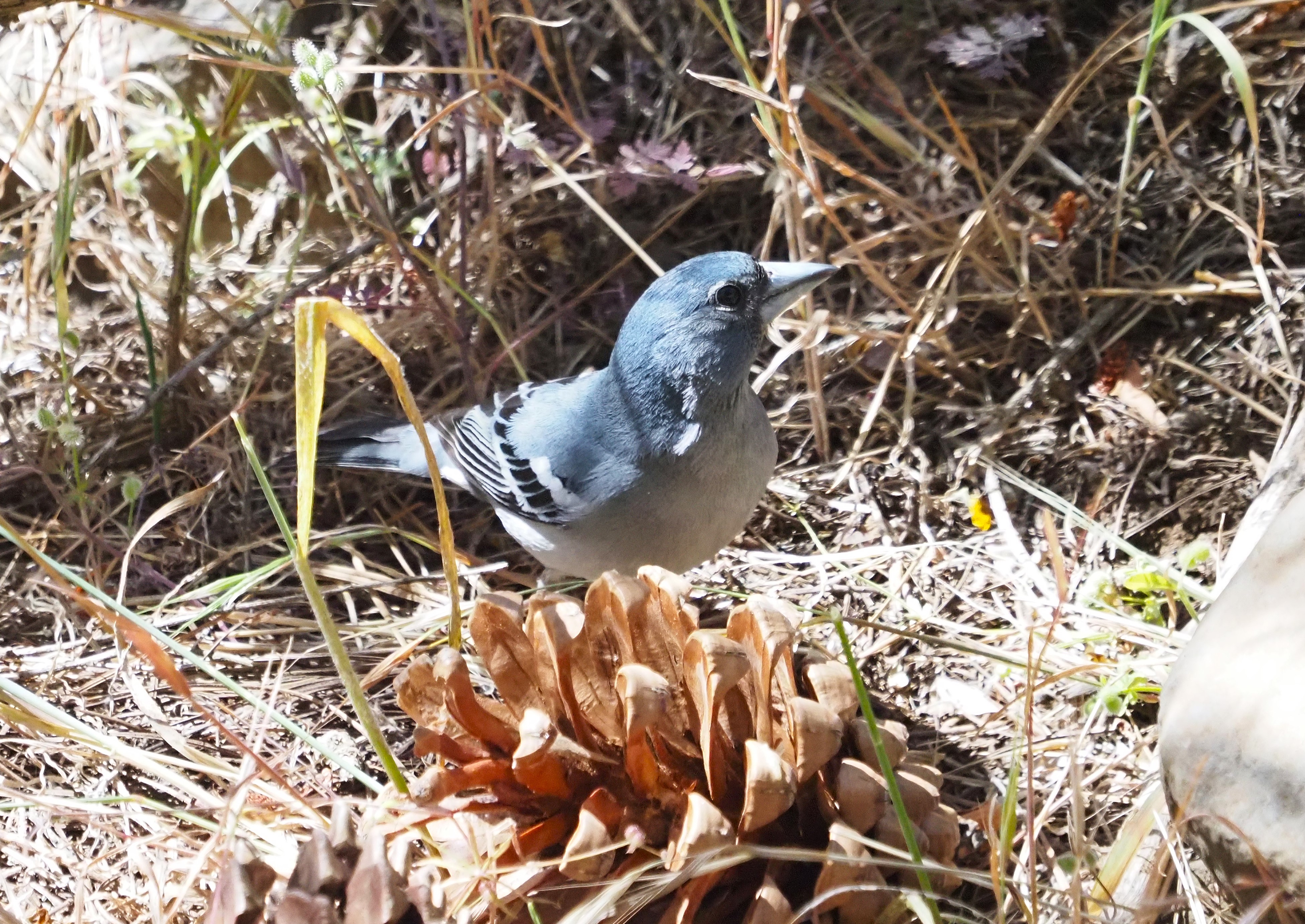
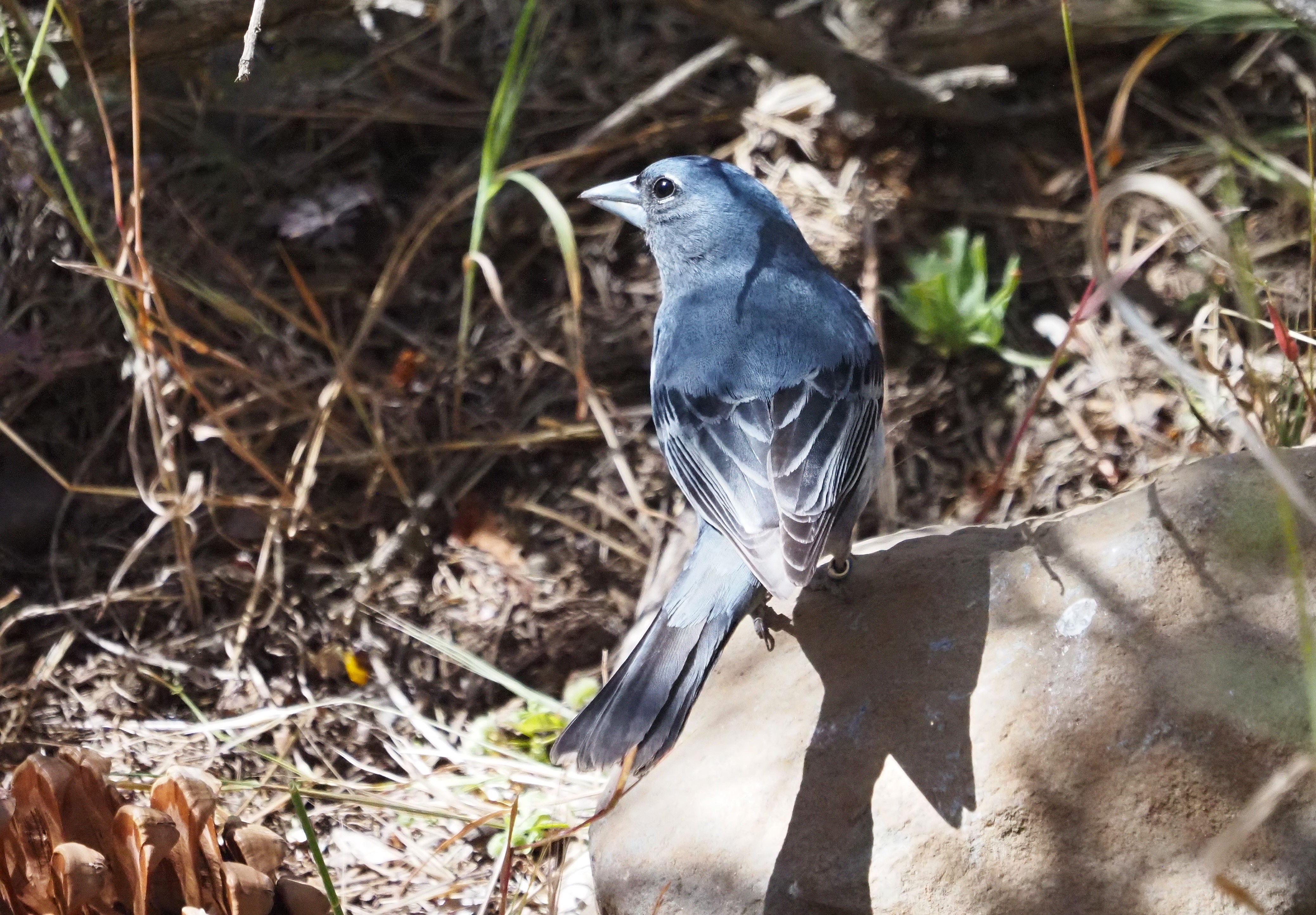

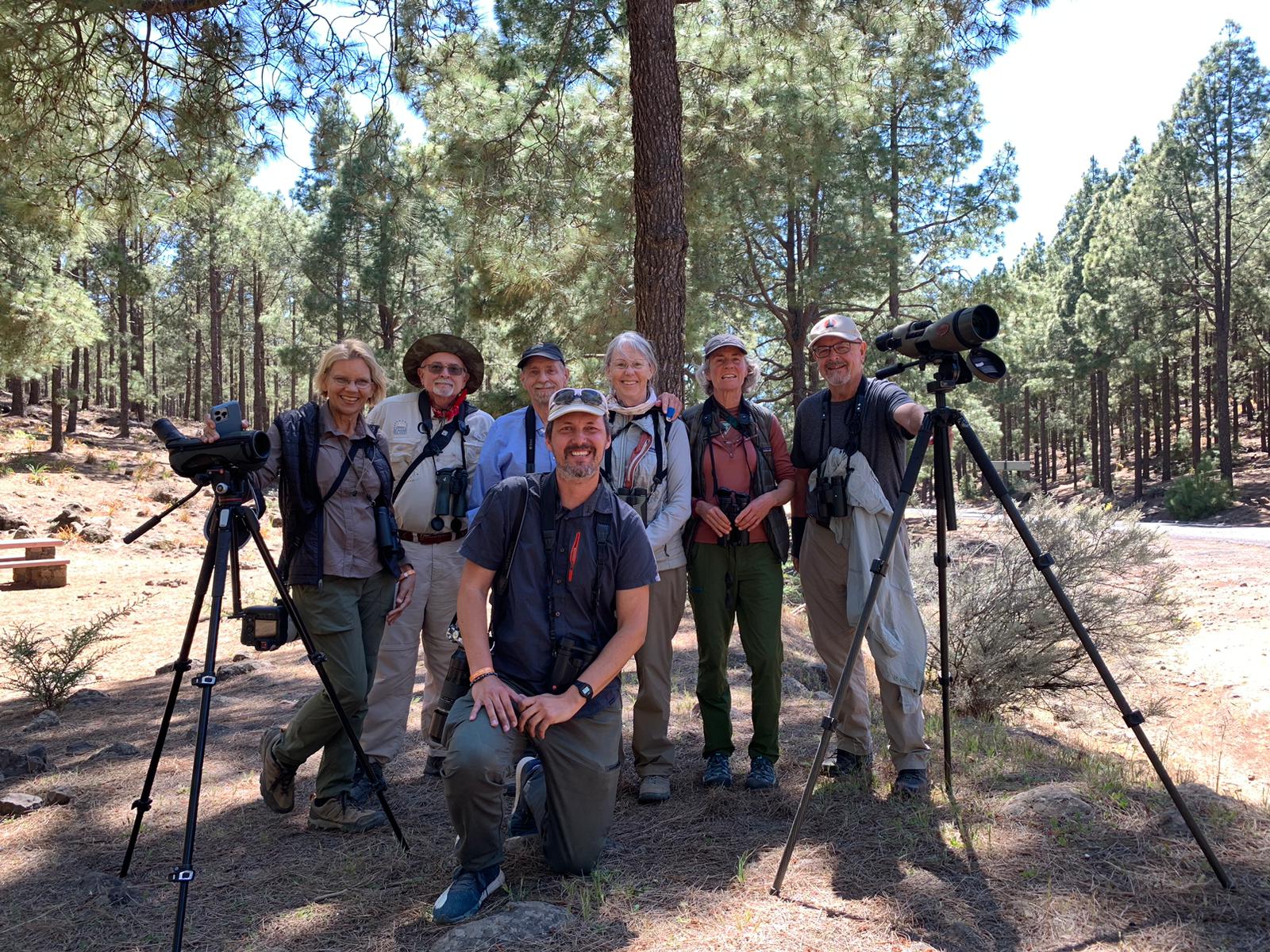


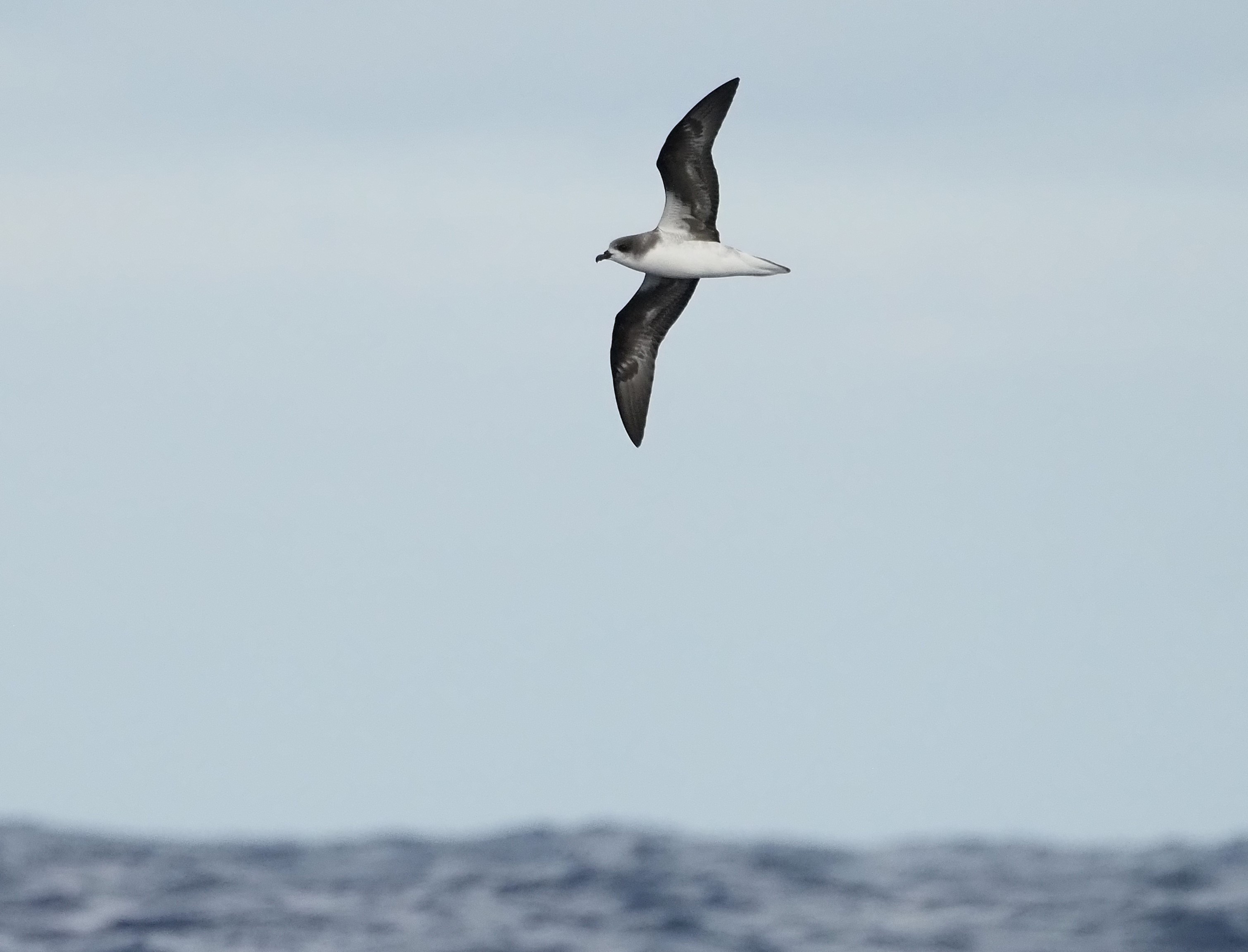

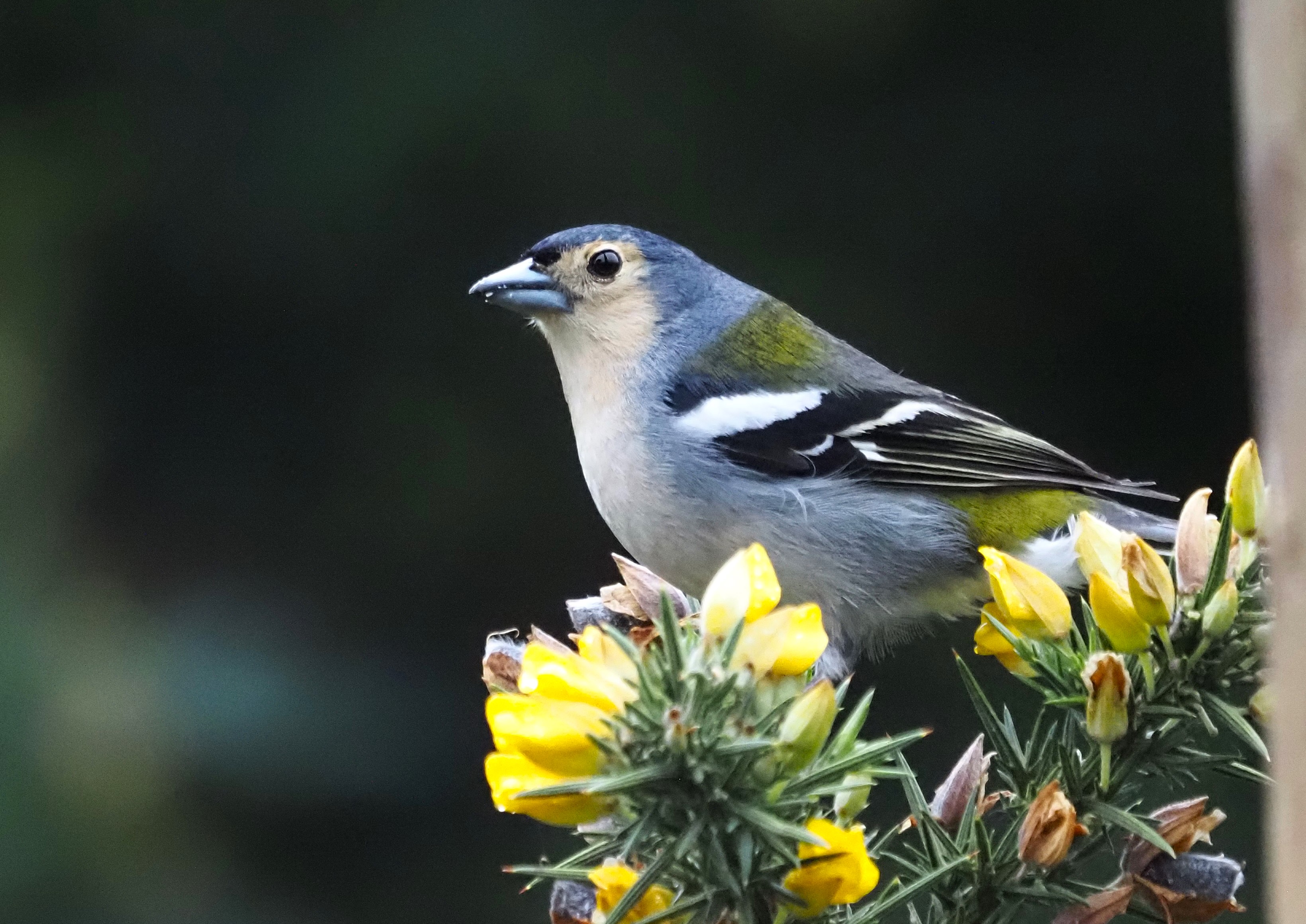


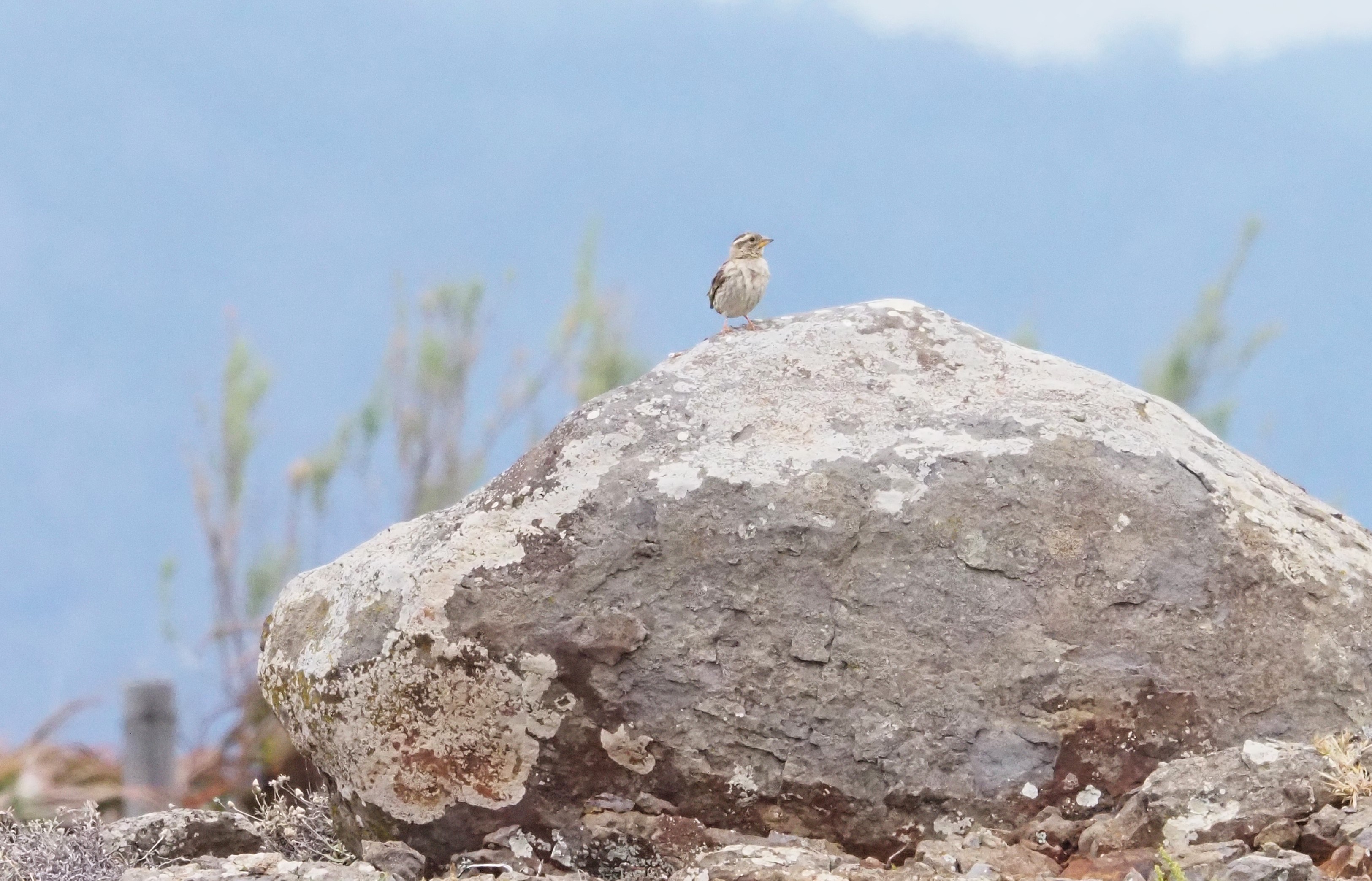


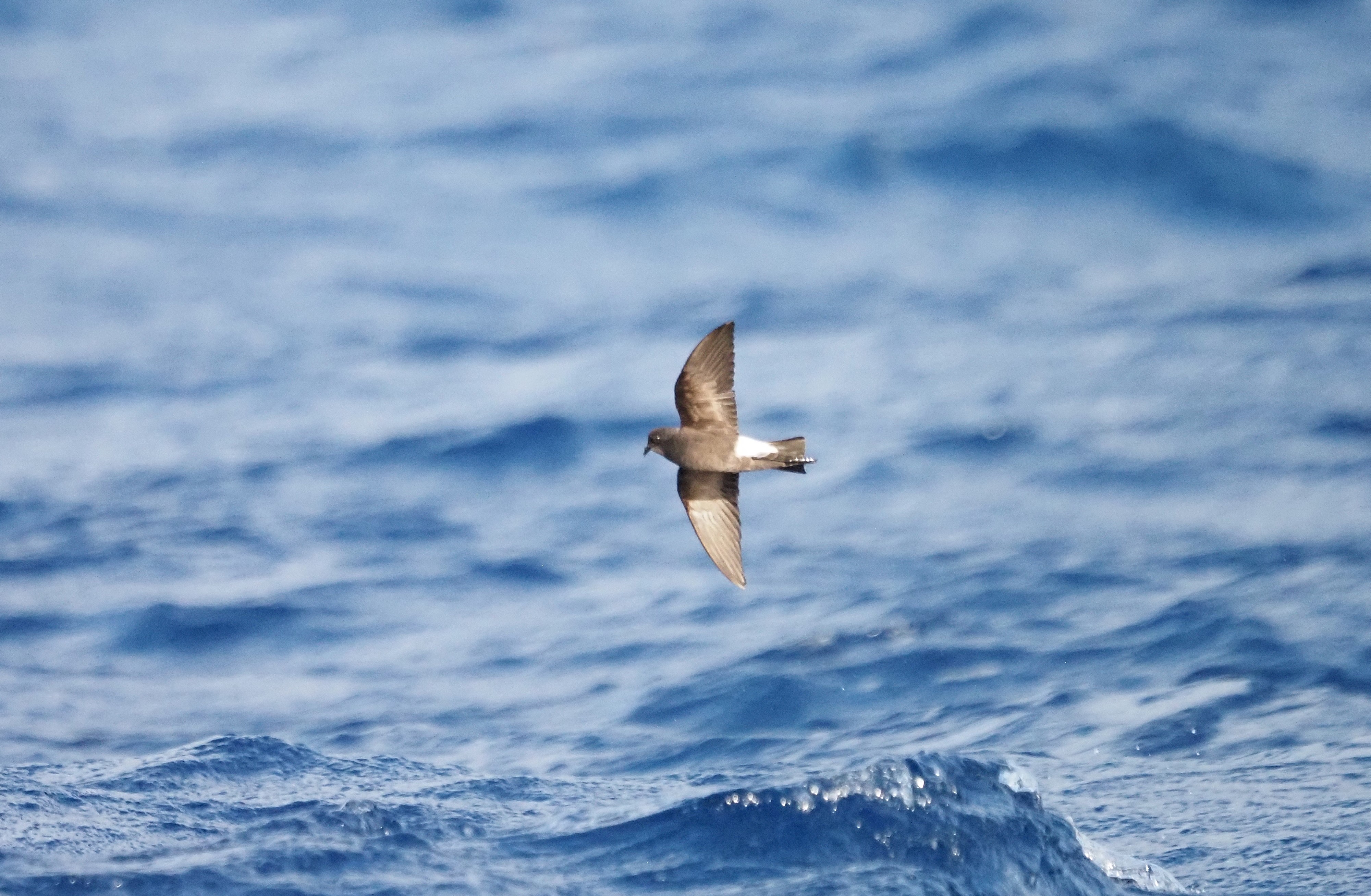
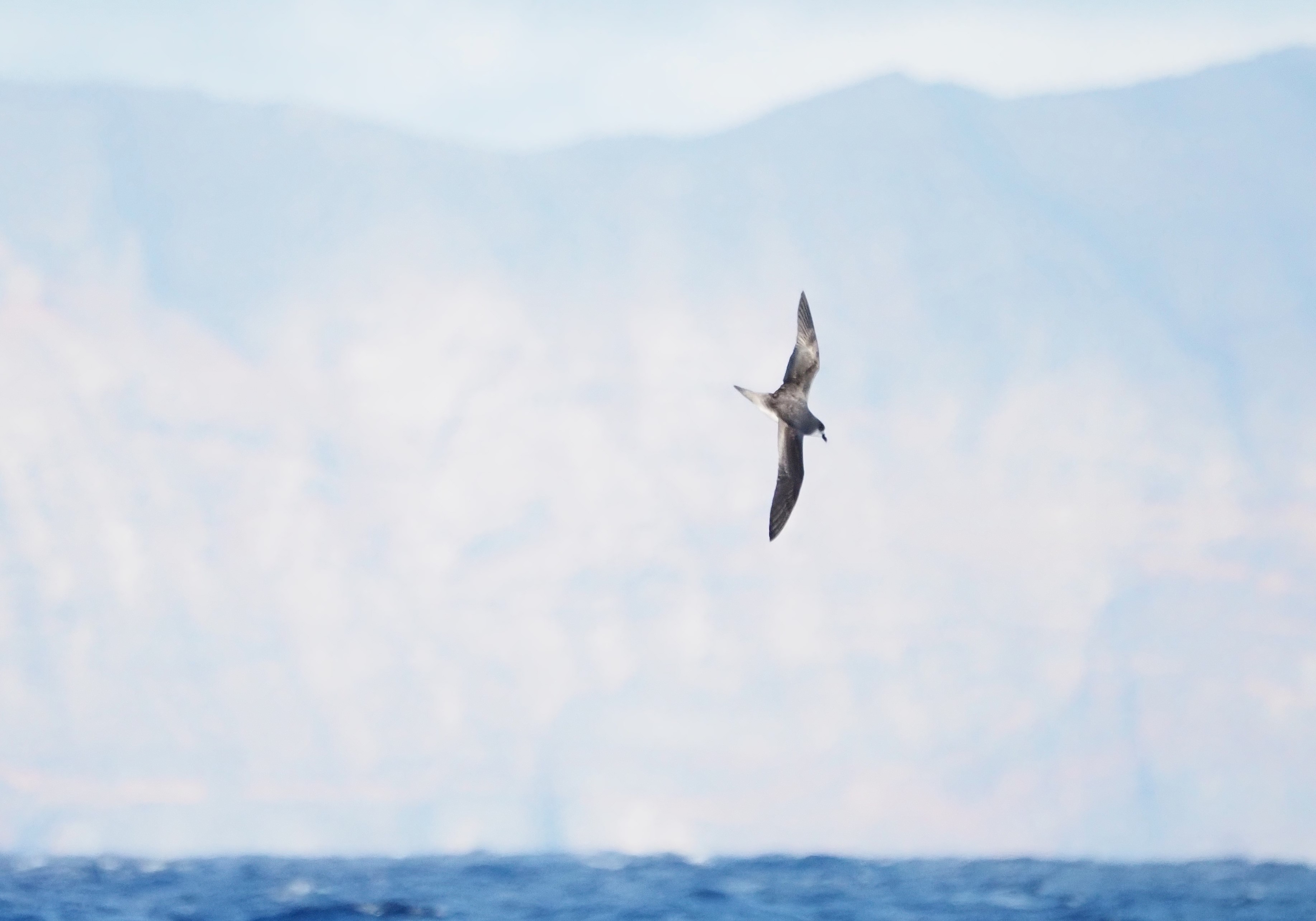
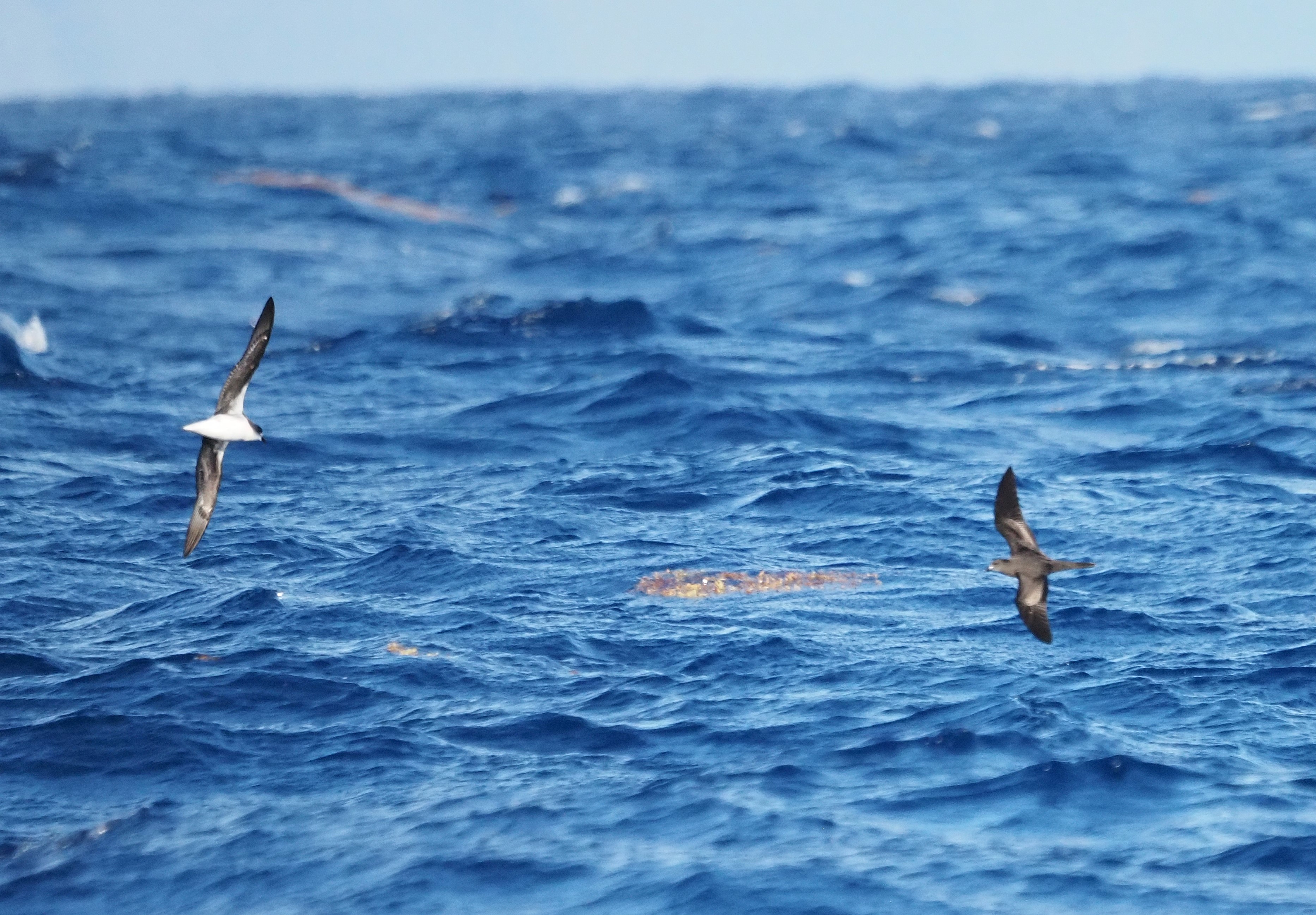
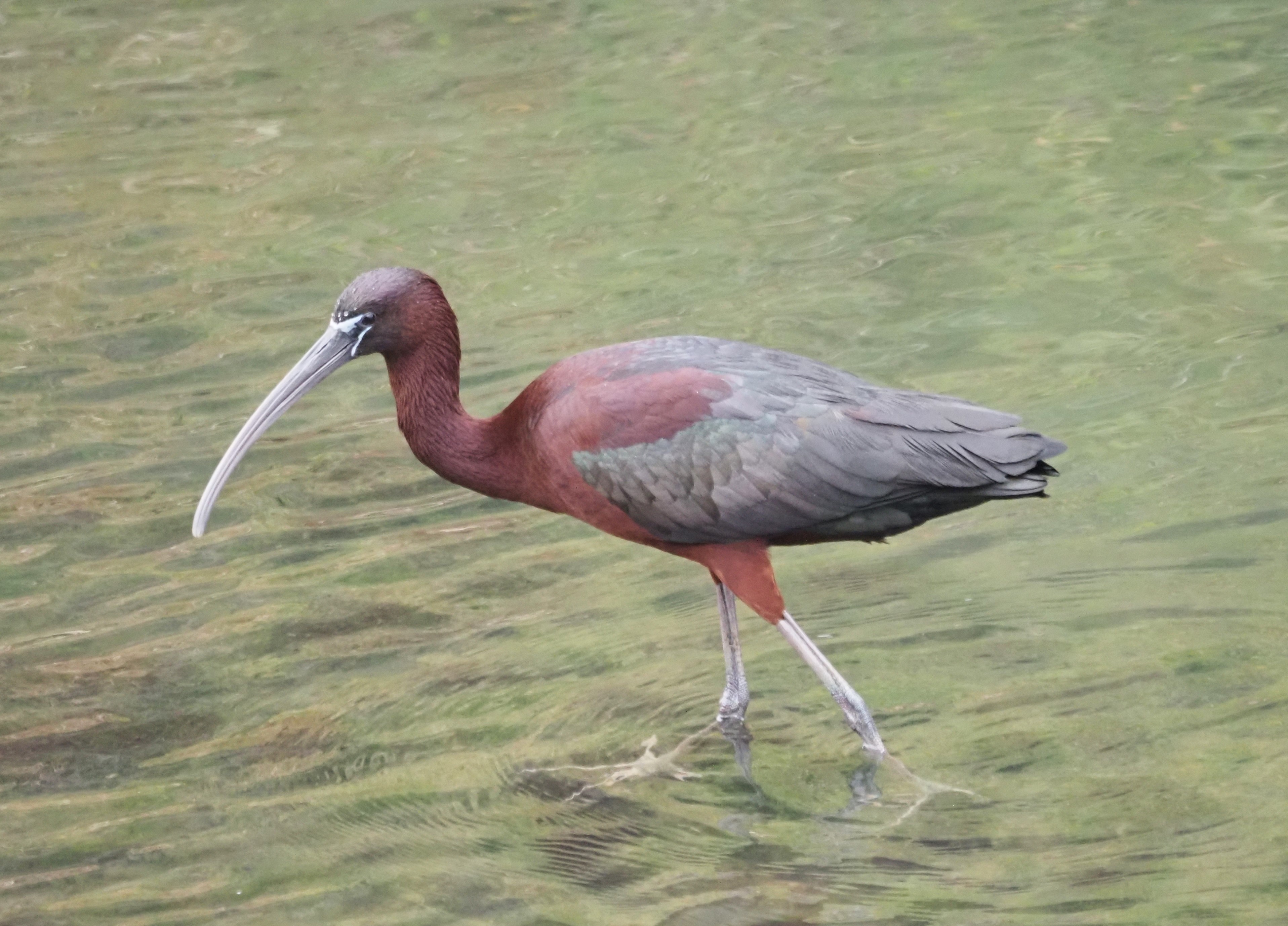
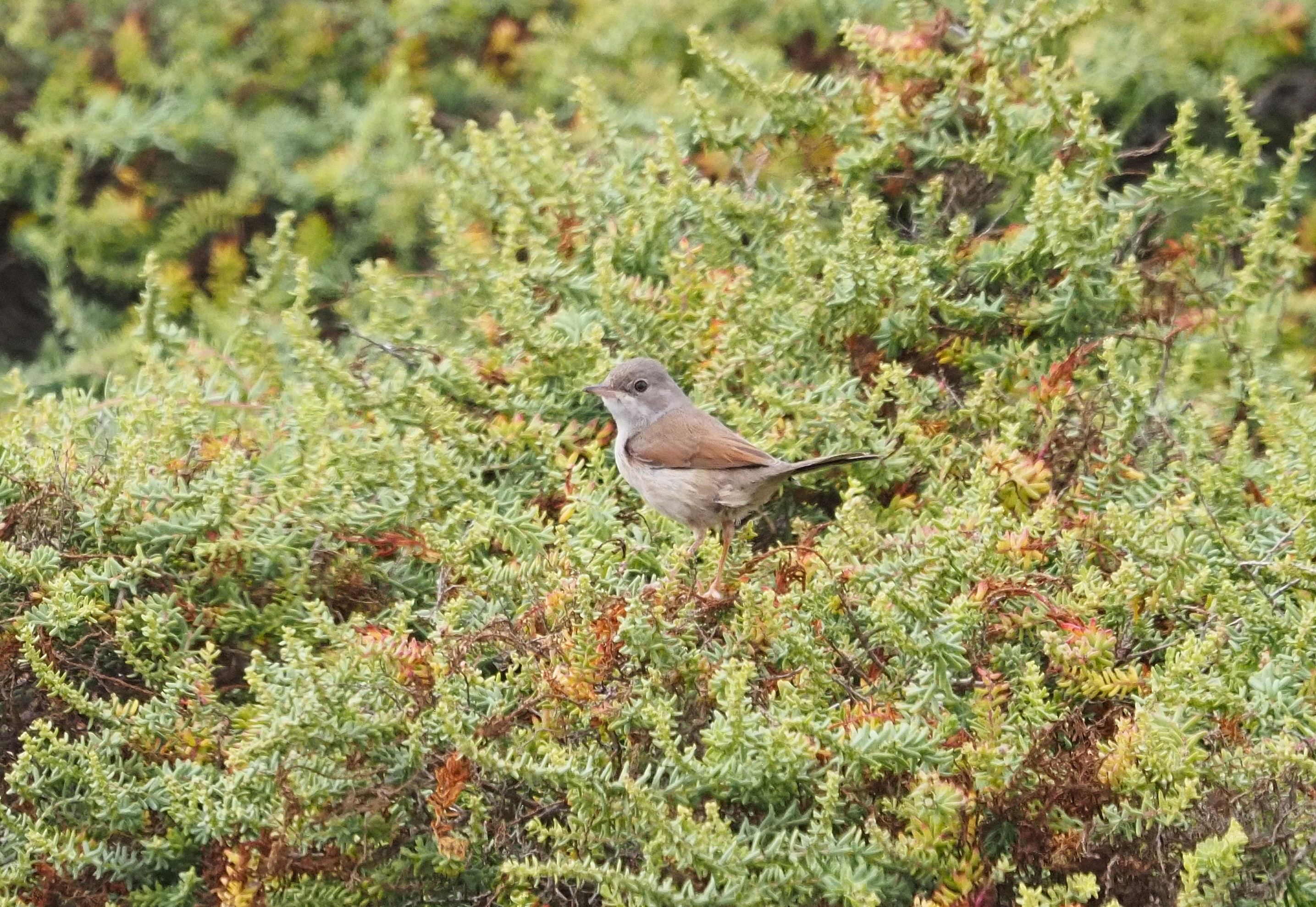

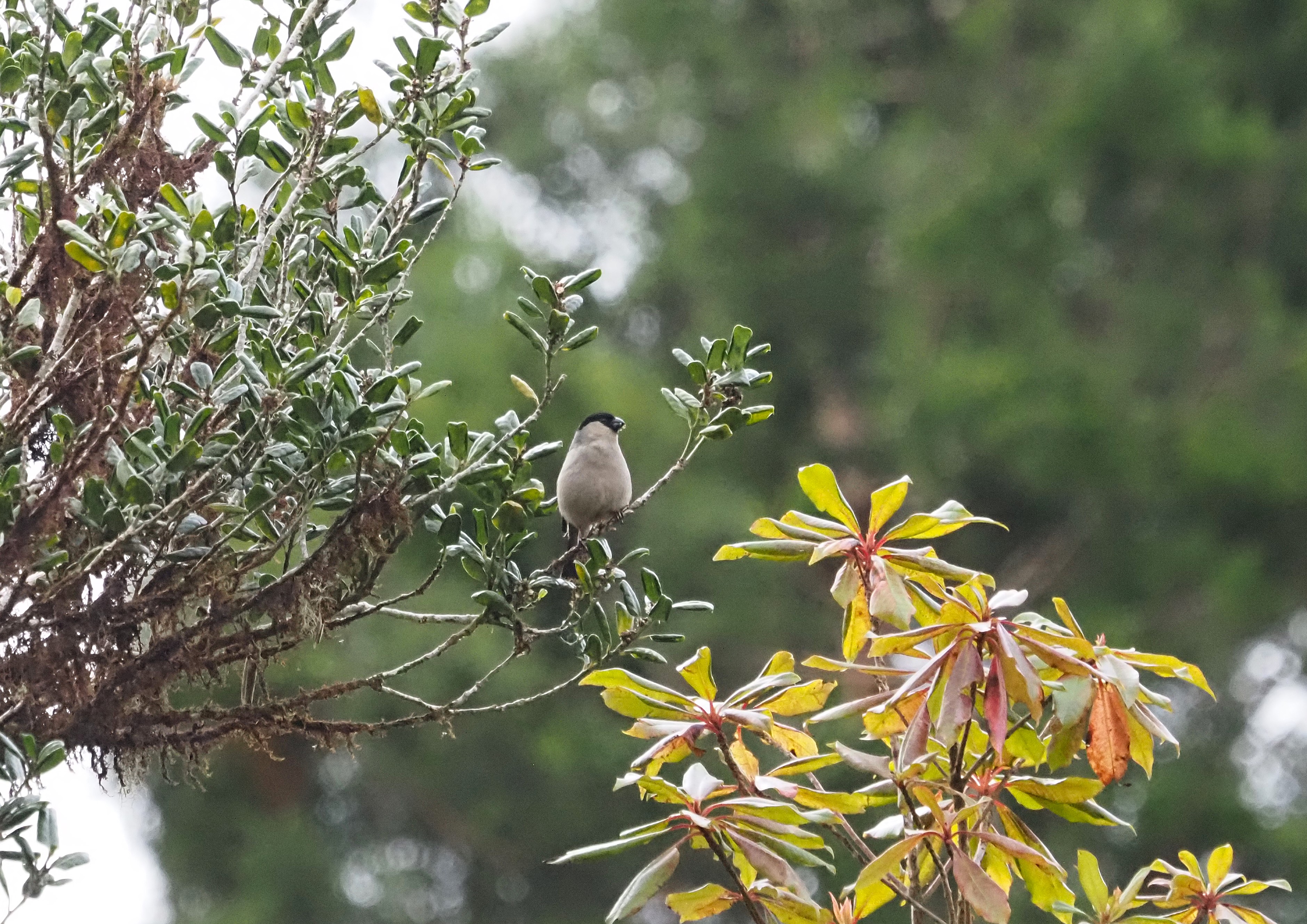


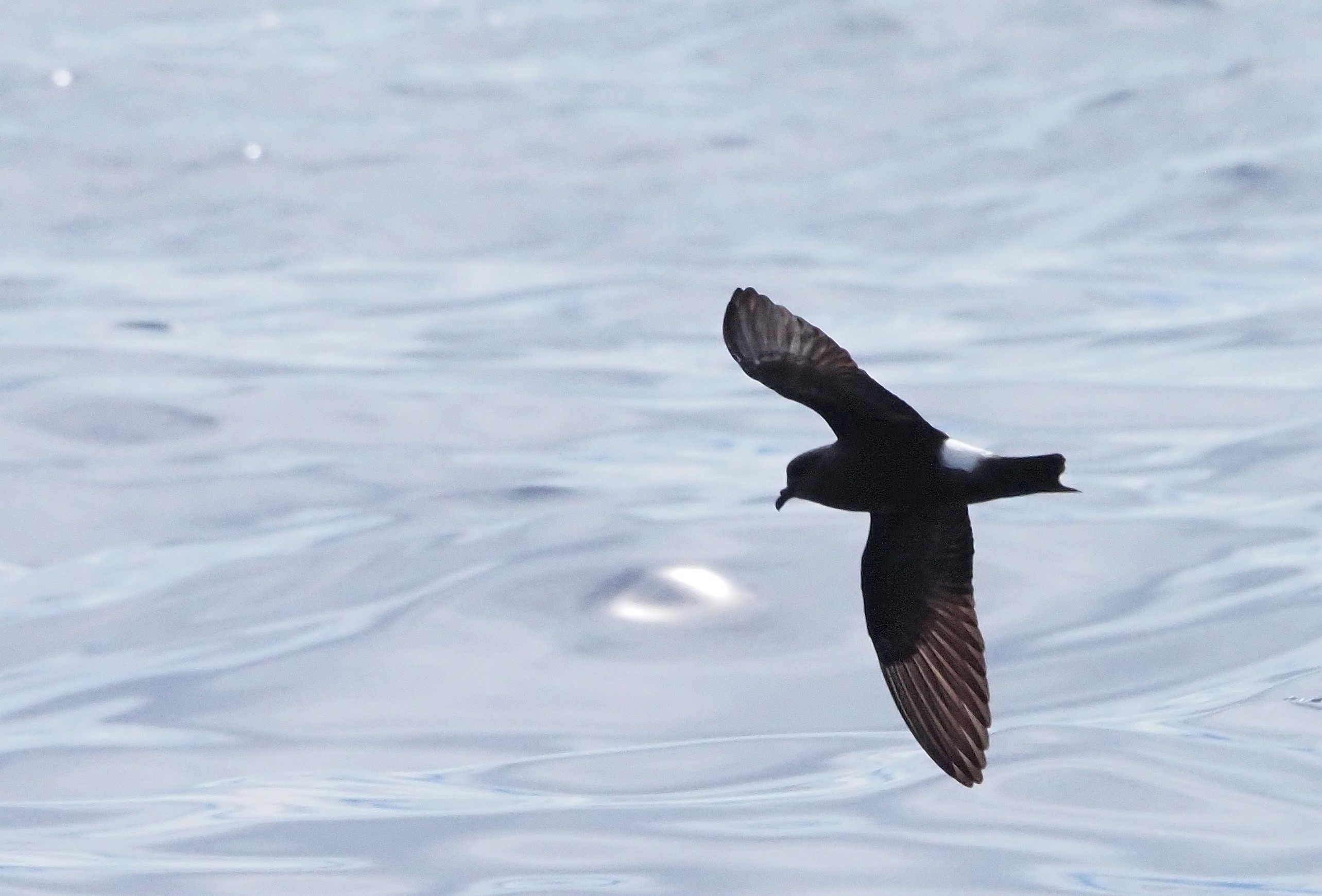
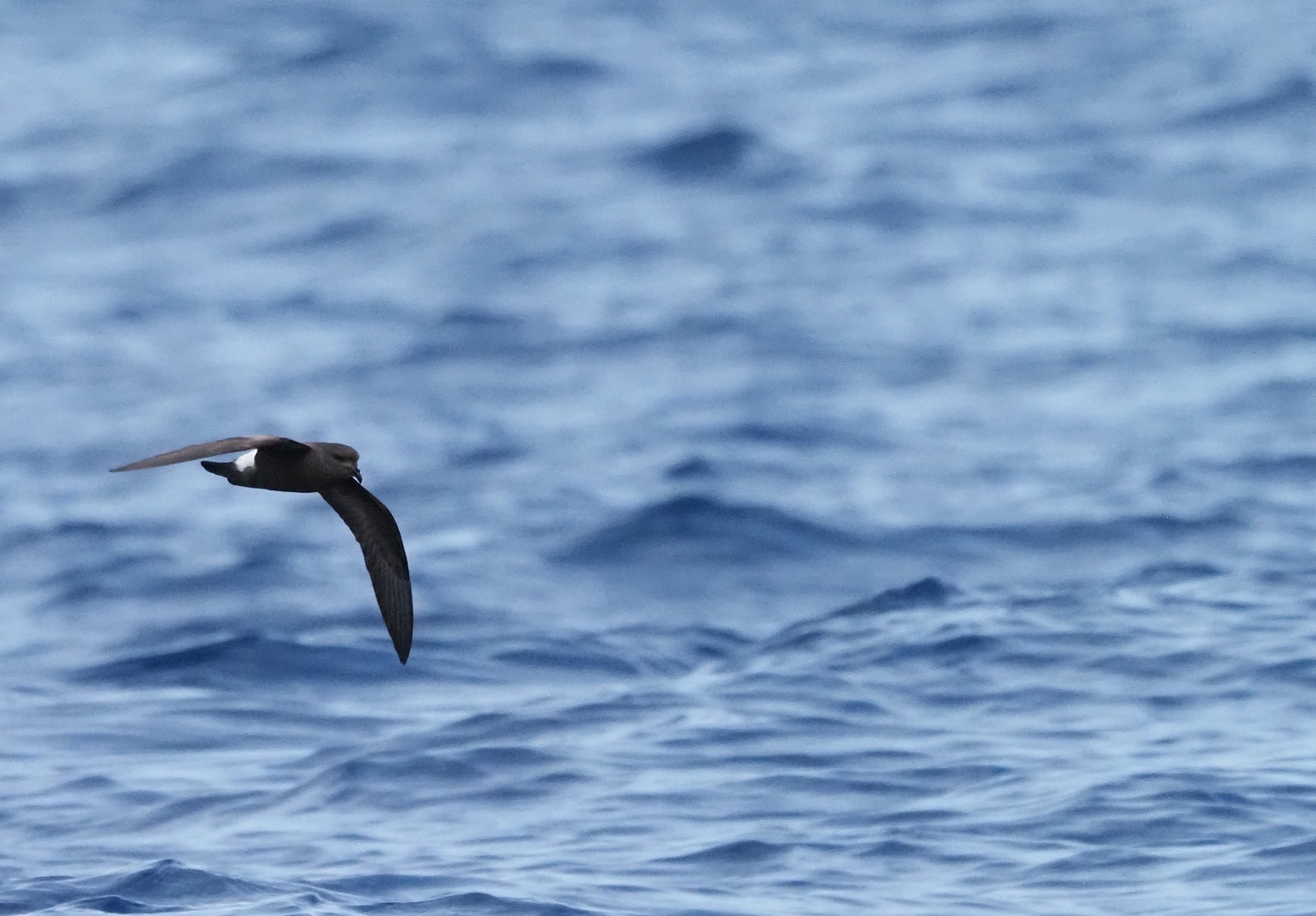

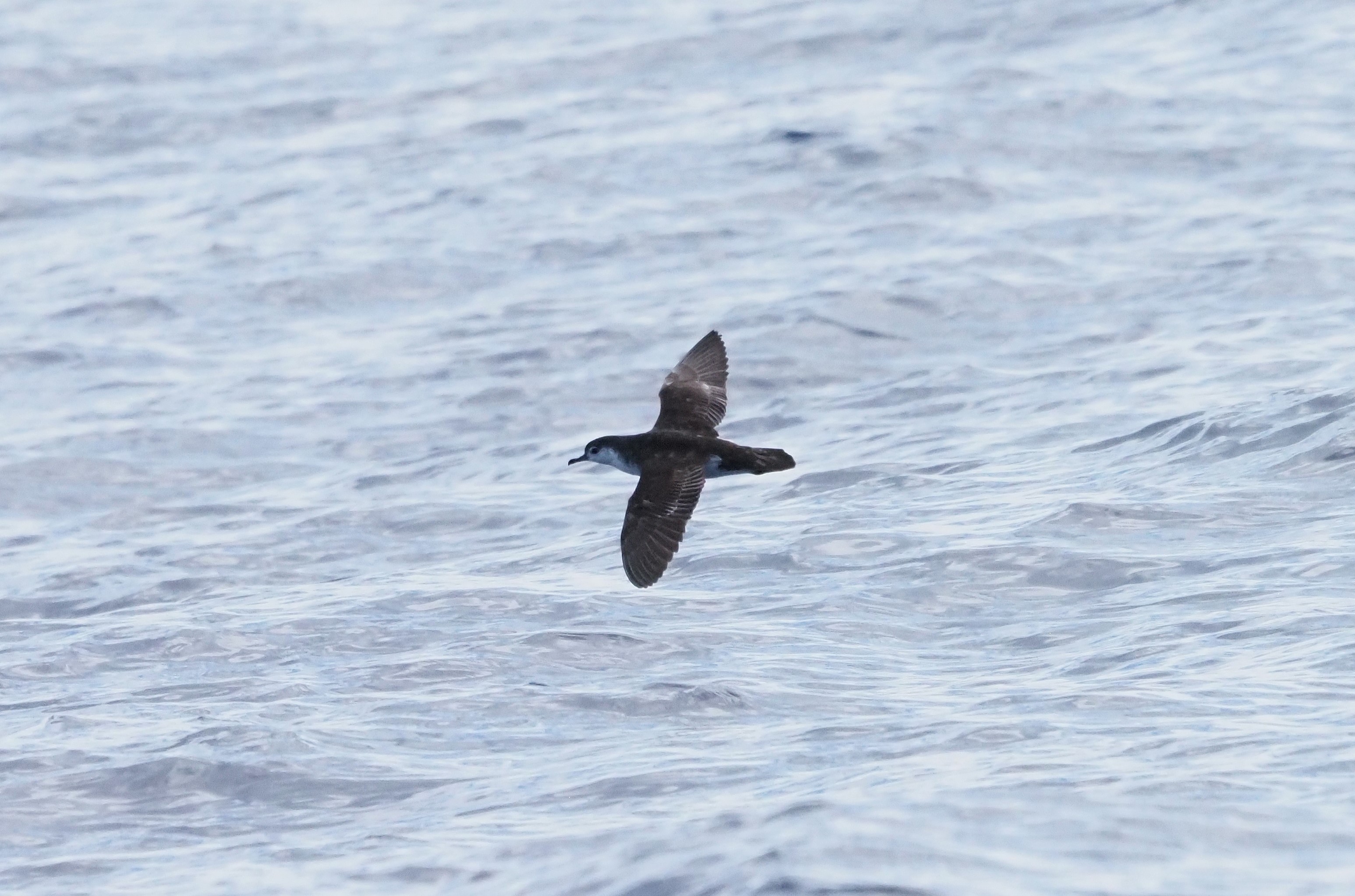
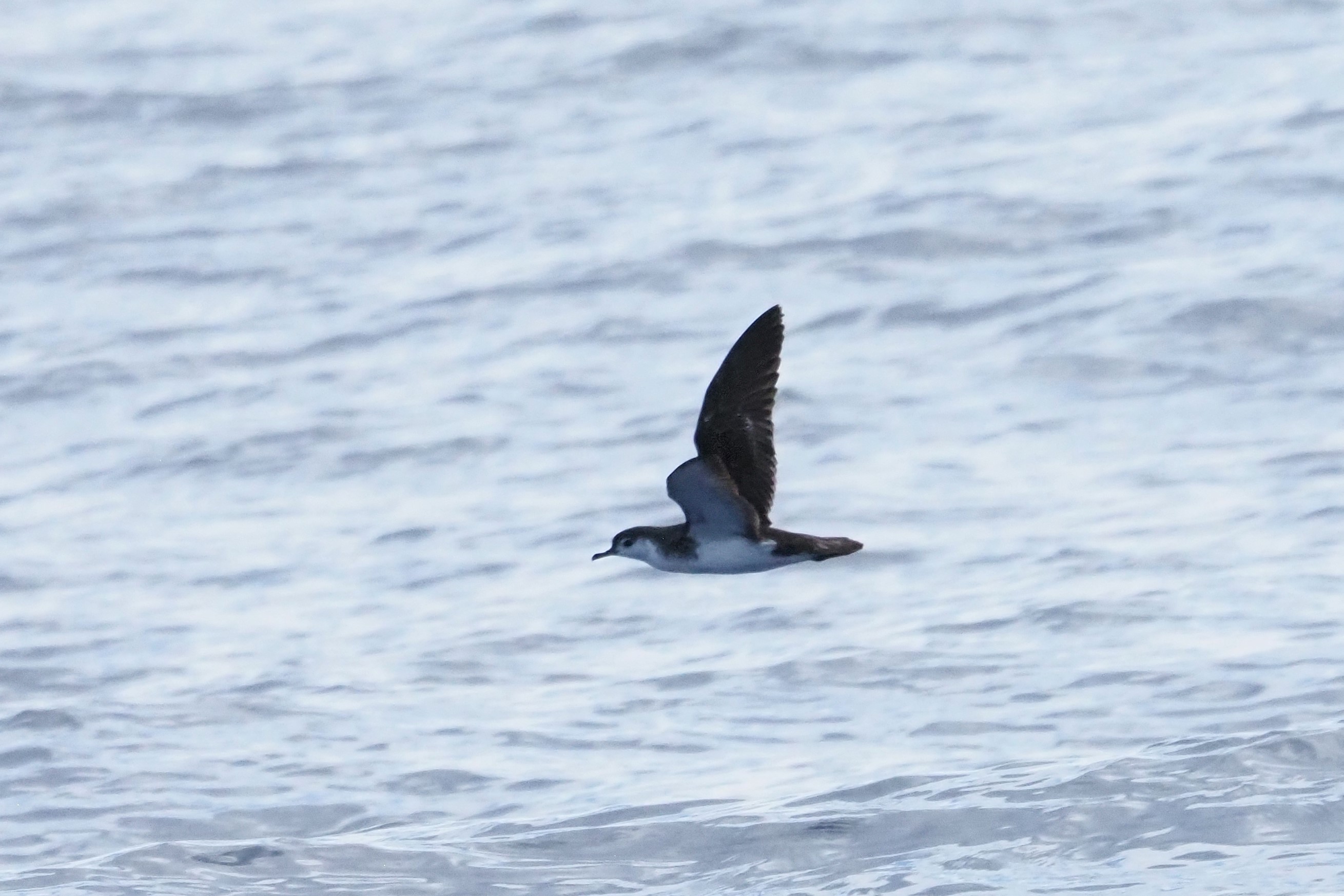
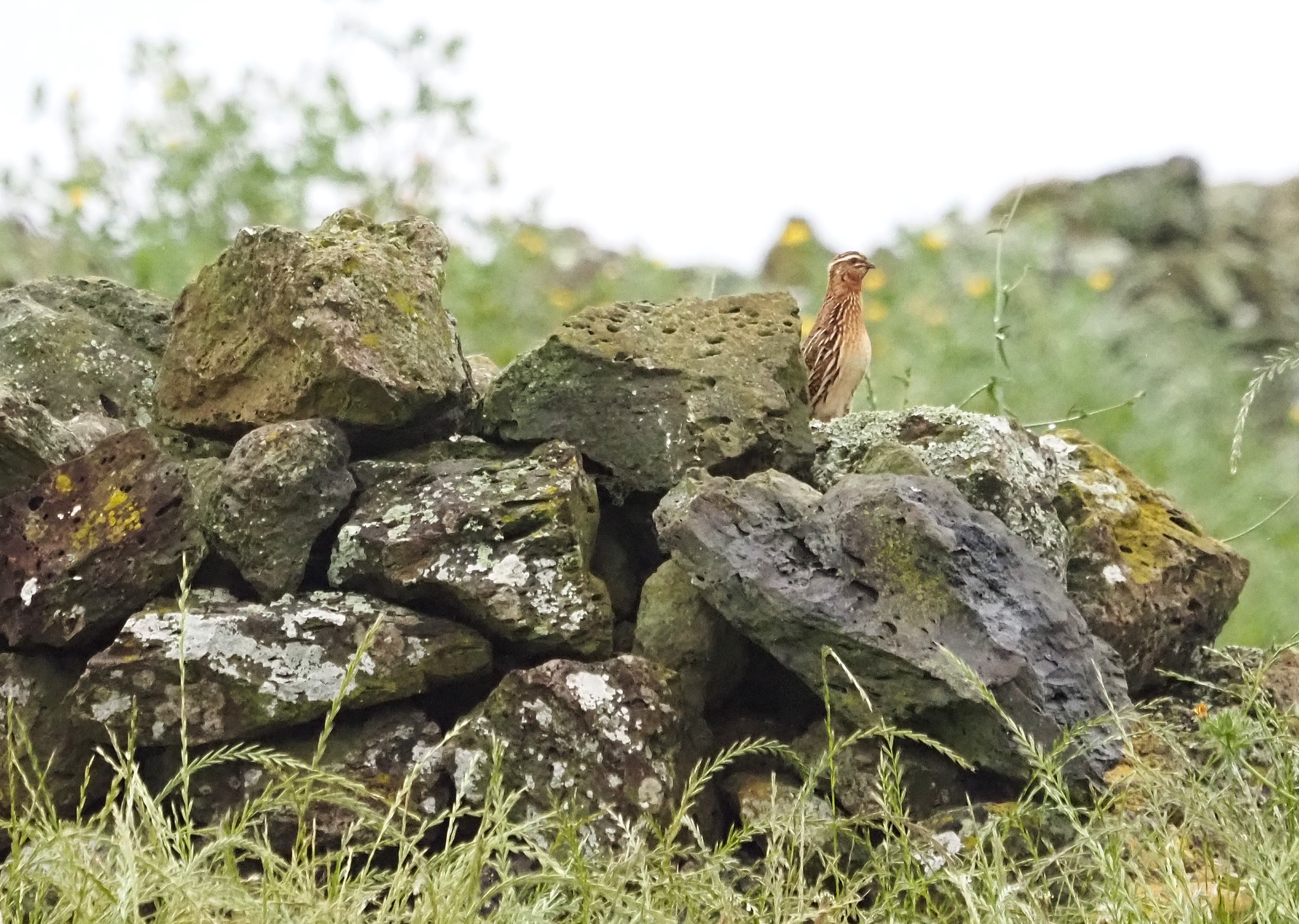

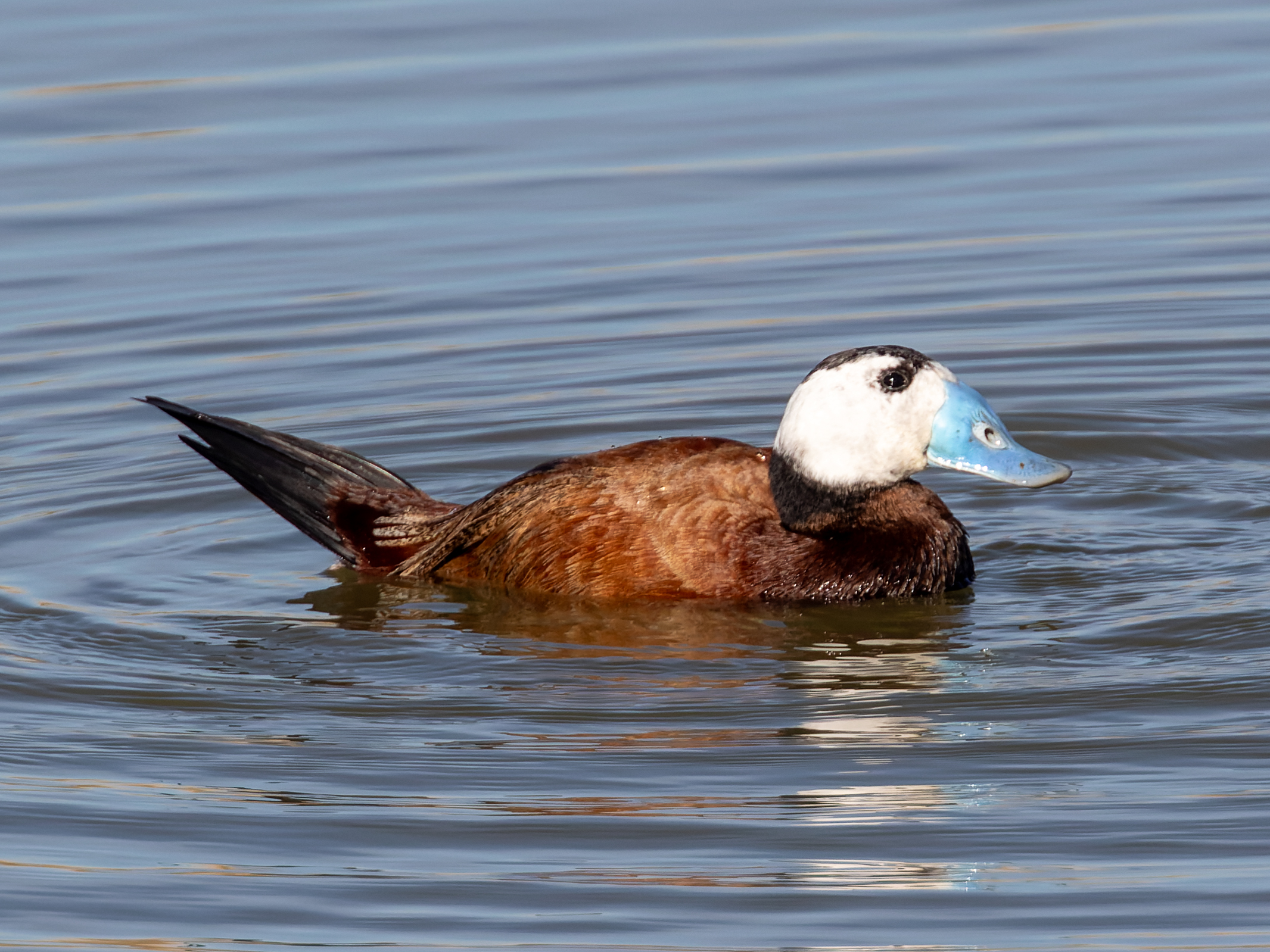
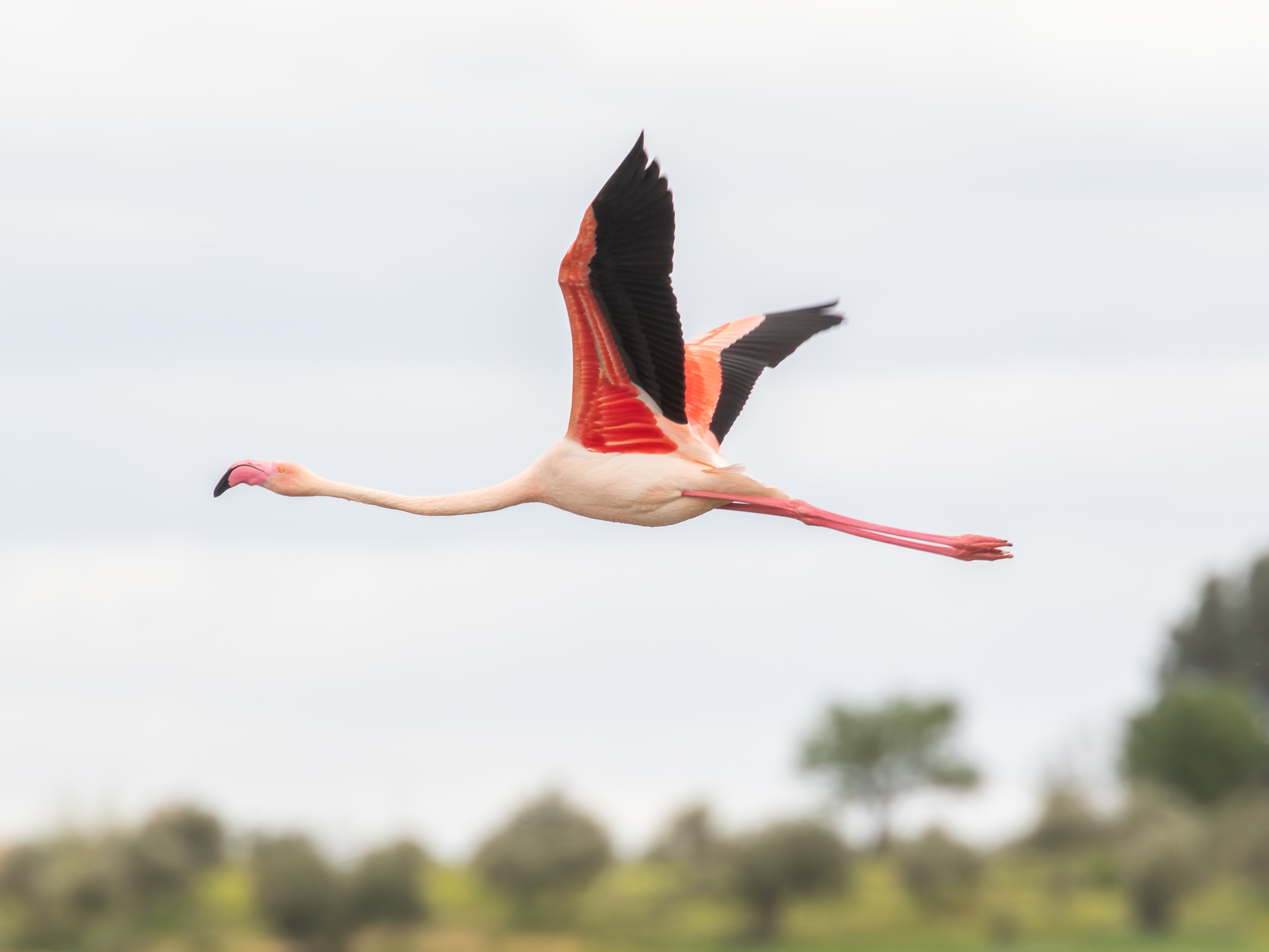


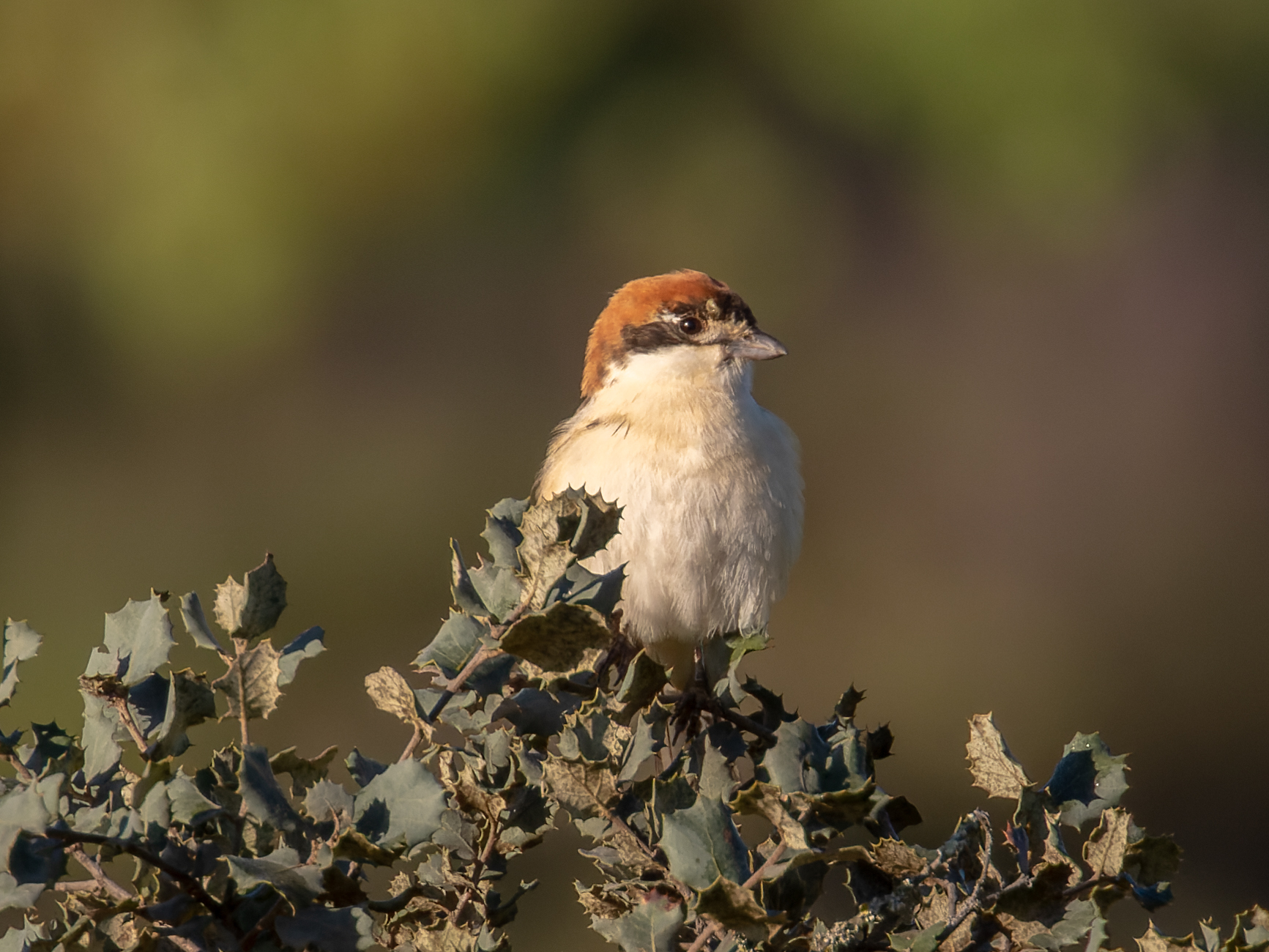
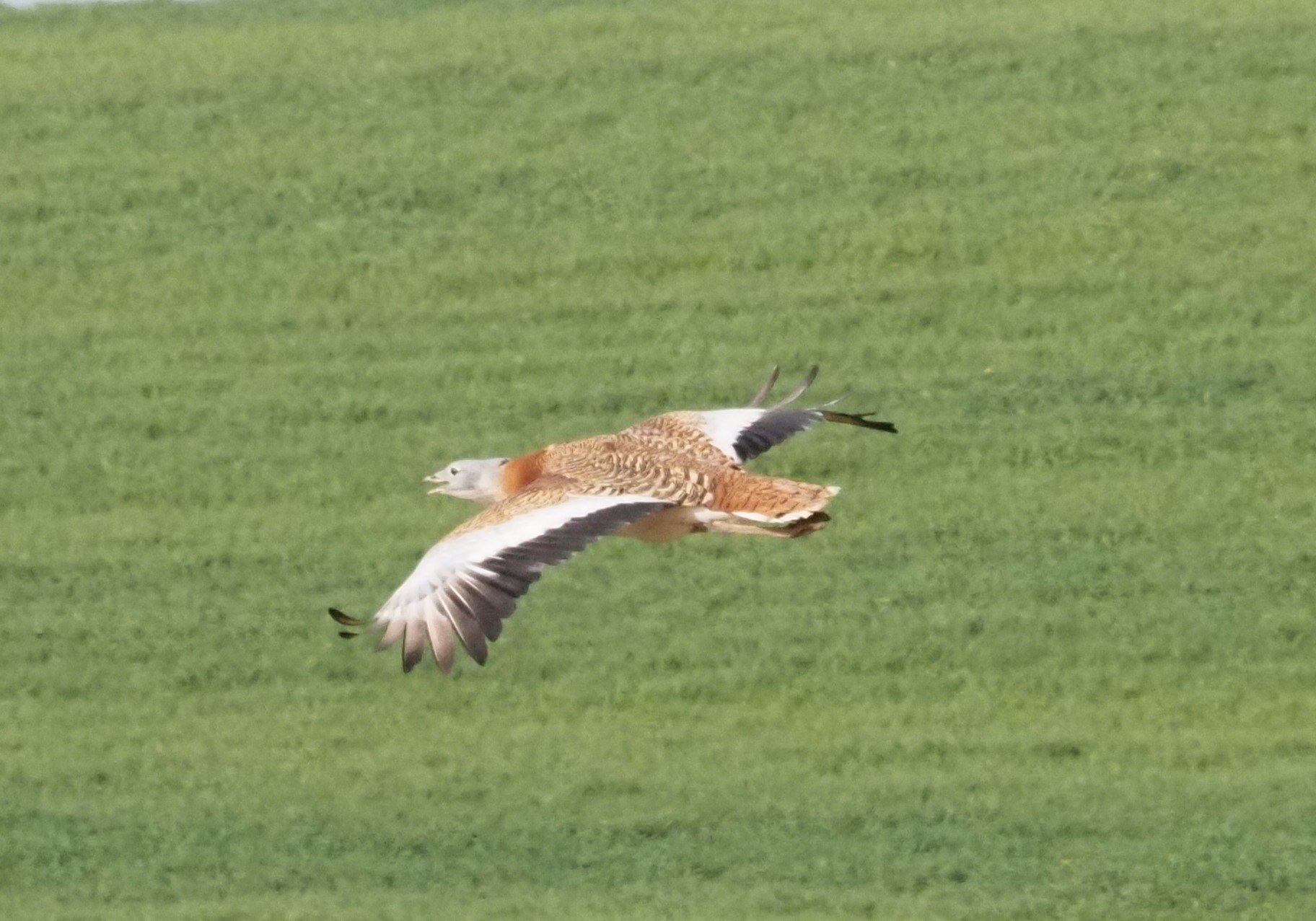
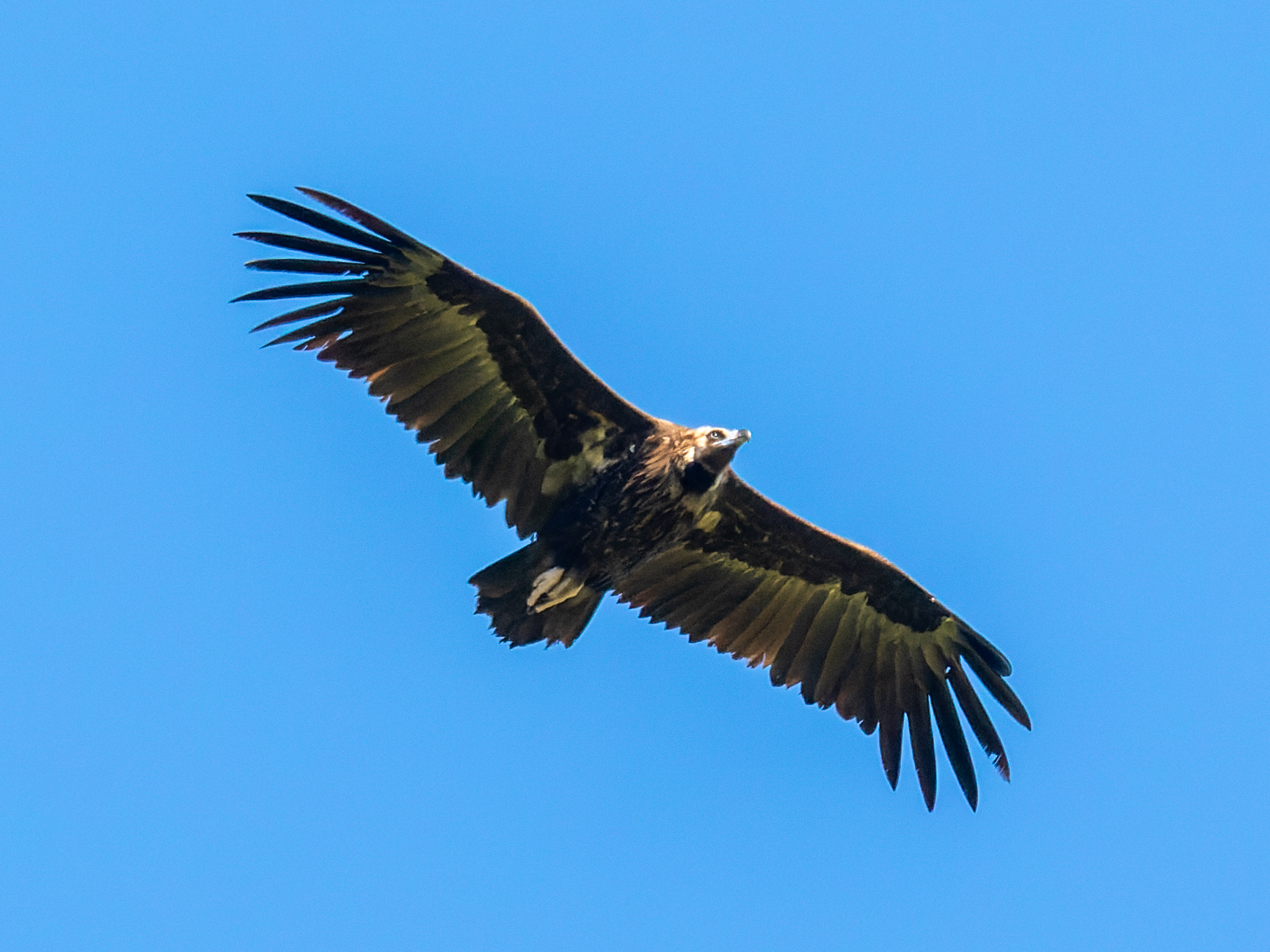
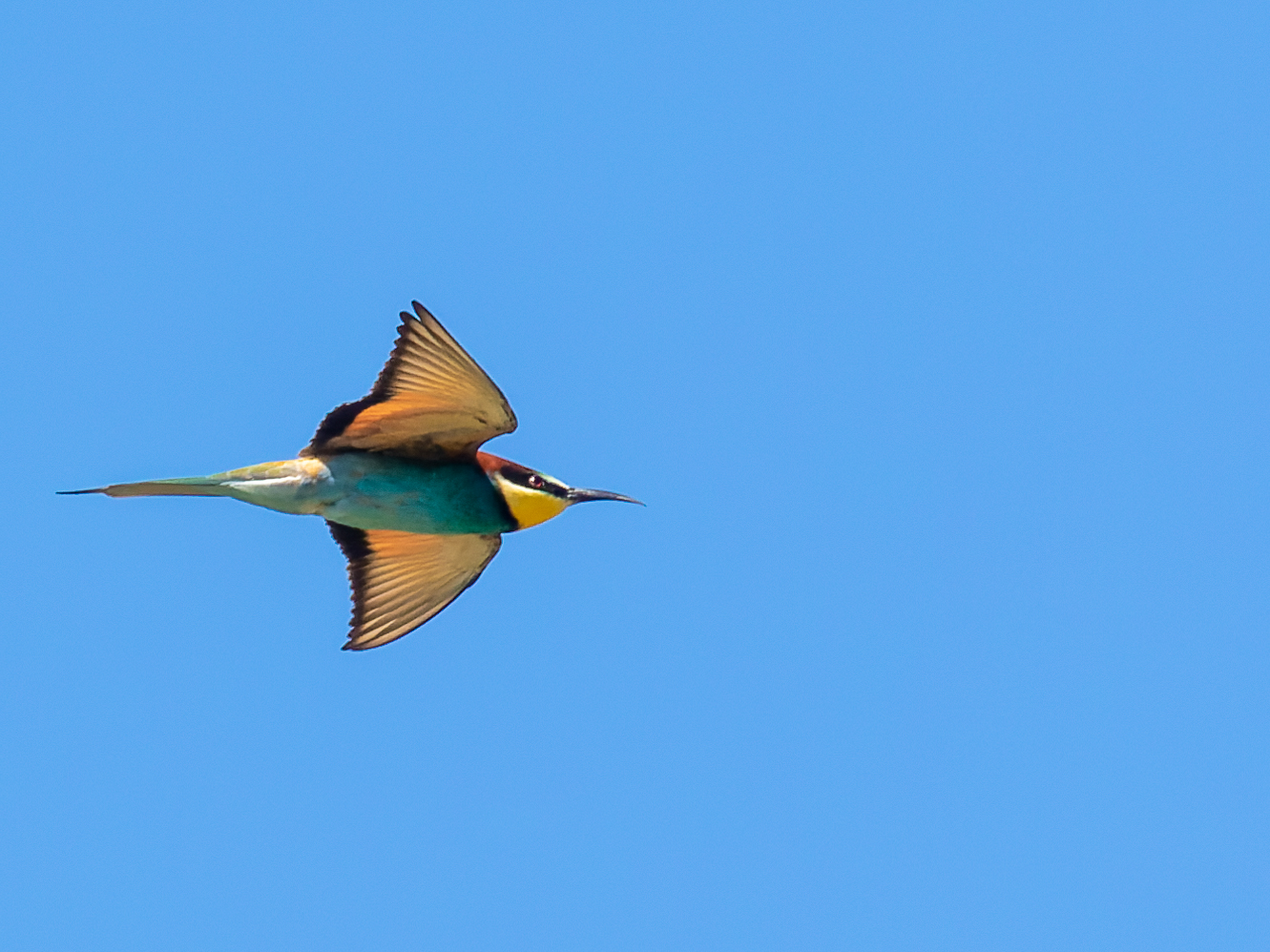
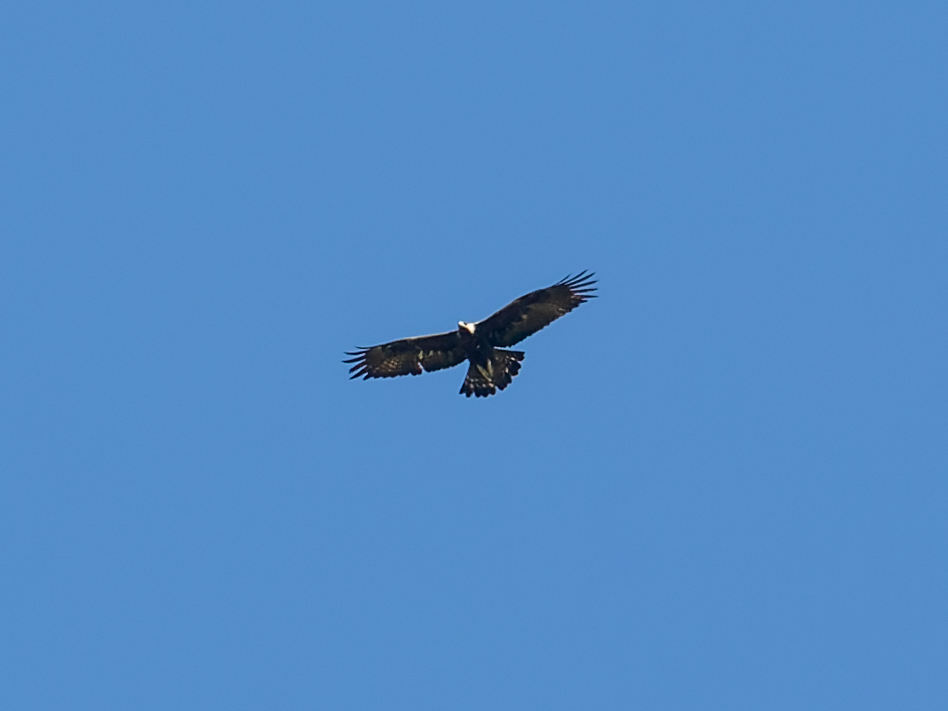


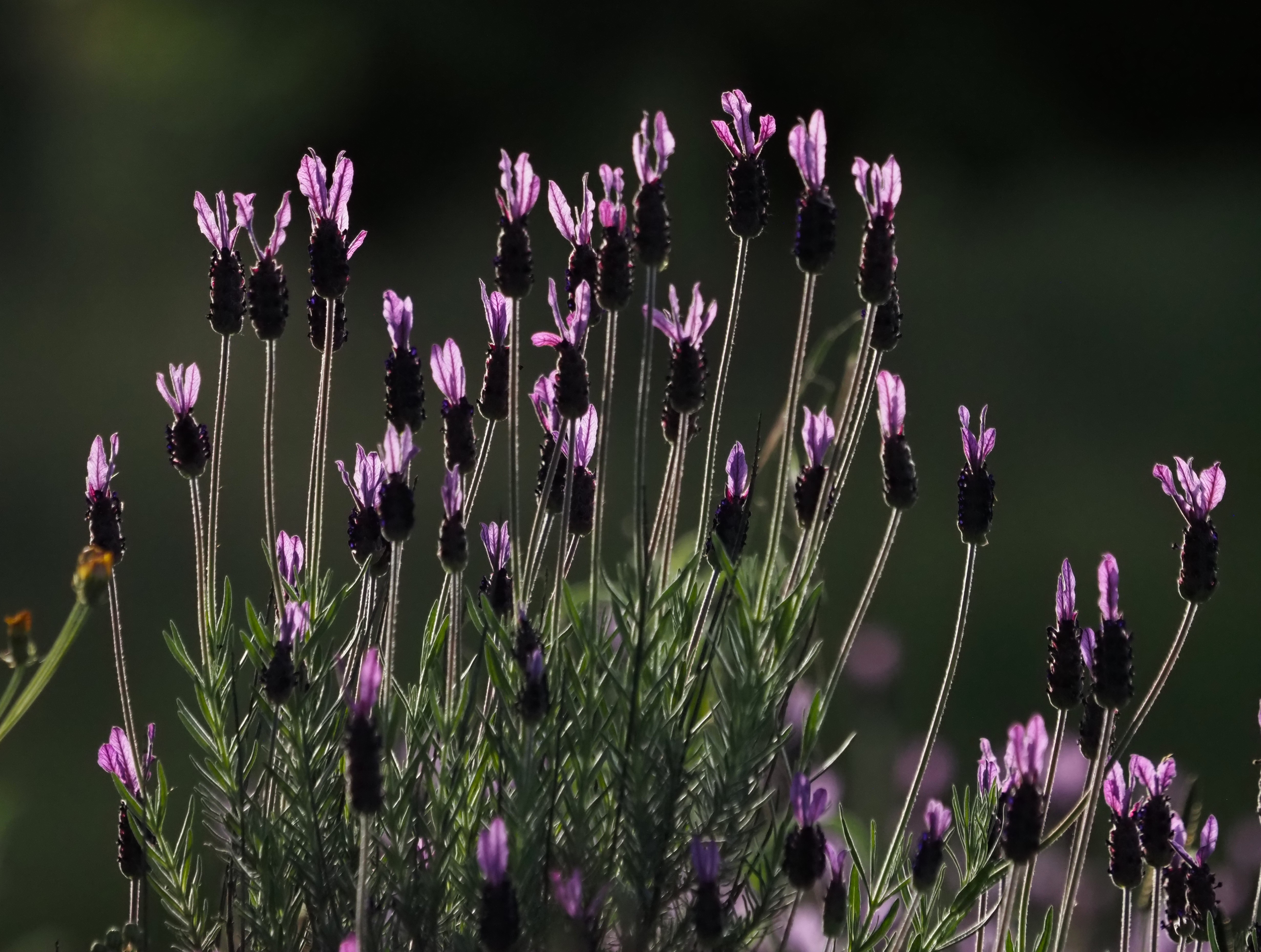
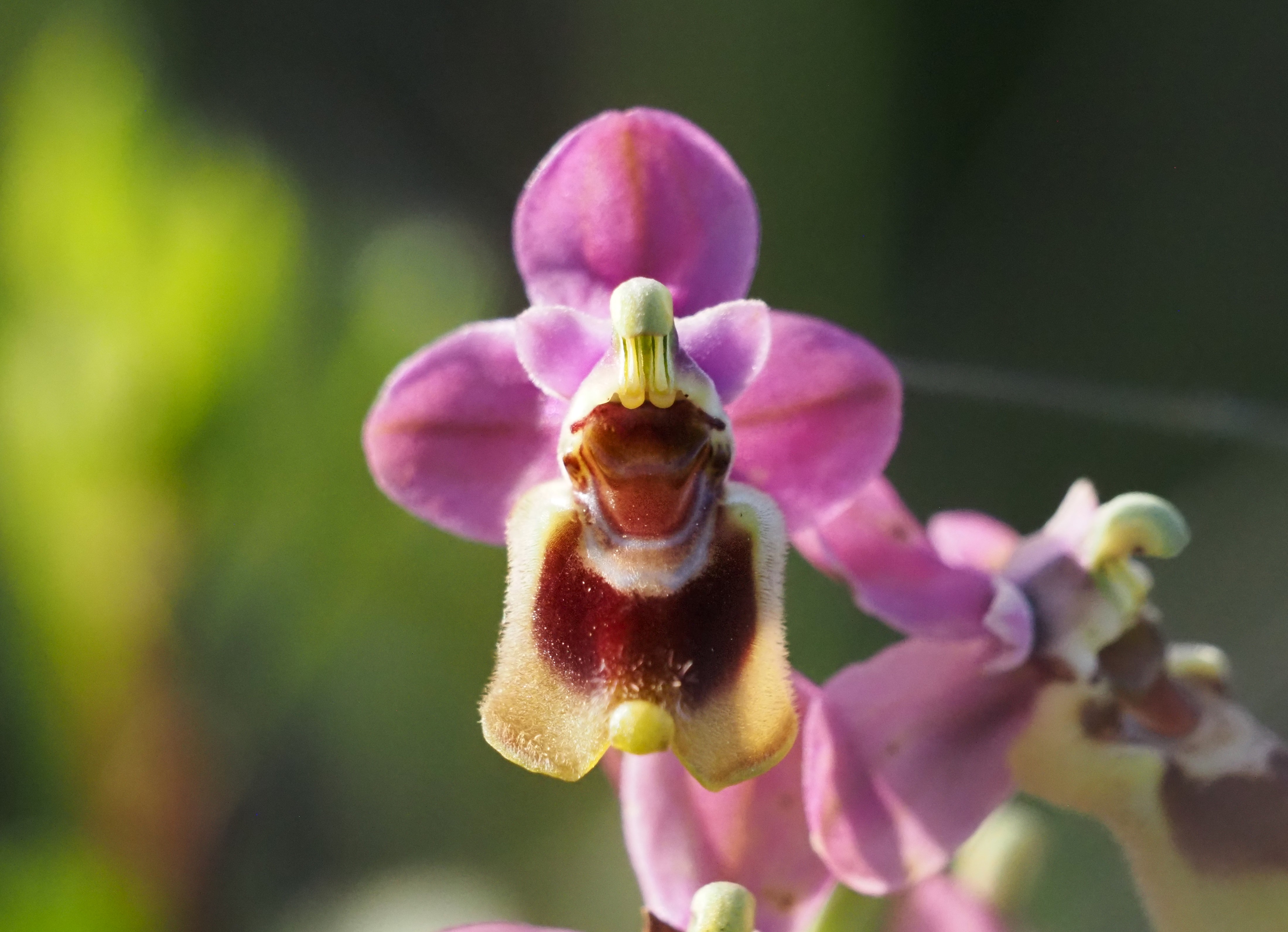

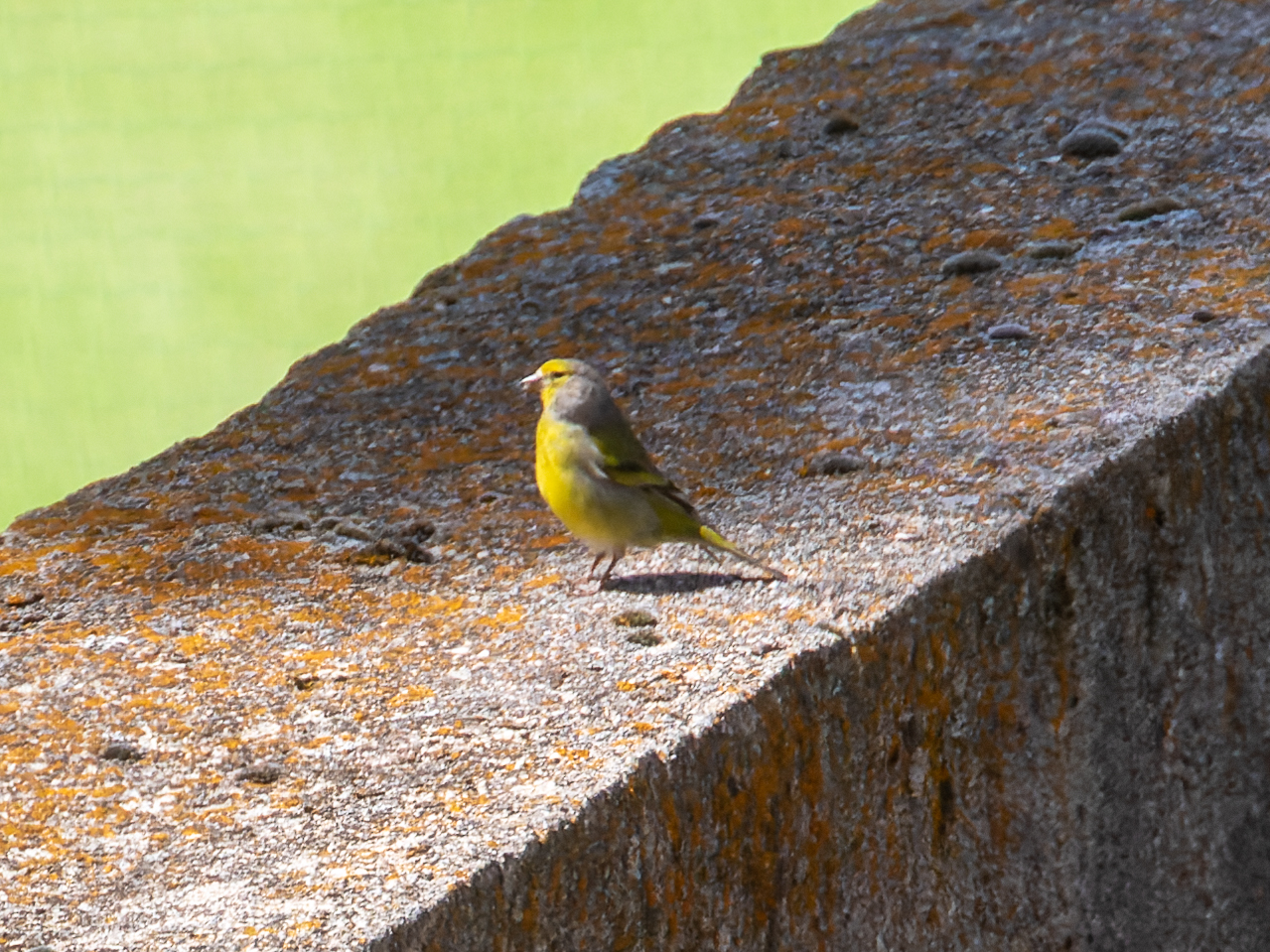

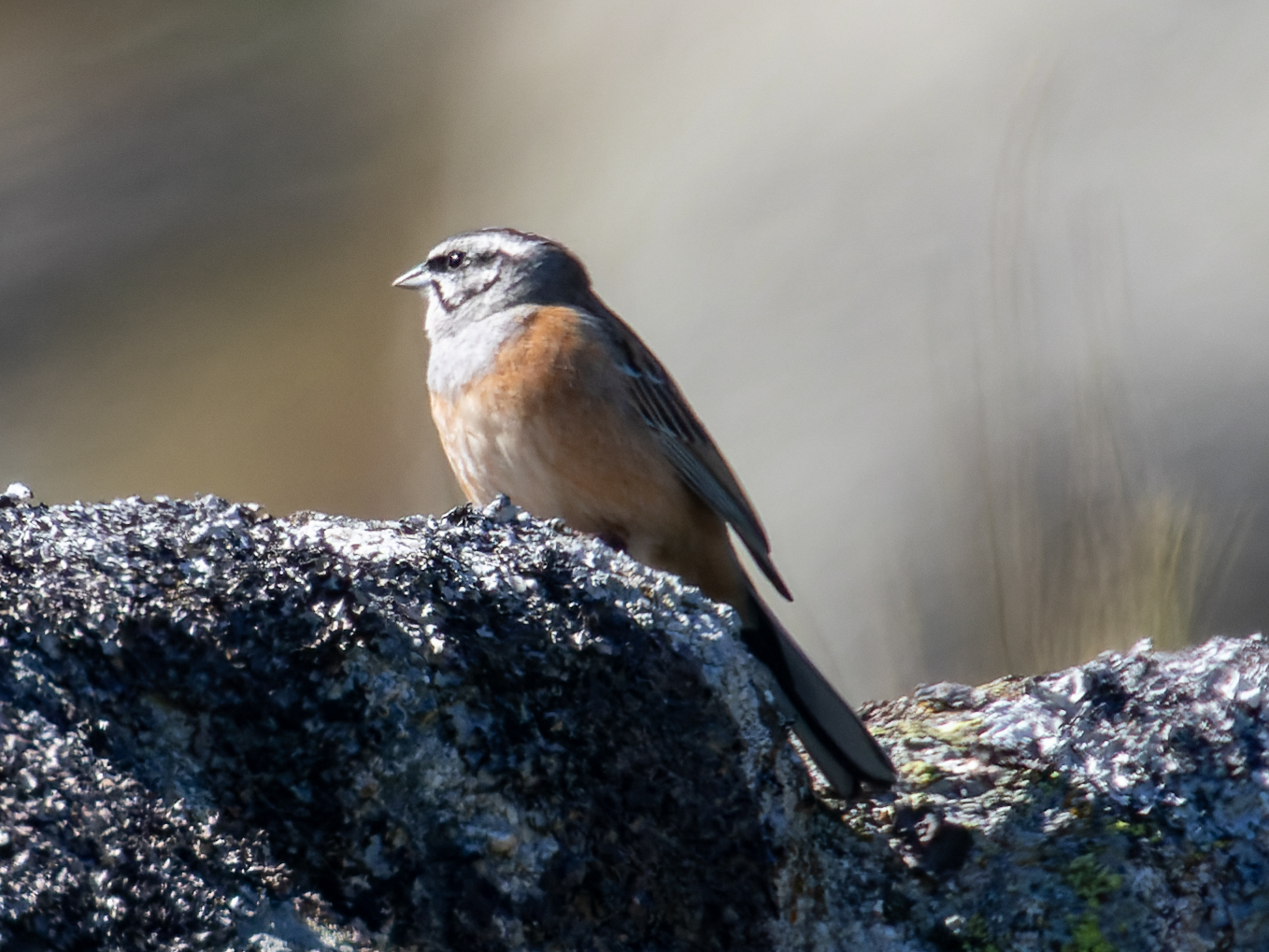
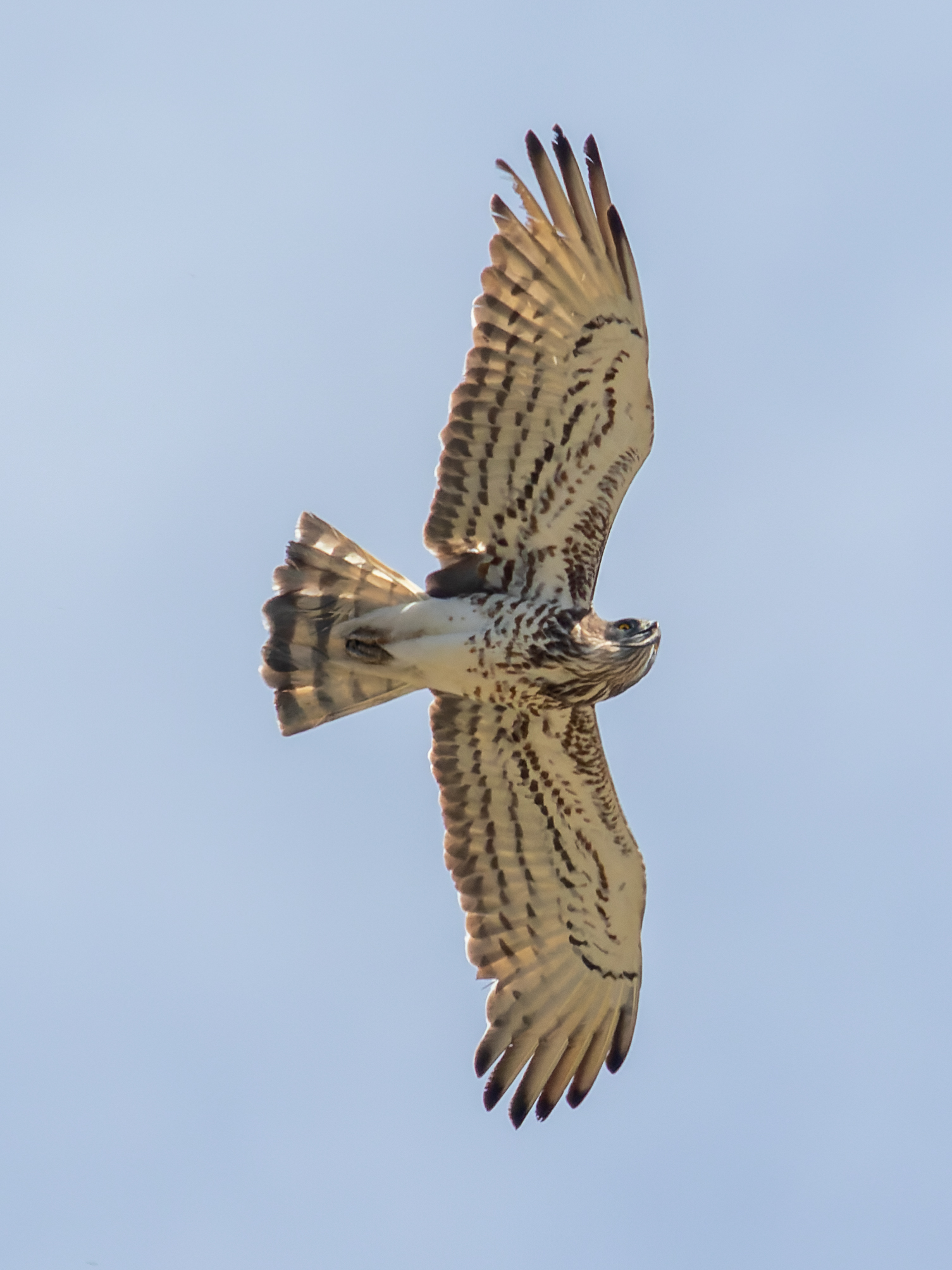


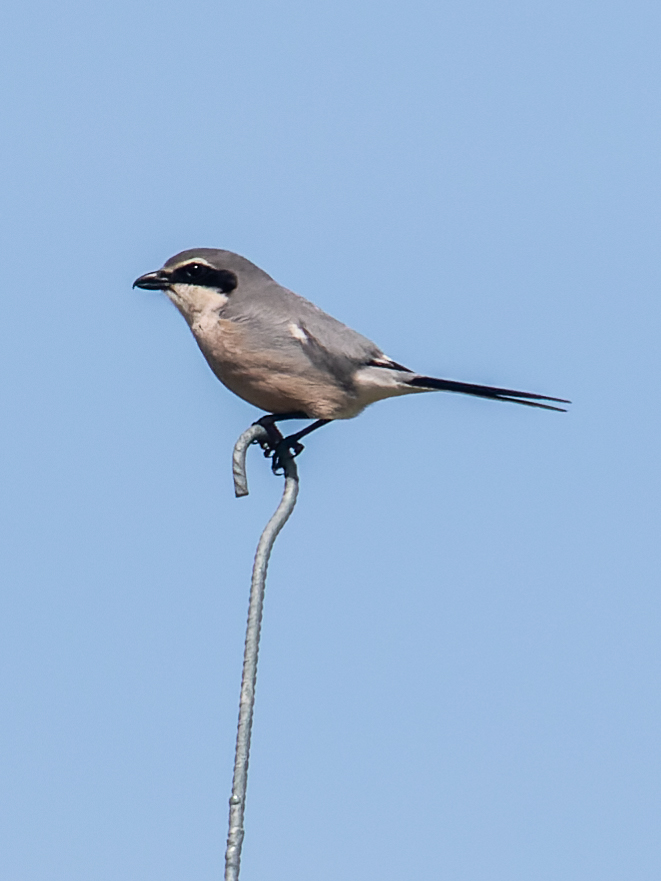
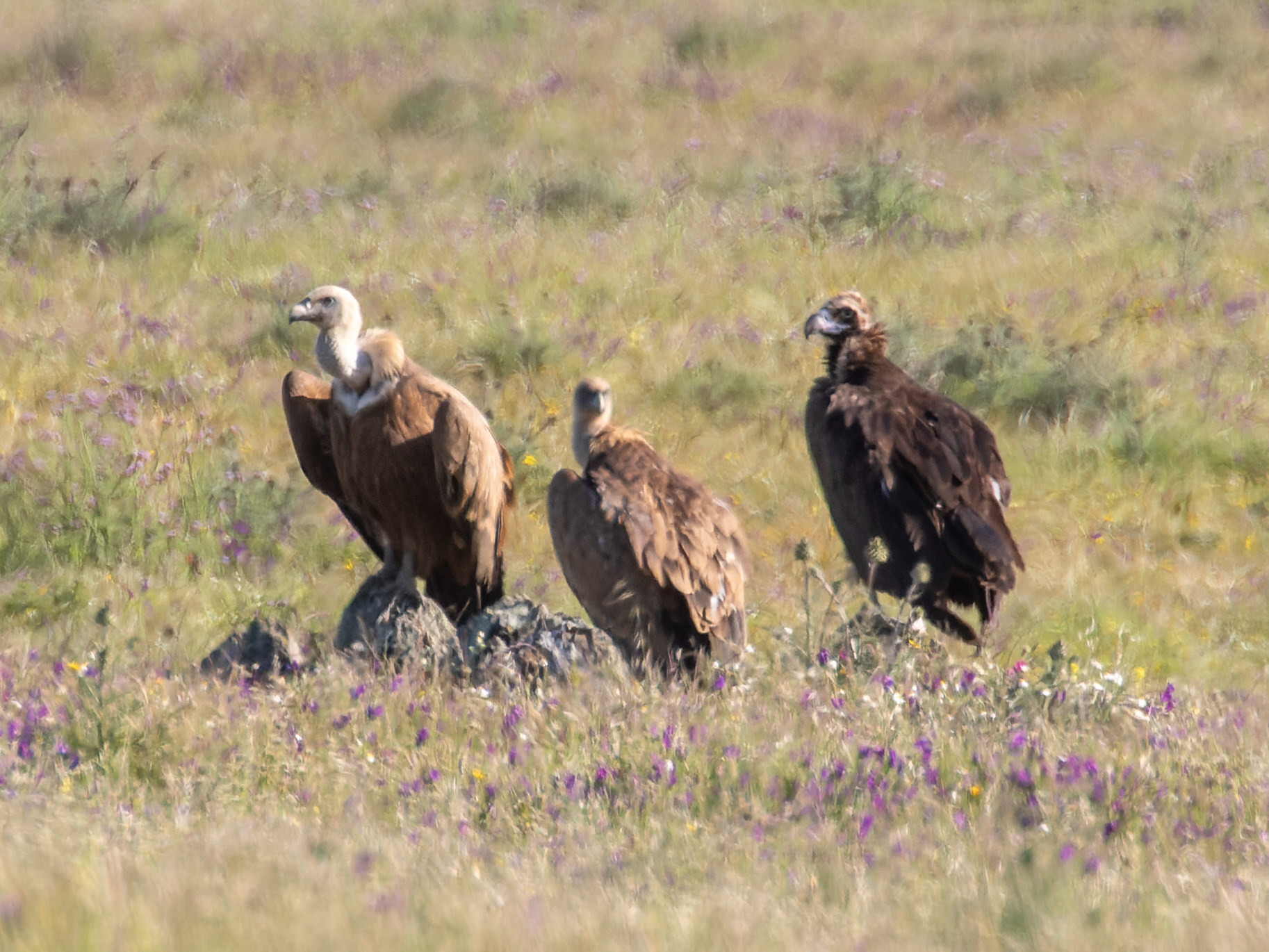
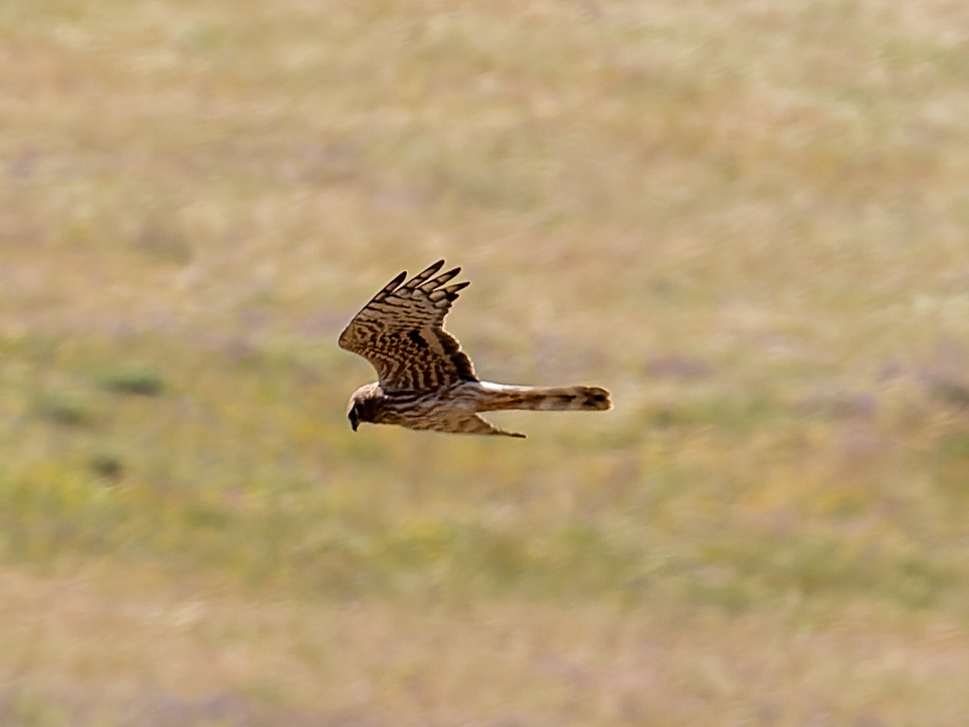
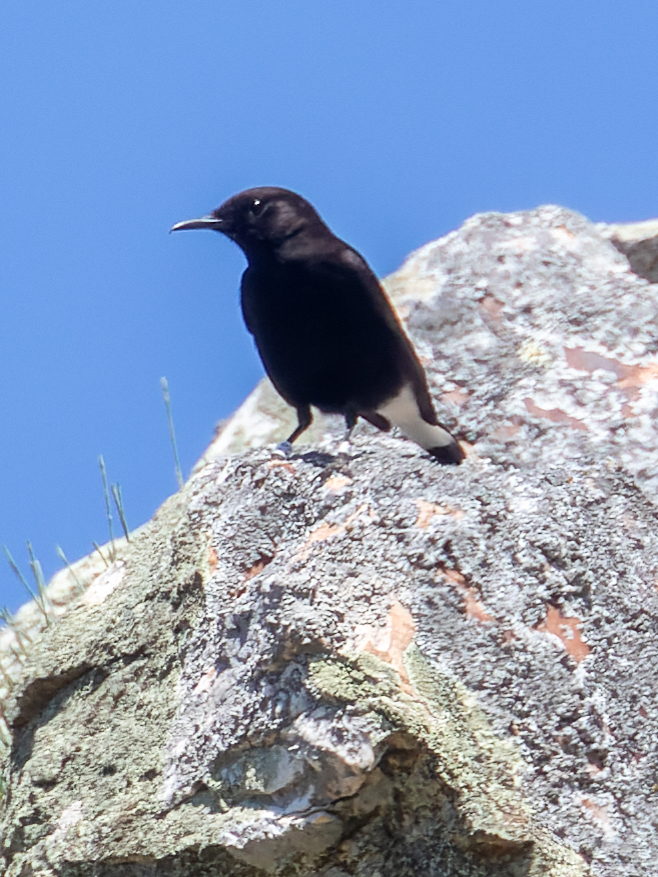

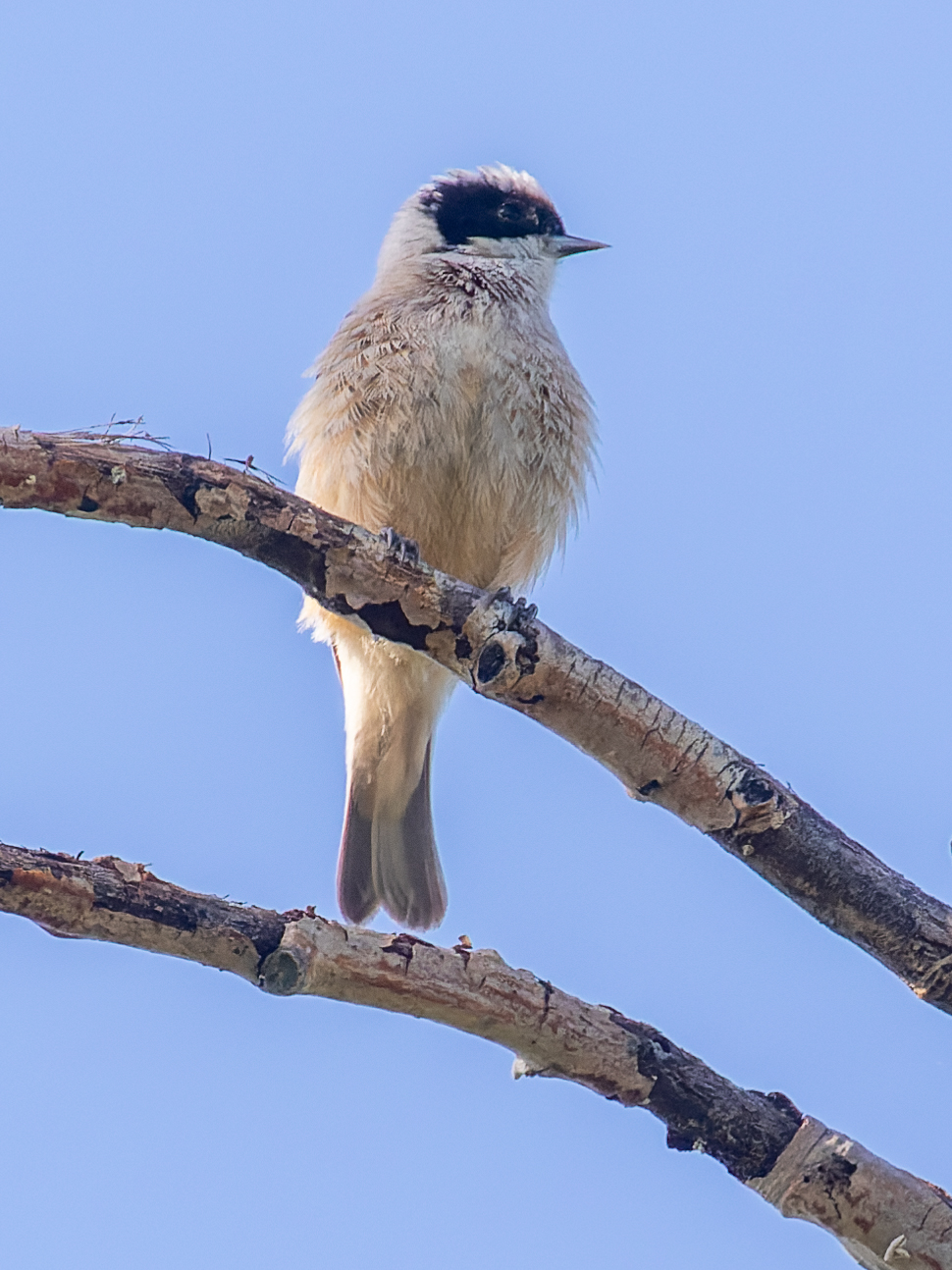
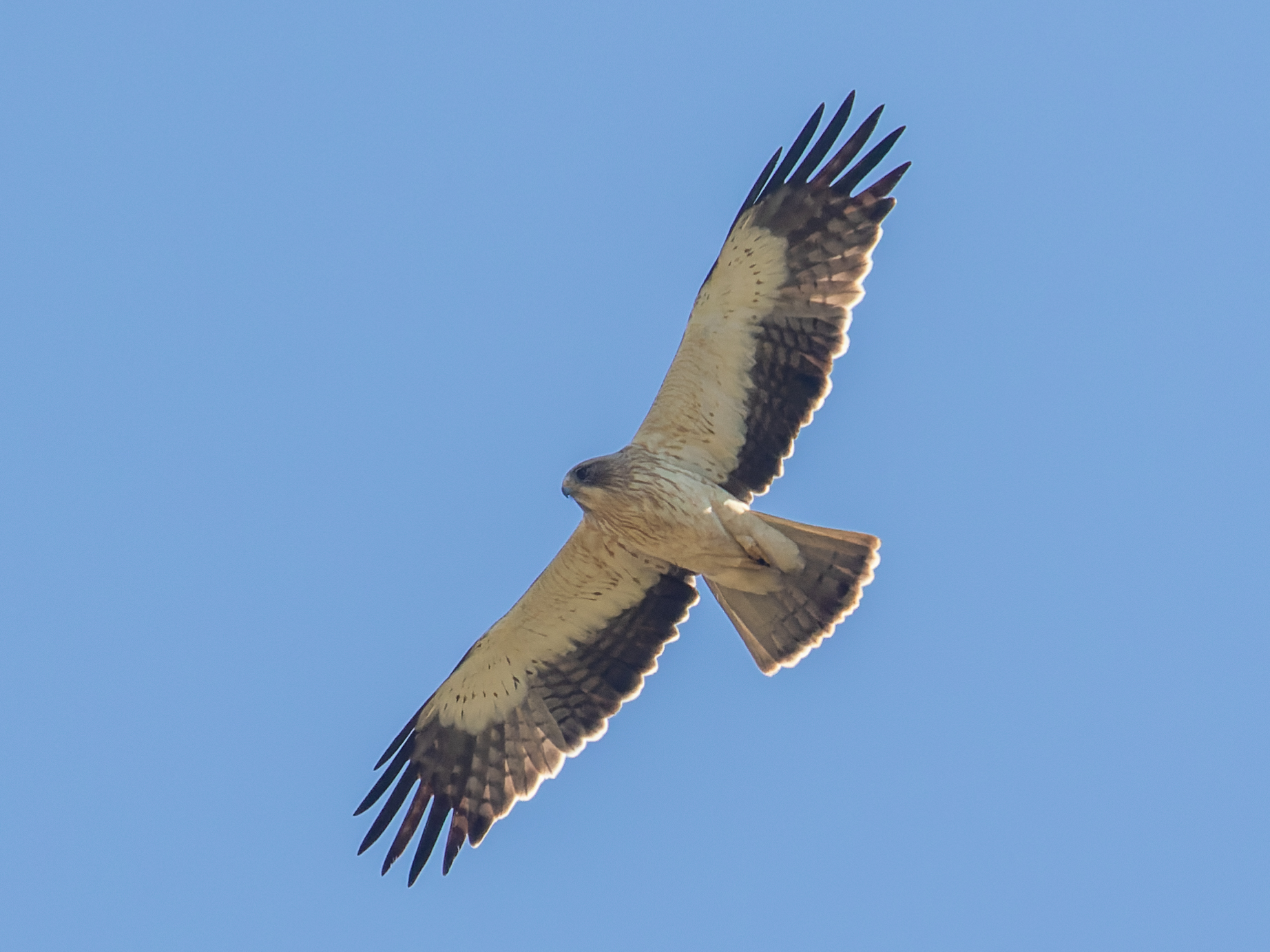

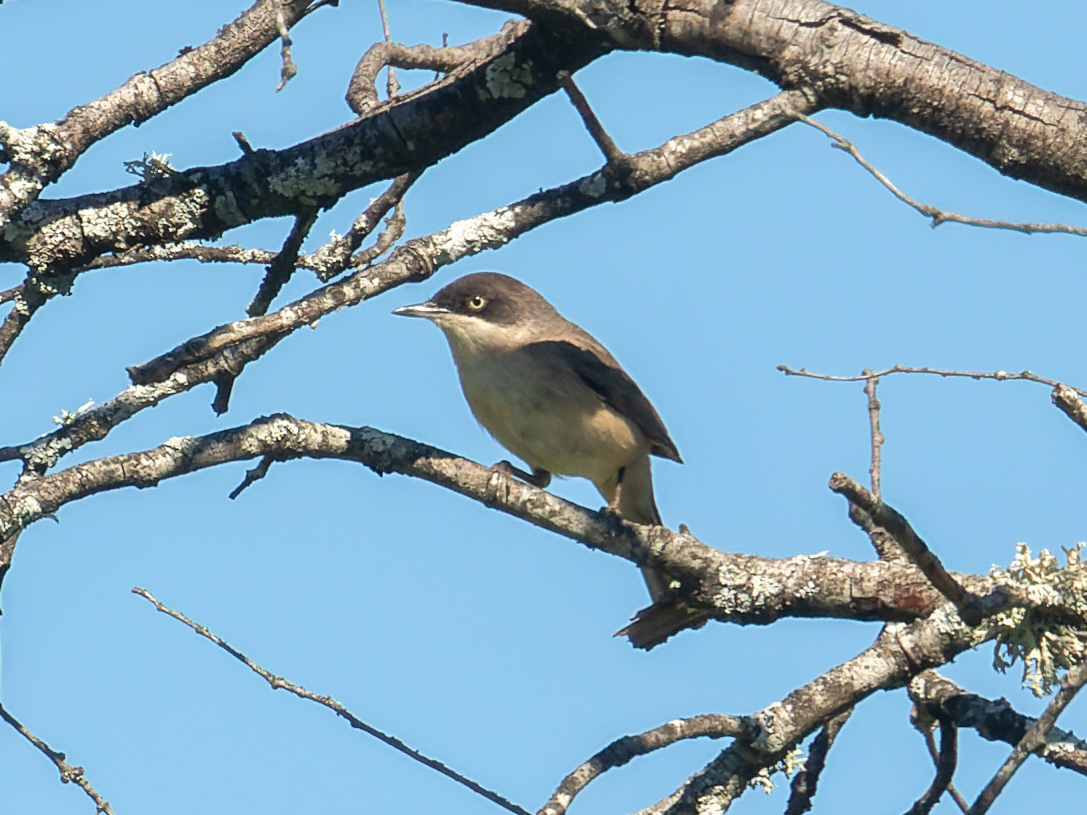
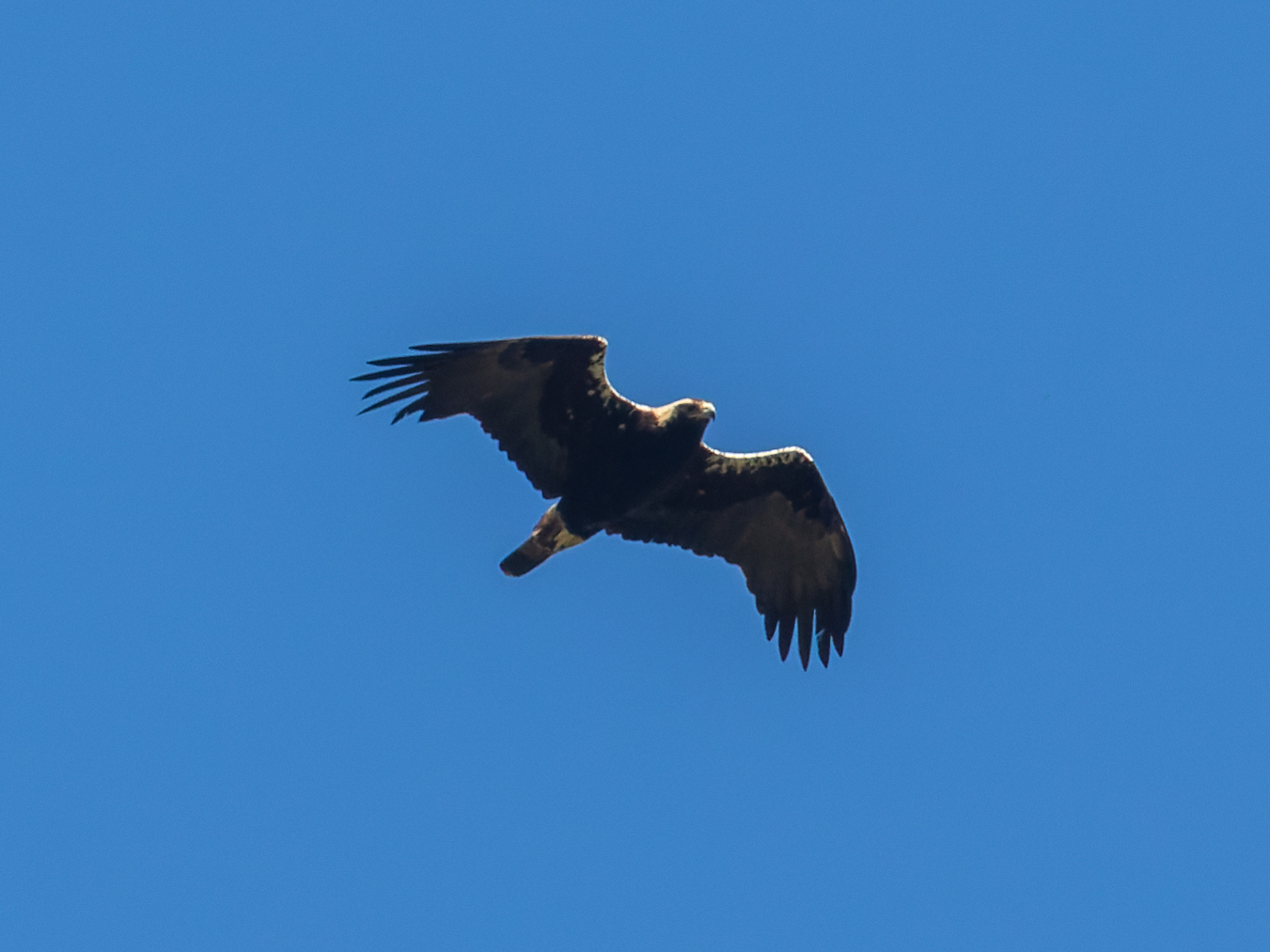


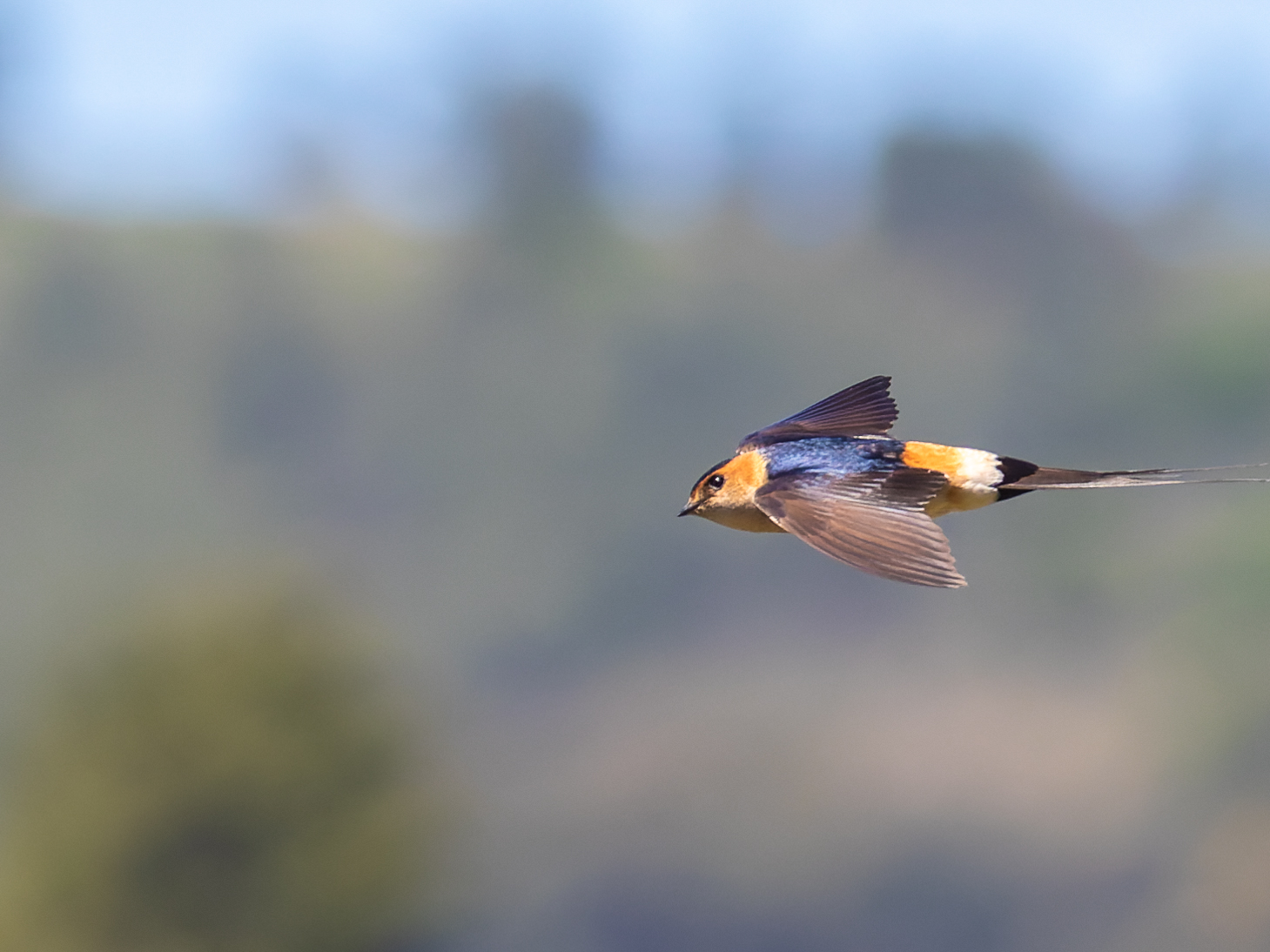


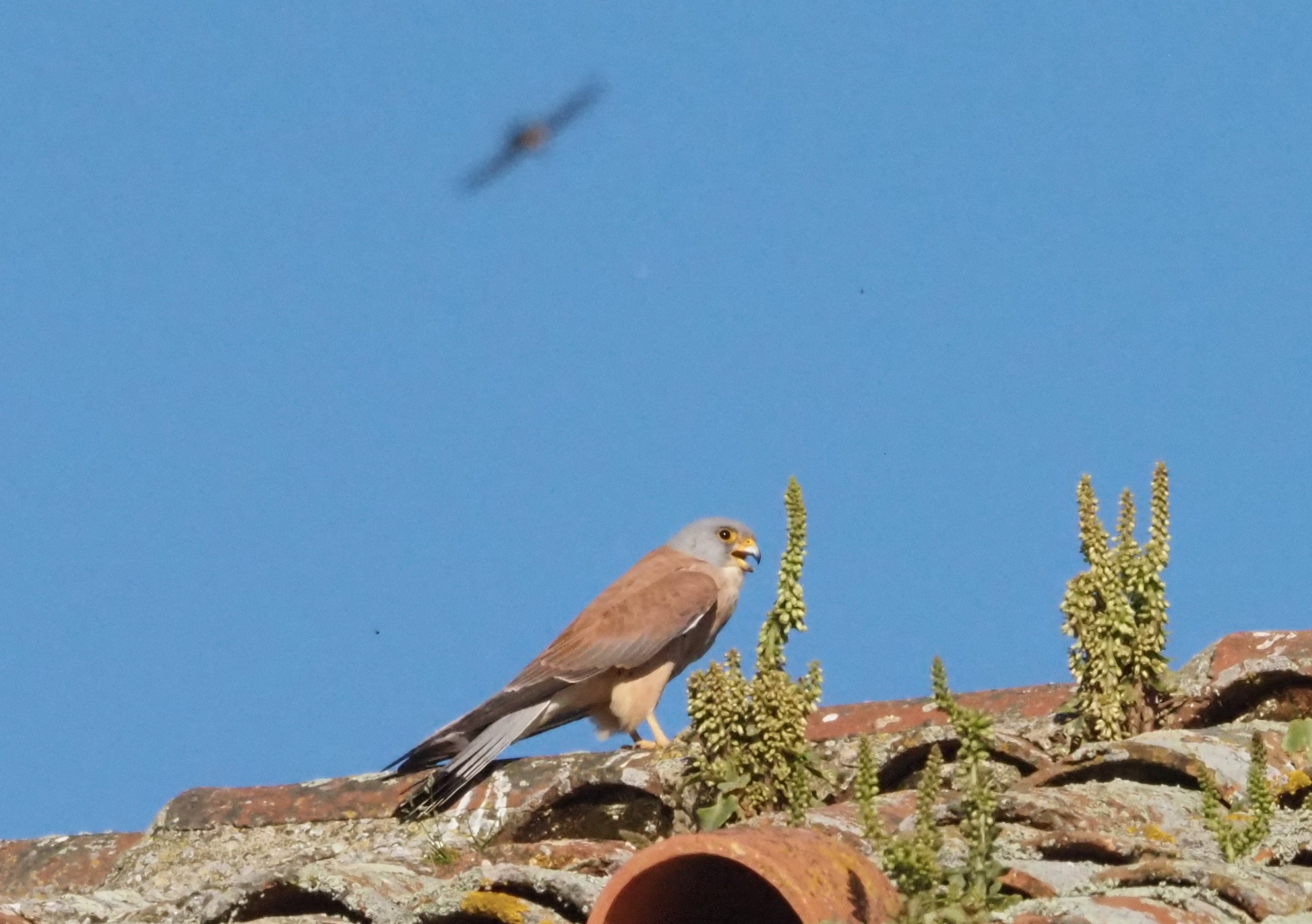
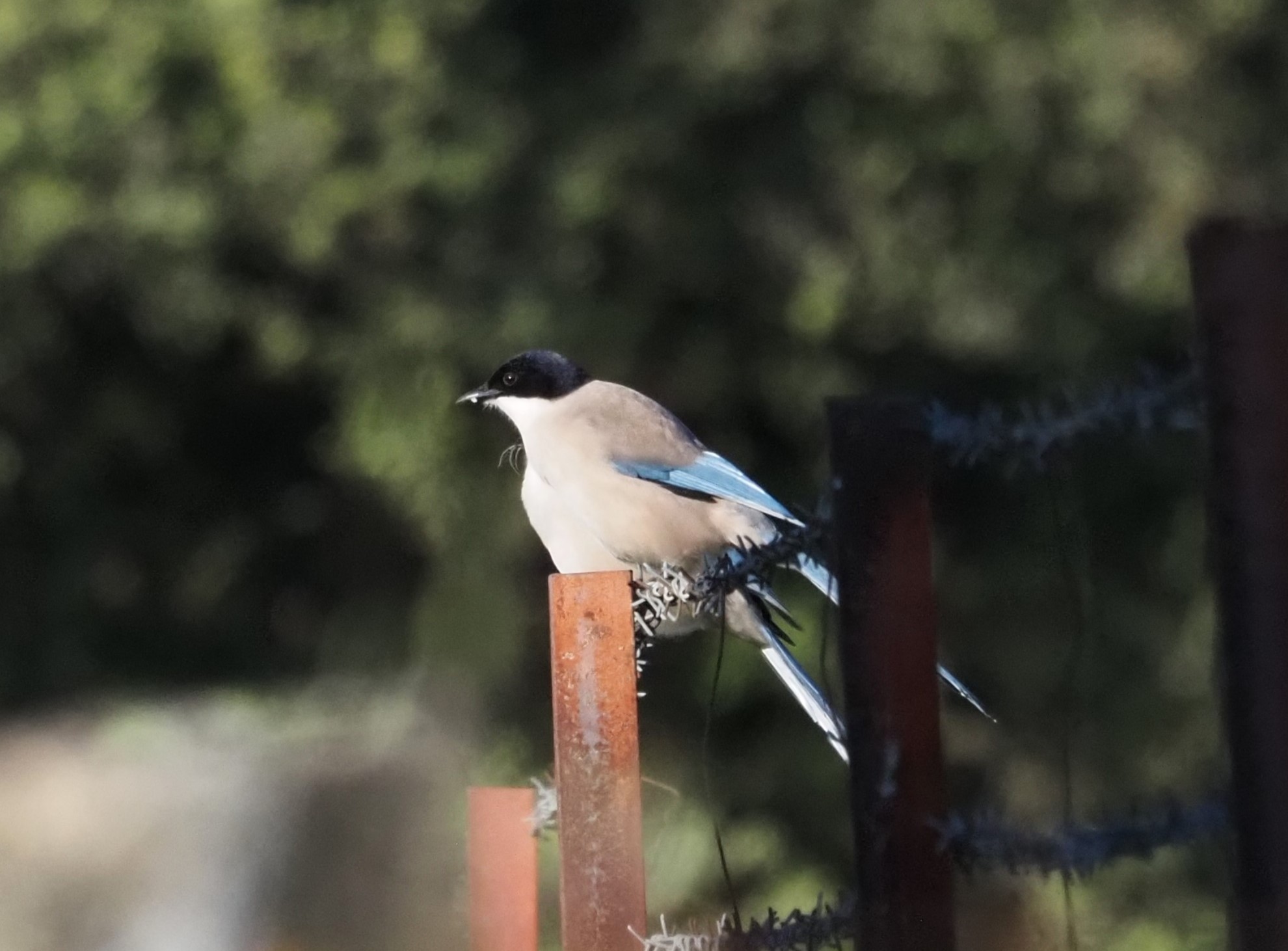

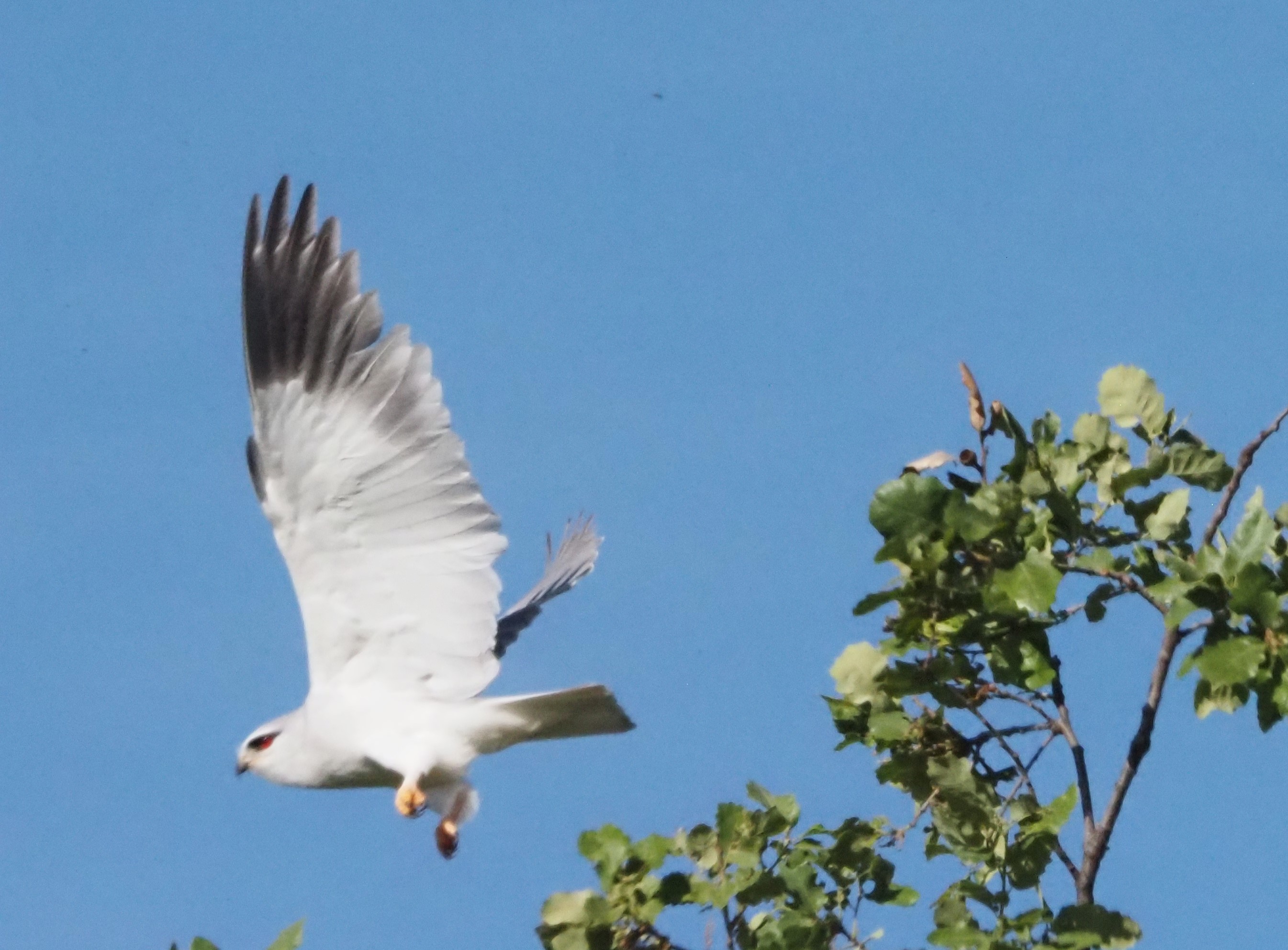
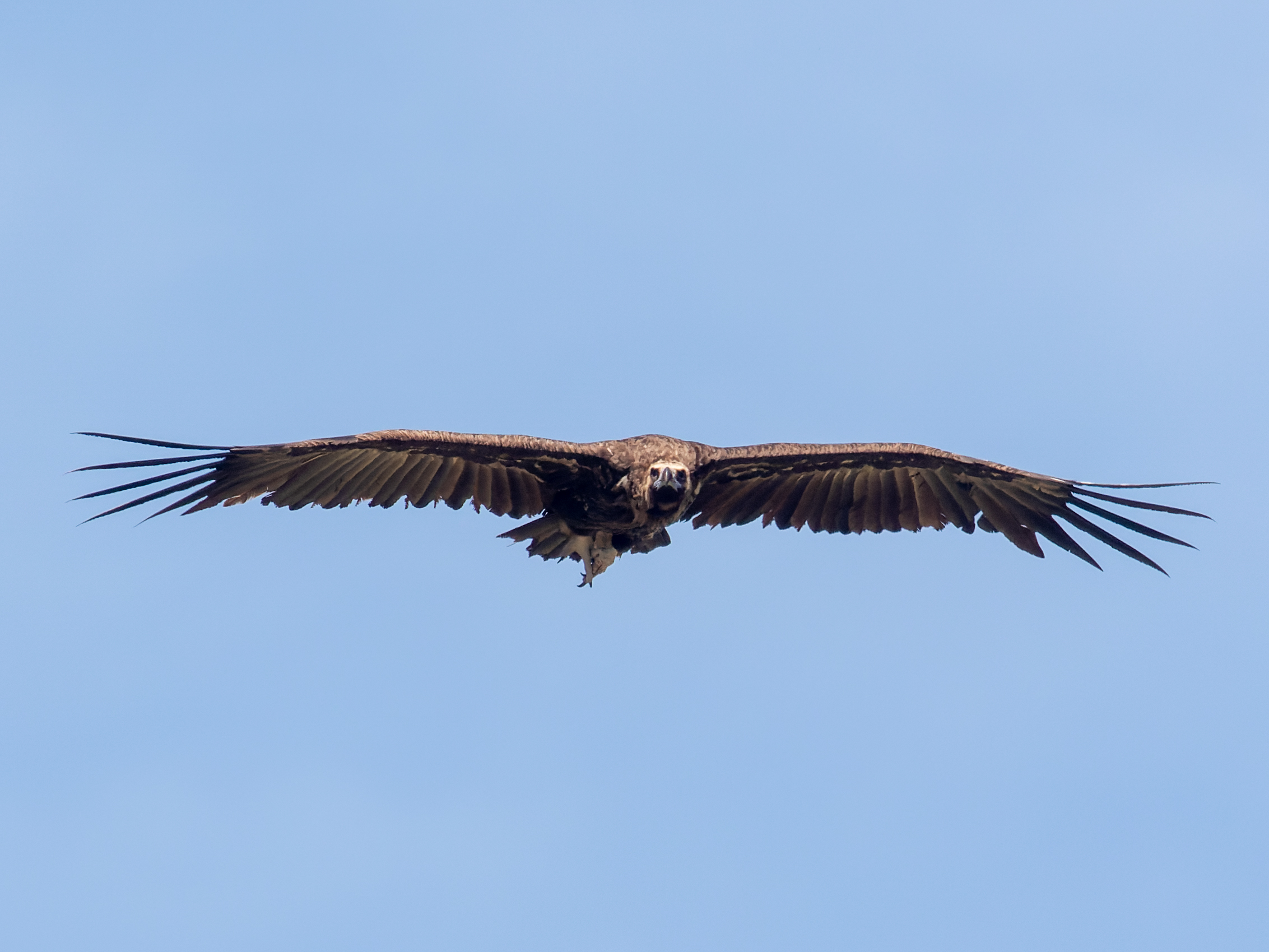


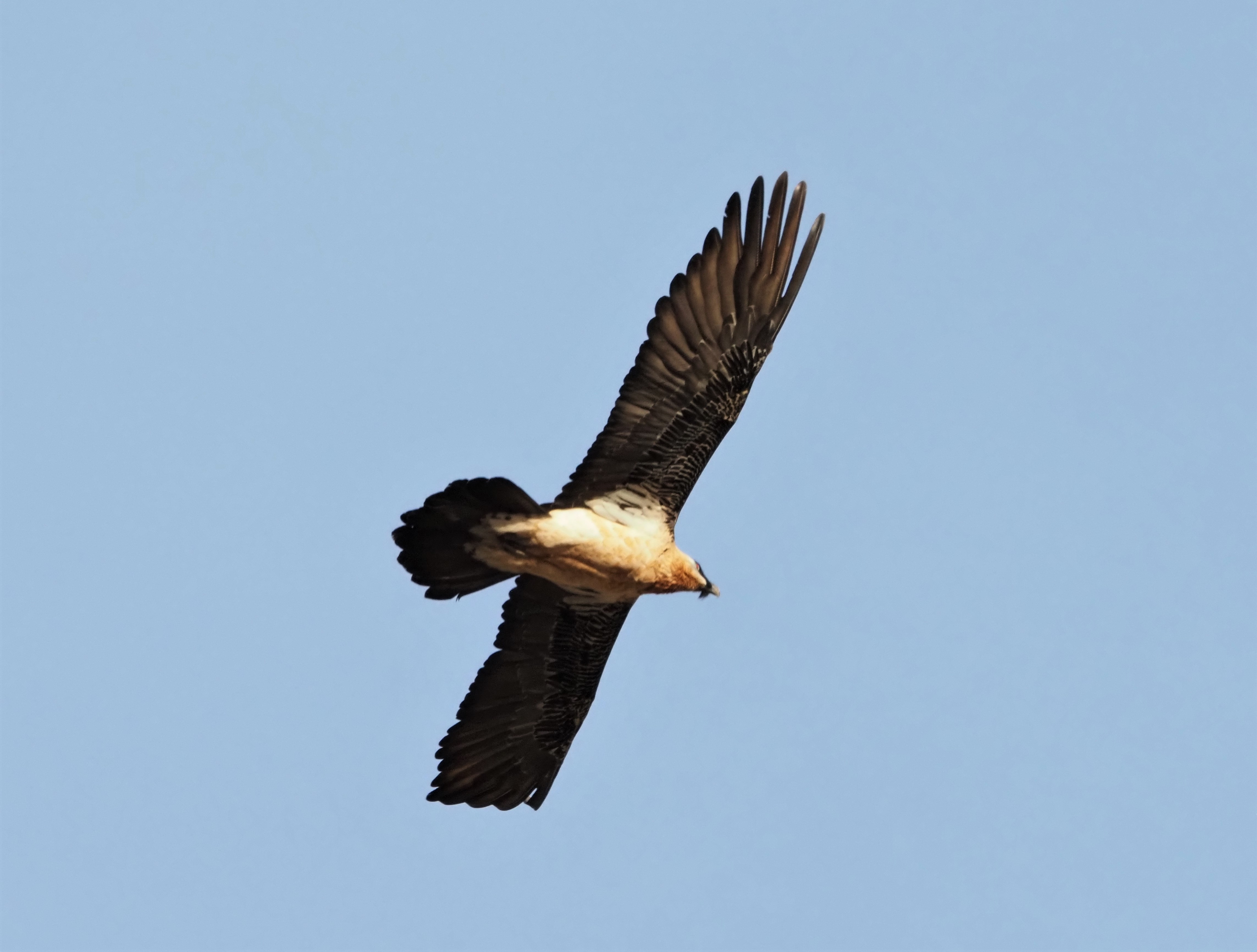

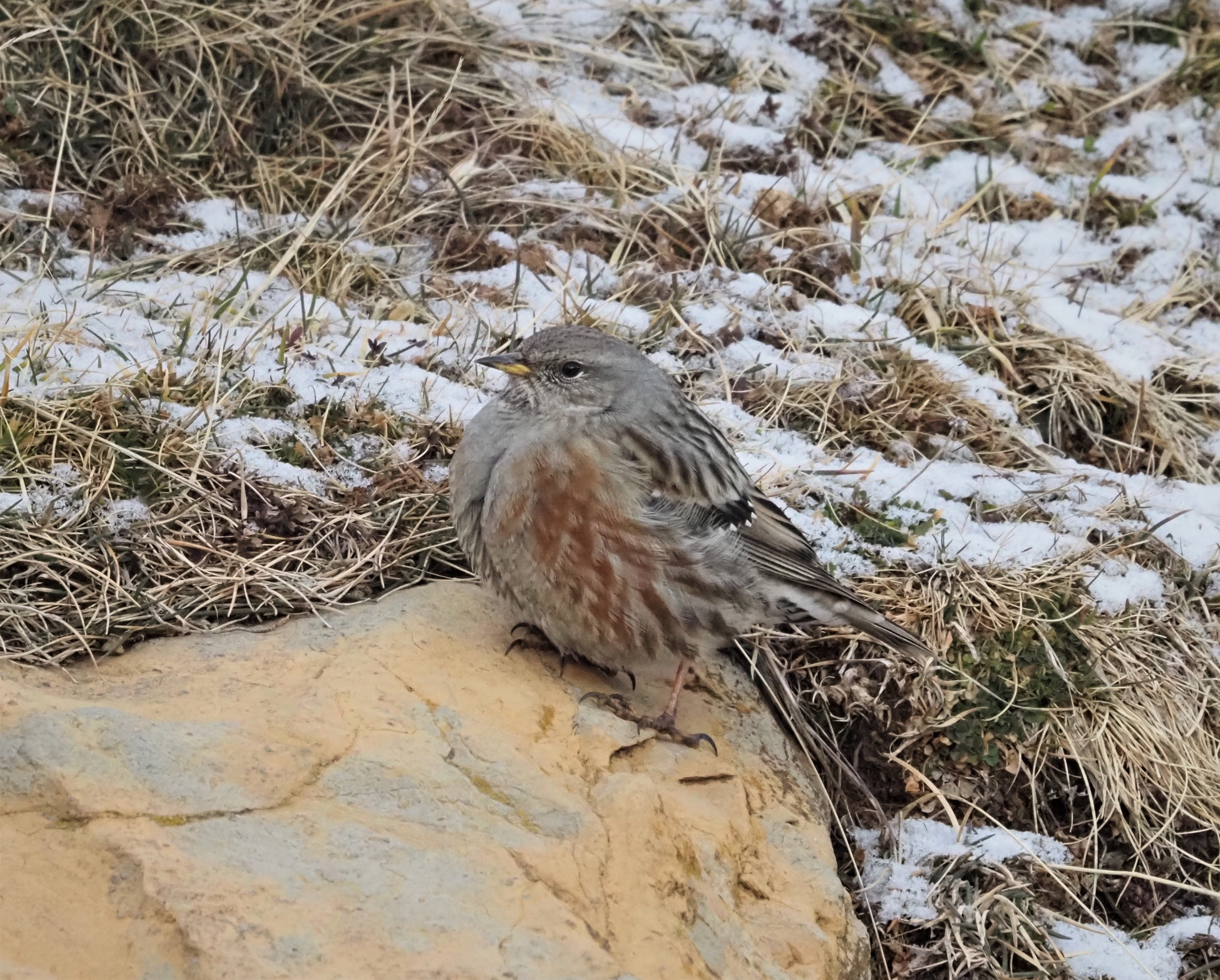

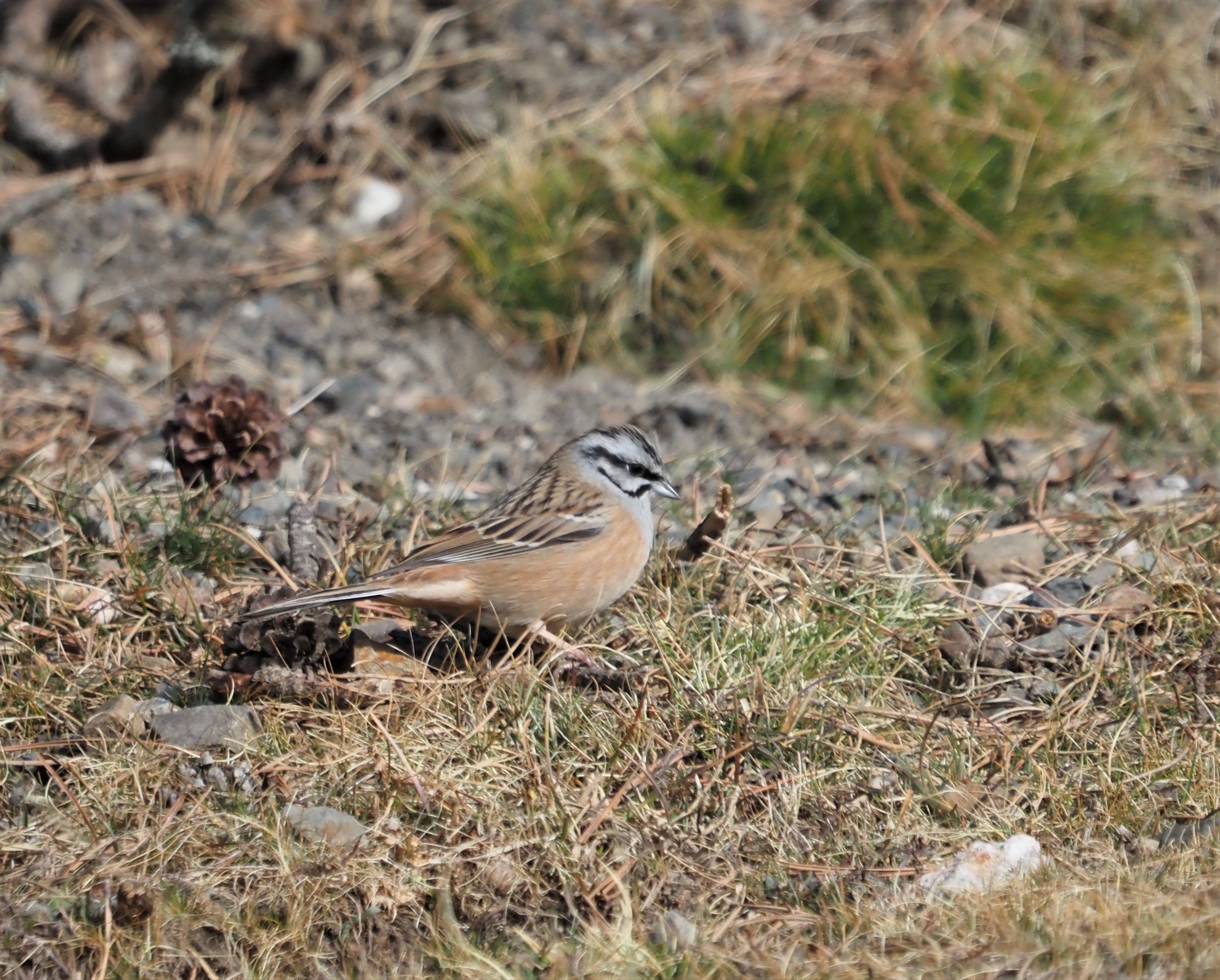
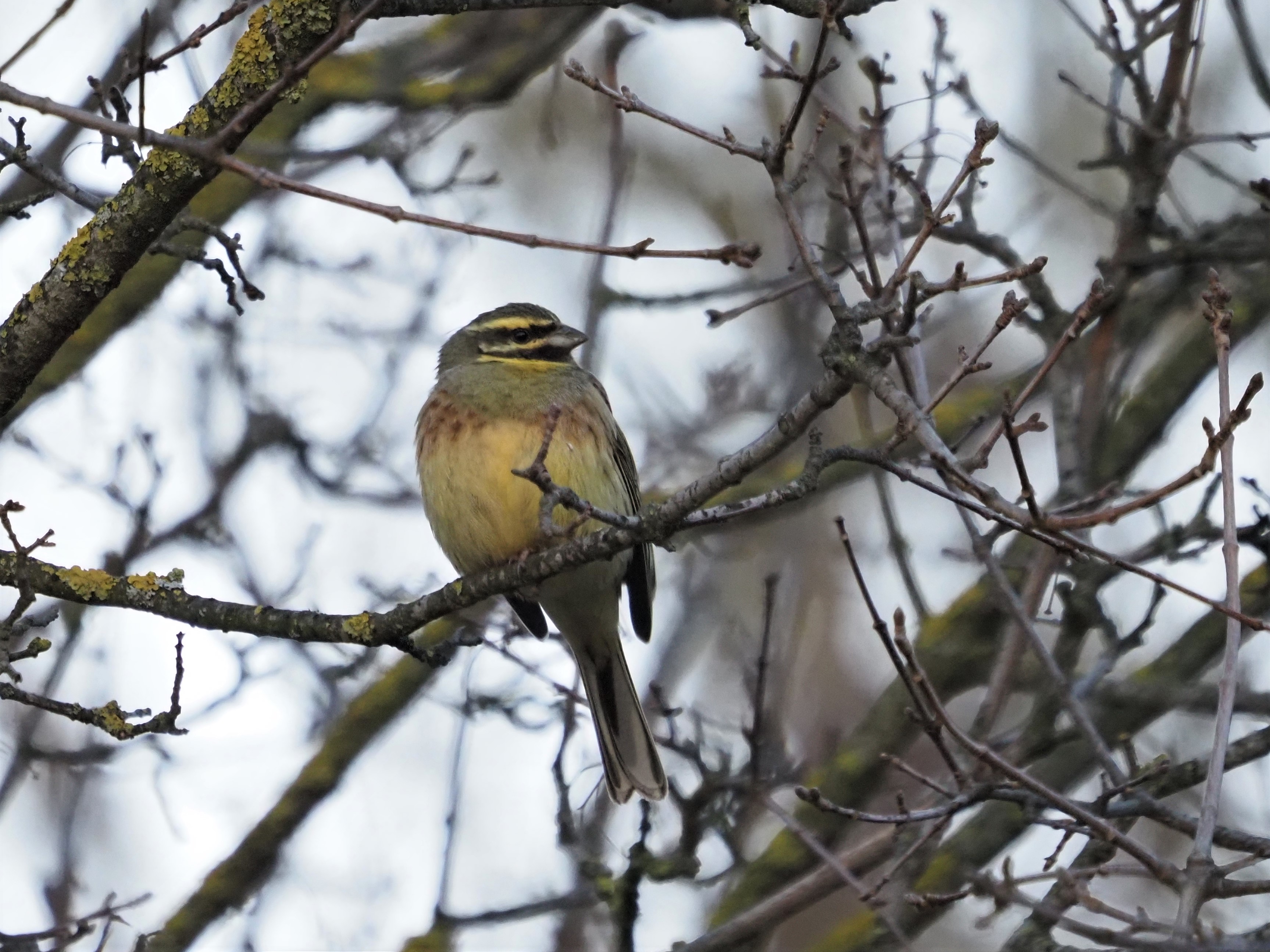

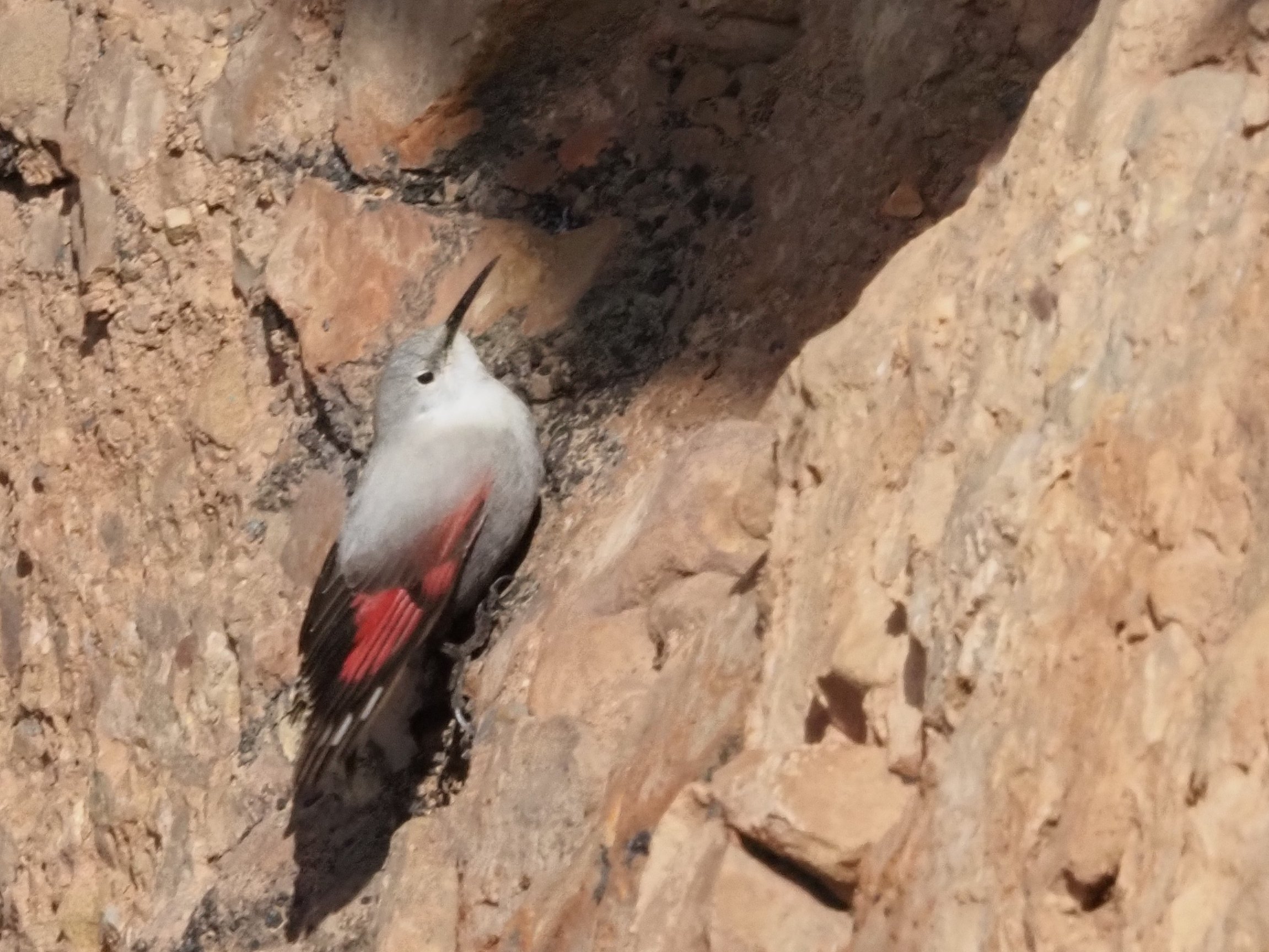


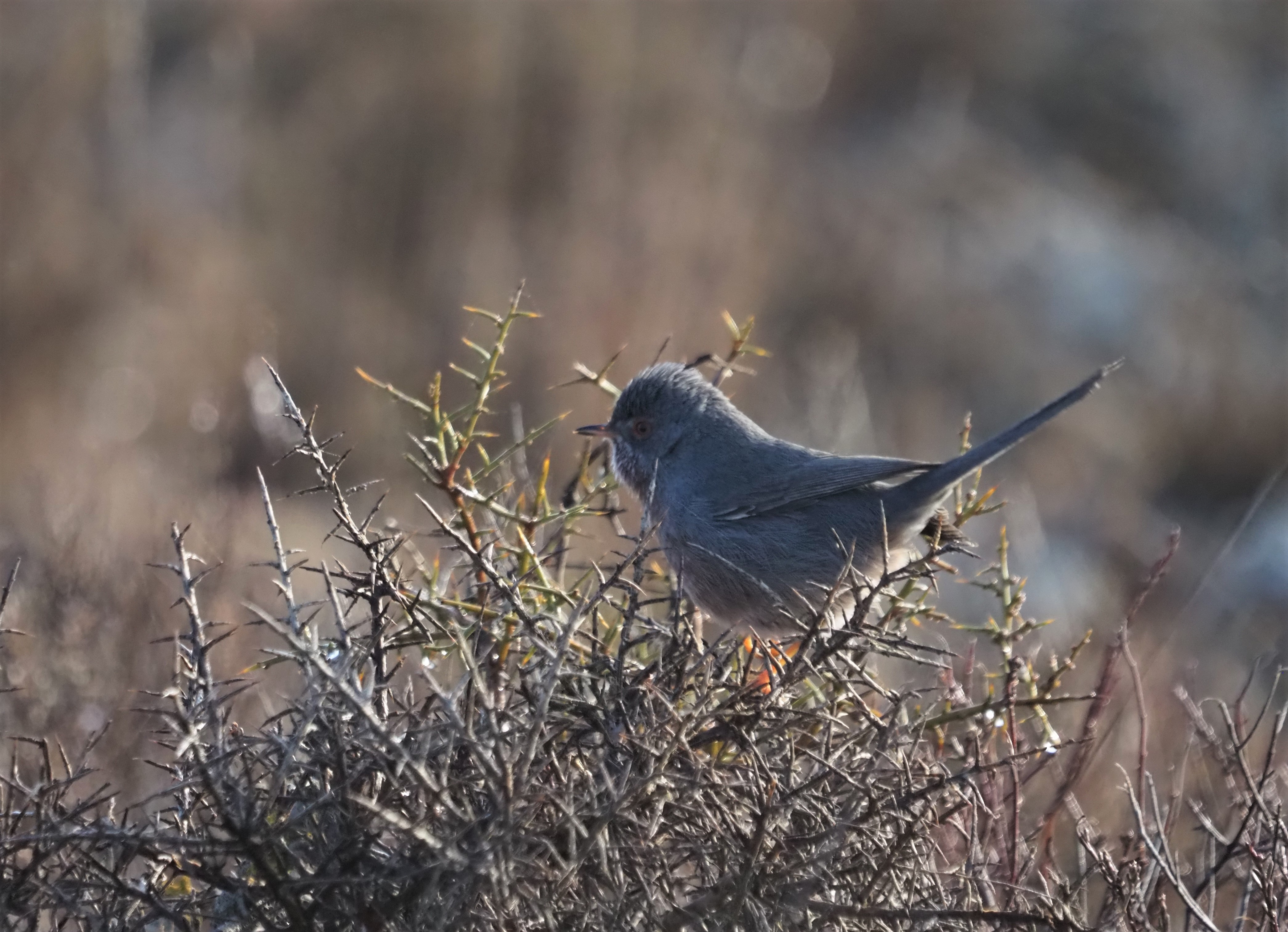
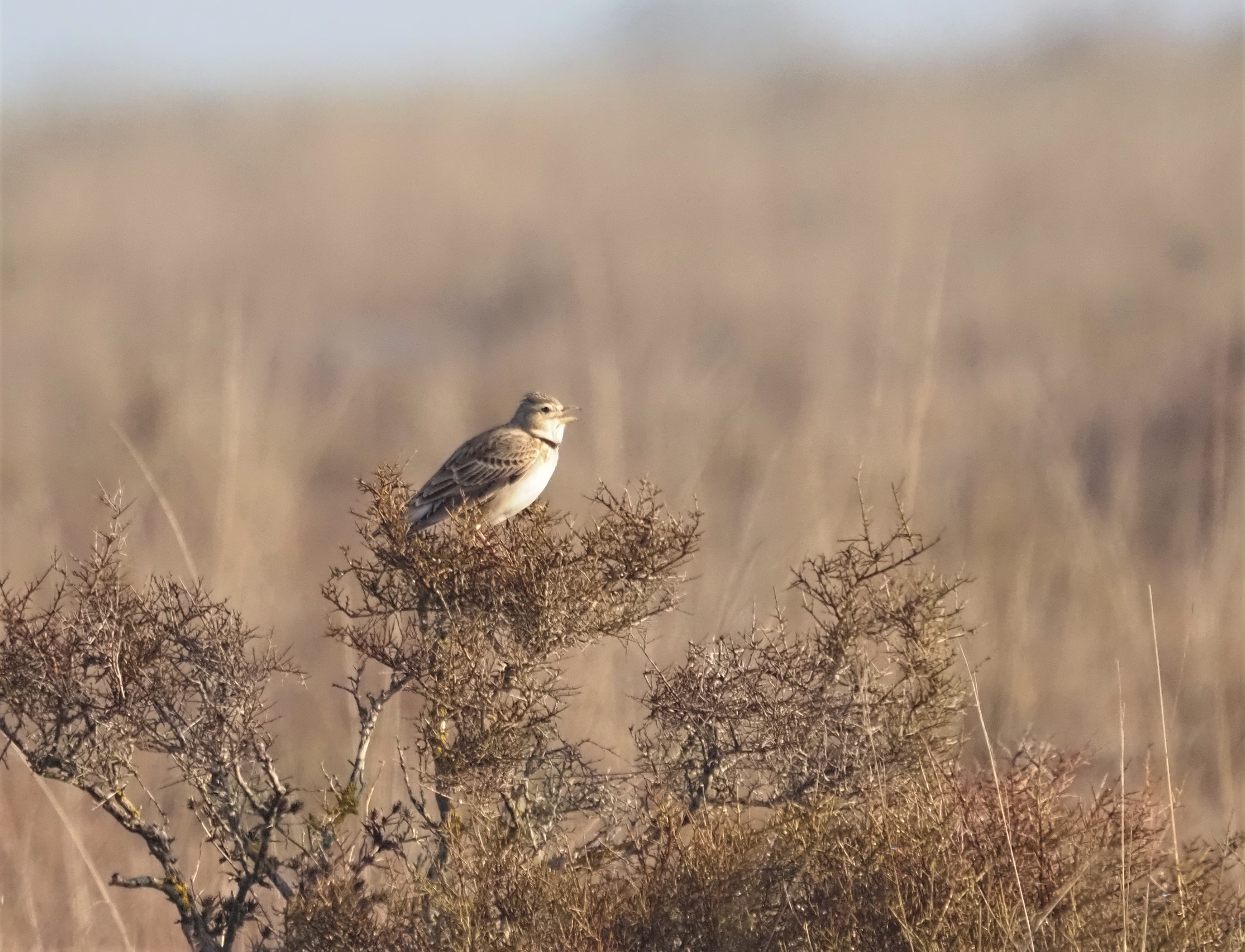

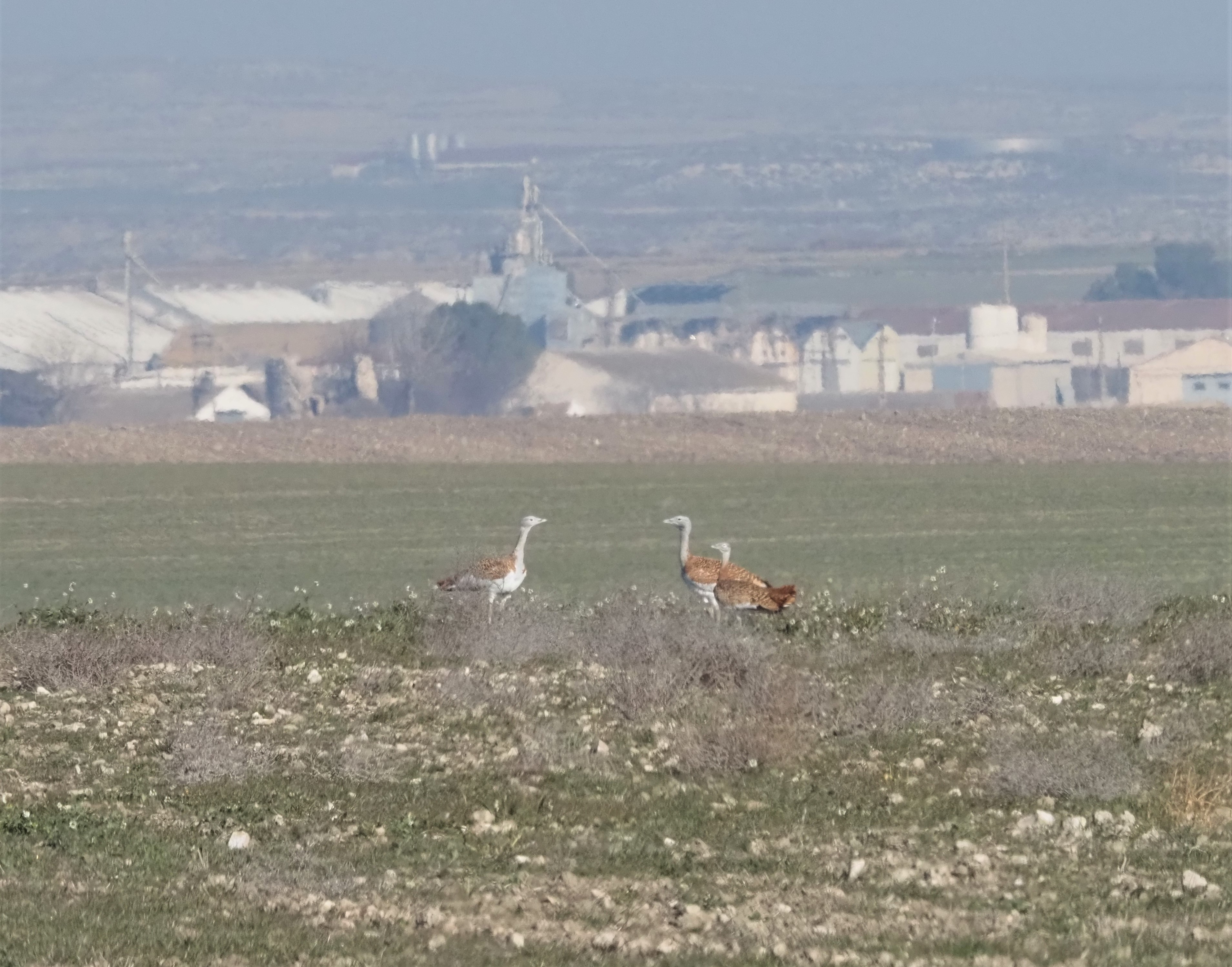


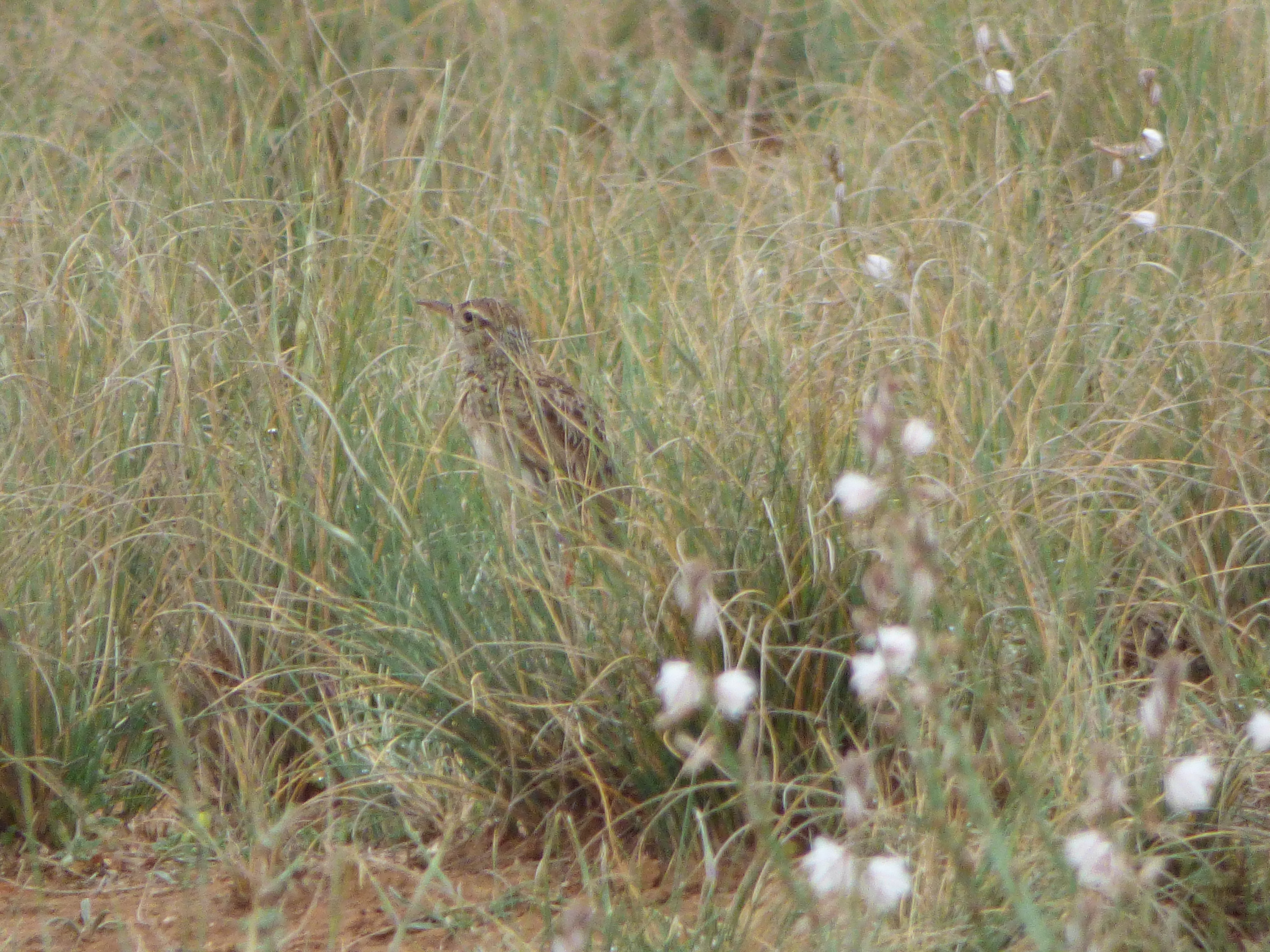

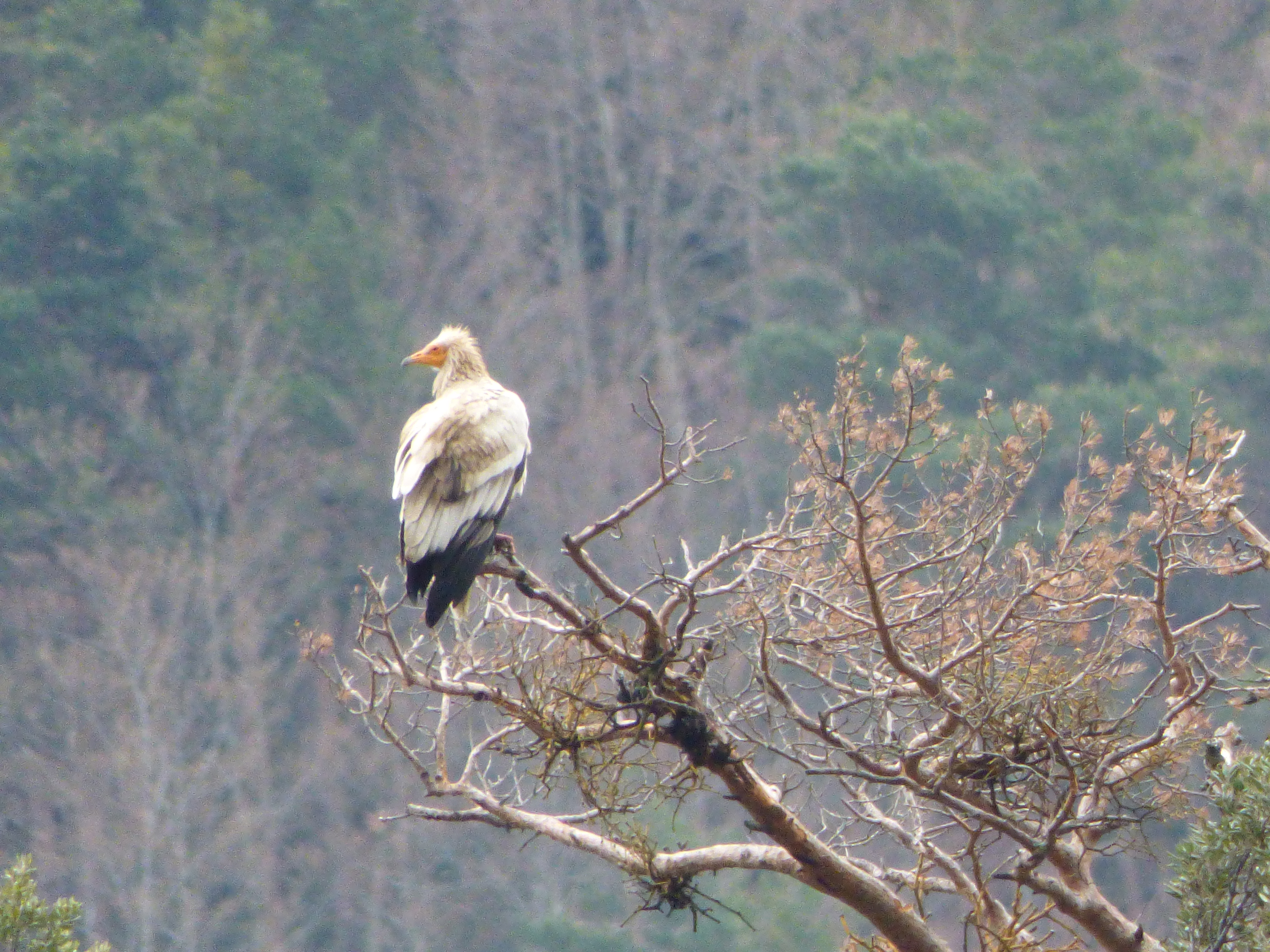
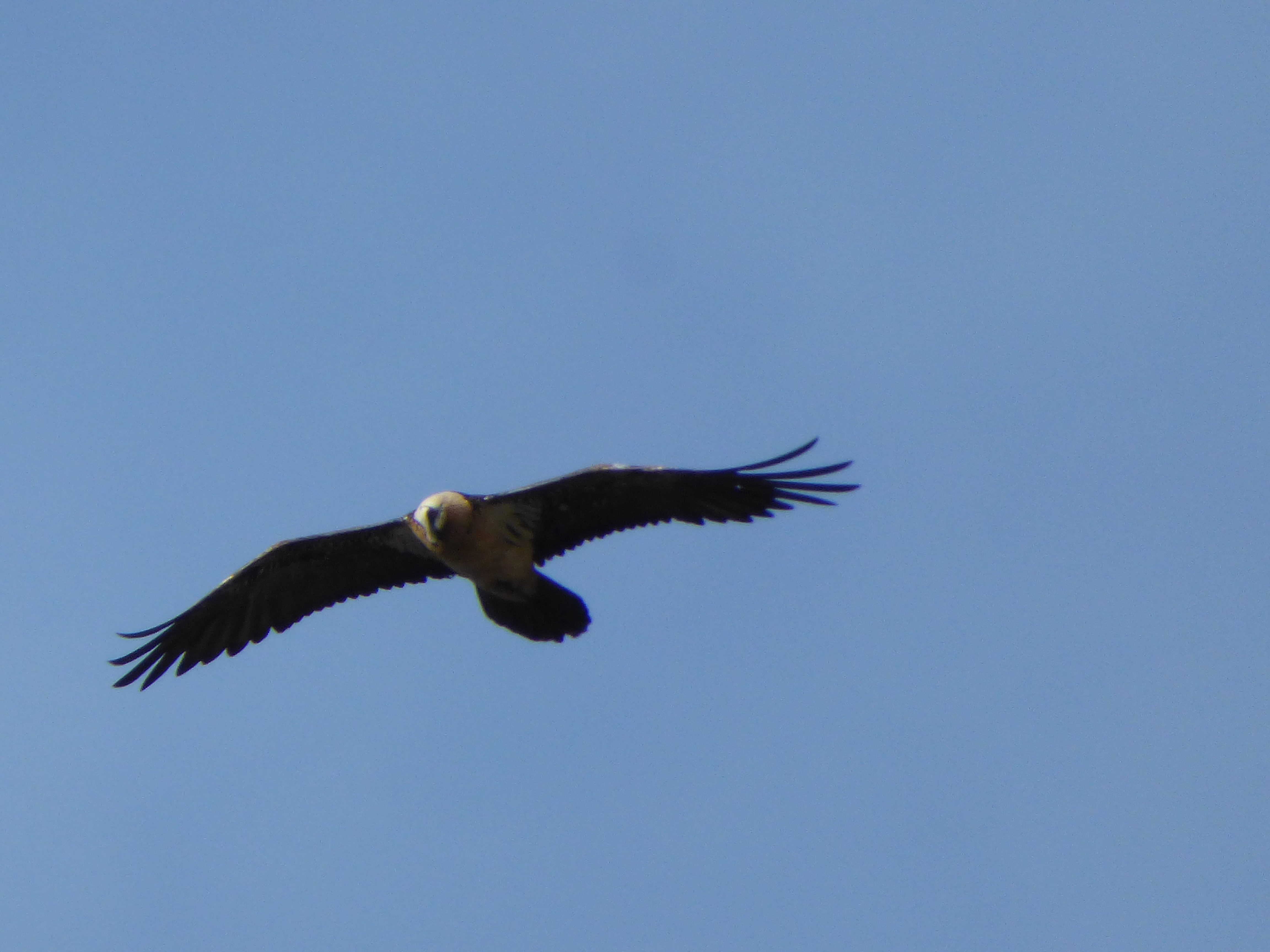
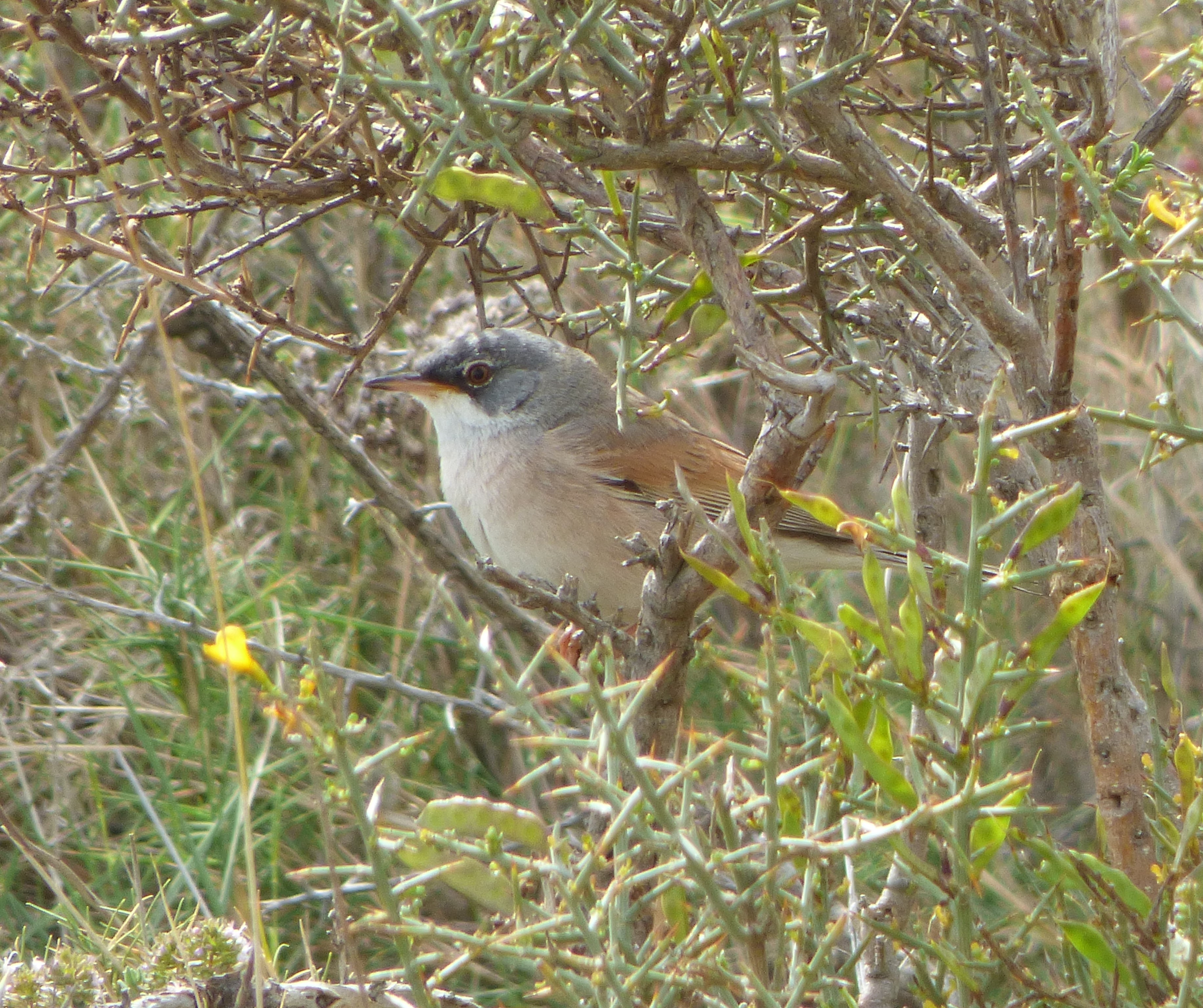


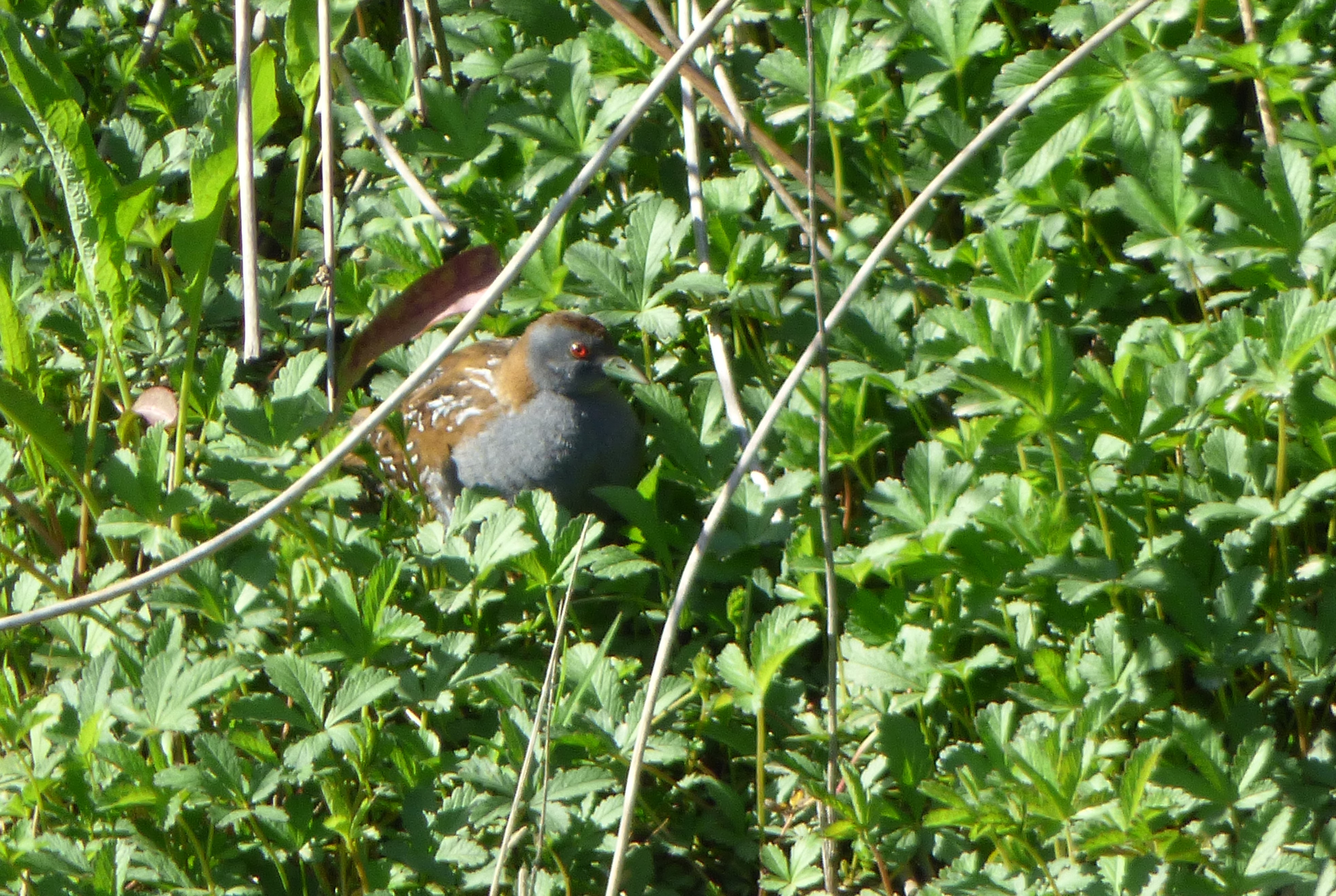


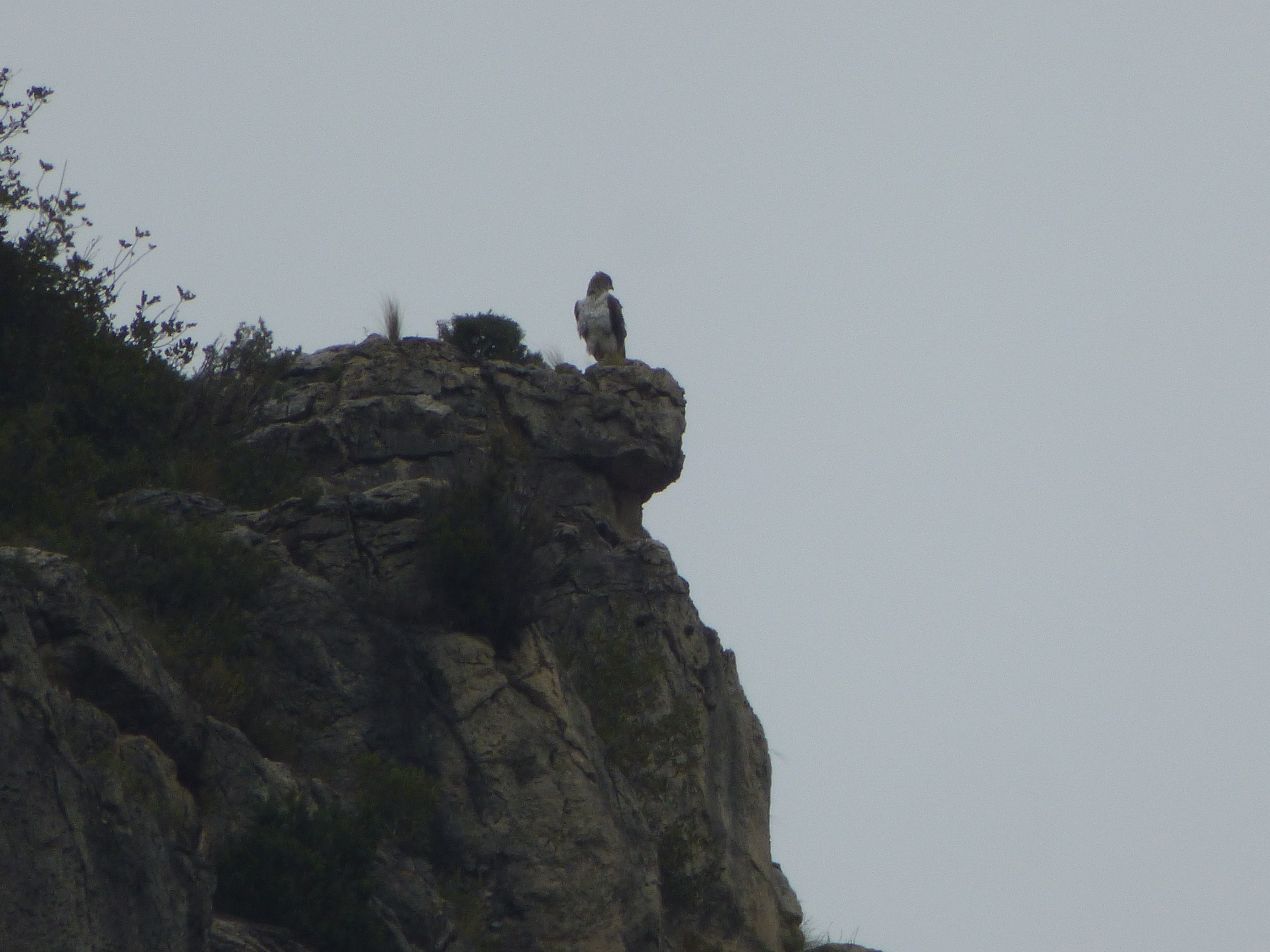


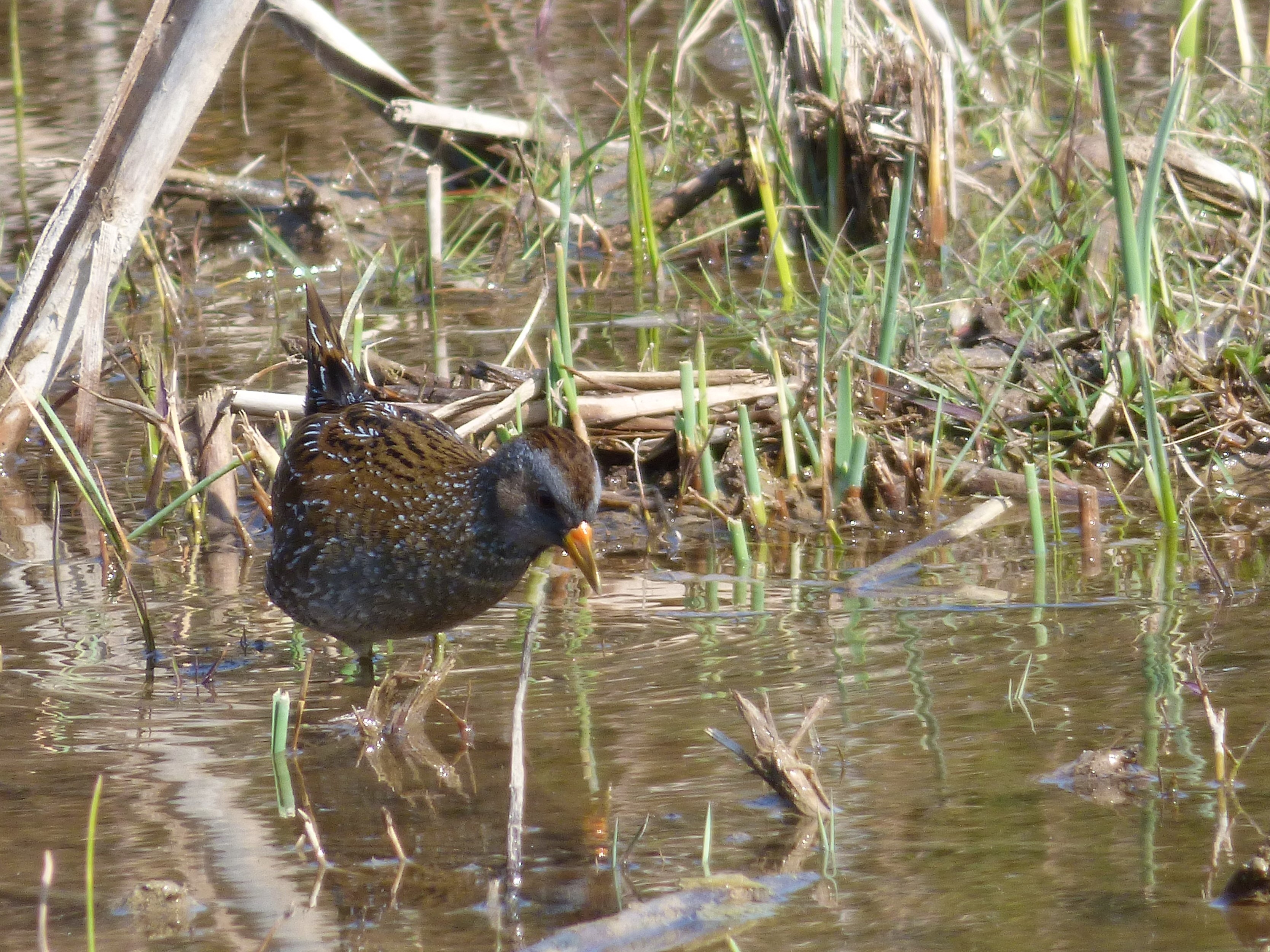

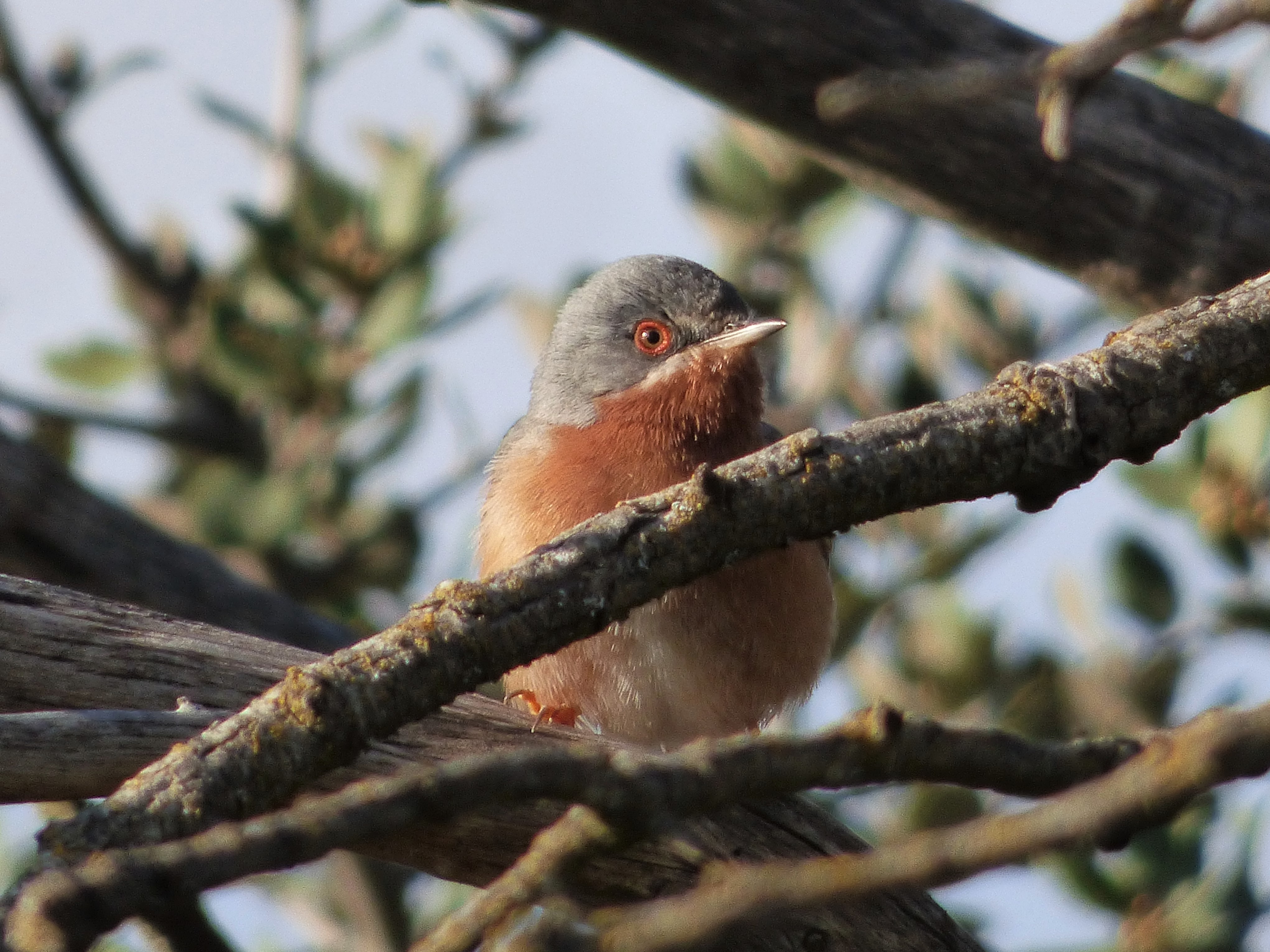

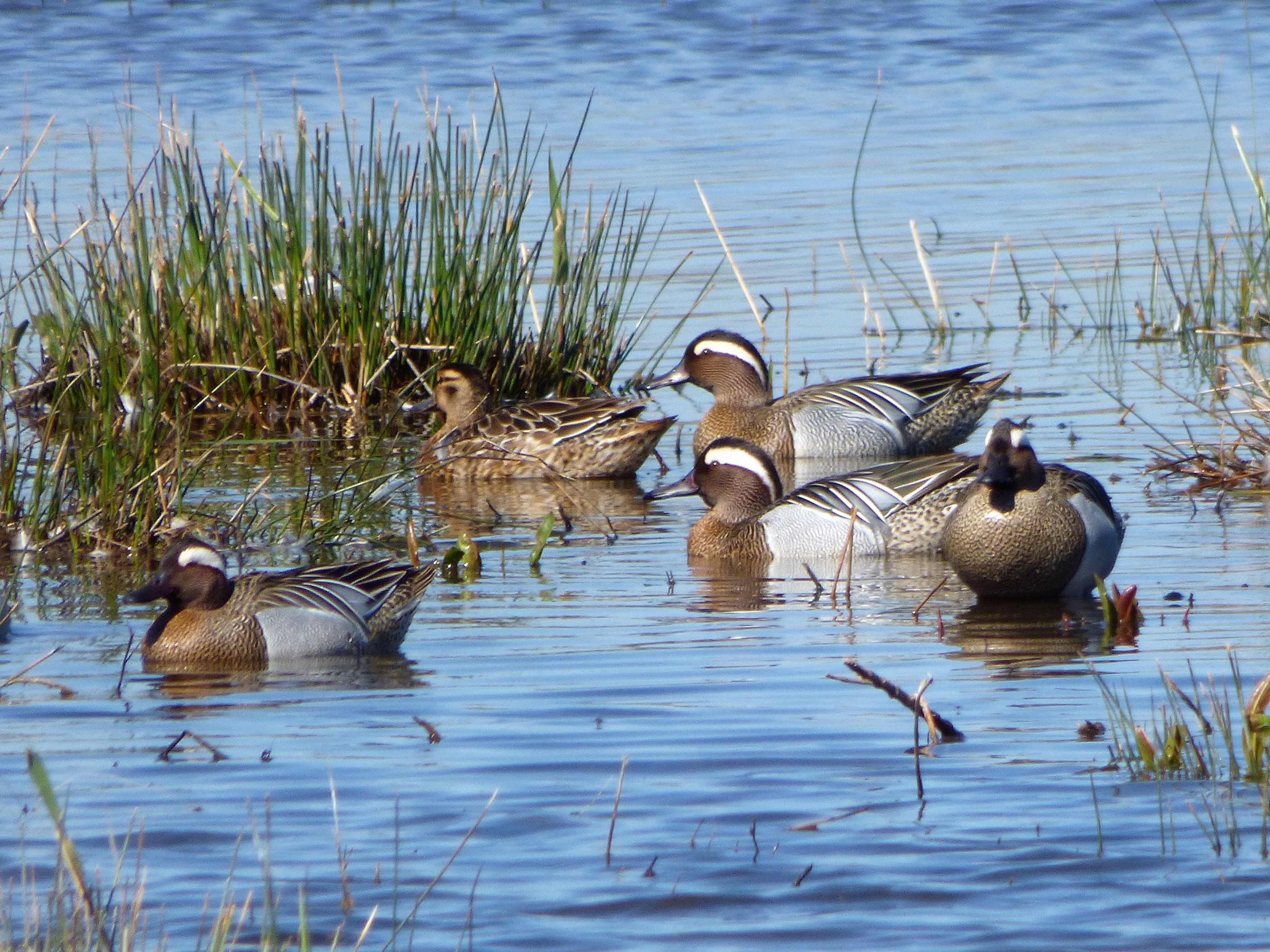


 Barcelona Birding Point Blog