

- Dates: From April 9th to 13th, 2024
- Tour participants: 6
- Number of species seen: 153
- Tour leader: Carles Oliver
Overview: Our 5th tour to Extremadura started with extremely low temperatures of only 3ºC in the 2nd morning of the trip. After a long week of massive rains and low temperatures migration was low, and as the temperatures recovered some summer visitors only started to show out in the tour at the end of our week there. Still, we managed to connect with most of them, including Rufous-tailed Rock Thrush and some of the very firsts European Rollers of the season. As always, the most celebrated moments of the tour were our visit to Monfragüe National Park and the good variety of birds in all the plains we visited, including the endangered Little Bustard.
Please mind all rights reserved in all images in this trip report.
Day 1. Meet and greet in an accommodation nearby the Madrid International Airport before starting moving out of the city. This first day we will explore some wetlands South of the city. It is a sunny morning and we cross the light traffic around the city to arrive to the extensive farmlands South of Madrid. Along the road we can see the first of many Spotless Starlings and Black Kites along with a Red Kite and Common Kestrels.
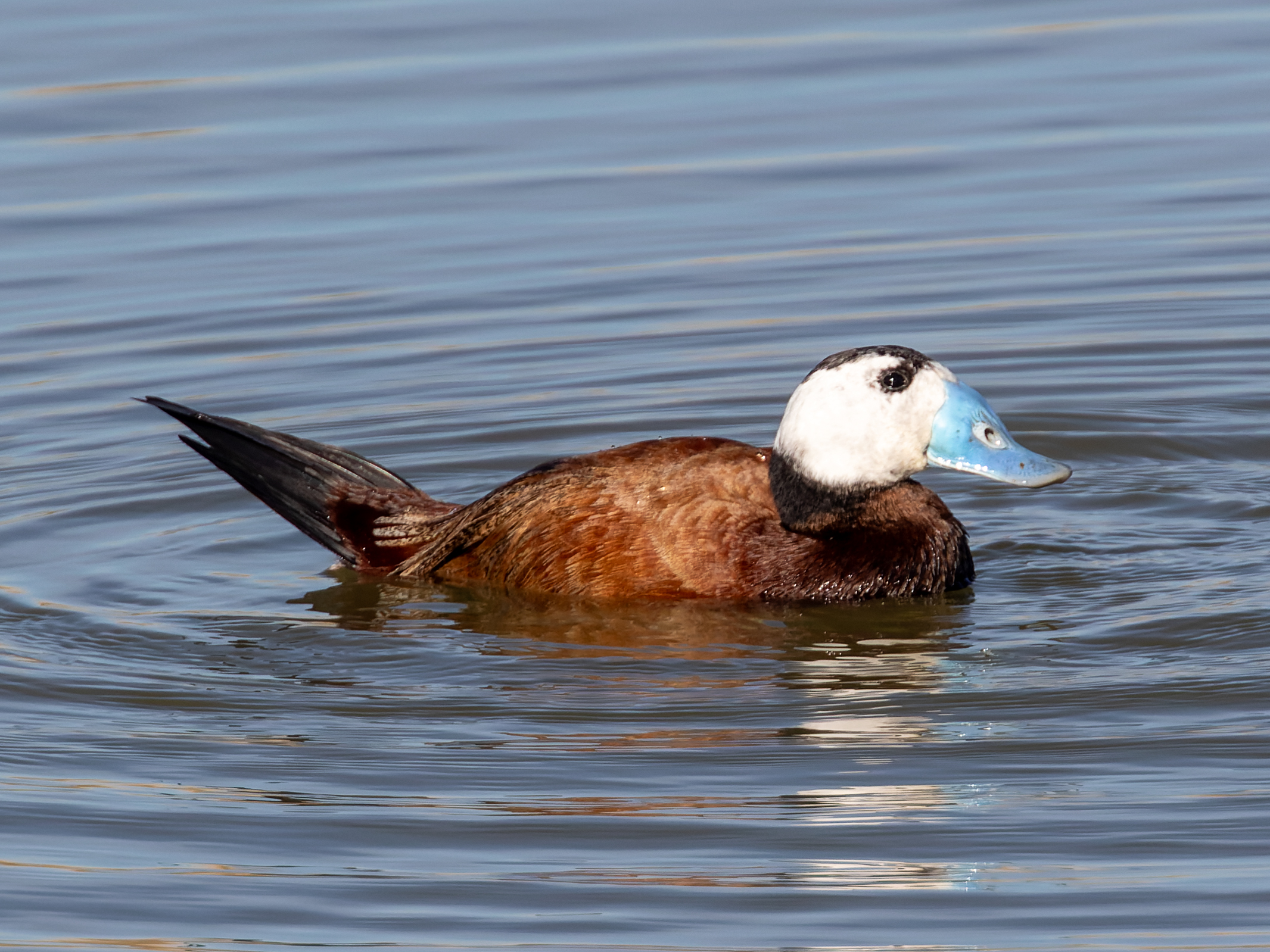
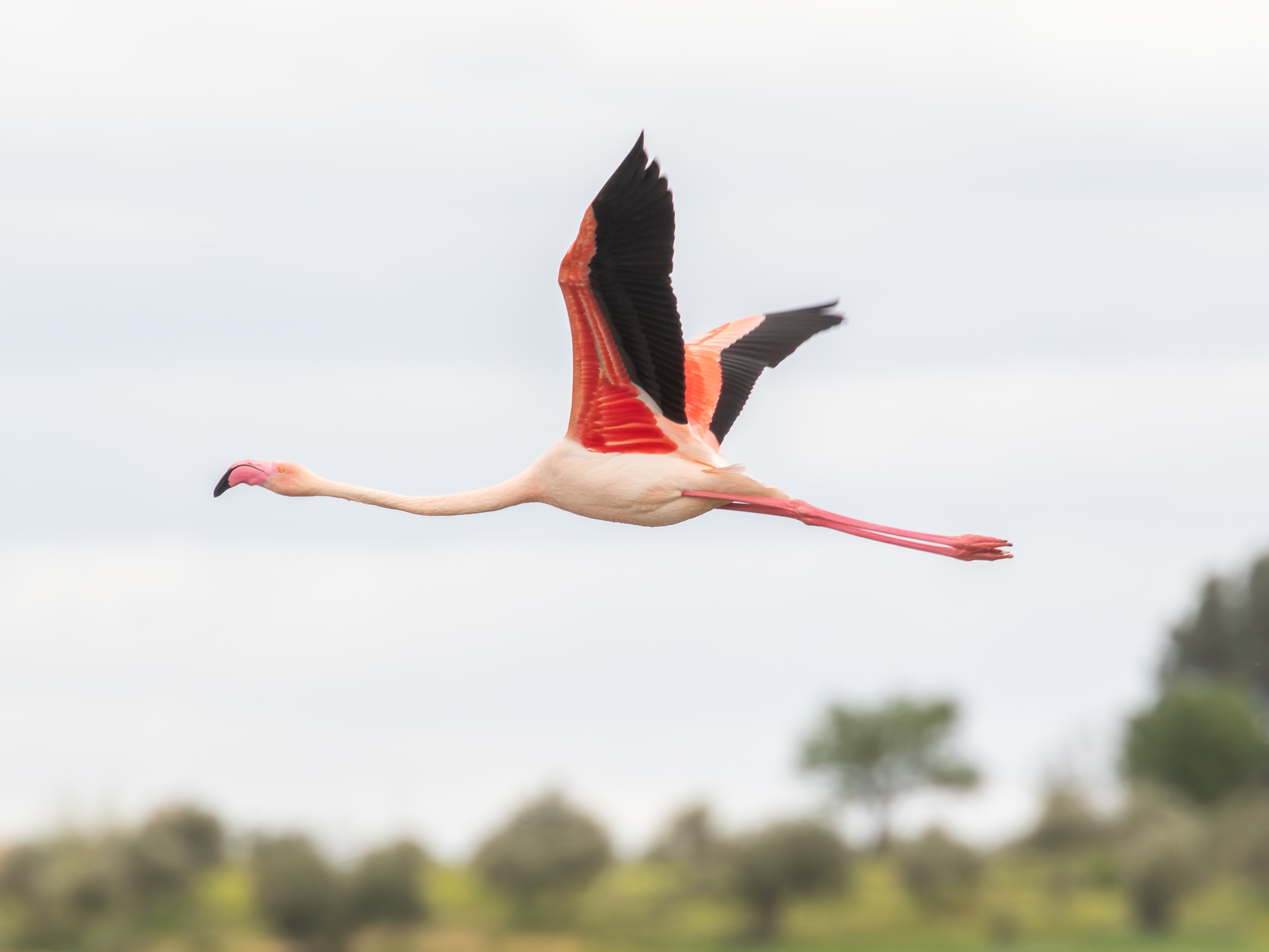
Our first stop is devoted to explore one of the many wetlands in the area known as “La Mancha Húmeda”. It is still sunny, but it is already a bit windy. From a first platform we have close views on some drake White-headed Ducks along with Red-crested Pochard, the commoner Common Pochard, Northern Shoveler and Black-necked Grebes showing a full nesting plomage. A wonderful Purple Heron crossed the lagoon offering great views to the group while a rather distant Savi’s Warbler was singing far away from us, well covered by the rank vegetation. Several Greater Flamingoes are present in the lagoon and an accurate counting on the White-headed Ducks reveals 34+ birds there. Marsh Harriers are really common, and the air is full of their displays and pursuits.
A short walk around reveals Linnet and European Serin but also the first Zitting Cisticola for the group along with Sand Martin and rather distant Eurasian Sparrowhawk and Booted Eagle. From the reeds around us emerges a Western Swamphen just to land a hundred metres further in the reeds. In the way back the our vehicle, we had 50+ Black Kites still migrating North, several White Storks and a male Montagu’s Harrier flying high up in the sky.
From this wetland we just drove some miles inside the farming. It was already midday but the weather was comfortable. Checking some fields we got nice views on a migratory Northern Wheatear, Little Ringed Plovers, Crested Larks, a very distant Spanish Imperial Eagle and a really obliging Eurasian Hoopoe surrounded by the songs of many Calandra Larks and 1 Common Quail.
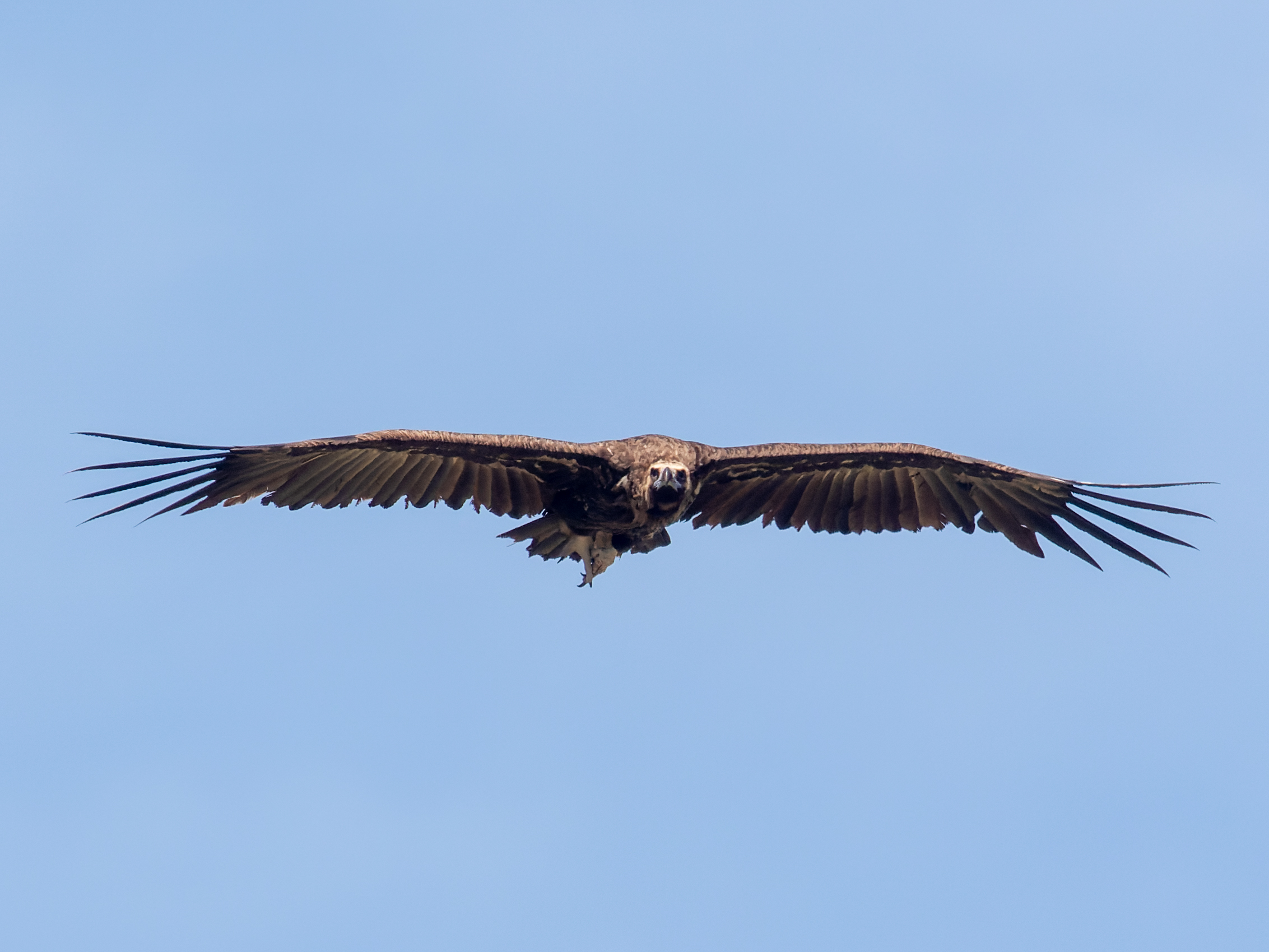
A bit beyond, the first European Roller of the trip was waiting for us in a wire by the road, and a bit beyond a lovely flock of Lesser Kestrels provided us with excellent views as they were hunting against the wind with the nice adding of a low Cinereous Vulture flying over the group as a wonderful first approach to this magnificent bird.
After a wonderful lunch, we drove West to check a second lagoon. By the time we arrived the weather had changed and a strong wind was blowing in the area. We were unable to see any reed living passerines, and a distant Water Pipit and a Great Reed Warbler singing but only breefly showing were the only addings from that side. Still, we got close views on several White-headed Ducks, 12 Whiskered Terns, an equal number of Black-necked Grebes and a juvenile Lesser Black-backed Gull. Here we also got a good number of Red-crested Pochards, Greylag Geese, 6 Black-winged Stilts, Green & Common Sandpipers and 8 Little Ringed Plovers.
Short after living, the rain arrived, and the transfer to our accommodation had multiple showers with a really strong wind.


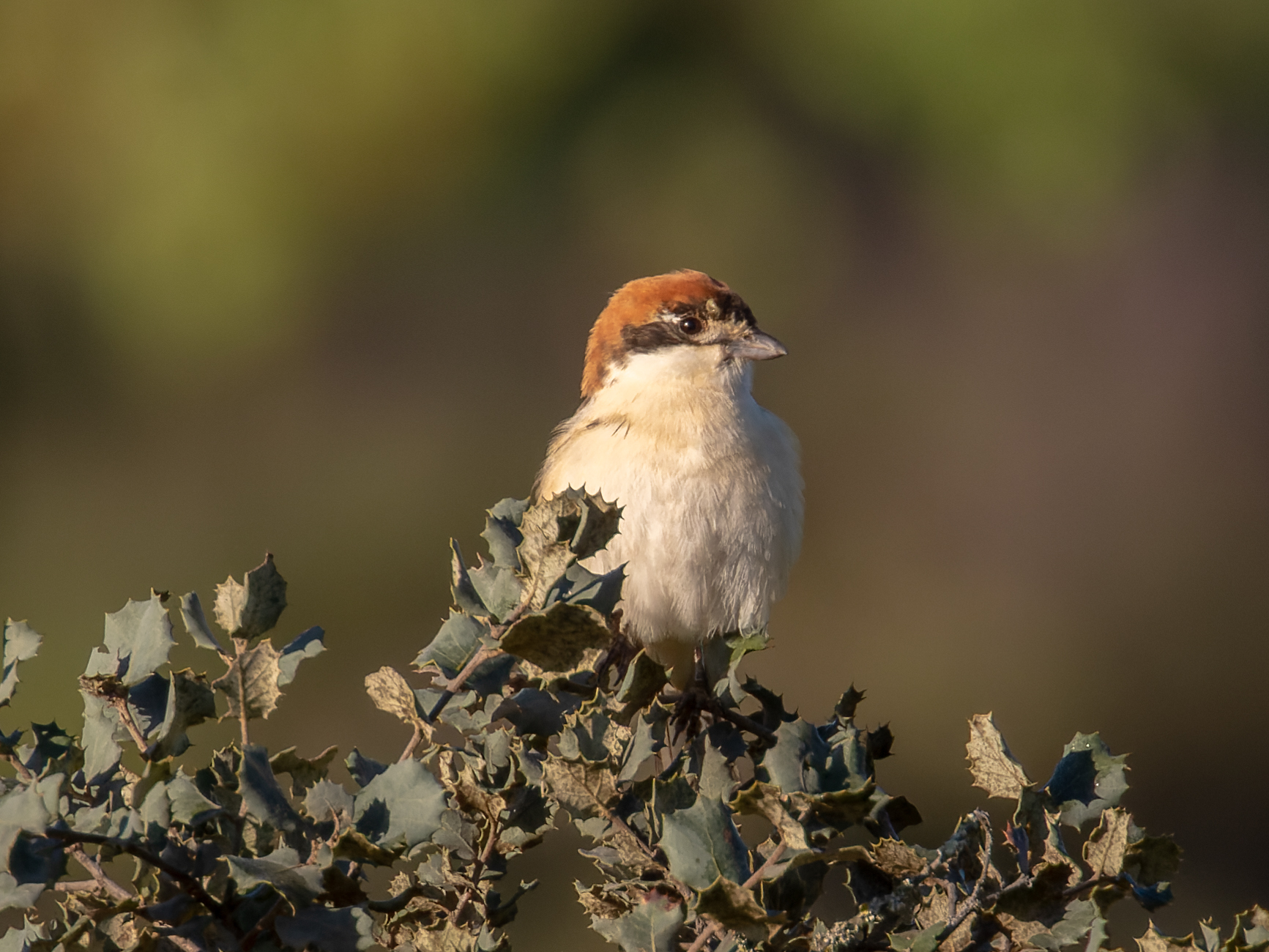
Day 2. The morning started without wind but with really a very low temperature, and we were only at 4ºC when we did our morning walk around the accommodation. Due to this very temperature, the bird activity was slim. Still, we managed to get really good views on Woodlarks, Woodchat Shrikes and Short-toed Treecreeper. We started moving to the extensive plains around Trujillo, enjoying the first Spanish (formerly Azure-winged) Magpie of the trip, perching along in the fences along the road and flying across.
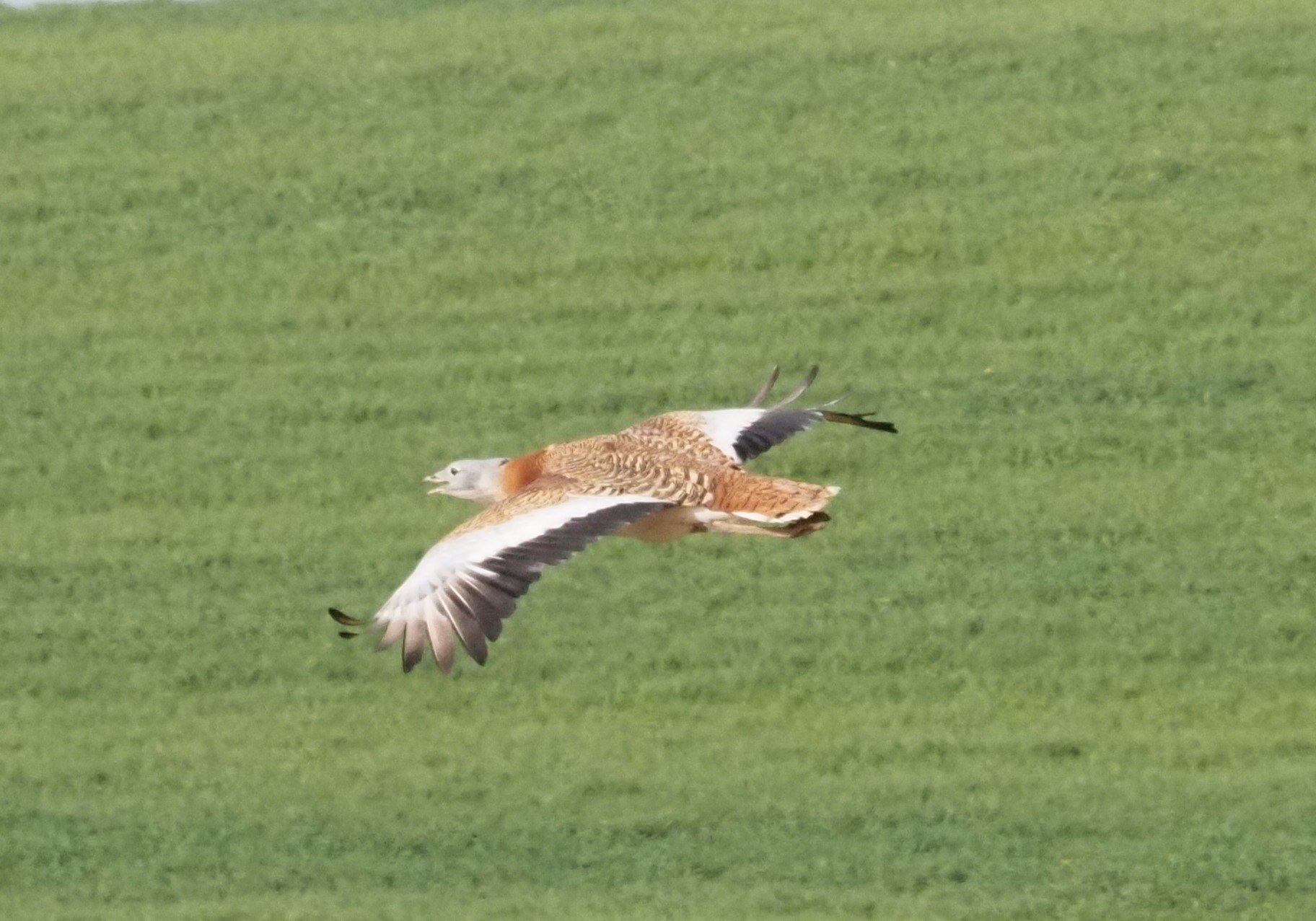
From our accommodation we covered the short distance to the plains around Trujillo, where we arrived about 9:30am. And we had a wonderful arrival, in the way of a majestic Great Bustard flying right in front of van, crossing the lane and disappearing in the endless grasslands. Our first stop in the was also memorable; a flock of 9 Great Bustards were moving in the fields, with 1 male in full display (the neck down on the back, the tail up and all the white, short feathers erected with the bird becoming a huge snowball moving up and down in the pastures.
Several Calandra Larks and Corn Buntings were singing in the skies or from the fences, and in the sky we counted several Black & Griffon Vultures, but also Booted Eagles and Lesser Kestrels. A bit of scan produced 2 Montagu’s Harriers patrolling the fields, but our attention was soon required again away from the Harriers, since a flock of Pin-tailed Sandgrouses was calling in the sky. Soon, we found 5 birds fastly moving, and we could follow them, providing a good although distant sight. Later, a second flock of 10 more Pin-tailed Sandgrouses was seen flying around. Again, far away.
Back to the woodlands, with Bee-eaters and Woodchat Shrikes all along the way, we had a shortwalk into proper habitat. Not many small birds but the first views of the trip on Sardinian Warbler. Several Spanish Sparrows were moving around, but the proved more difficult to locate here than in other areas around. In the sky, Booted Eagle and Black Kite were again in the move, but here we also got the first Short-toed Eagle of the trip, a gorgeous Black Stork that appeared quite close to us, and the first Spanish Imperial Eagle of the trip. In this case, probably an incomplete adult still showing some young feathers both in the center of the tail and in the inner primaries.
After a gentle stop to enjoy some sandwiches in a small community in the middle of the plains, we kept going with our exploration. The plains were full of Corn Buntings and Zitting Cisticolas, but also Calandra Larks, Black Vultures and we had a number of stops to enjoy Short-toed Snake Eagle and up to 3 Montagu’s Harriers in different places.
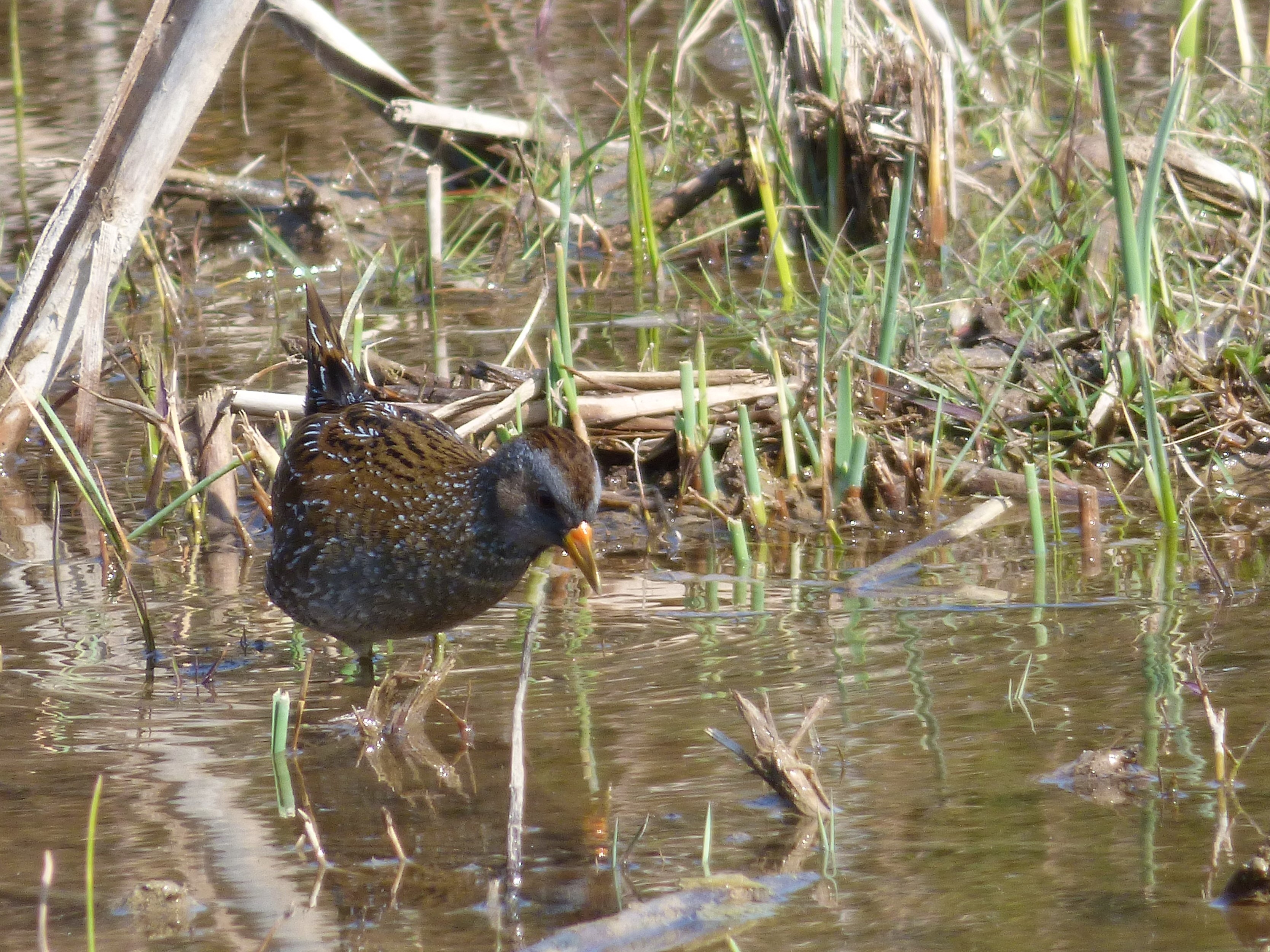
The very last stop of the day was devoted to the famous Arrocampo reservoir. Here we had a short walk along the reedbeds. We soon had both Little Egrets & Great White Egrets in this lovely wetland. Some Common Reed Warblers were singing in the place, and got some views on them as they were chasing each other in the reeds. In our way we had close views on European Stonechats, Zitting Cisticolas, Cetti’s Warblers and Western Cattle Egrets. Around one of the observation towers, a large colony of Purple Herons was established, and we counted 19 of them getting in and out or standing in the top of the reeds. Here, a gorgeous Savi’s Warbler was singing not far away from us, and an accurate scan soon revealed this scarce warbler singing from the top of reeds, allowing long and great scope views to all tour participants. Here we also had Western Swamphen, 3 distant Gull-billed Terns flying over the lagoon and calling Water Rail.
When coming back to our van we still had time to time for lovely views on a male Little Bittern plus good views on both Pallid & Alpine Swifts, and the mild afternoon light allowed us to compare shapes and coloration details. At last, 3 Eurasian Spoonbills flew above us, as a final say! From here, we just drove the short distance to our accommodation to enjoy some rest and dinner.

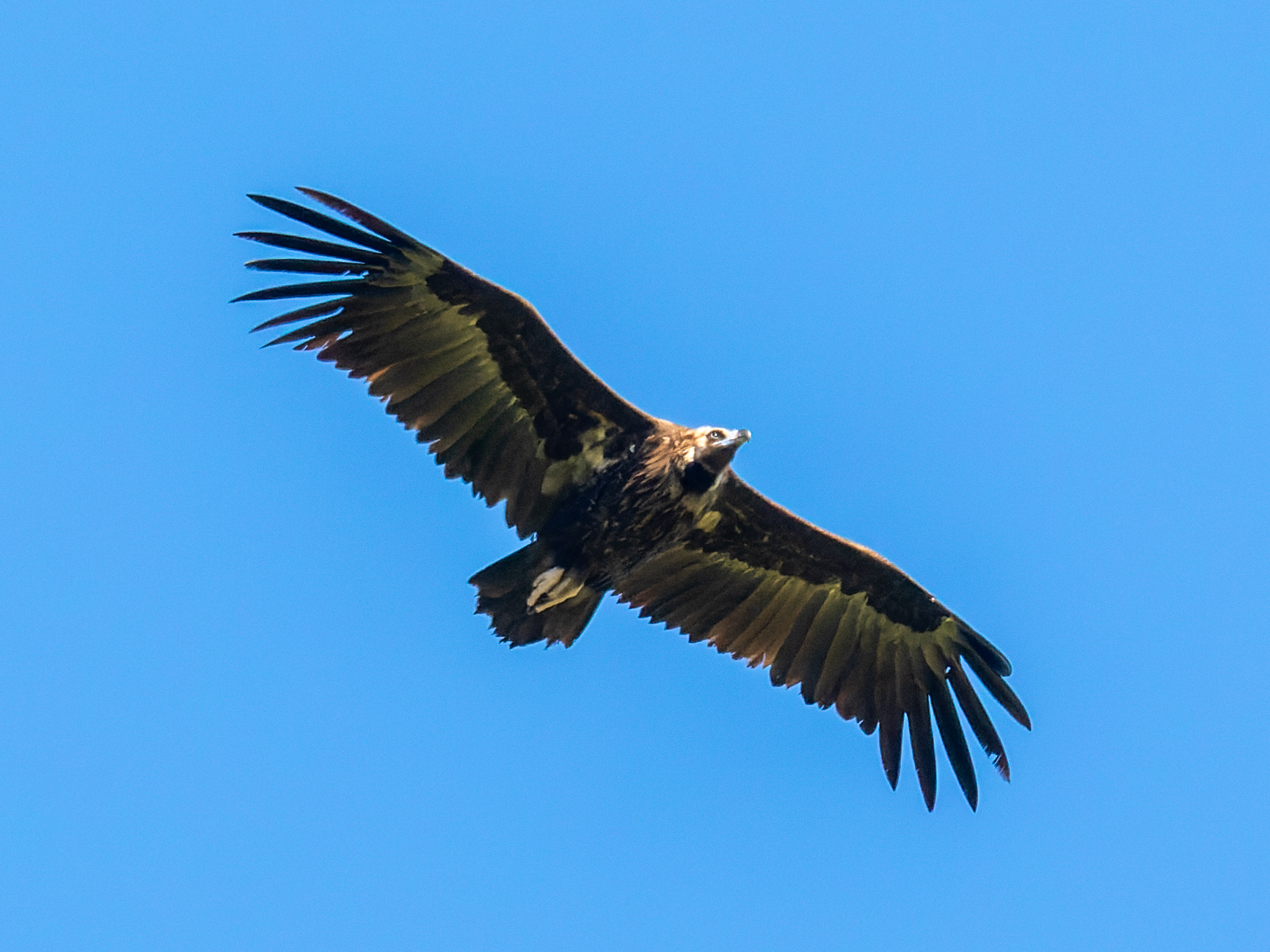
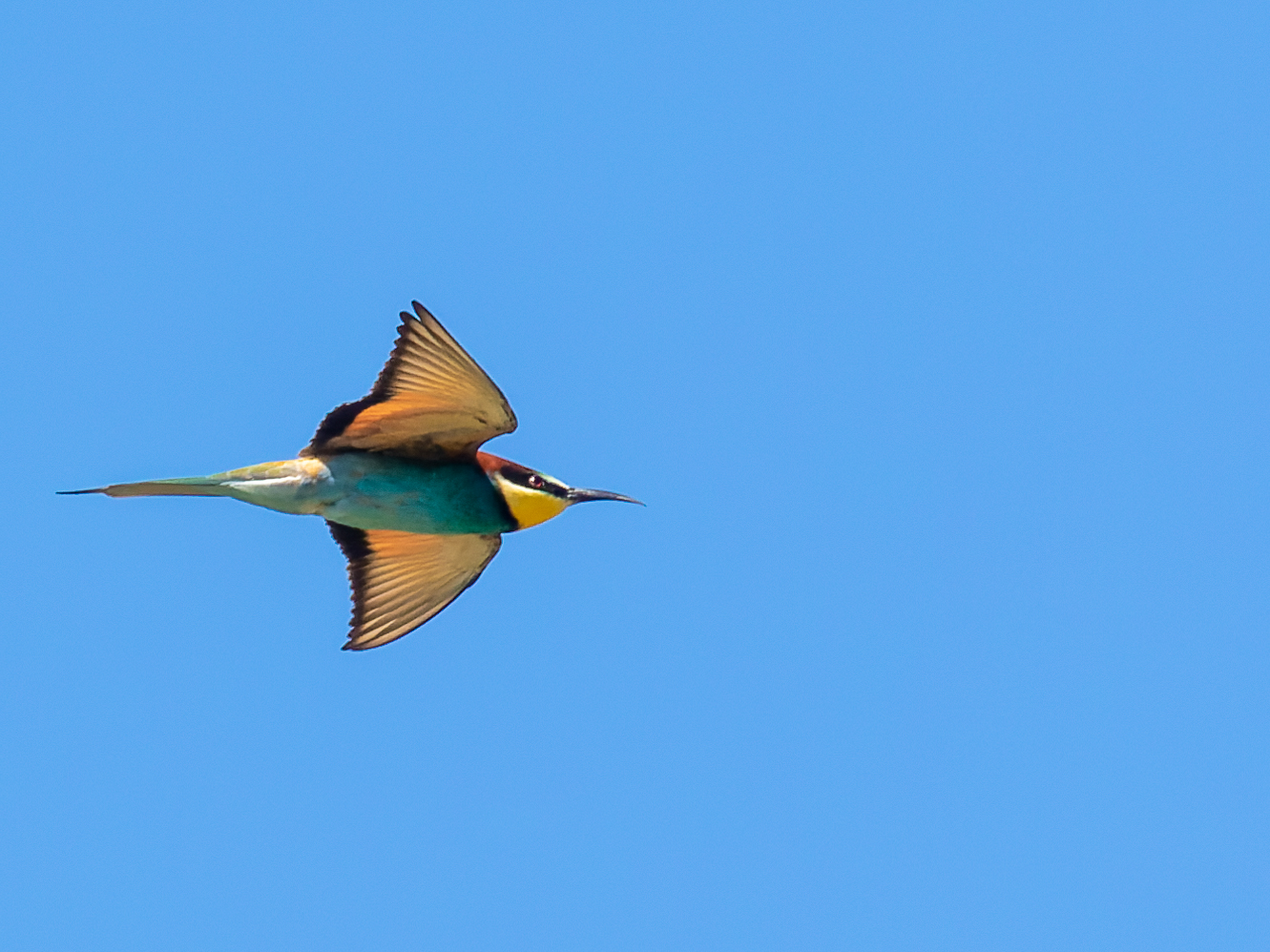
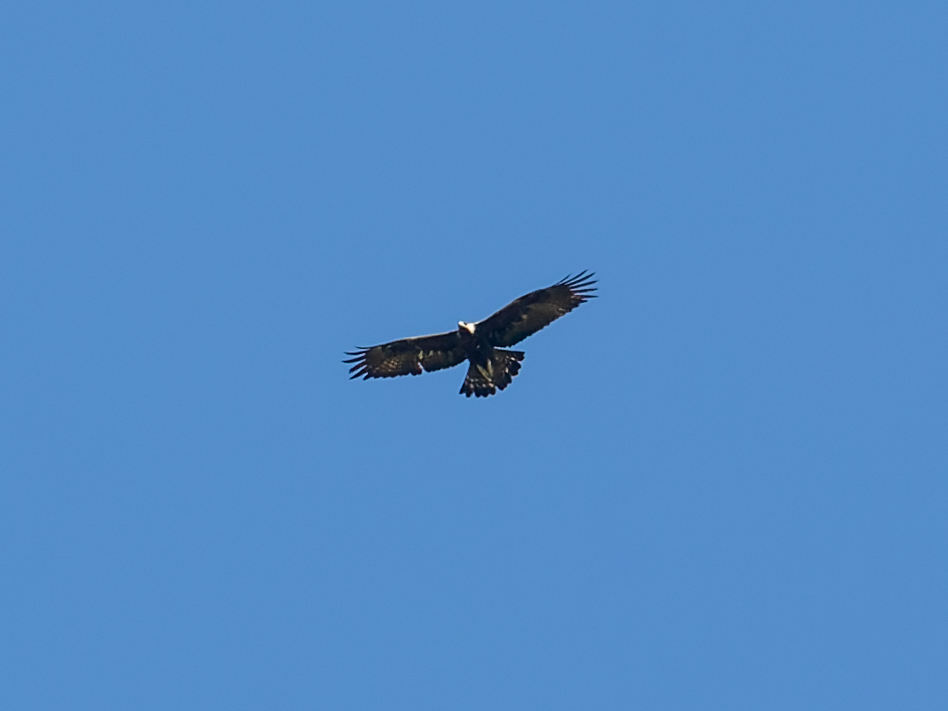


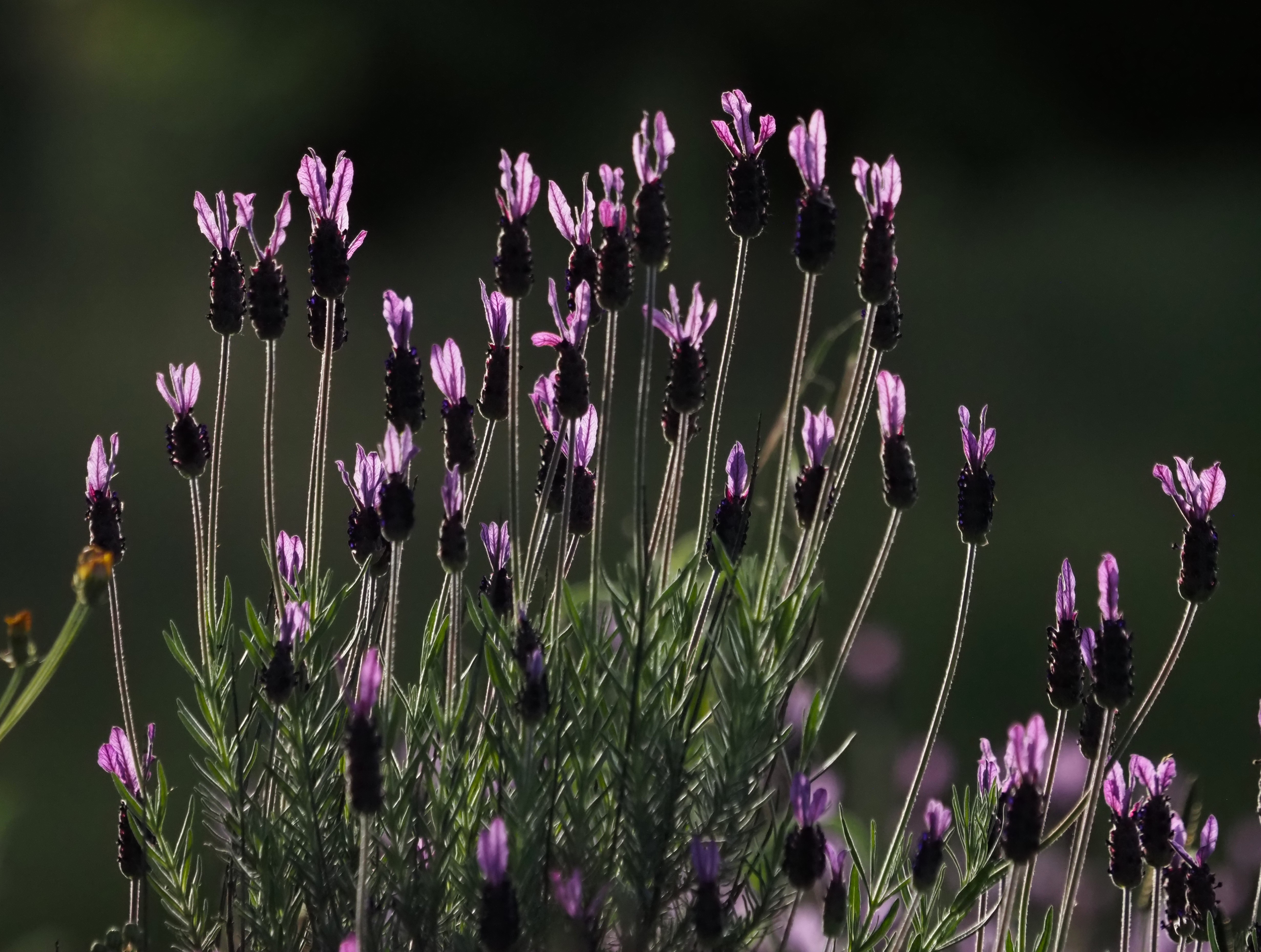
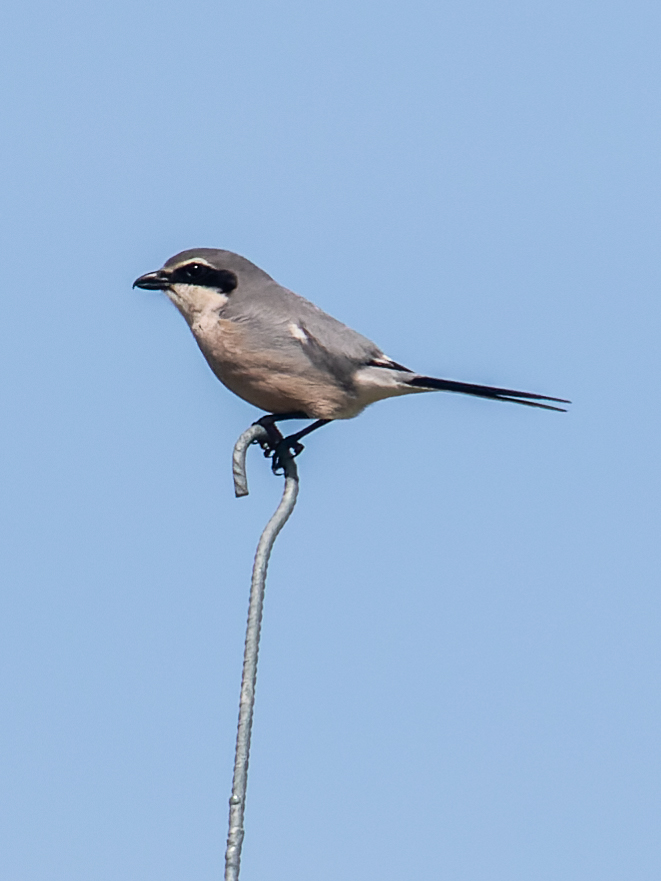
Day 3. After breakfast, we headed to the wonderful Gredos Mountains, but prior arriving to those escarpments we had a shortstop in a nice dehesa woodland. There we walk through a carpet of wildflowers and surrounded by singing Nightingales and perched Woodchat Shrikes. The area is full of broken poplars and it didn’t take long before we got nice but short views on a Eurasian Wryneck. A couple of Booted Eagles were seen along with Spanish Sparrows, the first views of Azure-winged Magpie for the trip and a pair of Common Rock Sparrows. A distant view on an Iberian Grey Shrike completed a good list before driving up to the mountains.
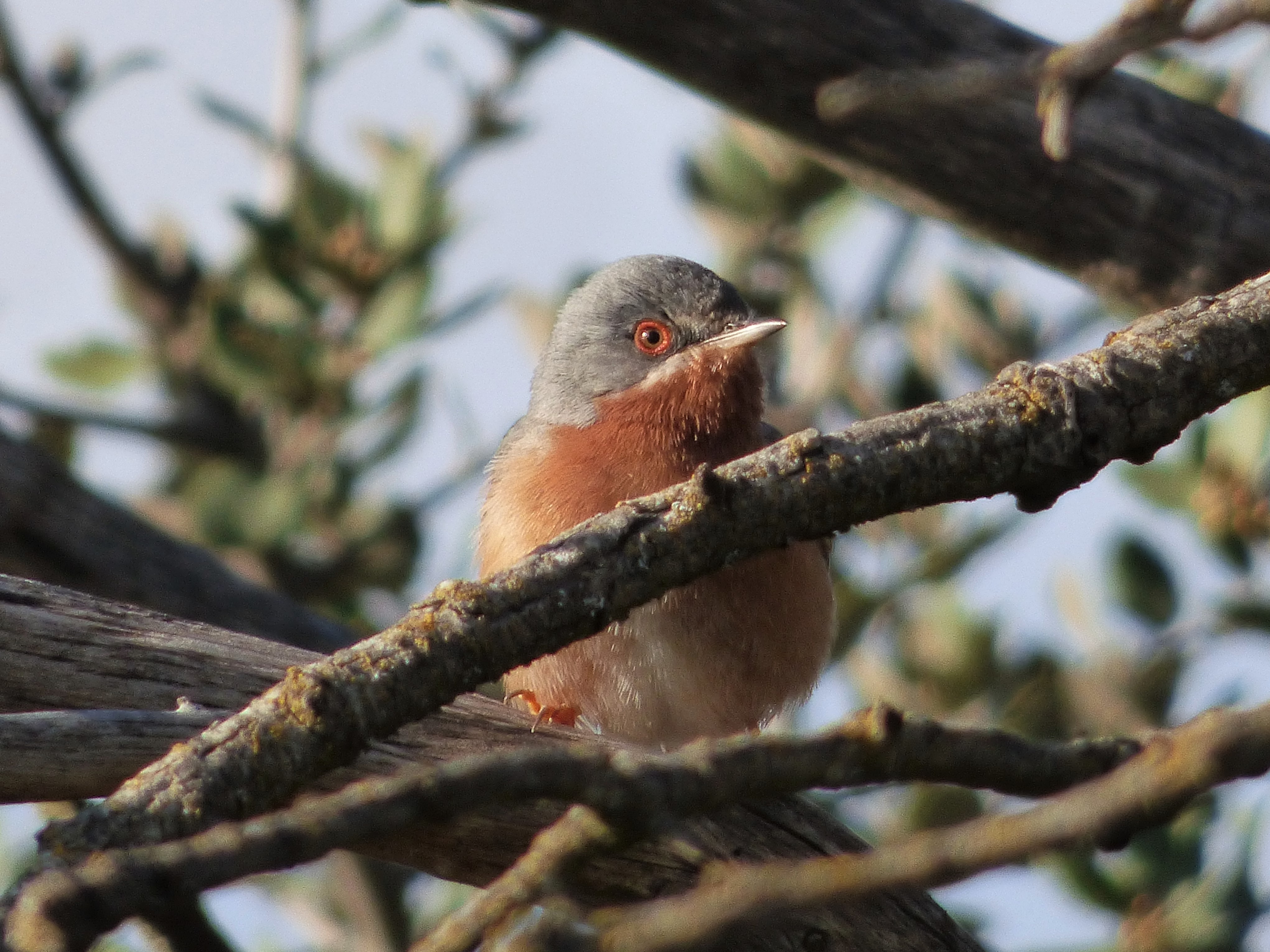
The morning was sunny and definately warmer than the previous day. By the time we arrived to the mountain pass it was a very pleasant temperature and we fastly got really good looks on Rock Buntings but also Dunnock and a fast moving Firecrest. Eurasian Griffon and Cinereous Vultures were both seen in the sky and our short walk up the hill allow us to connect with the first Black Redstarts of the trip but also with epic views on a wonderful Western Subalpine Warbler, and a Dartford Warbler moving also really close to us. The walk was complemented with nice views on 2 Spanish Ibexes and 1 really distant Blue Rock Thrush flycatching in the very top of the rocky slope. In our way down the slope we also got views in a flying Northern Wheatear and in an impressive female Peregrine Falcon flying really low above the slopes.
From this lovely mountain pass we drove inside the pinewoods, with some Iberian Grey Shrikes here and there in the “piornal” bush land. The pinewoods here host a nice selection of birds, and our next stop allowed us to see some of them. But first, we had some time to go through our picnic lunches while enjoying some mountain sun, or having a shortwalk around.
Once lunched, we invested some time to go through the birds living in the woods. Both Coal & Crested Tits were evident around, as were Common Chaffinch, Serin and Blackcap. Great Spotted Woodpecker and Short-toed Treecreeper were a bit more difficult to see. A pair of Citril Finches flew around us, and it took us a good while before we could put our eyes on them. But after some minutes of search a nice pair went down to the grass and fed for some time not far away from us. Up in the trees, a group of young Crossbills were calling, but it was impossible to locate them for the group..
Back to the mountain pass, we had a shortstop to enjoy a pass by Short-toed Eagle with a hanging snake from its peak, while some in the group had a female Montagu’s Harrier crossing the pass in her way North.

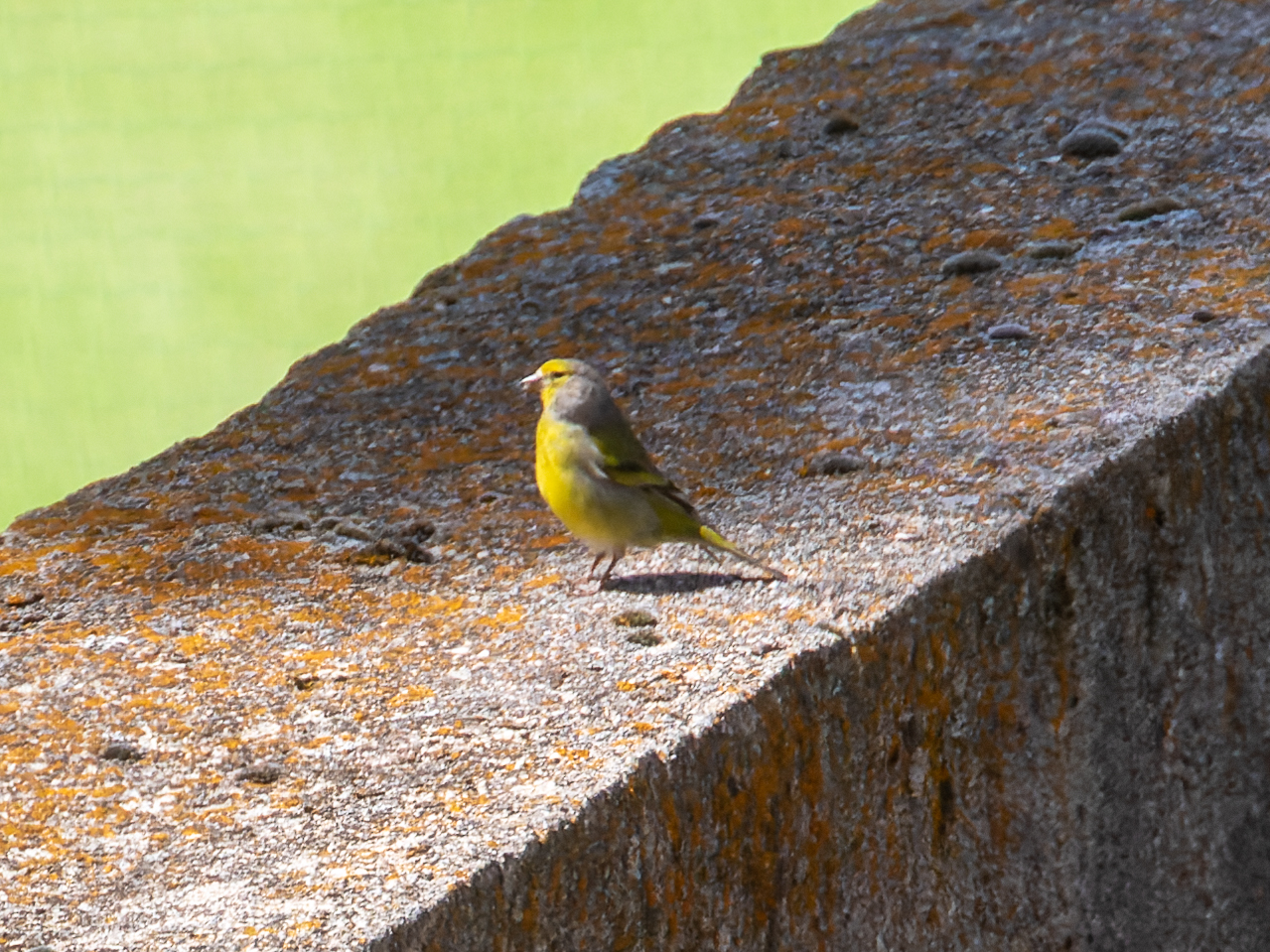

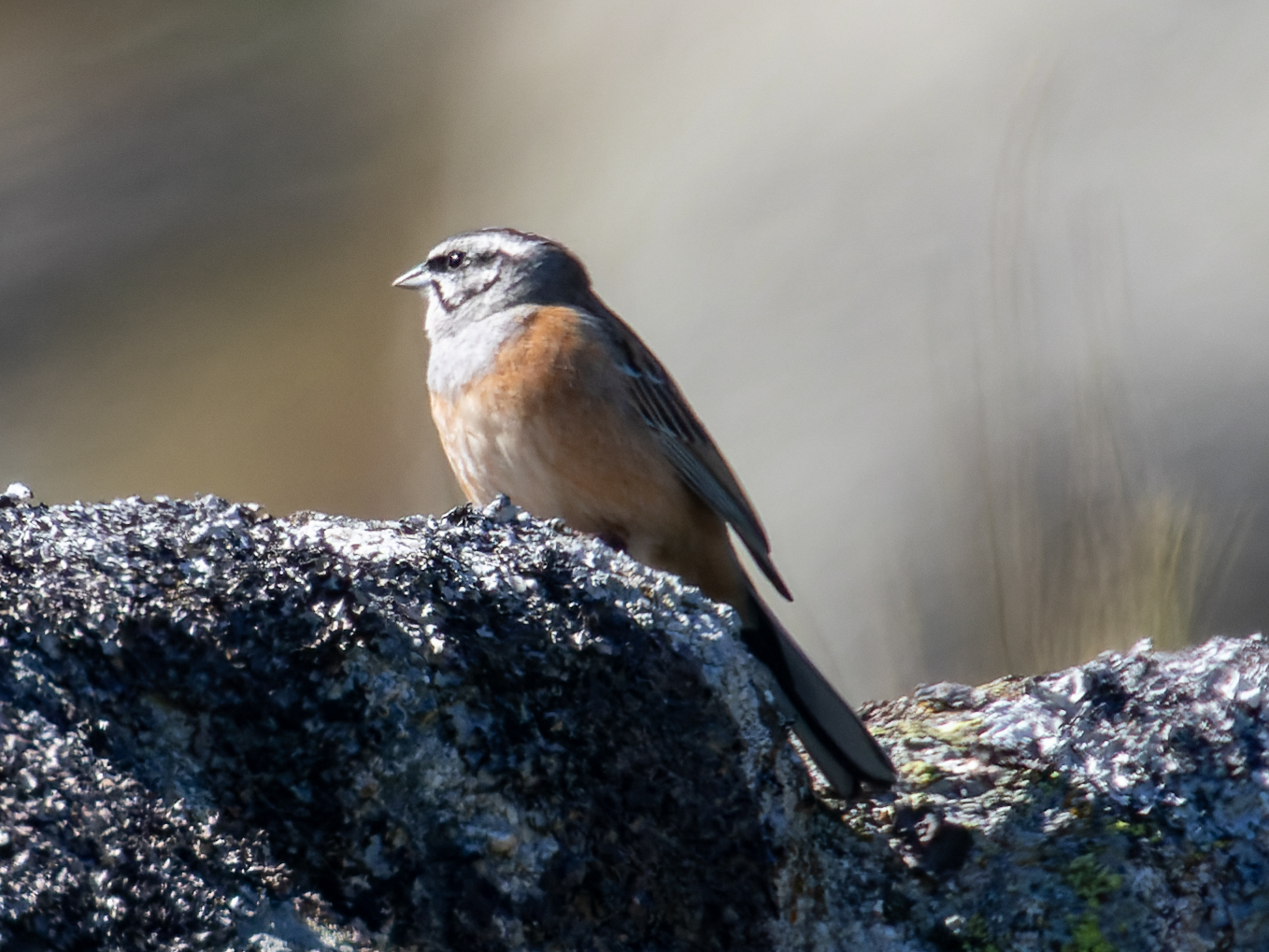
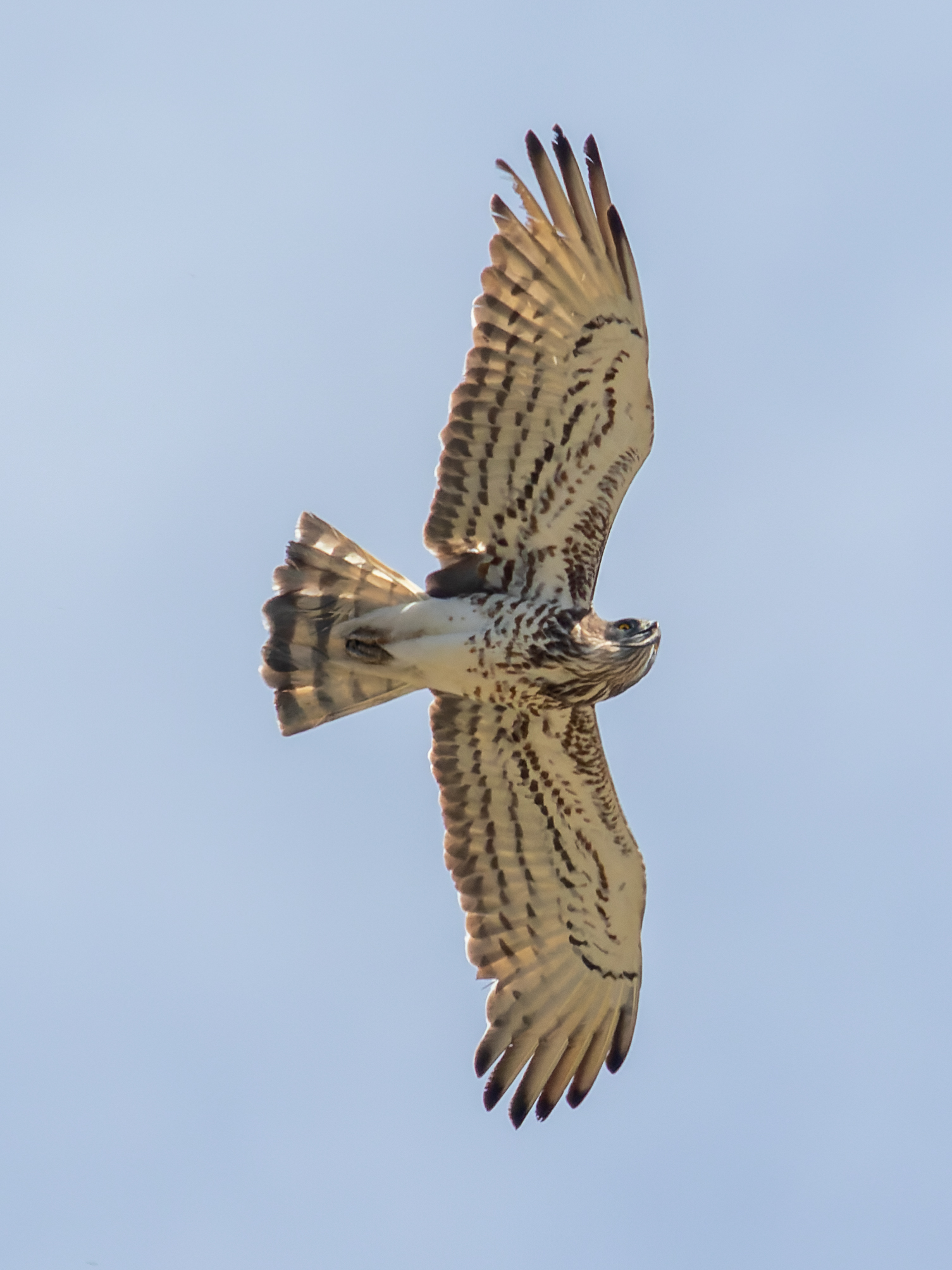

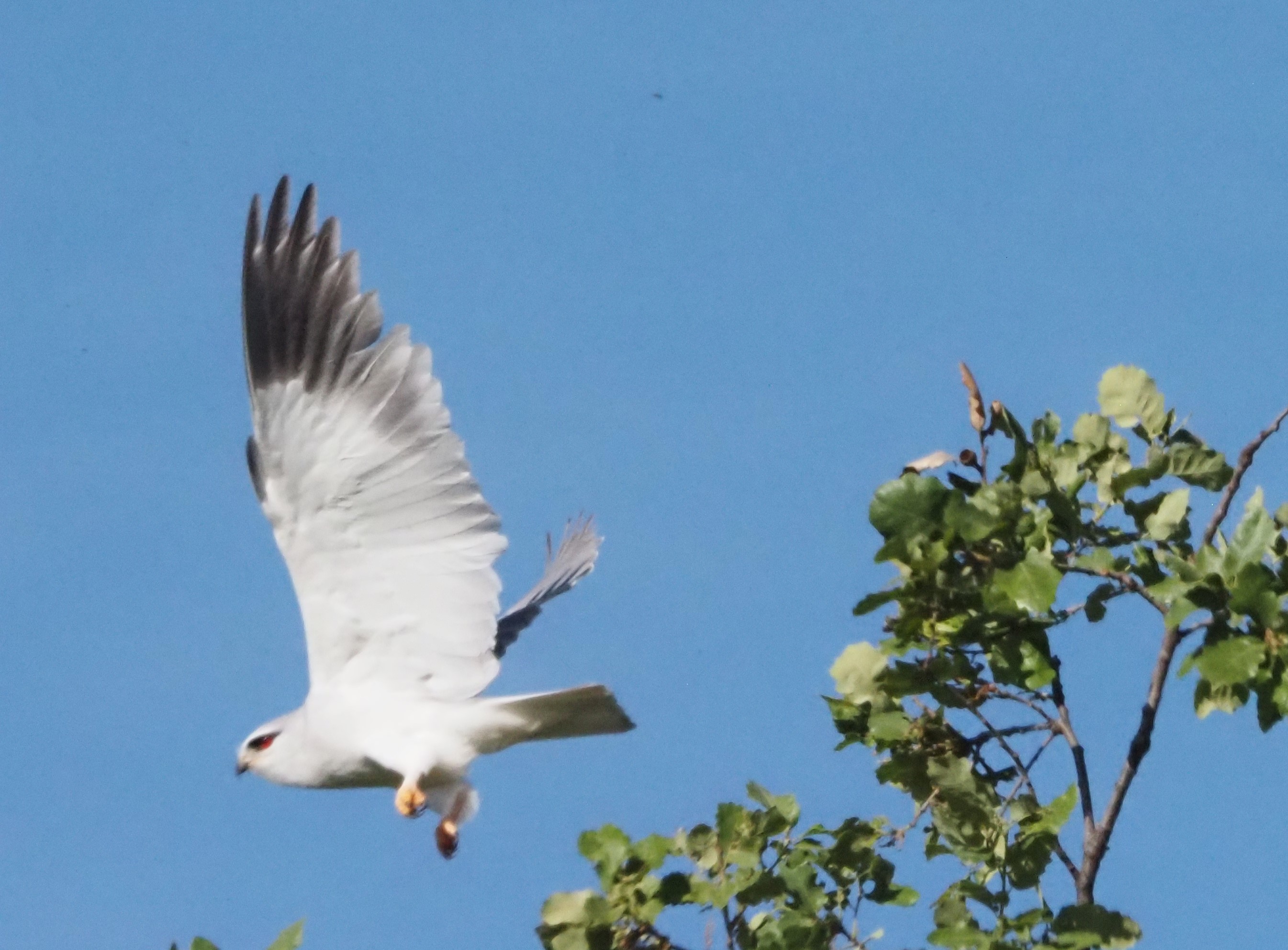
To end the day, we had a couple of stops in the wonderful Tietar Valley, immediately South of Gredos Mountains. At the first stop we got nice views on Iberian Grey & Woodchat Shrikes. Some Black Vultures were flying in the distance but soon we were distracted by a wonderful Black-winged Kite that went up to the skies to push out a Black Kite. It looks like this bird was holding a territory in the area, and during the next minutes we enjoyed wonderful views on the bird as it was flying above, including some display! The Kite finally got down the skies to stop in the top of tree. During the next minutes it remained there, providing great scope views, but slowly moving into the branches, and we realised that its nest must be in that same tree.
We didn’t want to disturb the bird, so we decided to go to explore a nice stream close by. The plan was to come back again to the place of the Black-winged Kite later, hoping for closer views. The stream, right at the end of a small reservoir had become a slow moving river thanks to the generous rains of the last days. Here, we enjoyed soon lovely views on a number of Common Nightingales singing in lovely afternoon light, and the walk was complemented with nice views on a dark form Booted Eagle feeding on a prey up in the trees. Common Kingfisher, Cetti’s Warbler and Sardinian Warblers were also noted here.
90 minutes later the Black-winged Kite place was still on the same tree and after some extra views we decided to go back to our accommodation to enjoy some fun while having dinner.

Day 4. This morning we went to explore the endless ondulate landscape of wonderful grasslands called La Serena. After having breakfast we transfer South with some flocks Black-winged Stilt flocks flying beside the highway in the paddyfields North of Merida. This looked like a very promising spot we had to time for it at the end.
After some delay (thanks to Google maps), we arrived to the plains, and only 2 minutes after arriving we were having a nice flock of Pin-tailed Sandgrouses on the ground, only 50 metres away from the van. These were the closest Sandgrouses I ever had in Extremadura, and all enjoyed good views on the birds. They were so quiet that I was tempted to set up the scope, but the flew away..
From here we drove in the plains, with several Lesser Kestrels all the way down and a number of Calandra Larks also singing here and there. Northern Wheatears could be also seen in the fences and wires; a good sign that the migration was restarting after a very cold week! Soon after, a wonderful Cinereous Vulture provided great views on the ground along with Griffons. Some of the Griffons with their necks and heads still dirty after scavenger a carrion.
The next stop was made in a typical place for Little Bustard. This bird was extremely common all around the grasslands in Extremadura, but now their numbers have decreased dramatically and you can count yourself lucky if you see any of them during the spring. And we got one male.
It was singing really far away. A Montagu’s Harrier distracted us while scanning in the search of the male Little Bustard. It took us some time but finally Ann got the bird singing half a mile away from us, in a lovely flowered hill. We all got nice scope views before the bird flew to the right, beyond a tiny elevation. We still wait a good quarter, and the bird only appeared briefly in the distance before walking down the hill, losing his shape in the ocean of flowers..
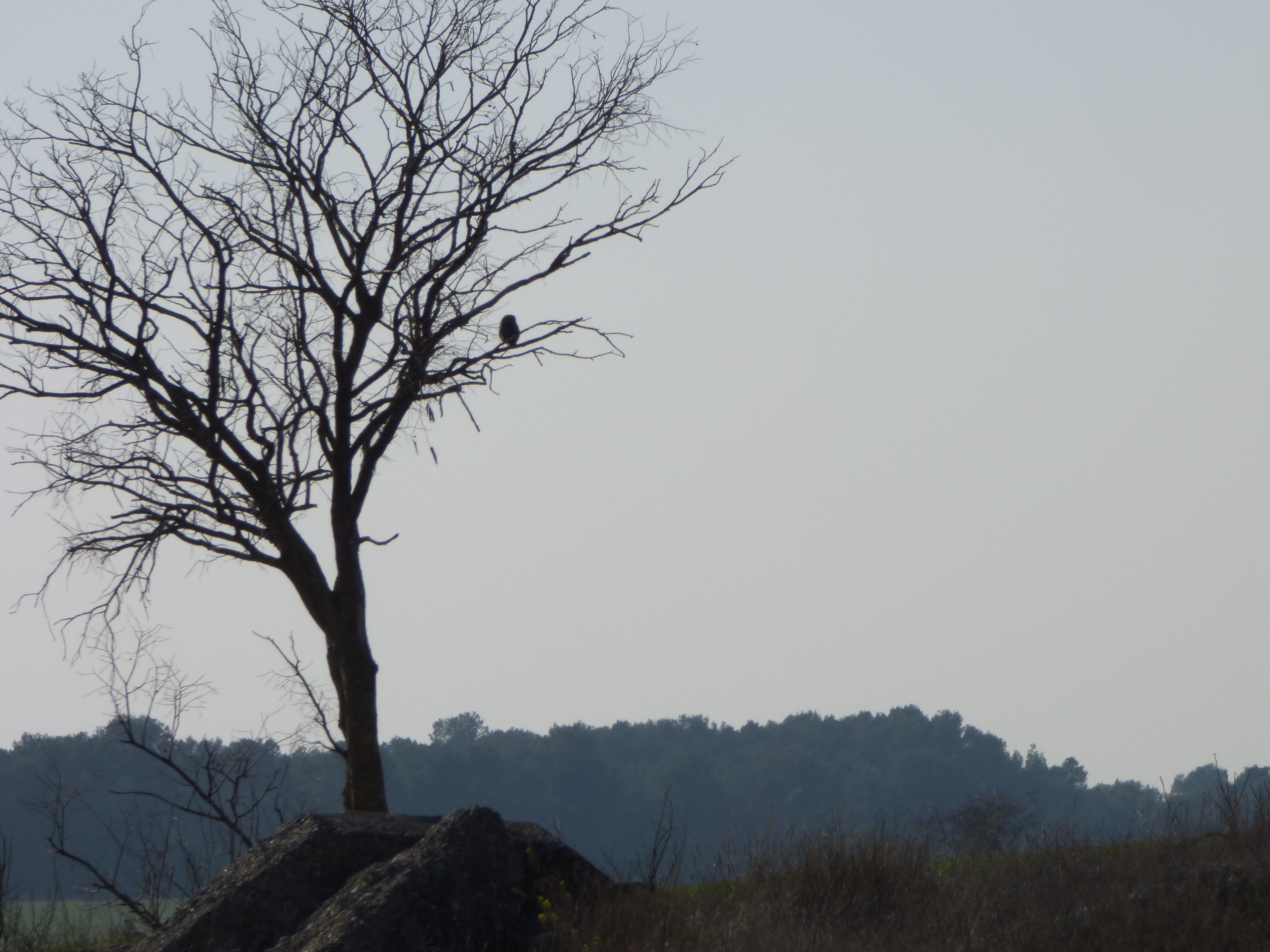
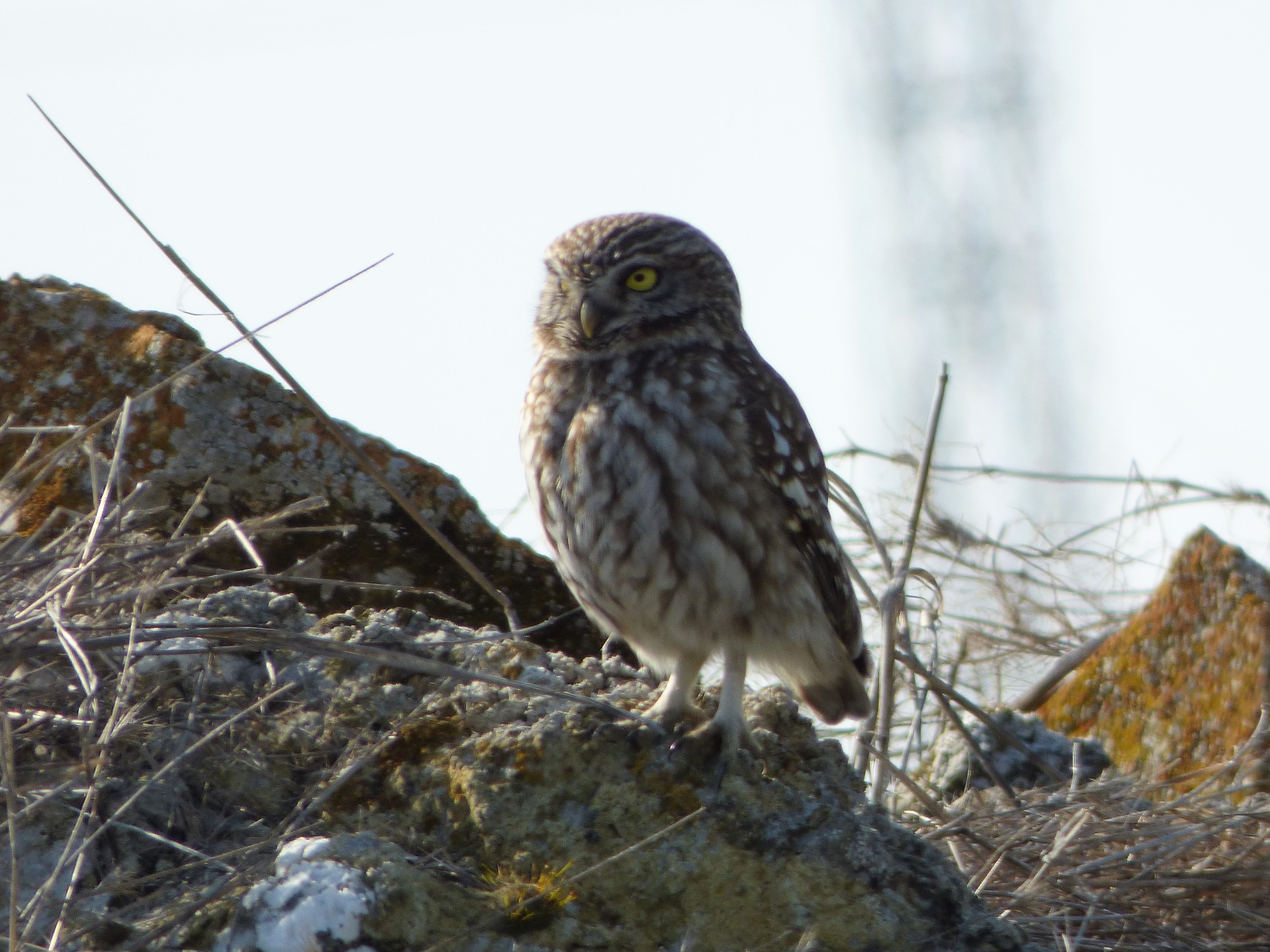
We kept exploring this wonderful plains. Our second stop, near to a colony of Lesser Kestrels, produced several of them but also 2 Red-billed Choughs, showy Little Owls, and a calling Great Spotted Cuckoo that we could not find. Some miles later we had a final morning stop. Here, surrounded by Calandra Larks, we got nice views on two Montagu’s Harrier but also Booted Eagle, and 1 very distant Golden Eagle that was sitting on a small rocky outcrop.
From here, we drove up to one of the rocky spines crossing La Serena. We had arranged a nice meal in a wonderful restaurant nearby, and we only got half an hour to explore the castle and around. It was enough.
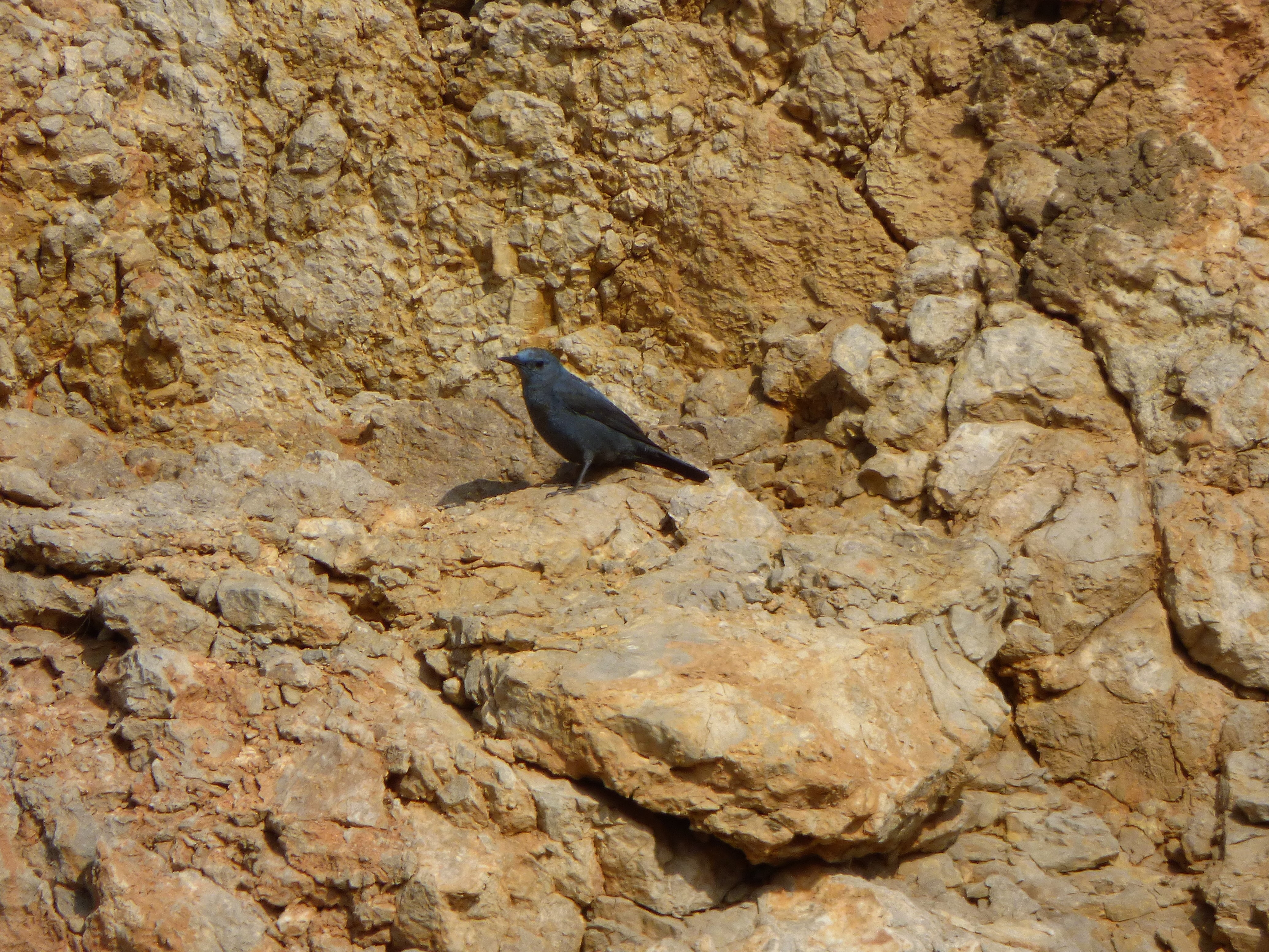
We didn’t have to walk for long before Sean found a wonderful male Rufous-tailed Rock Thrush at the base of the escarpment. The bird flew off fast, but the views were excellent, but short! Alpine Swifts were flying low and 1 Egyptian Vulture was crossing the sky along with them, only a fraction of time after we found a nice Black Wheatear male at the top of the cliffs. This was a nice and close view, but we were distracted again by a shape in the sky: a Golden Eagle! Back to the rocks, a pair of Black Redstarts were a nice entertainment while waiting for the Black Wheatear to reappear. Instead, we got scope views on a Blue Rock Thrush singing from a distant tip of the cliffs. At last, we got long views on the Black Wheatear, that was singing at times, before going down to enjoy a fabulous lunch!
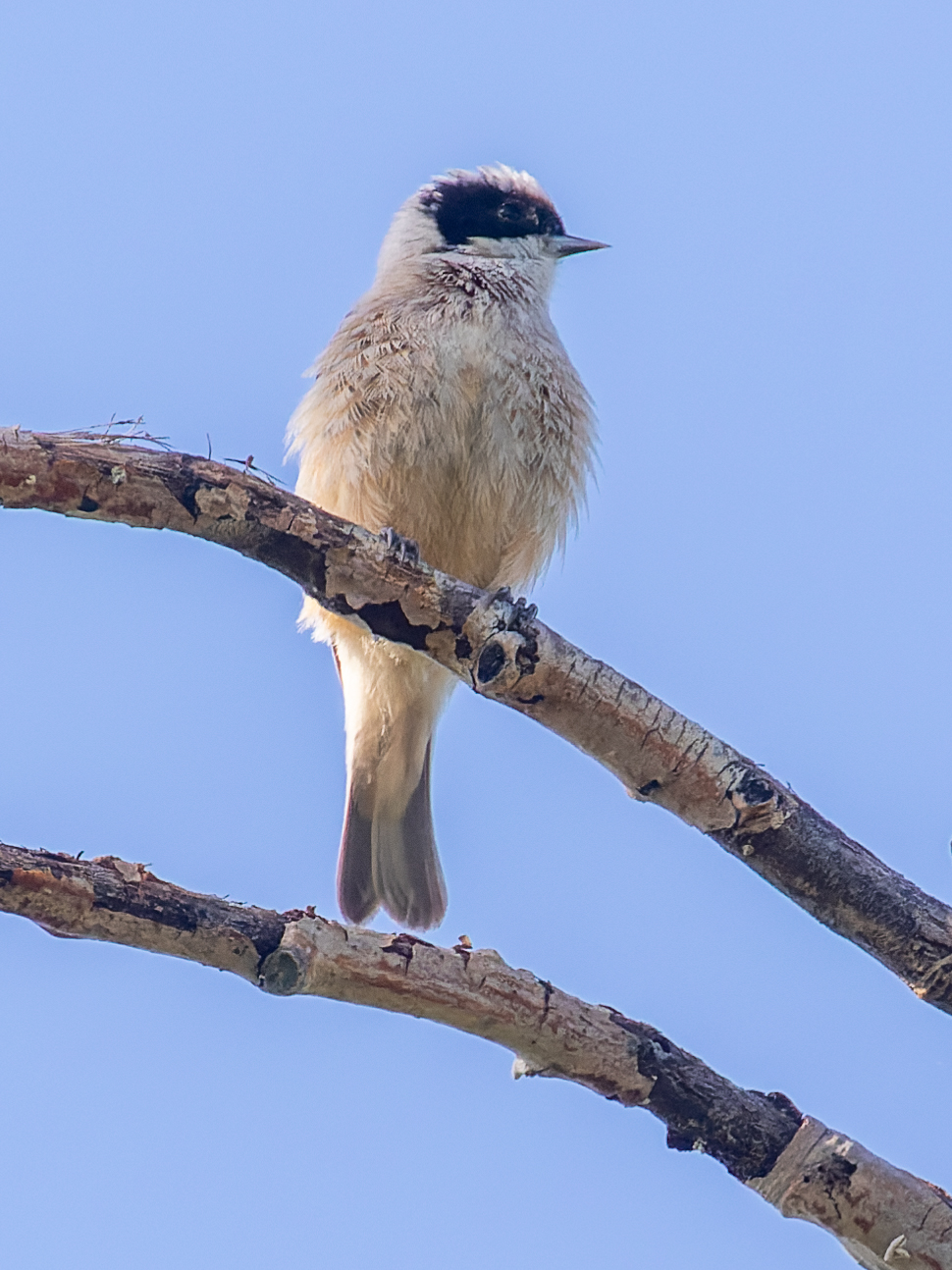
After lunch, we drove to Merida to try some urban birding. Firstly we walk some parks along the Tagus. Here we had good views on Common Redstart and Pied Flycatcher, and also intimate views on a wonderful female Lesser Spotted Woodpecker that was feeding only a few meters away from us! Glossy Ibises and Cattle Egrets were all the time flying above us from their nesting colonies at the river, and both Little Egret and Black-crowned Night Herons were also noted. Once on the Roman bridge crossing the Tagus, we got great views on Penduline Tit but also a male Little Bittern, 2 Western Swamphens and 2 Common Sandpipers while Pallid & Alpine Swifts were passing around us. Back to our vehicle, 3 nice Spoonbills appeared in the sky to end the stroll. Even if the original plan was to explore some wetlands, this option was not bad at all!
From here, we just drove back to our accommodation.
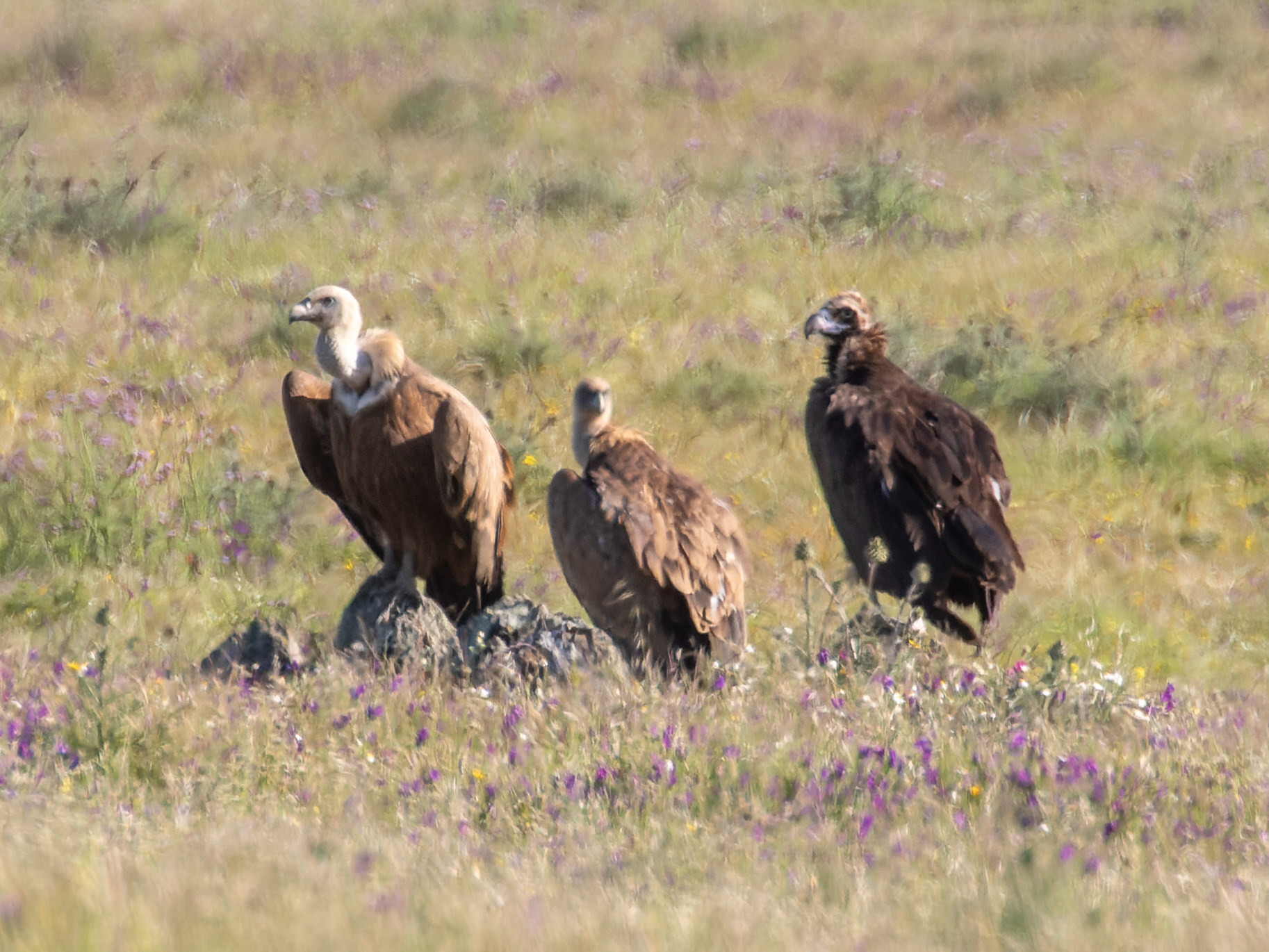
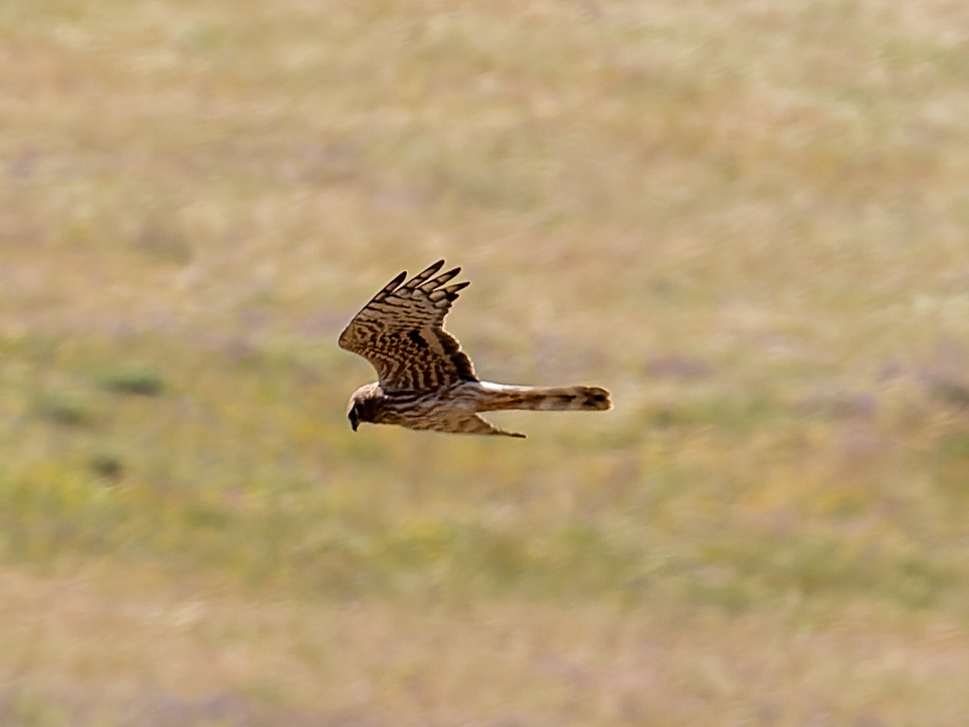
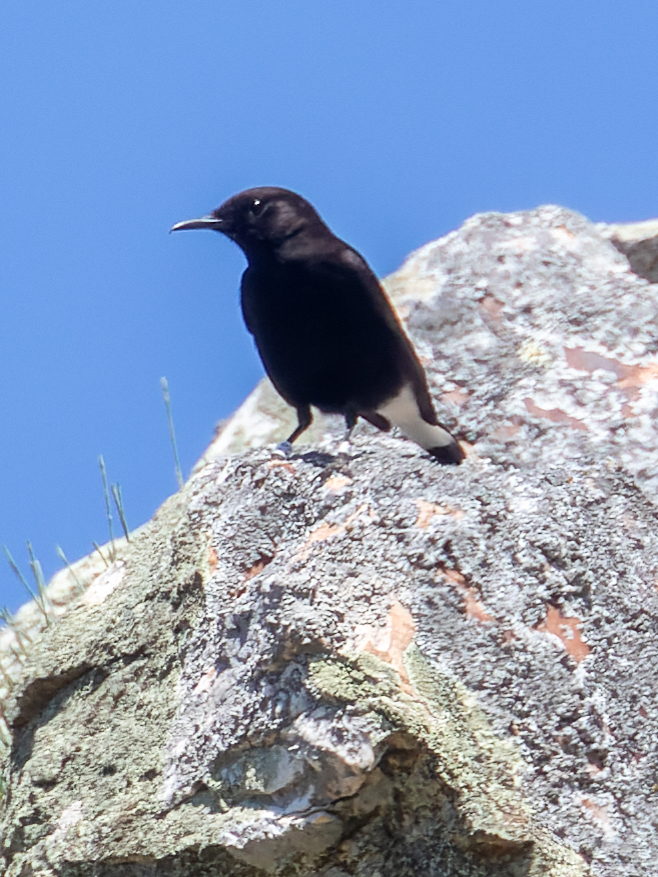

Day 5. Monfragües % Llanos de Cáceres.Early morning start to go and explore some of the best known birding sites in Extremadura. Monfragüe is an extensive National Park protecting some really well preserved habitats including scrublands, oak forests and small gorges. Being Extremadura mostly plain or ondulate, the Griffon Vulture population and the slim Egyptian Vulture population living in the area concentrates in the small rocky outcrops within the park and in other selected places.
But before going into Monfragüe we had some time to enjoy a small spot of Arrocampo and the extensive debesas around it. In the wetlands we had short views on a Western Swamphen but also migratory Sedge Warbler, Whinchat and some other goodies including a Savi’s Warbler singing close (but never seen), Marsh Harriers and lovely Bee-eaters flying around. From here we transferred to park, with several Iberian Magpies, Hoopoes, Woodchat Shrikes and Woodlarks along the way, but also Common Cuckoo, 2 Rock Sparrows and the only 2 Cirl Buntings of the whole tour!
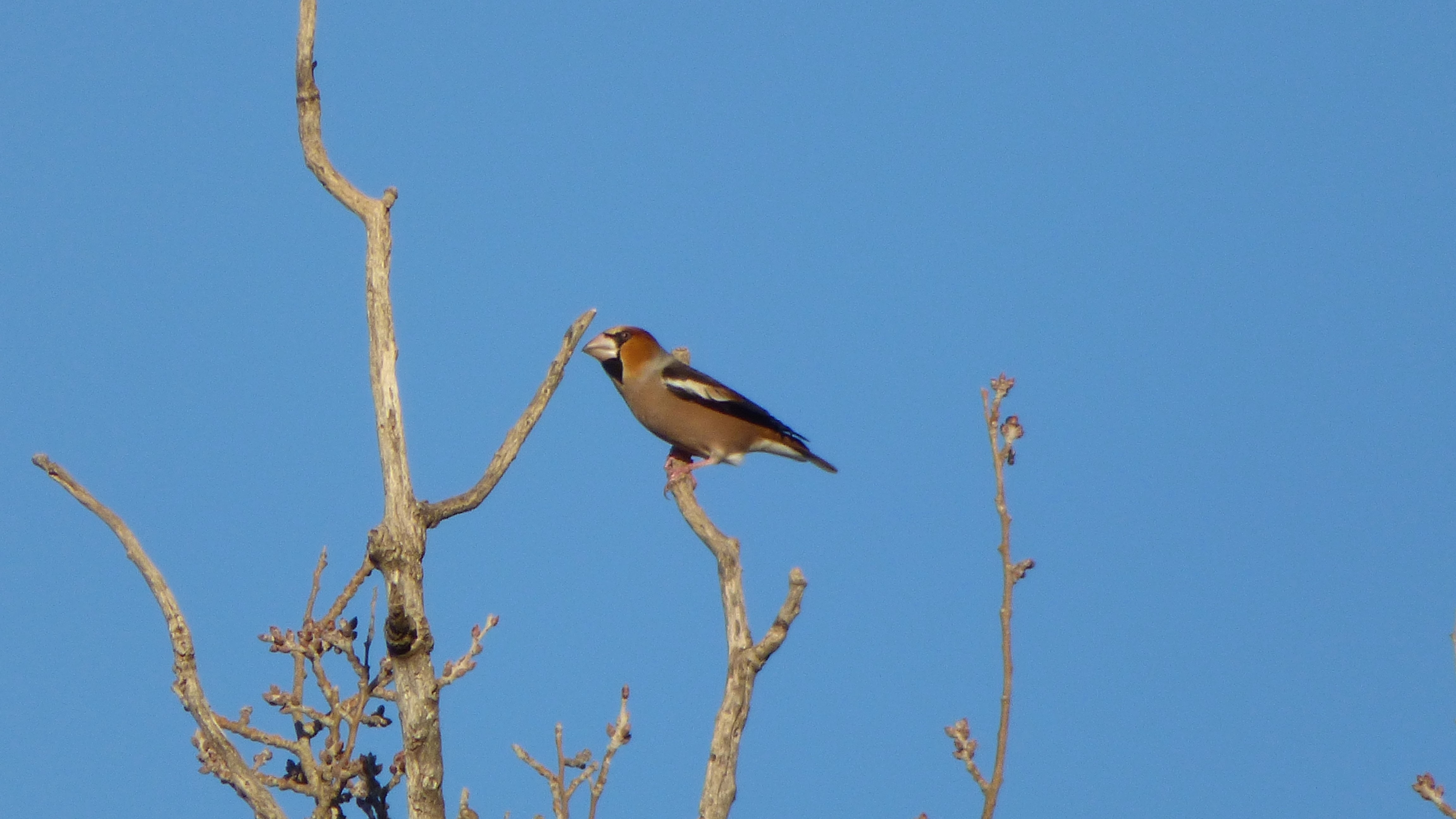
At the first stop inside the National Park we enjoyed lovely views on Griffons and Black Vultures but also other interesting species including 2 Egyptian Vultures, Subalpine Warbler, scopes views on both Blue Rock Thrush & Rock Bunting and 2 Hawfinches passing over. Still, the very best bird was a wonderful Spanish Imperial Eagle soaring above our heads for long. The full adults of this species always surprise me as they look to have a thin, Harrier-like tail. Proportionally, they always look to me more delicate than other species of eagles, and even far more delicate than young Spanish Imperial Eagles.
From here, we drove through the nice slopes with a couple of productive stops. The first, to pick up a singing Western Orphean Warbler than provided excellent views to the group, and the second to have brief views on one of the just arrived Western Black-eared Wheatears and Subalpine Warbler.
A comfort stop allowed Ann to spot a wonderful Giant Peacock Moth (Saturnia pyri) in a window! From here we drove to the famous “Salto del gitano”, where we spent some time monitoring the skies. Many things were to see in here, including 2 nesting pairs of Black Storks that soared around us, providing great looks to everyone. Both Crag Martins and Red-rumped Swallows were also flying around us. One Spanish Eagle & Egyptian Vultures were also seen along with the common Griffons, and a Peregrine Falcon put itself out of the cliffs for our enjoyment. Blue Rock Thrush & Rock Buntings were singing for long in wonderful lights, the first providing really good photo chances!
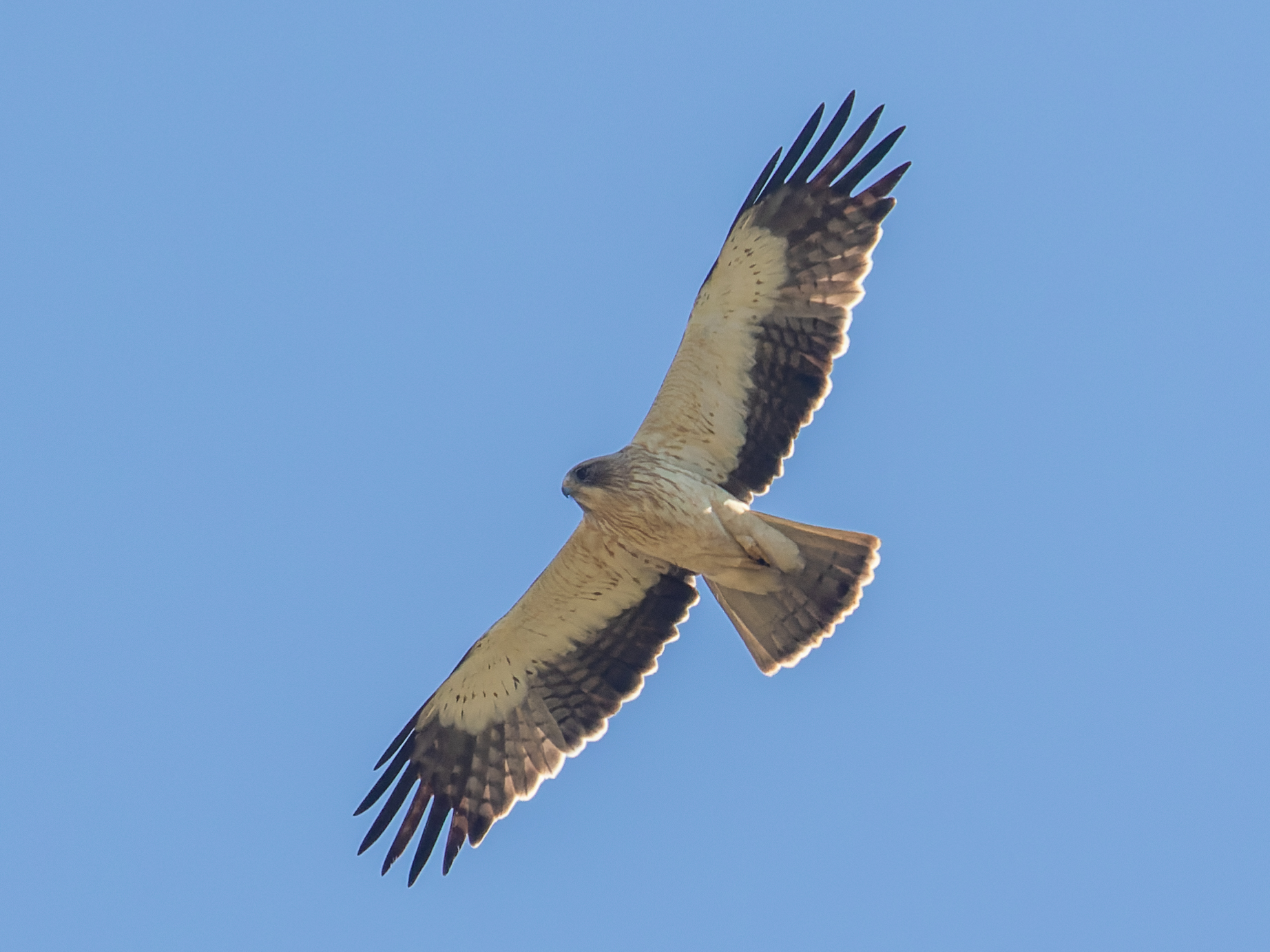

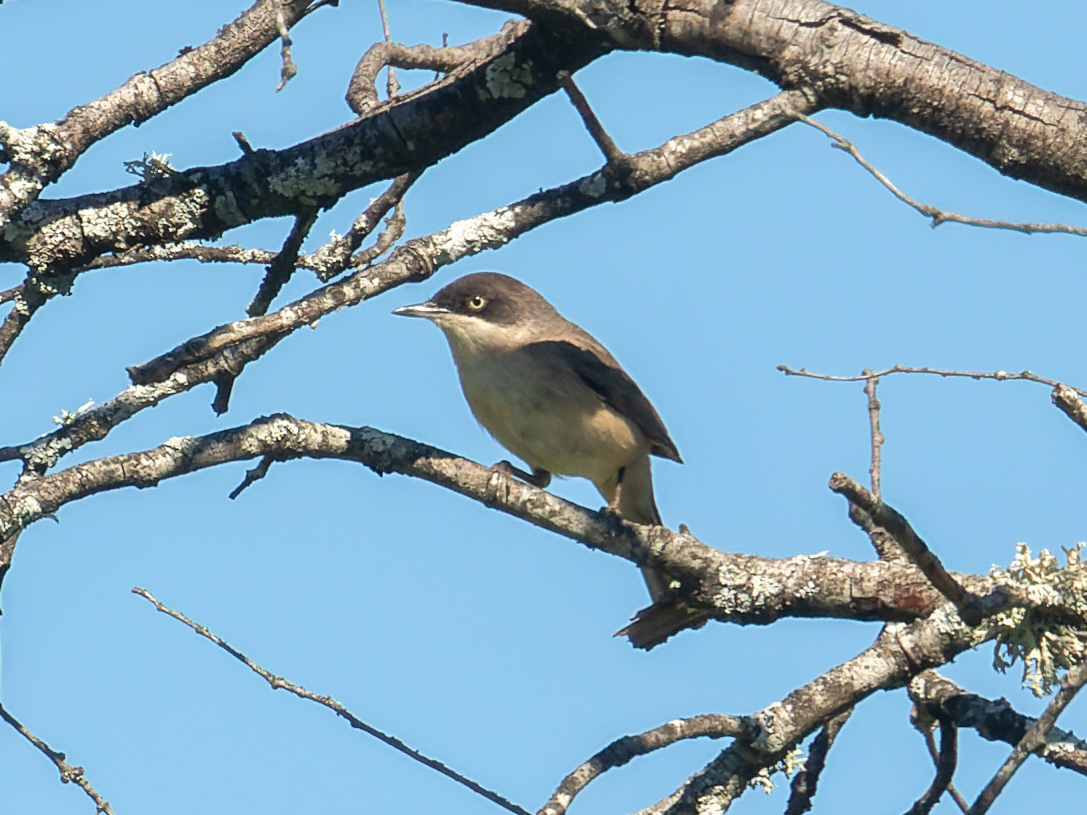
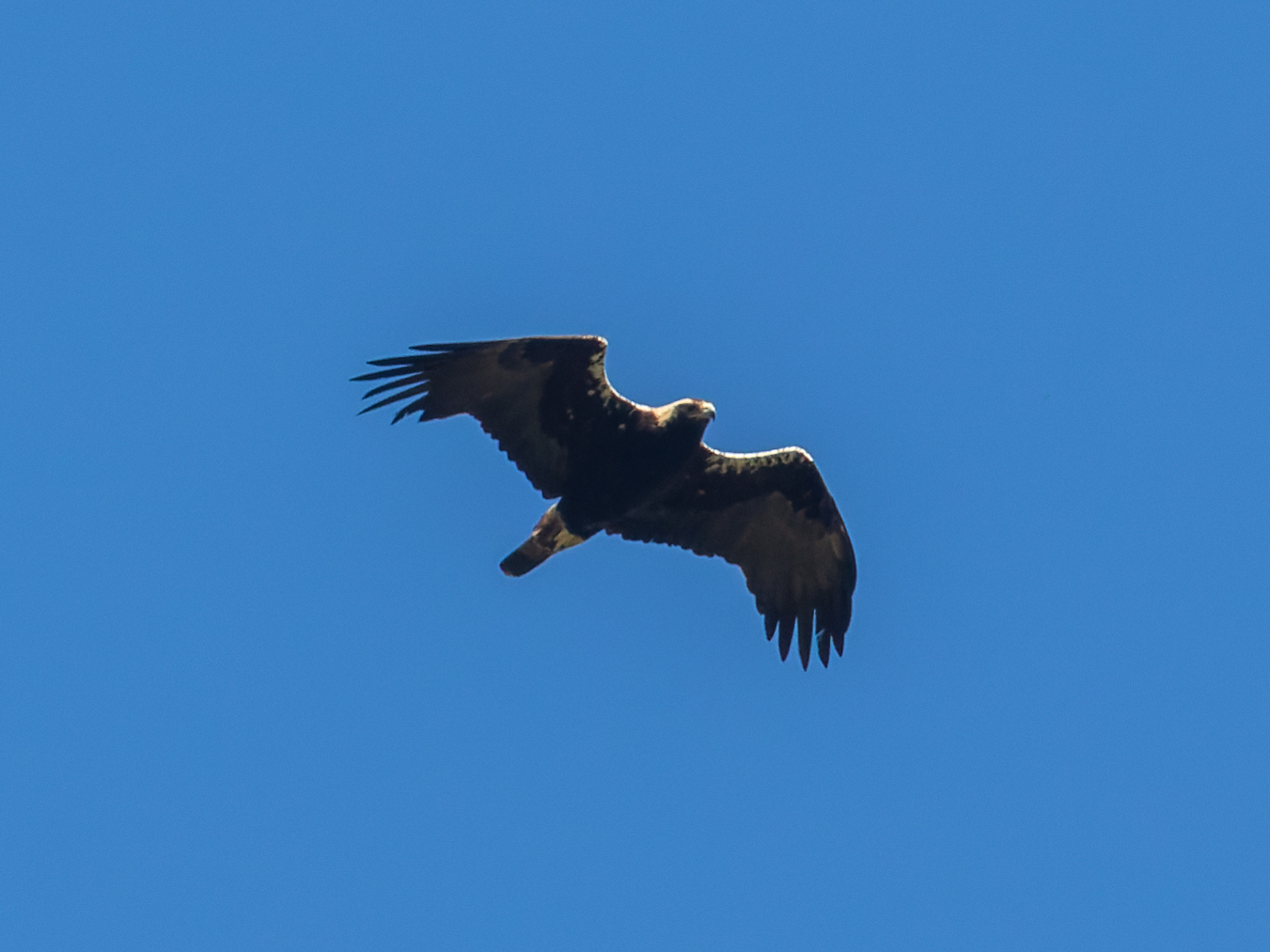


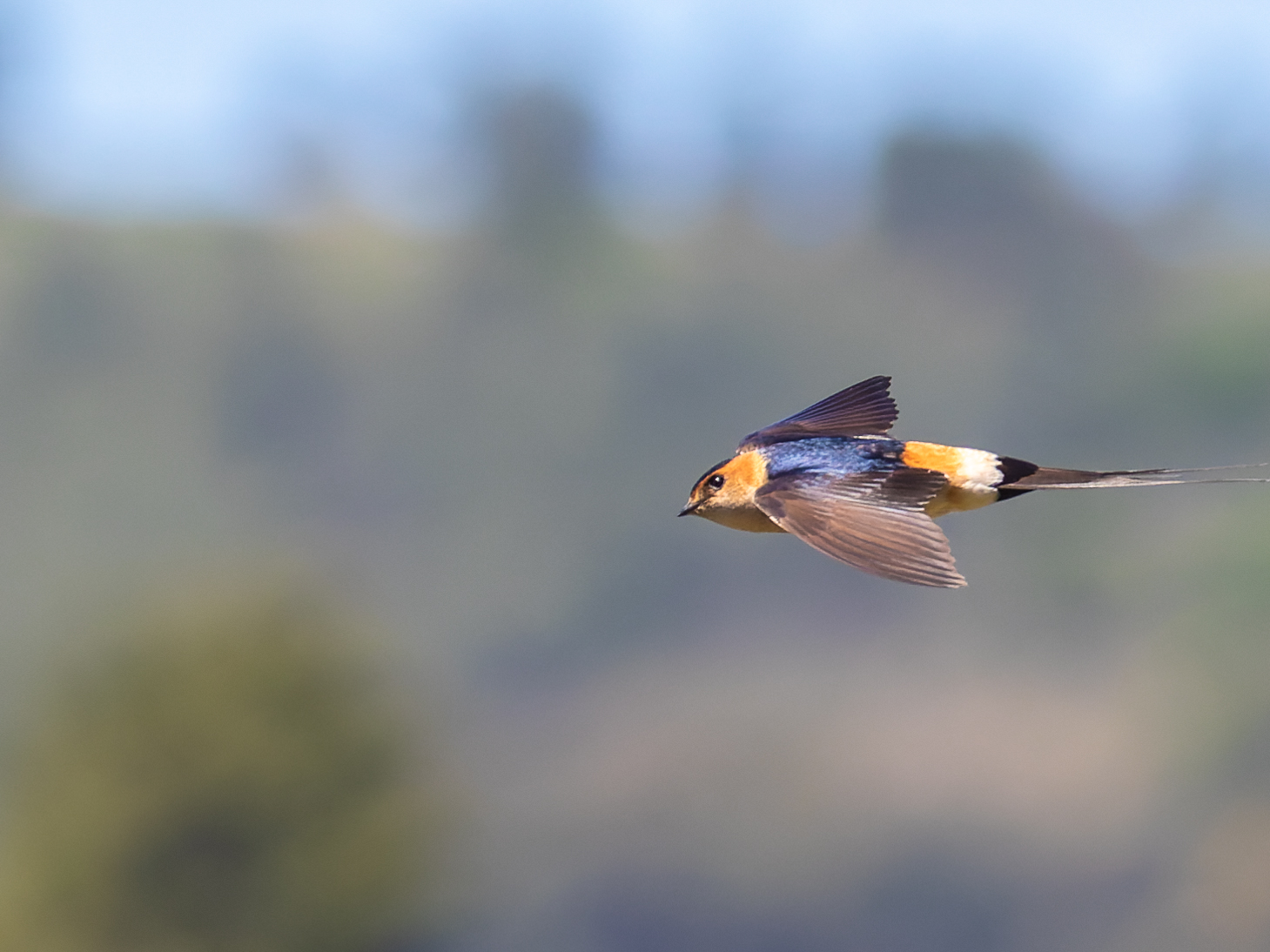


From Monfragüe we drove South in the way to Càceres, with small flocks of Bee-eaters and Spanish Sparrows all along the way. North of Caceres there are also large extensions of plains. Here we got excellent views on a number of Greater Short-toed Larks but also Thekla’s & Calandra Larks. A minimum of 6 Great Bustards were seen in different stops, and the group celebrated the 3 Rollers in the area that, even if distant, they offered great views. Soaring in the sky, we had a number of White Storks but also small flocks of Black-headed Gulls, Black Vultures, 2 Booted Eagles and a distant Spanish Imperial Eagle. To end the day, we had a stop at Trujillo itself, where we had great views on the colony of Lesser Kestrels at the outskirts of the town.


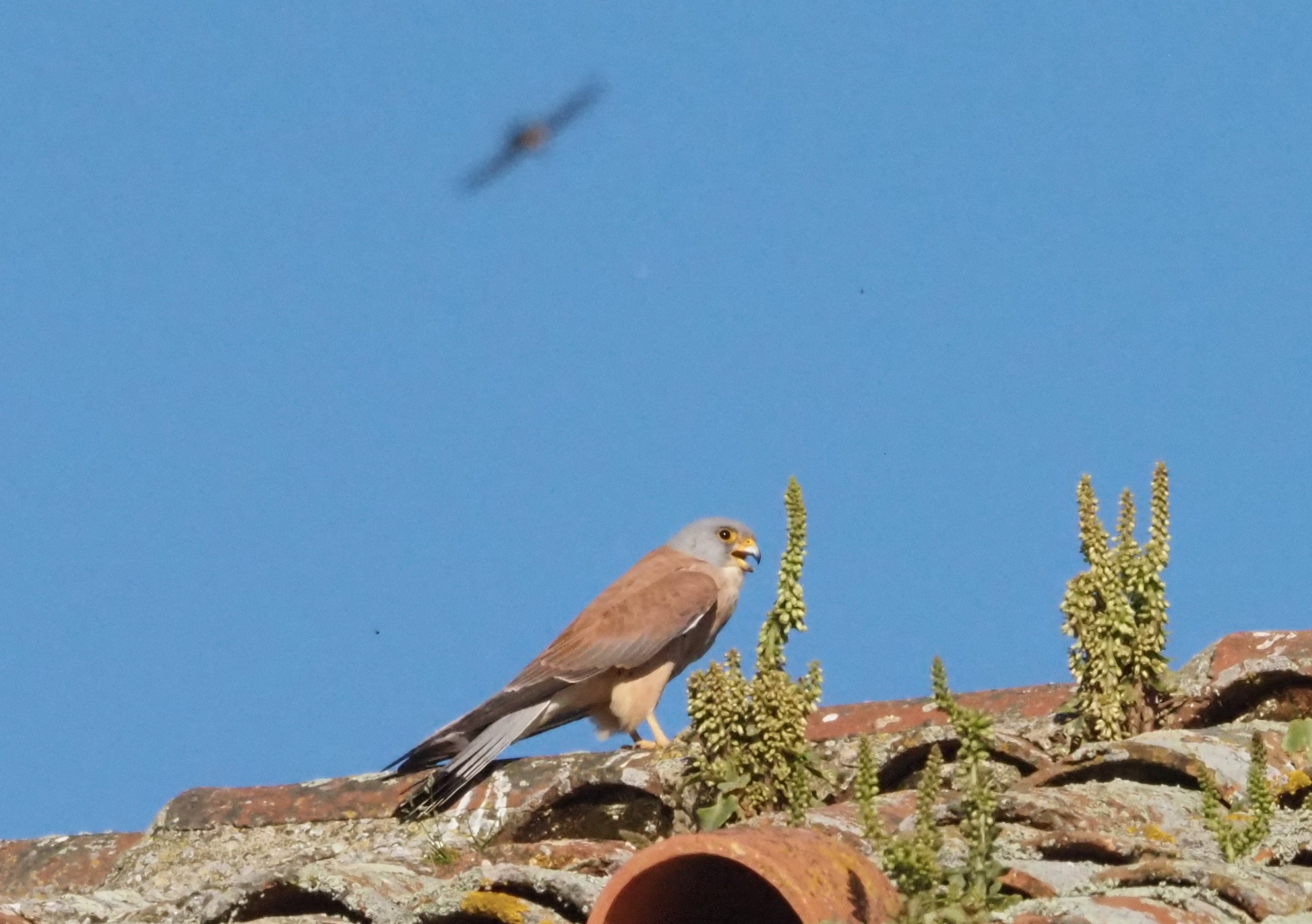
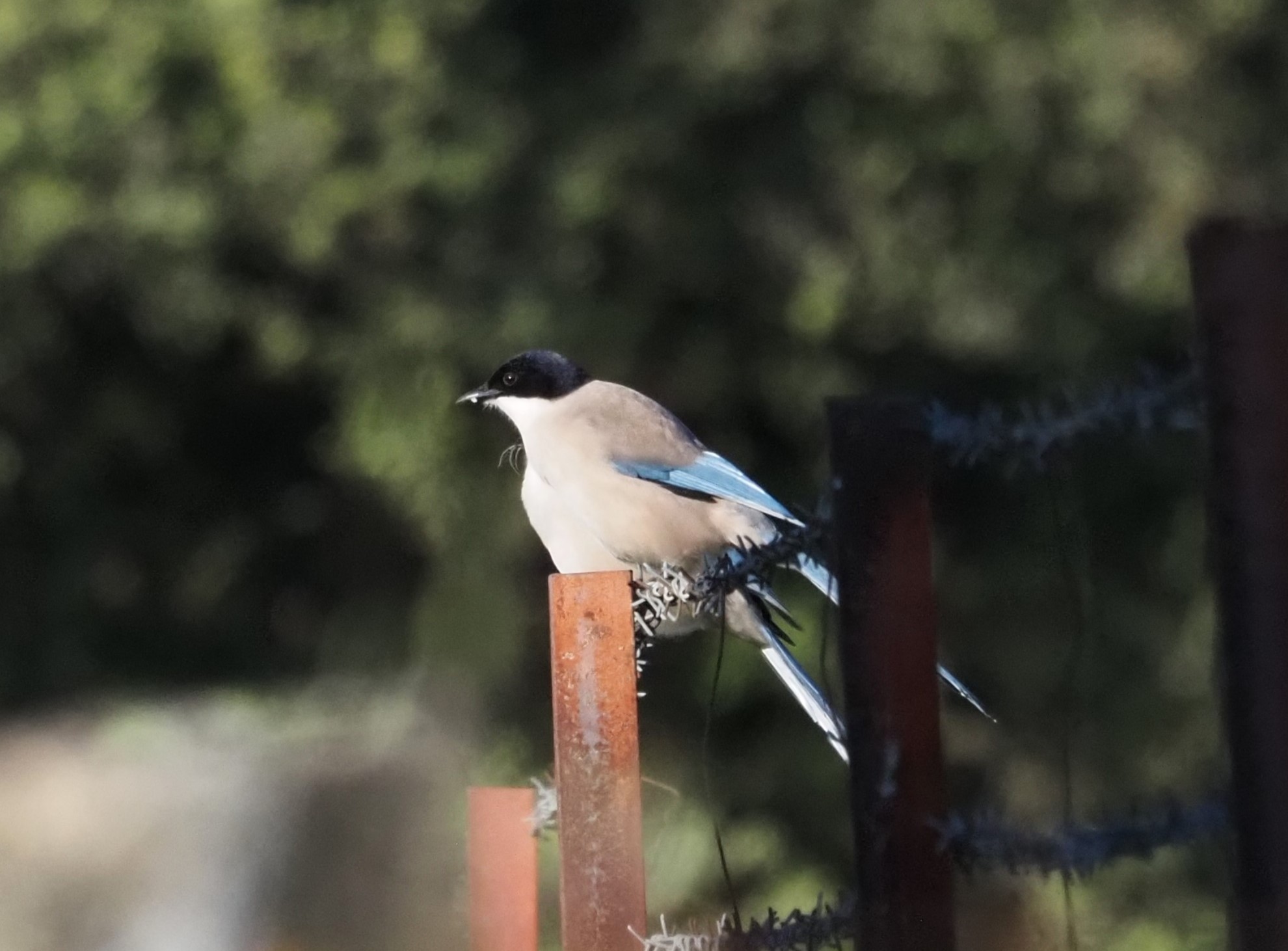
Day 6. Very last morning of the trip before transferring to Madrid. It is another sunny, bright day with no clouds, neither wind. Our first goal is to check the area where we found a Black-winged Kite a couple of days ago and try to get better views. But we are stopped in the way when a Great Spotted Cuckoo passes right in front of or van. We all jumped out and looked for the bird. It didn’t take long before we contact with the Great Spotted Cuckoo. The area is full of Azure-winged Magpies, and there are actually not one but two Great Spotted Cuckoos. We enjoyed 10 minutes of sighting on the birds, that are actually trying to parasite the Magpies. Several persecutions are seen, with the Magpies trying all the time to disturb the Cuckoos. Here we also see a pair of Common Cuckoo, and all the action goes on in a tiny patch of pines (here the vegetation is dominated by Oaks). A small flock of Bee-eaters is also present and a distant Eurasian Golden Oriole is heard calling in the distance. The views on the Cuckoos are long while it is perched in the pines, and we are all surprised to see the birds mating while the Magpies try to pull them out.
Here we also tried to find the Oriole (first of the year!), but instead we got a flying Lesser Spotted Woodpecker and a singing Willow Warbler.
Once arrived to the Black-winged Kite place, we got hunting but also resting in different tree along the valley, but only when we were leaving is when we got close views on the bird as it was closed to the road. From here we moved South ready to explore our last plains before driving back to Madrid. In the way, another stop was made to see an European Turtle Dove sitting in the wires with both Booted Eagle and Cinereous Vulture circling in the sky at close range.
The morning had gone fast, and we only had one hour the explore near Talavera before going for lunch. But in the plains, one hour is plenty of time when being in the proper patch of habitat!
Once in the plains, we got distant views on Griffons Vultures and some Kites. Moving around the area, it didn’t take long before we got close views on Great Bustards. As always, here you get closer views than in Extremadura. We got 8 individuals that were resting in the fields when we arrived. At the same a time, a very close Cinereous Vulture came to say hi to the group, providing excellent views to all of us. It was not alone, since we also got wonderful views on a young Spanish Imperial Eagle right before a distant Collared Pratincole marked the end of the trip.
Happy with this very successful morning, we just went to enjoy a nice lunch before transferring back to Madrid.



List of birds seen during the trip
- Red-legged Partridge (Alectoris rufa)
- Common Quail (Coturnix coturnix) – heard only
- Egyptian Goose (Alopochen aegyptiacus)
- Greylag Goose (Anser anser)
- Common Shelduck (Tadorna tadorna)
- Mallard (Anas platyrhynchos)
- Gadwall (Mareca strepera)
- Northern Shoveler (Spatula clypeata)
- Common Pochard (Aythya ferina)
- Red-crested Pochard (Netta ferina)
- White-headed Duck (Oxyura leucocephala)
- Great Bustard (Otis tarda)
- Little Bustard (Tetrax tetrax)
- Common Cuckoo (Cuculus canorus)
- Great Spotted Cuckoo (Clamator glandarius)
- Pin-tailed Sandgrouse (Pterocles alchata)
- Feral Pigeon (Columba livia domestica)
- Common Woodpigeon (Columba palumbus)
- Eurasian Collared Dove (Streptopelia decaocto)
- European Turtle Dove (Streptopelia turtur)
- Eurasian Moorhen (Gallinula chloropus)
- Eurasian Coot (Fulica atra)
- Water Rail (Rallus aquaticus) – heard only
- Western Swamphen (Porphyrio porphyrio)
- Great Crested Grebe (Podiceps cristatus)
- Black-necked Grebe (Podiceps nigricollis)
- Little Grebe (Tachybaptus ruficollis)
- Collared Pratincole (Glareola pratincola)
- Black-necked Stilt (Himantopus himantopus)
- Little Ringed Plover (Charadrius dubius)
- Green Sandpiper (Tringa ochropus)
- Common Sandpiper (Actitis hypoleucos)
- Yellow-legged Gull (Larus michahellis)
- Lesser Black-backed Gull (Larus fuscus)
- Black-headed Gull (Chroicocephalus ridibundus)
- Whiskered Tern (Chlidonias hybridus)
- Gull-billed Tern (Gelochelidon nilotica)
- White Stork (Ciconia ciconia)
- Black Stork (Ciconia nigra)
- Eurasian Spoonbill (Platalea leucorodia)
- Glossy Ibis (Plegadis falcinellus)
- Greater Flamingo (Phoenicopterus ruber)
- Great Cormorant (Phalacrocorax carbo)
- Little Bittern (Ixobrychus minutus)
- Western Cattle Egret (Bubulcus ibis)
- Little Egret (Egretta garzetta)
- Black-crowned Night Heron (Nycticorax nycticorax)
- Great White Egret (Ardea alba)
- Grey Heron (Ardea cinerea)
- Purple Heron (Ardea purpurea)
- Eurasian Griffon (Gyps fulvus)
- Cinereous Vulture (Aegypius monachus)
- Egyptian Vulture (Neophron percnopterus)
- Red Kite (Milvus milvus)
- Black Kite (Milvus migrans)
- Black-winged Kite (Elanus caeruleus)
- Montagu’s Harrier (CIrcus pygargus)
- Western Marsh Harrier (Circus aeruginosus)
- Eurasian Sparrowhawk (Accipiter nisus)
- Common Buzzard (Buteo buteo)
- Booted Eagle (Aquila pennata)
- Golden Eagle (Aquila chrysaetos)
- Spanish Imperial Eagle (Aquila adalberti)
- Little Owl (Athene noctua)
- Common Swift (Apus apus)
- Pallid Swift (Apus pallidus)
- Alpine Swift (Apus melba)
- Eurasian Hoopoe (Upupa epops)
- European Bee-eater (Merops apiaster)
- European Roller (Coracias garrulus)
- Common Kingfisher (Alcedo atthis)
- Great Spotted Woodpecker (Dendrocopos major)
- Lesser Spotted Woodpecker (Dryobates minor)
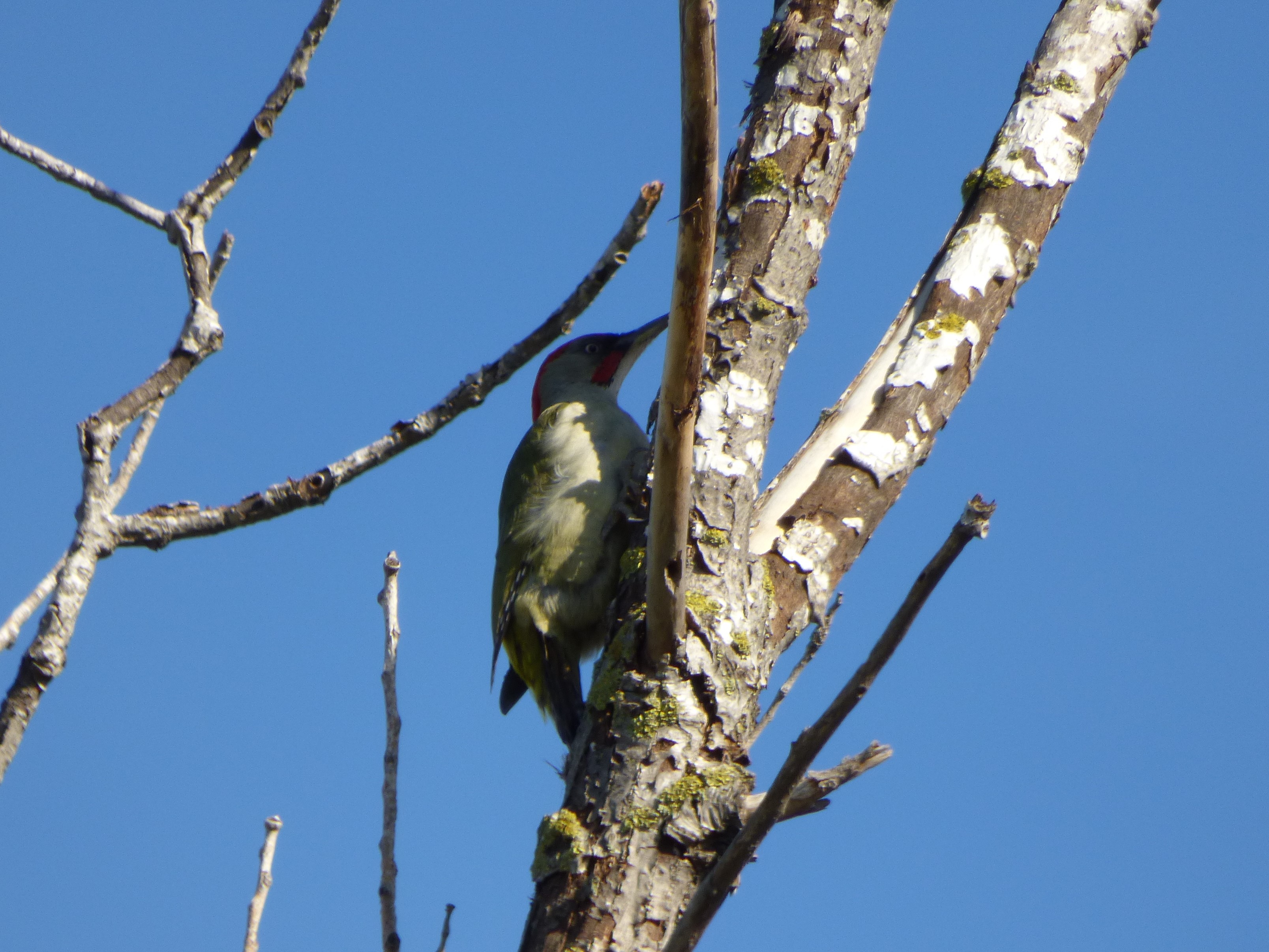
- Iberian Green Woodpecker (Picus sharpei)
- Eurasian Wryneck (Jynx torquilla)
- Eurasian Kestrel (Falco tinnunculus)
- Lesser Kestrel (Falco naumanni)
- Peregrine Falcon (Falco peregrinus)
- European Crag Martin (Ptyonoprogne rupestris)
- Barn Swallow (Hirundo rustica)
- Western House Martin (Delichon urbicum)
- Red-rumped Swallow (Cecropis daurica)
- Sand Martin (Riparia riparia)
- Greater Short-toed Lark (Calandrella brachydactyla)
- Crested Lark (Galerida cristata)
- Thekla’s Lark (Galerida theklae)
- Woodlark (Lullula arborea)
- Calandra Lark (Melanocorypha calandra)
- Meadow Pipit (Anthus pratensis)
- Water Pipit (Anthus spinolleta)
- White Wagtail (Motacilla alba)
- Grey Wagtail (Motacilla cinerea)
- Dunnock (Prunella modularis)
- European Pied Flycatcher (Ficedula hypoleuca)
- European Robin (Erithacus rubecula)
- Common Nightingale (Luscinia megarhynchos)
- Common Redstart (Phoenicurus phoenicurus)
- Black Redstart (Phoenicurus ochruros)
- Northern Wheatear (Oenanthe oenanthe)
- Western Black-eared Wheatear (Oenanthe hispanica)
- Black Wheatear (Oenanthe leucura)
- European Stonechat (Saxicola rubicola)
- Whinchat (Saxicola rubetra)
- Mistle Thrush (Turdus viscivorus)
- European Blackbird (Turdus merula)
- Blue Rock Thrush (Monticola solitarius)
- Rufous-tailed Rock Thrush (Monticola saxatilis)
- Eurasian Blackcap (Sylvia atricapilla)
- Sardinian Warbler (Curruca melanocephala)
- Western Subalpine Warbler (Curruca iberiae)
- Dartford Warbler (Curruca undata)
- Western Orphean Warbler (Curruca hortensis)
- Cetti’s Warbler (Cettia cetti)
- Great Reed Warbler (Acrocephalus arundinaceus)
- Common Reed Warbler (Acrocephalus scirpaceus)
- Sedge Warbler (Acrocephalus schoenobaenus) – heard only
- Savi’s Warbler (Locustella luscinioides)
- Willow Warbler (Phylloscopus trochilus) – heard only
- Firecrest (Regulus ignicapillus)
- Eurasian Wren (Troglodytes troglodytes)
- Eurasian Blue Tit (Cyanistes caeruleus)
- European Crested Tit (Lophophanes cristatus)
- Great Tit (Parus majors)
- Coal Tit (Periparus ater)
- Long-tailed Tit (Aegithalos caudatus)
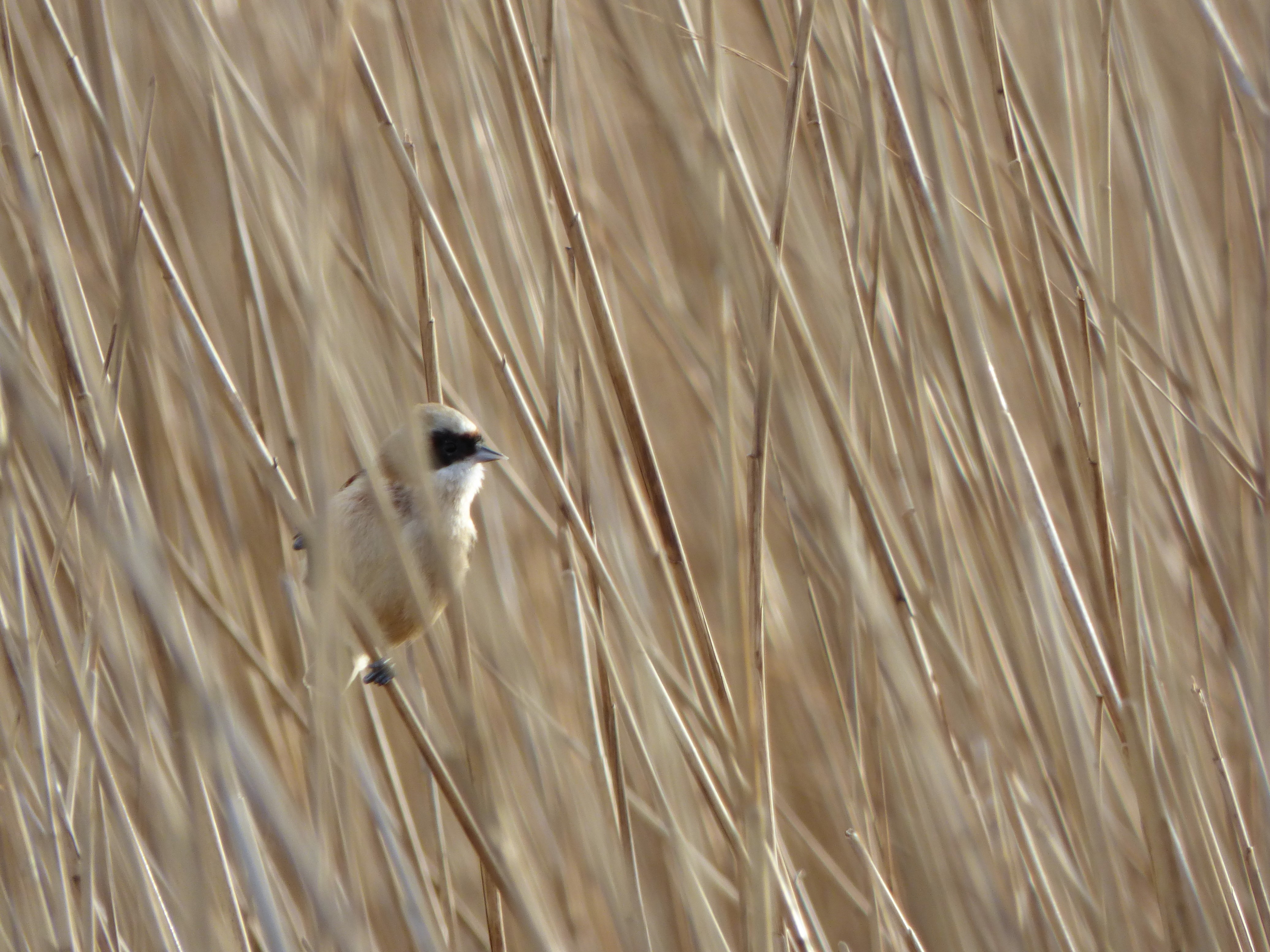
- Western Penduline Tit (Remiz pendulinus)
- Short-toed Treecreeper (Certhia brachydactyla)
- Eurasian Nuthatch (Sitta europaeus)
- Woodchat Shrike (Lanius senator)
- Iberian Grey Shrike (Lanius meridionalis)
- Eurasian Magpie (Pica pica)
- Iberian Magpie (Cyanopica cooki)
- Eurasian Jay (Garrulus glandarius)
- Western Jackdaw (Coloeus monedula)
- Carrion Crow (Corvus corone)
- Common Raven (Corvus corax)
- Red-billed Chough (Pyrrhocorax pyrrhocorax)
- Spotless Starling (Sturnus vulgaris)
- Eurasian Golden Oriole (Oriolus oriolus) – heard only
- Eurasian Tree Sparrow (Passer montanus)
- House Sparrow (Passer domesticus)
- Spanish Sparrow (Passer hispanoliensis)
- Common Rock Sparrow (Petronia petronia)
- Common Chaffinch (Fringilla coelebs)
- European Serin (Serinus serinus)
- Eurasian Goldfinch (Carduelis carduelis)
- Eurasian Greenfinch (Chloris chloris)
- Eurasian Siskin (Spinus spinus) – heard only
- Citril Finch (Carduelis citrinella)
- Linnet (Acanthis cannabina)
- Cirl Bunting (Emberiza cirlus)
- Rock Bunting (Emberiza cia)
- Corn Bunting (Emberiza calandra)
List of mammals seen during the tour
- European Rabbit (Oryctolagus cuniculus)
- Red Fox (Vulpes vulpes)
- Spanish Ibex (Capra hispanica)
- Red Deer (Cervus elaphus)










 Barcelona Birding Point Blog