
- Dates: January 12th to 21st, 2026
- Participants: 13
- Number of species seen: 222
- Tour leaders: Carles Oliver, Ramiro Aibar & Carles Saurina
Overview: 10th issue of our classic tour exploring Oman. The country keeps being a heaven of quietness in a very restless region. During the trip we enjoyed good numbers of birds of prey and waders. In this issue we nailed every single endemic in the area (beyond Omani Owl, with no records in the last 7 months before we arrived..) but also a number of very interesting species including Caspian Plover, Small Pratincole, Hypocolius (at two different locations), White-breasted Waterhen, Little Crake, Pale Rockfinch, Black-headed Bunting and Bimaculated Lark no name a few..
Very looking forward to be back in that part of the world!
All images in this trip report by Carles Oliver unless otherwise specified. All rights reserved.
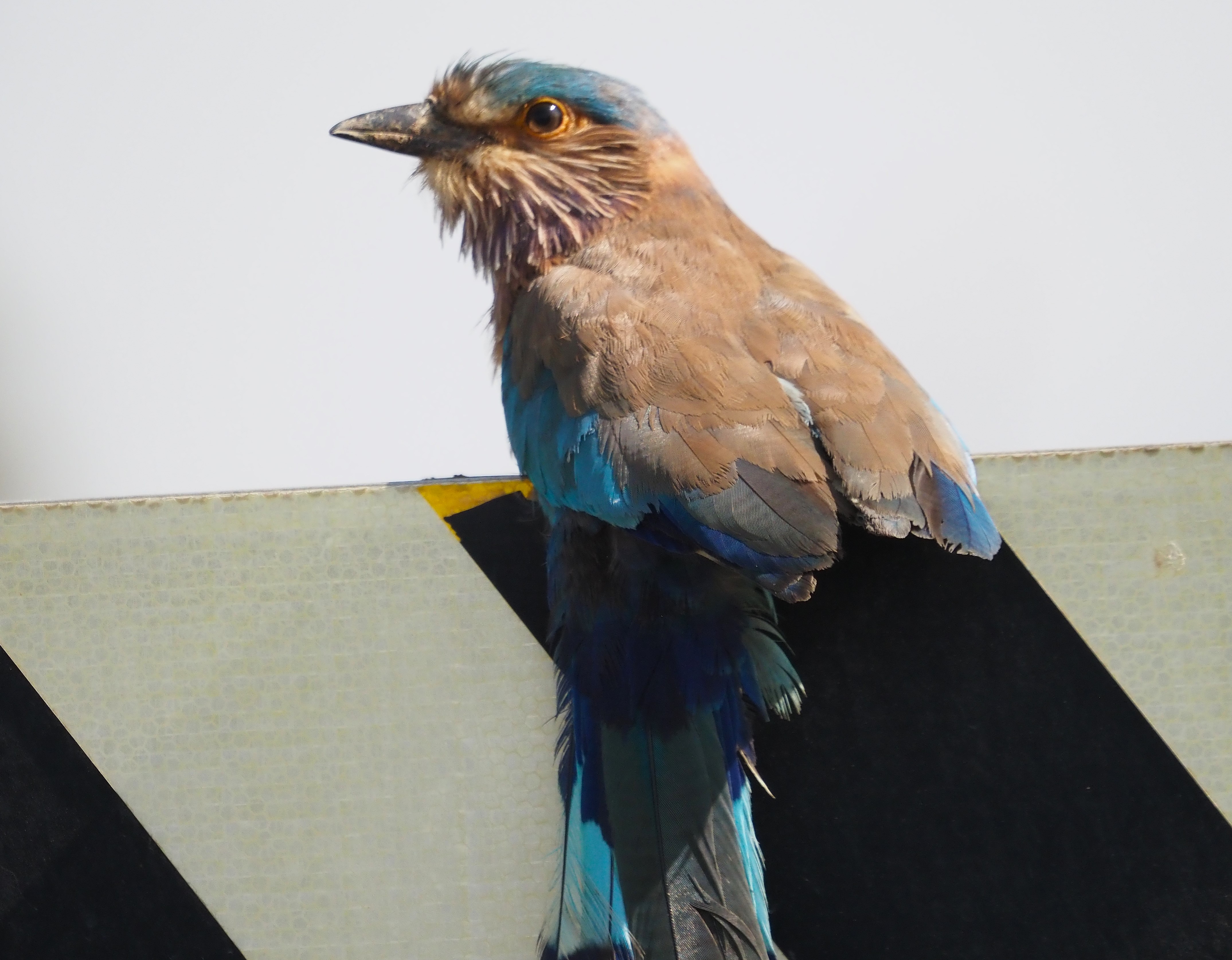
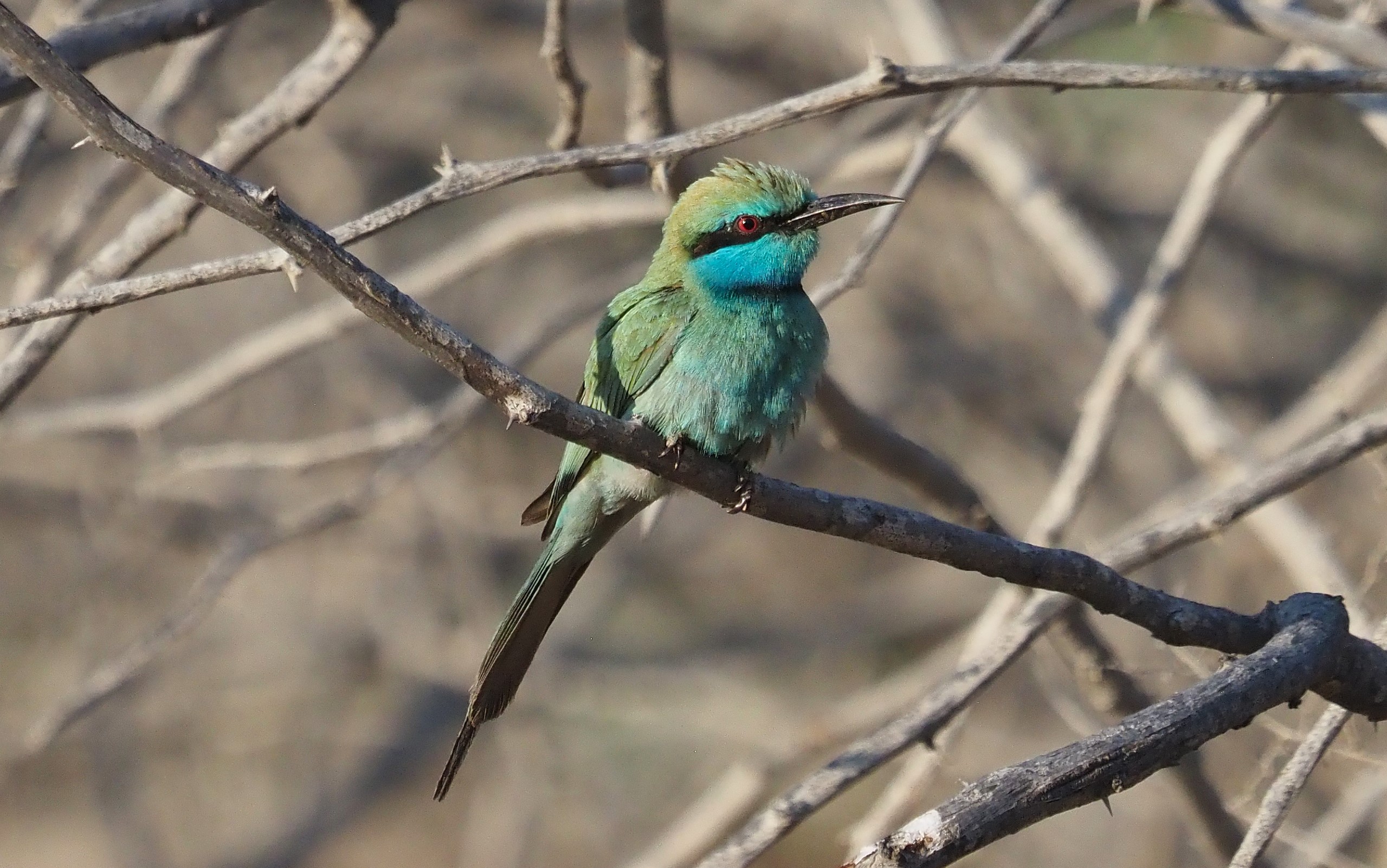
Day 1. Another sunny morning in Muscat. All tour participants had arrive during the previous day to the city, and we all assembled for an early morning breakfast. The group was having people from 4 different nationalities, and after some chat and a short introduction to the tour, we were all ready to start birding. Our first move was to go to a small river mouth known as Muscat River. But even before we could arrive we started having good birds, including the first Indian Roller of the trip on a lamp post, and a couple of Arabian Bee-eaters in a fence. Here we took a change for a nice photo of this recent split. Several doves were moving out of the place, and I could not believe my eyes when a Red-eye Dove sat on the same fence where the Bee-eaters where, sitting briefly along with 2 Eurasian Collared Dove. Even if probably an scape, this could be a very interested sight. Unfortunately, it seems that nobody took any photo on the correct bird. No hard feelings, we were all very excited about the lovely views on the Bee-eaters, and I was personally intrigued about a dark form inside a low tree. We drove there to discover that there were 2 Black-crowned Night Herons sleeping on the tree.
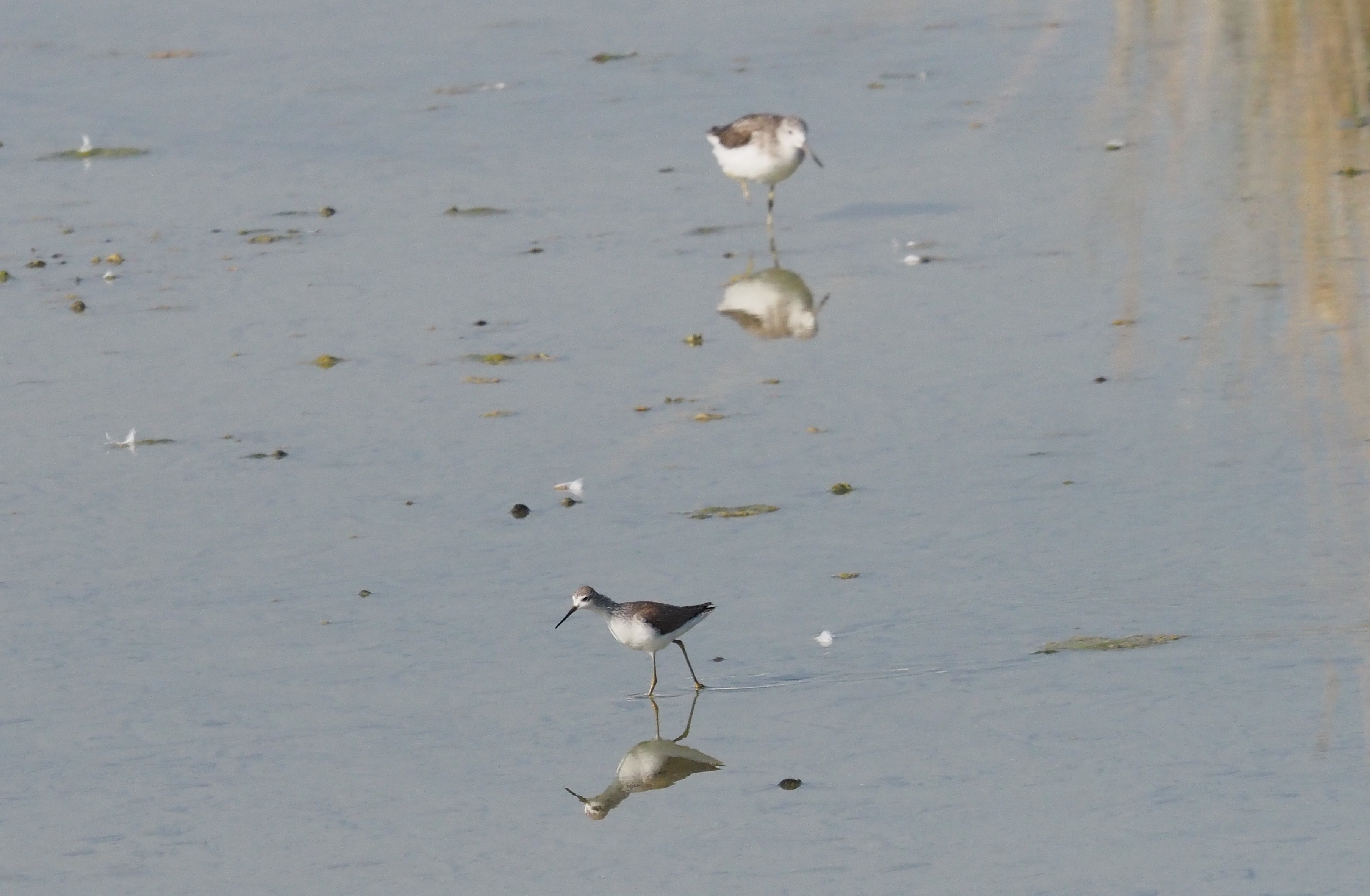
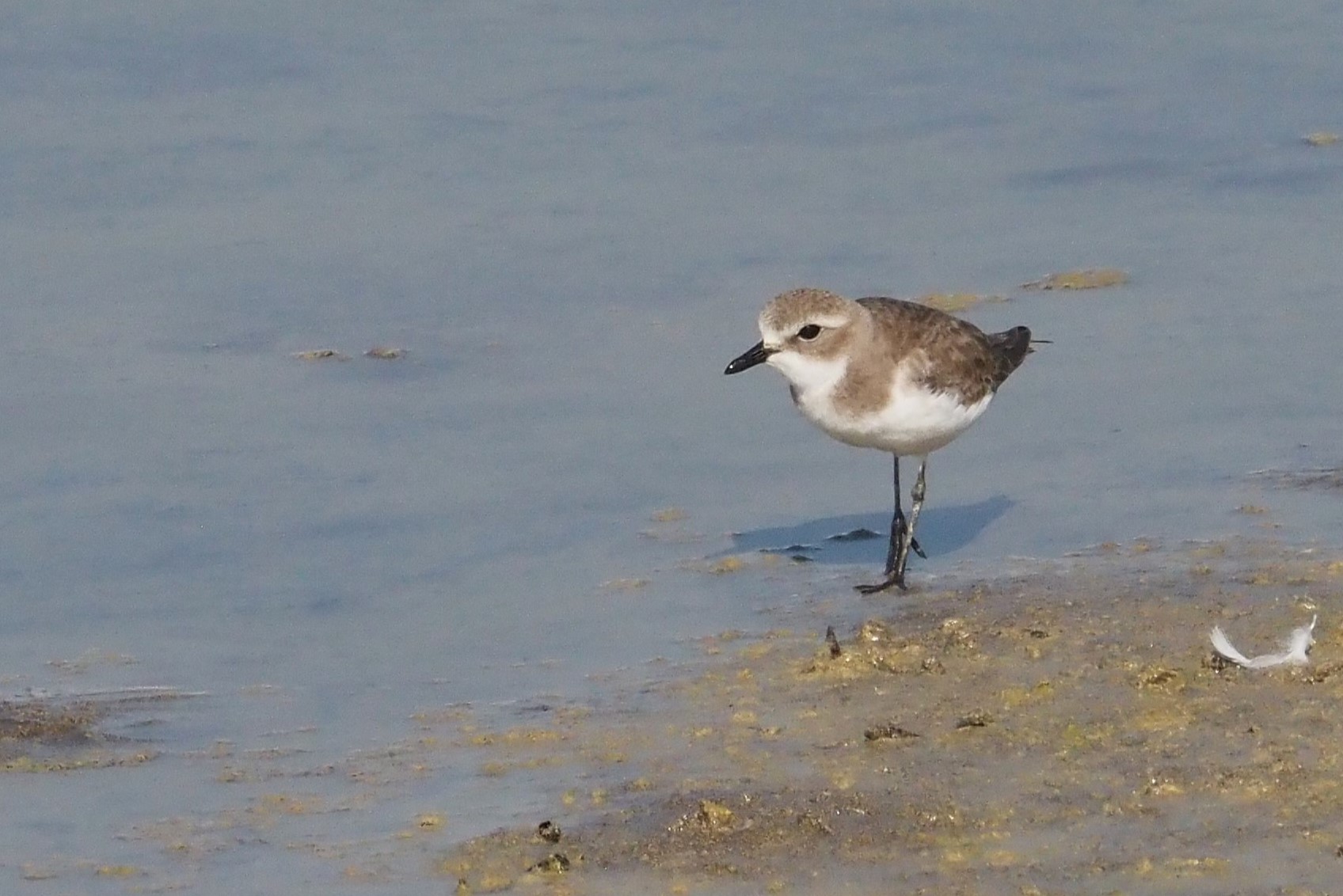
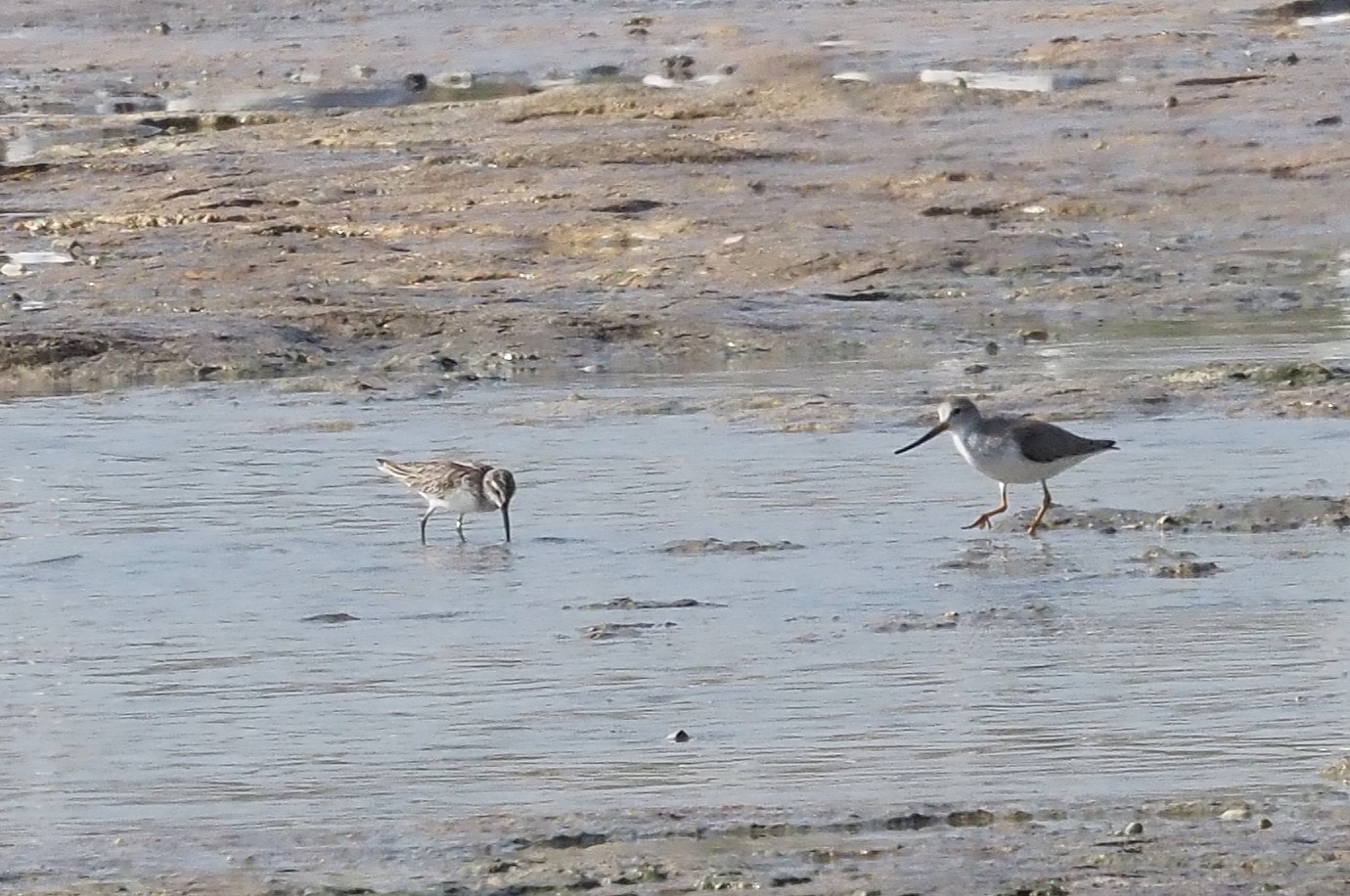
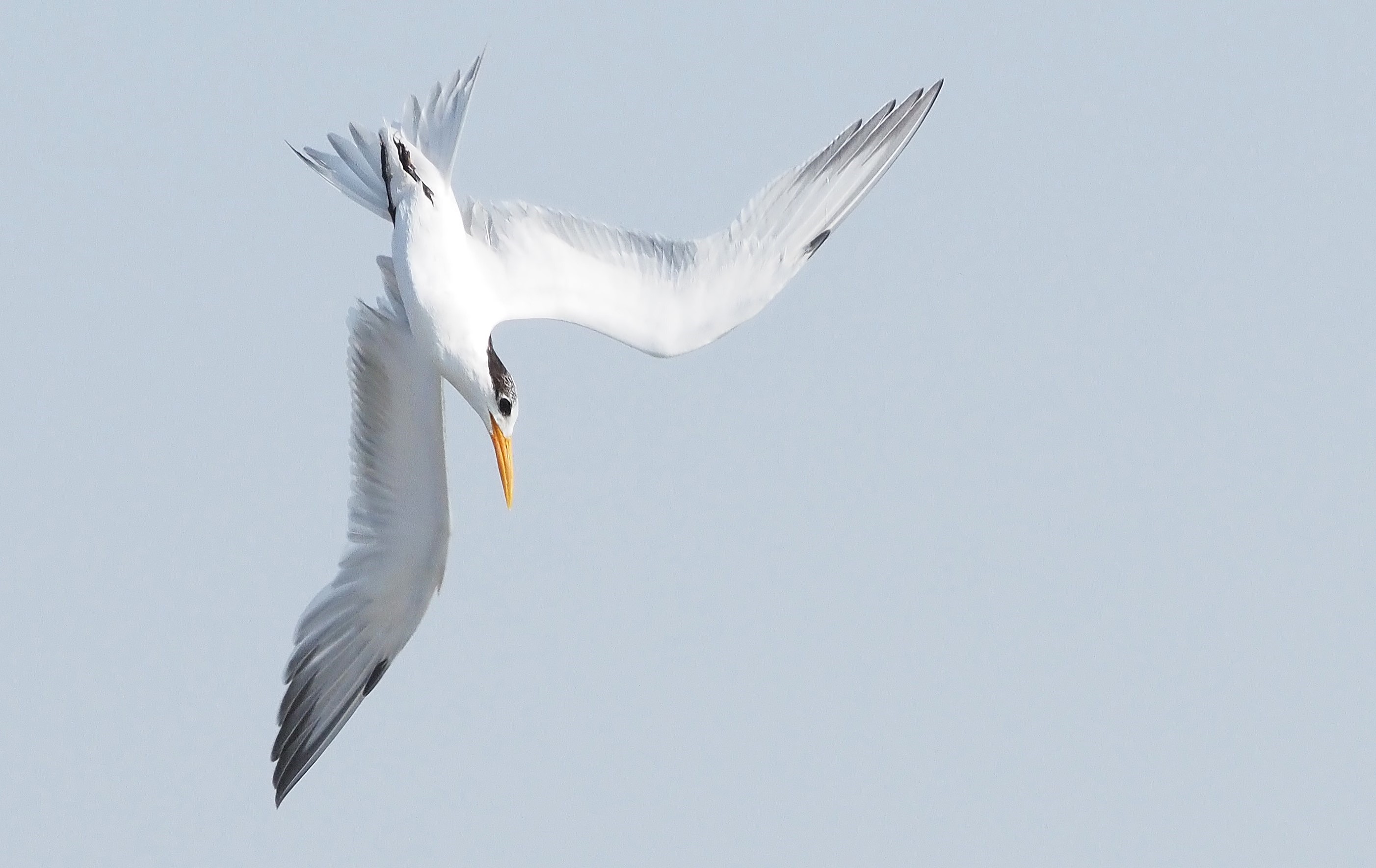
Finally arrived to River Muscat. Here we got a nice selection of waders and terns. Here we got first views on both Tibetan & Greater Sand Plovers, and we got interesting views on 3 Marsh Sandpipers, sometimes moving along with Greenshanks. Along with many Black-headed Gulls, we got a nice flock of 40+ Sandwich Terns and, with them, 1 Gull-billed Tern and a few Little Terns. 4 Greater Crested Terns were seen flying along the shore along with the first Sooty Gulls of the trip. On the sand we got Turnstones, Kentish Plovers, Oystercatchers, Sanderlings and Grey Plover. Closer, a solitary Terek’s Sandpiper was feeding along with a couple of Tibetan Sand Plovers.
A couple of distant flocks of Chestnut-bellied Sandgrouses flew over the channel, bringing out attention to the inner side of the river, where a good number of Common Snipes where feeding along with several Dunlins, Western Reef Egrets, a couple of Ruffs and Eurasian Curlew. Back to the sea front, we enjoyed more Sooty Gulls, but also a couple of passing over Caspian Gull and the common Heuglin’s & Steppe Gulls. The harsh vegetation around provided first views on Delicate Prinias and Crested Larks.
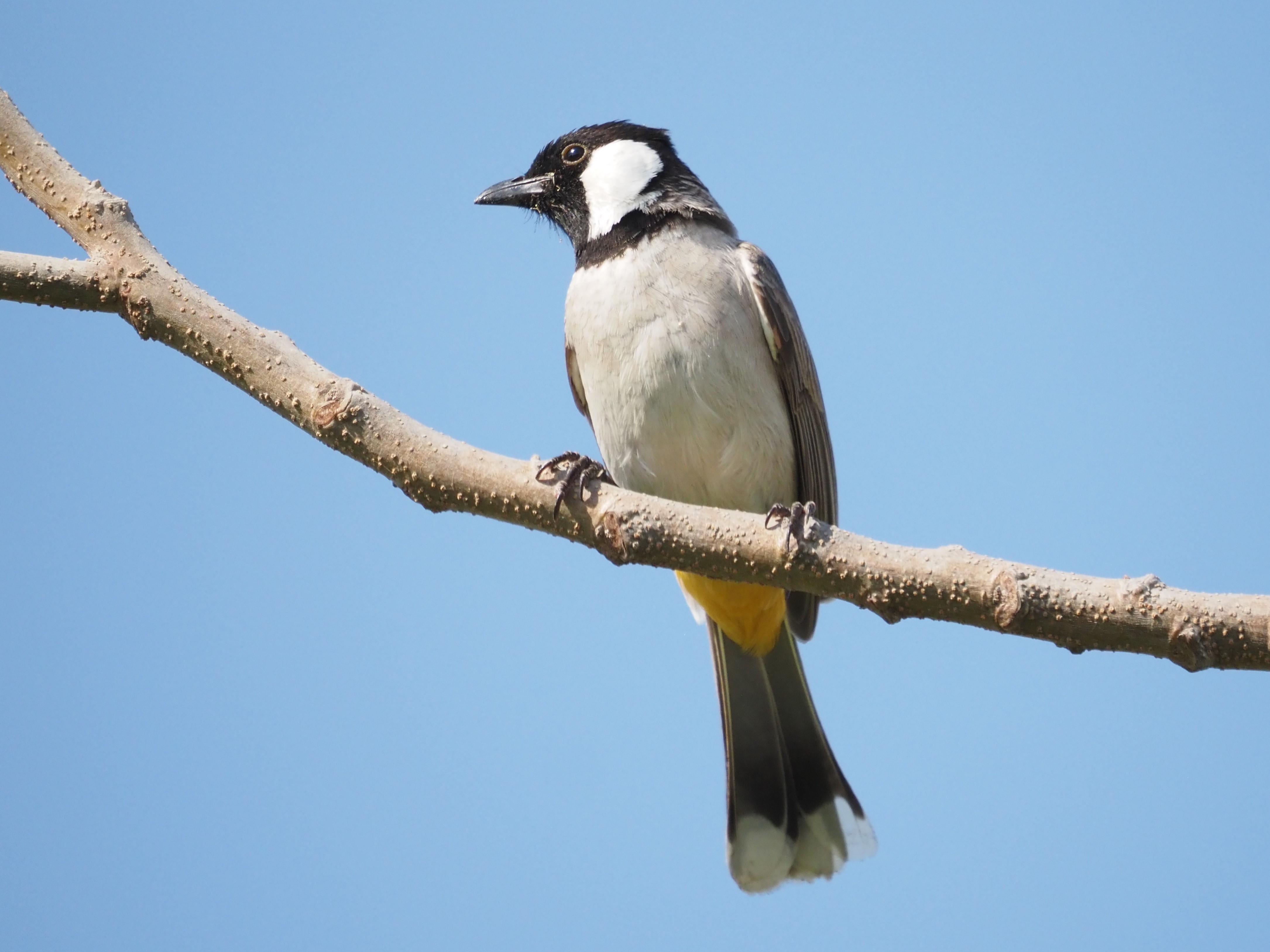
After a fast service stop, we moved inland, but we had to stop in a very interesting pond, right in a crossroad. There we got the only one Water Pipit (Caucasian race) of the trip, but also 2 Temminck’s Stints, 1 Ruff, 3 Wood Sandpipers and lovely views on both White-cheeked and Red-Vented Bulbuls. Here we also got first views on Citrine Wagtail and a couple of Western Marsh Harriers.
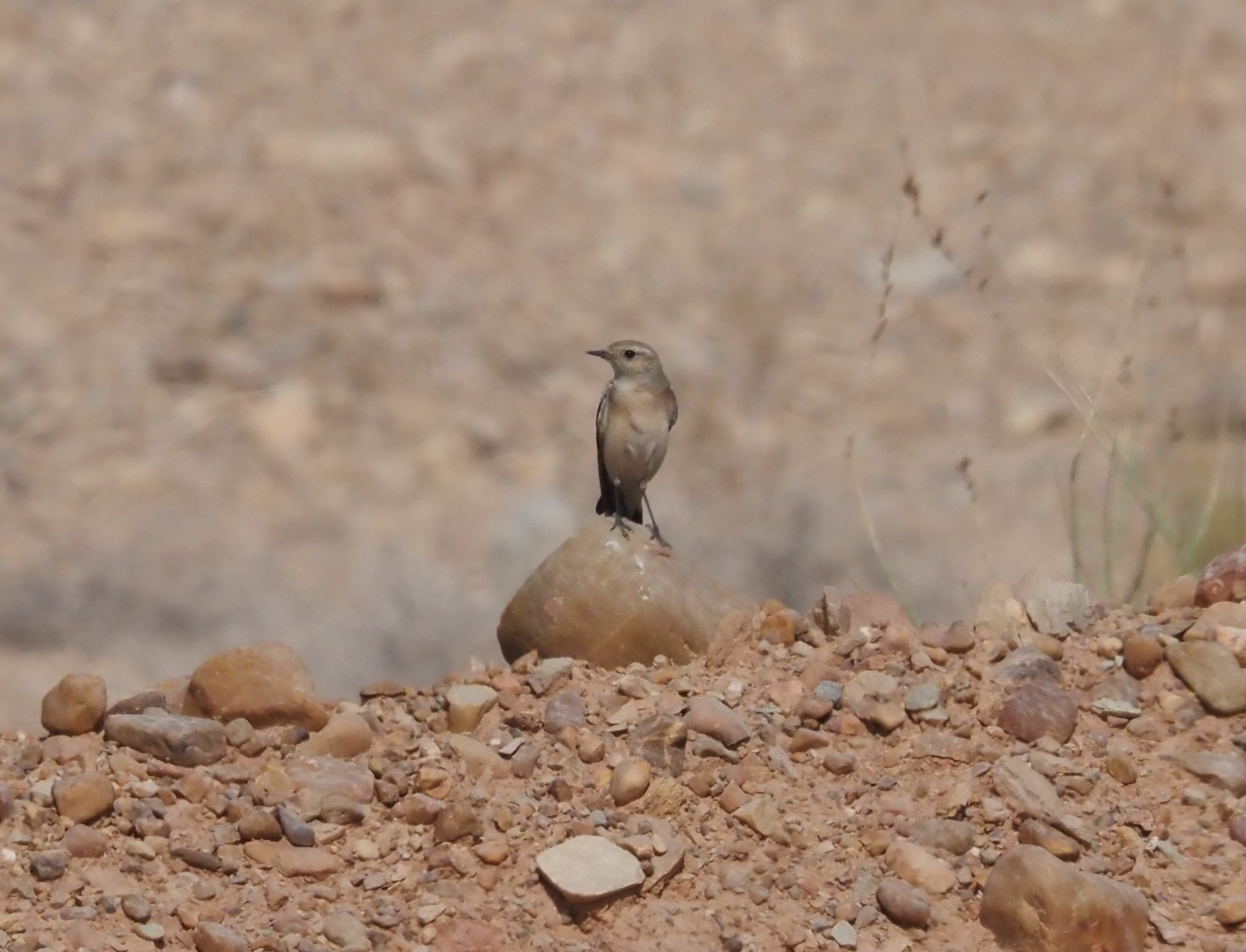
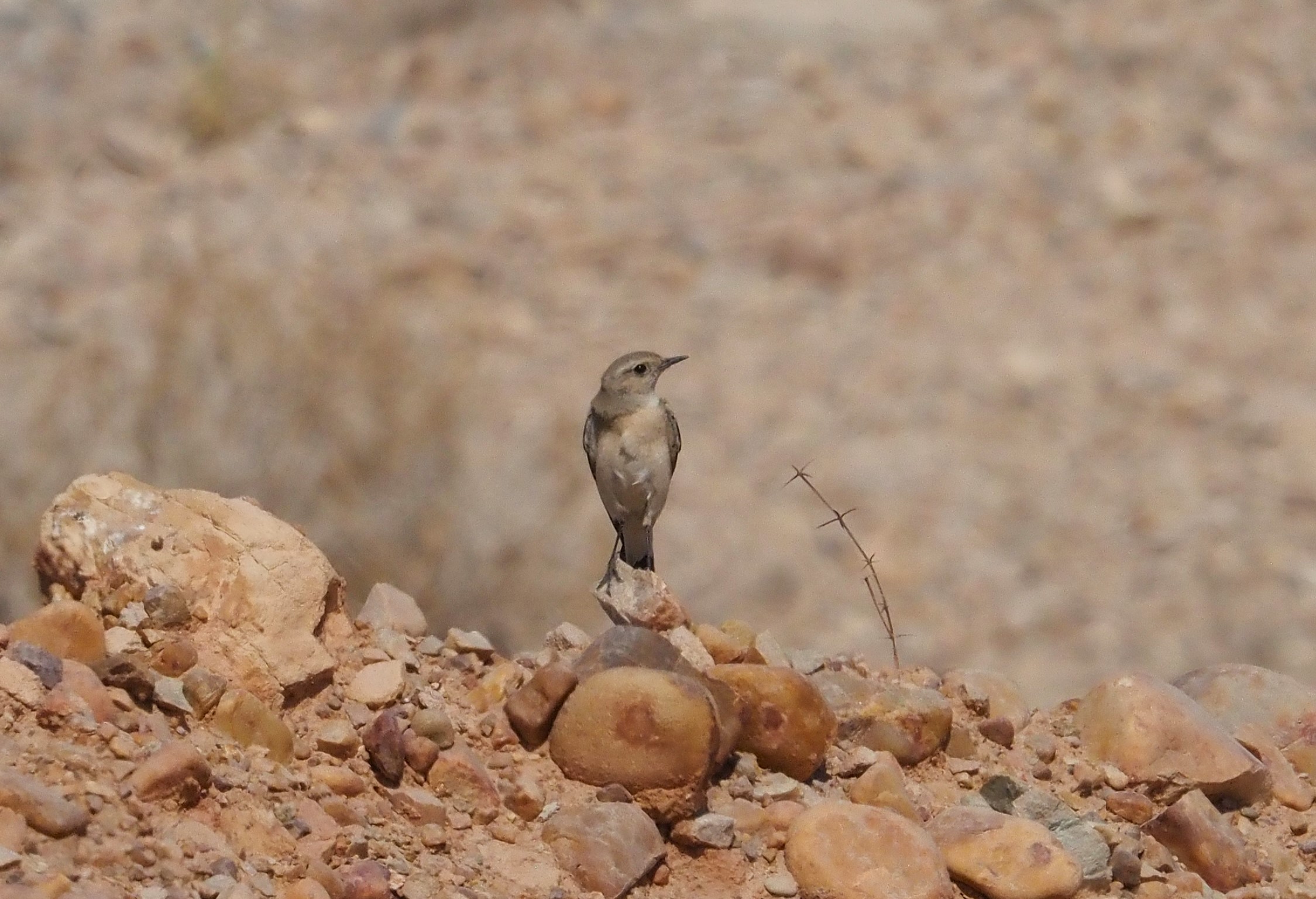
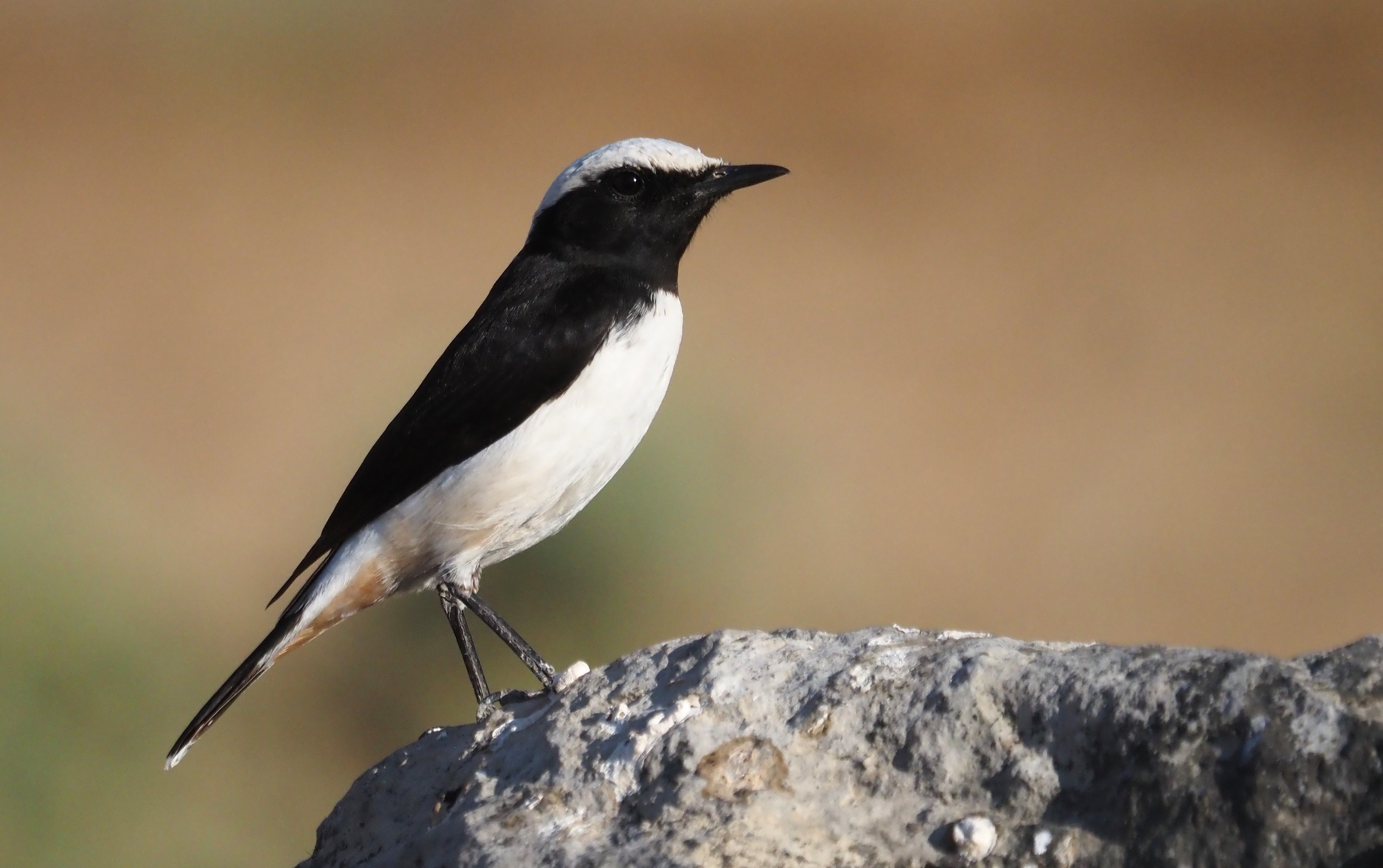
After a 15 minutes drive we finally arrived to one of this not very known places, that are always worth checking. A short walk around produced nearly nothing but, when we were leaving the area, we got lucky to see one bird, the first Wheatear of the trip, and it turn out to be a Pied Wheatear, a quite scarce overwintering species in the country, especially scarce in the north!
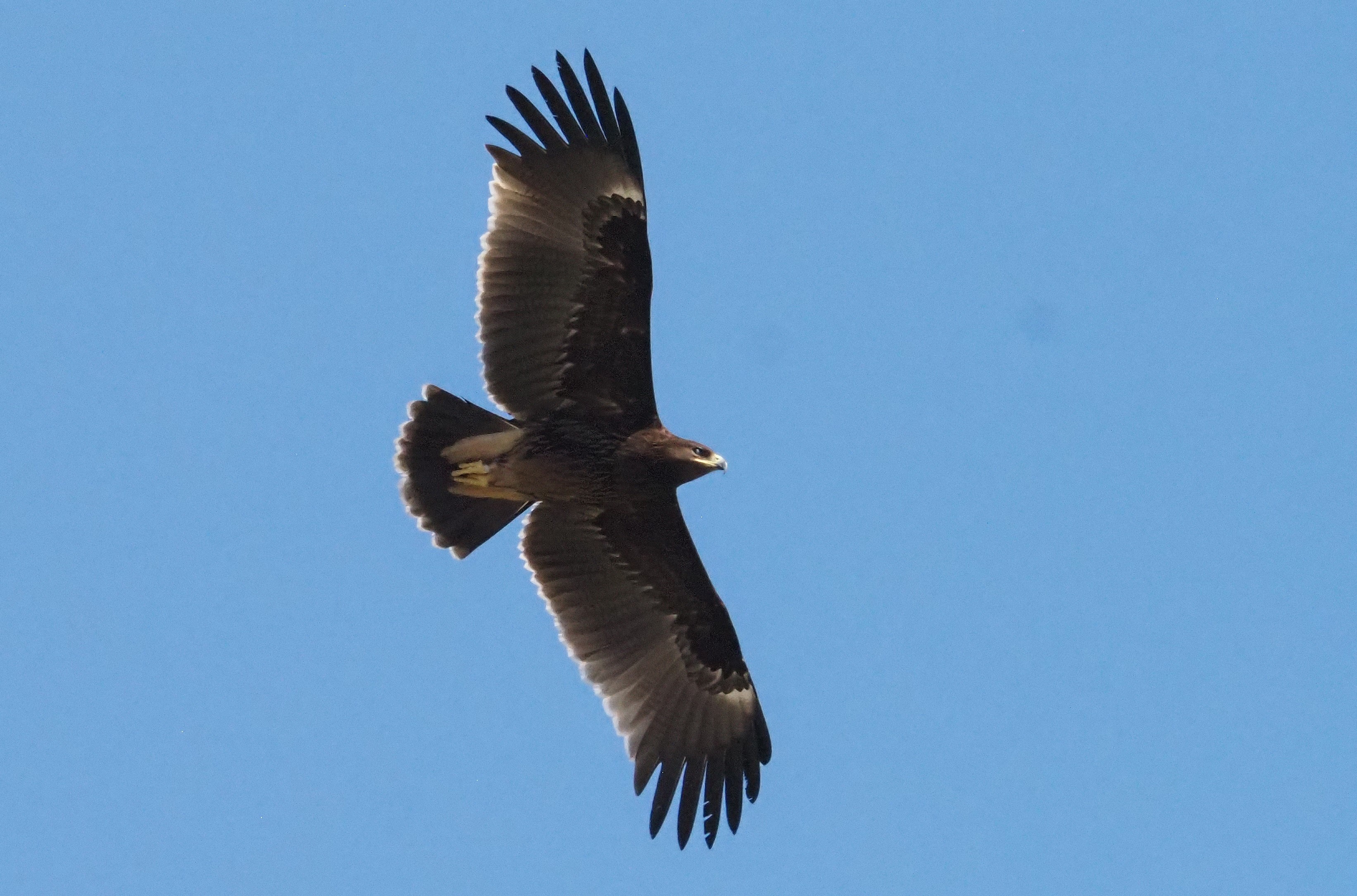
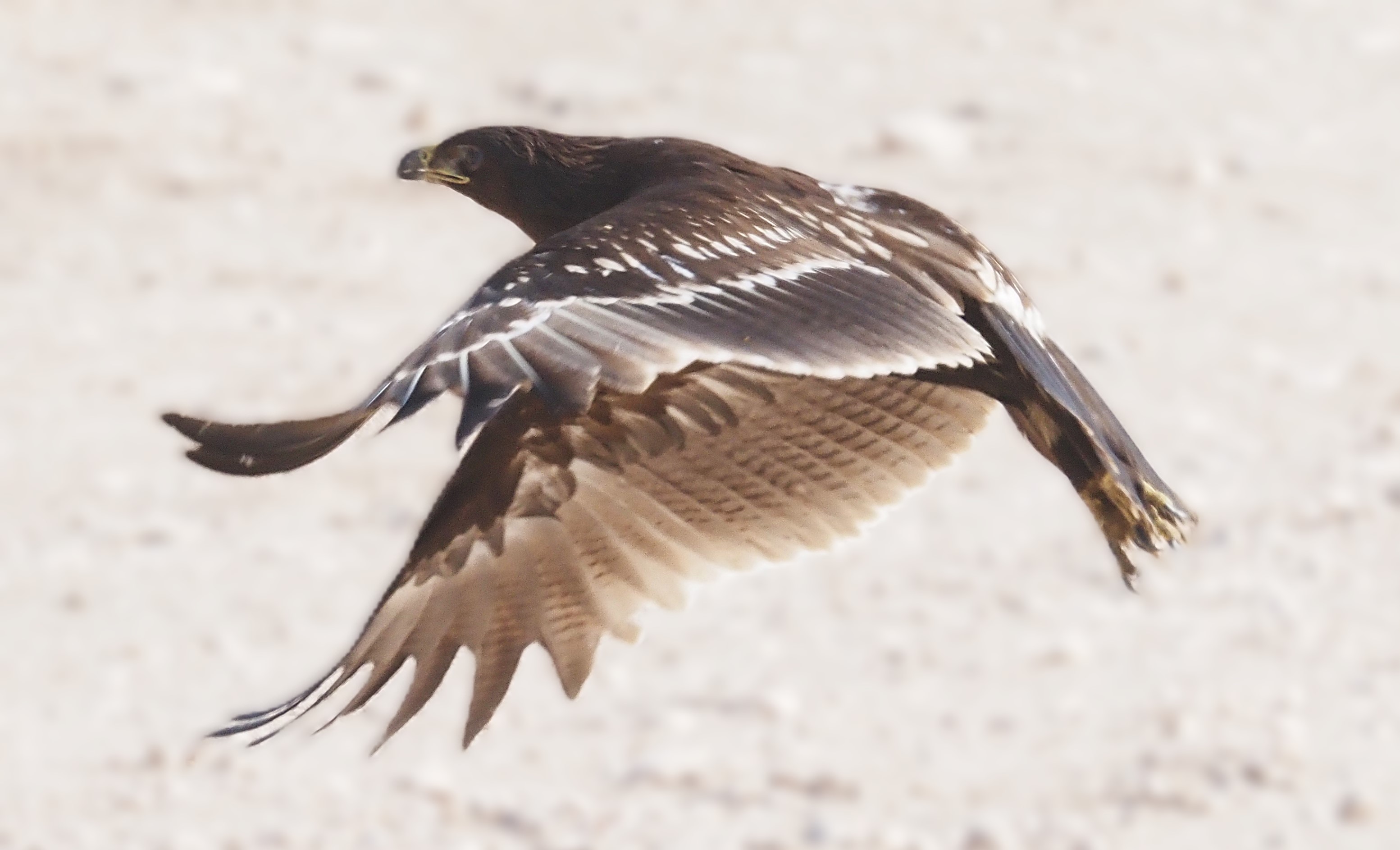
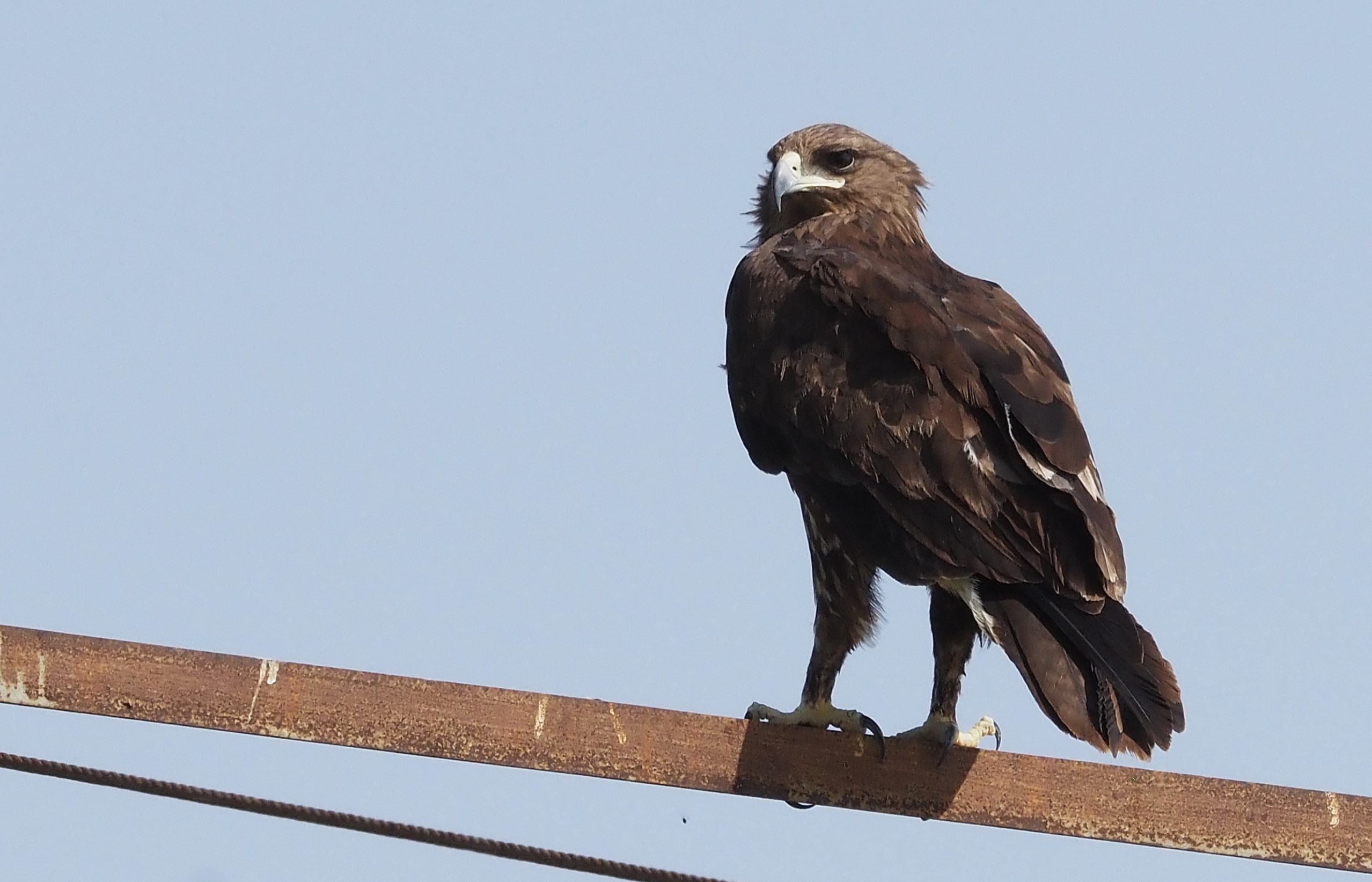
As a final stop, we drove to the formerly great Al Ansab Lagoons. As being National Day, the area was closed, but still we got great views on Indian Rollers plus 2 Greater Spotted Eagles, one distant Eastern Imperial Eagle and 1 adult Egyptian Vulture. Not bad for a five minutes stop!
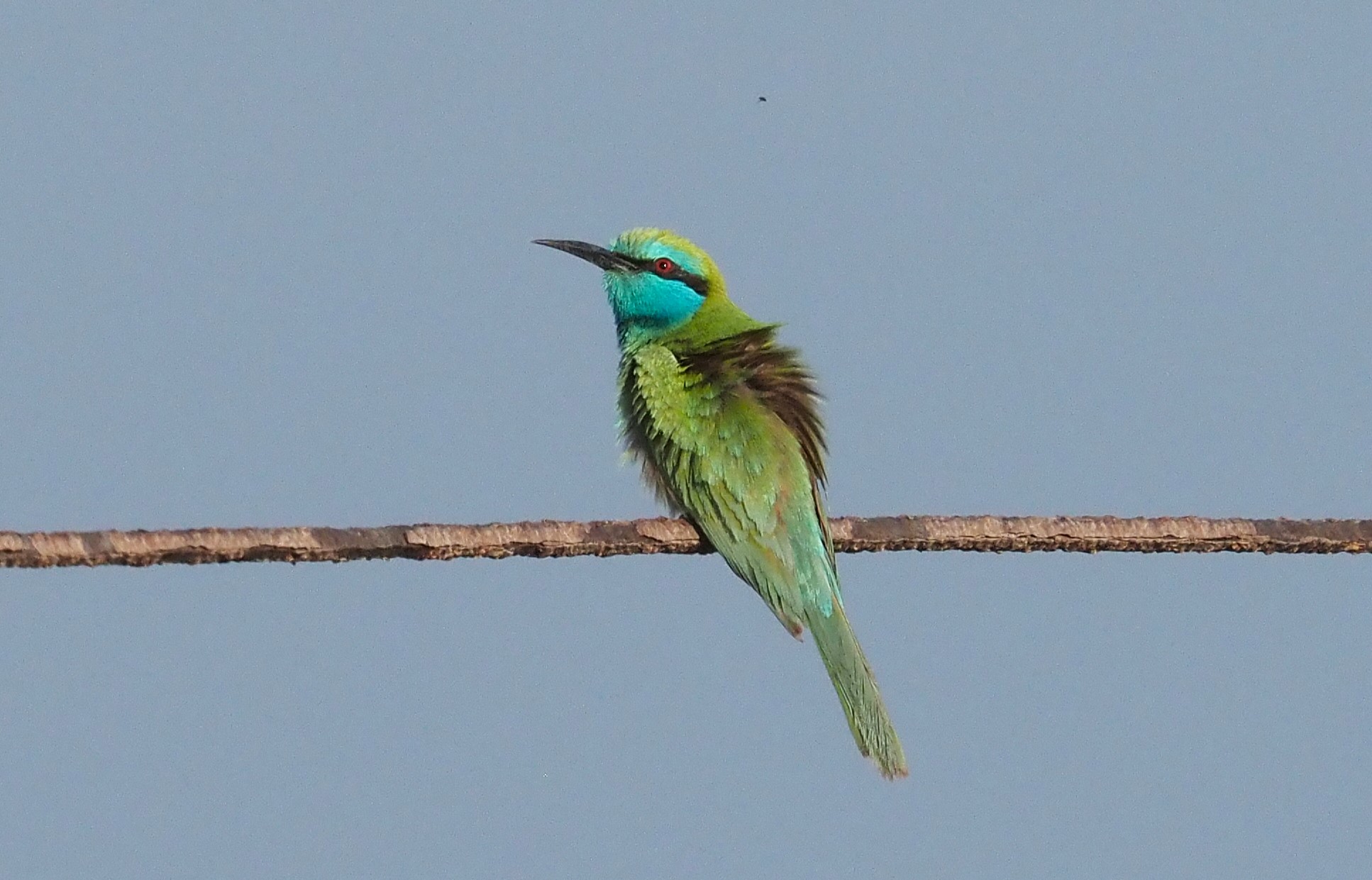
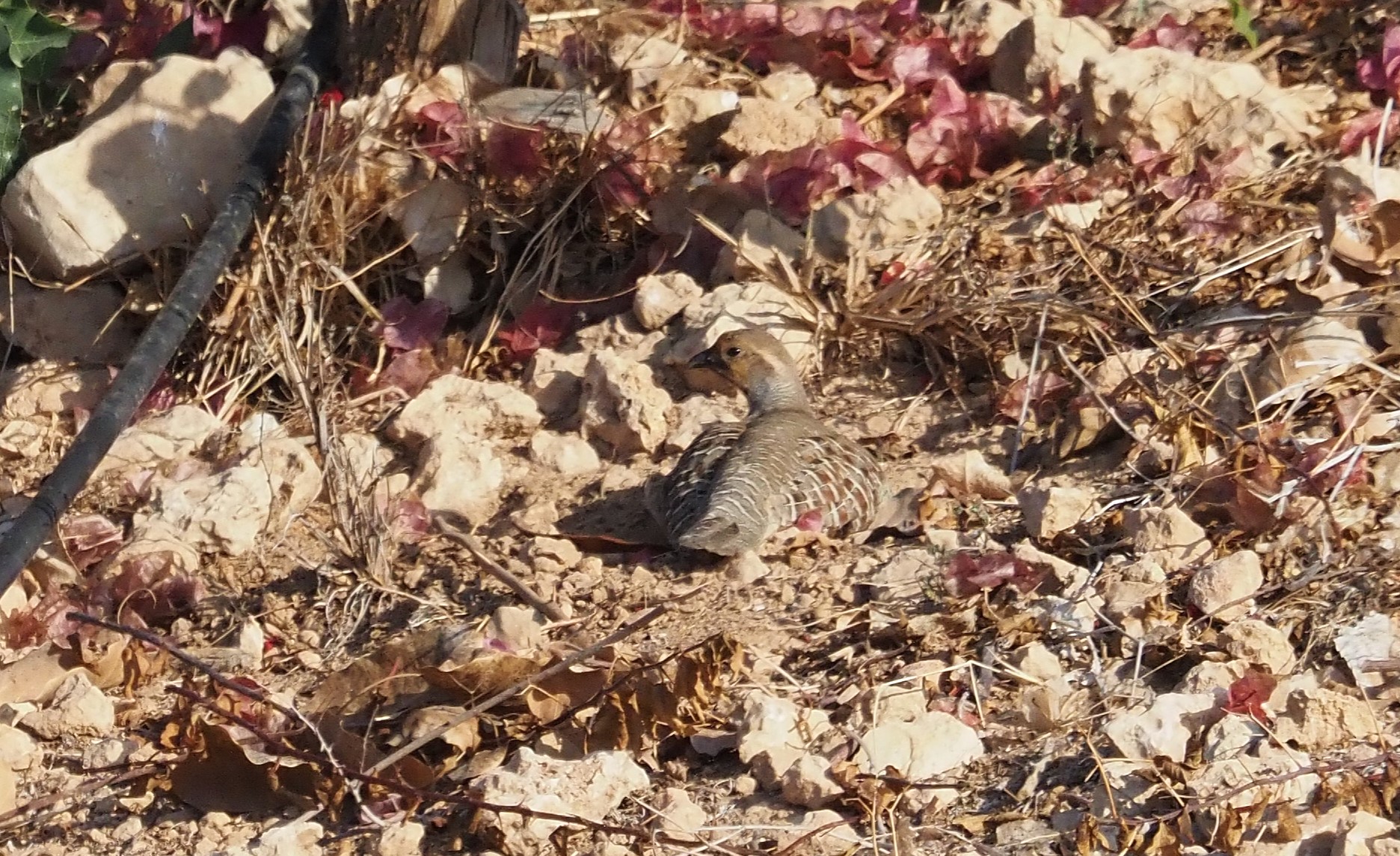
Back to the accommodation, we got a well deserved lunch and rest, before leaving for some evening birding. This time, we got to Al Qurum Park quite early, and our walk produced a good array of birds including good views on Isabelline Shrike and Arabian Bee-eaters, but also on 2 Greater Spotted Eagles, several Red-wattled Lapwings, Alexandrine Parakeets, Eurasian Whimbrel, 2 Garganeys, Common Kingfisher, 2 Black-tailed Godwits, 1 Osprey and plenty of lovely Purple Sunbirds and Bulbuls. 1 Clamorous Reed Warbler was seen feeding on the mangroves and a Purple Heron flew over us. But probably the best bird on that stop was the Grey Francolin having a long sand bath in a rocky slope at the entrance of the park..
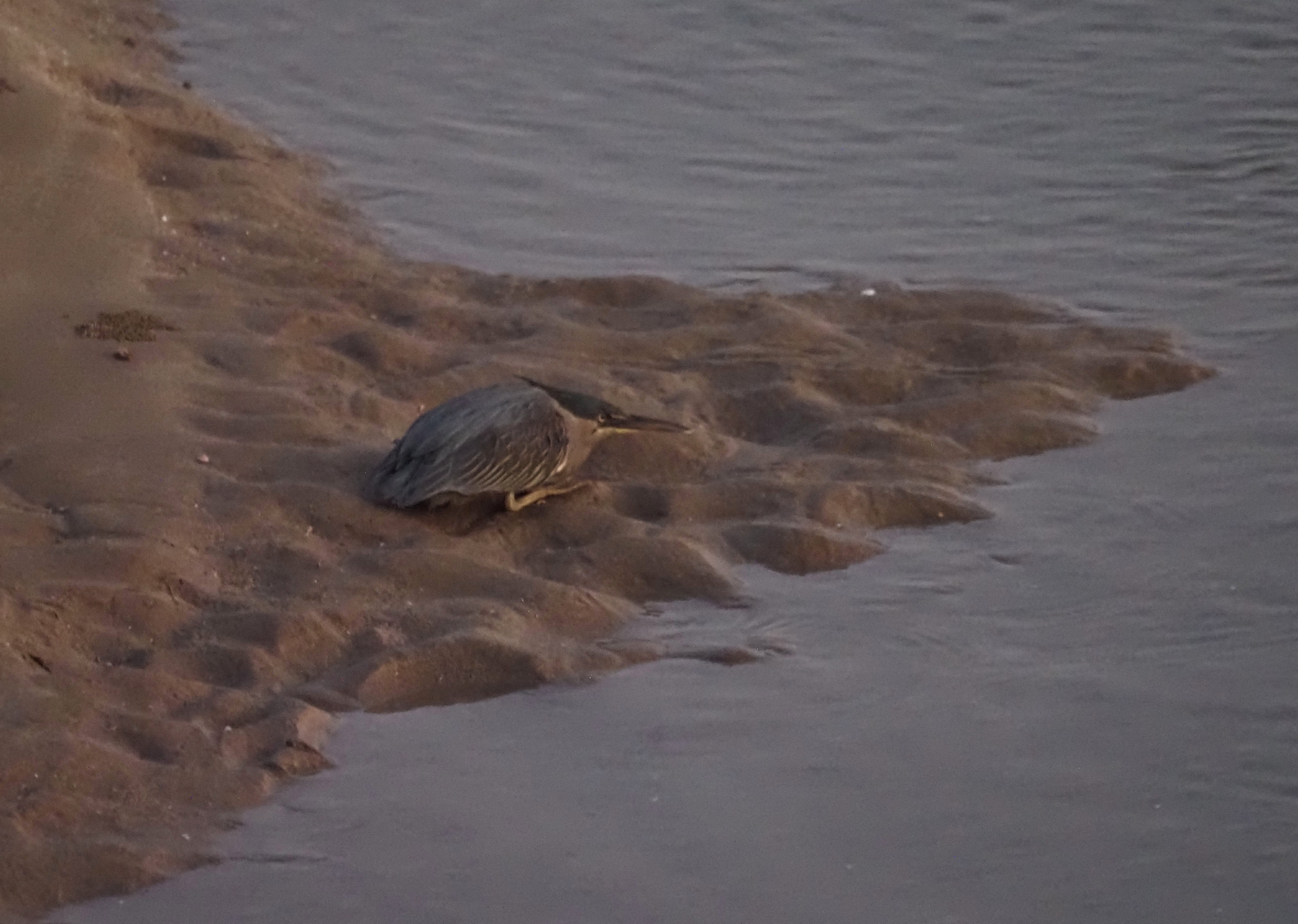
To end the day, we went to check the seafront, expecting to have flocks of gull. Unfortunately, the tide was high, and there were no gulls there for us. For instance, we got a number of waders, including a small flock of Pacific Golden Plovers but also Black-tailed Godwits and a superb Little Heron hunting at sunset. Without doubt, one of the sights of the day!
Day 2. In another sunny day in Oman, we left the accommodation and drove inland. After negotiating the traffic around Muscat, we started enjoying the wonderful mountainous landscape of the Al Harar mountains.
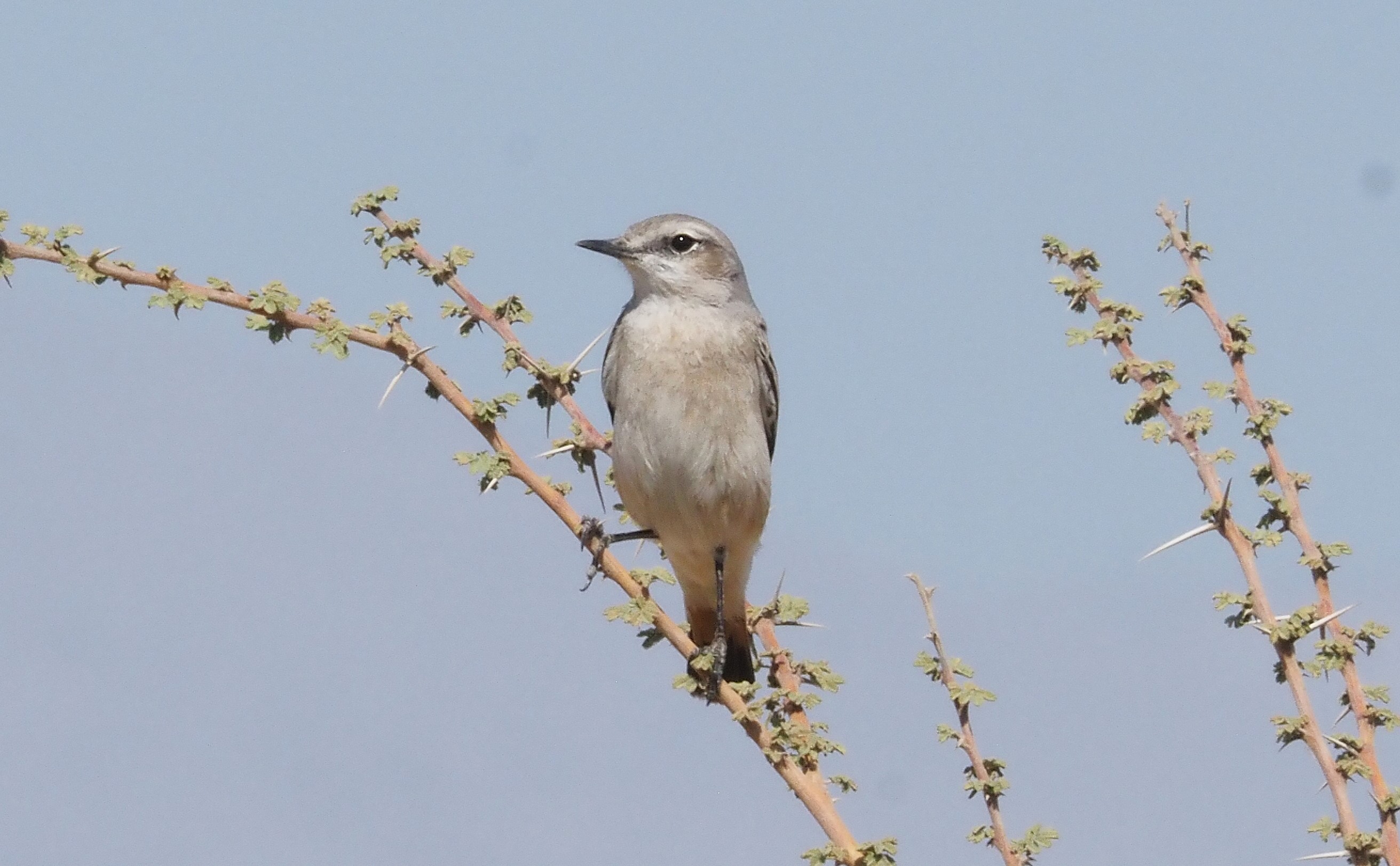
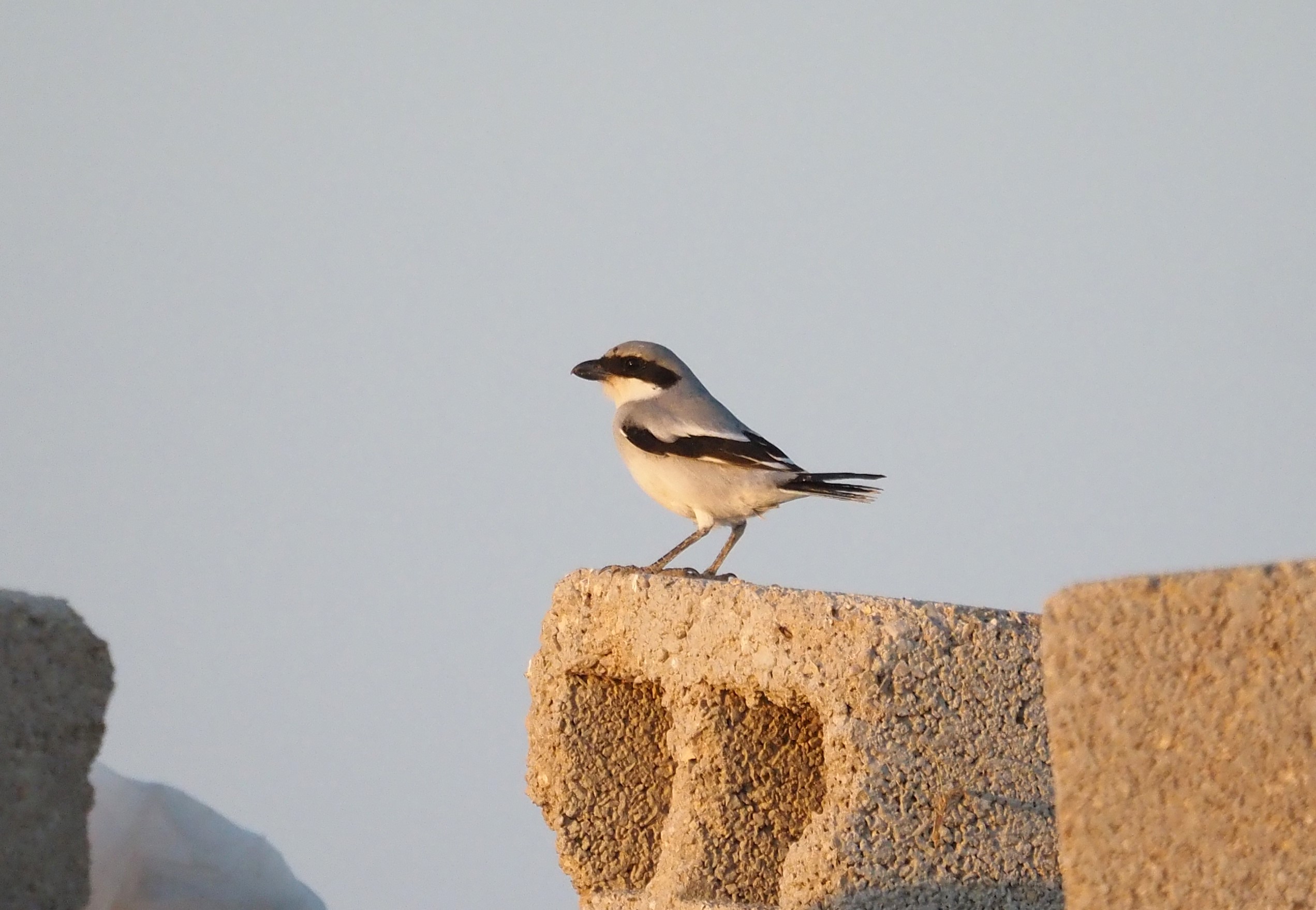
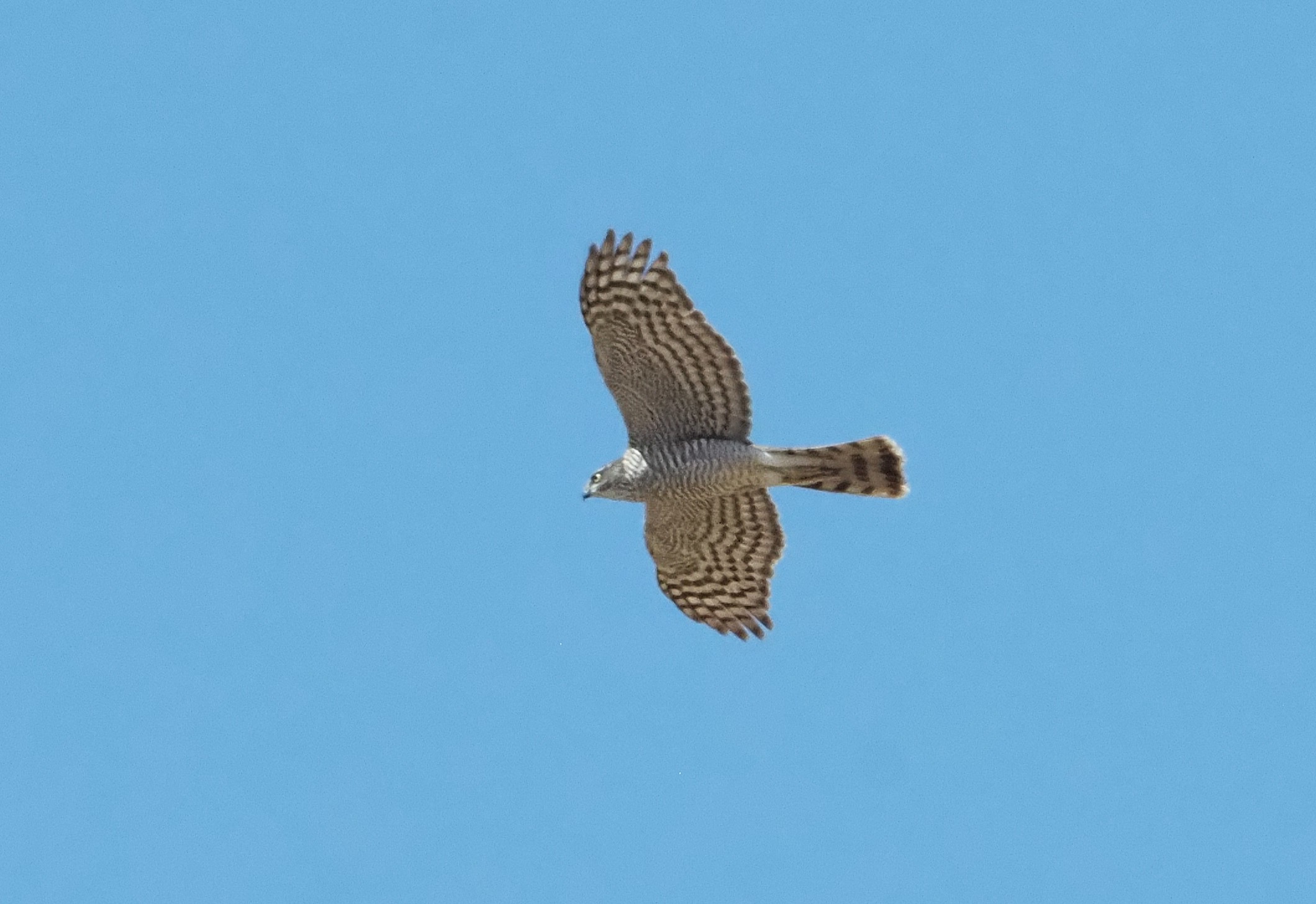
Here, we had a first stop to explore a nice, flat valley where we saw a number of goodies. After leaving our cars behind, we only had to walk a bit before a flocks of 7 Arabian Babblers appeared in front of us, squeezing in the bushland. Here and there, we heard calls of several Ménétries’s Warblers, but for long we only managed views on the commoner Lesser Whitethroats. Here Alba found a far away Eurasian Sparrowhawk. Other interesting birds of prey here included the first Short-toed Eagle and Steppe Eagles of the trip. After some effort, we all finally got very nice views on Ménétries’s Warblers. We estimated no less than 6 birds calling around, even if they proved difficult to see. Arabian Grey Shrike (a race of Great Grey Shrike also referred as Levant Grey Shrike) was also seen here along with Indian Silverbills, Indian Rollers and Purple Sunbirds. A further exploration of the place still produced nice views on 2 Long-billed Pipits, and the first Persian Wheatear of the trip was the cherry on the cake of the morning!
After enjoying a superb lunch in our favorite Turkish restaurant in Oman and once we checked in at our accommodation, we went out for some evening birding. This time, we chose a small spot with some large trees. Soon, we were all enjoying excellent views on Eastern Orphean Warbler, Blue Rock Thrush, Eastern Black Redstart and Plain Leaf Warbler and we also enjoyed a family group of Grey Francolins moving around. A superb male Ménétries’s Warbler was quite a bonus here, especially after so much time invested during the morning! When we were about to leave this small spot, 3 Striolated Buntings. Jackpot!
From here, we moved inside a massive gorge. Here we got 3 Lappet-faced Vultures and some Egyptians Vultures that offered good views. Surprisingly, Hume’s Wheatear was the bird that gave us more difficulties, and only with the last light we got distant views on one of them!
After sunset, we waited for the legendary Omani Owl to show out. But, despite our efforts and patience, we never got any single owl in the gorge.. Maybe next year?
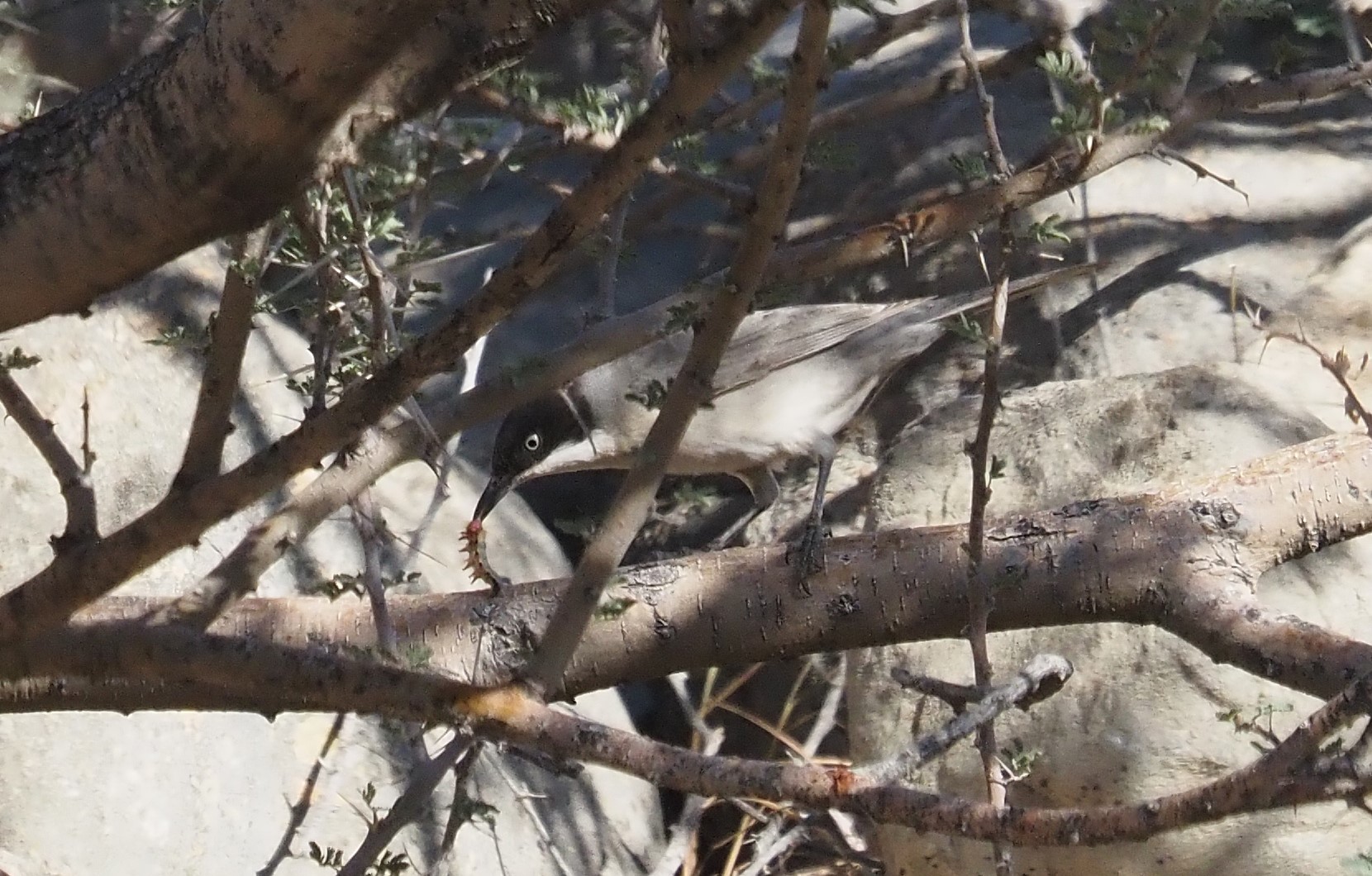
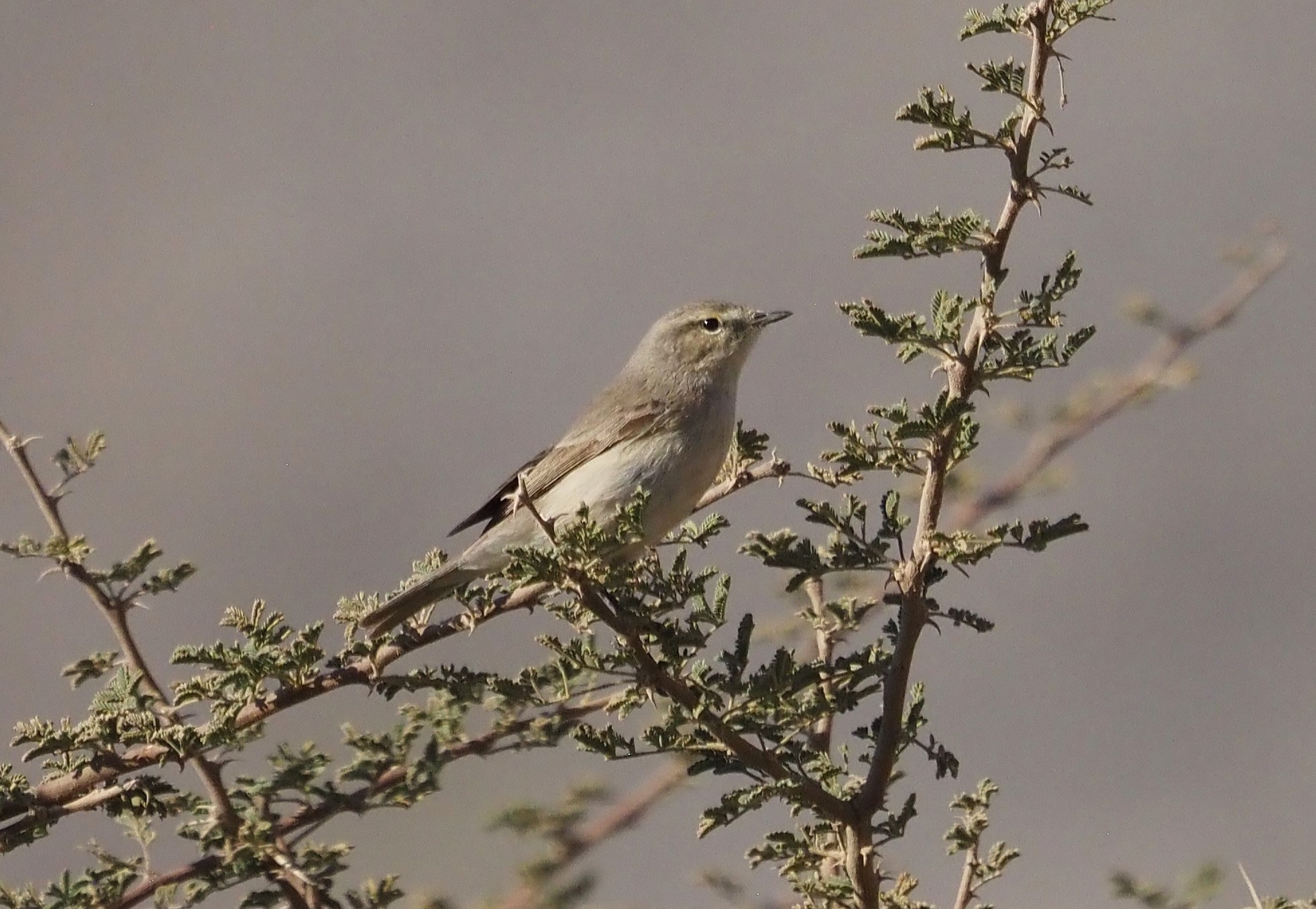
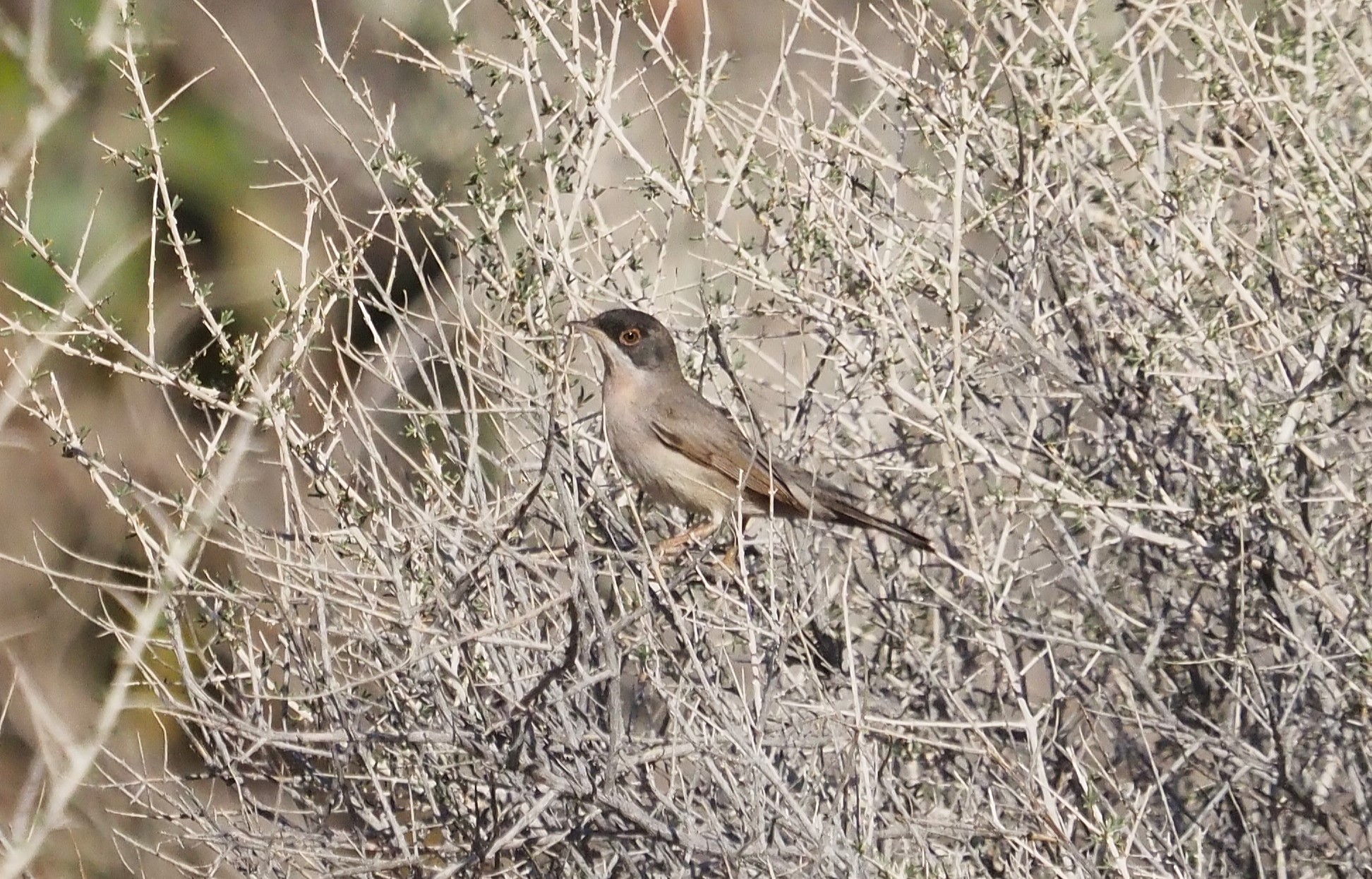
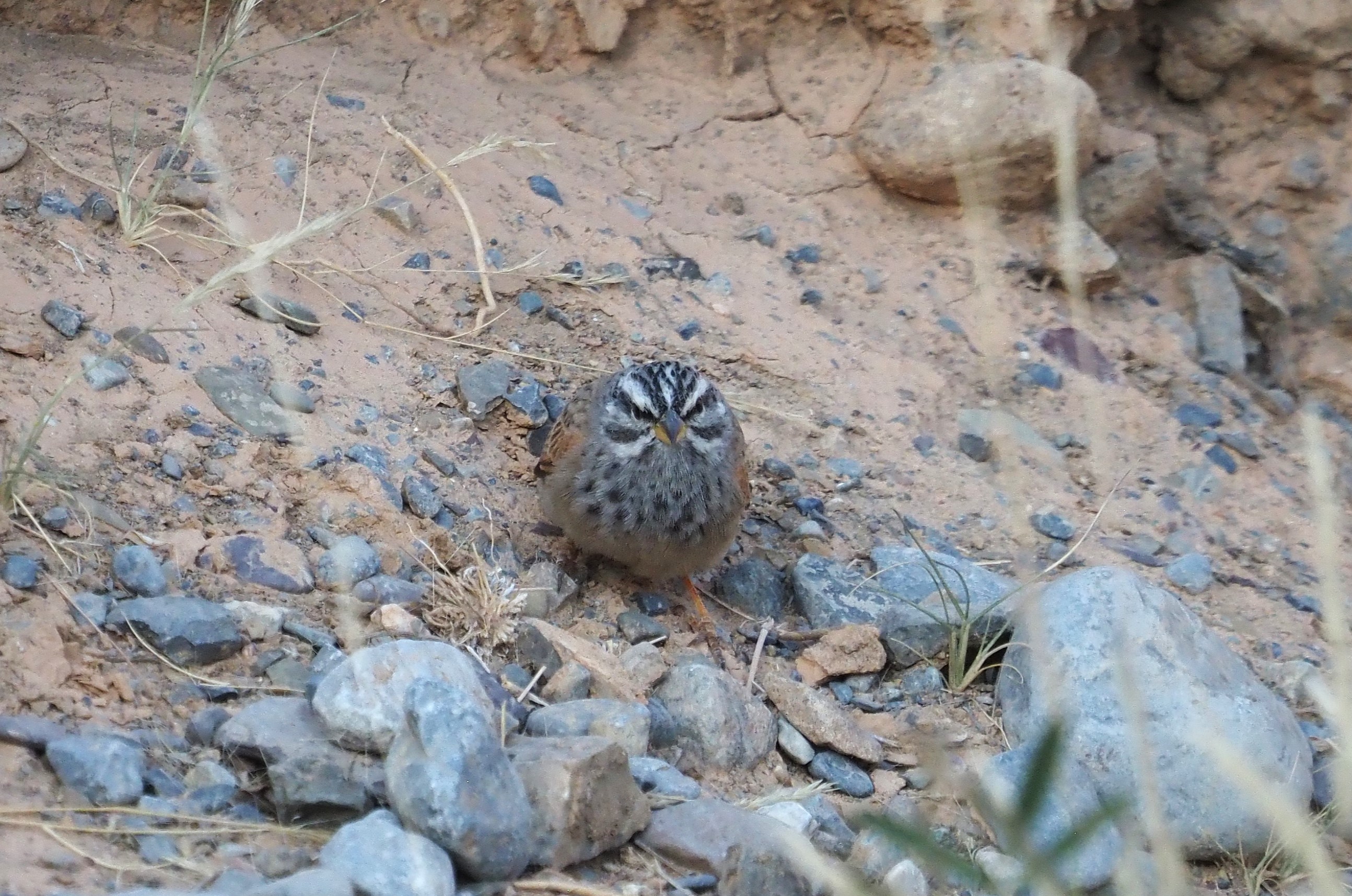
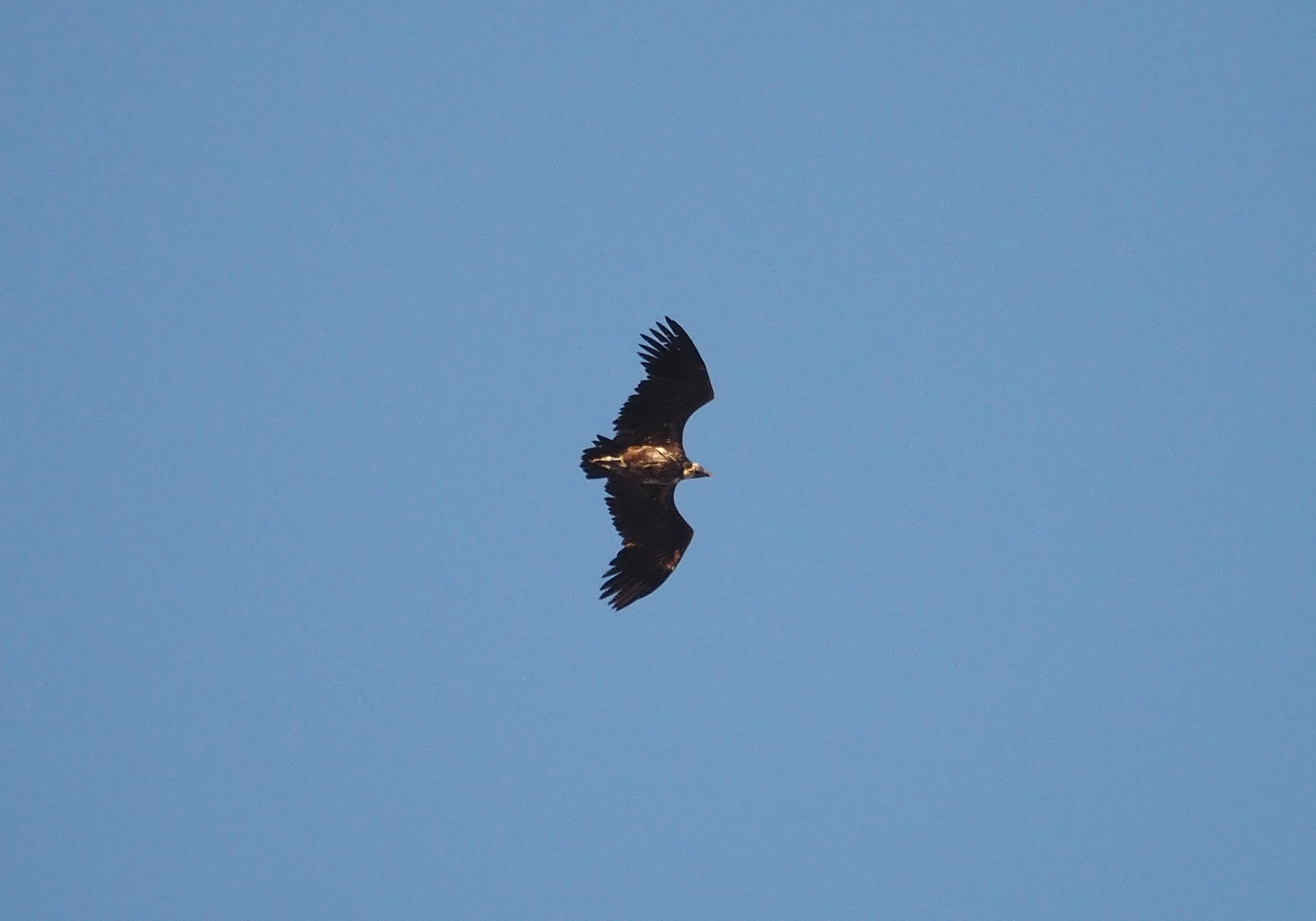
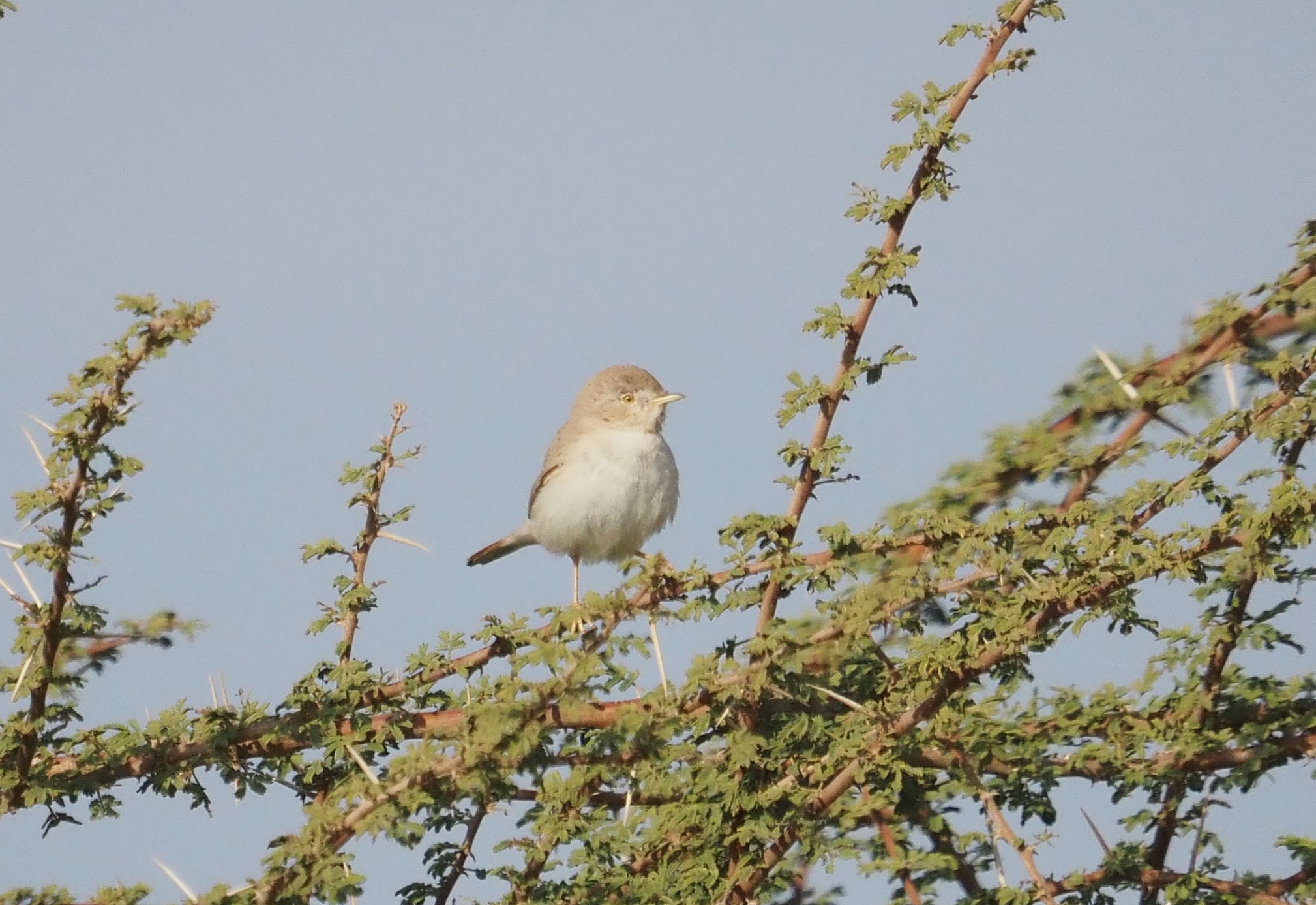
Day 3. Early morning start. After a fast breakfast, we started the longest transfer of the trip, a journey to cross over 800 kilometres of desert. One the vehicles were loaded, we started the drive, with a morning stop to catch up some good light, and some birds. A short walk in proper habitat under a slightly covered sky produced 3 Egyptian Vultures (2 youngs + 1 adult), Lesser Whitethroats a a lovely Asian Desert Warbler that the whole group enjoyed long. Here we also have Persian Wheatear, and a distant Desert Wheatear.
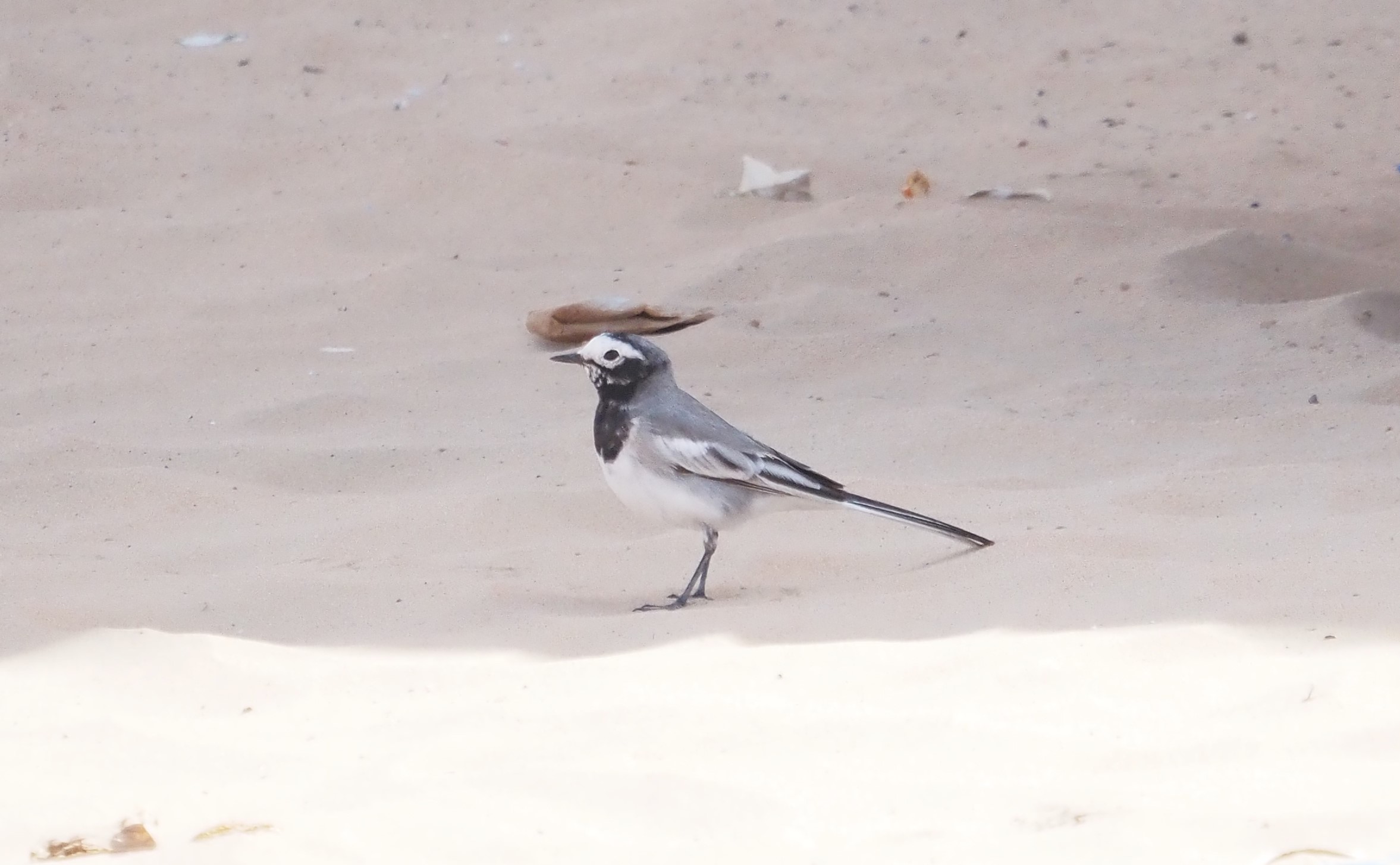
Some miles beyond, we took advantage of a toilet break to explore a bit a tiny wood, and we were surprised to find a wonderful Masked Wagtail walking along with regular White Wagtails. A great surprise.
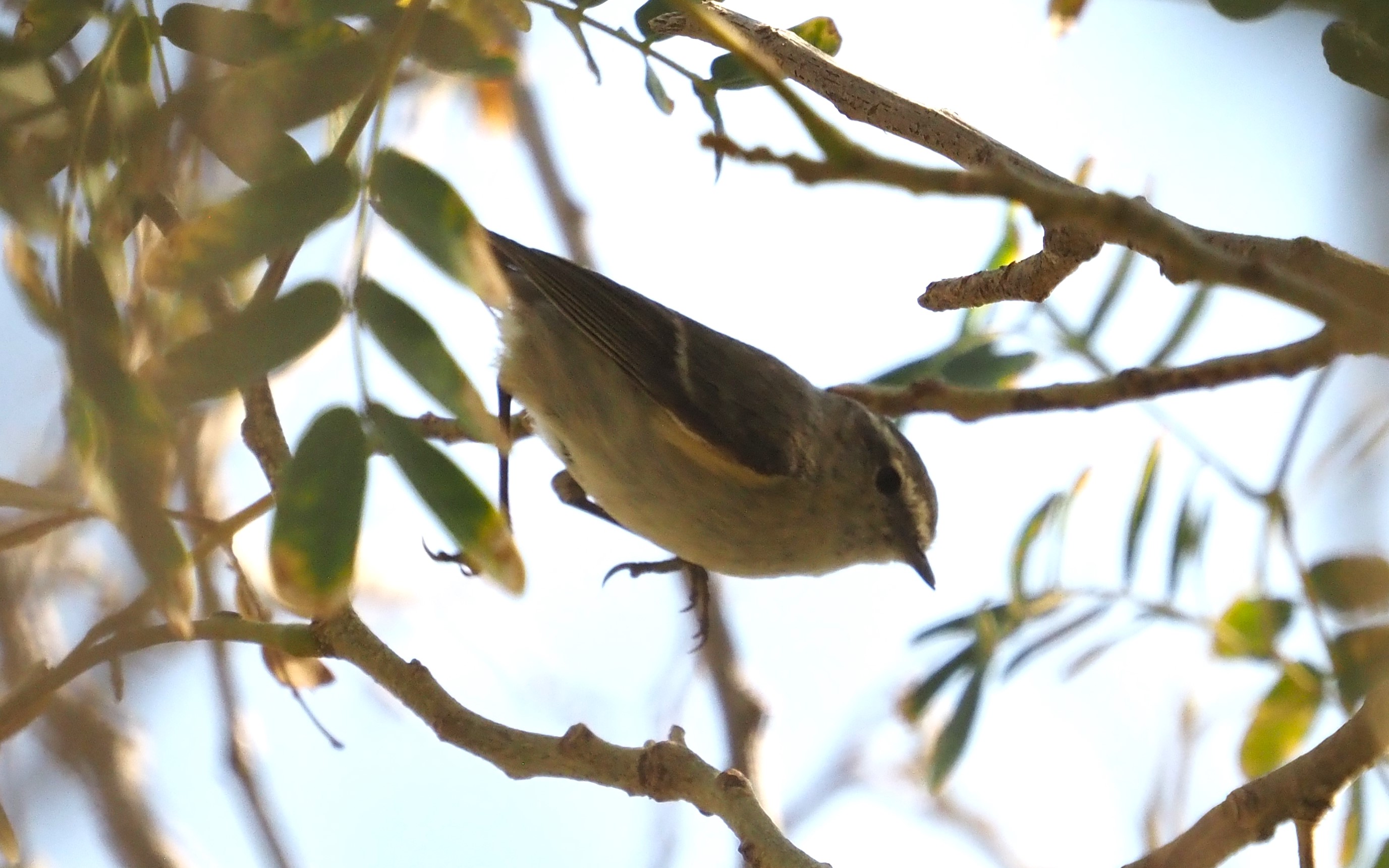
Our next stop was longer but didn’t arrive until lunch time, when we had a good break in at Qitbit. At first glance, it didn’t look very promising, but after some scan we found 2 Grey Hypocolius that made the group very happy. A good surprise here was 1 Hume’s Leaf Warbler that showed very well (even if the photos were crap). Song Thrush & Ménétries’s Warblers were also noted here, with a final Rosy Starling flying above us as a final touch!
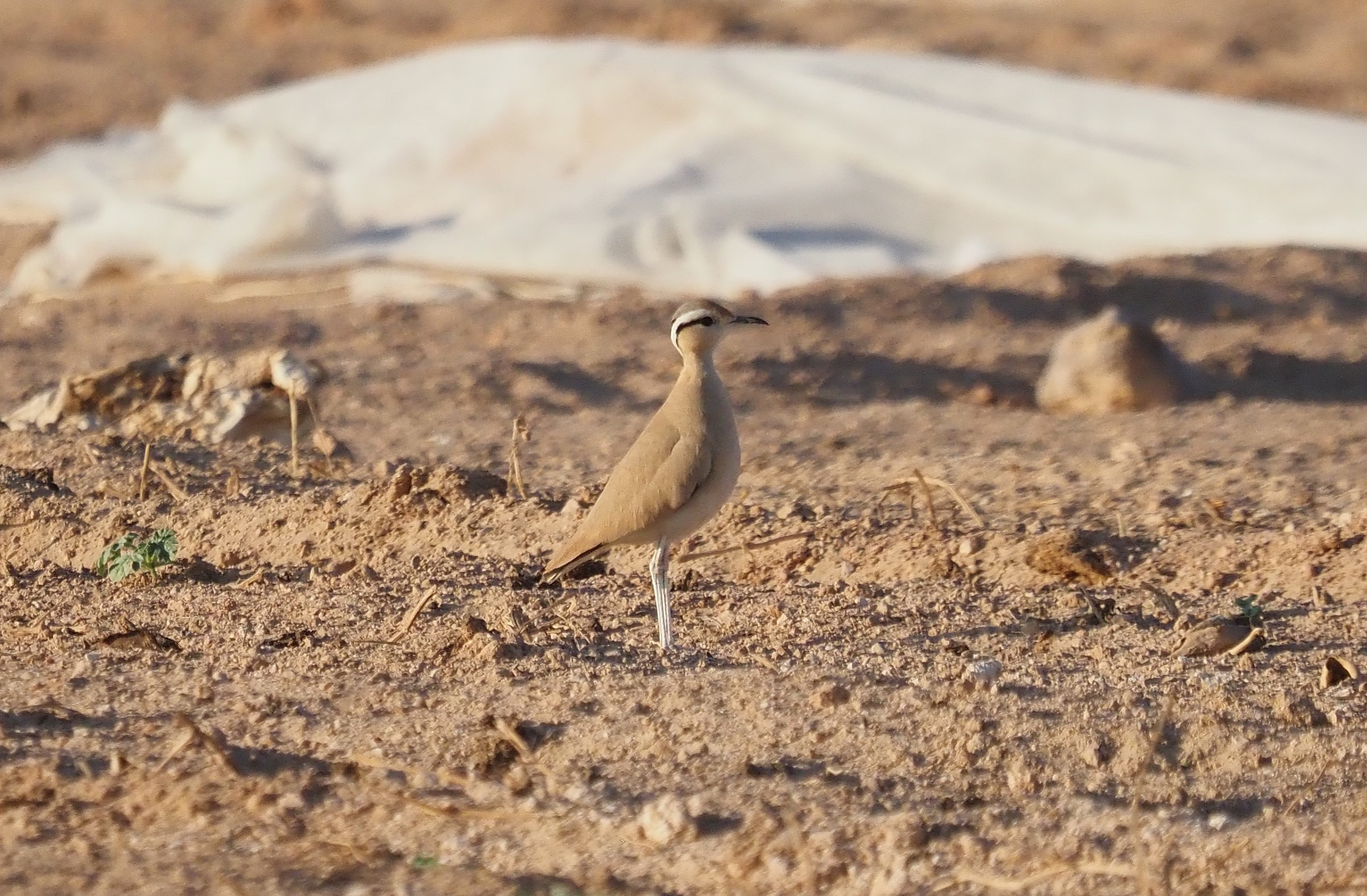
After some more drive, we had the main stop when the sun was already coming down. An extensive complex of farms covers this part of the desert, and a fast checking around produced several Isabelline & Desert Wheatears but also 7 Greater Hoopoe Larks, lovely Chesnut-back Sparrow Larks and 10+ Cream-coloured Coursers feeding in the fields. A few flocks of Chestnut-bellied Sandgrouses were also seen, numbering no less than 40 birds.
Before sunset, we were back to the highway to cover the last section of road before arriving to our accommodation in Salalah by dinner time. Another great day!
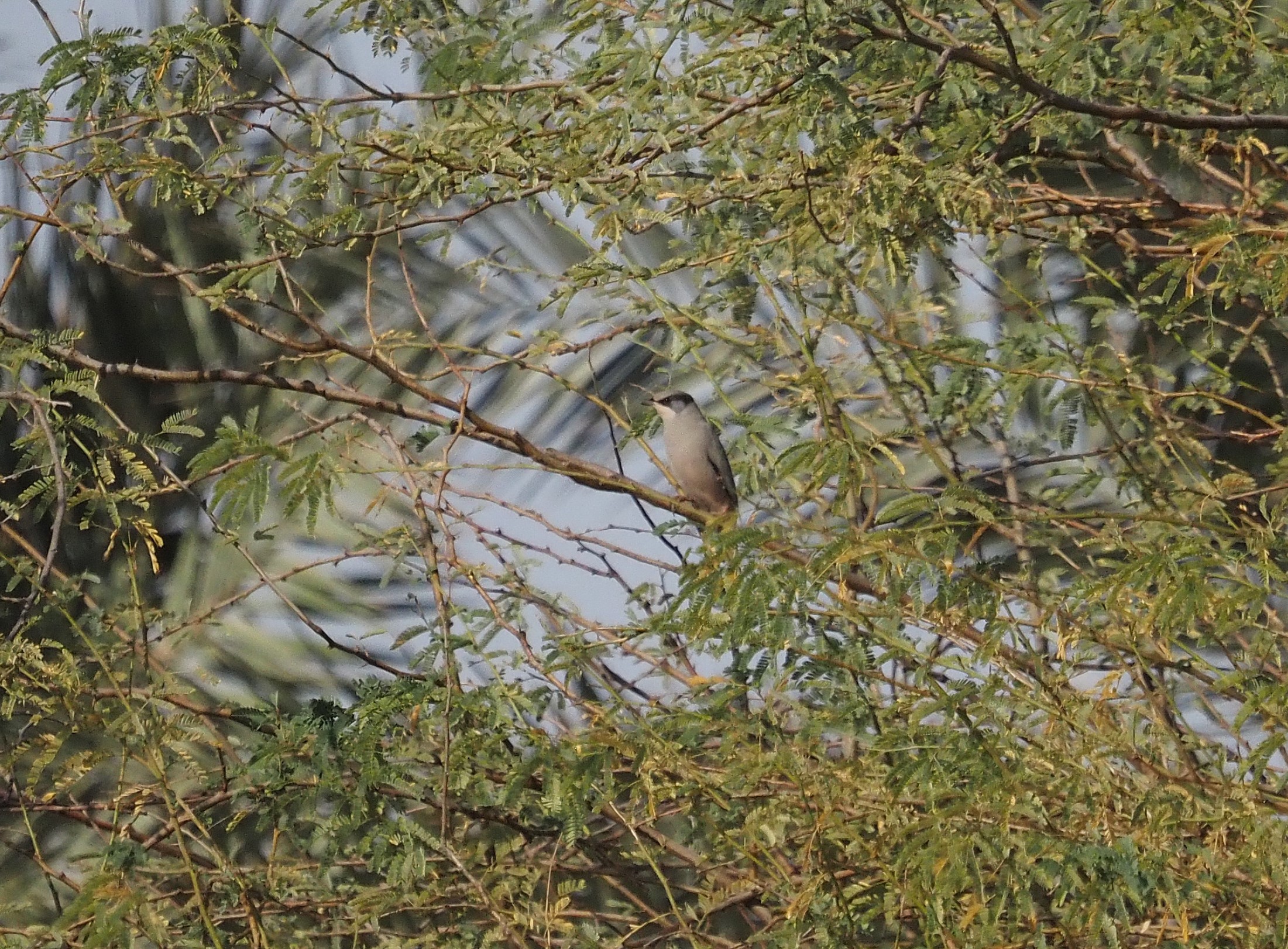
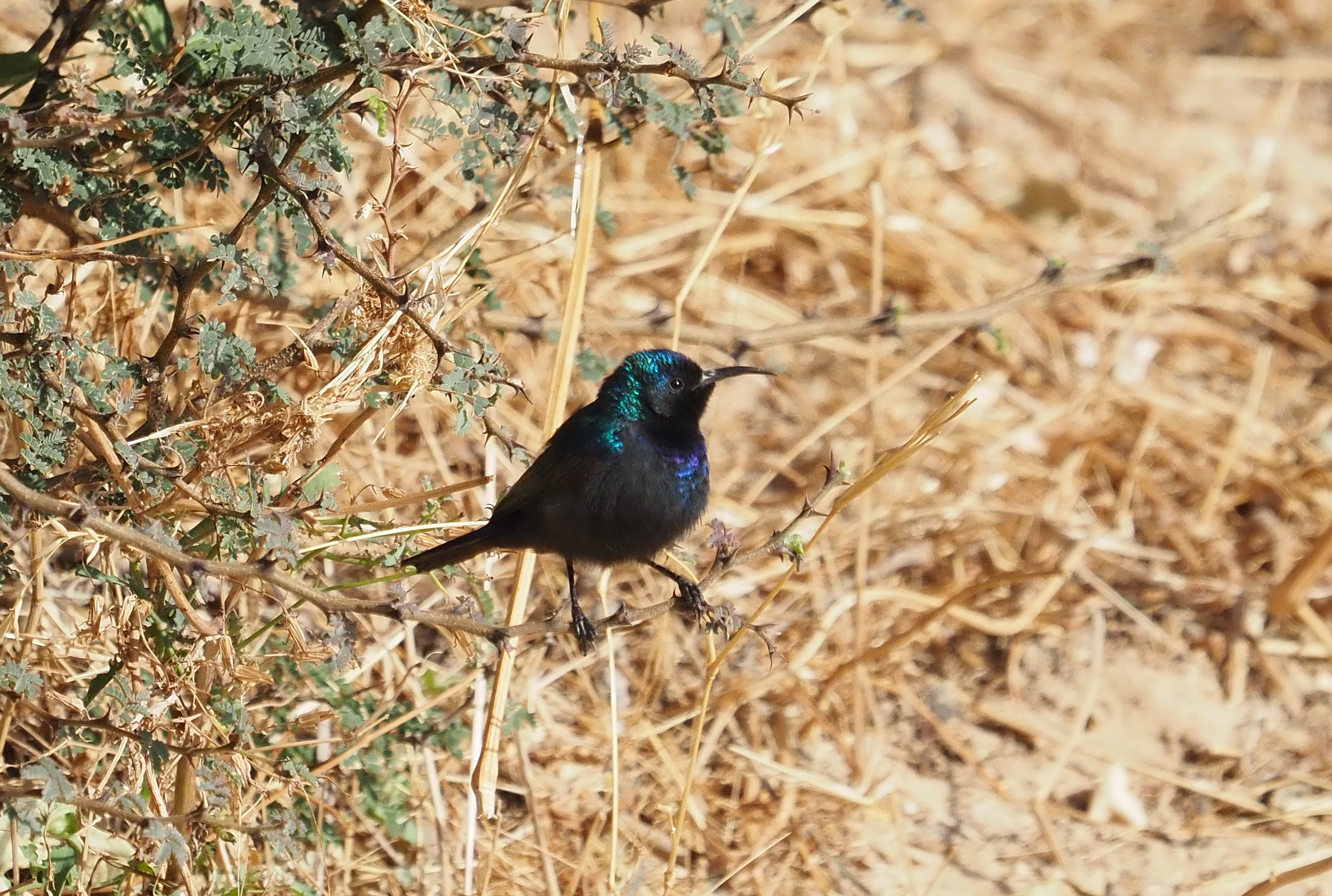
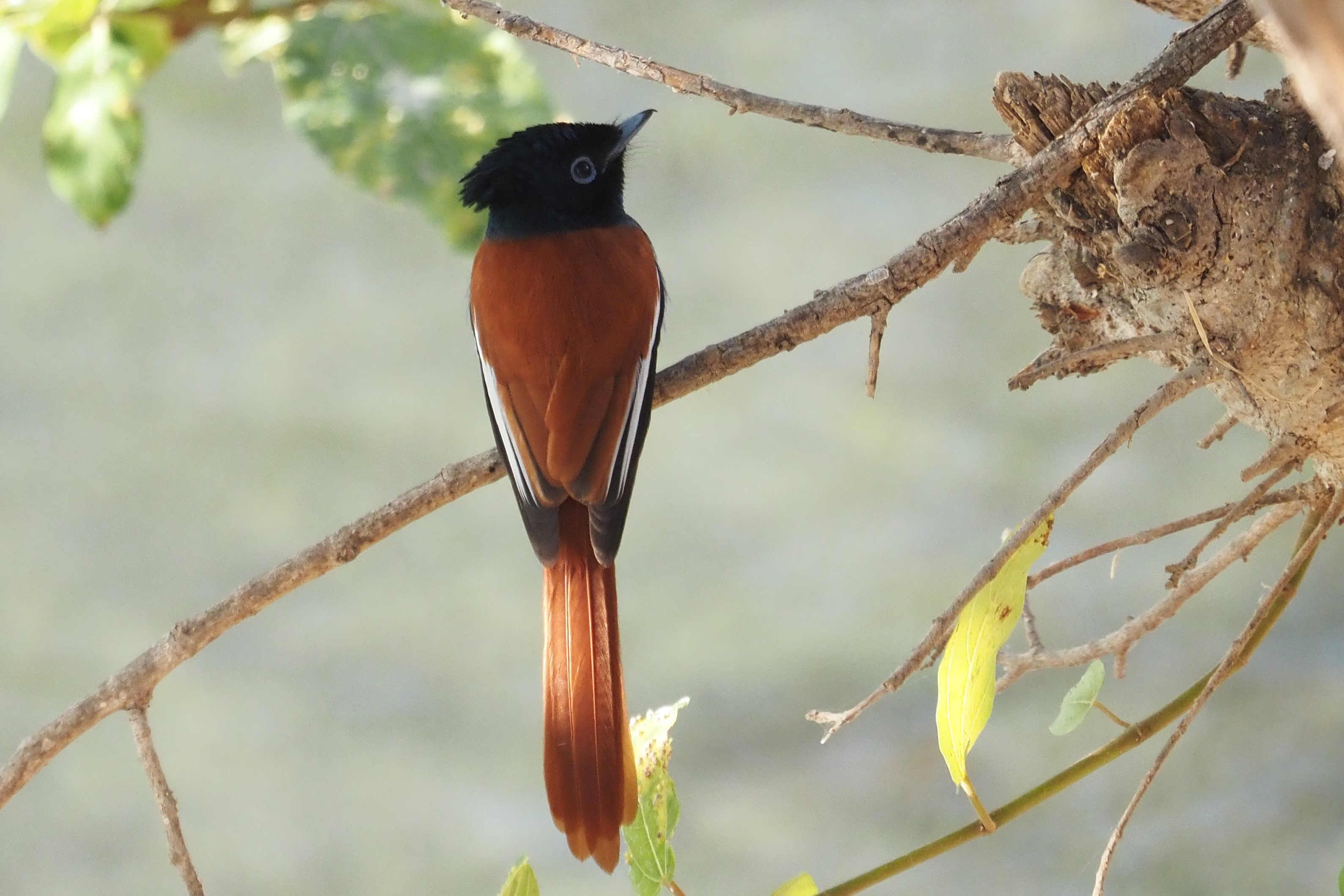
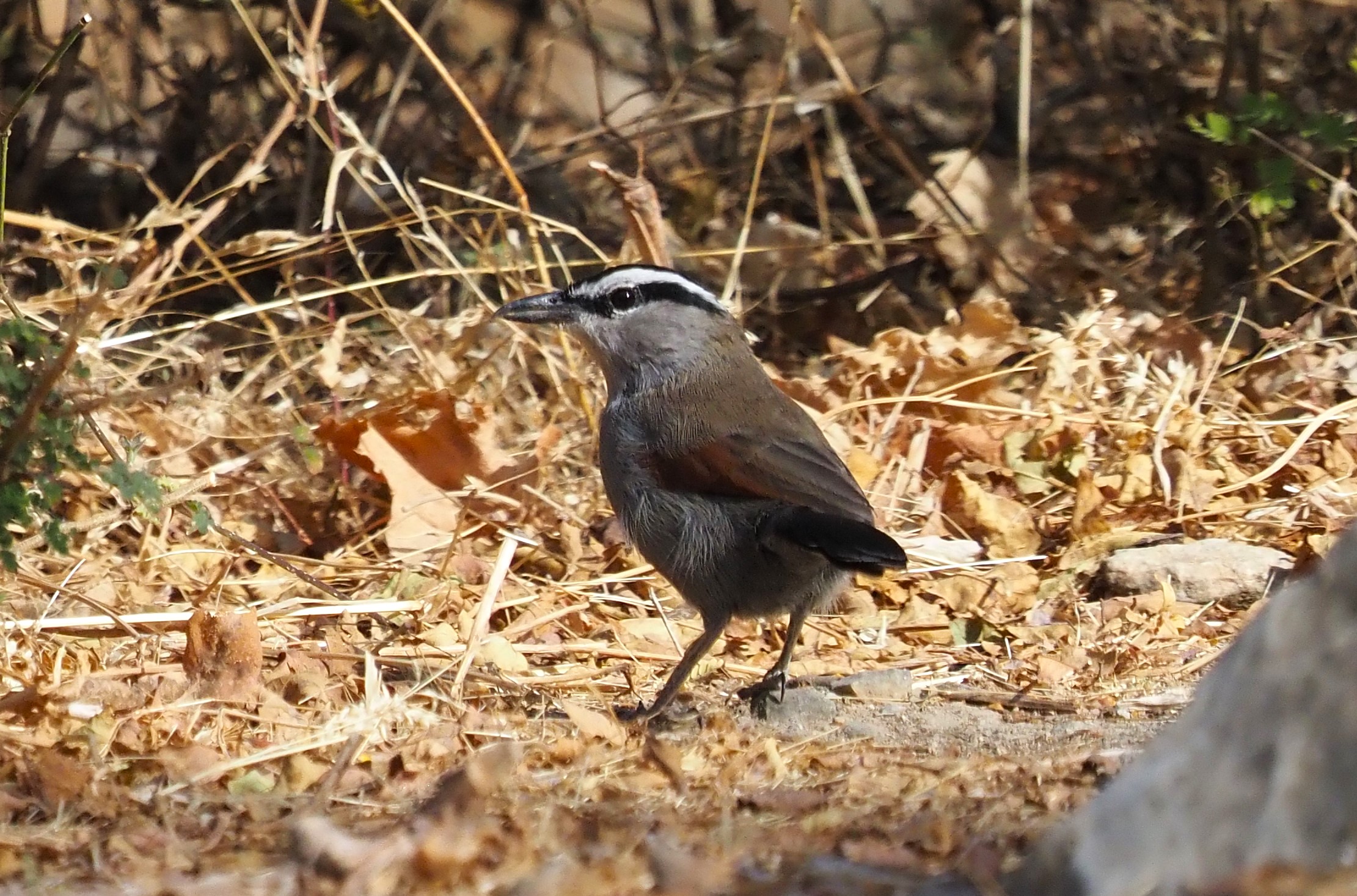
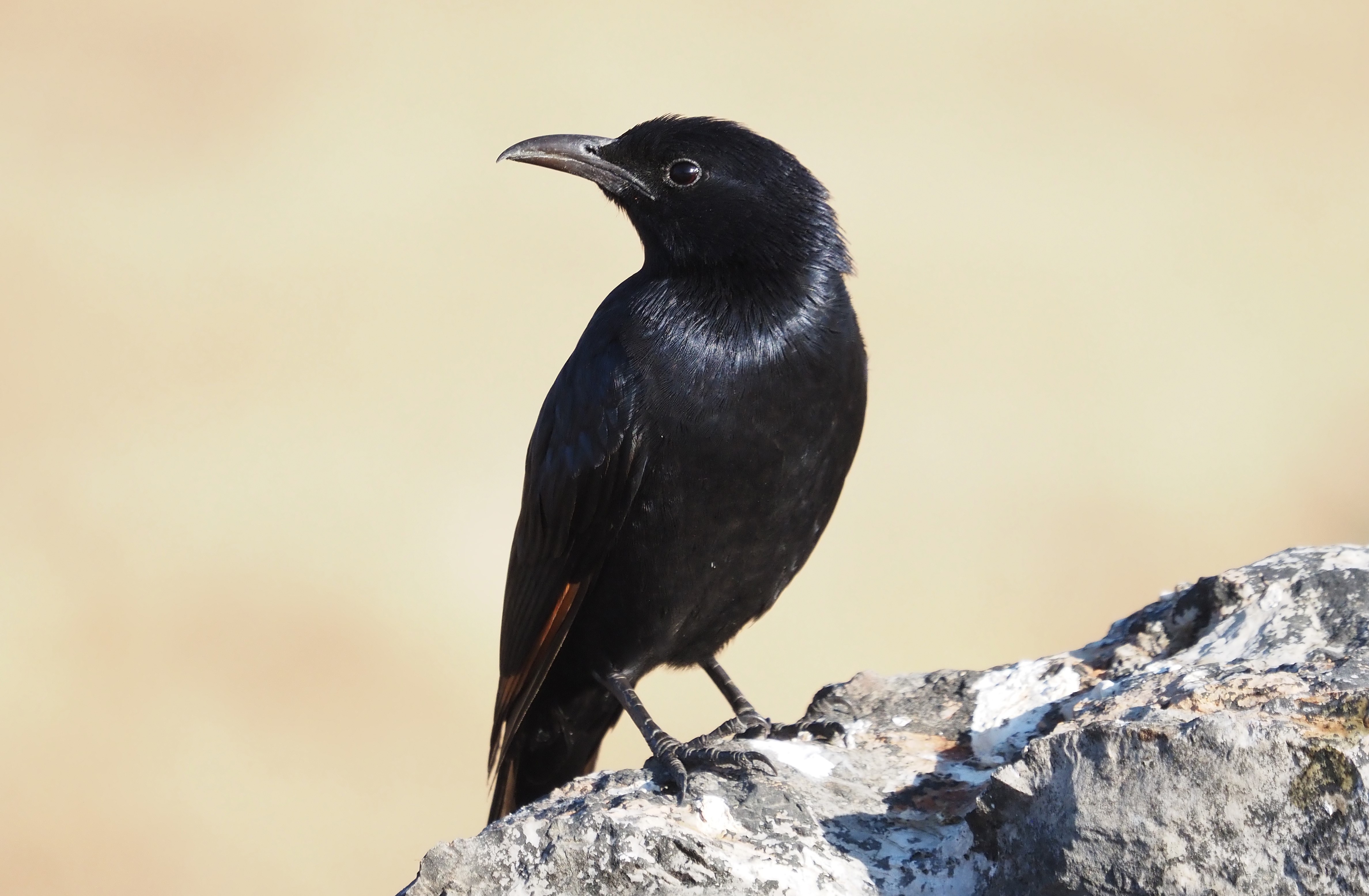
Day 4. Our first day in the Dhoffar couldn’t be more interesting. It was a sunny morning, but a bit windy when we left the accommodation. The first location to be visited was Ayn Hamran. Here, very close to the cars, we were enjoying the myriad of African Silverbills, Abyssinian White-eyes, Rüppell’s Weavers, White-spectacled Bulbuls and Cinnamon-breasted Buntings when a very different bird caught our eye. After a couple of glimpses it was clear that it was a lovely male Black-headed Bunting moulting into summer plumage! A very unexpected find!! From here, we move along the stream, enjoying multiple views on Blackstarts, African Paradise Flycatchers and Arabian Wablers. The wind, that at the very early morning looked like an obstacle, became a nice player for us, and birds like Palestine Sunbirds were especially showy! A couple of Short-toed Eagles were seen flying over, and a pair of Black-crowned Tchagra delighted us with splendid views. Here, African Paradise Flycatchers, Delicate Prinias and Long-billed Pipits were all very showy. This was right before a Arabian Grosbeak started singing up in the hills.
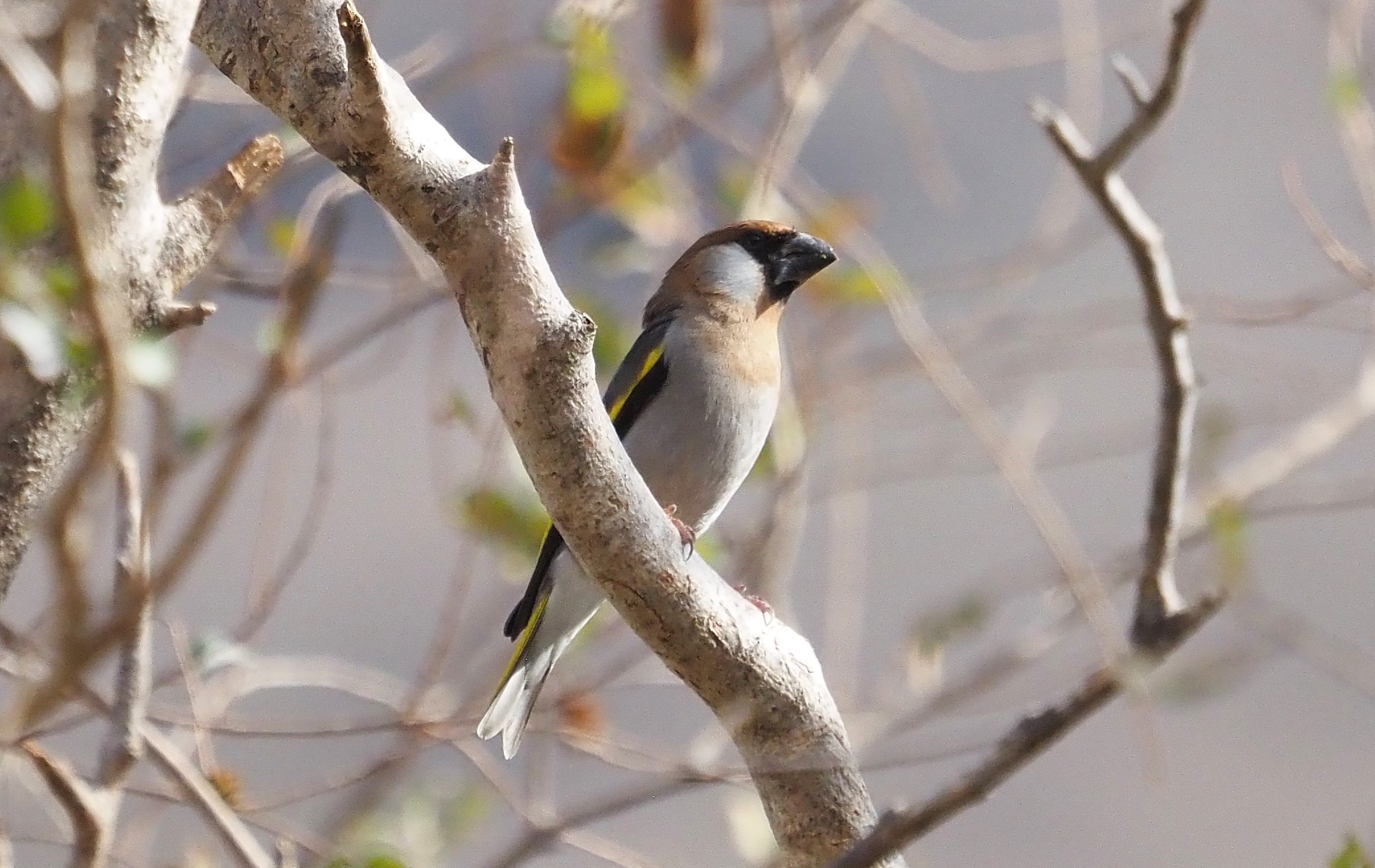
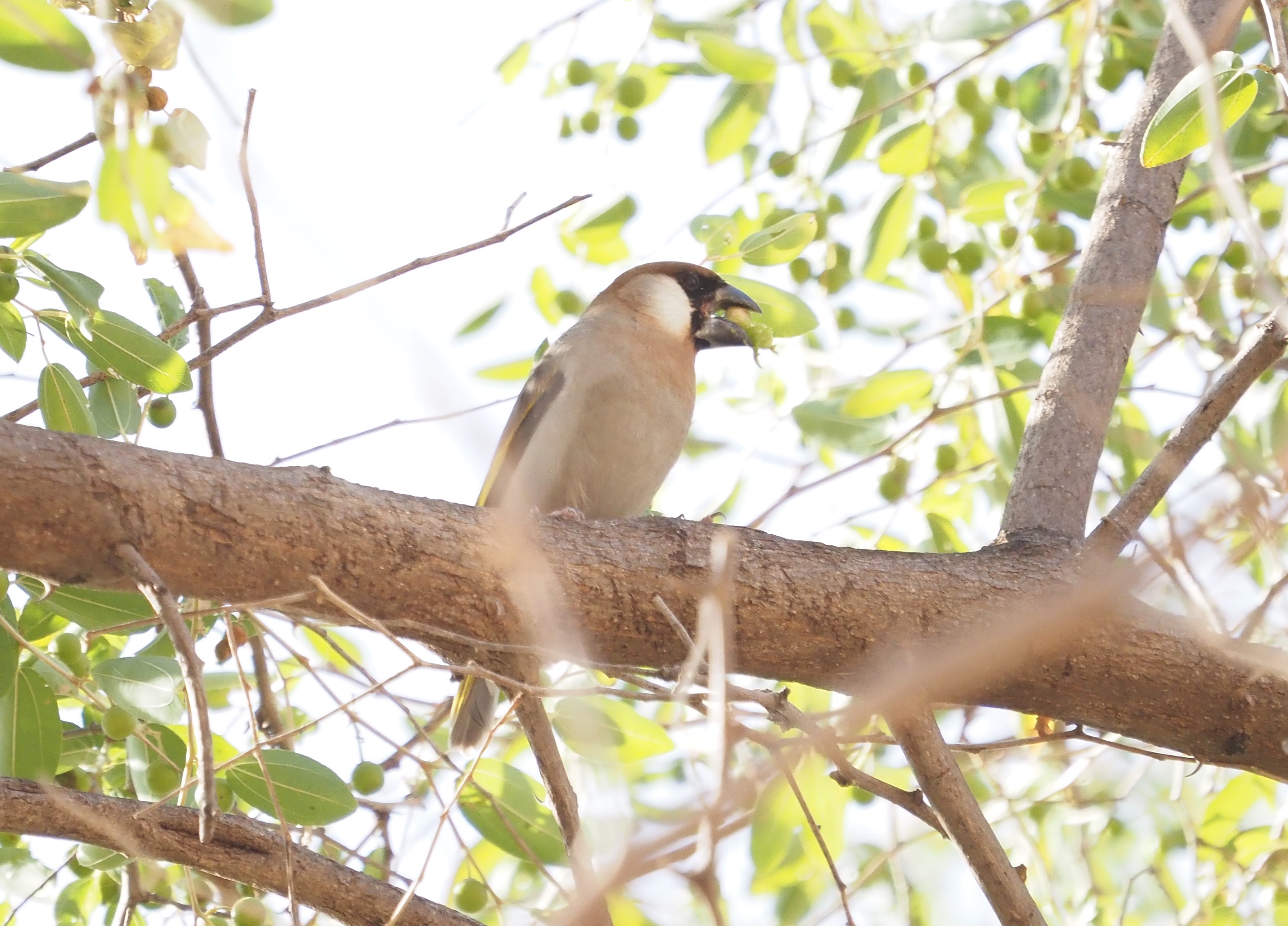
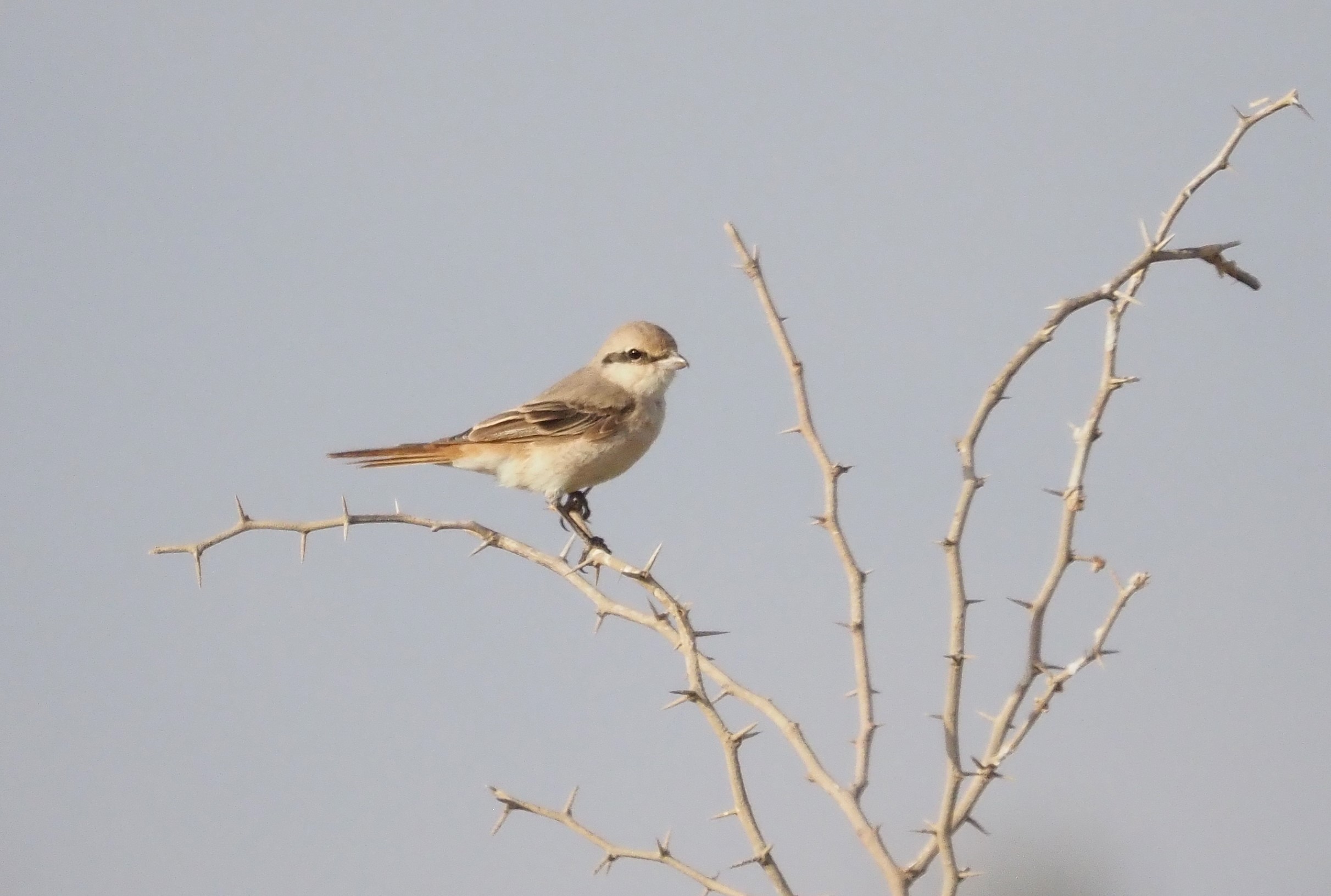
Moved up in the hills, just in time to catch up with a male singing about 200 metres away. Wonderful! The bird flew down the hill, we followed it, and a couple of minutes later we were enjoying very close views on one pair as they were feeding in the trees around. The sight was for so long, that after several minutes we decided to walk up the stream, back to the vehicles. In our way, we enjoyed great views on the first Turkestan Shrike of the trip, but also on 2 lovely Yellow Wagtails.
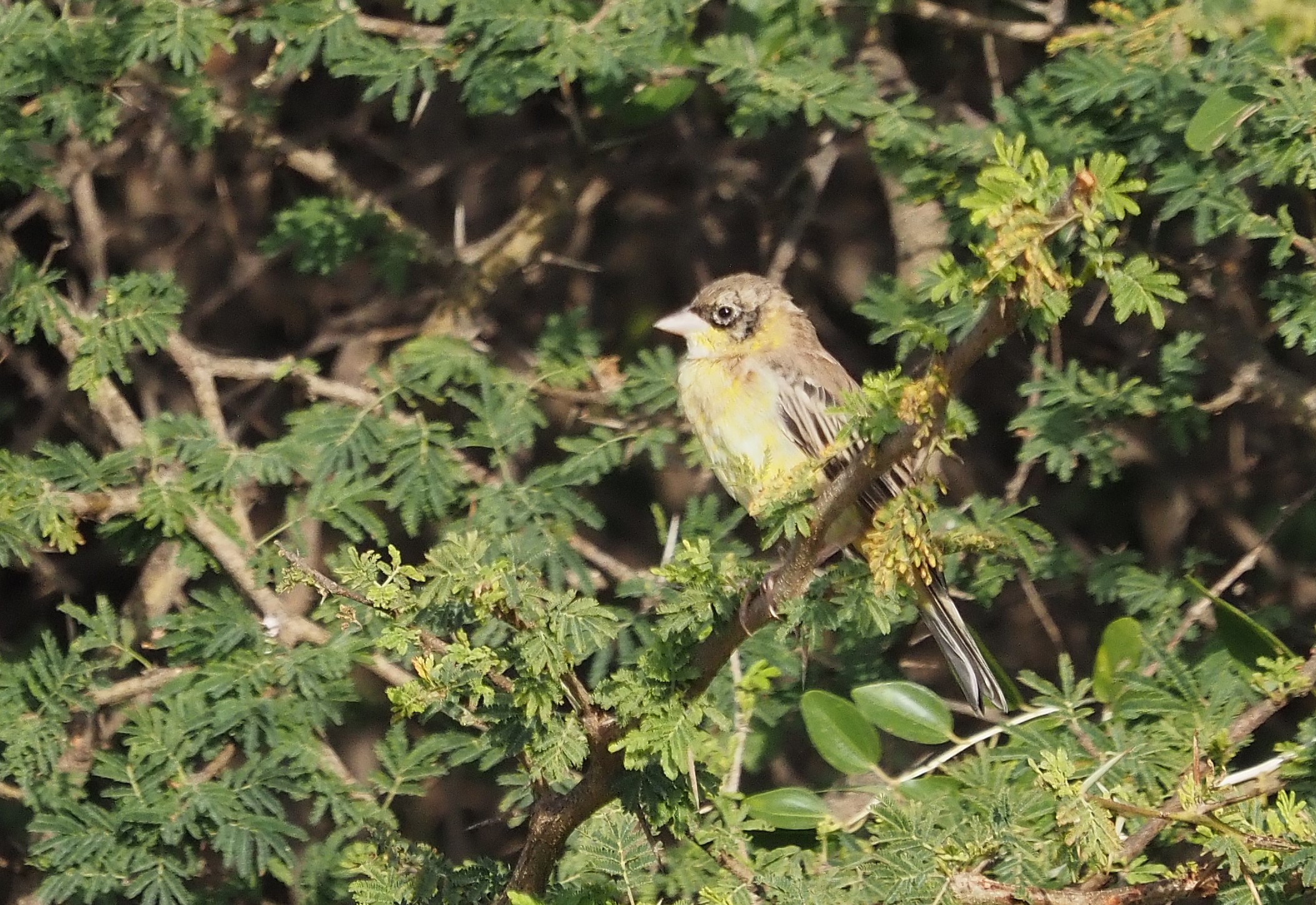
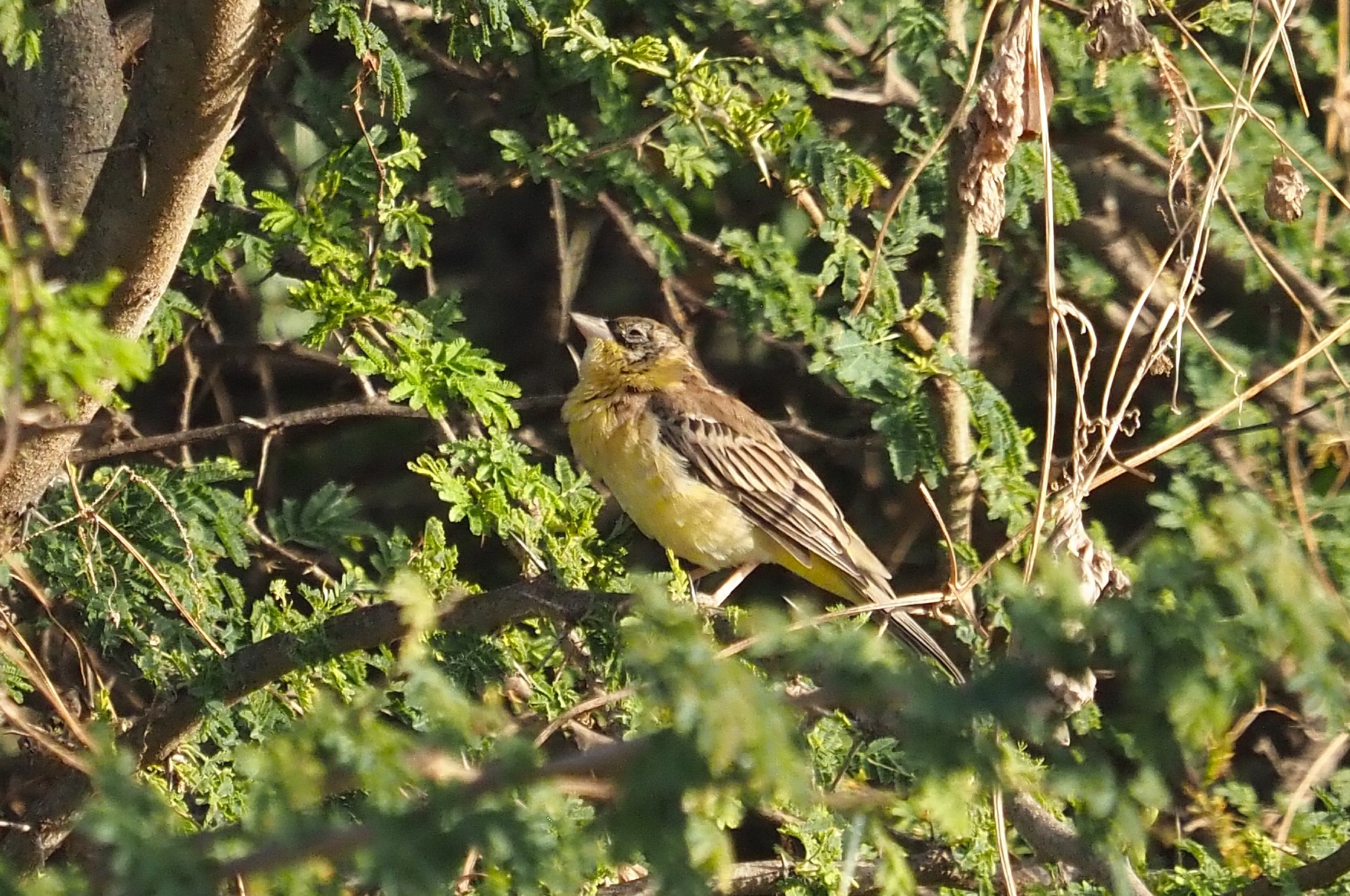
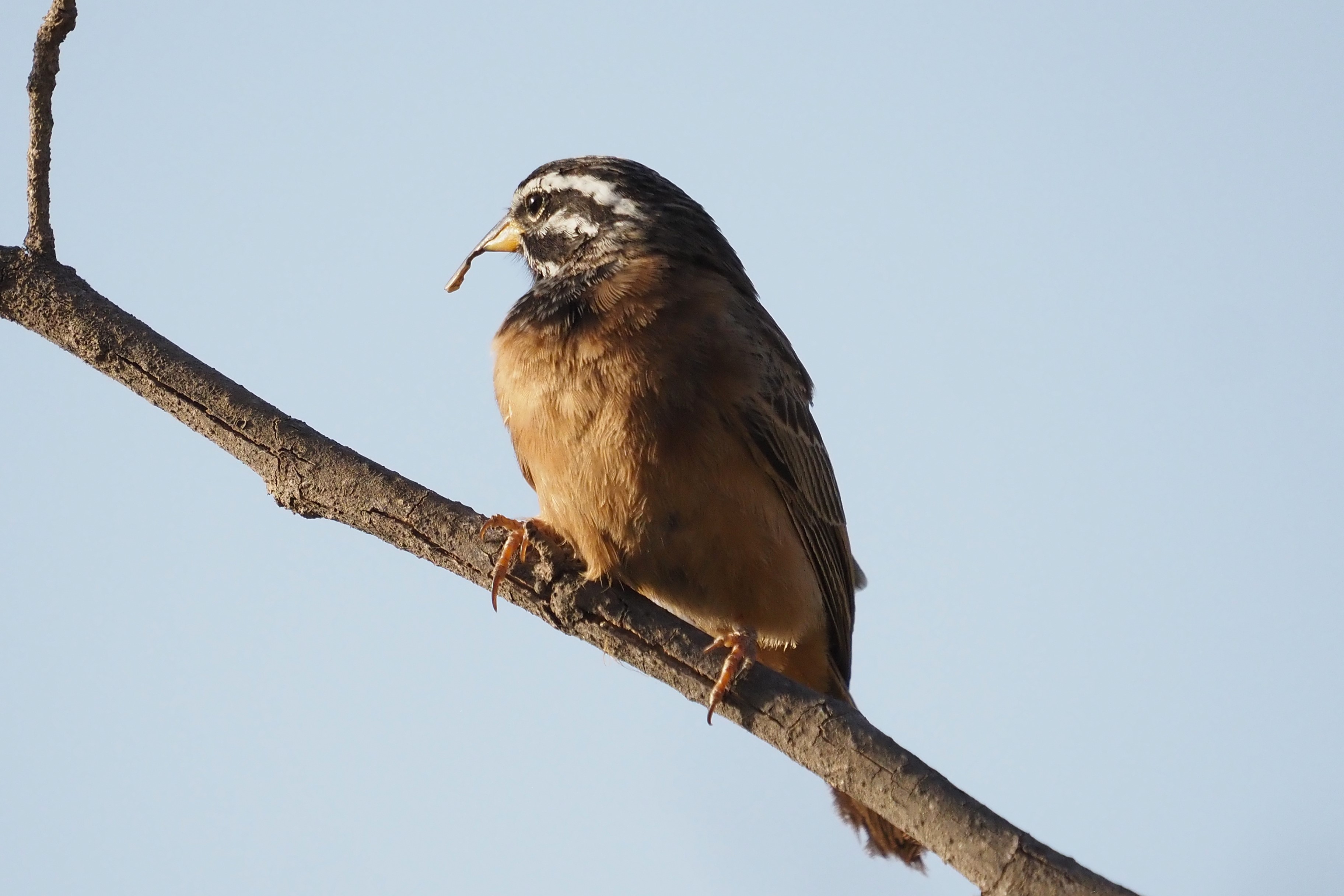
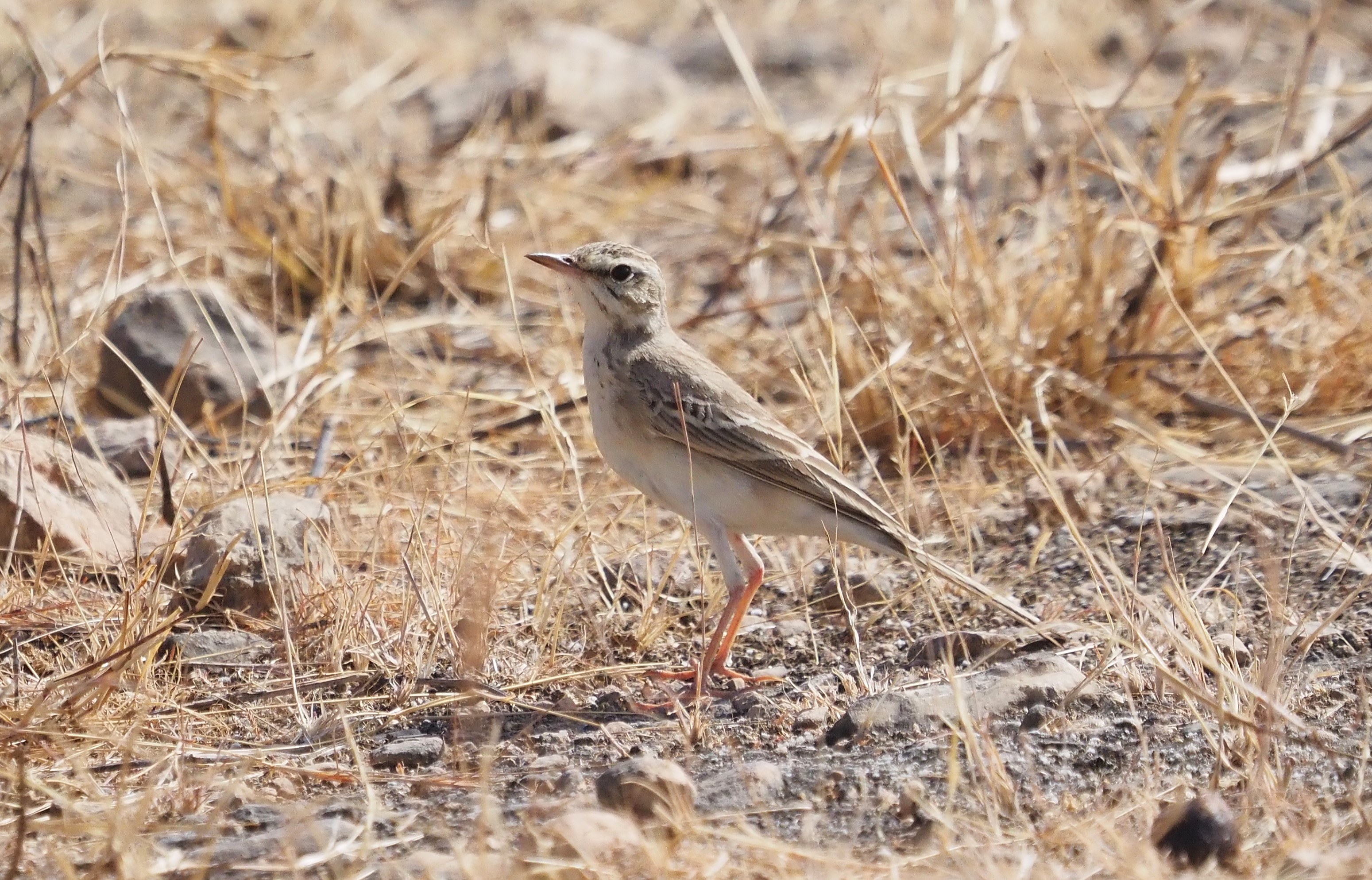
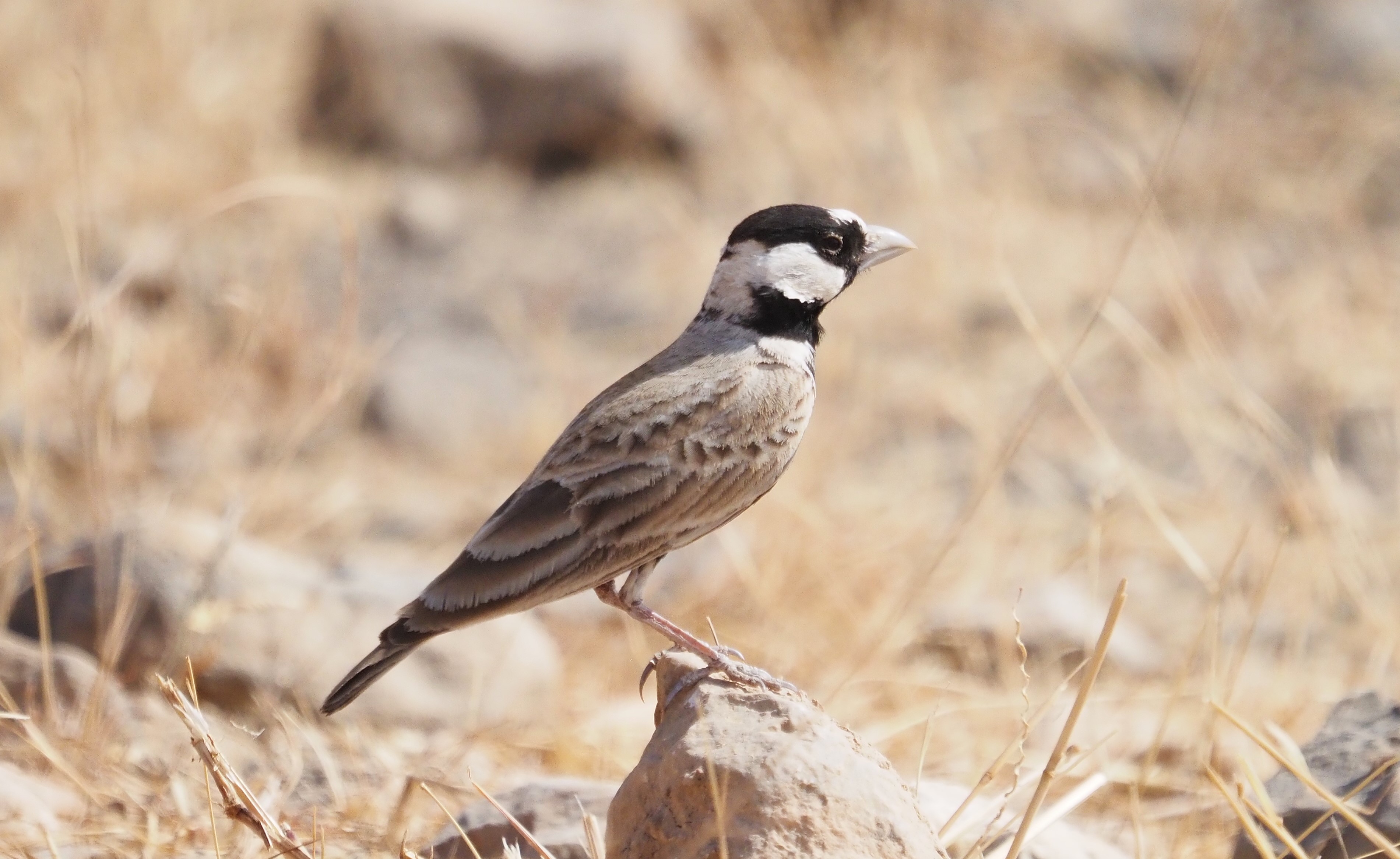
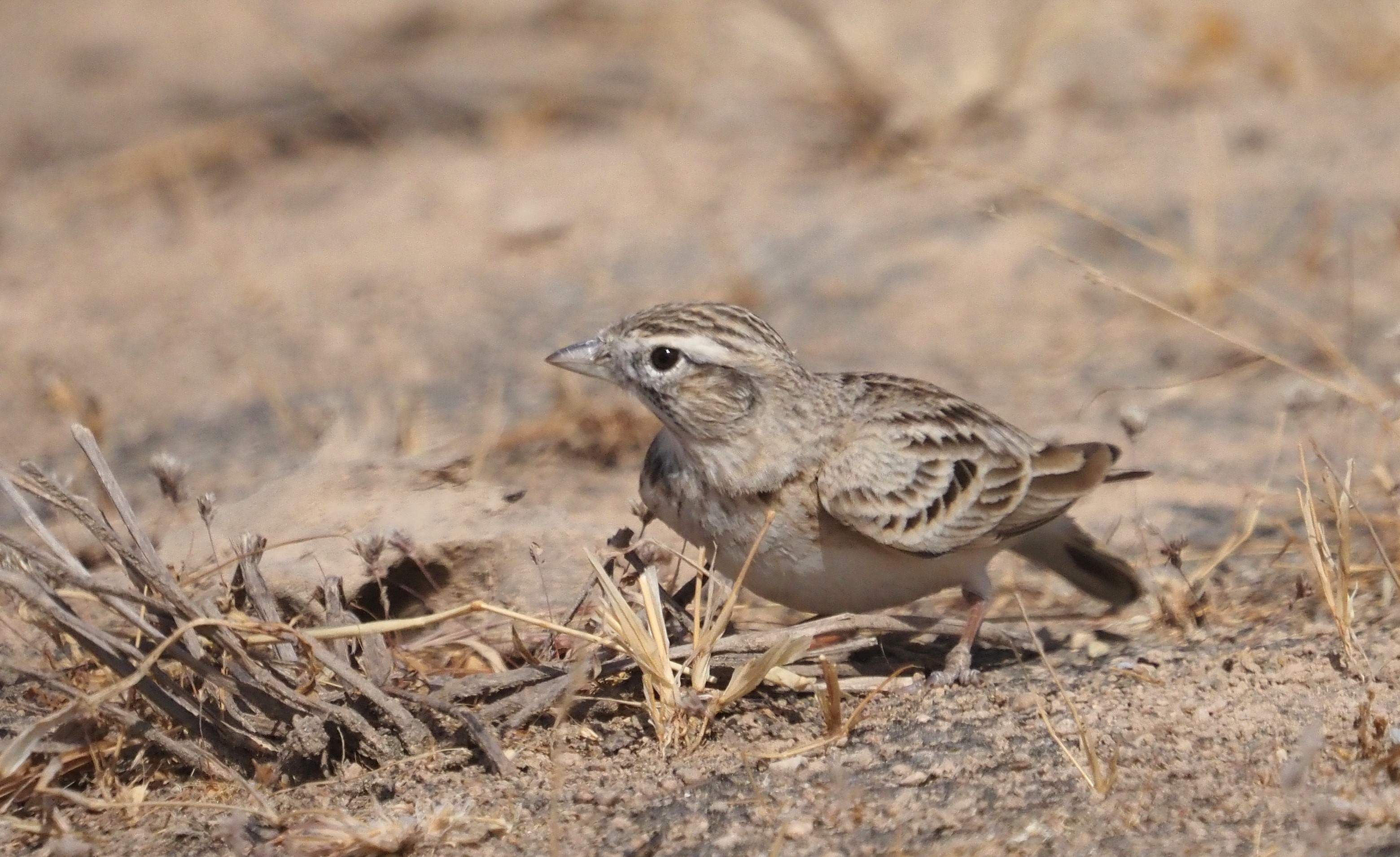
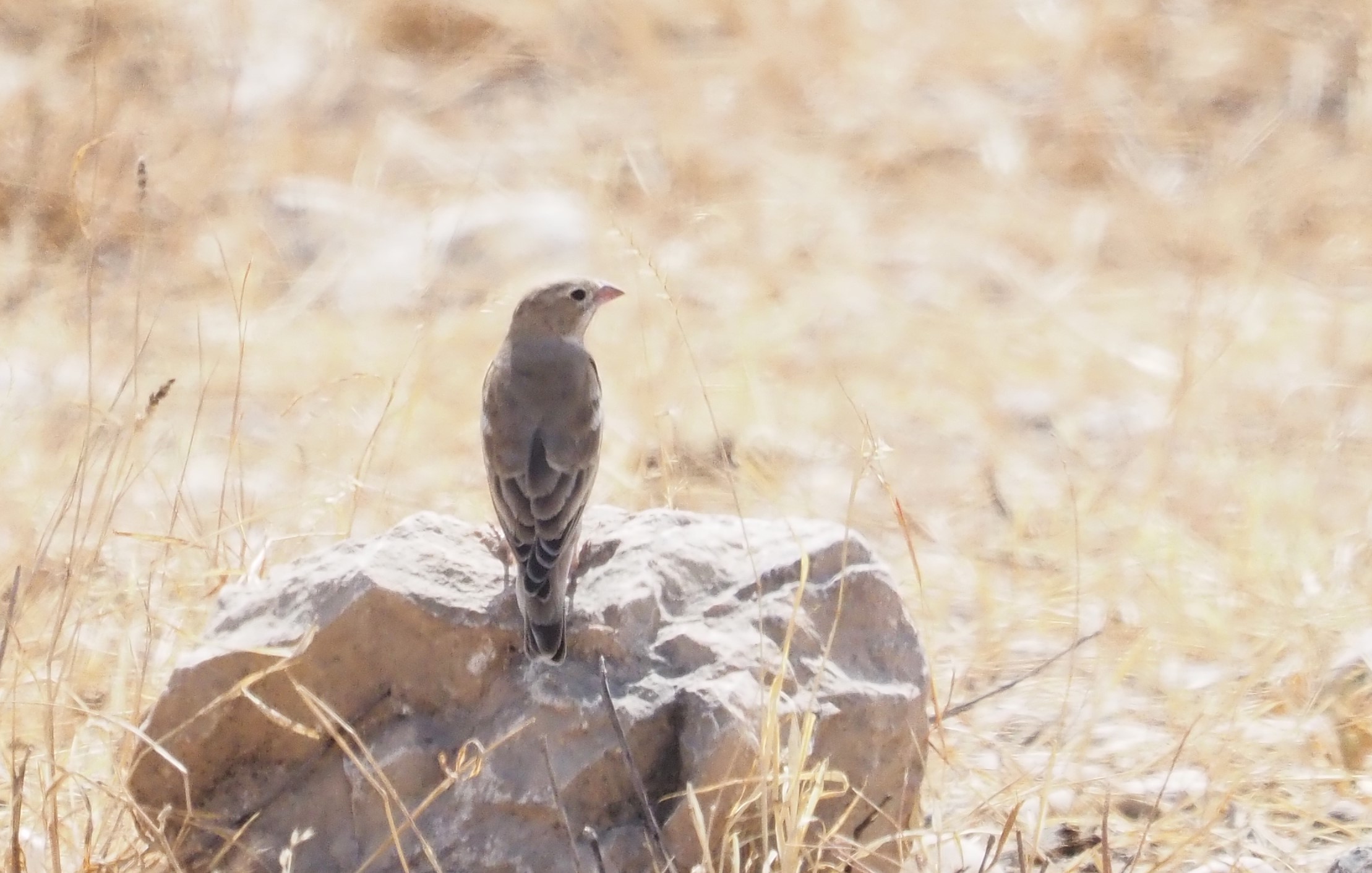
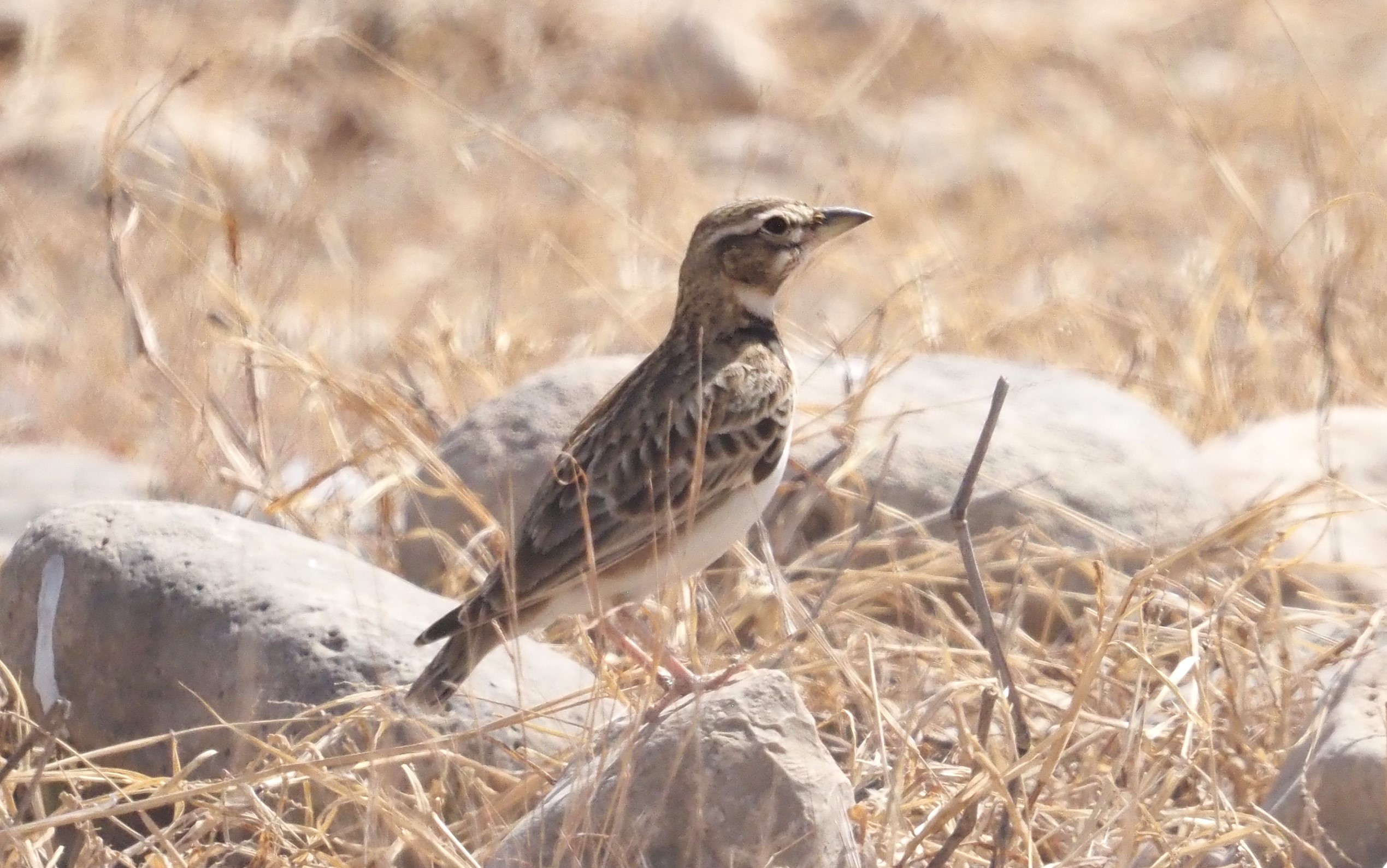
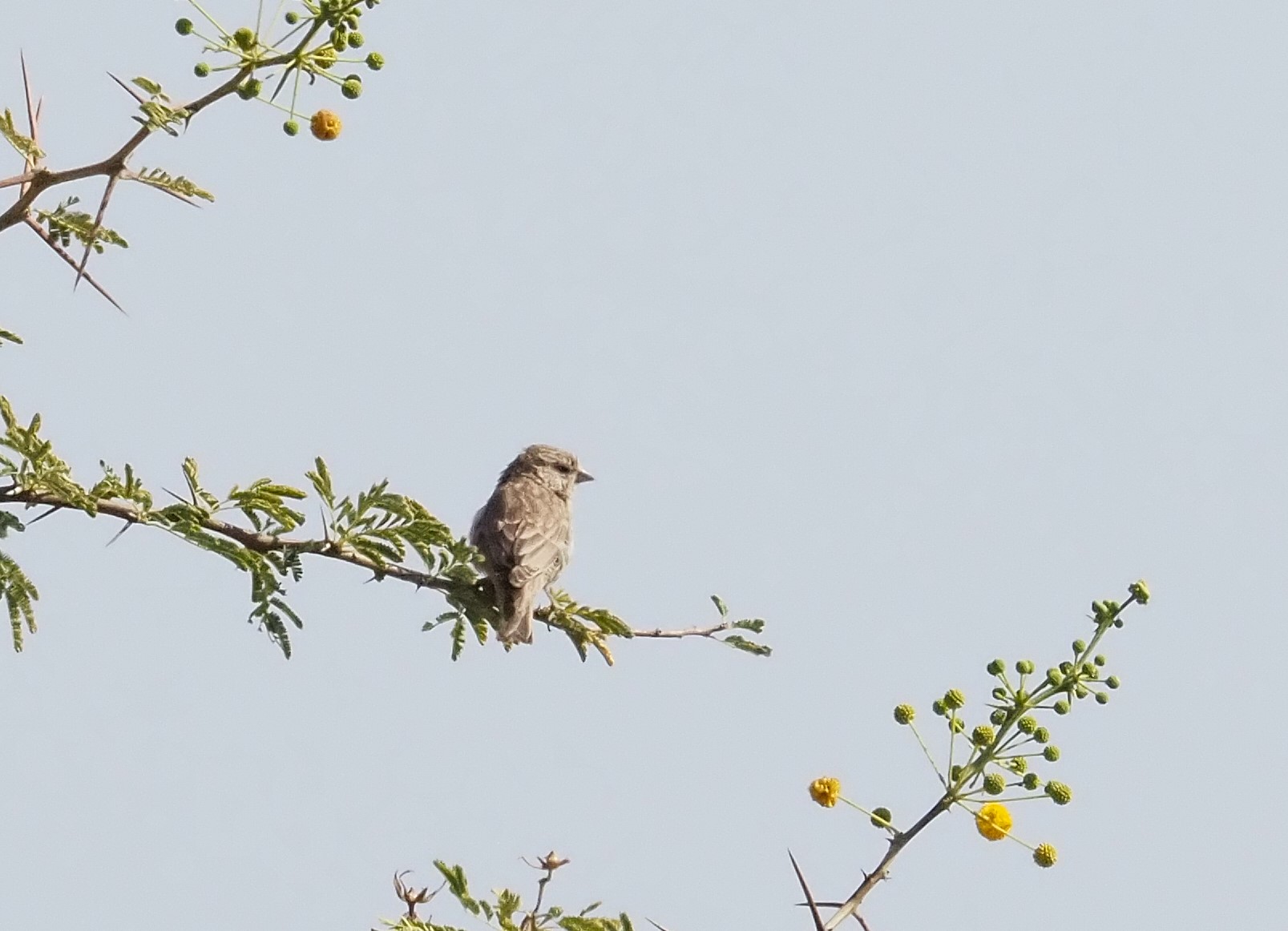
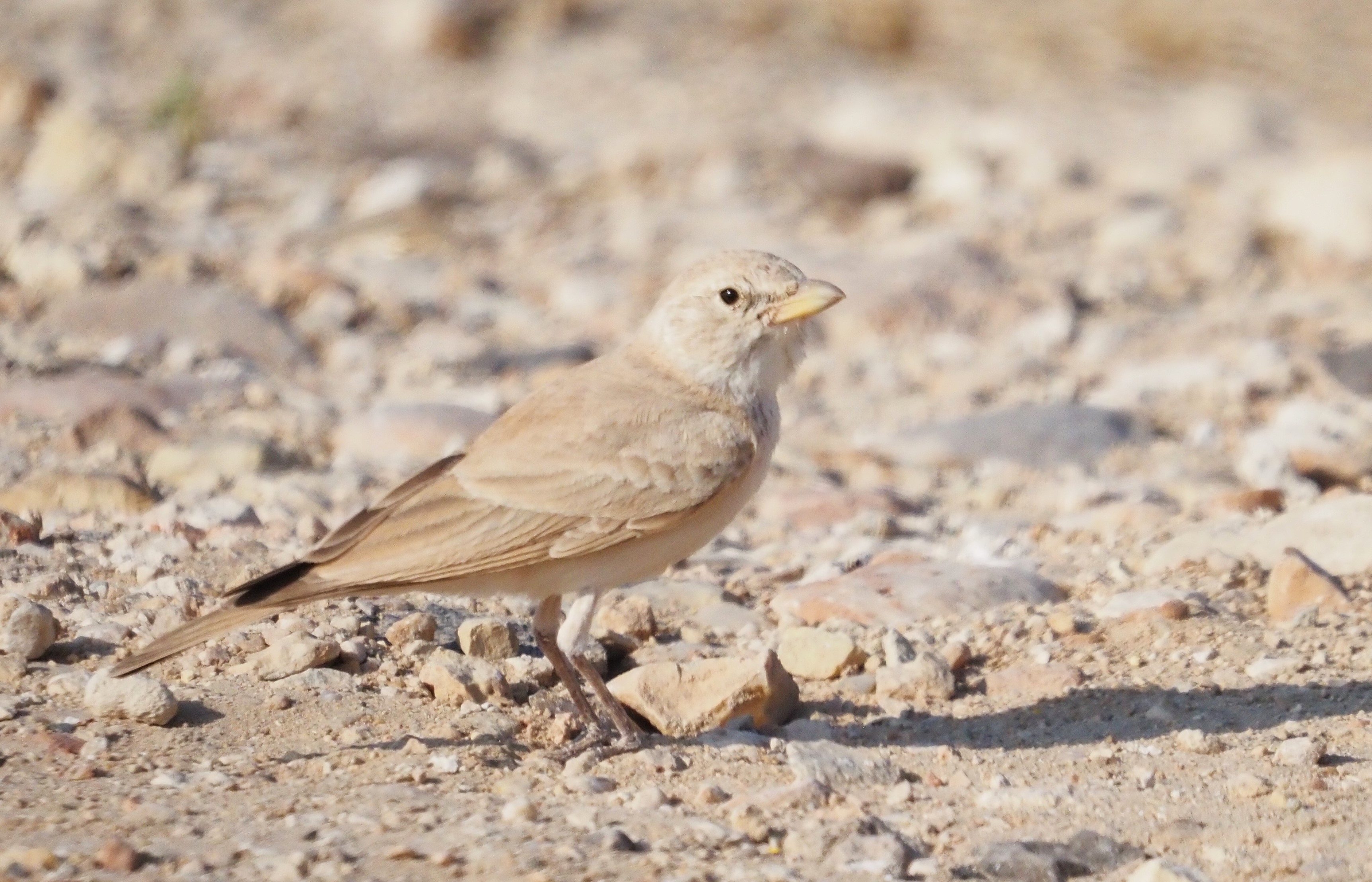
From Ayn Hanram, we drove down to the extensive plains that lead to the Ocean. These dry plains can be a heaven for birdlife, as we saw.. Driving around, it didn’t take long before we found a place with a dense bird activity. There were tens and tens of Black-crowned Sparrow Larks, with several males singing and displaying in the air, and allowing us with very close views. Along with them, small flocks of Greater Short-toed Larks were evident in the middle of the maze of Crested Larks, Tawny Pipits, Isabelline Wheatears and Desert Wheatears. In the distance, we saw 1 male Pallid Harrier patrolling the plains, and a flock of Blue-cheeked Bee-eaters moving along. We took the cars and try to approach that area, but we never arrived. Basically, because while scanning the very common Greater Short-toed Larks we found a small flock of Pale Rockfinches! Amazed to find such a scarce winter bird in Oman, we tried to get a bit closer, only to discover a Bimaculated Lark standing side to side with one Pale Rockfinch! During the next minutes, we tried to put everyone on both species. At the end, we counted 5+ Pale Rockfinches, and a minimum of 2 Bimaculated Larks while distant flocks of Chestnut-bellied Sandgrouses were moving in the plain.
Very happy with this stops, we decided to go back for a second round in Ayn Hamran and explore a different section of the stream. Here we got successful again and we got Eastern Olivaceous Warbler, Eurasian Wryneck, several African Paradise Flycatchers and 3 Red-breasted Flycatchers, including a very lovely male!
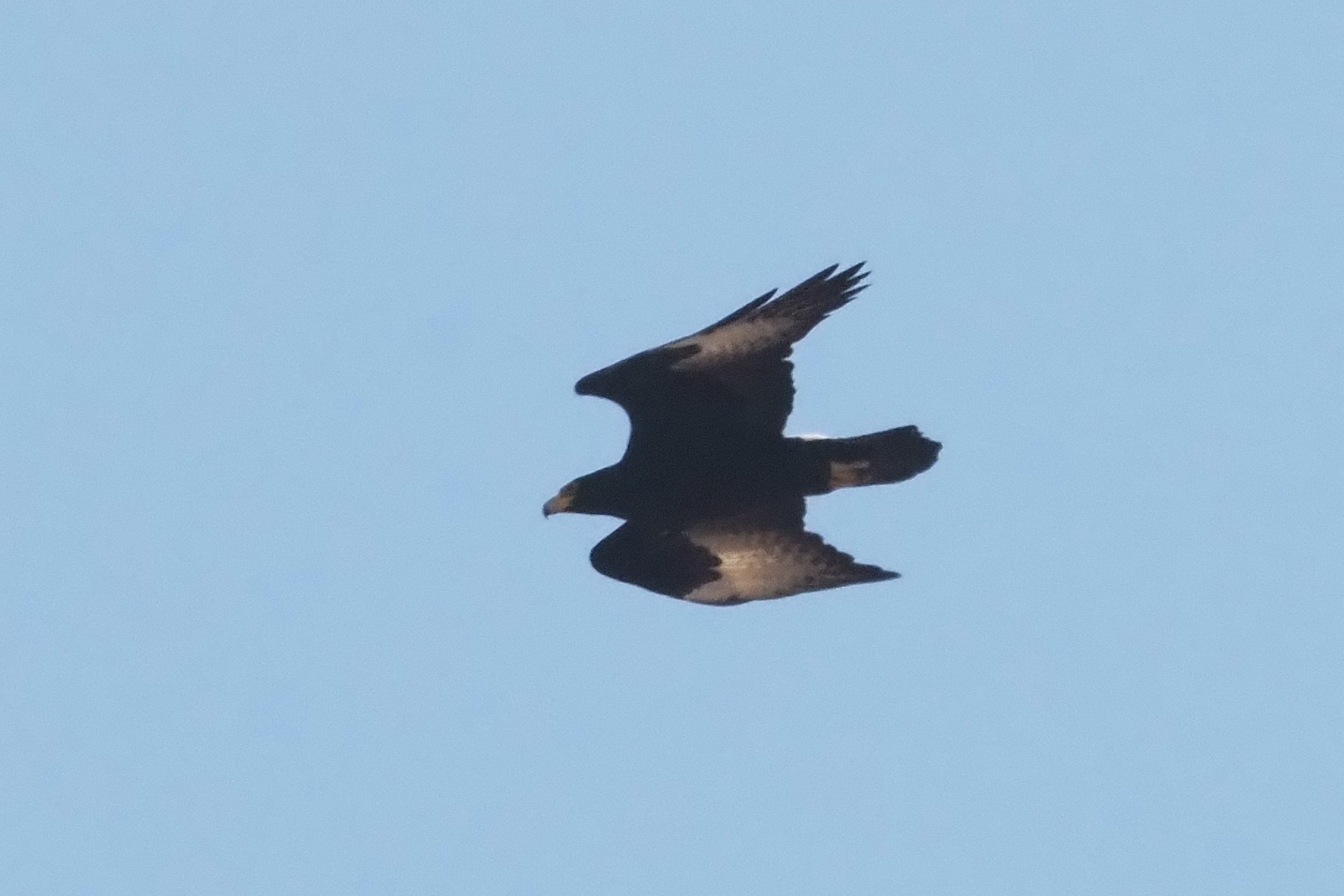
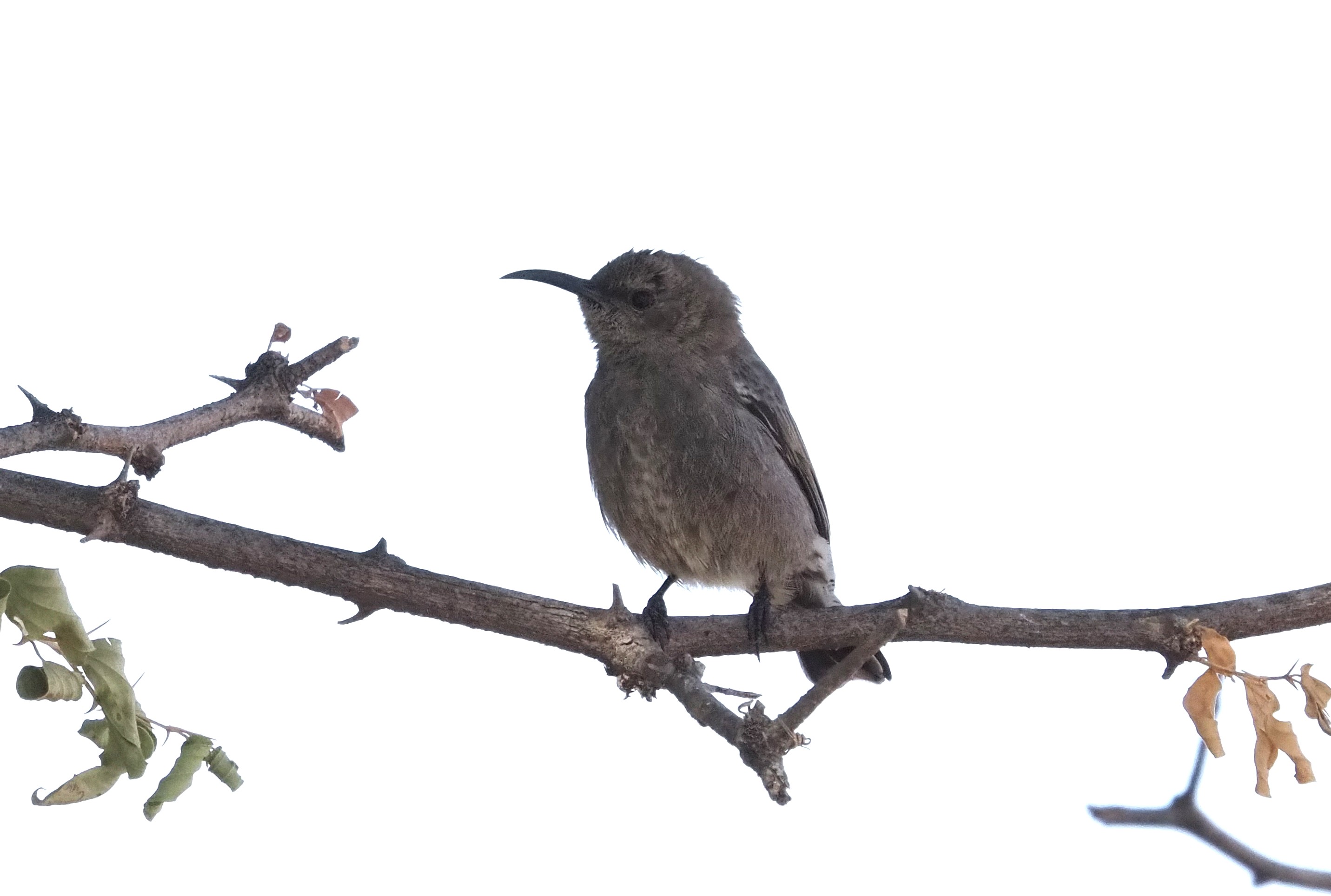
From here, we drove the short distance to Ayn Razat, a lovely stream with exuberant vegetation and an interesting garden. Here, I was desolate to discover that the rank vegetation, once rich in water lilies and patches of reed bed, was all gone. Heavy machinery had been use to remove the whole ecosystem and now is nothing left, out of the area the parking spots, where some recreational ponds remain. A big disaster.. Still, we had our picnic lunch here. A walk inside the garden produced several Arabian Sunbirds while both Eastern Imperial Eagle and Bonelli’s Eagles + a wonderful Verreaux’s Eagles were patrolling the valley. Inside the garden, Sonja found a nice Bluethroat, and Ramiro got a Rufous-tailed Scrub Robin feeding in the low scrubs. About this bird, only the guides got to see it before it went inside the vegetation and never come out again..
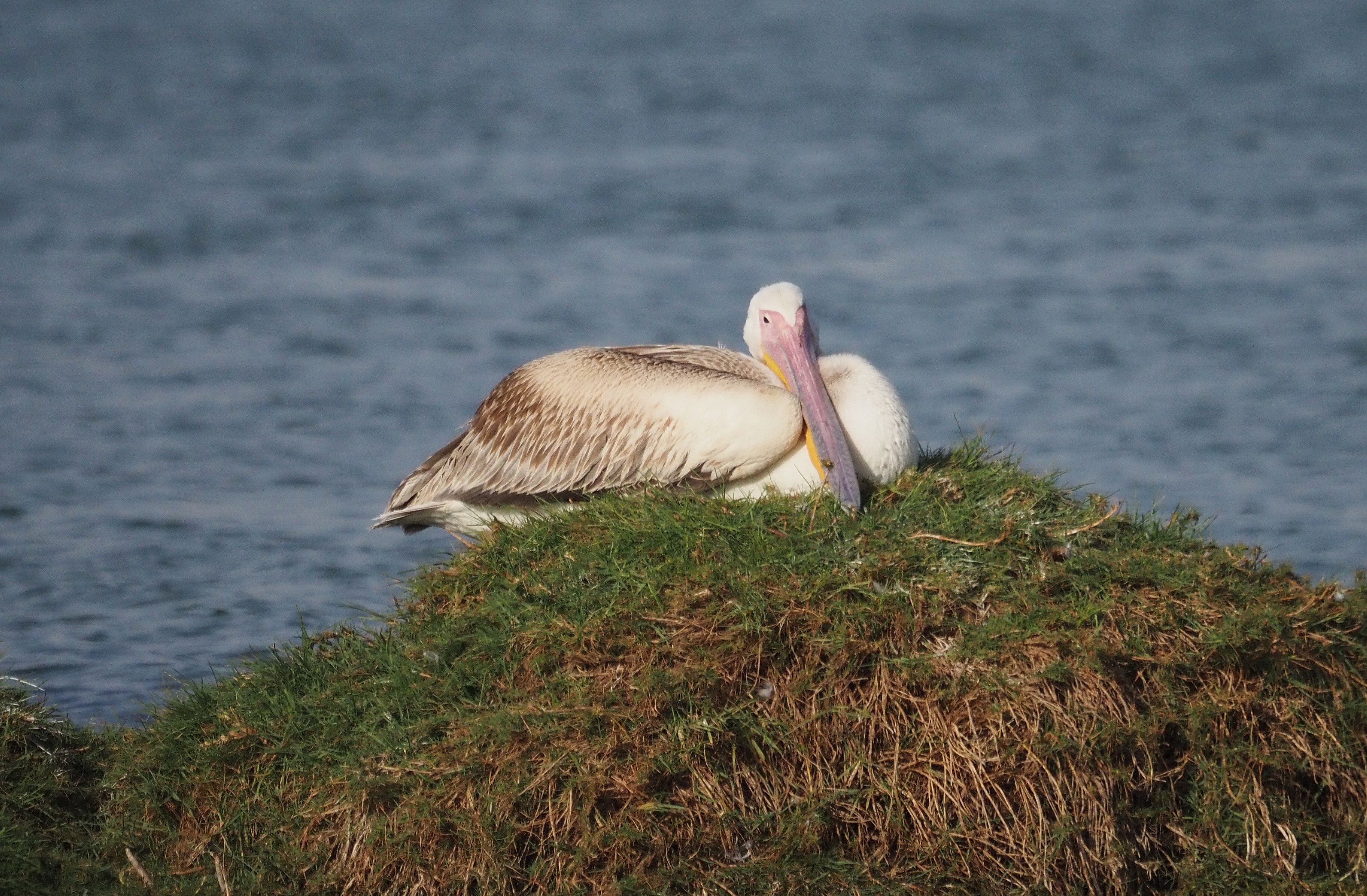
After out tasty lunch, we had a coffee stop before driving down to the coast for a short exploration in a river mouth. There are a number of river mouths around Salalah, each of them slightly different in character and goodies but all of them great. We arrived with a wonderful afternoon light and soon we were enjoying large flocks of gulls and terns but also species such as Black-tailed Godwit, Ruff, Osprey, Citrine Wagtails, Temminck’s Stint and Little Ringed Plover. Here we also got 8 distant Red-knobbed Coots and close views on 1 Greater Sand Plovers. Waves of Glossy Ibises were passing over the wetland to roost. It was also a good moment to go on differences between Lesser Crested & Greater Crested Terns as well Gull-billed & Whiskered Terns. All the time, a gorgeous juvenile Great White Pelican was sitting on an island, providing excellent looks on this species, which very rare in Oman. The flocks of gulls didn’t produce anything of interest beyond some Caspian Gulls, and a final walk in the steppe vegetation nearby produced a couple of Richard’s Pipit while Marsh Harriers were about to go to sleep.
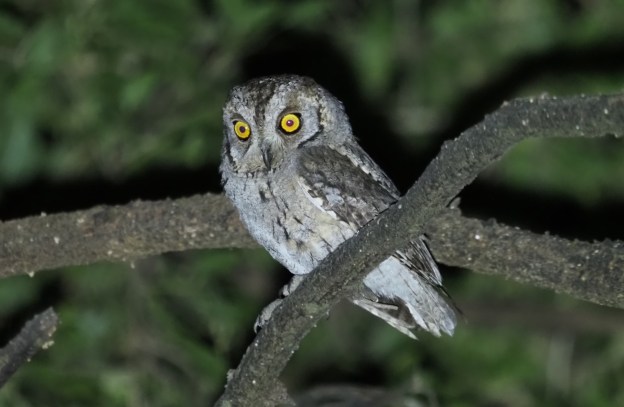
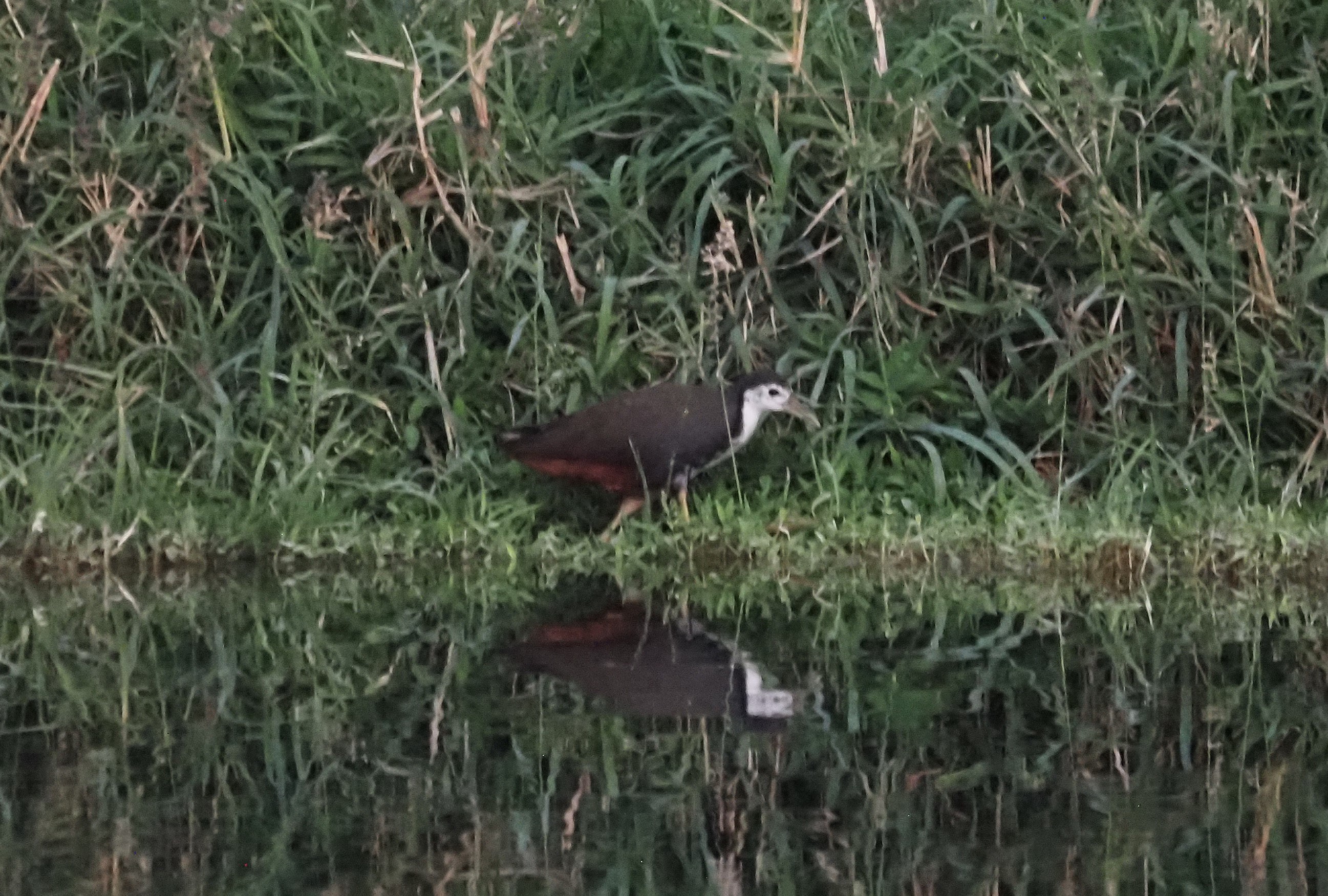
The last stop of the day was Ayn Taqa, another superb place. Here, we got time to scan a bit in the vegetation along the stream, and enjoyed 3 Indian Pond Herons, 1 male Bluethroat, Greenshank and Wood Sandpiper and, most importantly, one superb White-breasted Waterhen that delighted our group with prolonged views! After sunset, and after some research, we were lucky to have amazing views on Arabian Scops Owl while a couple of Little Owls were calling up in the cliffs around..
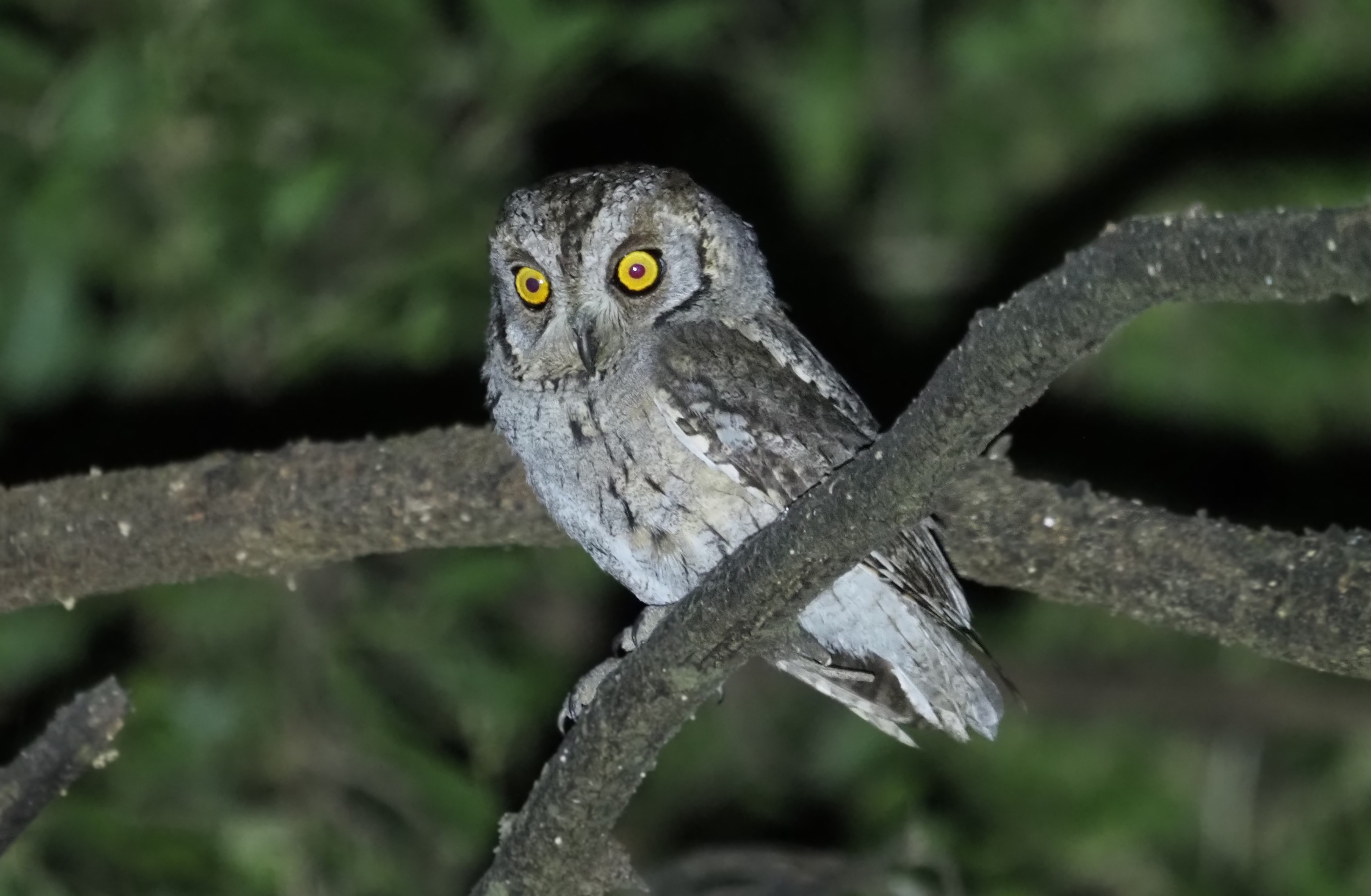
Day 5. After enjoying our breakfast, we moved out of our accommodation. Today, the morning was devoted to explore the highlands of the Dhofar mountains, but before getting up, we had a couple of stops to check some small, almost unknown ponds.
It was a sunny, quiet morning when we arrived to the fist spot, a small pond with a rich reed bed and some mud around it. A first scan around produced 2 Sedge Warblers moving low in the vegetation but also a superb male Namaqua Dove, Bluethroat and 2 Marsh Sandpipers. Suddenly, we were surprised to find Little Crake feeding at close range from us, and after some chaotic approach, we all enjoyed great views in this amazing bird. A walk around the pond produced some Arabian Sunbirds feeding around, a distant male Shikra and more Namaqua Doves before Ramiro and Carles found a second Little Crake feeding at the opposite shore of the pond!
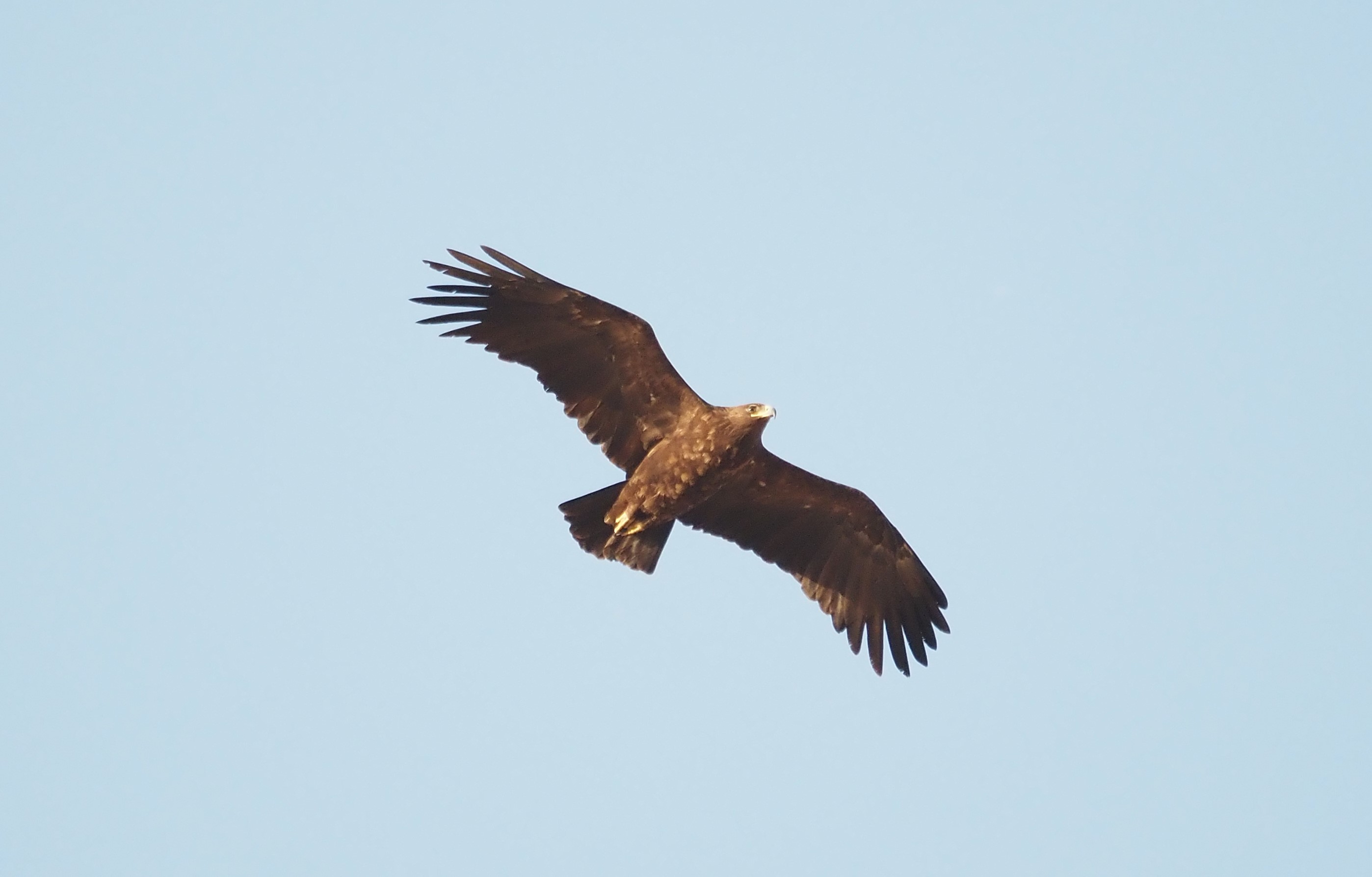
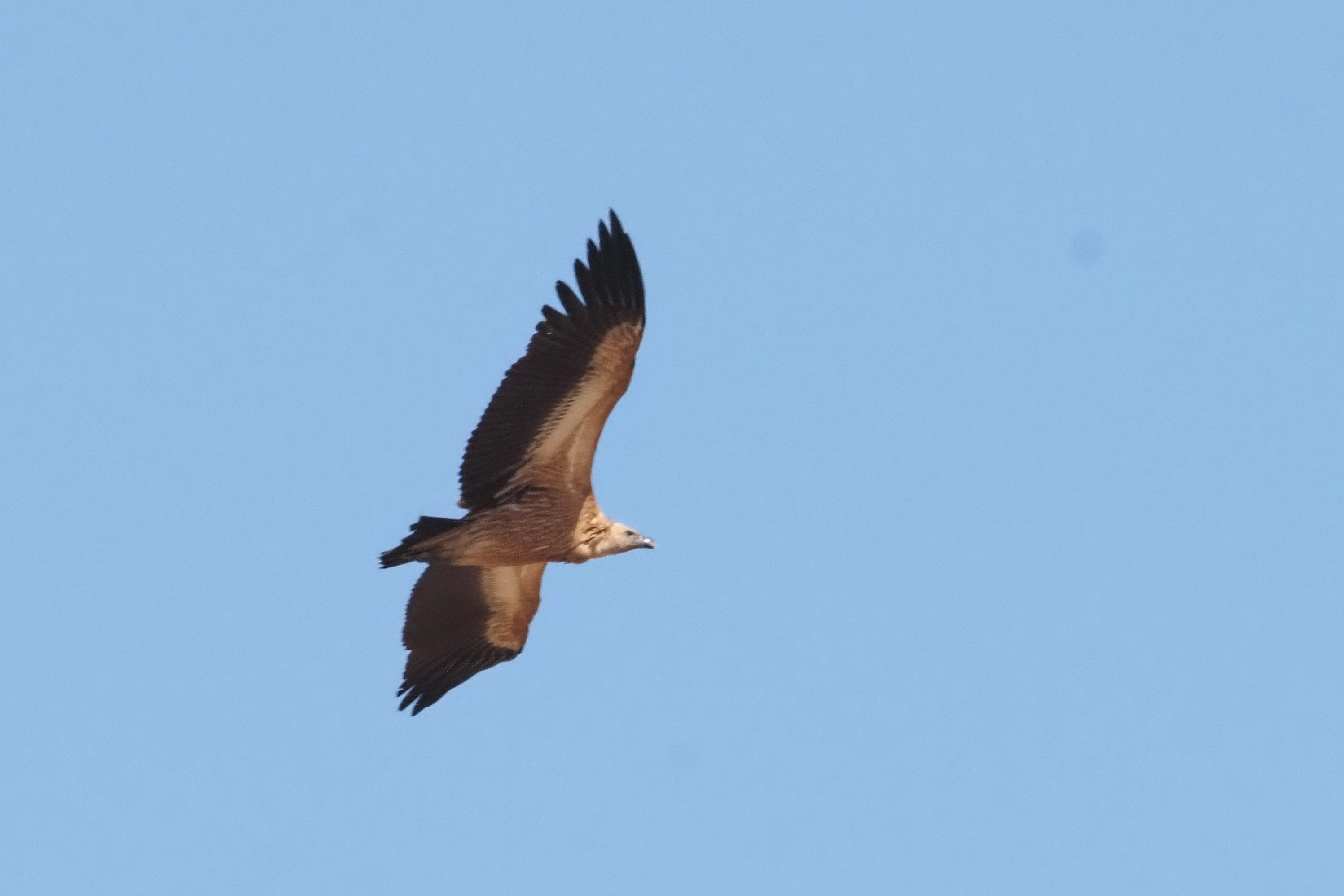
From here we drove up to the plateau, but with a road stop to admire a Black-winged Kite that was sitting on a lamp post, and also a couple of Eastern Imperial Eagles sitting along the road. From here, our way to Jabal Tal (an impressive cliff towering 1200 metres above sea level) was full of stops. Special mention goes to the Eurasian Wryneck feeding along with a gorgeous male Arabian Wheatear. Along the road we also enjoyed several Short-toed & Steppe Eagles, 2 Steppe Buzzards, 1 male Pallid Harrier, several Fan-tailed Ravens a flock of 47 Eurasian Griffons (massive number for Oman) that was accurately scanned in the search for any unexpected species.
Once arrived to our destination, we were rewarded with great views on 2 Verreaux’s Eagles flying in the way that only a Verreaux’s does along the cliffs, but we were surprised to see at least 1 Lanner Falcon going into a dogfight with one of the Eagles!! Alba got a nice male Blue Rock Thrush and, as we were enjoying the bird, a flock of 8 Arabian Partridges flew off under our feet to land some 400 metres away in open land, where we could track them easily. During the next 20 minutes we enjoy them, with more views also on the now very distant Verreaux’s Eagles.
Coming back from the mountain, we had a stop in the typical place for Yemen Serins. Here, while enjoying our picnic lunches, we were rewarded with some raptor action including 4 Eastern Imperial Eagle, Bonelli’s Eagle very active around an impressive sinking hole, Short-toed Eagle and an unexpected male Lesser Kestrel flying quite high.
After lunch, we did a walk around the area, enjoying the several African Silverbills and Palestine Sunbirds but also 1 Singing Bush Lark and, at the end, 1 Yemen Serin that showed very well!
In our way down from the plateau, we had a brief stop in a local bakery and the prays of the main leader (me) were listened, because the best donuts in the whole of Oman were there, waiting for us! I bought a good bag of them (never enough), and we went to enjoy them where the Northernmost Baobabs live in the world (yes, there are Baobabs in the Dhofar!).
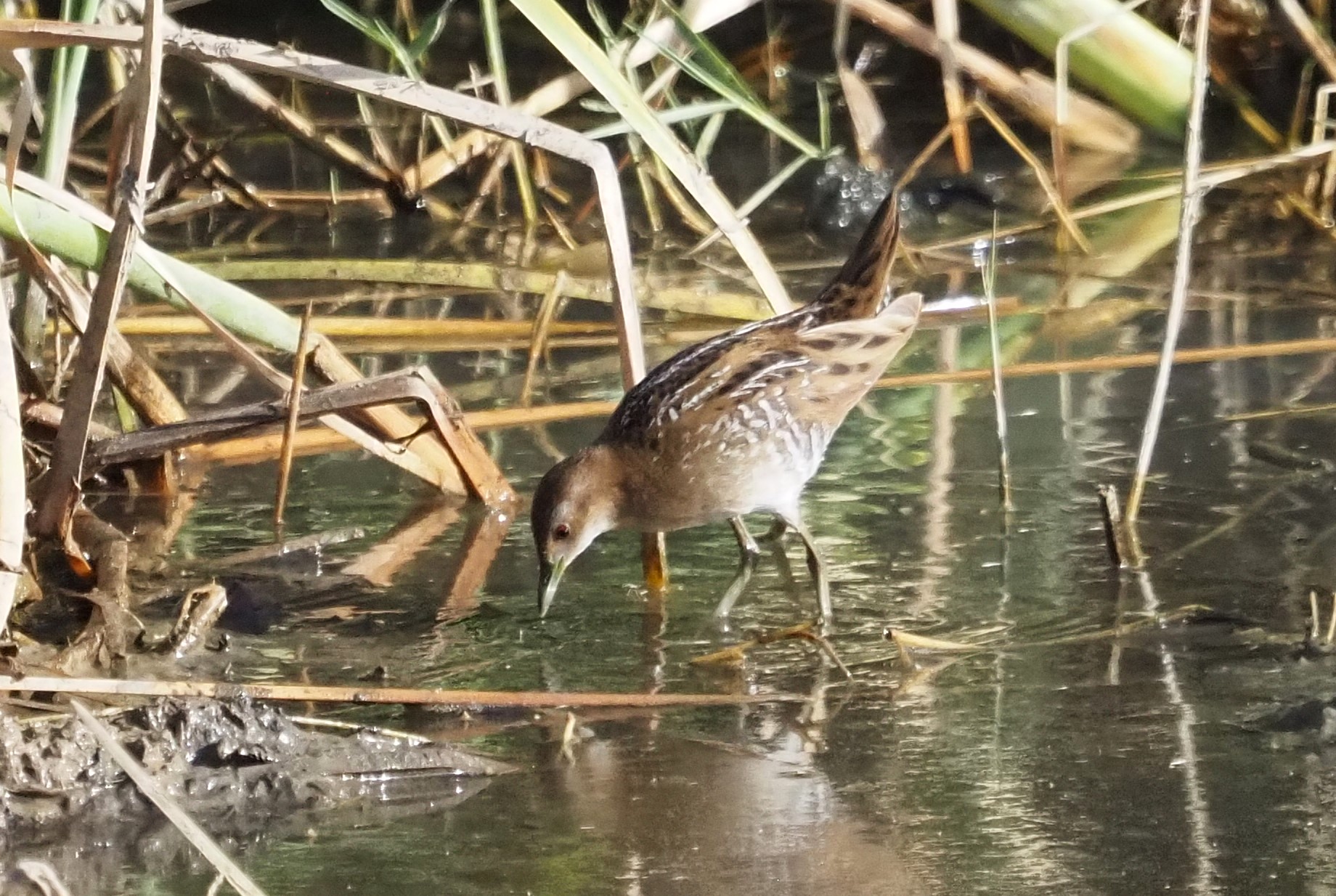
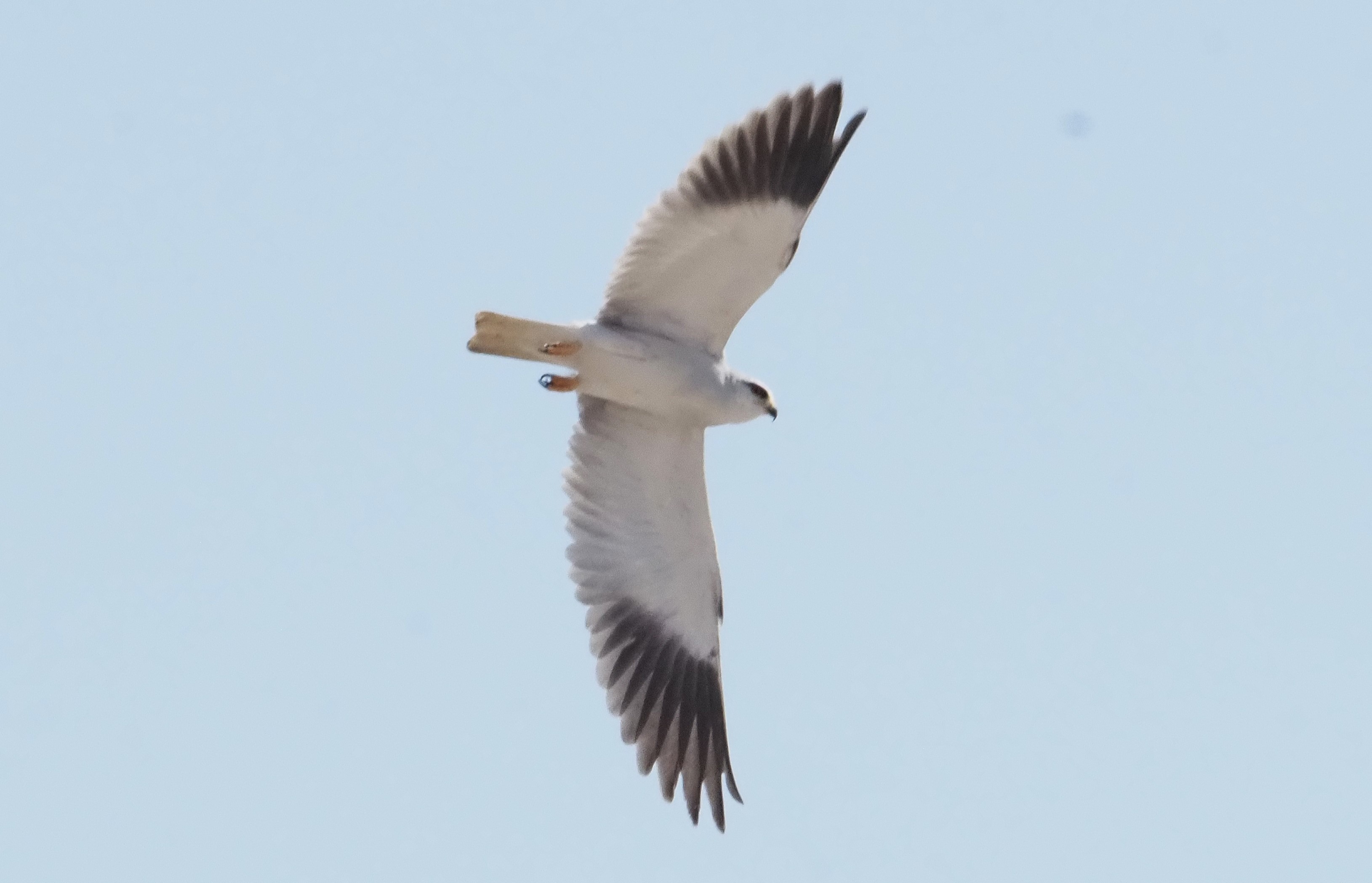
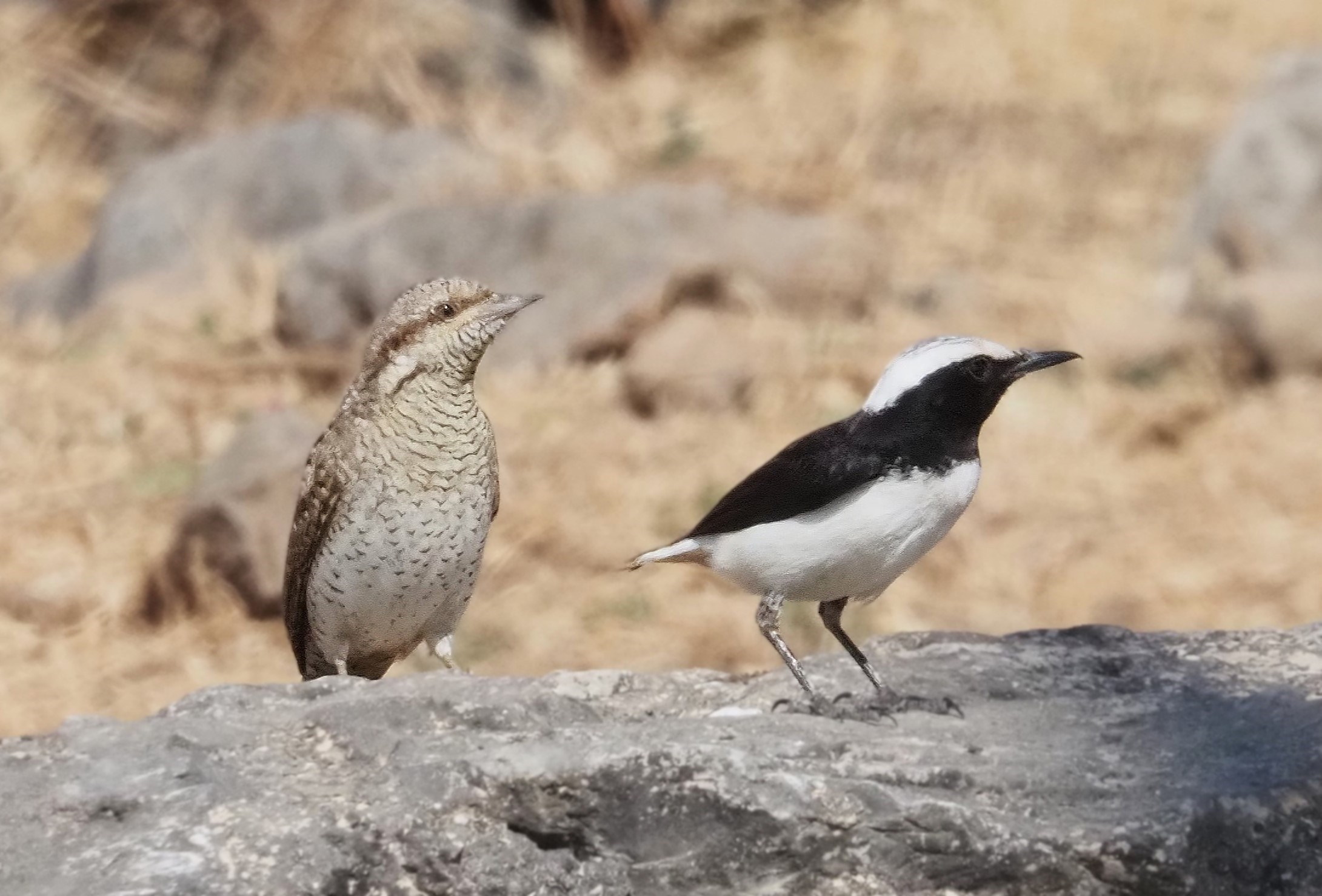
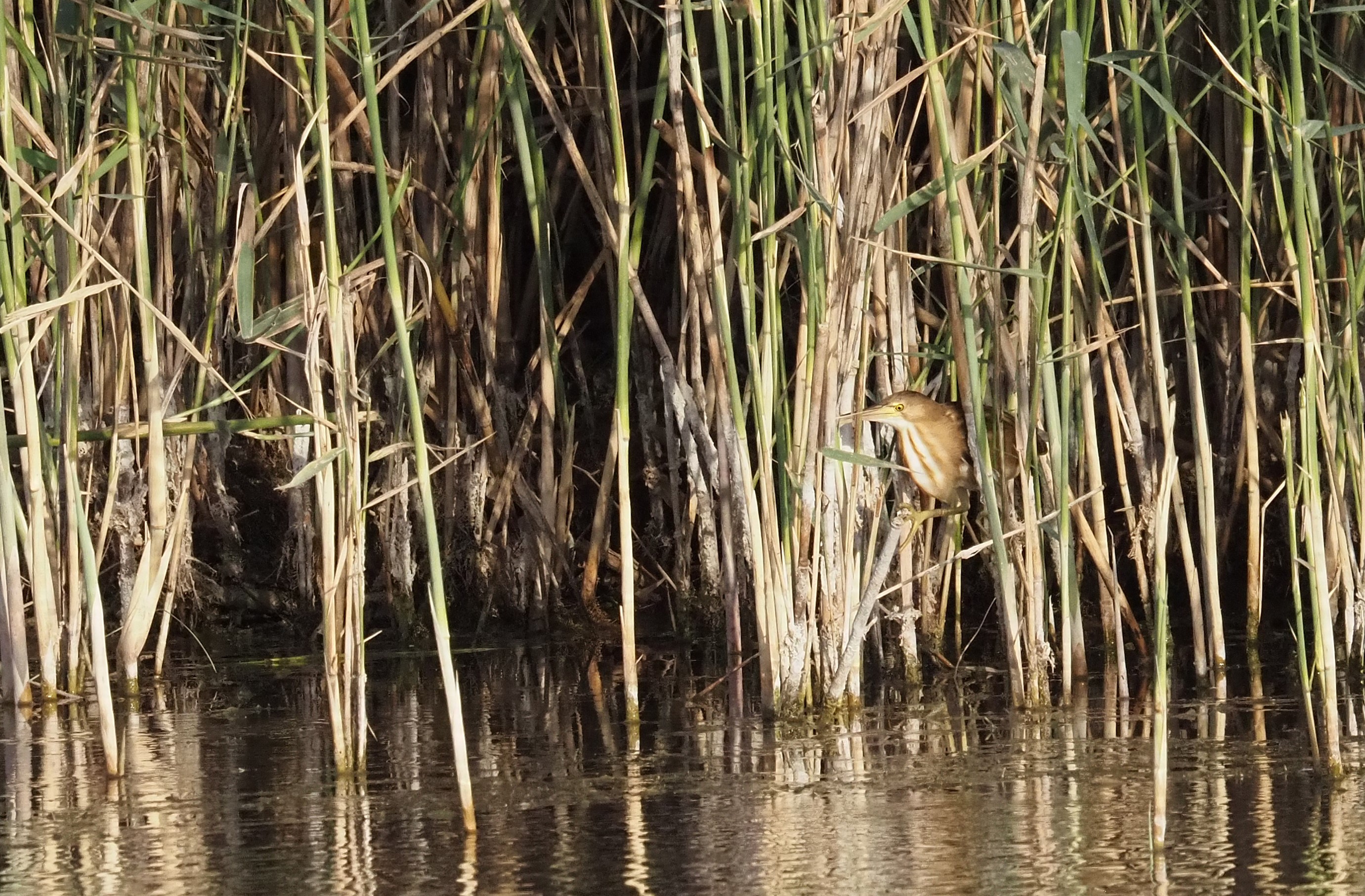
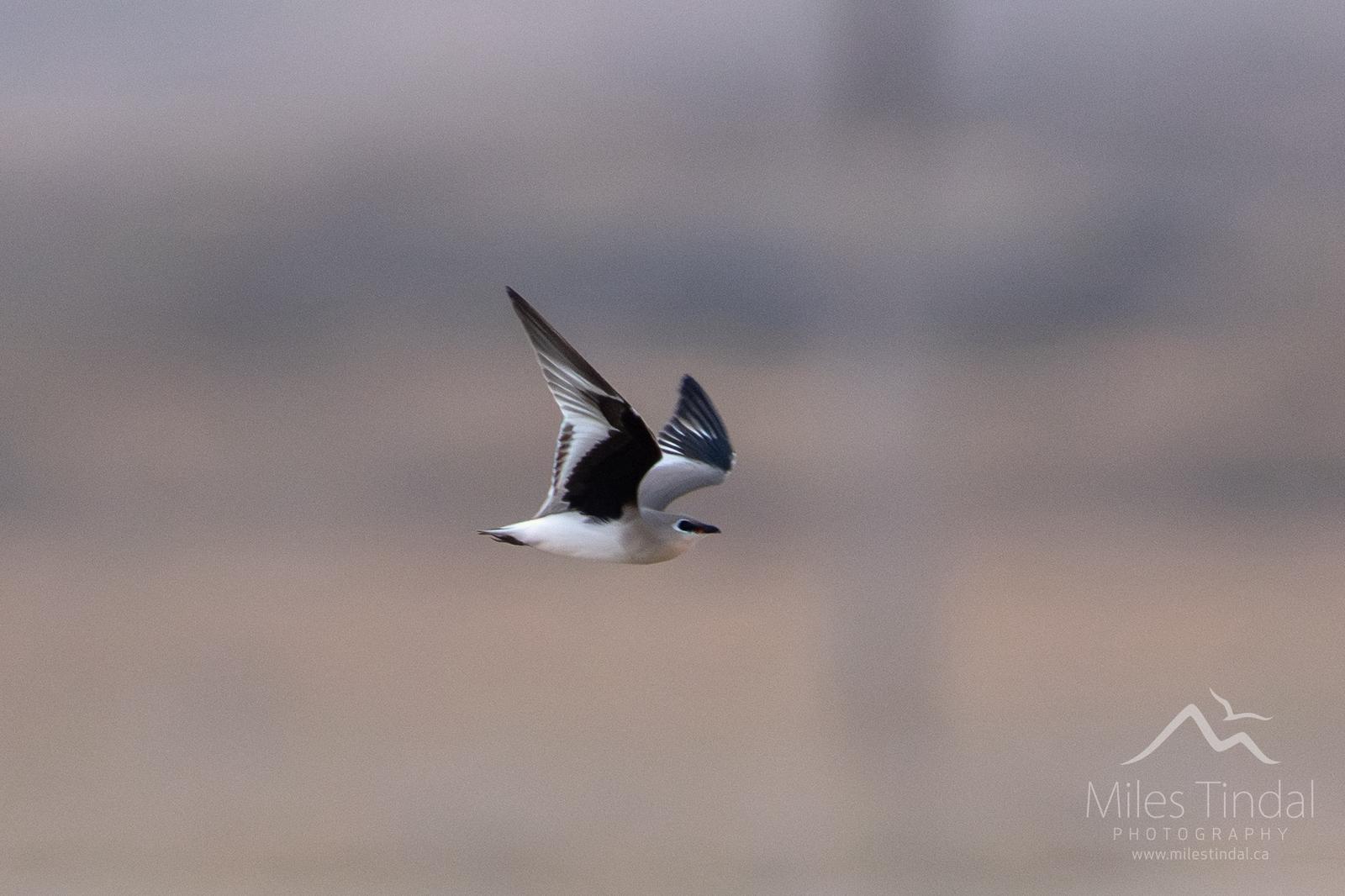
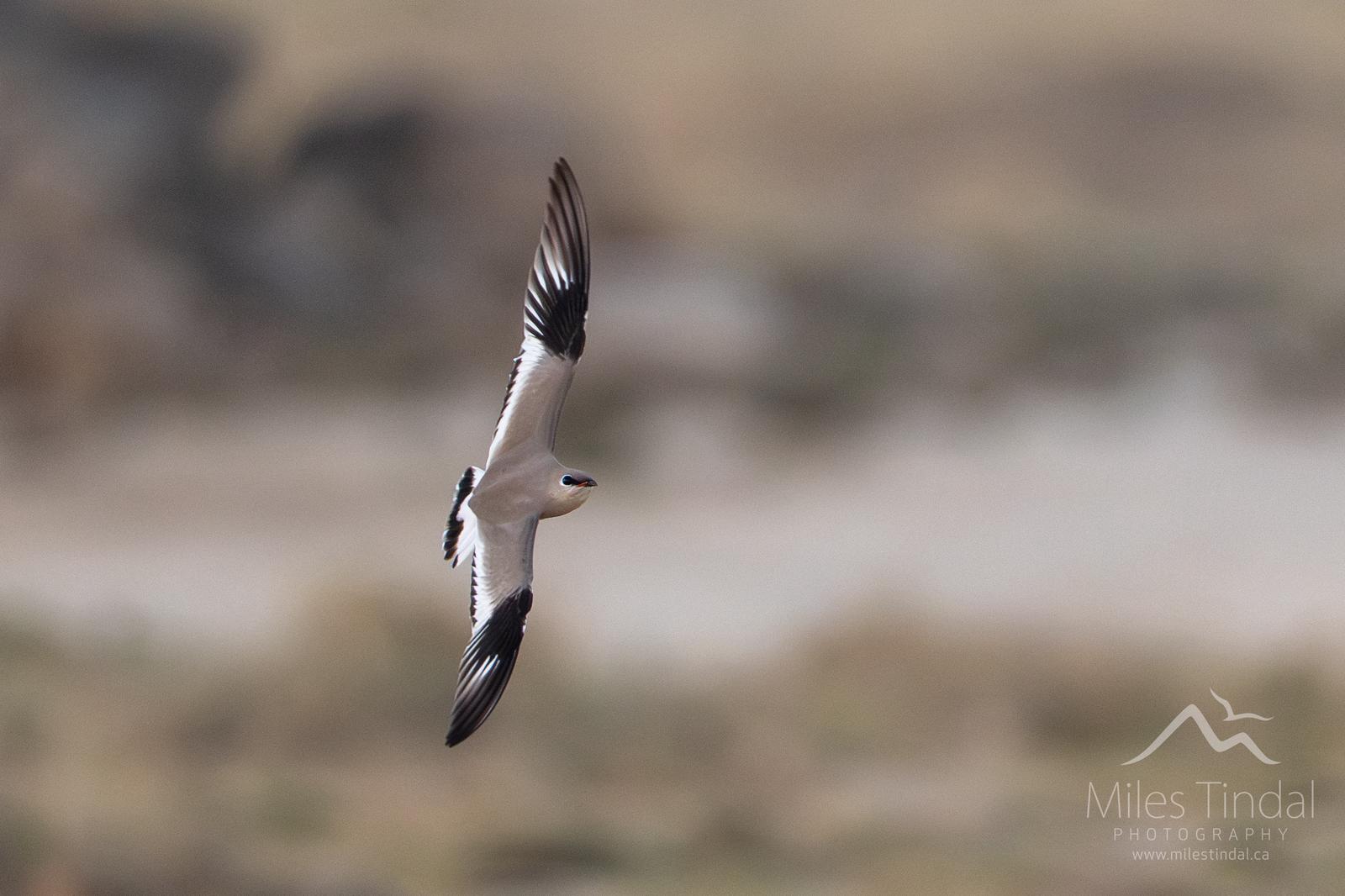
Once both the Baobabs and the donuts were enjoyed and admired, we drove down to the coast, to check another river mouth. Here, we got more amazing birding including the first Pheasant-tailed Jacana of the trip, 2 Purple Herons, a wonderful male Yellow Bittern fishing in shallow reedbed, 1 Caspian Gull, 2 Temminck’s Stint,.. Here, Rosy Startings tend to accumulate in the evening, and as the evening was advancing so it did the number of Rosy Startings. At the end, we counted a minimum of 90 of them! But the very best of that evening were 3 Small Pratincoles that suddenly emerged from the plains to feed in the semi-arid plain beside the river mouth. For long, we were delighted by its incredible way of flying, a superb way to end the day!
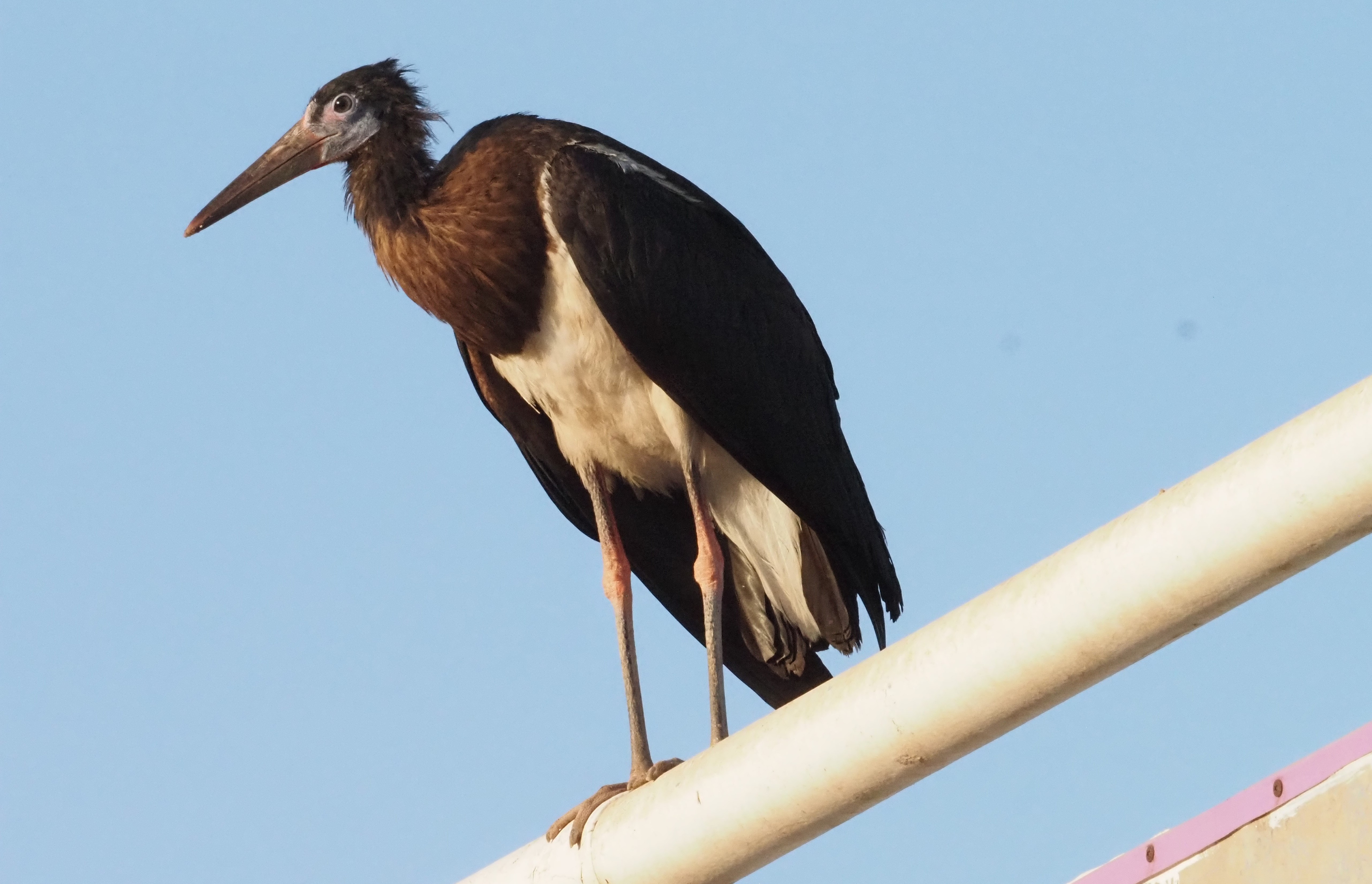
Day 6. This day we drove North from Salalah early in the morning, aiming to arrive a bit after raising to our offshore. The day was sunny and extremely calmed, with little wind. Normally, this is a bad sign when talking about sea bird activity. In the way, we got a number of Osprey along the highway, and good views on the local population of Abdim’s Storks before we got to the harbour.
Once sailed, we started enjoying some good birds. The numbers of Persian Shearwaters were solid this time, and we got several of them, counting as much as 23 birds moving North. Along the morning we also got a very good number of Masked Boobies, with tens of birds moving in small flocks in the same direction. We got very close views on both species, but also on 2 Flesh-footed Shearwaters to came around our vessel. On the contrary of many offshores here, we never got any flock of terns, and we only got 1 Jouanin’s Petrel that was never close enough to take any image. But one of the best moments of the offshore was a Killer Whale suddenly appearing in front of the boat, jumping by side out of the water. Everything happened so fast that we couldn’t believe our eyes! After a couple of minutes, the beast showed out again, but this time only broke the water surface to show the side of the head. I think that it really wanted to take a look on us!
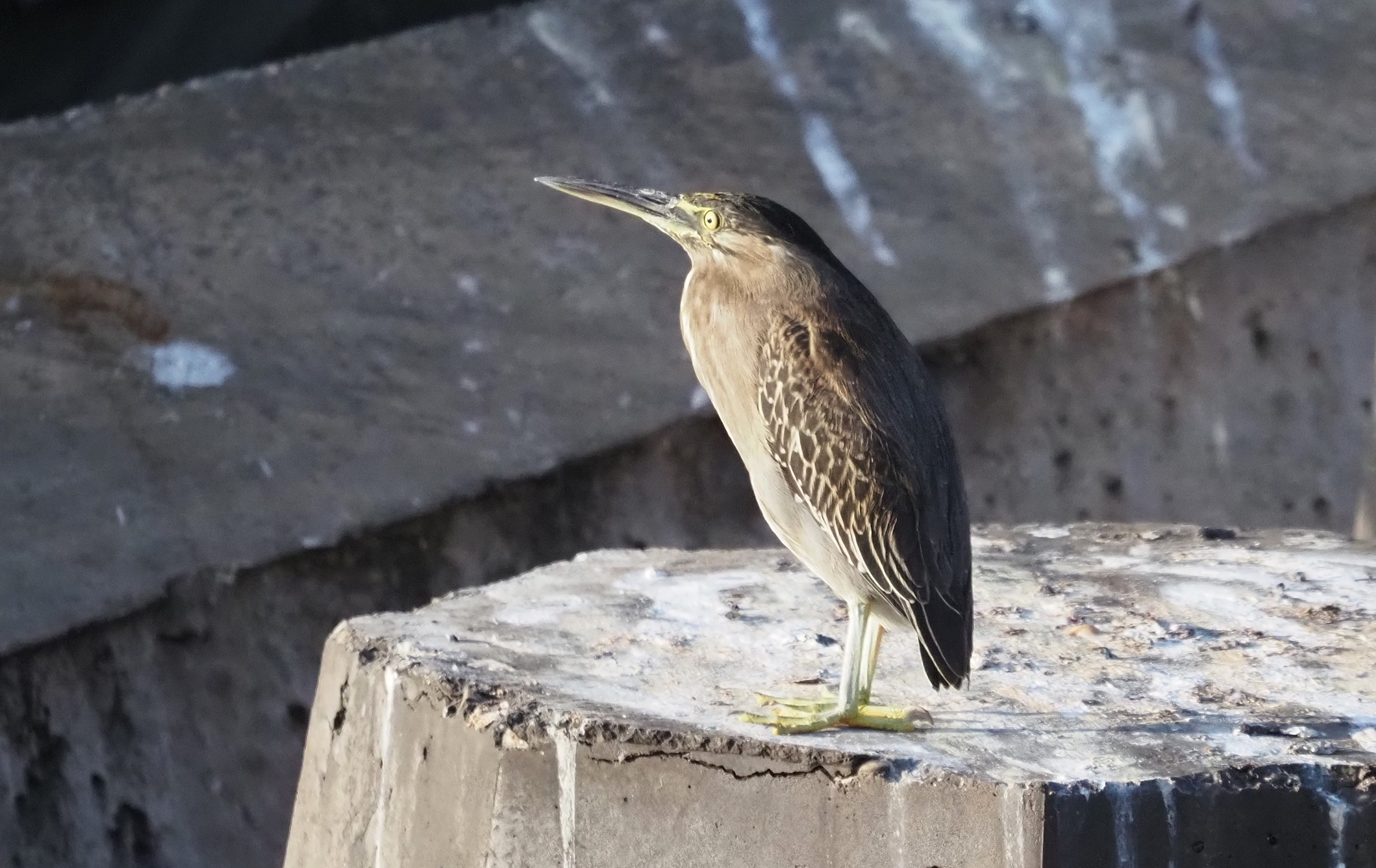
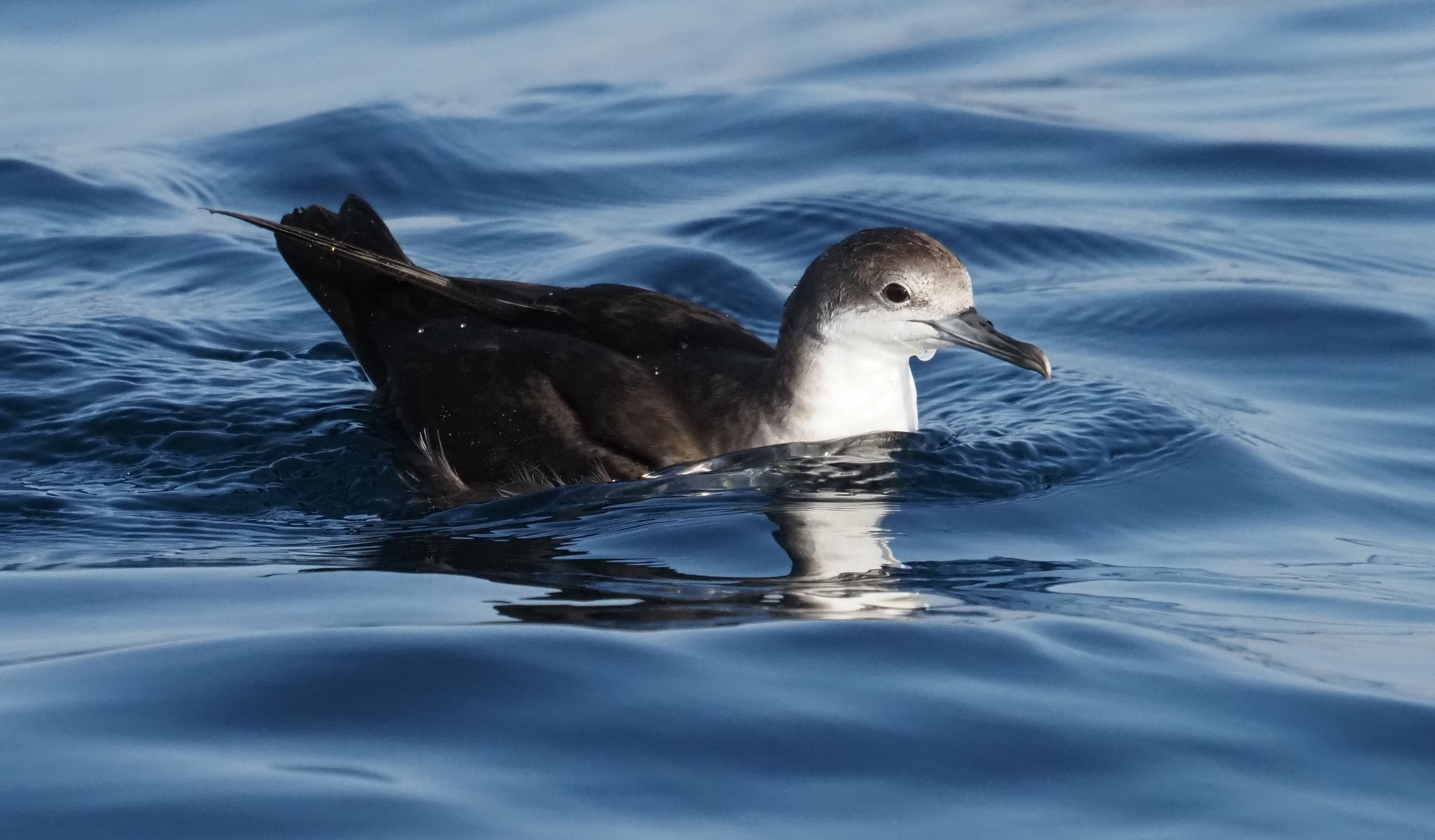
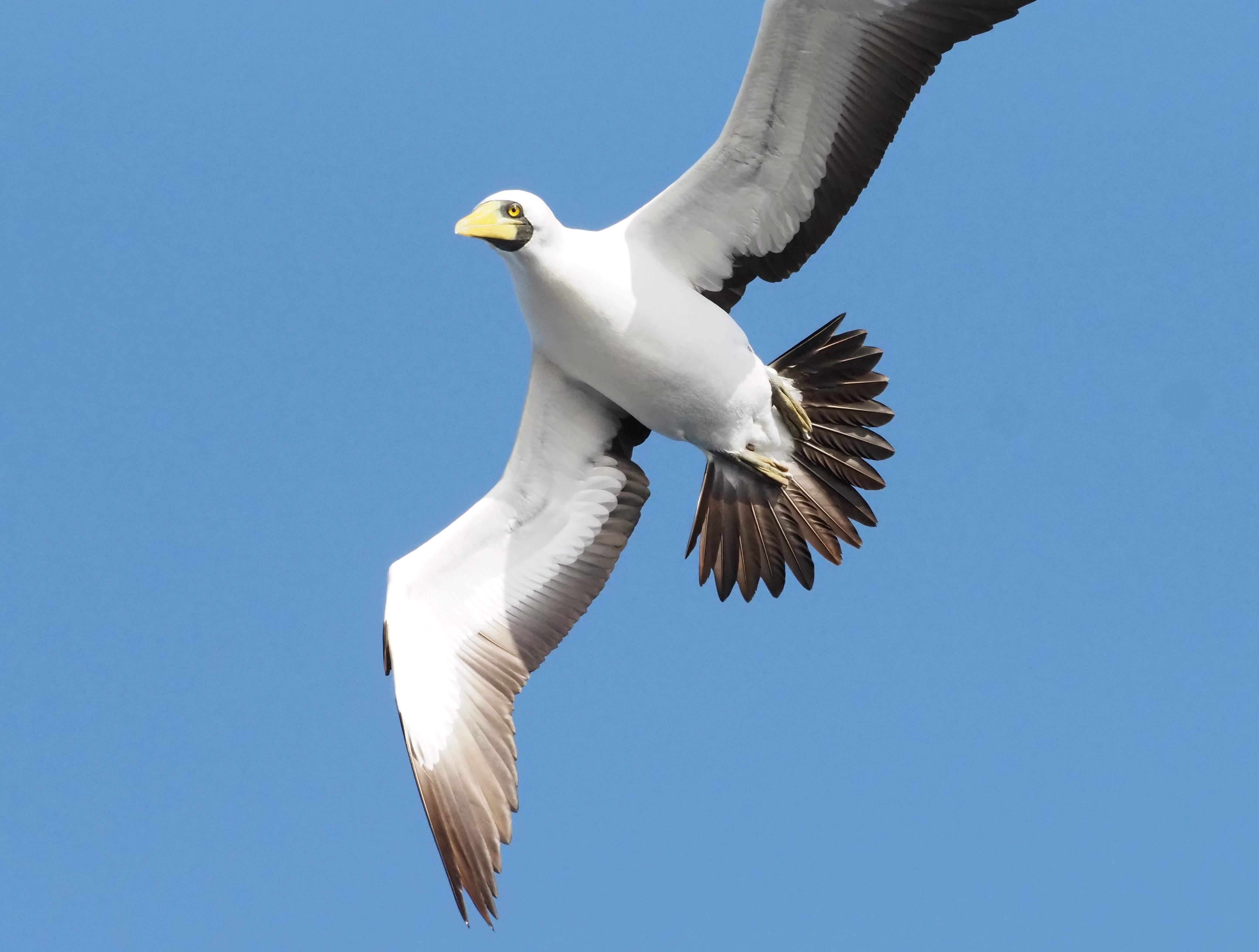
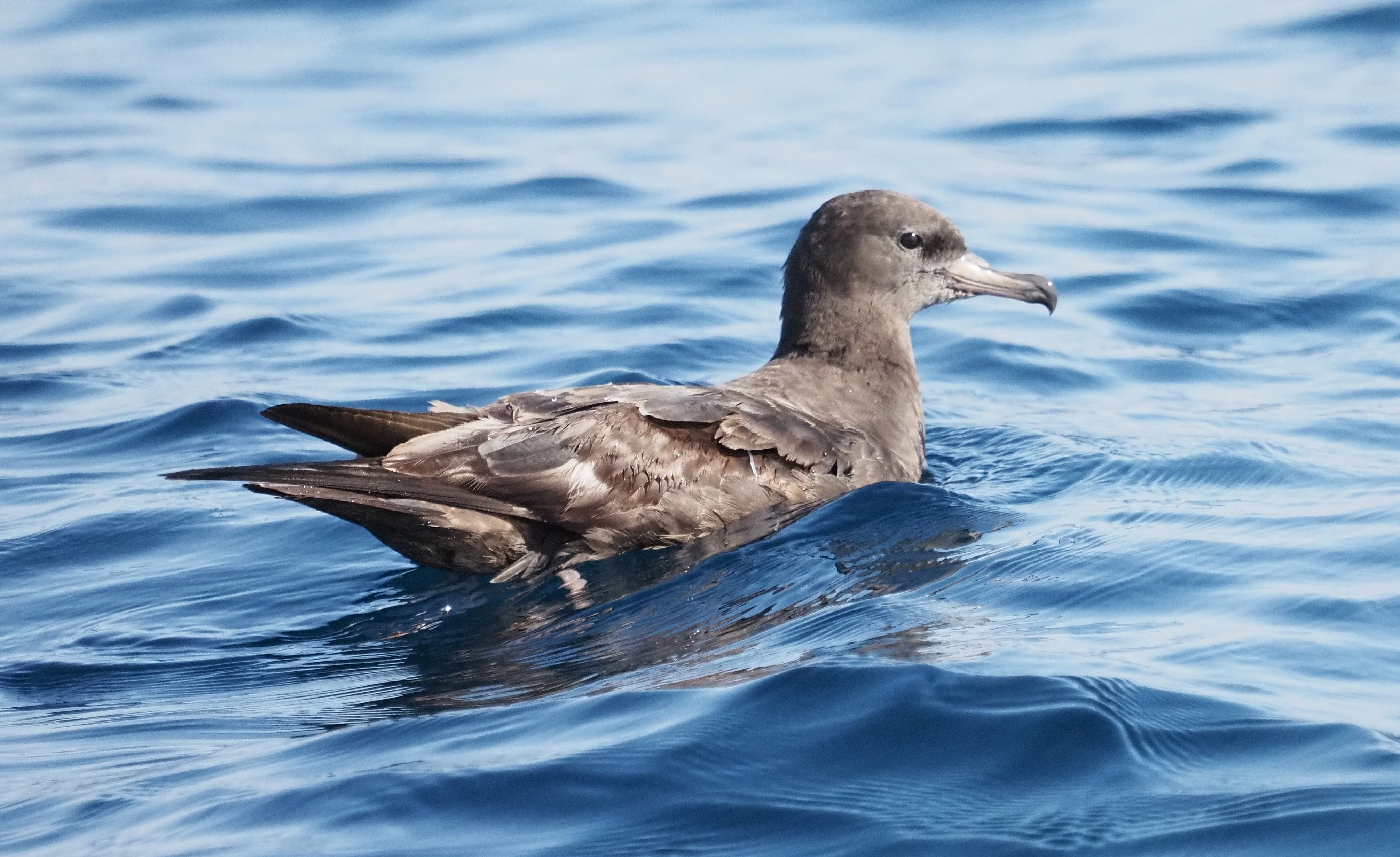
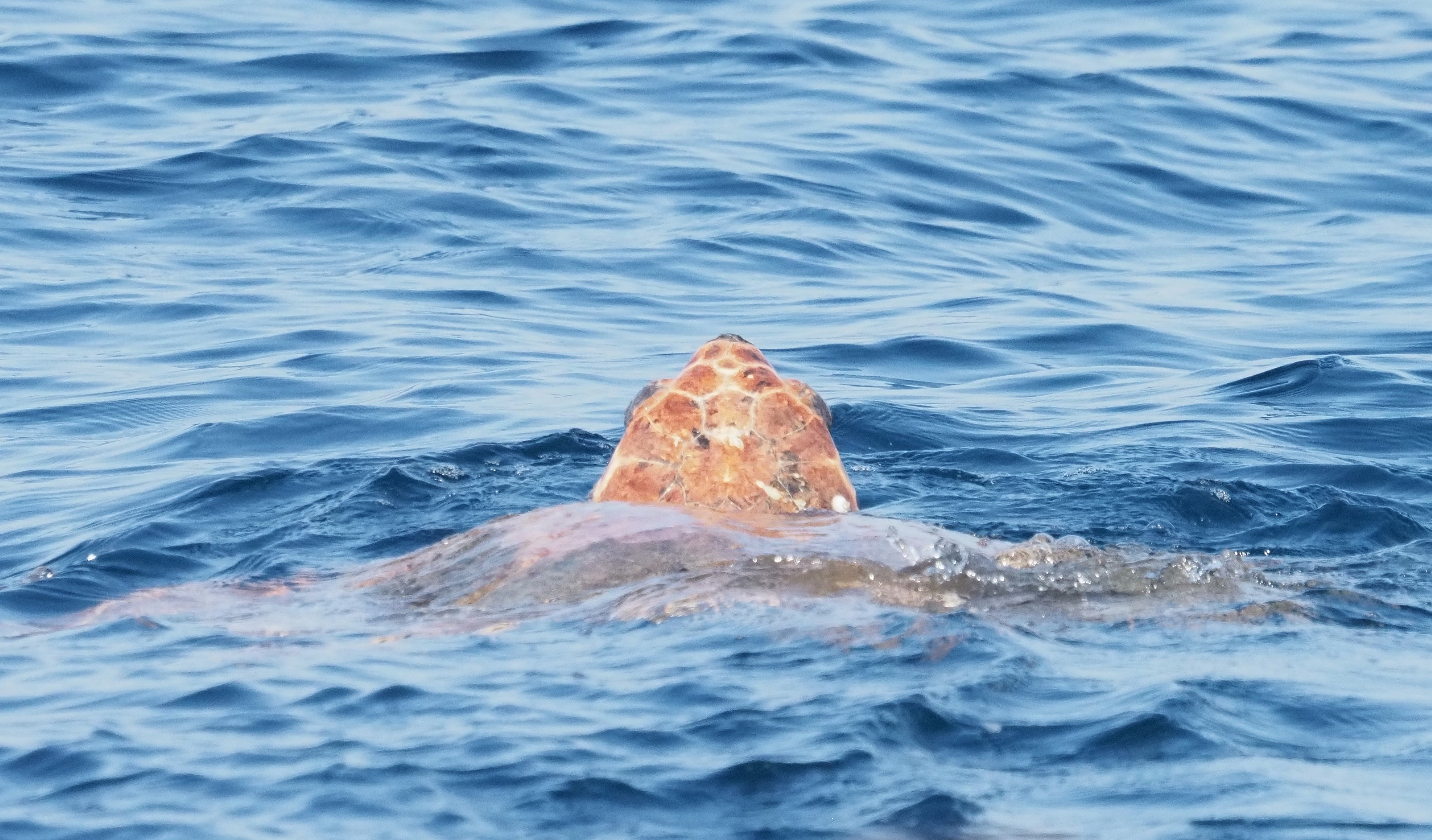
Back to the harbour, and still shaked by the good views on the Shearwaters, the Phalaropes and the Killer Whale, we went to have a coffee before heading to our picnic spot in a urban park nearby. At the urban park in Mirbat we got to have good views on the long-staying Bay-backed Shrike and a good walk around also produced 2 Asian Koel (young and adult), both Isabelline & Turkestan (aka Red-tailed) Shrikes, 8 Tree Pipits, 1 putative Olive-backed Pipit, 2 Lesser Whitethroats, 1 Clamorous Reed Warbler, several Arabian Sunbirds, 4 Imperial Eagles, 20+ Abdim’s Storks and 1 Indian Pond Heron.
On the Olive-backed Pipit, it was moving along with Tree Pipits. A slightly smaller bird, with uniformly darker back, shorter and stouter bill, a soft pumpkin-like tint in the side of the breast and a clearly defined occipital patch looked more than good to me! We got them in the scope for a couple of minutes and everybody got to see the bird. Still, nobody managed (or remembered) to take a photo of the correct bird..
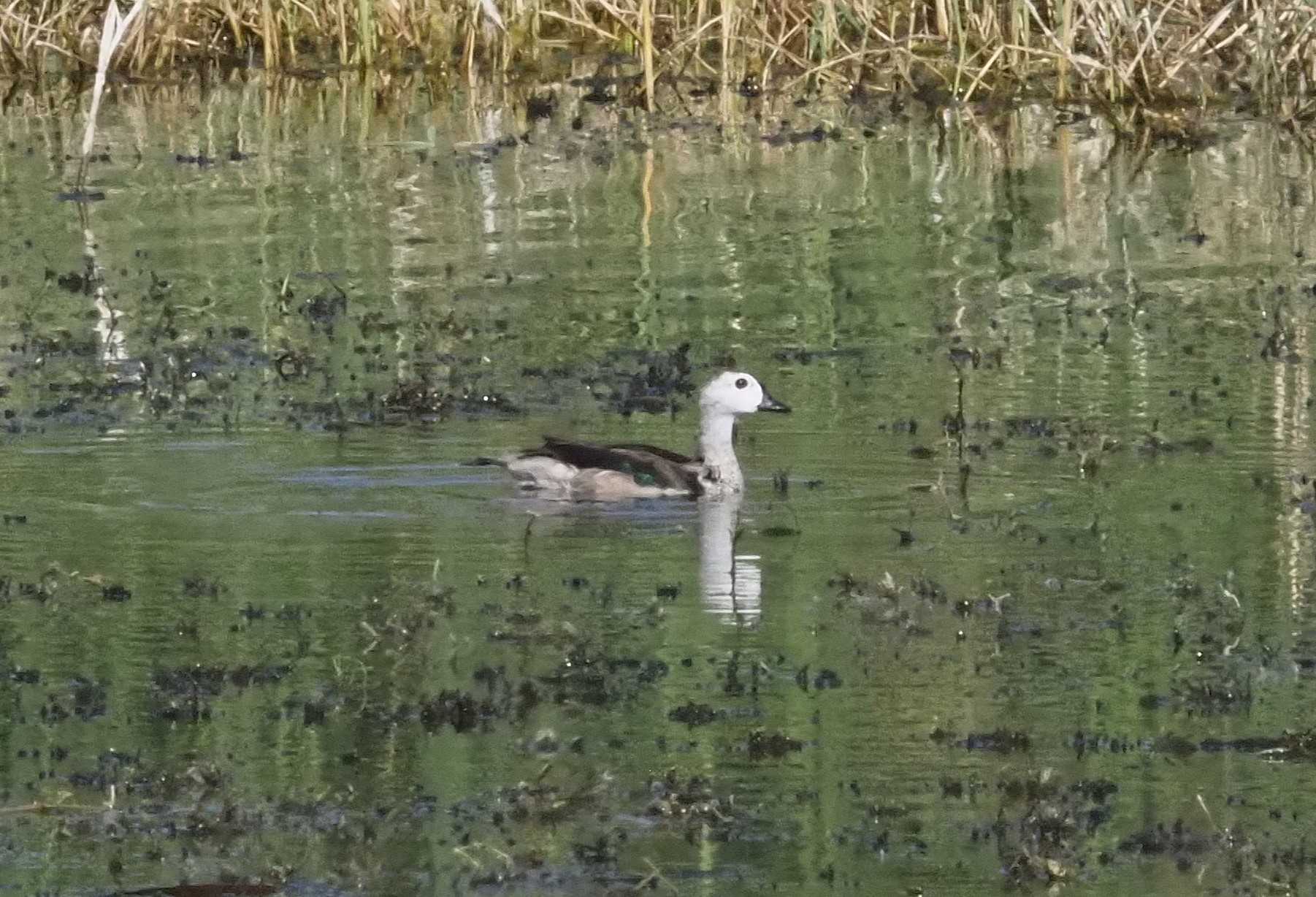
Leaving Mirbat behind, we went to check a small lagoon with a rich reedbed. Soon, we realised that we have chosen the correct river mouth. Checking some a small flock of three Coots we soon realised that one of them was actually a Red-knobbed Coot, and we were still trying to get closer to it when three ducks just came flying, revealing the typical pattern of Cotton Pygmy Goose! Checking the lagoon, we counted 5 Cotton Pygmy Geese (including a lovely drake), but also 2 Pheasant-tailed Jacanas, two very interesting Medium Egrets, and 2 Purple Herons along with Tawny Pipits and Whiskered Terns. On the raptor side, we got nice views on Booted Eagle and Marsh Harriers.
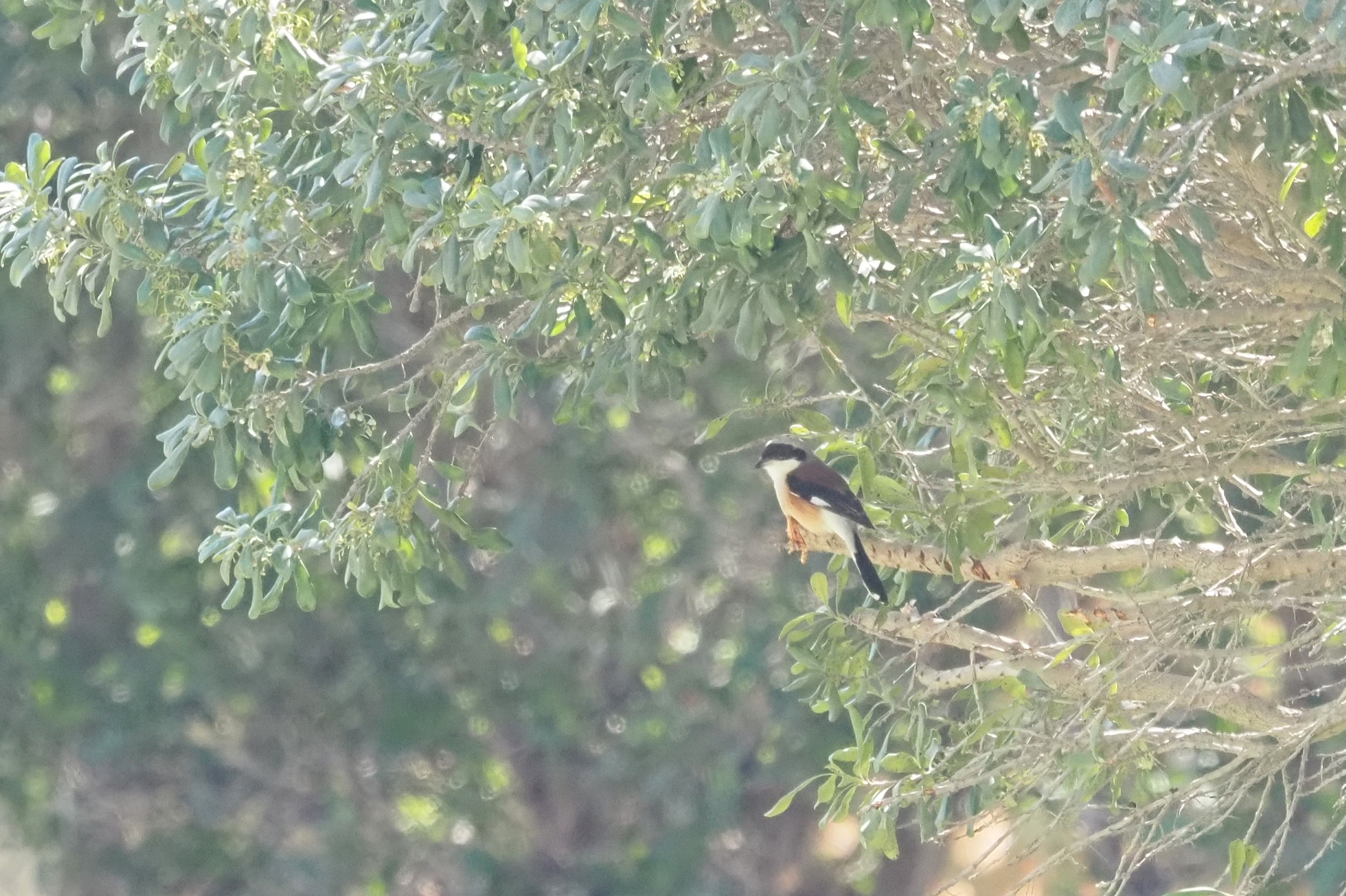
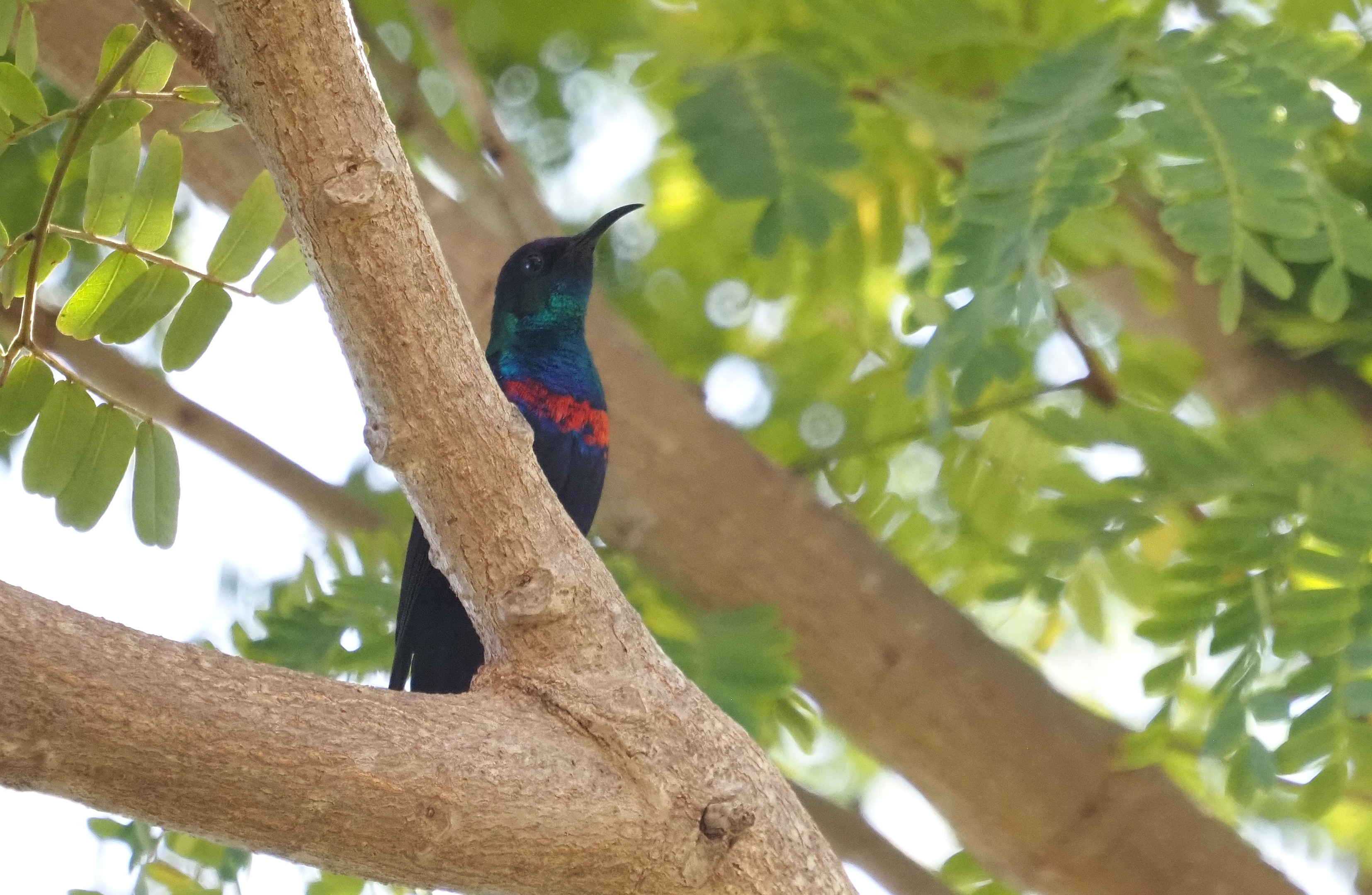
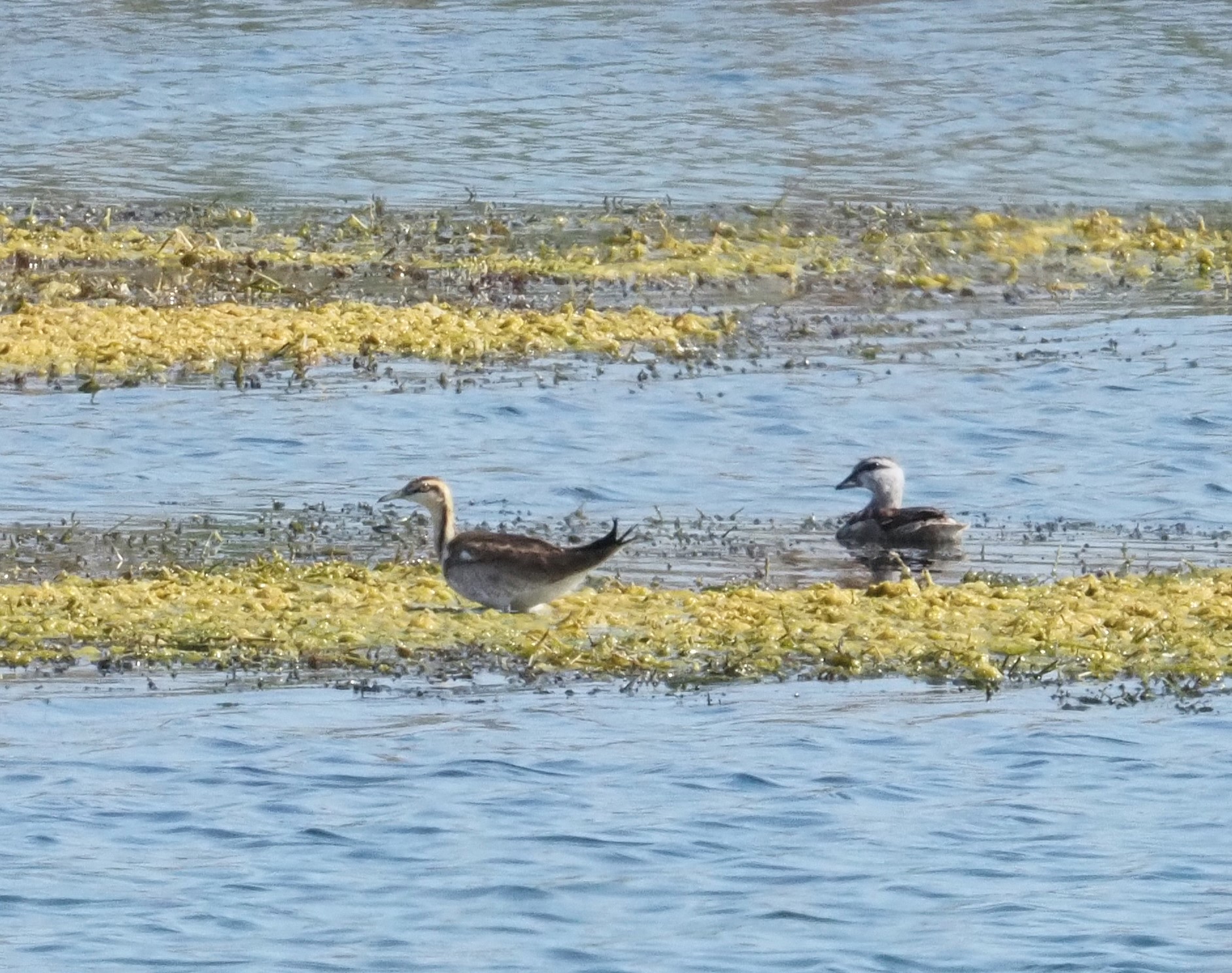
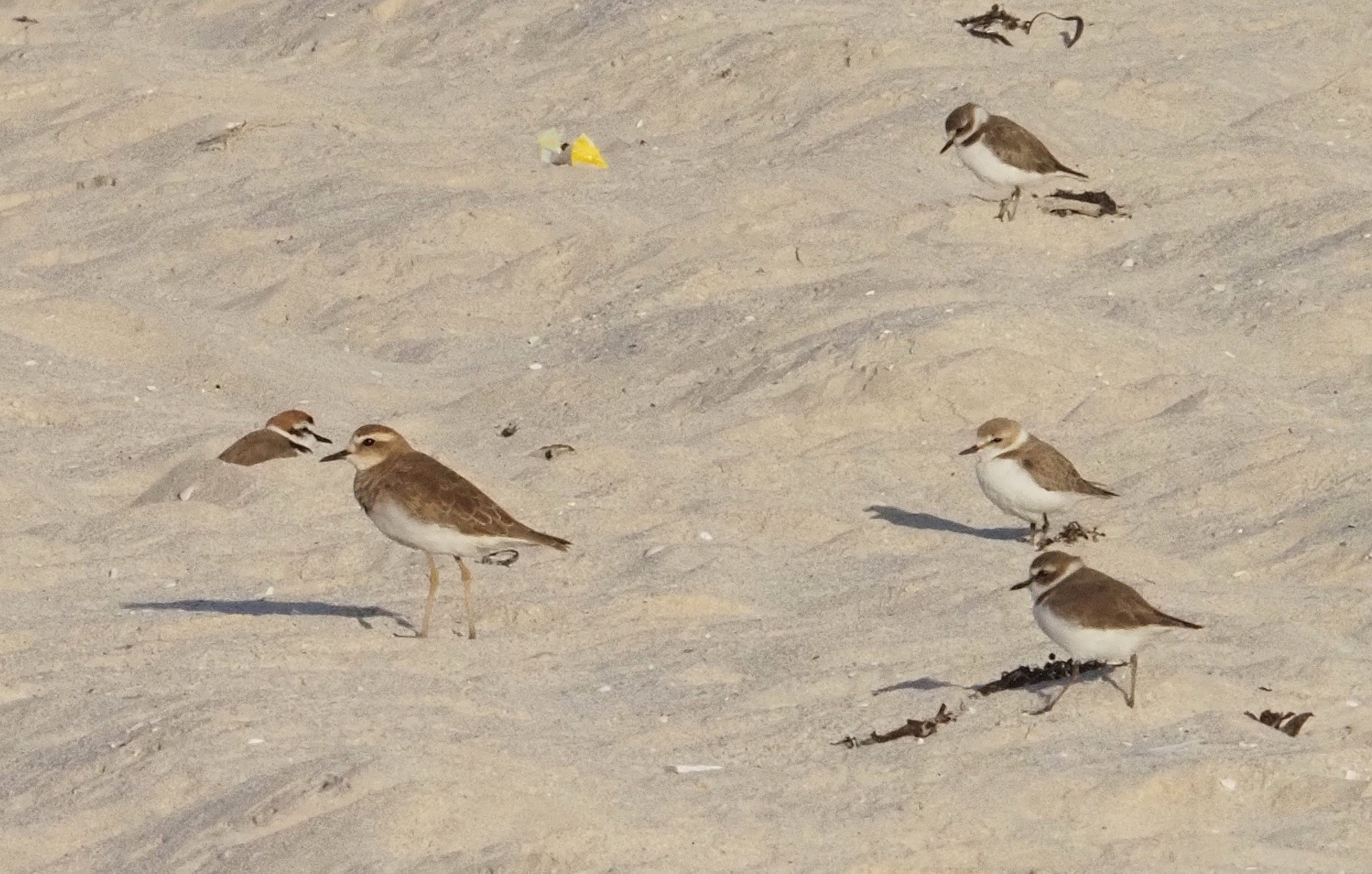
Taking advantage of the very stable weather we paid a visit to a second river mouth. Here it was far more little activity. Checking the sea we got the first Little Tern of the trip, but also a Indo-Pacific Bottlenose Dolphin not far away from us. The river mouth was having little activity and only the typical array of waders, terns and gulls. But, checking the Plovers around, we got to find a wonderful Caspian Plover! Suddenly, the site skyrocketed from being poor to absolutely amazing!!
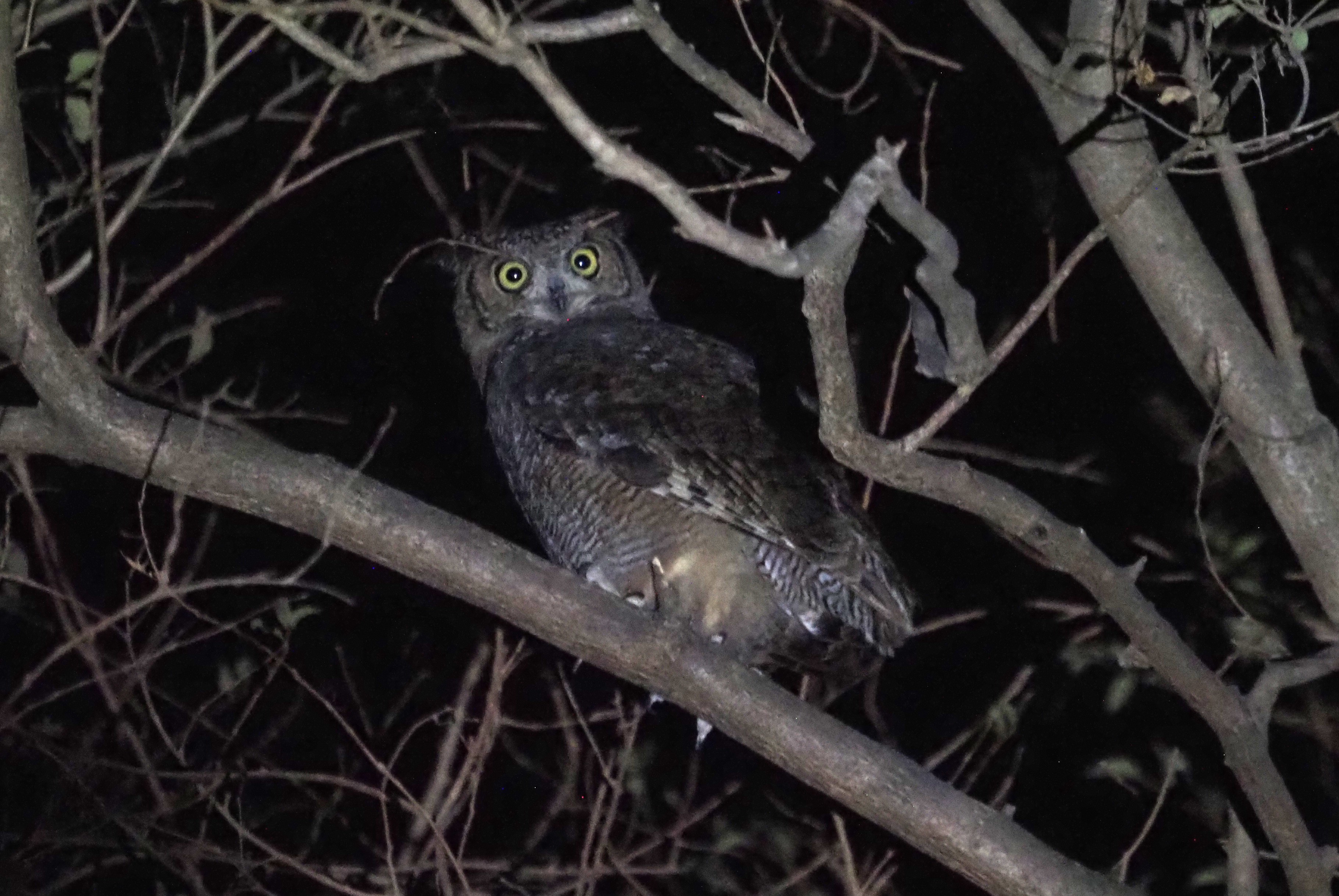
Very glad after finding a Caspian Plover in the middle of a flock of Kentish Plovers, we then move inland for a final stop. We arrived already with very poor light, and a fast scan revealed no less than 38 Alpine Swifts, the best ever number for this country! Still waiting for some more dark, we got inside a valley to find a very special bird living in this kind of rocky valleys. Soon, we got 2 Arabian Eagle Owls flying away from their day roosts. Carles pointed out that one of the birds was actually singing quite close, and it didn’t take even a couple of minutes to find both birds, one of them quite close and providing really good views! Again, a great end to the day!
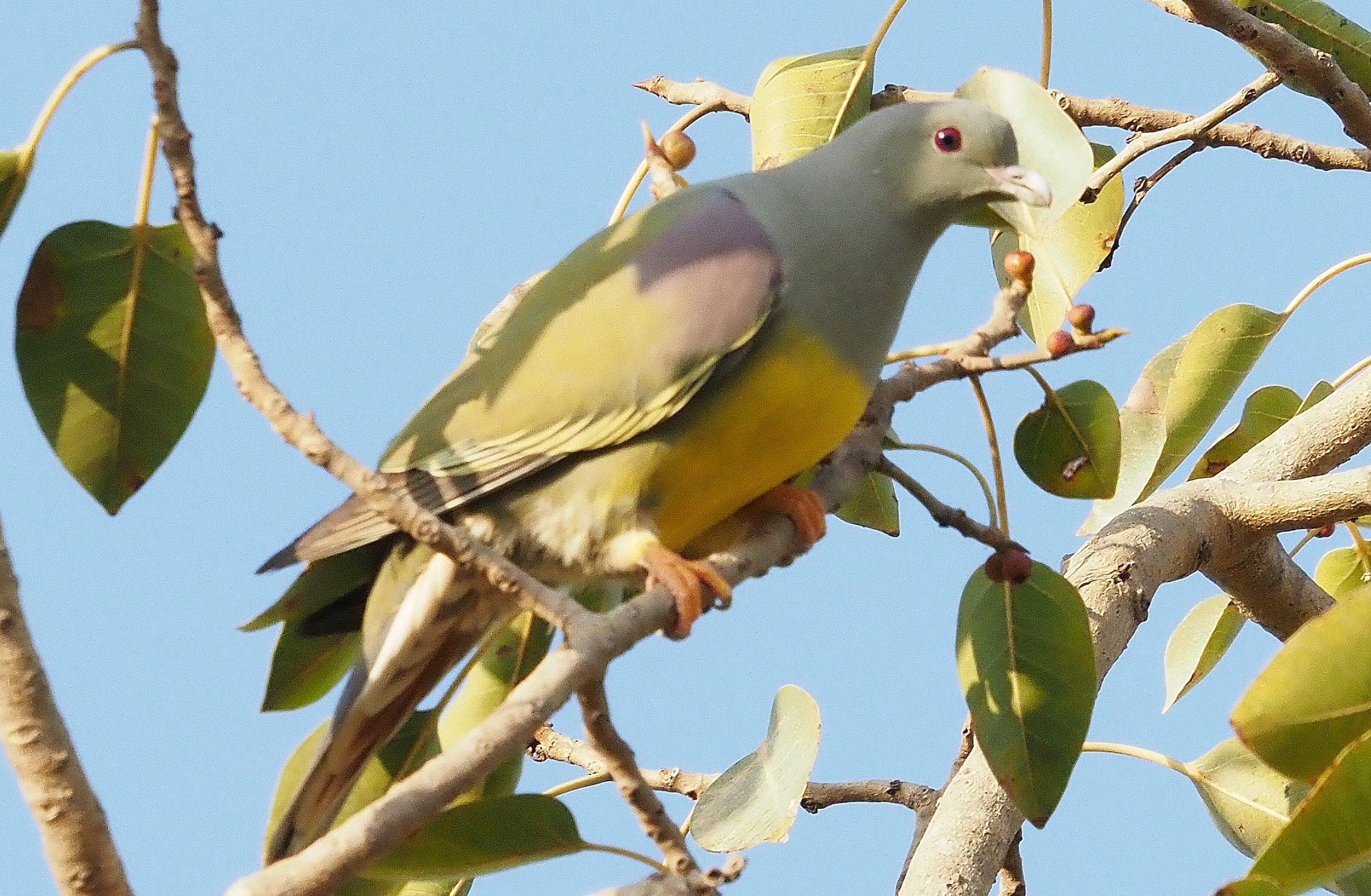
Day 7. Morning walk in one of the main green spots around Salalah. Here we saw a good number of White Wagtails, Arabian Sunbirds and Tree Pipits, but also small flocks of Scaly-breasted Munias. Another Eurasian Sparrowhawk flew over, but the main attraction of the site were the good views on Bruce’s Green Pigeons. A minimum of 10 birds were seen up in the trees, providing great views on the morning light.
From here we moved to Raysut River Mouth, were we enjoyed close views on Arabian Bee-eater, Persian Wheatear and Greater Spotted Eagles. the river itself was full of life. Here we got an impressive list of Terns: Several Greater Crested Terns, stunning views on Lesser Crested Terns, the only White-winged Black Tern of the trip, several Whiskered & Gull-billed Terns, a few Little Terns and a very interesting White-cheeked Tern that flew off from the muddy platform, allowing a good views on its distinctive underwing pattern.
Most of the waders were sleeping, and we were very lucky since two of the very few feeding ones were 1 Terek’s Sandpiper, and the only one Broad-billed Sandpiper of the trip. A full adult bird already coming to full breeding plumage.
From here we drove up to to Raysut ponds, where we enjoyed several Marsh Sandpipers, Abdim’s Storks and Wood Sandpipers along with good numbers of White Storks and also a Red-wattled Lapwing standing beside a Red-wattled Lapwing x Spur-winged Lapwing hybrid. Here got good numbers of both Mallards and Pintails as well as the only 2 Spotted Redshanks of the trip and 1 Black-necked Grebe, a new species for our trips exploring Oman.
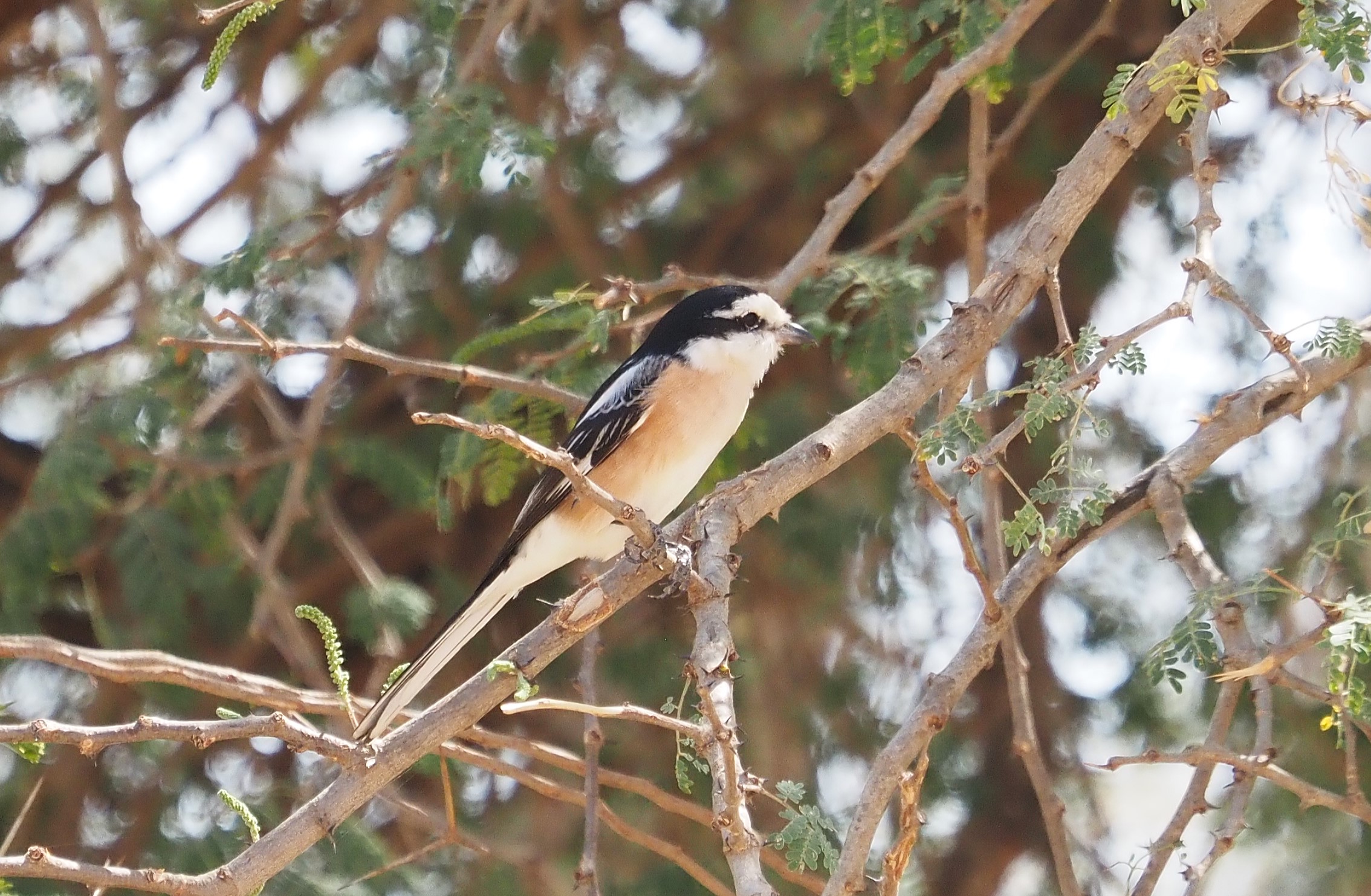
The morning was also gone but we still had time to enjoy a second visit to Ayn Hamran. This is always a wonderful place to visit, even if you short of time. Here we enjoyed again great views on African Paradise Flycatchers and Black-crowned Tchagras. The Turkestan (aka Red-tailed) Shrike that we saw only a few days ago was still on place, and we had a phenomenal adding to our list in the form of a drake Masked Shrike that Miles found found for the whole group!
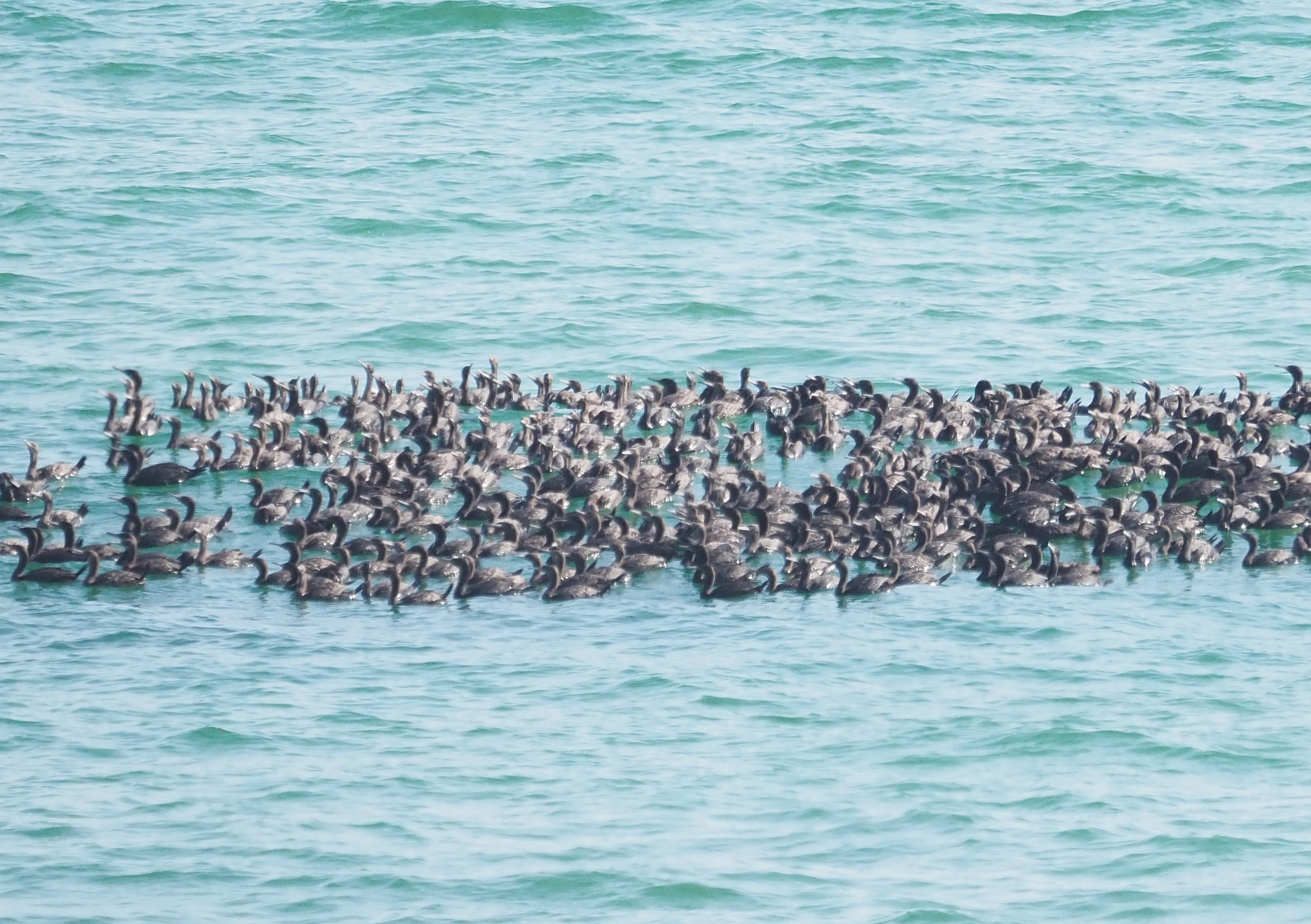
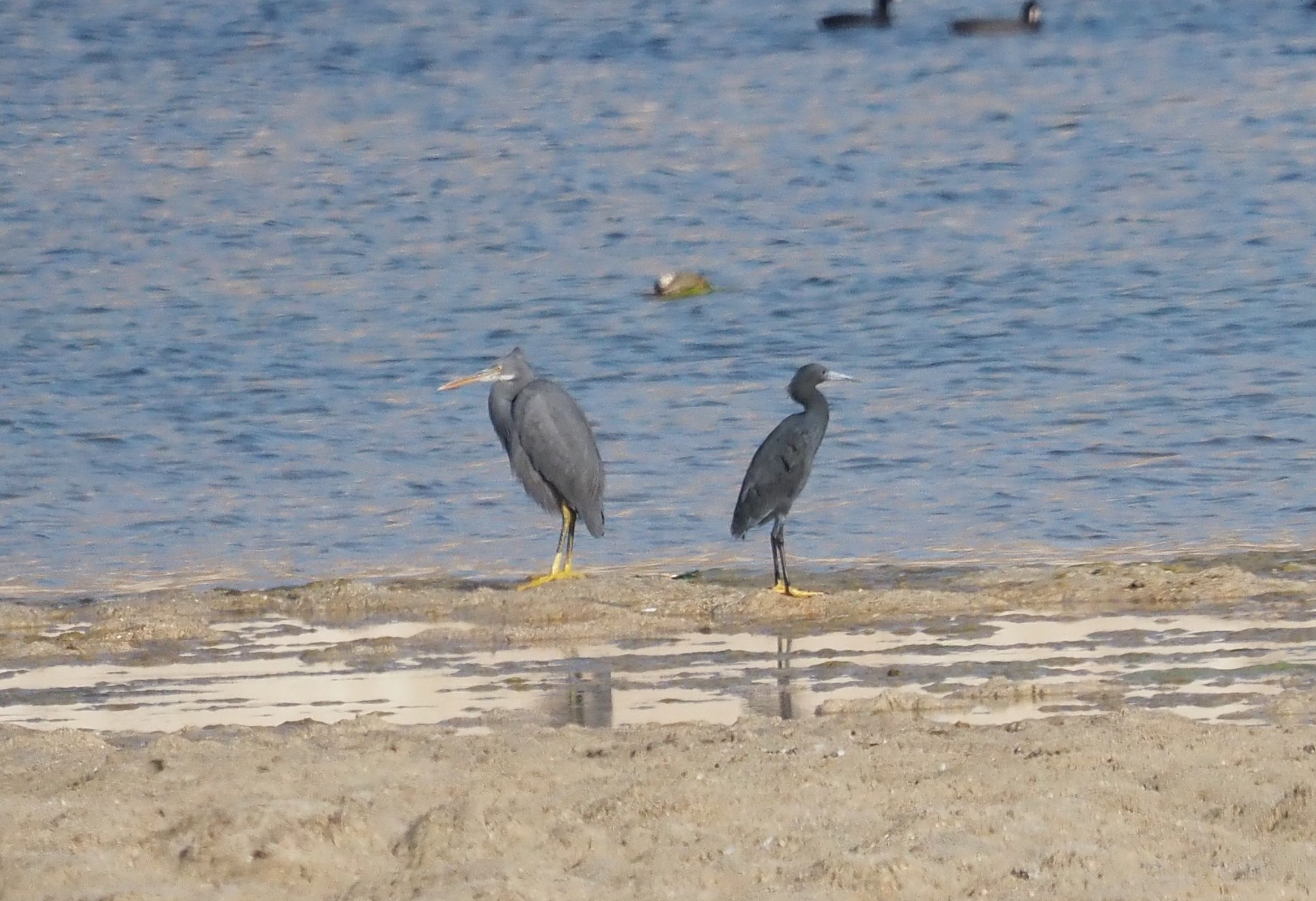
After enjoying our buffet lunch in our hotel we drove South to explore some nice spots near the coast. Our drive was, anyway, interrupted by a large and compact “pod” of Socotra Cormorants that were resting on the sea, very close to the shore. Here we enjoyed great views on them before they took off and, while scanning the sea around, we found another pod of Indo-Pacific Humpback Dolphins. Further South, we still had time to check a small wetland. Here, we got the only flock of Eurasian Spoonbills of the trip along with several Mallards and Pintails (normally scarce species in Oman) along with some waders. But, more importantly, we got nice views in the long-staying Black Heron standing side to side with Western Reed Egrets.
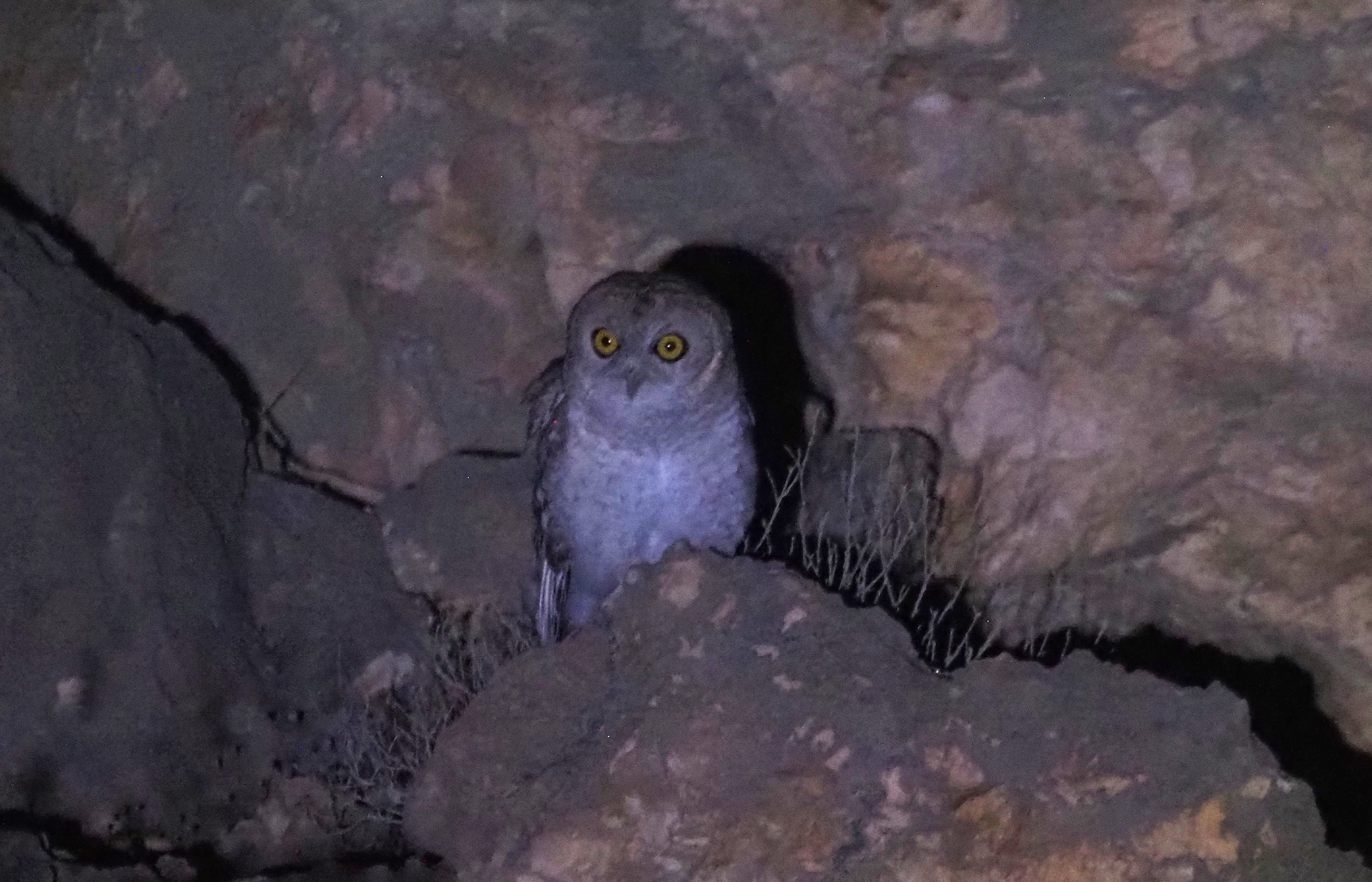
At dusk, we drove up a wady. Coia got a flock of Arabian Partridges getting into its roost before the last calls of the Hyraxs went off. A few minutes later, a very different call came all the way down from the wadi. It was a Desert Owl. Soon, we were enjoying insane views on this amazing species, once thought to be relict to the Negeb Desert, but recently discovered to be living all along the Red Sea coast and arriving inside Oman!
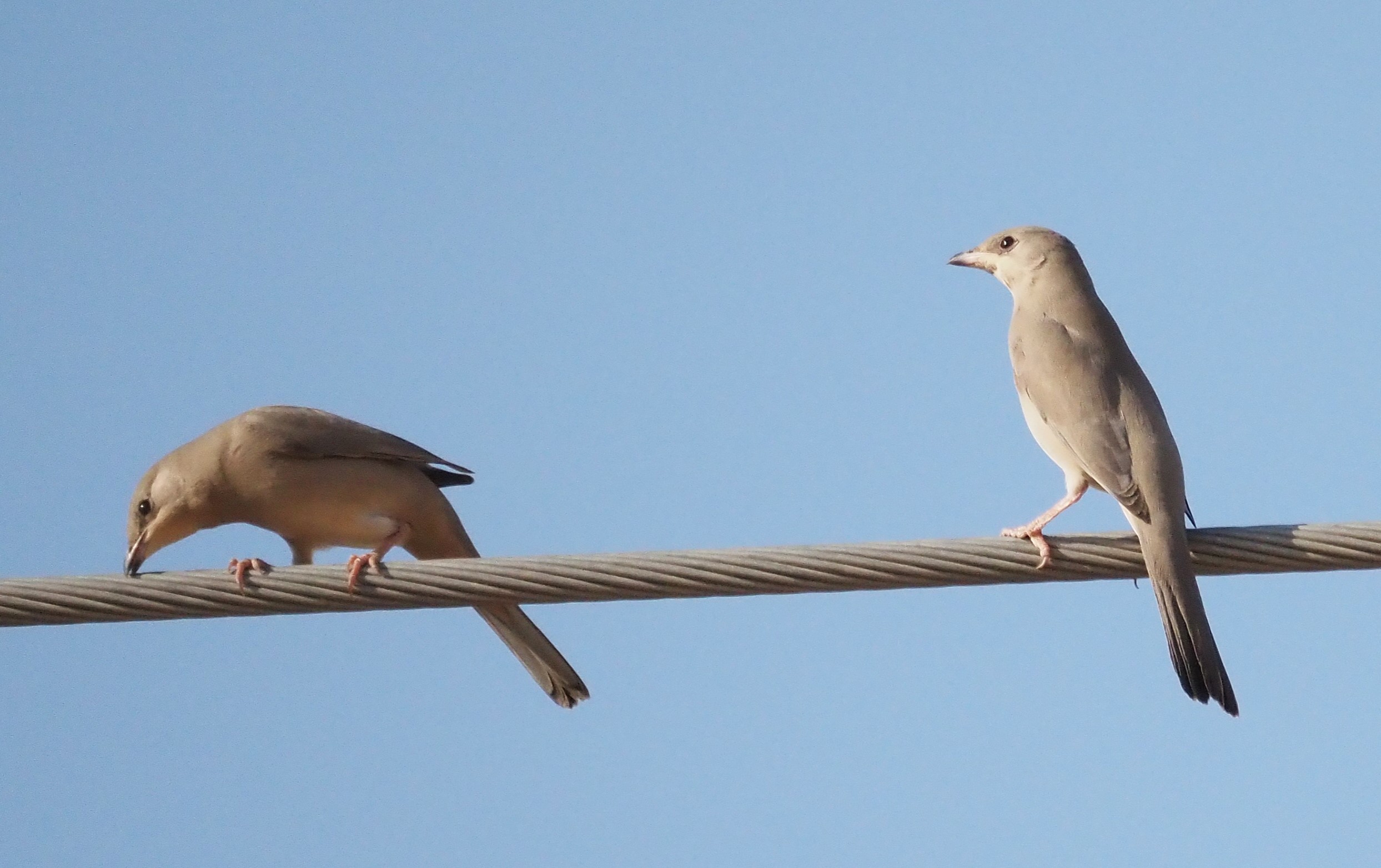
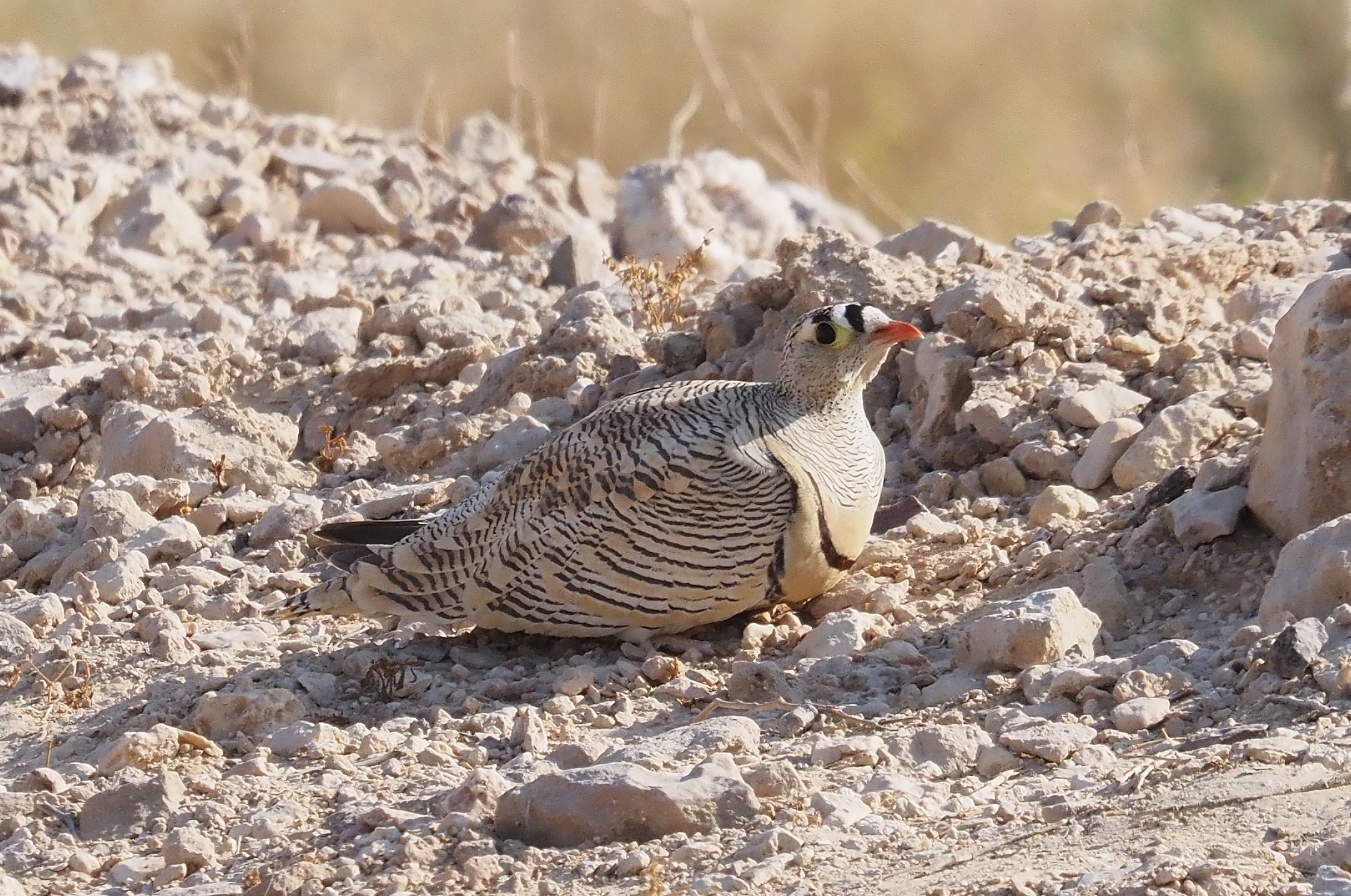
Day 8. Early morning start and, after enjoying breakfast we started our long transfer North. It was a long transfer but, as usual, with some very interesting stops! The first stop was to explore a small oasis in the route to Yemen. Even before arrived, we were forced to stop in the road, first to enjoy some Desert Larks and later due to a flock of Sand Partridges. Arrived to the oases, it took as nearly nothing to find 3 Hypocolius, and part of the group enjoyed great views on them as they were perched in a wire. But we noticed that one vehicle never arrived to our position. For instance, they were 300 metres away from us, out of the vehicles, and taking photos. We decided to go down to investigate. And we found that Coia had seen a small flock of Lichtenstein Sandgrouses moving very close to the main road. The next 20 minutes were memorable, as we got very close to these very shy birds. There were 5 of them (3 males, and 2 females) and this is how we got another serious candidate for bird of the trip!
After such a great start (Hypocolius + Lichtenstein Sandgrouse) we kept exploring the oases. Here we found Siberian Chiffchaffs, Lesser Whitethroats, Asian Desert Warblers, Blackstarts and, most importantly, a couple of Nile Valley Sunbirds. In a different part of the oases an African Collared Dove started to sing, and we all got great views on this very scarce species, that has slim populations in this part of Oman, and we were surprised by a Montagu’s Harrier crossing the desert!
Our next movement was to go into a small pond where some Sandgrouses come to drink water. It took a bit longer than average but, suddenly, waves and waved of Chestnut-bellied Sandgrouses started to arrive to the pond. It was an incredible experience to see hundreds of them coming down to drink, flying around us and, as fast as they arrived, going back deep into the desert! Beside this, a couple of Eastern Imperial Eagles were patrolling the area and before living we were surprised by the presence of a Lapped-faced Vulture (a rare species in this part of the country).
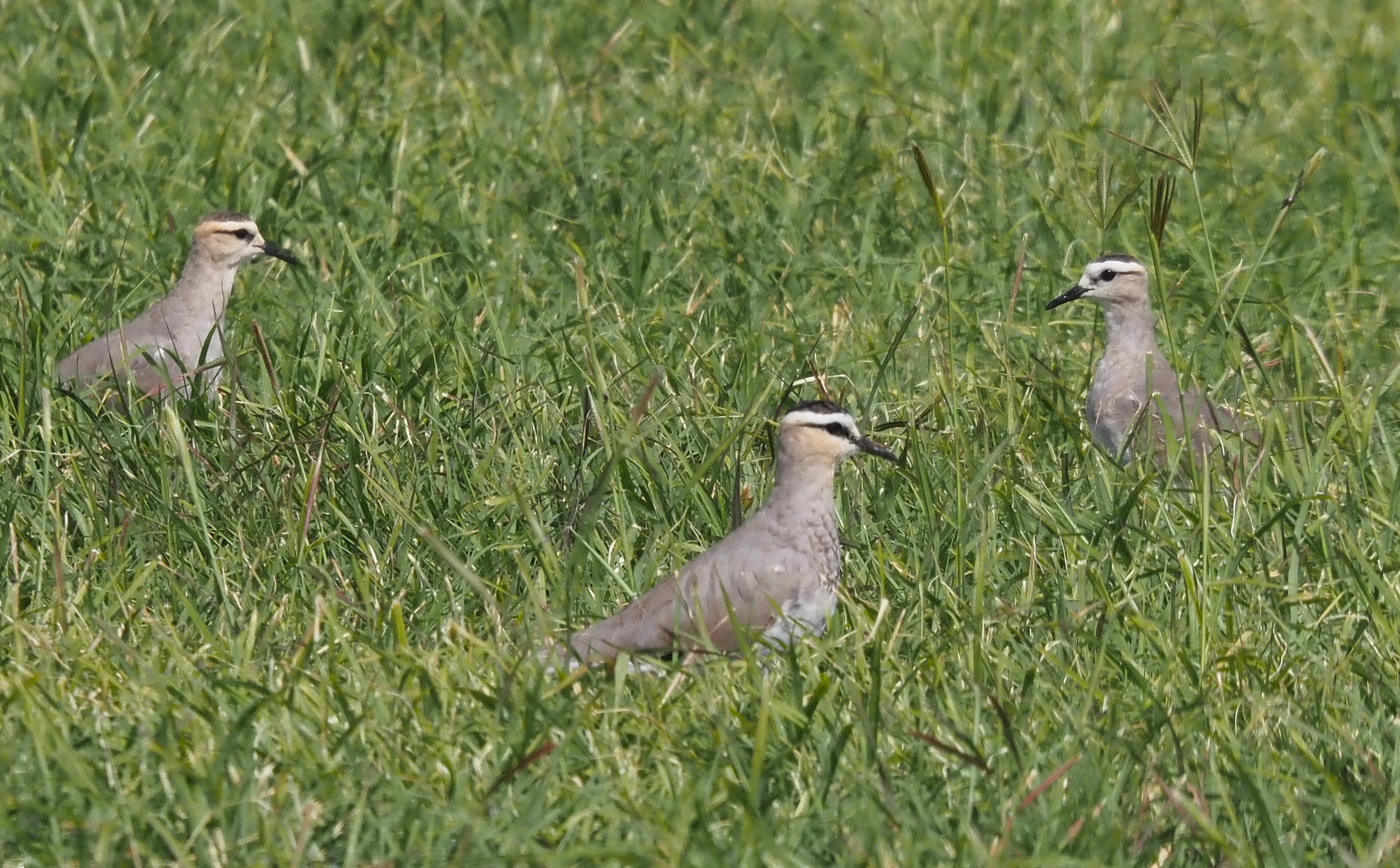
From here, we went to enjoy some coffee before moving to our next stop. In the middle of nowhere it is possible to find sage farms in this part of the world, and some of them are great for birding. We drove to one of these places. There we got Isabelline & Desert Wheatears, and some of the common larks in the area, but the very best bird was to find a gorgeous flock of 35 Sociable Plovers in one of the fields! It is, by far, my biggest ever flock, and it included some young and adult birds in summer plumage.. Along with them, we also enjoyed the best views on Steppe Eagle of the trip.
From here we drove North, having a last birding stop in a small urban park in the middle of the desert. Here, we got good views on Tawny Pipit but also on Levant Grey Shrike, Namaqua Dove and Desert Wheatear before the final transfer to our accommodation in Duqm.ç
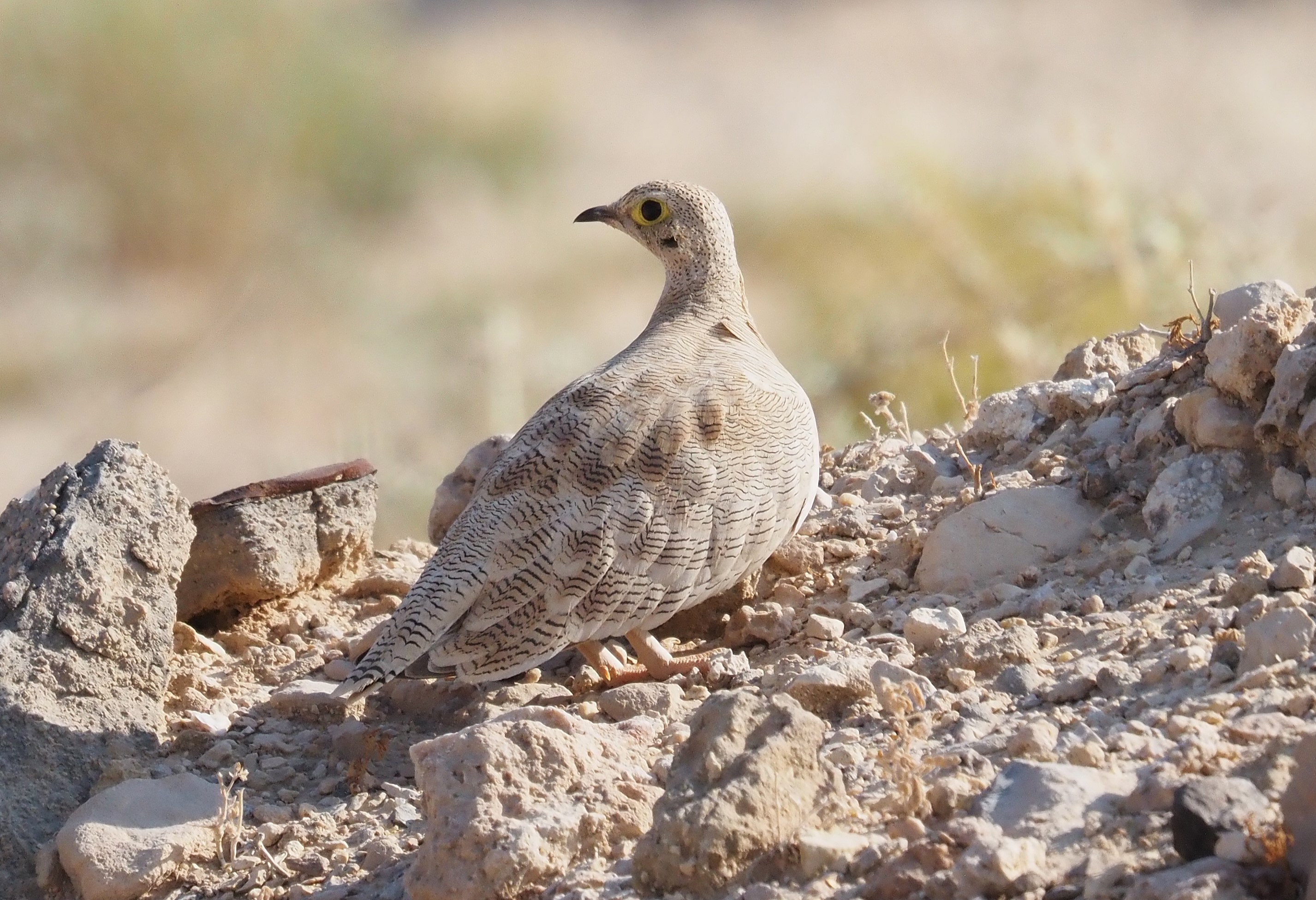
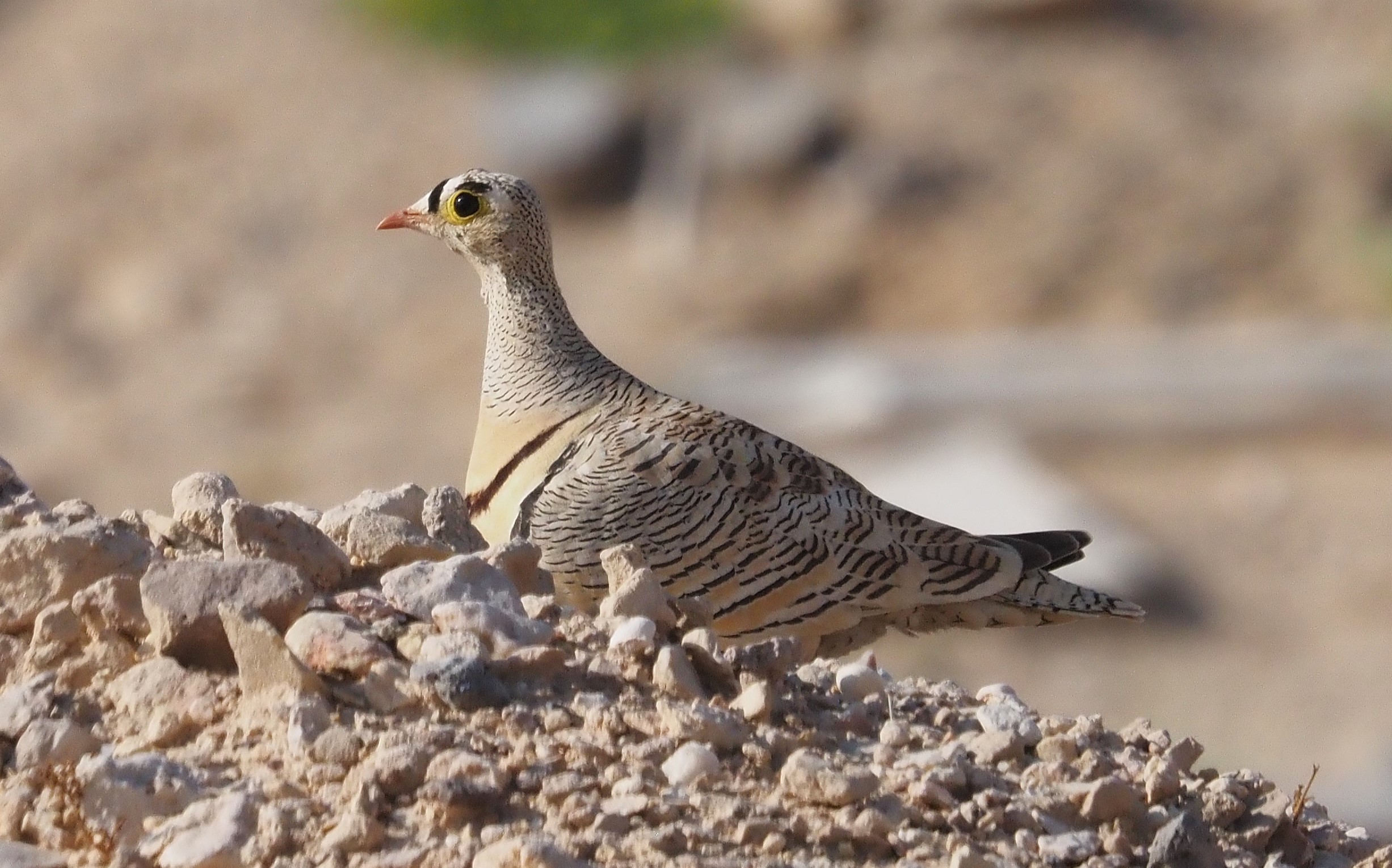
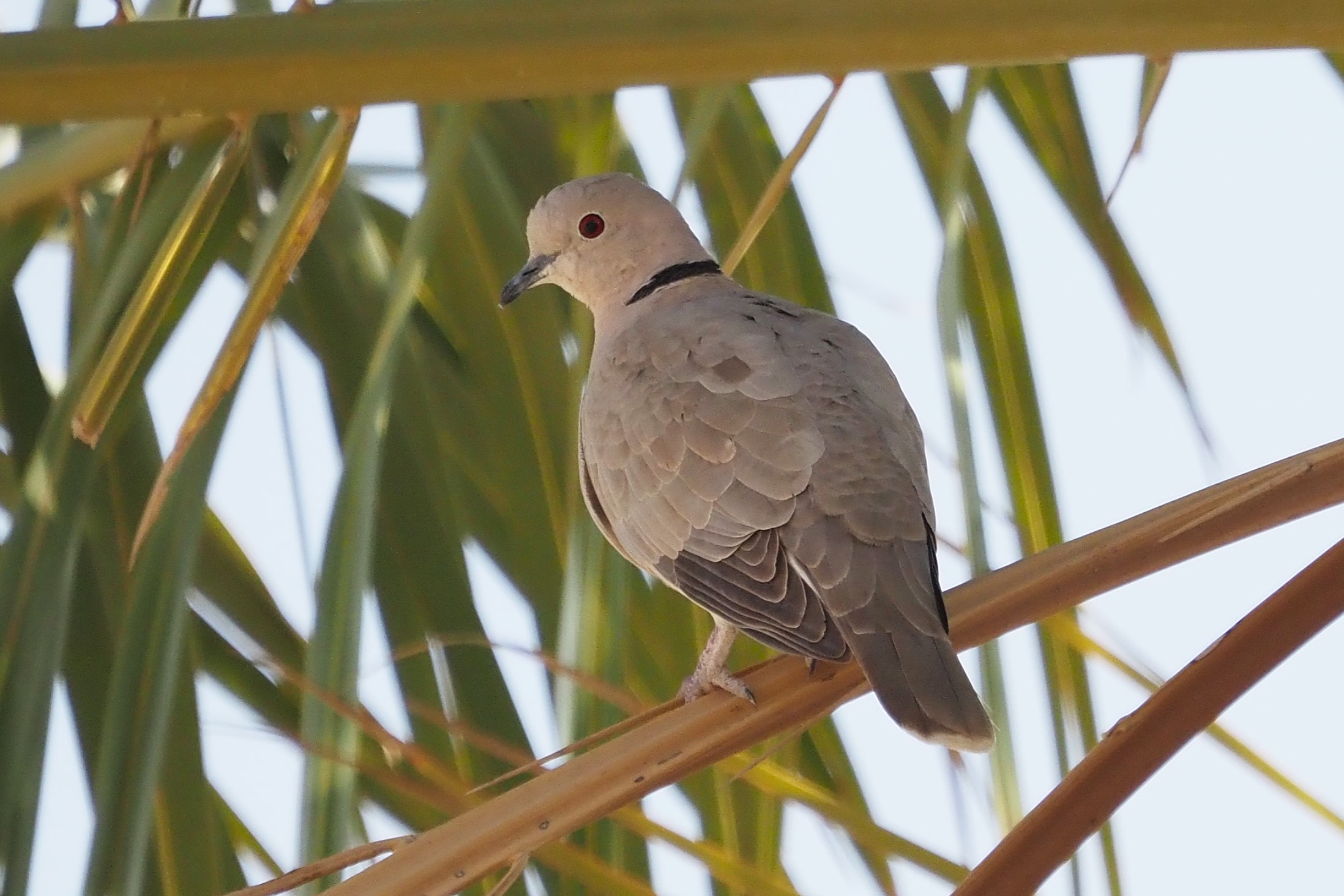
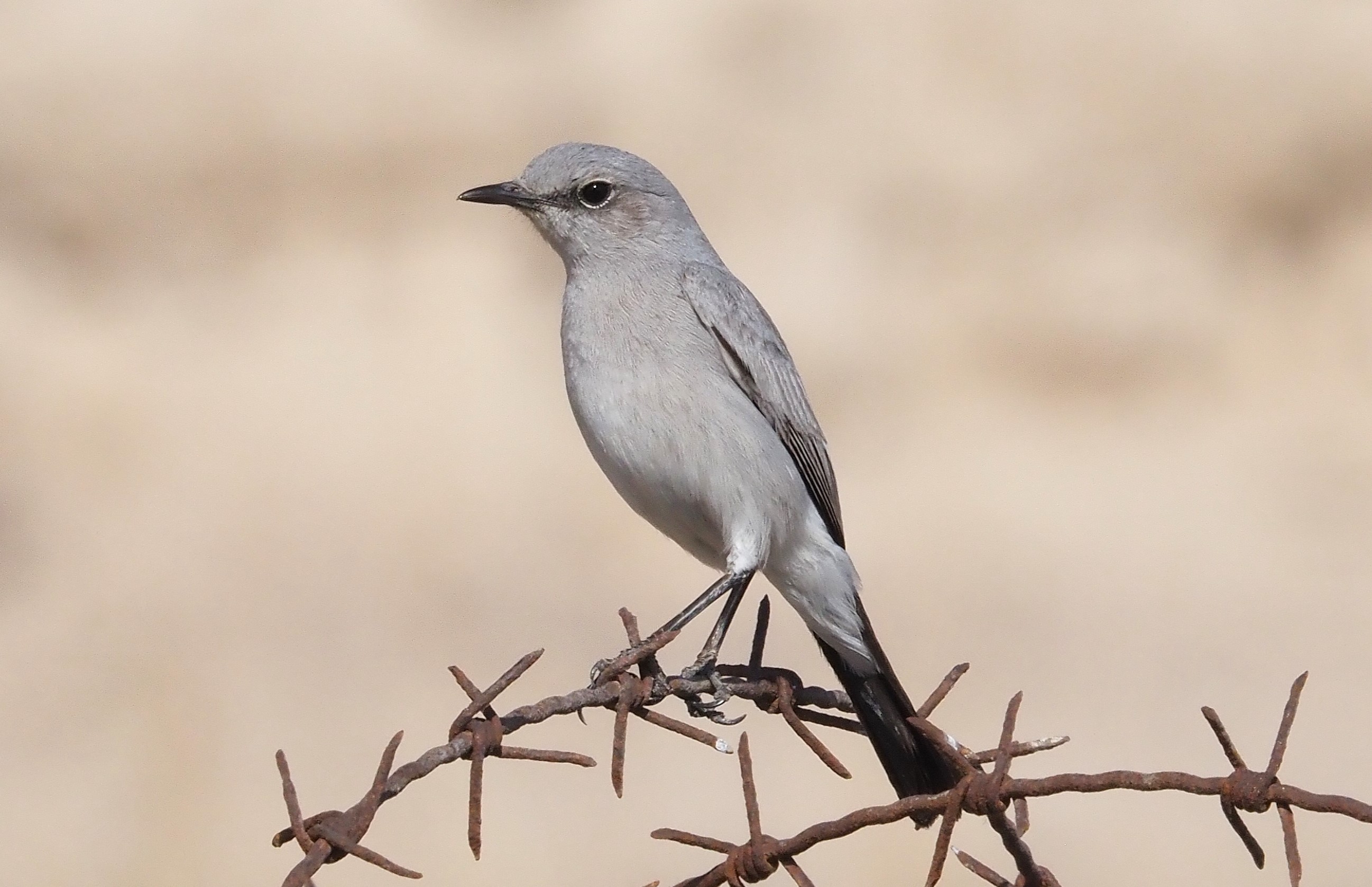
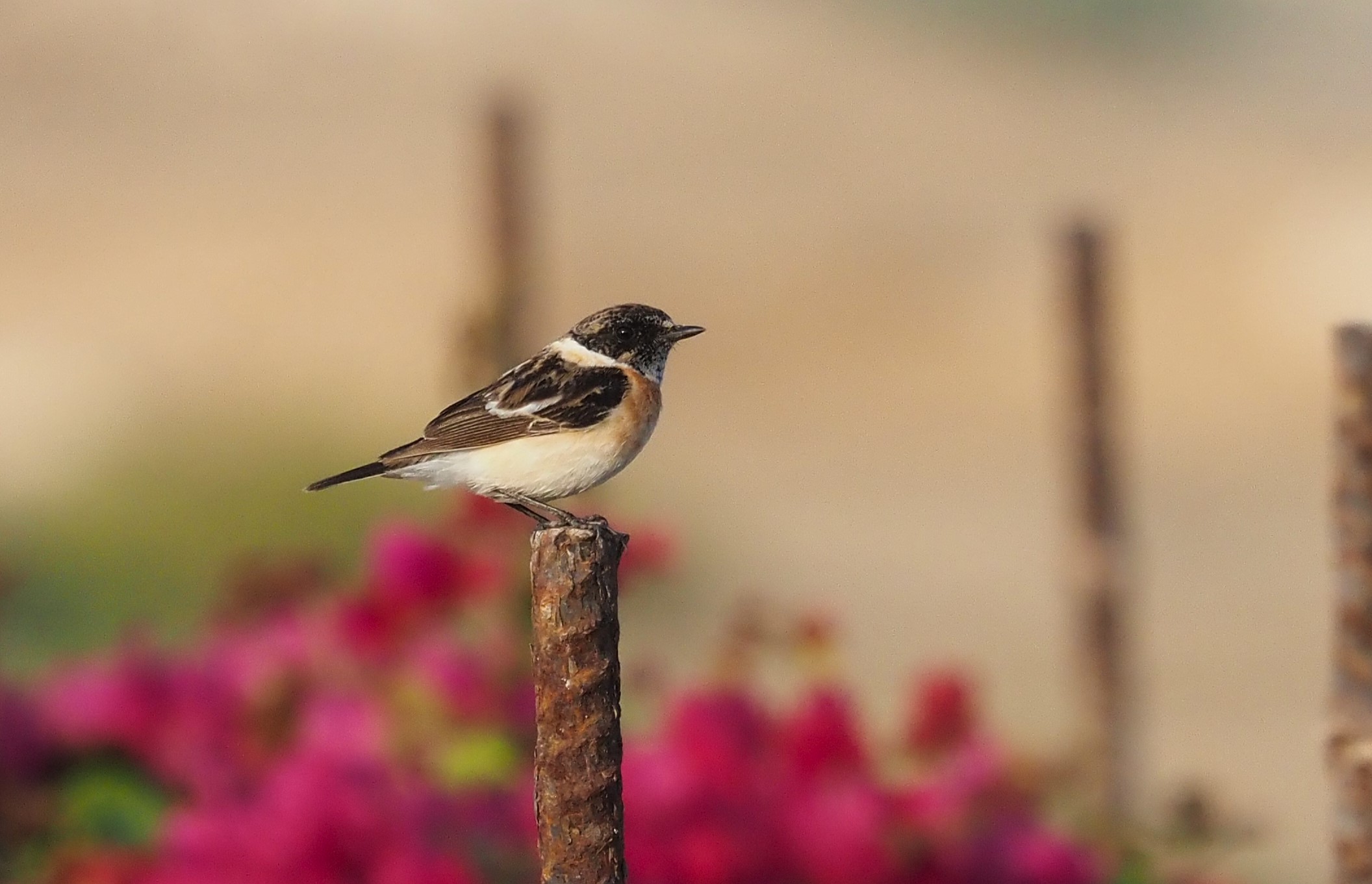
Day 9. Last day of the tour. Before going to the main location of the day, we had a short stop to check a small garden. Here we got a drake Siberian Stonechat, but also Bluethroat (white-spotted), Tawny Pipits and a few Yellow Wagtails.
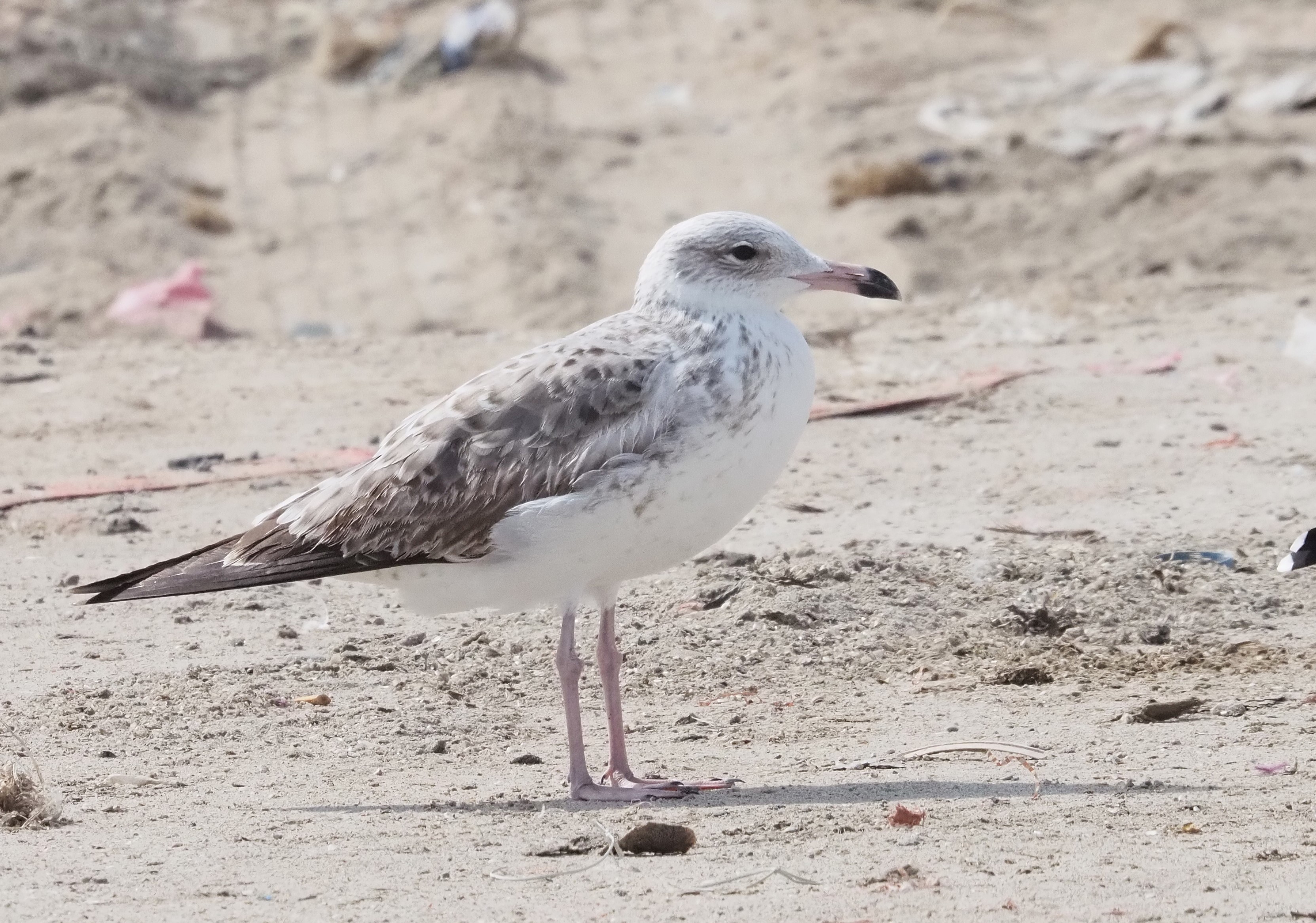
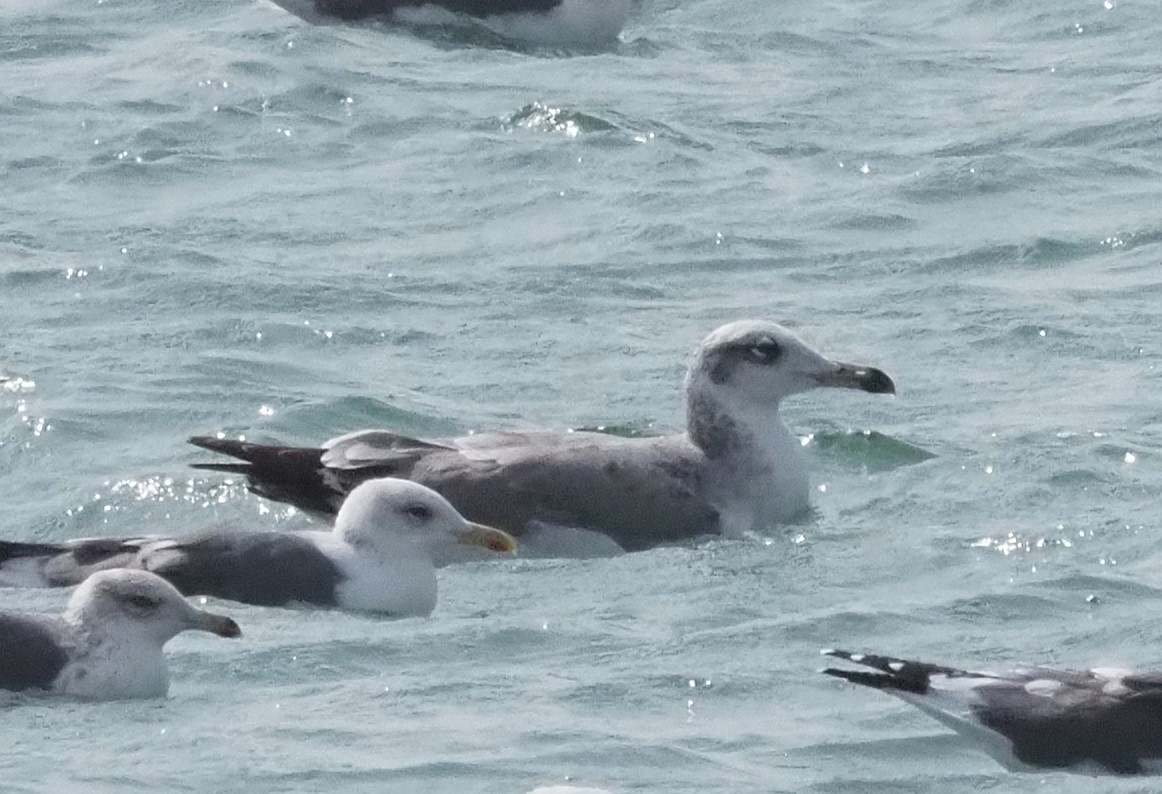
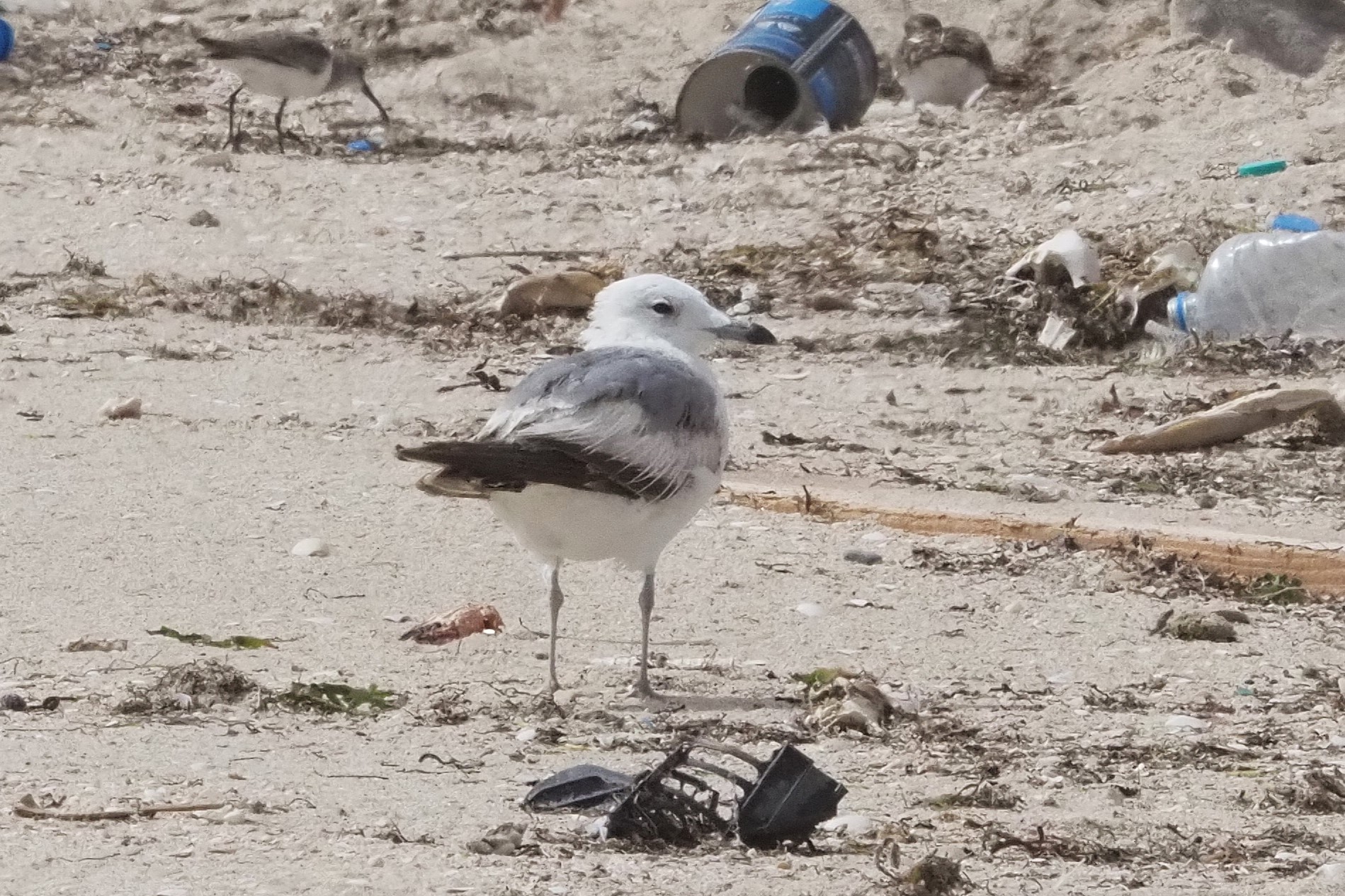
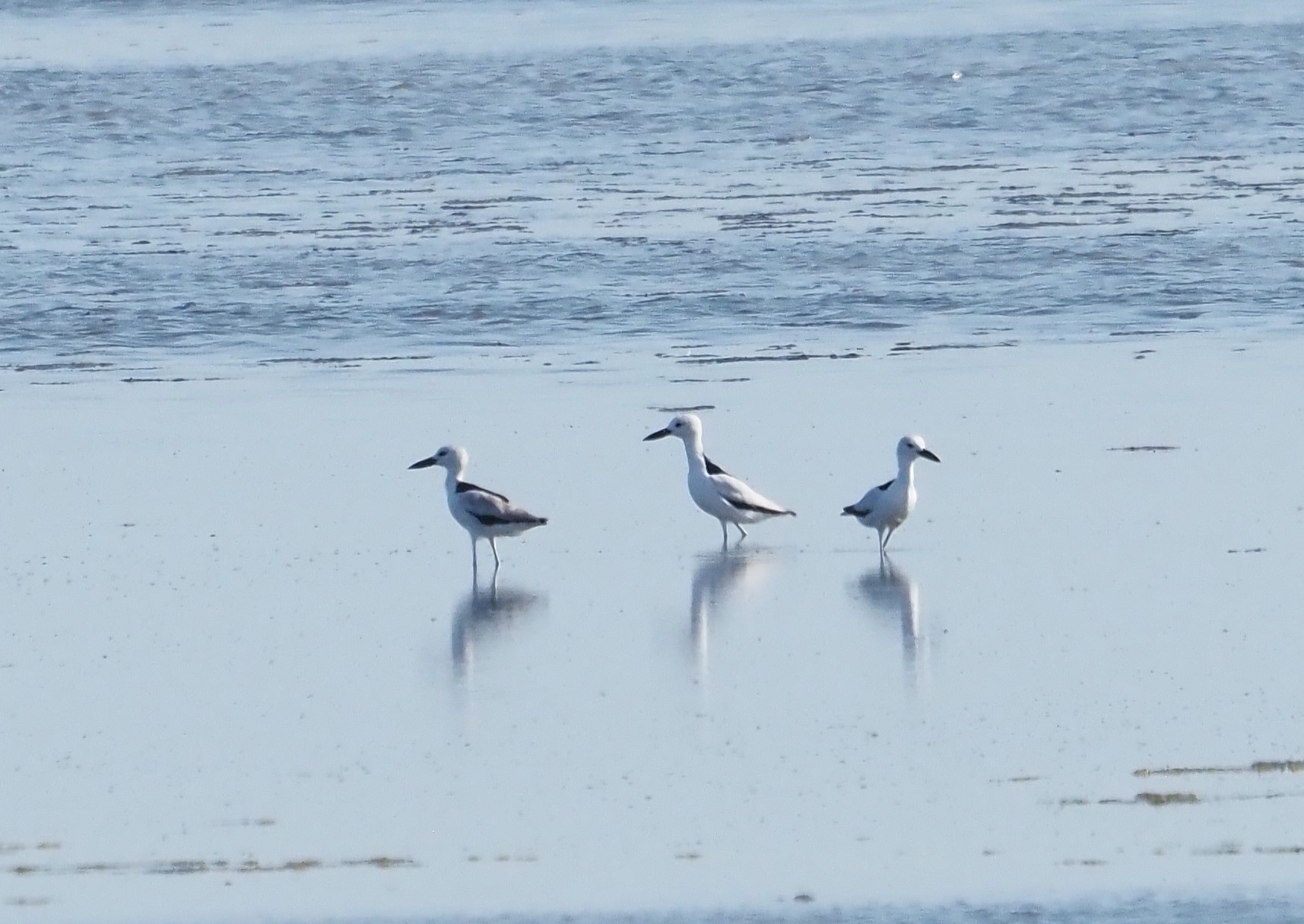
From here we went to the area around Masirah Island, where a massive tidal plain hosts an impressive amount of waders. The main target here is to connect with the scarce Crab Plover. In this trip, the tides were not good for us, and we had to wait quite long before the tide became good for them. While waiting, we had time to check the many gulls around. There we got excellent views on several Caspian Gull, and while checking them Luca found the only one Palla’s Gull of the trip. Another interesting sight was a Russian Common Gull (race heinei). When it comes to waders, we got a few Curlew Sandpipers, but also several Terek’s Sandpipers, Tibetant & Greater Sand Plovers, Bar-tailed Godwits, Little Stints, Turnstones, Oystercatchers and a couple of distant Broad-billed Sandpipers.
Finally, after a long wait, we got 30+ Crab Plovers appearing in the tidal plain, and immediately started to feed on the several crabs living in the mud. It was a great way to end the birding time of our trip. From here, we had the final transfer back to Muscat to enjoy a great dinner with time to value all the good birds that we had been including during the trip!
List of birds seen during the trip:
- Arabian Partridge (Alectoris melanocephala)
- Sand Partridge (Ammoperdix heyi)
- Grey Francolin (Francolinus pondicerianus)
- Cotton Pygmy Goose (Nettapus coromandelianus)
- Mallard (Anas platyrhynchos)
- Pintail (Anas acuta)
- Eurasian Teal (Anas crecca)
- Gadwall (Mareca strepera)
- Garganey (Spatula querquedula)
- Northern Shoveler (Spatura clypeata)
- Pallid Swift (Apus pallidus)
- Alpine Swift (Apus melba)
- Asian Koel (Eudynamys scolopaceus)
- Chestnut-bellied Sandgrouse (Pterocles exustus)
- Lichtenstein’s Sandgrouse (Pterocles lichtensteinii)
- Rock Dove (Columba livia)
- Bruce’s Green Pigeon (Treron waalia)
- Eurasian Collared Dove (Streptopelia decaocto)
- African Collared Dove (Streptopelia roseogrisea)
- Red-eyed Dove (Streptopelia semitorquata)
- Laughing Dove (Spilopelia senegalensis)
- Namaqua Dove (Oena capensis)
- White-breasted Waterhen (Amaurornis phoenicurus)
- Eurasian Moorhen (Gallinula chloropus)
- Eurasian Coot – Fotja comuna (Fulica atra)
- Red-knobbed Coot – Fotja banyuda (Fulica cristata)
- Little Crake (Zapornia parva)
- Little Grebe (Tachybaptus ruficollis)
- Black-necked Grebe (Podiceps nigricollis)
- Greater Flamingo (Phoenicopterus roseus)
- Cream-coloured Courser (Cursorior cursor)
- Eurasian Oystercatcher (Haematopus ostralegus)
- Crab Plover (Droma ardeola)
- Black-winged Stilt (Himantopus himantopus)
- Pheasant-tailed Jacana (Hydrophaisanus chirurgus)
- Red-wattled Lapwing (Vanellus indicus)
- Spur-winged Plover (Vanellus spinosus)
- Sociable Plover (Vanellus gregarius)
- Pacific Golden Plover (Pluvialis fulva)
- Grey Plover (Pluvialis aquatarola)
- Common Ringed Plover (Charadrius hiaticula)
- Little Ringed Plover (Charadrius dubius)
- Kentish Plover (Anarhynchos alexandrinus)
- Caspian Plover (Anarhynchos asiaticus)
- Greater Sand Plover (Anarhynchos leschenaultii)
- Tibetan Sand Plover (Anarhynchos atrifons)
- Common Snipe (Gallinago gallinago)
- Bar-tailed Godwit (Limosa lapponica)
- Black-tailed Godwit (Limosa limosa)
- Eurasian Whimbrel (Numenius phaeopus)
- Eurasian Curlew (Numenius arquata)
- Spotted Redshank (Tringa erythropus)
- Common Redshank (Tringa totanus)
- Marsh Sandpiper (Tringa stagnatilis)
- Greenshank (Tringa nebularia)
- Green Sandpiper (Tringa ochropus)
- Wood Sandpiper (Tringa glareola)
- Terek’s Sandpiper (Xenus cinereus)
- Common Sandpiper (Actitis hypoleucos)
- Ruddy Turnstone (Arenaria interpres)
- Sanderling (Calidris alba)
- Little Stint (Calidris minuta)
- Temminck’s Stint (Calidris temminckii)
- Dunlin (Calidris alpina)
- Broad-billed Sandpiper (Calidris falcinellus)
- Curlew Sandpiper (Calidris ferruginea)
- Ruff (Calidris pugnax)
- Red-necked Phalarope (Phalaropus lobatus)
- Small Pratincole (Glareola lacteus)
- Slender-billed Gull (Chroicocephalus genei)
- Black-headed Gull (Chroicocephalus ridibundus)
- Lesser Black-backed Gull (Larus fuscus): 2 races; Heuglin’s Gull (heuglini) & Steppe Gull (barabensis)
- Caspian Gull (Larus cachinnans)
- Common Gull (Larus canus)
- Palla’s Gull (Ichthyaetus ichthyaetus)
- Sooty Gull (Ichthyaetus hemprichii)
- Caspian Tern (Hydroprogne caspia)
- Greater Crested Tern (Thalasseus bergii)
- Lesser Crested Tern (Thalasseus bengalensis)
- Sandwich Tern (Thalasseus sandvicensis)
- White-cheeked Tern (Sterna repressa)
- Gull-billed Tern (Gelochelidon nilotica)
- Little Tern (Sternula albifrons)
- Whiskered Tern (Chlidonias hybridus)
- White-winged Black Tern (Chlidonias leucopterus)
- Persian Shearwater (Puffinus persicus)
- Flesh-footed Shearwater (Ardenna carneipes)
- Jouanin’s Petrel (Bulweria fallax)
- Abdim’s Stork (Ciconia abdimii)
- White Stork (Ciconia ciconia)
- Masked Bobby (Sula dactylara)
- Great Cormorant (Phalacrocorax carbo)
- Socotra Cormorant (Phalacrocorax nigrogularis)
- African Sacred Ibis (Threskiornis aethiopicus)
- Glossy Ibis (Plegadis falcinellus)
- Eurasian Spoonbill (Platalea leucorodia)
- Yellow Bittern (Botaurus sinensis)
- Little Heron (Butorides atricapilla)
- Squacco Heron (Ardeola ralloides)
- Indian Pond Heron (Ardeolla grayii)
- Western Cattle Egret (Bubulcus ibis)
- Black-crowned Night Heron (Nycticorax nycticorax)
- Purple Heron (Ardea purpurea)
- Grey Heron (Ardea cinerea)
- Great Egret (Ardea alba)
- Medium Egret (Ardea intermedia)
- Black Heron (Egretta ardesiaca)
- Little Egret (Egretta garzetta)
- Western Reef Egret (Egretta gularis)
- Great White Pelican (Pelecanus onocratus)
- Egyptian Vulture (Neophron percnopterus)
- Eurasian Griffon (Gyps fulvus)
- Lappet-faced Vulture – Voltor orellut (Torgos tracheliotos)
- Osprey (Pandion haliaetos)
- Greater Spotted Eagle (Clanga clanga)
- Steppe Eagle (Aquila nipalensis)
- Eastern Imperial Eagle (Aquila heliaca)
- Verreaux’s Eagle (Aquila verreauxii)
- Bonelli’s Eagle (Aquila fasciata)
- Booted Eagle (Aquila pennata)
- Short-toed Snake Eagle (Circaetus gallicus)
- Eurasian Sparrowhawk (Accipiter nisus)
- Shikra (Accipiter badius)
- Black-winged Kite (Elanus caeruleus)
- Black-eared Kite (Milvus migrans lineatus)
- Western Marsh Harrier (Circus aeruginosus)
- Pallid Harrier (Circus macrourus)
- Montagu’s Harrier (Circus pygargus)
- Common (Steppe) Buzzard (Buteo buteo vulpinus)
- Arabian Scops Owl (Otus pamelae)
- Little Owl (Athene noctua) – heard only
- Desert Owl (Strix hadorami)
- Arabian Eagle Owl (Bubo milesi)
- Eurasian Hoopoe (Upupa epops)
- Indian Roller (Coracias benghalensis)
- Common Kingfisher (Alcedo atthis)
- Arabian Bee-eater (Merops cyanophrys)
- Common Kestrel (Falco tinnunculus)
- Lesser Kestrel (Falco naumanii)
- Lanner Falcon (Falco biarmicus)
- Alexandrine Parakeet (Psittacula eupatria)
- Rose-winged Parakeet (Psittacula krameri)
- Black-crowned Tchagra (Tchagra senegalus)
- Masked Shrike (Lanius nubicus)
- Bay-backed Shrike (Lanius vittatus)
- Isabelline Shrike (Lanius isabellinus)
- Turkestan Shrike (Lanius phoenicuroides)
- Levant Grey Shrike (Lanius excubitor aucheri)
- Arabian Babbler (Turdoides squamiceps)
- African Paradise Flycatcher (Tersiphone viridis)
- Grey Hypocolius (Hypocolius ampelinus)
- White-eared Bulbul (Pycnonotus leucotis)
- Red-vented Bulbul (Pycnonotus cafer)
- White-spectacled Bulbul (Pycnonotus xanthopygos)
- House Crow (Corvus splendens)
- Brown-necked Raven (Corvus ruficollis)
- Fan-tailed Raven (Corvus rhidipurus)
- Greater Hoopoe-Lark (Alaemon alaudipes)
- Desert Lark (Ammomanes deserti)
- Greater Short-toed Lark (Calandrella brachydactyla)
- Black-crowned Sparrow-Lark (Eremopterix nigriceps)
- Bimaculated Lark (Melanocorypha bimaculata)
- Crested Lark (Galerida cristata)
- Singing Bush Lark (Mirafra cantillans)
- Sand Martin (Riparia riparia)
- Pale Crag Martin (Ptyonoprogne obsoleta)
- Barn Swallow (Hirundo rustica)
- Graceful Prinia (Prinia gracilis)
- Delicate Prinia (Prinia lepida)
- Common Chiffchaff – Mosquiter comú (Phylloscopus collybita) / Siberian Chiffchaff (Phylloscopus (collybita) tristis)
- Plain Leaf Warbler (Phylloscopus neglectus)
- Hume’s Leaf Warbler (Phylloscopus humei)
- Clamorous Reed Warbler (Acrocephalus stentoreus)
- Sedge Warbler (Acrocephalus schoenobaenus)
- Eastern Olivaceous Warbler (Iduna pallida)
- Asian Desert Warbler (Curruca nana)
- Lesser Whitethroat (Curruca curruca)
- Eastern Orphean Warbler (Curruca crassirostris)
- Arabian Warbler (Curruca leucomelaena)
- Ménétriés’s Warbler (Curruca mystacea)
- Abyssian White-eye (Zosterops abyssinicus)
- Common Myna (Acridotheres tristis)
- Rose-coloured Starling (Pastor roseus)
- Tristam’s Starling (Onychognatus tristamii)
- Song Thrush (Turdus philomelos)
- Blue Rock Thrush (Monticola solitarius)
- Bluethroat (Luscinia svecica)
- Black Redstart (Phoenicurus ochruros)
- Siberian Stonechat (Saxicola maurus)
- Rufous-tailed Scrub Robin (Cercotrichas galactotes)
- Red-breasted Flycatcher (Ficedula parva)
- Isabelline Wheatear (Oenanthe isabellina)
- Desert Wheatear (Oenanthe deserti)
- Blackstart (Oenanthe melanura)
- Pied Wheatear (Oenanthe pleschanka)
- Arabian Wheatear (Oenanthe lugentoides)
- Hume’s Wheatear (Oenanthe albonigra)
- Persian Wheatear (Oenanthe chrysopygia)
- Nile Valley Sunbird (Hedydipna metallica)
- Palestine Sunbird (Cinnyris osea)
- Arabian Sunbird (Cinnyris hellmayri)
- Purple Sunbird (Cinnyris asiaticus)
- House Sparrow (Passer domesticus)
- Pale Rockfinch (Carpospiza brachydactyla)
- Rüppell’s Weaver (Ploceus galbula)
- Scaly-breasted Munia (Lonchura punctulata)
- African Silverbill (Euodice cantans)
- Indian Silverbill (Euodice malabarica)
- Citrine Wagtail (Motacilla citreola)
- White Wagtail (Motacilla alba) / Masked Wagtail (Motacilla alba personata)
- Grey Wagtail (Motacilla cinerea)
- Western Yellow Wagtail (Motacilla flava)
- Richard’s Pipit (Anthus ricardi)
- Tawny Pipit (Anthus campestris)
- Long-billed Pipit (Anthus similis)
- Water Pipit (Anthus spinolleta)
- Tree Pipit (Anthus trivialis)
- Yemen Serin (Crithagra menachensis)
- Arabian Grosbeak (Rhynchostruthus percivali)
- Black-headed Bunting (Emberiza melanocephala)
- Striolated Bunting (Emberiza striolata)
- Cinnamon-breasted Bunting (Emberiza tahapisi)
List of mammals seen during the trip
- Egyptian Fruit Bat (Rousettus aegyptiacus)
- Arabian Red Fox (Vulpes vulpes arabica)
- Killer Whale (Orcinus orca)
- Indo-Pacific Humpback Dolphin (Soussa chinensis)
List of reptilians seen during the trip:
- Loggerhead Turtle (Caretta caretta)
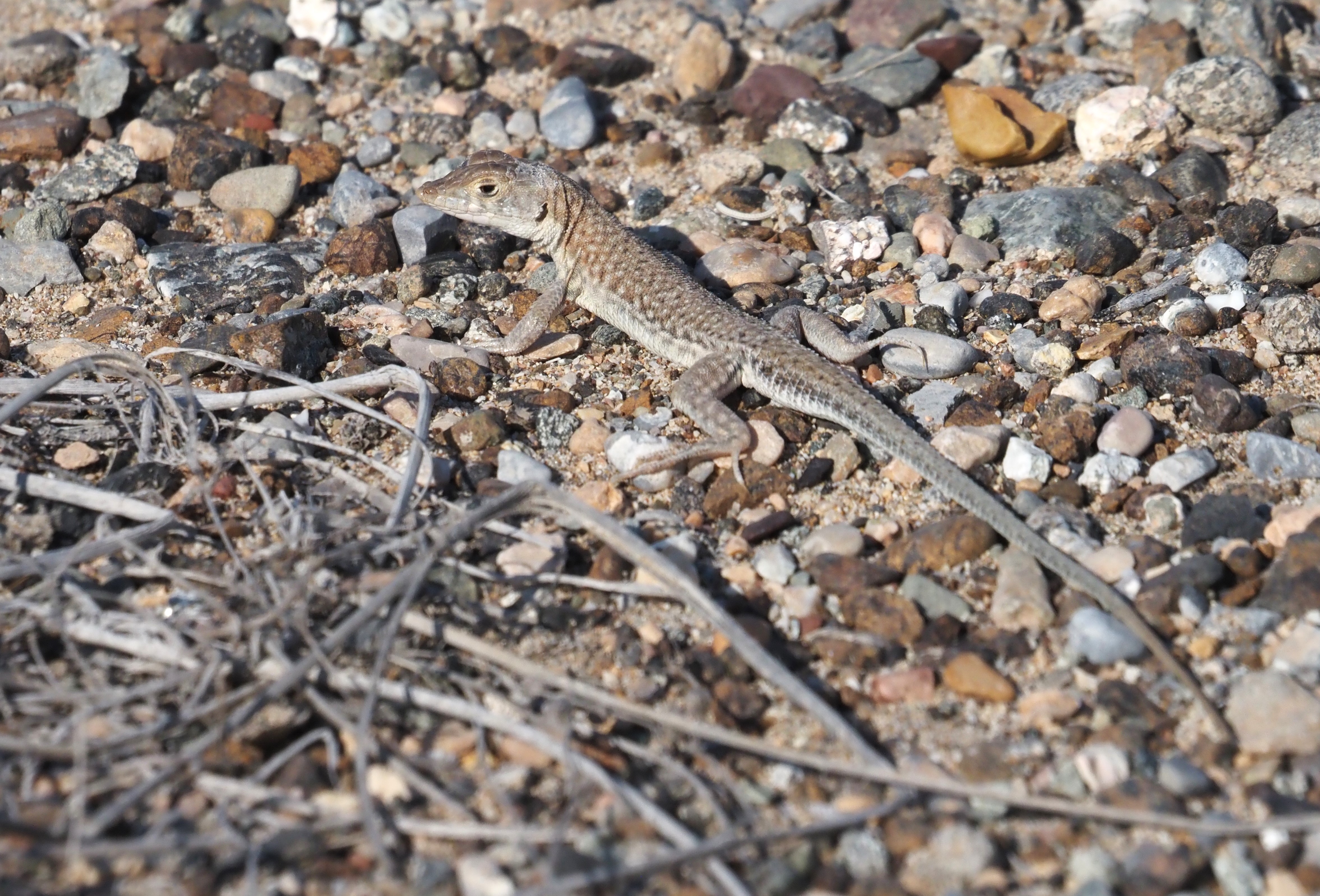
- Fringe-toed Lizzard (Acanthodactylus blanfordii)
- Oriental Garden Lizzard (Calotes versicolor)
List of butterflies seen during the trip:
- African Lime Butterfly (Papilio demodocus)
- Painted Lady (Cynthia cardui)
- Plain Tiger (Danaus chrissipus)
- Lang’s Short-tailed Blue (Leptotes pirithous)
- Blue Pansy (Juninia orythia)
- Yellow Pansy (Junonia hierta)
 Barcelona Birding Point Blog