Arxiu de la categoria: Uncategorized

Black Stork wintering in Catalonia?

Since 20 years ago to see White Storks wintering in the whole of Spain has become a commonview. They feed on wetlands, open fields and rivers but also, and many times mostly, in trash centres. Here they feed on a variety of items with a big short term success but with an uncertain success in the medium and long terms.

Black Storks have a really different behavious as they are little likely to be found in trash centres and similars. They mainly feed on fish and frogs to be found along rivers and streams, mainly inside or nearly forested areas. Black Storks, as many Whites are migratory birds, arriving to European nesting sites in April and leaving the continent in September and October.

In Catalonia Black Storks are only migratory birds as no breeding population is settle in the country. Nevertheless in the past five years some birds appear as soon as January and February. They are supposed to arrive from Southern Spain, where little numbers of them remain in winter.

P1040333 copy

Black Stork white Whites at the roof of the Lleida waste centre. Note the longer, more pointed bill when comparing with White Storks.


This winter seems to be different, thought. One Black Stork has been seen around the Lleida trash centre during the las 40 days. It feeds directly in the trash along with White Storks as well as look for food in the fields around. The last sight of this bird (an adult) was on 23th November, in one of our tours.

That day we saw the bird resting along with White Storks at the roof of the Lleida trash centre main building. After 20 minutes the bird was going on ground to feed on trash along with several White Storks, Red Kites, Jackdaws and other.

This is of interest both because it seems to become probably the first Black Stork wintering in Catalonia and because of the mymethic behaviour of White Storks. If this is a punctual case or a new tendency in this species it is to be see in the future.

P1040325

Black Stork in a crowed image with White Storks. Note smaller size and more horizontal position of the body when resting.


Yellow-browed Warbler (Phylloscopus inornatus) influx in Catalonia (North-East Spain)

Yellow-browed Warbler (Phylloscopus inornatus) is, by far, the commonest Siberian bird visiting West Europe. Within the last two decades an average of over 100 of them have been seen every autumn in both the UK and France. In fact, this species is no longer to be considered a rarity in these countries but a scarce migratory bird.

Yellow-browed Warblers breed in Central and East Siberia, where it prefers the huge boreal forests known as taiga. During migration it is likely to appear in small patches of trees, prefering decidous forest although it is also to be found in coniferous forests.

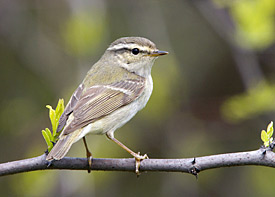
28018_Vogelzug___Yellow_Browed_Warbler

Yellow-browed Warblers (Phyllocopus inornatus) present a marked facial pattern ressembling Goldcrest and it is slightly smaller than Chiffchaffs.

This 2014 a large influx of YBs have been reported in France, Spain and even Morocco. In Catalonia, over 25 of them have been spotted in different localities, which it mades this year as the best for this warbler in the country. Despite most of the sights have been made along the coast or close to some birds have been found in mixed forest in inland wetlands.

Are we seeing a change in the migratory habits of this bird? Yellow-browned Warblers winters in South and South-East Asia. But it seems to be clear that at least a small portion of its population is not going to Asia for winter. An explanation to this aparently change of migratory habits is the increase of its breeding population at the West of the Urals. It was considered to be fairly scarce in the 60s but about 45.000 pairs were nesting in the area in the 90s.

But, where do these birds go? Do they winter in somewhere in South-West Europe? Or do they winter in some of the countries facing the Guinea Gulf? These questions are still without any answer. What it seems to be sure is that this bird becomes more and more common every autumn in Western Europe. Let see if this is a new trend!

How to find out Sandgrouses?

Sandgrouses are sometimes defined “desert Partridges”. However, the enigmatic Pterocles genus is much more than Partridges. All Sandgrouses present incredible specific morphological adaptations to survive in adverse, dry countryside. The most famous one is this that allow them to transport water supplies to their chicks from ponds or rivers placed kilometres away from their nesting sites. This incredible habit is possible thanks to special feathers in their breast and allow them to colonize breeding areas without any water supplies during the nesting season.
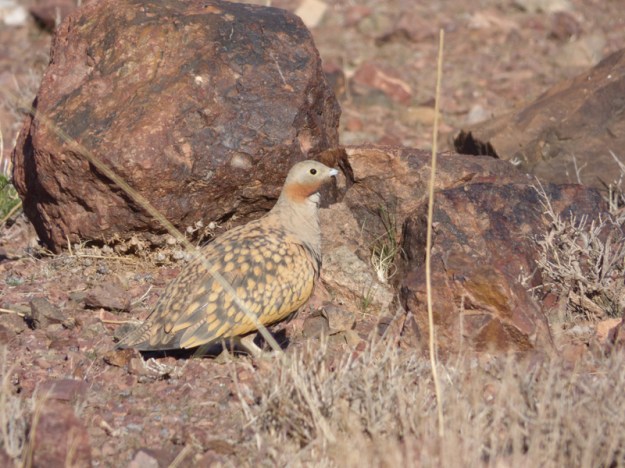
Black-bellied Sandgrouse (Pterocles orientalis) male in a trip in 2018. Image by Carles Oliver

Sandgrouses live throughout semi-deserts, steppe lands and deserts of Asia, Africa and Europe. In Europe there are two species; Black-bellied Sandgrouse (Pterocles orientalis) and Pin-tailed Sandgrouse (Pterocles alchata).

This two species are famous because they can be very striking birds to find out. This post will help you in the difficult work of finding out some Pterocles.

Well, let’s say you are in a supposed good area for Sandgrouses. It is for several weeks you have read and reread the articles talking about where to find that birds. And finally you are there. Let’s suppose it is the first time that you’re visiting any steppe land. Around you it is a endless stretch of more or less plain, uniform terrain. How to find them out? What to look for?

SELECTING THE STREGHT

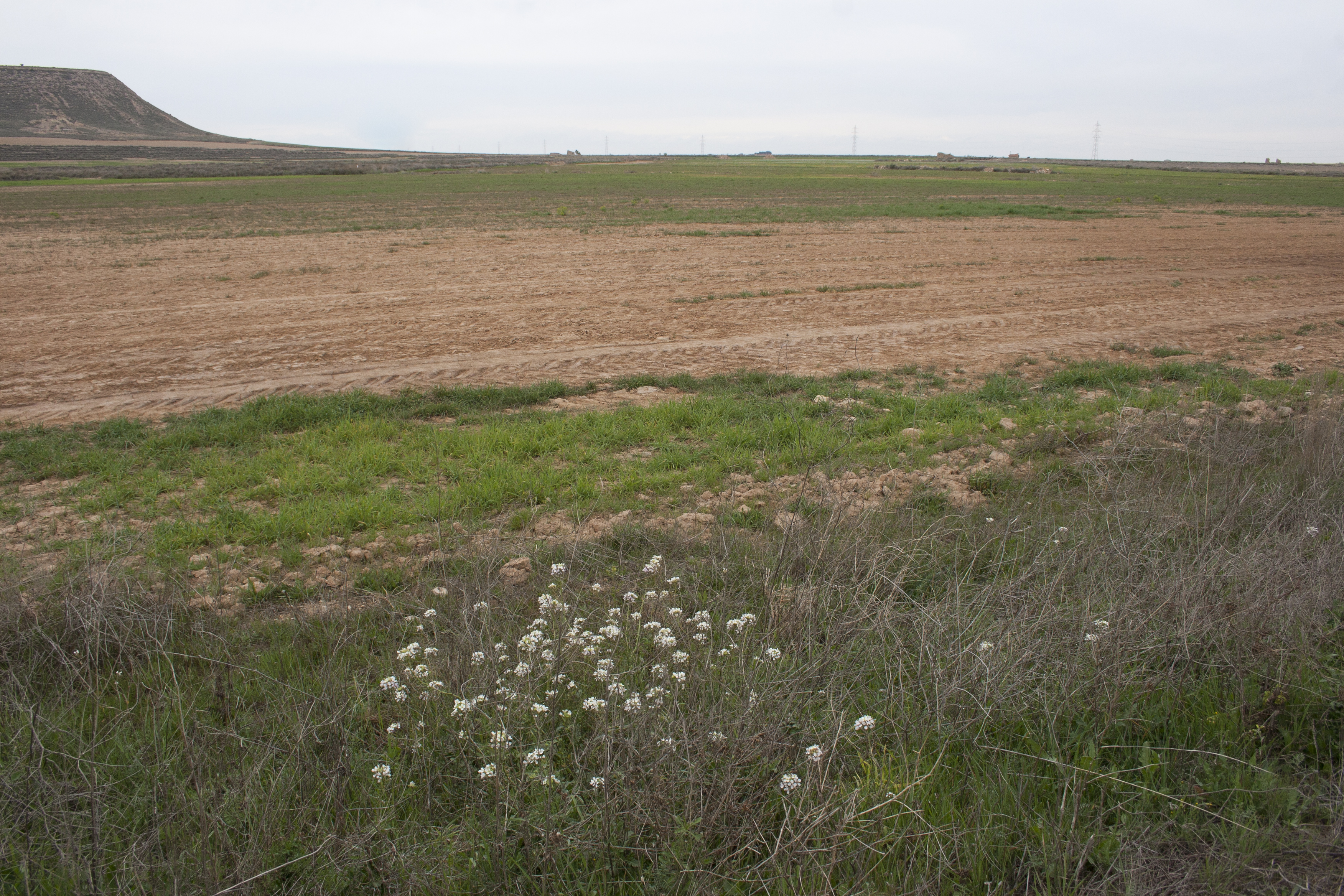
The first you have to think is that the terrain you have around is not homogeneous. Steppe lands, as any other ecosystem, have multiple variables acting on it. Some important variables to our purpose of finding Sandgrouses are: presence/absence of farm lands, vegetation cover, presence/absence of cattle (goats or sheep), presence/absence of water supplies and soil irregularity (more or less broken terrain).
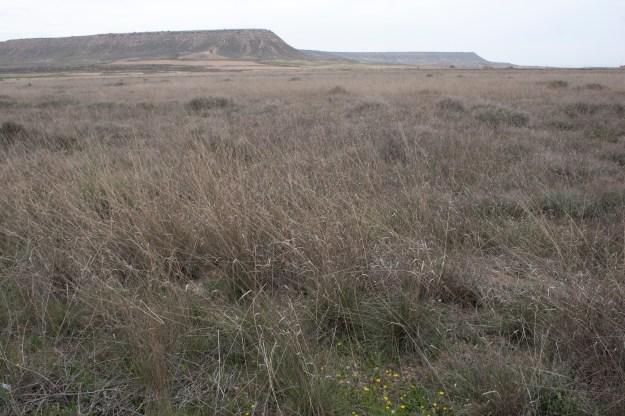
IMG_9754

Original steppe land vegetation like this at Los Monegros is every time more scarce in European steppe lands.

All of these items have an important influence about the presence and density of Sandgrouses. We have finally to be aware that Pin-tailed & Black-bellied Sandgrouses have different preferences in order to use the soil as well as different ecological requirements.

Let see one by one these terrain variables:

Presence/absence of farm lands. In Europe there is really few original steppe land left and thus most of it has been reconverted into farm land and prairies for cattle graze. However there are some places where you still can see the original steppe as it used to be until some centuries ago. Thus you are likely to be surrounded by a endless area of farm land. The first you have look for is for non crop fields. Due to the poor soil fields cannot be crop every year and thus some of them are resting. These fields are full of plants and they really likely to attrack Sandgrouses as they produce big amounts of seeds.

Vegetation cover. Avoid any field with really dense vegetation cover, especially if being bushered. No way to be Sandgrouses on them. Even if being there you may have almost none chances to find them out.
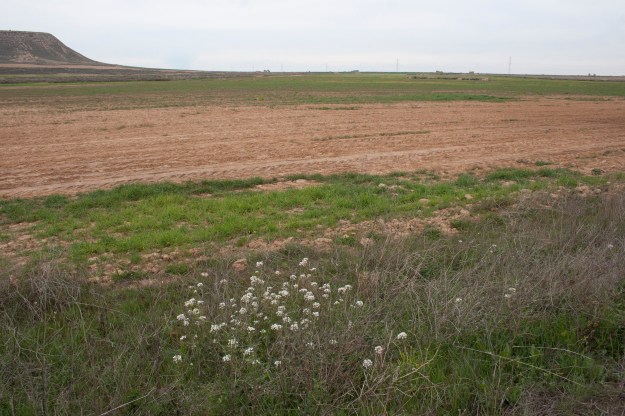
IMG_9751

This kind of terrain is likely to attrack both Pin-tailed & Black-bellied Sandgrouses. Los Monegros, North-east Spain. Photo: Carles Oliver

Presence/absence of cattle. Cattle has a really important rule in Sandgrouses densities, especially about Pin-tailed Sandgrouse. This species is really likely to be immediatly around small courts and buildings where cattle (goats and sheeps) are sheltered. The reason is simple; as much the plants around are cattle as more plants are able to grow and thus, produce more seeds than average fields. One point; be aware of dogs!

Presence/absence of water points. Water points are really central items in Sandgrouses’ daily movements. However, not every single pool in the steppe is likely to attrack them. This is depending on the cover vegetation of the pool it self, its size, the number of pools around and, most important, the habits of the birds living immediatly around and natural history of the pond. However, to wait around a water pond can be good strategy in summer months in order to see some Sandgrouses, at least flying around while deciding if  landing down or not.

Soil irregularity. Sandgrouses are good flyers, able to cover quite long distances. However, as any other bird living in the steppe lands, favours open, plain terrain. It means that they normally avoid to feed on canyons, small or medium-sized canyons as well as slopes. No matter how wonderful a steppe land can be, if being a in a slope +20º, it is 95% sure that there are no Sandgrouses around and it is better to look for them in a different location.


STRATEGY

Well, know you are in the area famous for its Sandgrouses and once you have identified what fields can be more interesting for them is the moment to start exploring them. But, how?

By car. It is no point to go by food since Sandgrouses (as Bustards and many other birds living in open spaces) will start to fly as far away as 300-400 metres from you! Sandgrouses really scare about people walking around but not so much about cars moving. So, the best strategy is to drive slowly by the dart roads, looking every single field likely to have them on ground.

It takes no point to go to “some special fields”, since the farm land is changing every year and the field that used to be resting two or three years ago now can be a wonderful croop with no chance for hosting any Sandgrouse.
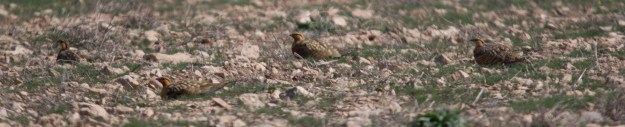
ganga5

This is an average sight on Pin-tailed Sandgrouses resting on a non cropped field at Lleida Steppes. Photo: Carles Oliver

The “car strategy” has to be combined with some stops to scan specially attractive fields or bigger fields. It is also the proper momment to be aware about their characterystic calls of the flocks moving around.

During summer we can select a good pond a wait there. Sandgrouses use to come drink water during the morning so a two-three hours long wait should produce good views. If birds are not appearing the wait can be really frustating, thought.


SEASONAL VARIATIONS

Not all seasons are the same to look for Sandgrouses, and thus strategy has to change depending on it.

During winter Sandgrouses flock. As any other bird living on the steppes, this is a system to fight agaisnt predators and it is also helpful for all individuals involved in the flock to find food suplies. Big flocks can be really easy to find when flying but, as birds are more concentrated, you have less chances to find THE flock, actually.

IMG_9748

Pools like this one attrack Sandgrouses living around almost daily from June to September.

From mid March onwards flocks start to be smaller and smaller as different pairs start to come to their nesting grounds. March to June is probably the best time explore the steppes as small flocks are likely to fly around, seed production is the highest and the heat, unexistent.

From mid-July Sandgrouses start to move in family groups, sometimes involving two-three pairs or even more. They are likely to appear around ponds and sometimes up to 20 individuals arrive to drink water in such a places.


If you still have doubts about how to find them or prefer to be guided, please contact with professional guides: info@barcelonabirdingpoint.com

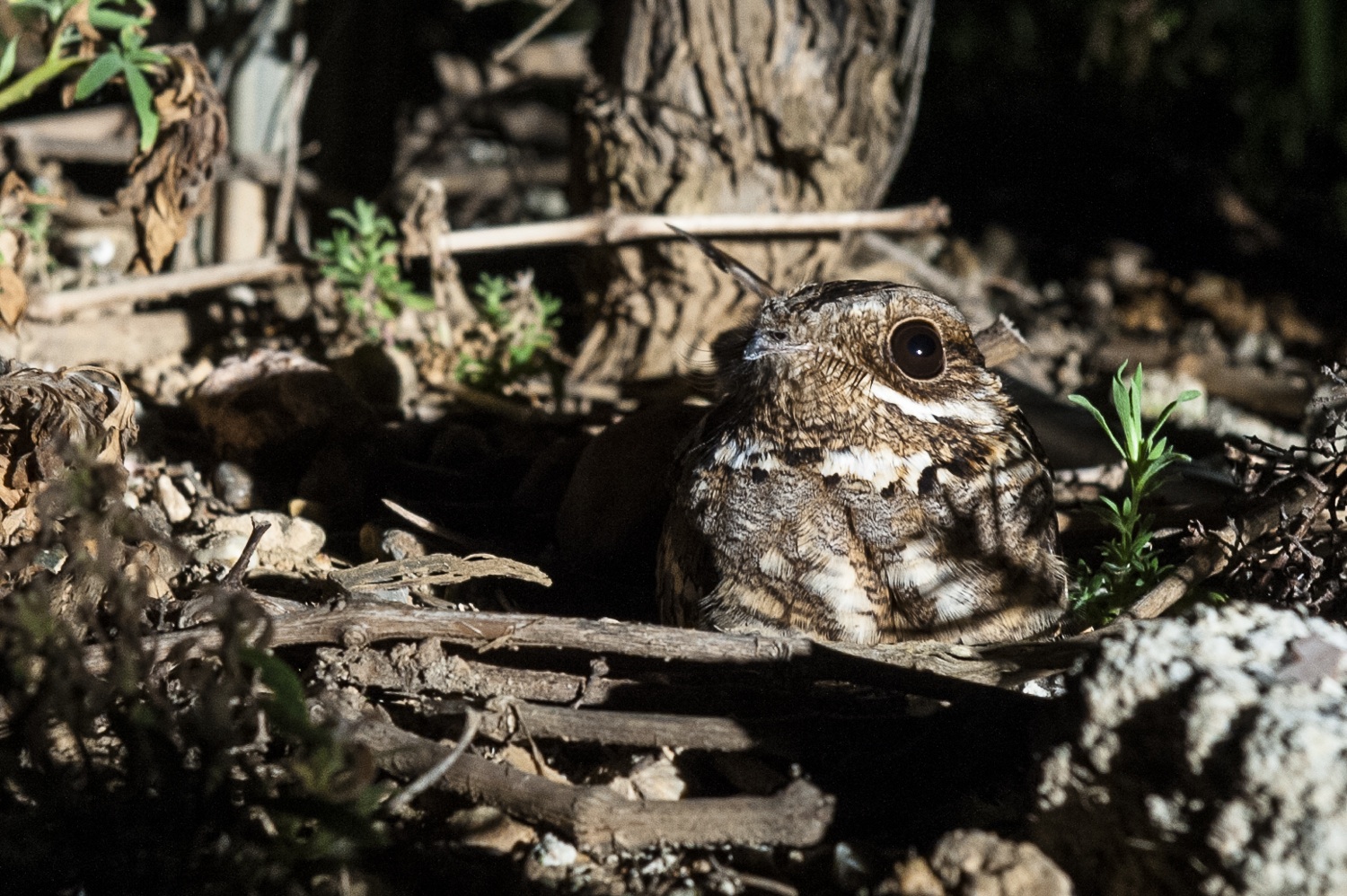
As a end, here you have another inhabitant of the steppes; Red-necked Nightjar (Caprimulgus ruficollis)
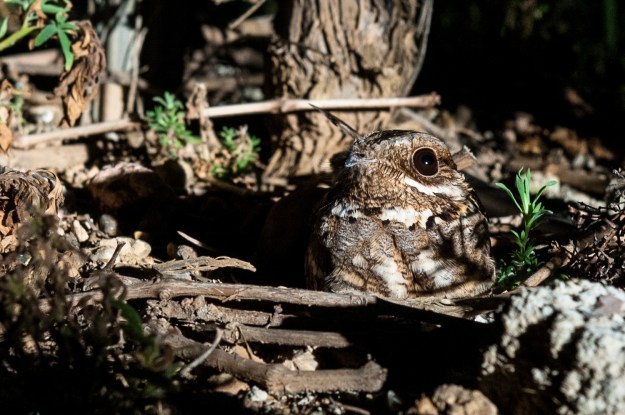
Caprimulgus ruficollis

Winter birding break in Ebro Delta

From 13th to 15th January, 2014 we were exploring Ebro Delta with some costumers from Check Republic. It was a really successful tour with great sights to several specialities involving 113 species of birds!

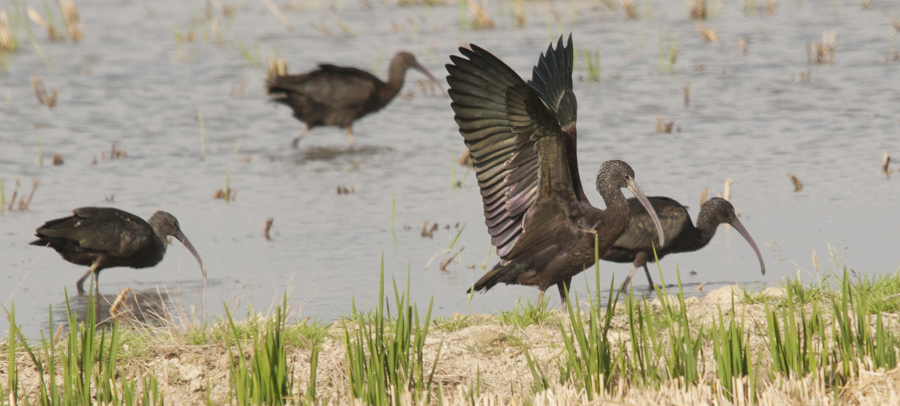
Ebro Delta itself was providing great sights to Greater Bittern (Botaurus stellaris), Bluethroat (Luscinia svecica), Squacco Heron (Ardeola ralloides), Mediterranean & Slender Billed Gulls (Larus melanocephalus & genei), Red-breasted Merganser (Mergus serrator), Penduline Tit (Remiz pendulinus), Booted Eagle (Aquila pennata), Glossy Ibis (Plegadis falcinellus), Little Stint (Calidris minuta) and many other species such as Golden & Grey Plovers, Great Egrets and a wide variety of waders, ducks and passerines.

Imatge

An afternoon in the neighbouring Tortosa-Beseït NP provided excellent sights to both Alpine Accentor & Wallcreeper as well as to other interesting birds such as Red-billed Choughs and Blue Rock Thrushes!

Here you can see a sample recorded by Frantisek Pochmon, one of our costumers. Unfortunately no images of Bittern neither Wallcreeper were done but still our costumer managed to get great images to Bluethroat, Squacco Heron and many other birds!

Barcelona Birding Point provides wildlife guidance for Canon D70 worldwide campaign

During April and May, 2013, Barcelona Birding Point’s team worked in the shoot for the new Canon 70D as wildlife guides as well as providing with photo hides to capture professional images of wildlife. Our help was also required to locate sceneries, landscapes and villages in order to get all their desired scenes. This shoot was lead by Amigo Productions and was a worldwide campaign for new Canon model, 70D.

Amigo Productions team filming in Los Monegros steppelands.

Amigo Productions team filming in Los Monegros steppelands with new Canon 70D cameras. Photo: Carles Oliver

Barcelona Birding Point was guiding the whole team to capture those images that were necessary for Canon purpose and was enterely filmed and photographed in Catalonia. Some of the sceneries included famous Natural Parks such as Aiguamolls de l’Empordà and Tortosa-Beseït as well as Pyrenean locations as renamed as Sant Llorenç de Montgai and Serra de Boumort. Other important locations incluyed villages of Miravet and Ballobar, in Aragón.

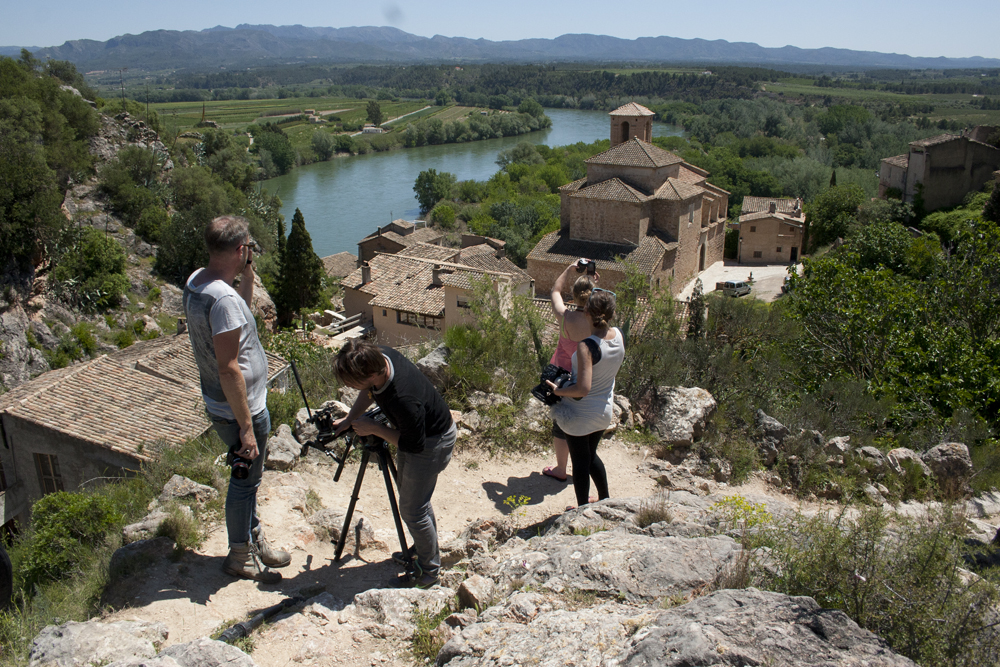
Filming from a view point of privilege over Miravet and Ebro River. Photo: Carles Oliver

Filming from a view point of privilege over Miravet and Ebro River. Photo: Carles Oliver

Filming along Miravet streets

Filming in Miravet streets. Photo: Carles Oliver

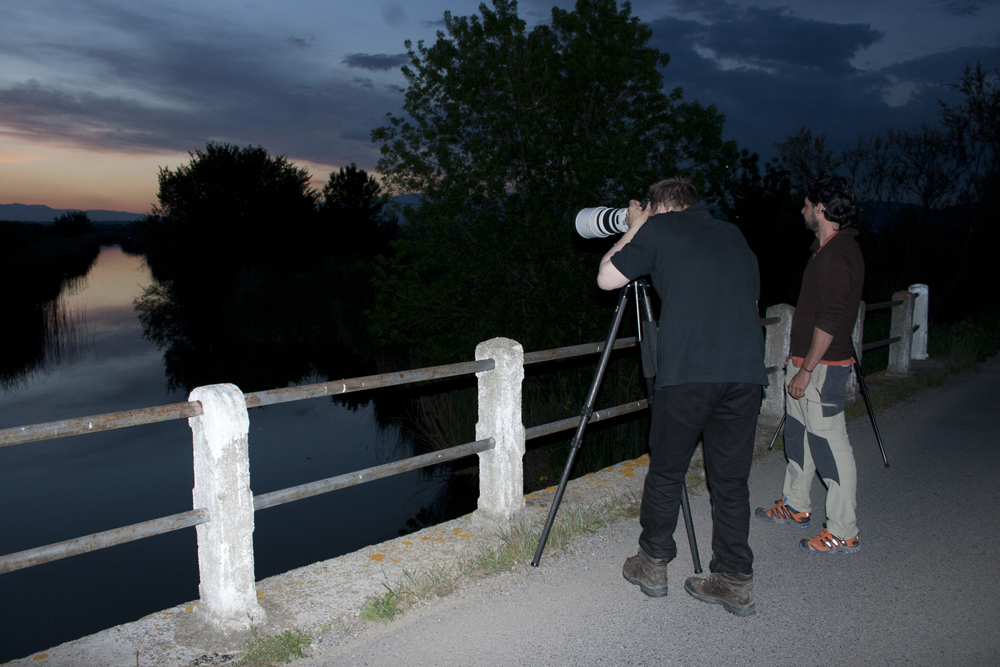
Brütus Ostling crepuscular photo session in Aiguamolls de l'Empordà with Ivan from Barcelona Birding Point

Brütus Ostling crepuscular photo session in Aiguamolls de l’Empordà with Ivan from Barcelona Birding Point. Photo: Carles Oliver

This is a sample of the work made along those days…

Shot itself was 12 days long including falconry and photo hide sessions as well as specific outdoor sessions to capture images of landscapes and a variety of wildlife.

Here, a new sample:

This work was possible thanks to an intense collaboration among Amigo Productions and Barcelona Birding Point teams.

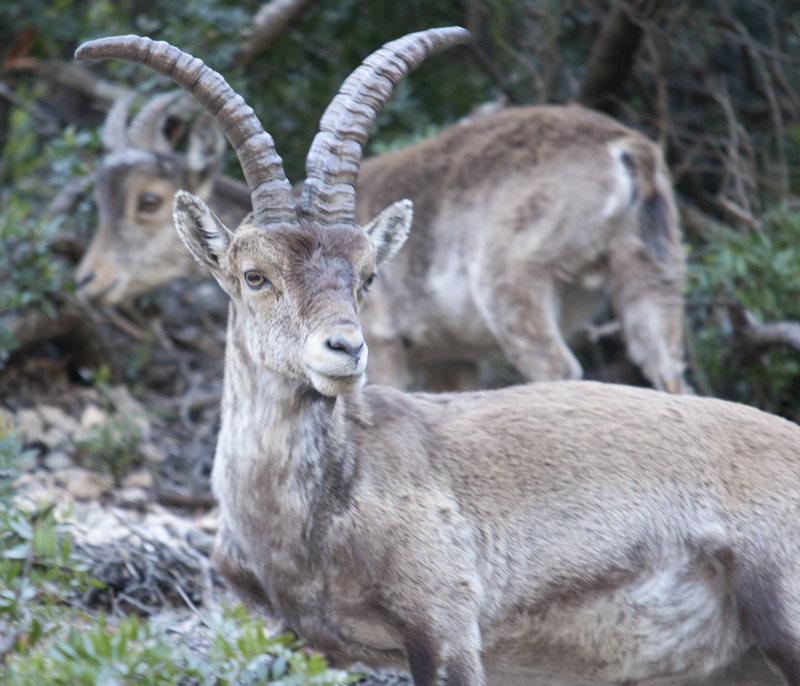
Spanish Ibex was one of the targeted mammals along those days. Photo taken along the filming sessions in Tortosa-Beseït Natural Park. Photo: Carles Oliver

Spanish Ibex was one of the targeted mammals along those days. Photo taken along the filming sessions in Tortosa-Beseït Natural Park. Photo: Carles Oliver