Arxiu de la categoria: Icterine Warbler

Hongria Birding Tour, 2024

  • Dates: Del 3 al 8 d’agost, 2024
  • Participants: 5
  • Número d’espècies vistes: 143
  • Tour leader: Sergi Sales

Resum: Hongria presenta una combinació entre increïbles boscos, zones d’aiguamoll i grans planures de secà, anomenades putsza. Aquest país és un dels pocs llocs on pots veure tots els picots d’Europa, excepte el tridàctil, alhora que bones poblacions de piocs salvatges amb un bon assortit de rapinyaires.

Dia 1

Fent escala a Viena, arribem al petit aeroport de Budapest al migdia amb temps per poder fer una primera visita a les zones de putsza al Sud de la capital.

Tot just trepitjar les primeres planúries no ens és gens difícil, als marges dels camins, veure un bon nombre d’escorxadors i trenques. Els primers encara alimentant pollets volanders.

Estols d’oques comunes comencen a desplaçar-se a les zones de joca al igual que grans grups de cornelles emmantellades barrejades amb graules.

En aquesta zona son freqüents els grups familiars de gaig blau. No tardem gaire en veure el majestuós vol de l’au més pesada amb capacitat per poder volar; el pioc salvatge, i tot voltant per la zona veiem altres grups que com per art de màgia desapareixen de l’horitzó de forma miraculosa. Entre les escenes màgiques que restaran a la nostra memòria està la del vol d’un nombrós grup de piocs sobre la nostra posició amb el seu majestuós vol.                                                       

D’aquí ens desplacem al nostre allotjament per acabar aquesta llarga jornada degustant les primeres viandes de la famosa cuina hongaresa.
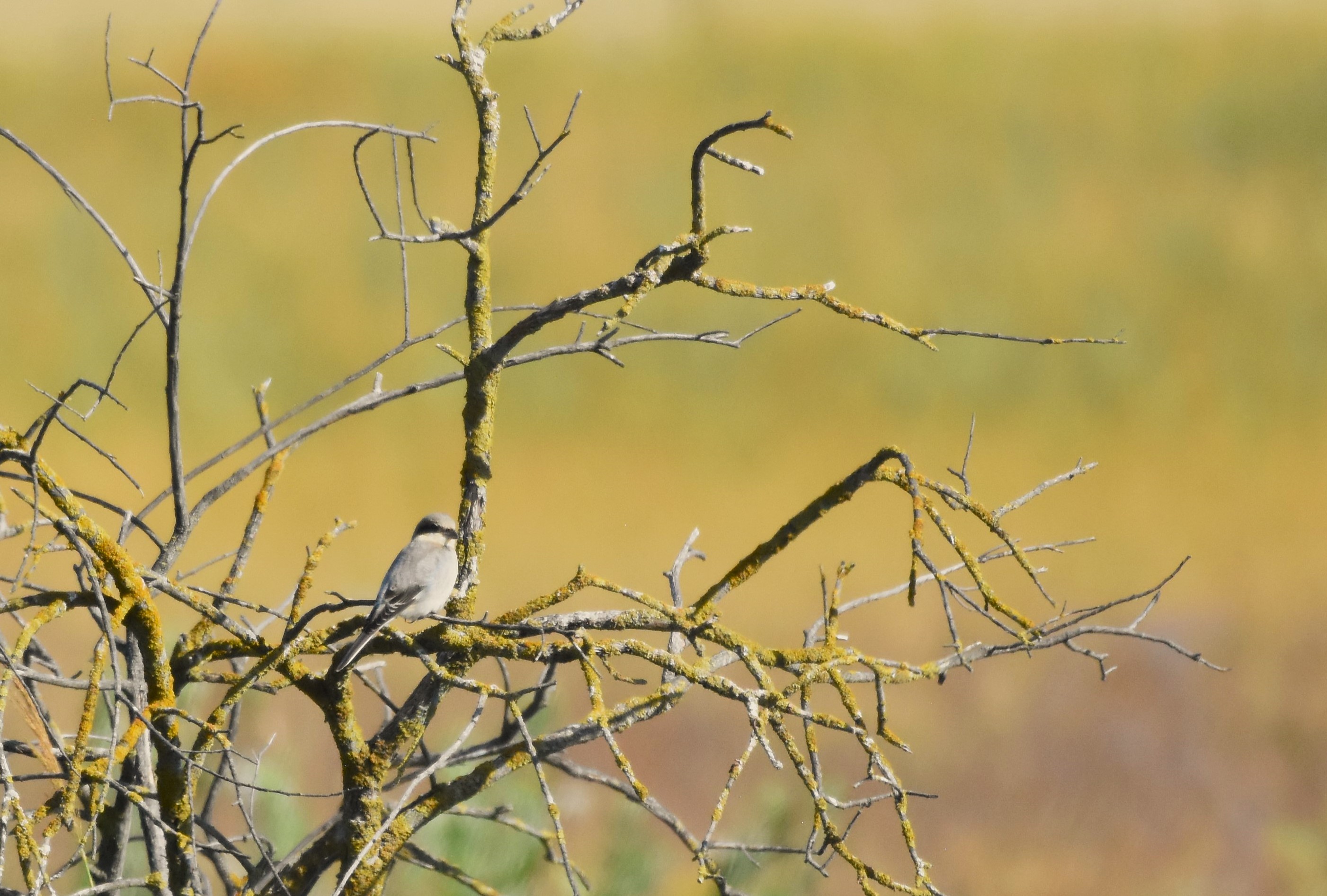
Trenca (Lanius minor), espècie molt comú a les estepes hongareses. Lesser Grey Shrike.

Escorxador (Lanius collurio), una espècie encara més comú que l’anterior. Red-backed Shrike.

Pioc salvatge (Otis tarda) en vol al vespre. Great Bustard.

Dia 2

Acompanyats de bons amics hongaresos visitem la famosa reserva de putsza al Sud de la capital. Una vegada près el cafè recuperador fem un tomb pel poble a la cerca del picot garser siriac, ocell que sovint es veu en zones humanitzades. No triguem a detectar les veus d’aquest ocell i finalment una parella es deixa veure al voltant d’una zona enjardinada. La migració dels petits ocells ja és present, com a confirma la visualització en el mateix jardí d’un mosquiter xiulaire i les veus de diversos tallarols xerraires.  

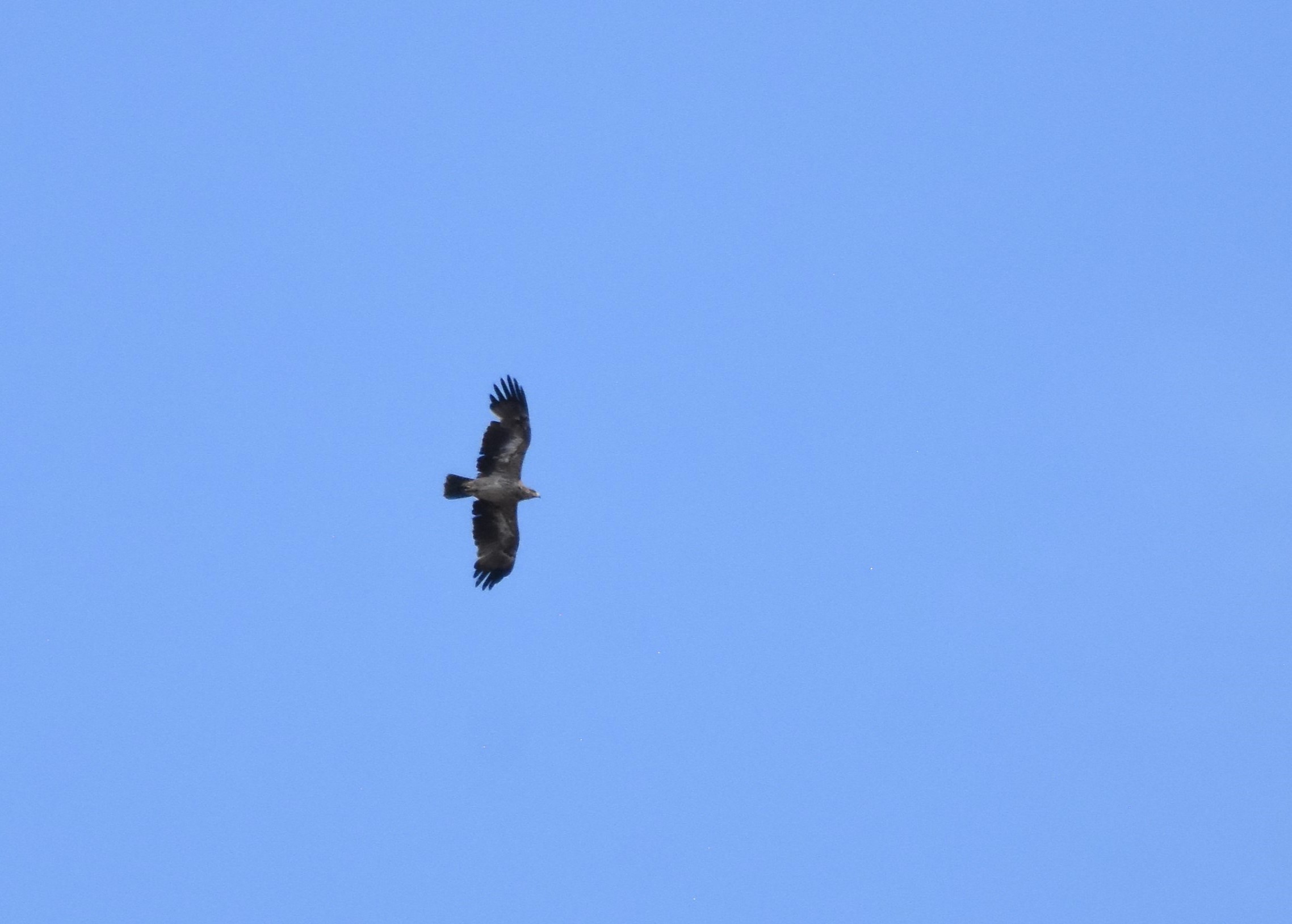
Travessem zones obertes tot esperant que l’augment de la temperatura activi als gran rapinyaires. Repetim forces espècies vistes el dia anterior, amb les primeres observacions de llunyanes d’àguiles imperials orientals. Finalment es fan tèrmiques on s’agrupen diverses àguiles imperials i les primeres majestuoses àguiles marines.

Sobrevolen els espais pasturats pels búfals alliberats dins el marc dels projectes de gestió d’hàbitats per les espècies estepàries, cigonyes blanques i negres. Ens dirigim ara a un racó diferent, a on fem espera d’un dels gran targets del viatge, el falcó sacre. Tot veient una de les seves preses favorites, els suslic, esperem fins que un exemplar de falcó apareix tot lluitant amb un dels omnipresents xoriguers comuns.  Posteriorment, un altre exemplar en del·laïta amb vols de cacera a més curta distància.    

Una vegada assolits els principals objectius de la regió, visitem alguna de les grans zones humides bàsicament emprades com a piscifactories de peix d’aigua dolça, sobretot carpa i peix gat. Aquí hi trobem un bon ventall d’aus aquàtiques alhora que els primers corbs marins pigmeus del viatge i morell xocolaters, alguns encara en grups familiars. Dos exemplars de les escasses perdius de mar en aquesta zona es llueixen davant nostre i alhora que tafaners joves de mallerengues de bigotis es deixen veure en els canyissars que envolten les basses.

Arribat al migdia visitem un restaurant especialitzat en cuina local, una gran cloenda per un agran jornada.

Posteriorment marxem cap el nord-est ja que ens espera un llarg trànsfert on van sortint noves espècies pel tour com un grapat de falcons cama-rojos.
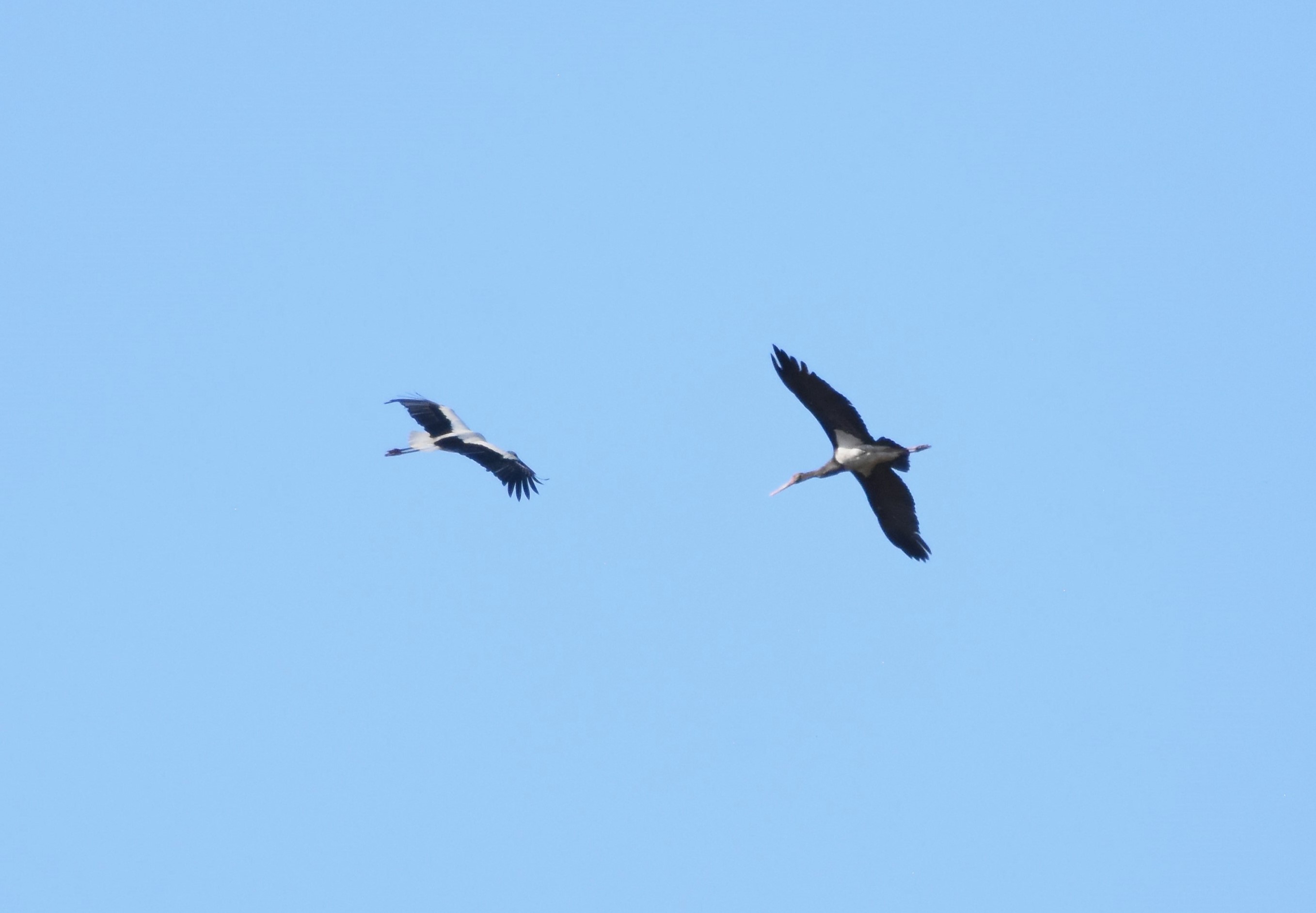
Cigonyes blanca i negra (dreta) sobrevolant les estepes hongareses. White and Black Storks.
Àguila marina (Hieraaetus albicilla). White-tailed Eagle
Falcó sagrat (Falco cherrug), un dels rapinyaires més amenaçats a Europa. Saker Falcon.
Àguila imperial oriental (Aquila heliaca). Eastern Imperial Eagle

Dia 3

Avui l’objectiu és visitar el mític conjunt de zones humides i putsza de la regió d’Hortobagy. Un organitzat sistema de piscifactories de peix d’aigua dolça permet visitar caminant diverses basses amb diferents cobertures de canyissar on per exemple són abundants un seguit de passeriformes de canyissar com els boscarlers comuns, les boscarles de canyar o les mallerengues de bigotis.  En aquestes dates les zones més somes estan pràcticament seques però allà on resta una mica d’aigua, es concentren un bon nombre d’ardèids, bec-planers i limícoles. Des d’una de les torres d’observació es veu l’increïble paisatge que genera una gran zona humida envaïda per florits nenúfars grocs. Entre ells s’amaguen morells xocolaters, cabussons i centenars de corb marins pigmeus.

Després d’un excel·lent dinar en un clàssic restaurant d’Hortobagy, visitem zones inundades on centenars d’oques es concentraven en les pastures properes. En una d’ells, entre grups de fumarells carablancs, vam poder trobar alguns fumarells alablancs.

Decidim acabar la jornada visitant zones d’estepes on gaudim d’una espectacular tarda amb grups familiars de gaig blau, falcons cama-rojos, piocs salvatges, trenques i escorxadors alhora que rapinyaires com àguila imperial oriental o arpella cendrosa.

Corb marí pigmeu (Micracarbo pygameus), una espècie habitual a Hongria. Pygmy Cormorant.
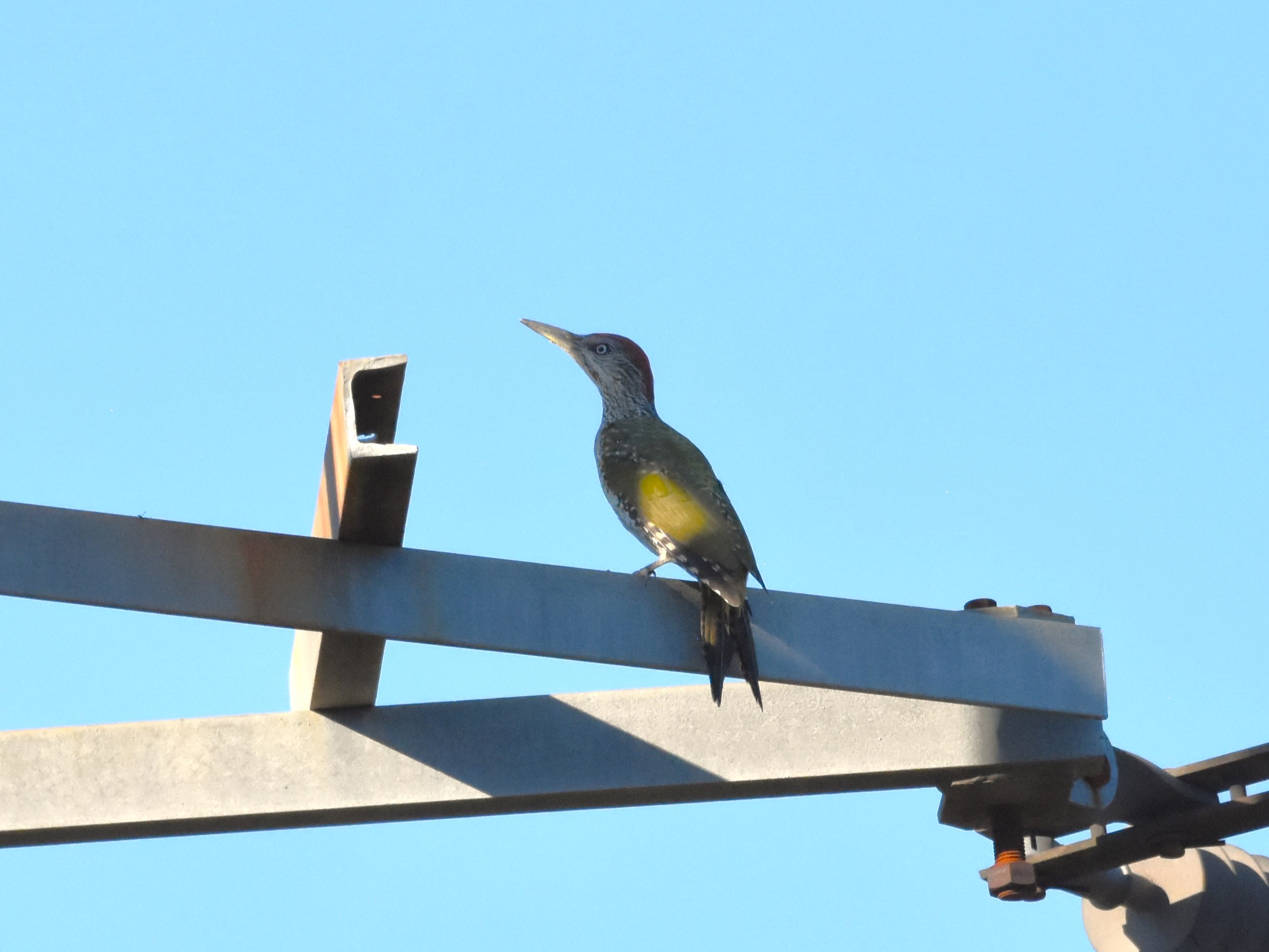
Picot verd europeu (Picus viridis) jove. European Green Woodpecker
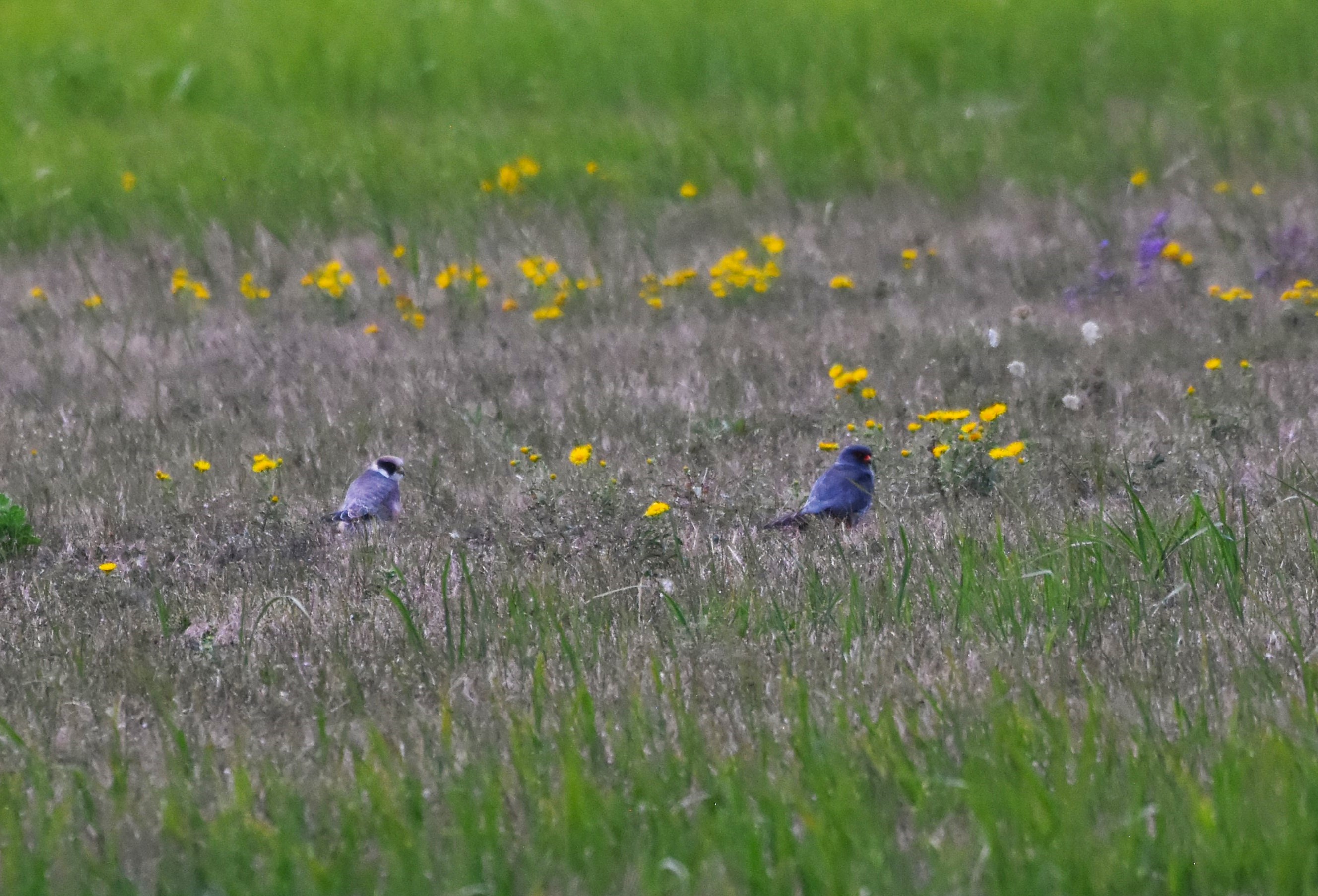
Femella (esq) i mascle (dreta) de falcó cama-roig (Falco vespertinus). Red-footed Falcon

Dia 4

Avui l’objectiu serà visitar els majestuosos boscos caduficolis per intentar sumar un bon nombre de picots i altres ocells forestals

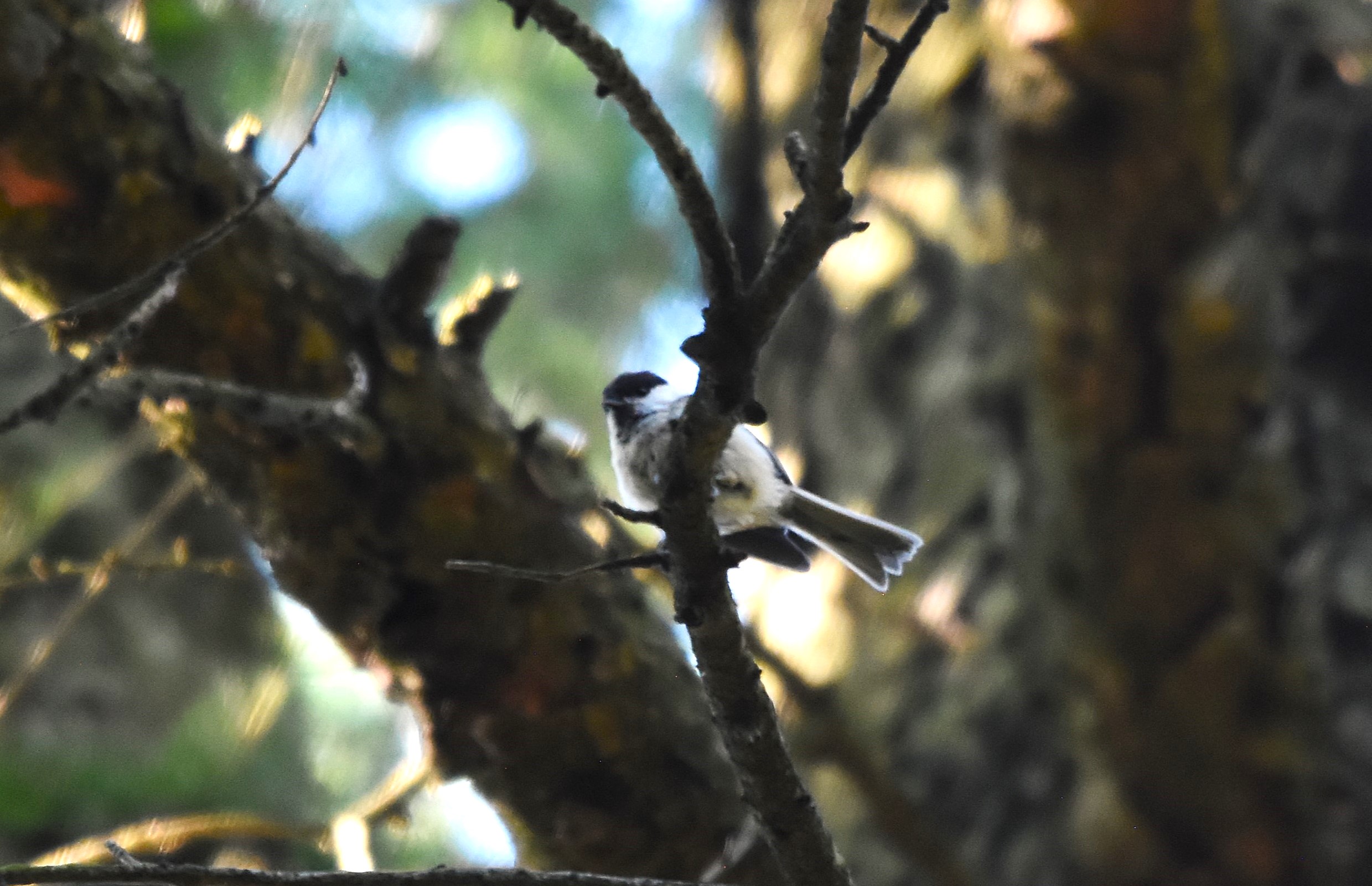
Comencem a la cerca d’una de les espècies que interessen al tour: les mallerengues capnegres. Un cop ens endinsem en zones de coníferes no triguem en detectar, dins de grans grups mixtes (reietons, mallerengues, raspinell pirinenc..), els primers exemplars d’aquesta espècie.

Un excitat picot negre eurosiberià ens acomiada de la zona. D’aquí conduim fins a un altre bosc a la cerca del més localitzat dels picots, el picot garser dorsblanc.

Als pocs minuts s’escolta el típic reclam del picot cendrós, finalment deixant-se veure després d’una breu disputa amb un picot verd europeu. Sembla que li agrada recuperar energia al sol, ja que resta immòbil una bona estona a la capçada d’un arbre per fortuna per nosaltres.

Arbres madurs fan que el picoteig de picot sigui constant i ens fa amena l’espera fins que surti l’estrella del dia. Picots garsers mitjans, grossos i petits són abundants alhora que grups mixtes de passeriformes on apareixen grups nombrosos de mallerengues cuallargues de les races de cap blanc, un ocell d’aspecte tant delicat com espectacular. Finalment dues no massa llunyanes parelles de picot garser dorsblanc es van deixar veure i escoltar a plaer.

En una breu passejada pel mateix bosc, 8 espècies de picots! no està gens malament.

Visitem zones obertes a la cerca de petits migrants on a més de durbecs, cotxes fumades….apareix un inquieta busqueta icterina.

Dinem a peu de rierol on ens visita una família de cueretes torrenteres i al refugi d’una bona ombra.

Posteriorment visitem un espai obert, un mosaic de pastures, camps i fruiters. Els arbres i arbustos estaven plens de fruites i baies fet que atreia petits migrants, especialment tallarols de casquet, xerraires, verderoles… Vista fugaç i veus de tallarol esparverenc, el qual no es deixa veure de forma òptima. Escanejant el cel va sorprendre una fase pàl·lida d’àguila calçada, espècie rara en aquesta àrea.

Picot cendrós (Picus canus). Grey-headed Woodpecker.
Mallarenga cuallarga capblanca (Aegithalos caudatus). Long-tailed Tit (Eastern)
Mallerenga capnegre (Poecile montanus) a un bosc de coníferes. Willow Tit.
Picot garser dorsblanc (Dendrocopos leucotos). White-backed Woodpecker
Bosqueta icterina (Hippolais icterina). Icterine Warbler.

Dia 5

Afortunadament a hores d’ara ja hem assolit els principals objectius del tour, per tant, el que fem és intentar millorar observacions d’algunes de les espècies i/o fotografiar-les.

Comencem visitant zones periurbanes a la cerca de picot garser siríac i sobretot picot verd europeu, dels quals no tardem en detectar, especialment el picot verd dels quals un jove s’acaba aturant a un pal de formigó donant observacions a plaer. Aquest mosaic d’hàbitats fa que siguin abundants els fringíl·lids i migrants com el tallarol gros.

Una vegada comencen a pujar les temperatures ens desplacem cap als sectors on nidifiquen les àguiles pomerànies, el darrer dels targets que ens quedava per assolir. Als pocs minuts es deixa veure un exemplar que veiem aturar a una vall arbrada. Posteriorment es veuen altres vegades fins dos exemplars. La zona sembla bona per rapinyaires ja que també es deixen veure aligots vespers i altres aus planejadores.

Amb les temperatures de mig matí decidim visitar zones boscoses on segur que es manté més activitat que en zones obertes. Una passejada per un madur bosc caducifoli ens permet gaudir de bones observacions de varis picots garsers mitjans, grossos, petits i grups mixtes de mallerengues.

Nou dinar en restaurants de cuina típica hongaresa per tancar una altre gran matí ornitològic.

Decidim visitar zones boscoses amb arbres grans per cercar el picot negre, el pícid que pitjor havíem observat en aquest viatge.  Vàrem escollir bé el lloc de prospecció perquè en pocs minuts ja escoltàvem un picot a curta distancia, el qual ens va acompanyar una bona estona fent volades ràpides a curs distància, mostrant la gran habilitat que tenen per aturar-se a la banda “equivocada dels arbres”.

Una bones copes de casolana palinka per tancar el darrer sopar del viatge.

Picot garser mitjà (Dendrocopos medius). Middle Spotted Woodpecker.

Dia 6

Aquest matí només disposem d’un parell d’hores de birding abans de desplaçar-nos cap a l’aeroport. Per això decidim de fer un tomb tot resseguint un torrent a tocar de l’hospedatge per tal de mirar algun picot més.

Cercant entre els grans arbres veiem un bon ventall d’espècies forestals, entre elles diversos grups mixten a on destaquen mallerengues cuallargues de cap blanc i 4 espècies de pícids destacant uns quants picots verds europeus; a les zones obertes veiem cotxes fumades i papamosques grisos, però sobretot destaca el nombre de mosquiters xiulaires que veiem en aquesta passejada.

Un relaxat i gran final per un extraordinari tour a un país molt recomanable per viatjar per qualsevol ornitòleg.

Llista d’aus observades al llarg del tour:

  1. Faisà — Phaisanus colchinus — Common Pheasant
  2. Cigne mut — Cygnus olor — Mute Swan
  3. Oca comuna — Anser anser — Greylag Goose
  4. Ànec griset — Marecca strepera — Gadwall
  5. Xarxet comú — Anas crecca — Eurasian Teal
  6. Ànec coll-verd — Anas platyrhynchos — Mallard
  7. Xarrasclet — Spatula querquedula — Garganey
  8. Xibec — Netta rufina — Red-crested Pochard
  9. Morell de cap roig — Aythya ferina — Common Pochard
  10. Morell xocolater — Aythya nyroca — Ferruginous Duck
  11. Colom roquer — Columba livia — Feral Pigeon
  12. Xixella — Columba oenas — Stock Dove
  13. Tudó — Columba palumbus — Common Wood Pigeon
  14. Tòrtora europea — Streptopelia turtur — European Turtle Dove
  15. Tòrtora turca — Streptopelia decaocto — Eurasian Collared Dove
  16. Falciot negre — Apus apus — Common Swift
  17. Polla d’aigua — Gallinula chloropus — Eurasian Moorhen
  18. Fotja eurasiàtica — Fulica atra — Eurasian Coot
  19. Pioc salvatge — Otis tarda — Great Bustard
  20. Cabusset — Tachybaptus ruficollis — Little Grebe
  21. Cabussó coll-negre — Podiceps nigricollis — Black-necked Grebe
  22. Cabussó emplomallat — Podiceps cristatus — Great Crested Grebe
  23. Cames llargues — Himantopus himantopus — Black-necked Stilt
  24. Fredeluga comuna — Vanellus vanellus — Northern Lapwing
  25. Becut eurasiàtic — Numenius arquata — Eurasian Curlew
  26. Becadell comú — Gallinago gallinago — Common Snipe
  27. Gamba roja comuna — Tringa totanus — Common Redshank
  28. Gamba roja pintada — Tringa erythropus — Spotted Redshank
  29. Valona — Tringa glareola — Wood Sandpiper
  30. Xivita — Tringa ochropus — Green Sandpiper
  31. Xivitona — Actitis hypoleucos — Common Sandpiper
  32. Gavina riallera — Chroicocephalus ridibundus — Black-headed Gull
  33. Gavià del Caspi –Larus cachinnans — Caspian Gull
  34. Gavià argentat — Larus michahellis — Yellow-legged Gull
  35. Xatrac comú — Sterna hirundo — Common Tern
  36. Fumarell negre — Chlidonias niger — Black Tern
  37. Fumarell alablanc — Chlidonias leucopterus — White-winged Black Tern
  38. Fumarell carablanc — Chlidonias hybridus — Whiskered Tern
  39. Cigonya blanca — Ciconia ciconia — White Stork
  40. Black Stork — Ciconia nigra — Black Stork
  41. Corb marí pigmeu — Phalacrocorax pigmaeus — Pygmy Cormorant
  42. Corb marí gros — Phalacrocorax carbo — Great Cormorant
  43. Bernat pescaire — Ardea cinerea — Grey Heron
  44. Agró roig — Ardea purpurea — Purple Heron
  45. Martinet menut — Botaurus minutus — Little Bittern
  46. Martinet ros — Ardeola ralloides — Squacco Heron
  47. Esplugabous — Bubulcus ibis — Western Cattle Egret
  48. Martinet blanc — Egretta garzetta — Little Egret
  49. Martinet de nit — Nycticorax nycticorax — Black-crowned Night Heron
  50. Agró blanc — Ardea alba — Great White Egret
  51. Bec-planer eurasiàtic — Platalea leucorodia — Eurasian Spoonbill
  52. Capó reial — Plegadis falcinellus — Glossy Ibis
  53. Aligot vesper europeu — Pernis apivorus — European Honey Buzzard
  54. Aligot comú — Buteo buteo — Common Buzzard
  55. Esparver cendrós — Circus pygargus — Montagu’s Harrier
  56. Arpella comuna — Circus aeruginosus — Western Marsh Harrier
  57. Àguila pomerània — Clanga pomarina — Lesser Spotted Eagle
  58. Àguila marcenca — Circaetus gallicus — Short-toed Eagle
  59. Àguila imperial oriental — Aquila heliaca — Eastern Imperial Eagle
  60. Àguila calçada — Aquila pennata — Booted Eagle
  61. Esparver comú — Accipiter nisus — Eurasian Sparrowhawk
  62. Àguila marina — Haliaaetus albicilla — White-tailed Eagle
  63. Putput eurasiàtica — Upupa epops — Eurasian Hoopoe
  64. Gaig blau — Coracias garrulus — European Roller
  65. Abellerol europeu — Merops apiaster — European Bee-eater
  66. Blauet comú — Alcedo atthis — Common Kingfisher
  67. Colltort comú — Jynx torquilla — Eurasian Wryneck
  68. Picot garser mitjà — Dendrocopos medius — Middle Spotted Woodpecker
  69. Picot garser dors-blanc — Dendrocopos leucotos — White-backed Woodpecker
  70. Picot garser gros — Dendrocopos major — Great Spotted Woodpecker
  71. Picot garser siriac — Dendropocos syriacus — Syrian Woodpecker
  72. Picot garser petit — Dryobates minor — Lesser Spotted Woodpecker
  73. Picot cendrós — Picus canus — Grey-headed Woodpecker
  74. Picot verd europeu — Picos viridis — European Green Woodpecker
  75. Picot negre — Dryocopus martius — Black Woodpecker
  76. Xoriguer comú — Falco tinnunculus — Common Kestrel
  77. Falcó cama-roig — Falco vespertinus — Red-footed Falcon
  78. Falcó sacre — Falco cherrug –Saker Falcon
  79. Falcó mostatxut — Falco subbuteo — Eurasian Hobby
  80. Cogullada comuna — Galerida cristata — Crested Lark
  81. Alosa comna — Alauda arvensis — European Skylark
  82. Oreneta de ribera — Riparia riparia — Sand Martin
  83. Oreneta comuna — Hirundo rustica — Barn Swallow
  84. Oreneta cuablanca — Delichon urbicum — Common House Martin
  85. Cuereta blanca — Motacilla alba — White Wagtail
  86. Cuereta groga — Motacilla flava — Western Yellow Wagtail
  87. Cuereta torrentera — Motacilla cinerea – Grey Wagtail
  88. Pit-roig — Erithacus rubecula — European Robin
  89. Rossinyol comú — Luscinia megarhynchos — Common Nightingale
  90. Cotxa fumada — Phoenicurus ochruros — Black Redstart
  91. Bitxac comú — Saxicola rubicola — European Stonechat
  92. Còlit gris — Oenanthe oenanthe — Northern Wheatear
  93. Tord comú — Turdus philomelos — Song Thrush
  94. Griva comuna — Turdus viscivorus — Mistle Thrush
  95. Merla comuna — Turdus merula — Eurasian Blackbird
  96. Tallarol esparverenc — Curruca nisoria — Barred Warbler
  97. Tallareta comuna — Curruca communis — Common Whitethroat
  98. Tallarol xerraire — Curruca curruca — Lesser Whitethroat
  99. Tallarol gros — Sylvia borin — Garden Warbler
  100. Tallarol de casquet — Sylvia atricapilla — Eurasian Blackcap
  101. Boscarla dels joncs — Acrocephalus schoenobaenus — Sedge Warbler
  102. Boscarla de canyar — Acrocephalus scirpaceus — Common Reed Warbler
  103. Balquer — Acrocephalus arundinaceus — Great Reed Warbler
  104. Boscarler comú — Locustella luscinioides — Savi’s Warbler
  105. Bosqueta icterina — Hippolais icterina — Icterine Warbler
  106. Mosquiter comú — Phylloscopus collybita — Common Chiffchaff
  107. Mosquiter de passa — Phylloscopus troquilus — Willow Warbler
  108. Mosquiter xiulaire — Phylloscopus sibilatrix — Wood Warbler
  109. Cargolet — Troglodytes troglodytes — Eurasian Wren
  110. Papamosques gris — Muscicapa striata — Spotted Flycatcher
  111. Mallerenga carbonera — Parus major — Great Tit
  112. Mallerenga blava — Cyanistes caeruleus — Eurasian Blue Tit
  113. Mallerenga petita — Periparus ater — Coal Tit
  114. Mallerenga d’aigua — Poecile palustris — Marsh Tit
  115. Mallerenga capnegra — Poecile montanus — Willow Tit
  116. Teixidor — Remiz pendulinus — Eurasian Penduline Tit
  117. Mallerenga de bigotis — Panurus biarmicus — Bearded Tit
  118. Mallerenga cuallarga — Aegithalos caudatus — Long-tailed Tit
  119. Raspinell comú — Certhia brachydactyla — Short-toed Treecreeper
  120. Raspinell pirinenc — Certhia familiaris — Eurasian Treecreeper
  121. Pica-soques blau — Sitta europaea — Eurasian Nuthatch
  122. Reietó — Regulus regulus — Goldcrest
  123. Trenca — Lanius minor — Lesser Grey Shrike
  124. Escarxador — Lanius collurio — Red-backed Shrike
  125. Oriol europeu — Oriolus oriolus — Eurasian Golden Oriole
  126. Gaig eurasiàtic — Garrulus glandarius — Eurasian Jay
  127. Garsa eurasiàtica — Pica pica — Eurasian Magpie
  128. Gralla occidental — Corvus monedula — Western Jackdaw
  129. Cornella emmantellada — Corvus cornix — Hooded Crow
  130. Graula — Corvus frugilegus — Rook
  131. Corb comú — Corvus corax — Corb comú
  132. Estornell comú — Sturnus vulgaris — Common Starling
  133. Pardal comú — Passer domesticus — House Sparrow
  134. Pardal xarrec — Passer montanus — Eurasian Tree Sparrow
  135. Pinsà comú — Fringilla coelebs — Common Chaffinch
  136. Durbec — Coccothraustes coccothraustes — Hawfinch
  137. Cadernera comuna — Carduelis carduelis — Eurasian Goldfinch
  138. Verdum eurasiàtic — Chloris chloris — Eurasian Greenfinch
  139. Gafarrí europeu — Serinus serinus — European Serin
  140. Passerell comú — Lanaria cannabina — Common Linnet
  141. Verderola –Emberiza citrinella — Yellowhammer
  142. Repicatalons — Emberiza schoeniclus — Common Reed Bunting
  143. Cruixidell — Emberiza calandra — Corn Bunting

Llista de mamífers observats al llarg del tour:

  1. Llebre europea — Leppus europaeus — European Hare
  2. Cabirol — Capreolus capreolus — Roe Deer
  3. Souslik — Spermophilus citellus — Suslik
  4. Daina — Dama dama — Fallow Deer
  5. Rata de camp — Rattus norvegicus — Brown Rat
  6. Esquirol — Sciurus vulgaris — Red Squirrel
  7. Guineu — Vulpes vulpes — Red Fox

Extremadura & Gredos 2019 (+ Pyrenees). Trip Report

Tour Participants: 5

Dates: From April 15th to April 26th, 2019

Number of species of birds seen: 227


Summary

During the tour the temperature ranged from 02ºC to 29ºC. We recorded 7 mammal species, over 227 species of birds and 3 species of reptiles. The species mentioned in the daily summaries are only some of those seen.

Day 1: Monday 15 April: Madrid to La Mancha Humeda and onto Extremadura.

Our trip begun with us meeting for a breakfast at our Hotel in Madrid. After meeting our local Guide and driver Carles we negotiated the Madrid traffic and made our way for the Navaesca lagoon and wetlands. As we left the city and headed into the Winelands and agricultural fields on route we enjoyed sightings of: Common Magpie, Black Kite, Common Wood Pigeon and Crested Lark.

Our first stop after a well deserved coffee break was Navaesca Lagoon south west of Madrid and here we enjoyed some amazing birding with highlights being: 50+ White-headed Duck, Cetti’s Warbler, Common Shelduck, Black-headed Gull, Ruff, Common Greenshank, European Penduline Tit, Bearded Reedling, Greylag Goose, Lesser Black-backed Gull, Red-crested Pochard, Little-ringed Plover and European Goldfinch to name a few. Luck was on our side this morning as we had really top cracking views of these species, we managed brief views of a Moustached Warbler but this unfortunately avoided us despite numerous attempts to relocate. We enjoyed our lunch watching the Whiskered Terns and had a good fly by sighting of a Mediterranean Gull.

White-headed Ducks (Oxyura leucocephala) are a scarce resident duck in Central Spain and along the Mediterranean coast. Image by tour leader Carles Oliver

After lunch the wind picked up and bird activity died down so we made our way to the Extremadura region.  On our way to the Extremadura region we enjoyed road side sightings of: Booted Eagle, European Griffon Vulture, European Black Vulture, White Storks nesting, European Stonechat, Hawfinch, Western Marsh Harrier and Corn Bunting. At our accommodation in Extremaduta we enjoyed amazing next door birding including sightings of European Blue Tit, Black Kite, Red-rumped Swallow, Iberian Magpie, Common Cuckoo, Black-winged Kite, European Bee-eater, Mistle Thrush, Common Chaffinch, Great Tit, Woodchat Shrike, White Wagtail, and Booted Eagle.

We got daily great views on Black-winged Kites (Elanus caeruleus) during our stay in Extremadura. The fact that one pair nested in our accommodation grounds helped a bit 🙂 Image by Carles Oliver

What a great start to our tour as we enjoyed sunset over the snow capped Monfrague Mountains. Our dinner was enjoyed over a glass of red wine as we chatted about the excellent first day we have enjoyed. Also hearing common cuckoo call its characteristic cuckoo clock call again is always an enjoyable experience. We all slept well after a great day of birding.


Day 2: Tuesday 16 April.                             Monfragüe National Park.         

Our morning begun nice and early with breakfast at our lodge as we could hear the birds waking up. We could hear Common Cuckoo calling from the breakfast table, which is not to shabby. We made our way towards the open fields know to be a good spot for both Little and Great Bustards. Lady luck was on our side and one of the first birds we saw in the area was a stunning male Little Bustard which offered us excellent views and and a flight display- wow this was enjoyed by all as these birds are now critically endangered so getting good views of this male was enjoyed by all. Just as we thought what more could we ask for, we had an incredible sighting of a Great Bustard displaying, what a pleasure. After some scanning we found a lek of about 5 males displaying for one females attention, it’s was most comical and most enjoyable to watch this behavior. Other highlights included: female Montagu’s Harrier, Black-bellied Sandgrouse, Common Buzzard, Eurasian Skylark, Eurasian Tree Sparrow, Whinchat, European Stonechat and Red-legged Partridge.

A quick coffee stop was enjoyed overlooking the Gredos mountain range, here we enjoyed a spectacular sighting of both Spainish Imperial Eagle and Cinereous Vulture flying right over us and giving us amazing views. On route to Monfragüe National Park we enjoyed sightings of: European Griffon Vulture, Booted Eagle, Great Tit, Eurasian Wren, Eurasian Blackcap, Woodlark, Spanish Sparrow, Lesser spotted Woodpecker and we hade a brilliant sighting of Western Orphean Warbler- sometimes a difficult bird to see!. As we enjoyed our lunch in the Oak fields we were treated to stunning views of a pair of Short-toed Treecreepers– it was most enjoyable to watch their behavior and antics. As we made our way into Monfragüe we enjoyed a cracking sighting of a Short-toed Snake Eagle with a snake in its mouth as it flew by and over us.

Little Bustard (Tetrix tetrix) showing really well in our tour. Image by Carles Oliver


The Monfragüe National Park is a special protected area for Birdlife in Spain and we enjoyed some wonderful sightings of the Griffon Vultures flying over us and in-front of us. Other top sightings included: Cinereous Vulture, Blue Rock Thrush, Sardinian Warbler, Rock Bunting, Black Redstart, Subalpine Warbler, Crag Marting, Peregrine Falcon and Black Stork. It was truly an amazing day birding in Extremadura and we all had a wonderful and busy day. As we made our way back to our accommodation we all chatted about the various sightings we enjoyed and also got chatting about the various conservation efforts been made in Europe to protect birds.


Day 3: Wednesday 17 April.                            The Caceres Plains and Arrocampo wetlands.                                                                                                               

Our day started nice and early with breakfast and coffee as we got ready for another exciting day of birding in Spain. We made our way to Campo Lugar to improve our views of Great Bustard. On route in the town of Campo Lugar we had great views of Pallid Swift. In the grasslands we were rewarded with excellent views of Great Bustard which was enjoyed by all. Other highlights included: Gull-billed Tern, Northern Raven and Calandra Lark.

In the town we enjoyed a lovely coffee in a small Spanish coffee shop and were treated to exceptional views of Lesser Kestrel colony on a tower, we also had a good view of our first Iberian Grey Shrike of the trip. After our coffee stop we made our way to check the nest boxes put up for the European Rollers and we had good views of the birds nesting and even mating- these are incredible birds that make an extraordinary migration from Southern Europe to Southern Africa and its amazing to see the birds in Spain that we see in Southern Africa. We also enjoyed sightings of Eurasian Hoopoe and Iberian Grey Shrike.

One of the many Great Bustards (Otis tarda) that we enjoyed in Extremadura. Image by Carles Oliver

We made our way to Alcollarin Dam to see which migrant water birds would be around and enjoy our lunch. Our day just got better and better from this point and we enjoyed some incredible birding at the dam and we had sightings of: Collared Practincole, Northern Lapwing, Common Ringed Plover, Common Kingfisher, Temminck’s Stint, Kentish Plover, Common Kingfisher, Eurasian Spoonbill and Black Tern– this is some incredible birding for Southern Europe and everyone enjoyed the avian gems on show. Just as we thought things could not get better we had a lovely sighting of two European Otters swimming in water in front of this- truly amazing and a mammal lifer for all on the trip. As we travelled we chatted about our great day and I enjoyed learning from Larry A about North America and the great birding he enjoys in the State of California. It was also intresting to hear from Larry how the Black Tern in the States is a different tern to the one we have just seen in Spain. Larry also enjoyed the sighting of the Temminck’s Stint as it was a bird he wanted to see.

Spanish Magpie (Cyanopica coocki), a must-seen endemic to get when birding in Southern Spain and Portugal. Image by Carles Oliver

The views of about 30 Collared Practincoles impressed Pam as they flew over head. We enjoyed some down time at the accommodation before dinner and enjoyed a wonderful dinner and some good Spanish wine as we chatted about our wonderful day, birding stories and finished off our listing.

Thekla Lark (Galerida theklae) in the grasslands near Campo Lugar. Image by Carles Oliver

Day 4: Thursady. 18 April.           Extremadura to the the Ebro Valley.

Our day begun a little earlier than normal as we decided we would check out the Arrocampo wetlands before moving onto the Ebro valley. We enjoyed a lovely breakfast before heading to the wetlands. Lady Luck was on our side and as we arrived at the wetland and made our way to the hide, we had a great sighting of a male and female Ferruginous Duck fly up and give us brilliant views of this hard to see species of Duck in Europe. It’s estimated that there are about 7 pairs left of these birds in Iberia so seeing a pair was really exciting and enjoyed by the whole group. The birds also decided to come and land on the pond in front of us and we got some really good views of this beautiful duck. Other highlights at the wetlands included: a Purple Heron, Little Bitten, Western Swamphen, Savi’s Warbler, Sand Martin and we unfortunately only managed to hear Water Rail. We were soon back on the road and heading for the Ebro Valley, today was set aside as a day of travel and we had a good 5 hours drive to get to the Ebro Valley and our accommodation.

European Bee-eaters (Merops apiaster) were a common view in several areas along this tour. Image by Carles Oliver

On the way we had panned a stop to try and find Bluethroat and Rufous-tailed Thrush but unfortunately the weather was not playing along and we had cold and rainy weather high up in the mountains with temperature dropping to 3 degrees Celsius- not ideal for bird watching. We did however get sightings of: European Serin, Eurasian Jay and Eurasian Robin. Our efforts were also rewarded with a wonderful sighting of a Common Salamander- Salamandra salamandra. This was a great find and this amphibian gem was enjoyed by the group, especially by Pam and myself.

We made our way to the Ebro Valley slowly as most of the drive was in the pouring rain, which did not help our birding efforts. As we approached our accommodation we went to the site where Dupont’s Lark occurs and tried our luck in locating this sought after species. Unfortunately the weather didn’t help us and the gusting wild and cold made finding the bird impossible. We did however enjoy views of a Golden Eagle hunting European Rabbits. We enjoyed a quick shower and freshen up before enjoying a lovely dinner together and a good nights rest.

Day 5: Friday 19 April.              Ebro Valley and transfer to Pyrenees.

Our morning begun nice and early so we could get out and try for the Dupont’s Lark again. After breakfast we headed for the area we had been in the previous day searching for the Lark and our luck changed for the better. With the weather being calm and cool with no rain and wind we knew this was our best chance to see the bird. Lady Luck again was on our side and within 30 minutes we had spectacular views on a male Dupont’s Lark– this was just great and made up for our efforts from yesterday. The bird performed well and we could all enjoy this beauty. Larry was particularly chuffed as he had thought we would not see the bird- patience and perseverance paid off.

Other highlights for the morning included: Greater Short-toed Lark, Western Bonelli’s Warbler, European Turtle Dove, Calandra Lark, Black-bellied Sandgrouse, Pin-tailed Sandgrouse, Carrion Crow and Willow Warbler. After a short coffee break we made our way to an area to try and improve our views of Pin-tailed Sandgrouse and this we did with 5 birds showing well in the scopes- we then got treated to a fly by and all had awesome views of these magnificent birds. Another highlight was a male Pallied Harrier flying over the grasslands which we all managed to get good views of- this species is rare in Spain and was a good record for the tour.

In the tour we were lucky and enjoyed multiple and long views on Dupont’s Larks (Chersophilus duponti) in the wonderful steppes close to Codo. Image by Carles Oliver

We stopped to enjoy some of Spain’s old castles and made our way to lunch in the town of Bujaraloz and after a wonderful lunch enjoyed some birding at a nearby pond with us seeing: Green Sandpiper, Common Redshank, Common Sandpiper, Little Ringed Plover and Northern Shoveler. We made our way onto the Pyrenees and our accommodation. A strategical stop was made at a spot to try and find Black Wheatear and this paid off with us getting some good views on a pair, we also enjoyed sightings of good numbers of Griffon Vultures as well as Thekla Lark, Sardinian Warbler and Spectacled Warbler. We made our way into the Pyrenees Mountains and the birding that lay ahead of us was off the charts with us getting good views of Long-tailed Tit, Egyptian Vulture, Bearded Vulture and a male Wallcreeper moving along the rock face, this was a magical end for this day, probably one of the best days during the tour!

This male Wallcreeper (Tichodroma muraria) delighted us with great, but a bit distant views, just in our first stop into the Pyrenees. Image by Carles Oliver

We quickly freshened up and enjoyed a wonderful dinner at our accommodation at, the foot hills of the Pyrenees. What a brilliant day.


Day 6: Saturday 20 April.                                                 The Pyrenees.

Our morning once again begun nice and early so we could get into the high mountains of the Pyrenees and target some of the special birds of the high altitudinal areas. After a lovely home cooked breakfast we made our way to the Portalet mountain pass at about 2000m above sea level. We had a few high mountain birds to target.

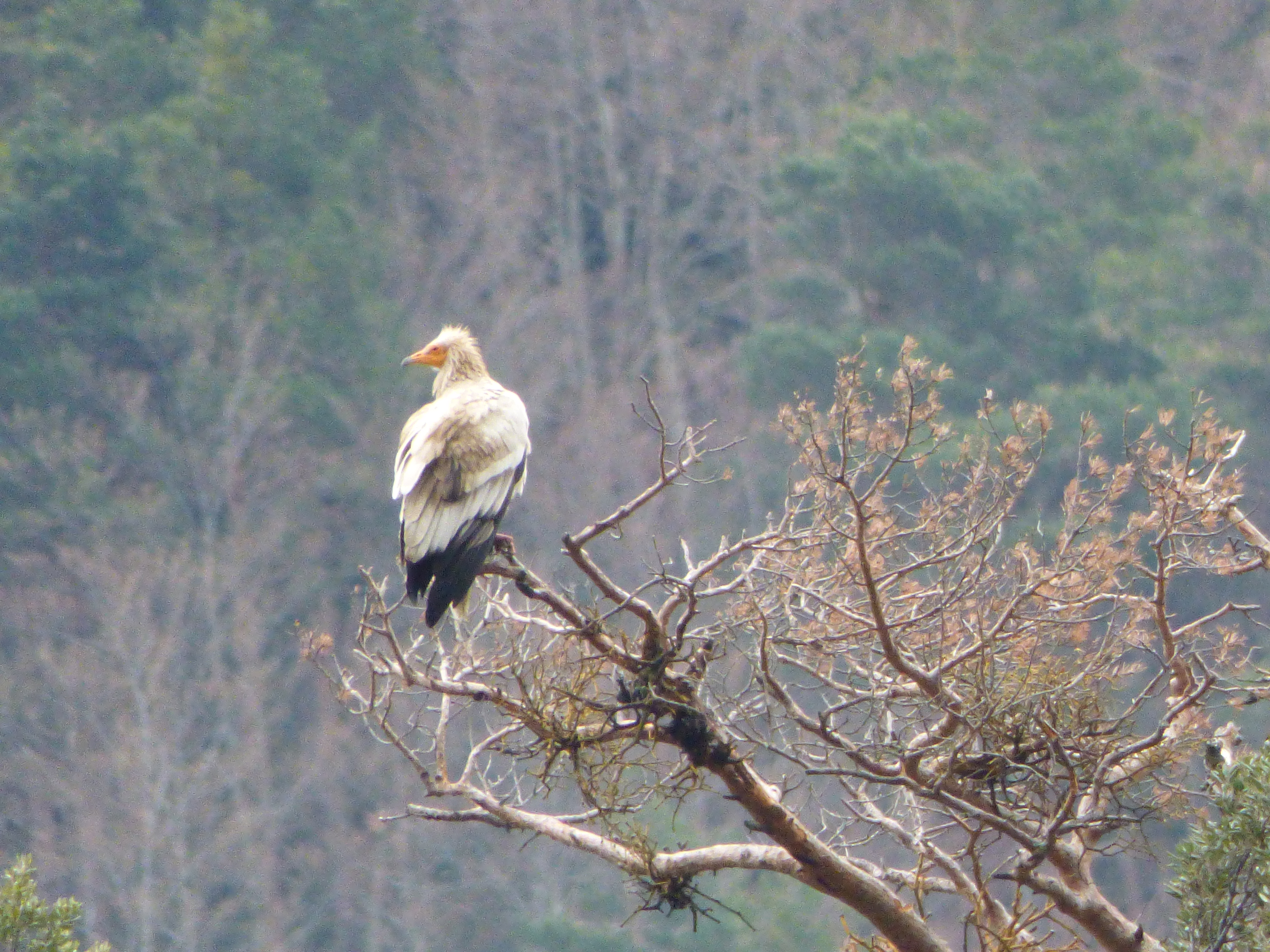
Not really an average sight on Egyptian Vulture (Neophron percnopterus). Image by Carles Oliver

The snow capped mountains and the scenery was absolutely spectacular and we enjoyed taking in the magnificent part of Spain before crossing into France. Soon after entering France we enjoyed some good birding with us getting good views of: Bearded Vulture, Northern Wheatear, Red Kite, Yellowhammer, Water Pipit, Alpine Accentor which put on a wonderful display. We also enjoyed the antics of the Alpine Marmots on the cliffs. We also had spectacular close up views of both Alpine and Red-billed Chough. What a great morning of birding.

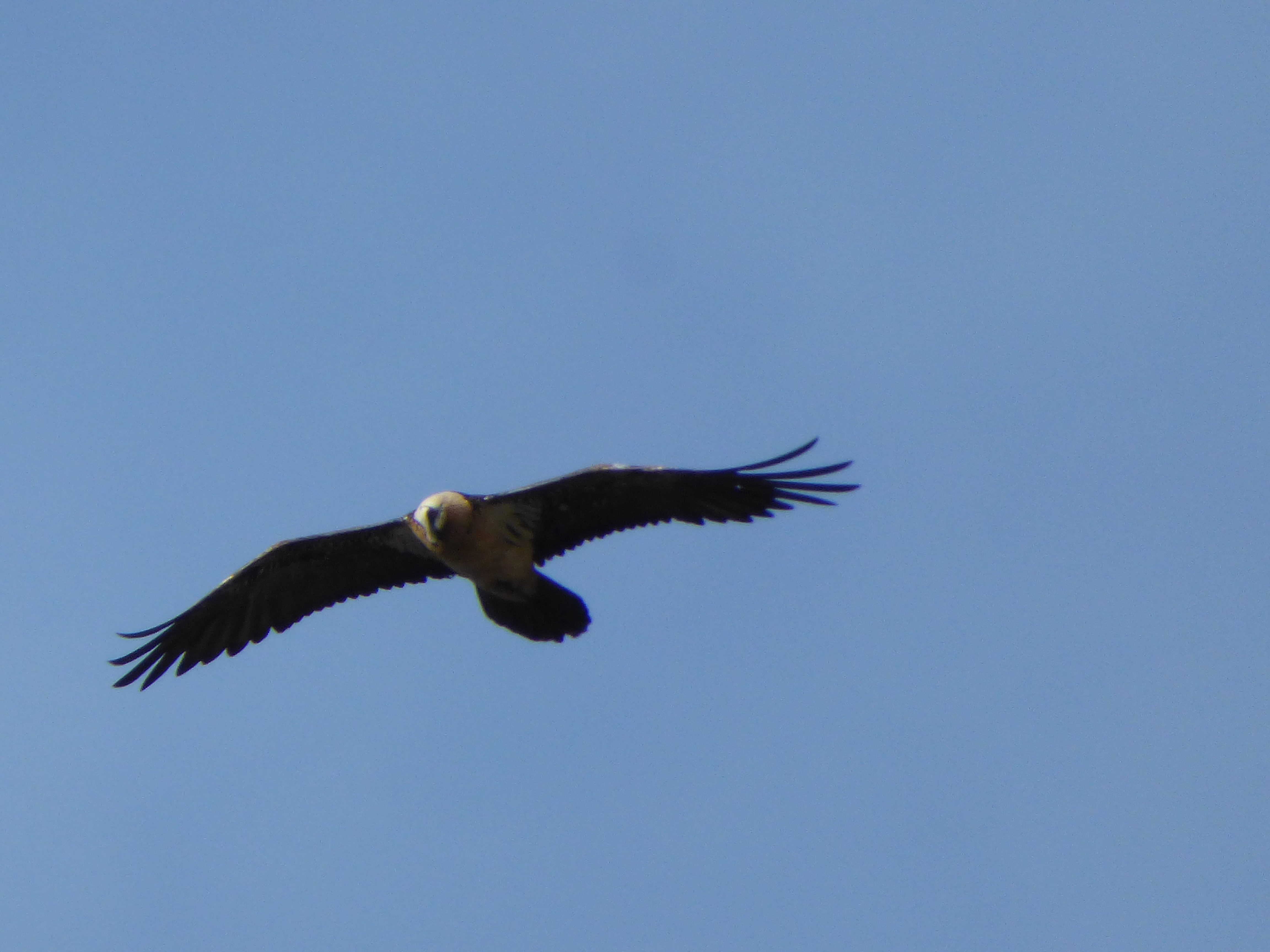
Lammergeier (Gypaetos barbatus) showing superbly during our tour. Image by Carles Oliver

We enjoyed launch overlooking the snow capped mountains and made our way further into France to continue our birding and try for the elusive White-backed Woodpecker- we unfortunately only could hear this bird and could not get any views on the species, we did however enjoy good views of: Ring Ouzel, Tree Pipit, Common Firecrest, Citril Finch– a good bird to see and with exceptional views which made Larry’s day, Eurasian Nuthatch, Coal Tit, Goldcrest and a Song Thrush displaying for us- all in all some good birding. We made our way back up the Pyrenees through the maze of tunnels and into Spain to get to our accommodation in time for a lovely home cooked traditional meal. This is exactly what the group needed and we all had a well deserved nights rest after another good days birding.

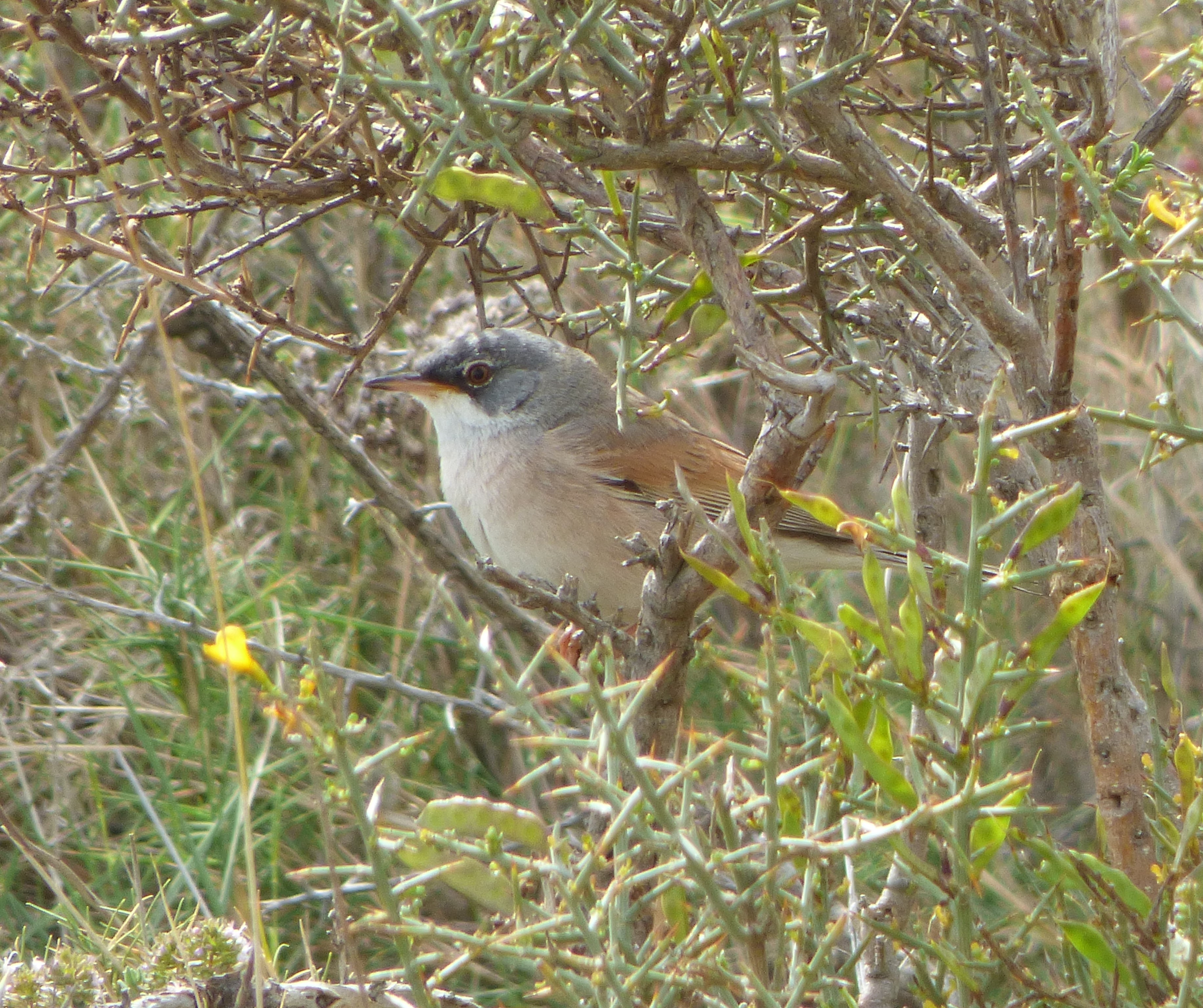
The very scarce and located Spectacled Warbler (Sylvia conscipillata) was really showy in the early afternoon. Image: Carles Oliver


Day 7: Sunday 21 April.                                                   The Pyrenees.

Another early start was on the cards for us in order to get out to the San Juan de La Monastery to try for the elusive Black Woodpecker. A quick walk around our accommodation after our lovely breakfast yielded us good views of Common Rock Sparrow– our first bird for the day and new for the trip. At the monastery luck was on our side and we managed to get several views of the hard to find Black Woodpecker. We also enjoyed very close up views of: Eurasian Treecreeper, Eurasian Crested Tit, Coal Tit and Eurasian Jay.

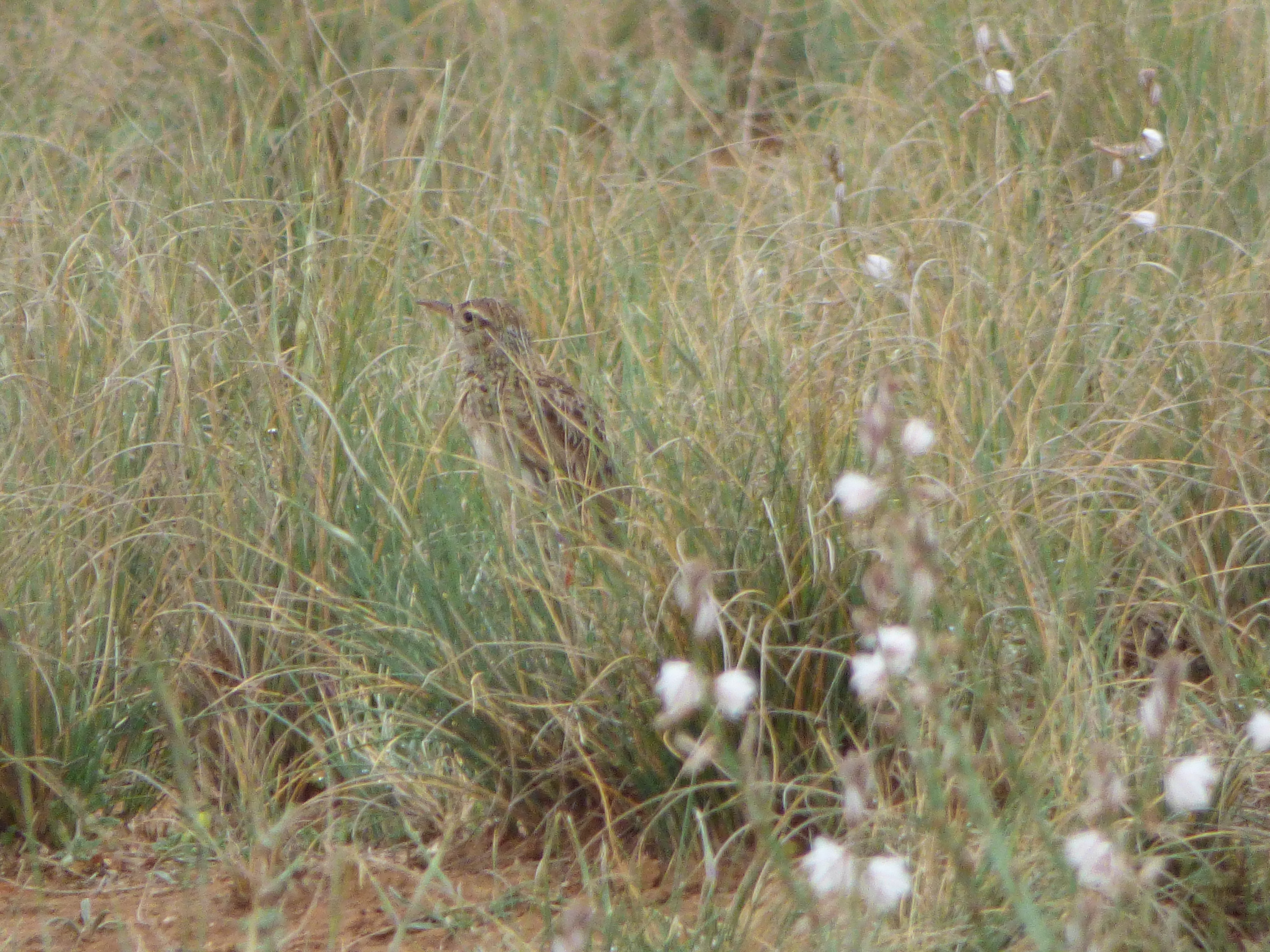
After a long search, we finally managed great looks on this Alpine Accentor (Prunella collaris). Image by Carles Oliver

Despite the rather poor light, Ring Ouzels (Turdus torquatus) gave us great sights up in the Pyrenees. Image by Carles Oliver

We made our way further into the Pyrenees towards Echo valley. Roadside birding included Griffon Vultures, a Booted Eagle being mobbed by a Red Kites and Egyptian Vulture. We headed high up into the mountains to our lunch stop and while having lunch enjoyed great sightings of Dunnock, European Robin and Coal Tit. We birded the area after lunch and had some really good birding with highlights being Citril Finch, Cirl Bunting, White-throated Dipper, Grey Wagtail, Short-toed Treecreeper, Marsh Tit and Common Chiffchaff. We all had some time to relax before dinner and enjoyed another wonderful home cooked meal by our host. The place we are staying is a traditional Spanish farm house that was built in the 1700s and had been tastefully upgraded and gives a lovely warm feel to it. The host is so welcoming and Larry S, Larry A, Pam and I really enjoyed staying here. The warm hospitality and traditional home cooked meals were welcomed and enjoyed by all. We all had a good nights rest after another great days birding in the Pyrenees.


Day 8: Monday 22 April.                                  Lleida Steppes.

We had a slightly earlier start today so we could get into the lower Step areas and Open fields of the lower Pyrenees to target a few birds we had missed. After a lovely home cooked breakfast we said our goodbyes to our wonderful host and headed out. The area in which we started our birding has some of the best Steppes and open grassland in Spain and as soon as we got into the area we had a wonderful sighting of a Short-eared Owl that was perched and proceeded to give us a wonderful fly by- a highlight for all on the tour and a great start.

We enjoyed some good birding with highlights being: Little Owl, Black-eared Wheatear, Calandra Lark, Common Redstart, Tawny Pipit, Whinchat, Thekla, Greater-short Toed and Lesser-short Toed Larks. The hard scan around pay off when we finally got 2 Great Spotted Cuckoos feeding in an open field. We managed to get long and wonderful views on both birds on the ground, but we could not get too much close of them since they were feeding on a sensitive field, nesting ground for Sandgrouses and Larks. After a slight drive and a short coffee stop we stopped along a small stream and enjoyed some more birding with our first views of: Eurasian Golden Oriole, Wood Warbler, Common Nightingale and Alpine Swift. We also had some really good views of Rock Bunting and Cirl Bunting.

Eurasian Eagle Owl (Bubo bubo) in a late evening sight that included some great vocalisation. Image by Carles Oliver

We made our way further south to Fraga, just outside or Lleida and checked into our accommodation for the night. We decided to take a slight afternoon break as tonight we are going to take a night drive and target some of the nocturnal birds in the area. We all deserved the slight bit of downtime and after a slightly earlier dinner went off into the late afternoon and night to see what nocturnal birds we could find. Luck was once again on our side and we had an incredible night drive with us getting great views of Eurasian Eagle-Owl, Western Barn Owl and Eurasian Scops Owl. We were very lucky to get great views of all of these species and it made it an Owltastic day, with us seeing 5 species of owl in the day, that being: Short-eared Owl, Little Owl, Eurasian Eagle-Owl, Western Barn Owl and Eurasian Scops Owl. We all enjoyed a good nites rest after another great days birding.


Day 9: Tuesday 23 April.                                       Lleida to Ebro Delta.

Another early start was on the cards for this morning so we could make our way to the Ebro Delta but still try and connect with a few birds we need in the area. After a lovely breakfast we were soon on the road and heading for the flowing step landscape just outside of Lleida. The break in the rain meant we could try see what birds were active and we had some good sightings with highlights being: Common Nightingale– finally some good views, Eurasian Hobby, Ortolan Bunting, Subalpine Warbler– great views, Great Spotted Woodpecker, Rock Sparrow and improved views of  Eurasian Jay.

Wood Warbler (Phylloscopus sibilatrix) is a scarce migratory bird in Catalonia. Due to a huge irruption, during the tour we enjoyed a good number of them. Image by Carles Oliver

A stop along the nearby stream yielded us with a great sighting of Hawfinch- a difficult and tough bird to see, and we got good views. We soon were back on the road, heading for the Mediterranean coast. A quick lunch stop was enjoyed at a local tapas bar before making our way to a spot to try for Dartford Warbler– luck was on our side and we enjoyed good views on a pair of birds and also got some good views on a Common Whitethroat– the first for the trip. We soon moved onto a local wetland to check for any migrating birds and got rewarded with good views of Wood Warbler, Western Bonelli’s Warbler and Eurasian Tree Sparrow.

We made our way down to the coast and arrived at the Ebro Delta in the late afternoon to some perfect weather conditions and we got treated to some exceptional and exciting birding. We enjoyed views of: Curlew Sandpiper( breeding plumage), Eurasian Oystercatcher, Grey Plover, Slender-billed Gull, Dunlin, Common Shelduck, Garganey, Western Osprey and Bar-tailed Godwit in breeding plumage which was enjoyed by all as no one had seen the bird before in breeding dress.

Curlew Sandpiper (Calidris ferruginea) in almost full summer plomage at Ebro Delta. Image by Carles Oliver

As we left the bay we had the most incredible sightings of Audouin’s Gull, Mediterranean Gull, Black-headed Gull, Slender-billed Gull and Eurasian Curlew all sitting in the open offering excellent photo opportunities and also gave us a chance to compare the different Gills next to each other and therefore learn how to ID them. Both Larry’s enjoyed this opportunity. We made our way to our accommodation close to the Ebro Delta, settled in and had a lovely dinner talking about our great day and completing our lists. We all had a good nites rest after another great day.


Day 10: Wednsday 24 April.                                                  Ebro Delta.

We begun our day once again with an early start and a lovely breakfast and then headed out to explore the Ebro Delta and surrounds for the day. A walk around our accommodation yielded us sightings of Black-crowned Night Heron, Mediterranean Flycatcher (a really good bird to have in Catalonia since is nesting in the islands of the Western Mediterranean), European Pied Flycatcher and Little Bittern. We made our way north into the Delta to the point and had some really good birding with highlights being: Icterine Warbler, Western Yellow Wagtail, Purple Heron, Collared Pratincole and Red-crested Pochard. Unfortunately the wind picked up badly and this halted our birding, we decided to stop for a coffee break and try plan B.

Black-crowned Night Heron (Nycticorac nycticorax), a common nesting heron at Ebro Delta. Image by Carles Oliver

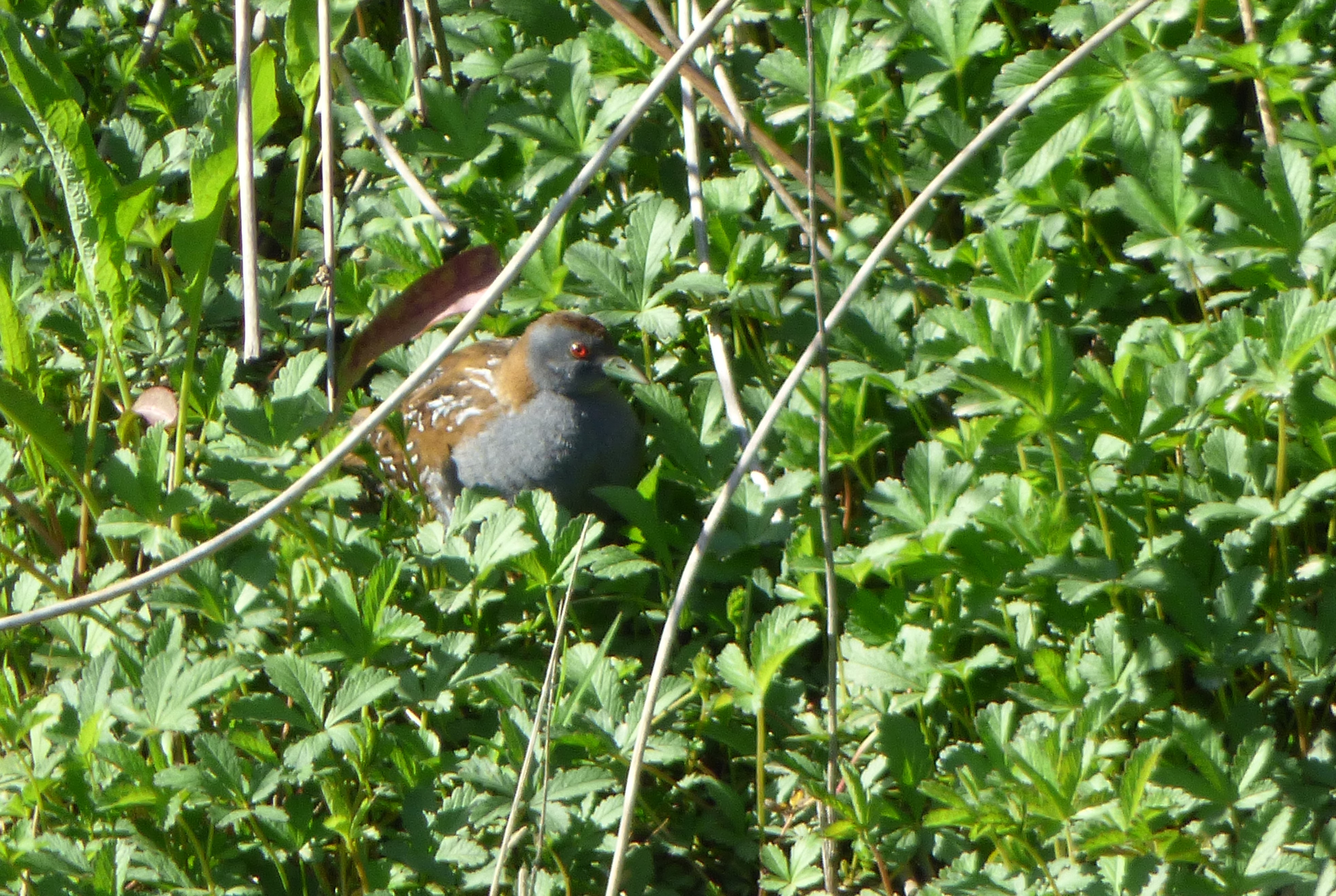
Baillon’s Crake (Porzana pusilla), a wonderful sight close to Ebro Delta! Image by Carles Oliver

We did have some excitement in one of the Subalpine Warblers we saw and photographed as we thought it could have been the recently split- Moltoni’s Warbler but after extensive checking and sending pics to experts we decided that is was a Western Subalpine Warbler. We also enjoyed watching a flock of about 50 Yellow Wagtails in a field close to the car and this gave us a chance to study the different races and we decided we have races from Italy, Iberia, NW Africa and Central Europe all in one spot- interesting stuff which was enjoyed by all but especially Larry S as he could also photograph the birds well. Our plan B kicked into place and we decided to enjoy lunch in a near by hide and boy did this work out as we had some exceptional birding which included: Little Stint, Baillon’s Crake, Spotted Redshank, Ruff, Marsh Sandpiper, Temminck’s Stint, Little Ringed Plover, Common Ringed Plover, Common Snipe and Wood Sandpiper. What a lunch stop!

Ebro Delta is always a guarantee and this time provided with really close views on Collared Pratincoles (Glareola pratincola). Image by Carles Oliver

The biggest surprise of our lunch was the Jack Snipe that showed up and was on display feeding right in front the hide offering exceptional views- this was truly amazing as this is a hard bird to see and to see it so well was amazing. The bird was also a lifer for all on the trip. We decided to take a slight break from the wind before heading out again in the late afternoon. The afternoon was enjoyed coming to grips with the different Gulls and Terns of the area, and we enjoyed the late afternoon watching the terns coming into roost, we enjoyed good sightings of Caspian, Little and Whiskered Terns. We enjoyed a lovely traditional dinner at the lodge while we chatted about the excitimng day and also enjoyed working through our checklists and rounding off another great day. After dinner we enjoyed a slight walk around the accommodation and got good views of the nesting Eurasian Scops Owl.

And this Jack Snipe (Lymnocriptes minimus) was probably the most celebrated bird of the tour. Image by Carles Oliver

Although this Temminck’s Stint (Calidris temminckii) moulting to summer plogame (see the Black center in the wing feathers) was also a hit! Image by Carles Oliver


Day 11: Thursday 25 April.                         Ebro Delta and Tortosa Beseit Natural Park.                                                                                                                      

We started our day once again nice and early with a lovely breakfast before heading out for some birding. The weather looked promising and we enjoyed great views of Black-crowned Night Heron at our accommodation. We made our way into the Delta and had a good sighting of Common Reed Bunting at the local wetland, the species we saw is actually Iberian Reed Bunting, the race is know as Witherbyi and could in the close future become a new split and species so it was really good to get good scope views on this endangered species. Other highlights included: Common Shelduck, Caspian Tern, Eurasian Penduline Tit, Great Reed Warbler and Lesser Black-backed Gull.

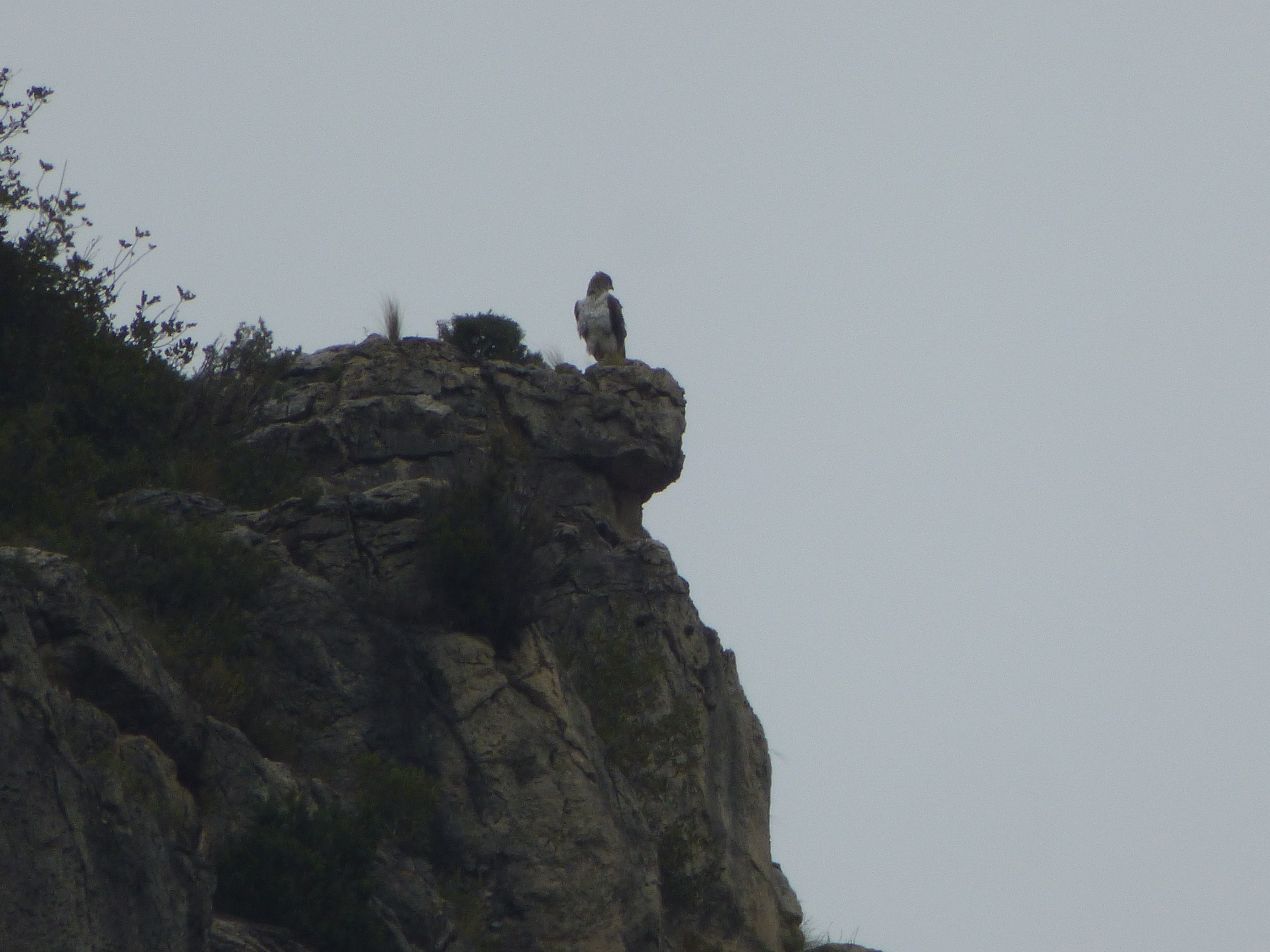
Bonelli’s Eagle (Aquila fasciata) controlling its territory from an advantatged point. Image by Carles Oliver

We made our way off the Delta towards Tortosa Beseit Natural Park to try a spot we know of for Bonelli’s Eagle. Luck was on our side and we arrived at the nesting area and had great views of the pair sitting up on the rocks, we also managed to get great scope views on a chick sitting on a neat nest- wow what a great sighting of this endangered Eagle. We made our way down into the Delta for lunch and had some good road side sightings of Short-toed Snake Eagle and Booted Eagle. Just before we lunch we got lucky and had a Red-footed Falcon fly by us while driving and we managed to relocate the bird and have exceptional views. The bird was flying and hawking insects and also perched close to us. We enjoyed lunch in the field and had our first European Honey Buzzard for the trip fly pass and offer decent views.

Red-footed Falcon (Falco vespertinus), again a scarce migratory bird in Catalonia that we were lucky yo enjoy in Ebro Delta. Image by Carles Oliver

We decided to take a short break before heading out in the afternoon to do some shore birding. Our afternoon birding was a great success with us enjoying some top birding at one of the local hides. Highlights at the hide included: Melodious Warbler, Water Rail, Eurasian Spoonbill, Temminck’s Stint, Marsh Sandpiper, Willow Warbler and fabulous views of the Jack Snipe in-front of us in the open purring on a show. We had a fabulous sunset over the water with the Greater Flamingoes and Pied Avocets offering us great shots as we got the reflections off the water- what an incredible way to spend our last evening on tour. We enjoyed a lovely dinner and chatted about the great day and tour we have had and how it’s sad that it’s already over. We all enjoyed the wine on offer and took a short walk outside to locate the resident Eurasian Scops Owl and we all have good views of the bird on the nest box. We all have a good nites rest after another great day.

Melodious Warbler (Hyppolais polyglotta) showed really in Ebro Delta along with its much scarcer relative Icterine Warbler (Hyppolais icterina). Image by Carles Oliver

Eurasian Scops Owl (Otus scops) provided with great sights in our accommodation at Ebro Delta. Image by Carles Oliver


Day 12: Friday 26 April.                             Ebro Delta to Barcelona via Llobregat Delta.                                                                                                                     

Our final day of the tour started with a lovely breakfast and a walk around our accommodation. The weather was juts perfect for our last day and our walk after breakfast rewarded us with great views of a Garden Warbler which was new for the trip. We were soon on the road and made a short stop along the coast to scan for sea birds and this rewarded us with scope views of a Mediterranean Storm Petrel, closer to the shore we enjoyed views of Lesser Black-backed Gull and a European Shag sitting on the rocks giving us wonderful views.

Mediterranean Shag (Phalacrocorax aristotelis desmarestii), a splitable race to take in count. Image by Carles Oliver

Soon we were back on the road towards Barcelona and the Llobregat Delta to see what we could find. We decided to bypass Barcelona and spend some time at the Llobregat Delta before ending the trip later in the afternoon in Barcelona. A stragic stop just outside of the Llobregat Delta rewarded us with good sightings of a pair of Iberian Green Woodpeckers; we got some really good views of these birds. We also enjoyed views of Monk and Rose-ringed Parakeet. Larry S took some time to enjoy and photograph the Common Swifts flying over head. We moved onto the Delta to enjoy our lunch in one of the bird hides. This worked our really well and we enjoyed some good views of: Northern Shoveler, Garganey, Collared Pratincole, Ferruginous Duck, Common Shelduck, Ruff, Common Greenshank and Common Redshank. What a way to enjoy our final lunch of the tour. We then knew we had to make our way into the hussel and bussel of Barcelona City to get to our hotel for the night.

After negotiating the Barcelona traffic we made it to our hotel in the city center and it was time to say our goodbyes after an incredible birding trip through the country of Spain. It’s always sad saying bye to lovely guests like Larry S, Pam and Larry A and it’s was an end to an incredible tour. We had a great time together, the trip was enjoyed by all and I had a great time. Our goodbyes were said and it’s always rewarding to have guests say they loved the tour and will back with us again. I would like to thank Larry S, Pam and Larry A for a wonderful trip, for the Enthusiasm, patience and all the laughs and good times we enjoyed.

And this was the end of the trip. Please contact us for more birding in Spain and other countries by info@barcelonabirdingpoint.com or visit our website with plenty of information about, http://www.barcelonabirdingpoint.com


Red-footed Falcon & Icterine Warbler influx in Catalonia

Between 15th May and 25th May we have had a huge influx of both Red-footed Falcons and Icterine Warblers in Catalonia. Both species are scarce migratory birds in spring, mainly in mid May. Influxes of both species are likely to occur when West winds dominate the Mediterranean, diverting some birds from their natural migratory routes throughout Italy.

Still, these days we haven’t had any special West winds in the Mediterranean but a rather dominant North wind that has been unusually strong, specially in mid spring.

Red-footed Falcon & Icterine Warbler irruption

The different Ornitho networks have ellaborated these maps showing the influx of both RF Falcons & Icterine Warblers. Source: ornitho.cat

Numbers of Red-footed Falcon kept more or less into normal parameters until 15th May, when some big flocks started to appeared in the country, especially in the North (near the French border) and in the West (steppe lands). Still, after 17th some really big flocks have been recorded in the steppes (over 100 individuals in Plans de Sió, Lleida) and several individuals and even small flocks have been recorded out of the normal localities for them (Llobregat Delta and other localities around Barcelona itself).

At the same time, a big influx of Icterine Warbler was noticable from 19th May, with tens of individuals singing along the Catalan coast, many of them inside Barcelona itself (over 16 males singing in Motnjuïc in 20th May) and Llobregat Delta (>6 males) as well as other localities around. Still yesterday a minimum of 3 males where singing in one of the Llobregat Delta Natural Reserves, allowing wonderful sights of the birds!

Icterine Warbler

Icterine Warbler (Hippolais icterina) at Montjuïc. Image: Daniel Roca